I have created this site to help people have fun in the kitchen. I write about enjoying life both in and out of my kitchen. Life is short! Make the most of it and enjoy!
One of the many pleasures of travel is finding new places to eat. There are always good restaurants and places to eat, everywhere we go Good food is appreciated all over the world, and comes in so many delicious opportunities and styles. be adventurous and dine like the locals do. One of our good restaurant finds was at The Harlequin in St. Lawrence Gap.
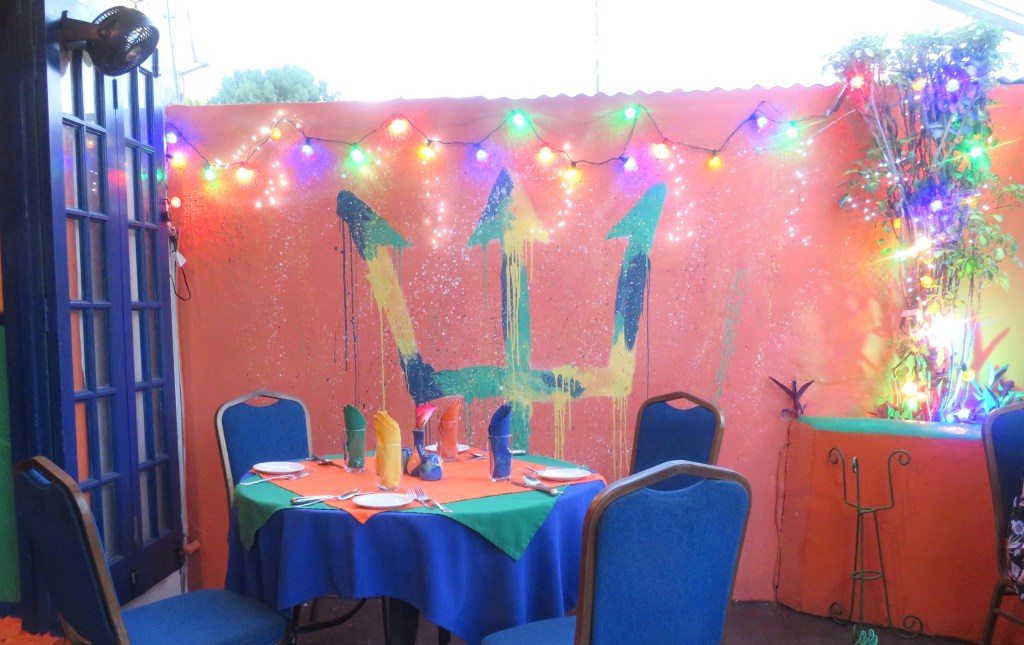
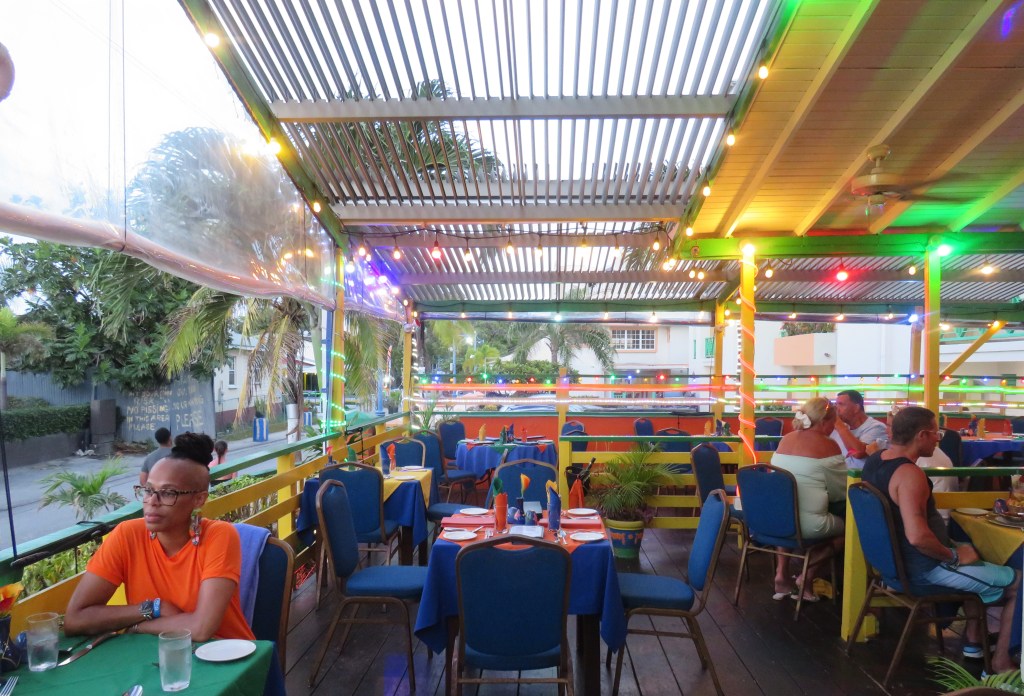
We were strolling around, looking for a place to dine, and the bright, colorful lights caught my eye. The food just deliciously spoke to us, and the staff was very friendly and fun. We took the long way to the restaurant, unbeknownst to us at the time. We drove around and found it, but in reality, we could have walked across the grounds of our hotel. We didn’t learn this until after the fact though. 🙂
The food was good Creole style food, just like what we would find in New Orleans. We did what we normally do when trying a new place. We ordered some appetizers and shared a meal between us. We started off with a dark and stormy rum drink. I love these. 🙂
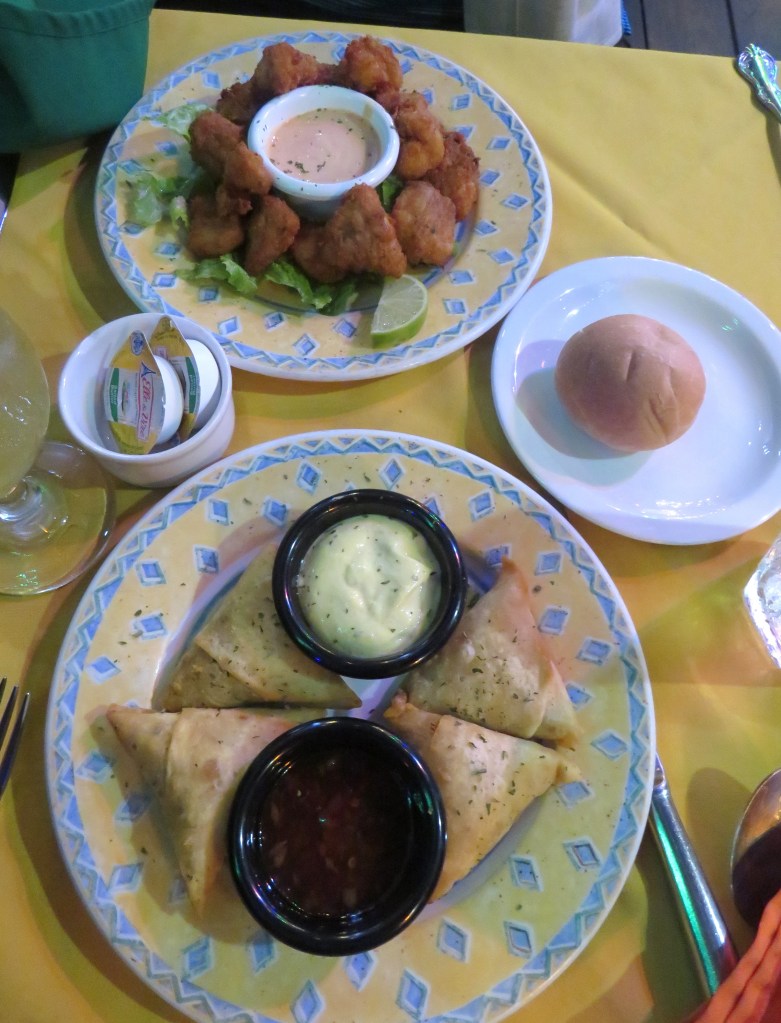
Then came some fish cakes and chicken samosas.
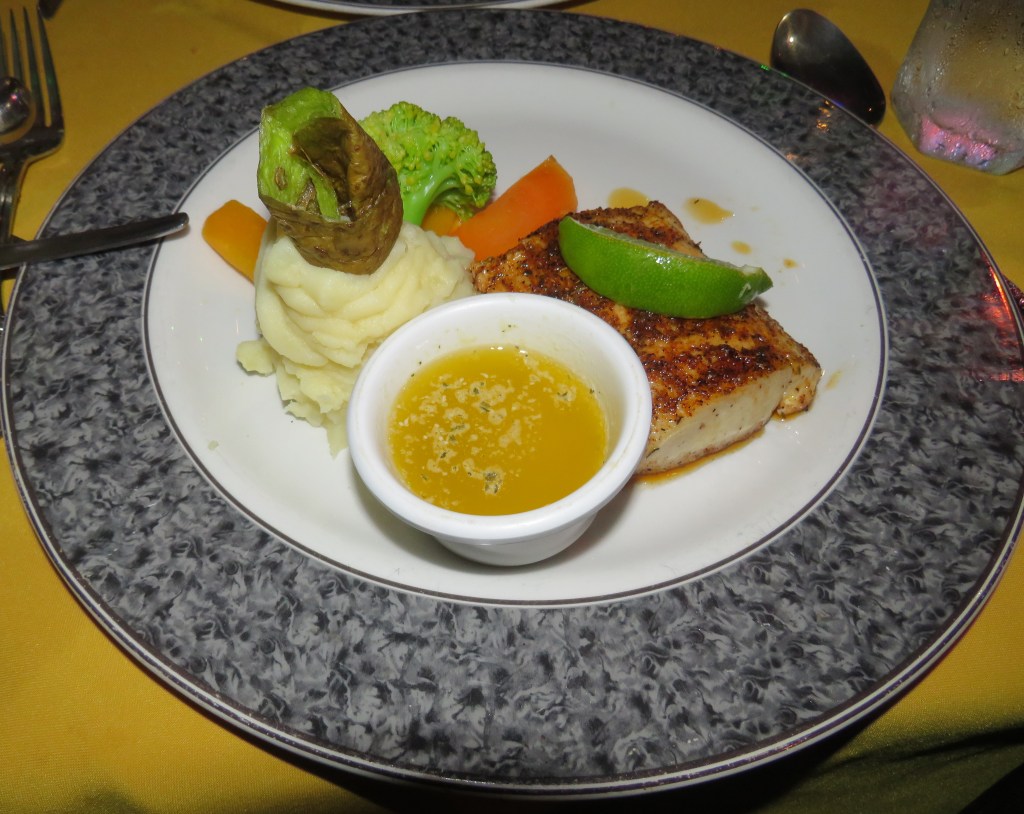
Followed by some blackened kingfish. DELICIOUS!
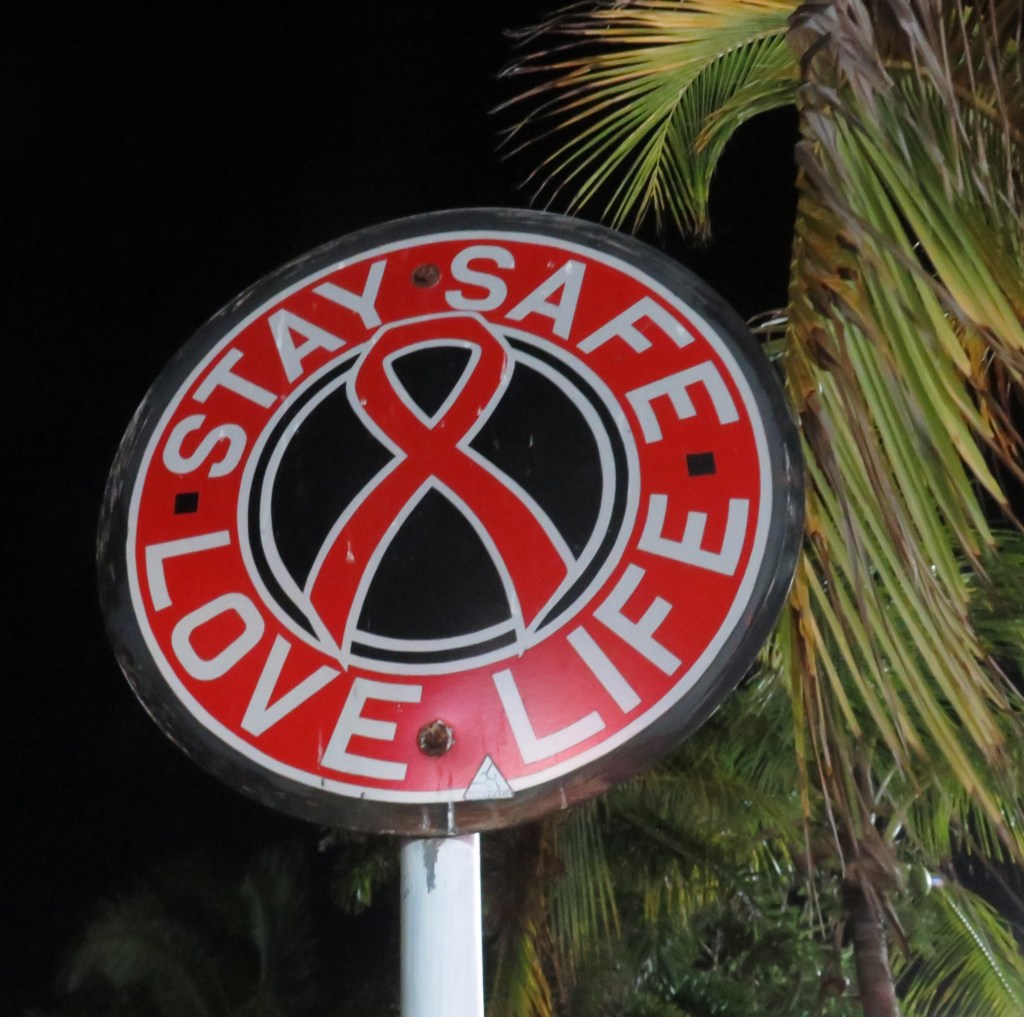
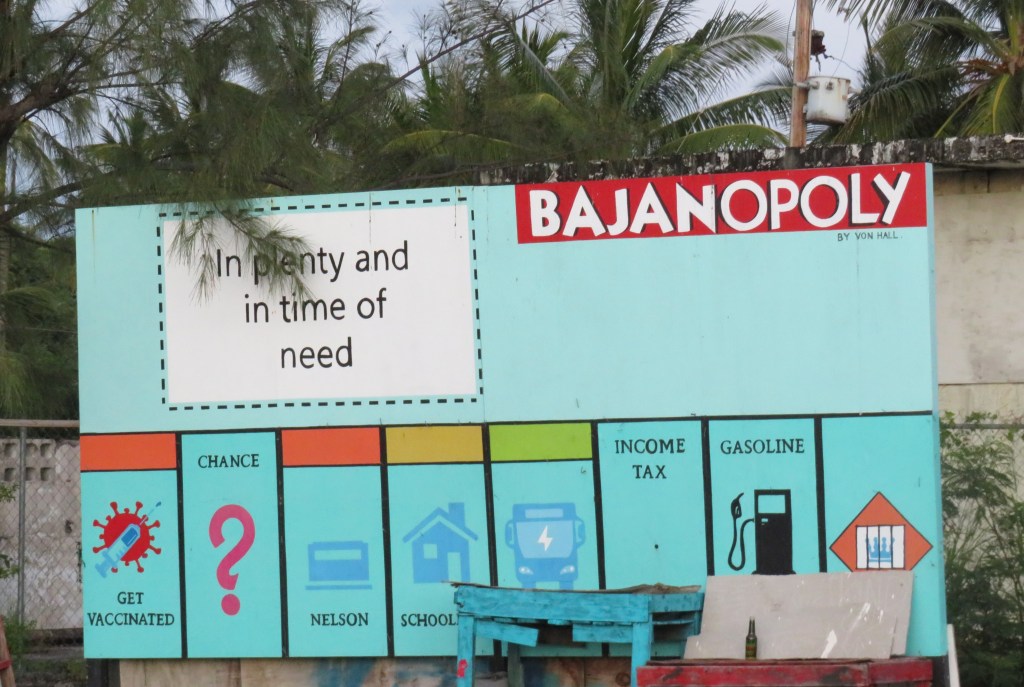
As we were waiting for our food I was busy taking pictures of some of the nearby signs.
This one had me in stitches.
We loved Harlequin. I wish we had a chance to go back again. Next time.
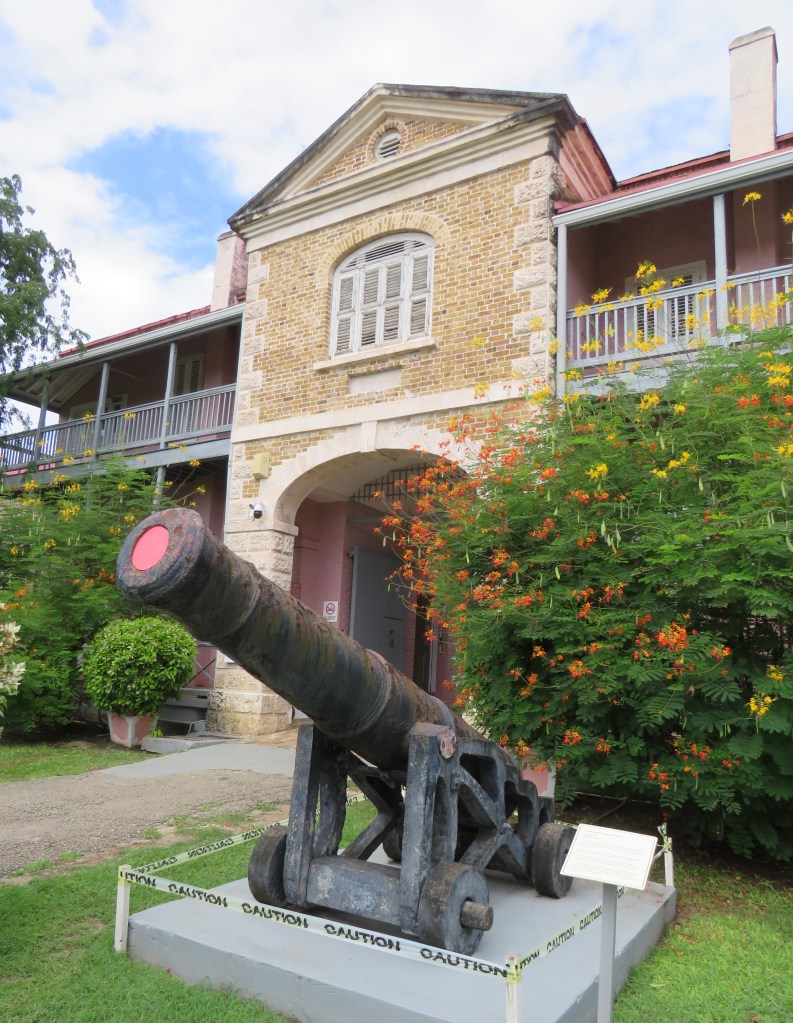
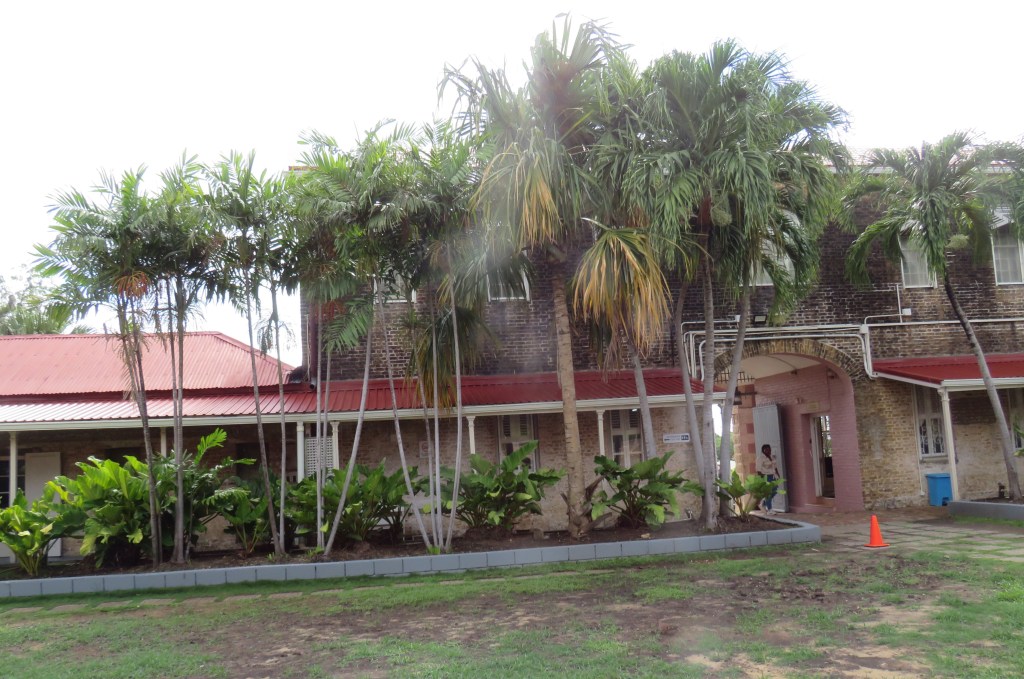
I dived (yes, that is really the way it is said) almost everyday while in Barbados. Larry did not. I only took 2 days off from diving, and those are the days we did a lot of the driving and sightseeing for things that were further away from where we were staying and needed more time to explore. But I was done diving by about 1:30, then a quick shower and change, and we were off and running again. We did a lot of things after diving too. One of those activities was to visit the Barbados Museum, which ironically is located in the old military prison. We tend to visit a lot of military forts and prisons on our travels.
The museum was filled with interesting history and artifacts about Barbados history. We learned a lot and it was very informative. The only issue we had with it though, was that it was oppressively hot. It was hotter inside than it was outside, and believe me, that is saying a lot.
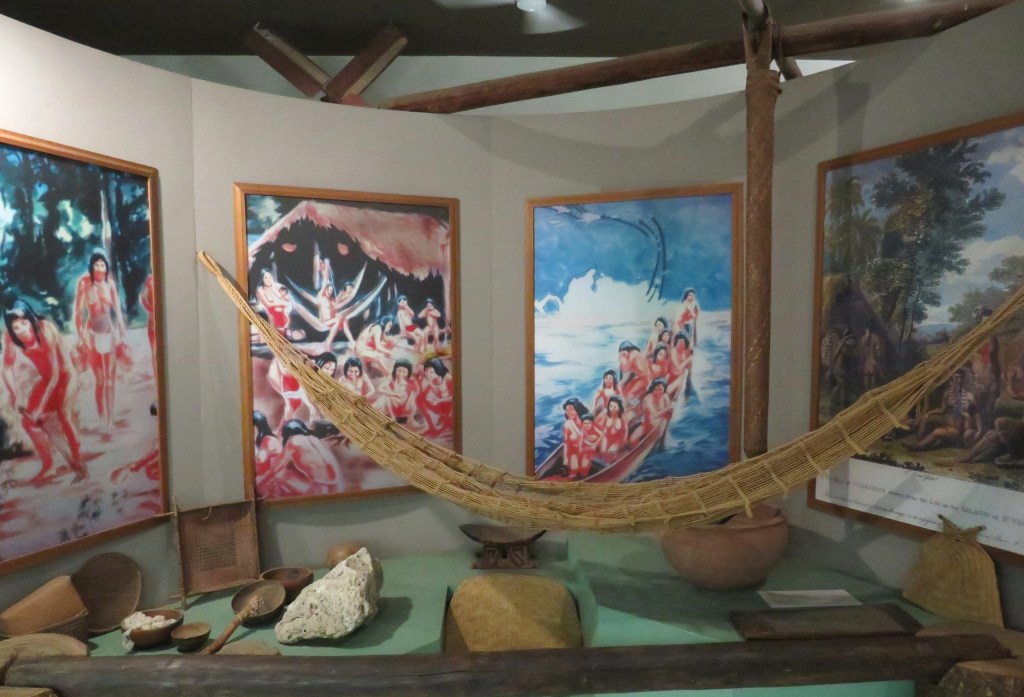
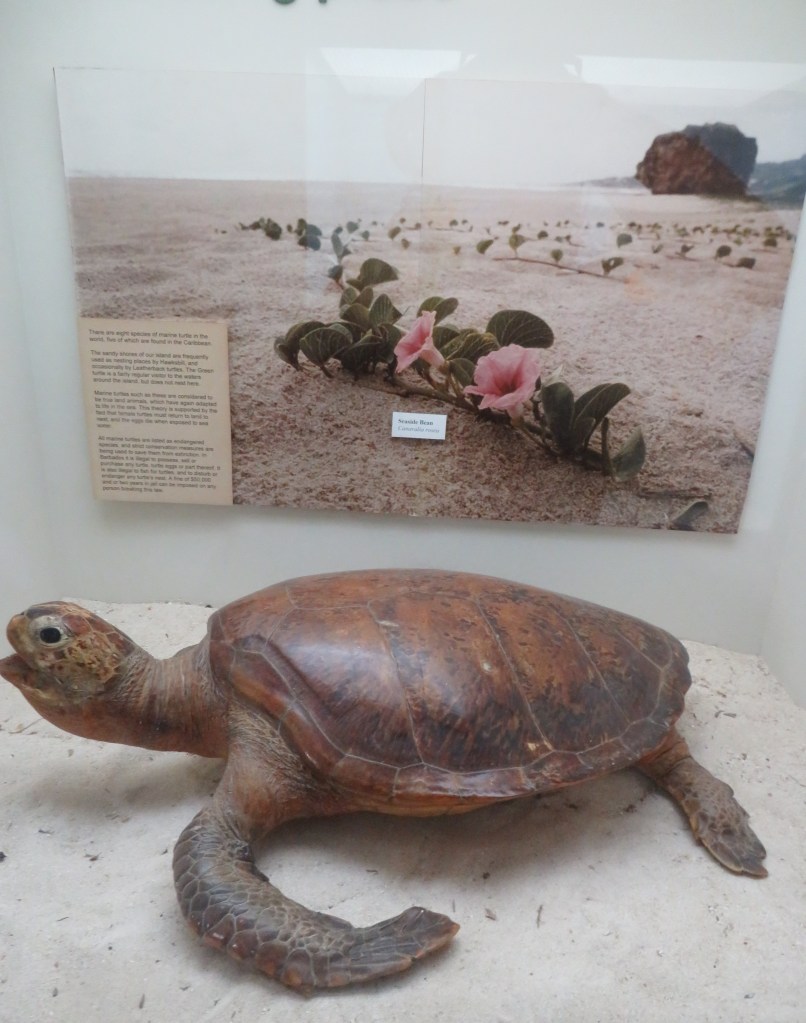
Life for early Barbadans.
The sea is obviously a very important part of the life for Barbadans, both then and now.
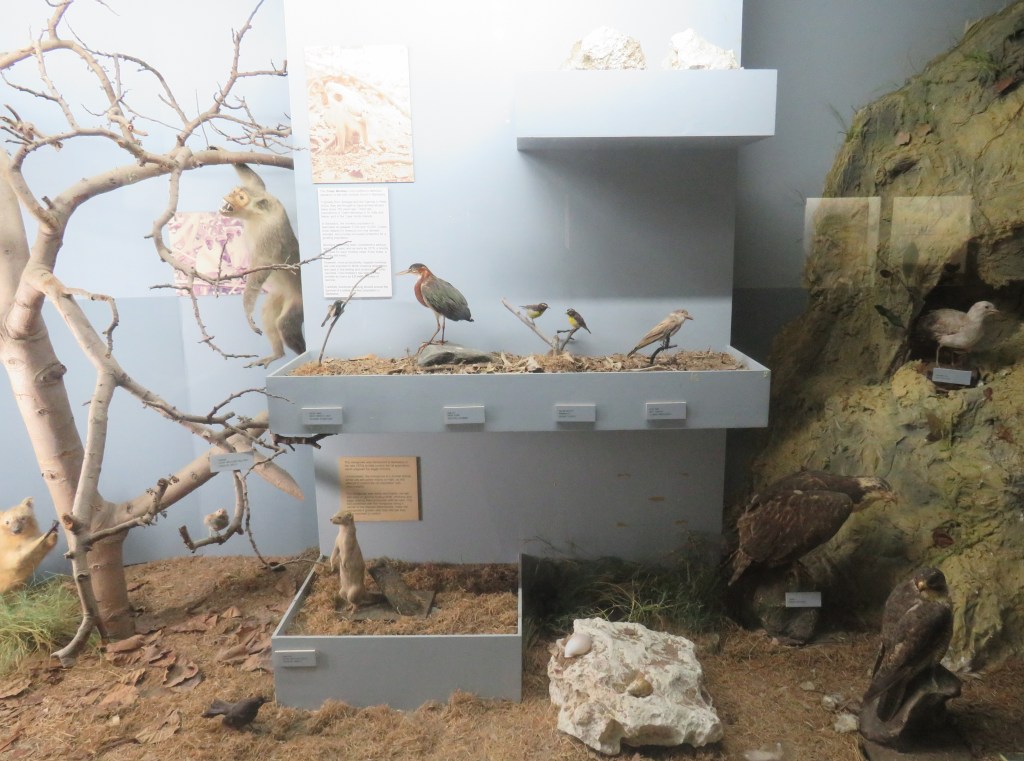
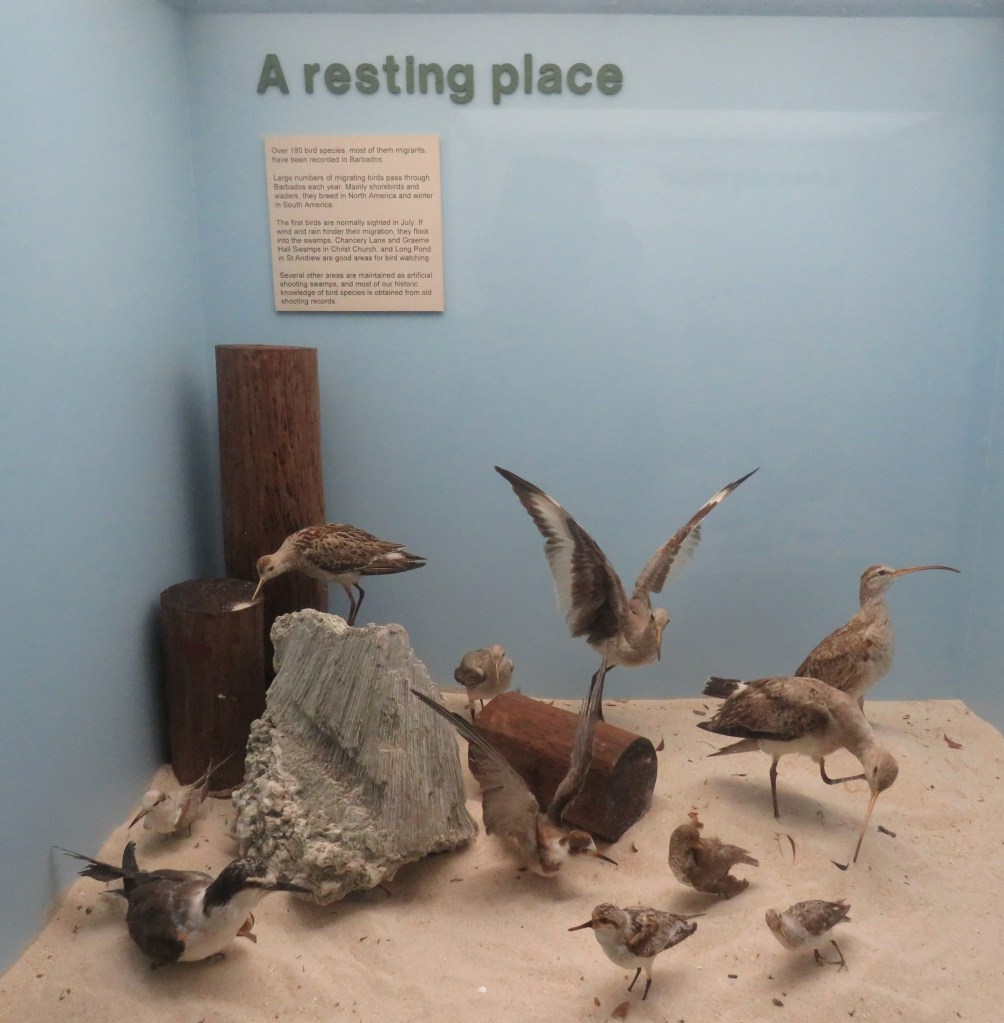
But there are so many other things that are significant to the Barbadans as well, like the wildlife and the birds.
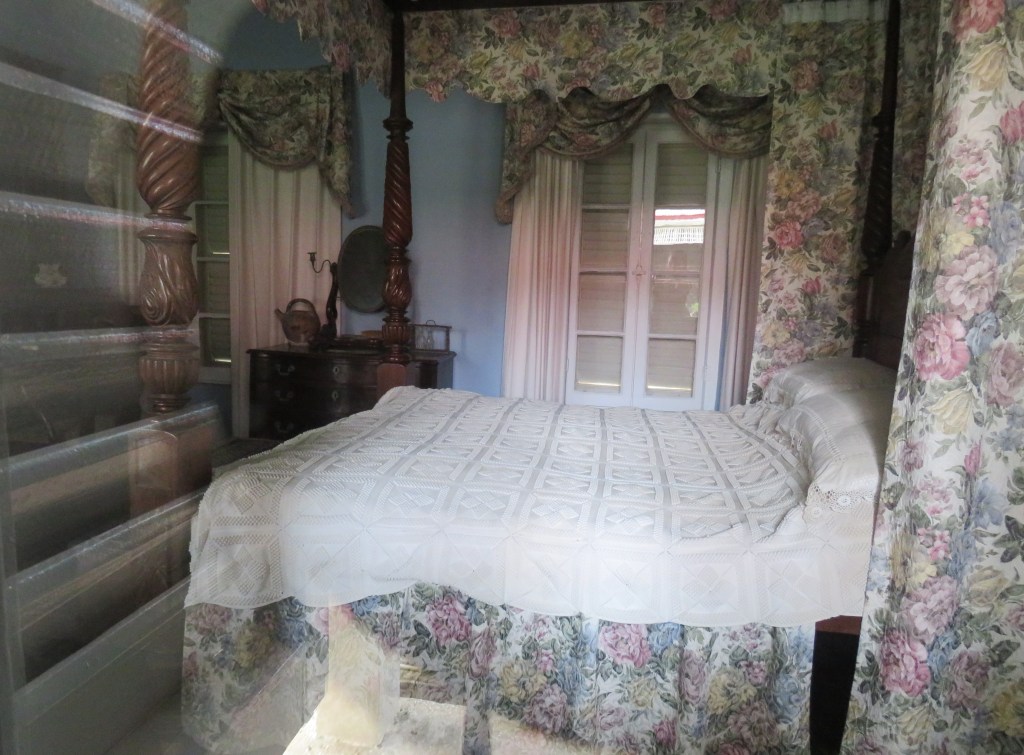
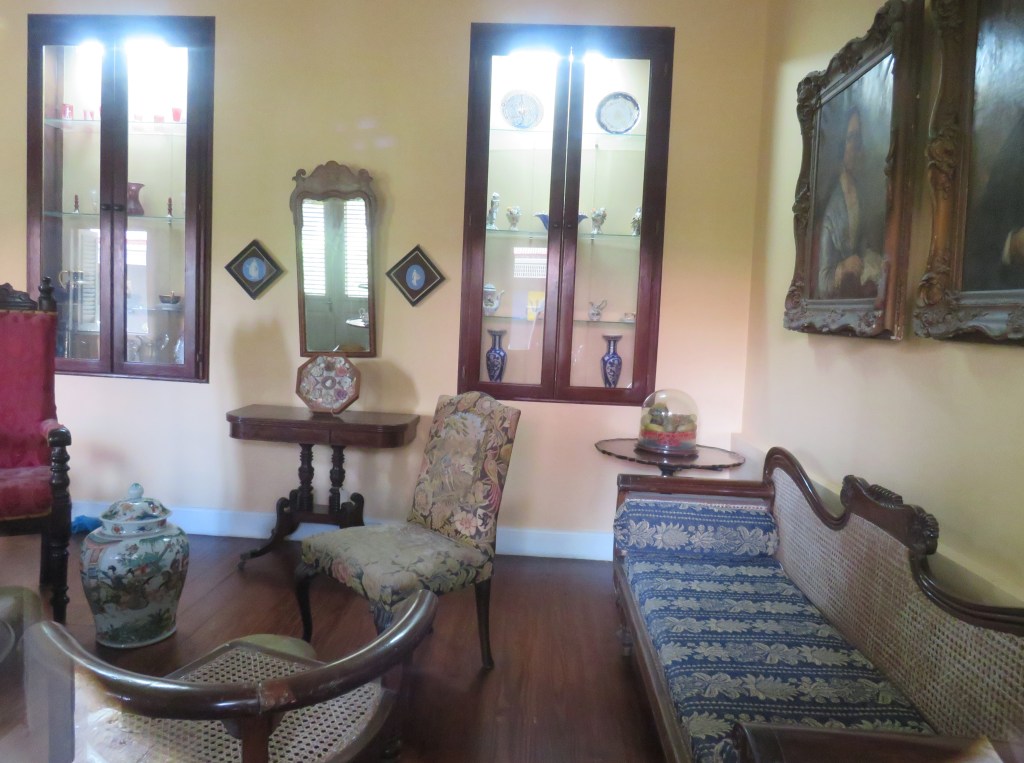
And the lifestyles influenced by the Europeans.
We already know how important rum is to the island.
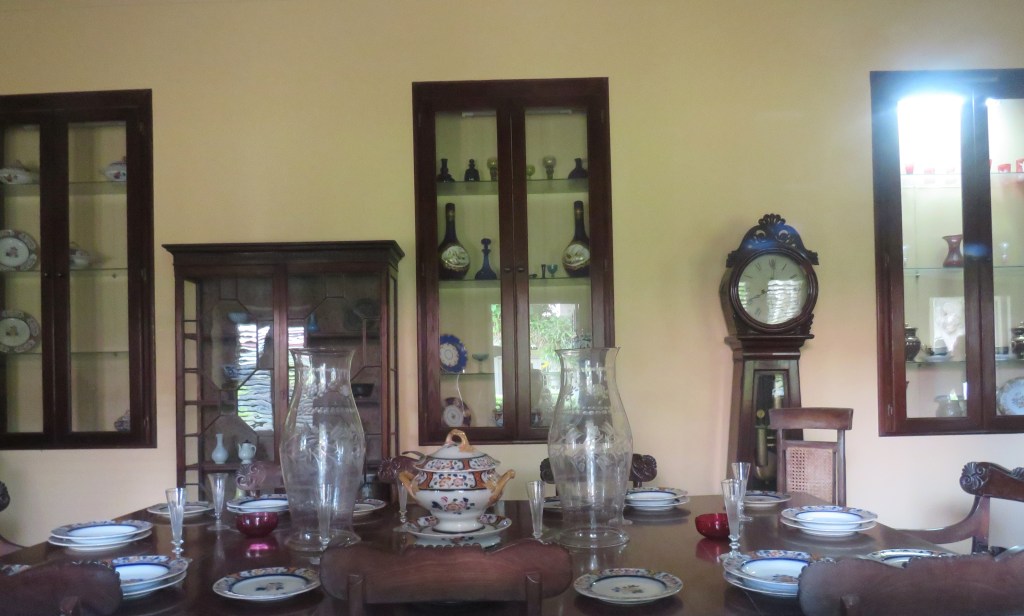
Rich mahogany is also an important product from the island. It was used to construct a lot of furniture and decorative additions.
Cricket is the national sport of Barbados.
But one of the most important aspects of life in Barbados, is the ongoing fight for their freedom.
This statue was not in the museum, but it is definitely a symbol of their fight for freedom. It was on the main highway going up north.
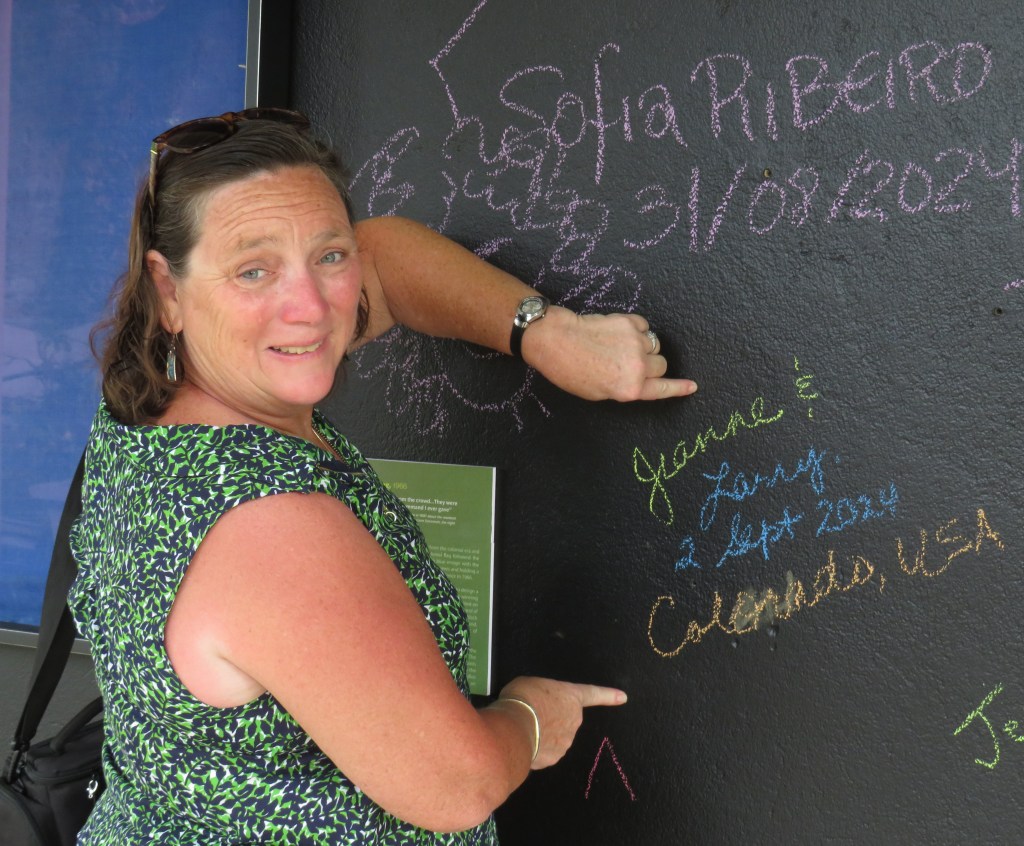
We signed the wall letting everyone know that we were there too.
The Barbados Museum, like everything else we experienced on the island, was well done, very interesting and very informative.
While we were up at the Mount Gay Rum Distillery, we decided to venture on to the Barbados Wildlife Reserve too. We wanted to go anyway, but they were so close together, that it just made it easy to do them both on the same day.
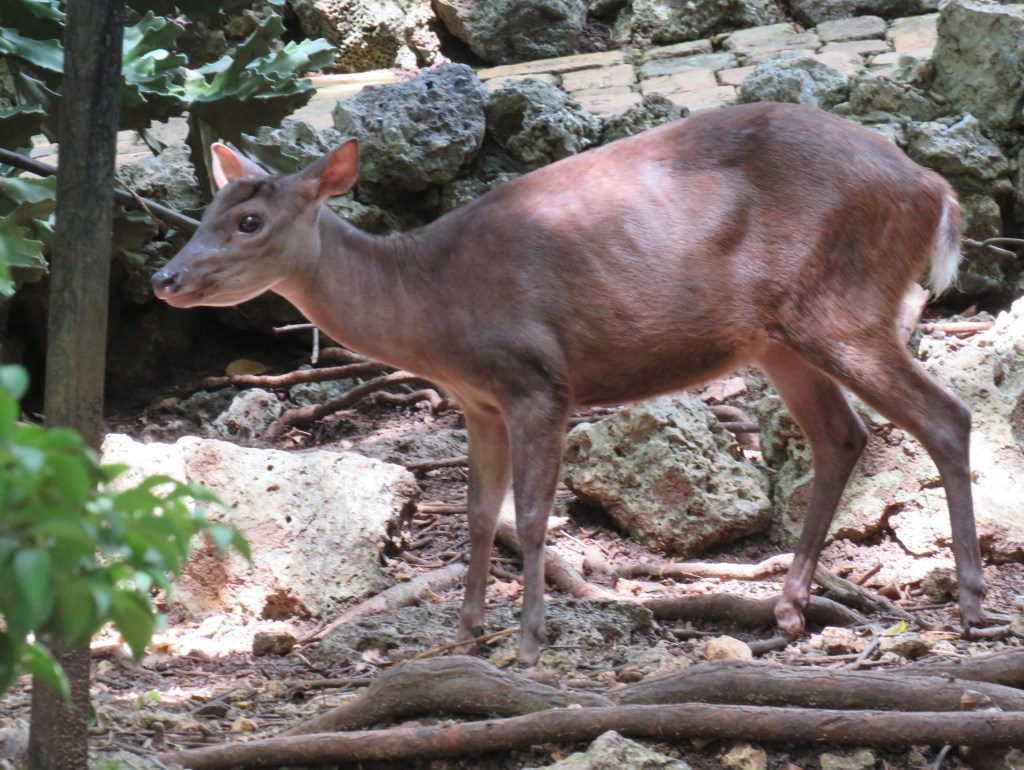
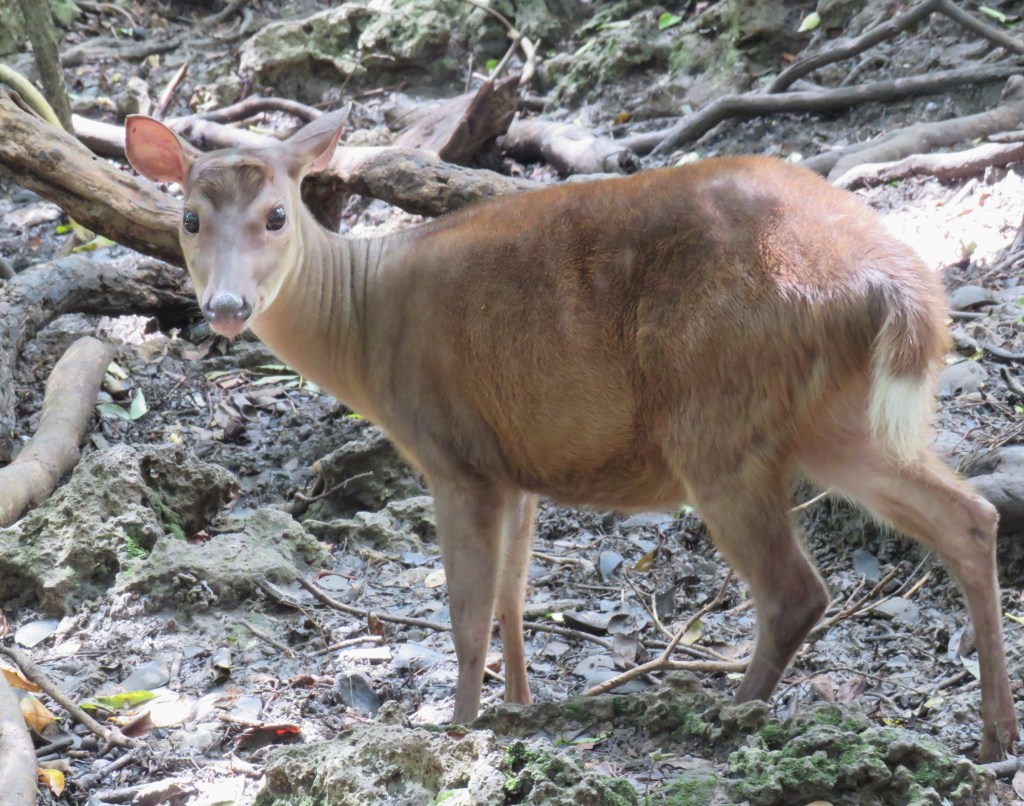
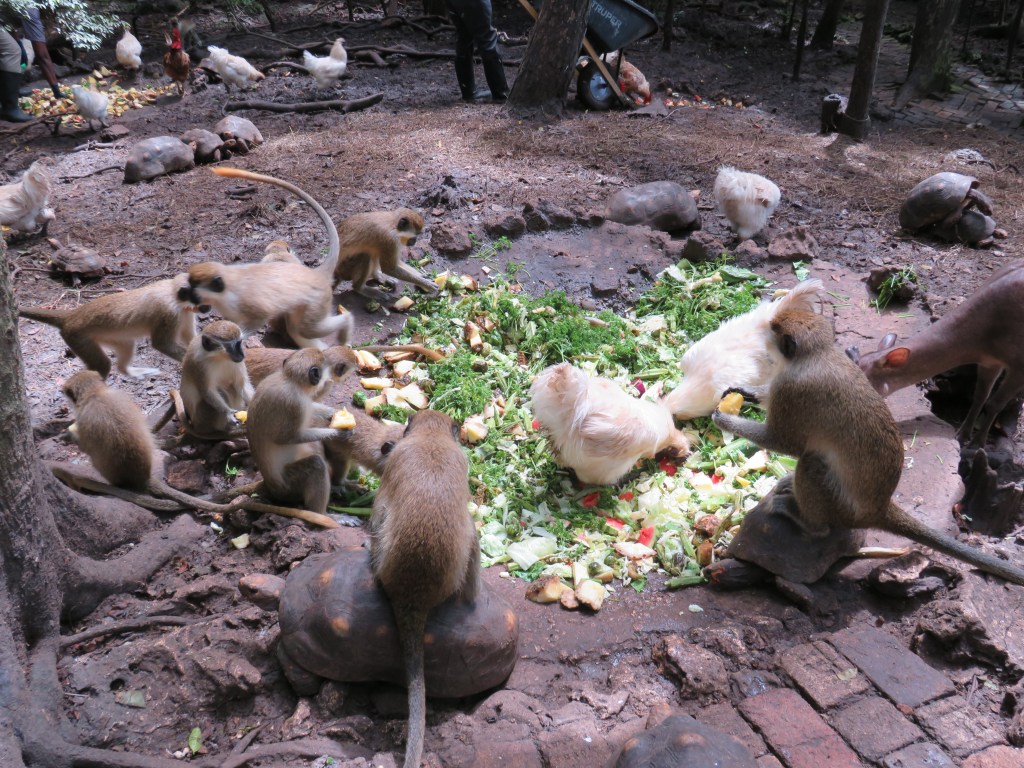
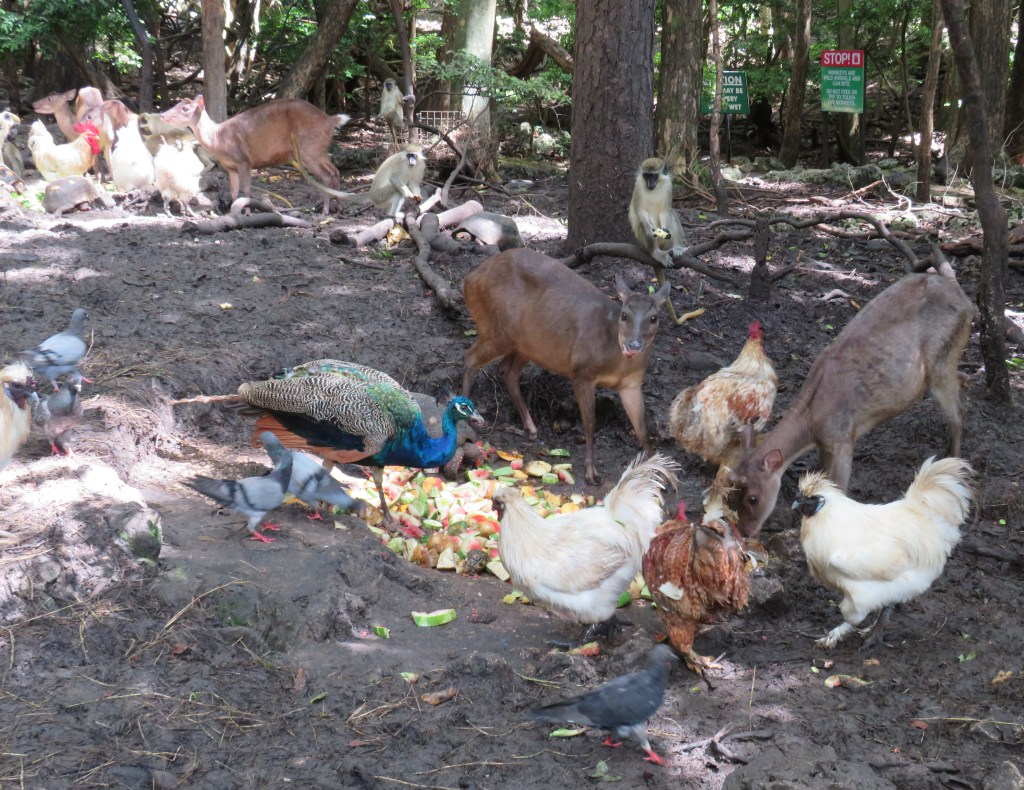
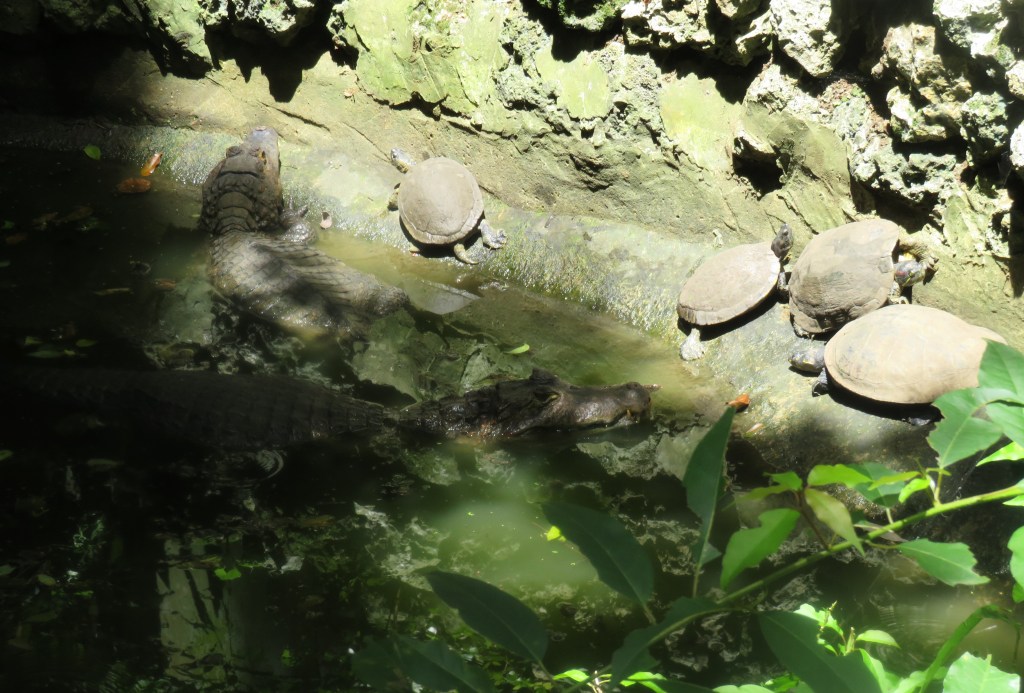
We saw all kinds of animals, native to the Caribbean islands and Barbados. There were, green monkeys, originally from Africa; tortoises; goats, peacocks, chickens and brocket deer, that all roamed the grounds freely. They also had some caimans penned up in their watering area, along with some large iguanas from Cuba, some guinea fowl, tropical birds of all colors and kinds, and even a couple of snakes, that I quickly bypassed.
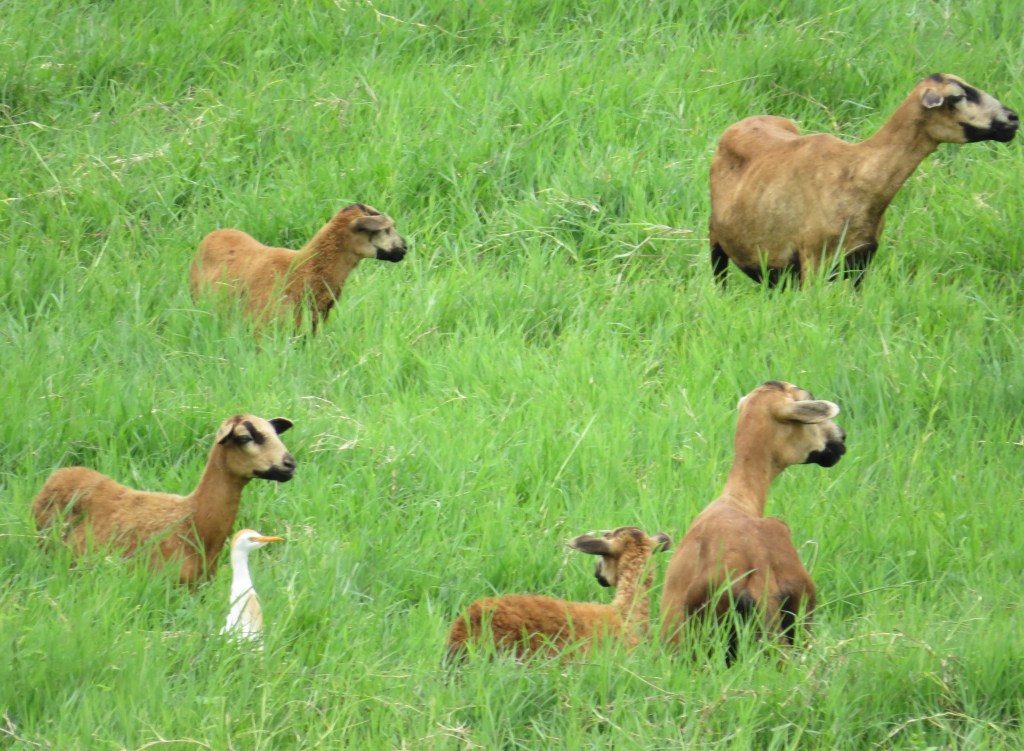
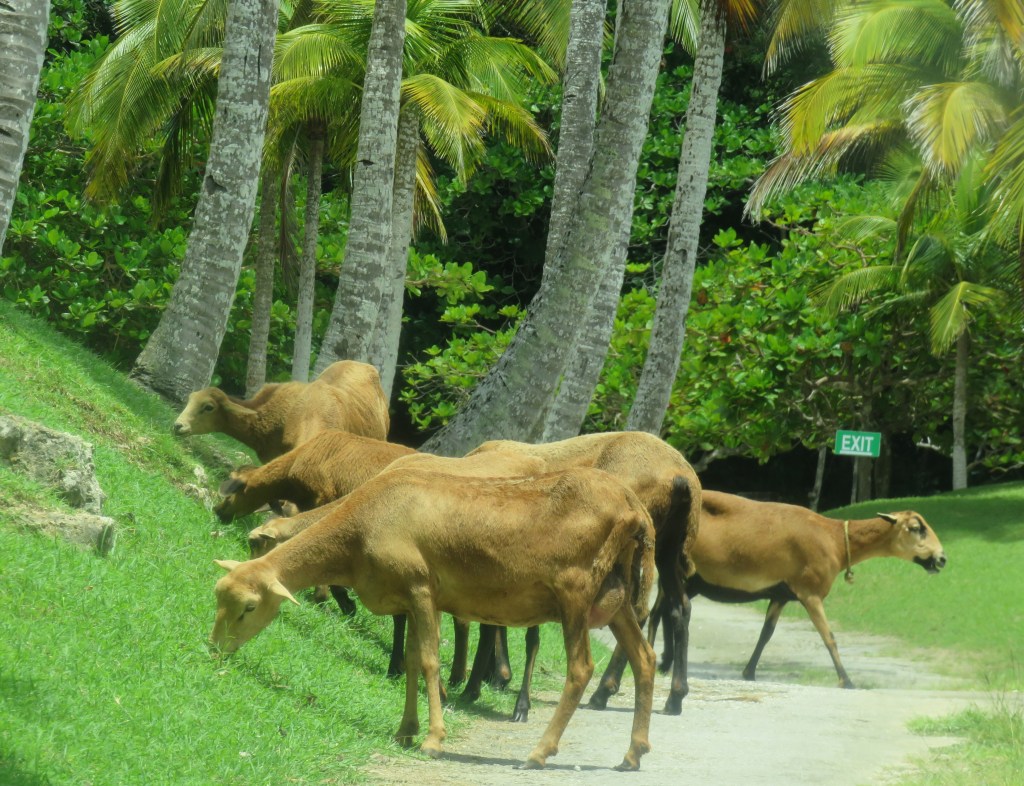
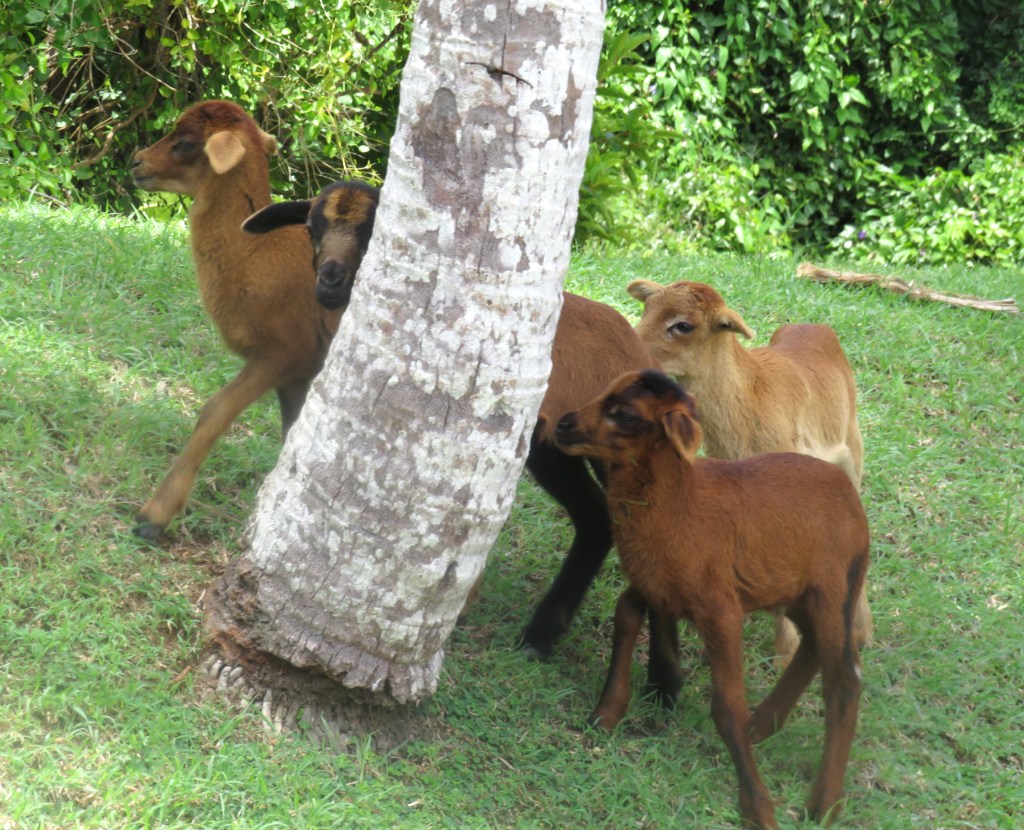
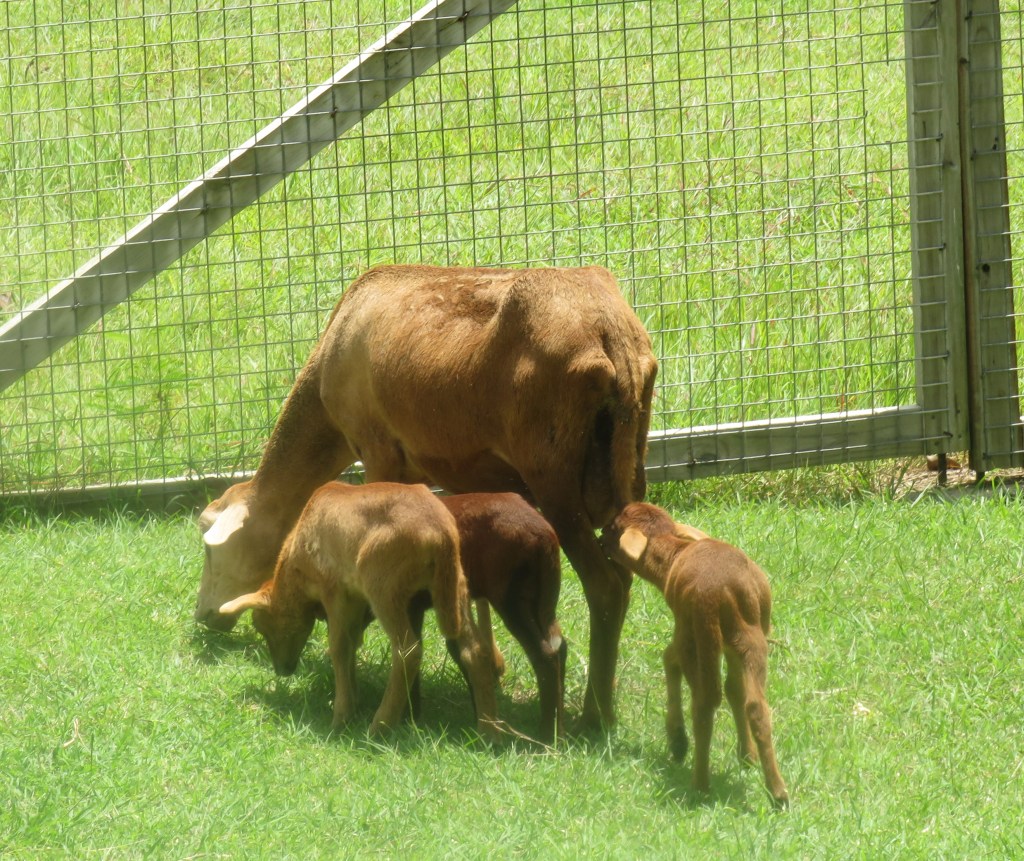
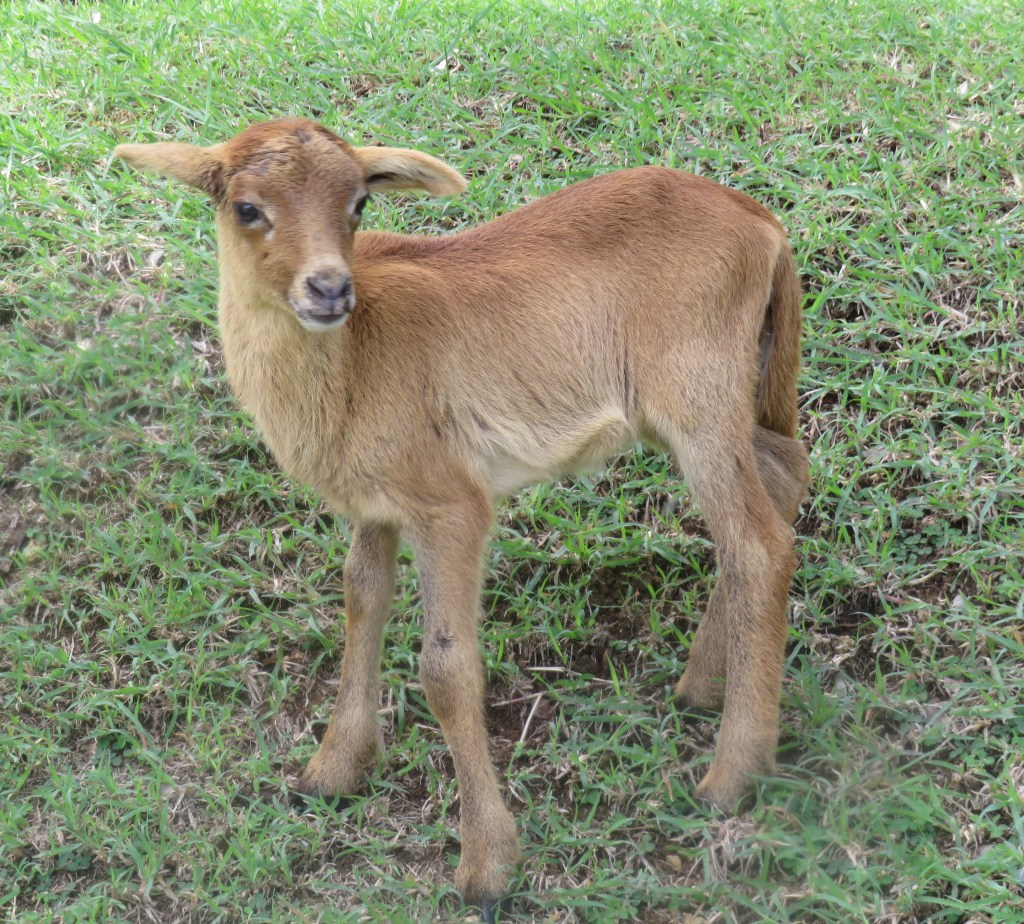
The goats were outside the gates. I think they were privately owned, but they all looked very happy, and loved the camera.
Lots of babies too.
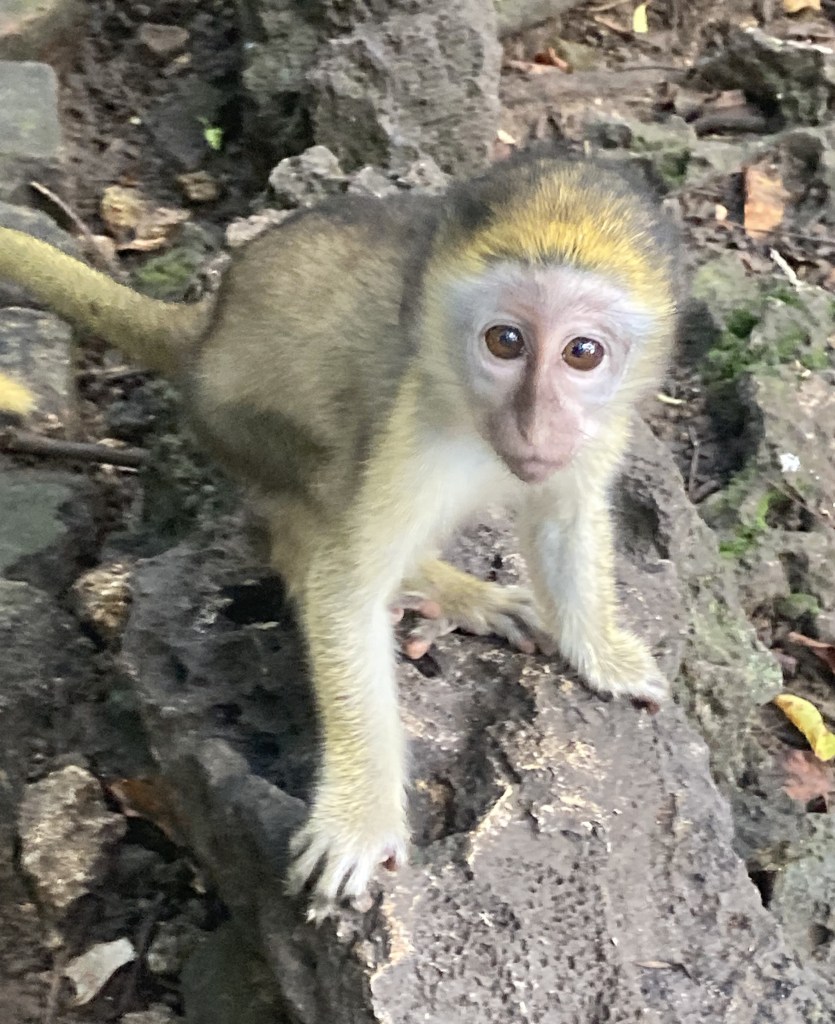
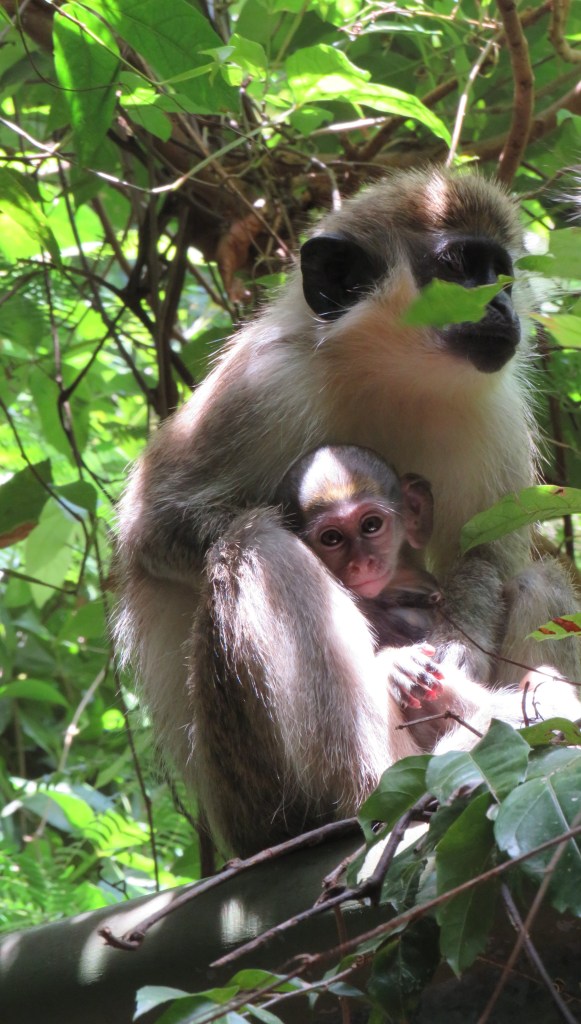
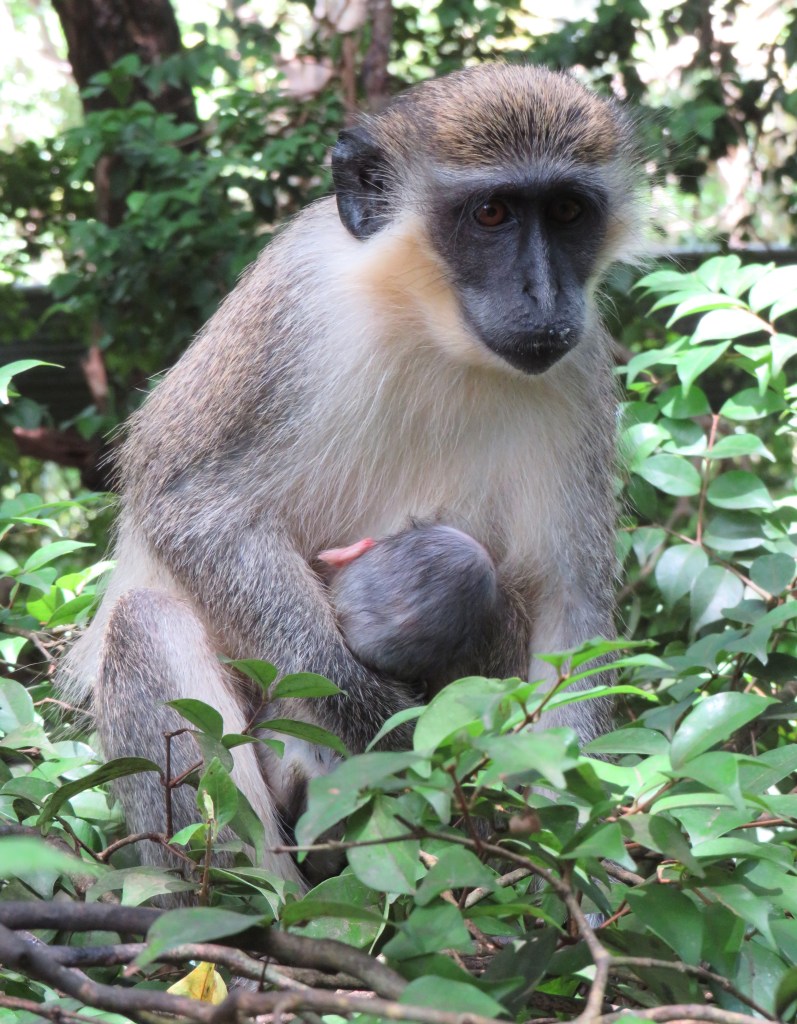
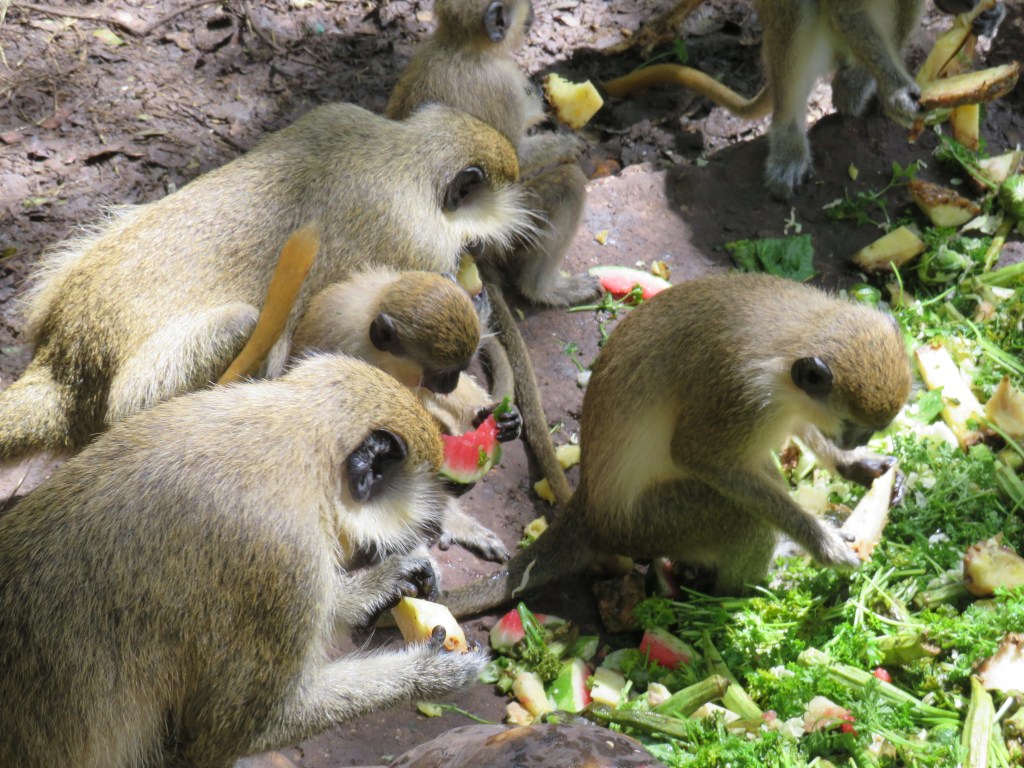
The green monkeys were everywhere. We have seen these green monkeys in St. Kitts, Nevis and Gibraltar too.
There were quite a few babies, sticking close to their mommies.
They are not afraid of people at all. But DON’T touch them, particularly at feeding time. They go crazy during feeding time, and can and do bite.
We caught the tortoises in some awkward situations more than a few times. They used to roam freely around the island, but now are only found in the Wildlife Reserve or are privately owned.
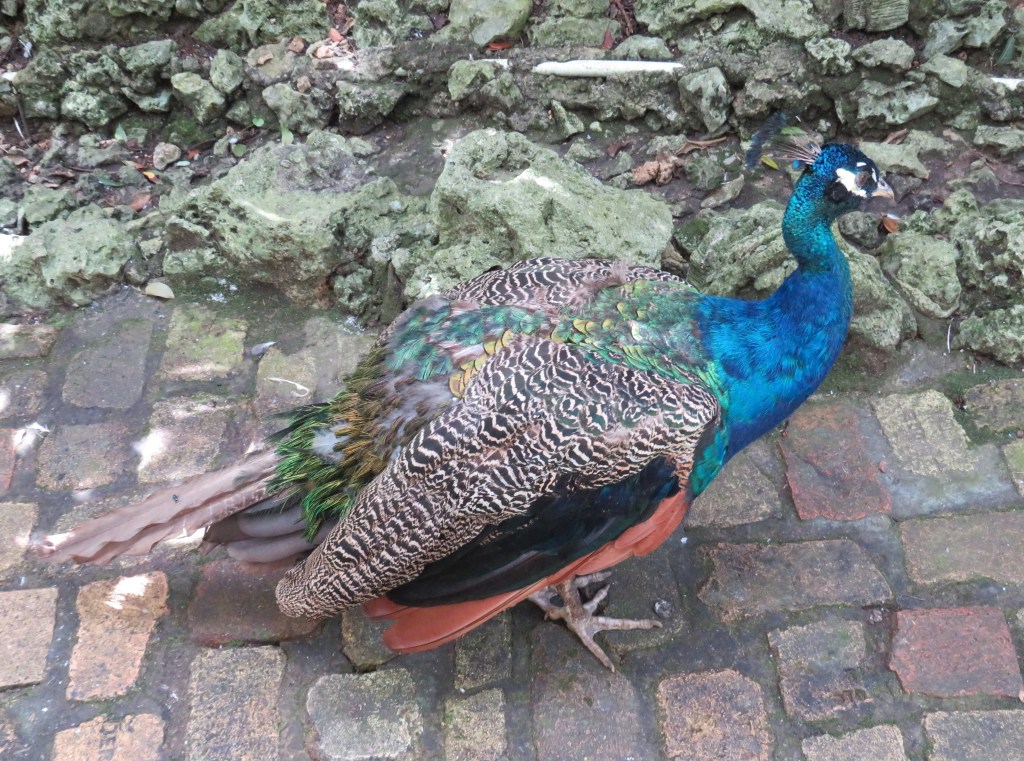
This rooster and peacock were close friends.
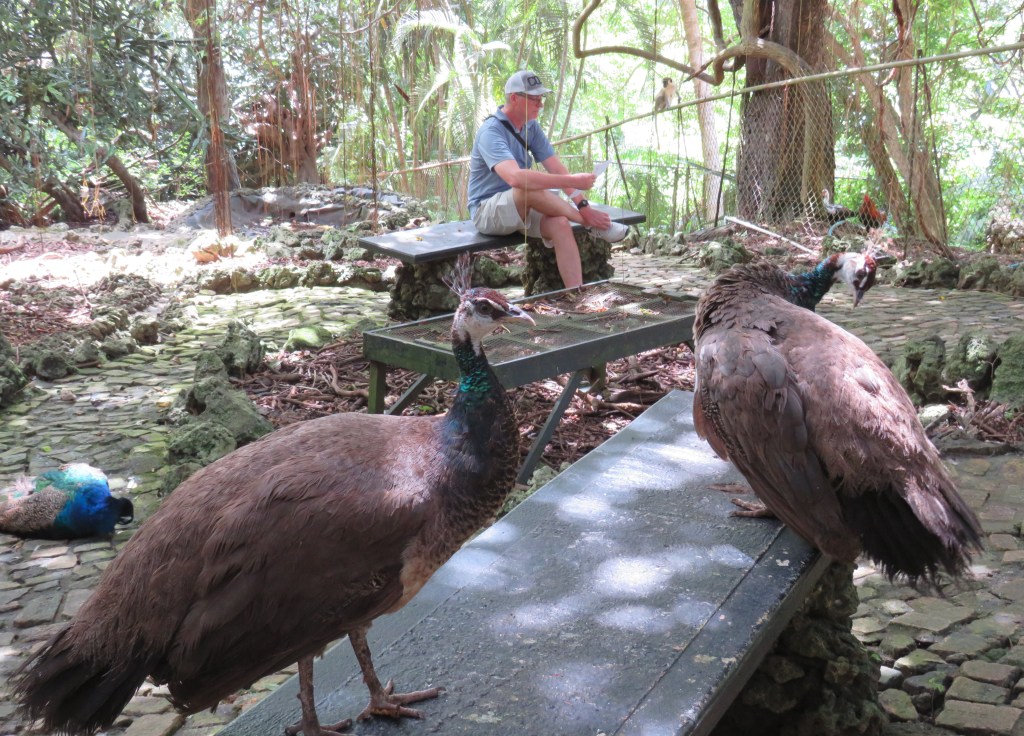
Larry and his flock of peacocks.
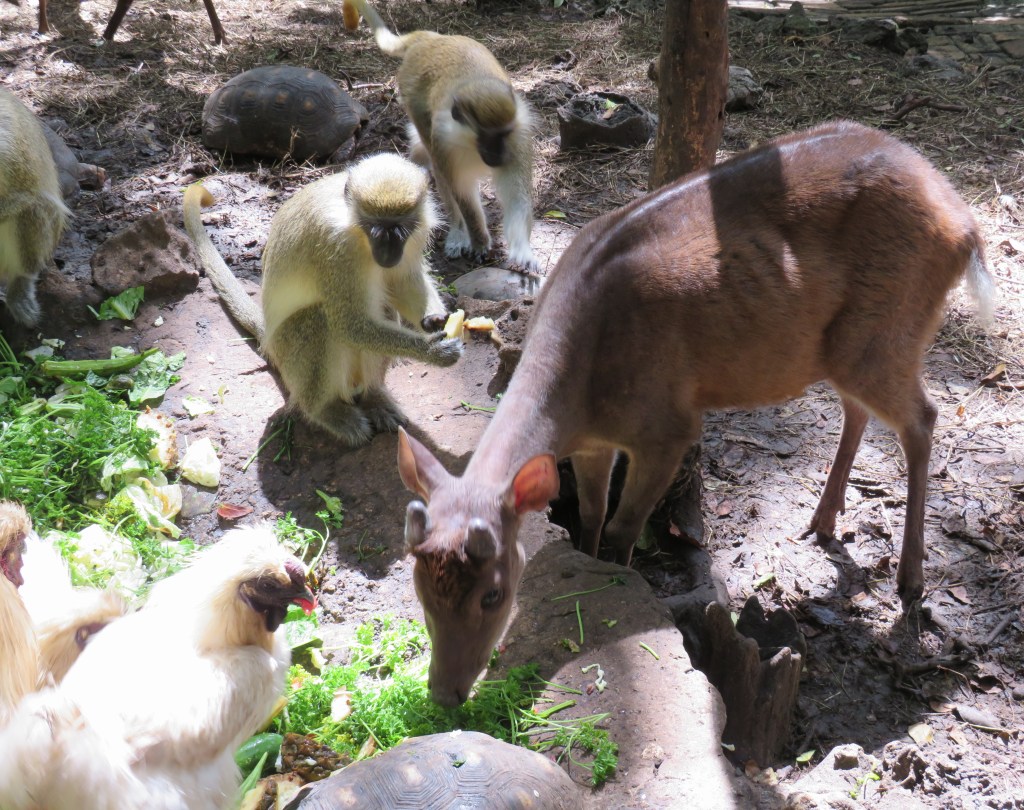
At first we didn’t see any of the brocket deer, but then they started to come out, especially at feeding time.
Feeding time was a hoot. The staff dumped a whole bunch of fruit and vegetables into a couple of locations and ALL the animals came out and dined together. The monkeys were hilarious. A few of them even sat on top of the tortoises.
Caimans and turtles.
The Iguana.
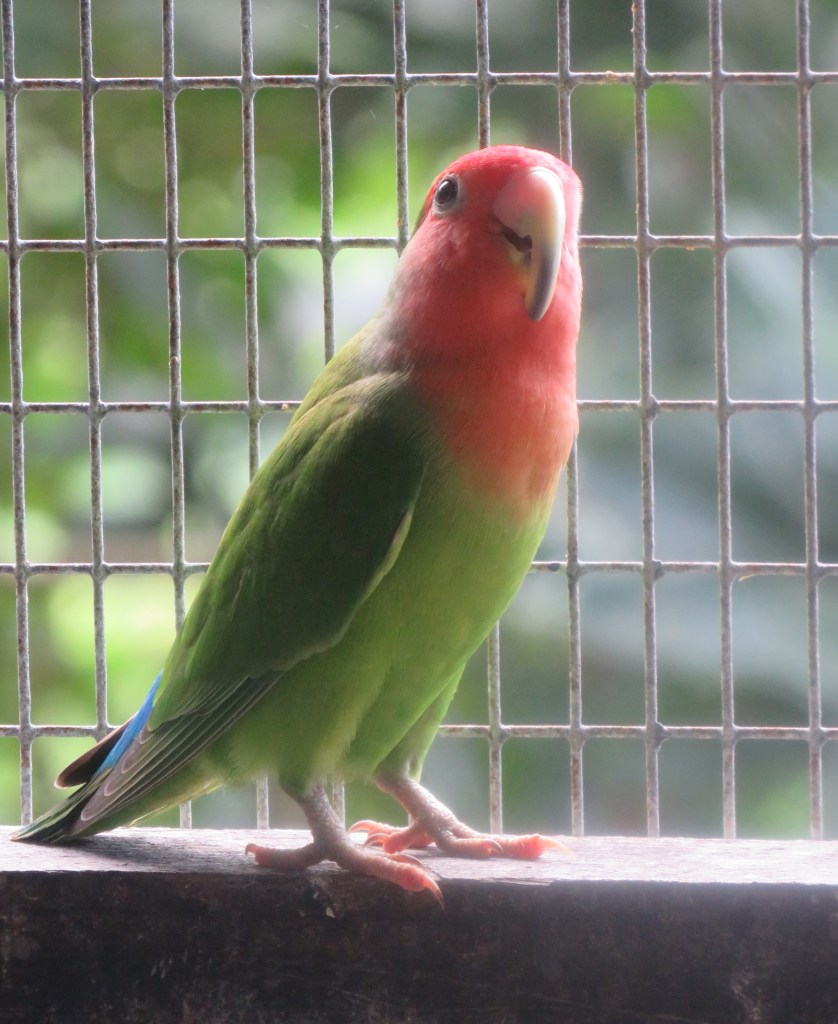
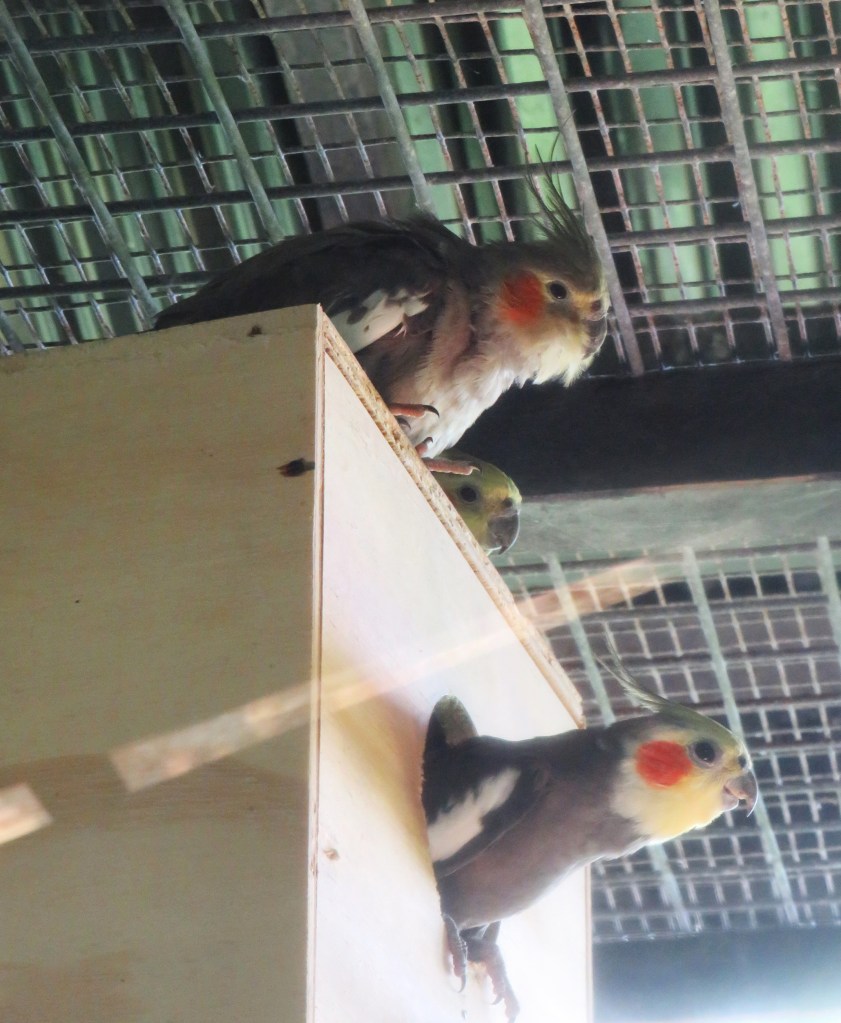
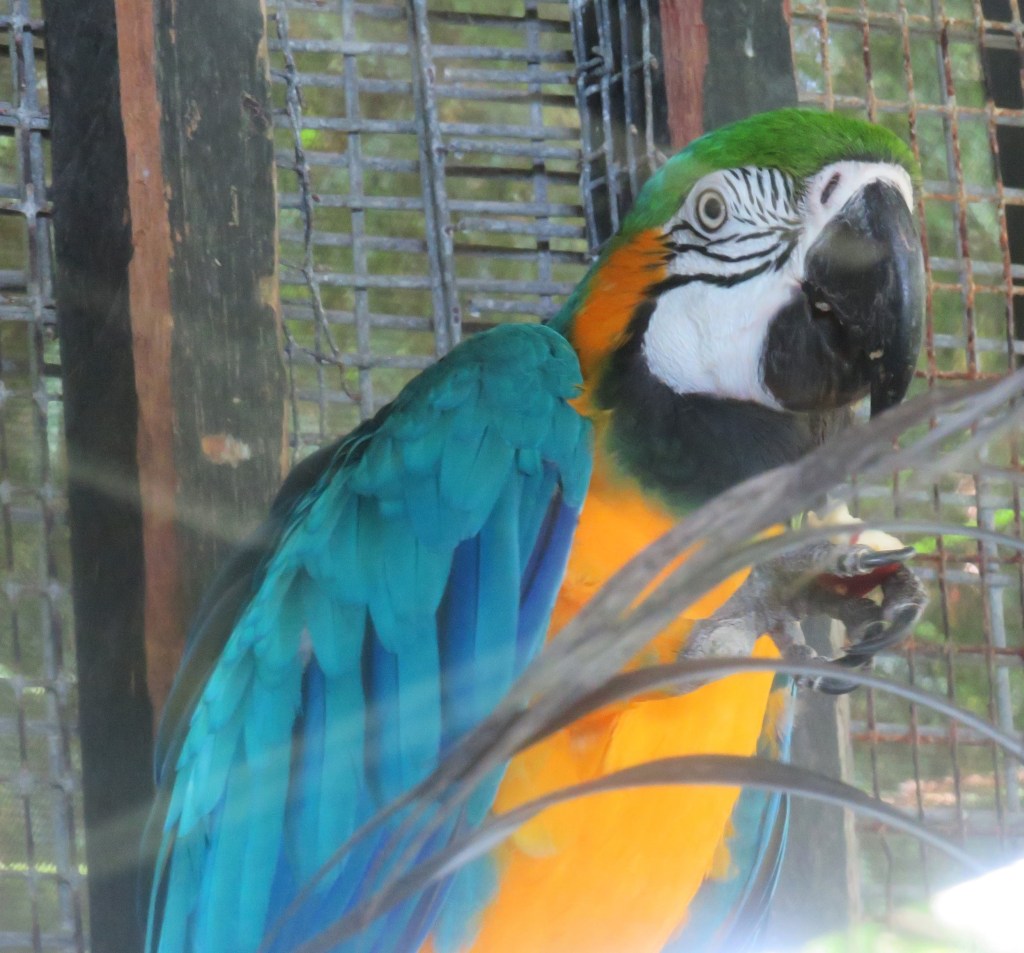
And of course, lots of tropical birds. The caimans, birds, iguanas, and snakes were all caged or penned, but they all had plenty of room to move around freely.
The animals were all well fed and well loved. I loved seeing how all the friendly animals had free reign of the park. It made it seem like they were truly in their natural environments. It did not seem invasive at all. I definitely recommend a trip to the Wildlife Reserve. It is fun and enjoyable, plus it helps the preservation and care of some of these endangered species.
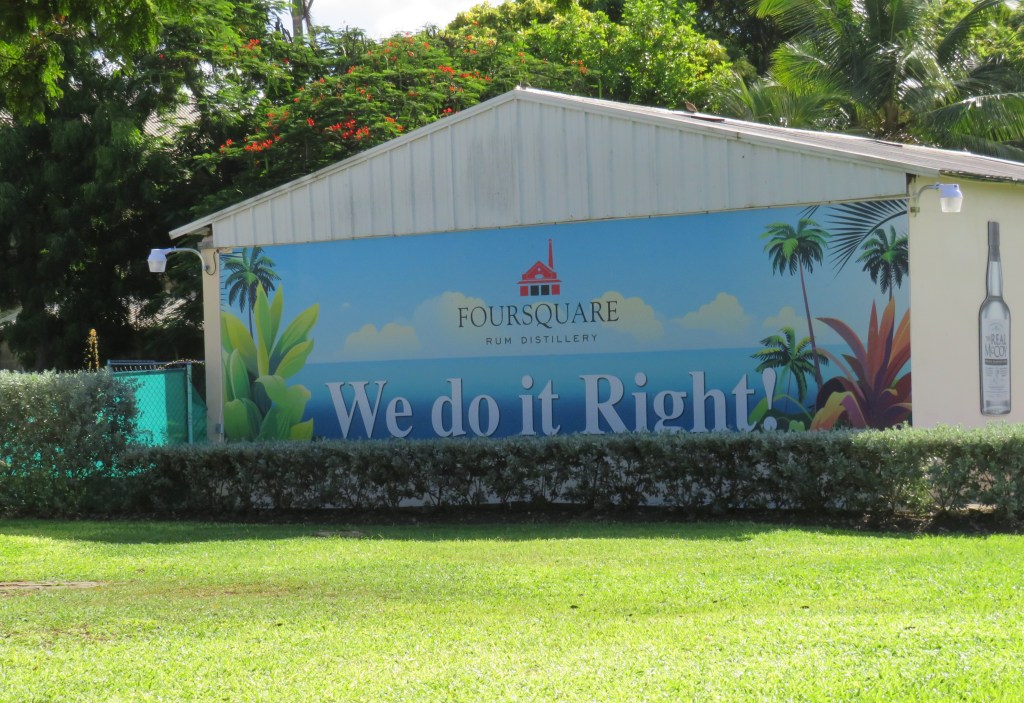
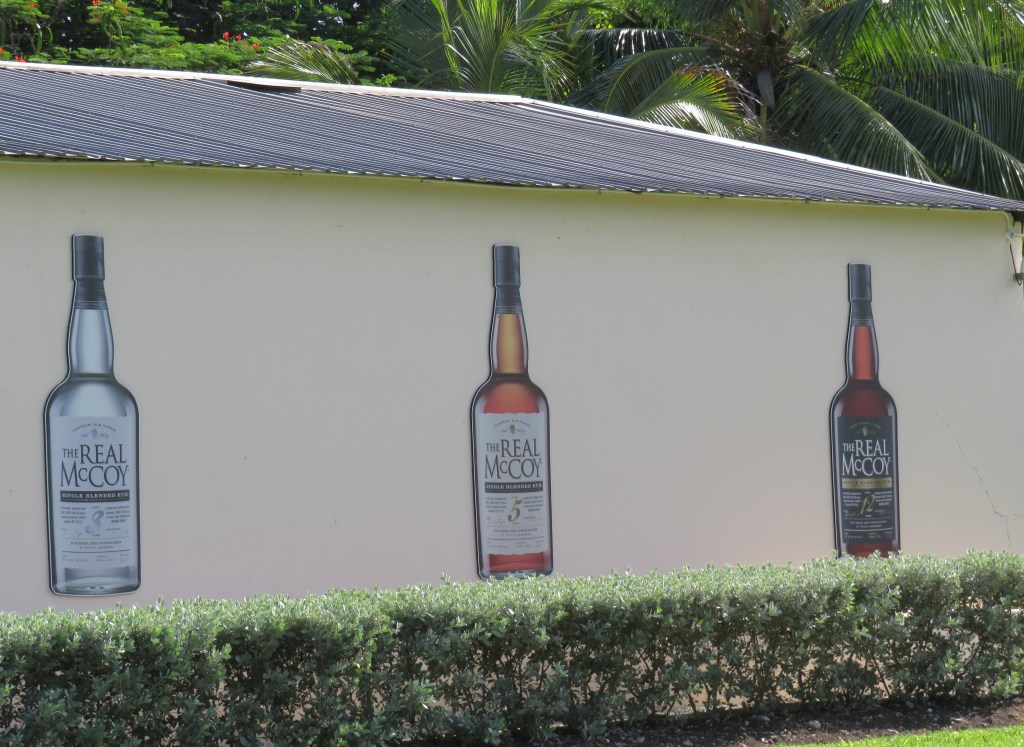
We did two rum tours on our trip. The first was the self-guided tour at Foursquare Distillery Barbados – Part 6 – The Rum – Foursquare Distillery and the second was a guided tour at Mount Gay. The Foursquare tour was interesting, but the tour at Mount Gay was much better. It should be at $55 per person vs. free though. We learned so much about rum and rum production, and our guide, Ramal was a wealth of knowledge. He was a lot of fun too.
Mount Gay has a very long history, and is the oldest rum distillery in the world. It has been producing world class rums since 1705.
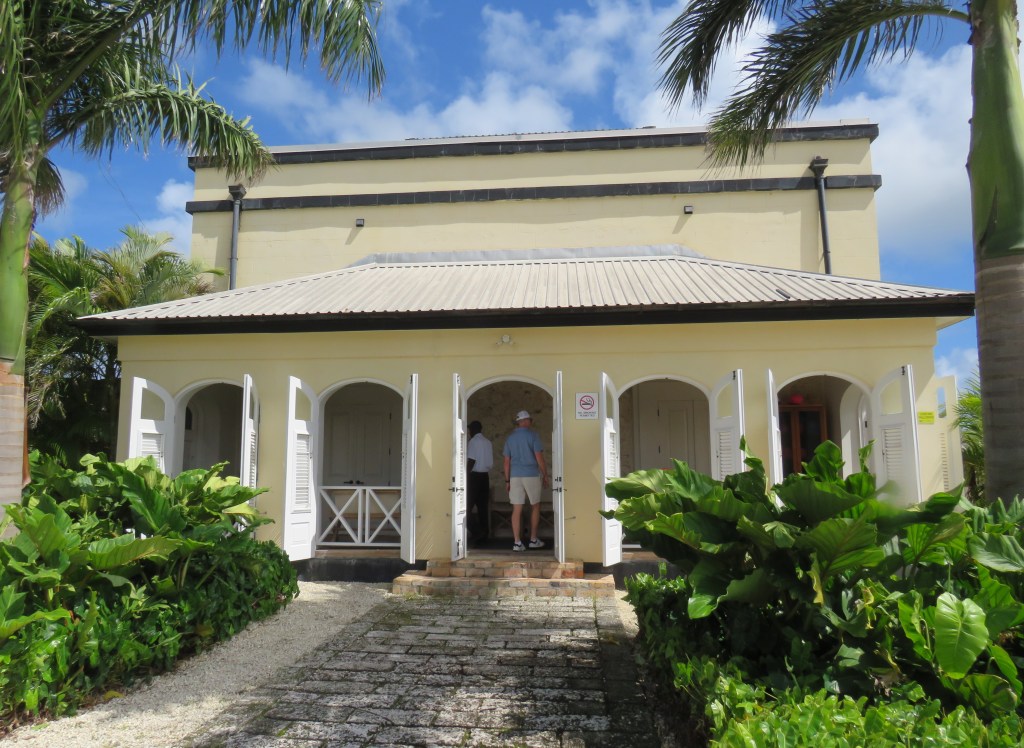
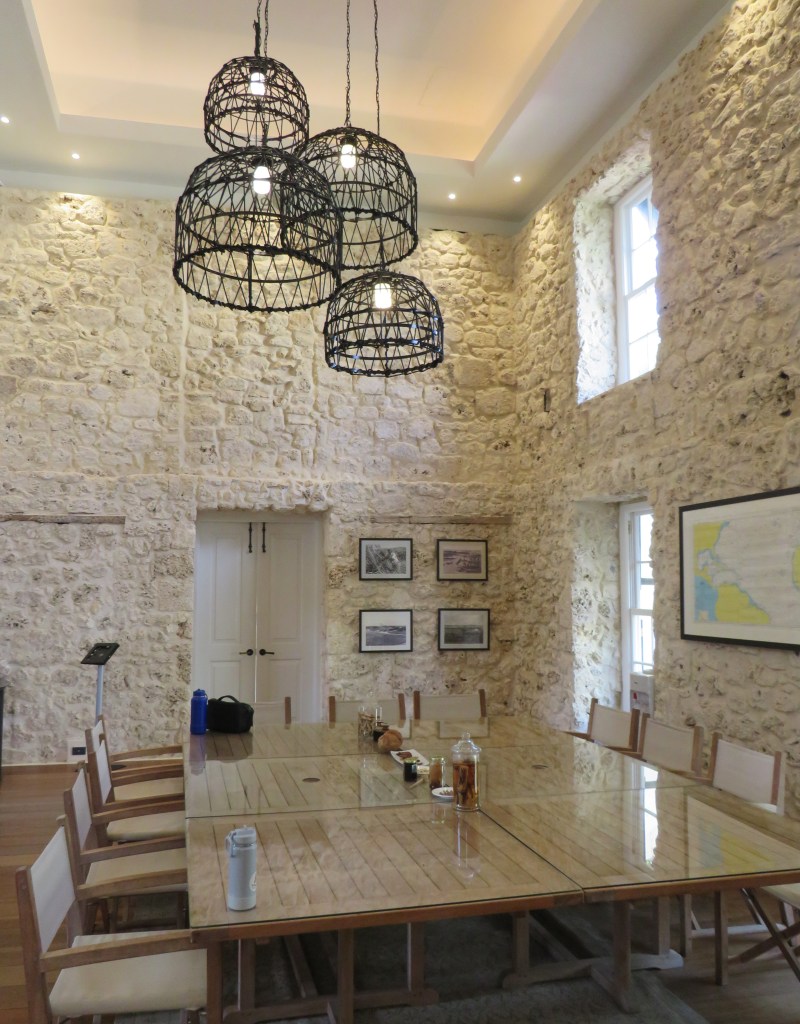
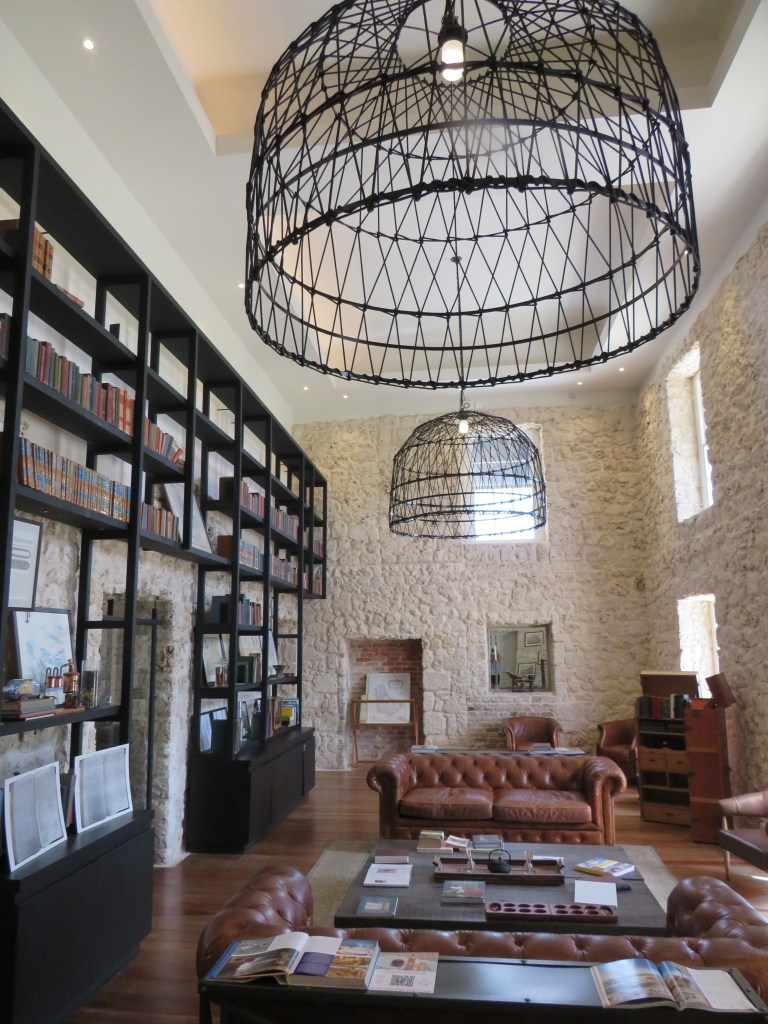
As I mentioned in yesterday’s post, the rum distilleries were originally on private plantations, where the people actually lived. Mount Gay was no different. This used to the be the family’s private residence. Today, it is used as the meeting rooms for tours and parties.
Ramal preparing our welcome rum cocktail before starting the tour.
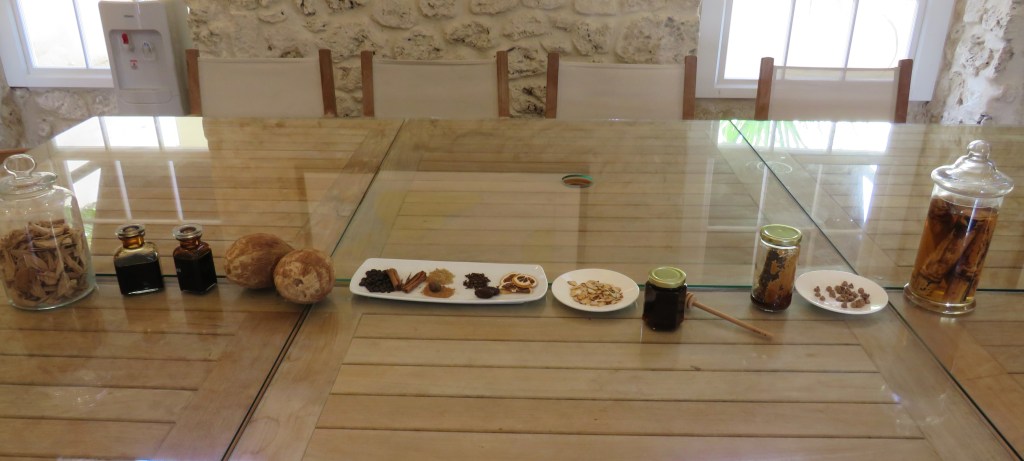
Different flavors often found in rums.
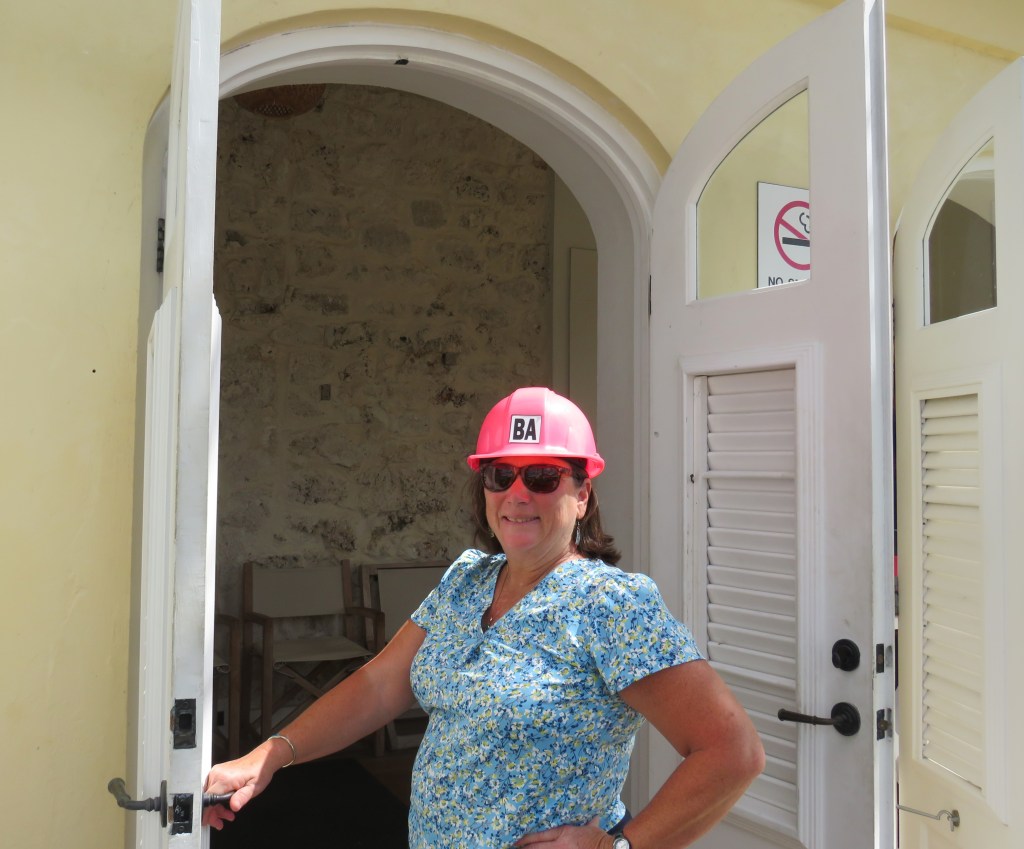
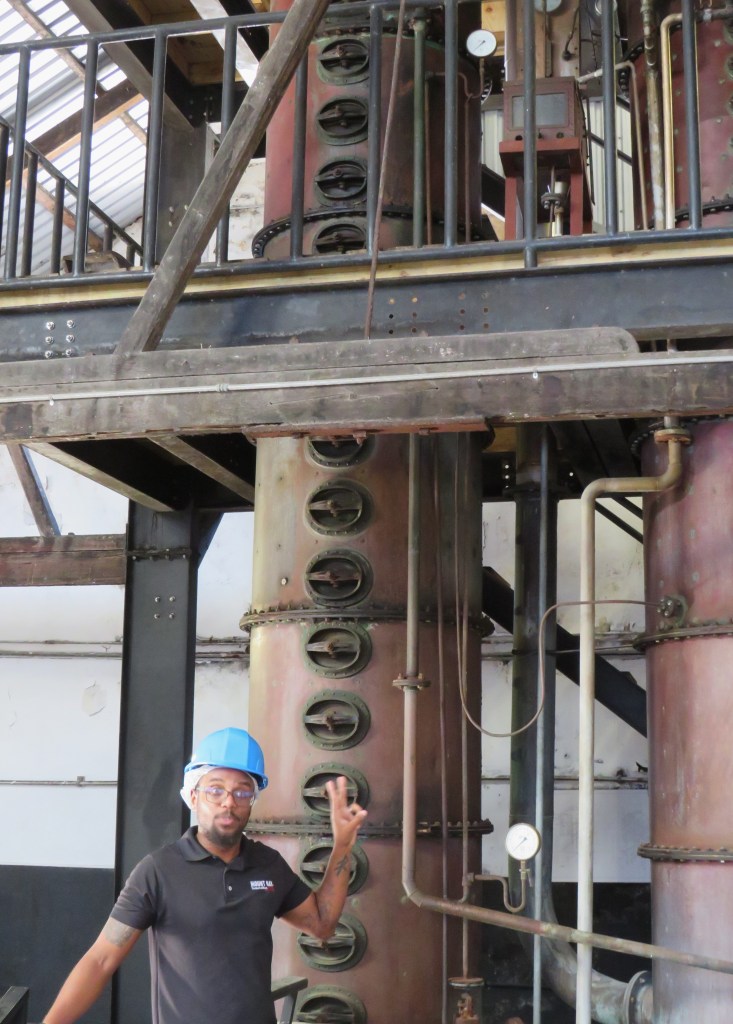
After giving us the history of Mount Gay Distillery, Ramal led us into the actual factory, where the rum is made, and gave us a very thorough rum lesson. Before entering the rum factory, we all had to don our hard hats.
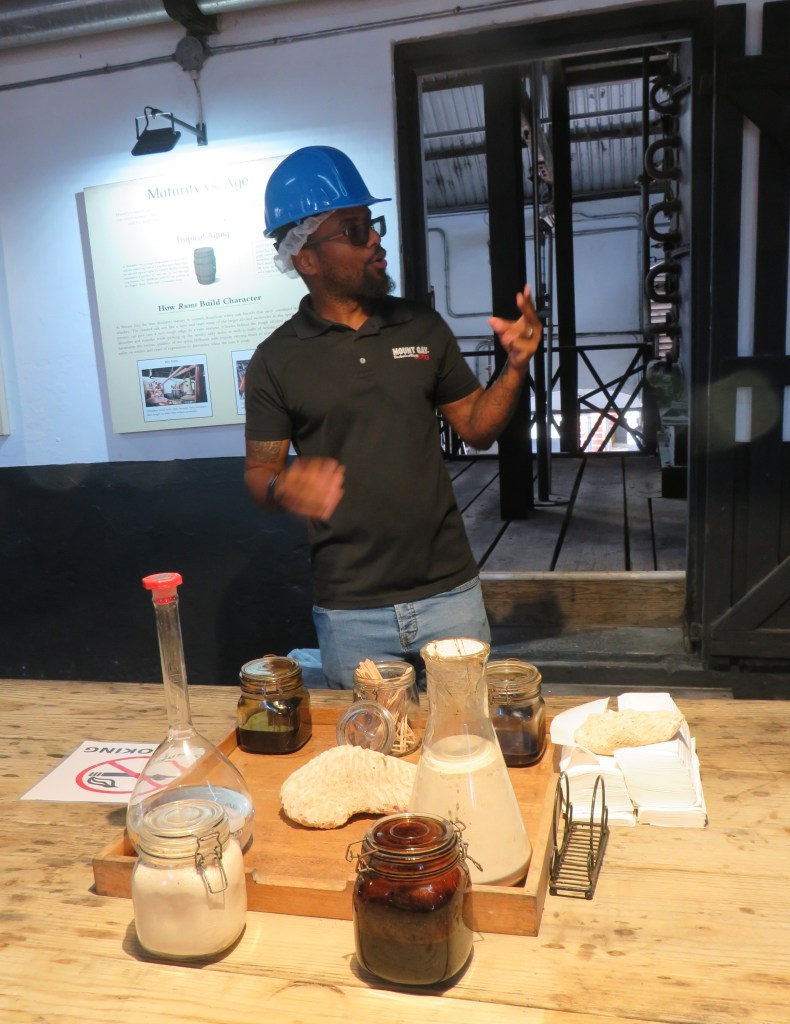
If you can see the no smoking sign behind me, there is a story for that too. Rum, is alcohol, and alcohol is highly volatile. There are NO SMOKING signs all over the premises and Ramal clearly stated there is NO SMOKING allowed anywhere on the premises. Fire hazards are very real at a rum factory.
This is the meeting place in case of a fire.
However, there is always going to be that one stupid person that thinks the rules don’t apply to them. Sure enough, there was one stupid man that left for a cigarette or two. By so doing, he endangered all of us, the employees and the rum factory itself. Fortunately, he was caught and escorted out. At first he said he had been arrested, but then he rejoined the group towards the end of the tour. I have no idea what his punishment was, but I hope it was a strong one. I just hate stupid people like this.
Anyway. Back to the tour.
These are all the ingredients actually used to make the rum. The main ingredient is molasses. They use molasses from Barbados itself and from other Caribbean countries. There is a very distinct difference in the tastes. Ramal let us all taste both kinds of molasses.
This is the mixing room. We could not get any other pictures of the blending itself. That is a trademark secret and no photos were allowed.
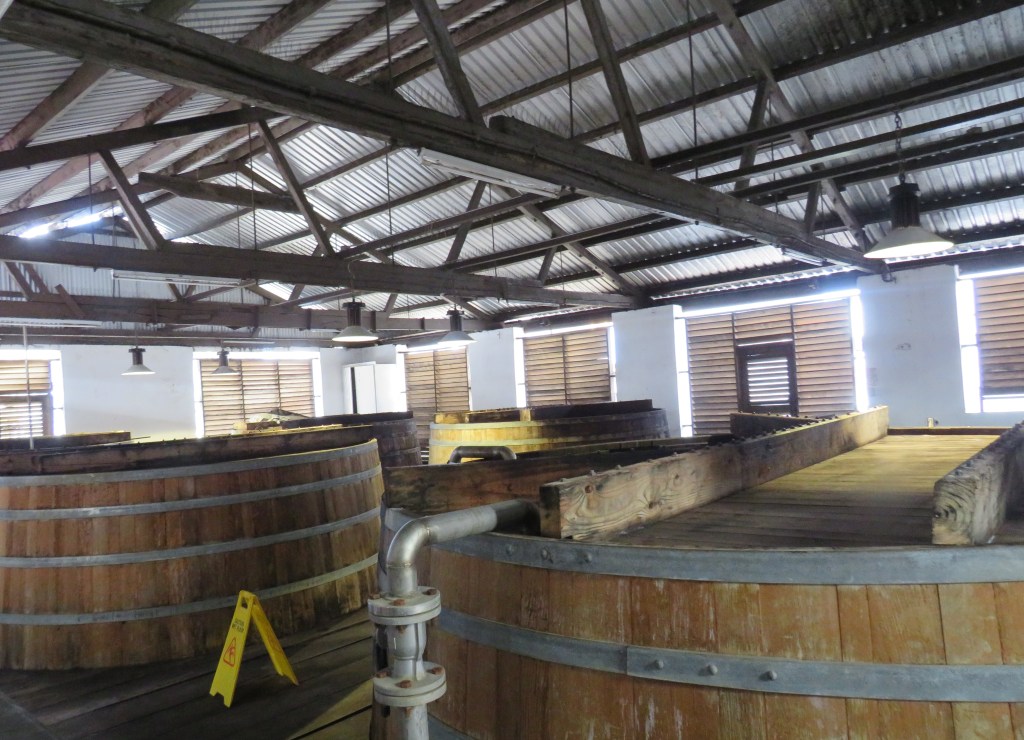
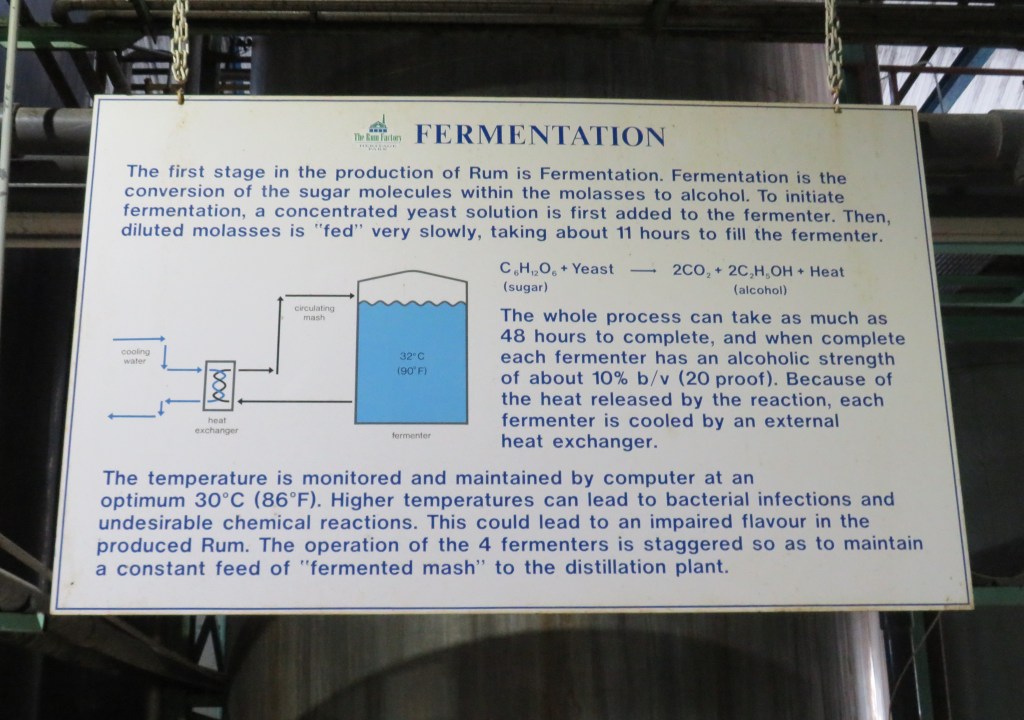
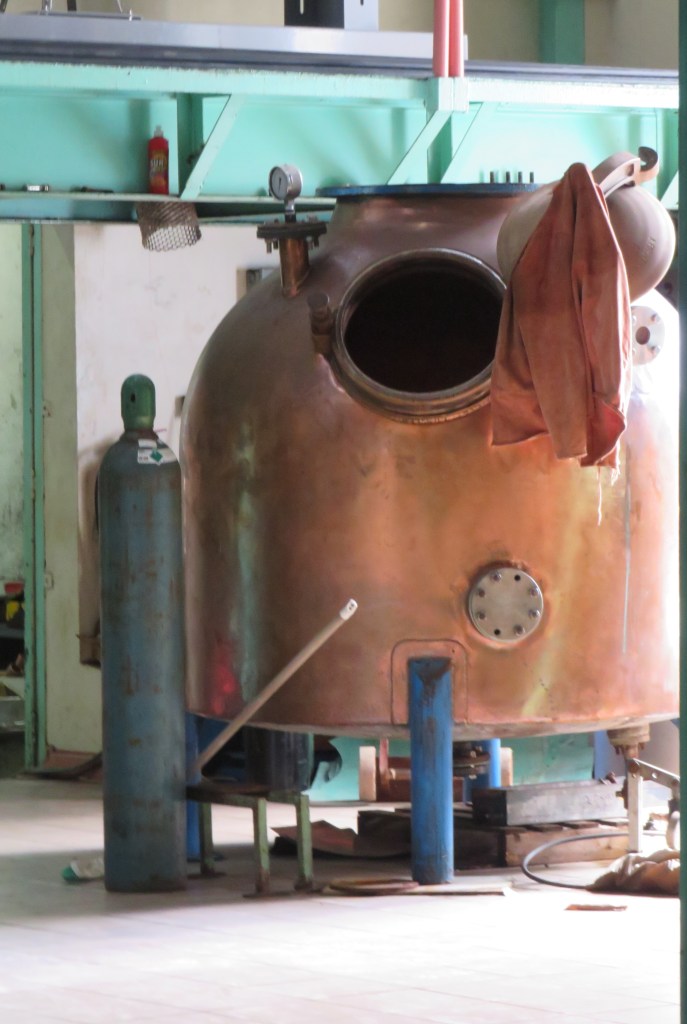
The processing room. These tanks are in operation 24/7, around the clock.
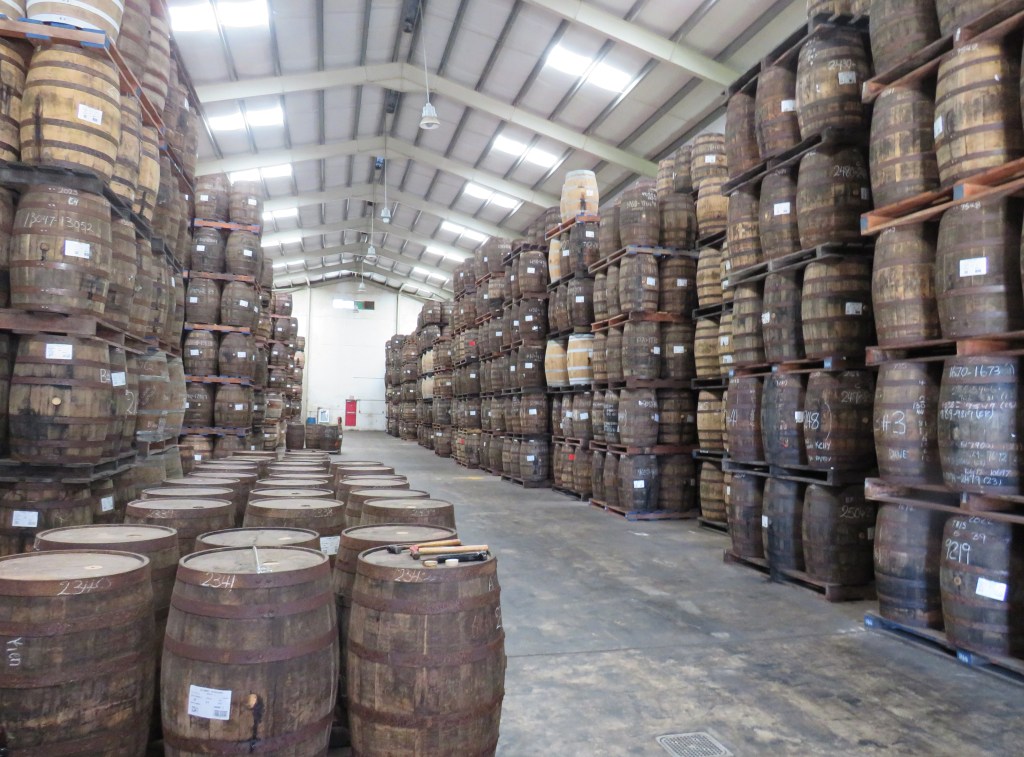
The aging rooms.
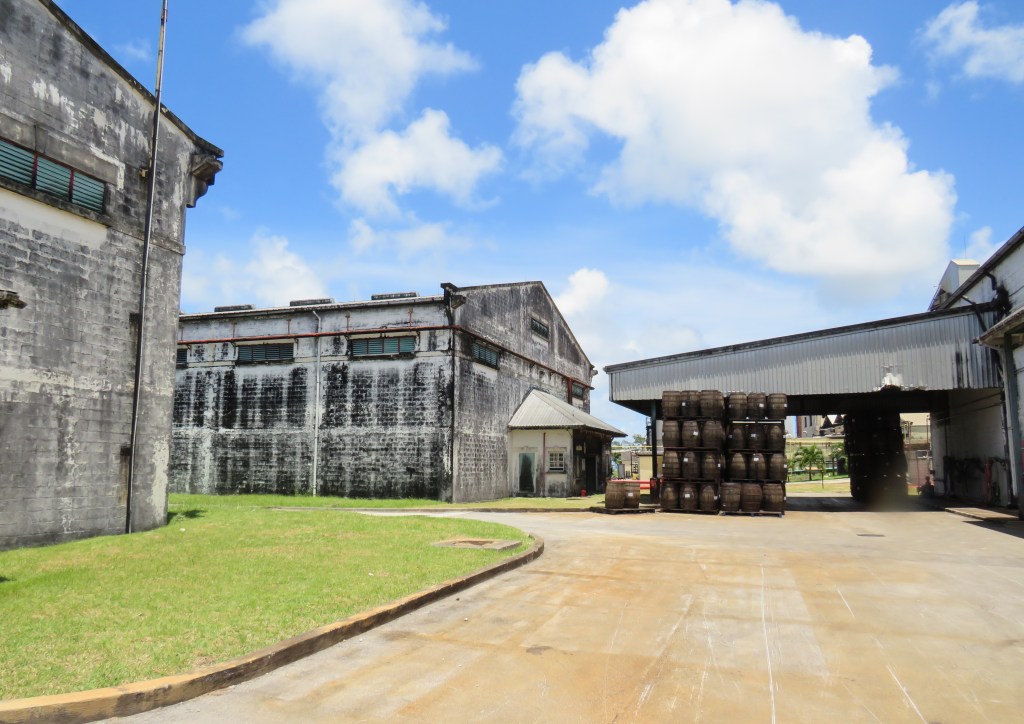
Each of these buildings is filled with rum aging in barrels until it is ready to bottle.
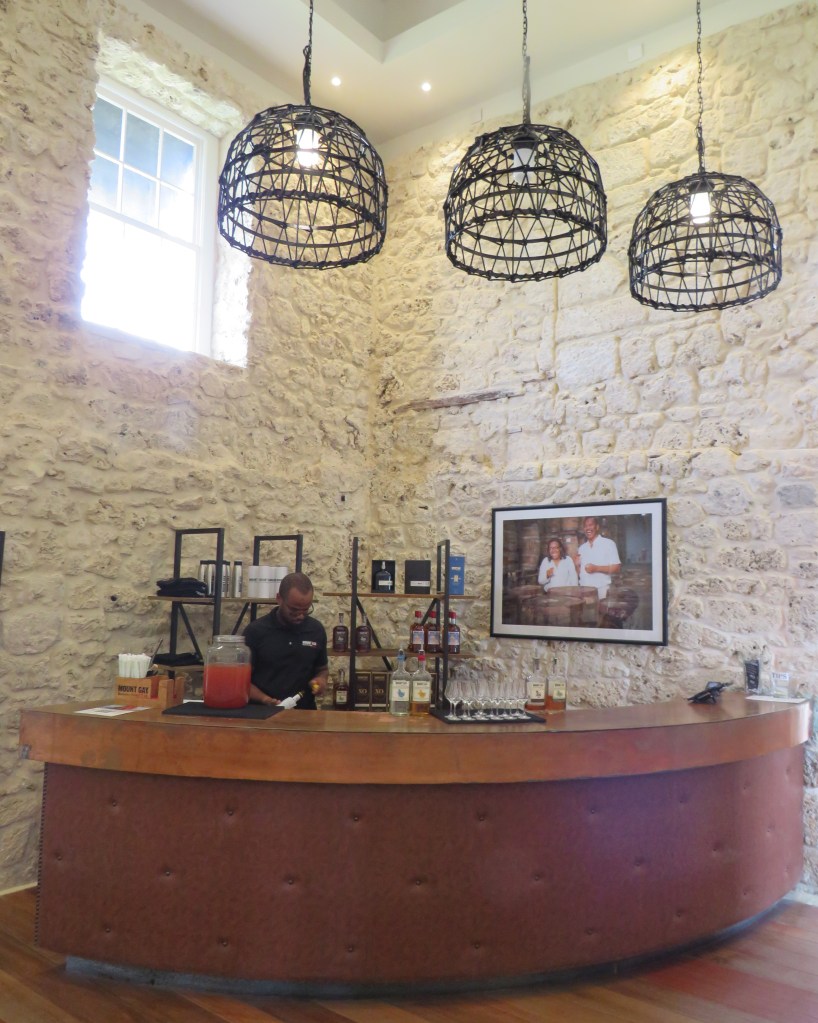
After touring the grounds, we all went back to the meeting rooms to do some sampling. These are the rums we all sampled.
All of the rums were very good. Again, I liked the higher end rums. Surprise, surprise! The picture behind Ramal is a picture of the current rum blender. He told us that there is only one blender at a time, and each blender adds their own personal styles and techniques to the rums.
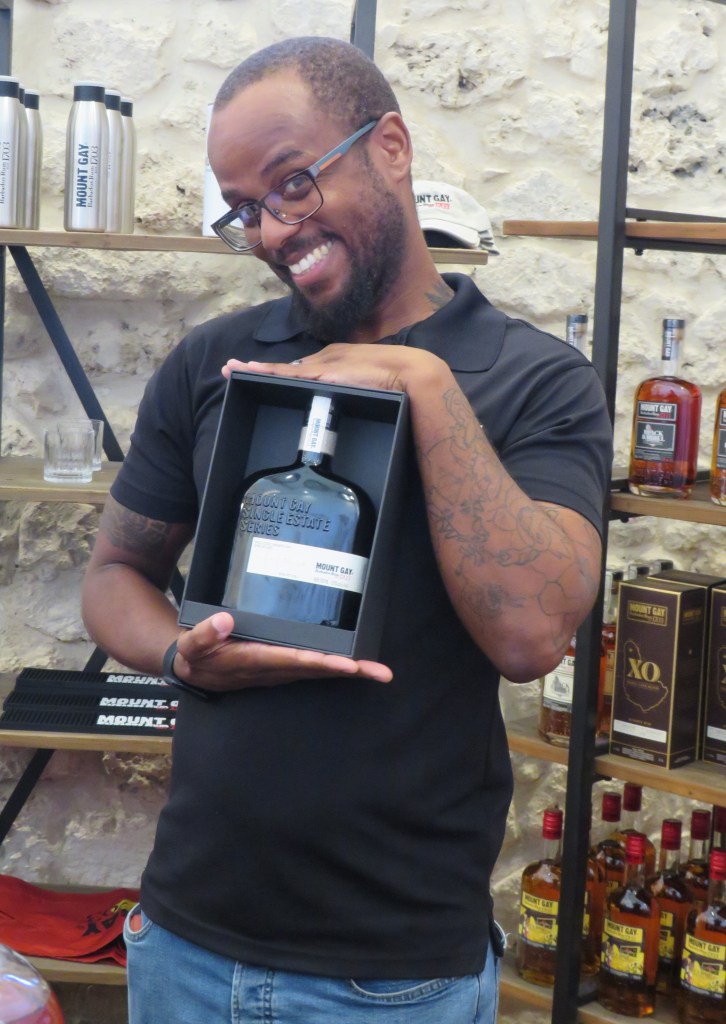
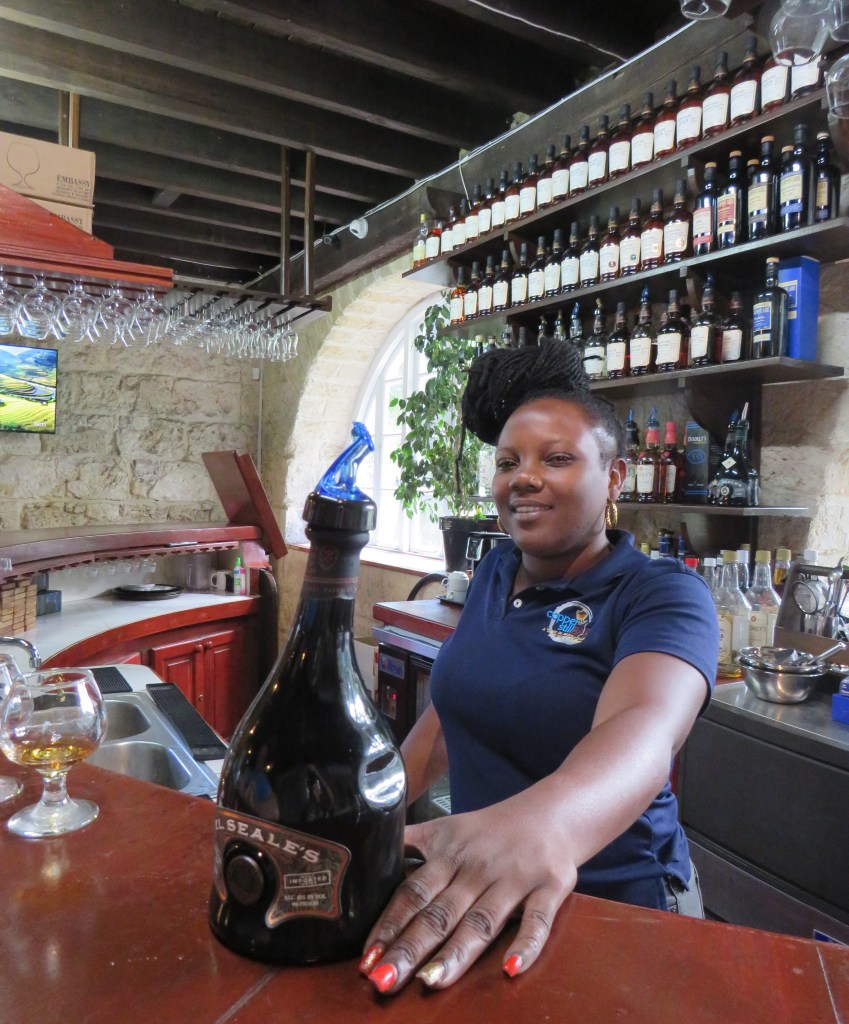
Ramal showing off his fun personality along with an expensive, top shelf bottle of rum. We didn’t get to try this one though. Darn. It only sells for about $400 per bottle. 🙂
Taking this tour is a definite must-do while in Barbados, even if you are not a rum drinker. It is very interesting and informative, giving lots of history about rum and the island itself.
While in the area, after the tour, we went to the Wildlife Animal Reserve too, but more on that later.
The Caribbean Islands are all known for their rum. Rum has been a major industry since the 1600’s. Barbados’ rum, in particular, is known as some of the best rum in the world by rum connoisseurs. Sugar cane was introduced to the island in 1627, and in 1647 rum was one of Barbados’ major industries, and has been ever since.
Rum has gone by many names. First, it was known as “kill-devil”, because of its early, hot, strong, hellish and terrible flavor. But it has come a long way since those early days. It was also known as rumbullion, which is an old English term referring to the riots and uproars created by large, crowds of noisy disruptive people. HMMMMM! I wonder how it got that name???? From the name rumbullion, it was shortened to just rum, which is the name the world knows it by today.
In the early days of rum, the water was so bad, that people were told to drink rum or spirits instead of the water. It was cleaner and less harmful than the water. Rum was also part of the daily rations for sailors. The term “proofed”, used for alcohols of all kinds, originally came from the days when the sailors would pour a little rum over gunpowder and ignite it. If the rum was too diluted, the gunpowder would not ignite. If it ignited, it was considered “proofed” to be strong.
There are three large rum factories and distilleries in Barbados – 1) Mount Gay, the oldest continuous distillery in the world, operating since 1705; 2) St. Nicolas Abbey; and 3) Foursquare. We toured both Foursquare Distillery and Mount Gay. We tried to go to St. Nicolas, but it was closed on the one day we went there. Next time.
The Foursquare Distillery was a self-guided tour, that was free.
In the early days of rum making, the distilleries were on people’s personal plantations, and they lived on the premises.
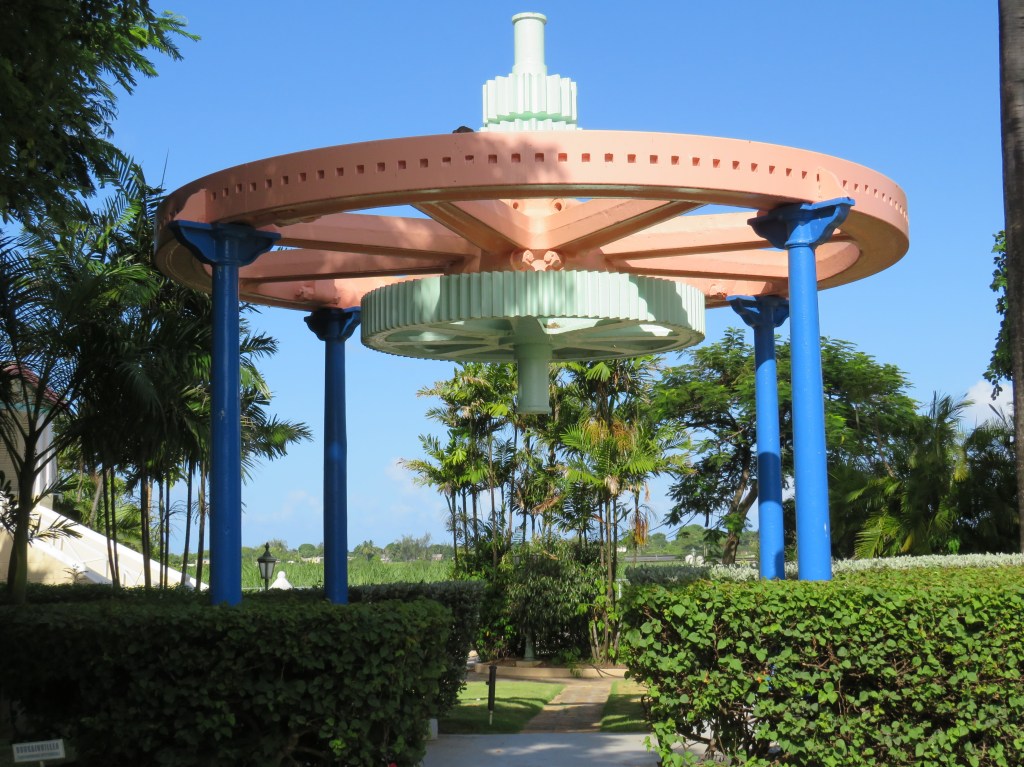
There was even an old outside museum of old rum machinery parts.
The sugar cane fields. The cane is stripped and burned down to make molasses, which is in turn used as one of the major ingredients for the rum production.
After the tour, we had to sample the rums of course. Our rum guide was very knowledgeable and walked us through the different stages of rum and rum processing.
We tried small amounts of 6 different rums this day. I liked the upper end, smoother sipping rums. I know. You’re all shocked. Surprise, surprise! 🙂
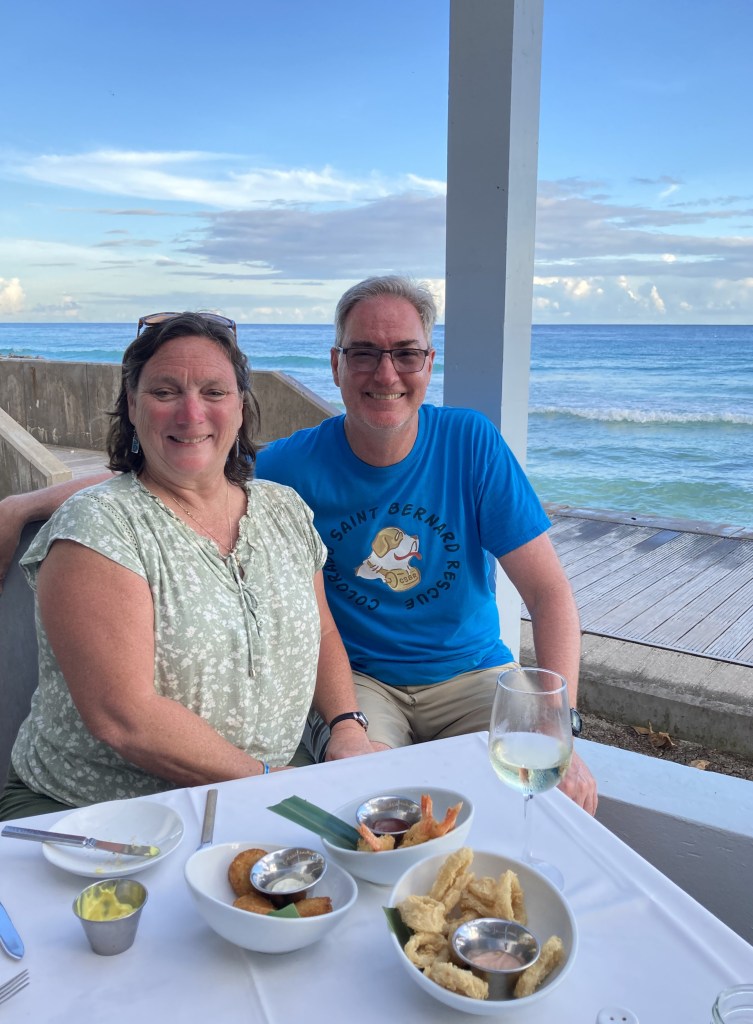
Tapas was a restaurant we passed many times. It is a restaurant that specializes in ….. you guessed it, tapas. I love tapas, and I thoroughly enjoyed the restaurant Tapas as well. It was located right on the beach and the food was delicious! Our server, Jessie, was great too. She was so full of personality and was very attentive to every detail.
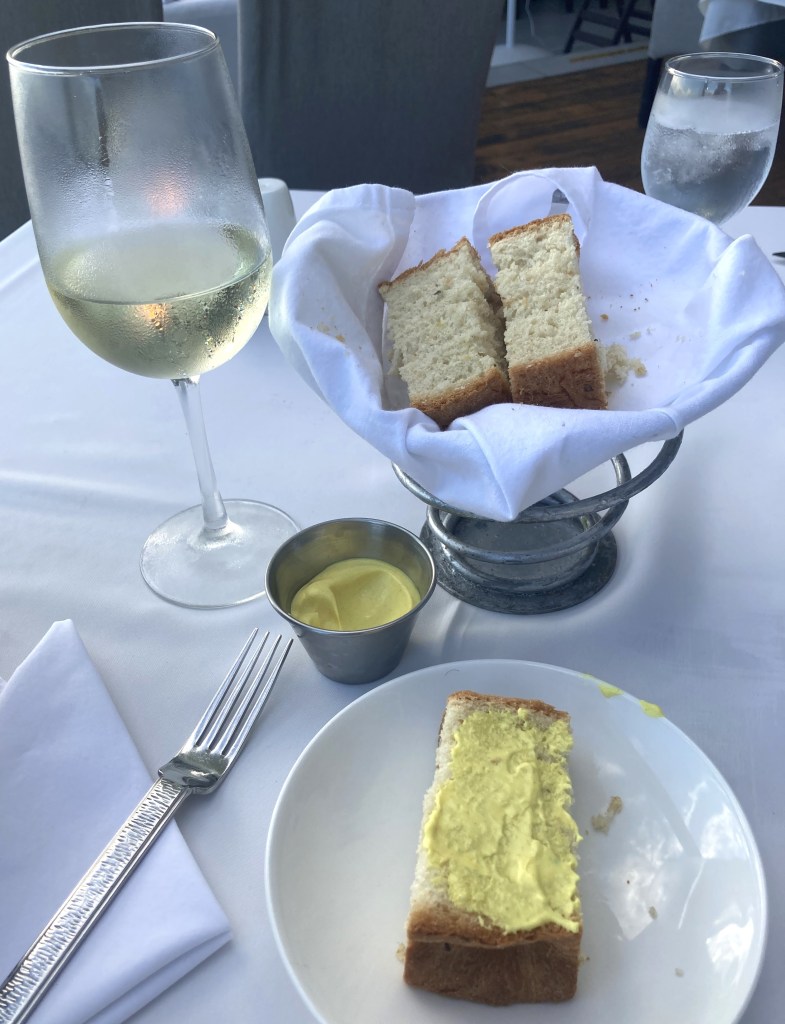
After we ordered, we were started off with some warm bread and a garlic aioli.
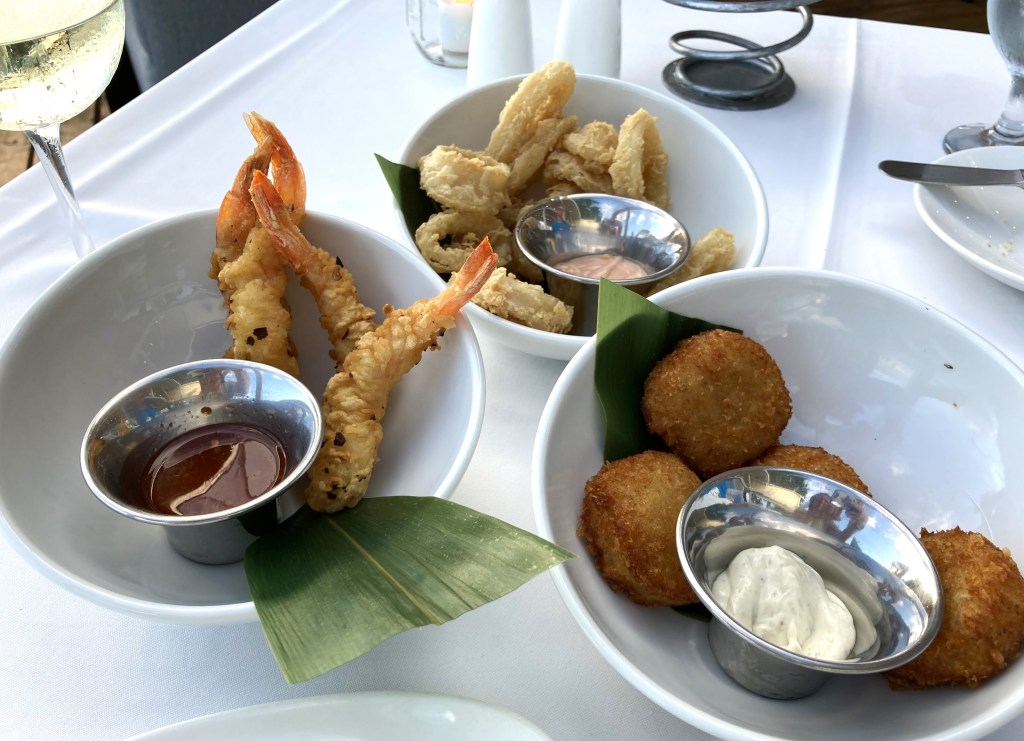
Then we tried a variety of tapas including some calamari, peppered shrimp and Thai fish cakes.
Next came some lamb curry.
We were very full and very satisfied after.
I totally recommend a dinner or two at Tapas when visiting Christ Church or just Barbados in general.
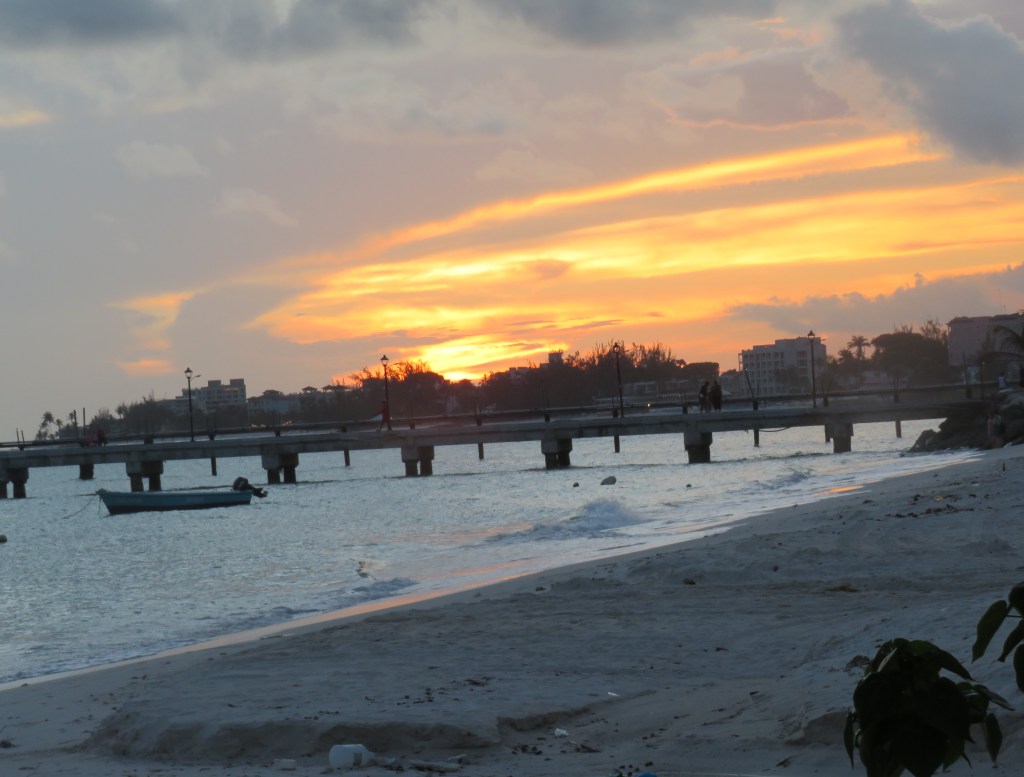
When we travel to someplace new, we love to tour around and see as much as we can. This trip to Barbados was no different. We toured around the whole island and took it all in. We saw most of the island from on top and quite a bit from below the water’s surface as well. It was beautiful from both perspectives. I will talk more about the diving later, but here are some more views from above the water.
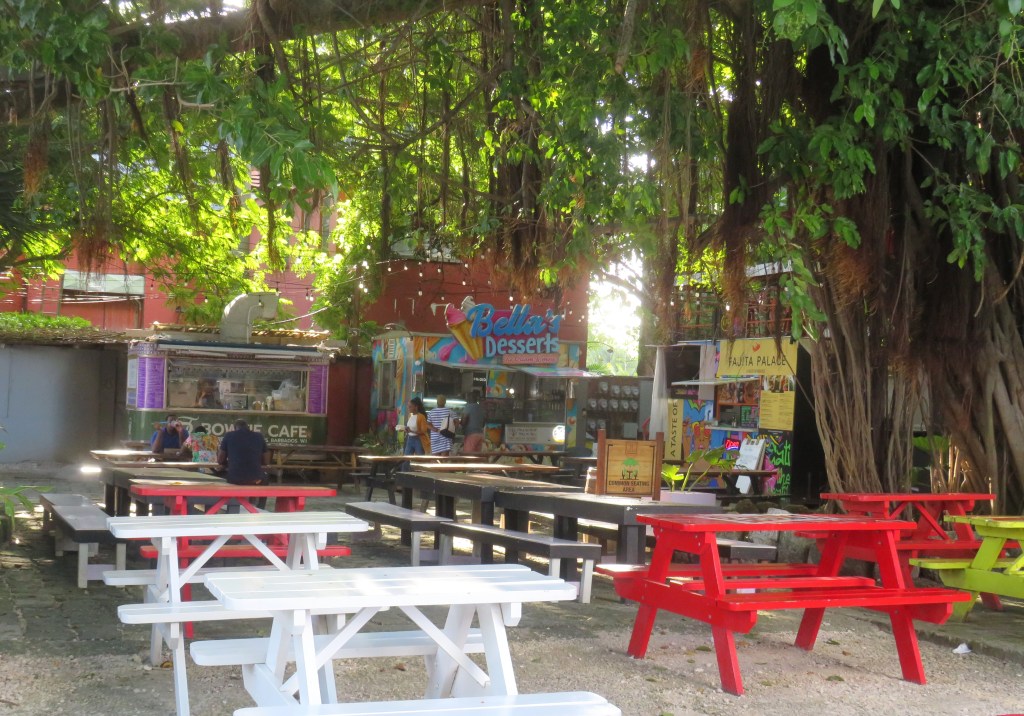
In the evenings, this is a happening spot for people to go eat and hang out. It is the Worthing Court Food Court. It offers a wide variety of different local foods.
Larry was checking everything out.
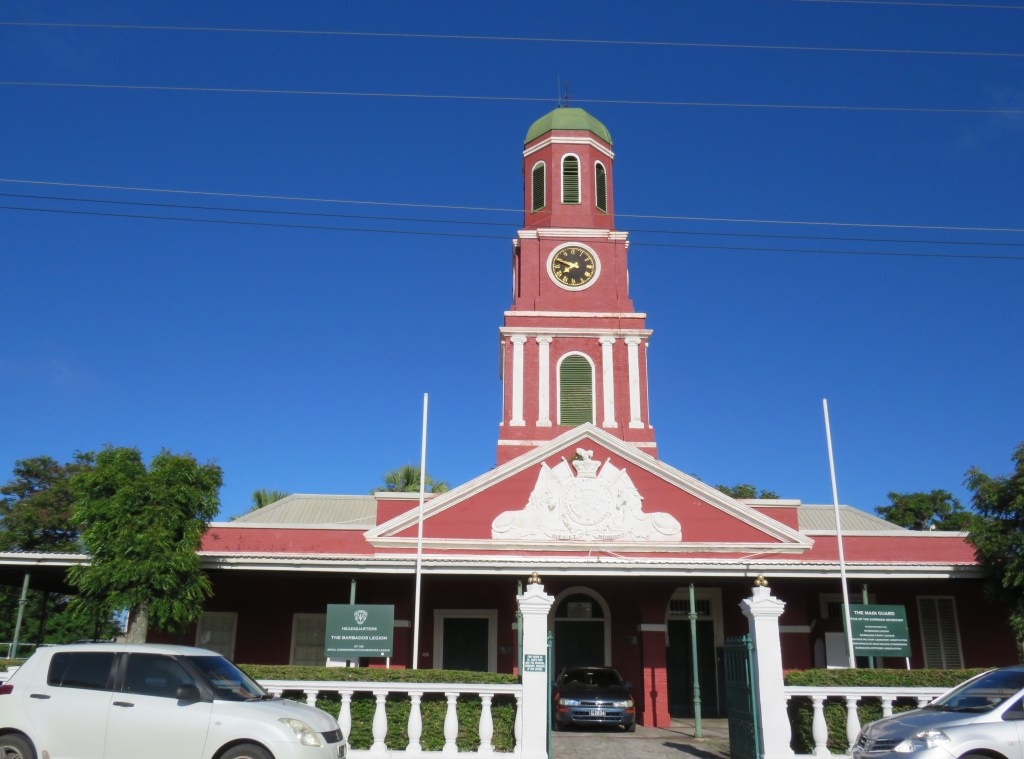
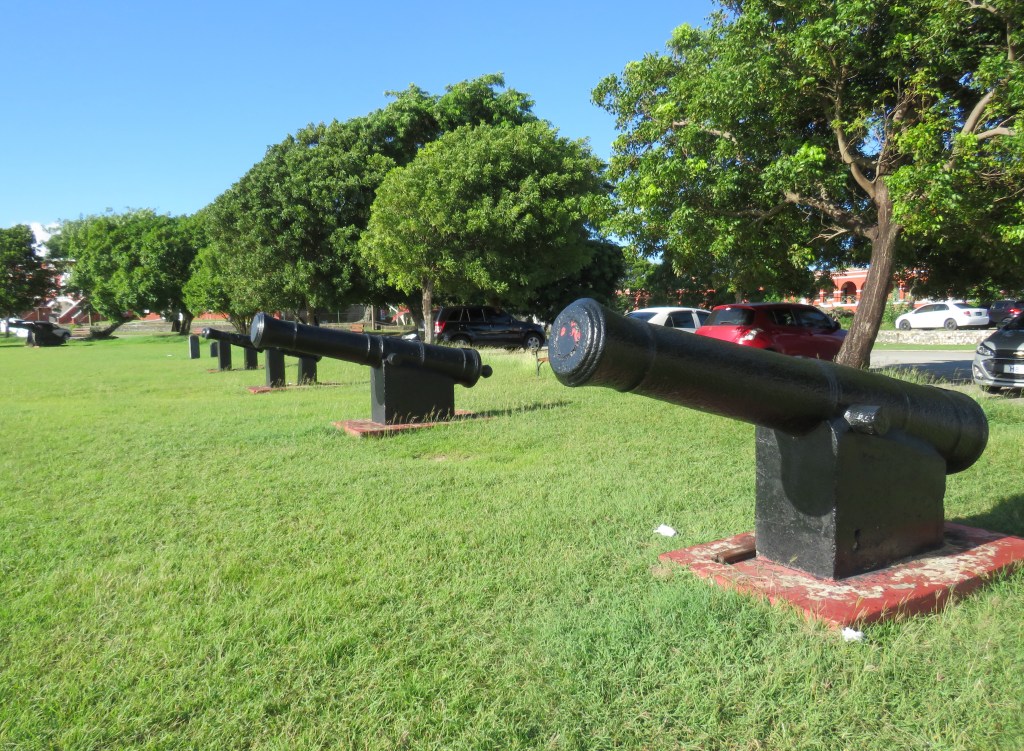
The Barbados Garrison, largest in the British Colonies during the 18th and 19th centuries, is of great historic interest and offers many features, other than military, for those so inclined. It was established in 1780 as the military headquarters for the Imperial Forces stationed here until 1905/6. However, it began with St. Ann’s Fort, on its present site, in 1705.
Today it is the home of the Barbados Defense Force including the Barbados Coast Guard Force. Headquarters of the Barbados Cadet Corps is at Cherry Tree Cottage on Garrison Road, overlooking the Savannah.
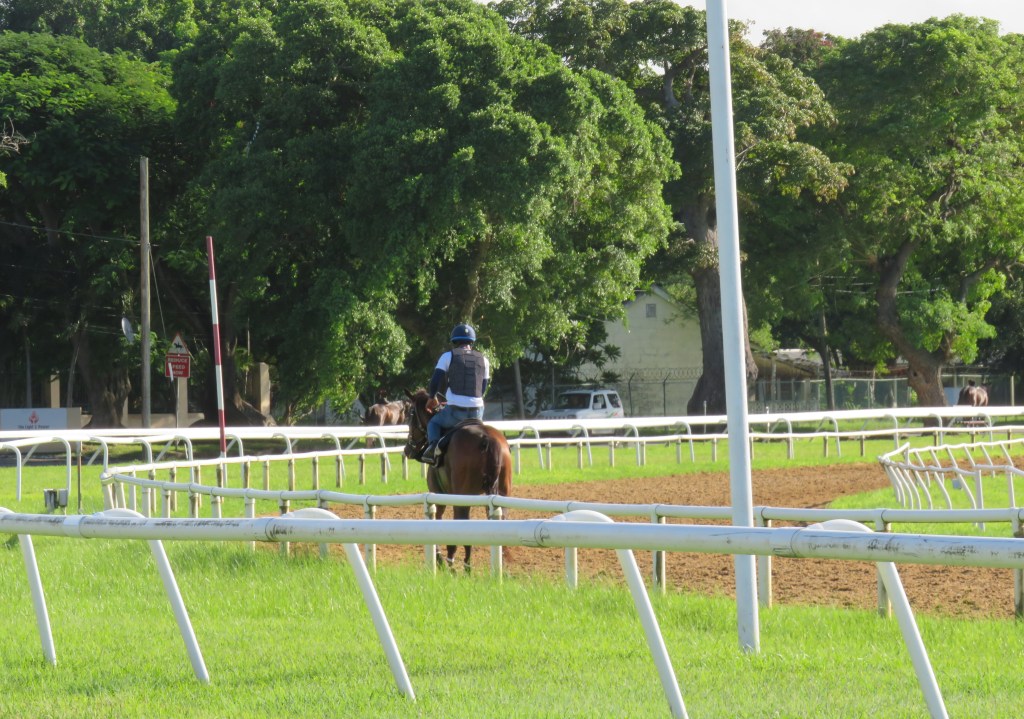
There is also horse racing on the Garrison fields. We saw a couple of horses training for a race, but we didn’t get to see an actual race. Once again, we did not have the time nor did we bring appropriate clothes to watch a race. I wish we knew before leaving that we should have packed at least one nice outfit to wear for certain occasions. The Barbadans tend to dress up for certain events, whereas we are much more casual.
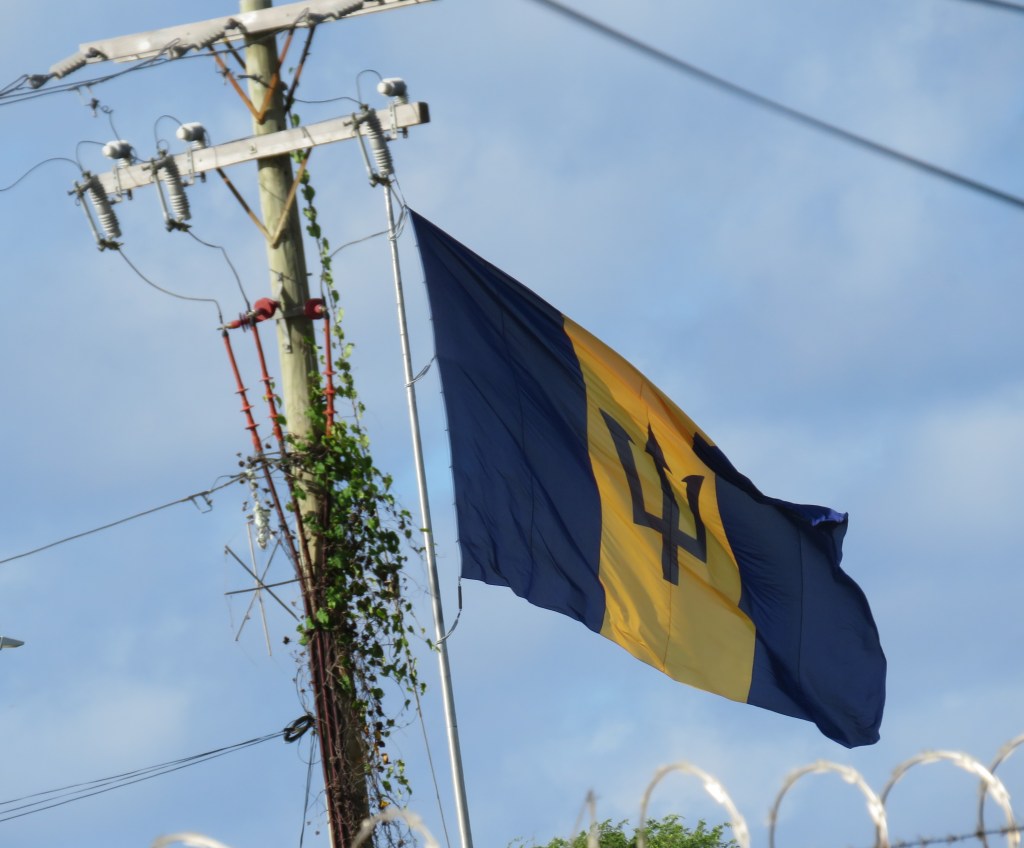
The Barbados flag was proudly flying above the race course.
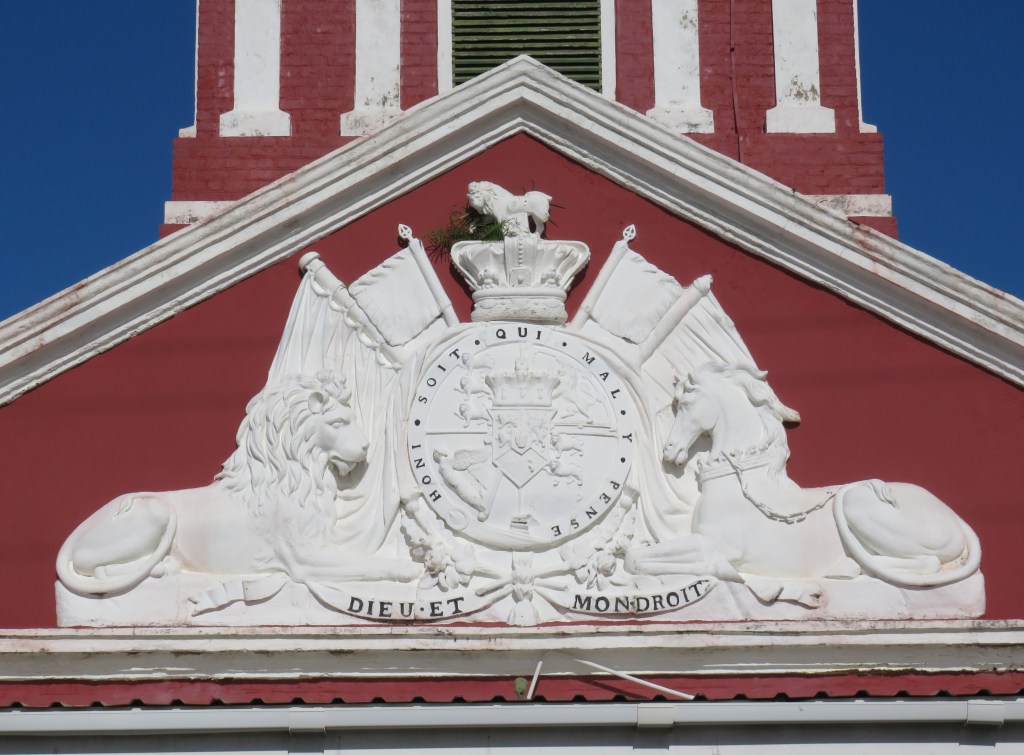
The Barbados crest.
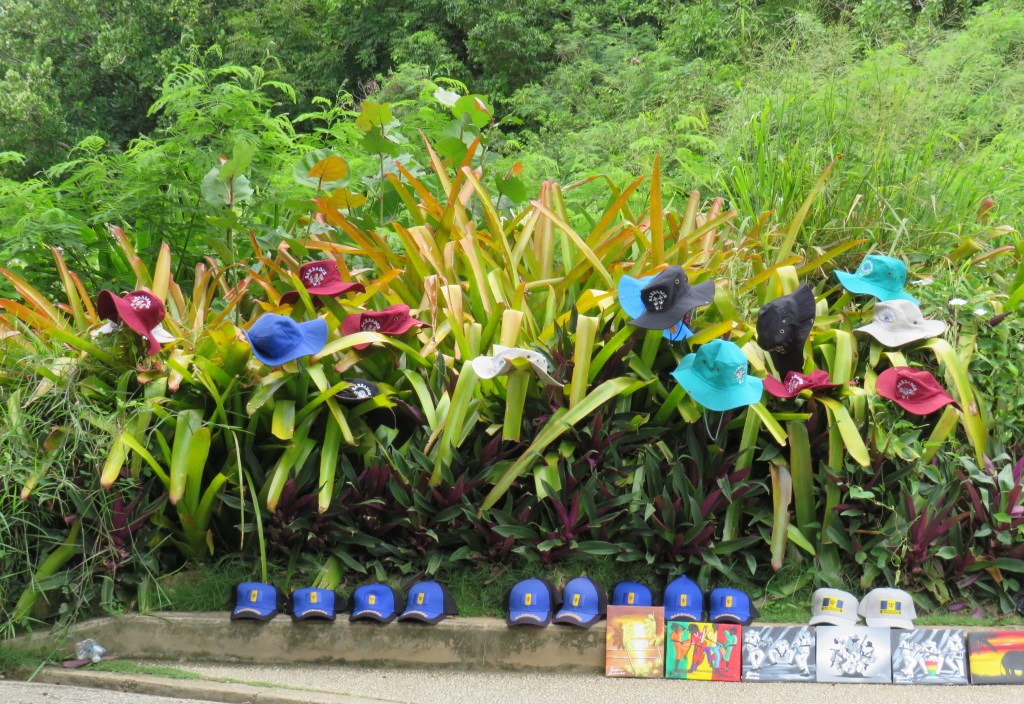
While driving around, we saw a fun display of souvenirs waiting to be noticed and purchased. We stopped, looked and bought a couple of items.
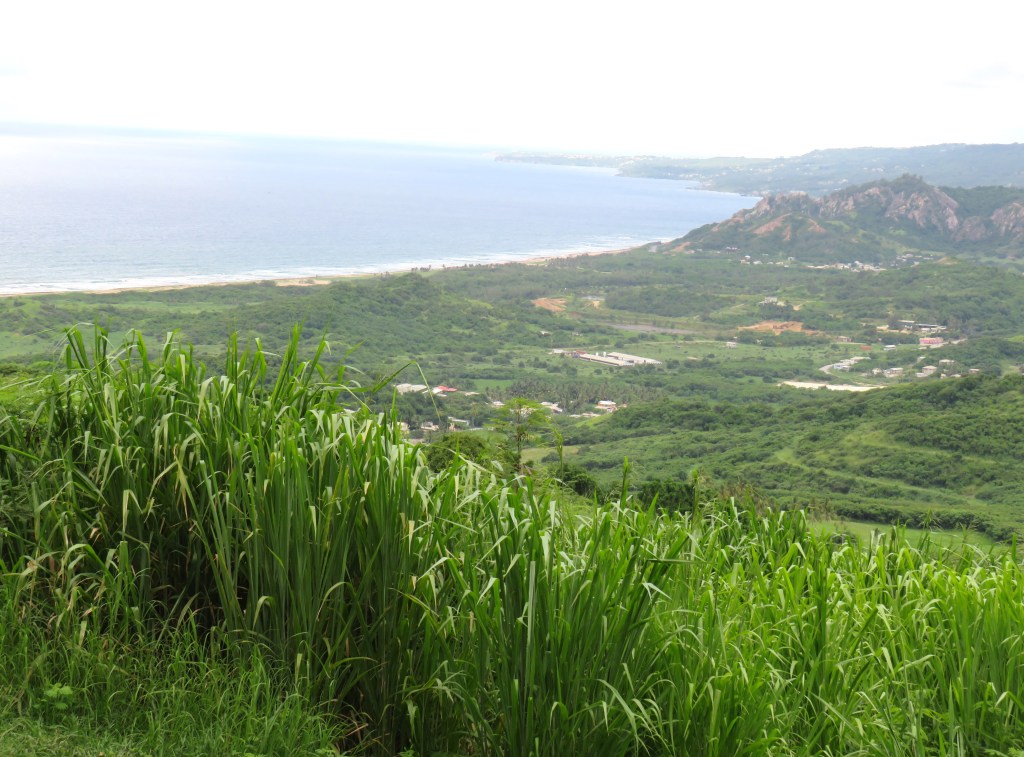
But this was the real view, overlooking Cherry Hill.
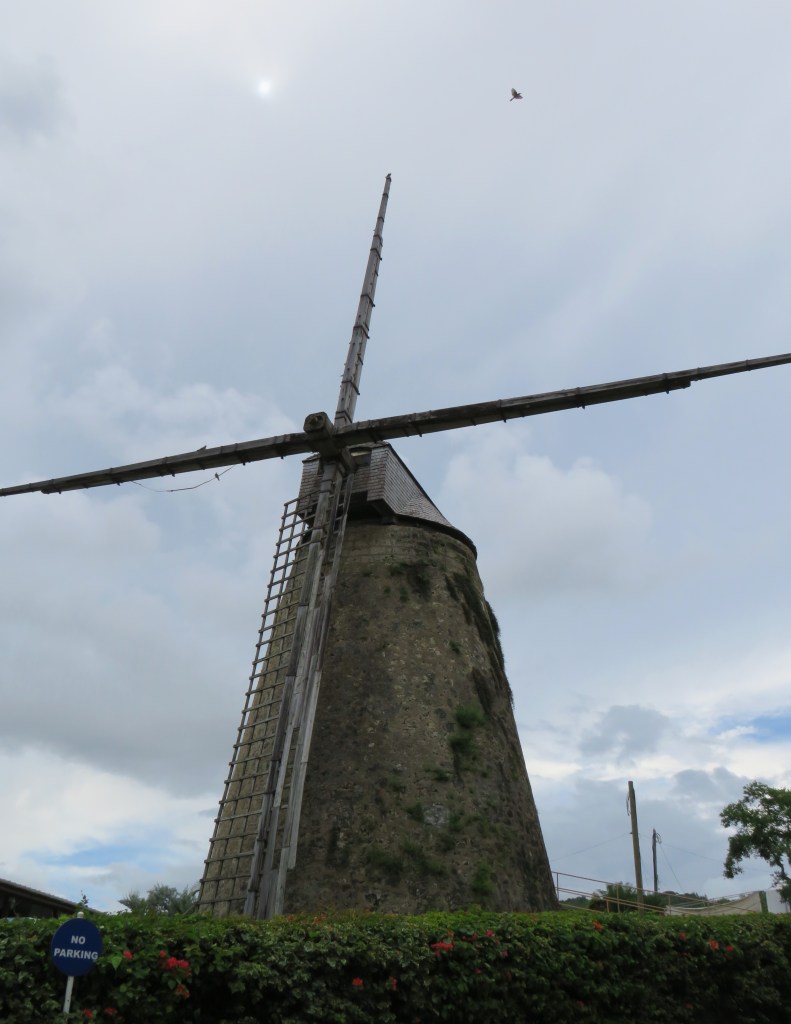
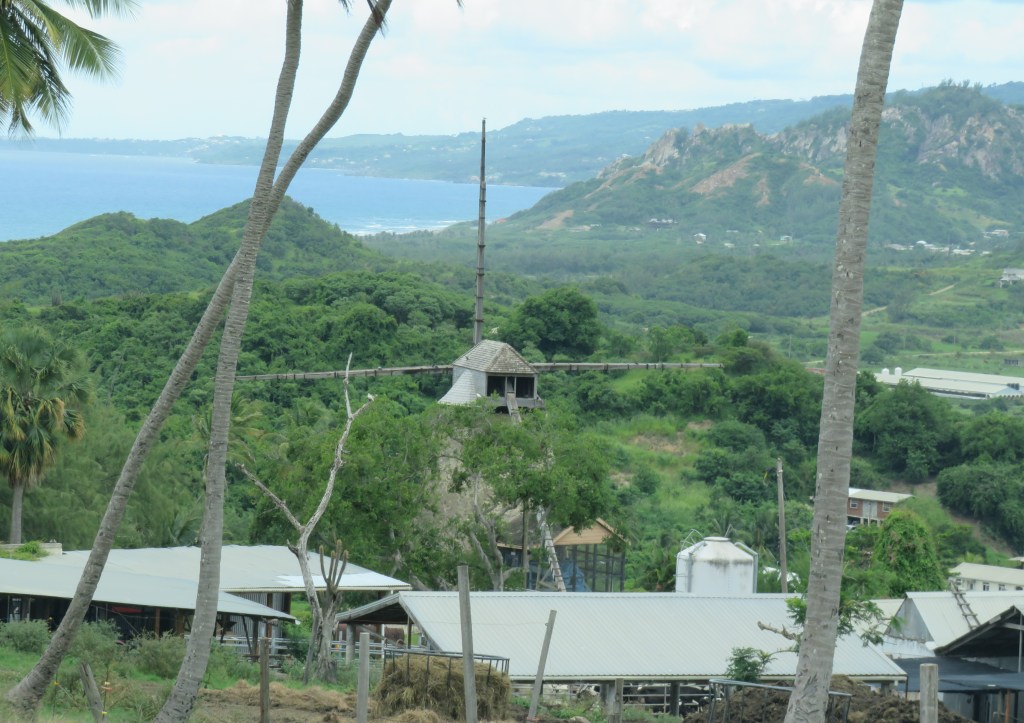
We continued driving north and stumbled across this old windmill. Definitely a throwback from the old Dutch settlers. It is called the Morgan Lewis windmill. Morgan Lewis Windmill, St. Andrew, Barbados is the biggest and only fully functional sugarwindmill in the Caribbean. The mill stopped operating in 1947. In 1962 the mill was given to the Barbados National Trust by its owner Egbert L. Bannister for preservation as a museum.
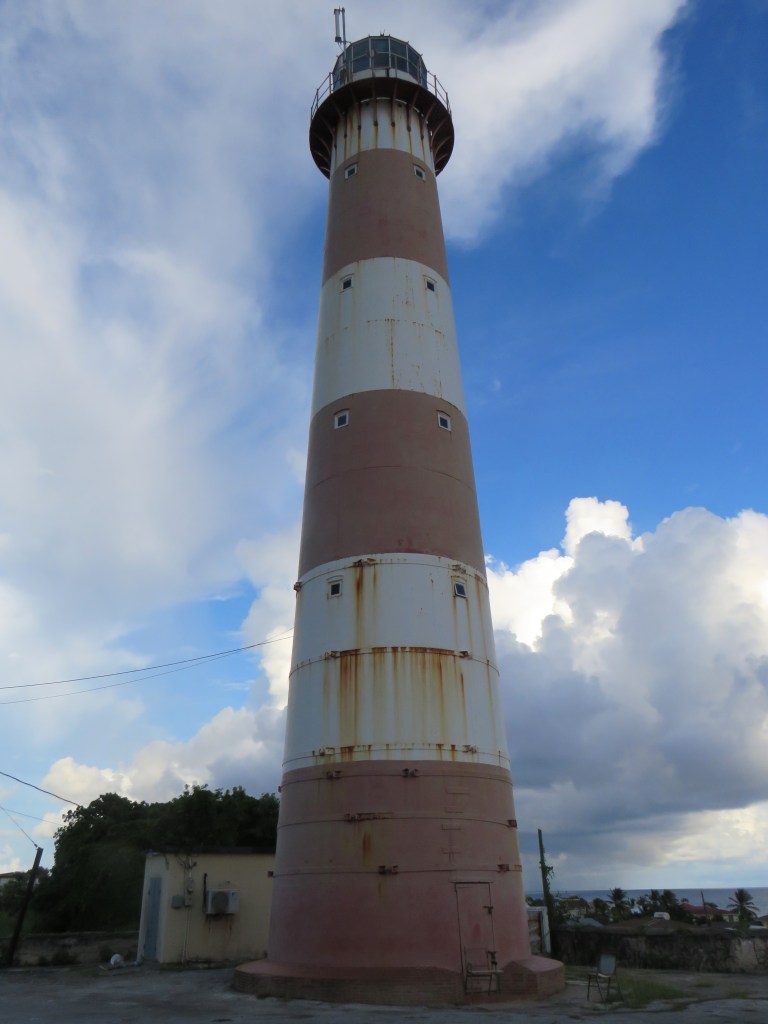
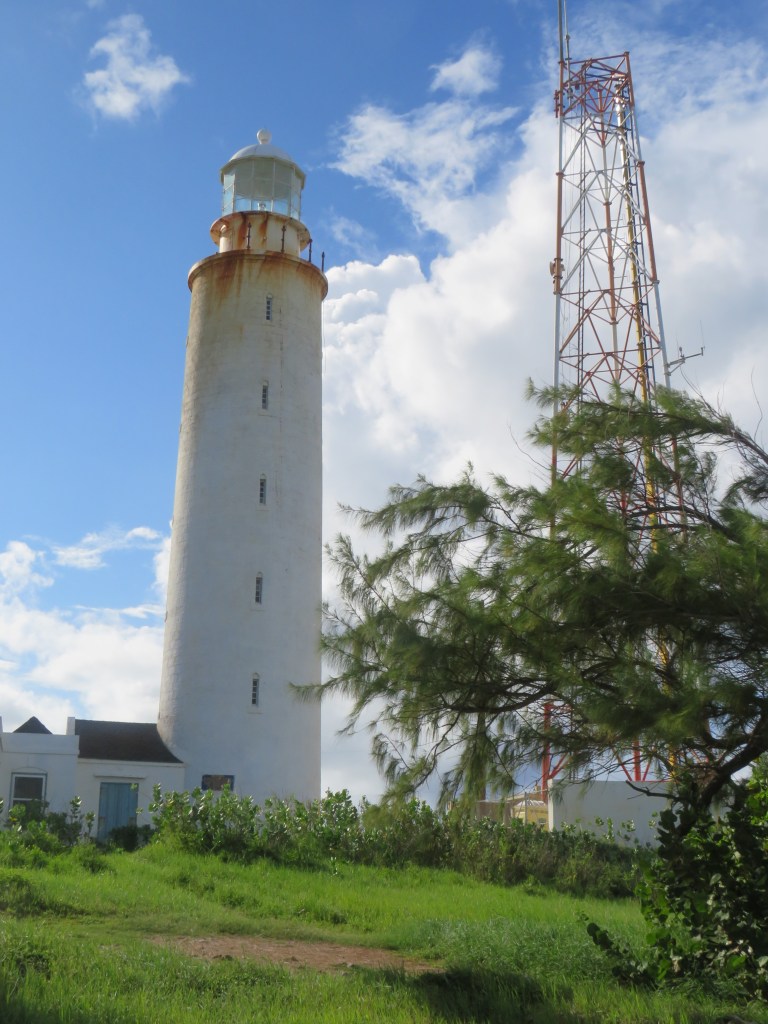
We saw lighthouses.
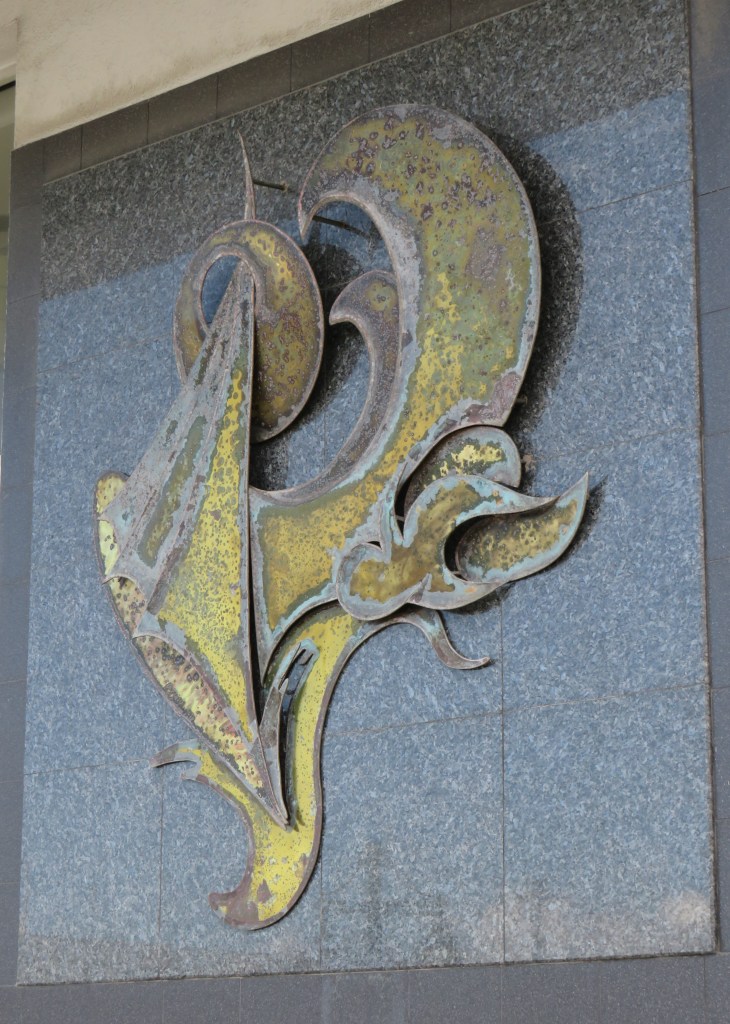
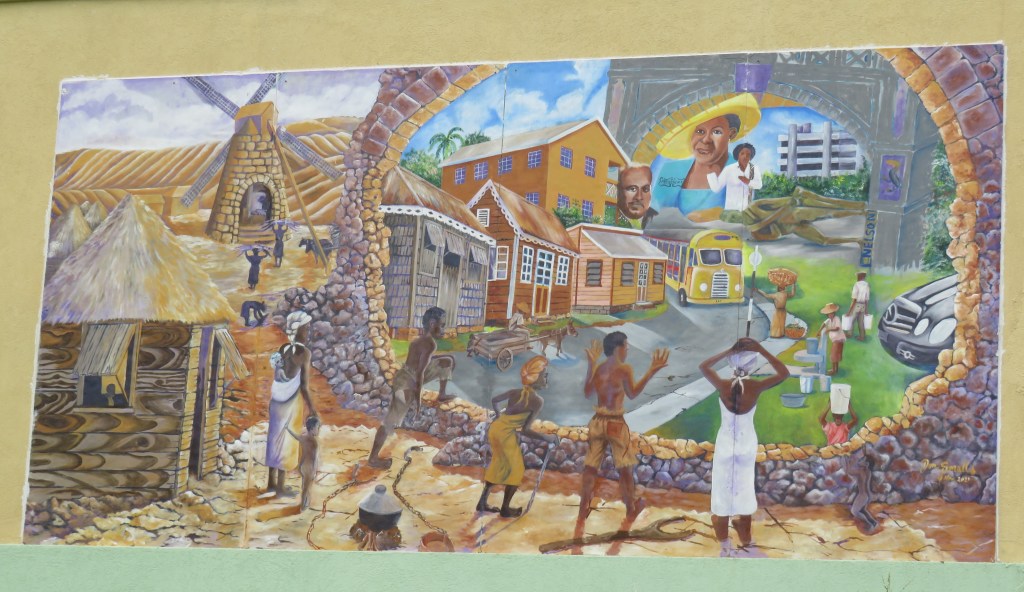
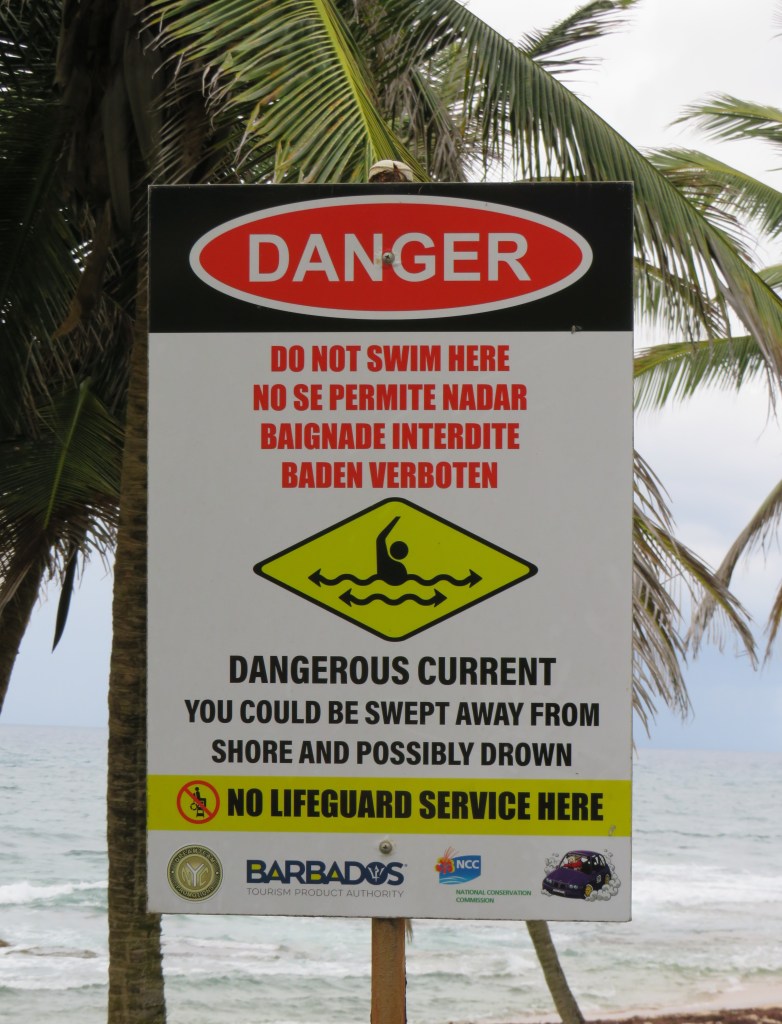
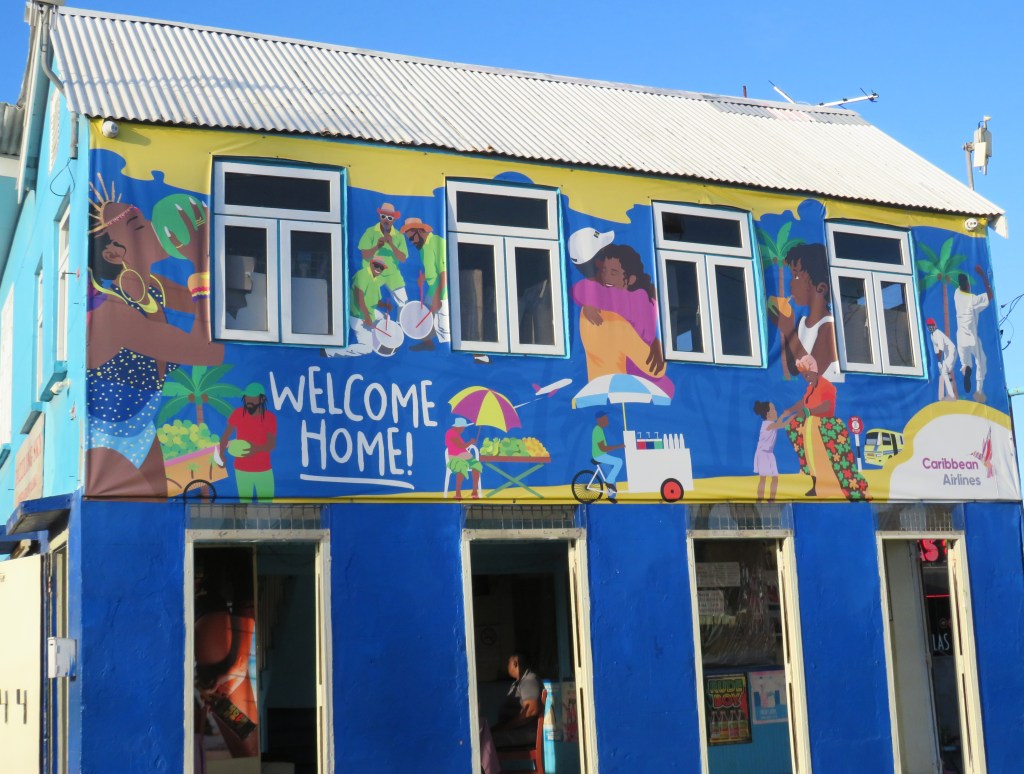
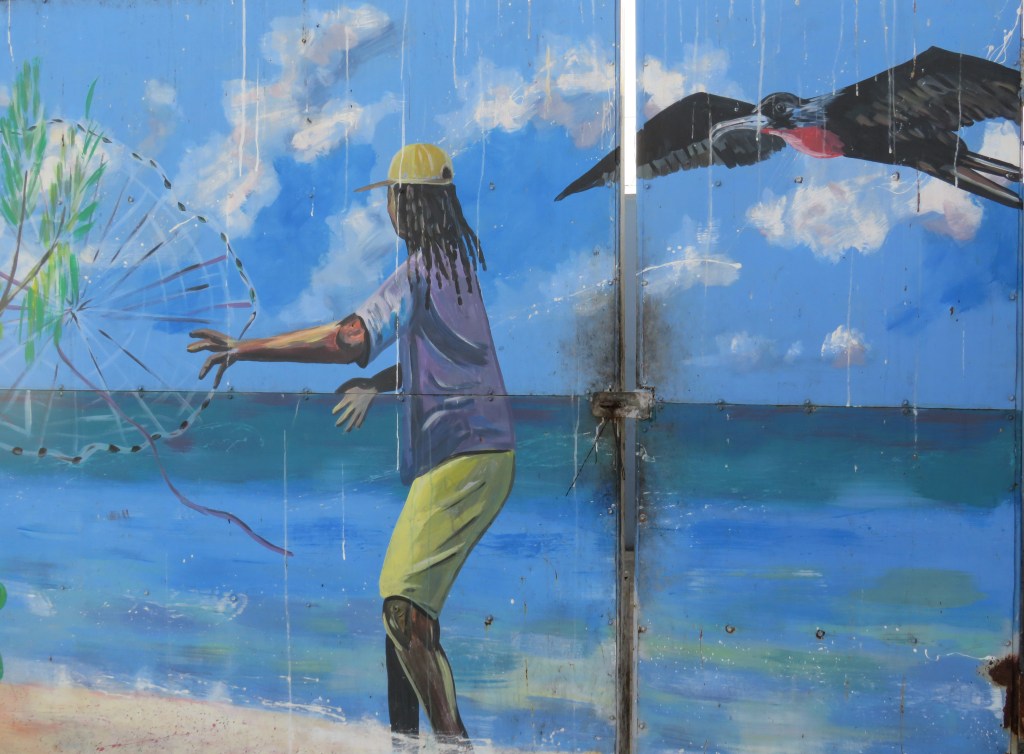
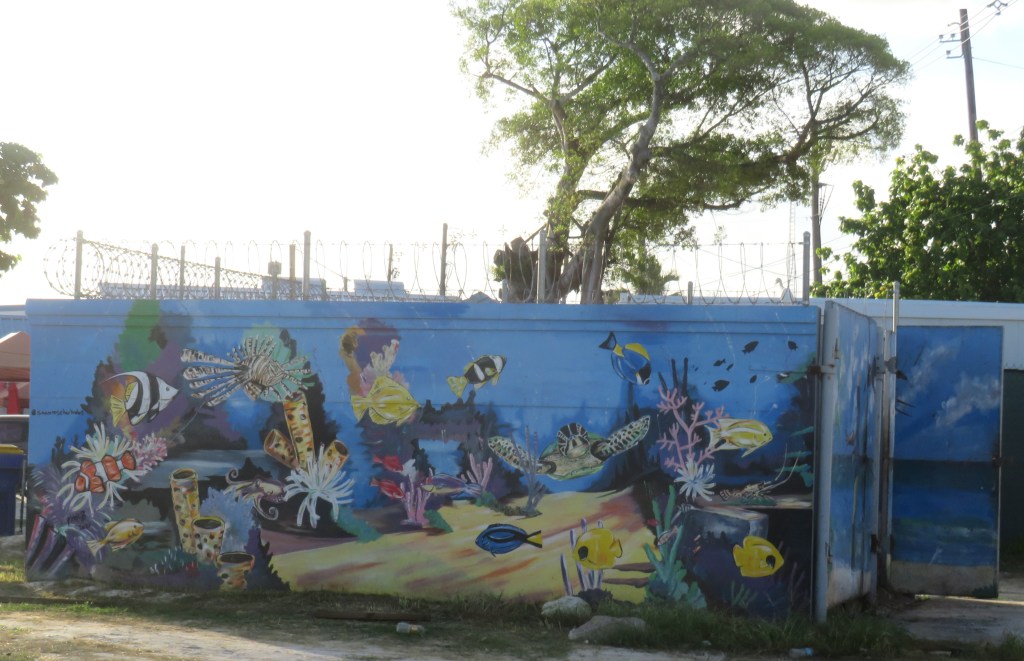
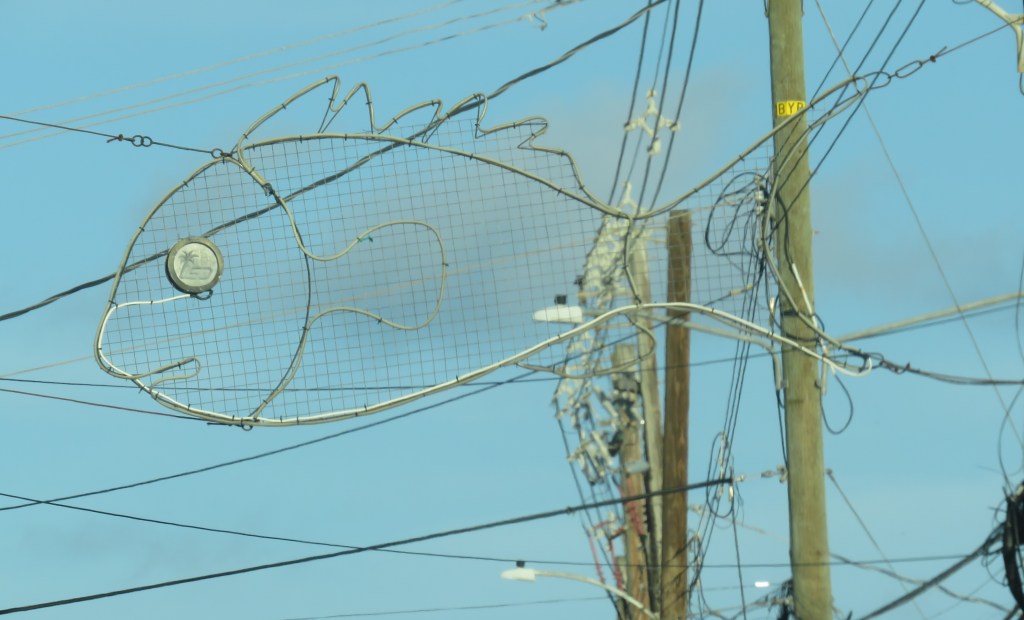
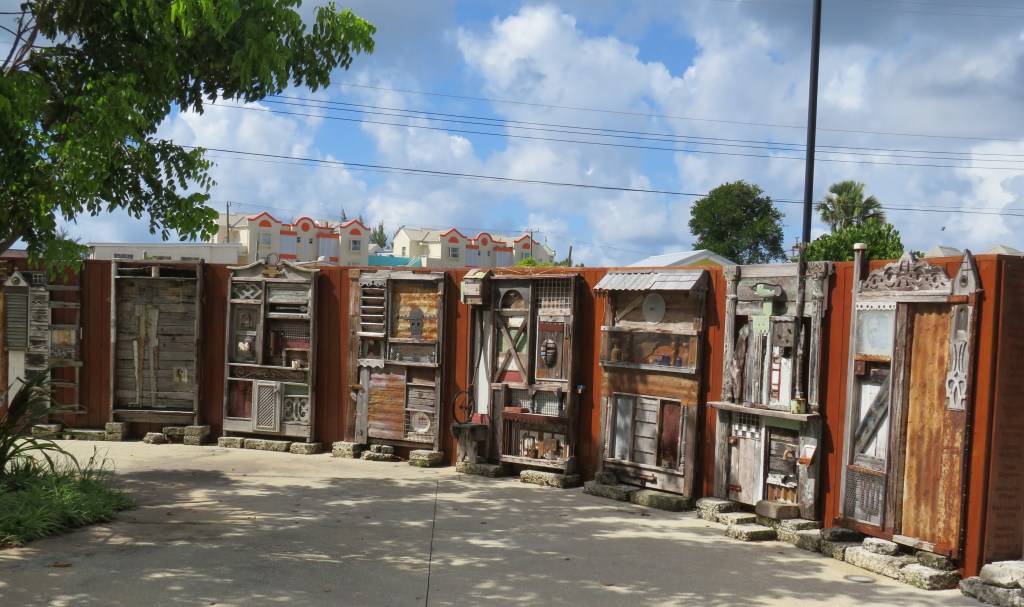
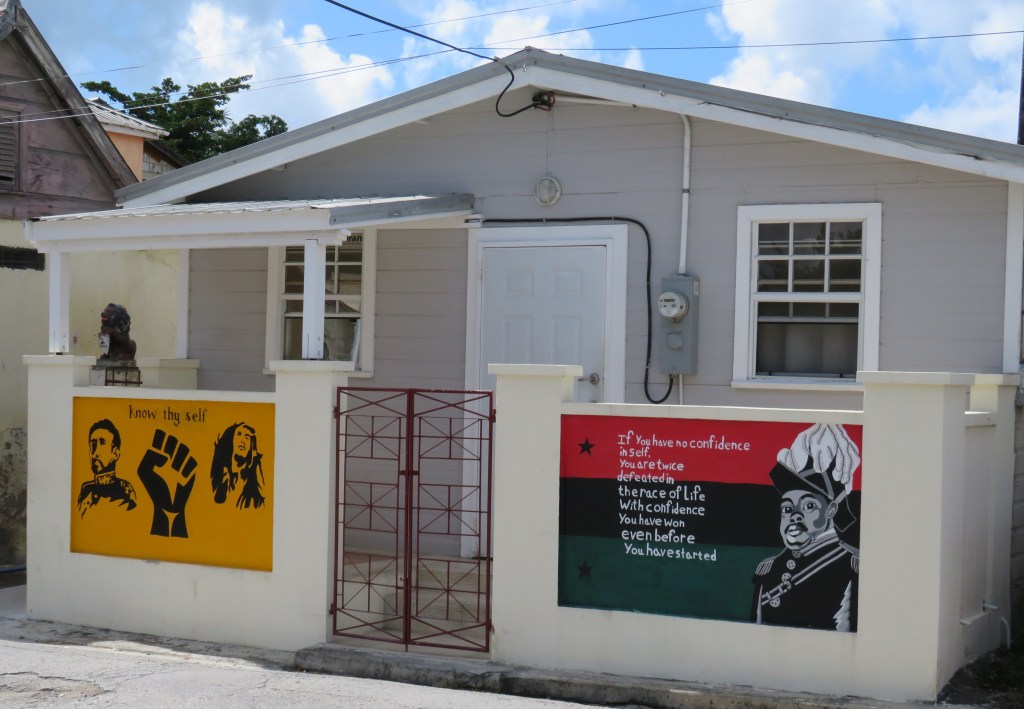
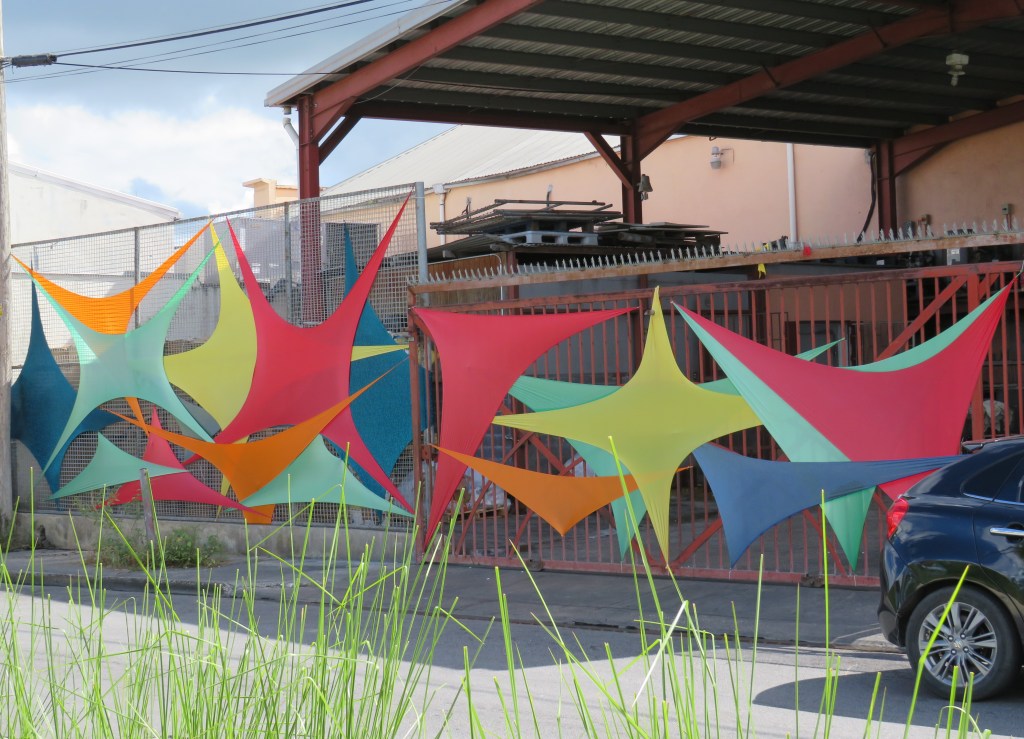
And some local art, signs and murals too.
The art in the airport was beautiful too.
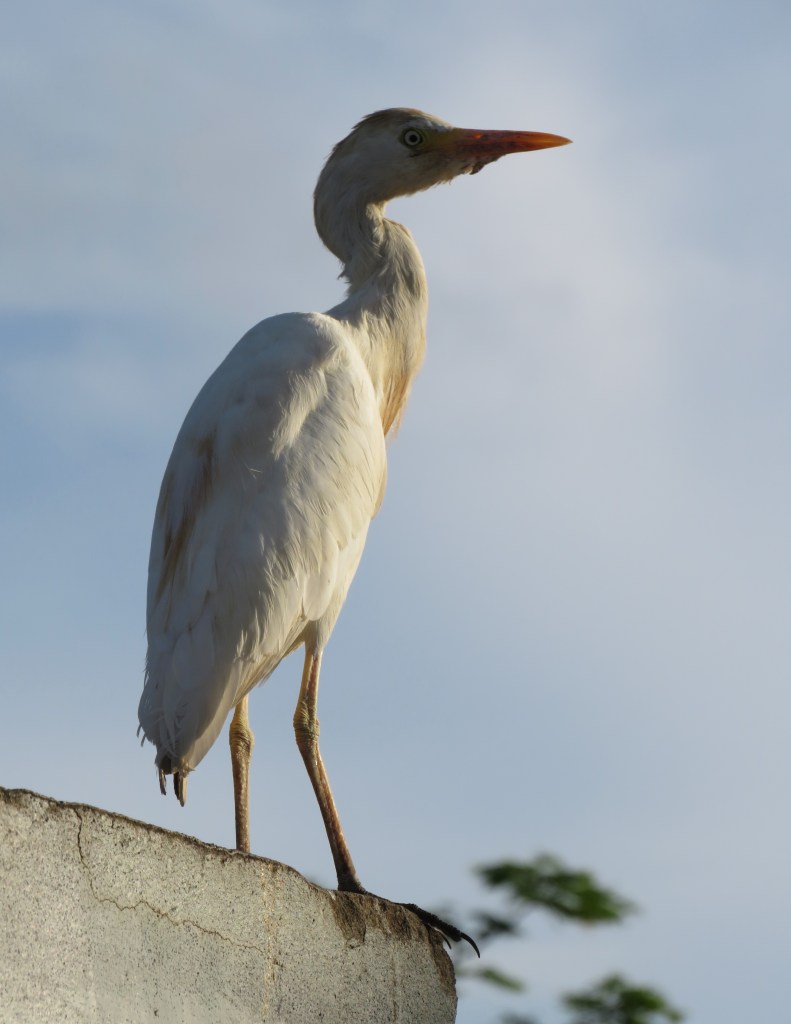
There is so much more to see too. I have so many pictures of the beaches, flowers and birds too, but I will showcase those on a different blog post. All are beautiful, and deserve to be recognized on their own. Hang tight. I have so much more to share. 🙂
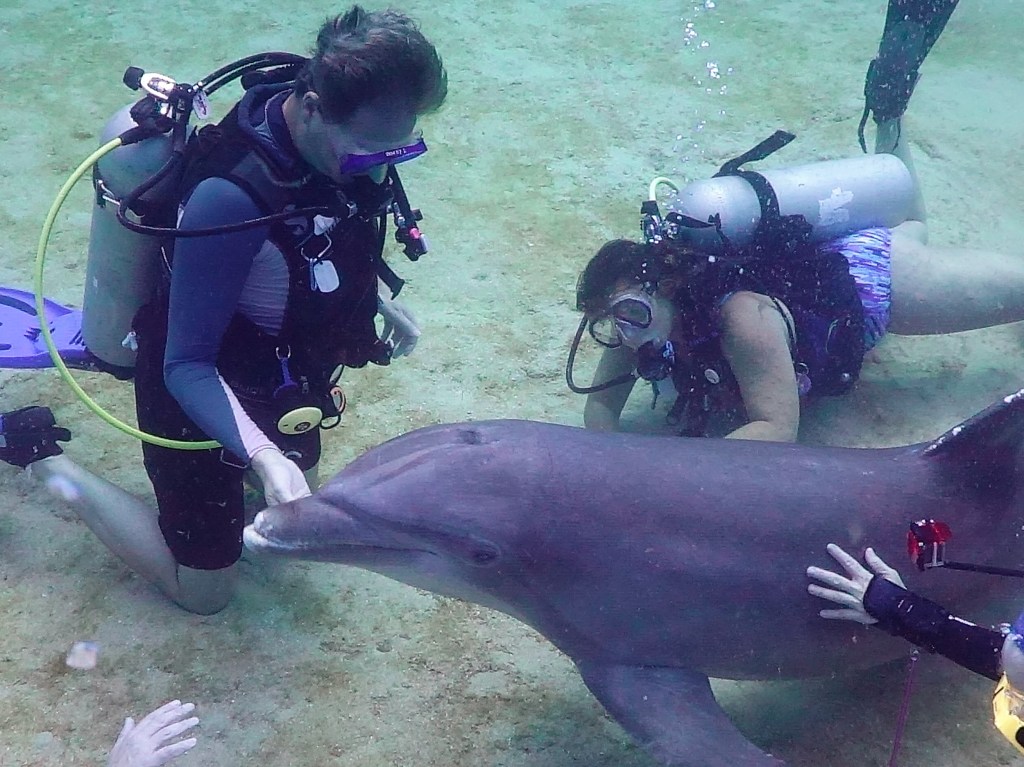
Dolphins are one of my spirit animals. And I just found out it is world dolphin day today. So thank you Nancy, from Our World https://nackpets.wordpress.com/ for letting me know. 🙂
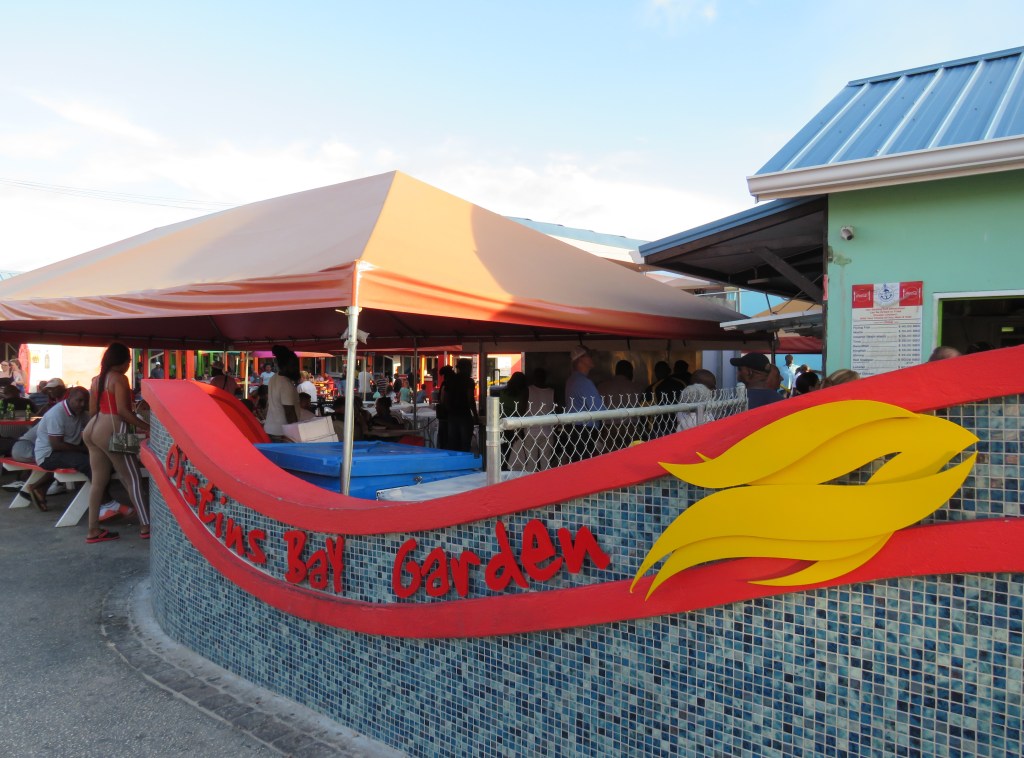
Oistins, in the southern parish of Christ Church, is a major fishing community in Barbados with a modern fishing market. On Friday night particularly, the big thing to do is go to thefish fry at Oistins Bay Gardens. The food is the main draw – excellent fish, (tuna, swordfish, marlin, mahi-mahi, flying fish), lobster, chicken etc. served in an extremely informal setting. One of the most atmospheric, cultural and rewarding eating experiences on the island, Oistins Fish Fry attracts thousands of local people and visitors. A cluster of beachside shacks fill up with hungry customers to feast on fresh fish – grilled, baked or fried – served with a choice of macaroni pie, rice or coleslaw. You can get your fish grilled or fried depending on which vendor you choose from. It’s all cooked on the spot in front of you.
Of course we went to Oistin’s. And we went on a Friday night too. The place was hoppin’. Pat’s was the place we chose, which we found out later, is THE spot to go to. But you have to go early if you want a spot to sit down and enjoy your meal.
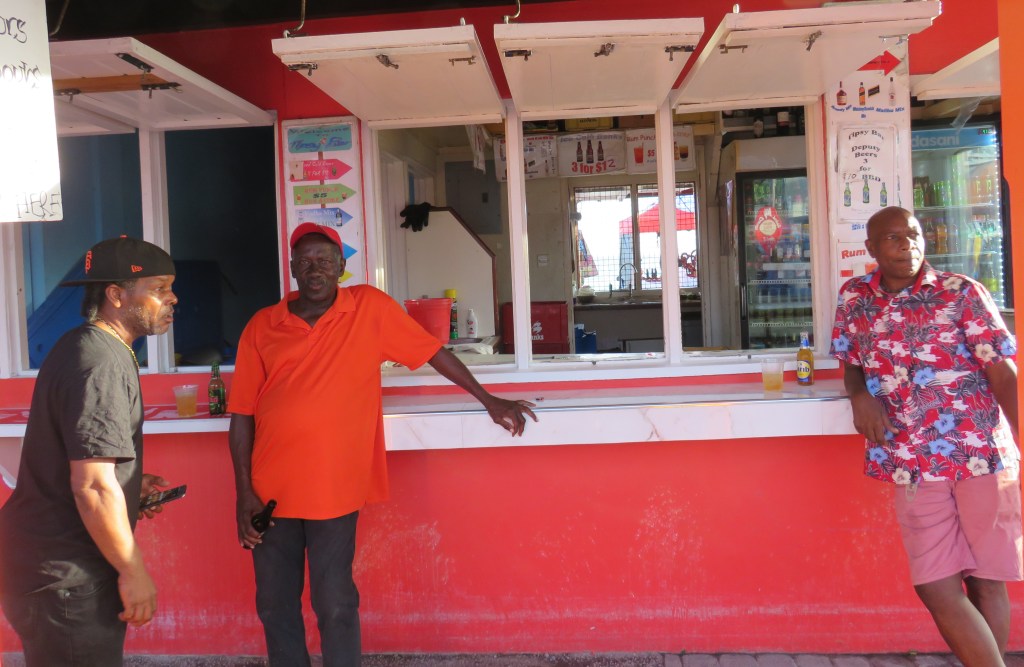
While Larry was in line to order our food, I went to one of the other vendors for some rum punch. These gentlemen all highly recommended the rum punch from this vendor too.
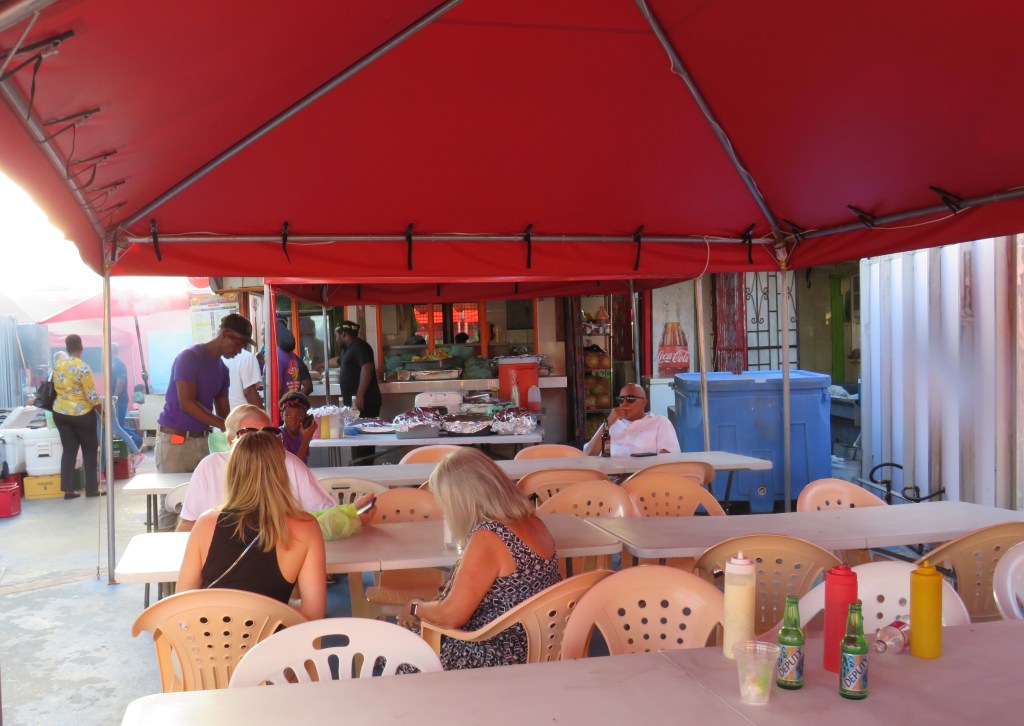
All the seating at Oistin’s is open seating under tents.
We dined like the locals, and enjoyed some grilled marlin and some fried flying fish, one of Barbados’ National dishes. Both were very good. It was caught fresh and fried right there in front of us on open grills.
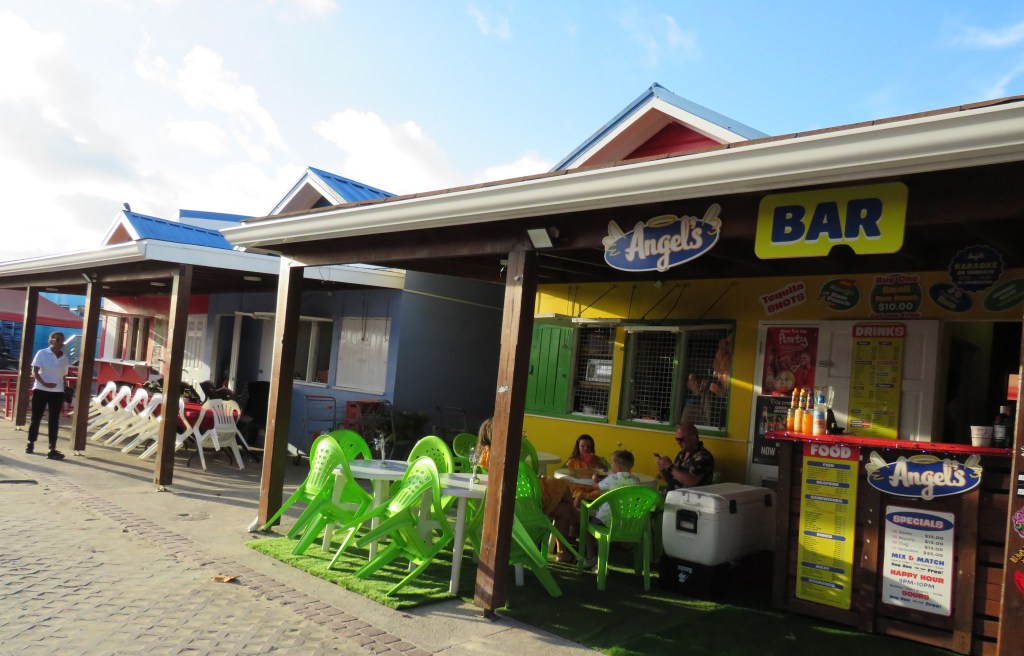
Some of the sights and other locals around Oistin’s.
They all wanted some fresh fish too.
This guy is just lucky he wasn’t on the menu.
We went to Oistin’s one more time, but it was not nearly as alive as it was on the first night, a Friday night. Friday nights are definitely the nights to go.
Barbados is an island nation with a very rich and diverse history. It was originally inhabited by both the Arawak and Carib Indians. In the 1500’s, the Europeans started coming over. There were the Spanish, the Dutch, Dutch Jews, English, Muslims, and of course Africans who were mostly brought over as slaves. Each one of these cultures has left indelible influences on the Barbadan culture of today. Today’s Barbadans are almost exclusively African. They embrace their culture and history and have grown strong because of it. They are proud people. Barbados is one of the wealthiest Caribbean countries, or at least so they say. I personally think Grand Cayman is, but maybe that’s just me.
Normally we jump right into the water for diving, but this time, we waited a day since we had such a long travel day. Instead of diving the first day, we took a walking tour through Bridgetown. Our tour guide Karen was a wealth of information and was very interesting. We spent about 3 hours with her, learning all about the Barbados history. The tour was fascinating. We learned so much.
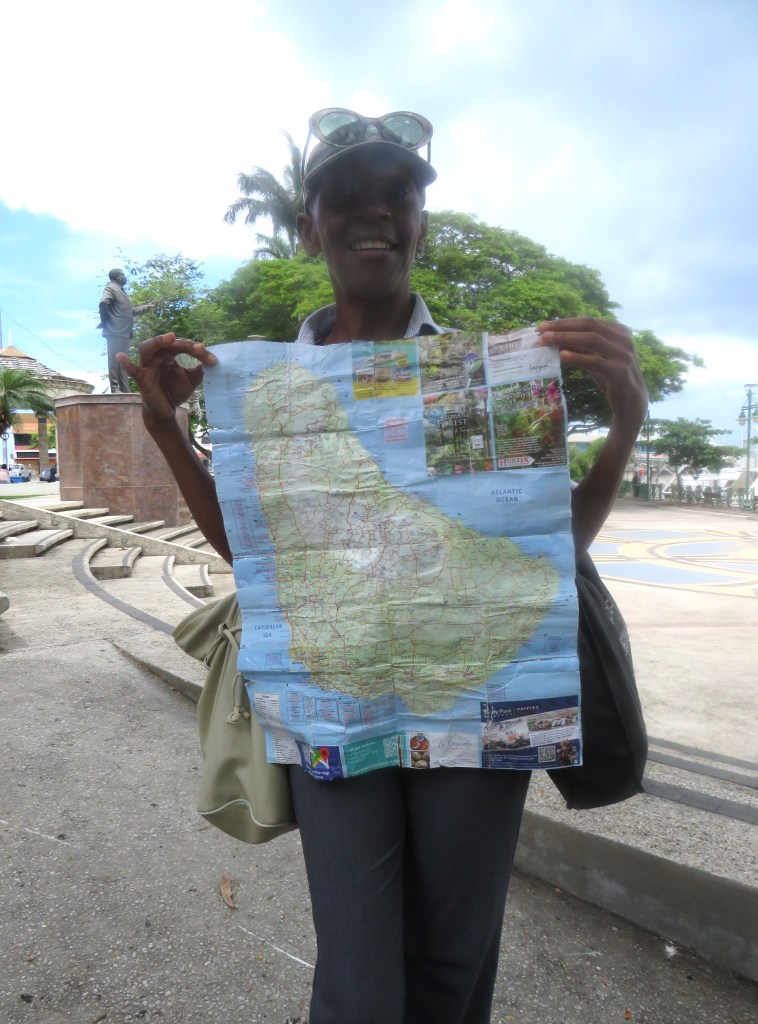
Our tour guide Karen. She was great. Bridgetown is one of 11 parishes on the island, located on the southwestern portion of the island.
Bridgetown is the capital of Barbados. The town, which was founded in 1628 and was originally called Indian Bridge. Bridgetown is where the Parliament Buildings are located, which are open to the public as well, but you have to be dressed appropriately to attend Parliament sessions. That would have been very interesting to attend, but we didn’t have the time or the appropriate clothes to do so. Next time.
Bridgetown is also where a lot of revolutionary protests took place. Today, Bridgetown is a place of remembrance for a lot of the Barbadan historical events and people.
This is Independence Square.
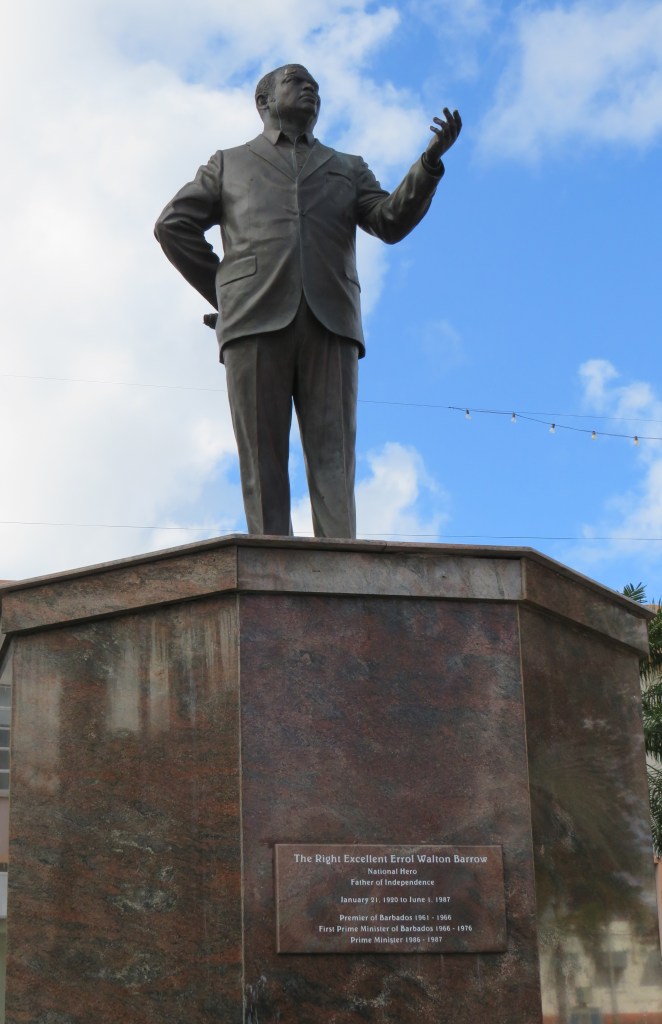
Barbados 1st Governor, Errol Walton Barrow. They call their honored citizens The Right Excellent.
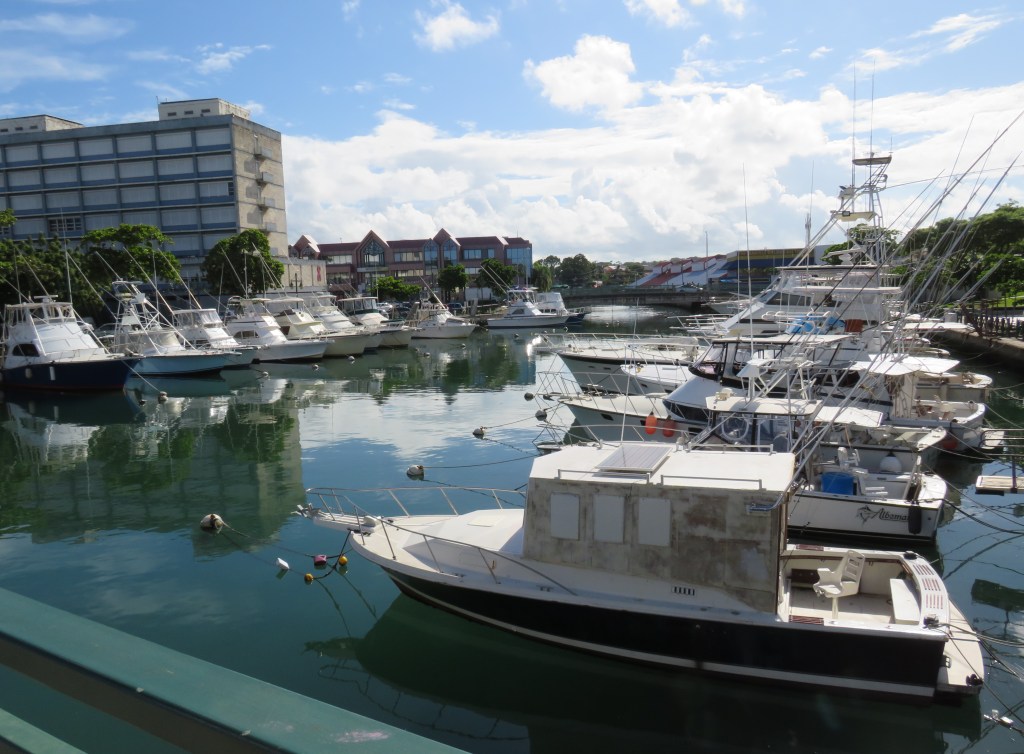
It overlooks the marina. The marina separates the river from the ocean.
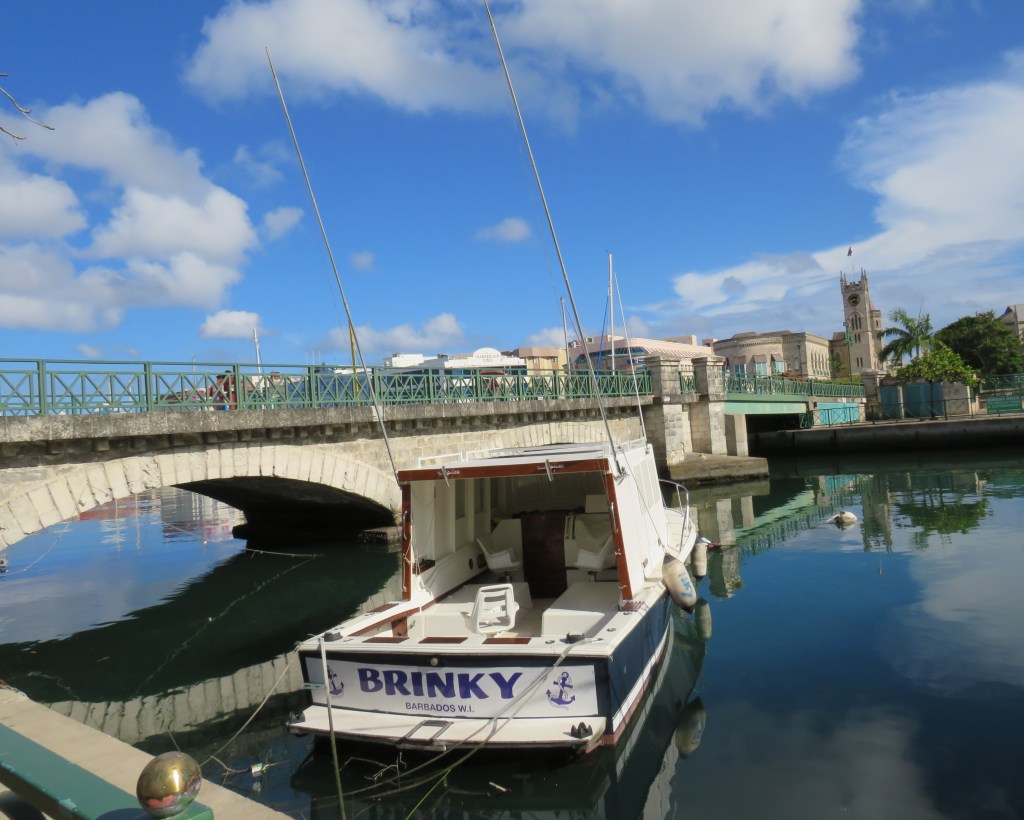
The famous bridge, also the namesake of the town. It used to be a drawbridge. Today it is just a walking bridge.
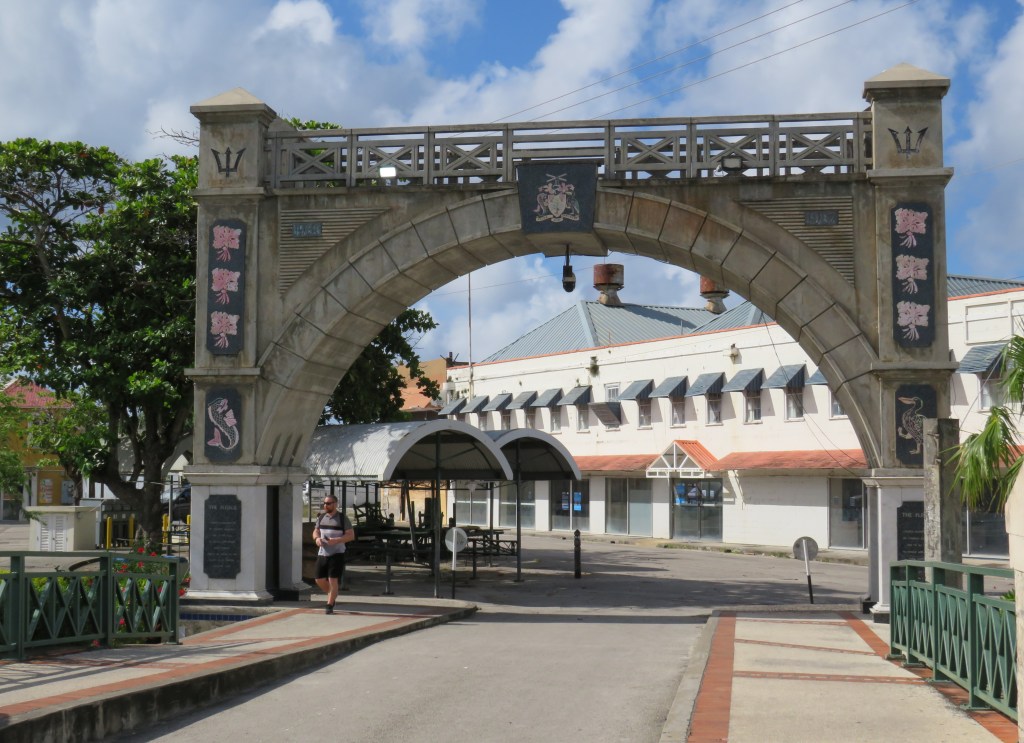
The bridge bears the Barbados Pledge of Allegiance.
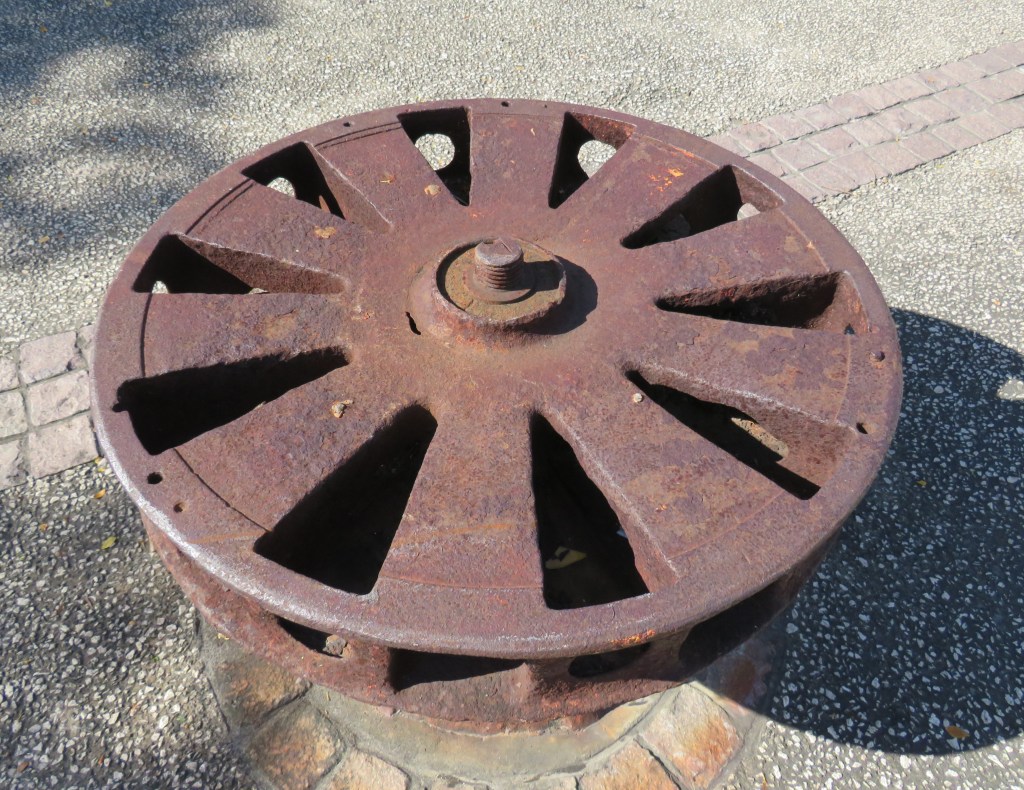
This is one of the original docking wheels for the ships, dating back to the 1600’s.
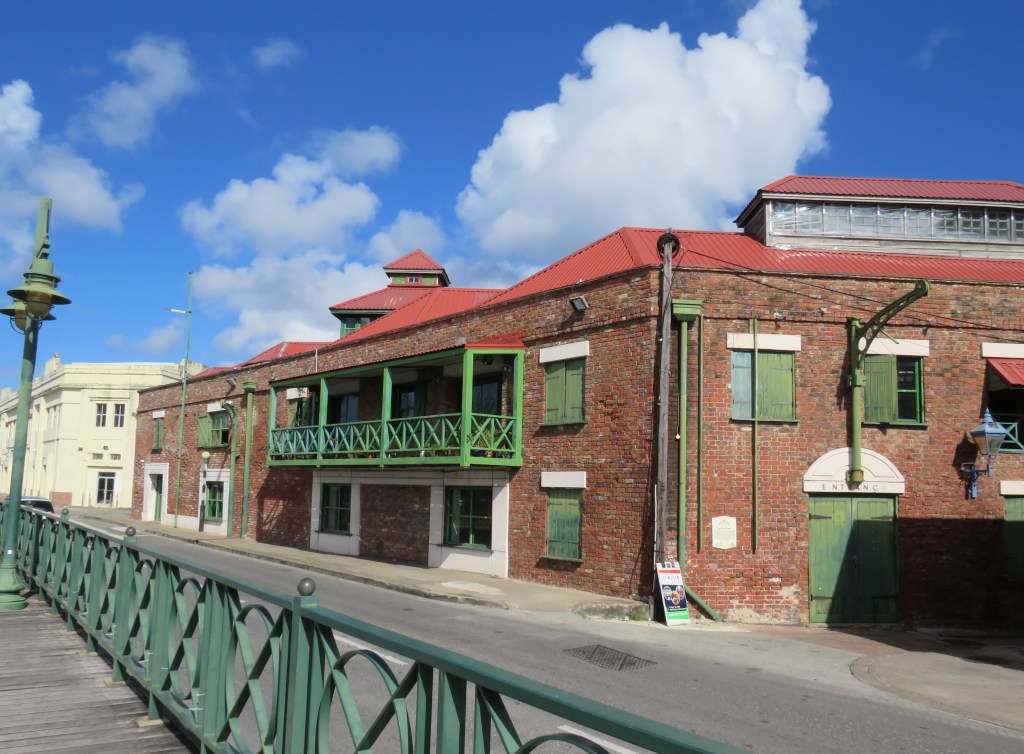
This building was one of the original merchant buildings from the 1600’s that would load sugar cane, molasses and rum directly onto the ships.
These were the loading mechanisms that directly loaded everything onto the ships. In the 1600’s, the water’s edge came right to the buildings. Today, they have extended the streets over the water.
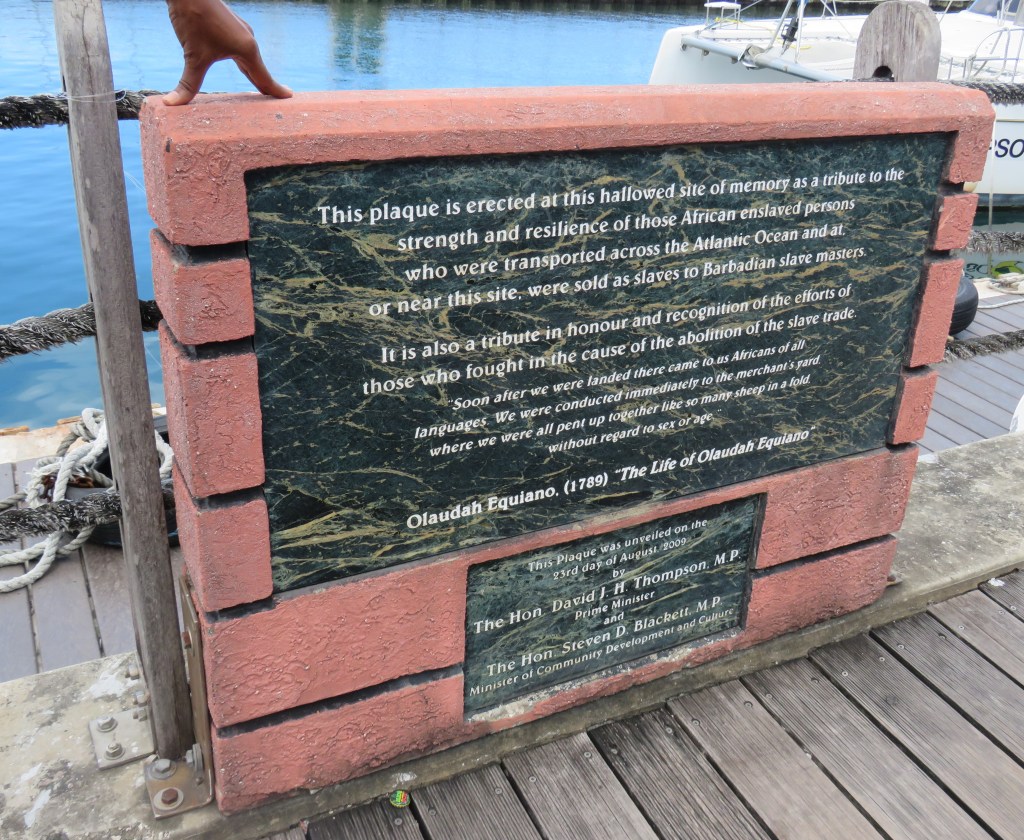
A sad and dark part of Barbados history was the slave trade. Barbados was one of the largest slave trade regions of the time.
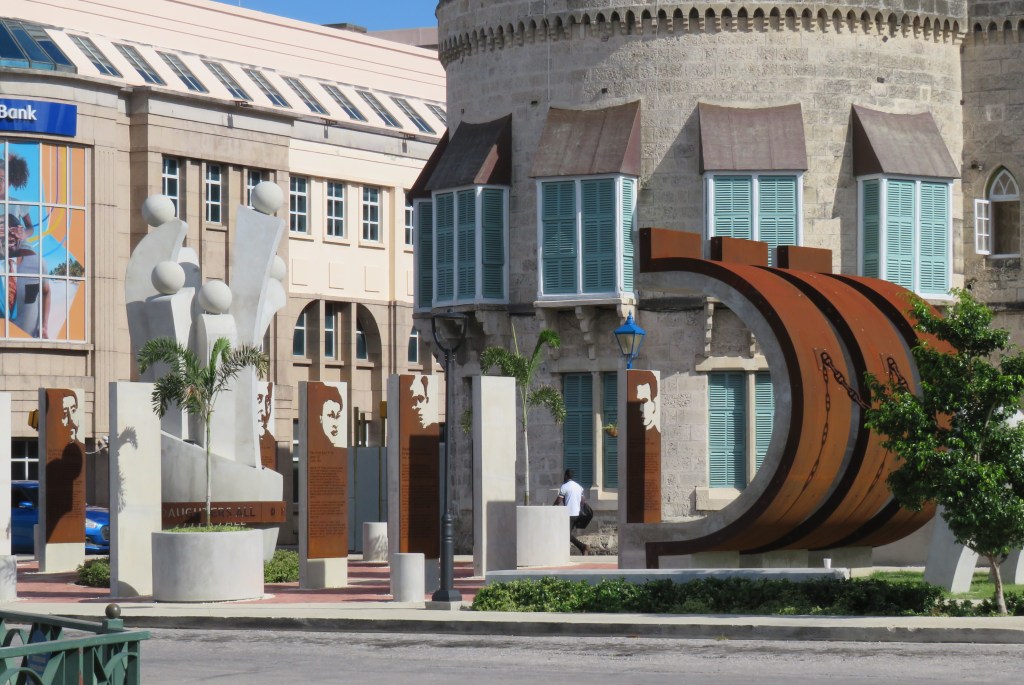
But instead of dwelling on their past, they overcame it and moved forward. This sculpture garden honors the famous leaders and people of Barbados, including the singer, the Right Excellent Rhianna.
This is a WWI memorial to the brave men and women who fought for freedom.
This is one of the oldest markets, that still thrives today. There have been very little changes made since it originated in the 1600’s. This is still the most popular way of buying fruits and vegetables today too. Fruit and vegetable stands are everywhere.
The Original Merchant Building, still very much alive and thriving today.
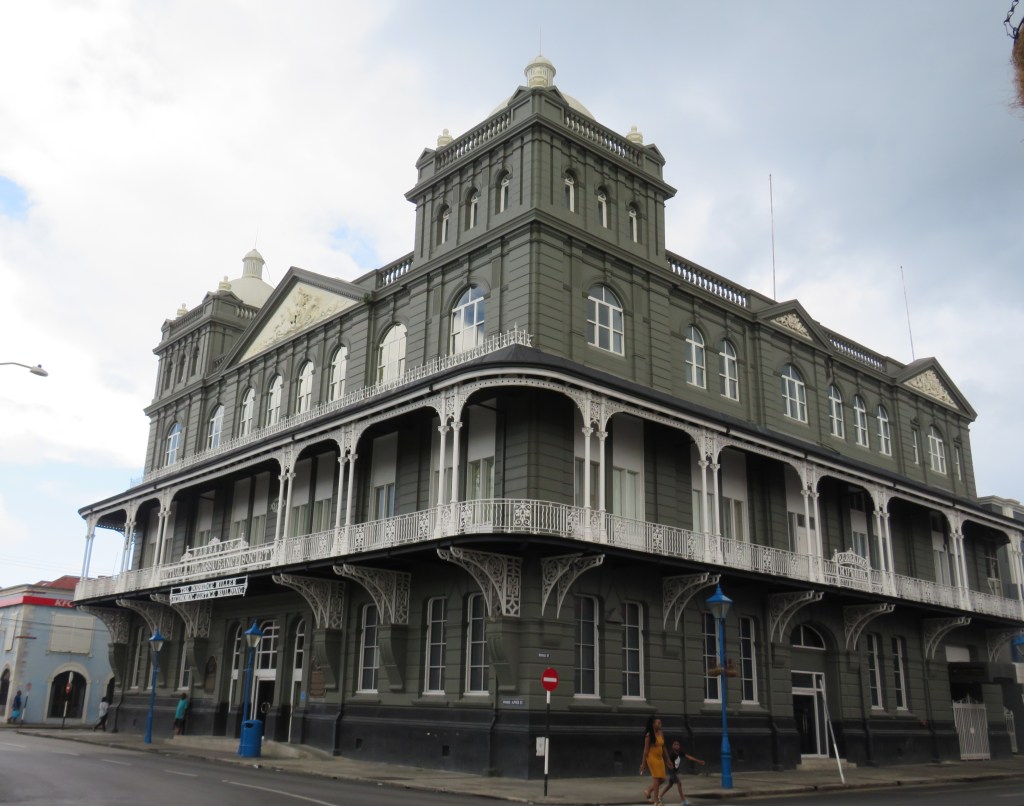
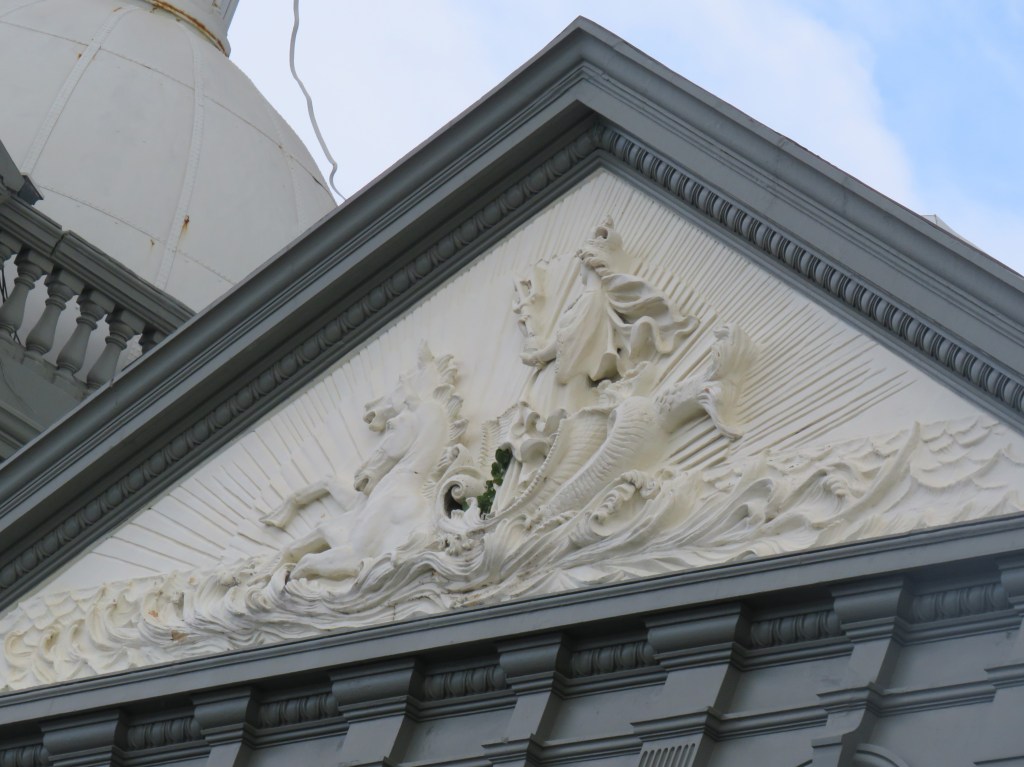
I love the old architecture and all the attention to detail.
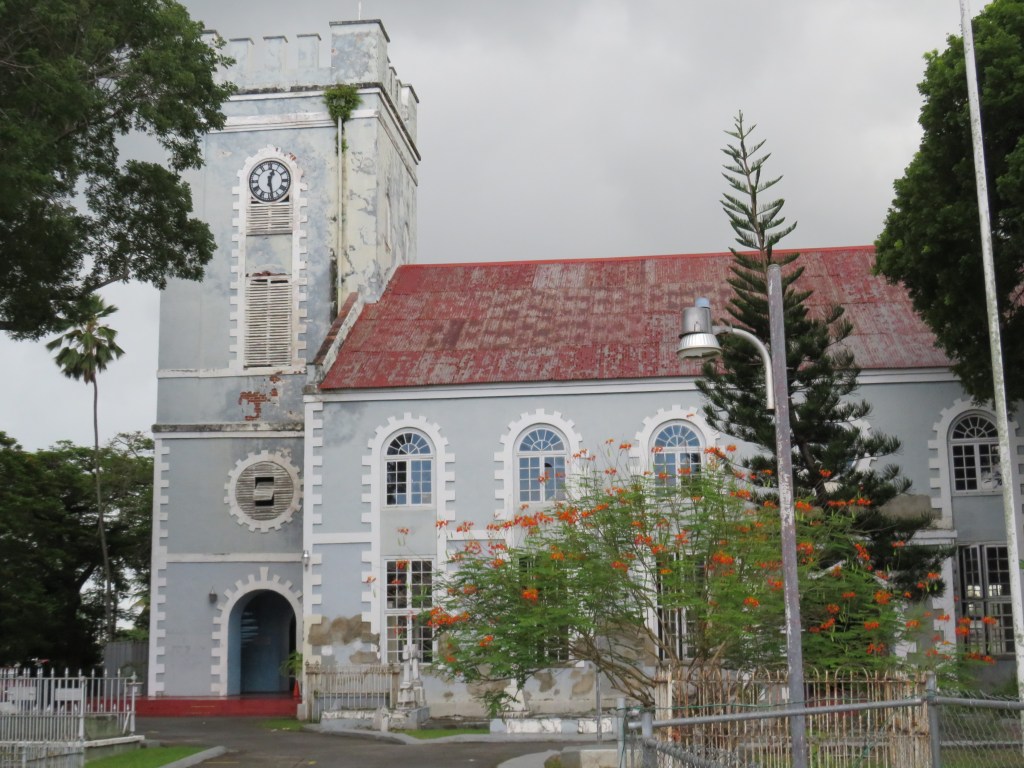
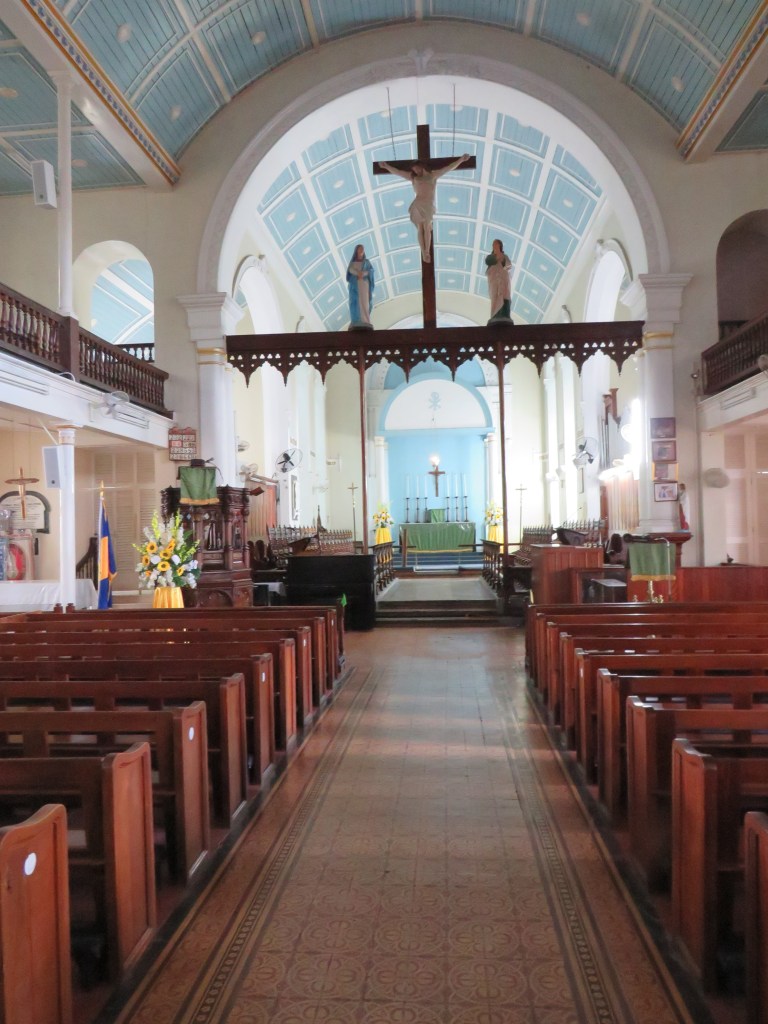
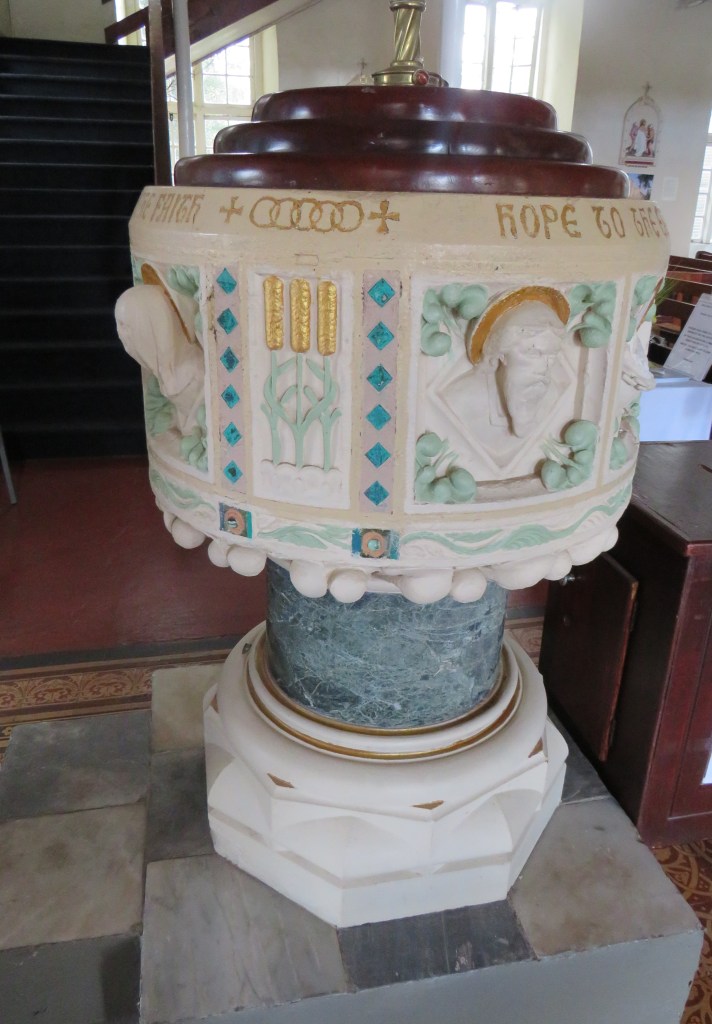
This is the 2nd oldest church in the Americas. It is an Anglican or Episcopalian church, as it is known in the U.S., again built in the 1600’s.
The ceiling was designed this way to make people think they were looking into the skies or the Heavens.
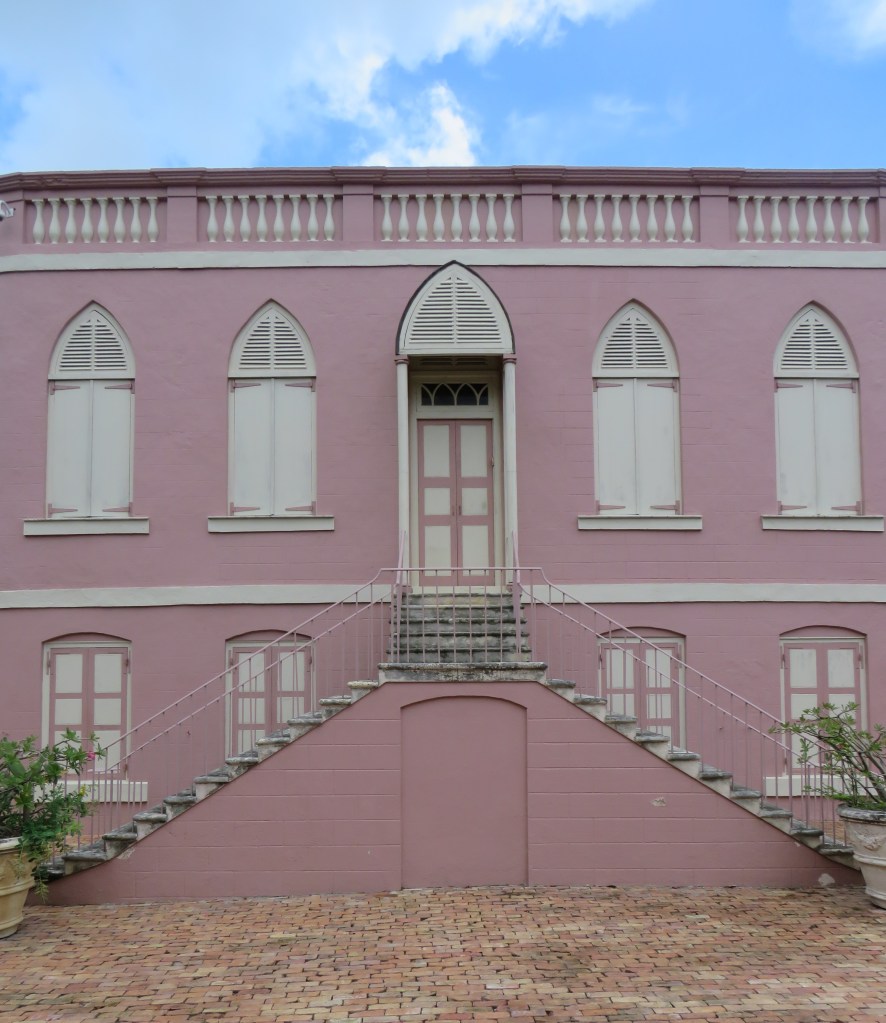
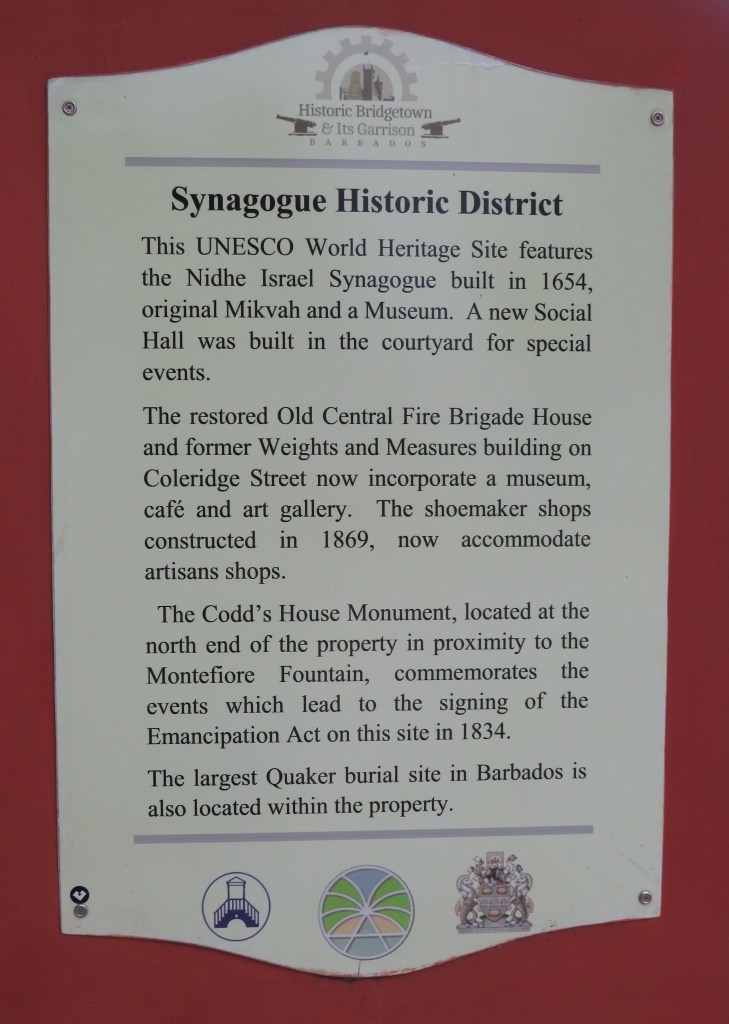
This was the 1st synagogue on the island, built by the Dutch Jews. Today it is used as a mosque.
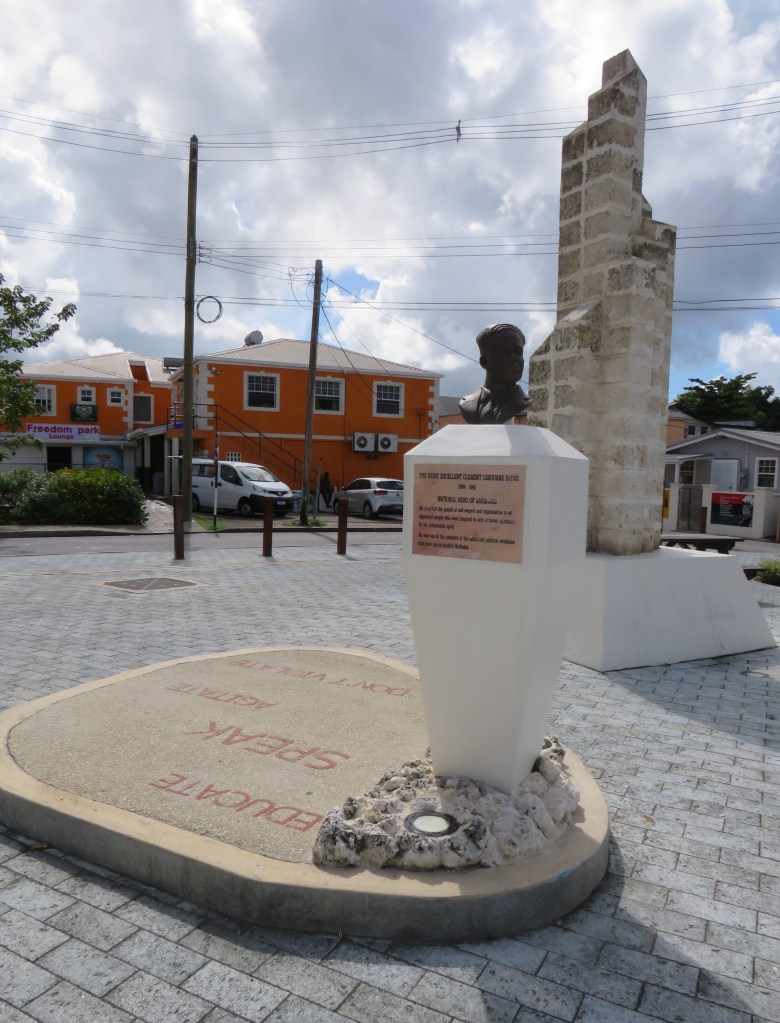
This used to be the assembly spot for the African members of Parliament, located in front of the old synagogue.
And Freedom Square. It is still used as a gathering spot today for rallies, protests and freedom loving functions of all kinds.
Bridgetown is the hub for all things political. The rest of the island is full of history too, but different kinds of history. It was a fascinating and very informative tour. We learned so much about Barbados by taking this tour. I highly recommend it.






























































 A Jeanne in the Kitchen