Chocolate Lovers Unite

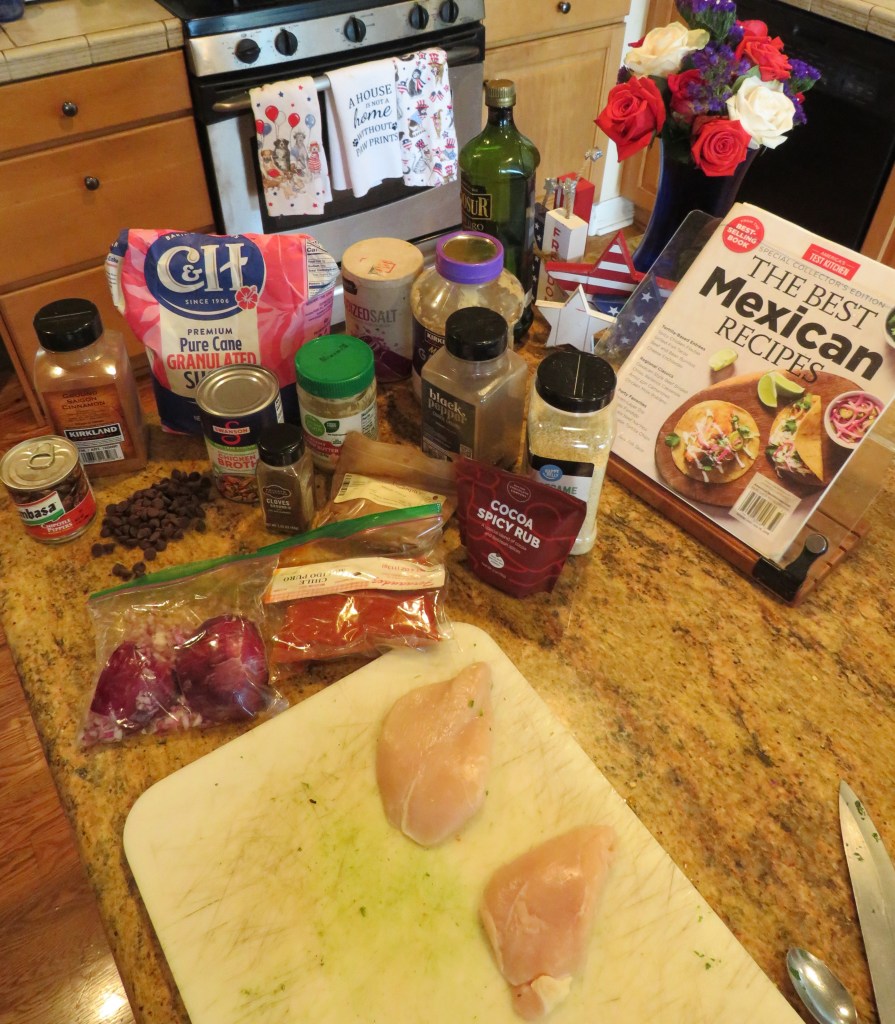
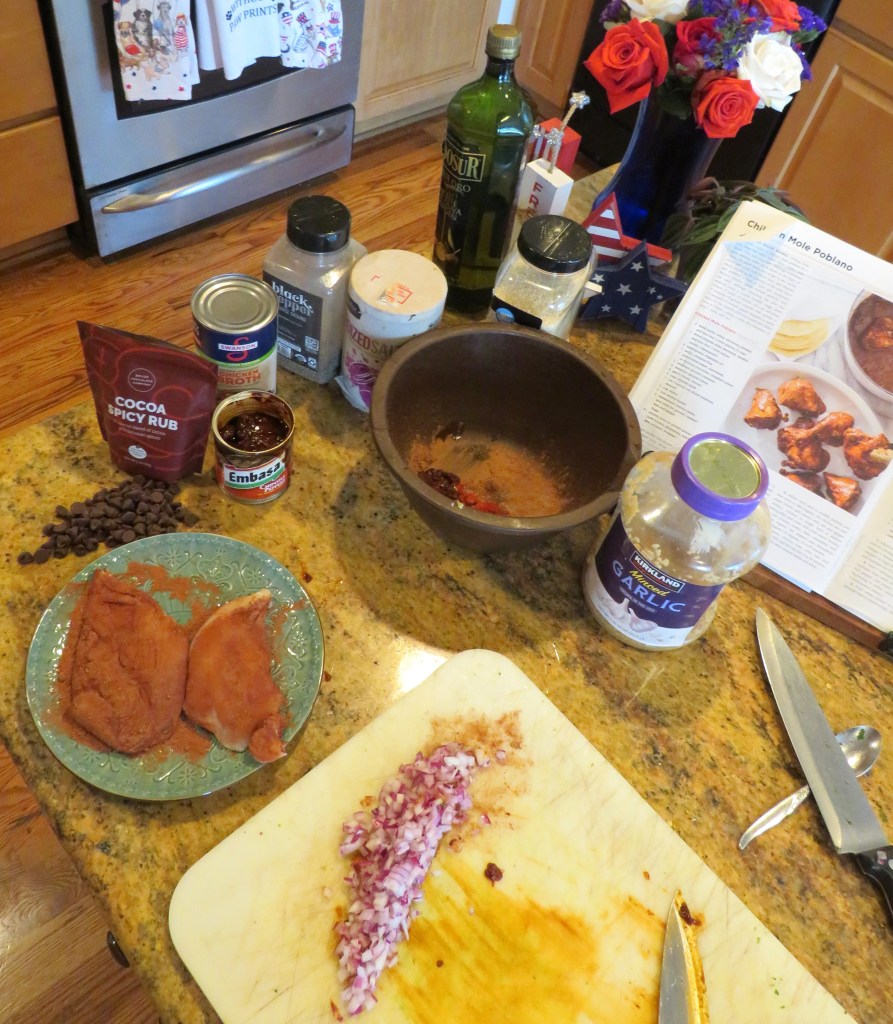
I am a little late, but yesterday was World Chocolate Day. I had no idea. So since, I didn’t know, but I do now, tonight’s dinner will have something chocolaty. You’ll just have to wait and see what I come up with. 🙂

World Chocolate Day, or just Chocolate Day, is an annual celebration of chocolate, occurring globally on July 7, which some suggest to be the anniversary of the introduction of chocolate to Europe in 1550. The world has been celebrating World Chocolate day since 2009, but here in the United States, we also celebrate on September 13, with International Chocolate Day, and there is also Chocolate Day, celebrated on February 9th too. Really, any day is a chocolate day though. 🙂

All chocolate starts from the cacao beans, grown in tropical areas of the world. Cacao and cocoa are two different phases of the chocolate making process. The key difference between cacao and cocoa lies in the processing: cacao refers to the raw, unprocessed beans or products derived from them, while cocoa is the term for roasted cacao beans and their processed products. Cacao is generally considered more nutritious due to its minimal processing, while cocoa is often associated with a more familiar chocolate flavor and is commonly used in baking and confectionery. In essence, “cacao” is the raw, minimally processed form, while “cocoa” is the processed, often roasted, form.

While it’s difficult to pinpoint one single inventor of chocolate, the practice of consuming chocolate-like beverages can be traced back to ancient Mesoamerican civilizations, particularly the Olmecs, Mayans, and Aztecs. Early evidence for chocolate consumption is found among the Maya, in 600 BC. These cultures fermented, roasted, and ground cacao beans into a bitter, frothy drink, sometimes adding spices, chilies, or cornmeal. 

The modern concept of solid chocolate, made by adding cocoa butter and sugar, is a later development, with J.S. Fry and Sons being among the first to produce it. Chocolate, as we know it today, largely came into being with the invention of the cocoa press in 1828 by Coenraad van Houten, which allowed for the mass production of affordable chocolate. Prior to this, chocolate was primarily a bitter, aristocratic beverage. The cocoa press separated cocoa butter from the solids, making it easier to create a powder that could be mixed with other ingredients and molded. Later innovations, like J.S. Fry & Sons‘ first chocolate bar in 1847 and Daniel Peter‘s milk chocolate in 1875, further shaped chocolate into its modern form. That century saw the rise of Swiss and British chocolate makers, and production was industrialized.

Today, chocolate is one the most popular treats, with over 1 Billion people eating chocolate everyday. Nine out ten people are chocolate lovers around the world. But we mostly eat the sweetened and refined version that was created in Europe, not the raw or bitter cacao preferred by the Mayan and Aztec cultures.

There are different types of chocolate and every country known for producing chocolates has their own unique style as well. Milk chocolate is the most popular type of chocolate, and it is made by adding milk powder or condensed milk to chocolate liquor. Dark chocolate is made with a higher percentage of cocoa solids and has a more intense flavor. Semi-sweet chocolate is a type of dark chocolate that is commonly used in baking.

There are many other types of chocolate available, including white chocolate, vegan chocolate, and chocolate with added flavors like nuts, fruit, or spices.

There isn’t a single “best” chocolate country, as taste is subjective and depends on individual preferences. However, Belgium, Switzerland, and France are consistently cited as leading chocolate producers with distinct styles and strong reputations. Other countries like Italy, Norway, Denmark and even some in Latin America are also gaining recognition for their high-quality chocolate.

Belgium:

Known for its rich, smooth, and often sweet chocolate, with a focus on pralines and filled chocolates.

Switzerland:

Famous for its high-quality milk chocolate, known for its silky smooth texture and often using milk from Alpine cows.

France:

Renowned for its sophisticated and luxurious chocolate, with a focus on artisan and single-origin chocolates.

Italy:

Emerging as a major player in fine chocolate, particularly in Tuscany and Turin, with companies like Amedei and Domori, Baci and Perugina.

Norway:

Has some of the highest-rated dark chocolate bars, with brands like Vigdis, Freija, Melkesjokolade and Rosenkilde gaining recognition.

Denmark:

Denmark is way ahead of everyone else in chocolate quality due to a single maker (Friis-Holm) having won more medals on his own than the makers in most other countries have manage to get combined, having 16 prizes, including 7 silvers and 9 bronzes to its brand.

Latin America:

Countries like Ecuador are known for their high-quality cacao beans and are gaining recognition for their chocolate production.

Mexican/Belizan/Mayan Chocolate from our recent trips.

I don’t think we have to only celebrate the goodness of chocolate on specific days of the year. I think we should celebrate with chocolate EVERYDAY of the year. 🙂

Have a great day and make everyday great. You can start by adding a little chocolate to your day. Stay cool, stay safe and stay well. ‘Til next time.

Nature Walks – Black-Chinned Hummingbirds

The tiny, little Black-Chinned Hummingbirds love our dead trees in our backyard. Why they prefer the dead trees to live trees is beyond me, but whatever their reasons, I love seeing them in our dead trees as we dine al fresco on the deck. They are always welcome, anytime. 🙂

Usually they are hard for me to capture, but this time, he allowed me to get a few good shots before flitting away. These are very tiny little birds, maybe 3 inches long, and were pretty far away. So take those into consideration when I say these ” are good shots”.

Mussels and Shrimp Marinara

I was cooking with my Cole’s Tinned Fish again. This time I made mussels and shrimp marinara using the smoked mussels. I added shrimp to the dish as well to load it up with goodness from the sea. I served it over angel hair pasta with some garlic and herb cheese bread and a delicious Spanish Albarino on the side. YUMMY!

Mussels and Shrimp Marinara

Marinara sauce originated in Naples, Italy, in the 16th century, likely developed by sailors using simple ingredients like tomatoes, garlic, and olive oil. The sauce’s name, “marinara,” which means “of the mariner,” reflects its connection to sailors and their voyages. Over time, it became a staple in Italian cuisine, known for its versatility and ability to be adapted for various dishes. The quick and simple preparation of marinara made it ideal for sailors and their families, who needed convenient meals while at sea. The core ingredients of marinara – tomatoes, garlic, basil, olive oil – create a flavorful and balanced sauce. I followed the Napolian tradition, though I made it my own and also added mushrooms and onions to my sauce, a dash of red pepper flakes and a little lemon juice right at the very end, as well as some lemon verbena from my backyard.

2 tins of Cole’s Tinned Smoked Mussels

1-1 1/2 lbs shrimp, peeled and deveined

2-3 lbs tomatoes, diced – I like to mix and match my tomatoes. I used some vine ripened tomatoes as well as some Campari tomatoes.

5-6 mushrooms, sliced

1/2 onion, sliced very thin

1 TBSP garlic

1/2 cup red wine

3-4 TBSP olive oil

salt & pepper to taste

1 TBSP dried basil or 3-4 TBSP fresh basil, chiffonade

1-2 tsp dried oregano or 1 TBSP fresh oregano, chopped

1-2 tsp dried marjoram or 1 TBSP fresh marjoram, chopped

1 tsp red pepper flakes, or to taste

dash of lemon juice

2 TBSP fresh lemon verbena, chiffonade, optional

Cook the shrimp first and set aside to keep warm.

In a large, hot skillet, add the onions, garlic and red pepper flakes, and cook for about 3-5 minutes.

Add the mushrooms and cook for an additional minute or two.

Add the tomatoes and seasonings, if using dried seasonings. If you are using fresh herbs, put them in towards the end of the cooking process to maintain their freshness.

Mix everything together well, and add the wine. Bring to a boil, then reduce the heat to a simmer, and continue to cook for about 20-30 minutes, or until most of the tomatoes have broken down. I like my sauces chunky, so I like to keep some tomato chunks in the sauce. But this is just my own preference. If you like it more smooth, cook it a little longer or you can puree it. Stir, frequently.

Add the cooked shrimp and the smoked mussels and mix together thoroughly.

If using fresh herbs, add at this point, along with about 1-2 TBSP lemon juice. Mix in thoroughly and serve over cooked angel hair pasta. Top with more fresh herbs and Parmigiana cheese if you like. I added some garlic & herb cheese bread on the side too.

Because this is a seafood dish, and has a light red red sauce, I served it with a delicious, chilled cool, crisp Spanish Albarino on the side, one of my favorites. You can serve it with a red wine too, just make sure it is a light red wine or it will over power the delicacies of the fish and the sauce.

Delicious! I promise you will love these treasures from the sea.

Have a great day and make everyday great. Stay cool, stay safe and stay well. ‘Til next time.

Summer Confetti Rice & Bean Salad

It’s been way too hot to cook, so I am trying to make as many cool things as I can to help beat the heat. We went to our friends Erik and Shannon’s house for dinner, and I brought a cool summer salad. It was a rice and bean salad, filled cool summer vegetables. It was a big hit and everyone enjoyed it, and it went very well with the steaks Erik grilled up too.

Summer Confetti Rice & Bean Salad

This cool and refreshing salad is super easy -peasy to make and tastes great. Plus it won’t heat up the kitchen much either. You can just make it up and let everything marinate together while you are off doing your thing. It will be ready when you are.

I just made this as a side salad, but if you want to make it more of a meal, you can easily do so by serving it on a bed of lettuce, and by adding either chicken or shrimp, or tofu too. You can also add feta cheese if you like.

2 cups cooked rice

1 can pinto beans, rinsed and drained

3-4 tomatoes, diced

1/2 each green bell pepper, orange bell pepper, yellow bell pepper and red bell pepper diced

1/4 red onion, diced fine

1/2 zucchini, diced

1/2 yellow crookneck squash, diced

1/4 cup chopped cilantro and/or lemon verbena, optional

1/3 cup olive oil

2 TBSP lime vinegar, optional

3- TBSP lemon juice

1 TBSP garlic

1-2 tsp Dijon mustard

1/4 cup white balsamic vinegar

salt & pepper to taste

Combine the oil, vinegar(s), lemon juice, garlic, mustard, salt & pepper, cilantro and/or lemon verbena. Mix well and set aside.

Mix the rice, beans and vegetables together. Add enough dressing to coat everything and give it all good flavor without drowning the salad in dressing. Chill in the refrigerator until ready to serve. Serve cold or at room temperature.

This cool, refreshing salad will go well with anything you want to serve it next to, or it is great on its own too. Either way, I promise you will enjoy it.

Have a great day and make everyday great. Stay cool, stay safe and say well. ‘Til next time.

Nature Walks – More Summer Flowers – 7/5/25

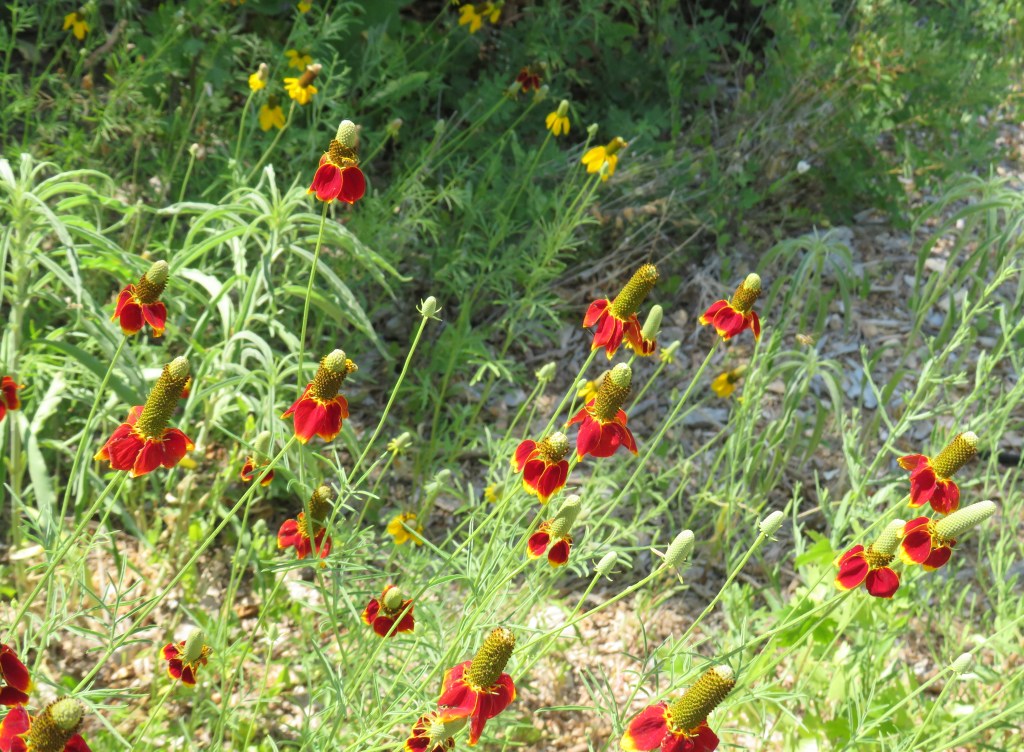
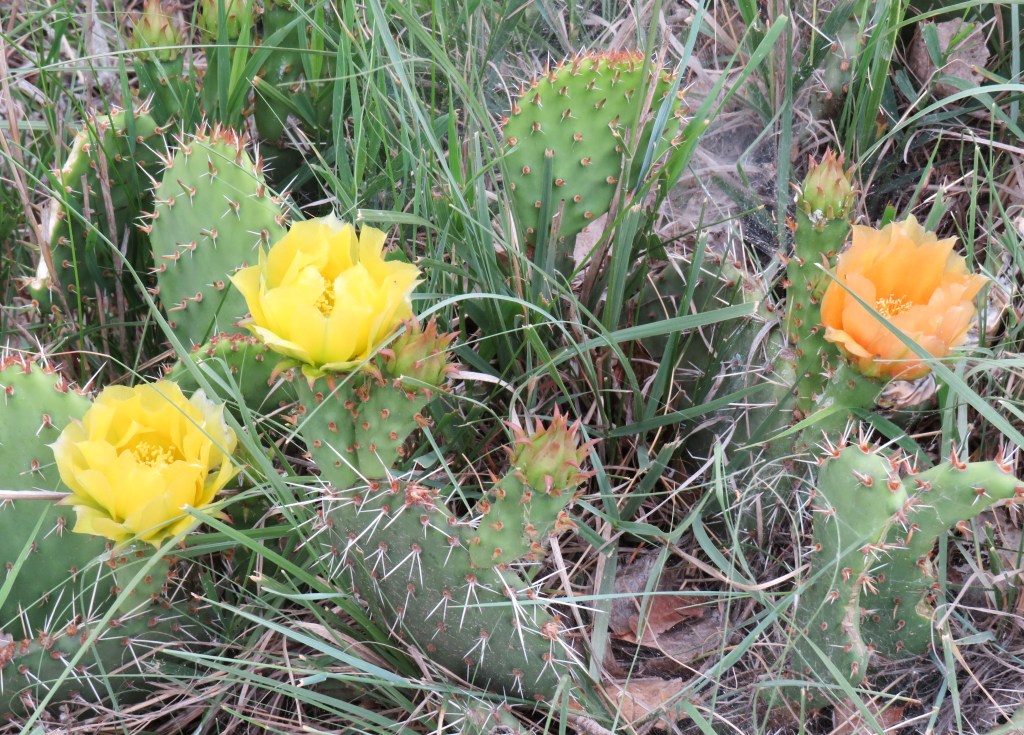
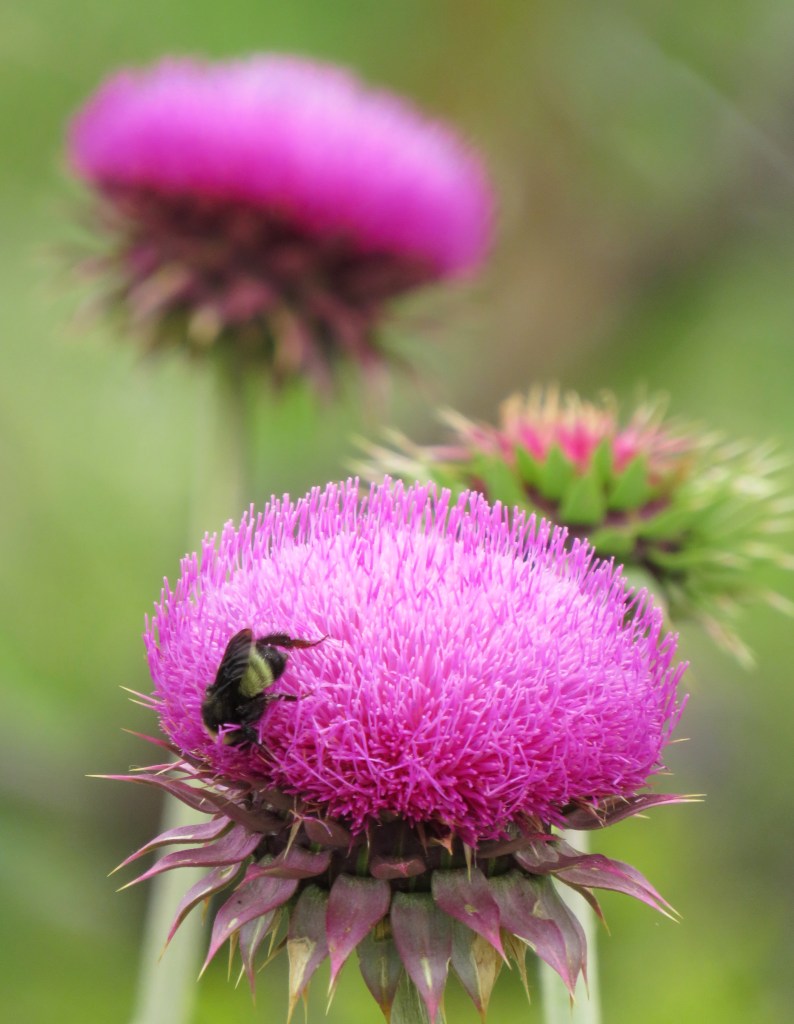
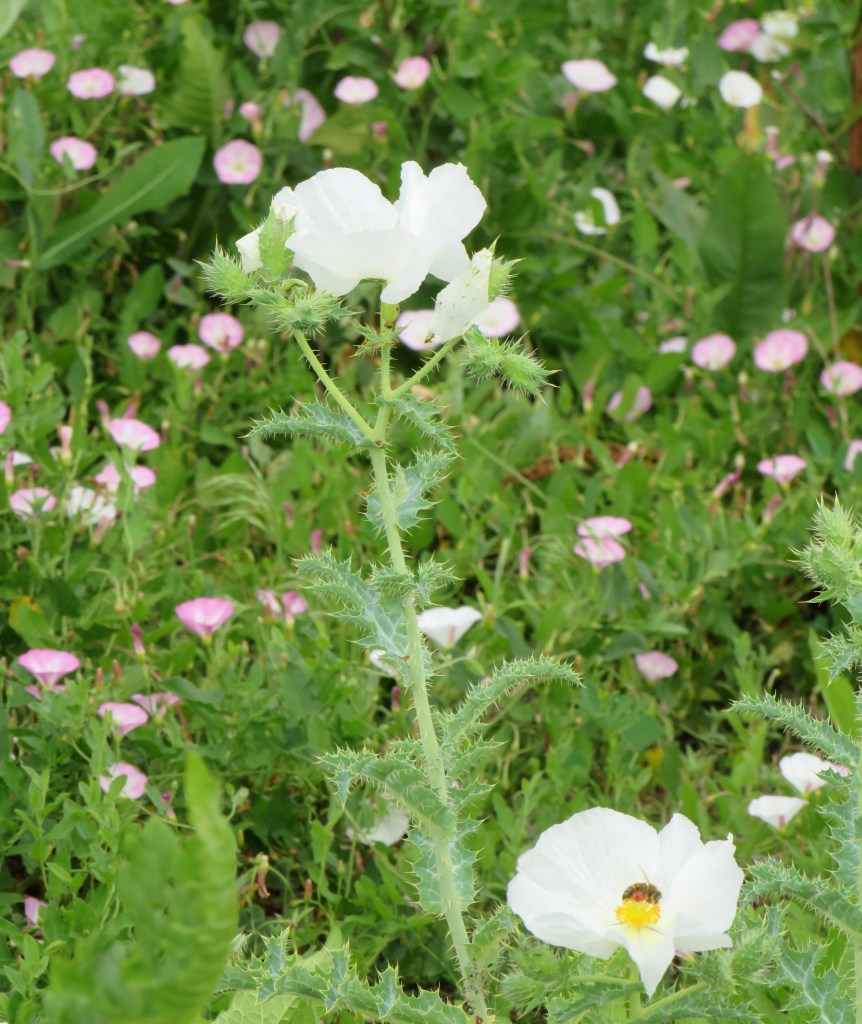
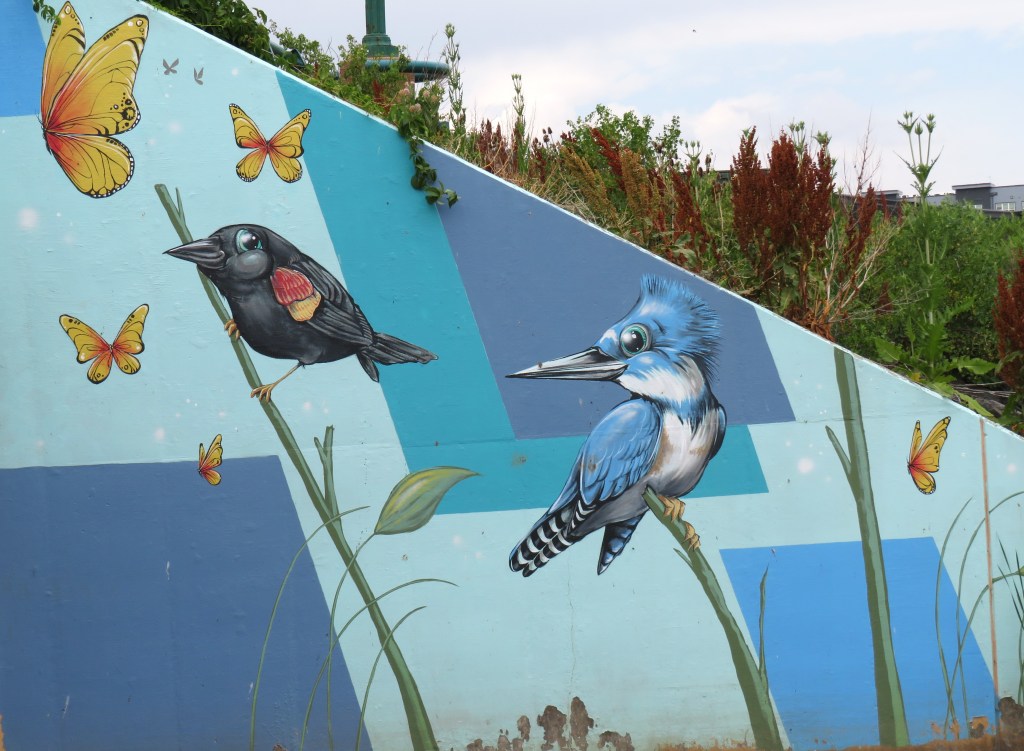
Because it has been so hot lately, I try to go out walk-about early in the mornings. Unfortunately, it doesn’t always work out though. But I have lots of pictures of pretty flowers to brighten your day from previous walks. Enjoy!

Color your world beautiful, today, tomorrow and always. Have a great day.

4th Of July Feast

Well, yet another holiday has come and gone. I hope you all had a good, happy, safe 4th of July. Ours was very quiet and low-key. We went to see a local band play great 80’s tunes. The band, the $6 Million Band, did a great job. I was singing to every song. But it was HOT, HOT, HOT!

Before we left to see the band, I prepared some gourmet burgers and a large fruit platter for us to enjoy later.

Mike and Lauren joined us and the four of us went to rock out in the nearby city of Thornton. After the band, we came back for an all American celebration feast. Lauren brought some potato salad, corn on the cob and hot dogs, and a lemon cake for dessert. We grilled up the burgers, corn on the cob and hot dogs, then I cooked some baked beans and opened up some beets. We had some cool refreshing lemonade too. It was a typical 4th of July feast.

We talked about going to see fireworks once it got dark, but we chose to stay home and play games instead. We could hear the fireworks all around us though. The “kids” were all glad we decided to stay home and spend the evening with them instead of running off again.

Have a great holiday weekend. Stay cool, stay safe and stay well. ‘Til next time.
America Turns 249 Today

The United States of America has a big birthday today. She is 249 years old today.

Independence Day, known colloquially as the Fourth of July or July 4th, is a federal holiday in the United States which commemorates the ratification of the Declaration of Independence by the Second Continental Congress on July 4, 1776, establishing the United States of America. On July 4, 1776, the Second Continental Congress in Philadelphia formally adopted the Declaration of Independence, declaring the thirteen American colonies independent from British rule. While the resolution for independence was actually approved on July 2, the 4th is celebrated because it’s the date the Declaration was formally adopted. This document, primarily authored by Thomas Jefferson, proclaimed the colonies’ separation and outlined their grievances against King George III, asserting principles of individual rights and self-governance.

The American flag has evolved through 27 different versions since its initial adoption in 1777, reflecting the nation’s growth and history. The flag’s design, with 13 stripes representing the original colonies and stars representing the states, has been modified 26 times to accommodate new states joining the Union.

President John F. Kennedy wrote to the Audubon Society: The Founding Fathers made an appropriate choice when they selected the bald eagle as the emblem of the nation. The fierce beauty and proud independence of this great bird aptly symbolizes the strength and freedom of America.

Happy Birthday America. Thank you to all the brave men and women who gave us our freedoms, and who protect them for us everyday. May your banner forever wave and may we always be free.

Then

and now.

The Statue of Liberty stands tall as a beacon of hope and freedom. The Statue of Liberty embodies a rich tapestry of symbolism, representing ideals that resonate deeply with American history and values. At its core, the statue serves as a powerful emblem of liberty, democracy, and the pursuit of happiness. Frédéric Auguste Bartholdi’s (the designer and artist who created the Statue of Liberty) design drew from various influences, including the ancient Roman goddess Libertas, a symbol of freedom, who personified the ideals of emancipation and enlightenment. The statue’s crown, with seven rays, represents the seven continents, signifying liberty’s universal reach. The torch represents enlightenment and knowledge, illuminating the path to freedom. The tablet is inscribed with the date of the American Declaration of Independence: July 4, 1776. This date is pivotal in American history, representing the birth of a nation founded on the principles of individual rights and democratic governance. The inscription emphasizes the foundational ideals upon which the United States was built and reaffirms the idea that liberty is a birthright for all people. Lady Liberty conveys the values associated with freedom — justice, equality, and the power of the individual. The statue is a reminder of the struggles that many have endured to achieve liberty, encouraging a sense of solidarity among those who seek to uphold these principles.

God Bless America

While the storm clouds gather far across the sea,
Let us swear allegiance to a land that’s free.
Let us all be grateful for a land so fair,
As we raise our voices in a solemn prayer.

God bless America, land that I love.
Stand beside her and guide her
Through the night with the light from above.

From the mountains to the prairies,
To the oceans white with foam,
God bless America, my home sweet home,
God bless America, my home sweet home.

The Star-Spangled Banner (1st stanza)

O say can you see, by the dawn’s early light,
What so proudly we hail’d at the twilight’s last gleaming,
Whose broad stripes and bright stars through the perilous fight
O’er the ramparts we watch’d were so gallantly streaming?
And the rocket’s red glare, the bombs bursting in air,
Gave proof through the night that our flag was still there,
O say does that star-spangled banner yet wave
O’er the land of the free and the home of the brave?

Happy Birthday America, the land that I love.

Salt Of The Earth

SALT. We all need it. It is essential for life. Today, we all take salt and it’s processes for granted, but for 1000’s of years, salt was a highly prized and sought after commodity. It is used to season and preserve foods. It is given to animals in the forms or salt licks or salt blocks. It is necessary for plants to live and thrive in the form of fertilizers and nutrients. It has been used as money and ceremonial practices. It has influenced our language. It is used for medicinal and therapeutic purposes. It has caused war and peace.

Salt is found in many different varieties all of over the world. Our world’s oceans are comprised of roughly 2/3 salt water. There are at least 40 different kinds of salts found all over the world. Most salts come from either salt mines or from refined and evaporated seawater.

Here are some of the more popular types of salt that are used.

We all know salt is used to help season food. It is probably the most widely used seasoning for all foods, of all times. But aside from seasoning our foods, salt is also used a food preservative as well. There is a dry salting method, which is just as it would imply, rubbing dry salt over meats and fish first and then placing the meats in a tub with more salt. And there is also a method called wet salting, which is basically a salt brine mixed with different spices and seasonings and water or other liquids. This method can preserve food indefinitely, and was used before refrigeration methods for sailors, travelers and everyday people and uses alike. Though after a long period of time, the meats and fish do become very difficult to eat and less and less palatable over time.

Dry salting method.

Wet brining.

Many societies have been built around salt. What is now thought to have been the first city in Europe is Solnitsata, in Bulgaria, which was a salt mine, providing the area now known as the Balkans with salt since 5400 BC. A very ancient salt-works operation has been discovered at the Poiana Slatinei archaeological site next to a salt spring in LuncaNeamÈ› County, Romania. Evidence indicates that Neolithic people of the Precucuteni Culture were boiling the salt-laden spring water through the process of briquetage to extract salt as far back as 6050 BC.[14] The salt extracted from this operation may have directly correlated with the rapid growth of this society’s population soon after production began.[15] The harvest of salt from the surface of Xiechi Lake near Yuncheng in Shanxi, China, dates back to at least 6000 BC, making it one of the oldest verifiable saltworks.[16] (Wikipedia). Salt Lake City, Utah is another example of a society formed around a huge salt lake and salt rich area.

We’ve seen the huge salt mines in Bonaire, and have dived in the water nearby. It is a very rich and vibrant area with lots of marine life. It’s actually one of our favorite dive sites in Bonaire too, for the very reason that is it is so full of life.

With the spread of civilization, salt became one of the world’s main trading commodities. Salt has been used as a form of currency in many different cultures around the world for centuries. People would trade salt blocks, salt cakes, salt bars known as amole, or in bulk. The term salary, comes from the Ancient Romans and their word salarium, or money used to purchase salt. The Roman soldiers were often paid in salt too. Marco Polo noted that tiny salt cakes were imprinted with images of Grand Khan were used as coins in Tibet. The word salad also comes from the Ancient Roman word salata, meaning salty. They would add salt to their leafy greens to “allay their bitterness”. (p. 306 The Story of Food, An Illustrated History of Everything We Eat)

This is mural depicting the Ancient Mayas using salt as currency, about 2500 years ago.

Because salt is so valuable and is necessary for life, many wars have been started because of salt. Salt was a source of currency and power. Salt was often referred to as “white gold”. Those who had the salt also had the money and had the power. The main reason for salt wars was due to the difficulty in obtaining and processing it in the early years. Salt wars, in the historical context, generally refer to conflicts arising from disputes over access to, control of, or taxation of salt, a vital resource throughout history.  Salt wars often involved struggles for political and economic dominance, especially in regions where salt deposits were significant. These conflicts have occurred in various locations and times throughout history, ranging from ancient China to 19th-century Texas. There have been many wars fought over salt and salt rights, all over the world for 1000’s of years, with one of the latest salt wars, being fought in Texas, between 1877-1878. The battle was over who owned the mineral rights to the salt when Texas was fighting Mexico for it’s independence from Mexico. Often the wars were settled once the salt rights, including profits, mineral rights, and taxation rights, were agreed upon. Salt and the taxation of salt and its mineral rights were also partly responsible for the French revolution in 1789.

Salt is the main nutrient for our body’s cells. Cells must have salt and sodium in order to survive. For every 40 kilos of weight, 100 g of salt is needed. Salt is vital to life for so many reasons. These charts highlight the health reasons for including salt in our daily diets much better than I could explain them.

There are various reasons and benefits for using different kinds of salts, but salt in general, regardless of what type you choose, is a necessity for life. Some salts are better for food purposes, while others have more therapeutic and other health benefits.

Salt is a natural mineral that goes far beyond the kitchen. It’s used for taste, health, agriculture, cosmetics, spirituality, and even revolution“. ( 11 Types of Salt: History, Health Benefits, Farming Use & Profit, World Farmer Story, https://worldcrop.wordpress.com/) Salts are found in beauty agents as well as relaxing methods. I personally absolutely LOVE using the Himalayan salt rocks when getting a massage. I find using the hot salt rocks combined with a deep tissue massage work out all my tensions and stress. I also love salt rubs too. They are great for exfoliation of dead skin cells and for revitalizing and re-energizing the body. The Ancient Egyptians used salts in the mummification processes, because of the preservative qualities of salt. Salt acts as a natural desiccant, accelerating the drying process. The process was called natron.

The use of salts also has many different ceremonial purposes as well, dating back for many centuries, from many different cultures. Since Biblical times, salt has been known as a symbol of purity and loyalty, as well as trust and friendship. In the Russian culture, salt is a sign of hospitality when sharing salted bread with each other. (Dolly, please verify. 🙂 ) The Arab cultures offer breads with salt to their guests as a sign of trust between them. Again, referencing the Ancient Romans, “Trust no one unless you have eaten salt with them”. (p. 307 The Story of Food, An Illustrated History of Everything We Eat) In Medieval times in Northern Europe, “salt was sprinkled around butter churns to stop witches from souring the butter, and it was also used to protect people and animals from the bad intentions of witches and fairies”. (p. 304 The Story of Food, An Illustrated History of Everything We Eat). In various beliefs and superstitions, demons are thought to dislike salt due to its symbolic association with purity, protection, and divine presence, which are antithetical to the nature of malevolent entities. In many cultures, salt was scattered on top of graves as away of to purify the resting place of the departed and ensure their safe passage to the next realm.

With this I close my deep dive into salt and all of its various uses. Thank you to both Cook Plate Fork at https://cookplatefork.com/ https://cookplatefork.com/2025/07/03/seasoned-with-history-how-salt-and-black-pepper-became-culinary-essentials/ and World Farmer Story at https://worldcrop.wordpress.com/ 11 Types of Salt: History, Health Benefits, Farming Use & Profit for you inspiration, quotes, and help for this story. If you are not familiar with either of these sites, by all means, stop by and check them out. They are full of good, valuable and interesting information.

Have a great day and make everyday great. Stay cool, stay safe and stay well. ‘Til next time.

A Tribute To Our Military

With America’s 249th birthday coming up in just a couple of days, I thought it would be fitting to pay tribute to our military and armed forces. The other day, I went walk-about in a new place, The Westminster City Park. They had a very nice tribute to our men and women who serve, both at home and abroad. Every branch of the military was honored, including my dad’s branch, the Merchant Marines.

The Marine Corp and the canine units.

The Coast Guard. I like how they have a woman scuba diver. She is a kindred spirit of mine. 🙂 🙂 🙂
The Merchant Marines. My dad first started his military career at the age of 14, with the Australian Army. He came to the United States shortly after WWII with the Merchant Marines, and stayed with the Merchant Marines for the rest of his life, traveling all over the world, many times. He did military sealift command missions for both the Korean and the Vietnam Wars. Thank you Daddy.
The Navy.

The Army.

The Air Force.

And the Pilots were flew their missions.

I drive past this park all the time, but never stopped to really explore it and look around until now. It was a beautiful tribute to all those who serve and have served our beautiful flag. Thank you to all who have served and to all who have sacrificed. We all owe you so much, today, tomorrow and always.

Lazy Dog Dinner

I know I mentioned a little while ago that we don’t go out to eat much while at home, Azul Fuego and yet, here we are out to dinner again; twice in two weeks. This time we met up with one of Larry’s brothers and some friends he used to work with, one of whom was visiting from out of state. We went to Lazy Dog in Westminster.

I don’t normally feature chains in my blogs, as I prefer to focus on small and/or family owned businesses. But every rule has an exception. My exception this time is Lazy Dog.

There are 48 Lazy Dog Restaurants located in 8 States, including California, Colorado, Florida, Nevada, Texas, Illinois, Georgia and Virginia. Lazy Dog Restaurant & Bar is an American casual dining restaurant chain. The restaurant’s name was originally going to be Rocky Mountain Cafe. However, Lazy Dog Cafe received its unique name because Chris Simms, its founder, believed that the restaurant was “too serious” and wanted to make it more “kid-friendly”. Chris Simms’s father and partner in the business, Tom Simms, founded and later sold the popular restaurant chain Mimi’s Cafe. (I used to work at a Mimi’s Cafe in California. I think I worked there 8 years.) The restaurant’s seats have dog prints so that “kids would feel welcome”.

Though Lazy Dog is a chain restaurant, they still focus on “made-from-scratch American food that uses seasonally inspired ingredients, as well as crafting memorable moments for every guest who steps through our doors.

Because we had two people who were new to Lazy Dog, an order of homemade garlic potato chips was delivered to the table for all of us to enjoy before we ordered. This was a very nice surprise.

We ordered our drinks, and then ordered our food choices. I had a Moscow mule, which I love. Lazy Dog even makes their own version of ginger beer (non-alcoholic) that made the mule really good. I had something that was called a “Moscow Mule” a couple of weeks ago, at another place (I will keep the location unnamed), that was AWFUL. It was not a mule at all. But my mule at Lazy Dog, was delicious and very refreshing. A Moscow mule is a cocktail made with vodka, ginger beer, and lime juice; garnished with a slice or wedge of lime, and a sprig of mint. The drink, being a type of buck, is sometimes called vodka buck. It is popularly served in a copper mug, which takes on the cold temperature of the liquid.

Though the restaurant was very large and spacious, it was also very warm and welcoming. The staff were all very friendly and helpful. And the food was delicious. We all ordered something different, and all of us were very happy with what we ordered. The portions are VERY generous. Once again, Larry ate more than half of my meal, as well as his own. As good as it was, there as just NO WAY I could eat it all.

I ordered the fish & chips. The fish was light and crispy and cooked just perfectly. The fries were very good too.

Larry ordered shrimp and broccoli with brown rice.

And the other dishes ordered were:

Slow-cooked poblano pork

Lemon chicken

Thai noodles

and a vegetarian option, a spinach enchilada casserole.

We ordered a representative sample of what the menu had to offer and we all enjoyed our meals.

Sauces were brought to the table as well, again, all of which were made in house, from scratch.

We thoroughly enjoyed out time at Lazy Dog. Good food shared with friends and family. Life doesn’t get much better than that. 🙂

As I said above, there are 48 different locations spread across 8 different states. But if you are near the Westminster, CO location, you will find them at 14618 Delaware Street, in the Orchard outside mall. You can just go in, or call for reservations, especially if you are going to have a large number of people, at (720) 459-5613 or order online at http://www.lazydogrestaurants.com. However you decide to visit, Lazy Dog will take very good care of you.

Have a great day and make everyday great. Stay cool, stay safe and stay well. ‘Til next time.