I have created this site to help people have fun in the kitchen. I write about enjoying life both in and out of my kitchen. Life is short! Make the most of it and enjoy!
Typical side dishes for Mexican and Southwestern cuisines are rice, beans and corn. These are served with everything and have been for generations. But things are changing, and now, due to better irrigation methods and farming methods, more and more varieties of vegetables are abundantly available.
Sweet potatoes are another favorite used in Southwestern and Latino cooking. They are one of the oldest cultivated crops, grown as early as 2500-1850 BCE in South and Central America. Sweet potatoes are nutritious, high in fiber, very filling, and delicious. They can be eaten boiled, baked, steamed, or fried. Sweet potatoes are usually orange but also found in other colors, such as white, red, pink, violet, yellow, and purple. In some parts of North America, sweet potatoes are called yams (though they are very similar, they are different too). Just one sweet potato gives you 102% of the vitamin A you need each day.
When I made my pork loin with mole sauce, Lomo de Cerda Con Mole I served it over shredded pan fried sweet potatoes, with a lime, tequila and brown sugar sauce. YUMMY!
Sweet Potatoes with Tequila & Lime
This is a deliciously simple dish to prepare, but is different and unique. It will definitely make your guests take notice and say “WOW!”
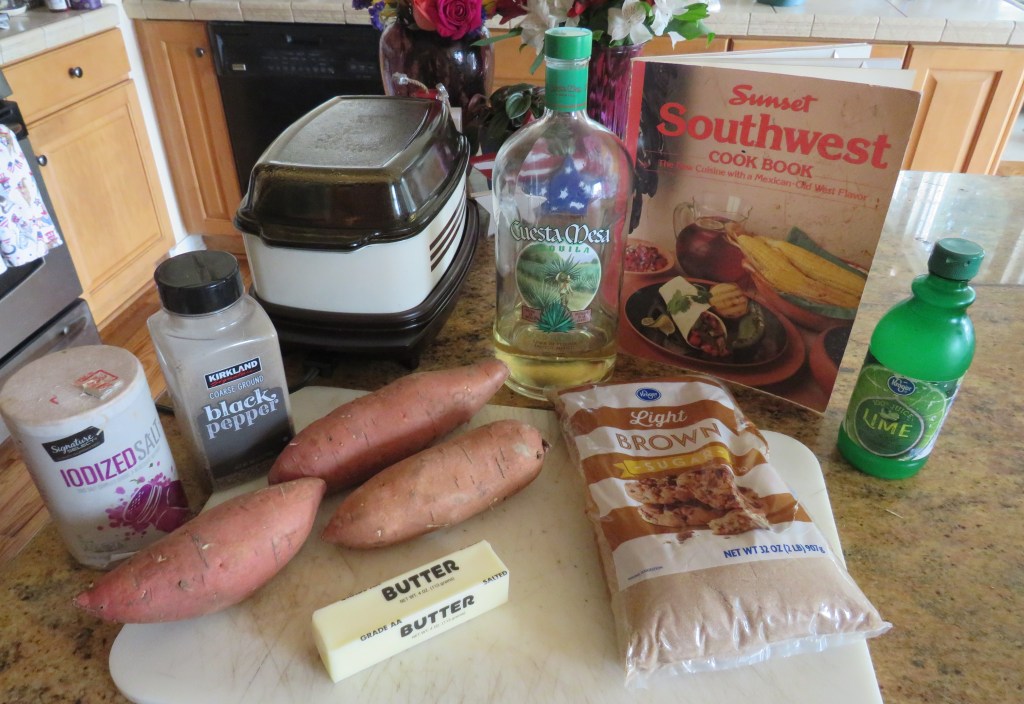
2 lbs shredded sweet potatoes
3/4 cup butter
2 TBSP brown sugar
2 TBSP tequila
1 TBSP lime juice
salt & pepper to taste
fresh chopped cilantro or parsley as a topping
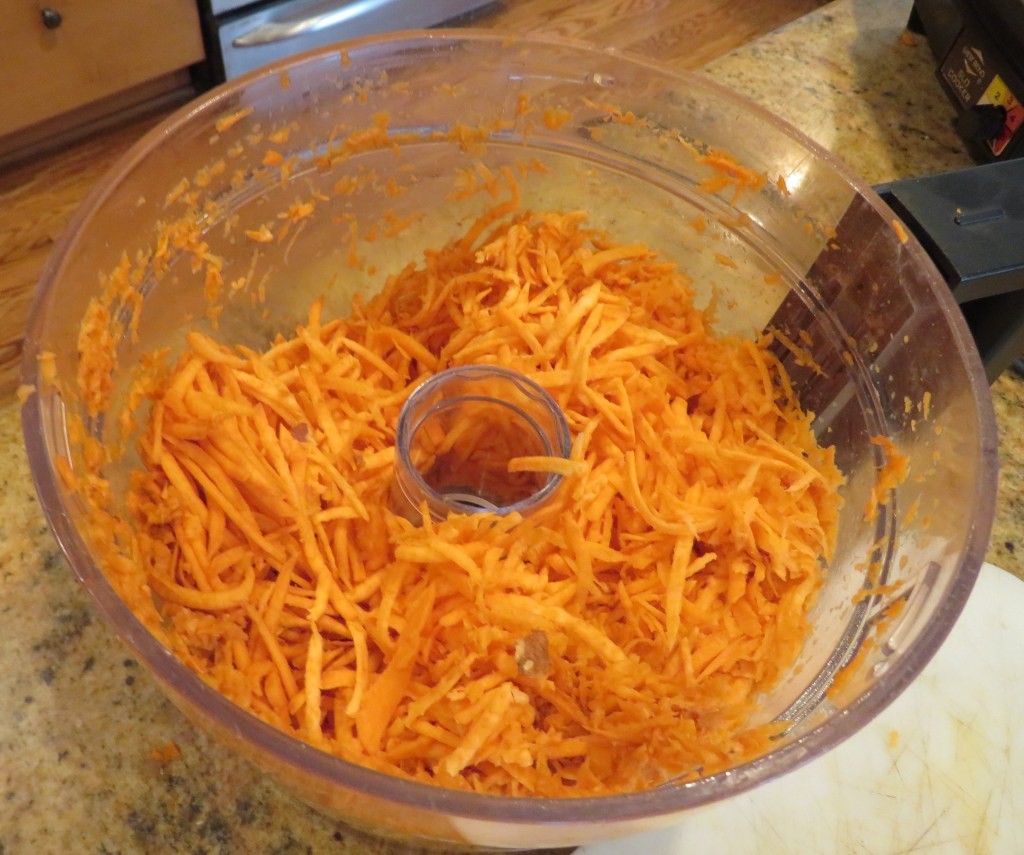
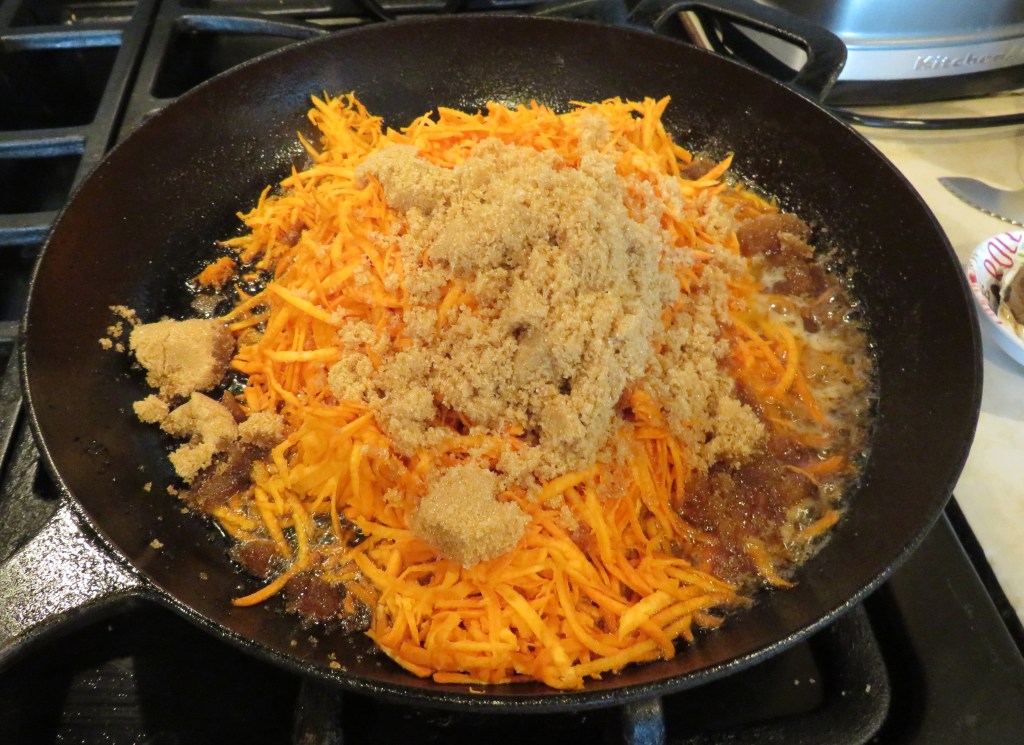
Peel and shred the sweet potatoes. Add to a hot skillet with the butter, brown sugar and salt & pepper.
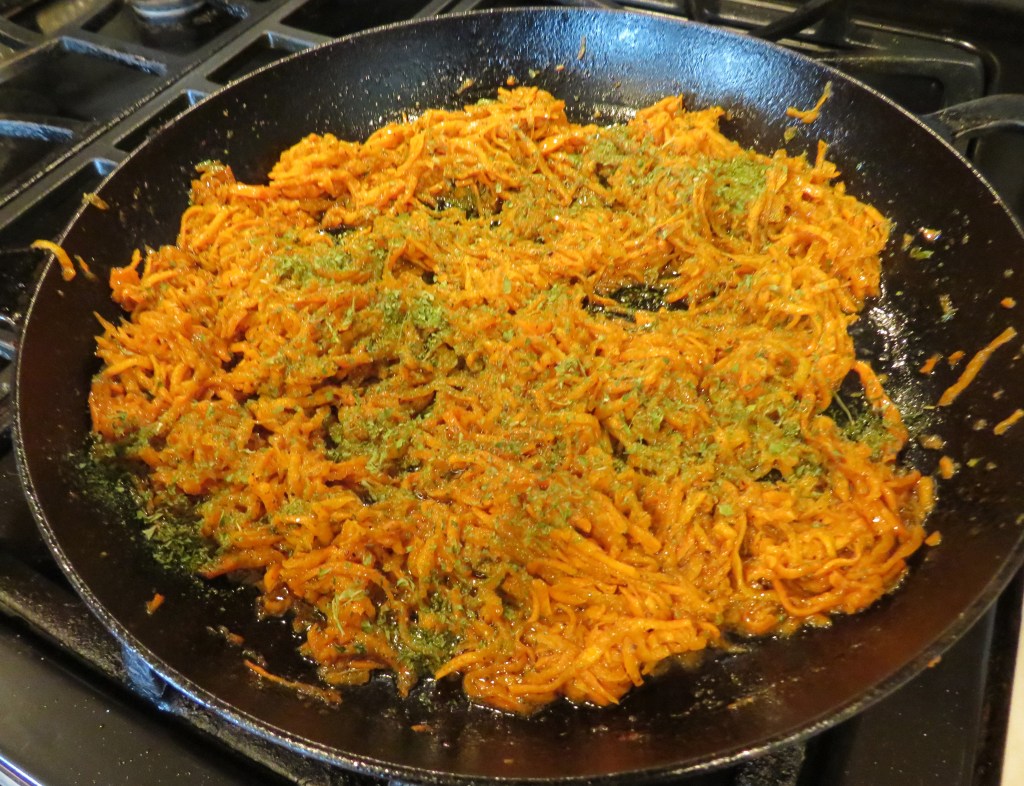
Cook for about 15 minutes to let the sweet potatoes caramelize and get slightly translucent, stirring frequently.
Add the tequila and lime juice and continue to cook for an additional 3-5 minutes, stirring frequently once again. Top with the chopped cilantro or parsley right at the end, right before serving.
Serve with your favorite Mexican or Southwestern foods, or just enjoy it on its own. Either way, it will make you realize side dishes today don’t take second place on your plate anymore. 🙂
Have a great day and make everyday great. Stay safe and stay well. ‘Til next time.
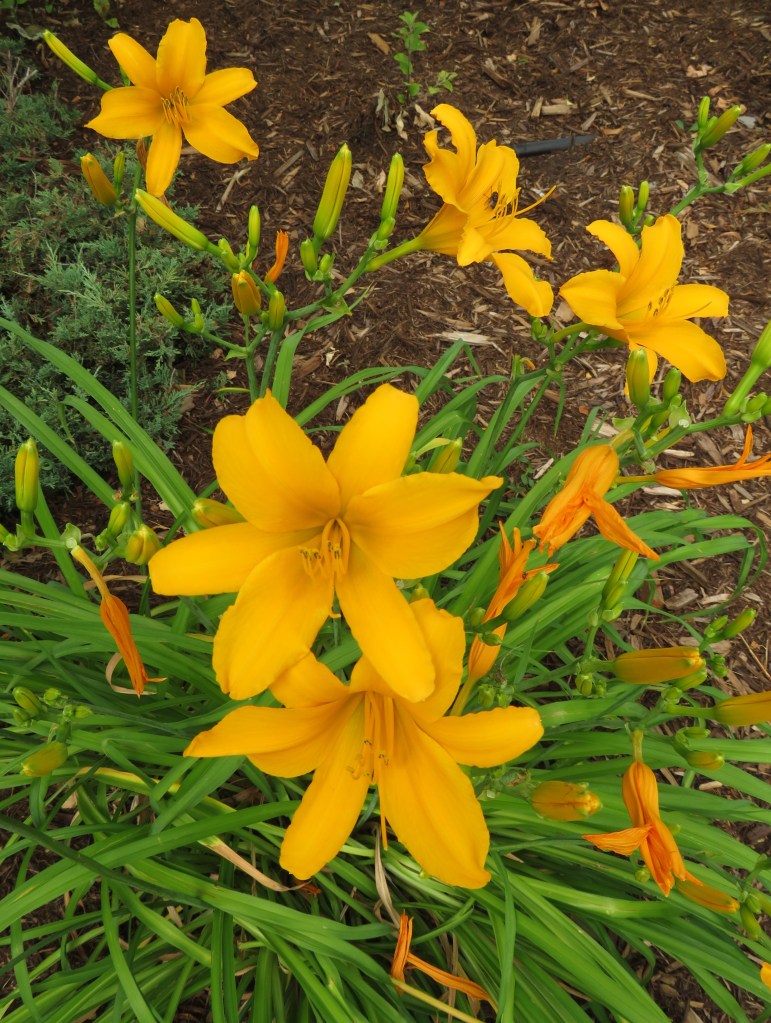
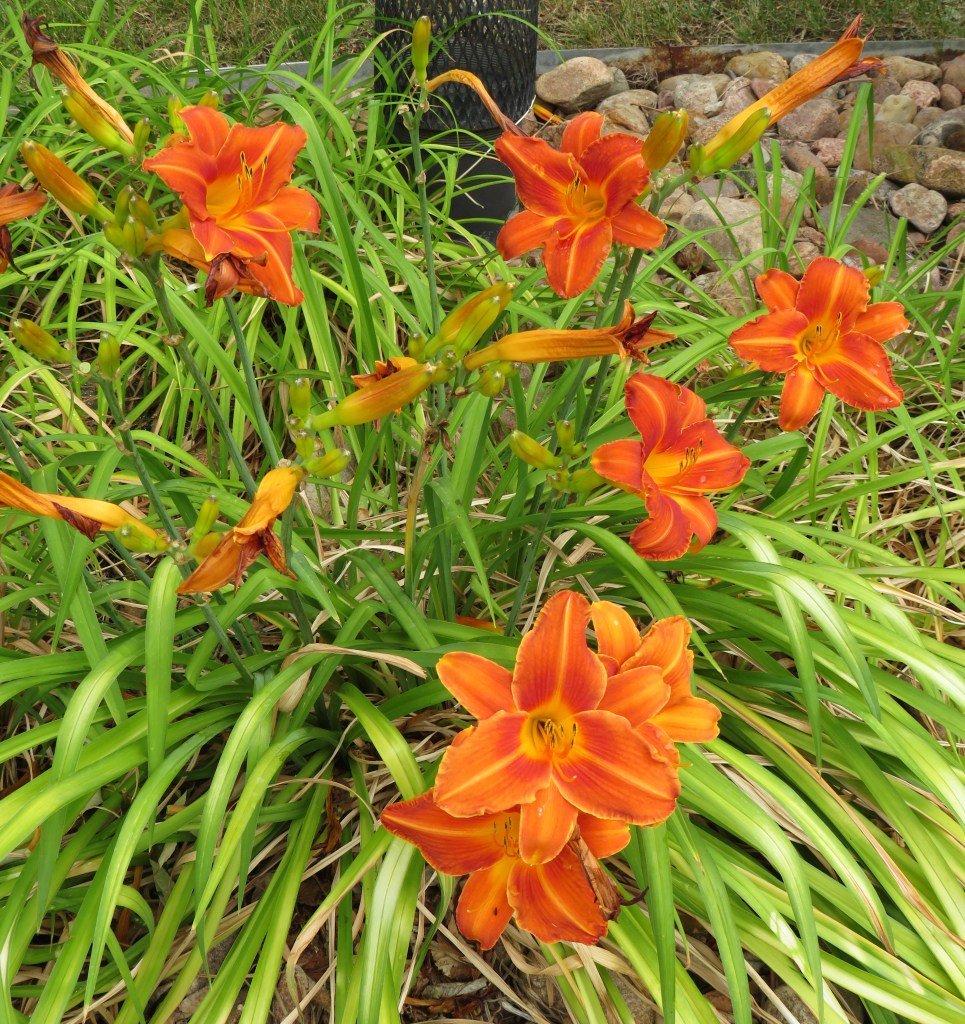
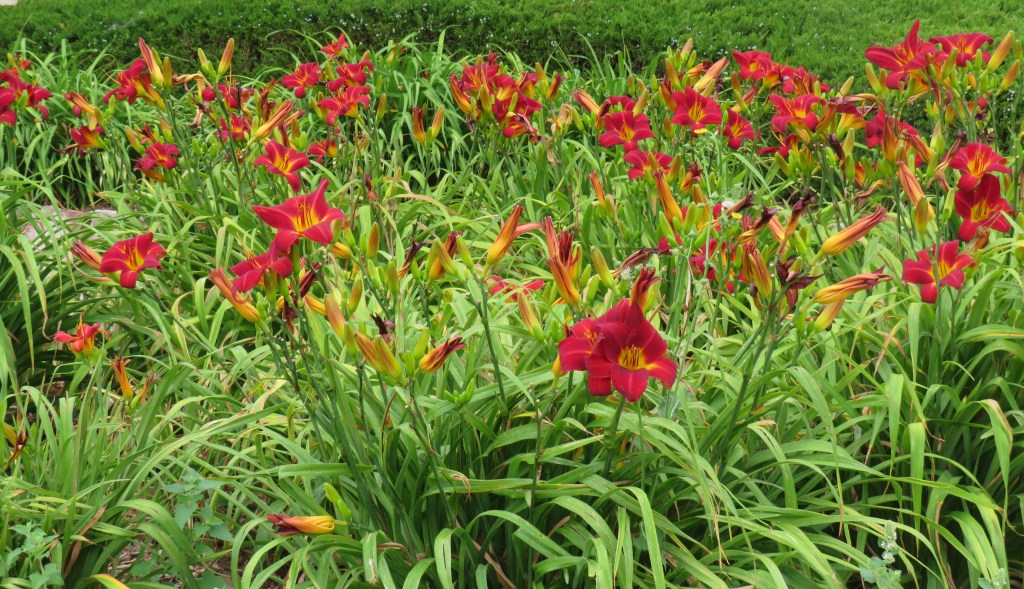
Our lilies are in full bloom right now. They look so pretty. I am seeing them in gold, shades of orange and bright red. They just pop right out and brighten everything up.
The golden yellows.
Orange.
And the reds.
Color your world beautiful, today, tomorrow and all the tomorrows to come.
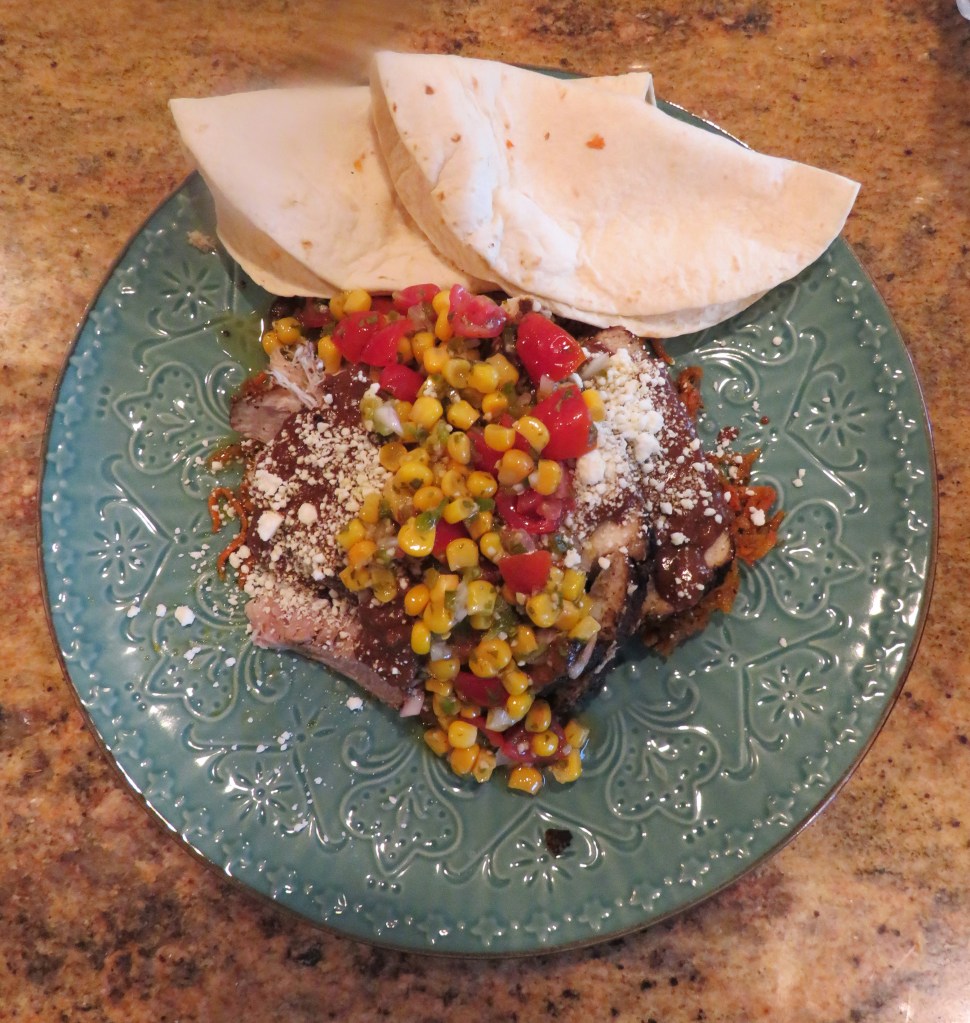
Our friend Bryan is still a “batchelor” for the rest of the week, so we invited him over for another dinner. This time I went Southwestern and made a pork loin with mole or lomo de cerda con mole. I used my leftover mole and corn salsa from when I made my mole poblano Mole Poblano Chicken With Corn Salsa. Bryan had never had mole, or at least not like I presented it. He loved every bite. He said that might be a new favorite that I make for him. 🙂
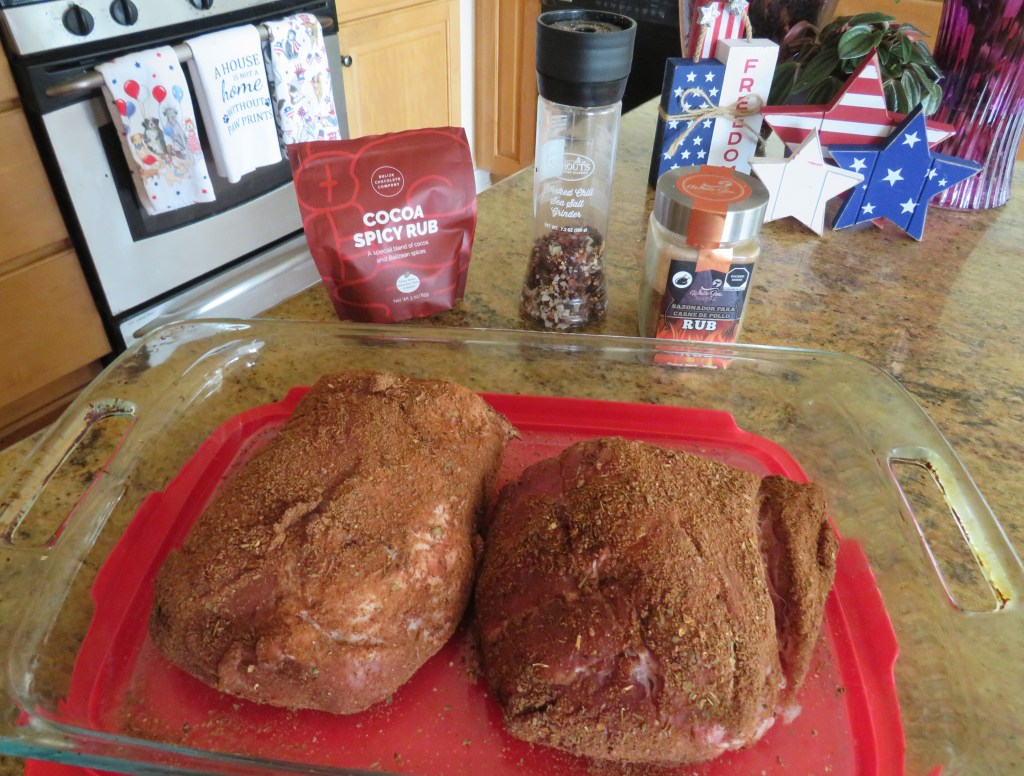
First, I generously coated the pork loin on both sides with my spicy cocoa rub, using my rubs from both Cozumel and Belize and some salt & pepper. I covered it and let it rest at room temperature for about 30-40 minutes before starting the cooking process.
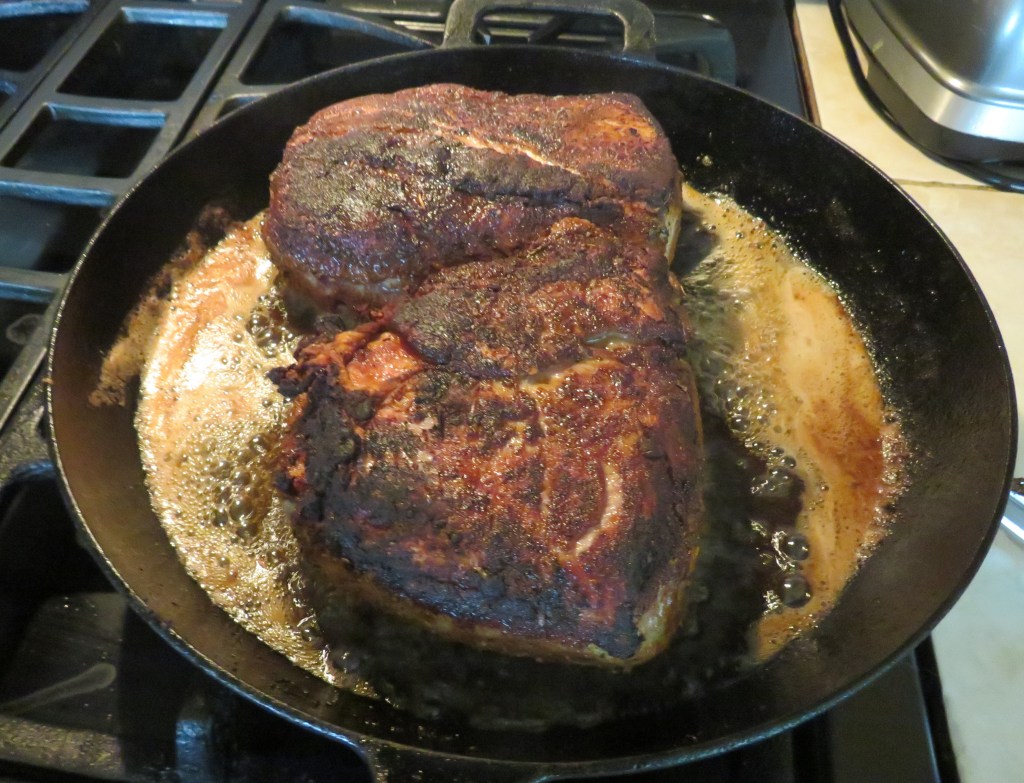
After letting the pork rest, I seared it for about 4 minutes per side in a very hot skillet with both olive oil and butter.
After the pork was seared and crusted over, I added it to the slow cooker. I sliced some white onion into thick slices and laid them on the bottom, then added about 1 cup of water. I laid the pork on top of the onion slices. I turned the heat to a medium high and let it cook for about 2-2 1/2 hours.
When it was done, I sliced the pork into slices and plated everything up. I served the pork over a bed of shredded sweet potato (more on that later though), then topped it with the mole sauce, and a little coitja cheese for both Larry and Bryan. Then I added the corn salsa on top. I served some warm tortillas on the side. Again, both Bryan and Larry had tortillas with melted cheese. !Esta mui rico y delicioso! The pork was full of flavor and real tender. The whole meal was layered with flavor and texture and came out just perfect. It was definitely a big hit, enjoyed by all.
Have a great day and make everyday great. Stay safe and stay well. ‘Til next time.
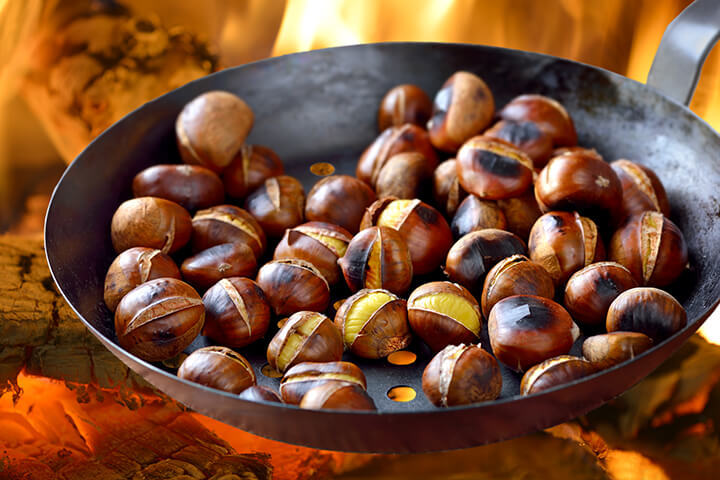
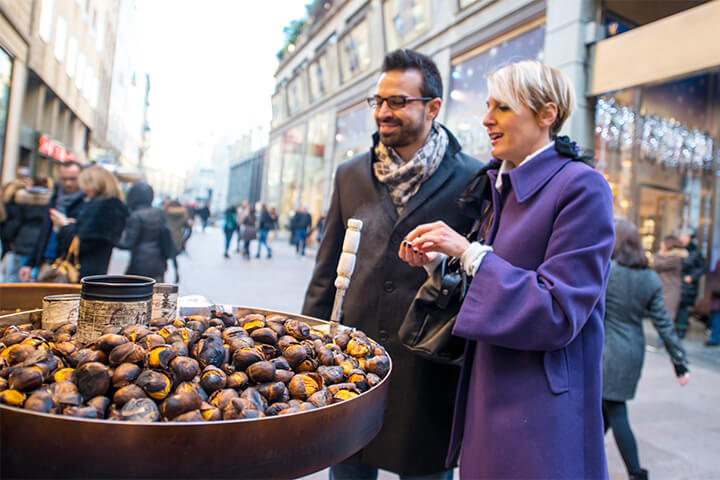
We are all familiar with the popular Christmas carol, “Chestnuts Roasting On An Open Fire” by Nat King Cole, written by Mel Torme in the 1940’s. But other than the song, what do we really know about chestnuts?
Chestnuts are a cold-weather treat, appearing in markets in the late fall or early winter, so it makes sense that they would be a holiday favorite.
Chestnuts are very old nuts, dating back millions of years; in fact, about 85 million years. Chestnuts appear in the fossil record over 85 million years ago, with evidence suggesting their origins in eastern Asia. They then spread to Europe and North America.
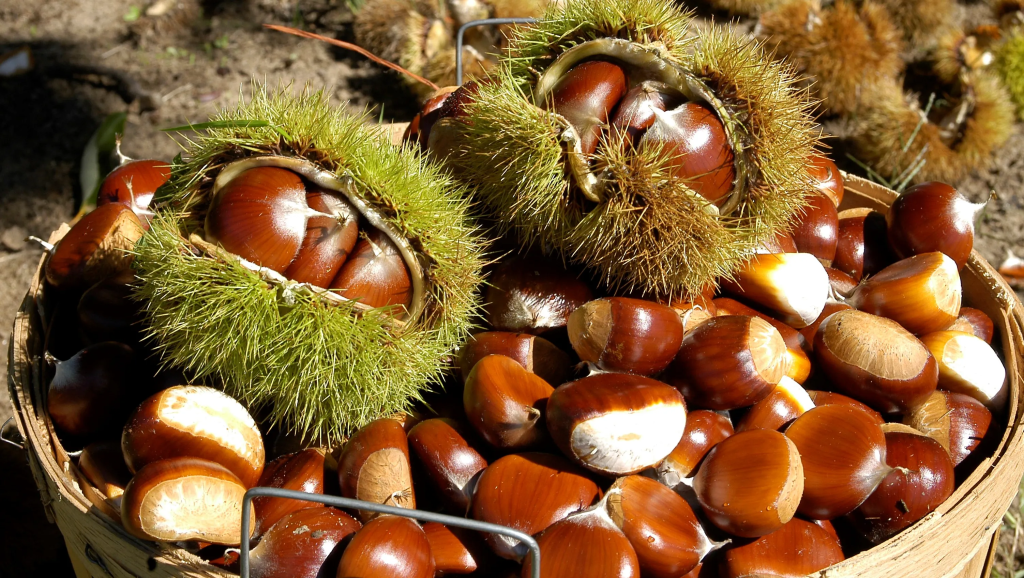
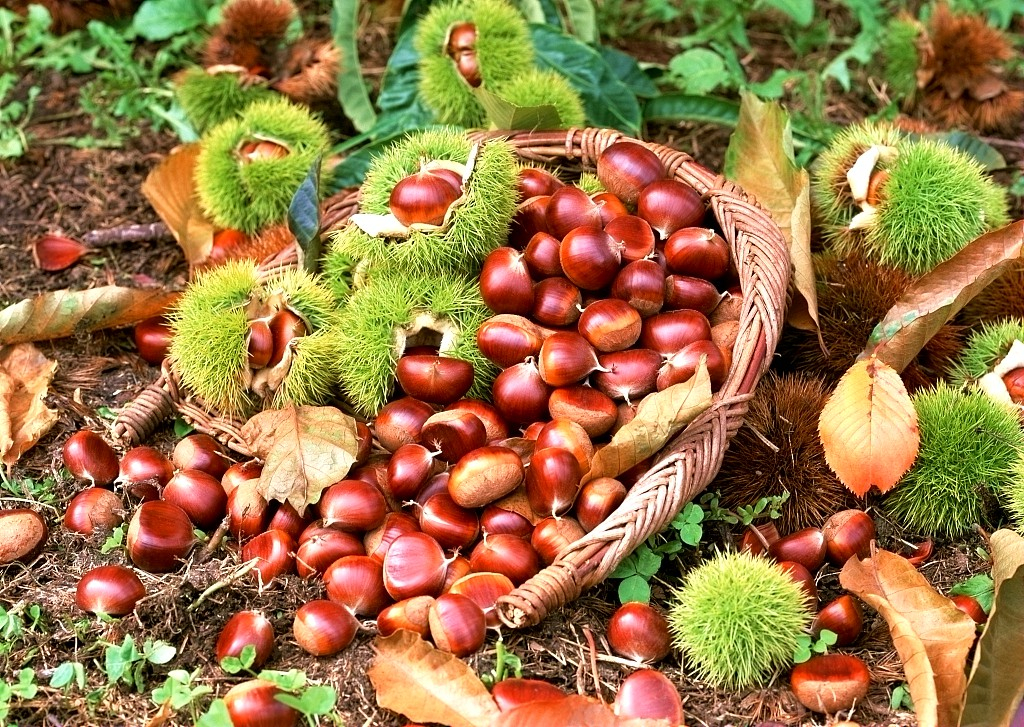
When looking for chestnuts look for large, glossy nuts that feel heavy for their size and that are free from cracks or chips. Ensure that the chestnuts haven’t dried out by shaking the nut — pass on any that you hear rattling. Chestnuts that have not been dried or preserved are more perishable than other nuts, and only last for about a week before getting moldy. But once dried, preserved or made into flour, chestnuts have a relatively long shelf life.
As with anything that has been around through the millennia, there are quite a few varieties of what we know as the chestnut. The most known and recognized varieties, however, are the American (C. dentata), Japanese (C. crenata), European (C. sativa) and Chinese (C. mollissima) species.
In Europe, nutrient-rich chestnuts have long been an important staple food, crucial to groups living in the mountainous regions of the Mediterranean (especially parts of France and Italy). The “Cambridge World History of Food” refers to these as “chestnut civilizations,” that is, groups that “had to fashion their lives around the trees, from planting the trees to processing the fruits.” The ancient Romans are said to have planted chestnut trees wherever they conquered. Up until the 1940’s, chestnuts were widely grown in the United States as well, but in 1904, a deadly virus, known as chestnut blight, came and virtually started killing all the American chestnut trees. The American chestnut was virtually wiped out; biologists at Columbia University report that over 3.5 billion American chestnut trees were lost in less than 40 years. Before the 20th century, however, American chestnut trees accounted for roughly 25% of chestnut trees worldwide.
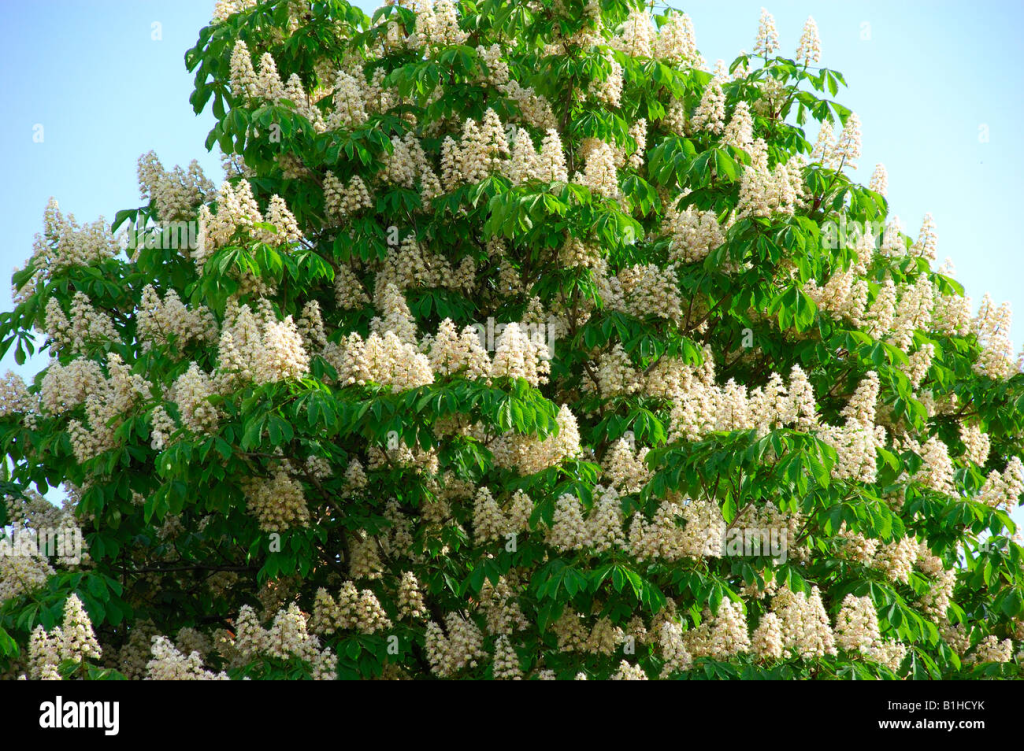
Chestnuts are the seeds of the Castanea sativa tree. They like to grow in the mountainous forest areas, especially in regions of southern Europe, Turkey, and Asia. Beyond their culinary uses, chestnut trees are often planted for their ornamental value. The majestic appearance of chestnut trees, especially when in bloom, makes them a popular choice in parks and gardens.
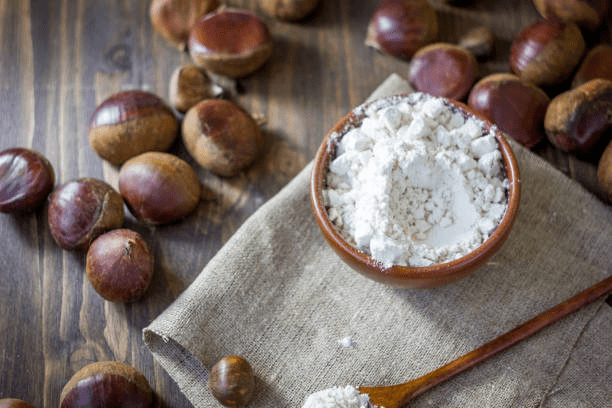
The flavors and texture of chestnuts are different than other nuts. They are sweet and have a texture similar to flour. In their early days, chestnuts were also ground into gluten-free flour. They were a major source of carbohydrates for 1000’s of years for many people of many cultures. Before corn and potatoes were introduced to Europe, chestnuts were the main source of carbohydrates and starch for Europeans. Because of their unique taste and texture, they are also very versatile nuts and are found in many different recipes, ranging from soups to pasta to breads and desserts. In Europe and Asia, chestnuts have served as a staple food during periods of famine or scarcity, in large part because of their vitally important characteristic to produce a high yield, which helps when other crops fail due to adverse conditions. The high yield of nuts per tree provides a substantial quantity of food with relatively low maintenance.
Most tree nuts are mostly made of fat, but because chestnuts are mainly made up of starches and sugars, they have a different nutritional profile than most other nuts. Ten roasted chestnuts provide about 15 % of your daily fiber needs. They’re an excellent source of vitamin C, which most nuts don’t provide, and a good source of vitamin B6, folate, potassium, copper and manganese. They’re lower in fat than most other nuts and also relatively low in protein.
Chestnuts were not just for good eating though. They also held various cultural and symbolic references too. Celtic mythology credited them as a source of wisdom and as a sacred symbol, connecting the earthly realm with the spiritual world. In Japan, they were considered to represent good fortune. Korean culture associated chestnuts with fertility and they were incorporated into wedding rituals and given as gifts to symbolize a fruitful union. Ancient Romans associated chestnuts with abundance, fertility and prosperity. In Italian folklore, chestnuts were used to bring good luck and ward off evil spirits.
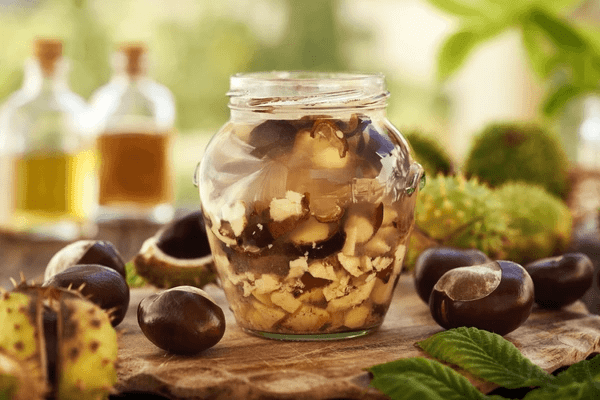
Chestnuts have also been used for medicinal purposes throughout the ages. Since ancient times, Traditional Chinese Medicine (TCM) practitioners have turned to chestnuts to treat circulatory problems. Horse chestnut (definitely NOT the same nut though) was also used as an astringent, diuretic, for reducing edema or swelling, alleviating inflammation, acting as an expectorant for treating respiratory problems, and combating viruses. They are also administered to tonify the kidneys, potentially enhancing vitality and reproductive health and to strengthen the spleen, aiding in digestion and nutrient absorption. Crushed chestnuts or chestnut paste were also applied topically as poultices for injuries or joint pain. Oils and ointments were similarly applied externally to address conditions like eczema or dermatitis. TCM practitioners also incorporated chestnuts into their patients’ diets for their nourishing properties.
Chestnuts have undoubtedly earned their place as a cherished food and cultural icon. Roasted, boiled, or baked, these little brown nuggets have been more than just a snack; they’ve been our companions through thick and thin, weaving themselves into the fabric of the human experience.
So go ahead and roast those chestnuts over an open fire. Enjoy all the delicious and healthy benefits they have to offer. They are definitely a gift from above.
Have a great day and make everyday great. Stay safe and stay well. ‘Til next time.
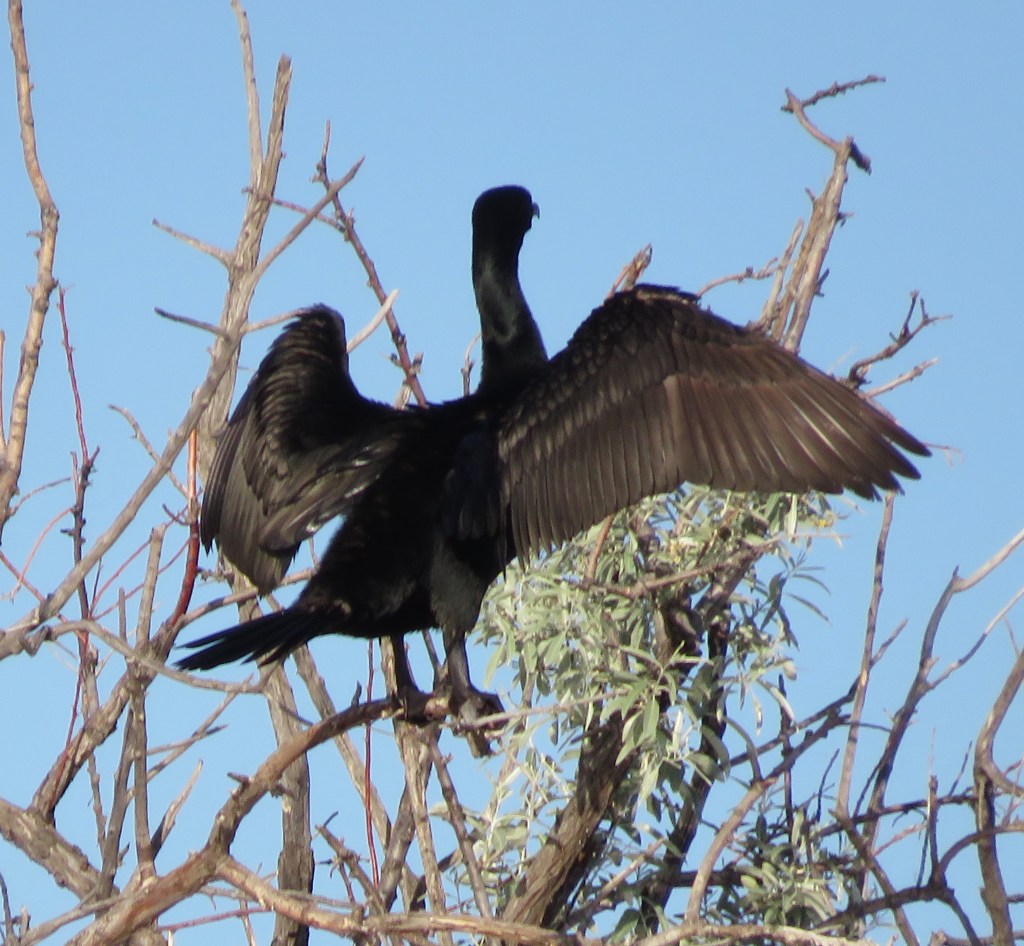
I love seeing the Cormorants, especially when they spread their wings. They just seem to have such a commanding presence. You don’t realize just how big they are until you see them all spread out. They don’t care who’s around them or what’s going on. They just do their own thing without a care about anything else.
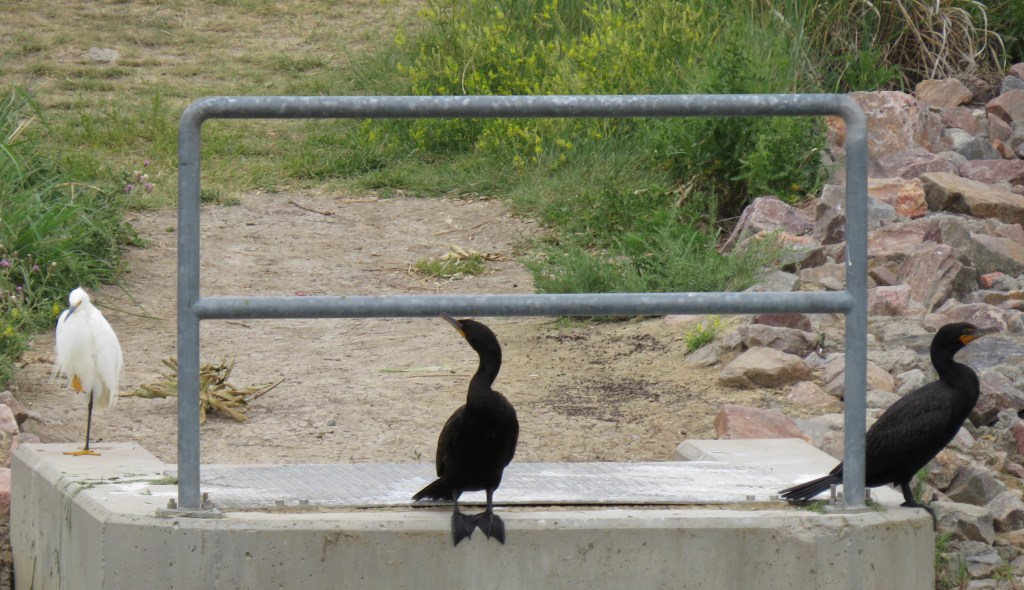
Usually they are by themselves, but every now and then they share their space with friends.
Be like the Cormorants and do your own thing. Don’t worry about what others think of you. Just be and do you. Have a great day. 🙂
I went walk-about early this morning again. Once more, it is supposed to be another scorcher. If I don’t go early, I miss my window of opportunity to beat the heat. I went for a nice long walk at Metzger Farm again. I was on the lookout for anything and everything I could see. The things that made my camera snap today were the hawks, herons and hummingbirds. 🙂
I saw some Red-Tailed Hawks. Even though they were high in the trees, and far away, I was able to get quite a few good shots.
And I saw a Swainson’s Hawk too. These like to visit us in the summer months, then they fly way down South to Argentina to summer there as well. They are summer time hawks, or “fair-weathered” hawks. 🙂
I only saw one Heron today, again, he was way up in the tree.
I ended my photo shoot with a couple of decent shots of a Black-Chinned Hummingbird, perched on a wire.
It was a good day indeed. Make your day good and great too. 🙂
I thought I would share some more fun food facts with you again. I love pulling up these fun food facts. You just never know what you might learn, while having a bit of fun at the same time. 🙂
Chocolate milk – I always thought chocolate milk was a relatively new American creation. But I am wrong. It turns out it is a creation with both Irish and Jamaican roots instead. Sir Hans Sloane, an Irish botanist and physician, was spending some time in Jamaica in the early 1700’s and noticed the locals drinking a concoction made of milk and chocolate. They added the milk to the chocolate to make it more palatable. The Jamaicans were brewing “a hot beverage brewed from shavings of freshly harvested cacao, boiled with milk and cinnamon” as far back as 1494. And chocolate has been known to humans as far back as 350 B.C. It’s hard to believe that no one before Sloane thought to put milk in it. When Dr. Sloane brought back the idea of mixing milk and chocolate together to Europe, initially it was sold as a type of medicine.
2. Which is more dangerous – sharks or vending machines? Poor sharks get such a bad rap. People think they are man-eaters, but they really are NOT. Vending machines are much more deadly than sharks. We are twice as likely to be killed by a vending machine than a shark. For the most part, sharks really DON’T like us and are more afraid of us than we are of them. The yearly risk (in the United States) of dying from a shark attack is roughly 1 in 250 million. In contrast, the yearly risk of dying from a vending machine accident is roughly 1 in 112 million. Coconuts kill more people than sharks do too. People were 15 times more likely to be killed by falling coconuts than by a shark. Horses, cows and crocodiles kill way more people than sharks on an annual basis as well. Horses kill about 20 people a year and cows kill about 22. Crocodiles gobble up 1,000 people a year.
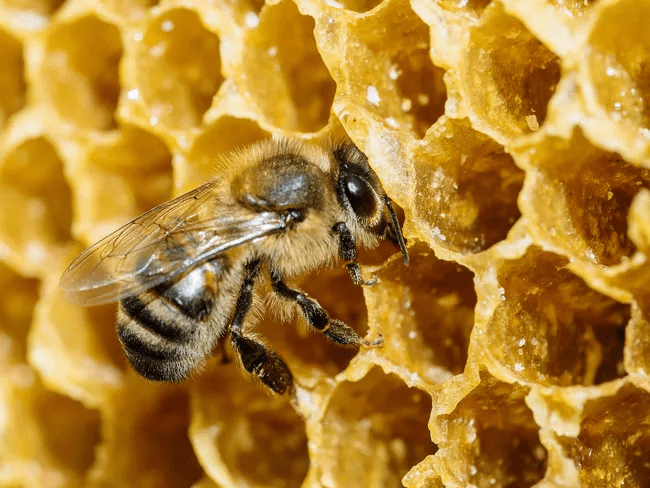
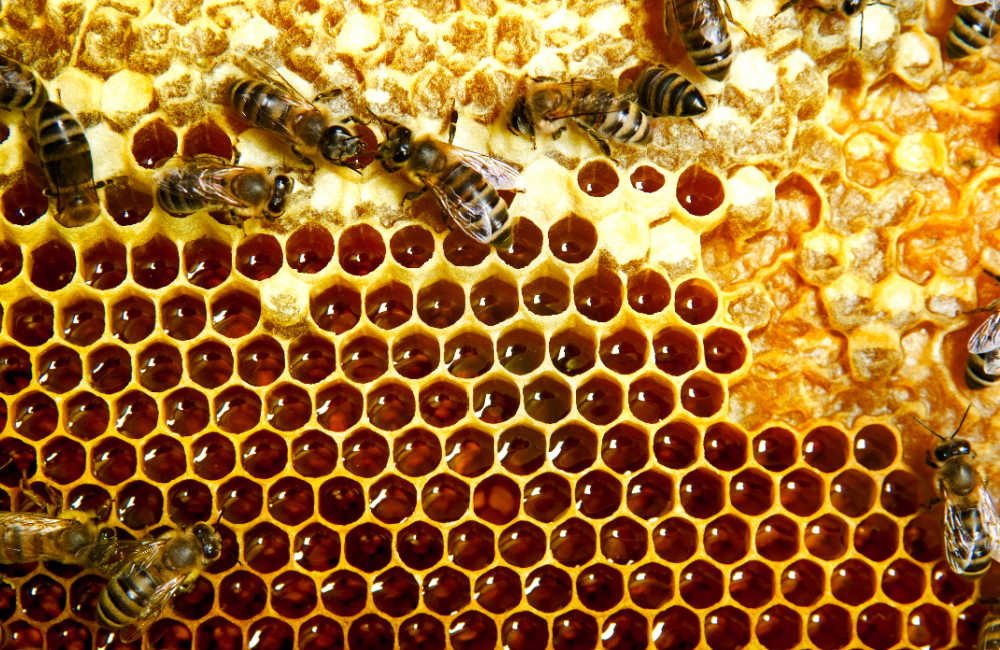
3. Honey has been a favorite sweetener all over the world for 1000’s of years. But do you know how it is made?
Honey is actually bee vomit. WHAT????? Unlike many other bees, honeybee species don’t hibernate in winter. Instead, they stay active in their hives. During the coldest months, honeybees cluster together to keep warm and survive on the sweet substance that they have been hoarding for weeks in advance. That substance is honey. All of the bees in a hive benefit from the honey haul, but the job of honey production lies with the female worker bees, according to biologists at Arizona State University. These forager bees fill their stomachs with nectar from flowers before returning to the hive to convert it into honey. He said worker bees will fly up to fly up to 3.1 miles (5 km) miles in search of flowers and nectar, visiting between 50 and 100 flowers per trip. “Nectar is the main ingredient for honey and also the main source of energy for bees. Using a long straw-like tongue called a proboscis, honey bees suck up nectar droplets from the flower’s special nectar-making organ, called the nectary. “When the nectar reaches the bee’s honey stomach, the stomach begins to break down the complex sugars of the nectar into more simple sugars that are less prone to crystallization, or becoming solid. This process is called ‘inversion.'”
4. Popsicles are summer time favorites with kids everywhere. In fact they were invented by an 11-year kid. Back in 1905, a San Francisco Bay Area kid by the name of Frank Epperson accidentally invented the summertime treat. He had mixed some sugary soda powder with water and left it out overnight. It was a cold night, and the mixture froze. In the morning, Epperson devoured the icy concoction, licking it off the wooden stirrer. He declared it an Epsicle, a portmanteau of icicle and his name, and started selling the treat around his neighborhood for 5 cents a piece. Buoyed by this success, Epperson applied for a patent for his “frozen confection of attractive appearance, which can be conveniently consumed without contamination by contact with the hand and without the need for a plate, spoon, fork or other implement” in 1924. Eventually, Epperson’s children urged him to change the ice pop’s name to what they called it: a Pop’s ‘Sicle, or Popsicle.
Today, there are endless possibilities to popsicles. Just use your imagination.
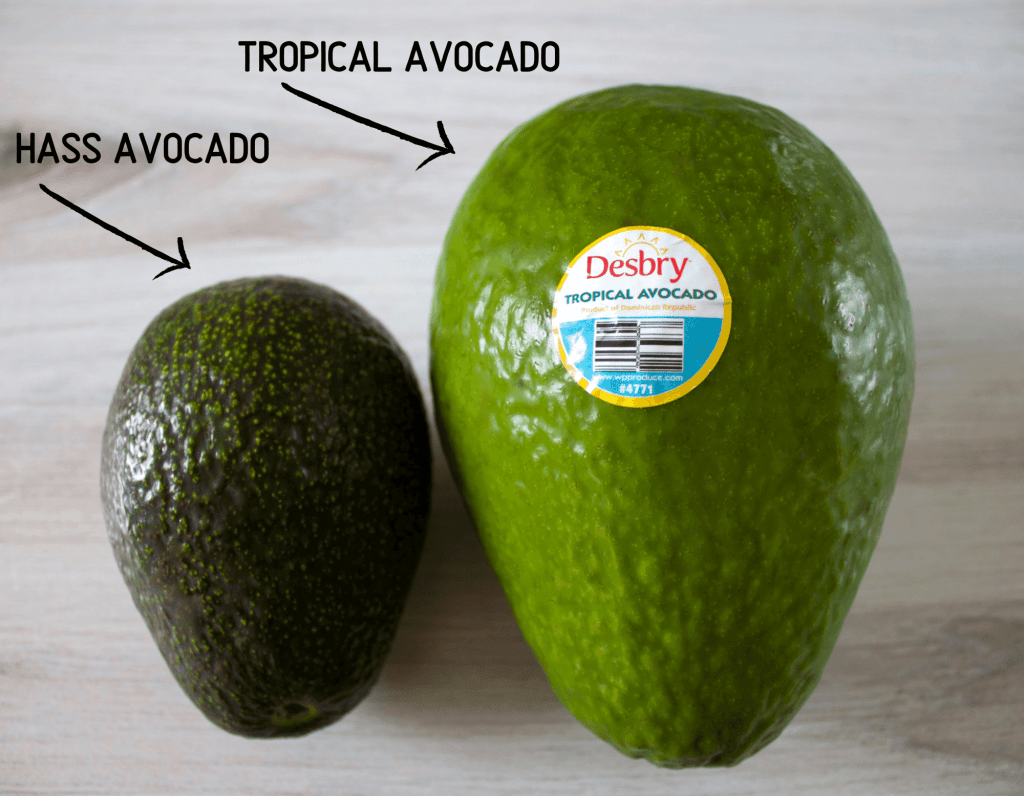
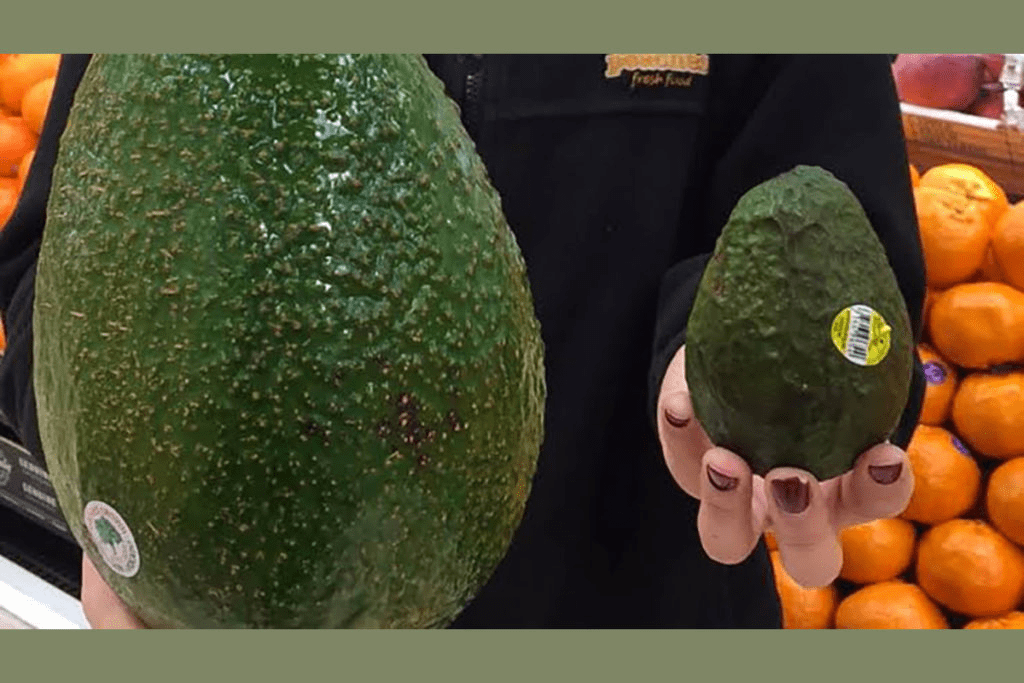
5. Yucatan Avocados are the size of a football, or even larger. They can be over 6 lbs each. That’s a BIG avocado!
Yucatan avocados vs. regular avocados. Holy Guacamole!
Hope you have fun with these. I love them and I love to share them with you too. Have a great day and make everyday great. Stay cool, stay safe and stay well. ‘Til next time.
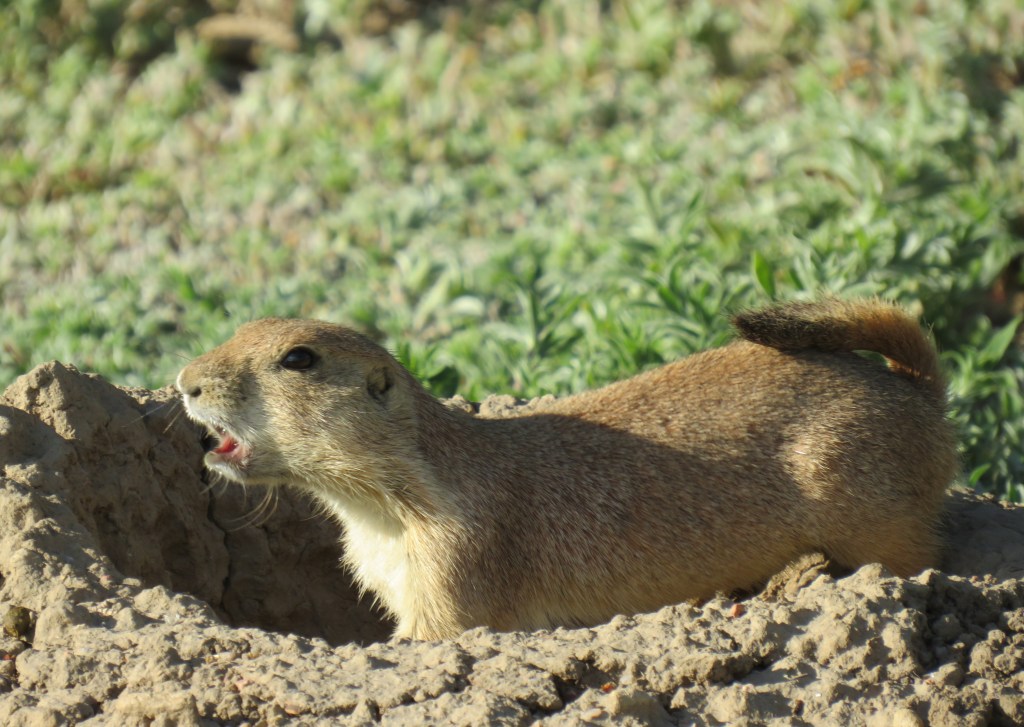
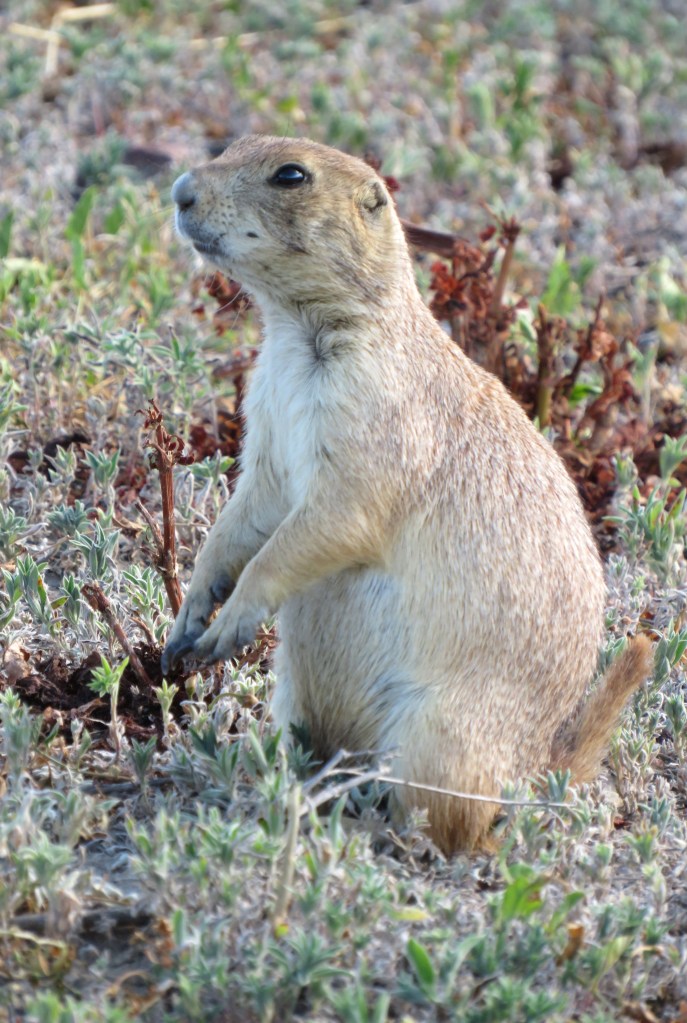
We literally have prairie dogs by the millions. They are everywhere. But no matter how many we have around us, they are always so cute and so full of personality. They always make me smile. So here are some more pictures of them just being their cute little selves. 🙂
This one was “barking” up a storm to all his prairie dog neighbors.
These two are up to something. I just know it.
I love this shot. He looks so cute here.
Just do what I do.
We’ve been spotted.
Guilty as charged.
We all need some cuteness in our lives. Have a great day.
Our friend Bryan was a “bachelor” this weekend, so we invited him over for dinner. I made one of his favorites, pasta with chorizo and scallops. He said it was just as good as he remembered it, and was very happy with it. 🙂 Angel Hair Pasta with Scallops and Chorizo, Past Deliciousness We also had Erik and Shannon over as well. It was a nice little dinner party out on our patio.
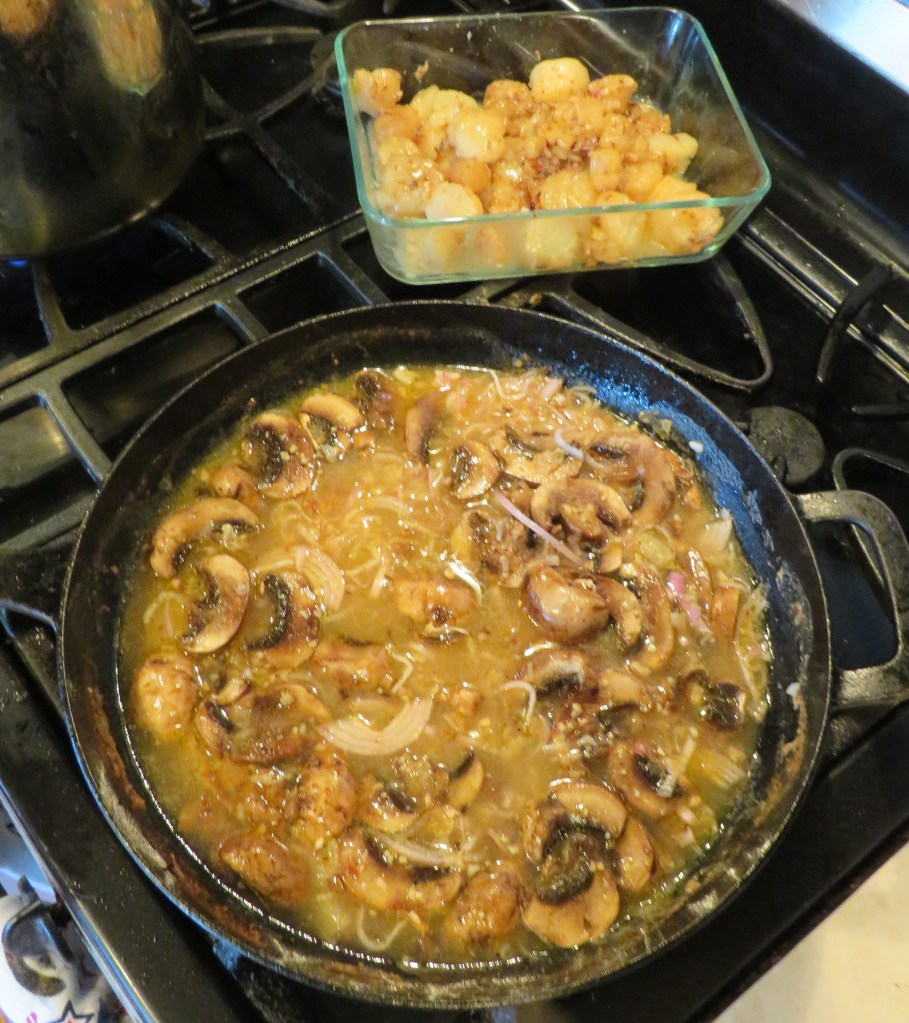
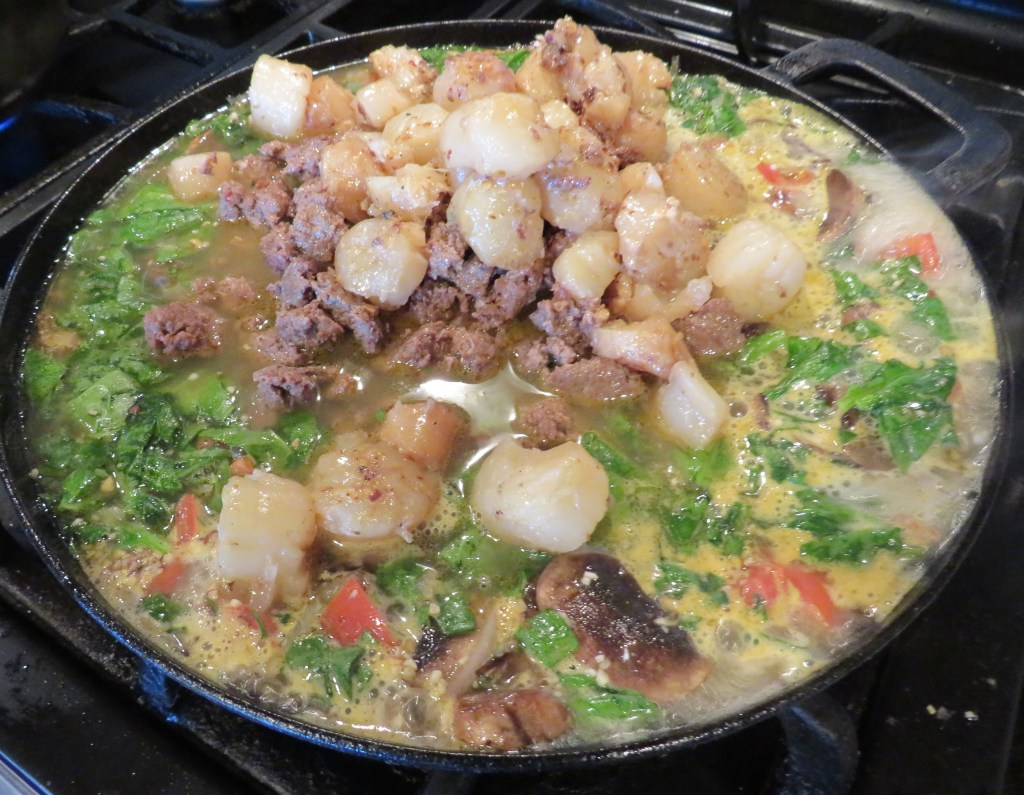
Of course I was busy cooking, and didn’t take all the pictures I wanted to. I get distracted when I am entertaining. Besides, this dish is a favorite and you have seen it before. 🙂 Here is a picture of the main part of the meal though; the sauce, featuring all the goodness of the dish.
I won’t give the recipe again, since you already have it twice, from previous posts. 🙂 But I will give a reminder of the cooking method. I served this simple, delicious dish over angel hair pasta, with a Caesar salad and rosemary focaccia on the side. Shannon is gluten -free, so I used gluten -free pasta this time. I can definitely tell the difference between gluten free and regular, but the pasta tasted exactly the same to me. I definitely think the Barilla gluten-free pasta is a good choice and recommend it if you are gluten-free.
I cooked the chorizo first, then put it aside and kept it warm. We had some bison chorizo we used this timer too, so the dish was a little leaner than if I had just used regular chorizo.
I cooked the scallops for about 4 minutes per side, in the chorizo grease, with a little added oil and butter. Once they were cooked, I added them to the chorizo and deglazed the skillet with about 1 cup of dry white wine before adding the mushrooms, garlic and shallots, which I cooked for about 3-5 minutes, stirring frequently.
Next came the chicken broth, spinach and tomatoes. I brought everything to a boil, then reduced the heat to a simmer, and continued to cook for about 5-7 minutes, stirring often.
Not only is this one of Bryan’s favorites, but it is one of our favorites as well. I bet you like it a lot too. It’s simple, easy-peasy and light, so it is perfect for a nice summer meal. Serve it with the same dry white wine you used for the sauce. This is a brothy sauce, and you want the broth over your pasta. You can even use it to dip your bread in too, so you don’t waste any of the good flavors.
Have a great day and make everyday great. Stay cool, stay safe and stay well. ‘Til next time.
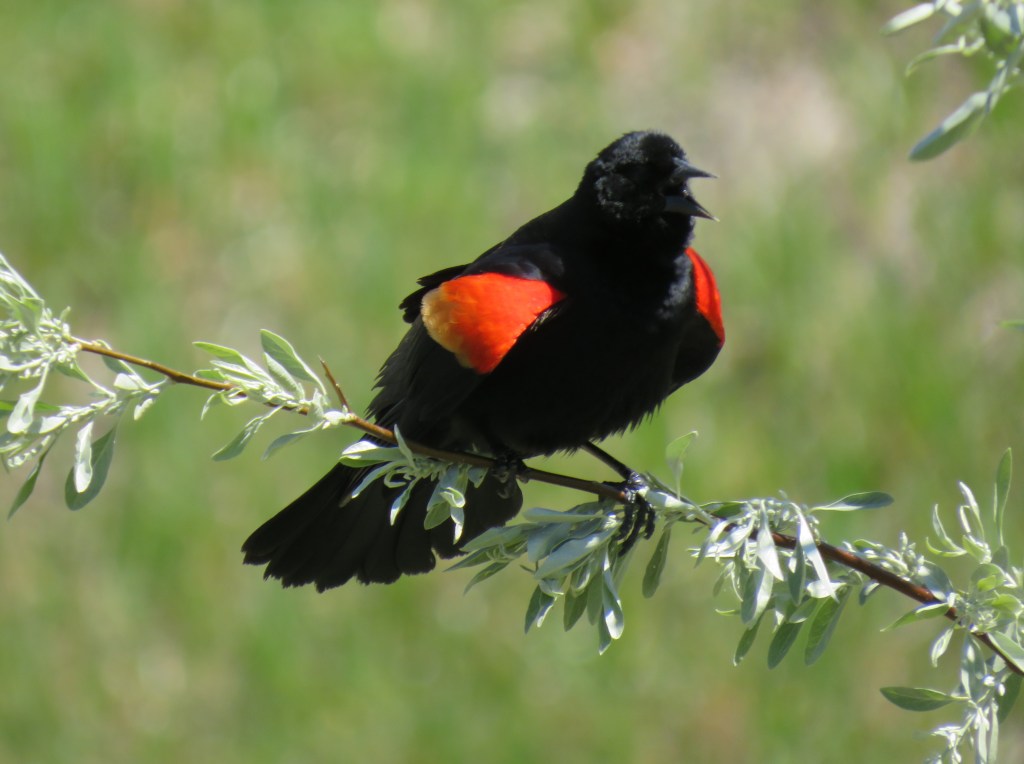
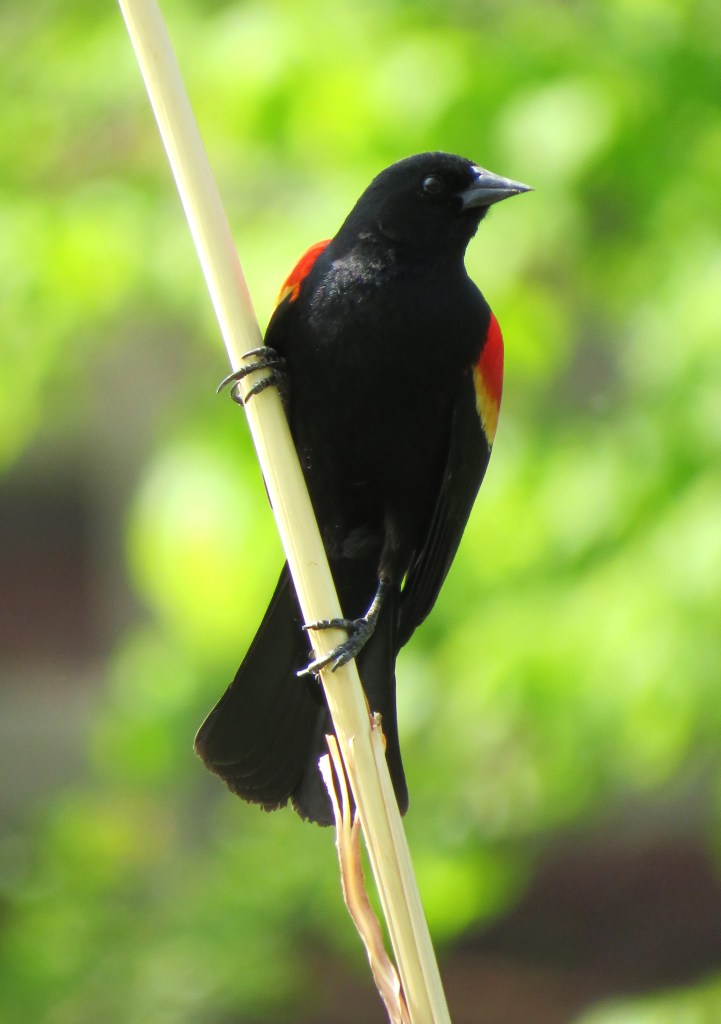
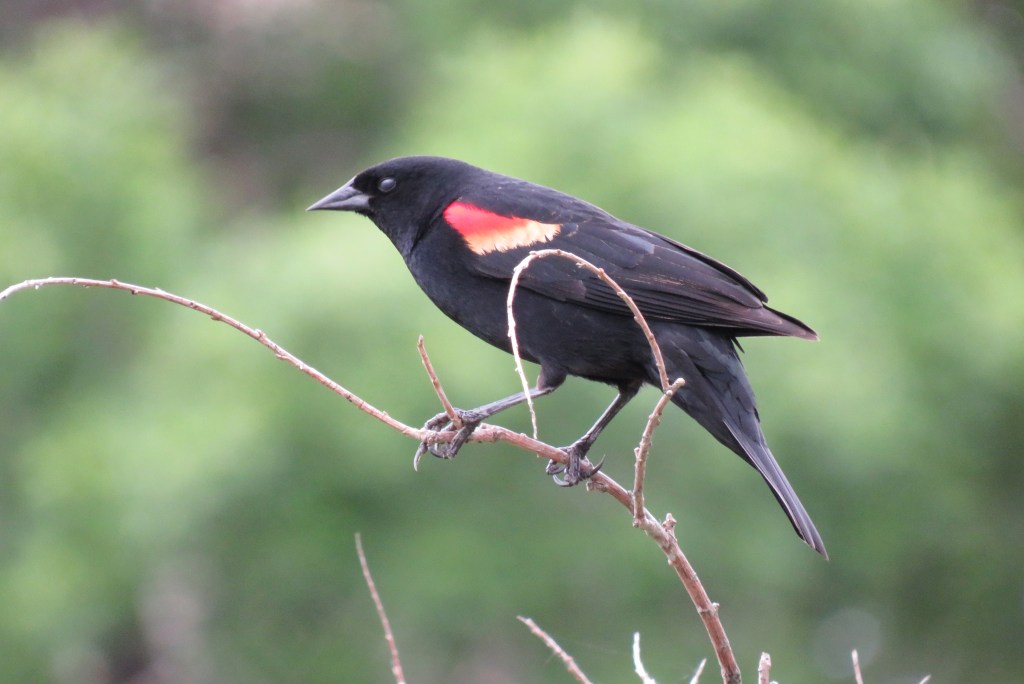
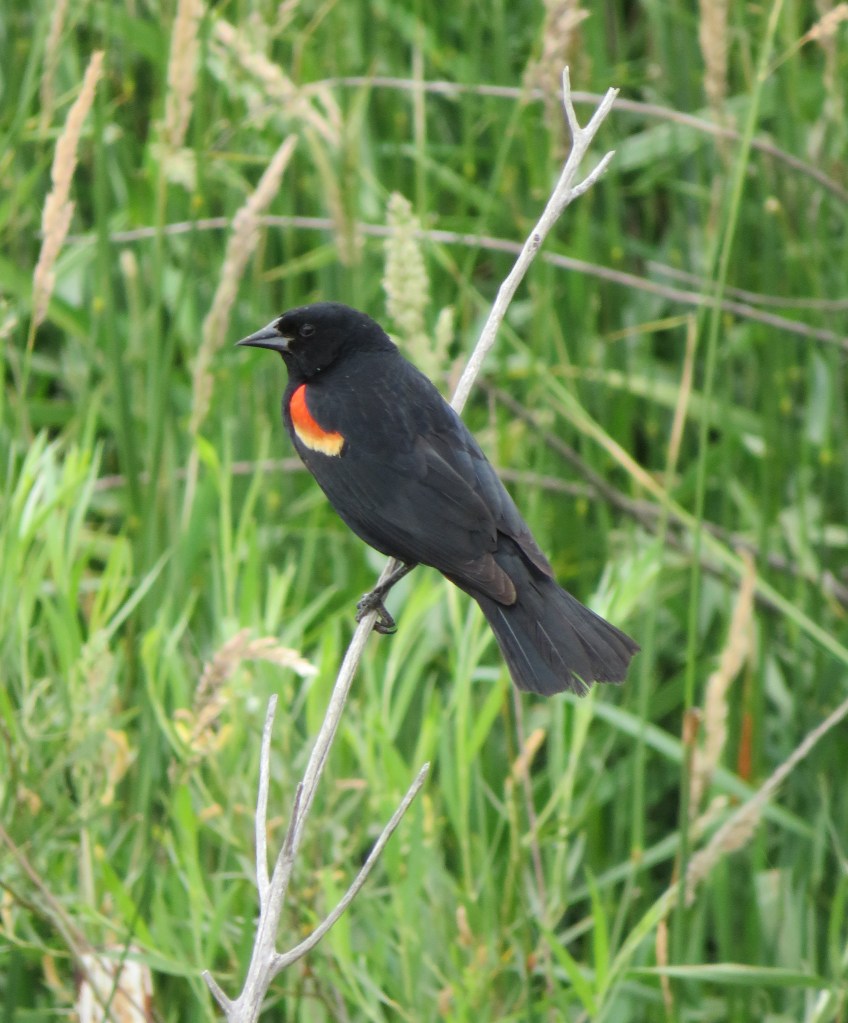
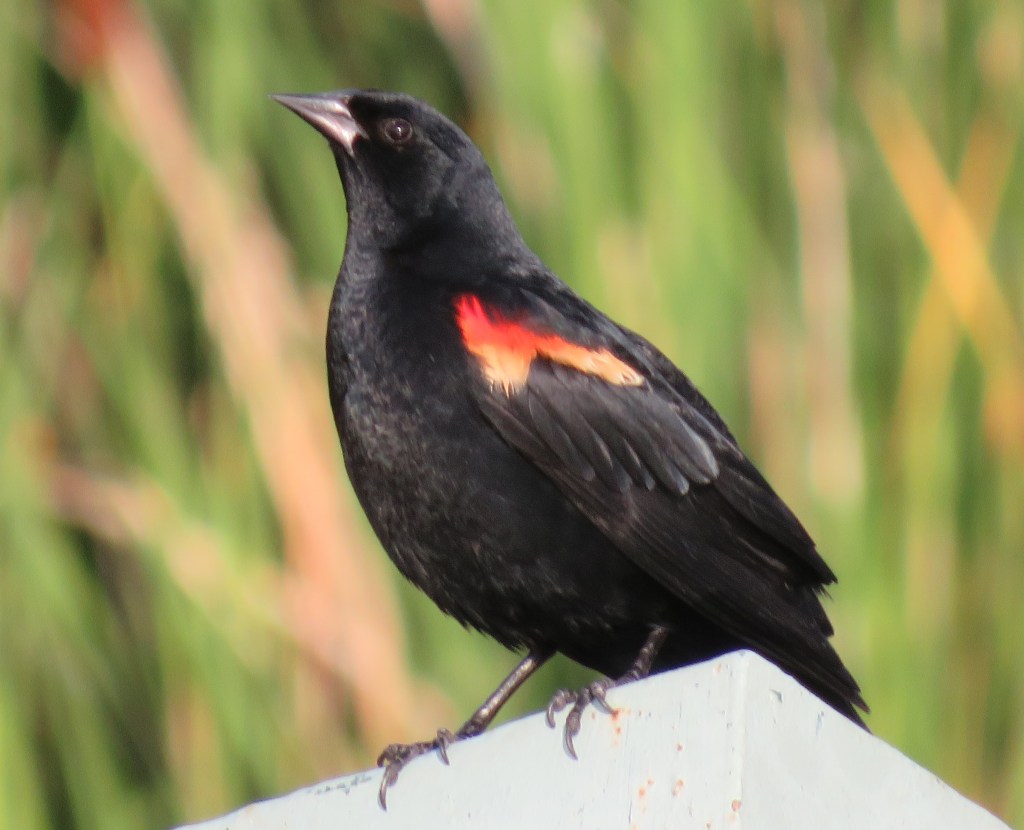
I remember when I first moved here how fascinated I was by the red-winged blackbirds. I never saw them in California. I fell in love with them right from the start. When my dad came to visit, I introduced them to him as well, and he too fell for them just like I did. Since then, I see red-winged black birds all the time. And I still love them and am still fascinated by them, all these years later.
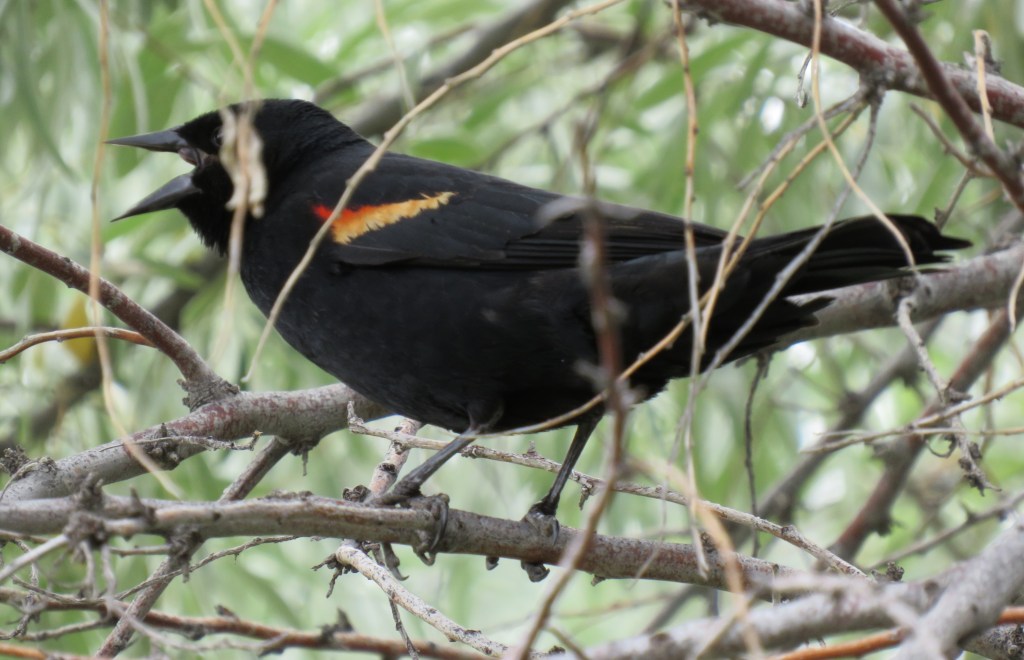
Here he is singing away to his sweetheart.
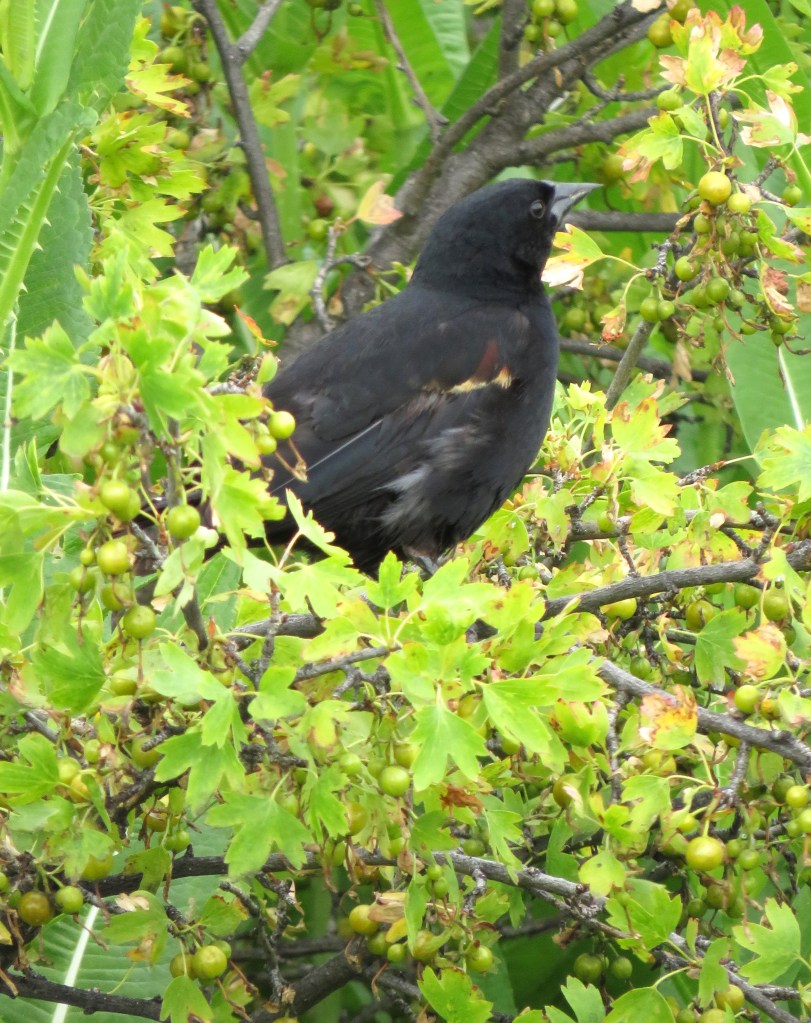
And she is singing back to him.
They like to hang out in the reeds, though I see them all over, perched atop of anything they can find.










































 A Jeanne in the Kitchen