I have created this site to help people have fun in the kitchen. I write about enjoying life both in and out of my kitchen. Life is short! Make the most of it and enjoy!
We eat out on our beloved deck as much as we possibly can, and that is most every night between spring and early fall. We see so many birds and squirrels from this vantage point too. Almost every night we are greeted by hummingbirds, as well as many other types of birds. For whatever reason, they all seem to flock to our dead trees, and not the living ones. I guess that is one of the main reasons we don’t cut those trees down. Even though they appear dead to us, they are still very full of life.
We have quite a few different varieties of hummingbirds that call Colorado home, but the two we see most often are the Black-Chinned and the Calliope Hummingbirds. Last night, Larry got some great shots of the Calliope in the tree. These are tiny, tiny birds. They are the smallest birds in all of North America and some of the smallest birds in the world. They are just flying over us right now, heading to their next destination. They will be with us for just a short time before they are once again gone until next season.
Here are the Black-Chinned Hummingbirds we often see too.
Have a great weekend have fun living life. Stay safe and stay well. ‘Til next time.
Eating pork in Latin America has been a staple in the Latin American diet ever since the Spanish first came to the New World and Colonized Latin America. Pigs came to Mexico on Columbus’ second voyage, when they were introduced to this side of the world and eventually made their way to Mexico thanks to Hernan Cortes. Pork is a more affordable option than beef, and that is yet another reason why pork is so important and popular in Latin America. Currently, both Brazil and Mexico are the major pork producers in Spanish America, with Brazil being number one and Mexico number two.
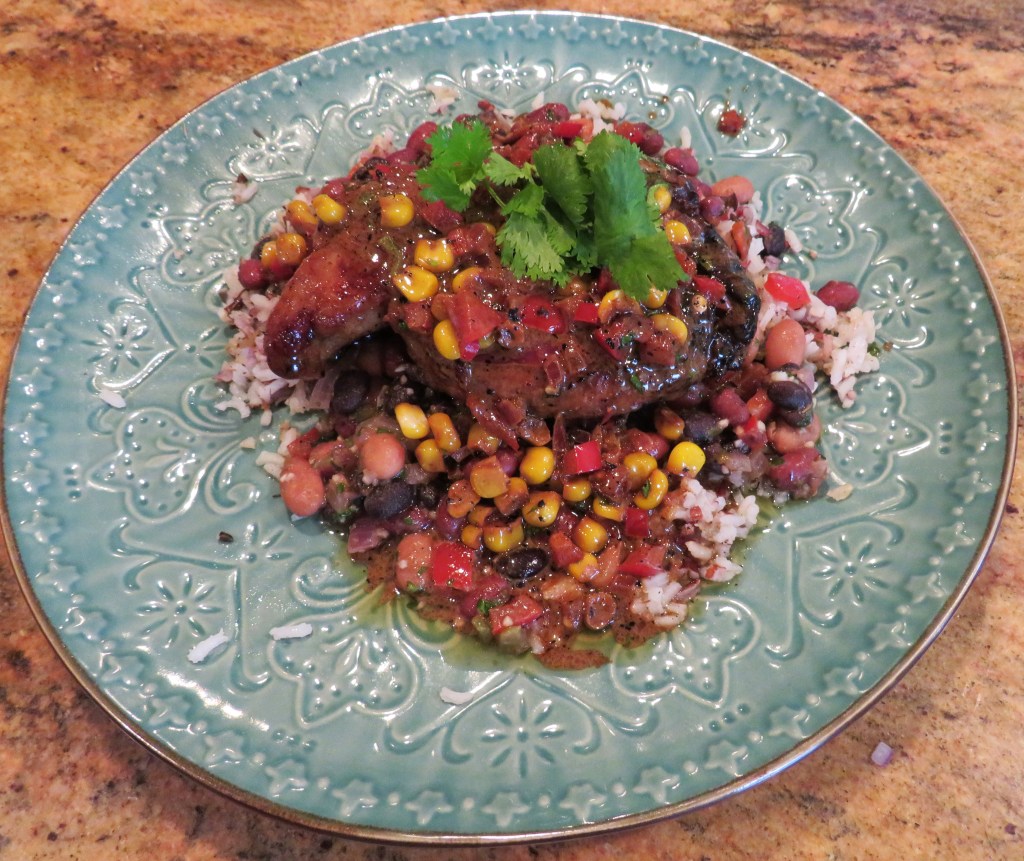
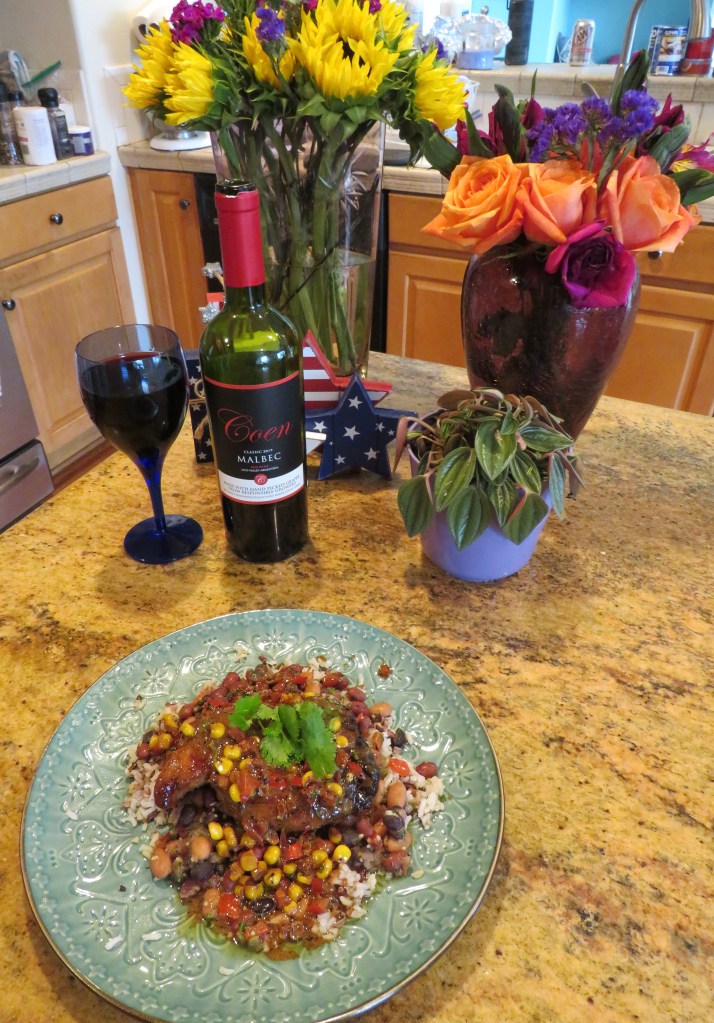
It was time for some pork for dinner in our weekly meat rotation. I turned it into Puerco Latino, or pork Latin style, a la Jeanne of course. 🙂 Meat of any kind is just meat. It’s the sauce that really makes the meal. I made a delicious Latin style creamy sauce to top my pork and then served it over beans and rice. But my bean are special beans, inspired by a recipe of one of our very own, but more on them tomorrow. 🙂
Puerco Latino
I marinated my pork chops in the spicy cocoa rub we brought back from Belize and honey ginger balsamic vinegar for about 2-3 hours before searing it and cooking it to perfection.
When ready to cook, get a large skillet VERY HOT, then add olive oil and butter. These were thick chops, so I seared them for about 4 minutes per side, until they formed a nice crust all the way around. When the pork has a nice crust all over, remove it from the heat and keep warm.
The Sauce
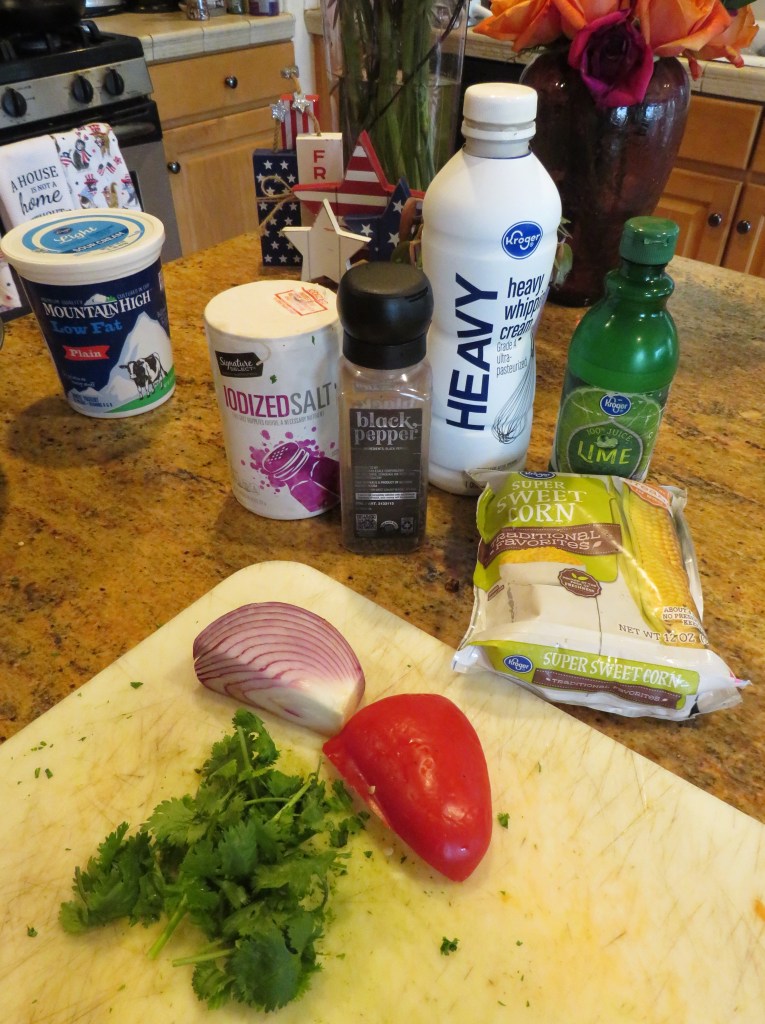
1-2 TBSP lime juice
1/2 red bell pepper, diced
1/4 red onion, diced fine
2 cups corn
1-1 1/2 cups heavy whipping cream
2-3 TBSP butter
1/4 cup chopped cilantro
salt & pepper to taste
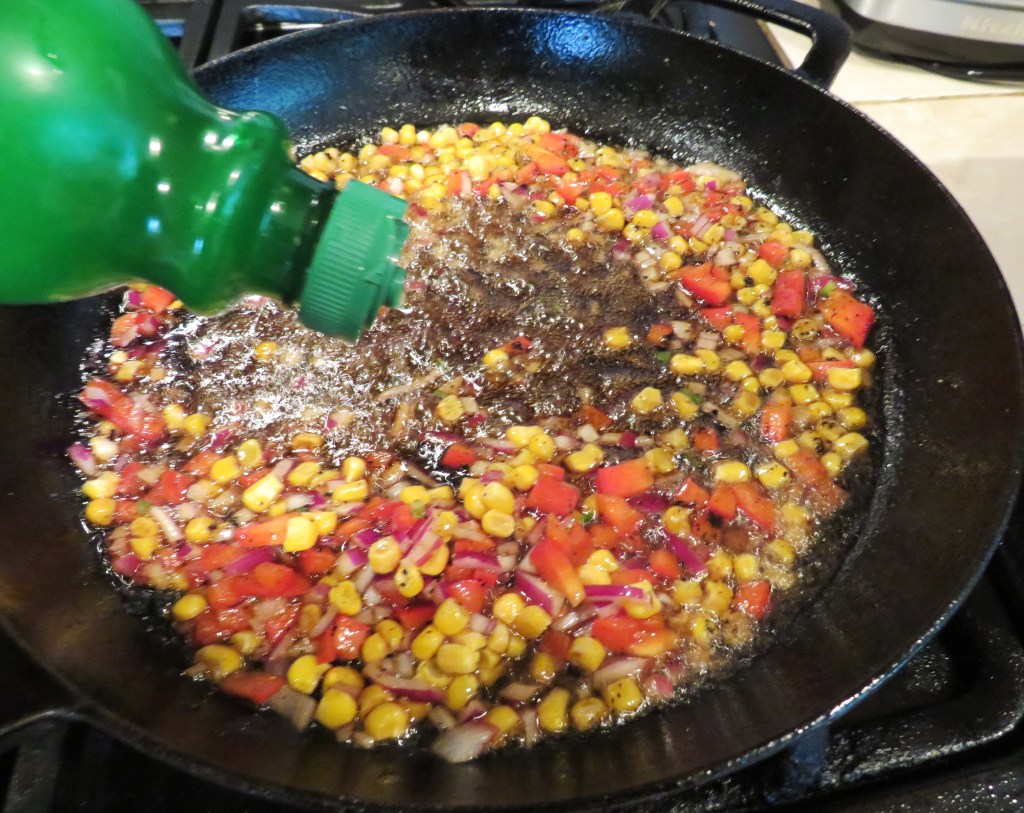
Deglaze the pan with lime juice and add the vegetables. Saute for about 5-7 minutes, stirring often.
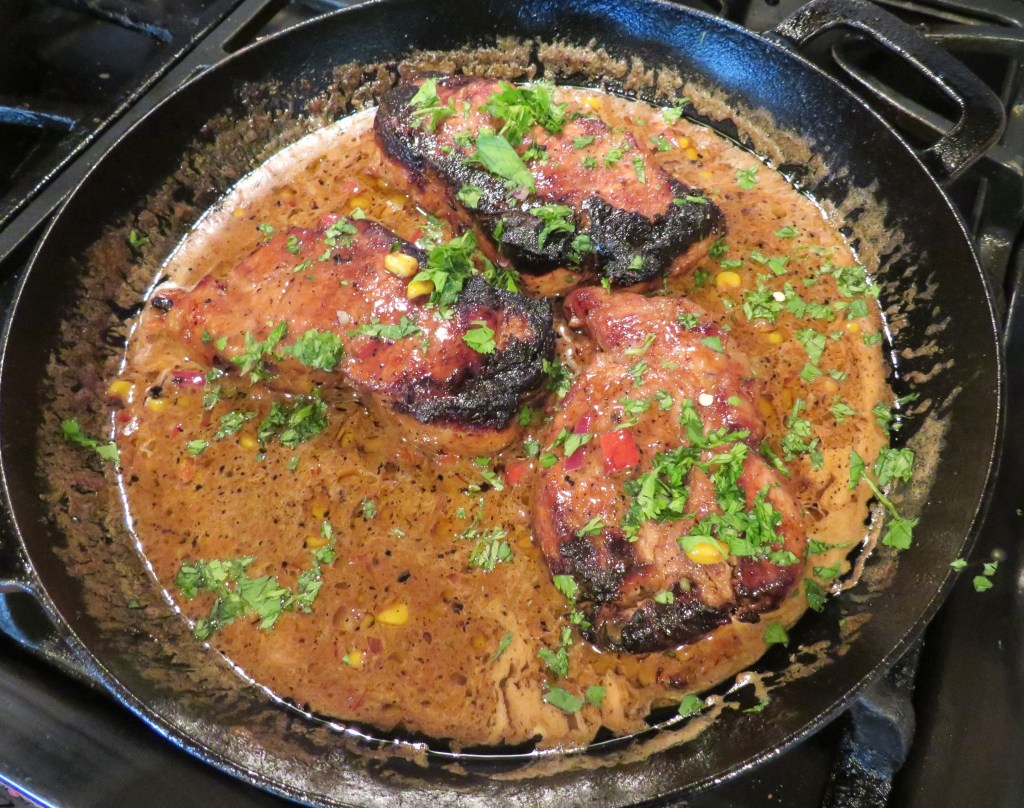
Add the cream and incorporate thoroughly. Season with salt and pepper. Then add the butter and mix in.
Re -add the pork, reduce the heat to a simmer and let cook until the pork is thoroughly cooked, with an internal temperature of 160*F or 71*C. Add about 1/2 of the cilantro and mix in and reserve the remaining cilantro for topping.
I served it over beans and rice and spooned the sauce over the top. I served it with an Argentine Malbec, since it was a heavier, darker sauce. The pork was very tasty and super tender and juicy. It just melted in our mouths and went perfectly with the rice and beans too. Esta mui rico. Delicioso!
You can use this same sauce for either chicken or steak too. It is a versatile sauce.
Have a great day and make everyday great. Stay safe and stay well. ‘Til next time.
I am still seeing my egrets all around. Soon, they will be leaving me, flying off to other destinations. But I am enjoying them for as long as I can before they depart. They are such elegant looking birds. I think they are gorgeous. I love how they call our lakes home for the spring and summer months.
Zucchini is a perfect summer time vegetable, though it can be enjoyed year round too. Zucchini, also known as courgette, is a summer squash, harvested when the fruit’s seeds and epicarp (outer layer) are still soft and edible. While often treated as a vegetable in the kitchen, technically, zucchini is a fruit, as it develops from the flower of the plant and contains seeds. Zucchini are low in calories and rich in vitamins, minerals, and plant compounds. A 1-cup serving of cooked zucchini contains approximately 27 calories, 2g of protein, 5g of carbohydrates, and 2g of fiber. They are also loaded with other nutrients as well, such as Vitamin C, Magnesium, Folate and Potassium. You can cook them in an endless variety of ways , since they lend themselves very well to all kinds of recipes.
Most of the world call zucchini courgettes, because that is what the French call them, and we all know how the French have inspired great cooking to chefs around the world. But in the United States, we call them zucchini, because of the Italian connection. It is believed that Italians were the first to grow zucchini.
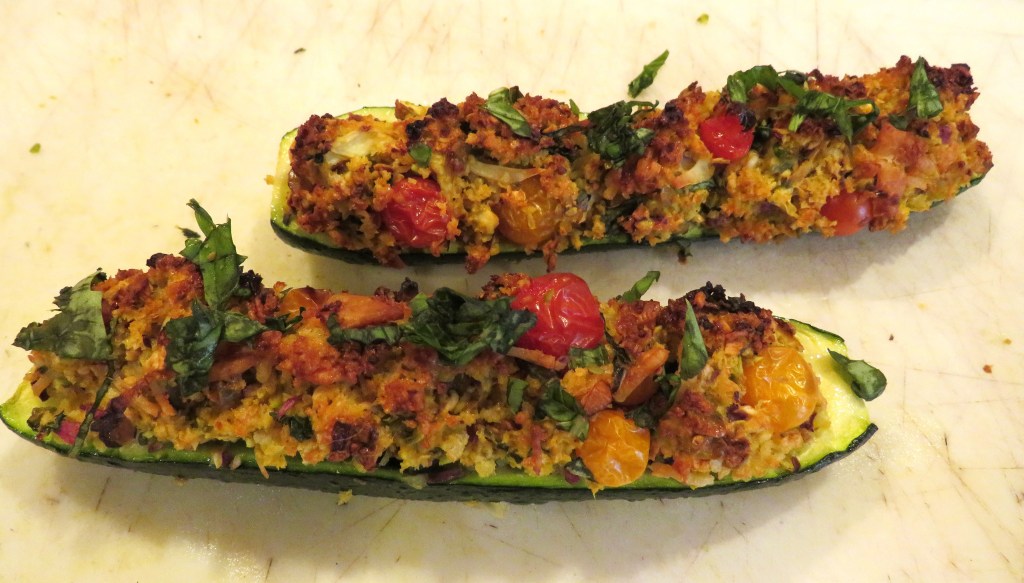
We were just having leftovers for dinner; Larry had one thing and I had something else. But we still needed a vegetable to go with our meal. I made some stuffed zucchini boats that went well with what we were both eating.
I love zucchini and was raised eating it all the time. Larry normally is not a big fan of it, but he is a good sport and eats it when I prepare it. That being said, he really liked these stuffed zucchini boats though.
Stuffed Zucchini Boats
These are very easy to make and look and taste great. They look fancy and hard to make, but we will keep it our little secret on how easy they really are to make. 🙂 I had the tiny tomatoes I used. if you are using grape or cherry tomatoes, cut them in 1/4 or in 1/2.
Preheat the oven to 475* F or 246* C.
Line a baking sheet with parchment paper.
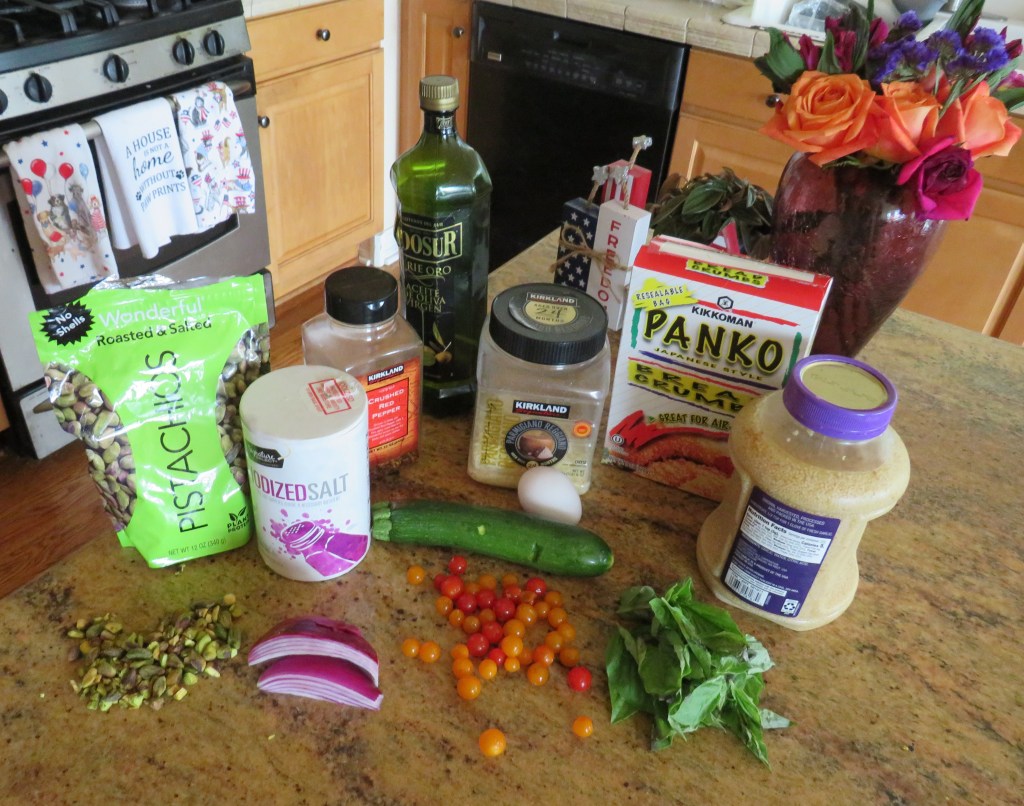
3 zucchini, sliced in half, with centers scooped out
1 egg
1 cup panko breadcrumbs
1/2 cup shredded Parmigiano or Peccorino cheese
2-3 tsp garlic
2/3 cup cherry, grape or tiny tomatoes
1/4 cup basil chiffonade, divided
1/4 cup pistachios, chopped
salt to taste
1/4-1/2 tsp red pepper flakes
olive oil
Cut the zucchini in 1/2 lengthwise and scoop out most of the “meat”. Chop the zucchini and add to the filling mix. Brush the zucchini boats, inside and outside with olive oil.
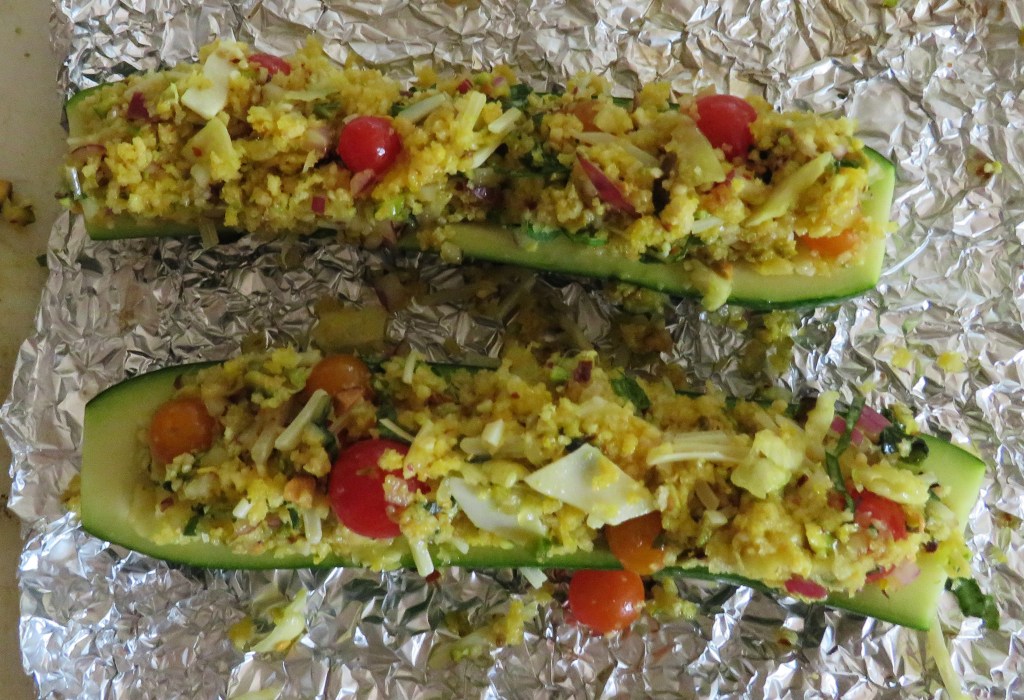
Combine all the ingredients together with the zucchini and mix together well, reserving about 1/2 the basil for topping after they come out of the oven.
Fill the zucchini boats as full as you can with the filling, and firmly press into the zucchini boats.
Bake for about 15-20 minutes, or until the filling is crispy and golden brown. Top them with the remaining chopped basil right before serving.
These healthy and tasty zucchini boats will dress up any dish you serve them with. Enjoy.
Have a great day and make everyday great. Stay safe and stay well. ‘Til next time.
Since I have been doing some deep dives into the importance of proper nutrition, I learned so much and have reaffirmed a lot of what I already know. Thank you all for your support and comments with these deep dive posts too. One of you was stunned to learn that doctors really are NOT trained in nutrition at all (all of us should be). NOPE! It’s sad when a chef and a sports trainer knows more about nutrition than our health care providers, but that is where we are in society today.
My quest continues. I am continuing my own quest for information, and as I do, I learn more and more everyday. Here is what I uncovered today.
While the amount of required nutrition education for doctors varies, the general recommendation is for 25 hours of nutrition training during medical school. However, a significant number of medical schools fall short of this recommendation. Many schools do not meet this recommendation. Studies show that the average nutrition training hours are often much lower, with some surveys indicating an average of only 11 hours across the entire medical program. Less than 20 percent of medical schools have a single required course in nutrition. Most physicians do not understand nutrition well enough to teach it, and if they can’t teach it, then how can they treat their patients, especially when so many diseases and disorders can be prevented by good nutrition and dietary habits? I find this to be very scary, and very unprofessional. I also find it to be a form of malpractice. Nutrition courses should be MANDATORY for all medical professionals. They should at least be required at a minimum, to have has much training as a chef or a sports trainer. But sadly, they are not.
Anywhere I walk, I can easily find prairie dogs. They are all out and about right now. They are very curious and playful too. And they seem to love having their pictures taken. I find them posing for the camera all the time. 🙂
Be playful and curious like the prairie dogs. Life is much more fun that way. 🙂
Poke bowls are Hawaiian seafood bowls that usually use raw or marinated fish served over rice or salad with vegetables and sauce. In Hawaiian, “poke” is pronounced “POH-keh“. The “e” at the end is pronounced like the “ay” in “okay”. They evolved from a traditional Hawaiian dish called poke, meaning “to cut” or “to slice,” which involved raw fish seasoned with local ingredients like sea salt, seaweed, and kukui nuts. Poke bowls date back to when the ancient Polynesians settled the Hawaiian Islands. When the Japanese settlers came to the Hawaiian Islands, they infused their own flavors, ingredients and ideas into the traditional Hawaiian poke bowls. They started adding soy sauce, sesame oil and used different kinds of fish too. Today, anything goes. You are only limited by your own imagination.
Poke bowls are very healthy since they contain vegetables, lean fish and proteins and often fruit as well. Poke is very similar to it’s Japanese cousin, sashimi. The main difference between the two dishes is that the Japanese slice their fish very thin and the Hawaiians cut their fish into cubes.
Poke bowls are typically eaten cold, as the raw fish is a key component and is traditionally served chilled. However, some recipes may include warm ingredients like cooked tofu or seared tuna, and the rice can also be served warm or reheated. Ultimately, it’s a matter of preference, and some people enjoy the contrast of cold fish with warm rice.
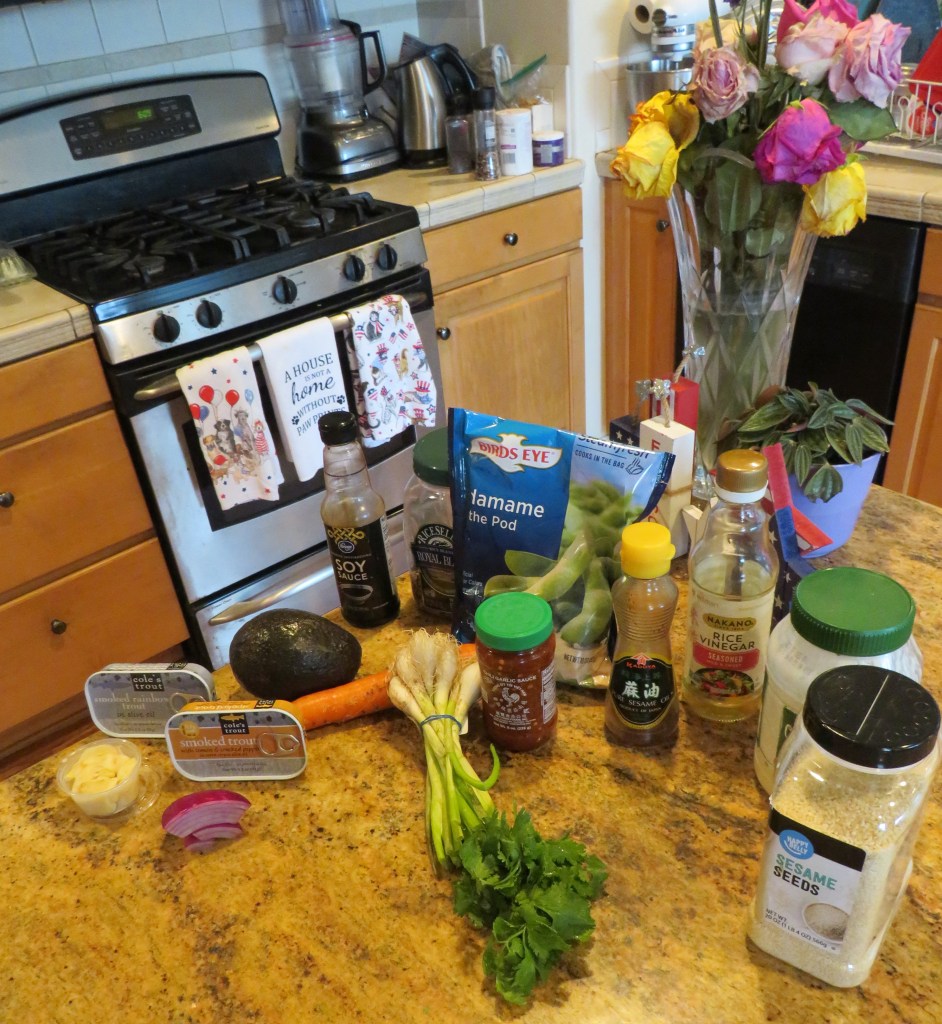
I decided to make my own version of a poke bowl, using my canned trout. They were delicious and very healthy. I loaded them with vegetables too. My poke bowls were served warm. The rice was hot, and everything else was cold or room temperature.
Each tin is one serving, so for the two of us, I used the two tins of trout that I had. Since they were slightly different varieties, I just mixed them together and then portioned them out for each bowl.
Trout Poke Bowls
1 tin of trout for each portion, drained and shredded
1 shredded carrot
1/2 cup shelled edamame beans, cooked according to package directions
1/2 avocado, cubed
1/4 red onion, sliced very thin
1/2 cup baby corn
1/2 cup water chestnuts
1/2 cup green onions, sliced
1/2 cup cilantro, chopped rough
2 tsp pickled ginger
2 cups cooked rice or wild rice
3 TBSP soy sauce
3 tsp sesame oil
1/2 cup mayonnaise
1-2 tsp rice vinegar
4 TBSP Siracha sauce
sesame seeds for topping
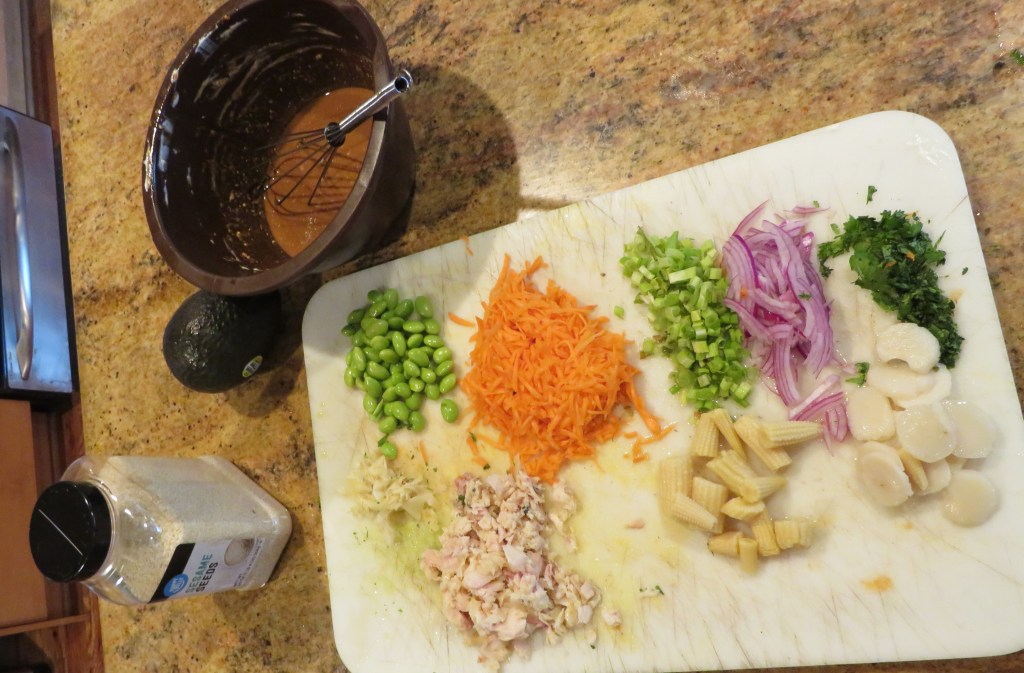
Cook the rice and the edamame beans. I used wild rice because I like it better with trout. I like wild rice with “wild” trout. While the rice is cooking prepare all the other ingredients. Cook the edamame beans in boiling, salted water for 5 minutes, then allow to cool for a bit. Once the beans have cooled enough to handle them, remove the shells.
Make the dressing by whisking together the soy sauce, rice vinegar, sesame oil, mayonnaise and Siracha sauce.
When the rice is cooked, add about a cup of rice to the bottom of the bowl, then started decoratively placing the other ingredients around the bowl. Drizzle the dressing over all the ingredients, then top with the sliced green onions and sesame seeds. I served it with some potstickers on the side and a cool refreshing Chardonnay to complete the meal. Delicious, easy-peasy and very healthy too. Definitely my kind of meal. 🙂 You can use any kind of fish and it can either be cooked, raw or tinned too. We loved our poke bowls for dinner, and the girls got to enjoy the oil and trout skin with their breakfast, in their bowls too. The whole family got to enjoy these delicious bowls. 🙂
Have a great day and make everyday great. Stay safe and stay well. ‘Til next time.
Before I start this post, I am making this disclaimer: I AM NOT A DOCTOR. I am NOT advocating for one choice or the other. I am simply presenting information I have found in my research. What you decide to do is strictly between YOU AND YOUR DOCTOR. I am NOT trying to spark any arguments or discourse. As with anything, anyone can find evidence and experts to support their own beliefs and theories. I am simply giving you my humble opinion, based on years and years of working in the food industry.
There are so many fad diets out there today, and sadly, most of them do not work long term. They are NOT designed to work long term, and many can have some serious side effects if they are carried out for long periods of time. Most doctors and people in the medical profession are not required to take more than 1 course in nutrition, and nutrition is a very gray area for a lot of medical professionals, just as much as it is for the rest of us. Back in my early days of college, I was a Bio major/pre-med. I took my one nutrition course for that as was required, and then some. Food and nutrition have always been something I’ve pursued and have been very interested in. Food is my passion. When I switched gears and became a chef, I had to take a lot of nutrition courses in order to get my culinary degree. I also have worked with food on a daily basis for over 40 years. Then when I switched gears once again, and became a sports trainer and a coach, I took more nutrition courses, specializing in sports nutrition. Needless to say, I know a little bit about food.
One of the big food debates today is gluten vs. gluten free. I personally am NOT a fan of any diet that tells you to eliminate whole food groups, unless of course it is for medical reasons. In my studies and research, when you eliminate whole food groups, you also eliminate many essential nutrients as well. My belief is that everything in moderation is the best diet to follow, both for food, and for life in general.
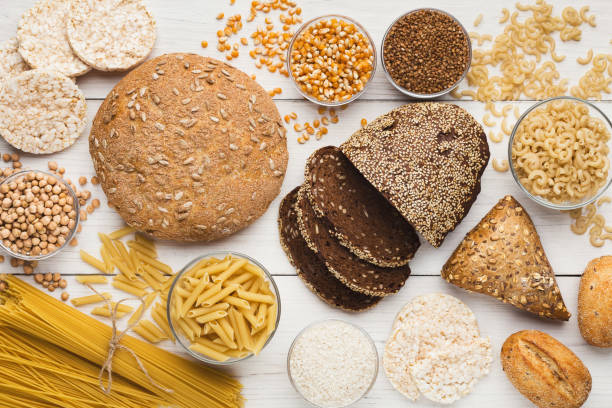
Gluten is a protein found naturally in wheat, barley, rye, wheat berries, spelt, durum, emmer, semolina, farina, farro, graham, khorasan wheat, einkorn, and triticale (a blend of wheat and rye). Oats—though naturally gluten free—often contain gluten from cross-contamination when they are grown near, or processed in the same facilities as the grains. Gluten is also sold as wheat gluten, or seitan, a popular vegan high-protein food. Less obvious sources of gluten include soy sauce and modified food starch. Gluten gives food a sticky texture and helps with the rise and chewiness of baked goods. It’s a common ingredient in many foods, including bread, pasta, and many processed items. A gluten-free diet excludes eating anything with gluten in it. Currently, 1 in 5 Americans have chosen a gluten-free diet, but most of those have chosen it without needing to, and without a doctor’s recommendation.
There are definitely people who probably should avoid gluten in their diets, but the vast majority of people DO NOT fall into that category. People with celiac disease and gluten intolerances are those who should avoid eating a lot of foods that contain gluten. Celiac’s Disease, an autoimmune disease that affects about 1 percent of the population, is characterized by flat intestinal lining and generalized malabsorption of nutrients. A lot of individuals without celiac’s disease are cutting gluten because they believe it makes them feel better. This condition has been coined “non-celiac gluten sensitivity,” but this sensitivity has not been scientifically confirmed to exist. The feeling of wellness could be due to cutting out gluten, or it could be because they are cutting out more processed or otherwise unhealthy foods. The Gluten-free Diet—Fad or Necessity?Written by: Carly Crompton
According to Genetic Literacy Project, Science Not Ideology, “There are still questions as to whether ‘non-celiac gluten sensitivity’ is even a real condition in those who are NOT celiac sufferers.” According to the Celiac Disease Foundation, gluten-free living appeals to about 30 percent of American adults — but seems to still be widely misunderstood. About 1 in 133 people or about 1 percent, have celiac disease, an inherited autoimmune disease that causes damage to the small intestine when gluten is ingested, but about 83% of them are undiagnosed or misdiagnosed with other conditions. About 0.4 percent of people have a doctor-diagnosed wheat allergy, according to a 2006 study. In those people, a true allergic response to wheat (which contains gluten) can include skin, respiratory and gastrointestinal symptoms. A larger group of people is estimated to have what’s called “non-celiac gluten sensitivity,” which may also produce similar symptoms but is not very well understood by experts. “We don’t really know the mechanism by which this arises,” says Crowe. According to the National Foundation for Celiac Awareness, as many as 18 million Americans may have some non-celiac sensitivity to gluten. But for most of the people who aren’t celiac, avoidance of gluten is little more than a badge of honor. At the very least, there are serious questions about the wisdom of buying gluten free just for the sake of doing it. A recent research report by the National Health and Nutrition Examination Survey found that over the past five years, there was a 300% increase in the number of people reporting going on a gluten-free diet. At the same time, the prevalence of celiac disease has remained stable. It is important to note that gluten is a problem only for those who react negatively to it, or test positive for celiac disease. Most people can and have eaten gluten most of their lives, without any adverse side effects.
Peter Green, director of the Celiac Disease Center at Columbia University, and Ivor Hill, professor of clinical pediatrics at The Ohio State University College of Medicine are two of many experts who believe that a gluten-free diet for most people is an unhealthy choice. More and more doctors are recommending against a gluten-free diet too. Numerous studies have shown that diets that are gluten free tend to be deficient in protein, folate, iron, niacin, riboflavin, thiamin, B12, zinc, selenium, and fiber. In addition, they are more apt to have higher levels of nickel, which is highly allergenic to some patients. Here are some more reasons why a gluten-free diet is not the best option for the general population:
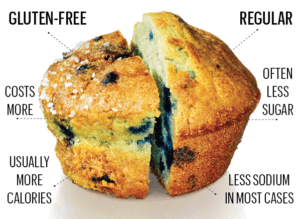
A gluten-free diet is expensive. It is estimated that a gluten-free diet will add roughly 1/3 more to your average food costs. So if you are watching your pennies, a gluten-free diet is not the answer.
Gluten-free foods often contain more calories than gluten foods. If you are trying to watch your weight, a gluten-free diet is not the answer. You will end up consuming more calories with a gluten-free diet than you would with a gluten diet.
Gluten-free foods often have more sodium added than gluten foods. If you are trying to lower your salt and sodium intake, again, a gluten-free diet is not your answer.
Gluten-free foods are low in fiber and also lack calcium, iron, and certain B group vitamins. Foods that are high in fiber are better for you all the way around. They fill you up faster, therefore you will eat less and they help keep you regulated. If you are missing out on the needed minerals and vitamins in the foods you eat, then you will have to find other sources for them. Minerals and vitamins that occur naturally in foods is always a better option than having them introduced to the system through secondary means. Getting enough whole grains in your diet is especially important if you’re at risk for heart disease or diabetes.
Many studies have linked whole grain consumption with improved health outcomes. For example, groups with the highest intakes of whole grains including wheat (2-3 servings daily) compared with groups eating the lowest amounts (less than 2 servings daily) were found to have significantly lower rates of heart disease and stroke, development of type 2 diabetes, and deaths from all causes.
Gluten may also act as a prebiotic, feeding the “good” bacteria in our bodies. Arabinoxylan oligosaccharide is a prebiotic carbohydrate derived from wheat bran that has been shown to stimulate the activity of bifidobacteria in the colon. These bacteria are normally found in a healthy human gut. Changes in their amount or activity have been associated with gastrointestinal diseases including inflammatory bowel disease, colorectal cancer, and irritable bowel syndrome.
Taste is another factor. I know the evolution of gluten-free foods has come a long way, but for me personally, I find most gluten-free foods don’t taste good. To me, most of them taste like cardboard and tend to have the same consistency.
Some gluten-free foods use potato or rice starch instead of whole grains, which has less important nutrients such as fiber, iron, zinc and folate. Additionally, gluten-free foods contain a lot more fat. One of gluten’s functions in baked goods is to hold it together; fat is a good substitute for this. Cutting out gluten all together might be great to avoid those refined sugars, but substituting it with gluten-free foods is not always the best options. The “Gluten Free” label has little to do with nutritional value, and is much more of a marketing campaign that persuades shoppers to think this is a healthier food. The Gluten-free Diet—Fad or Necessity?Written by: Carly Crompton
The gluten-free food industry has grown 136% from 2013 to 2015 with almost $12 billion in sales in 2015. Interestingly, studies show that people who do not have celiac disease are the biggest purchasers of gluten-free products. Consumer surveys show that the top three reasons people select gluten-free foods are for “no reason,” because they are a “healthier option,” and for “digestive health.” For those who are not gluten-intolerant, there is no data to show a specific benefit in following a gluten-free diet, particularly if processed gluten-free products become the mainstay of the diet. In fact, research following patients with celiac disease who change to a gluten-free diet shows an increased risk of obesity and metabolic syndrome. This could be partly due to improved intestinal absorption, but speculation has also focused on the low nutritional quality of processed gluten-free foods that may contain refined sugars and saturated fats and have a higher glycemic index.
I took this deep dive into gluten vs. gluten free once again for my own information on my own personal journey to better health. When I discussed with my doctor that I was looking for a holistic and more natural approach to my thyroid meds, she told me I needed to go completely gluten-free then. Well, based on my research, and my own long-held personal beliefs about eliminating whole food groups, I can tell you this much; it ain’t happenin’! I can cut down, and there are always healthier options, but I AM NOT cutting gluten out completely. I think that would do more harm than good.
As I mentioned above, and have mentioned before, EVERYONE has to make their own decisions and discuss those decisions with their own doctor. I am NOT a doctor and DON’T proclaim to be one. But when I am curious about things, I do my research and dig, and dig, and then dig some more. I go into deep dives. A lot of times, I surprise myself with my findings, but more so than not, because sadly there are so many people who don’t or won’t do their own research and ask their own questions, many people don’t like my findings. All I am doing is presenting the information that I find. It is up to you to do with it what you like.
Have a great day and make everyday great. Stay safe and stay well. It’s up to you on how healthy you want to be. ‘Til next time.
Sometimes when out walk-about, I focus on just one bird and take a series of shots. Other times, they fly away after only allowing a shot or two. They get tired of the paparazzi. So I will give you some of my “one shots”, or “few shots” of different birds this time. I always see so many birds, and they don’t always get their “proper recognition”. I am giving it to them now. 🙂
We have a variety of different sparrows that call Colorado home.
I think this is a Brewer’s Blackbird, but I have never seen one with a tail like this before.
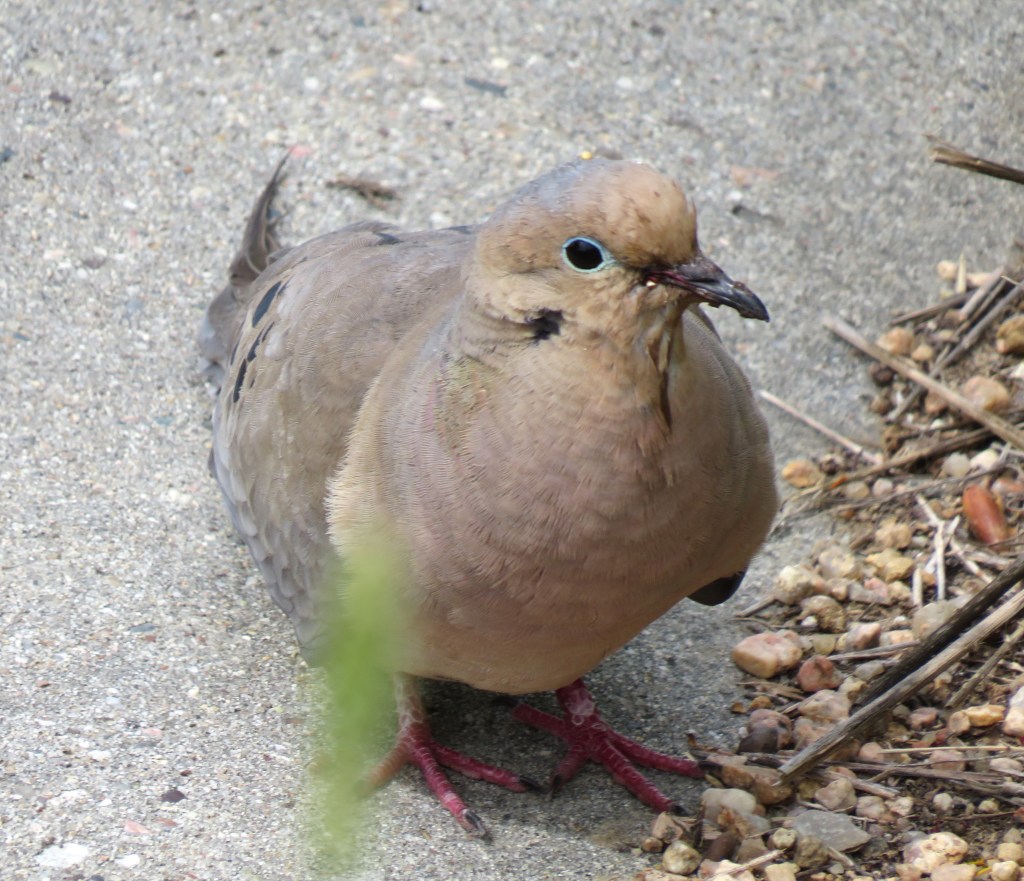
We have a lot of different Doves too. This one is an Eurasian Collared Dove.
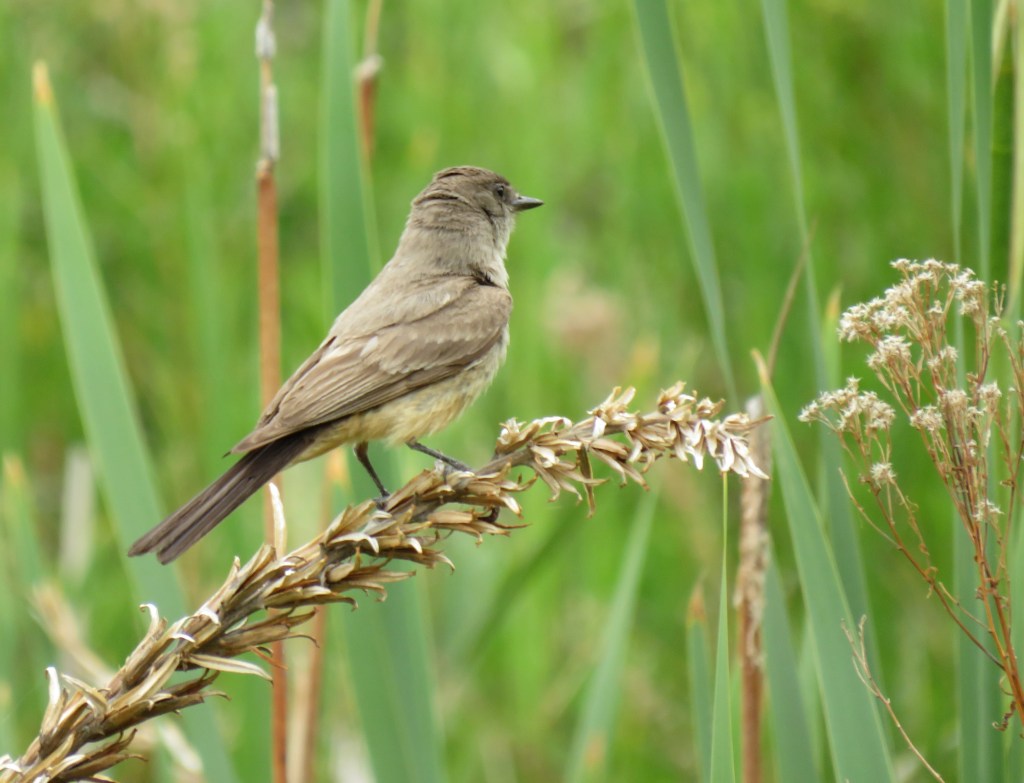
A Says Phoebe on the reeds.
A little Gray-Headed Junco.
A female Cassin’s Finch.
He could be a House Finch, a male Cassin’s finch, or a Rosy-Headed finch. It’s hard to tell, but I think he is a male Cassin’s Finch.
Look all around, in every direction. You’ll be amazed at what you can see. 🙂
We are in the grips of a HOT, HOT, HOT summer. We have been in the high 90’s for almost 2 weeks and counting. That means a lot of cool salads. It’s just too hot to eat many other meals.
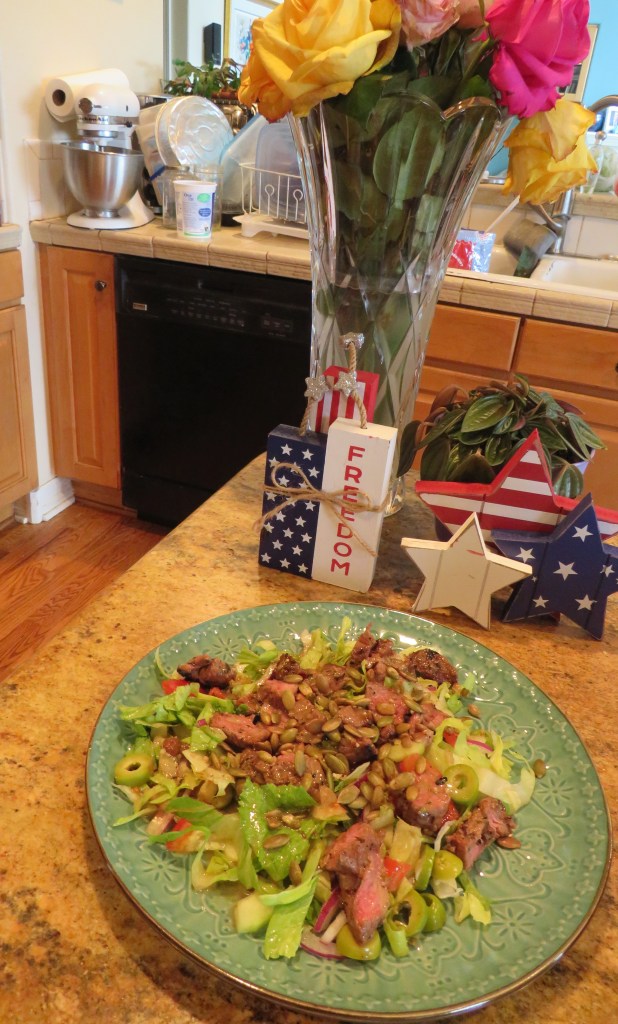
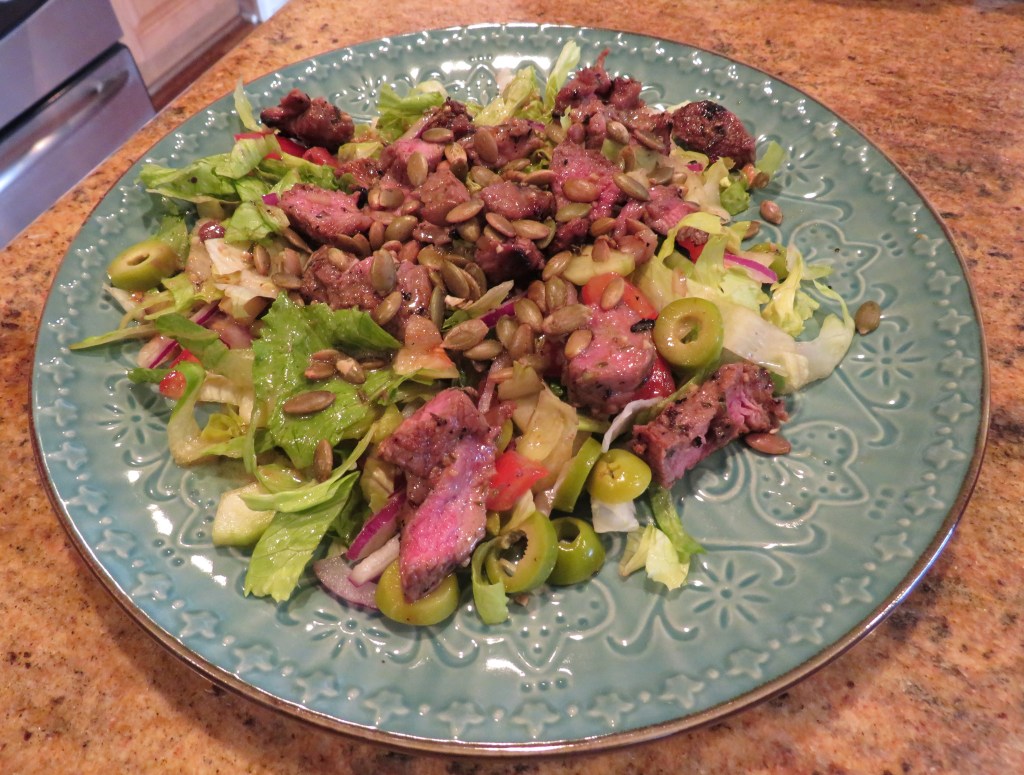
Lamb was down in our weekly meat rotation this week, but as I said, it’s too hot to eat a heavy lamb meal. I turned it into a delicious Greek salad instead.
I cubed the lamb and marinated it for about 5 hours before skewering it and grilling it.
The Lamb Marinade
1/2 cup olive oil
1/4 cup balsamic vinegar
2-3 TBSP honey ginger balsamic vinegar, optional
1 TBSP garlic
2 tsp Dijon mustard
1-2 TBSP dried onions
1 tsp each, dried thyme, marjoram and mint
1-2 TBSP honey
fresh ground black pepper to taste
Mix it all together and then toss in the lamb cubes. Cover and refrigerate for at least 2 hours before cooking.
I was originally planning on making lamb kebabs, but changed my mind after I cubed it, so I skewered the lamb, but you can slice it too. Either way, it all tastes the same, and the end results will be a happy, satisfied tummy. 🙂
The Salad
Normally I prefer Romaine lettuce to iceberg lettuce. I thought I had some, but didn’t after all, and when I went to the store, they did not have Romaine. I did have a little Romaine left, and I mixed it with some of the iceberg lettuce to make salads for each of us.
Romaine and iceberg lettuce differ in taste, texture, and nutritional content. Romaine is known for its crisp, slightly bitter, and subtly sweet flavor, while iceberg lettuce has a milder, more neutral, and watery taste. Romaine has a slightly more robust texture due to its longer, broader leaves, while iceberg is known for its consistent, all-around crunch. Romaine is also more nutritious, with higher levels of vitamins and minerals compared to iceberg. Iceberg lettuce, though tasty, is mostly water and does not have a lot of nutritional value. But in a pinch, it will work.
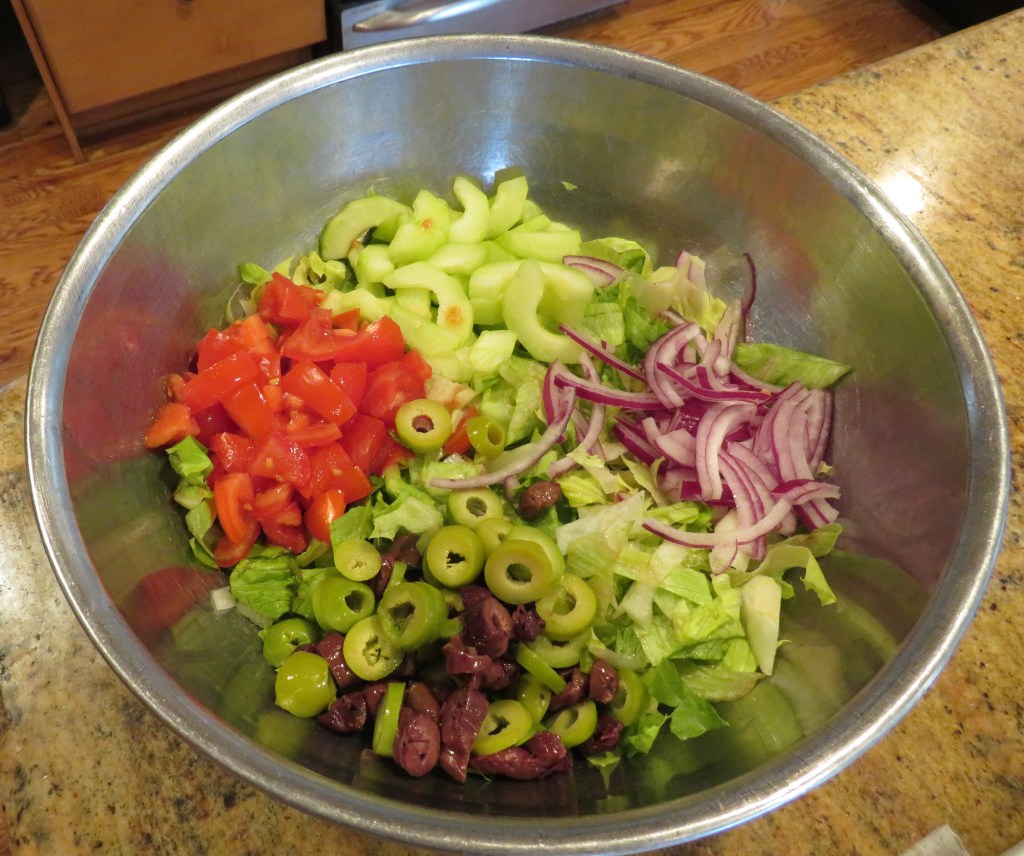
This salad was just a simple tossed salad. The marinade for the lamb was more complicated than the actual salad.
2 cups shredded lettuce – or enough to make 2 dinner sized salads
1/3 cup mixed olives, sliced
1/2 cucumber, peeled and seeded
2 tomatoes, diced
1/4 red onion, sliced very thin
feta, or shredded cheese of your choice, optional.
Toss everything together.
Larry’s salad had a combination of both shredded Colby and cheddar cheese and feta cheese. Mine had no cheese. Also we chose different dressings, so this was all I tossed together at this point. If everyone is enjoying the same salad, toss the dressing and the cheese in with the other ingredients too. then plate your salad.
Once the lamb is cooked to a delicious medium rare, slice it thin and add to the top of the plated salad.
For my dressing, I combined some creamy avocado dressing with an herb vinaigrette I made earlier. Larry mixed the vinaigrette with a creamy Caesar dressing. Both worked and we were both happy with our results. I also added some toasted pepita seeds to the top of my salad. I like the crunch factor added to my salads. 🙂
Of course we dined al fresco, on our beloved deck. It was a perfect way to cool down and to beat the heat.
Have a great day and make everyday great. Stay cool, stay safe and stay well. ‘Til next time.















































 A Jeanne in the Kitchen