I have created this site to help people have fun in the kitchen. I write about enjoying life both in and out of my kitchen. Life is short! Make the most of it and enjoy!
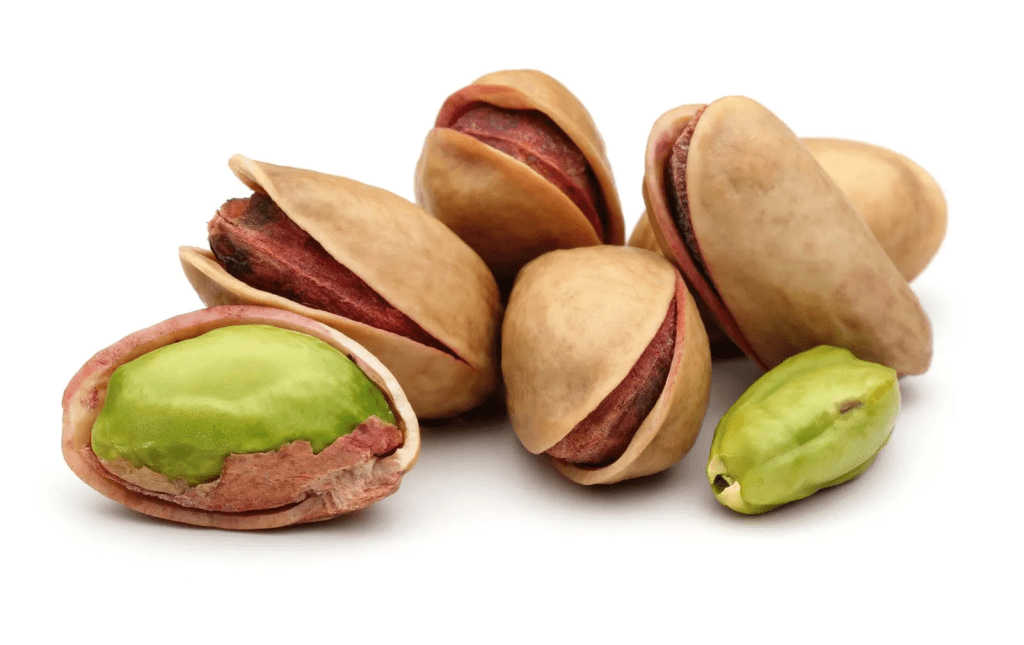
Pistachios are old nuts, having been around for anywhere between 8,000-12,000 years. They originated in the Middle East, specifically the region encompassing modern-day Turkey, Iran, Syria, Lebanon, and parts of Russia and Afghanistan. Today, pistachios are grown in many areas of the world, with the main producers being Iran, The United States and California in particular, and Turkey. California began large-scale pistachio production in the 1970’s. Today, the pistachio industry in California alone is a multi-billion dollar industry. California may be a major pistachio producer, but the experts still say the pistachios from either Iran or Turkey taste better. They have a very distinct flavor that the California pistachios do not have. American-grown pistachios are, on average, larger and plumper. American pistachio shells are naturally tan and never bleached. Iranian nuts are often bleached to mask discoloration. American pistachios are more uniform in size because of strict grading standards.
Pistachios are always associated with happiness, good luck and good fortune, in many different cultures. They are known as the smiling nut in Iran because of how the shell splits as the nuts, or kernels, inside ripen, which makes them look like they are smiling. They are also known as the happy nut in China. The nuts are often given as a gift during the Chinese New Year because they symbolize health, happiness and good fortune. In Israel and Russia, hearing the cracking of a pistachio nut was seen as a good omen. In the Middle East it means you will have a happy relationship so couples would meet under pistachio trees and wait to see if the nuts might tell them that their relationship was going to be successful. Pistachios are one of two nuts listed in the Bible. The other nut in the Bible is the almond. They were both listed in Genesis 43:11 as gifts to Egypt, as the “best products of the land”.
Pistachios were highly sought after treats all along the Silk Path, from traders from all over. As their popularity grew, so did their presence, all throughout Europe and beyond. In Persia (modern day Iran), pistachio trade and ownership of pistachio groves meant riches and high status. At first they were highly prized by the elite and the wealthy due to their original difficulty to produce. They were considered a treat for royalty, and only wealthy people could afford them. Legend has it that the Queen of Sheba forbid commoners from growing these delicious green treats. Originally, they were smuggled out of Iran because they were so highly prized by the wealthy and the royalty, and not meant to be enjoyed by commoners.
Not only are pistachios very tasty and delicious, but they are also very healthy for you too. A single 1 oz serving of pistachios has as much protein as an egg.That’s about a handful or 49 nuts for 6 grams of protein. Like many other nuts, pistachios are a good source of a wide variety of vitamins, minerals and antioxidants that not only provide excellent nutrition for the calories, they provide many other health benefits as well. Studies show they may help lower cholesterol, blood pressure, and blood sugar, promote healthier blood vessels and healthier gut bacteria. They are packed with nutrients, including healthy fats, protein, fiber, and antioxidants. However, moderation is key, as they are calorie-dense, and are comprised of 45% fat.
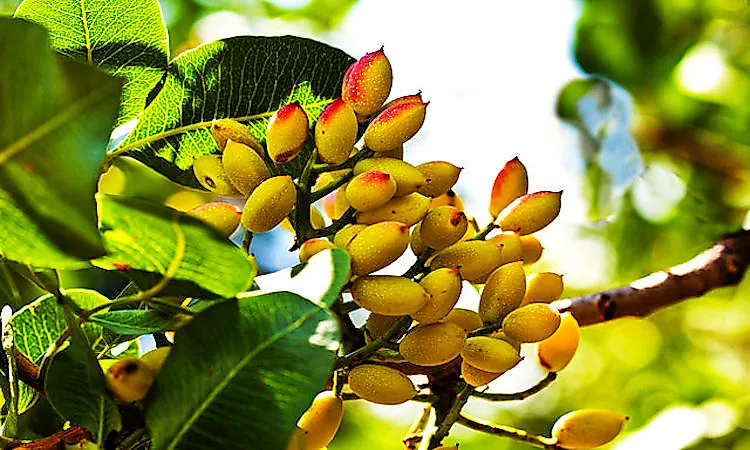
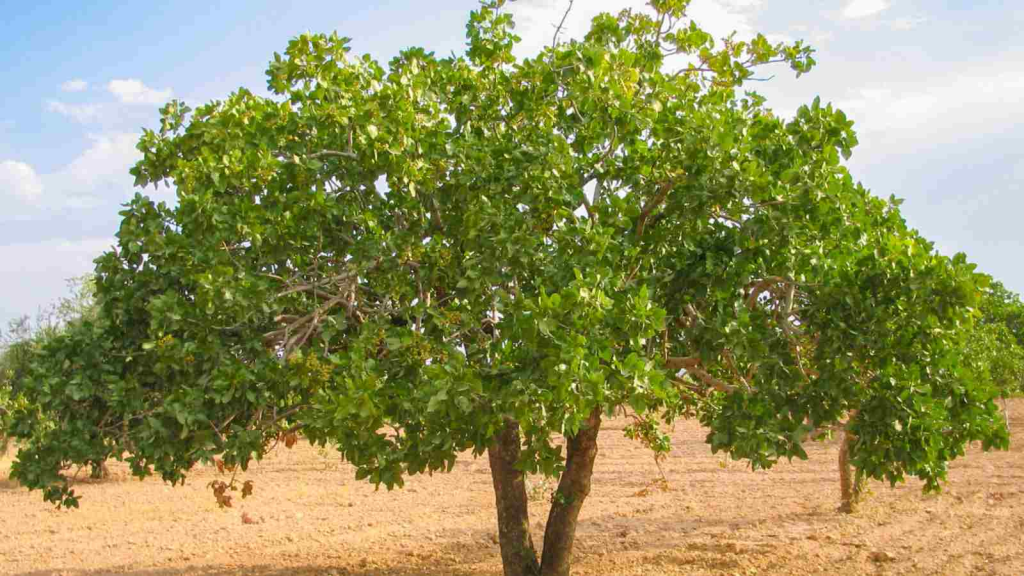
While still growing on the trees, pistachios resemble olives on the trees.
Pistachios are nuts, that resemble olives while growing on their trees, but are actually related to poison ivy. Pistachios, along with cashews and mangos, belong to the same plant family, Anacardiaceae, which also includes poison ivy. This family of plants produces urushiol, the oily substance that causes allergic reactions in many people, leading to the characteristic itchy rash associated with poison ivy. While pistachios are related to poison ivy, most commercially available pistachios are processed in a way that removes or neutralizes the urushiol, so they don’t typically cause a reaction. While pistachios are in the same family as poison ivy, the way they are processed significantly reduces or eliminates the presence of urushiol. The shells are often roasted, which helps to destroy the allergen.
How are Pistachios Related to Poison Ivy – Pistachios are considered a drupe – like cherries, peaches, and plums – and they belong to the cashew family, which includes cashews and poison ivy. But how does this one fruit give some a poison ivy reaction? #foodhistory#foodfacts#historyfacts#pistachio#historyof
I have learned a lot of new information about pistachios. I hope you have too. Have a great day and learn something new everyday. Stay safe and stay well. ‘Til next time.

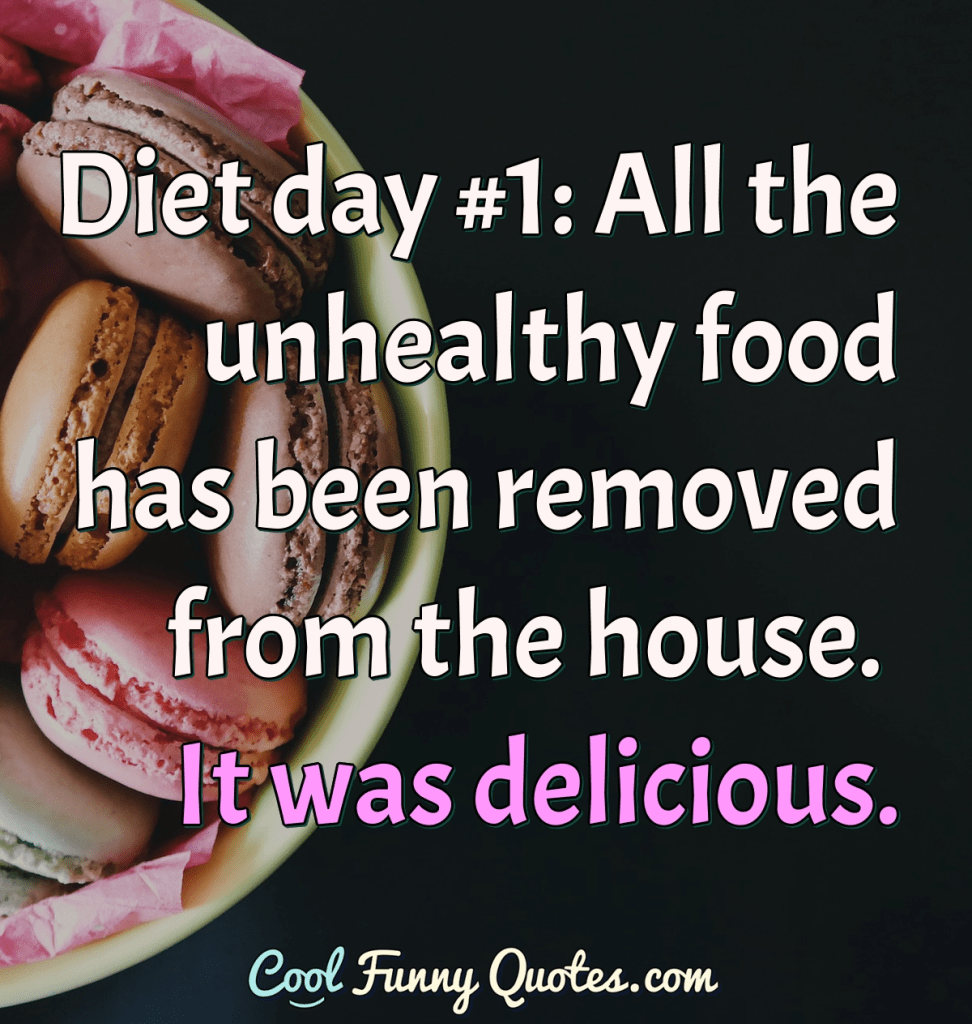
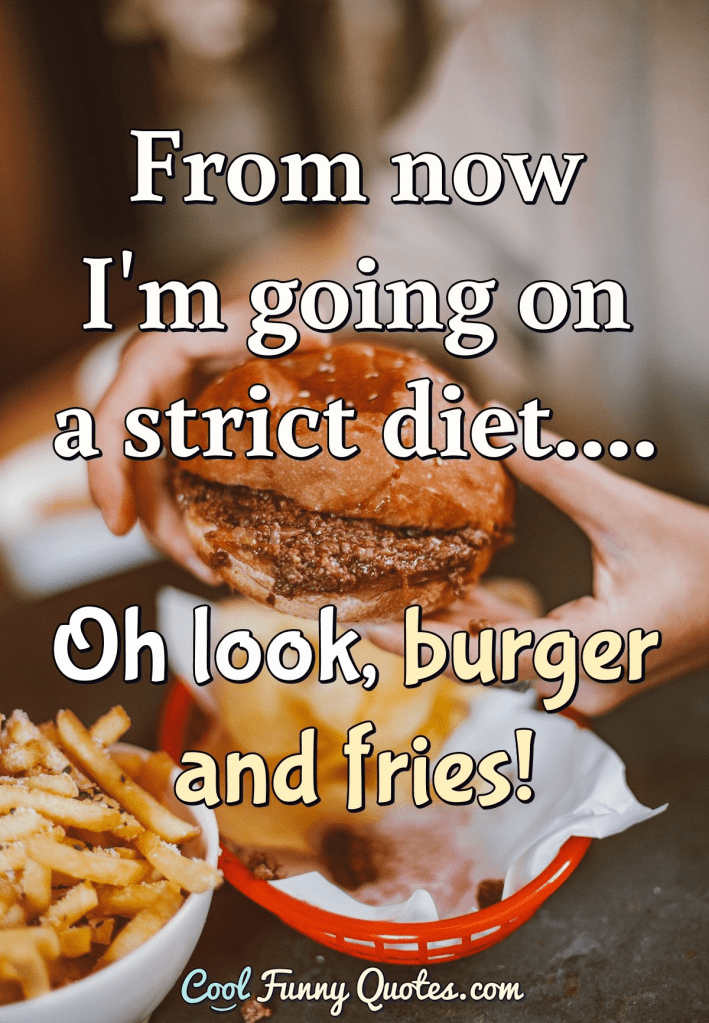
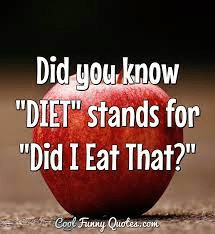
I am working my way through both leftovers and just everyday meals, many of which you have already seen before, so that means not much cooking taking place right now. This is always a good time for something fun. It’s a great time for some fun food quotes. Since many of us are on diets, definitely myself included, I thought these were apropos. 🙂
I think these are ones we can all relate to, especially if we are on diets.
I hope these brought a smile and a giggle or two. Have a great day and make everyday great. ‘Til next time.
The birds just love our dead trees. Why? I have NO idea, but they do. Last night as we were enjoying our dinner al fresco on our deck, our trees were filled with all kinds of birds. They would come and stay awhile, then flit off once again, with other birds coming in right behind them. We were greeted by the little Calliope Hummingbirds and American Goldfinches last night. It was an entertaining evening. We had dinner and a show right in our own backyard. 🙂
Life is full of surprises. You just never know what’s going to happen next. Sit back, relax, and let life come to you. 🙂
It’s still hot and that means it’s still salad season. I had some leftover beans I wanted to use Beans, Beans, Beans but I didn’t want to make anything that required the oven. So I hit my cookbook library and found a delicious recipe that was just what I was looking for. I made a salad with chicken and beans or ensalada con pollo y frijoles. It was perfect.
Ensalada con Pollo y Frijoles
This cool, colorful salad was loaded with all kinds of good things. It is a deliciously perfect way to help beat the heat on a hot summer’s day too.
The Dressing
1/2 cup olive oil
2-3 TBSP either sherry or red wine or Prosecco vinegar
1 chipotle pepper with sauce, chopped fine
1 tsp Dijon mustard
1-2 TBSP chopped cilantro
1 tsp brown sugar
salt & pepper to taste
1 tsp cumin
Whisk everything together and set aside until ready to use.
The Salad
1 head Romaine lettuce, chopped or shredded
1/4 red onion sliced very thin
your choice of shredded cheese, optional
1 tomato, diced fine
1 cup frozen corn, thawed and warmed
1- 1 1/2 cups cooked mixed beans
1 chicken breast, sliced thin
avocado slices, optional
either fried tortilla strips or roasted pepita seeds for topping
Start layering the salad with lettuce, red onion, cheese, if using, and the beans. I used my leftover bean salad, which was just perfect for this salad. Add the sliced chicken, tomatoes, corn, and dressing. Then top with avocado slices, the fried tortilla strips and/or the roasted pepita seeds. I didn’t have enough fried tortilla strips for the two of us, so Larry used those and I topped my salad with the pepita seeds. Both options are just fine. 🙂
This salad is colorful, healthy and quick and easy-peasy. You’re going to love it. I promise.
Have a great day and make everyday great. Stay cool, stay safe and stay well. ‘Til next time.
I don’t see these little Gray-headed Juncos too often, but I get real excited when I do. Sometimes I see them in the trees right beside my house, but by the time I get my camera ready, off they go. Every now and then I am able to get a few good shots before they take off though.
We had a little break from the heat, with some much cooler weather. It was greatly appreciated. With cooler weather, I made something a little hardier for dinner. I made a lamb roast with lemon and olives, Syrian style, known as Lah’meh Zetoon b’Limoneh. It was delicious. Of course I made it my own recipe too. Would you expect anything less? 🙂
Lamb with Lemon and Olives
Lamb is the meat of choice in a lot of Middle Eastern countries since cows are often used more as work animals than for food. And lamb is often eaten for holidays as well, particularly in Jewish homes, because of its symbolic and religious meanings. This dish is often served for Rosh Hashana, in remembrance of God’s test of faith to Abraham. (p. 232 A Fistful of Lentils by Jennifer Felicia Abadi)
The Lamb Marinade
1 4-5 lb lamb roast
1/4 cup olive oil
1/4-1/3 cup lemon juice
1 TBSP dried onions
1 tsp ginger
1 TBSP garlic
salt & pepper to taste
1-2 tsp sumac
1-2 tsp dried mint
1-2 tsp tsp za’atar
Mix everything together well and pour over the lamb. Cover and refrigerate for at least 2-3 hours before cooking.
When ready to cook the meat, sear it for about 4 minutes per side in a VERY hot skillet with both olive oil and butter. You want a nice crust all around the lamb.
Once the lamb is crusted all over, place it in slow cooker with about 1-2 cups of water. I placed mine over some cut onions. Depending on when you want to serve the lamb, you can have a lower temperature, and let it cook for longer, or set it at a higher temperature for a faster cook.
The Sauce
1 cup dry white wine
2 TBSP lemon juice
the lamb marinade
1-2 cups onion, diced
1 cup mixed olives, cut into quarters
1 tomato, diced
2-3 TBSP butter
1 cup heavy whipping cream, optional
1 TBSP dried mint
Deglaze the pan with the wine and lemon juice. Add the onions and let cook until most of the liquid has evaporated. Stir constantly.
Add the cream if using, and mix thoroughly. Then add the butter and mix thoroughly once again. Add the tomatoes, olives and mint right at the end of the cooking process. You just want them warm. You do not want them to break down. Adjust the seasoning as needed.
Slice the lamb into thin slices. Medium rare is what you are looking for, but sometimes, in a slow cooker, it is hard to get that perfect medium rare. I think I did OK though. 🙂
Serve over couscous then top with the sauce. Normally I would say, use the same wine as you are serving with meal for the cooking, but I actually served the meal with a red blend instead of a white wine. Lamb to me is a red meat, and I serve red wines with red meat. I also served some warmed pita bread and hummus on the side to complete the meal. Delicious.
Have a great day and make everyday great. Stay safe and stay well. ‘Til next time.
We have now been to the Wild Animal Sanctuary once a month, since we first started going, and I have been once more on top of that. I love it there. Every time we go, different animals are out and about, doing different things. This time was no different. I never get tired of seeing all the wild animals. Here are some of yesterday’s highlights.
The coyotes were active, but I could only get a couple of good shots because of all the tall grasses and shrubs they were hiding in.
The bears, both the grizzly and the black bears, were very active. Mostly they were trying to keep cool by dipping themselves in the water and going for a swim.
He’s taking a bath and brushing his teeth all at the same time. He believes in good hygiene.
She was just happy to sit by edge of the pool.
A couple of the grizzly bears were dancing and playing around too.
Some of the wolves were playing around too before calling it quits and decided to nap instead. This group is all part of one big happy family.
A couple of the tigers were active and on the prowl, but for the most part, they all preferred to take it easy.
All of the other big cats hit the snooze and relax button instead though.
These two are mother and daughter.
At least the king and queen were alert and watching over their kingdom.
She was thinking it just might be time for lunch.
The brahmas were taking it easy too.
There was one curious ostrich who was all puffed up about something though.
I just love seeing all the animals. No matter how many times I go, I never get tired of it. The weather was cooperating too. It wasn’t too hot at all. In fact, it was very pleasant.
What type of stove do you use? Gas, electric or induction? We each have our own preferences and our reasons behind why we like what we like. Here is a comparison of all three choices.
A gas stove is a cooking appliance that uses natural gas or propane as a fuel source. When you turn on the burner, a flame is ignited, providing instant heat that offers precise temperature control and uniform heat distribution.
An electric stove often requires a 240-volt outlet for power and uses electricity to generate heat, with heating elements in the form of exposed metal coils or a glass-ceramic surface. The heating elements transfer heat to the cookware, which then cooks the food.
An induction cooktop is a type of electric stove that uses magnetic fields beneath a glass surface to directly heat the cookware, rather than using traditional heating elements. What’s unique about induction technology is that it isn’t hot to the touch while cooking. Instead, heat is generated in the cookware through the induction process. The common belief is that the induction process makes induction stoves safer, more energy-efficient, and reduces cook time.
All have their pros and cons. Most serious cooks choose to use gas stoves for their temperature precision and immediate heat and heat control. Electric stoves can be consistent with their temperature, but it takes time for the heat level to change. Induction stoves won’t work if you do not have the proper cookware.
Here are the pros and cons of each type of stove.
Pros of the gas stove:
Precise Temperature Control: Gas flames offer immediate heat adjustments, allowing for fine-tuning of cooking temperatures.
Instant Heat: Gas stoves provide instant heat, enabling quick cooking times and rapid adjustments.
Visual Feedback: The visible flame provides a visual cue for gauging heat intensity and cooking progress.
Potential for Lower Operating Costs: In some regions, gas may be cheaper to operate than electricity.
Food often tastes better when cooked over an open flame. Using gas stoves allow for precise and immediate temperature control, which can be beneficial for techniques like searing or flambeing, and some find the open flame imparts a unique flavor profile, especially to foods that are grilled or charred.
Gas ranges tend to last longer than their electric cousins. Yet the difference isn’t all that pronounced. (Looking at lifespans, a gas range will live to about 15 years old. An electric range will last 13 years.)
And yet another added bonus, in times of an electrical blackout, you will still be able to cook your food using gas stoves, whereas in a blackout, with no electricity, you will not be able to do cook on an electric or induction stove. Although, some say you can’t start a gas stove without electricity because gas stoves require electricity to ignite the burners, so they won’t work during power outages. NOT true at all. A good match will do the trick. I learned how to cook on an old gas stove, and matches always worked just fine.
Cons of the gas stove:
Potential for Lower Operating Costs: In some regions, gas may be cheaper to operate than electricity. When we first purchased our house, almost 19 years ago, it was only set up for an electric stove. Before even moving in, we converted it to gas and had gas lines installed. I can’t remember the exact cost, but I don’t think it was all that expensive. Either way though, a gas line was non-negotiable! I was NOT cooking on an electric stove. Period!
Safety Concerns: Gas leaks pose a safety risk, requiring proper ventilation and maintenance.
Less Even Heating (Potentially): Some users report that gas stoves can have hot and cold spots, leading to uneven cooking. I have NEVER found this to be true at all. In fact, just the opposite.
Pros of the electric of electric or induction stoves:
Even Heating: Electric stoves, especially induction models, can provide very even and consistent heat distribution.
Easy Installation: Electric stoves typically require a simple electrical outlet connection, making installation easier and less expensive.
Safer (Generally): Electric stoves don’t involve open flames, reducing the risk of burns and gas leaks.
May be Cheaper to Purchase: Electric stoves can sometimes be more affordable to purchase than gas models.
Induction Stoves: Induction stoves offer fast heating, precise temperature control, and are highly energy-efficient.
Cons of the electric or induction stoves:
Potentially Higher Operating Costs: Electricity can be more expensive than gas in some areas. An electric stove is generally cheaper to buy and easier to install than a gas burner. However, electric ranges can be more expensive to run once installed.
They use more energy: Electric stoves aren’t as good for the environment. Electric stoves use about 3x more energy than a gas stove.
Less Precise Temperature Control (Some Models): Older electric coil models may have slower response times and less precise temperature control compared to gas.
Cooks food slower. Electric stoves don’t cook food as quickly as gas stoves.
Can’t Use During Power Outages: Electric stoves won’t work during power outages.
Glass Cooktops Can Be Difficult to Clean: Some electric cooktops have glass surfaces that can be prone to scratching and require special cleaning.
While electric stoves are cleaner when it comes to indoor pollution, the truth is that they do consume more energy than gas stoves. An electric stove will increase your electricity bill—but exactly how much depends on how often and how long you cook. A standard electric stove typically uses 2,000 to 5,000 watts per hour. If you cook every day, those energy costs can add up over time.
Induction Cooking
I am not all that familiar with induction cooking, so I do not have personal information to share on it. However, this is what I’ve learned. To the best of my understanding, induction cooking is similar to cooking on an electric stove, with similar pros. But here are some of the cons I learned.
Induction cooking has a higher initial cost, the need for specific cookware, and potential grid stress during peak hours, which contribute to its lower popularity compared to gas and electric stoves.
Induction cooking requires magnetic cookware, meaning some existing pots and pans may not be usable without an induction adapter.
Induction cooking also places higher demand on energy, and can place a significant demand on the electrical grid, especially during peak hours, potentially leading to concerns about grid stability and energy consumption.
Induction cooktops can produce a buzzing or humming sound, and some models have cooling fans that can be noisy.
The glass surface of an induction cooktop can be prone to scratches or breakage if heavy objects are dropped on it.
Non-compatible cookware won’t hurt your induction cooktop, but it also won’t heat up. Ultimately, non-magnetic cookware like ceramic, glass, non-magnetic copper, aluminum and non-magnetic stainless steel cookware won’t work.
Health concerns of all three types of stoves:
Some research has shown that gas stoves have a negative effect on indoor air quality—producing a range of emissions and pollutants within your home—and thus, your health. For example, some studies have found that gas stoves can emit tiny amounts of methane, nitrogen oxides, and other harmful gases into the home even when not in use. Exposure to such pollutants can lead to various health conditions, especially in those with pre-existing respiratory issues, like asthma. Concerns over gas stoves have been around since the early 1900s, and the federal government has considered introducing regulations as far back as the 1980s. However, this has now been debunked.
“A review of the data from 116 separate studies that was recently published in The Lancet and funded by the World Health Organization shows that heating and cooking with natural gas stoves is not associated with asthma in children or adults.The study conducted an extensive meta-analysis and examined the health risks of cooking or heating with natural gas compared to other fuels and electricity. It found no significant association between natural gas and asthma, wheeze, cough or breathlessness, and a lower risk of bronchitis when compared to electricity. When compared to other household fuels including kerosene and solid fuels, natural gas was associated with a lower risk of several health conditions.The study’s conclusion that there is no association between the use of natural gas and asthma contradicts prior claims of population incidence of asthma attributable to gas, which are only valid where a causal relationship exists.
In fact, the Lancet study (Estimated health effects from domestic use of gaseous fuels for cooking and heating in high-income, middle-income, and low-income countries: a systematic review and meta-analyses) shows that the use of gas stoves has a very positive effect on human health, as follows:
Pneumonia: 46% risk reduction.
Wheeze: 58% risk reduction.
Cough: 56% risk reduction.
Breathlessness, COPD, Other Adverse Respiratory Impacts: Substantial risk reductions.
Preterm Birth and Low Birth Weight: Significant reduction in risk.
The risk of asthma associated with gas cooking was often inflated in prior studies that failed to adjust adequately for other factors (e.g., smoking, area air pollution). The Lancet meta-analysis showed that with proper adjustment for possible contributing factors, any association between gas use and child asthma was not statistically meaningful. Thanks to Watts Up With That at https://wattsupwiththat.com/ and this very informative article Meta-Analysis of Over 100 Studies Shows Gas Stoves Pose No Increased Risks of Asthma, by Leslie Eastman, for this information.
As for electric stoves, specifically induction cooktops, concerns have been raised about the emission of electromagnetic waves. But according to Time, “While some early studies have raised questions about whether these electromagnetic fields may be harmful to children and fetuses, the World Health Organization in 2007 found no compelling evidence of medium-frequency magnetic fields having long-term effects on human health.”
Safety
Gas stoves pose the risk of potential gas leaks and the fire risks associated with the use of open flames in the home. On the other hand, according to a 2020 report from the National Fire Protection Association (NFPA), “Although 60 percent of households cook with electricity, four out of five (80 percent) ranges or cooktops involved in reported cooking fires were powered by electricity”—with “unattended cooking” being the leading cause. The moral of this story is that fire safety precautions should be taken with both types—ie. don’t leave them unattended, turn them off when you’re done cooking, and don’t leave anything on top of them.
You have to make your own choice and determine what is best for you. For me, it is gas all the way. I will NOT cook on an electric stove. Most chefs agree. Most chefs and most restaurants use gas stoves. Roughly 95% of restaurants use gas stoves. I would LOVE a 6 or 8 -burner WOLF stove, but they are really expensive and take up a lot of space. But, it is still on my one-day wish list. You just never know. I just may get lucky. 🙂
Once again, I hope you learned something new and informative. I like to share what I learn and what I know. Have a great day and make everyday great. Stay safe and stay well. ‘Til next time.

We had a great evening with Jonathan and Priscilla last night. Priscilla, as always, prepared a simple Mediterranean feast with lemon basil grilled ahi tuna taking center stage. We never go empty handed, and she said to just surprise her with something, since she already had everything planned. So I brought some delicious herb and mushroom egg bites. They went very well with the rest of the meal. We dined al fresco, underneath the shade of their big tree in their back yard. As always, Priscilla had everything looking spectacular too.
My egg bites were like little mini quiches. They were filled with green chili bacon, sauteed mushrooms and fresh thyme and chives. They were a delicious side dish to a perfect meal. Jonathan grilled the tuna to perfection! It was so good. Priscilla had also made focaccia, and a fantastic salad with orzo, peas, asparagus, arugula and feta cheese (she had the cheese on the side, just for me, so I didn’t have to work around it). She made a fresh peach pie for dessert too. It was a perfect summer meal. 🙂
Herb & Mushroom Egg Bites
This recipe was so simple and easy to make. It only takes a few simple, basic ingredients too. If you want to make them vegetarian, just leave out the bacon, or you could substitute ham instead of bacon, for something a little different too.
Preheat the oven to 350* F or 180* C.
Spray a muffin pan with cooking spray.
3-4 sliced bacon, cooked and crumbled
8-10 oz mushrooms, sliced and sauteed in the bacon grease
salt & pepper to taste
9 eggs
2/3 cup shredded jack cheese, or cheese of your choice
2/3 cup heavy whipping cream
1 TBSP minced chives
1 TBSP fresh thyme
Cook the bacon, let cool for a bit, then crumble.
Sautee the mushrooms in the bacon grease.
Whisk everything together, including the crumbled bacon and the mushrooms, reserving 12 mushroom slices on the side.
Pour the mixture into the prepared muffin tins, and fill to about 3/4 full. Place one sliced mushroom on the top of the egg batter in each cup.
Bake for about 25 minutes, or until the centers are set and the egg bites are slightly golden. Let cool in the pan for a few minutes, then carefully pop them out. Serve warm or hot.
If you like quiche, I promise you will like these too. And if you are trying to cut back on your carbs and or gluten products, these are crustless, which means you can eat all you want and they are guilt free.
Have a great day and make everyday great. Life is always better when shared with good friends and good food. Stay safe and stay well. ‘Til next time.

I thought I would play a little game with you for a change. It’s a guessing game of sorts. I am going to drop you a few clues and have you to guess a bit before I reveal the answer. But you are all super smart, so it won’t take you any time at all to figure it out. 🙂
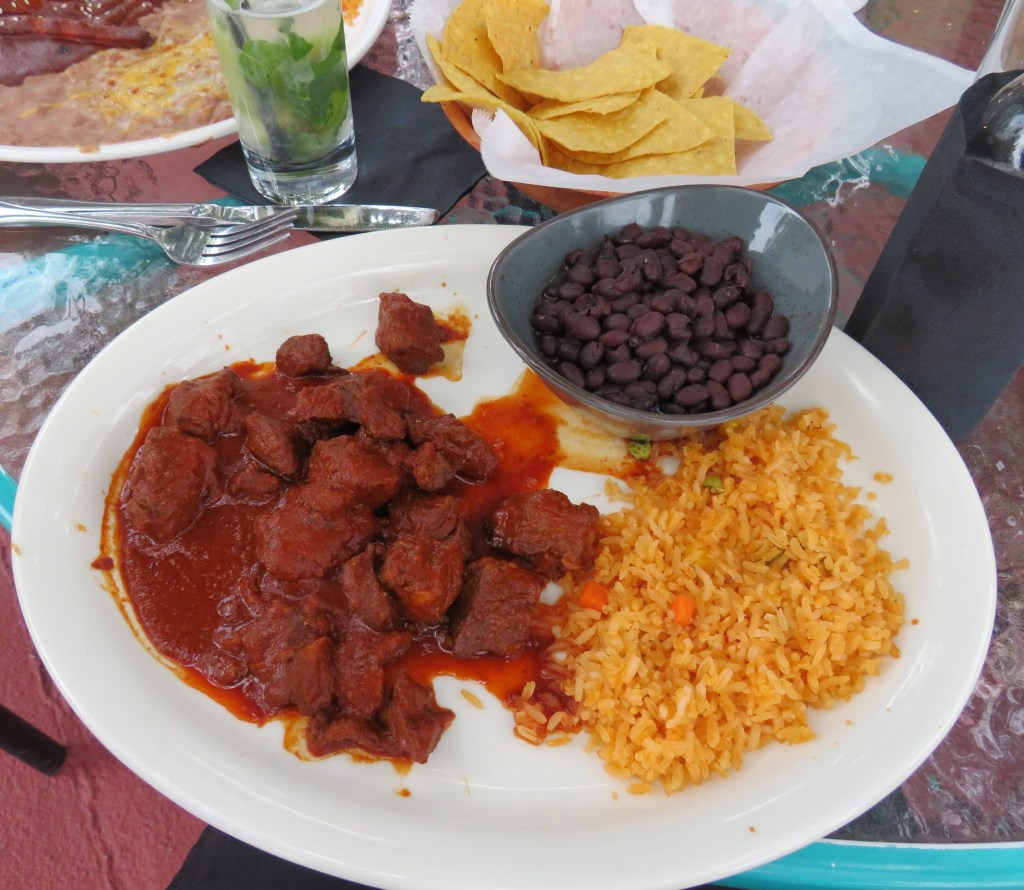
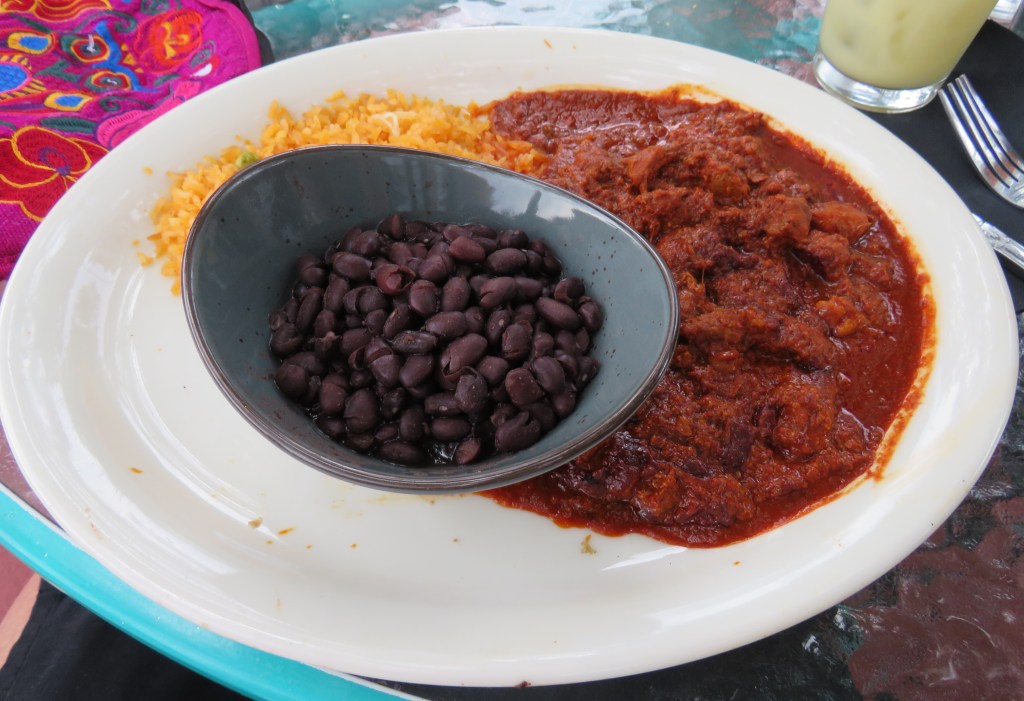
Round 1:
It is a famous dish from the land of bayous.
It is a colorful dish with a rich history.
Many famous chefs from this area have helped make this dish a legend.
It comes from a place famous for both kinds of hurricanes.
It’s the home of the world famous Cafe Du Monde.
Have you guessed where it comes from yet? If you guessed from Louisiana and New Orleans specifically, you would be right. 🙂
OK. So far so good. You are already off to a great start, but then I knew you would be. 🙂
Round 2:
This dish, as well as many others from this area are made with the “Cajun Holy Trinity” of cooking essentials.
This dish has its roots in both Cajun and Creole styles of cooking, both of which have ties to many other cultures as well.
This dish was created in the 1800’s.
Here’s where it gets a bit tricky. The Cajun Holy Trinity is a foundational aromatic base in Cajun and Creole cooking, consisting of onion, green bell pepper, and celery. These vegetables are typically sautéed together to form the flavor base for dishes like gumbo, jambalaya, and étouffée. So I could be making any one of these dishes. Of course, I personalized it a bit, and my “Holy Trinity” is slightly different. But then, as you know, that’s just what I do. 🙂 I left out the celery and added red bell peppers and jalapenos. But there again, I usually do this anyway, although I do usually keep the celery. In all honesty, I forgot about it.
So now you have at least 3 possibilities. Which one did I make? What’s for dinner? I love all of these dishes and have made them all.
I used fresh tomatoes, red and green bell peppers, onion, jalapenos, garlic, chicken broth, shrimp, andouille sausage, chicken and rice. Any thoughts? Again, it could be any one of the three above mentioned recipes.
Jambalaya is a hearty and flavorful rice dish that holds a significant place in Louisiana cuisine. It’s a one-pot meal that developed from a blend of Spanish, French, and African influences, incorporating meat (like sausage, chicken, or pork), seafood (shrimp or crawfish are common), vegetables (the “Holy Trinity” of onion, celery, and bell pepper being a core element), and spices. There are two versions, the Cajun and the Creole. My version was the Creole version because I added tomatoes. The Cajun version doesn’t use tomatoes. Originating in New Orleans, this style includes tomatoes (fresh or canned) in the dish, giving it a reddish hue. Creole jambalaya is often associated with the broader access to ingredients found in the city and can sometimes be a bit “soupier” due to the added moisture from the tomatoes. Cajun jambalaya is more popular in the rural areas of Louisiana and their bayous. Cajun jambalaya is often simpler and more rustic, sometimes featuring game meats and a different spice blend than Creole versions.
Hope you had a little fun with this. It was a new approach to an old classic. 🙂 Have a great day and make everyday great. Stay safe and stay well. ‘Til next time.