Another Round Of Fun Food Facts – 8/20/25

I love the fun food facts. Some are so wacky and so weird, but true. I get a real laugh out of all these fun, weird food facts. I hope you do too. 🙂

  1. Pretzels were once considered a symbol of love and often made at weddings. Pretzels, with their twisted shape, are often associated with love and good luck, stemming from historical and cultural traditions. Specifically, the pretzel’s shape has been linked to arms folded in prayer, humility, and even royal wedding ceremonies. The phrase “tying the knot” is believed to originate from the pretzel’s use in Swiss royal weddings, dating back from the 17th century. Today, pretzels, especially heart-shaped ones, are used to express love and are popular for weddings and special occasions. They can be a fun and flavorful way to share affection. Pretzels originated in monasteries, where monks created them as treats for children, using a dough shaped like arms crossed in prayer. This religious origin gave pretzels a symbolic meaning of sustenance, good fortune, and spiritual fulfillment. In Luxembourg, a sweet pretzel is traditionally offered to a loved one on the fourth Sunday of Lent. If the offer is accepted, it signifies love and is reciprocated with a chocolate Easter egg.

2. It can take over 400 licks to get to the center of a Tootsie Pop. Who remembers the old Tootsie Pop commercial with the wise owl asking how many licks to get to the center? Now we know – about 400.

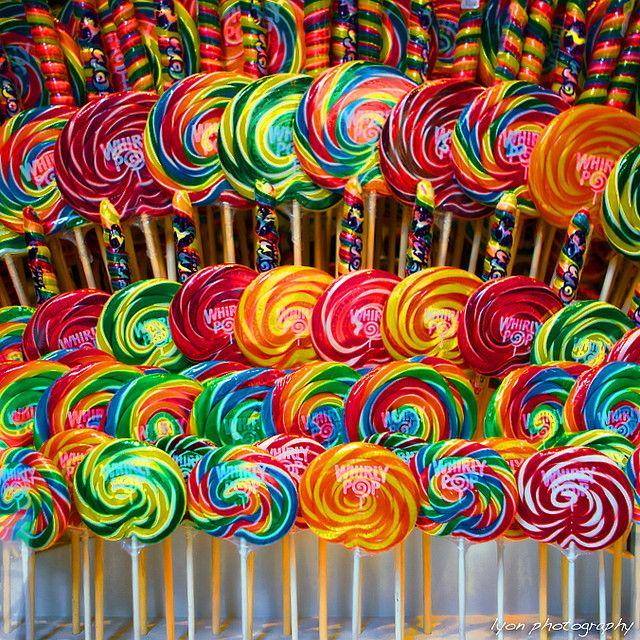
3. Thousands of years ago, Chinese, Arab, and Egyptian people made the first lollipops. Evidence suggests that ancient civilizations like the Egyptians, Chinese, and Arabs enjoyed coating fruits and nuts in honey and using sticks for easier consumption. The honey acted as a preservative and the stick provided a convenient way to eat the sticky treat. In the 17th century, lollipops were made by making boiled sugar candies. These were often eaten on sticks, marking a step closer to the modern lollipop. In 1908, The Racine Confectionary Machine Company in Wisconsin introduced the first automated lollipop machine, revolutionizing production and making lollipops more widely available. In the early 1900s, George Smith, inspired by a local confection called Reynolds Taffy, began attaching sticks to hard candies. He is credited with popularizing the name “Lolly Pop” and registering the trademark in 1931, though the term itself was found in earlier dictionaries. Today, the possibilities are endless and there are so many different kinds of lollipops available. We even have a candy factory here in Denver, that still makes them by hand, the old fashioned way. It’s called Hammond’s Candies, Touring Denver – Part 1 – Hammond’s Candy Factory.
4. Some fireworks contain corn. Corn is commonly used to make dextrin, a binding compound used to help FIREWORKS burn properly. Knee-high by the Fourth of July” is an old adage used by corn farmers near and far to measure the success of their crops come Independence Day. Early firing is a nitrogen deficiency symptom in corn. Growers wishing to check the effectiveness of their nitrogen practices may perform the end-of-season cornstalk nitrate test.

5. Blueberries used to have the name “star berries” because of the star shape on one end.

6. Lemons float, limes sink. Lemons float while limes sink primarily due to differences in their density, specifically the ratio of their mass to volume. Lemons have a thicker peel with air pockets, making them less dense than water, causing them to float. Limes, with a thinner peel, are denser than water and therefore sink.

Just in case these questions ever come, now you know the answers. Have fun. 🙂 Have a great day and make everyday great. Stay cool, stay safe and stay well. ‘Til next time.

Siracha Steak

I’ve always said the sauce makes the meal. It was steak night and I was trying to come up with a good way of preparing it and a good sauce to serve with the steak. I decided to make it Asian style, and to do a Siracha steak sauce.

Siracha Steak

You can use this same sauce for pork or chicken too, as well as using it for a dipping sauce for egg rolls or potstickers. If using it as a dipping sauce, I wouldn’t recommend heating it and i would not use it as a marinade. I added more rice vinegar and heated the sauce after I had marinated my steak in it.

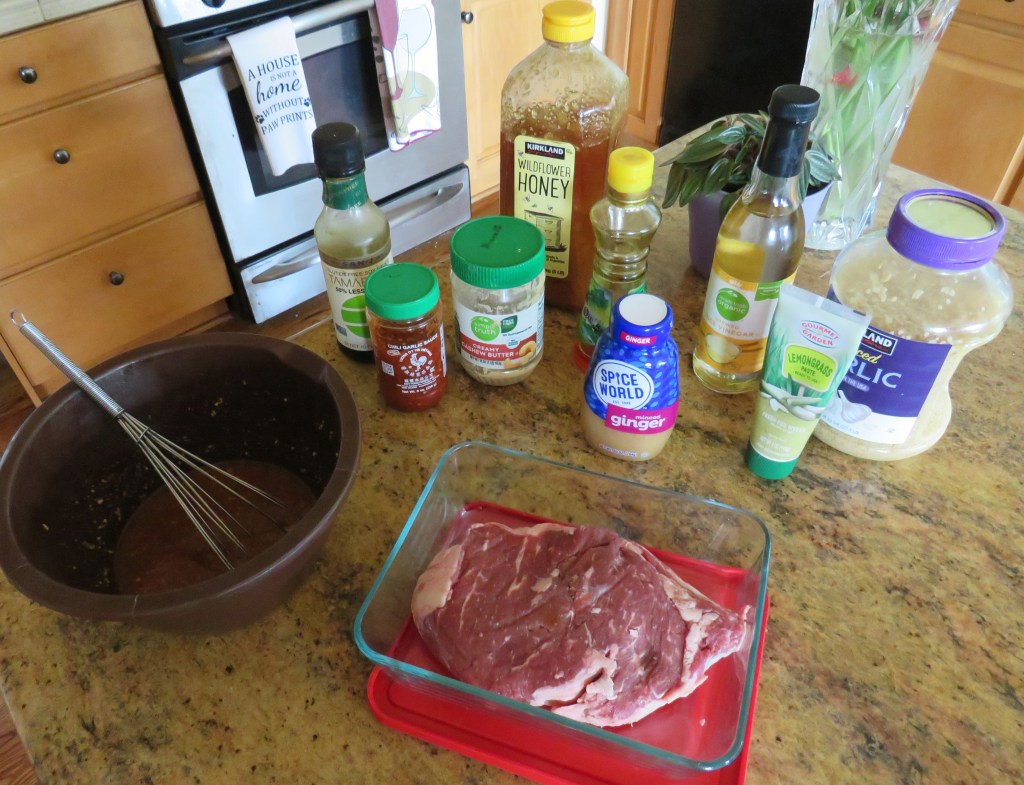
2-3 lbs steak or roast

2 tsp sesame oil

1 TBSP cashew butter or peanut butter – I used cashew butter

2 TBSP rice vinegar

1-2 tsp ginger

1 TBSP garlic

1 TBSP Siracha sauce

1 TBSP honey

1 TBSP soy sauce or tamari sauce

1-2 tsp lemongrass paste

green onions and sesame seeds for topping

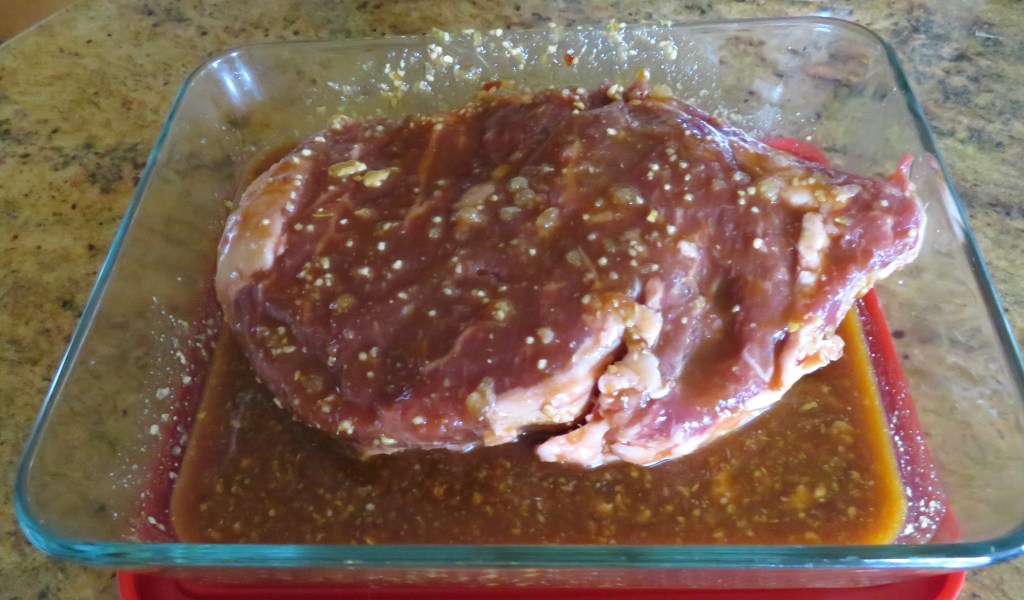
Whisk everything together and marinate the steak for at least 1-2 hours before cooking.

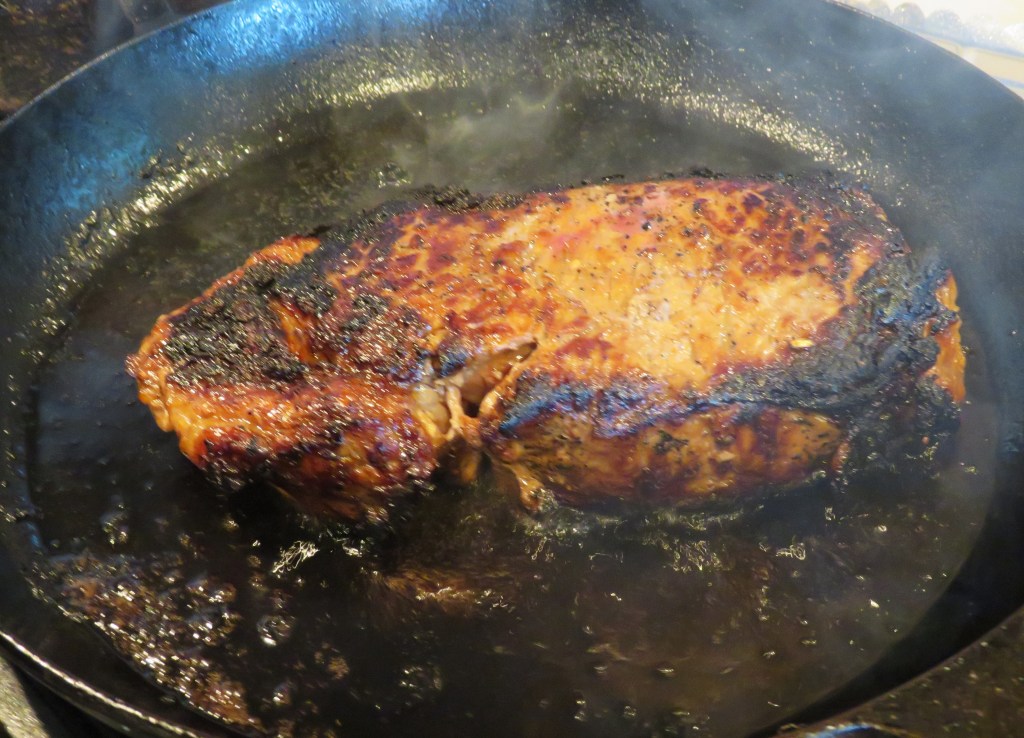
I seared my steak all around for 3-4 minutes per side, and 1 minute per side around the edges. But you can also grill the steak too if you prefer. I like the nice crust I get from searing my meats. If you are searing it, use olive oil AND butter or canola oil in a large VERY HOT skillet.

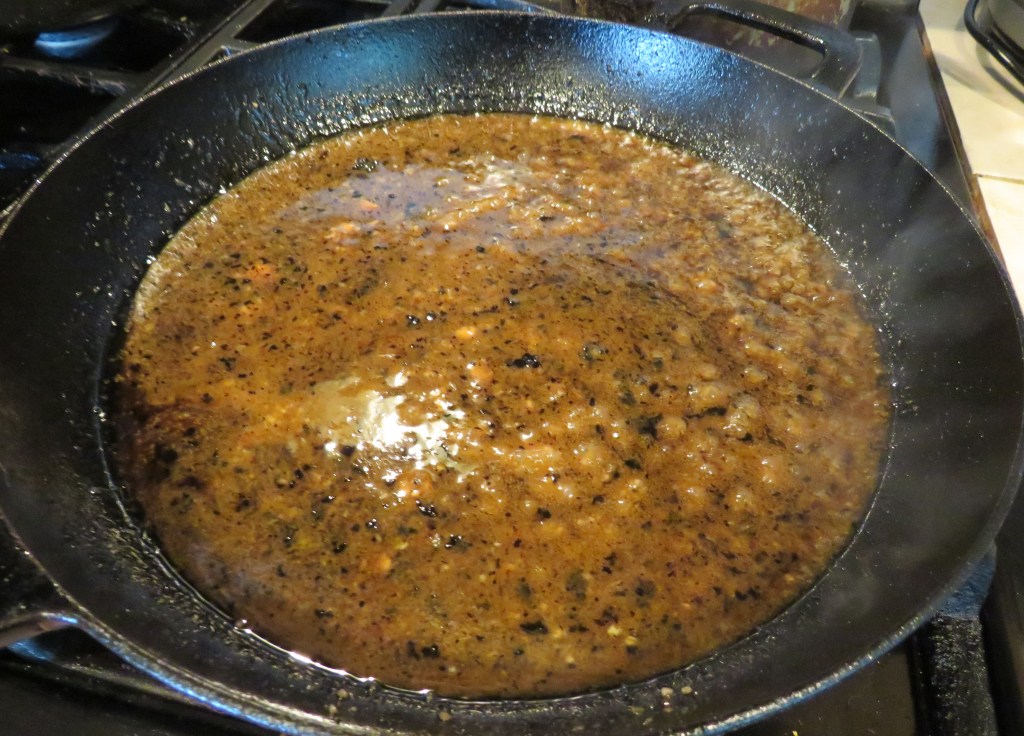
When the steak is completely seared and crusted over, remove it from the heat, and cover with an aluminum foil tent for a few minutes before slicing. Then slice into thin strips. Make the sauce while the steak is resting. I used my same marinade, and placed it in the skillet to deglaze the pan. I added about 1-2 more TBSP of rice vinegar too. Bring to a boil, then reduce the heat to a simmer, and continue to cook for about 5-7 minutes, stirring frequently, until the sauce begins to thicken a bit.

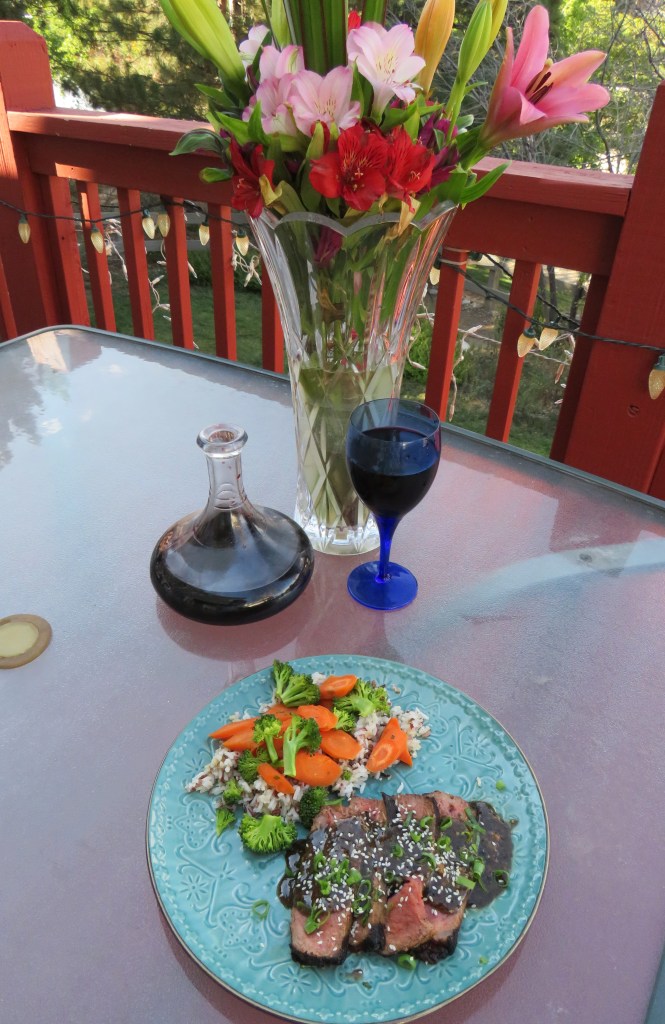
Serve with your favorite side dishes and top with the sauce and sliced green onions and sesame seeds. I served it with wild rice and steamed carrots and broccoli, with a smooth red blend (something we made) on the side to complete the meal. Delicious!

Have a great day and make everyday great. Stay safe and stay well. ‘Til next time.
Pumpkins and Their Seeds

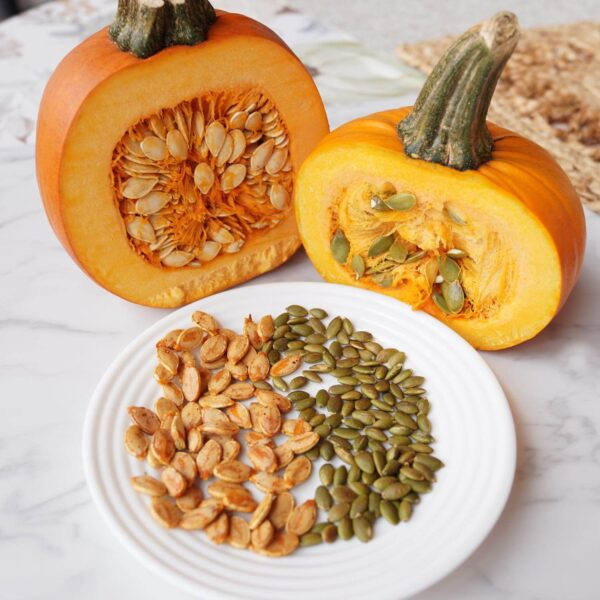
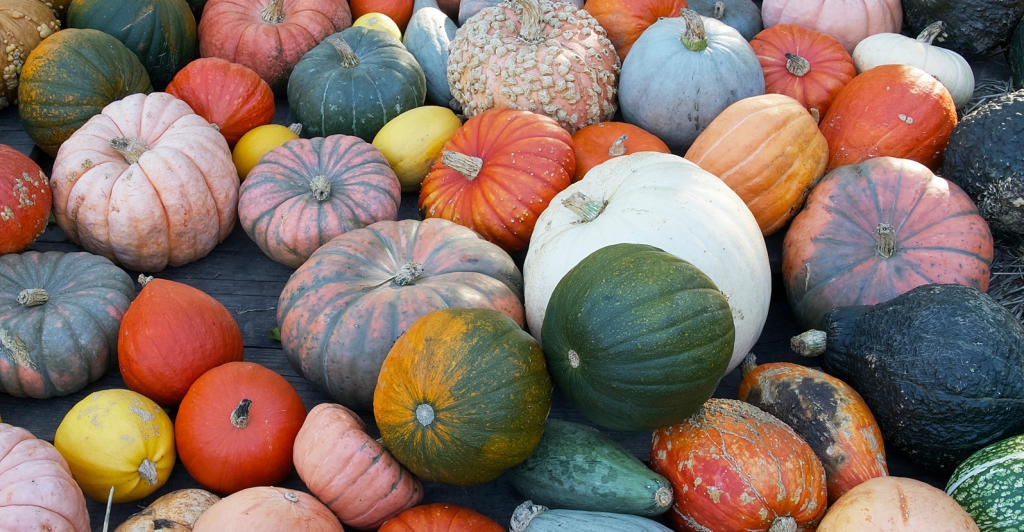
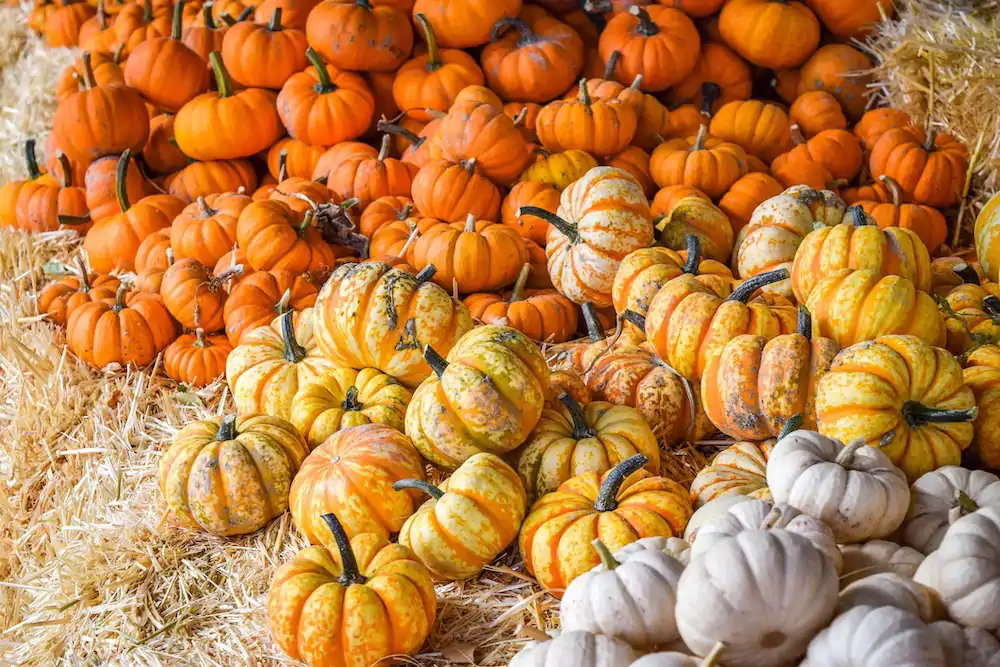
Pumpkins come in many forms and are popular in most countries and cultures around the world. Squash are part of the pumpkin family too. They have been around for roughly 9,000-10,000 years, originating in the Americas. The pumpkin is one of the world’s oldest cultivated plants. The origin of the common pumpkin (Cucurbita pepo) has been scientifically dated from 10,700 to 9,200 B.C. They were an integral part of the diet and the culture of many of the South and Central Americans, and particularly with the Mayans, Incas and Aztecs. They were valued for the food they produced, as well as for medicinal purposes and for ceremonial and festive practices too. The common pumpkin originated in the Southern areas of Mexico, and most likely was brought to Europe first after the discovery of America.

At first, it was just the seeds, or pepitas, that were consumed and used since the fleshy parts were considered to bitter to eat. The seeds have a subtly sweet, nutty flavor and a satisfying crunch, making them a popular ingredient in a wide variety of dishes. Pumpkin seeds are often roasted and eaten as a snack or added to salads, granola, and baked goods. They can also be ground into a paste or butter and used in sauces and dressings. But by the times of the Mayans and the Aztecs, about 7,000 years ago, people had learned to cook the flesh and started eating the flesh too, as a dietary staple. Today, pumpkins and their seeds are eaten and enjoyed in most parts of the world.

There are two main types of pumpkin seeds: hulled and unhulled. Hulled pumpkin seeds have had their outer shell removed, while unhulled seeds still have their shells intact. Both types are edible and offer similar nutritional benefits. Pepitas and pumpkin seeds are the same, but not. The primary difference between the two seeds is that pepitas are pumpkin seeds without the hard outer shell, and they typically come from specific types of pumpkins, like the  Styrian pumpkins, that are naturally hulless or have a very thin hull. Pumpkin seeds, as they are commonly referred to, include the seeds with the hard, white outer shell. These contain more fiber than the pepitas. Both have interchangeable uses though.

The Cucurbitaceae family of vegetables includes the pumpkin, which is grown in warm climates worldwide. There are more than 600 different varieties of pumpkin seeds. Among all, it is said that Pumpkin Pepo seeds account for the majority of pumpkin seeds used for food. Typically, pumpkin seeds have a tough outer shell that needs to be peeled to be cooked or processed.

Pumpkin seeds are commonly used in Mexican, Native American, and Middle Eastern cuisines, where they are incorporated into various dishes, such as mole sauces, salads, and desserts. Pumpkin seeds were also a celebrated food among many Native American tribes, who treasured them both for their dietary and medicinal properties. I love roasted pepitas, and eat them all the time. I tend to use them mostly in salads, though I use them in sauces too. I love pumpkins as well, and eat them a lot during the fall and winter months, in a wide variety of different ways.

Pumpkins and their seeds are both delicious and healthy. They are loaded with all kinds of nutrients, and are great sources for iron, magnesium and zinc as well. Pumpkin seeds are nutrient-dense, providing essential vitamins, minerals, healthy fats, and antioxidants that support overall health and well-being. They are also high in fiber, which can cause diarrhea if too many are eaten at one time. Native Americans, both from North and South America, used the seeds for all kinds of medicinal purposes. Native Americans used pumpkin flesh and seeds for food, and their use of the seeds for the treatment of intestinal infections eventually led the United States Pharmacopoeia to list pumpkin seeds as an official medicine for parasite elimination from 1863 to 1936. Here are some other health benefits to eating pumpkin and pumpkin seeds:

  1. Heart Health: Pumpkin seeds help support heart health by reducing inflammation and regulating blood pressure, thanks to their rich content of healthy fats, antioxidants, and magnesium.
  2. Immune Support: The high zinc content in pumpkin seeds aids in strengthening the immune system, promoting overall wellness.
  3. Bone Health: Pumpkin seeds provide a good source of magnesium, which is essential for maintaining strong bones and preventing osteoporosis.
  4. Sleep Aid: The tryptophan content in pumpkin seeds helps promote better sleep by increasing the production of serotonin, a neurotransmitter that regulates sleep.
  5. Diabetes Management: Pumpkin seeds have a low glycemic index and help regulate blood sugar levels, making them a great snack for those with diabetes.
  6. Anti-Inflammatory: The antioxidants and healthy fats in pumpkin seeds help reduce inflammation in the body, which may alleviate symptoms of arthritis and other inflammatory conditions.
  7. Prostate Health: Pumpkin seeds contain compounds that may support prostate health and reduce the risk of prostate-related issues.
  8. Mental Health: The essential nutrients in pumpkin seeds, such as magnesium, zinc, and healthy fats, contribute to improved mood and cognitive function.

Aside from their dietary uses and benefits, pumpkins and their seeds were traditionally used in many other ways too.  In the Americas, indigenous populations used pumpkin flesh, seeds, and even flowers for sustenance and as materials for containers and mats. The pumpkin shells were used as storage vessels for food. They were also used for various cultural practices with different symbolic meanings too. In North America, pumpkins are associated with the cycles of nature and connect people to the land and each other. In Mexico, pumpkins are part of the ceremonial practices and celebrations for the Day of the Dead or Dia de los muertes festivities. Ancient Europeans used pumpkins as a way to protect against evil spirits. In Romania it is believed that placing a pumpkin in the home can prevent bad luck and bring good fortune. And in most cultures around the world, pumpkins symbolize harvest and abundance.

With fall coming and just weeks away, I thought it was good time to learn about the pumpkins and just how beneficial they are. Have a great day and make everyday great. Stay safe and stay well. ‘Til next time.
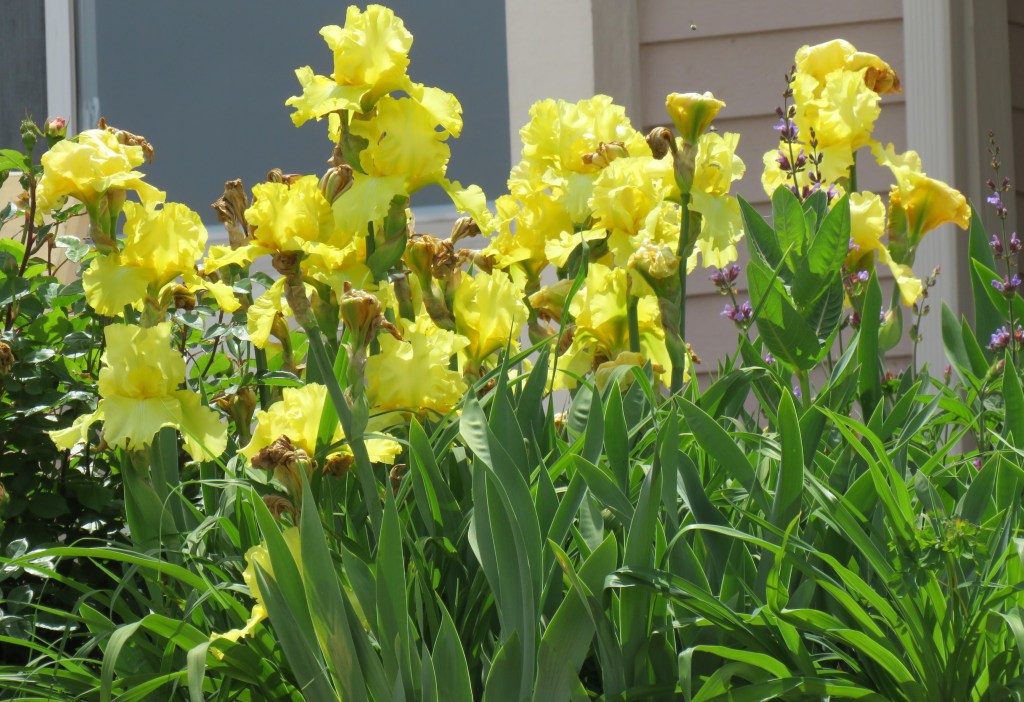
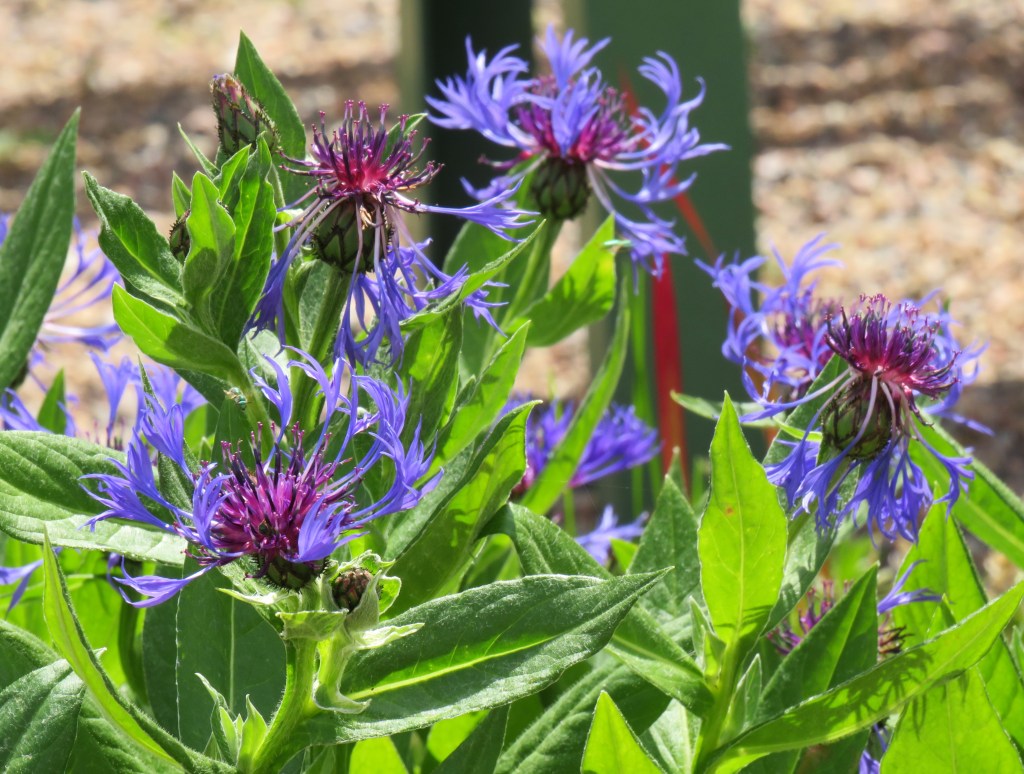
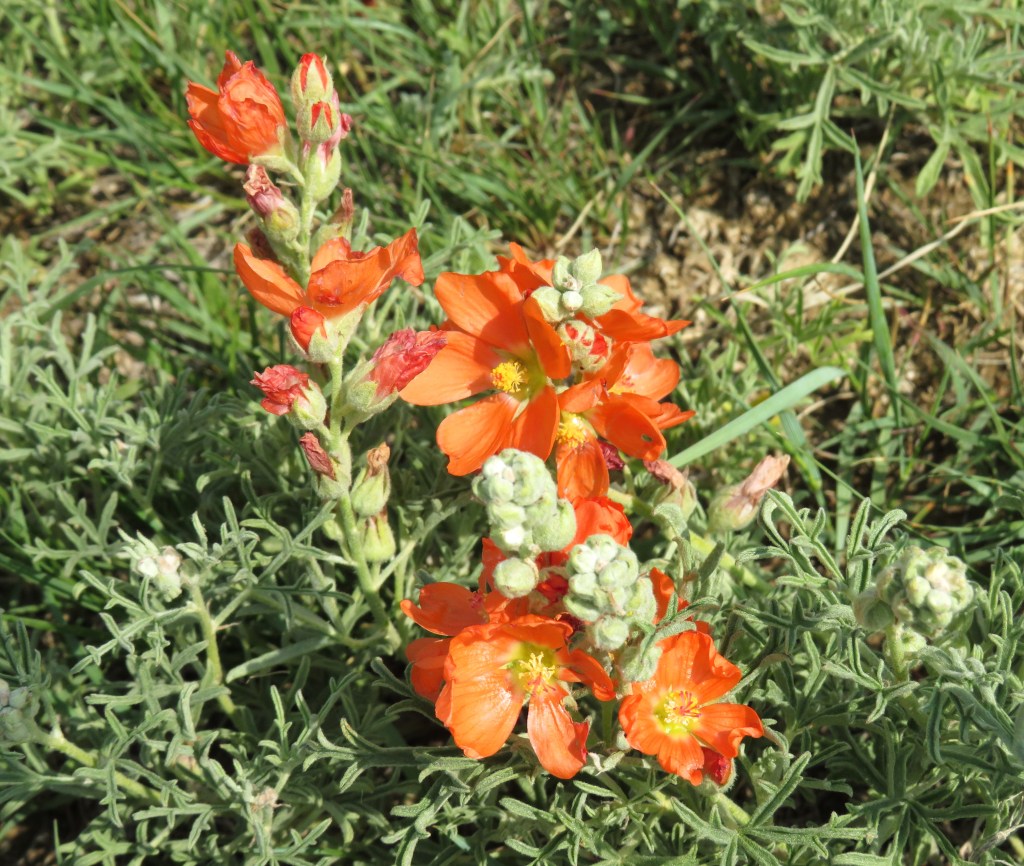
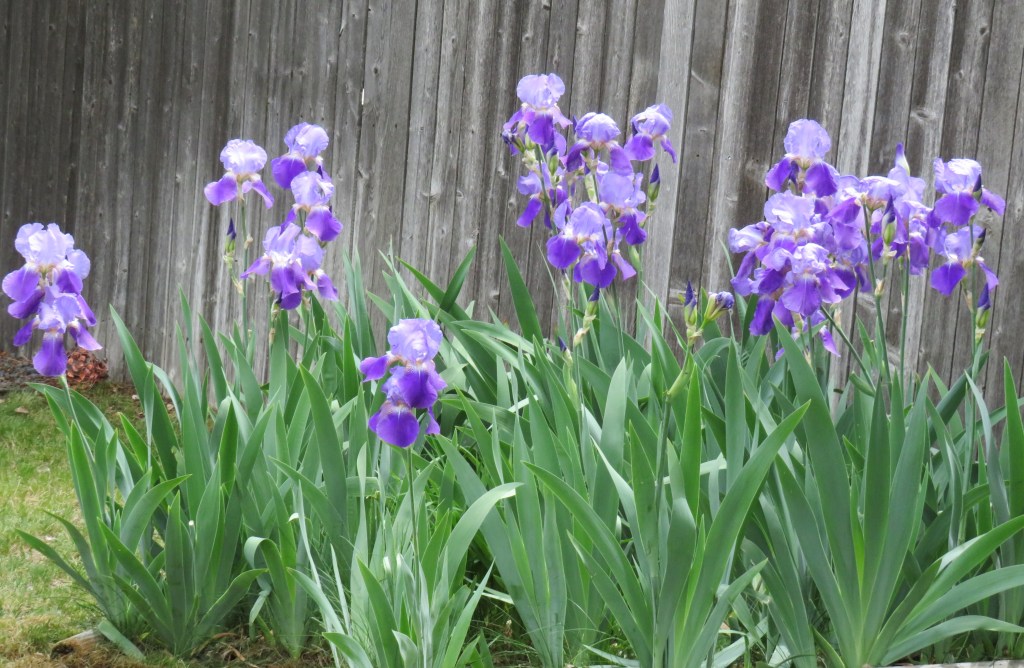
Nature Walks – More Colors Of Summer

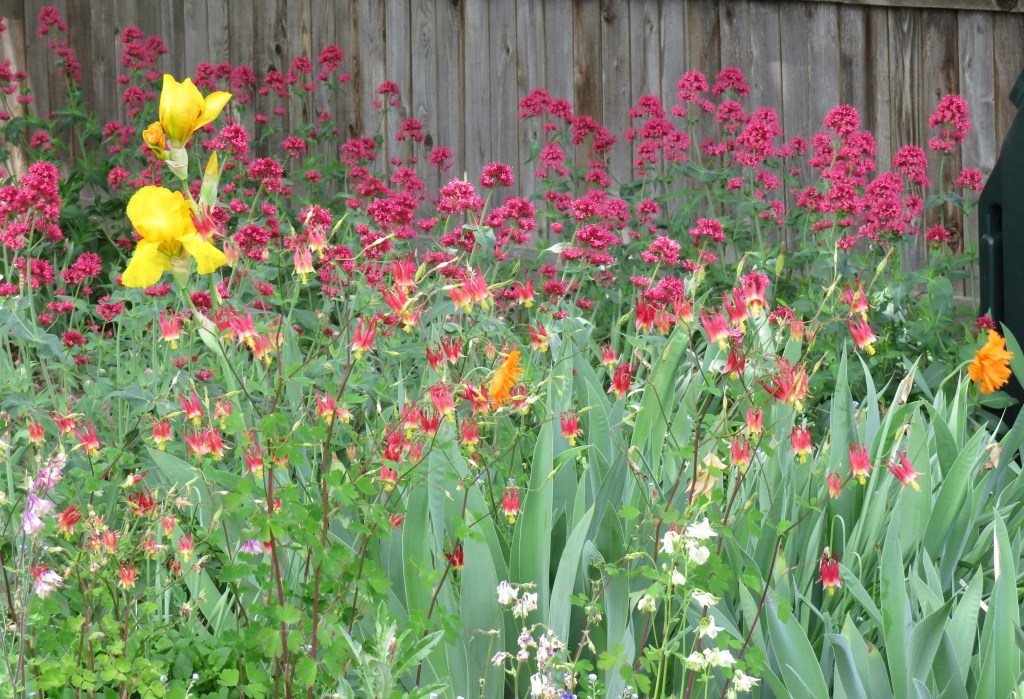
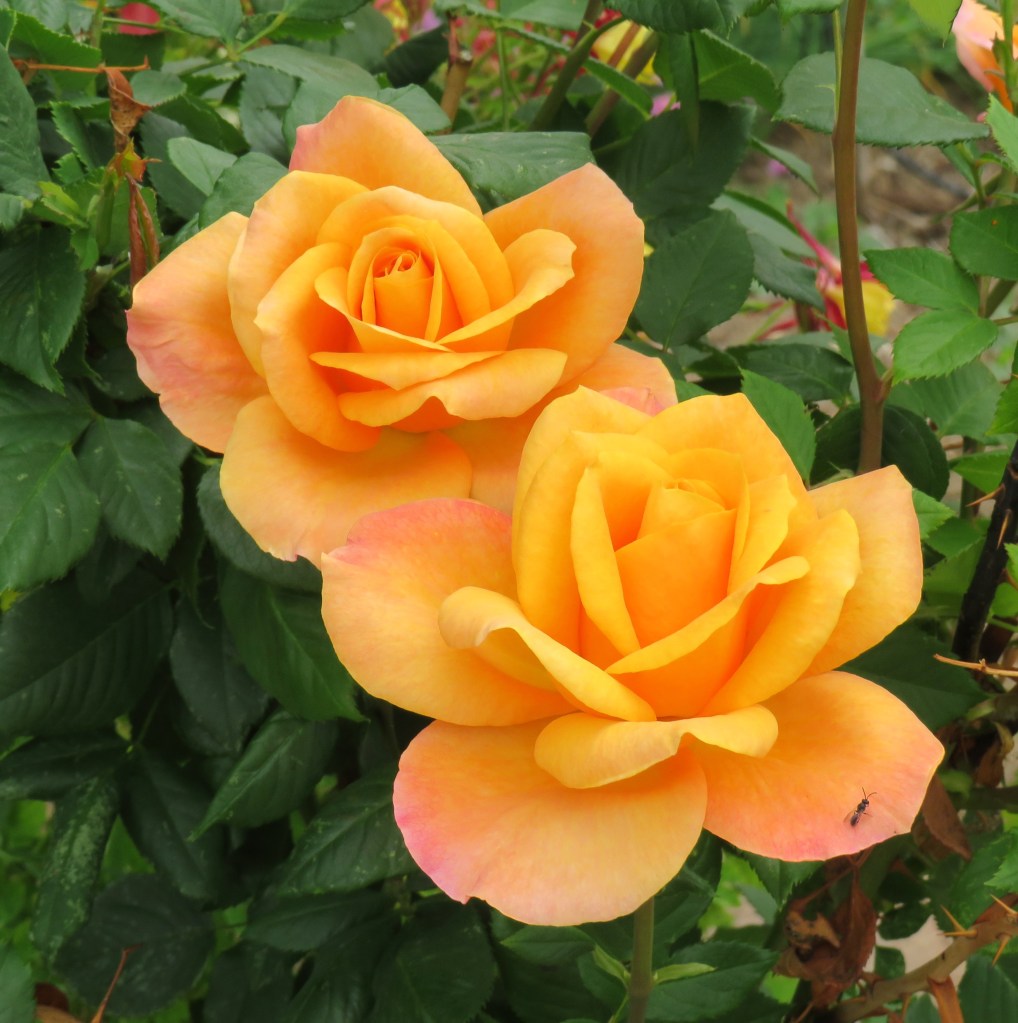
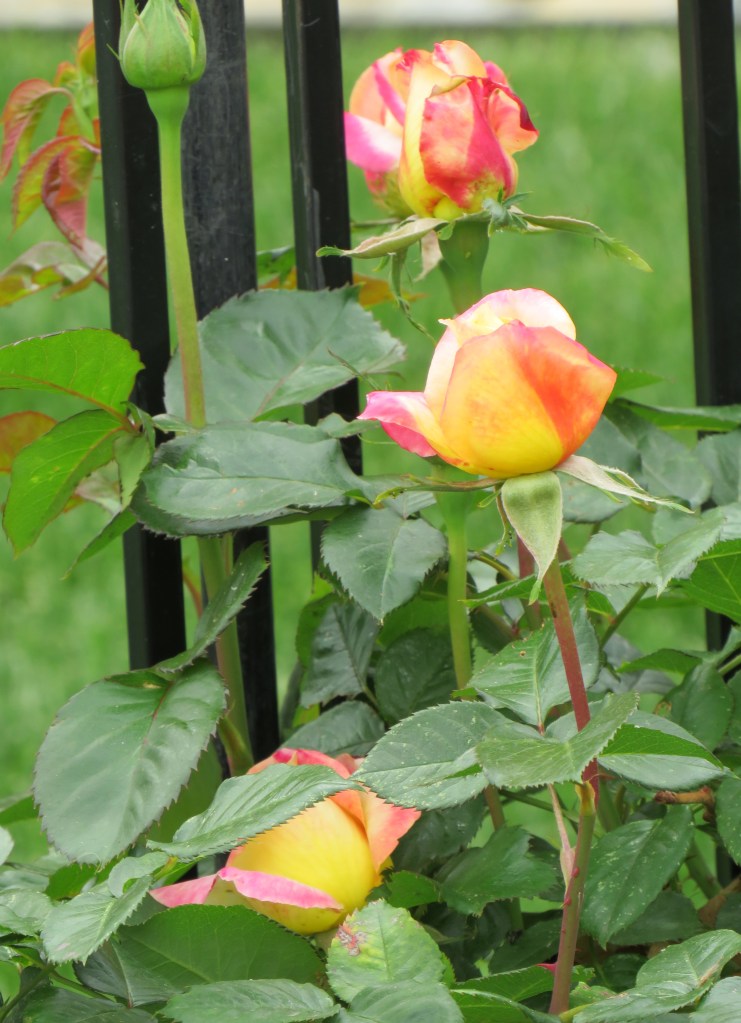
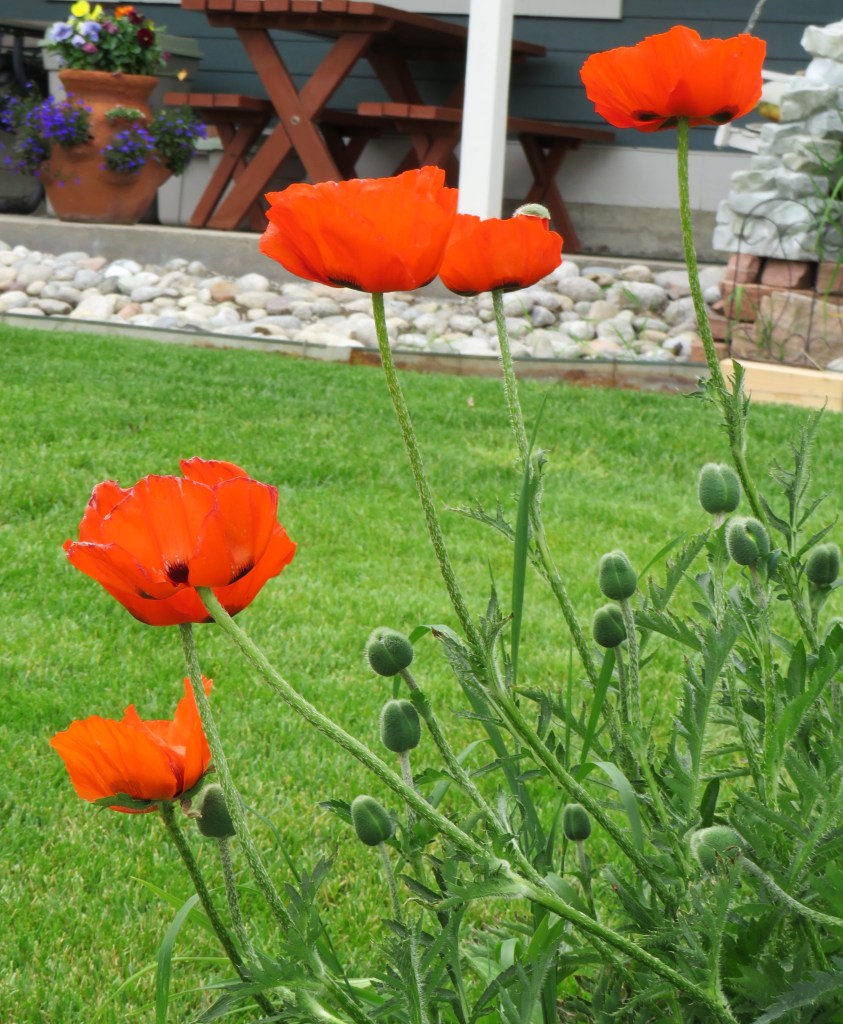
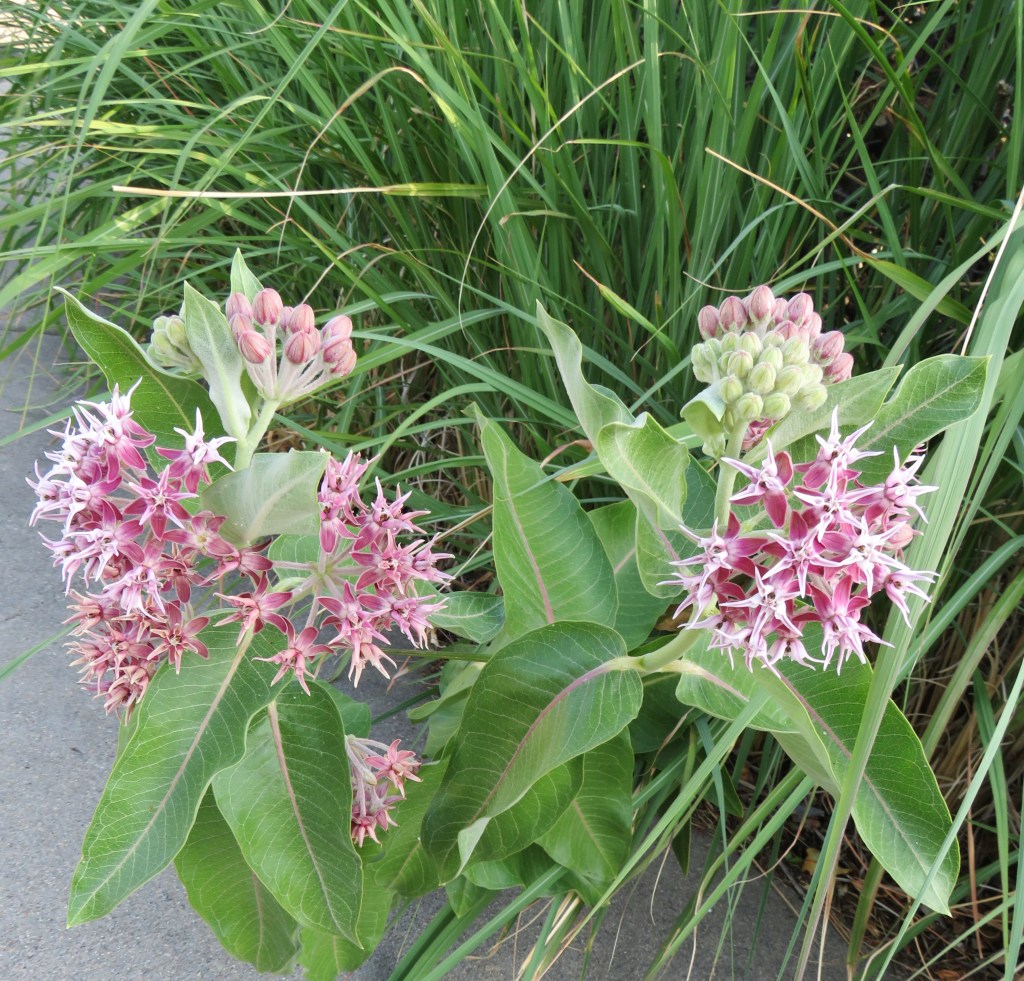
The seasons are once again getting ready to change. They are beginning to transition from summer to fall. The birds, animals and flowers can all sense the changes coming too. All the beautiful flowers of summer are now retreating and making way for the upcoming changes about to take place. Here are some more summer flowers for you, in hopes of prolonging the inevitable just a bit longer. Enjoy.

Color your world beautiful today, tomorrow and everyday. Have a great day. 🙂

A Trip To The Cowboy State – Part 2 – Wyoming Territorial Prison

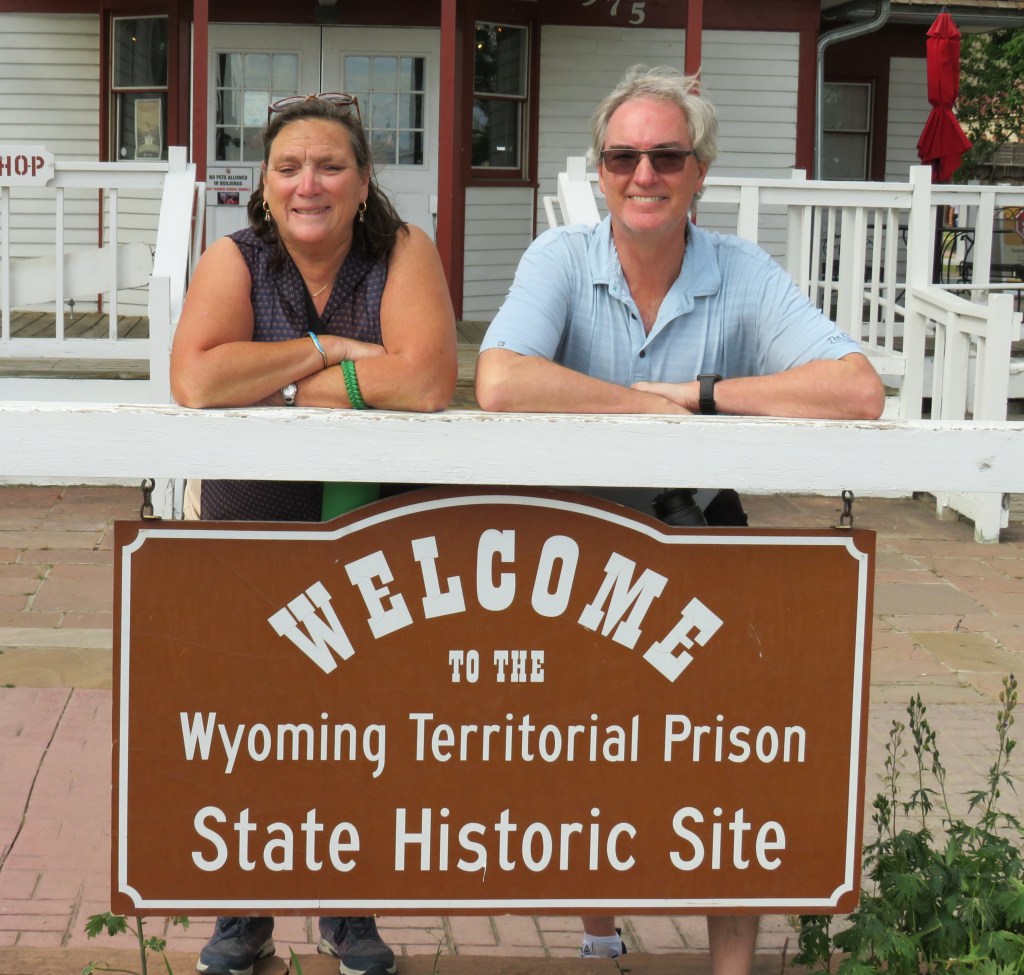
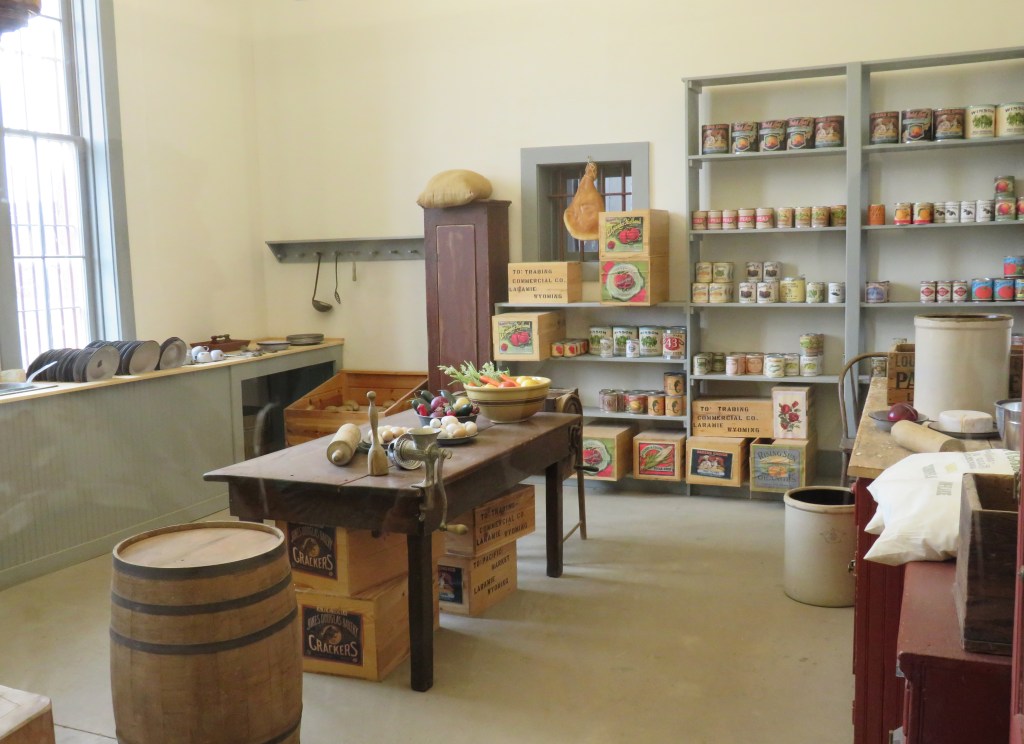
After lunch, A Trip To The Cowboy State – Part 1, we headed over to The Wyoming Territorial Prison, Doing Time In Laramie, which was very close to where we were. Larry and I had been there before, but it was a new experience for Mike & Lauren. We got there just in time for the last tour of the day.

I know, a lot of people wonder why we like to tour prisons, but we actually find them fascinating. They are so full of history. I love going, as long as they let us out when we are ready to go home. I’m sure I would have a totally different outlook if we were forced to stay. Our tour guide was a hoot, and full of knowledge.

The Wyoming Territorial Prison is one of the oldest buildings in Wyoming. It was built in 1872, and operated as a federal penitentiary from 1872 to 1890, and as a state prison from 1890 to 1901. It was closed in 1903 and it was then transferred to the University of Wyoming, where it was used as an agricultural experiment station until 1989. In 1991, the facility was opened to the public, and in 2004, it was designated as Wyoming Territorial Prison State Historic Site.

This was a bad place to be, whether you were a free man or a prisoner. It definitely had it’s fair share of problems right from the get-go too. One of the many reasons why this was such a bad place to be was because of the horrible stench from within, for some obvious reasons, due to normal bodily functions, coupled with no open windows and no way to alleviate the stench. It started taking in prisoners in 1873. Out the original 44 prisoners accepted, 11 of them escaped right away. By 1877, the prison was overcrowded. As the prison filled, its reputation worsened, and it became less used, being considered more appropriate for those with light sentences. During the 1880s the prison was under capacity, with as few as three prisoners at one time. However, in 1889, a second cellblock was constructed, expanding capacity to 150 and providing a central kitchen, dining hall, guards’ rooms and steam heat. There were at least five cells for female inmates, and several solitary confinement cells. In 1890 Wyoming became a state and the facility was transferred to the new state, which already had planned a new facility in Rawlins.

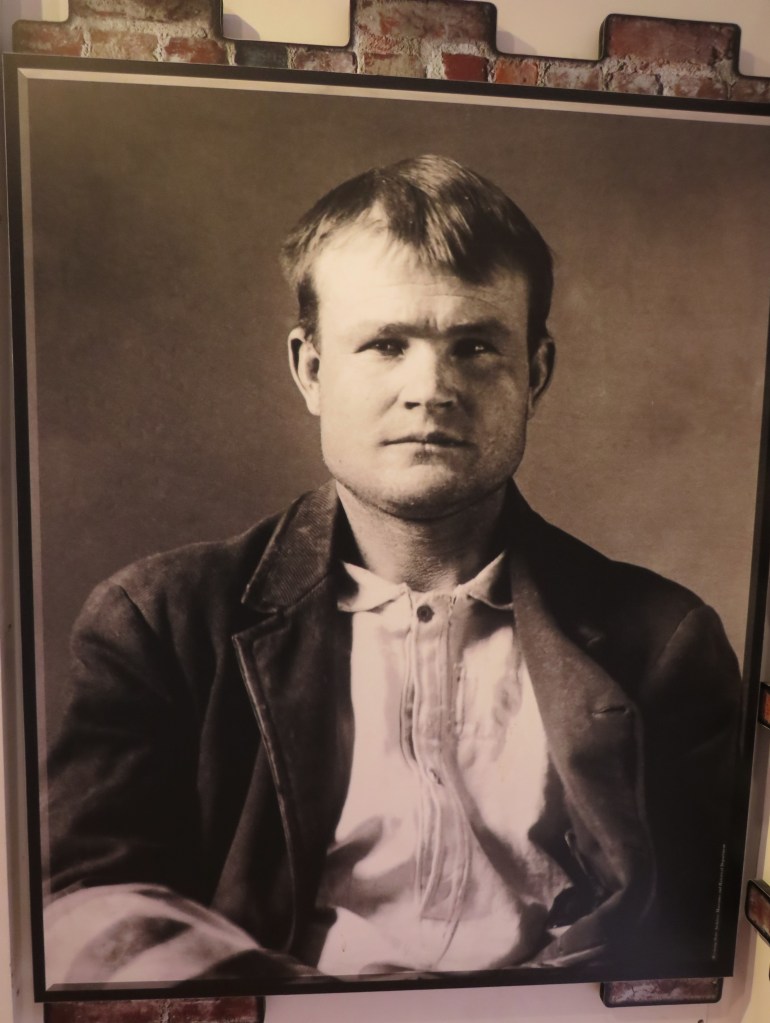
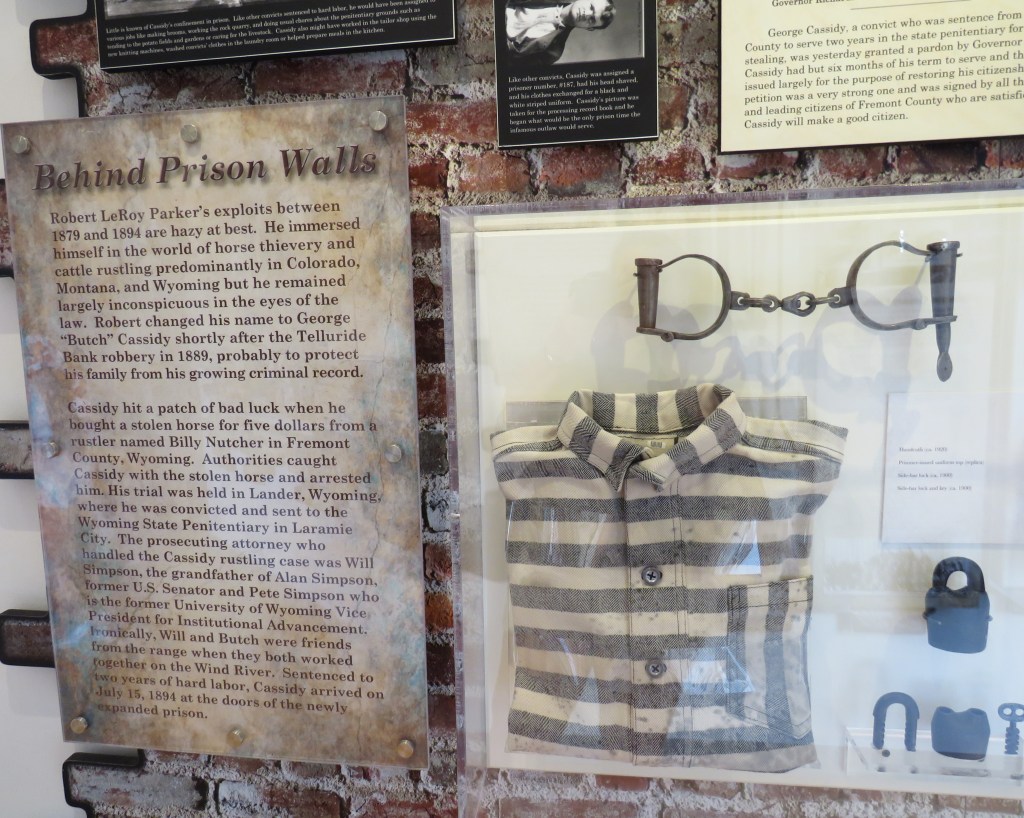
The most famous prisoner who ever resided at the Wyoming Territorial Prison was Butch Cassidy, real name John LeRoy Parker. He was incarcerated there from 1984-1896. This was his ONLY time in prison, even though he was a well known criminal. He was a criminal to some and a savior to others, as he was a “modern-day” Robin Hood, who stole from the rich and gave to the poor.

These were actually the gated guard towers that faced the cells. All the guards who were posted in these watchtowers were armed with Winchester rifles.

There were a few others who were incarcerated too, though just for a brief stint. 🙂 Two were immediately sent behind bars. Dangerous criminals indeed.

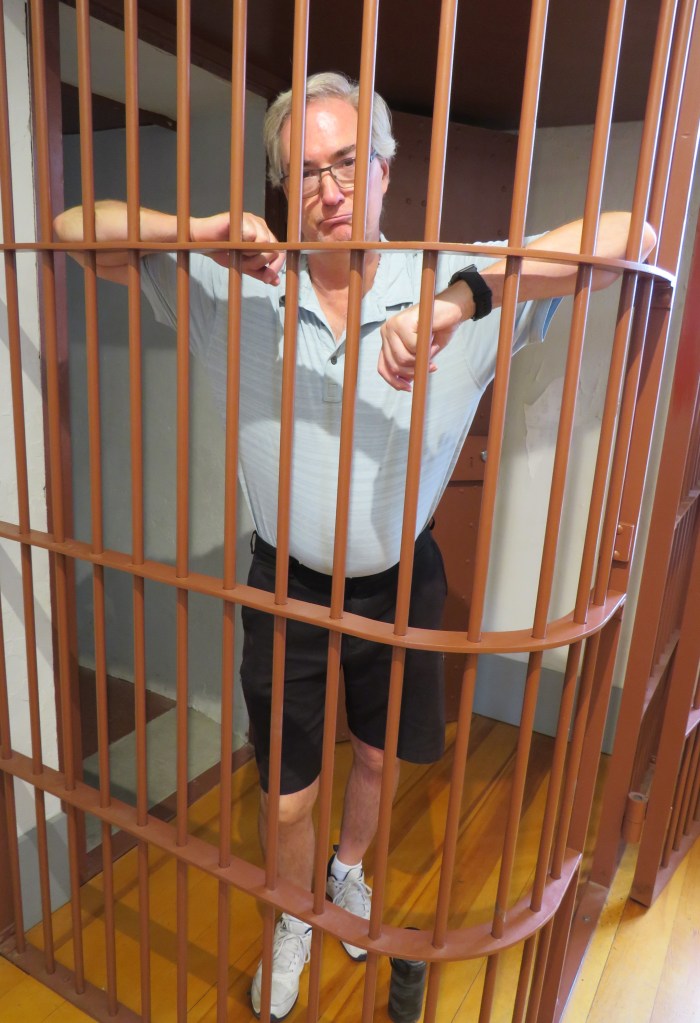
These were the actual cells. Larry is 6’4″, and he is having a difficult time standing straight. These cells are tiny, often housing two inmates each.

While another, one of the few female inmates, was subjected to the “old ball and chain and shackles”. This is one scary prisoner. DON’T mess with this one!

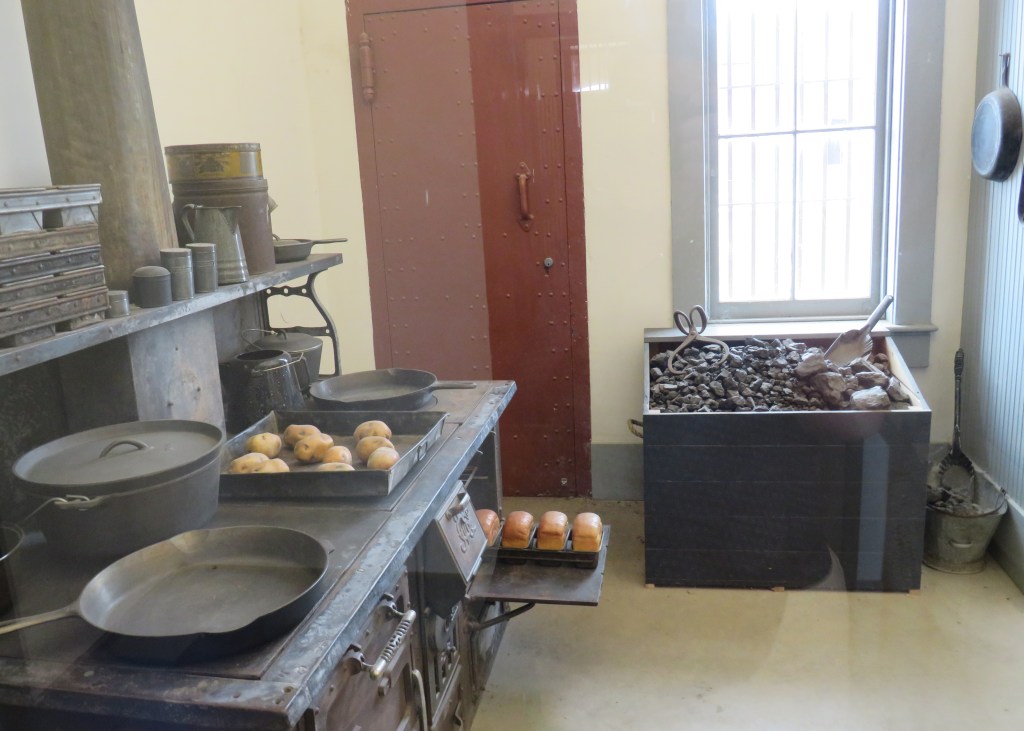
Like a lot of old prisons, this was considered to be a working prison. Most of the prisoners were skilled at various trades. Even Butch Cassidy, part of how he took his new name, was a very skilled butcher. Because he had been a skilled butcher before choosing a life of crime, he was allowed to work in the kitchen.

Bread was always baking because the prisoners in solitary confinement were only allowed bread and water.

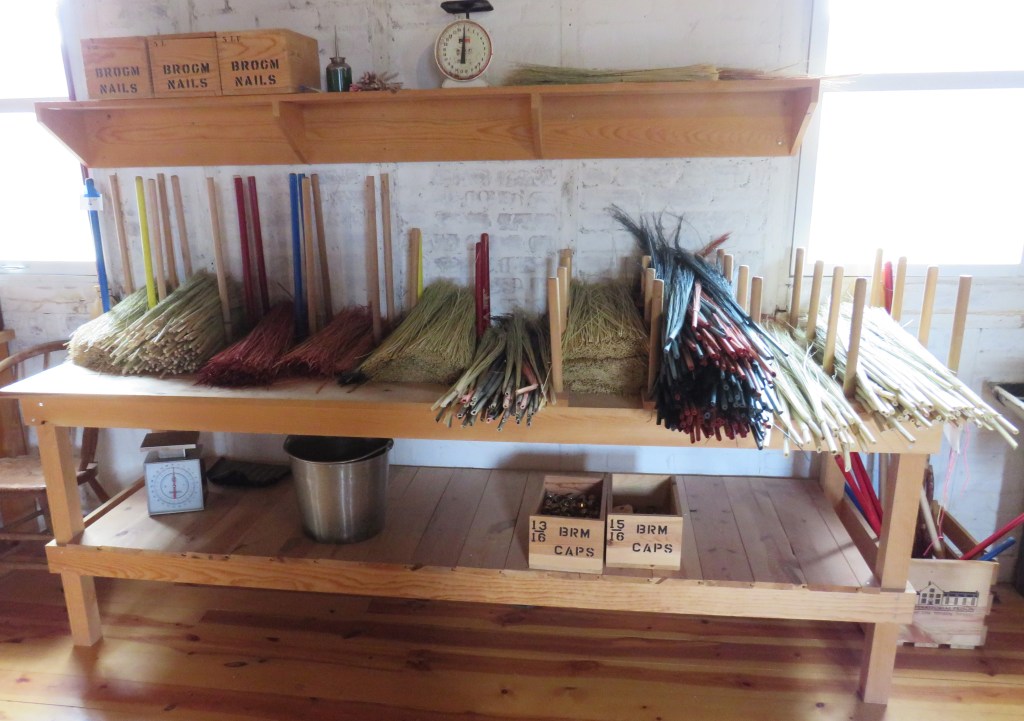
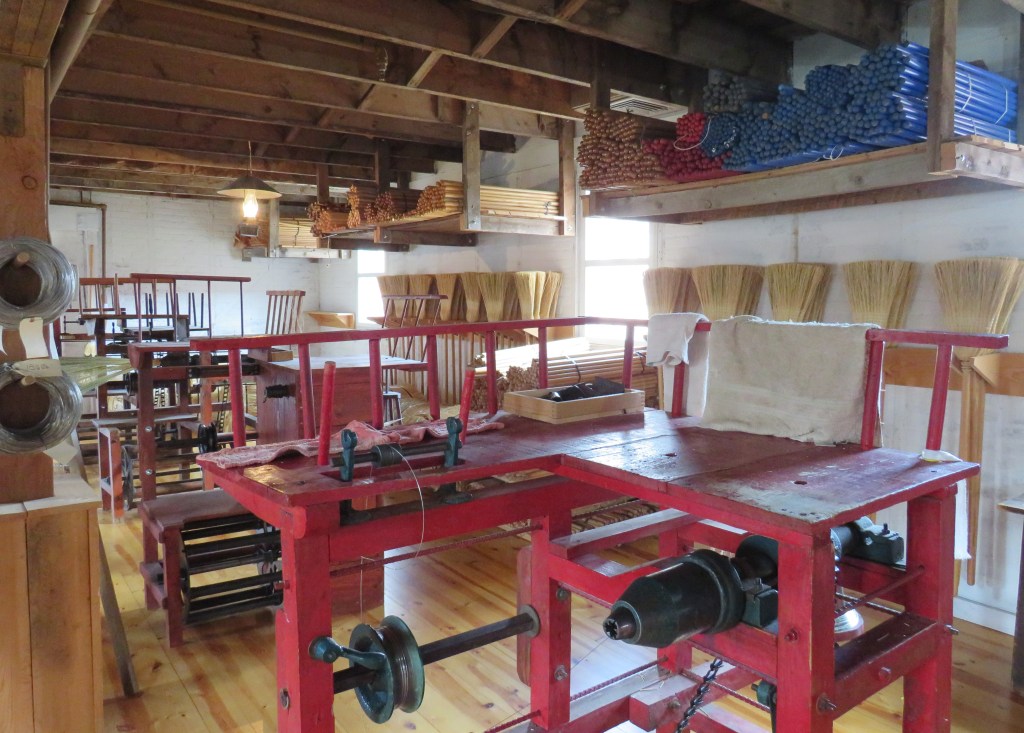
Many of the other prisoners worked in the broom factory, producing brooms from the local broom wheat (what the city of Broomfield, CO was named after).

The tour was very interesting and informative. We learned a lot and Larry and I learned some new things as well.

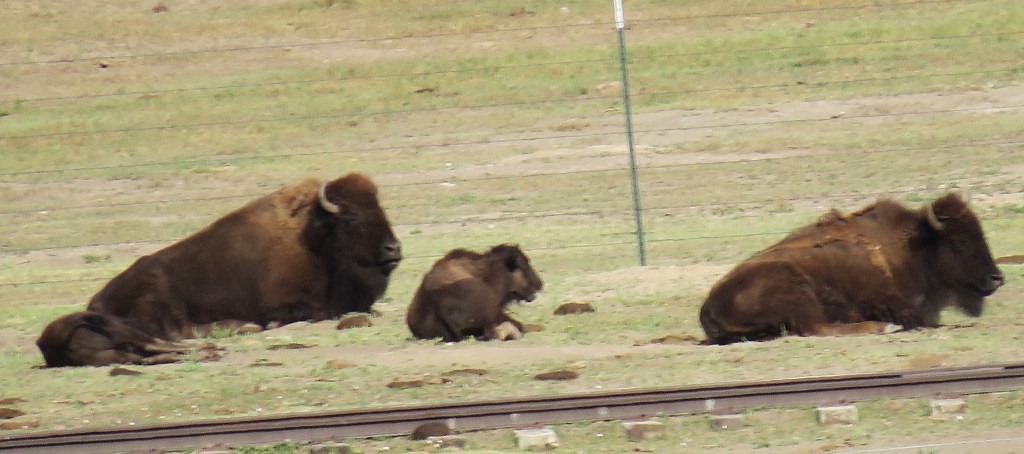
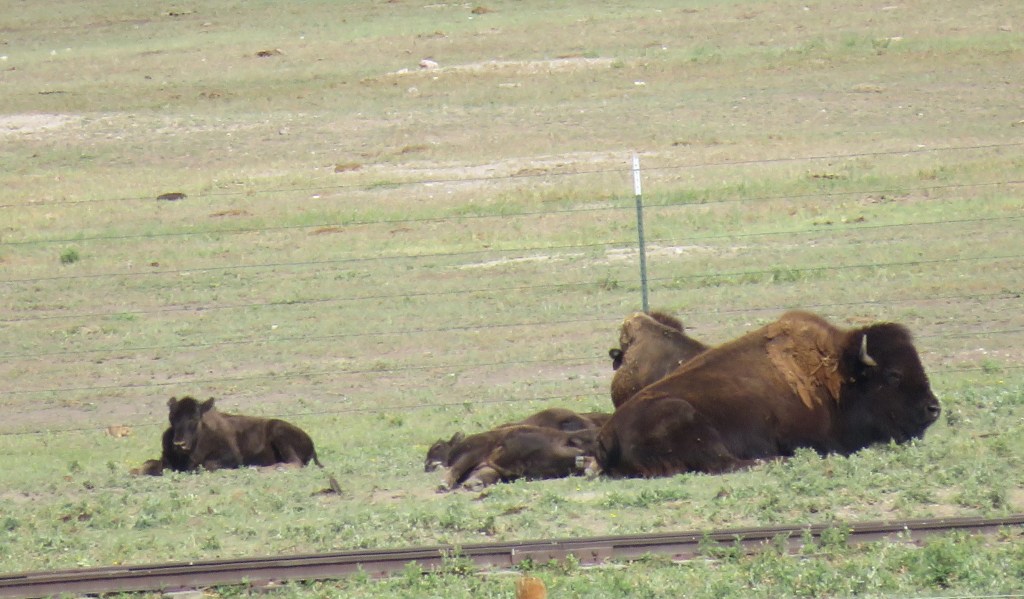
Coming home, we came home via Cheyenne, which is only 46 miles east of Laramie, and right on the Colorado-Wyoming Border too. Both Laramie and Cheyenne border Colorado, just in different locations. We stopped to see some of the bison, or buffalo, before crossing back over our own state line.

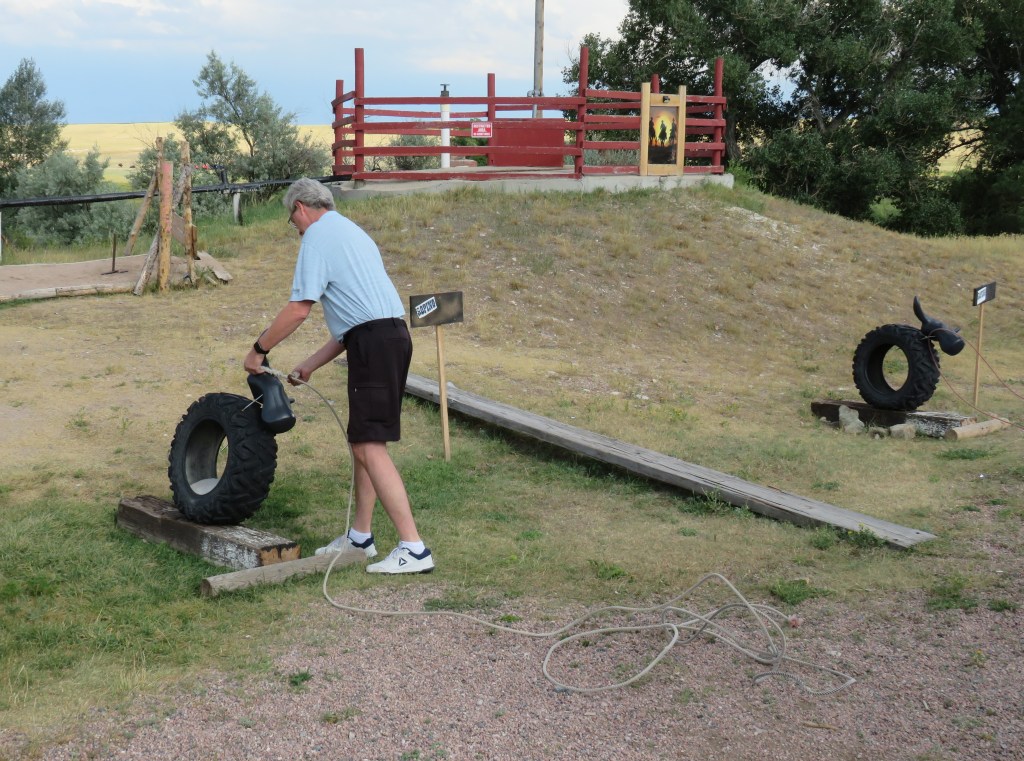
After his early release from prison, Larry even tried his hand at roping cows. It’s a good thing he already has a good job. He’d never make it as a cowboy. 🙂

We had a fun day and a fun outing. We like taking little day trips like this and do it all the time. Life is what you make it, so make it fun and make it interesting. Have a great day and make everyday great. Stay safe and stay well. ‘Til next time.
A Trip To The Cowboy State – Part 1

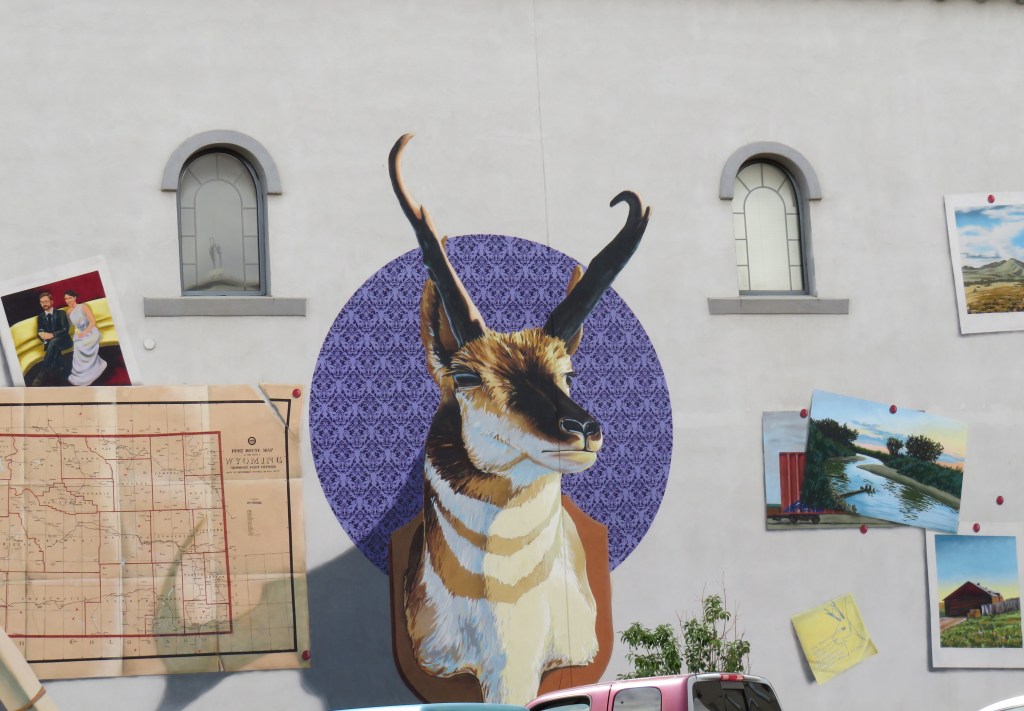
We live in Northern Colorado, only a little over an hour from the Wyoming border. One of the nicknames for Wyoming is The Cowboy State. Every now and then, for a change of pace, we drive up to Wyoming, just to get out of Dodge for a bit. And trust me, if you’ve ever been to Dodge, KS, you would definitely want to leave too. 🙂 Yesterday we took another day trip up to Laramie, WY and made the loop back through Cheyenne, WY with Mike and Lauren. They had never been up to Laramie before.

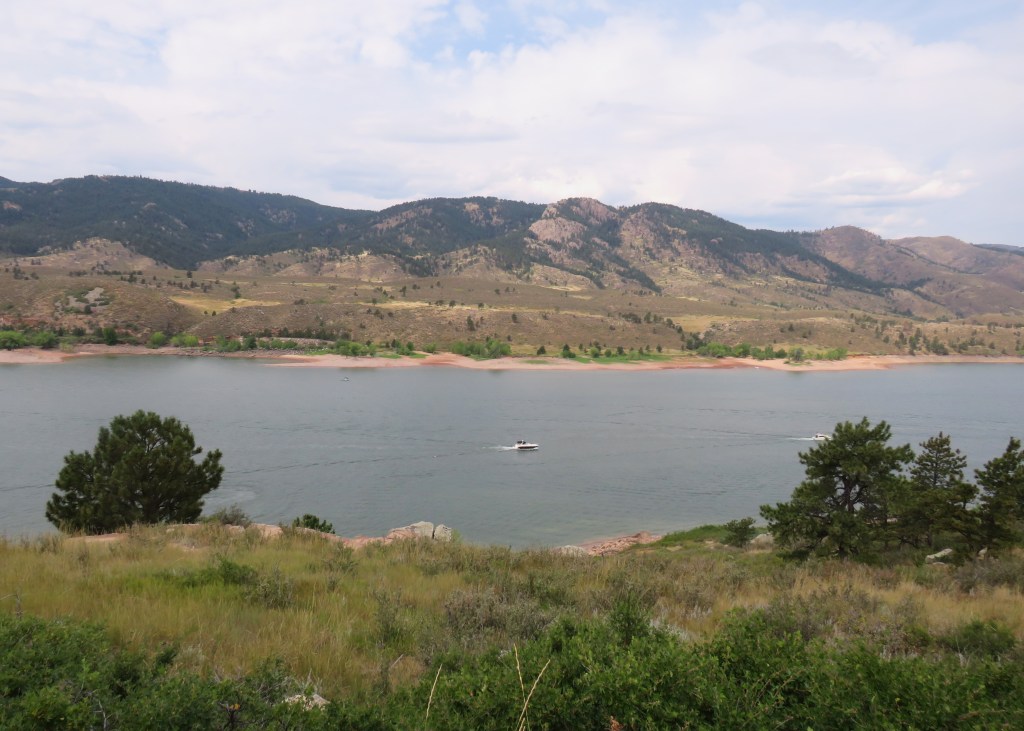
We took a slightly different route going up to Laramie, and stopped at Horsetooth Reservoir first, outside of Ft. Collins, CO. We had talked about taking a picnic lunch with us, but changed our minds. Looking at the res though, I almost wish we had taken a picnic lunch with us. It was so beautiful.

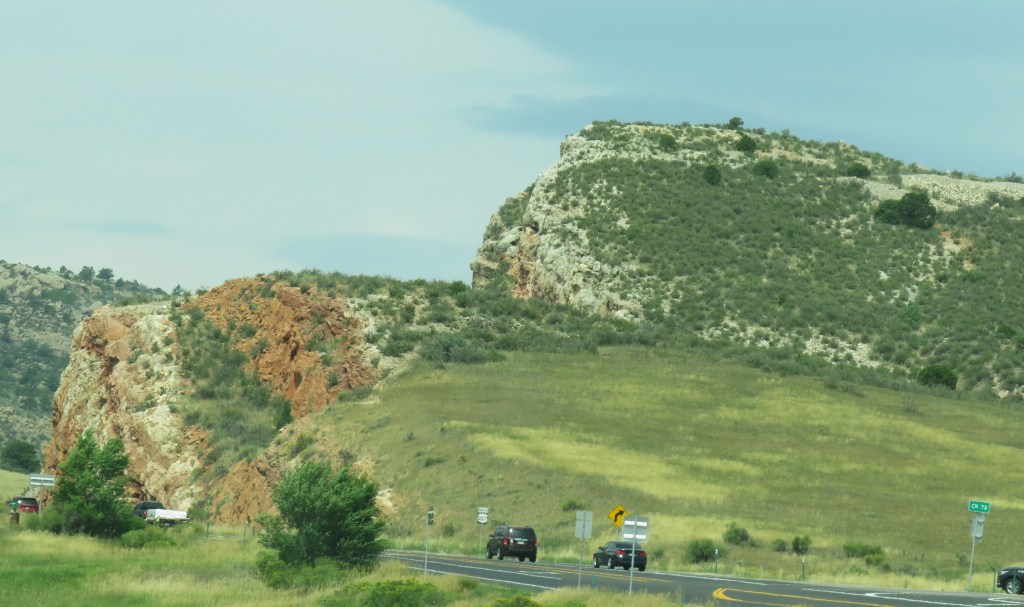
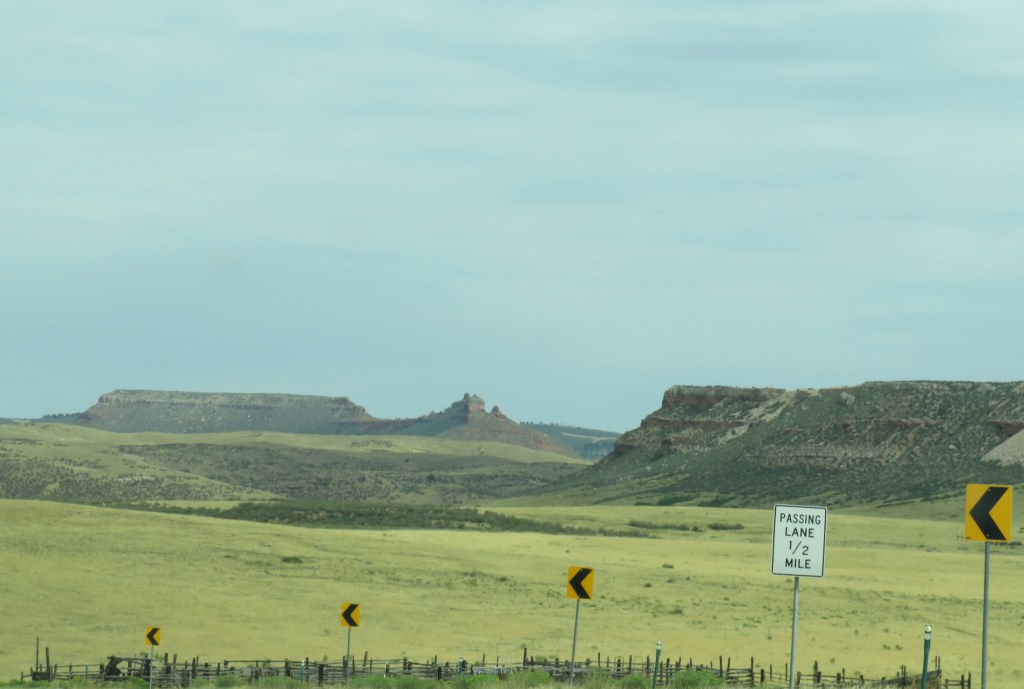
Our drive up to The Cowboy State was a beautiful drive too though. I never get tired of looking beautiful scenery. These were taken from the car.

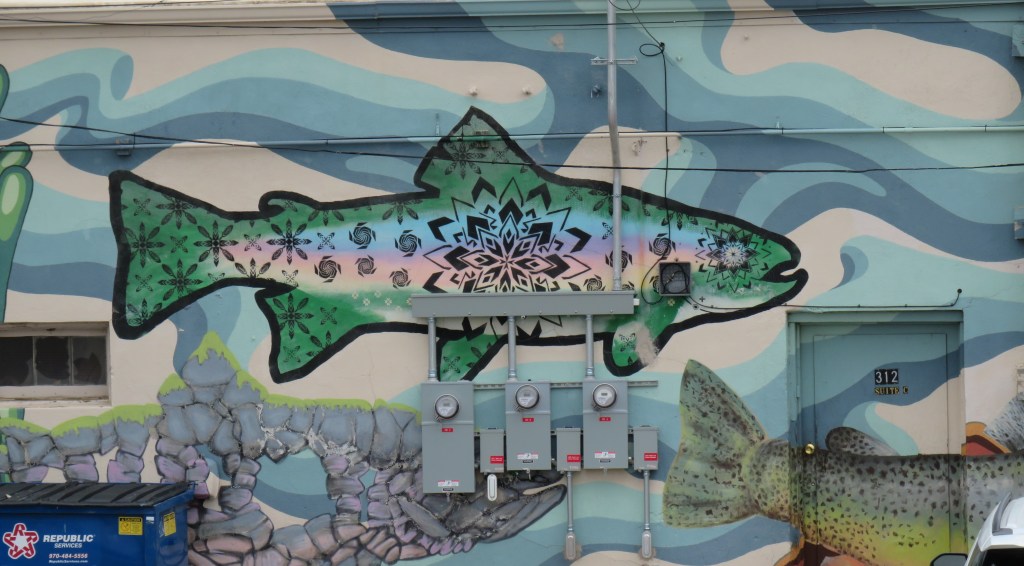
Once we stopped in Laramie, we walked around town a bit before stopping for lunch.

This was the sign on one of the doors of one of the shops. I love it. I think I am somewhere between the revolutionary and the do-gooder, leaning more towards the revolutionary side. There is no doubt about it; I am a REBEL! 🙂

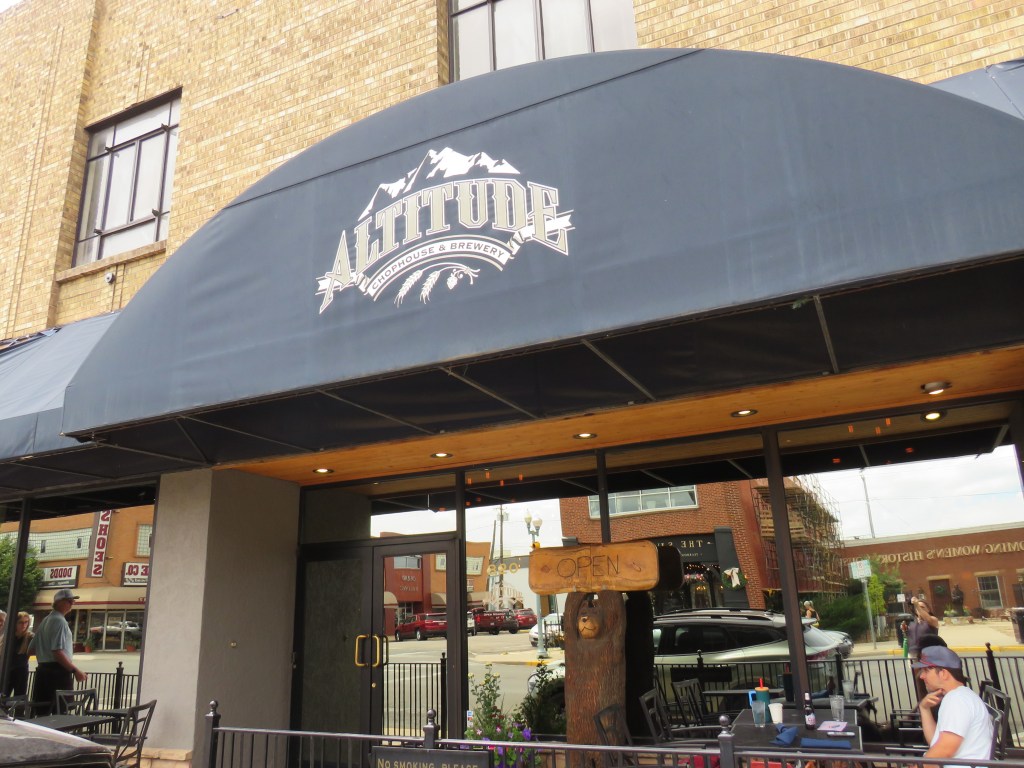
We dined al fresco at a local restaurant called Altitude Chophouse & Brewery.

The bear made us all feel very welcomed indeed.

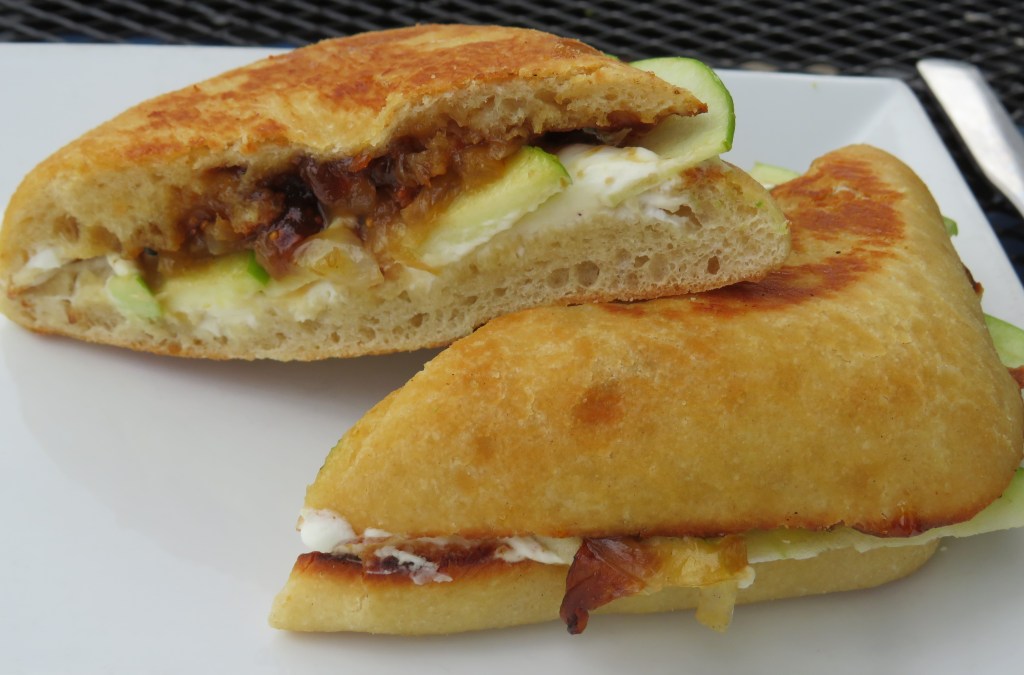
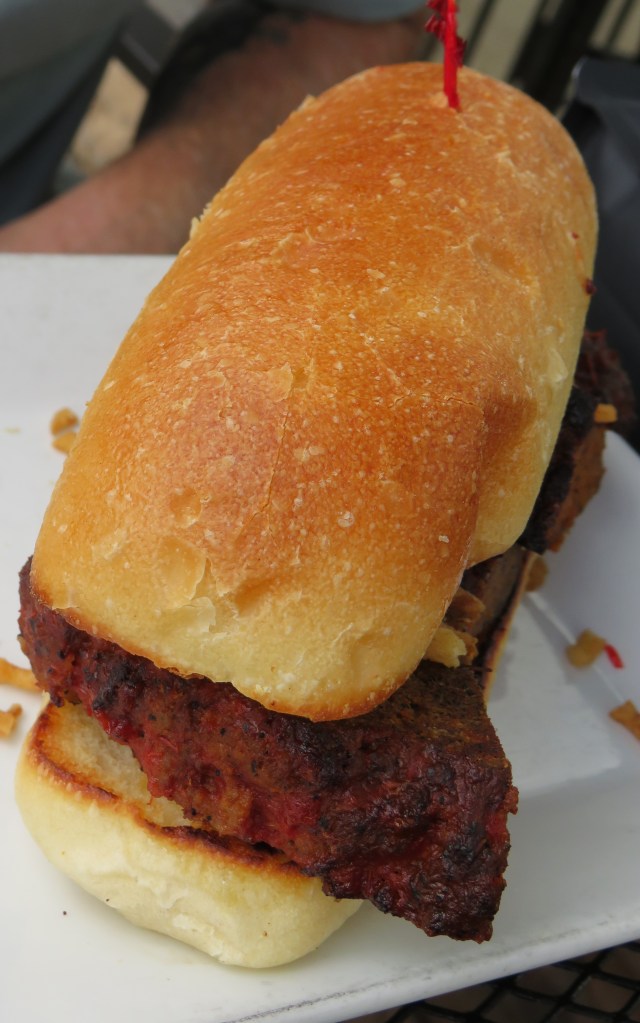
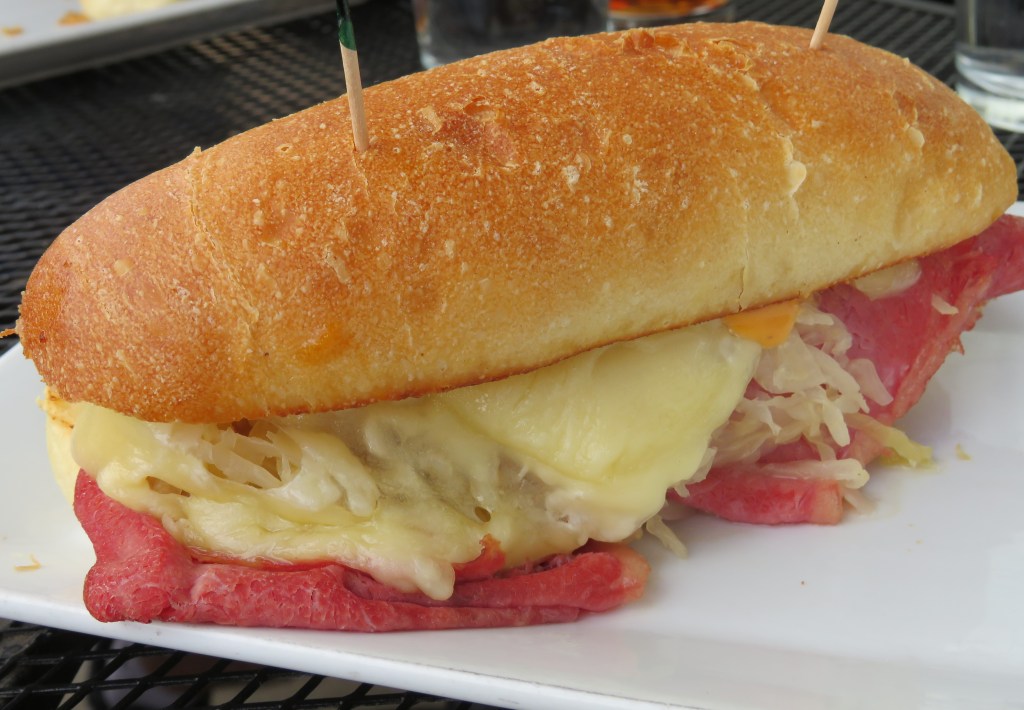
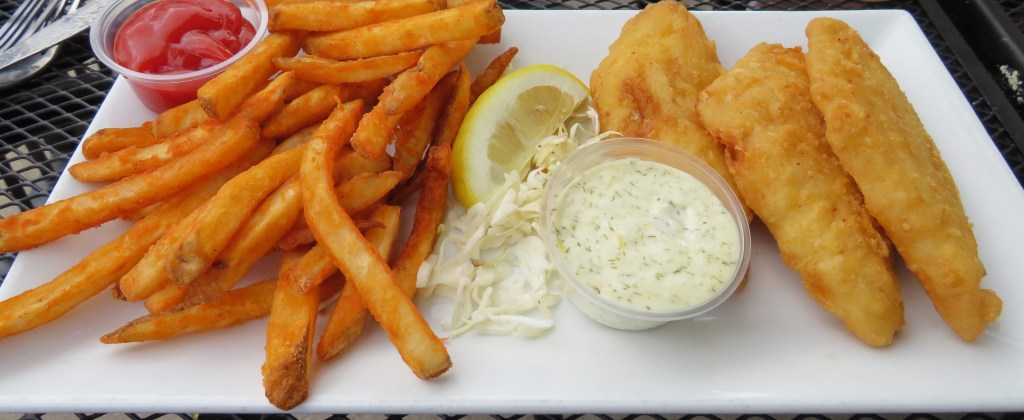
We enjoyed some soup, salad, sandwiches and fish & chips. It was good, wholesome food.

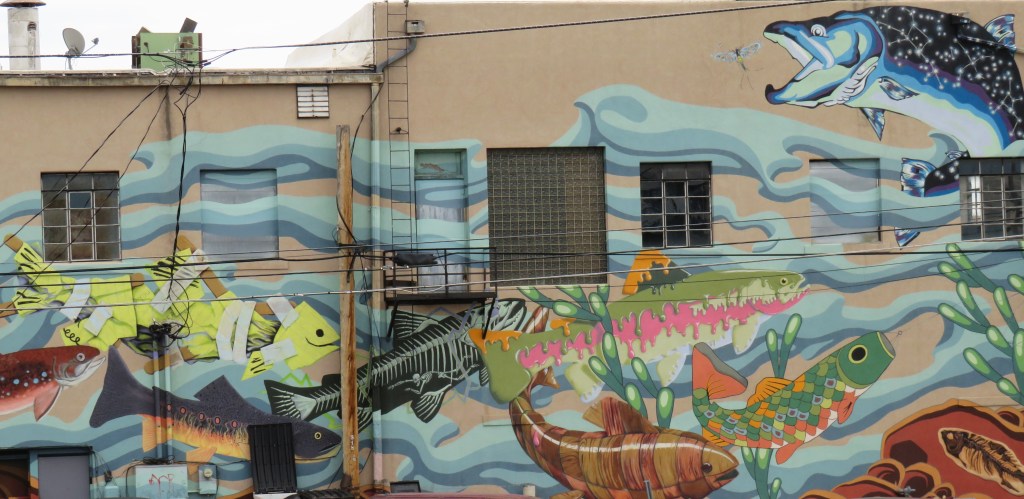
After lunch, with full and happy tummies, we walked around a bit more, taking in more sights, before heading out to the Wyoming Territorial Prison.

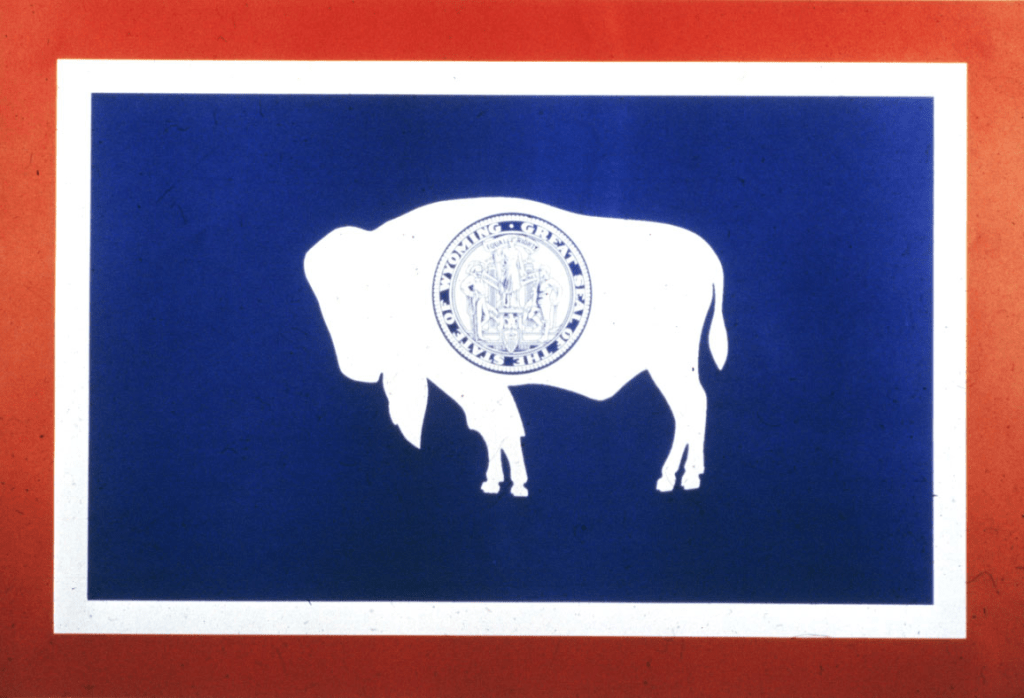
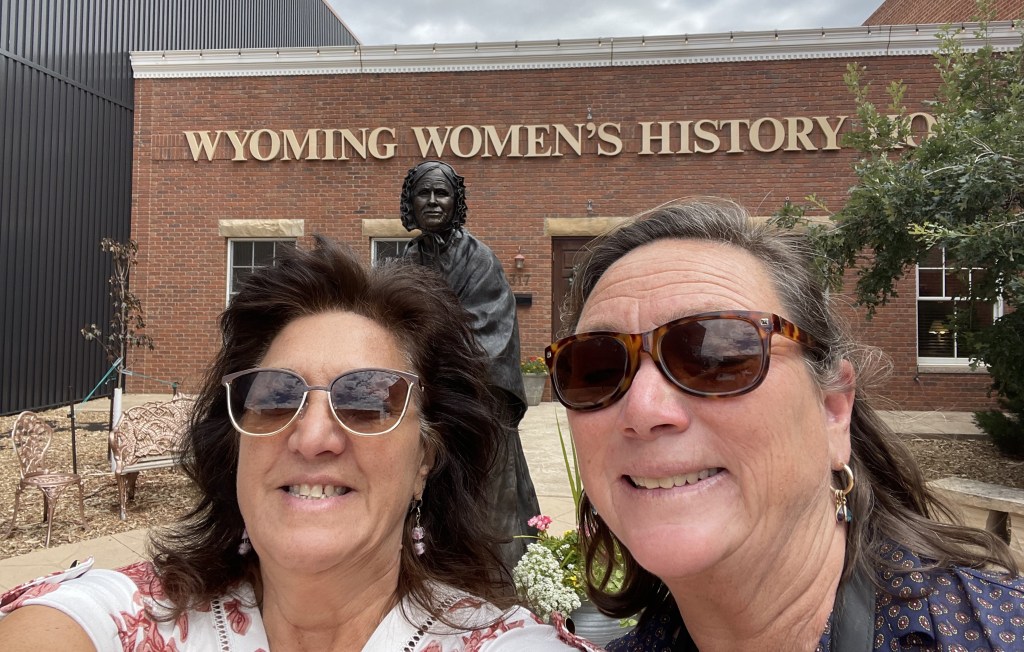
The other nickname for Wyoming is The Equality State because it was the first state to specifically give women the right to vote, which it did as a territory in 1869 and retained upon entering the Union. Lauren and I are bonding a little with the Wyoming Women.

Stay tuned. Part 2 is coming right up. ………

La Reina Has A Peruvian Accent

It’s been awhile since the Queen has paid a visit, but she came back again last night. This time she had a Peruvian accent, and presented herself as La Reina. For those of you who are new to my blog, “The Queen” is my alter ego. She gets her name from “The Queen of Leftovers”, since that’s a specialty of mine. In fact, in a way, creatively using leftovers was kind of the launching pad for my blog, way back in the beginning. 🙂

I love it when I can use up my leftovers, and I love it even more when I can totally recreate them into something different than what they were when I first prepared them. 🙂 This dish was almost completely made from leftovers too. It is always a win/win.

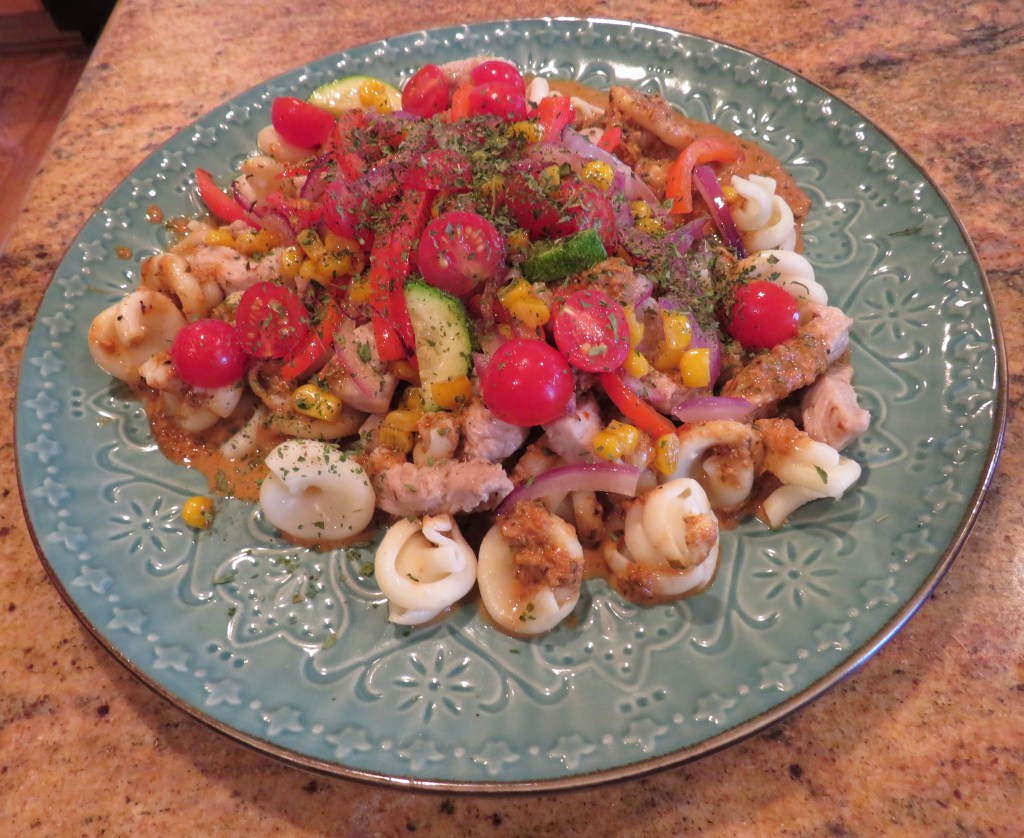
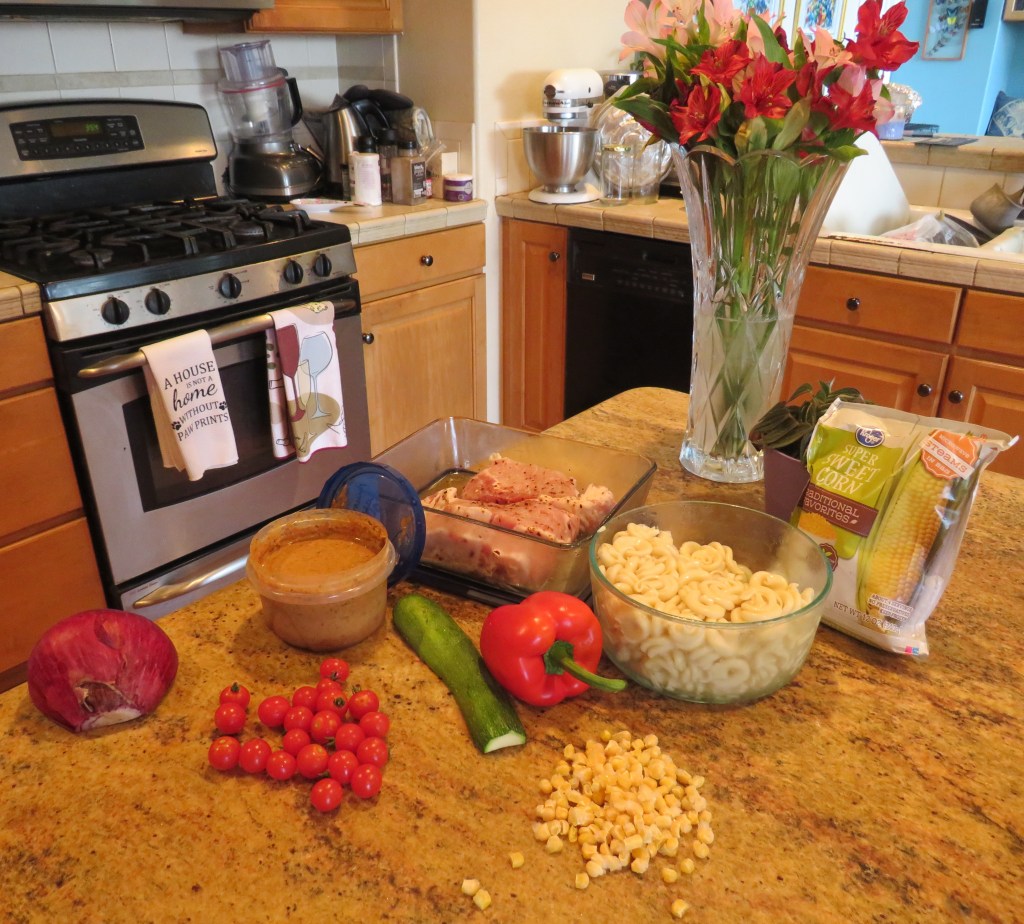
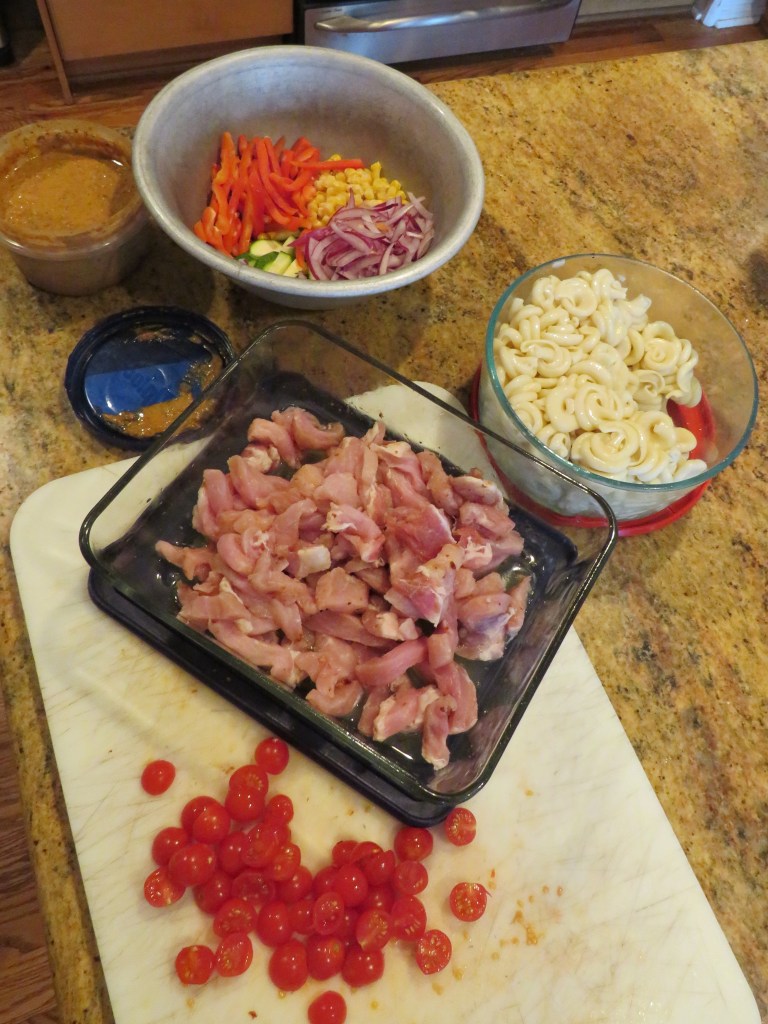
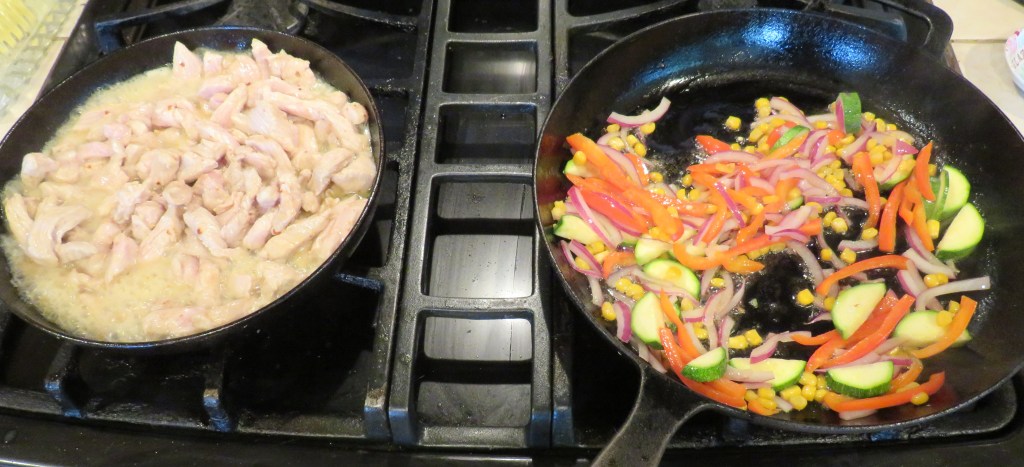
I had some leftover pasta, from when I made my pesto pasta primavera Pesto Primavera with Smoked Turkey. I marinated some pork chops in a lime vinaigrette and cut up some vegetables. Once those were all cooked, I added my Peruvian sauce that was leftover from my Peruvian chicken Peruvian Chicken, and voila! Dinner was served. Quick, easy-peasy and delicious! Just the way I like them too. 🙂

I let the pork marinade for about 3-4 hours, then sliced into thin strips. My vegetables were some leftover zucchini, corn, red onions, sliced very thin, and red bell peppers sliced into thin matchsticks.

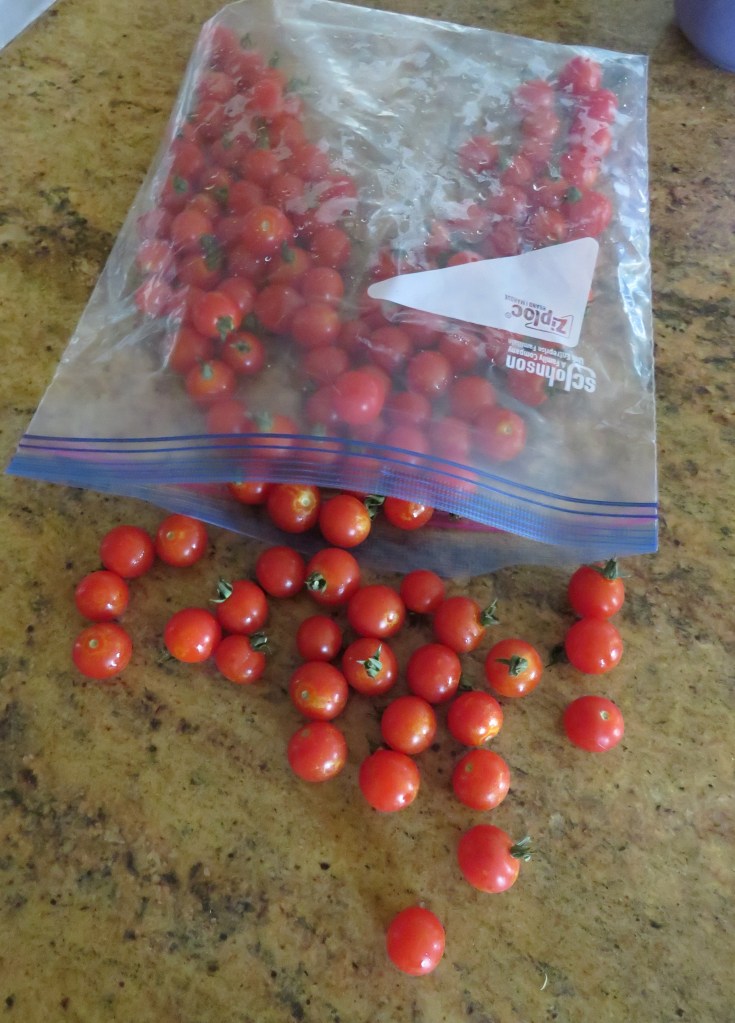
Once everything was cooked and heated up, I layered all up and topped it with some fresh sweet 100 tomatoes, fresh from Janet and Bob’s garden. I cut those in half and generously sprinkled them on top of the pasta. This was my first batch of tomatoes from Janet and Bob’s garden for this year, but I know there will be a lot more in my very near future too. 🙂

Once again, The Queen and I collaborated well together and created yet another delicious meal that was nothing like the first over meal. We make a good team. 🙂

Have a great day and make everyday great. Stay safe and stay well. ‘Til next time.
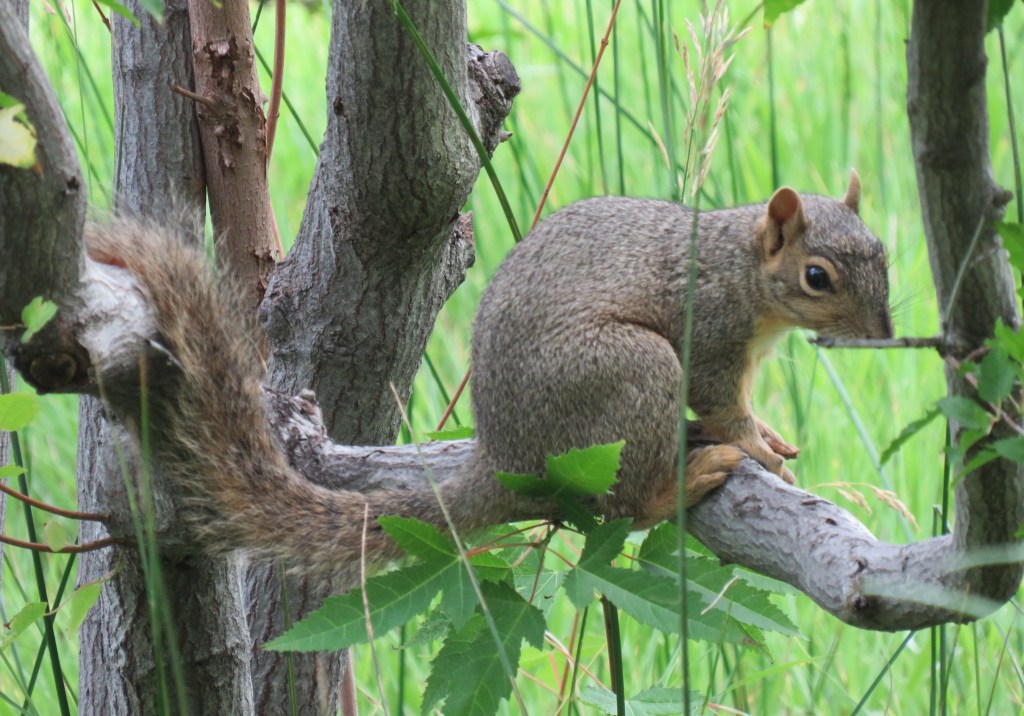
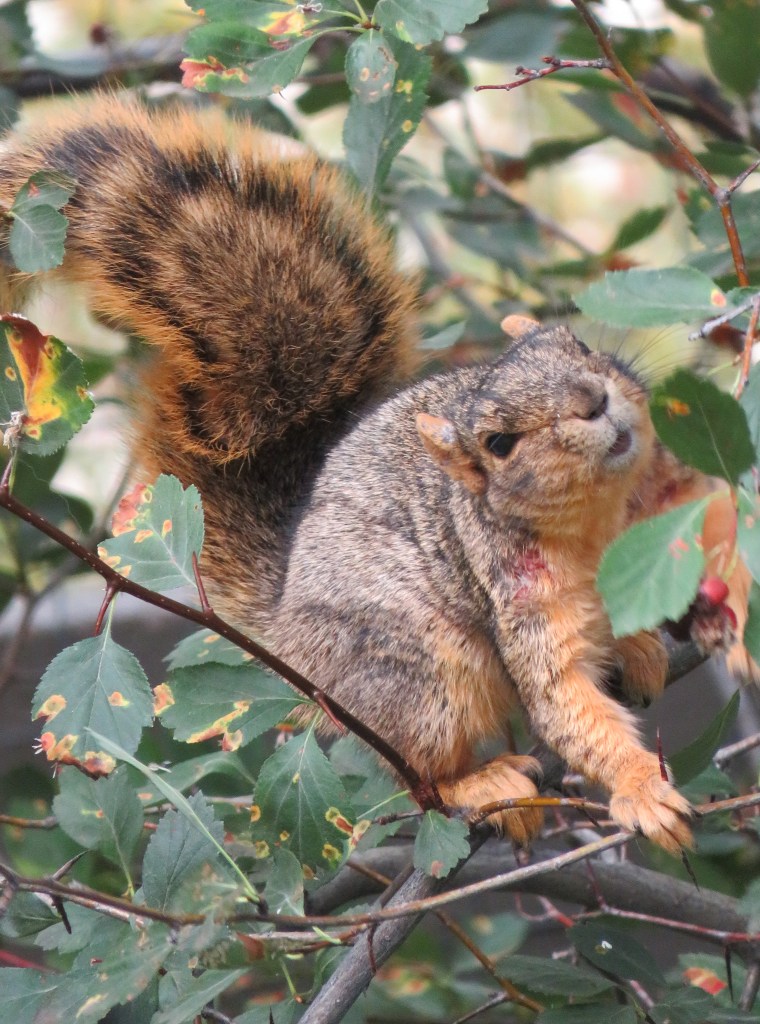
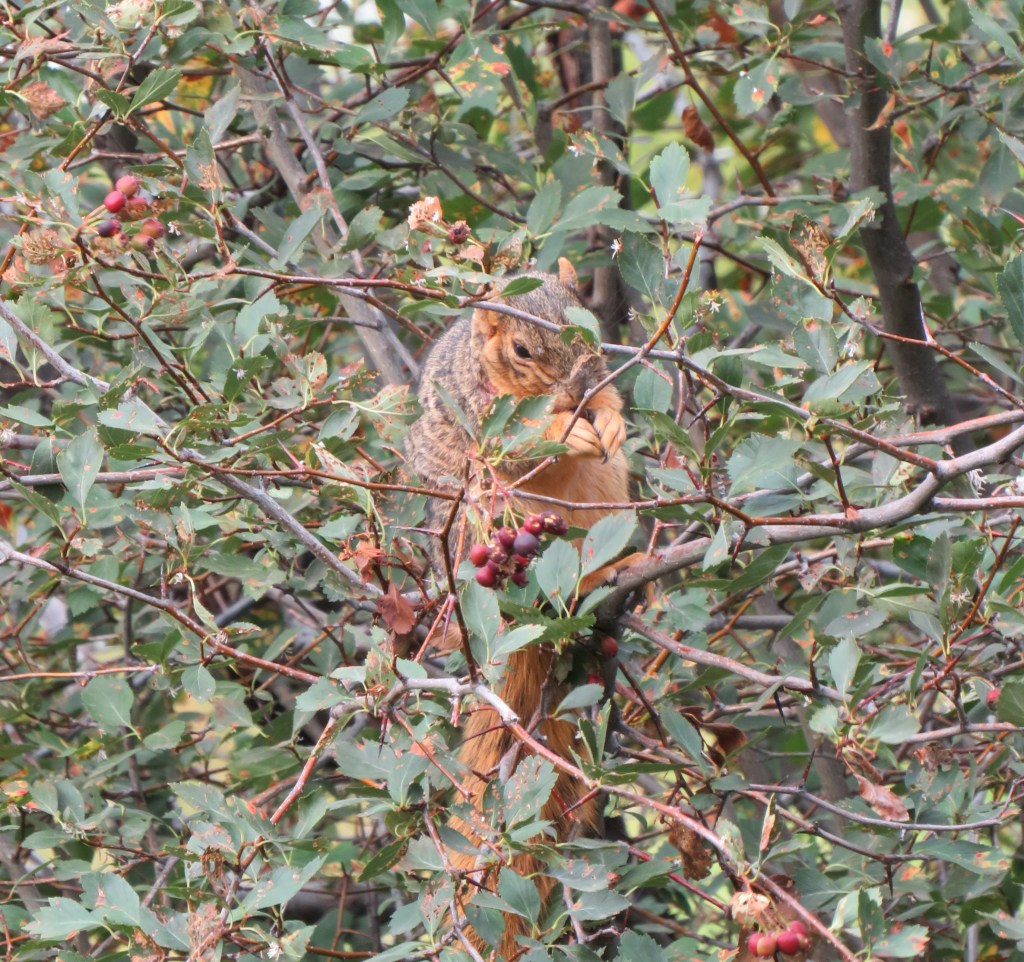
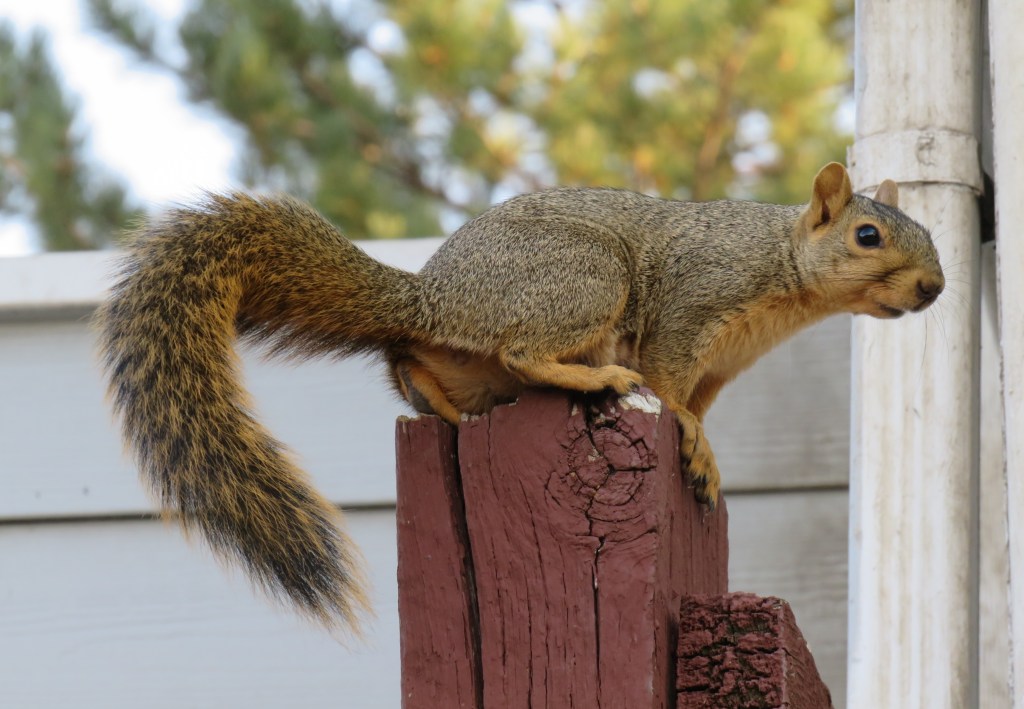
Nature Walks – Playing With Squirrels Again

The squirrels are still out playing and having lots of fun. And I still enjoy watching them and all their fun antics. I caught them at play once again, just enjoying life, as they always seem to do.

Have a fun squirrely day. 🙂

More Blue Fire

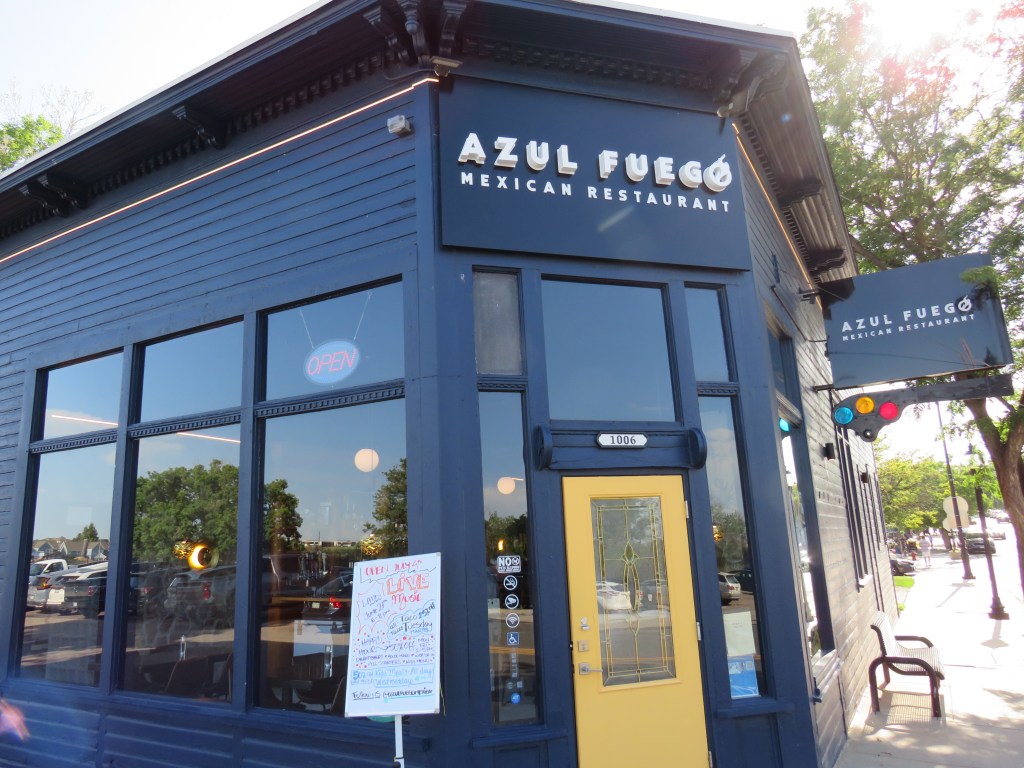
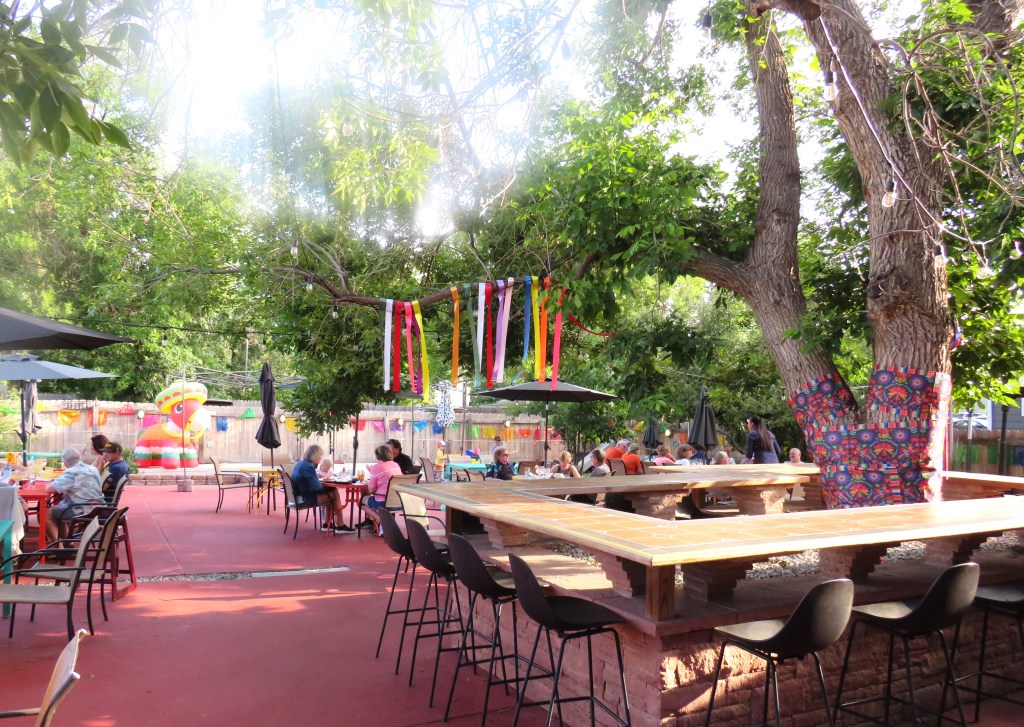
When we first went to Azul Fuego (Blue Fire) Azul Fuego the owners and management were very happy when I reviewed them so favorably in my post, they invited us to come back again to enjoy more delicious food. How could I refuse? More delicious food with great ambience? Of course we went back again. This time it was just Janet, Bob, Larry and I and we enjoyed our dinner out in their garden patio, underneath their big beautiful tree.

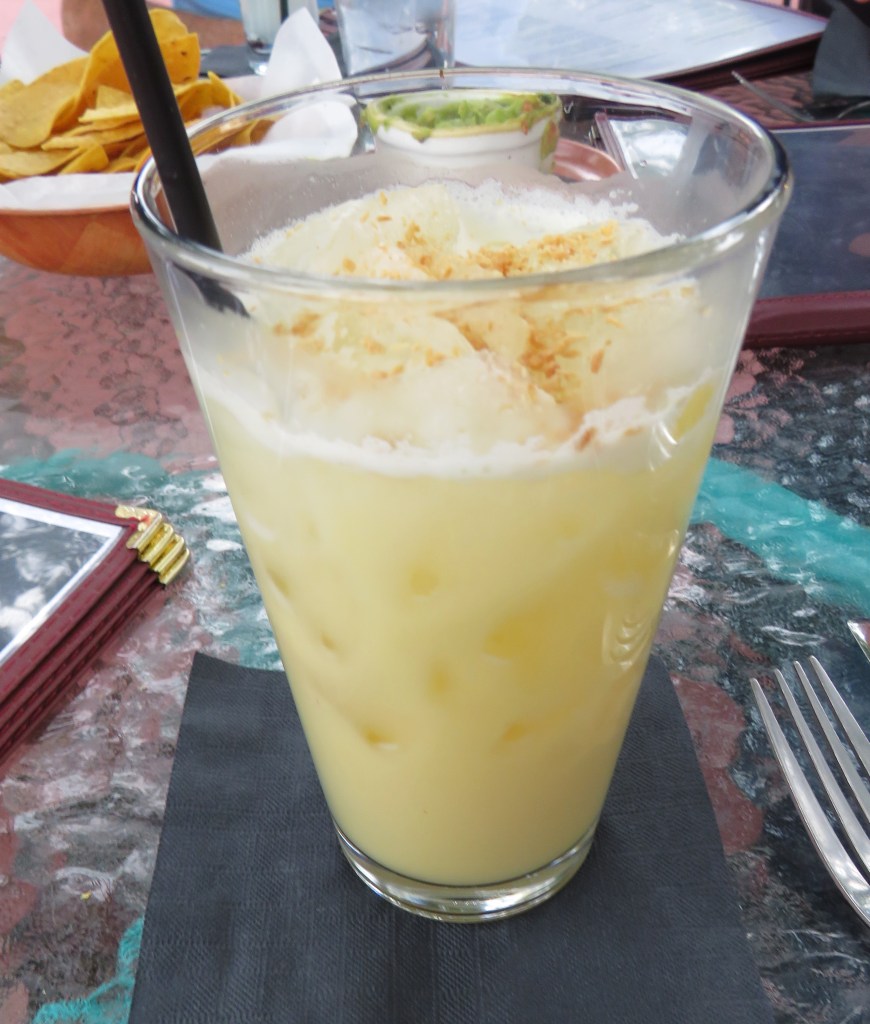
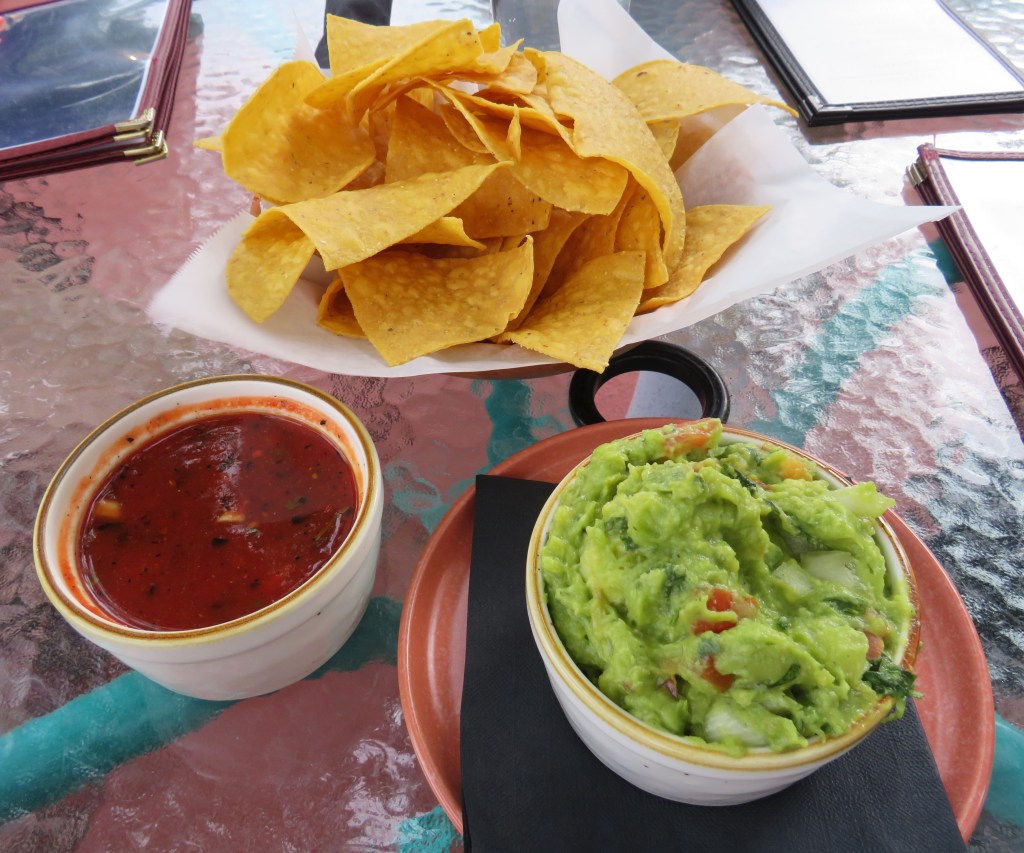
Our food was just as good this time as it was before, and the staff was just as friendly and professional as before too. We would expect nothing less. Once again, we started off with some cool, refreshing bebidas, and chips, salsa and guacamole.

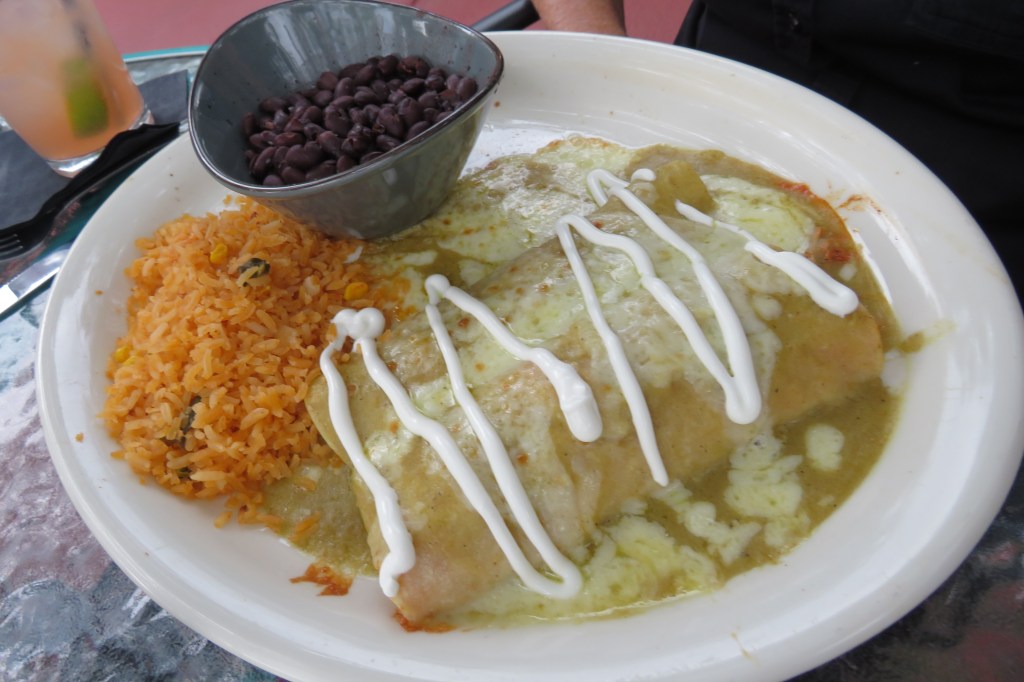
Janet ordered the same thing she had last time, the enchilada suiza.

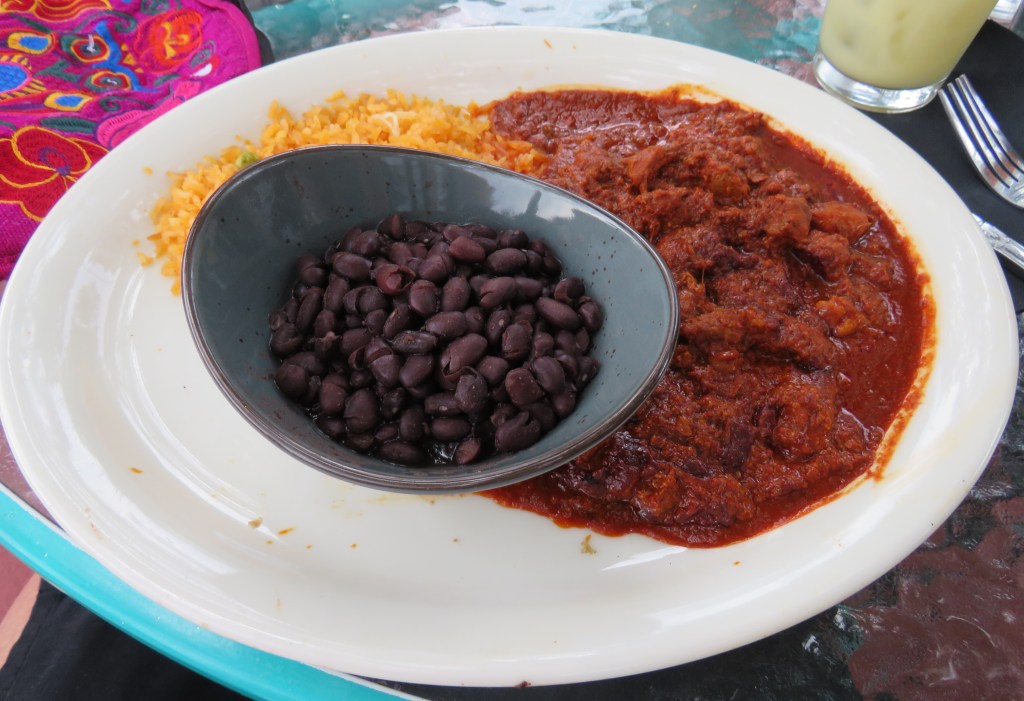
Bob, Larry and I all ordered something different this time. Bob had the chicken mole.

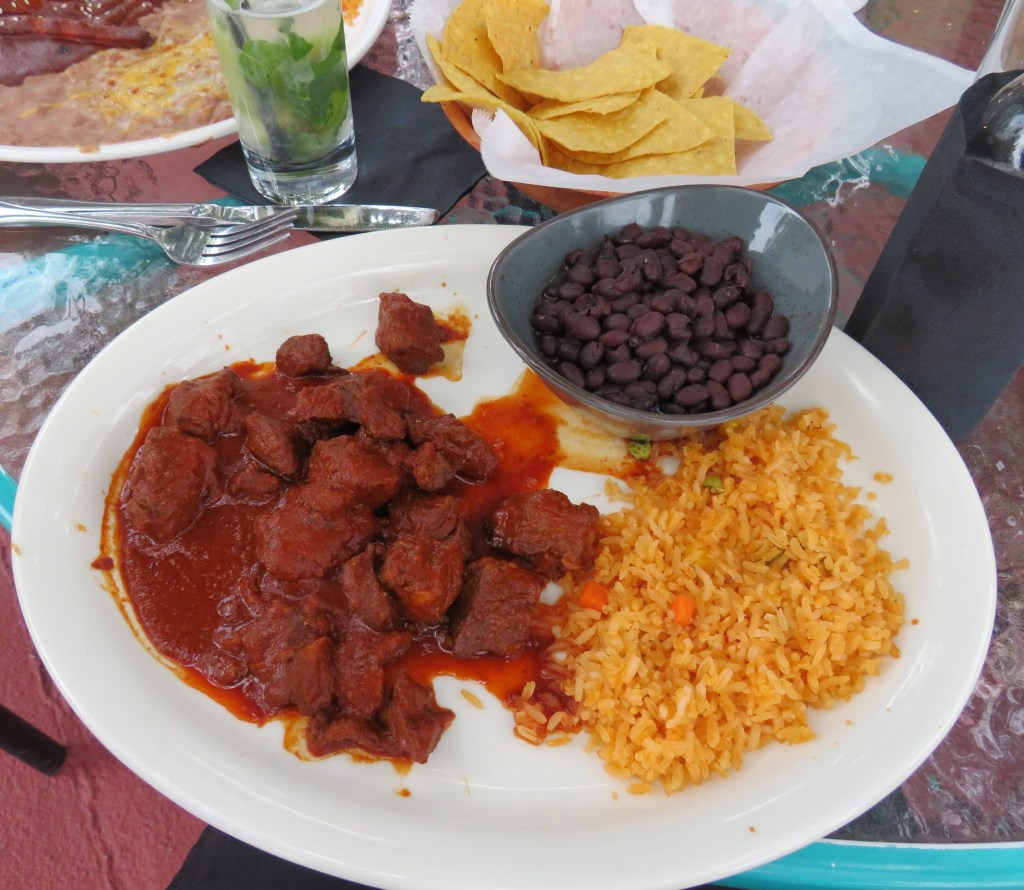
Larry and I ordered similar things, but one was with beef and one was with pork. We ordered the chili Colorado.

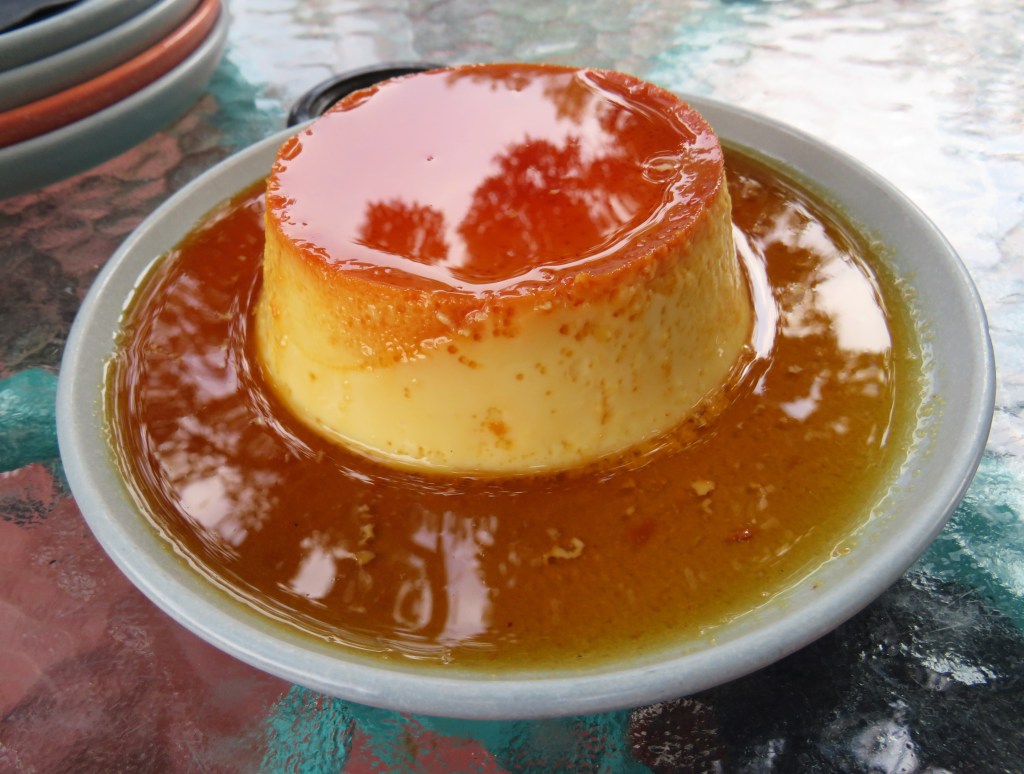
Once again, we were all very happy with what we ordered and our tummies were very full and very satisfied. But we did manage to save a little room for some of their delicious flan too. We had one serving that we divided into four pieces, so we all had just a bite or two, which was just enough and just perfect.

We have now been to Azul Fuego twice in about a month’s time. This is a great indicator on how much we like it. We don’t go out to eat that often at all really, so to go back to the same restaurant twice in such a short period time is really something. 🙂 Next time you are in the Louisville area, stop in at Azul Fuego and give them a try. I know you will love them as much as we do.

Azul Fuego is located right on the corner of Pine Street, in Louisville at 1006 Pine Street, Louisville, Colorado 80027. We just walked right in, but we were early. The restaurant fills up quickly on the weekends, so reservations are recommended for weekends. You can call them at (303) 665 2833 or email them at MAIL@azul-fuego.com to make your reservations. They are open daily from 11:00 AM-10:30 PM. !Disfruitar!

Have a great day and make everyday great. Stay safe and stay well. ‘Til next time.

Nature Walks – A Bunniful Day

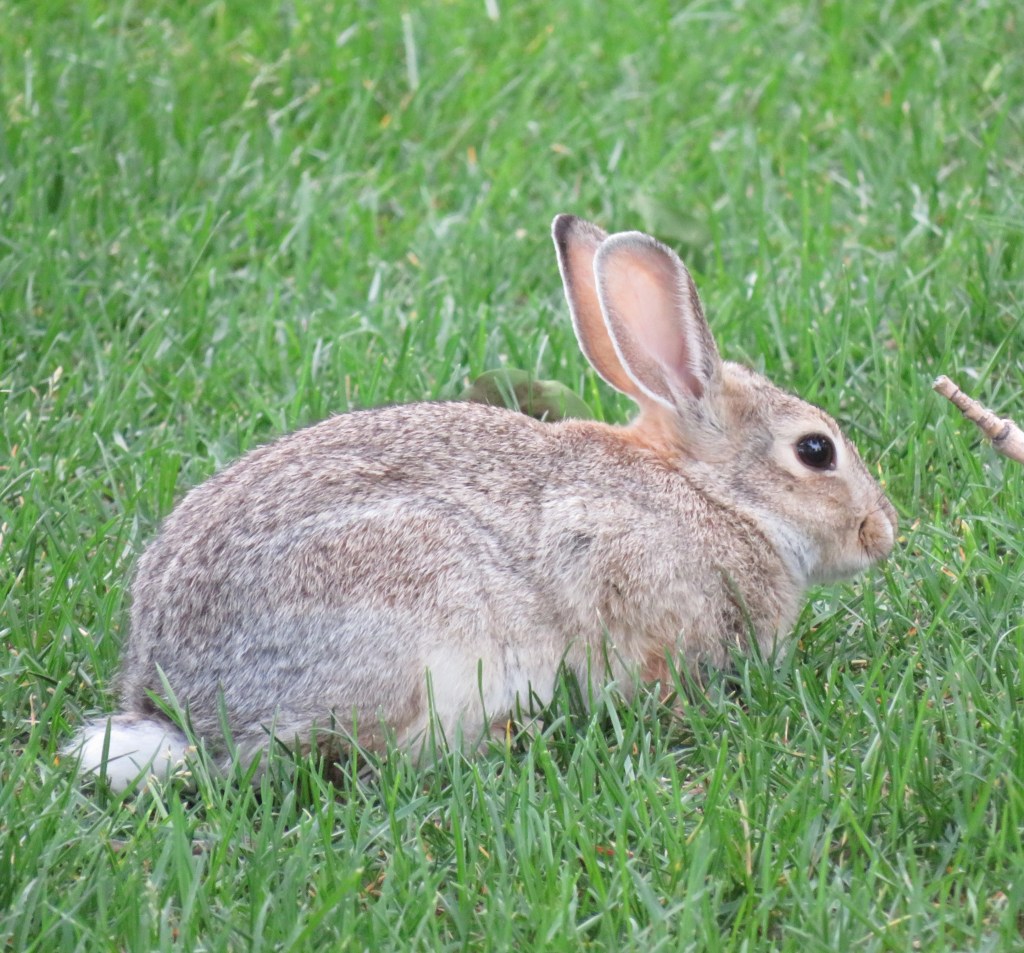
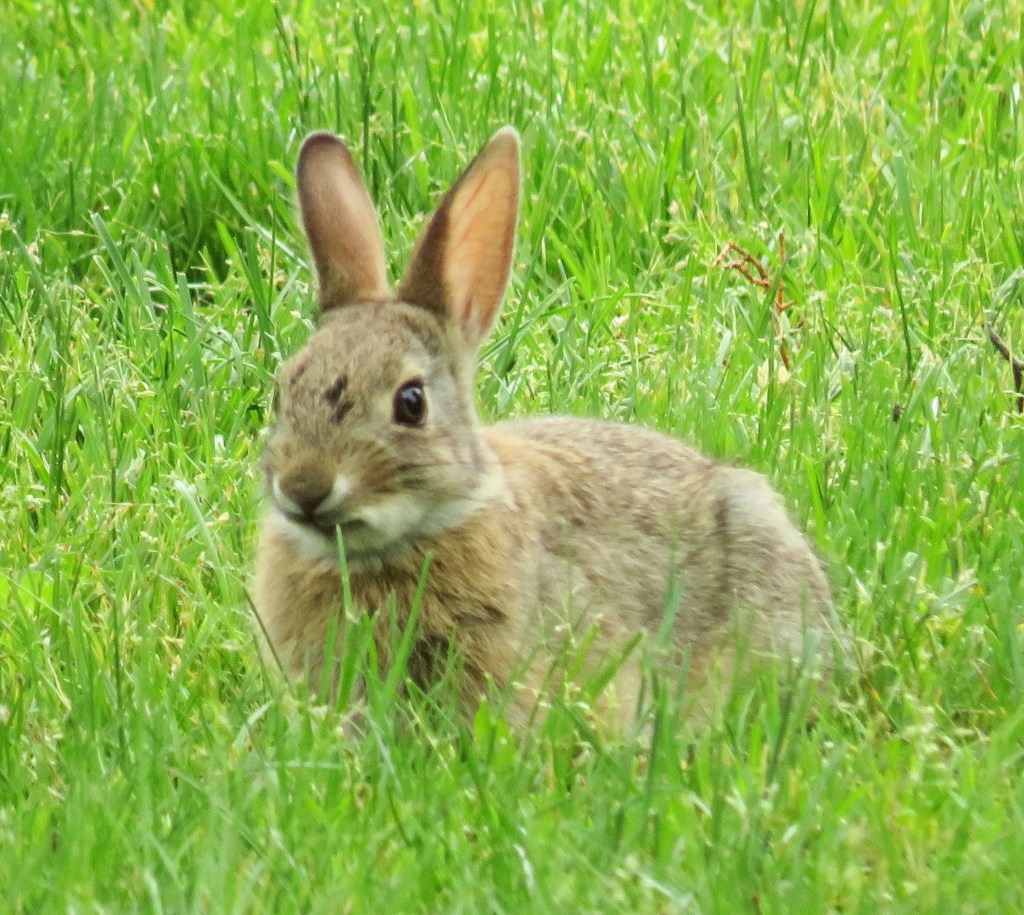
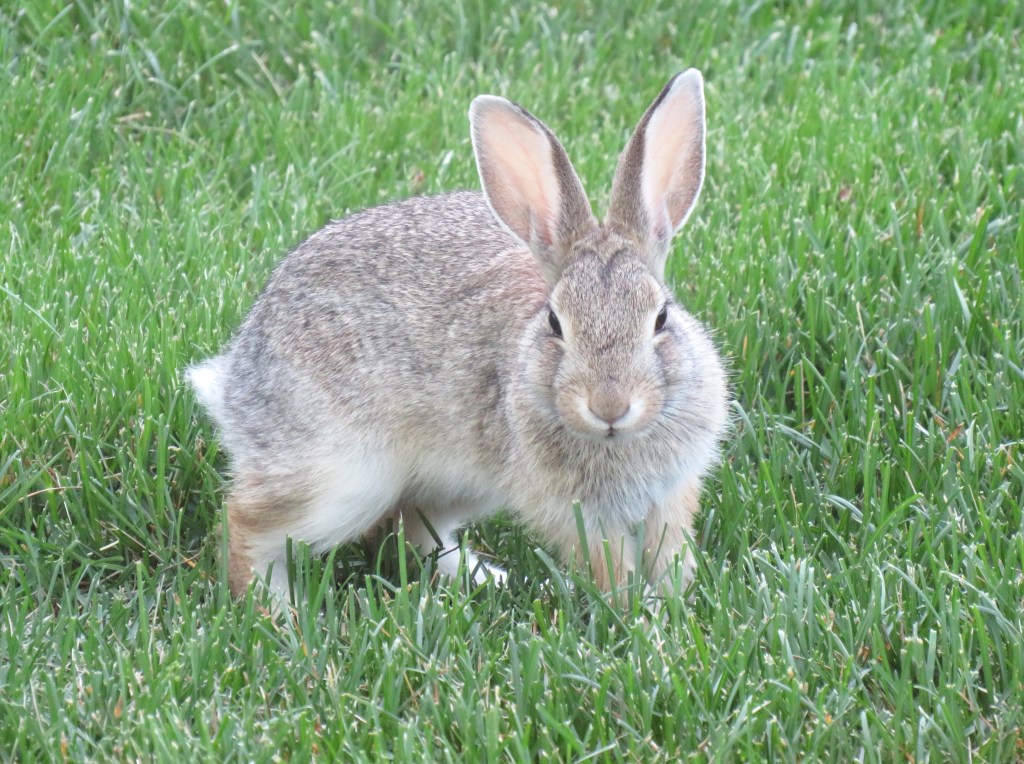
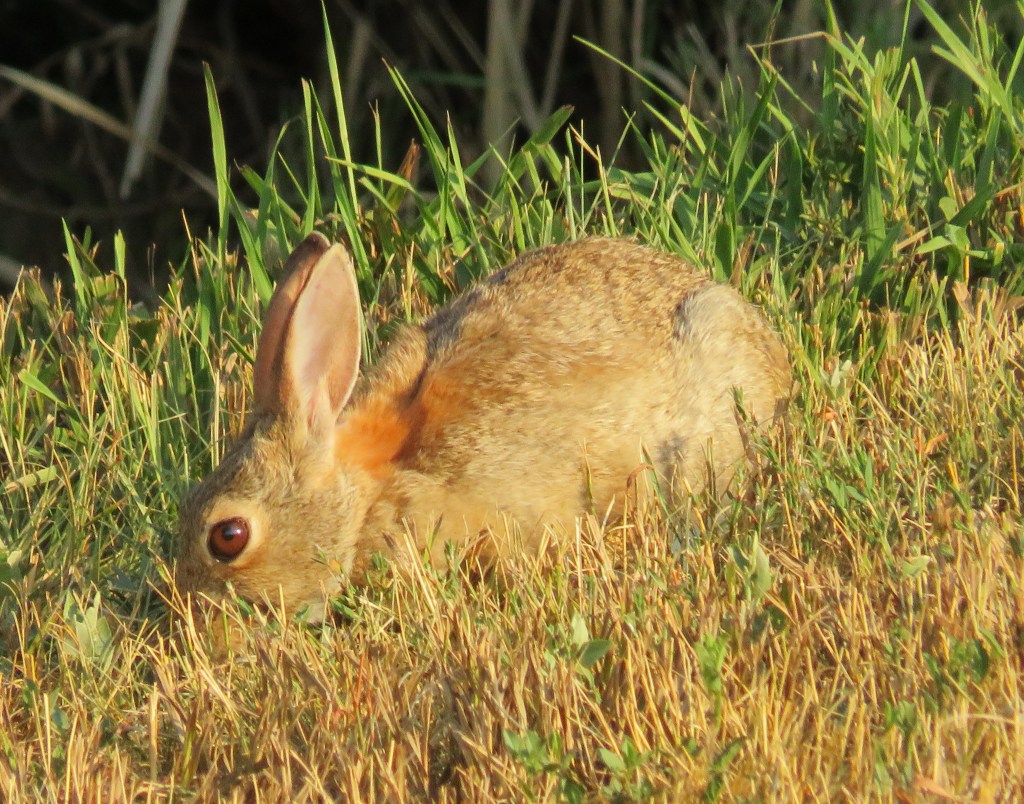
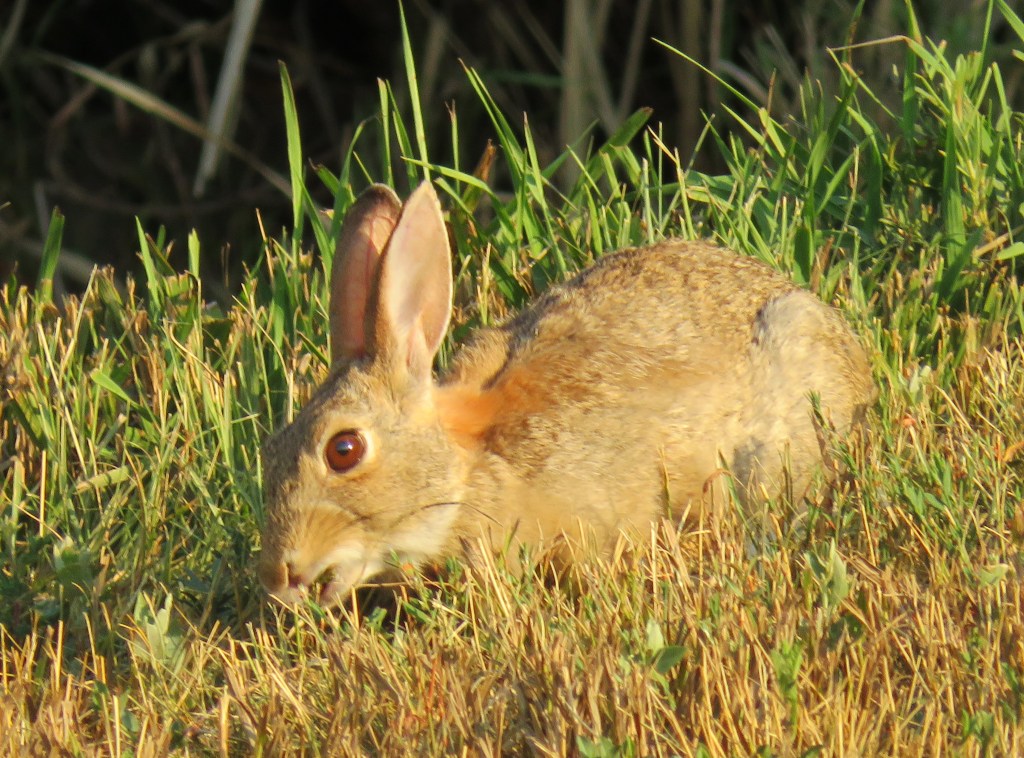
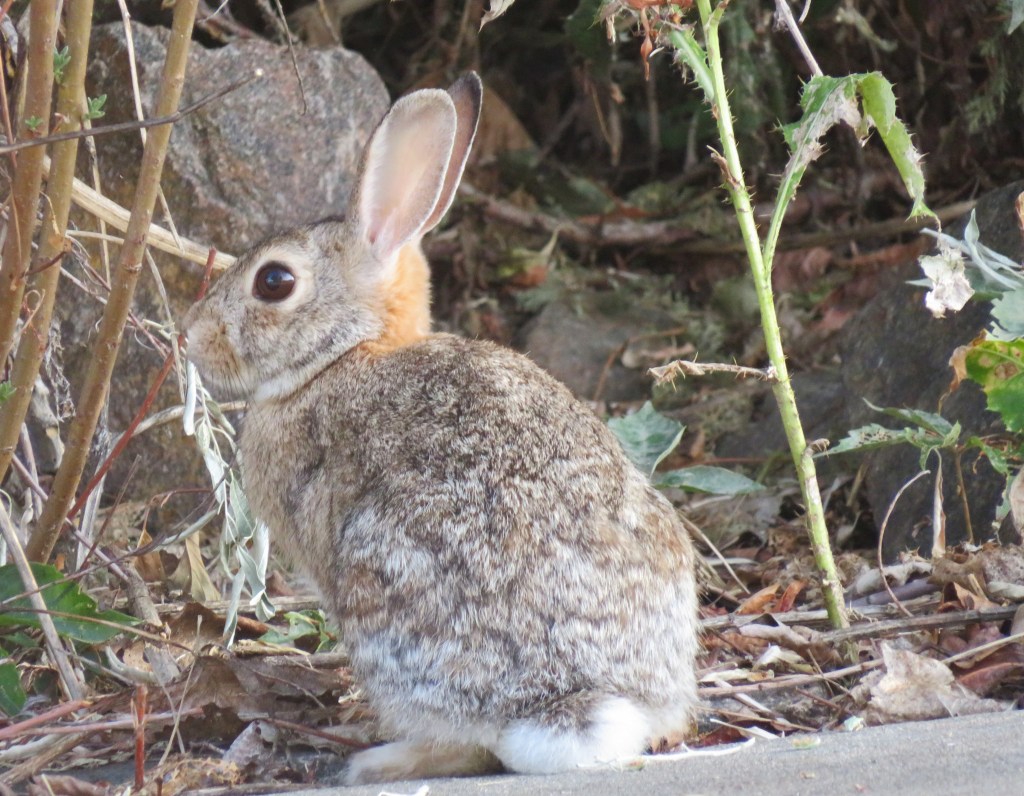
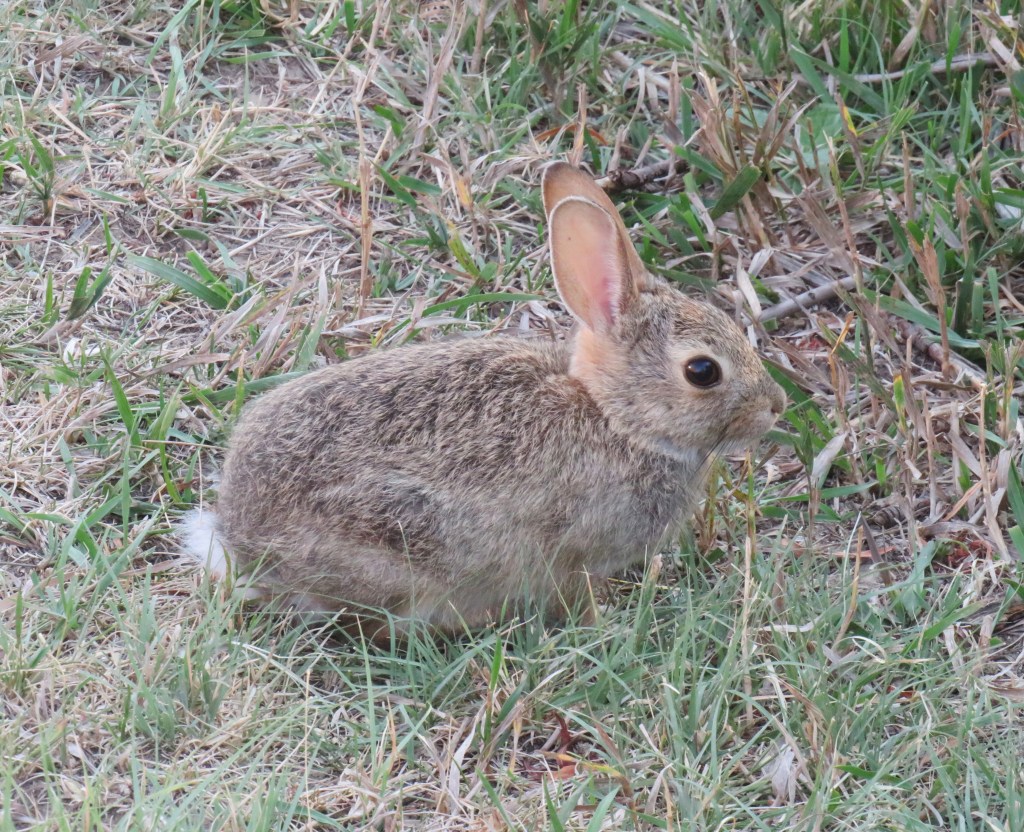
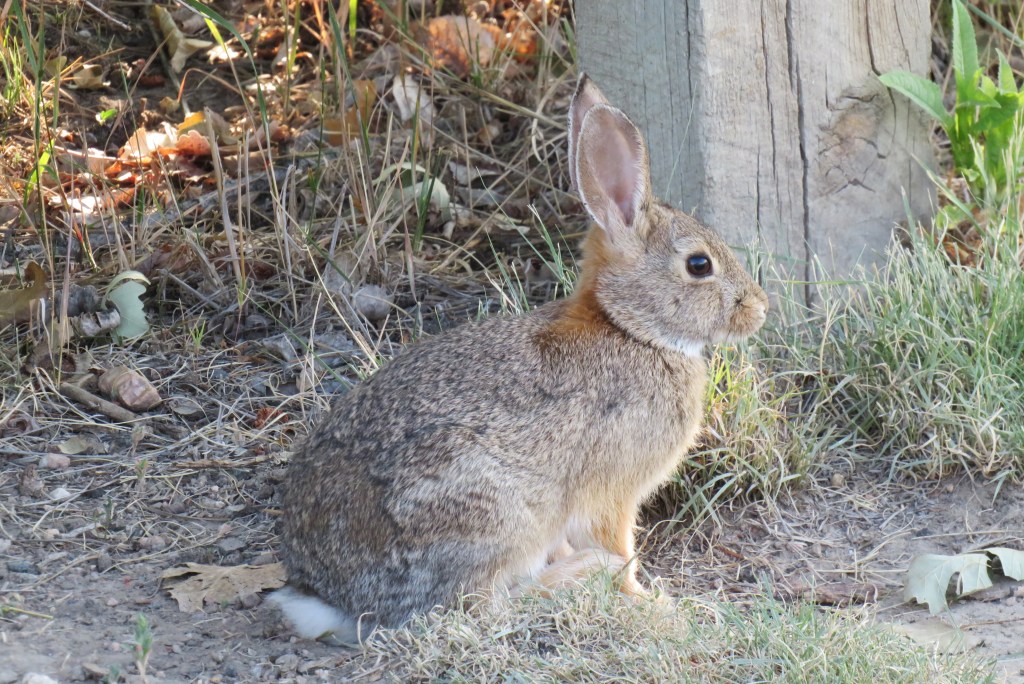
It is supposed to be yet another scorcher today, with the temperature soaring to about 100*F or 38*C. If I wanted to get in a walk, which of course, I always do, I had to do it early in the morning. I took my walk around 7:30 AM, and it was perfect out. I didn’t see too many birds today, but I did see a lot of bunnies. One of the bunnies was just a baby too. The bunnies like the cooler weather too. 🙂
This one was just a tiny baby.

Hopping back to mama.

Have a bunniful or at least a beautiful day today too. 🙂