I have created this site to help people have fun in the kitchen. I write about enjoying life both in and out of my kitchen. Life is short! Make the most of it and enjoy!
I haven’t been cooking for the past couple of days, but I will be later on today. I will have some more yummy recipes coming your way tomorrow. I have been out walking though. I try to get in my walks everyday, or at least on most days.
Today, we did two walks. We took Vinnie out for a longer walk, then came home and “traded” dogs. Little Juni Bug can’t keep up with her brother yet, try though she may, so we take her out on separate walks. We tried taking them out together yesterday, but that didn’t work out so well. It won’t be too long before Juni Bug will be able to keep up with her big brother though.
The lakes have been quiet lately. But I always have my camera just in case. Even on the days when you don’t think you will see anything, there is always something to see, and quite often, even something new.
On recent walks, there have been more hawks,
more American Kestrels,
more ducks and geese,
and more Belted Kingfishers.
And today, we had some new visitors on the lakes as well. We had some snow geese. We have lived here 14 years, and this is the first time we’ve seen the snow geese. They were trying to blend in with the Canadians, but they weren’t doing such a good job of it.
But as much as I LOVE seeing all these beautiful critters that call our area home, my favorite critters are the ones I call my own.
Juni Bug is getting used to the snow.
Big Brother Vinnie and Little Sister Juneau looking out the window.
Life is short. Take it all in and enjoy each and every moment.
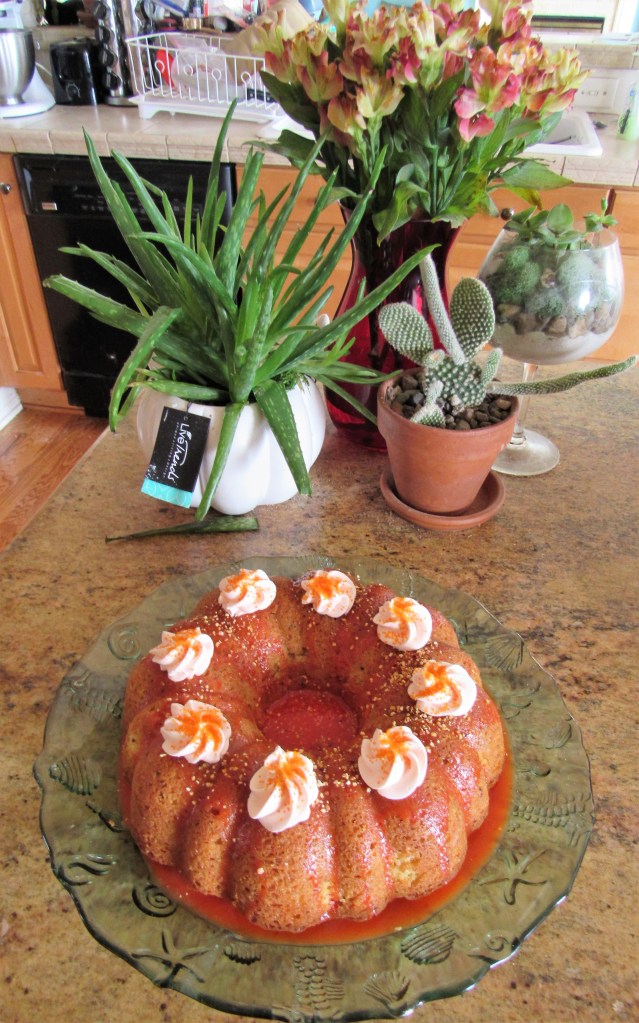
Still in my orange mood, I made an orange cake for dessert to go with my orange pork chops. Cooking Orange The cake was very moist and full of flavor, which is always a win/win for me. It was also a big hit with my friend Kathy who came over and helped us enjoy it.
The older I get, the less I actually enjoy really super sweet things, so this cake was perfect. It was sweet, but not super sweet. It was just perfectly sweet enough.
Orange Cake
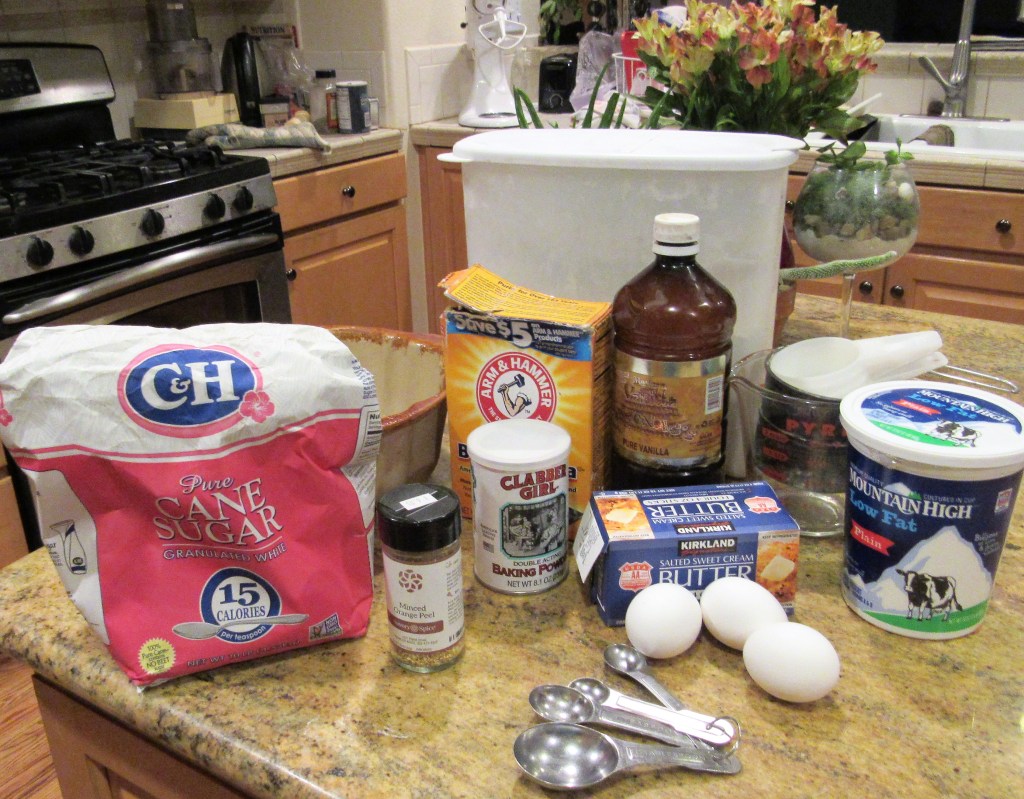
2 cups + 2 TBSP flour
1 tsp baking powder
1/2 tsp salt
1/2 tsp baking soda
3/4 cup butter at room temperature
1 1/2 cups sugar
3 eggs, at room temperature
1 1/2 tsp vanilla
3 TBSP orange zest
3/4 cup yogurt
The Glaze
1 1/2 cups powdered sugar
4 TBSP orange juice
1-2 TBSP milk
Preheat the oven to 350* F or 180* C.
Spray a bundt cake pan with cooking spray.
Mix the flour, salt, baking powder and baking soda together and set aside.
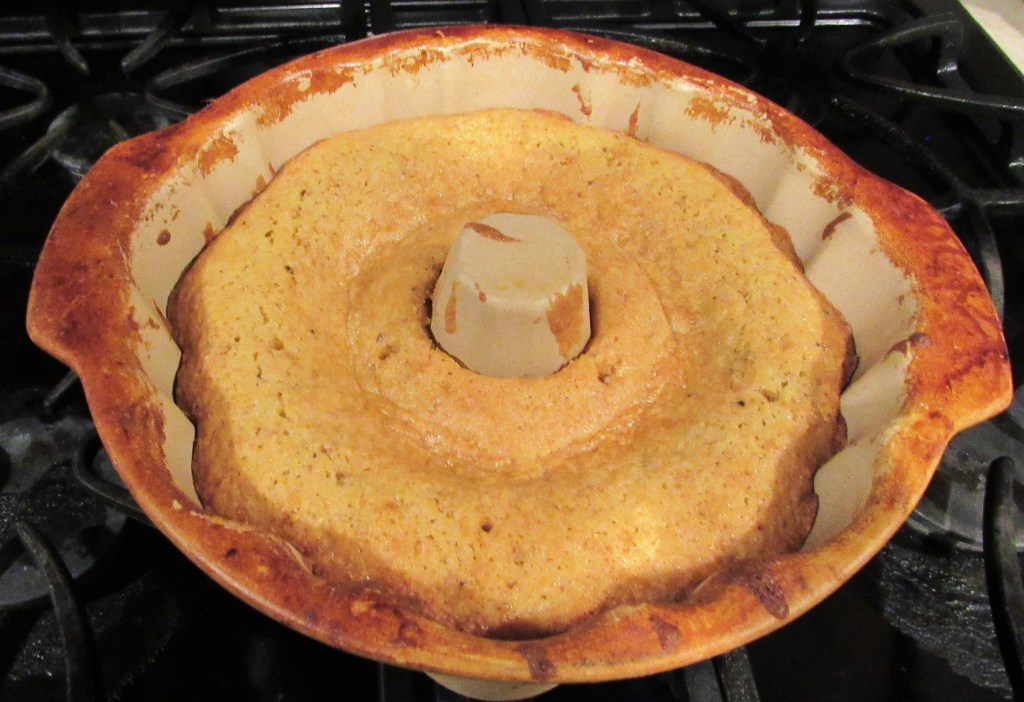
Cream the butter and sugar together. Then add the eggs 1 at a time, and mix in between in addition. Add the vanilla, orange zest and yogurt and once again mix well. Then add the flour mixture and mix until everything is thoroughly combined without over mixing. Pour the batter into the cake pan and spread it evenly in the pan.
Bake for 45-60 minutes, or until the cake is golden and a toothpick comes out clean when inserted into the middle of the cake.
Let the cake cool completely before adding the glaze and the decorations.
Find a friend and enjoy the cake and the good company together.
Larry is a big ice cream fan, and usually eats some every night after dinner. He has trained all the kids well, since now they like licking the bowl when he is done, and when he finishes the carton, he gives it to the kids as well. This was Juneau’s first time with the ice cream carton. I think she liked it!
She made sure she got every little last bit out of the box. She worked so hard at it that she exhausted herself in the process and finally fell asleep with her nose still inside the box.
Oranges were a gift, first presented to Europe by Hernando de Soto (ca. 1500- 1542), a Spanish conquistador. Senor de Soto was known for many things, most of which were not good. However, he is also known for introducing oranges and citrus fruits to the old world, which was at least one redeeming quality. It was Senor de Soto who brought the first orange trees to St. Augustine, Florida, and the rest is history. We all know Florida is the sunshine state, famous for its oranges and other citrus fruits that are eaten and enjoyed all over the world.
Oranges originated in Southeast Asia and were first cultivated there 6,000 years ago. Cultivation in China began around 2400 B.C. The Arabs introduced them to the Mediterranean region about 1000 A.D. Today they are found in warm weather areas all over the globe. The US and Brazil are the largest producers. Interestingly, the word “orange” meaning the color, comes from the fruit and not vice versa.
There are three general categories of oranges: sweet, loose skinned and bitter. Sweet oranges, such as the Navel or Valencia, are best eaten fresh and are prized for their juice. Their skins are somewhat resistant to peeling. Blood oranges are an interesting type of sweet orange, their sanguineous name arising from their crimson hue. Loose skinned oranges, as the name implies, are easier to decorticate. Mandarins and tangerines, (a sub-type of mandarin orange), are well known loose skinned varieties. Their taste is slightly tarter than sweet oranges. Finally bitter oranges, such as Seville or Bergamot, are sour and usually not eaten raw. They are best for cooking, made into marmalade, candying their peels, and infusing liqueurs such as Curacao.
Oranges are very popular all around the world and are used from just eating by themselves to enhancing many dishes, both savory and sweet. Today, I did both and cooked something savory and sweet with oranges. When I say cooking orange, I am not meaning to necessarily cook orange foods, although that is interesting too. I am more talking about adding orange flavorings, orange juice and/or orange zest to foods. I was in kind of an “orangey” mood when it came time for dinner, so I first made orange pork chops and finished with making an orange cake. I did, however, cook some pumpkin, mixed with other vegetables, for the orange color as well though.
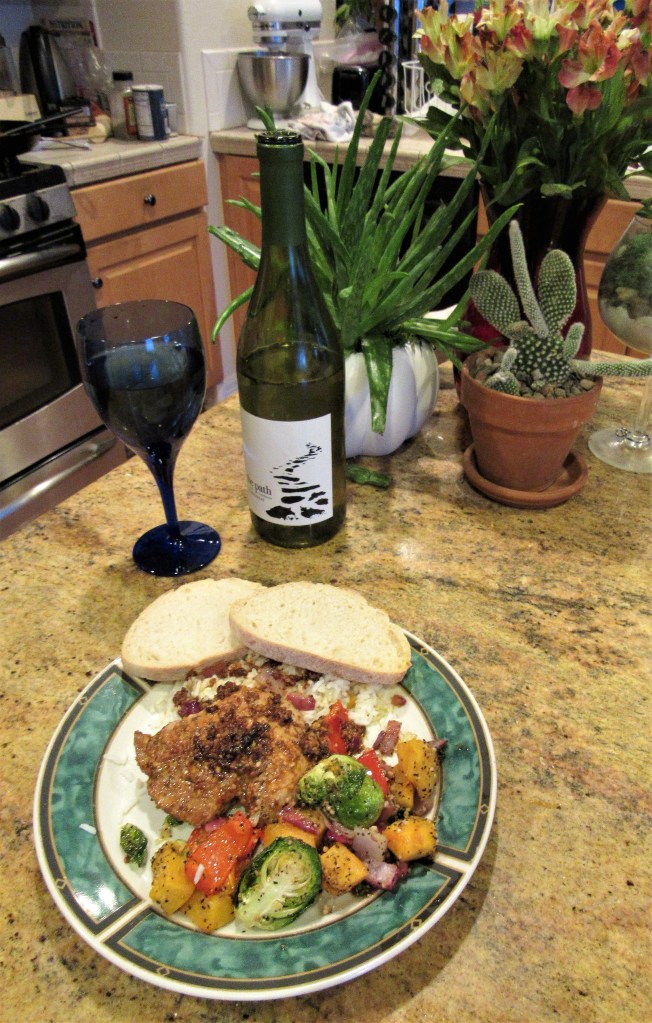
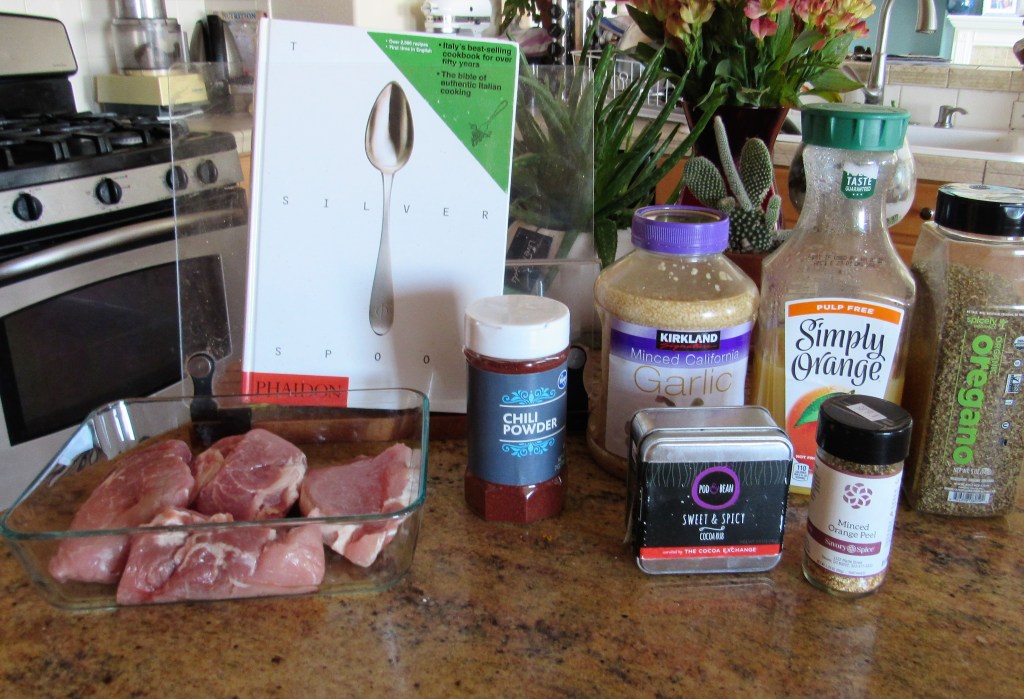
My orange pork chops were very easy to make and very tasty. They were also super tender, and practically melted in our mouths. I was inspired from an Italian cookbook, so the Italian name for my orange pork chops is Arrosto All’ Arancia. It always sounds so much more exotic and romantic in Italian than in English. Oh well, maybe I am just a romantic at heart.
Arrosto All’ Arancia
I used pork chops for this dish, but you can also use a pork loin too if you prefer.
2 lbs pork, either chops or loin
3 TBSP butter
olive oil
1 1 /2 cups orange juice
1 tsp orange zest
1 TBSP garlic
1 tsp chili poowder
1 tsp chocolate chili powder, optional
1 tsp dried orgeano
salt & pepper to taste
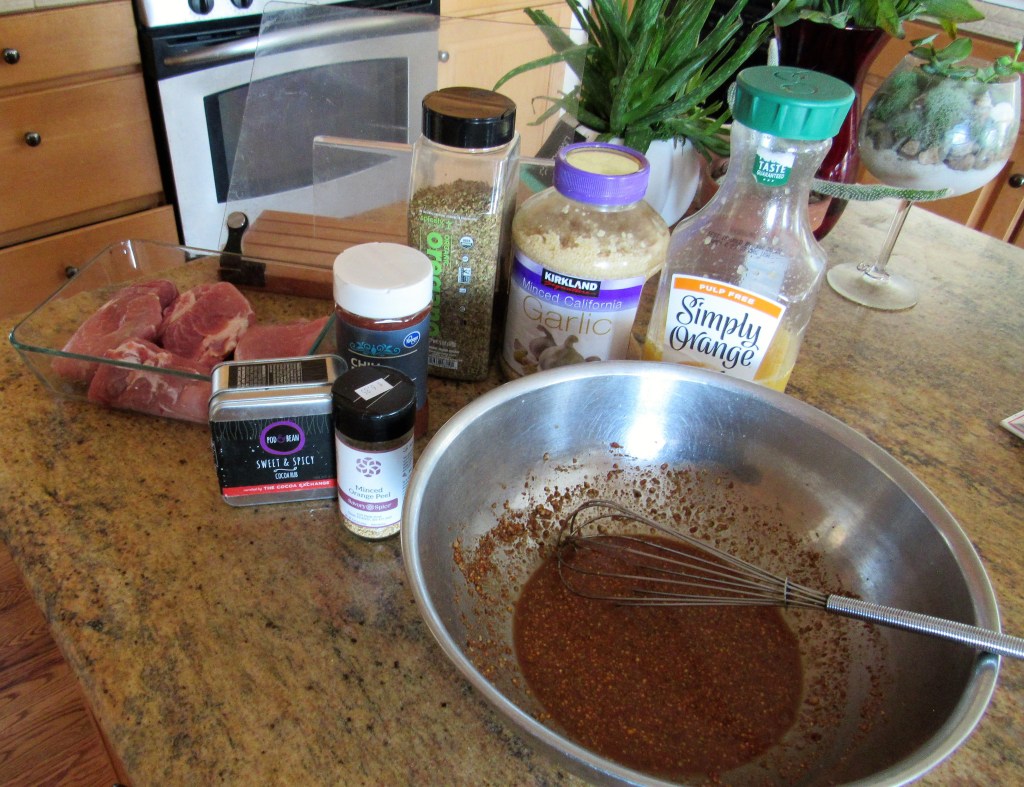
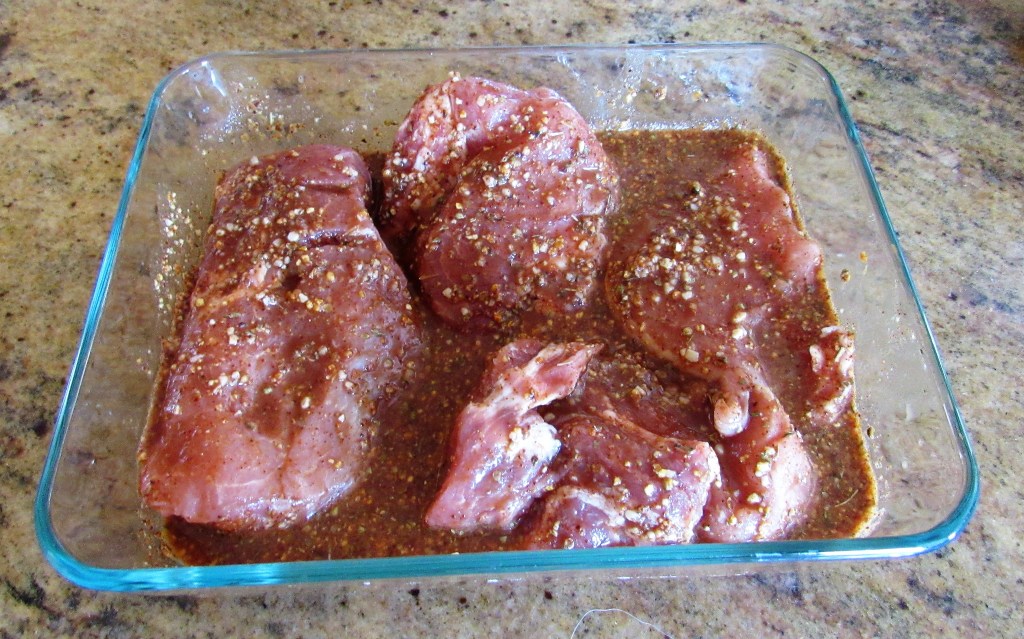
Mix all the ingredients together and marinate the pork for at least 1 hour before cooking. The longer you marinate it, the more flavorful and tender it will be be. I marinated mine for about 4 hours.
When you are ready to cook the meat, preheat the oven to 350* F or 180* C.
Melt some butter and oil in a hot skillet and sear the meat until it is browned on all sides. Then place it in the oven and roast until the internal temperature of the pork is 160* F. The times will vary depending on whether you are cooking a pork loin or pork chops.
When the pork is done, serve it alongside your favorite side dishes and top with some of the remaining juices. I served mine over white rice with some roasted winter vegetables on the side, finished with a delicious, buttery chardonnay. !Deliziosa! Buon Appetito!
I know, I have been busy posting pictures and videos of our new baby, Juneau. But I am still out walking too, and there are still so many wonderful sights to see. Yesterday, it snowed all day. Needless to say, I did not walk yesterday. At the moment, I am looking outside my window and everything is blanketed in a think blanket of white snow. If the sun keeps shining, it won’t last long, but at least I can enjoy it now. I love looking out my window and seeing this.
Here are some of things I have seen on some recent walks. It’s always an adventure.
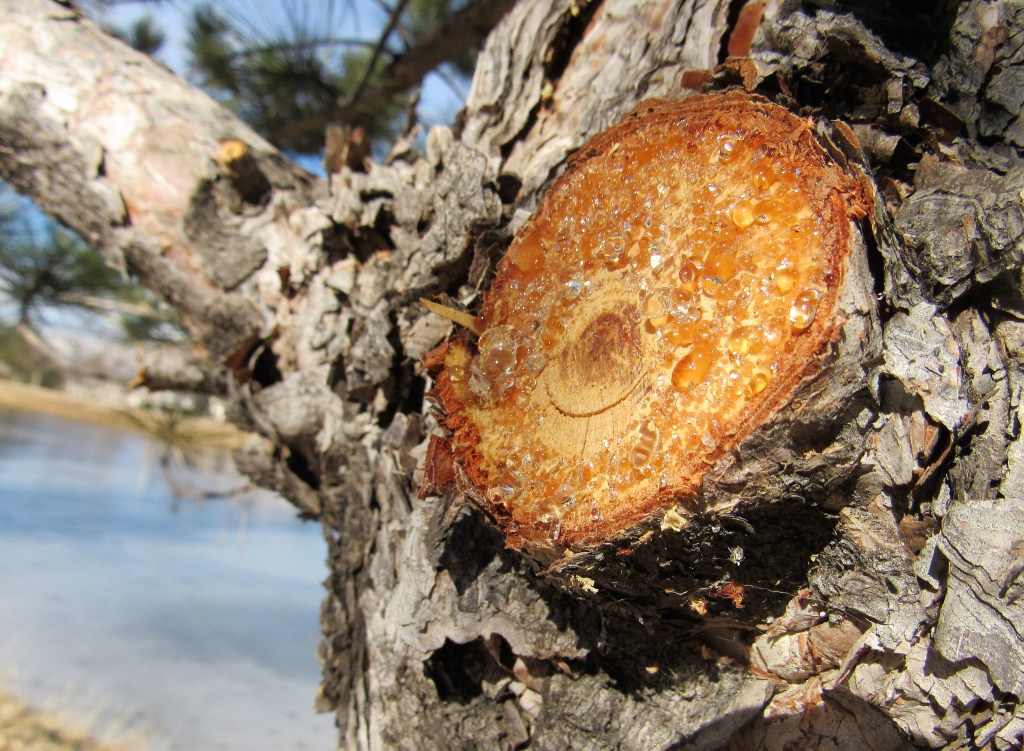
Buds are already starting to show and the pine trees are sapping (I don’t even know if that is a word, but I like it).
I have seen more belted kingfishers out and about,
as well as a lot of red-tailed hawks.
We always see the bunnies. Usually they try to lie low, doing their best not to be seen at all, but I almost always see them.
The squirrels are always active and playful too.
So are the prairie dogs.
And I even saw a first time walker, our own Baby Juni Bug. She is not yet getting the concept of the leash, but she will. Soon, she will be joining us for our long walks through the open space.
Sometimes I have to step back a bit and realize that not everyone has a culinary background like I do. This means not everyone is familiar with some of the terms or techniques that I use on a daily basis. So today, I thought I would help with that, and offer some definitions and pictures of actual cooking terms and techniques we chefs use in the kitchen everyday.
Most cooking terms are in French, or have come from French chefs through the ages. Up until fairly recently, all the cooking gods and goddesses were formally trained in the French arts of the trade. I too have been trained by French chefs, as well as many other fantastic European and American master chefs. When I was in culinary school, I was lucky enough to be trained by a Dutch pastry chef, a couple of German master chefs, and my favorite chef instructor of all, Andre Aversegne, from Avignon, France. So I took what they could teach me and then, of course, I personalized it in my own way. Some of my instructors did not like this particularly much, and I was always in trouble of some kind. For instance, I love my chowders nice and thick. One day we were making chowders, and the chef instructor had us make it on the thin side. I didn’t like it and made it thick instead. He balked and told me that I needed to make it his way and to do what the customers wanted. My response to him was “if it is my restaurant, I will make it any way I like, and the customers either like it or they don’t”. I was punished by having to cut a 10 lb bag of onions, crying heavily the whole time. I was finally released from my duties because Chef Wentz was afraid I was going to cut my fingers off because I was crying so much. But then, Chef Aversegne always had a different approach. He would say ” Non, non Jeanne, dat iz not za way”, but he would let me do my thing to see how it would turn out, then he would say “Jeanne, diz iz good! Tres bien!” So as you can see, I have always been a rebel, and I am going to do what I am going to do. 🙂
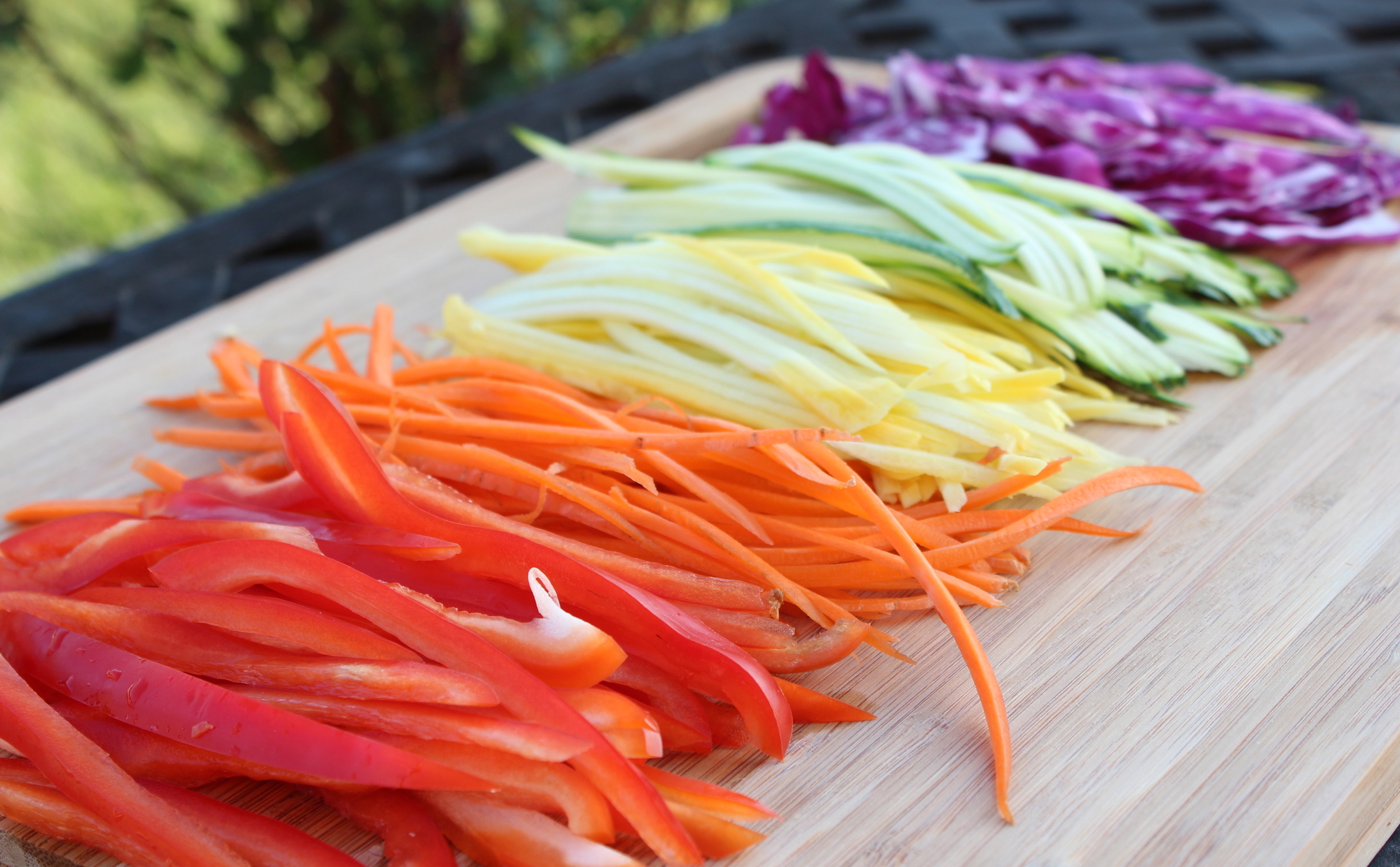
Julienne -to cut ingredients, usually vegetables, into thin matchstick shapes, usually no more than a couple of inches long.
Marinating meats – is a way to flavor meats and tenderize them at the same time, usually using some sort of acidic base mixed with seasonings and herbs.
Marinades are often made with variations of salt, sugar, oils and vinegars. The salt reduces the water content plus is form of preserving the meats (especially in the times before refrigeration). Sugar and oil smother the bacteria and the vinegar acts as a hostile environment for bacteria.
Deglazing – When pan frying, as we know, often times, food particles stick to the bottom of the pan. By adding something acidic to the pan, it removes these browned meat and vegetable particles and also acts as a flavor enhancement because it caramelizes them as well. As you know, I use a lot of wine and/or lemon juice when I cook for this very purpose.
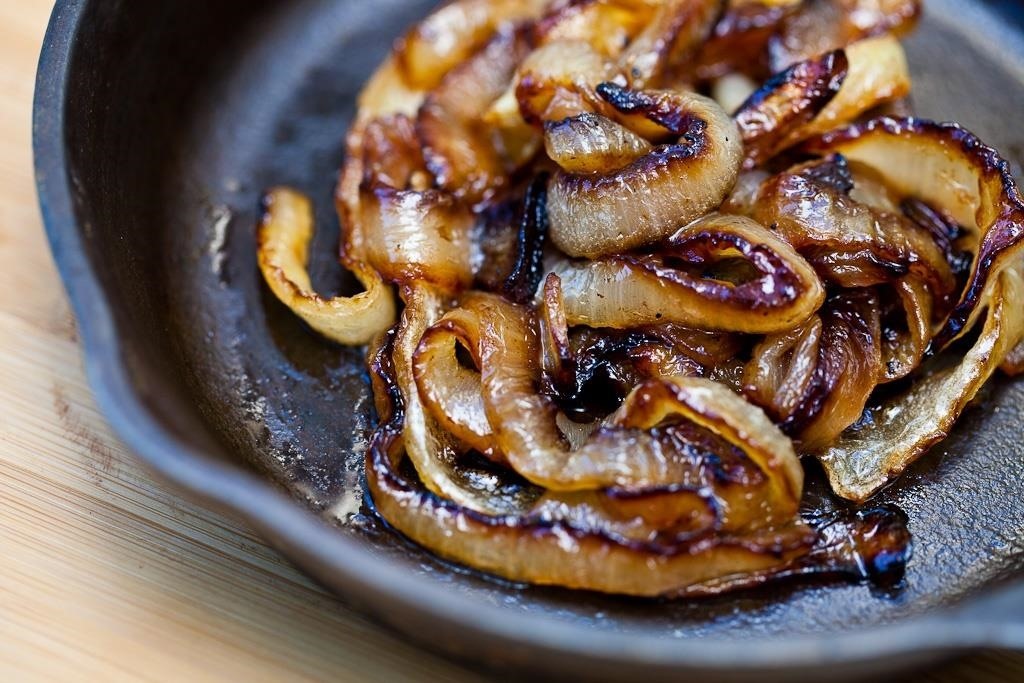
Caramelizing – means to cook food slowly which allows the food’s natural sugars to come out and convert into a liquid. This browns the food and adds a sweet taste to it as well.
Stewing – is a method of slow cooking, usually used for tough cuts of meat. The meat is covered in a liquid or broth and is slow cooked over hours to both flavor and to tenderize the meats and/ore vegetables used.
So now you know. I give you free reign to bragging rights. You can show off your cooking knowledge and your new-found skills to your family and friends and say “I learned this from ‘A Jeanne in the Kitchen'”. 🙂
Have fun, stay safe and stay well Everyone. ‘Til next time.
Back in October, when were in Texas, I discovered Candies Collectibles, owned and operated by my Aunt Janis’ sister. Candie’s Collectibles I guess that would make Candie my “aunt-in-law”. Anyway, family is family, no matter what names they are called. Candie offers a wide variety of unique, one-of-a-kind collectible items, specializing in retro jewelry, which is an absolute passion of mine. I receive Candie’s emails all the time when she has found something new and exciting, which is quite often since she is always on the lookout for new, fun things to offer. One of her latest finds were these beautiful, hand made wooden crosses.
I saw them, and initially thought of getting one for a friend of mine as a gift, which is still the plan. But I liked them so much, I decided to get one for me too.
But now, I face a dilemma. Which one do I give away and which one do I keep for myself. I like them both, and she has a whole bunch more from which to choose as well.
If you are like me, it is those fun and unusual finds that keep things interesting and add personality. If you like unusual finds, Candies Collectibles is the place to go. As you can see, if you find something you like, she will send it to you no matter where you live. So, stop on by and do some shopping, whether in person or virtually, and see what’s in store today. There is always something new and interesting to see. Who knows what you’re going to find. Everything changes from day to day.
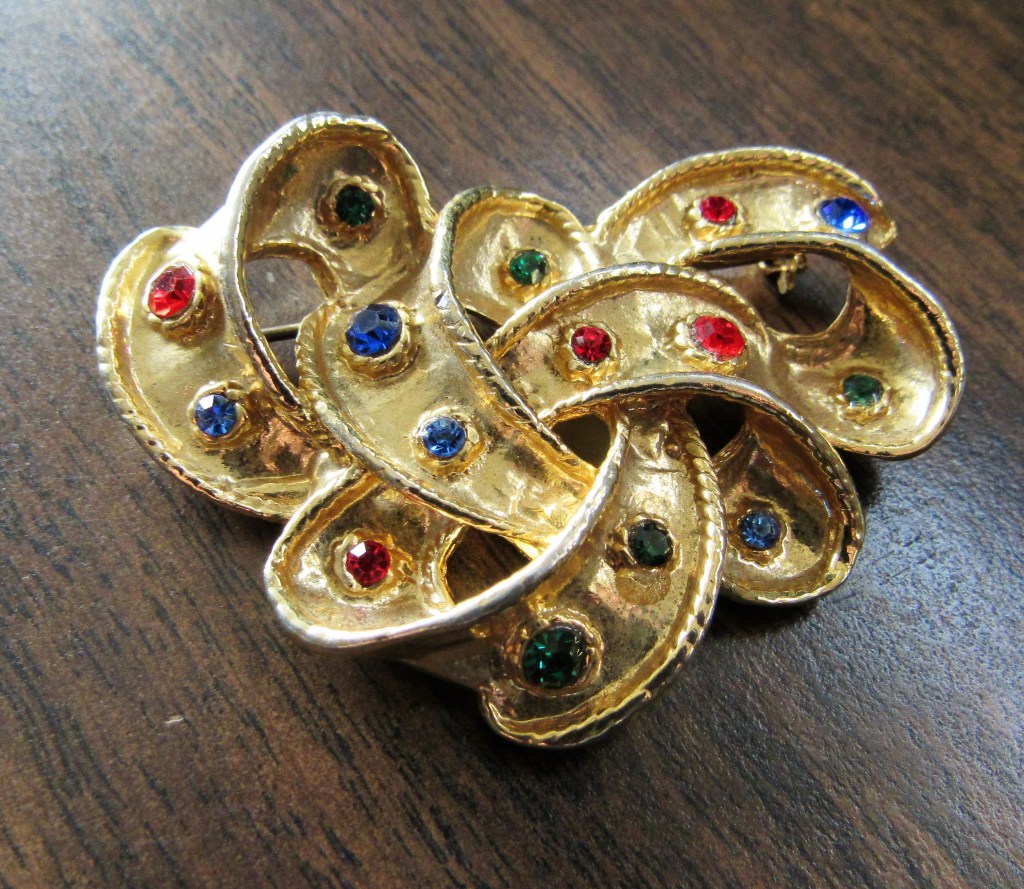
Last time I was there, I bought some old vintage jewelry. I wore the brooch while we were in Kansas for Larry’s brother funeral and got rave reviews on it too.
Candies Collectibles. She is located at 1600 Strickland Drive, Orange, TX 77630. You can also call her at (409) 216-7052. She will be more than happy to help you out with whatever you are looking for.
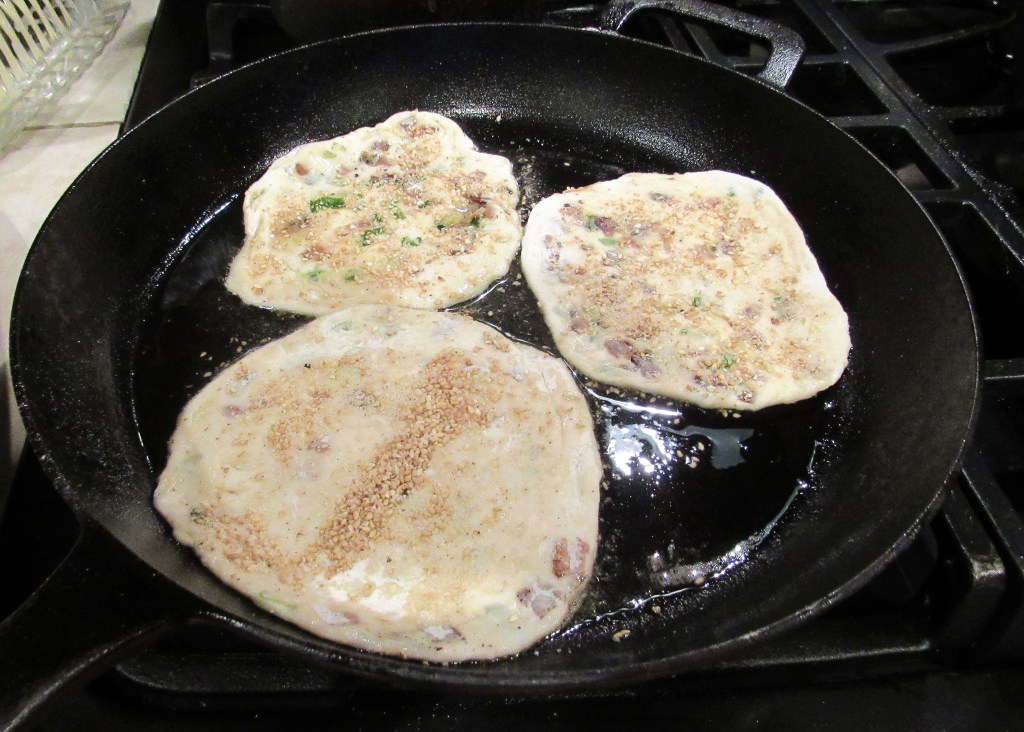
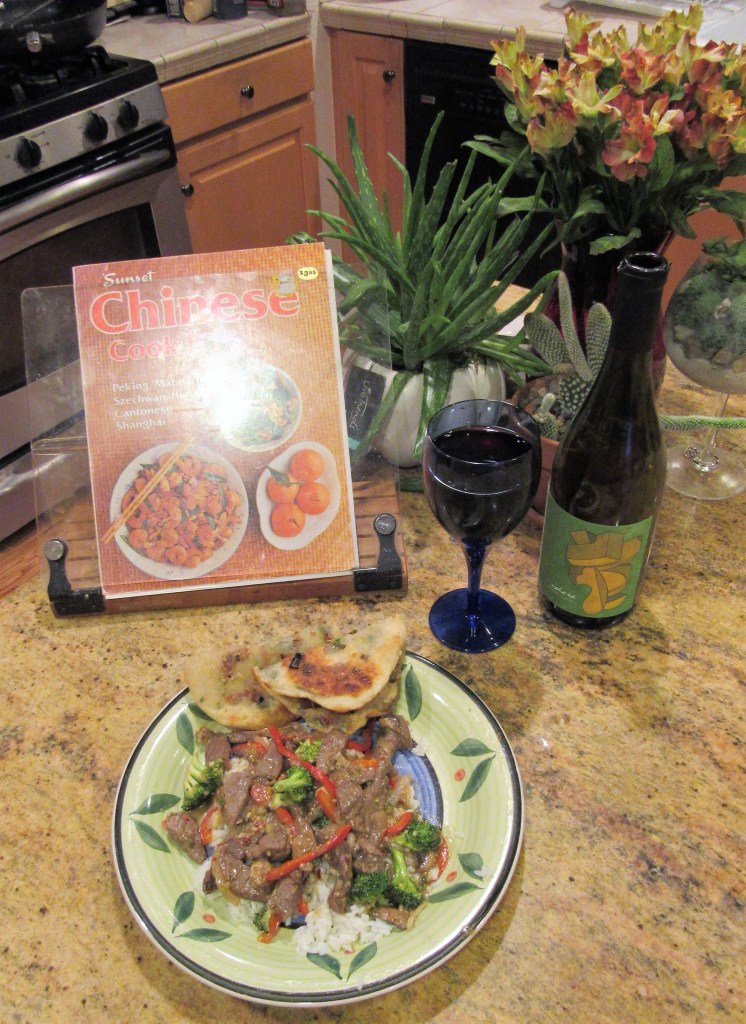
I have made a different version of green onion cakes before, but since I was making Chinese for dinner, and I like to have everything as authentic as possible, I made yet another version to go with my beef and broccoli stir-fry. Beef and Broccoli Stir-Fry These are very tasty and easy to make.
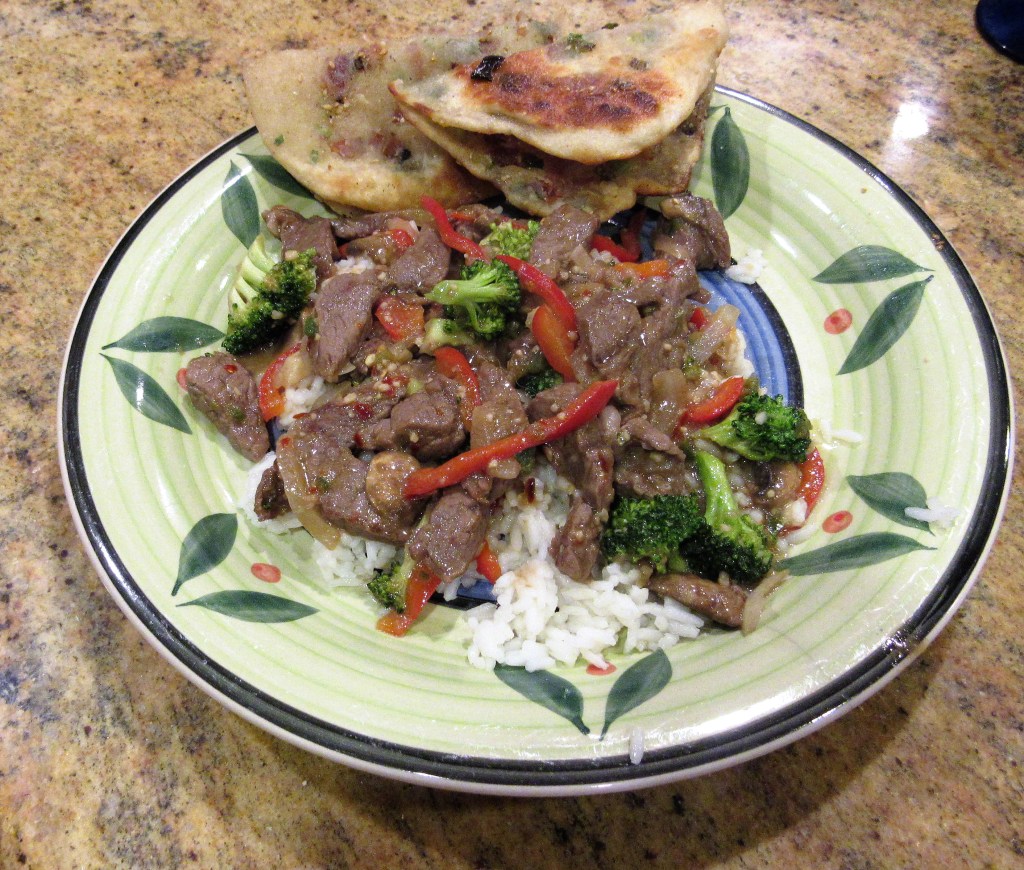
These Chinese green onion cakes are from the Northern China regions, which means I am guessing they would be a part of the Peking styl of cooking, especially since they are a wheat product, and the Northern region is known for its wheat. These green onion cakes are thin, unleavened chewy breads, similar to tortillas, only they are pan-fried, like what you would do for street tacos. In China, they are used in lieu of rice, but I served them on the side and still used rice as well.
Green Onion Cakes
1 cup flour
1/2 tsp salt
1/2 cup boiling hot water
4-5 strips of bacon, cooked and crumbled
2-3 green onions, sliced thin
3 TBSP sesame seeds
oil for cooking
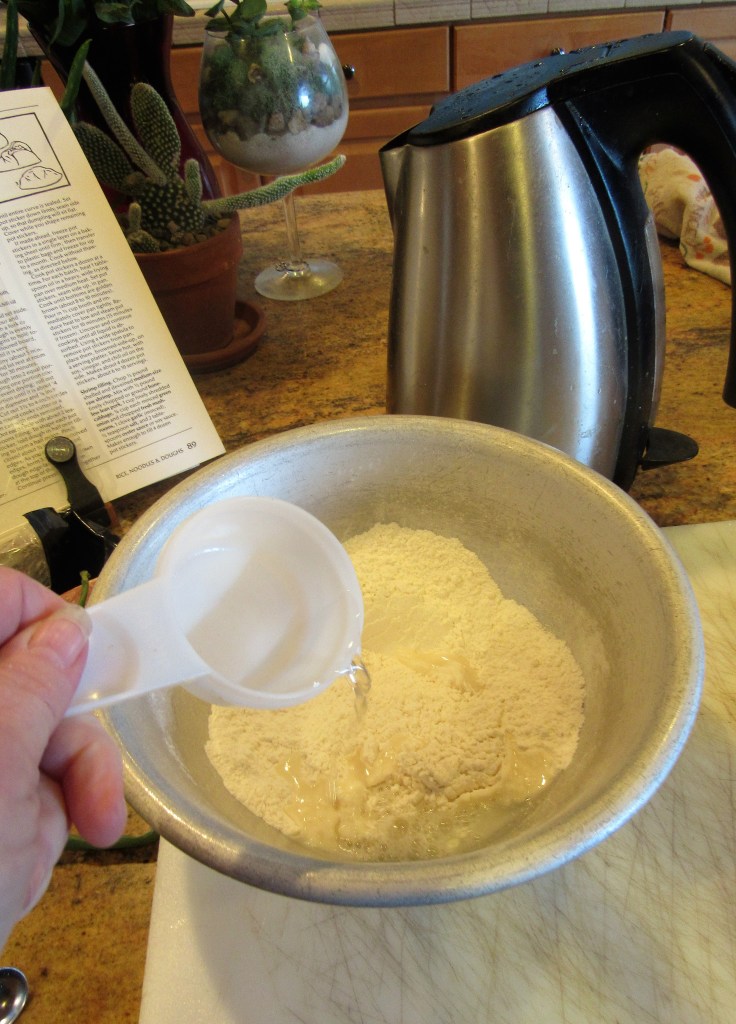
Mix the flour with the salt and and the boiling hot water and mix just long enough for the mixture to stick together and hold. Form it into a ball, cover and let it set for at least 30 minutes before rolling it out.
While the dough is resting, cook the bacon. Reserve the bacon grease for later.
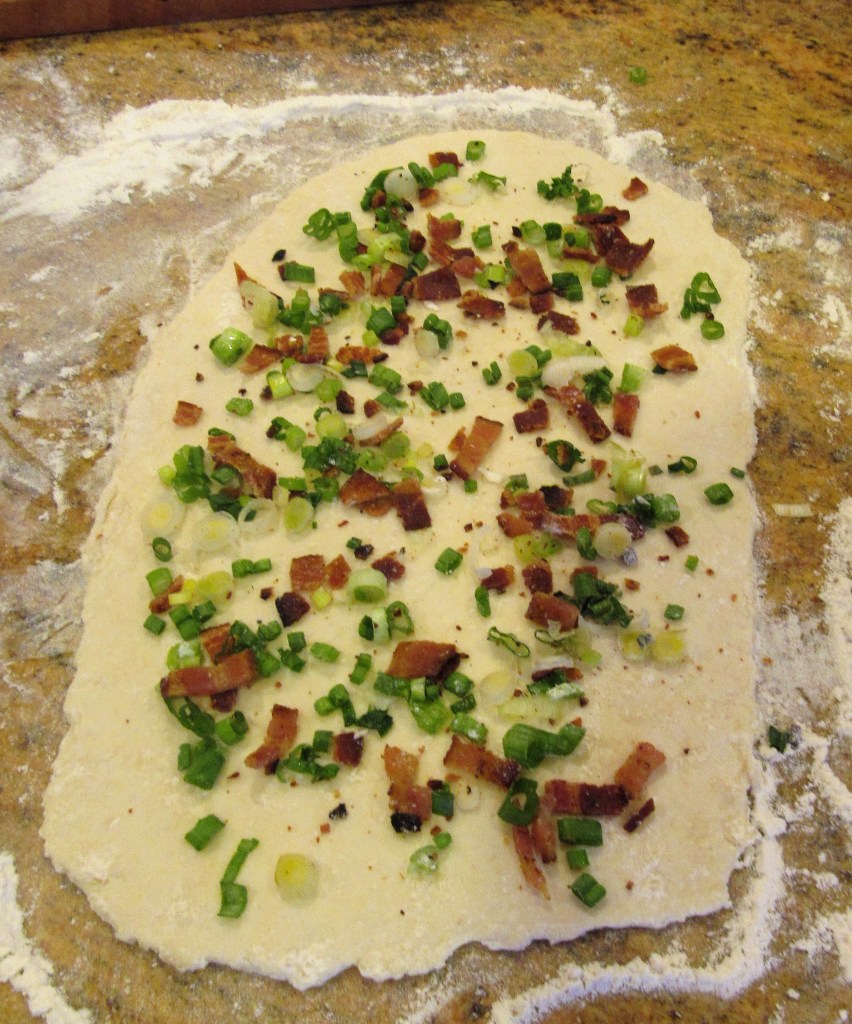
On a lightly floured surface, roll out the dough into a rectangle. Then sprinkle the green onions and bacon all over the surface of the dough.
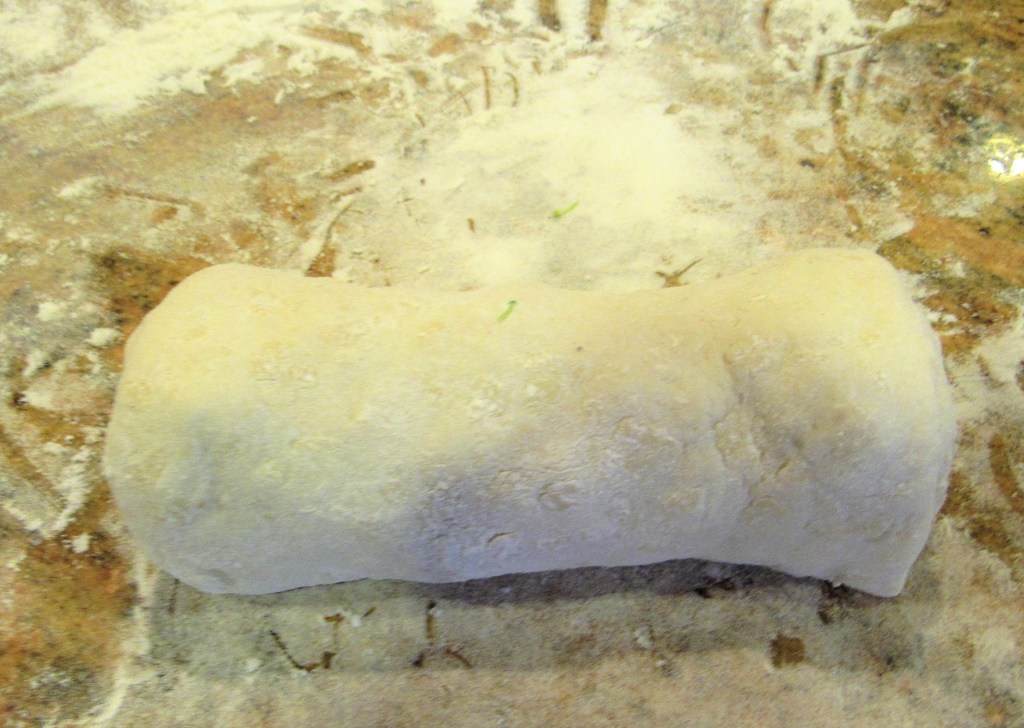
Tightly roll the dough into a log and seal the ends.
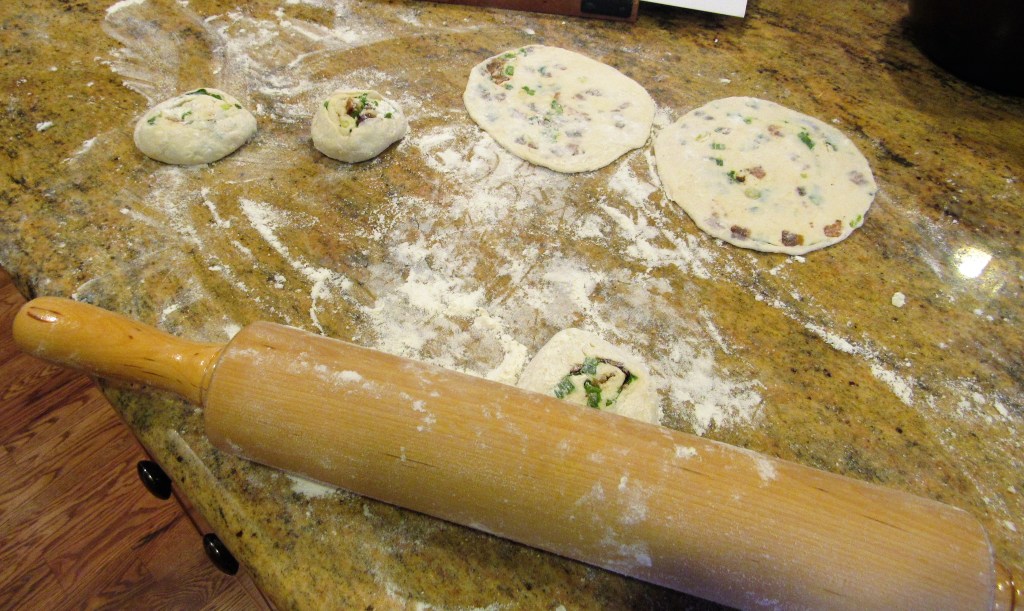
With a serrated knife, slice into rounds, and again, seal the ends. Then press with the palm of your hand to flatten the rounds out. Roll with a rolling pin until they are flat pancakes, about 1/8 inch thick.
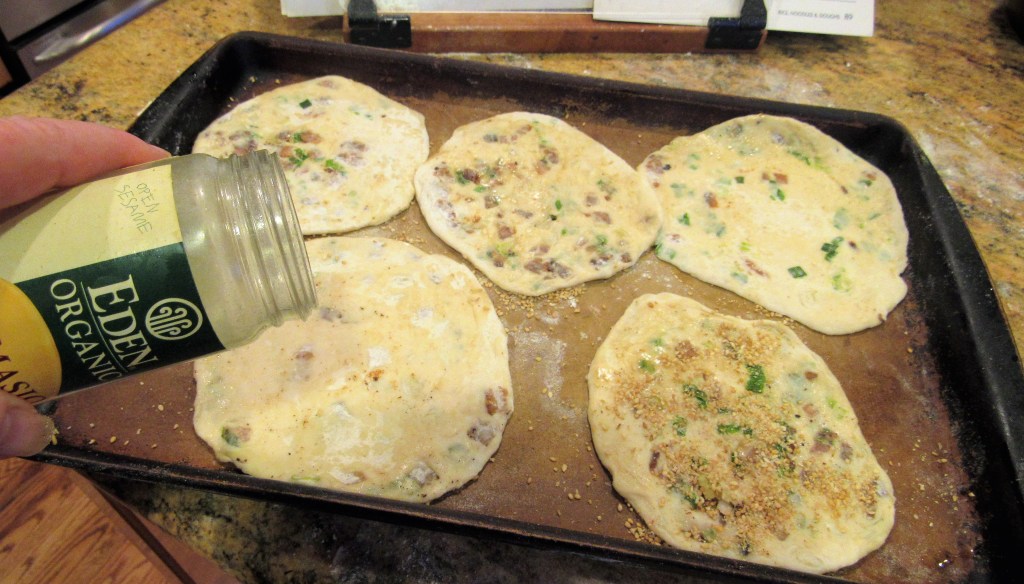
Brush both sides of the pancake with the remaining bacon grease and sprinkle sesame seeds on both sides as well.
If you have extra bacon grease, add some cooking oil and get very hot. Once the oil is hot enough, carefully place the pancakes into the hot oil and cook for about 2-3 minutes per side. Then they are ready to eat and enjoy.
I ate mine taco style, whereas Larry just had his as a side dish. However you eat them though, I know you are going to love them.
I always try my best to give us a good variety of food. As I have said many times, we eat everything and we love all different kinds of ethnic foods too. I tend to go through cycles where we eat a lot of one type of food for awhile, and then it is time to switch and take things into a new direction. Since I grew up in Southern California, and my mother was from Southeast Texas, I never get tired of good Mexican food. I literally could eat it everyday. Larry, on the other hand, likes Mexican food but tires of it more easily than I do. Fortunately I have a ton of cookbooks from which to choose, so I never have to make the same thing or the same type of food if I don’t want to. There are many different options and varieties available, and all I have to do is check out my own culinary library.
Even though China is a huge country, there are really only four main styles of Chinese cooking, at least that have become popular globally. They are all very different and have their own unique styles.
Northern and Peking Style cooking, which is famous for the sweet and sour sauces, and cooking wine based dishes using a lot of garlic, hoison sauce, sesame oil, green onions, soy sauce and yeasty doughs, such as for noodles or dumplings.
Shanghai Style of cooking is a very cosmopolitan style of cooking that offers a lot of soups, seafood dishes, as well as rich and delicate meat and poultry dishes.
Canton cooking is the most popular Chinese style of cooking in the United States. Canton is in the southern region of China. The weather is good and offers a long growing season for rice, vegetables and fruit. There is also 1000 miles of coastline, so seafood dishes are abundant as well. This is the style of cooking that was first introduced to America by the Chinese immigrants who were brought here in the 19th century. It is simple, basic food. It was introduced to the American palate because it was thought to be the most appealing to the local clientele.
The boldest and most exotic styles of Chinese cooking are the Szechwan and Hunan styles. These styles of cooking are known to be hot and spicy and use a lot of peppers of varying degrees of heat and intensity. The food from these areas are from the Southwestern region of China, that border India, Burma, and Pakistan. Their foods have been influenced by the spices and curries of these countries. Both styles are spicy, but the Hunan is known for being the spicier of the two.
I love all kinds, but I do have a preference for the Hunan style because I love spicy foods, and I love curries, especially good Indian or Thai curries. But as always, mix and match things to your liking and choose what is best for you.
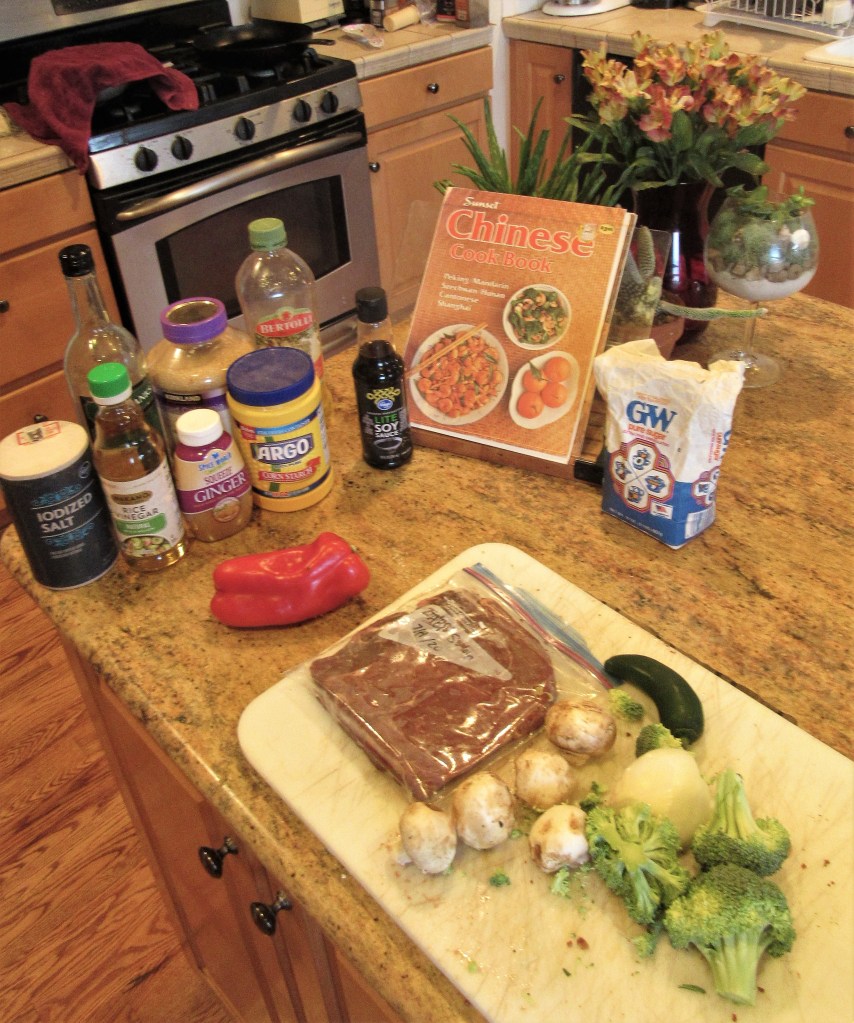
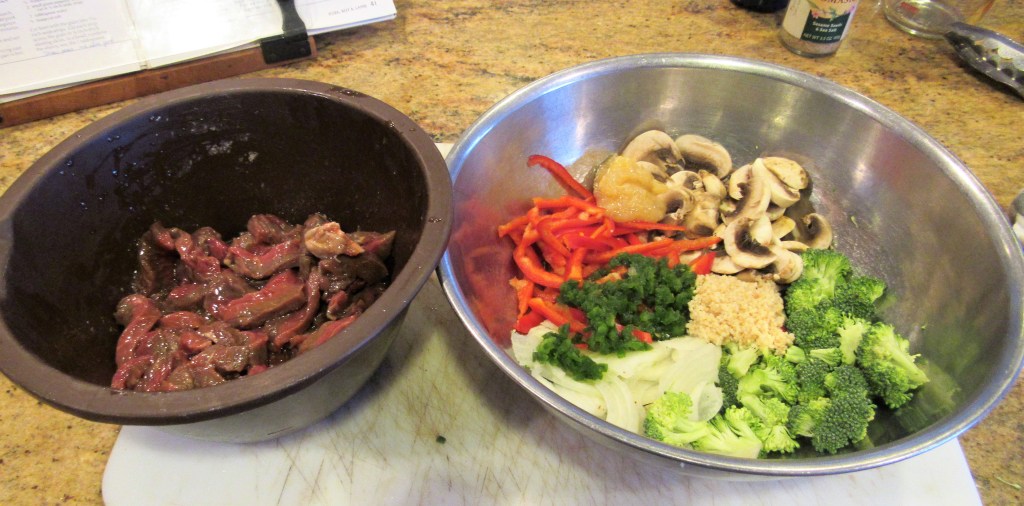
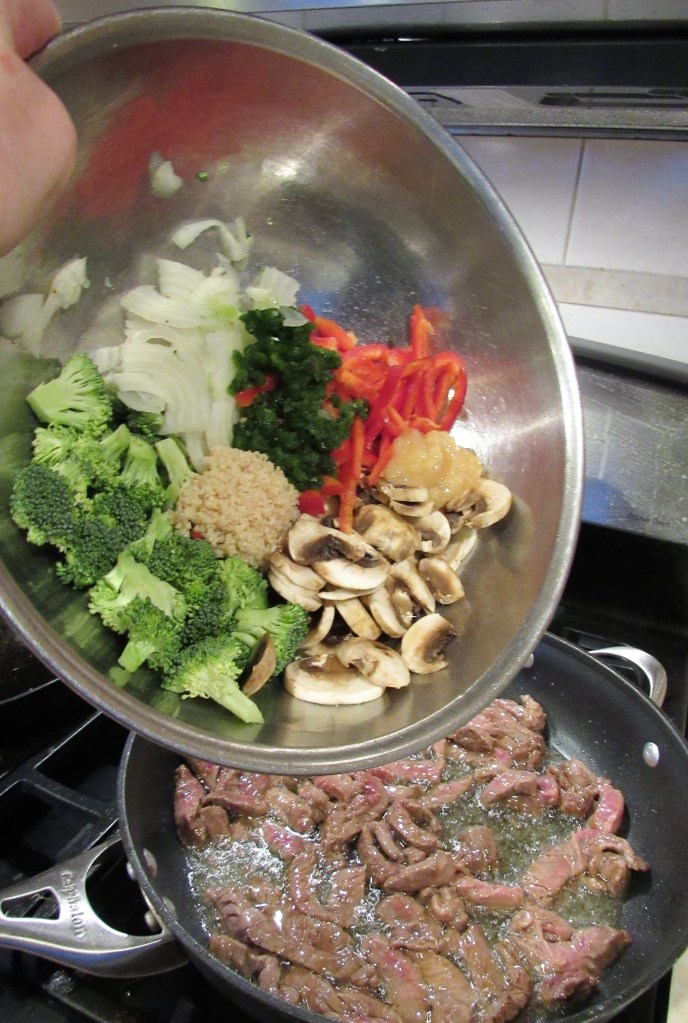
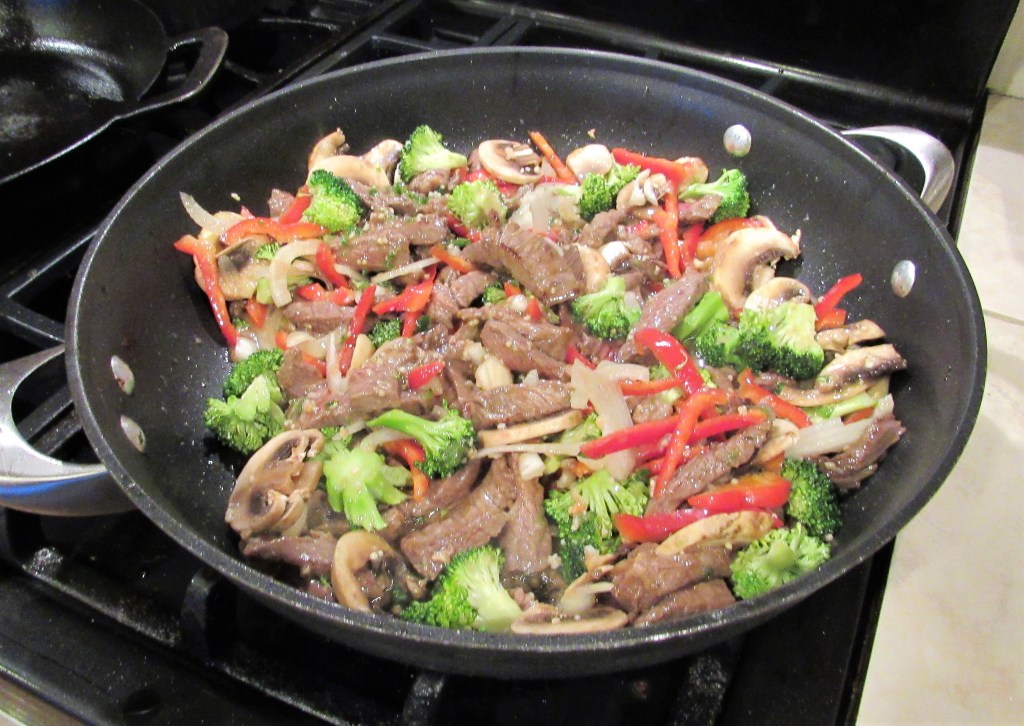
We had some thin sirloin steaks down that were too thin to just use on their own, so I turned them into a beef and broccoli stir-fry. We haven’t done Asian food in awhile, so it was time. Of course, I added a lot more to my stir-fry than just beef and broccoli. I also added some white onions, mushrooms and red bell pepper strips. I served it over white rice and made some green onion and bacon pancakes to go on the side as well. I served it with a red blend because I was cooking beef. Because I used peppers, red pepper flakes, jalapeno and a bit of sugar this dish was more of a Szechwan style dish.
Beef and Broccoli Stir-Fry
1 lb lean steak, cut into thin strips
1/4 white onion, sliced very thin
1/2 red bell pepper, cut into thin strips – you can also use green bell peppers if you like
1 cup mushrooms, sliced thin
1 jalapeno, diced fine
1 1/2 -2 cups broccoli florets
1 TBSP garlic
1 TBSP ginger
2 tsp corn starch
1/2 tsp sugar
salt & pepper to taste
1 tsp red pepper flakes, or to taste
2 TBSP water
1 TBSP sherry
1 TBSP soy sauce
Mix the cornstarch, water, soy sauce, salt, sugar, spices and sherry together, then add the meat and marinate for about 15-20 minutes before cooking.
Cook the meat in hot oil at a high heat for about 2-3 minutes, or until it is browned on the outside, but still a little pink on the inside. Add the vegetables to the meat and continue to cook at a high heat for about 2 minutes or until the vegetables are tender yet still have a bit of crunch left to them.
When everything is completely cooked, serve it over either rice or noodles. ”吃好喝好!” ”Chī hǎo hē hǎo! Enjoy your meal!
The last time Larry had the smoker out, he smoked a whole bunch of meats, some of which was a pork loin that we shredded and put in the freezer. It was time to pull out the pork and since we had just had a bunch of Mexican and South of the Border type meals, I decided to do something different with it and made it into pork pot pies. I also added mushrooms, pumpkin and a red wine sauce. They came out very good. They were a perfect warm meal for a cool, chilly evening.
Meat pies of all sorts have been a part of our diets since the beginning of time, and some variety is found in just about every culture and every country around the world. Sometimes, in some places, meat pies are referred to as as coffins of coffyns because they were baked with the crusts or pastry being tall, straight-sided with sealed-on floors and lids, like the lid of a coffin. It’s a bit of stretch to me as well, but sometimes you learn the darnedest things when looking back in history. Originally meat was served in a pie crust as a way of preserving it. Ironically though, at first the “pie” part or the crust was not intended to be eaten. But as pie making and pastry techniques kept improving, the quality of the crusts themselves were also improving, and giving more flavor and character to the “pies” themselves, and are now enjoyed and eaten as a part of the meal. Meats were also cooked in pie form because most of the people did not have access to proper cooking utensils or baking pans, so they were cooked in a stand alone crust as the “pan”.
I started off by making my basic go-to dough for the crust that I use for just about everything. If you have a dough that you like using and are comfortable with, by all means, use that if you prefer. But this dough is so easy to make. Like I said, I use it for just about everything. I have learned that we prefer the crust just on the bottom and on the top of the ramekins, because it just gets too heavy other wise, but if you like a full crust, just make more dough.
Basic Dough
1 1/2 2 cups flour
6 TBSP cold butter, cubed
1 tsp salt
1 egg
5-6 TBSP heavy whipping cream
Mix the flour, salt and butter together in the food processor until it resembles a fine sand.
Add the egg and the cream and continue to mix together until it forms into a ball. Wrap the dough in plastic wrap and place in the refrigerator for at least 30 minutes prior to using. Then roll it out and shape it however you like.
The Filling
I started off with a basic idea of what I wanted to do, but ended up making it up as I went along, something very typical of me, as most of you already know. 🙂
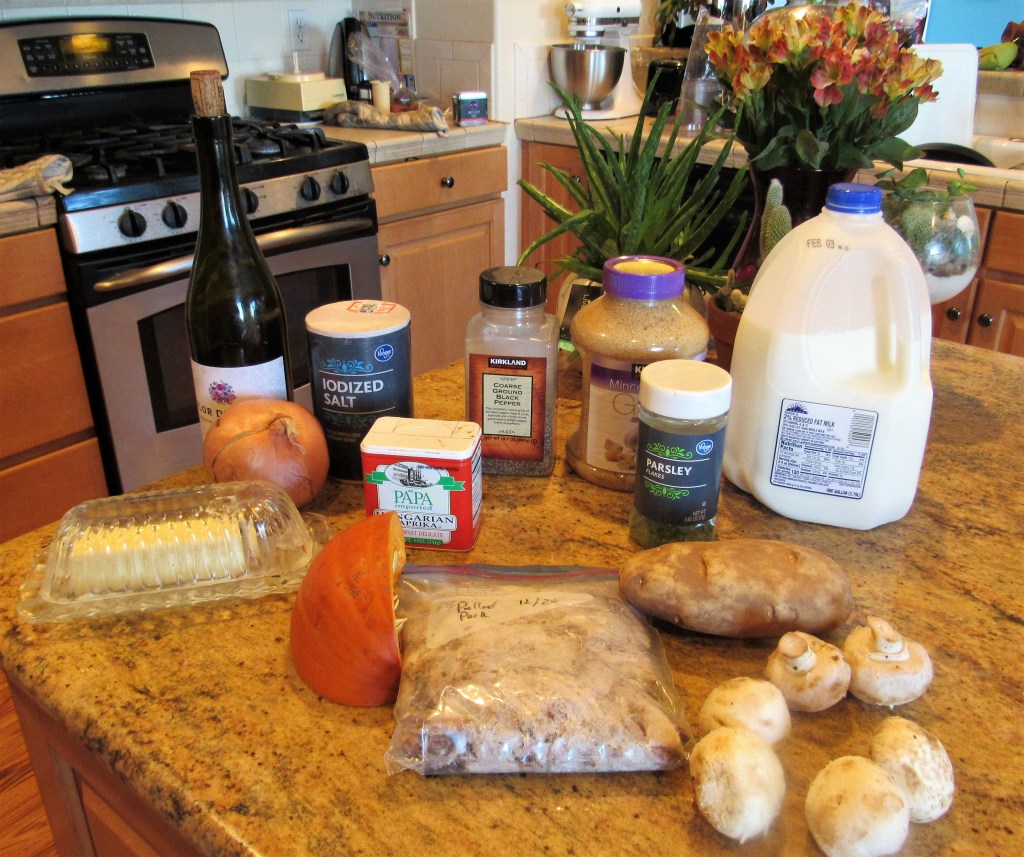
1-2 lbs cooked and shredded pork
1/4 small pumpkin, diced fine
1 potato, diced fine
1-1 1/2 cups sliced mushrooms
1 cup dry red wine
1 TBSP garlic
1/2 onion, diced fine
salt & pepper to taste
1 cup milk
2 tsp paprika
1-2 tsp parsley
2-3 TBSP butter
flour, optional
egg wash for the topping.
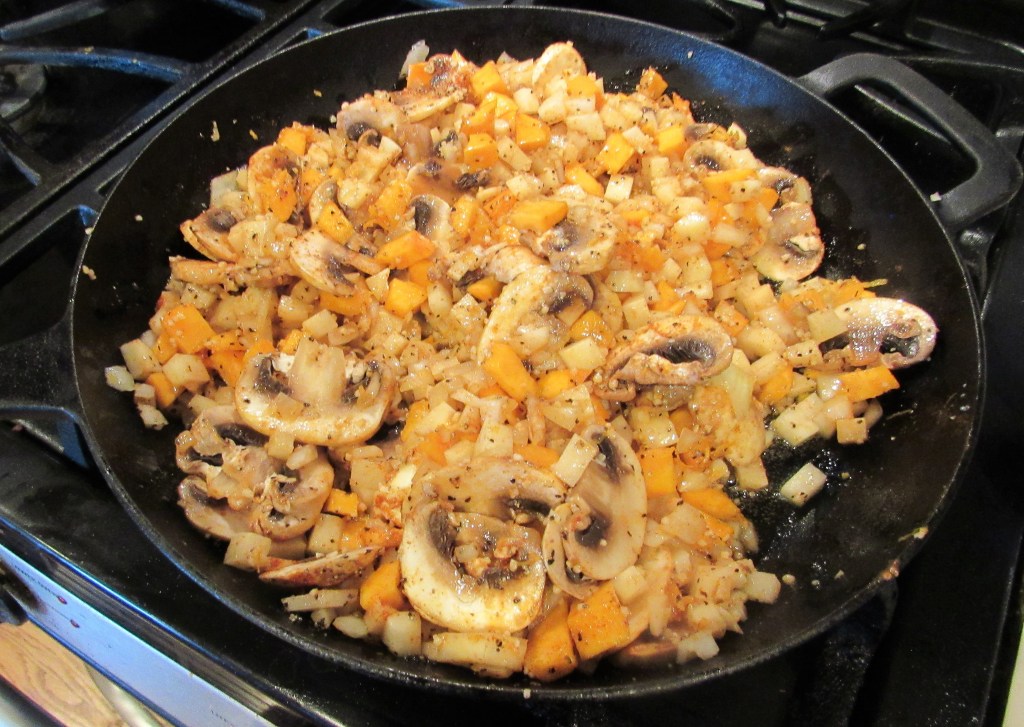
Saute the pumpkin, potato, mushrooms, garlic and onion together in olive oil and butter for about 5-7 minutes, or until the pumpkin and potato are soft and the onions are translucent.
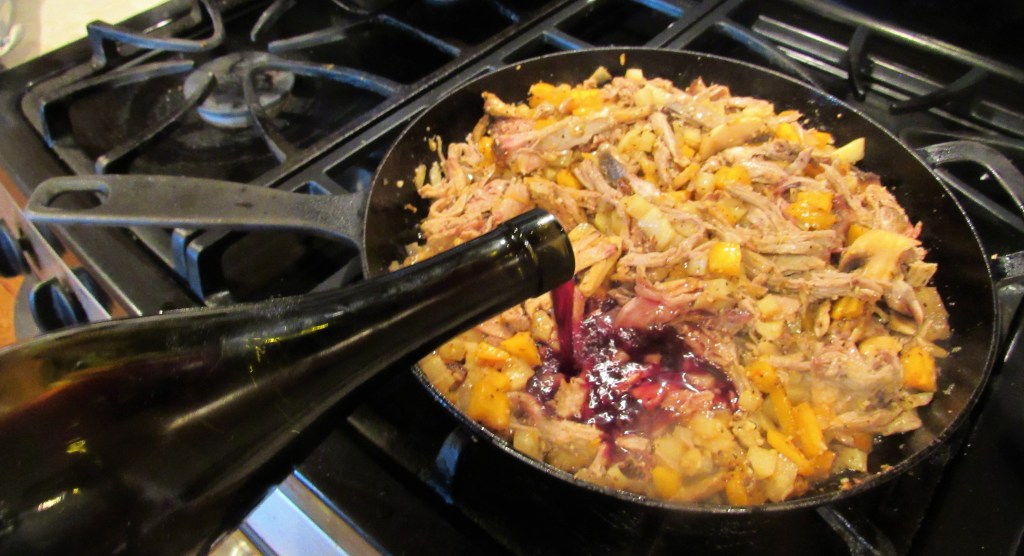
Add the pork and the seasonings and combine together well, then add the red wine. Cook until most of the liquid has evaporated, about 3 minutes, stirring frequently.
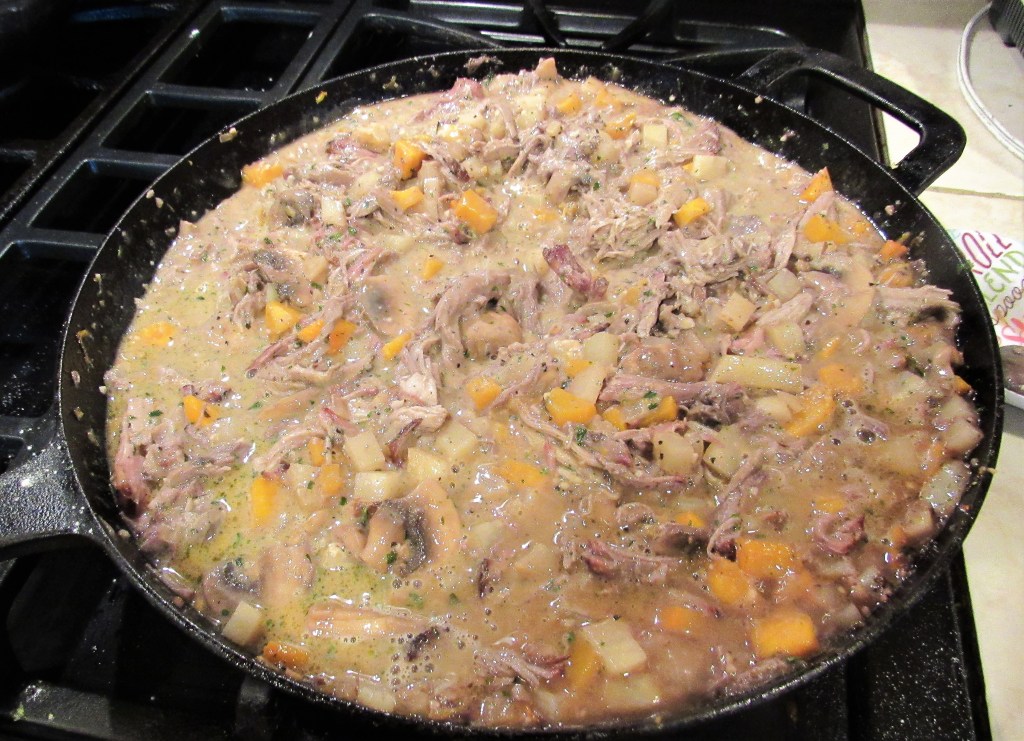
When most of the liquid from the red wine has evaporated, add the milk and additional butter and flour if you like your filling a little thicker. Bring to a boil then reduce the heat to a simmer and continue to cook for about 5-7 minutes, stirring frequently.
Preheat the oven to about 375* F or about 190* C.
Spray individual ramekins with cooking spray.
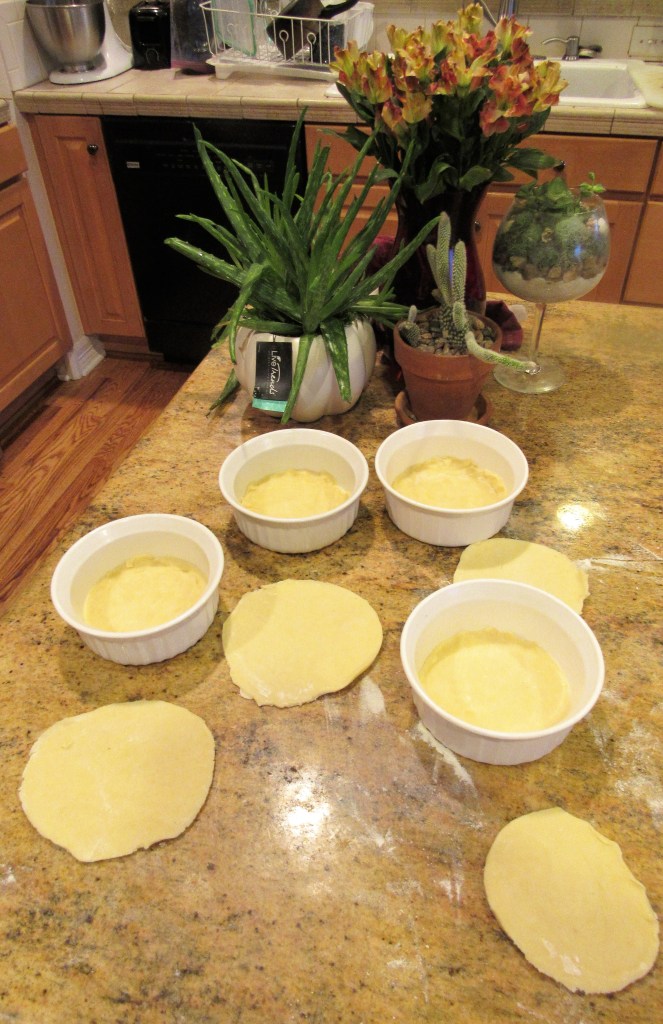
Roll the dough out to about 1/4 inch thickness. Like I mentioned, I usually do not have the dough go up the sides of the pan, but that is just a personal preference for us. Line the ramekins how you like them with the dough, then start spooning in the pork mixture until the ramekins are filled.
Top the filling with the tops of the crust and make a tight seal. Score the top with a sharp serrated knife and brush with an egg wash. Bake until the crust is golden brown and light and flaky, about 40-45 minutes. Allow to cool for a bit, then dig in and enjoy. Just like any pot pie, these are delicious and best when eaten hot out of the oven.






























 A Jeanne in the Kitchen