I have created this site to help people have fun in the kitchen. I write about enjoying life both in and out of my kitchen. Life is short! Make the most of it and enjoy!
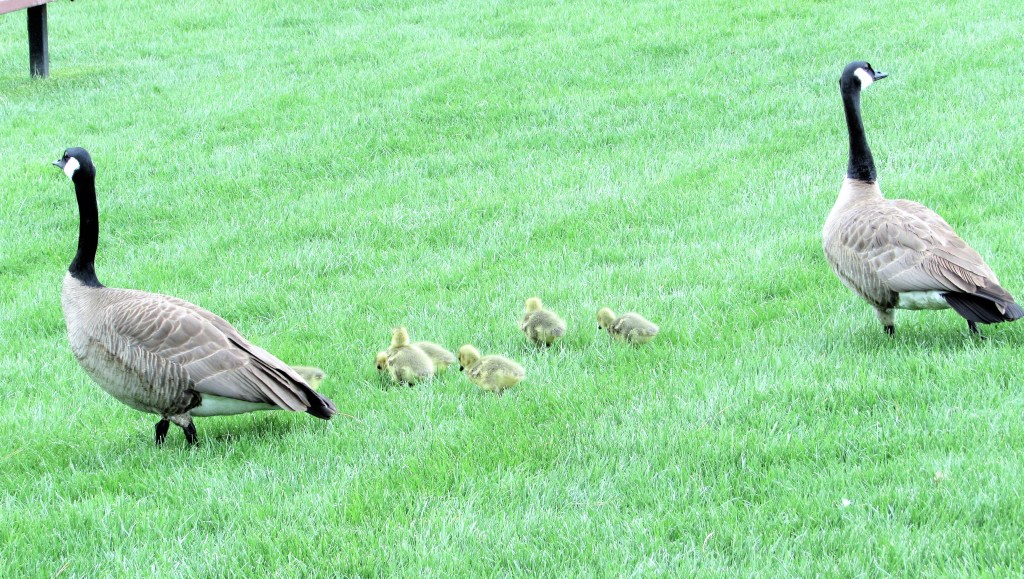
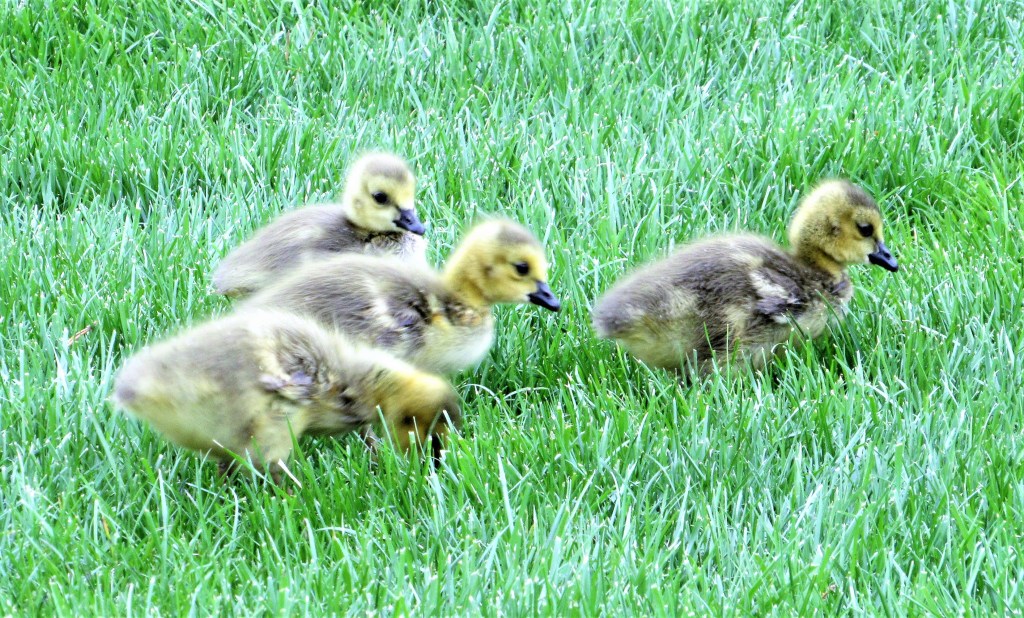
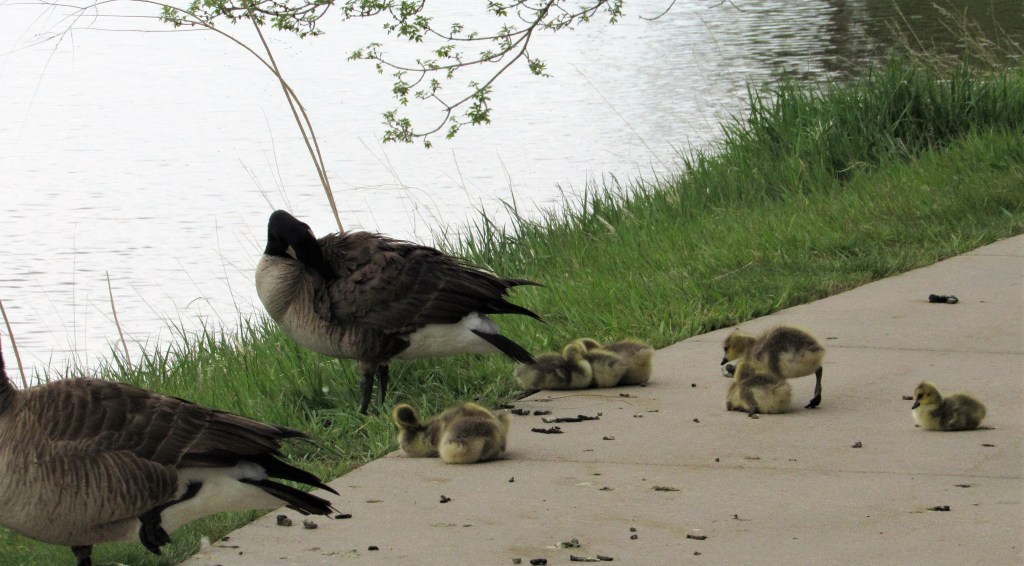
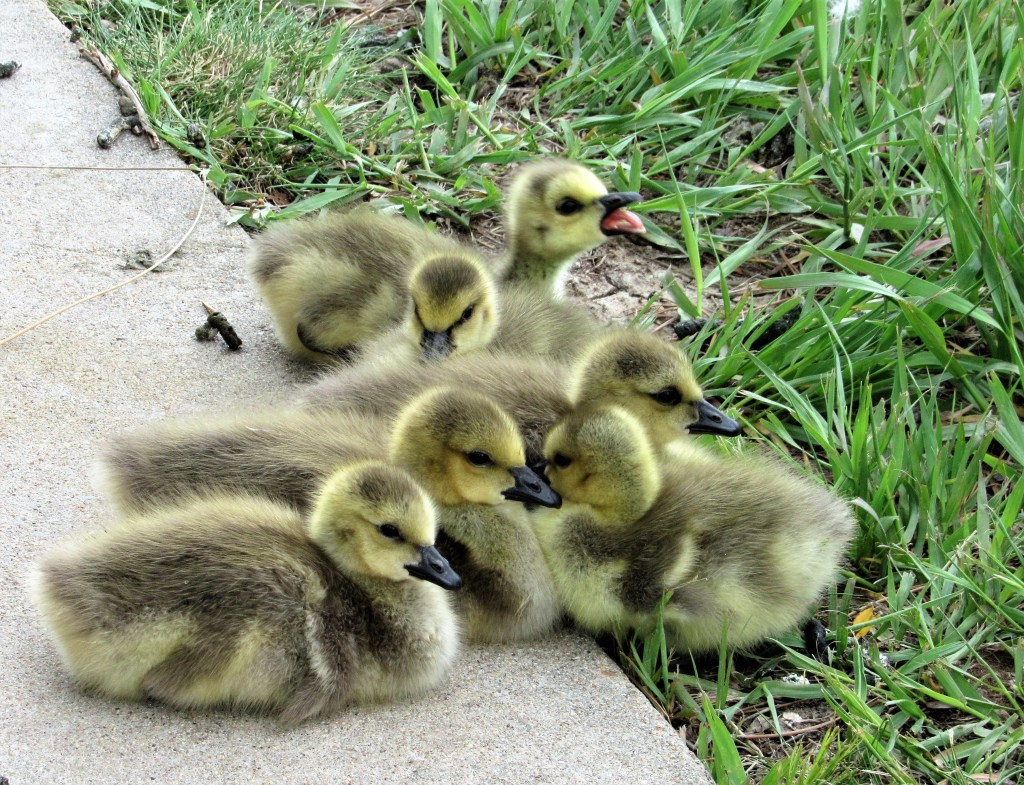
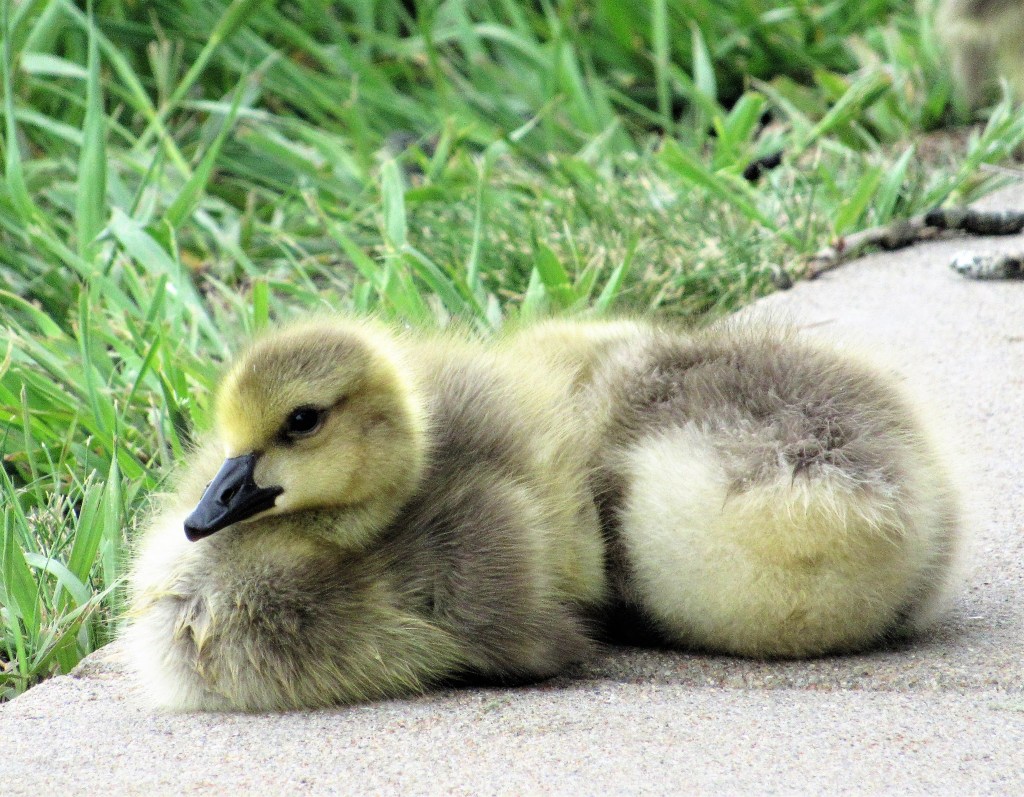
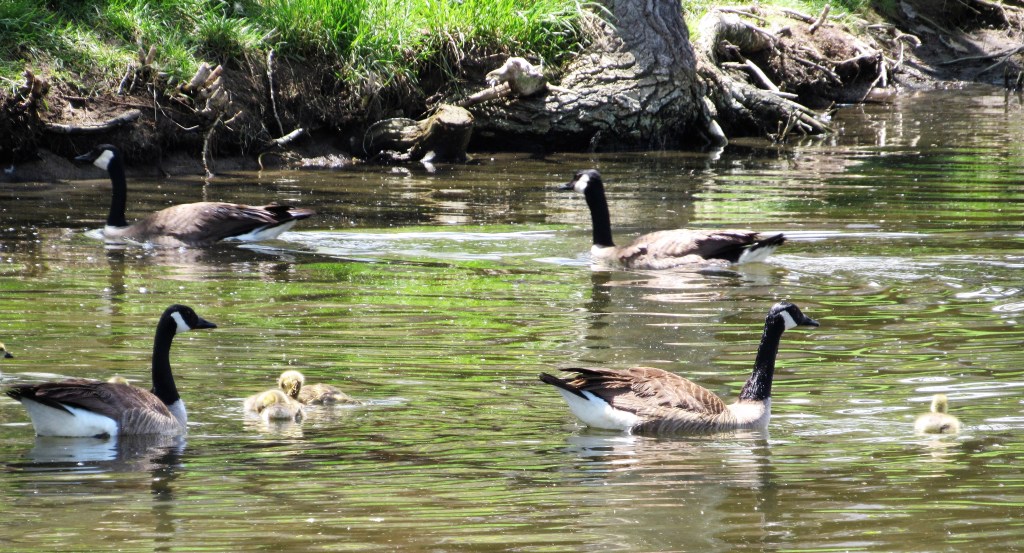
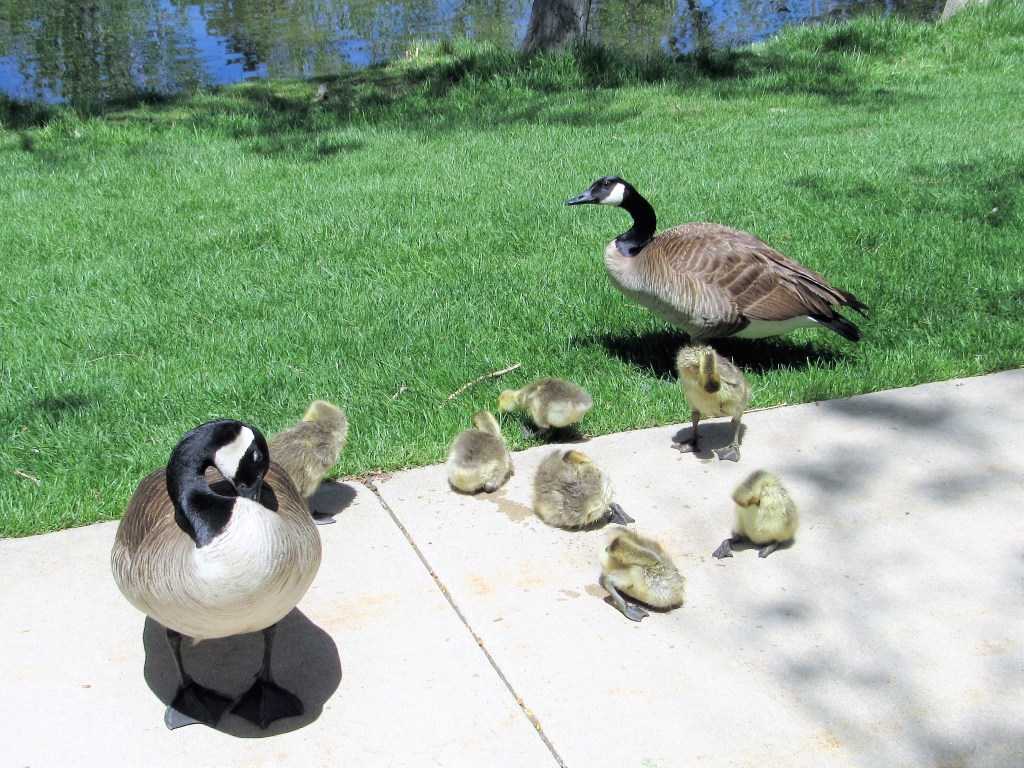
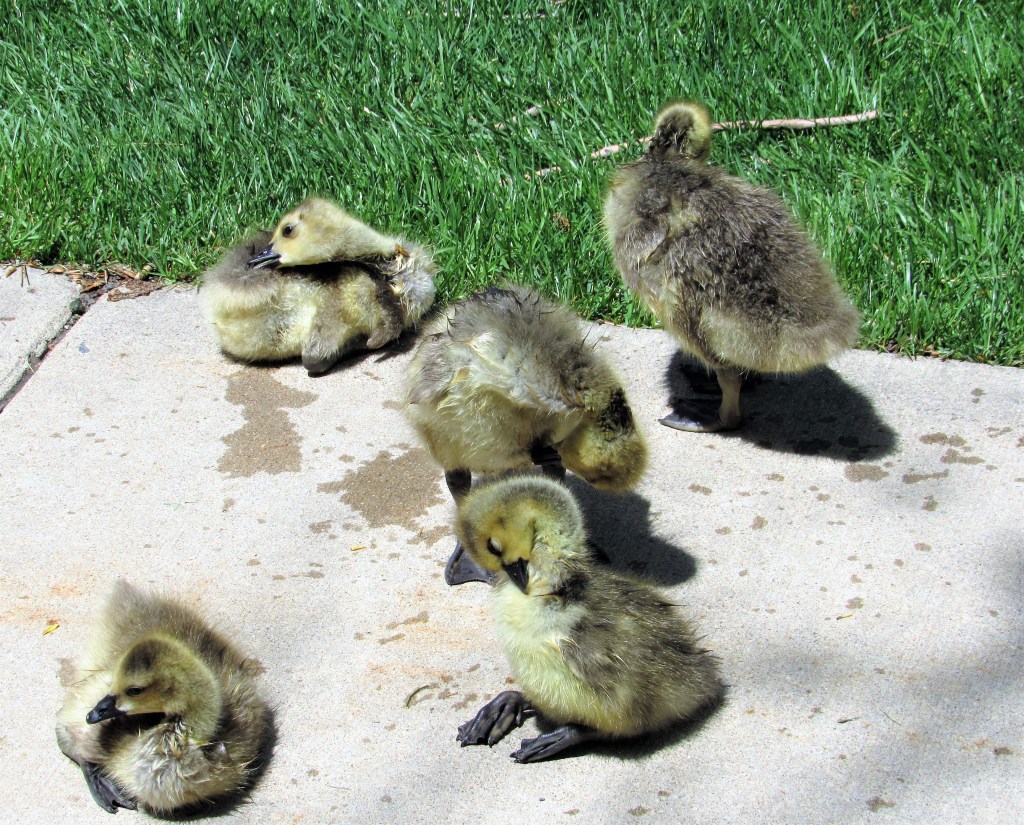
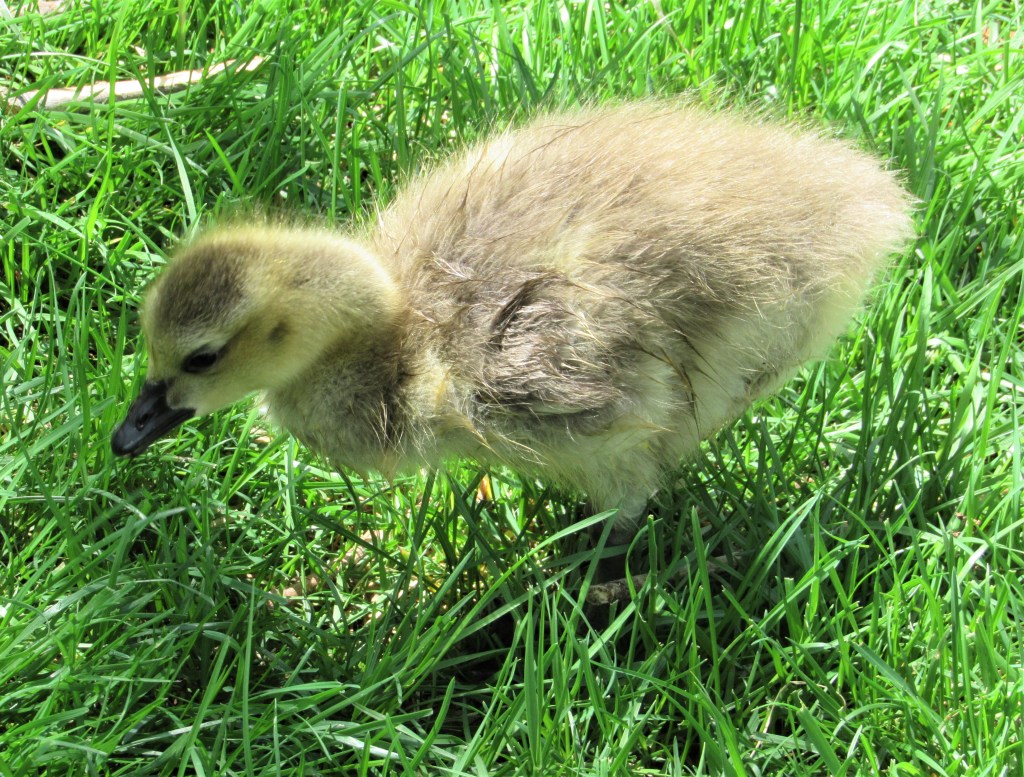
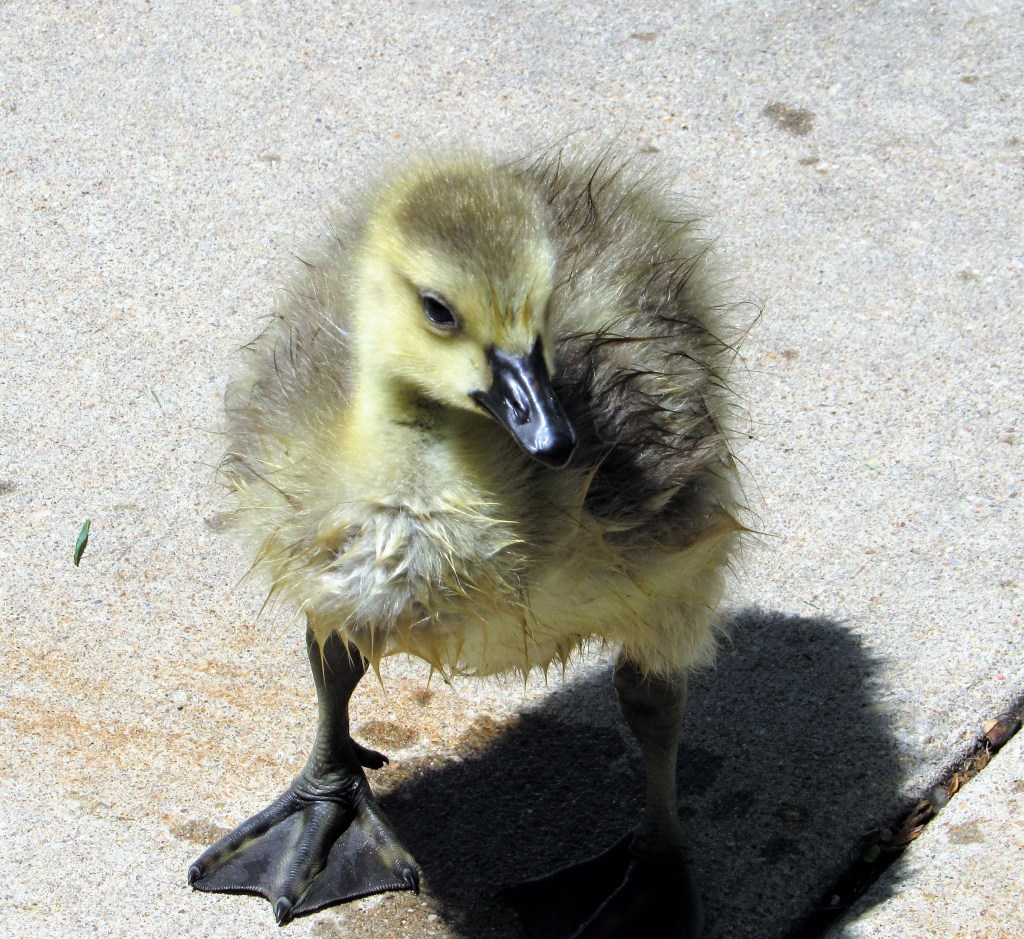
Last week was the first time I saw the goslings for the season. I saw them again today, and some of them already look like they are quickly growing into toddlers already. I thought I had better share them with you before the got all grown up and flew the coop.
These were the goslings last week.
The goslings today.
I have SO many good pictures from my walks to share, but I also still have a lot of other good stuff to share as well. I don’t want to inundate you with pictures all at one time. So have patience. You WILL get to see everything, just not all at once. 🙂
Virginia is rich with history, so it’s no surprise that the practice of winemaking in the Commonwealth dates back to 1609, when the earliest settlers of Jamestown planted vines in an attempt to produce a cash crop utilizing the vital soils of the New World.
But the journey to great vino didn’t happen overnight, and like a true American success story, Virginia wines overcame several disheartening failures over a 400 year span to become one of America’s leading wine producers. Today, the Commonwealth’s quality wines earn the respect of great winemakers and sommeliers all around the world, and with over 300 wineries, Virginia comes in 6th for the most wineries per state. But Virginia’s first vintages and those to come for nearly three centuries were far from the respected quality of Virginia wines today.
Three distinct failures marked the Virginia wine industry since its inception. Early colonists, commissioned European winemakers, and even Thomas Jefferson, one of the most accomplished Americans, encountered difficulties that stalled the early settler’s plans to establish wine-making grapes as a cash crop in the New World. These failures and other significant roadblocks never deterred the spirit of innovation and drive to make Virginia a successful wine country, but rather pushed the Virginia wine industry to try again each time.
After giving up on utilizing Virginia’s native vines, the colonists decided to import a variety of French vines. In 1619, during the meeting of the first legislative assembly of the New World, the House of Burgesses passed Acte 12**, which required every male households in Virginia to plant ten vines of the imported vinifera grapes for the purpose of growing and making wine. One of the first settlers to follow, and even surpass, the requirements of the law, John Johnson, planted 85 acres on the land that is currently occupied by Williamsburg Winery. The vineyard recognizes the history of the region with their Acte 12 Chardonnay, a popular vintage for the winery. Several laws over the following 50 years attempted to coerce settlers into the cultivation of vineyards, but none were successful in the long run.
Thomas Jefferson, noted as America’s first wine connoisseur, was passionate about making Virginia a great wine-growing state. Along with George Washington, George Mason, and approximately 25 other early influential leaders, Jefferson started the Virginia Wine Company, whose aim was to finally establish vineyards as a cash crop in the state. But while Andrew Estave dealt with the vine crop failures on the eastern side of the state, Jefferson began experiencing his own frustrations with viticulture.
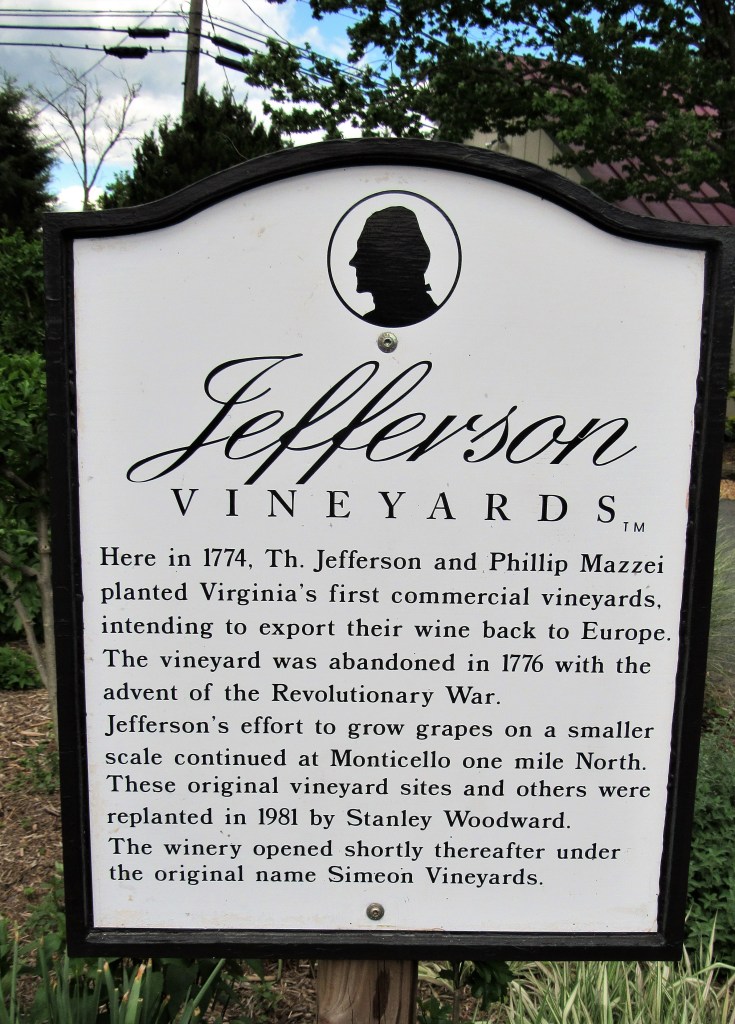
In 1773, he gave 2,000 acres of land adjacent to his home at Monticello to Italian viticulturist, Filippo Mazzei, and worked with him to plant the European Vitis vinifera vines. After careful study and research, they found some early success in their cultivation efforts, but this positive turn was unfortunately short-lived. Although there is some disagreement in the Virginia history community whether it was the start of the American Revolution or an infestation of pests, the vines were wiped out once again by misfortune. Today, you can still visit the grounds where Jefferson and Mazzei attempted to grow the vines, which are now home to the aptly named Jefferson Vineyards.
Jefferson’s failure to establish a successful vineyard did not discourage his passion for wine. In 1801, he was elected president and is said to have spent $10,000 on wine during his administration, considered a vast fortune in that time. He continued to persevere, pursuing his passion to see Virginia wines becomes successful. While his own personal crops did not find success, the influence and tenacity he brought to Virginia viticulture helped the winemaking industry gain momentum and recognition.
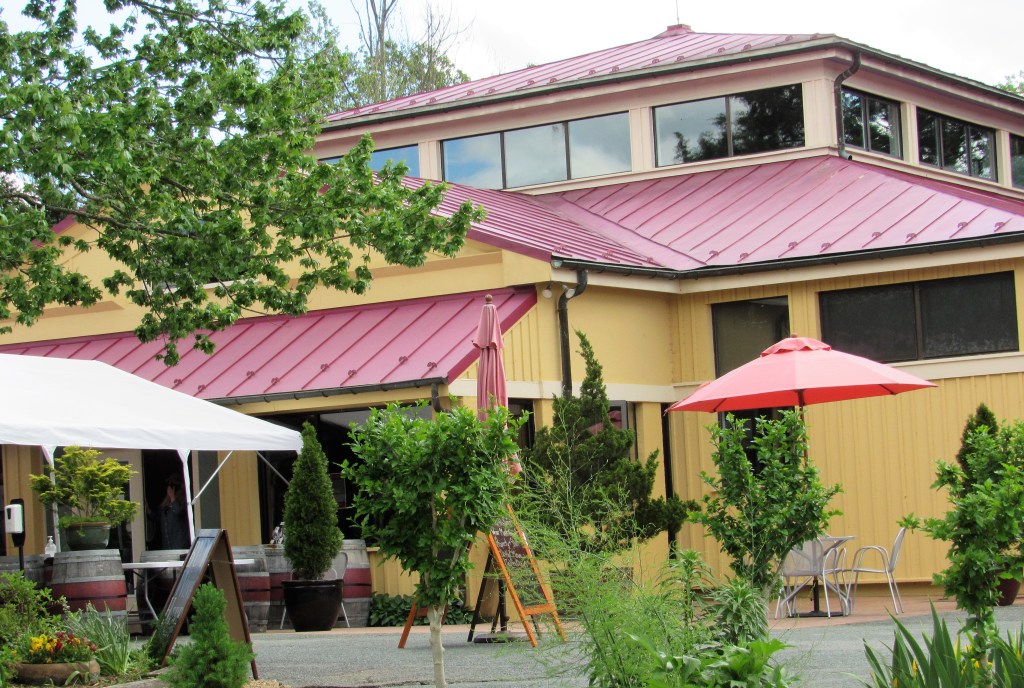
We did not stop at nearly as many wineries as I would have liked while on our journey through Virginia, West Virginia and North Carolina, and in fact, we only went to two wineries, Parker-Binns in North Carolina First Stop – Charlotte, North Carolina and Jefferson Vineyards in Virginia. Both were very good wineries and I enjoyed the wines at both places very much. My only complaint was there were to many wines and not nearly enough time to try them all. I guess that just means I will have to go back again. 🙂
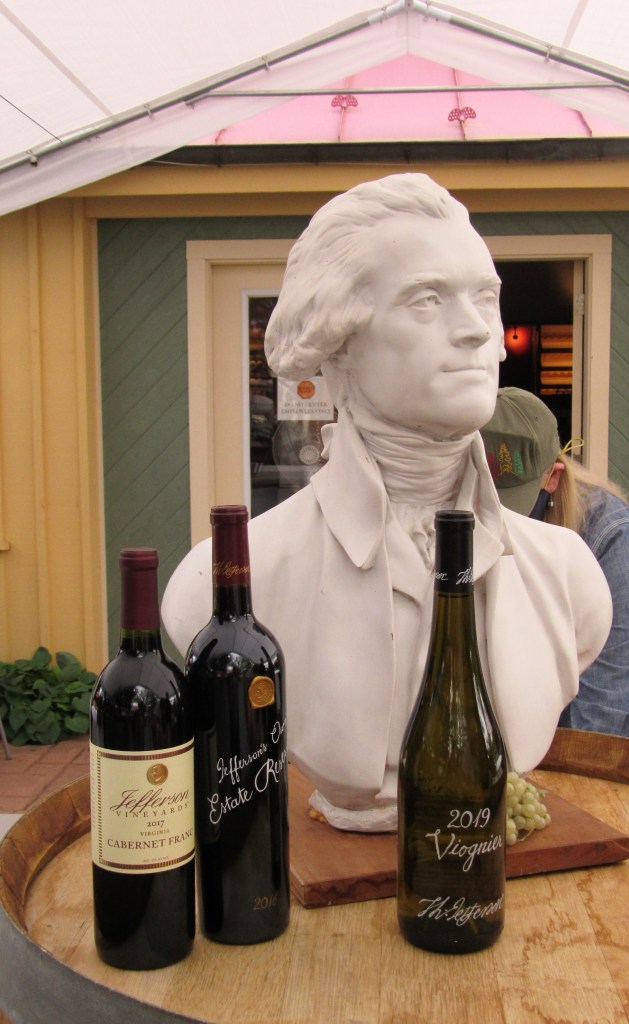
At Jefferson Vineyards I did a flight of wines that included a 2019 Viognier, a 2018 Rose, a 2018 Meritage and 2018 Vin Blanc. The Viognier was my favorite.
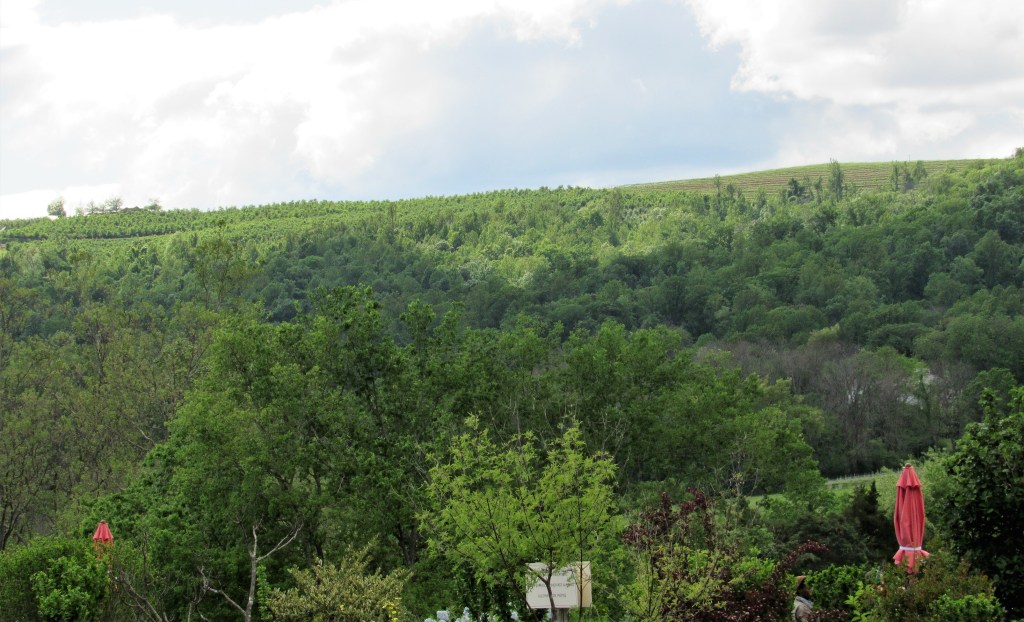
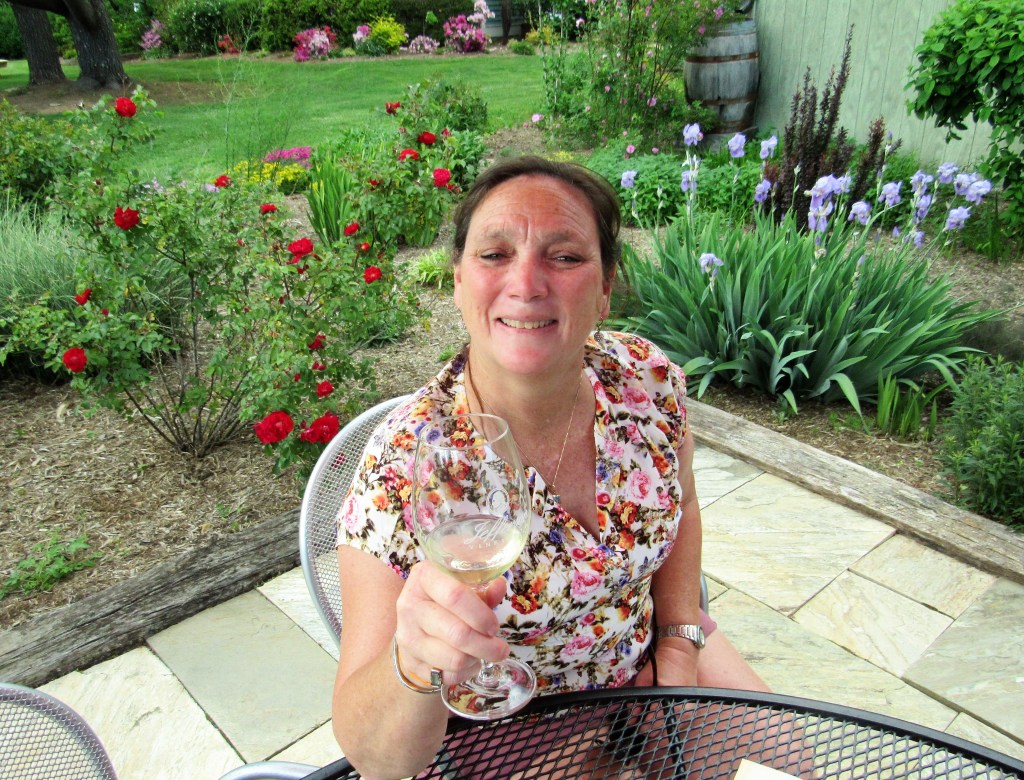
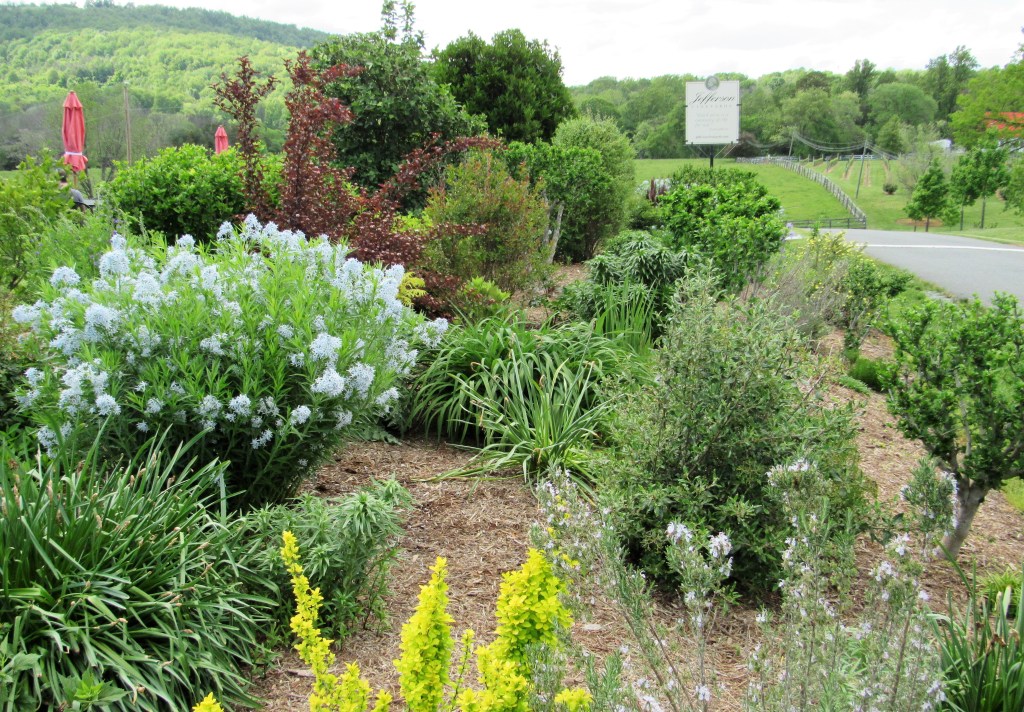
Jefferson Vineyards was beautiful with colorful flowers all around. It was definitely a taste of the good life indeed to sit in the gardens while relaxing with a glass of wine.
Jefferson Vineyards is celebrating its 4oth anniversary as a family owned and operated Virginia vineyard. It is owned by the Woodward Family. The Patriarch and Matriarch of the Vineyard, Stanley and Marie Jose Woodward, both lived in Europe for many years before settling in Virginia in 1992 and opening Jefferson Vineyards. It was in Spain and France where they both learned to love and appreciate the Old World vintages, and it is these old world vintages they specialize in today at Jefferson Vineyards. Jefferson Vineyards specializes in Old World wines and they try to stay as close to the flavors and traditions as Jefferson himself would have liked with his wines.
There’s a movement growing in Virginia vineyards…
A community of farmers perfecting their own agricultural art. They don’t bend to trends. They listen to their land, drawing out the story in every vine and every vintage. Crafting wines that embody the grace, grit and experimental spirit of Virginia.
Jefferson Vineyards is located at 1353 Thomas Jefferson Parkway, Charlottesville, VA. You can find them on Facebook, Instagram and Twitter or at jeffersonvineyards.com. You can also give them a call at 434-977-3042. They are open Wed-Sunday, from 11-6.
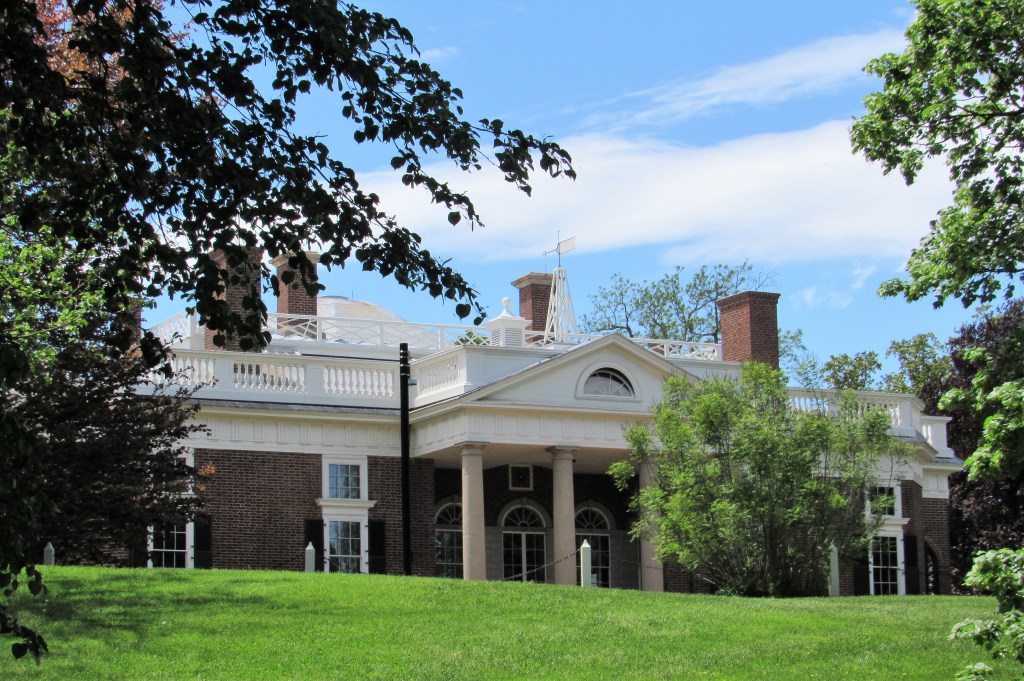
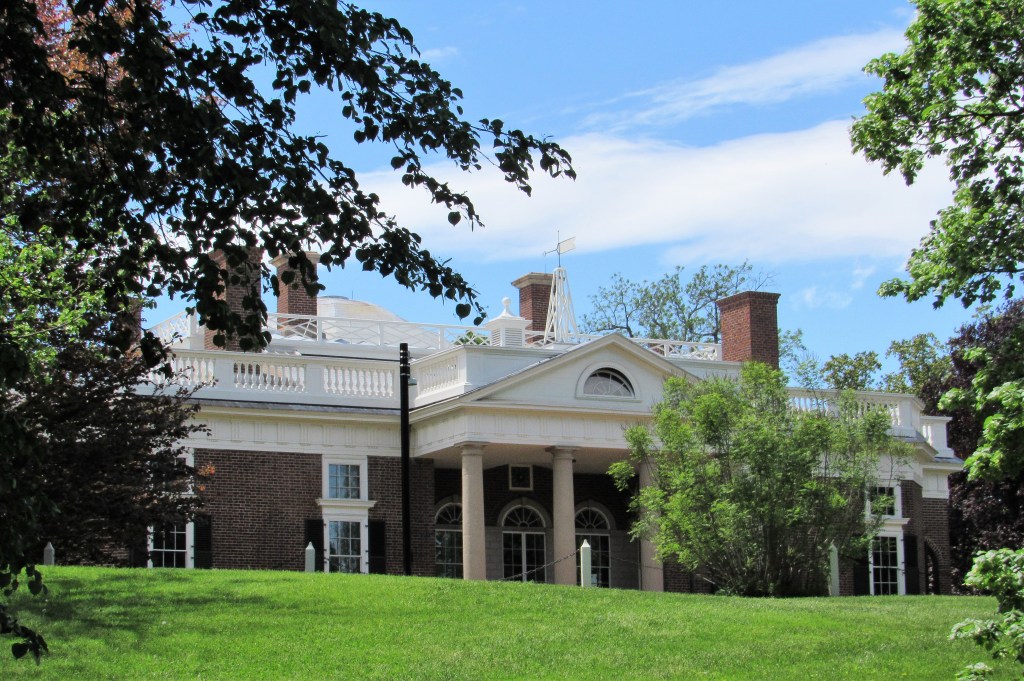
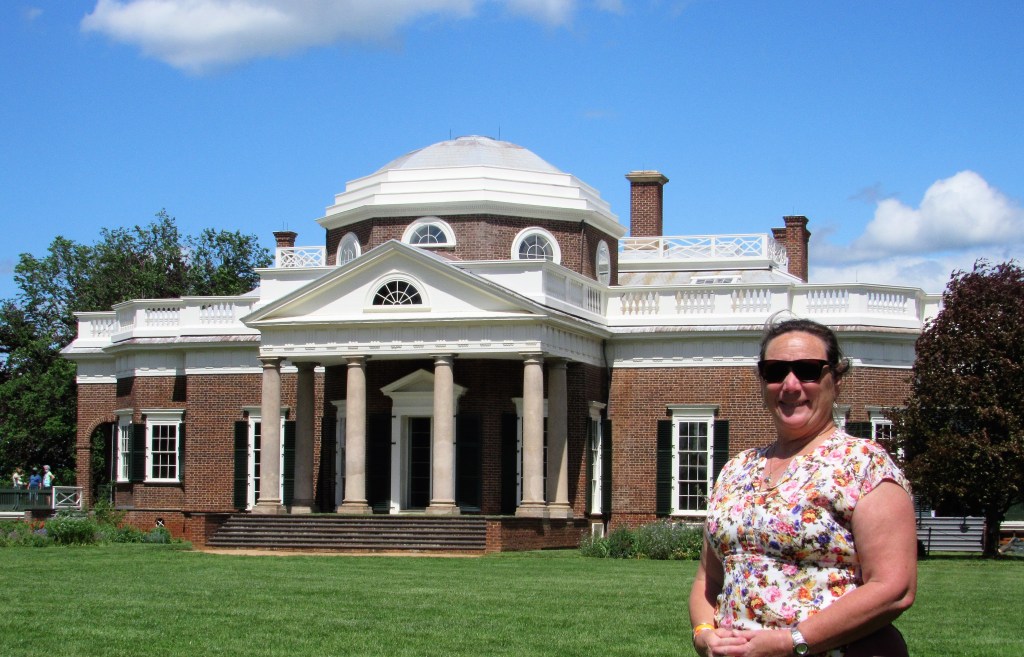
Monticello is the estate and plantation of Thomas Jefferson. It sits at the top of the mountain overlooking 5000 acres of land. The Italian word Monticello translates to “little mountain”. In 1768, Jefferson began constructing his primary residence Monticello and construction did not finish until 1809. During those years, the house was built and torn down many times in the interim. Jefferson spent most of his adult life designing Monticello as the architect and was quoted as saying, “[a]rchitecture is my delight, and putting up, and pulling down, one of my favorite amusements.” The actual construction was done mostly by local masons and carpenters, assisted by Jefferson’s slaves.
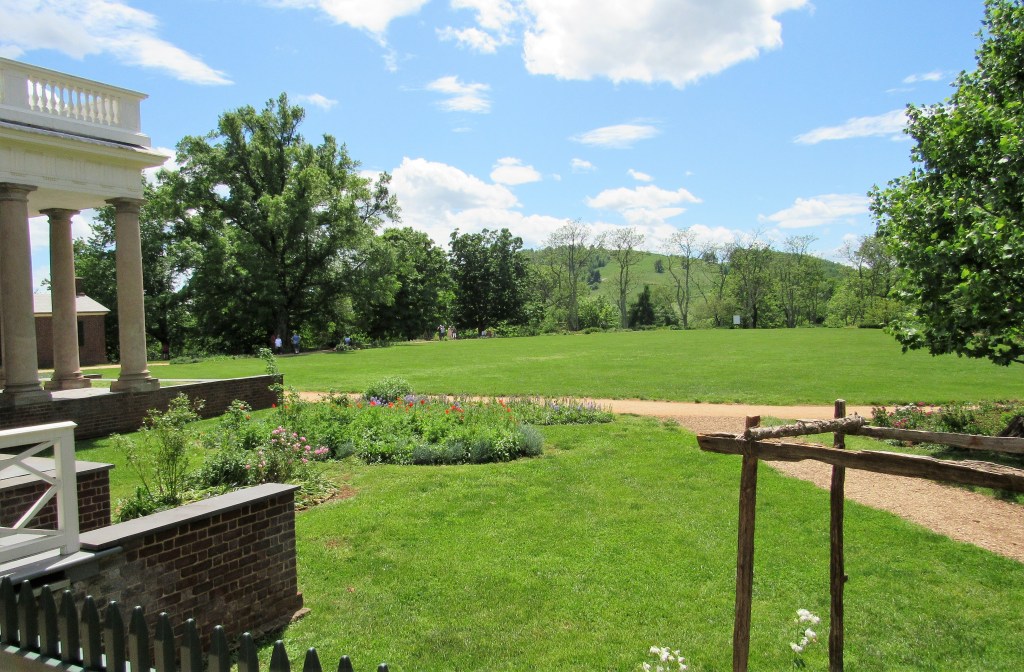
The garden view from the back of the house. There is a semi-circle around the house filled with beautiful, brightly colored flowers and plants that are the same kinds of flowers that were there in Jefferson’s day.
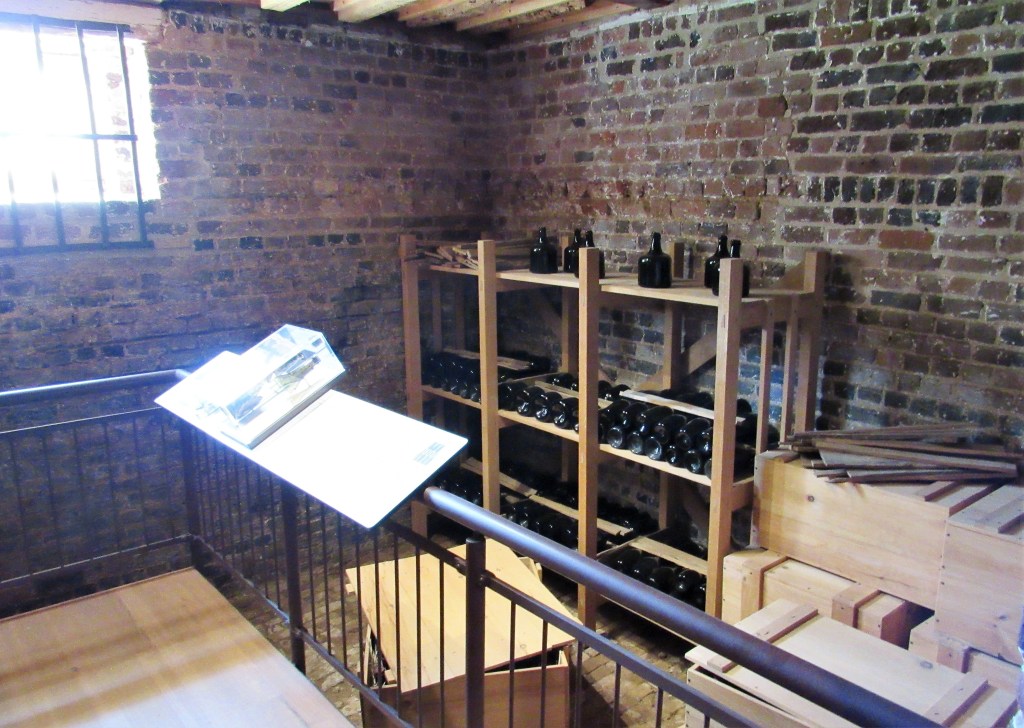
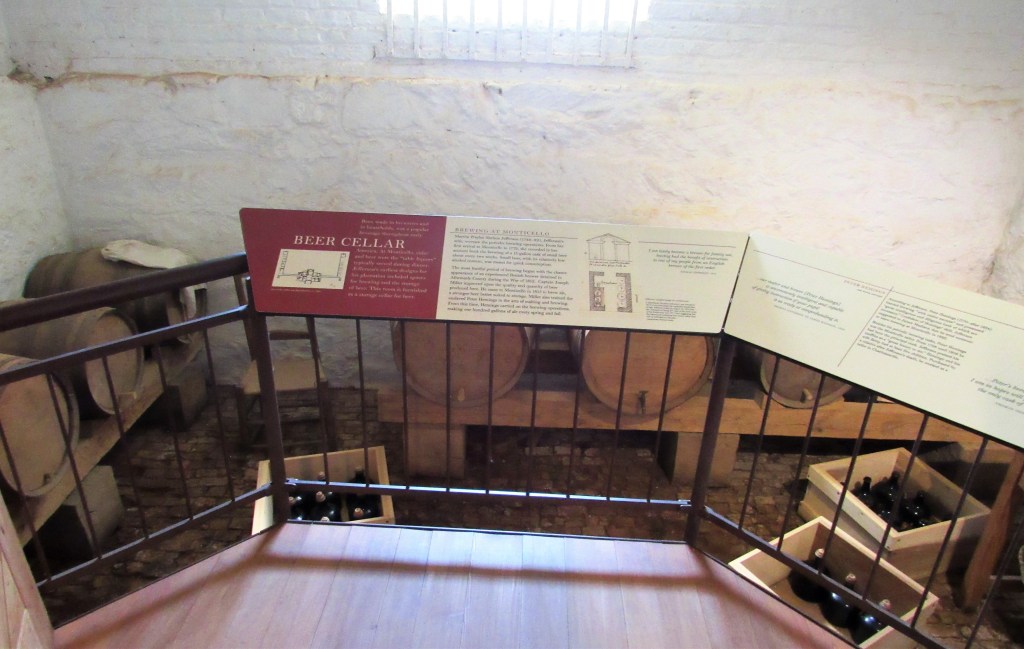
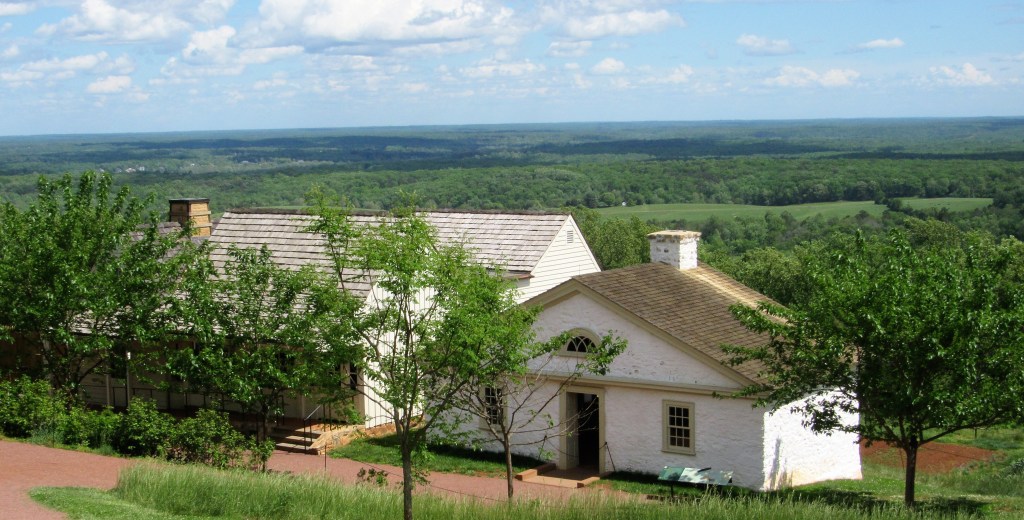
The wine cellar, beer cellar and kitchen, as well as some of the slave quarters and other buildings are located under the main house.
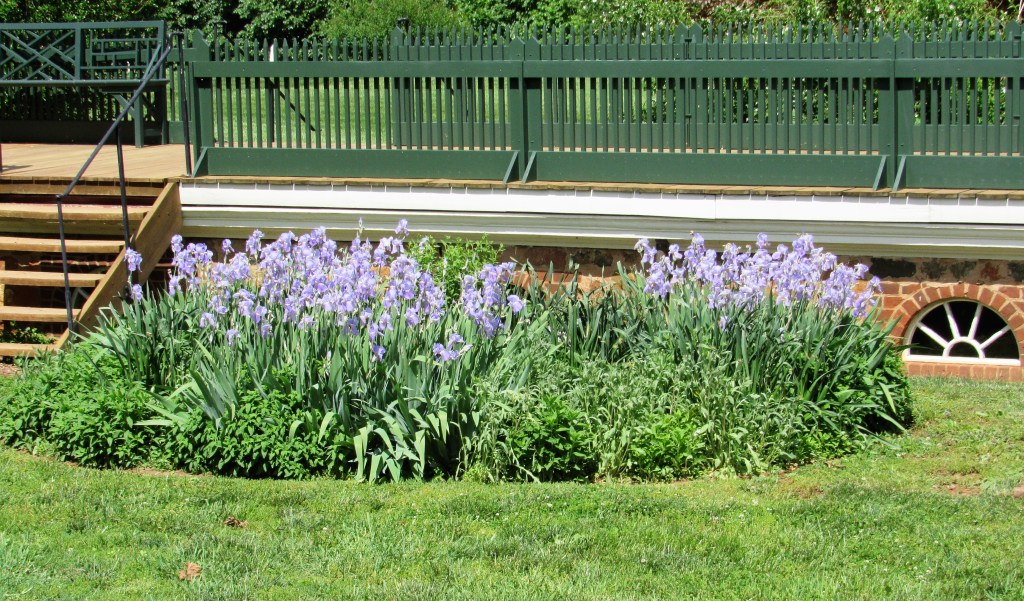
There were lots of irises lining the grounds,
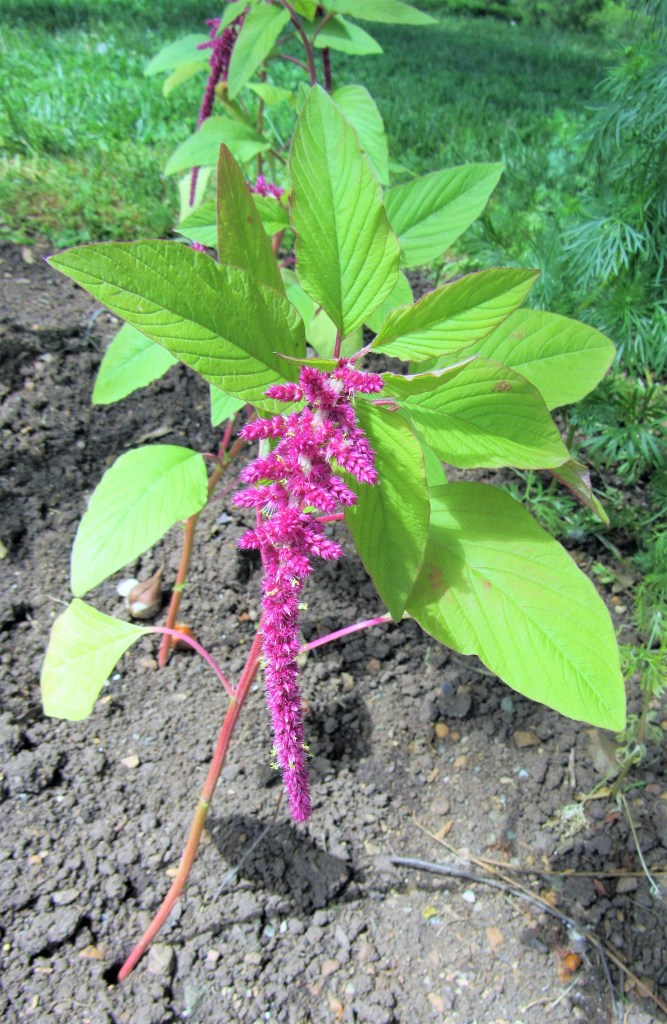
as well as many other beautiful plants and flowers, some of which were quite exotic.
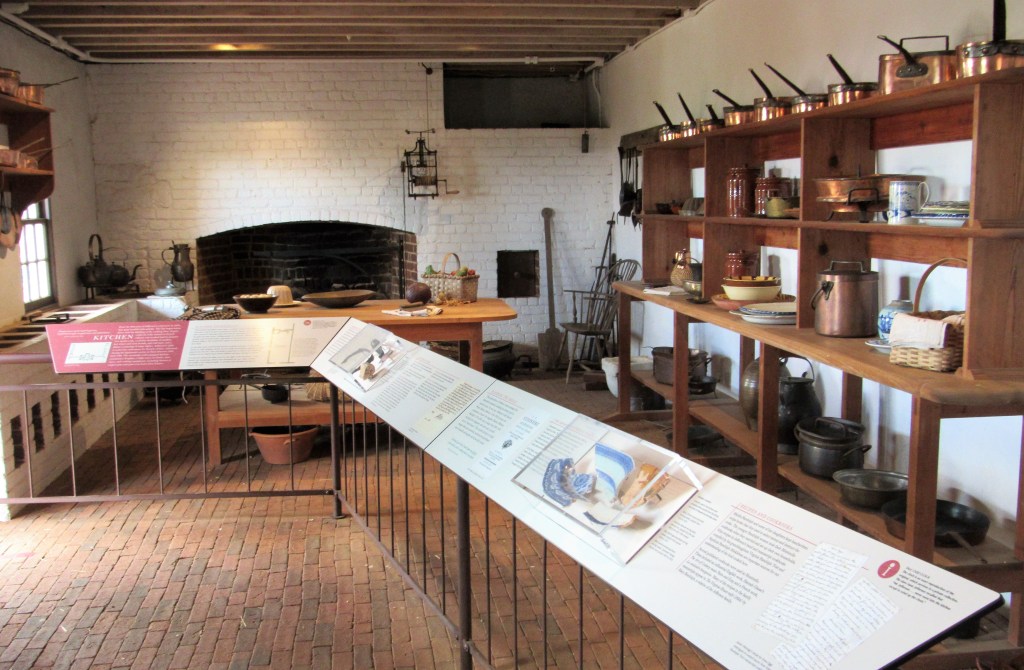
The kitchen.
The wine and beer cellars.
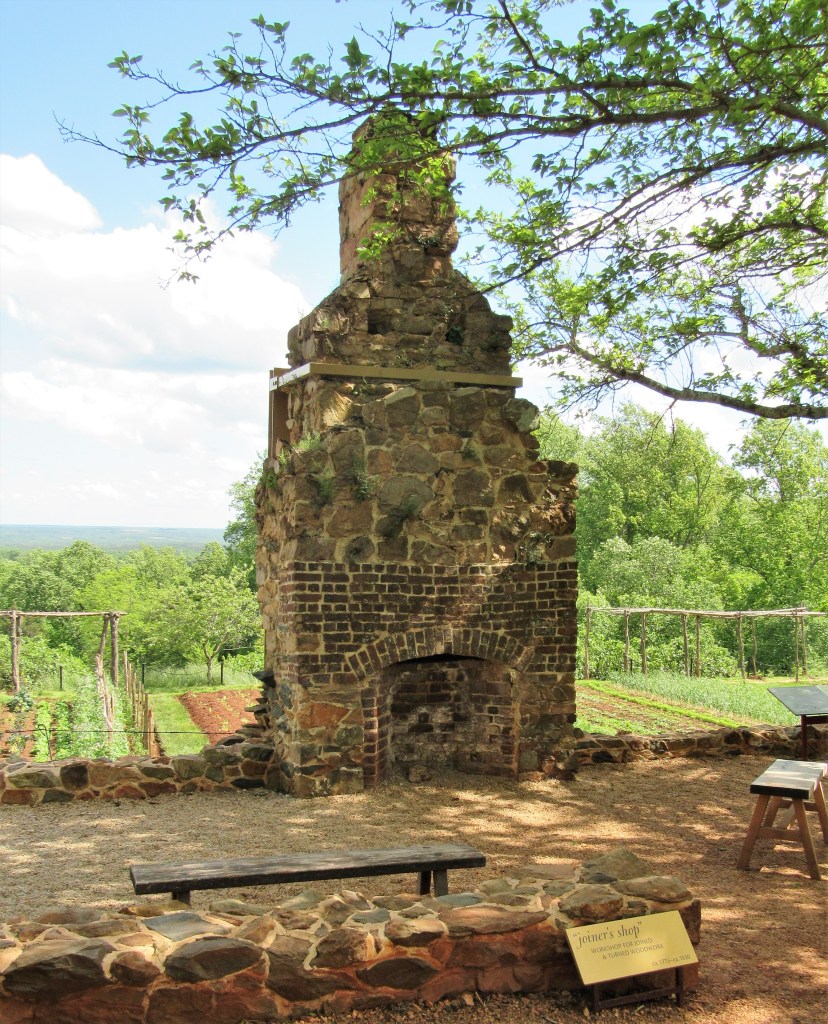
Monticello was a working plantation, as they all were, and almost everything was made on site.
This was the dressmakers hut.
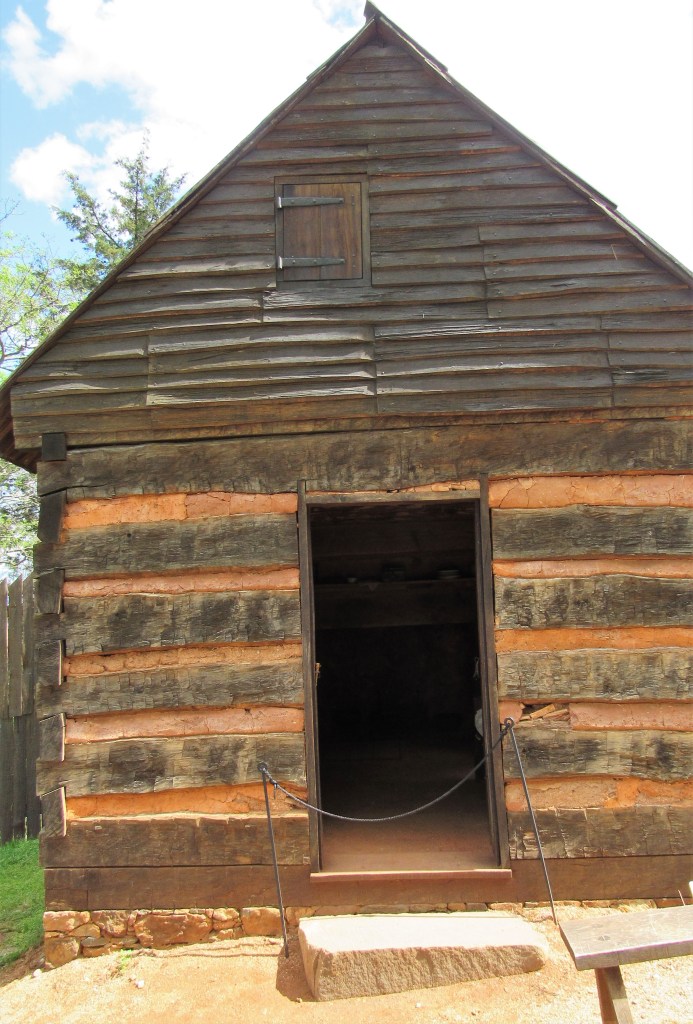
Thomas Jefferson, as well as every other plantation owners at the time, owned slaves. Over his lifetime, he probably owned close to 200 or more slaves. This was a typical slaves’ hut.
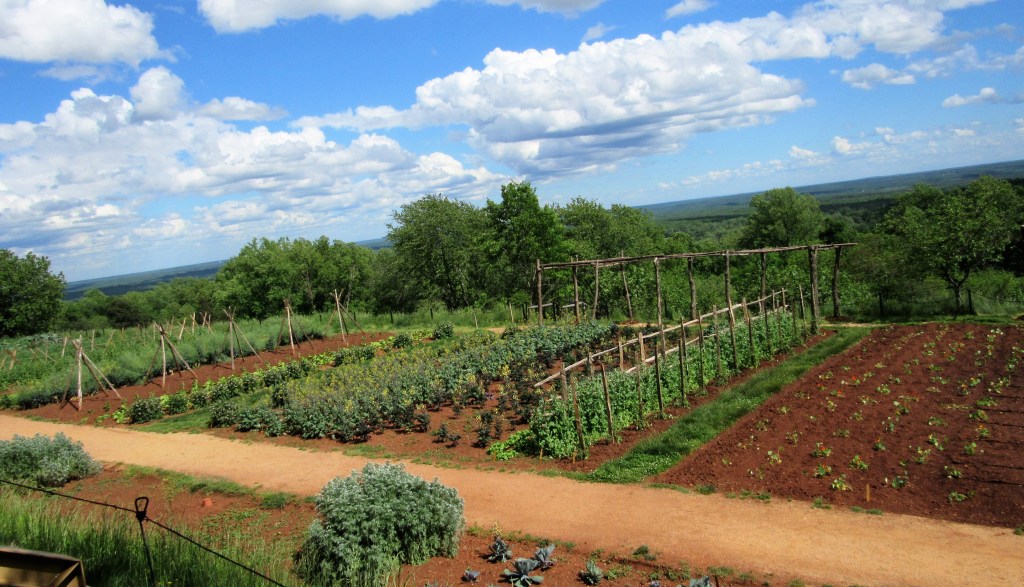
There was also a working garden, but it was more of an experimental garden because Jefferson was trying to see what plants would grow in the region. It was called the 1000 yard garden.
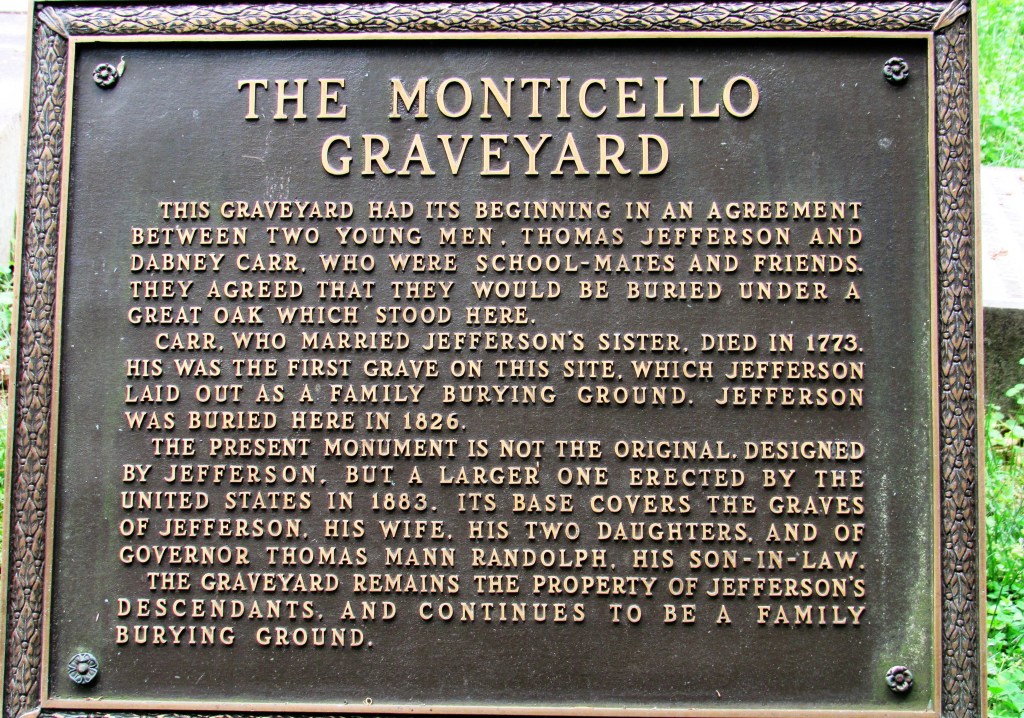
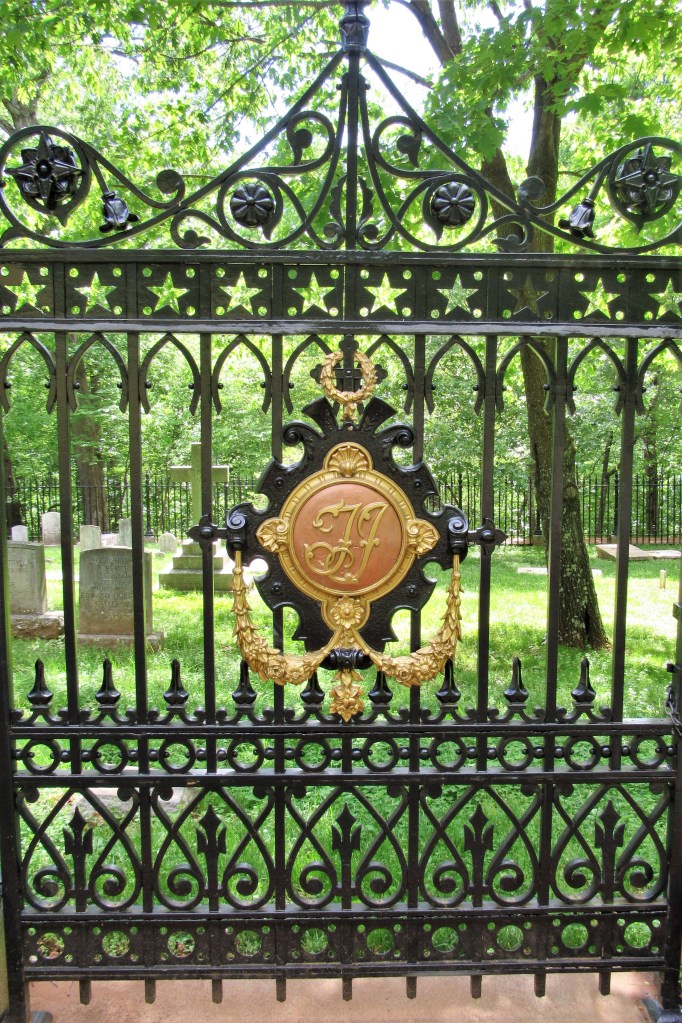
Like most other wealthy families, a family graveyard was on site as well.
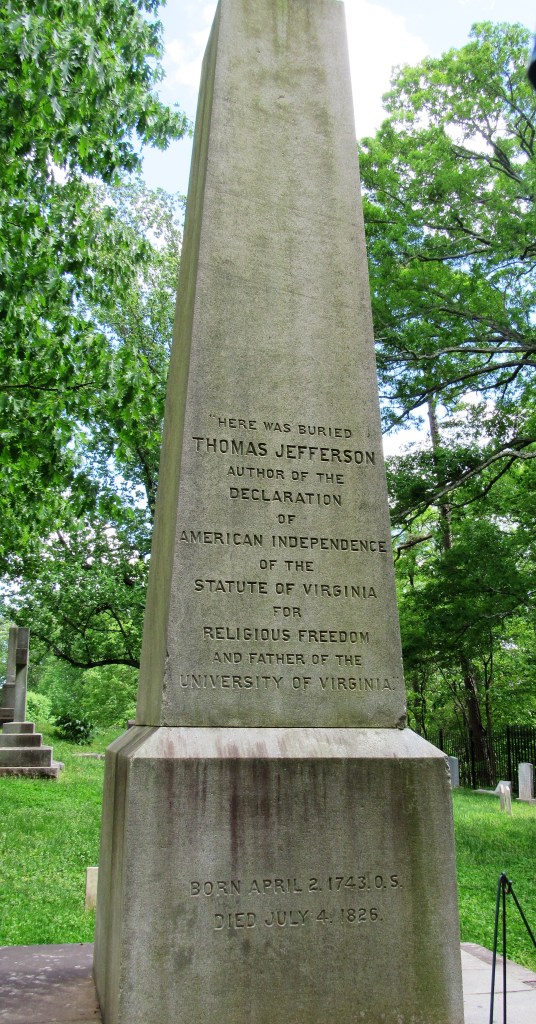
Thomas Jefferson himself is buried on his beloved grounds of Monticello.
Thomas Jefferson was a very complex man, filled with many dualities. As with most people, he had many extremely worthy qualities and talents, as well as some that were not. We cannot judge the man from then by the standards of today. He lived his life in accordance to the standards of his time. He accomplished many great things, and for those, we as a society will be forever grateful.
Monticello. Monticello is located outside of Charlottesville, Virginia. It means “little mountain” in Italian and it was the home and plantation of Thomas Jefferson, author of the Declaration of Independence and the third President of the United States. It was his home and pride and joy from 1770 until his death, in 1826. Thomas Jefferson inherited 5000 acres of land from his father, and this is the land that his beloved Monticello rests upon today. Thomas Jefferson is buried on the property that he loved so much as well. After retiring from public office, Jefferson founded the University of Virginia. Jefferson and his colleague John Adams both died on Independence Day, July 4, 1826, the 50th anniversary of the adoption of the Declaration of Independence.
Thomas Jefferson was very important man. He accomplished many things in his life, before, during and after his time as the third President of the United States. He was an American statesman, diplomat, lawyer, architect, philosopher, and Founding Father of our country, who served as the third President of the United States from 1801 to 1809. He had previously served as the second Vice President under John Adams between 1797 and 1801. The principal author of the Declaration of Independence, Jefferson was a proponent of democracy, republicanism, and individual rights, motivating American colonists to break from the Great Britain and form a new nation; he produced formative documents and decisions at both the state and national levels.
As president, Jefferson pursued the nation’s shipping and trade interests against Barbary pirates and aggressive British trade policies. Starting in 1803, Jefferson promoted a western expansionist policy, organizing the Louisiana Purchase which doubled the nation’s land area. To make room for settlement, Jefferson began a controversial process of Indian tribal removal from the newly acquired territory. As a result of peace negotiations with France, his administration reduced military forces. Jefferson was reelected in 1804. His second term was beset with difficulties at home, including the trial of former vice president Aaron Burr. In 1807, American foreign trade was diminished when Jefferson implemented the Embargo Act in response to British threats to U.S. shipping. The same year, Jefferson signed the Act Prohibiting Importation of Slaves.
Today, Monticello is a National Monument. It is a part of the living history of both the State of Virginia and the United States of America. It is an absolute beautiful work of design and architecture, designed by Thomas Jefferson himself, and everything is pretty much the same today as it was back when Thomas Jefferson resided there, due to his meticulous notetaking and archives.
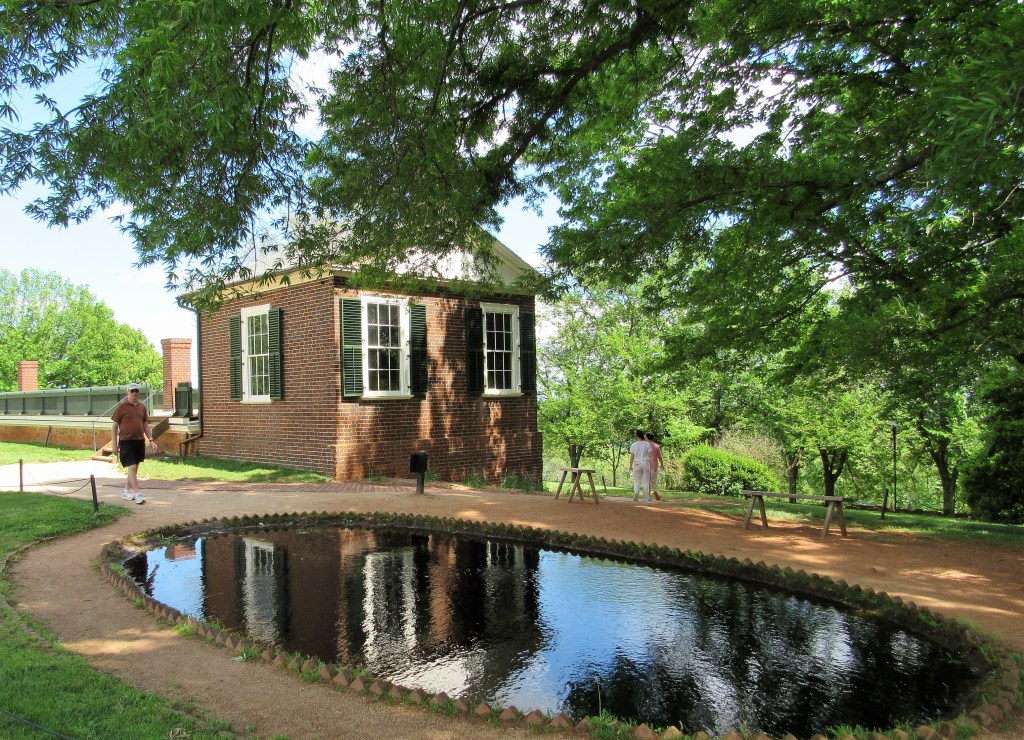
While the main house on Monticello was being built, believe it or not, this tiny house was the original house where Thomas Jefferson and his first wife, Martha, lived during the construction. Because of the brickwork on the house, this was considered a luxurious home in the day.
The first room you walk into at Monticello is decorated with gifts and artifacts from the explorers Lewis and Clark, from their western explorations.
Thomas Jefferson’s private apartment and sleeping quarters. He slept in what was known at the time, especially all through Europe, as a sleeping alcove. It was a bed that was fitted in a closet-like compartment of two adjoining rooms and closed off by either doors or curtains or both.
The parlor also served as the music room.
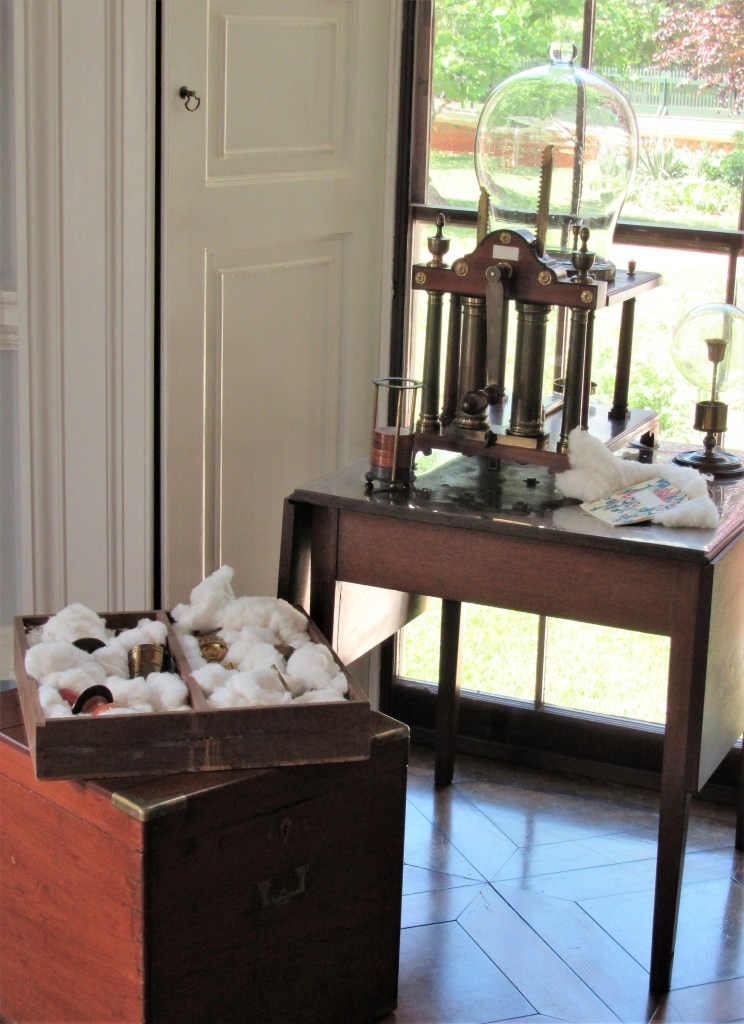
I think this was the first thermometer that Jefferson was working on.
The dining room is painted in this bright yellow, which was considered a luxury and was only found in homes of the very wealthy. Look at the open door right beside the fireplace. It is the dumbwaiter for wines that were brought up from the wine cellar. Thomas Jefferson was quite a wine lover and wine connoisseur and was one of the first to introduce wines and winemaking to the newly formed United States.
Like all the houses at the time, the kitchen was separated from the main house. It was located outside with all the other outside structures and buildings.
As you have already guessed, we are back home once again, and I am back to cooking in my own kitchen once more. The first night we got home, we didn’t feel like cooking at all after a long travel day, so it was a pizza night. We also used up the rest of our leftovers as well during our first few days back.
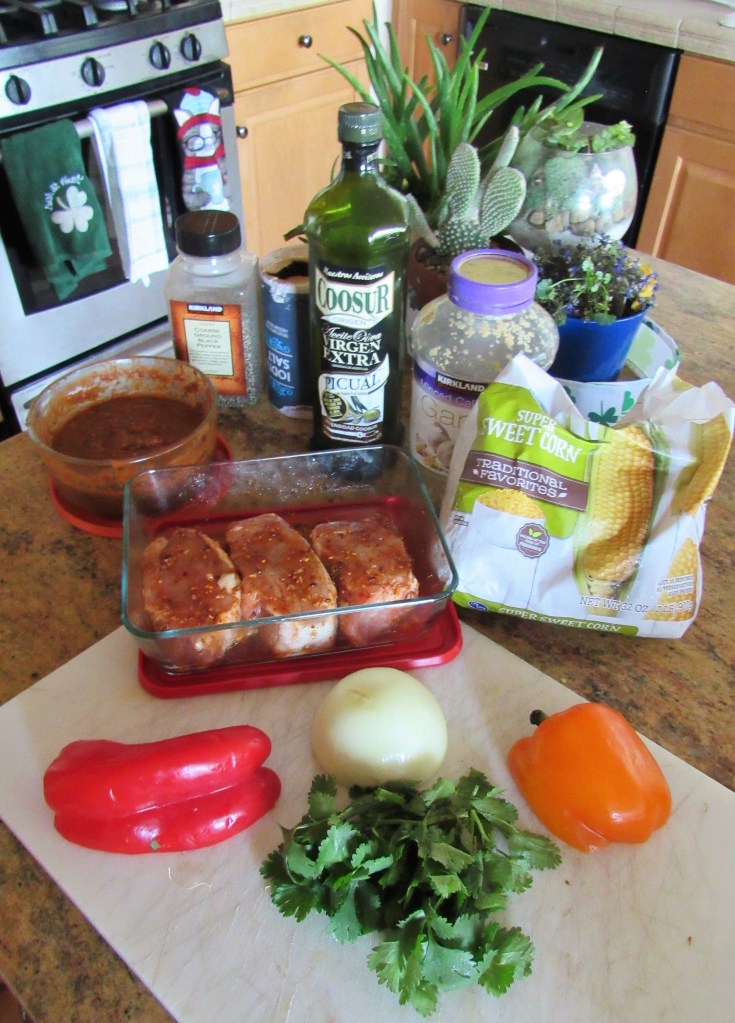
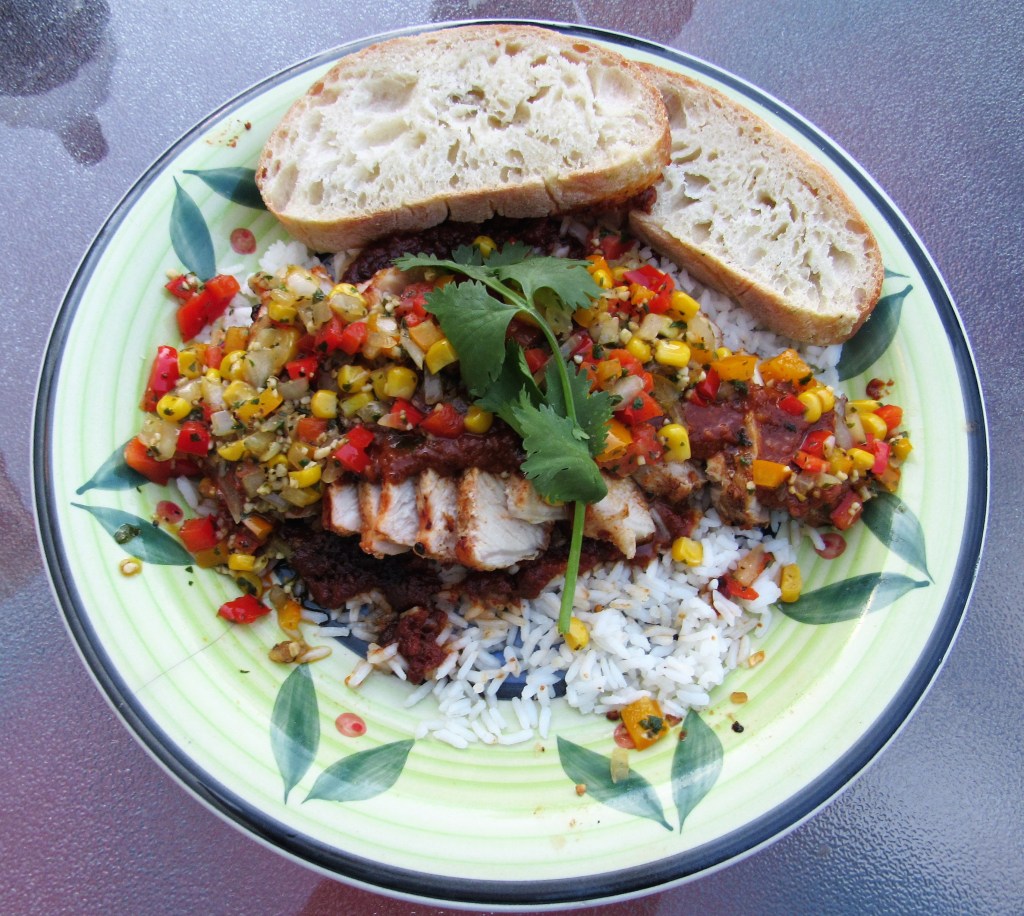
I had made some cod romesco before leaving Cod a la Romesco and had some of the sauce leftover, since my recipe made quite a bit. The beauty of a freezer …… Put things in the freezer until ready to use them again, and then pull them out when ready, saving lots and lots of time, especially when time is of the essence, or you just don’t feel like putting forth a lot of effort. I used my romesco sauce to top some pork chops that I served over rice and topped it all with a simple corn salsa for some puerca a la romesco. I served a warm, smooth malbec on the side.
My corn salsa is simple and made from just a few basic everyday ingredients; just the way I like to cook too. 🙂
Corn Salsa
1 1/2 cups frozen corn
1/2 red bell pepper, diced fine
1/2 orange bell pepper, diced fine
1 TBSP garlic
1/4 onion, diced fine
salt & pepper to taste
olive oil 2 TBSP fresh cilantro, chopped fine, + more for topping.
1 jalapeno, diced fine and seeded, optional
Add your olive oil in a hot skillet and saute all the vegetables and salt & pepper together for about 5-7 minutes, or until the onions and peppers are translucent. You can also add jalapeno peppers if you like as well, but since I was serving it with a romesco sauce, I wanted the flavors of the sauce to come out more so than the corn salsa, which I was just using as an accent. You can use this simple corn salsa to add color and flavor to just about anything. It will liven up whatever dish you choose to use it with. I marinated my pork in some roasted garlic, olive oil and a little cayenne pepper for about 3-4 hours, then grilled it up. It was so juicy and tender and full of flavor.
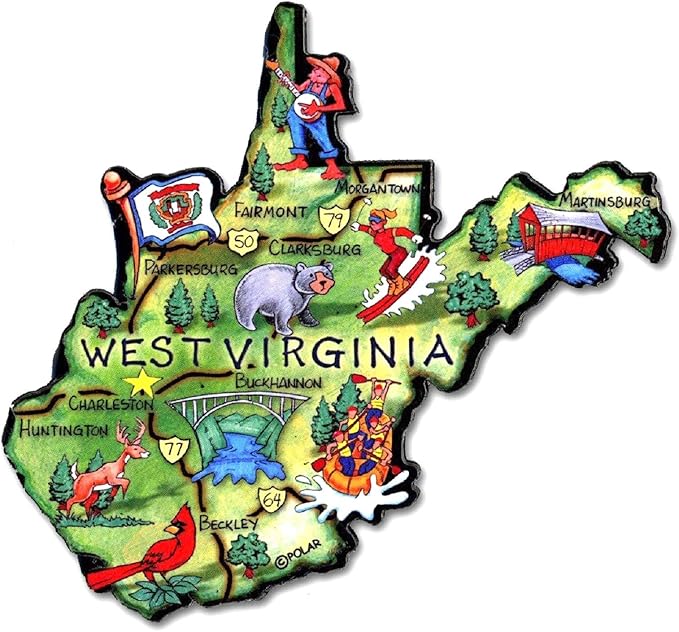
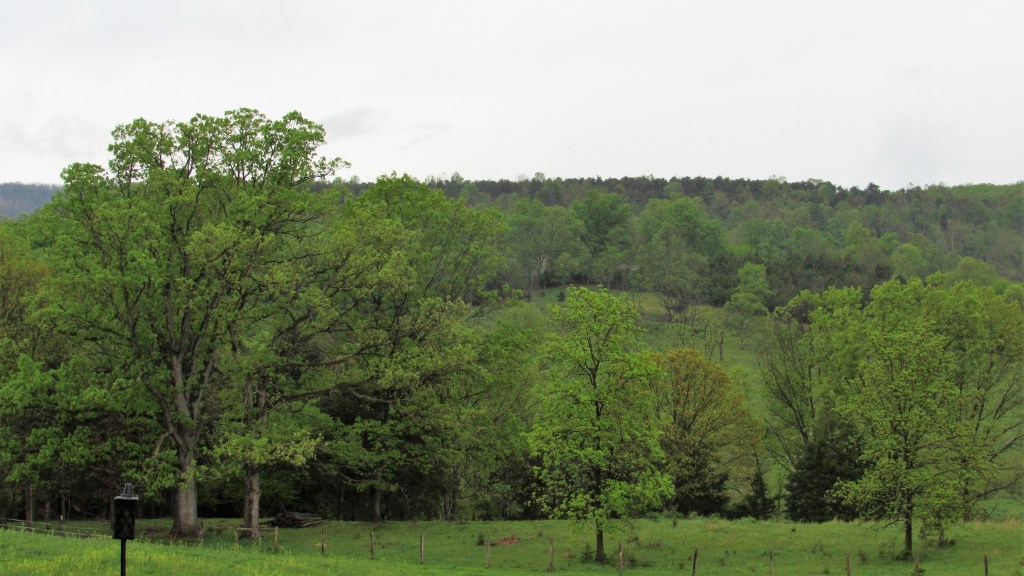
Finally we arrive in West Virginia for the wedding. West Virginia was every much as beautiful as both Virginia and North Carolina. Again, it was very green and lush.
West Virginia is one of two states that was formed during the American Civil War. Nevada was the other state. Before the Civil War, West Virginia was part of Virginia itself, which was one of the original 13 colonies. It separated from Virginia when the state became sharply divided over the issue of secession from the Union and became the new state of West Virginia in 1863. Believe it or not, West Virginia was originally known as the mountain state, even though we have many more states that have much bigger mountains, one such state being my own state of Colorado.
I will not show pictures of the wedding itself, since I have not yet sent them to the bride and groom, and I think they should have first viewing rights to them. However, I will send pictures of the venue. Craig and Tonya have been together for a long time, and they actually got married last year, but were not able to have their big wedding as planned due to COVID.
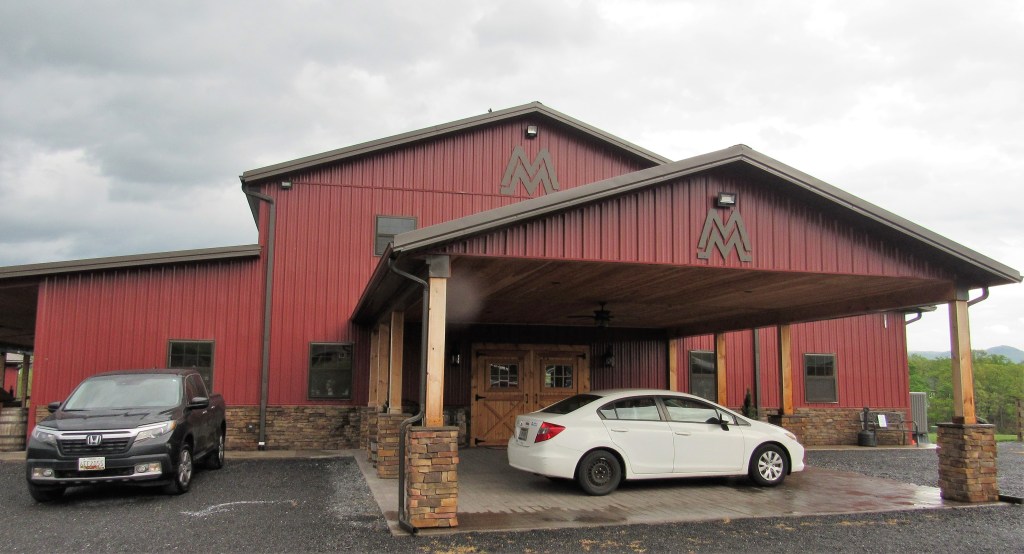
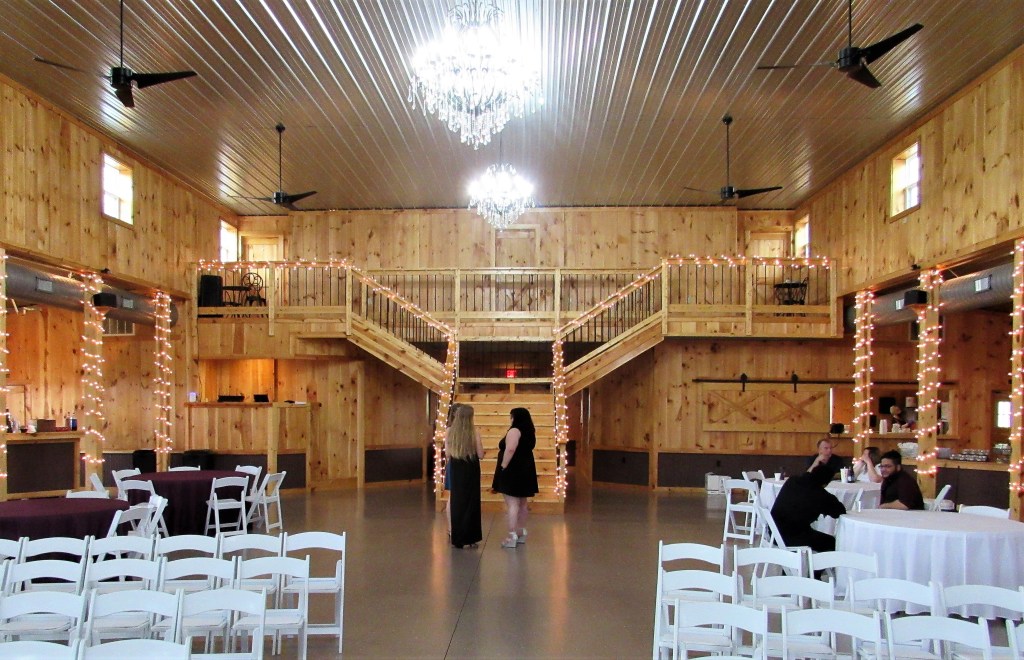
Craig and Tonya chose a beautiful, actual working farm for their wedding and reception, called the Misty Mountain Event Barn. It was an absolutely gorgeous venue, situated on 6,000 acres. It was literally built on love. The owner had it built after looking at venues for his own daughter to get married in, and decided after seeing so many other places, he could build a better place. And what a beautiful place he built too.
The Misty Mountain Event Barn is located at 450 Misty Mountain Road, Fisher, WV 26818. You can contact them either by phone, (304)-851-3121, or online at mistymountaineventbar@gmail.com or on Facebook.
This is the “barn” area that is also used for receptions and gatherings of all kinds. It had two beautiful stone fireplaces and plenty of seating, with a gorgeous view of the property.
Regardless of what events are taking place, there are almost always a few uninvited, but very welcomed guests who show up too.
The inside of the facility was every bit as impressive as the outside. Upstairs, there is a large bride’s room and a smaller room for the groomsmen, each have their own bathrooms too.
And of course, the kitchen. You know I am always going to show you the kitchen if I can. I could easily work and play in a big kitchen like this. 🙂
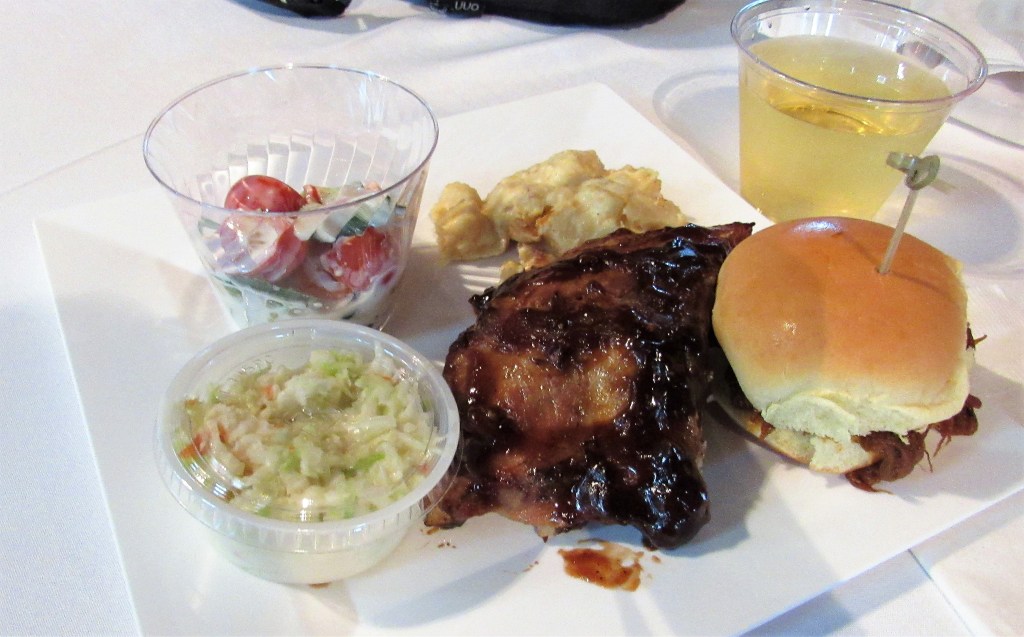
I was a little too busy with the wedding stuff going on to take pictures of the food that was served at the wedding, but it was a lot more relaxed for the rehearsal dinner, so I was able to get pictures of that. The food was wholesome and delicious, yet simple Southern fare. It was catered in from a local restaurant, but I never got the name, though I asked for information a couple of times.
Individualized tomato-cucumber salads
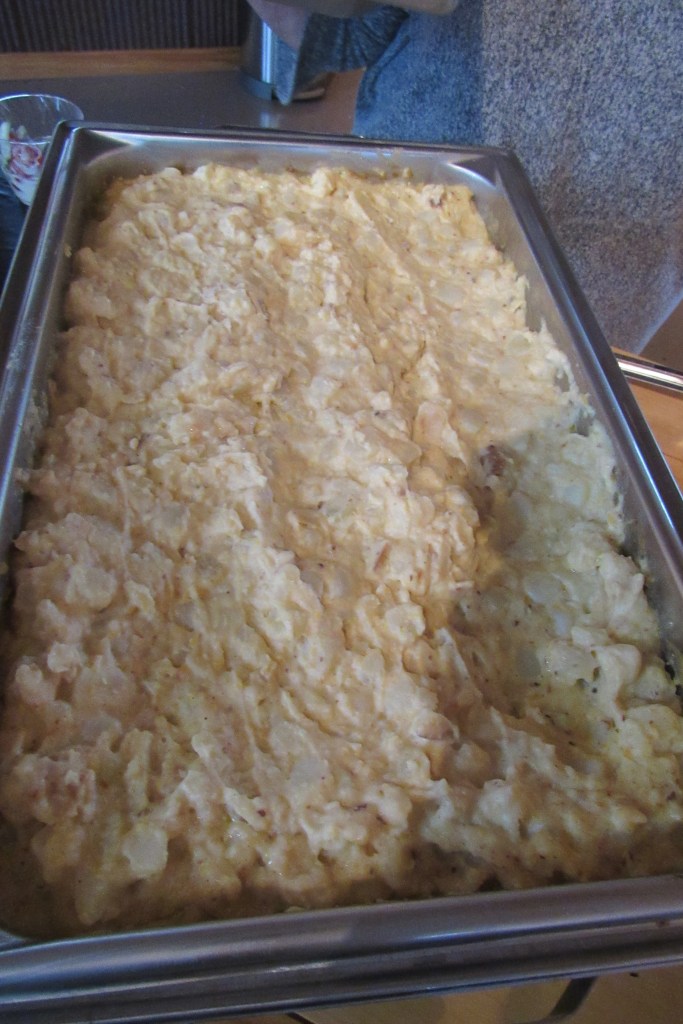
Creamy, cheesey scalloped potatoes
Pulled pork sliders and coleslaw.
BBQed spare ribs.
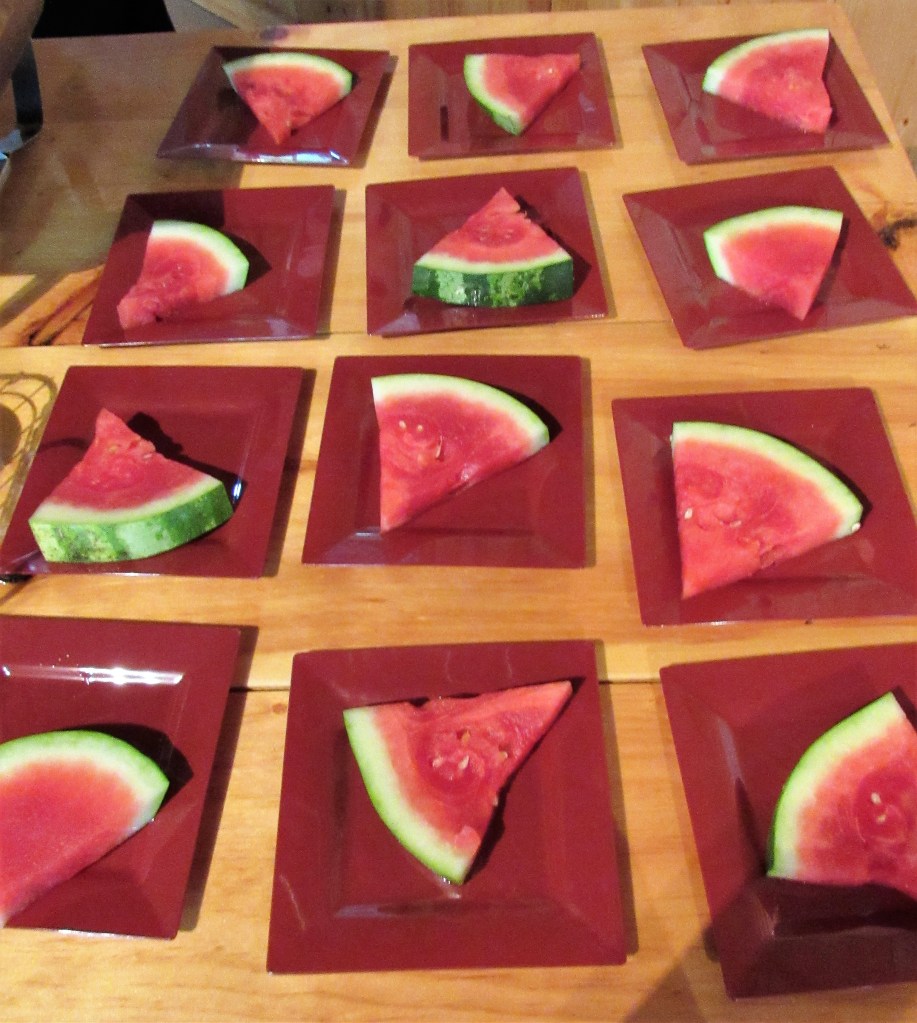
And watermelon slices.
Everyone had a good time and ate a lot of good food, both at the rehearsal dinner and the wedding/reception. And we were all definitely in awe of the beautiful and gorgeous surroundings.
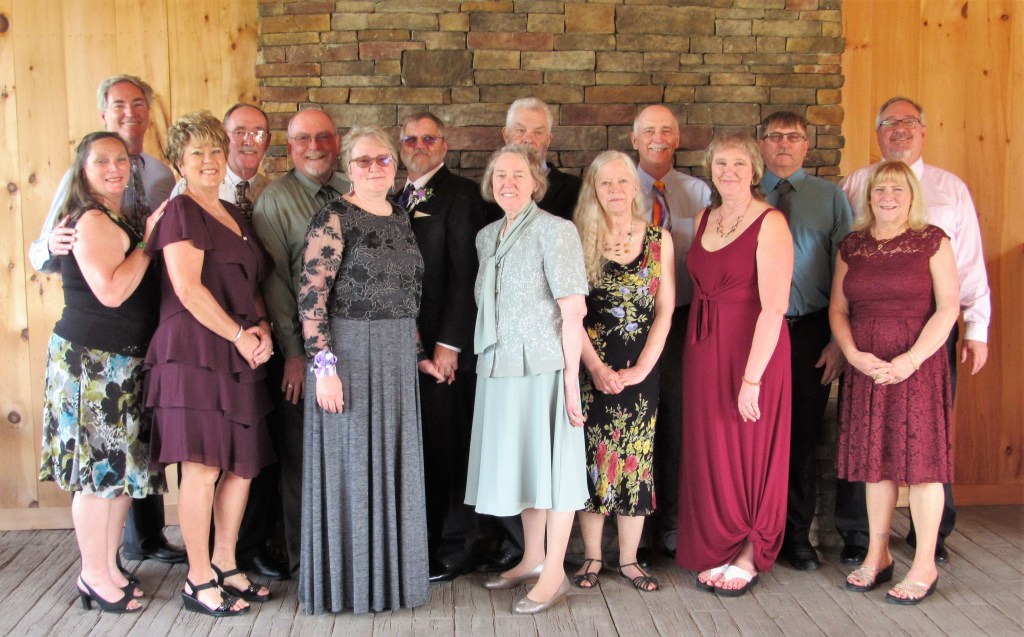
Larry is the youngest of 9. Here is all of Larry’s remaining siblings and their spouses, or the outlaws as we lovingly call ourselves.
The bride and groom are both big Star Wars fans, so the wedding was a Star Wars themed wedding. Ironically, and it was not planned at all, on the last day of our trip, while we were touring Fort Macon, in North Carolina, a Star Wars photo shoot was taking place, and we got a lot of fun pictures. May the 4th be with you.
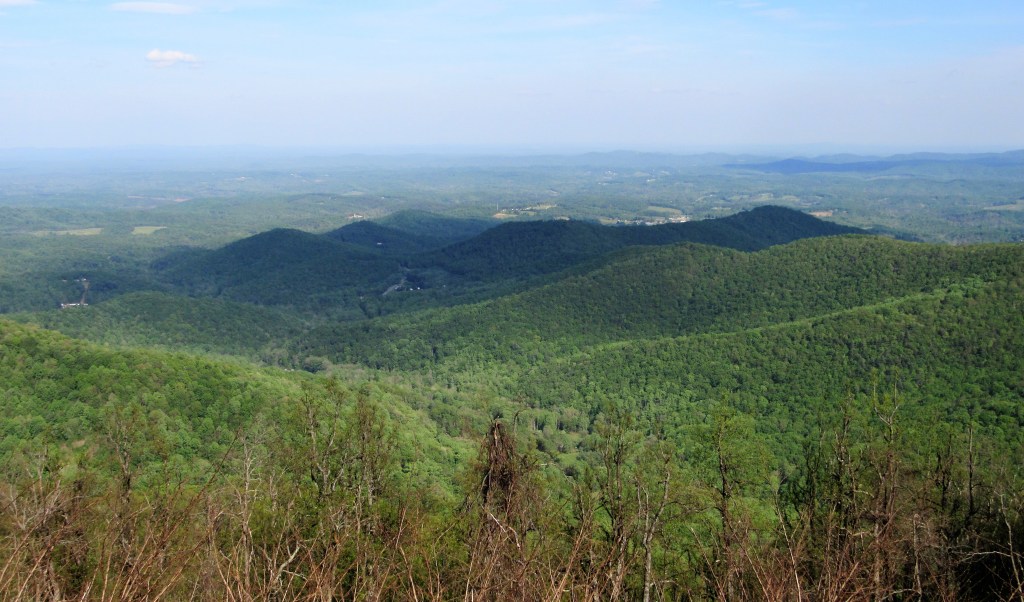
We had another full day of driving through Virginia, after stopping in Roanoke for the night, before heading into West Virginia, where our nephew’s wedding took place. We drove a different route this time, getting off the Blue Ridge Pathway, to see other sights and views of Virginia. It was all very green and lush and very beautiful.
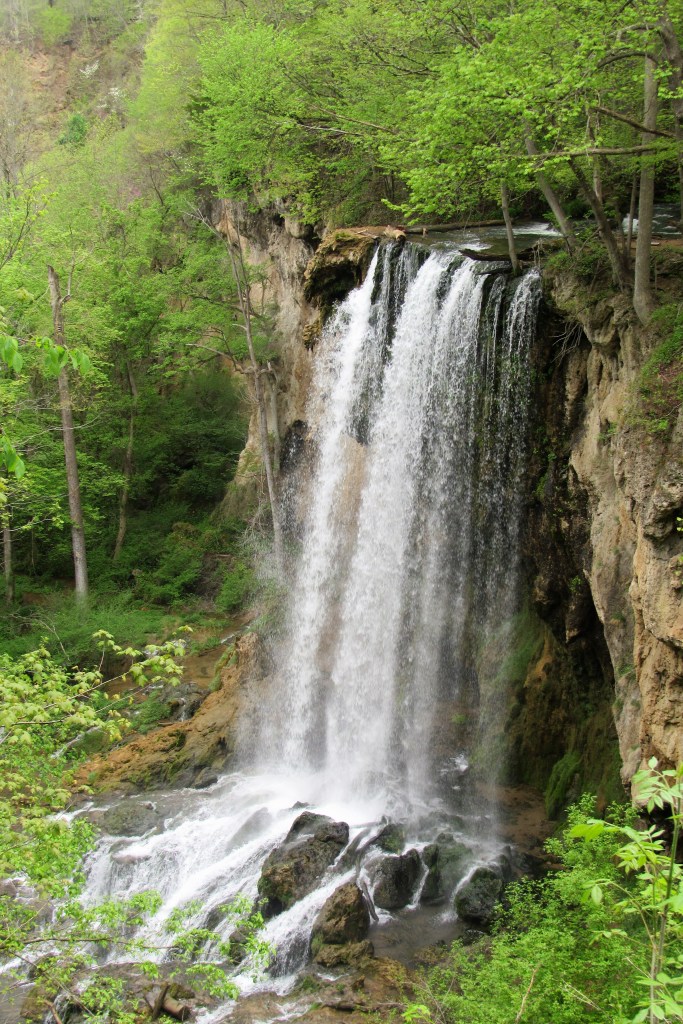
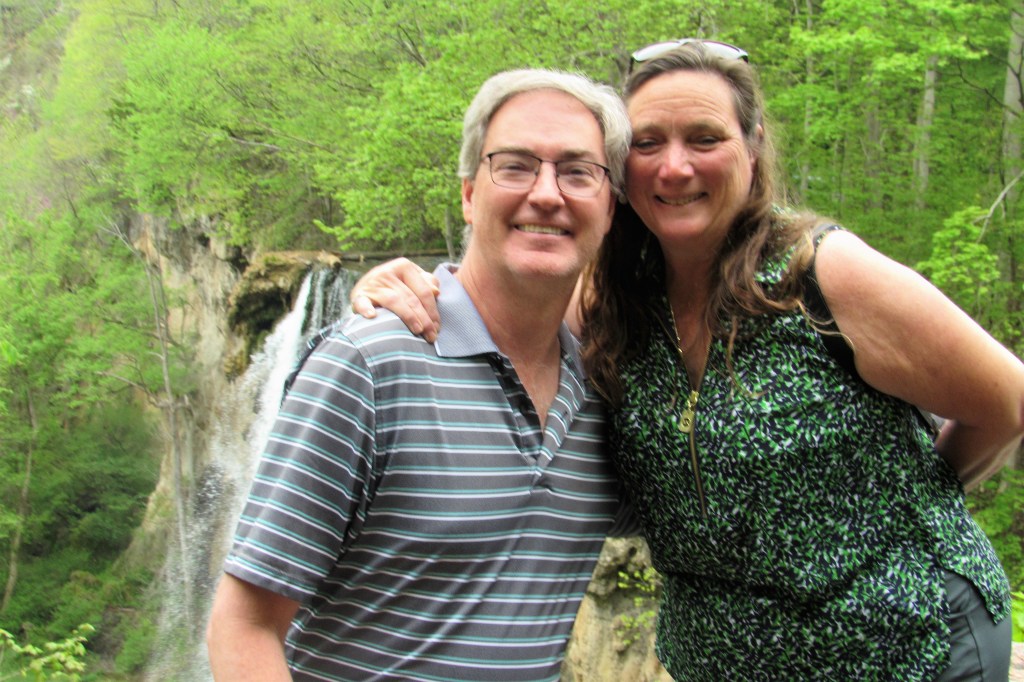
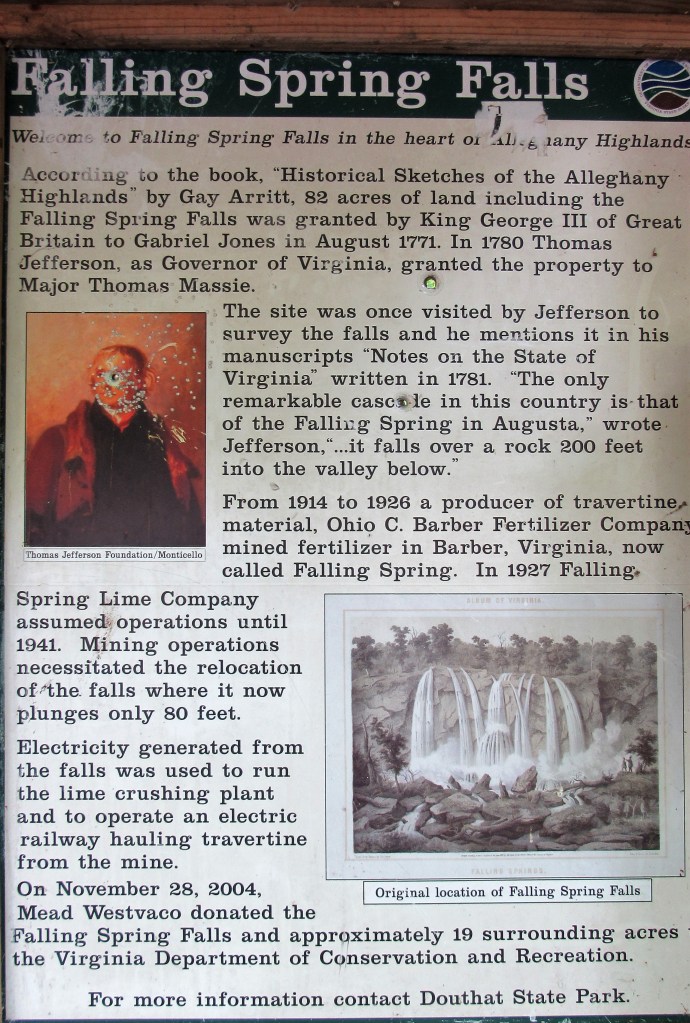
Our first stop was yet another gorgeous waterfall.
Sadly, the history board was riddled with bullet holes. I just don’t understand why people feel the need to destroy things so much.
As expected, we saw many more beautiful things along the way into West Virginia, as well as more historic sites. As you all know, I LOVE history.
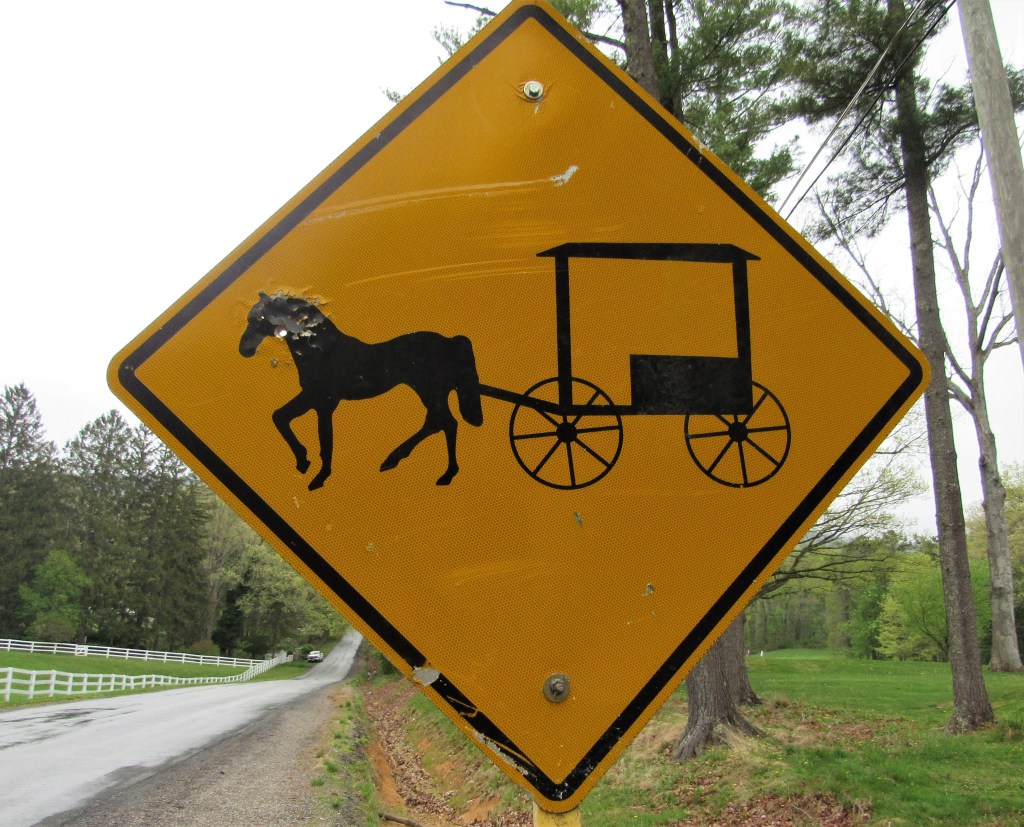
Apparently, there is a fairly large Amish community in Virginia as well. We did see some Amish people, though not many, but this sign was an indicator that they definitely have a large presence.
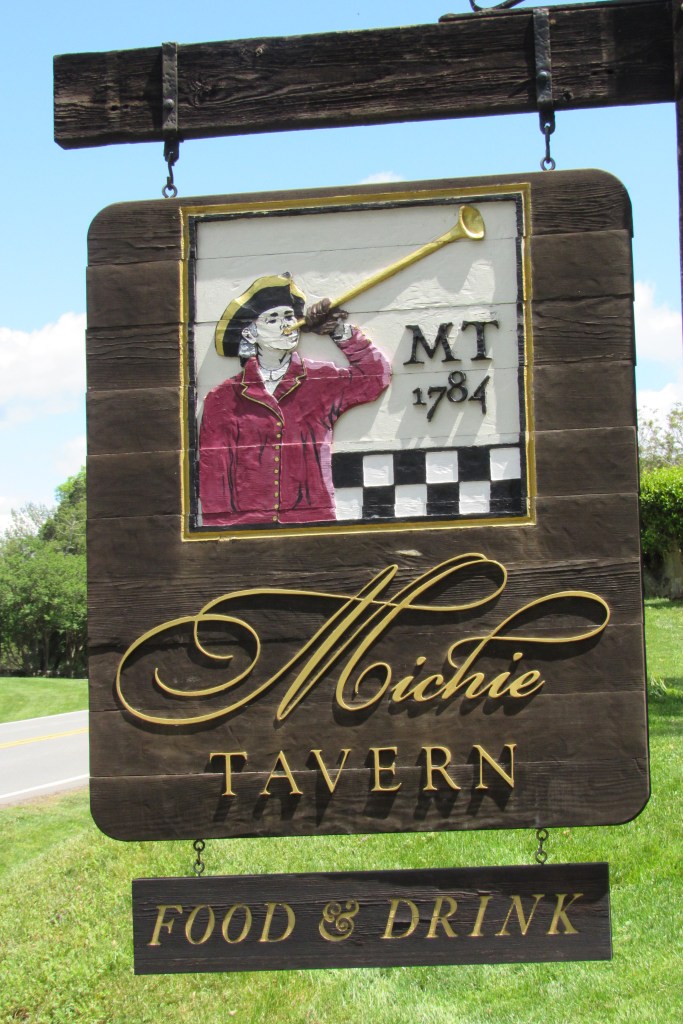
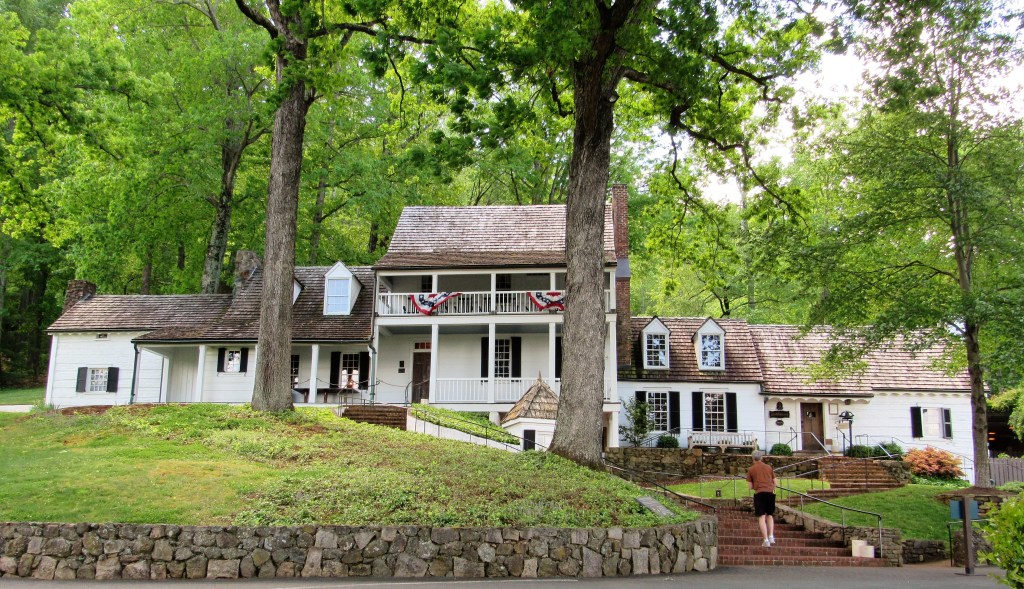
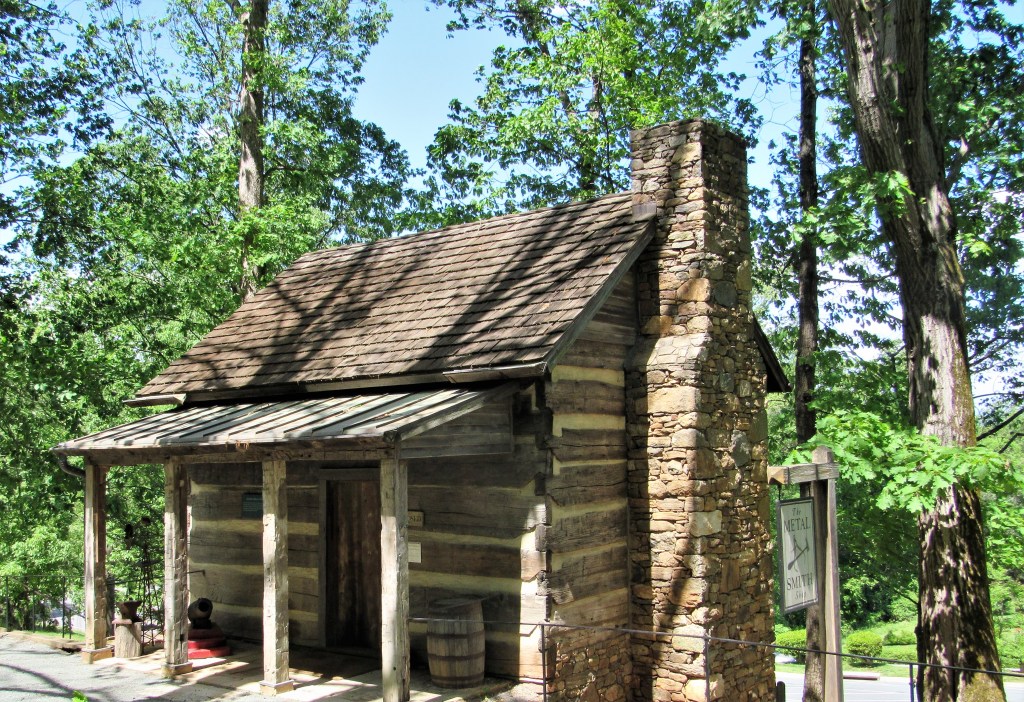
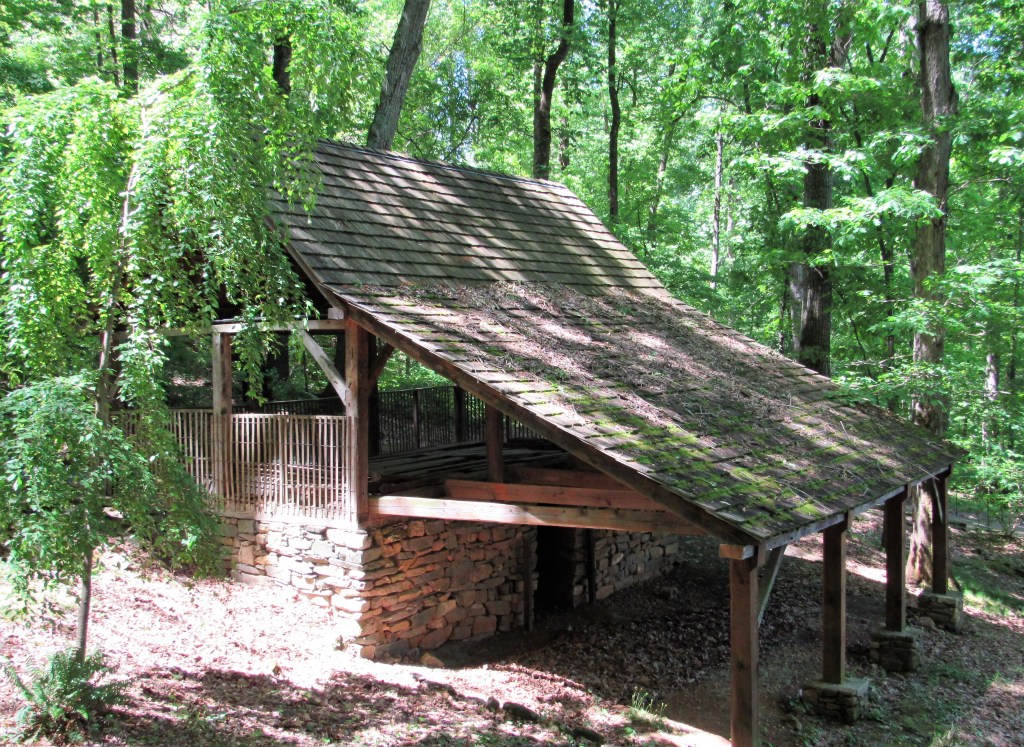
We were going to stop here for lunch, but it was a very big, heavy lunch, that we just weren’t ready for. We are trying to eat lighter. So even though we did not stop in for lunch, we still walked the grounds.
A tobacco barn. Up until fairly recently, tobacco was one of the main cash crops for the state of Virginia.
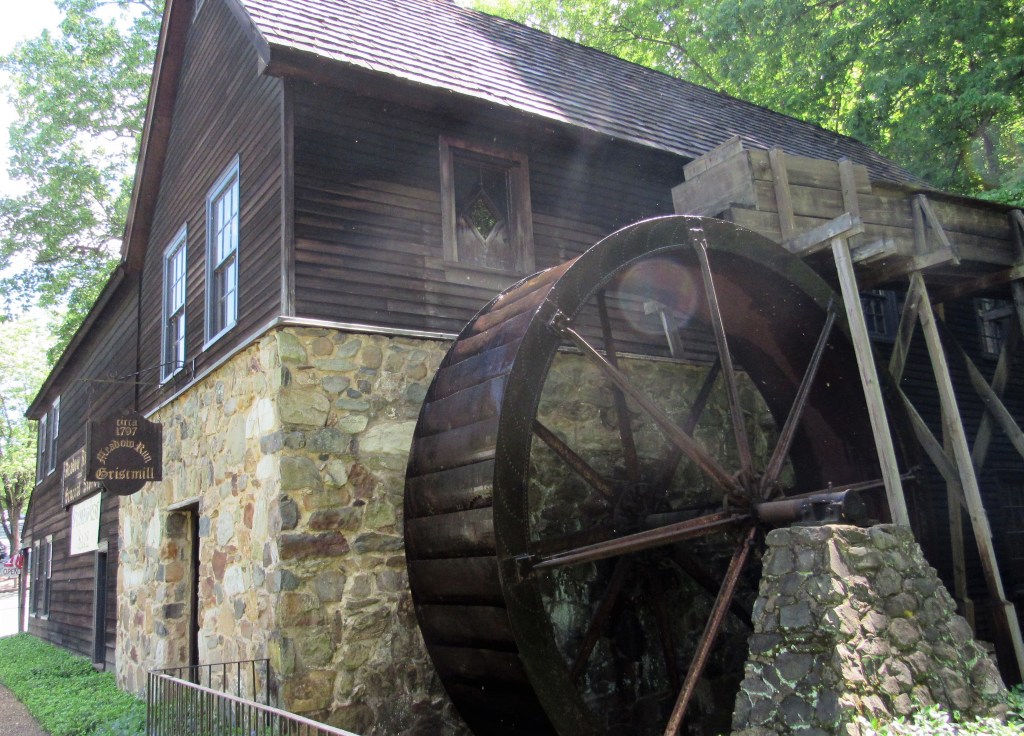
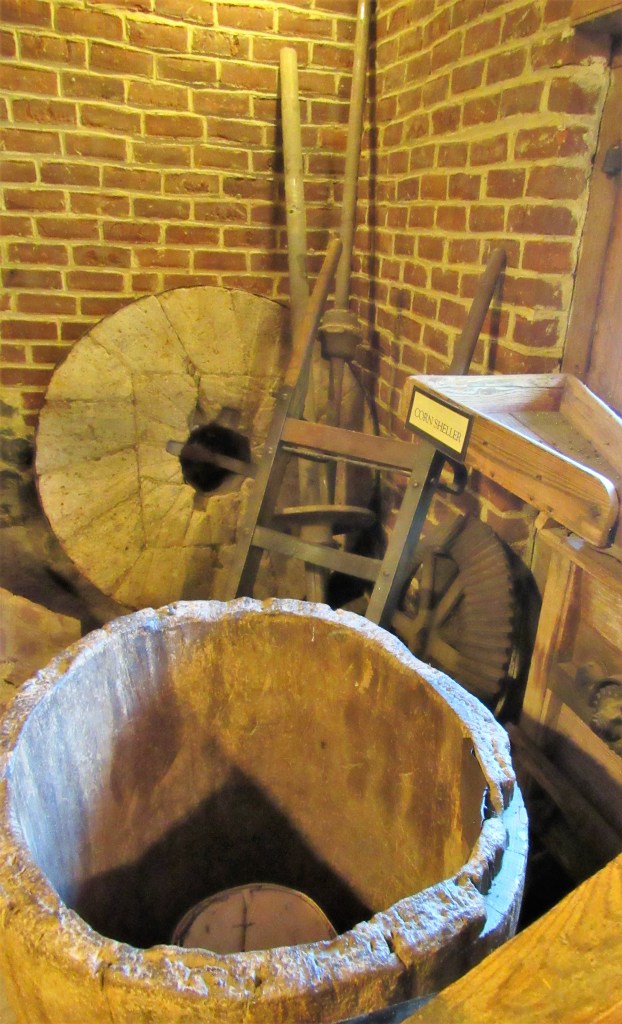
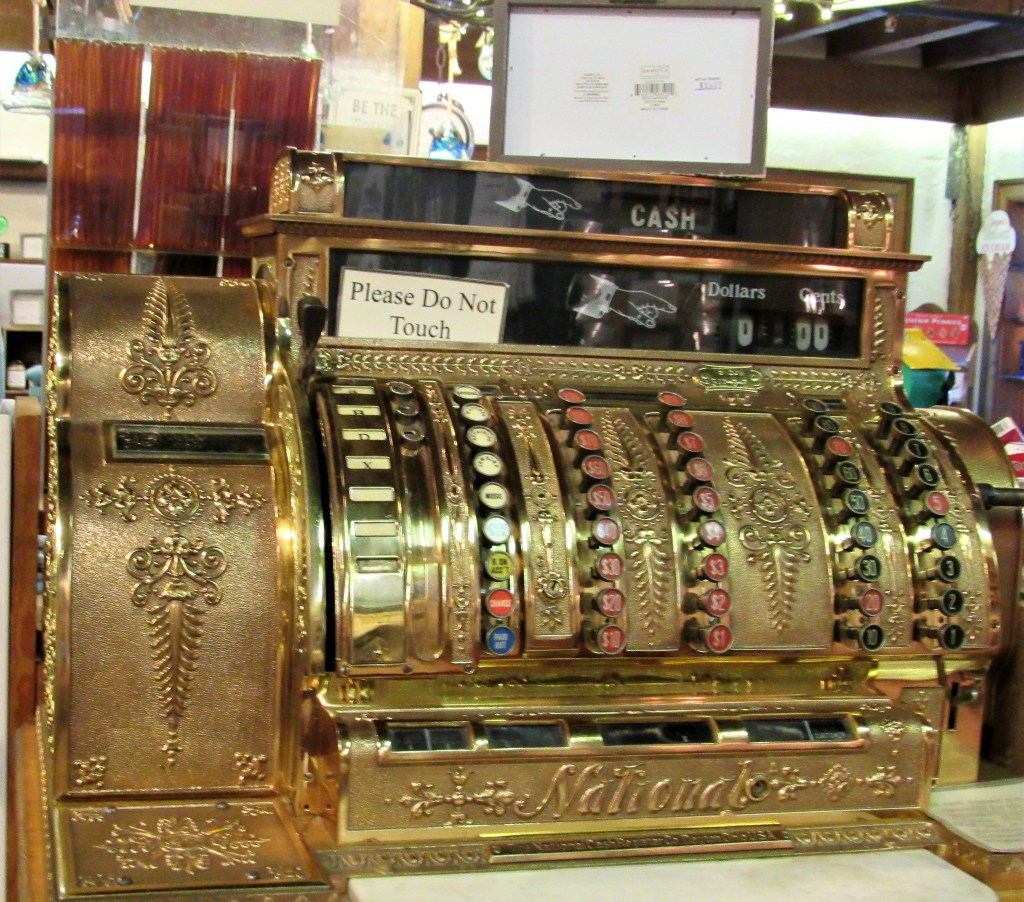
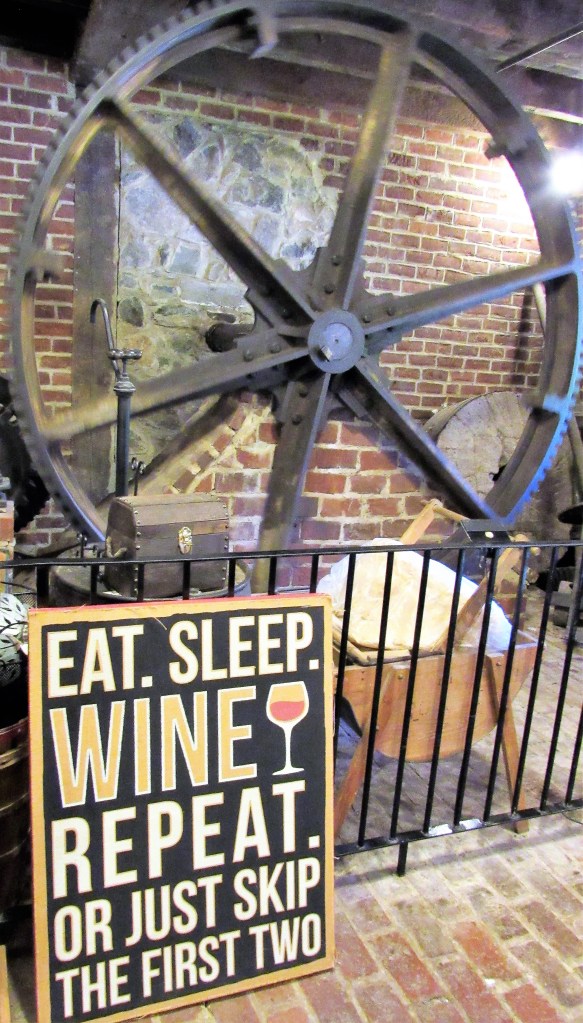
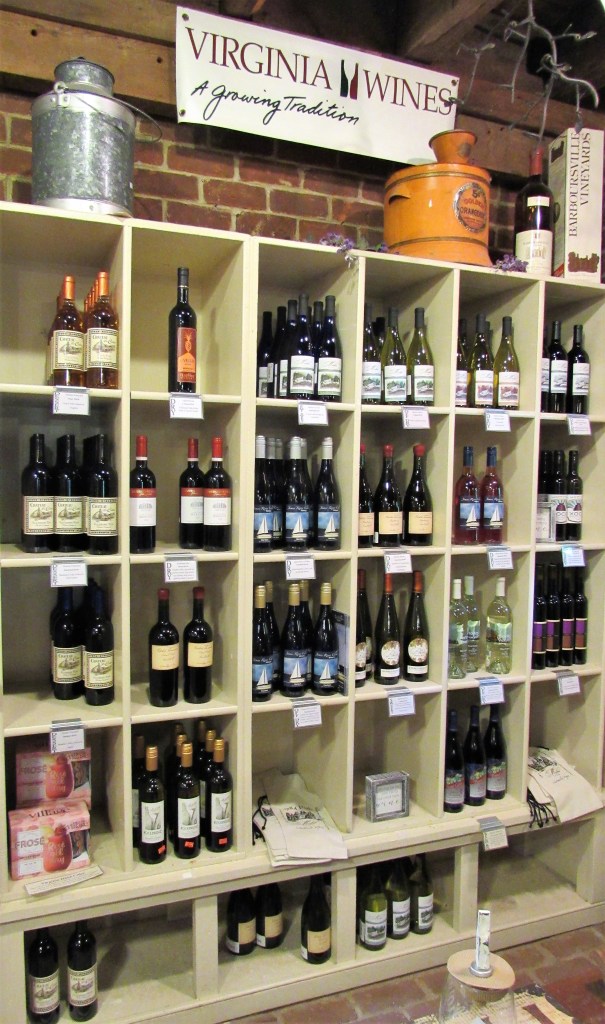
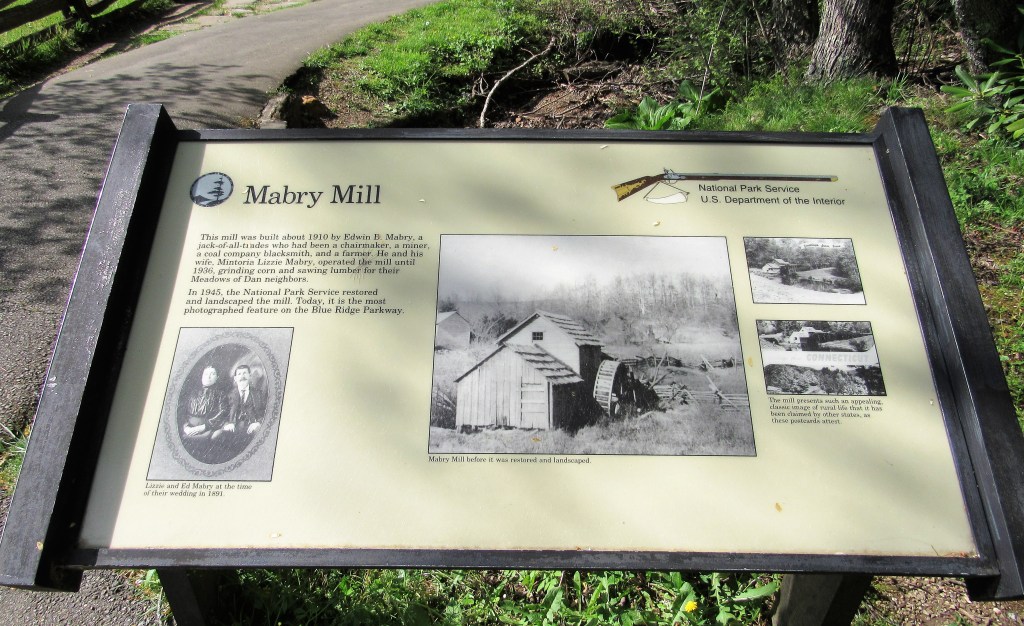
This mill was also the general store. It was filled with unique items that are found in the area., including a whole bunch of Virginia wines.
Virginia ranks #5 in the US for wine production.
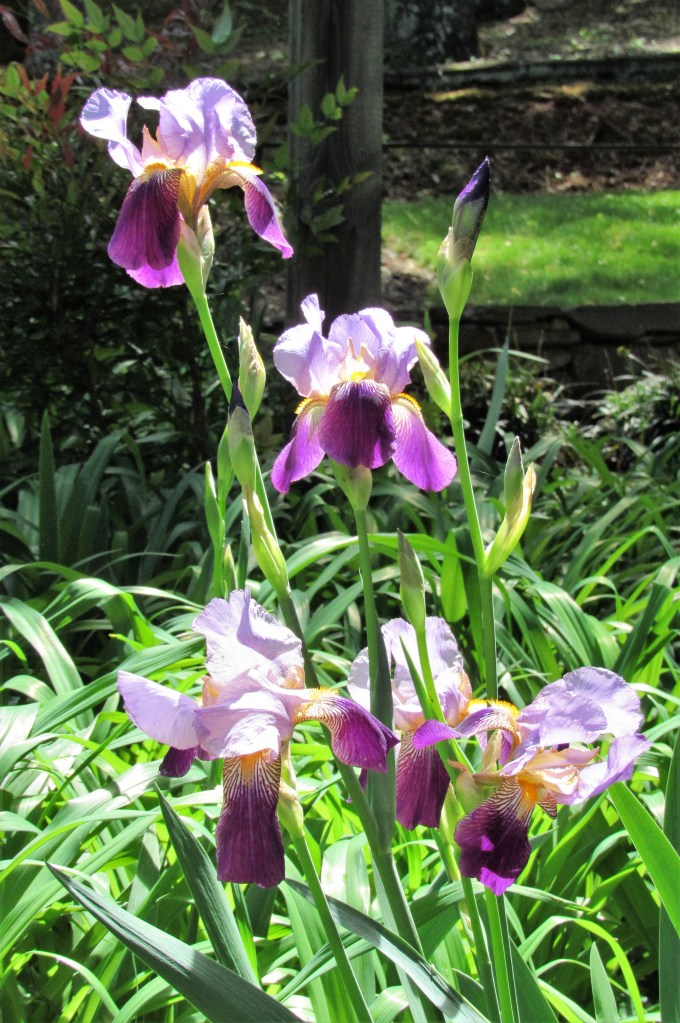
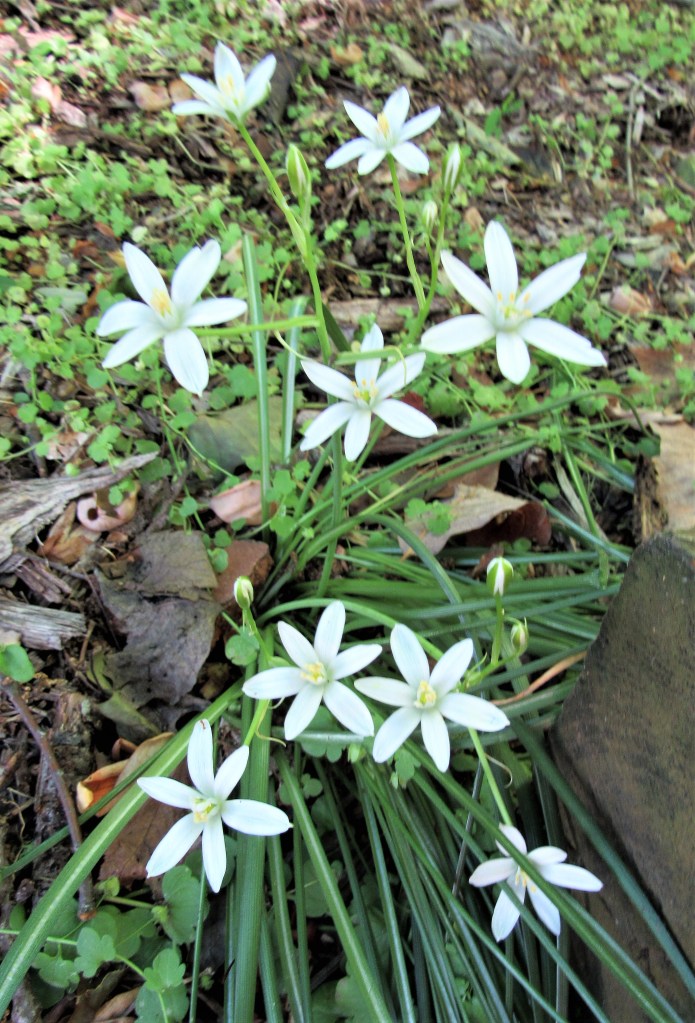
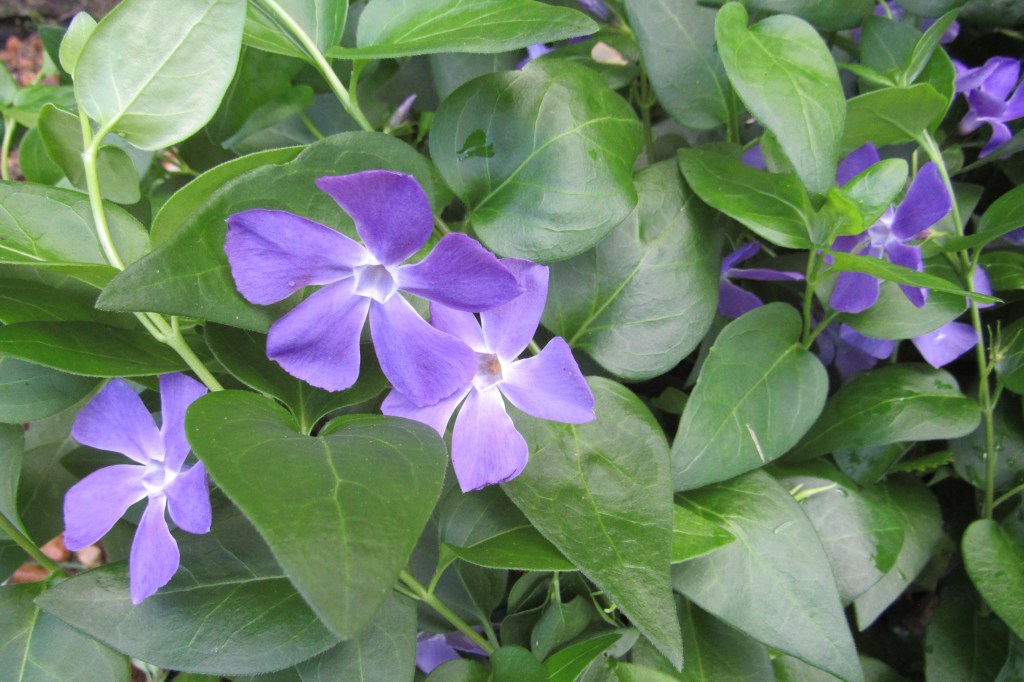
And of course there were so many gorgeous and colorful flowers. The irises were blooming beautifully everywhere we went. I love irises. They always make me think of my mother since they were her favorite flowers.
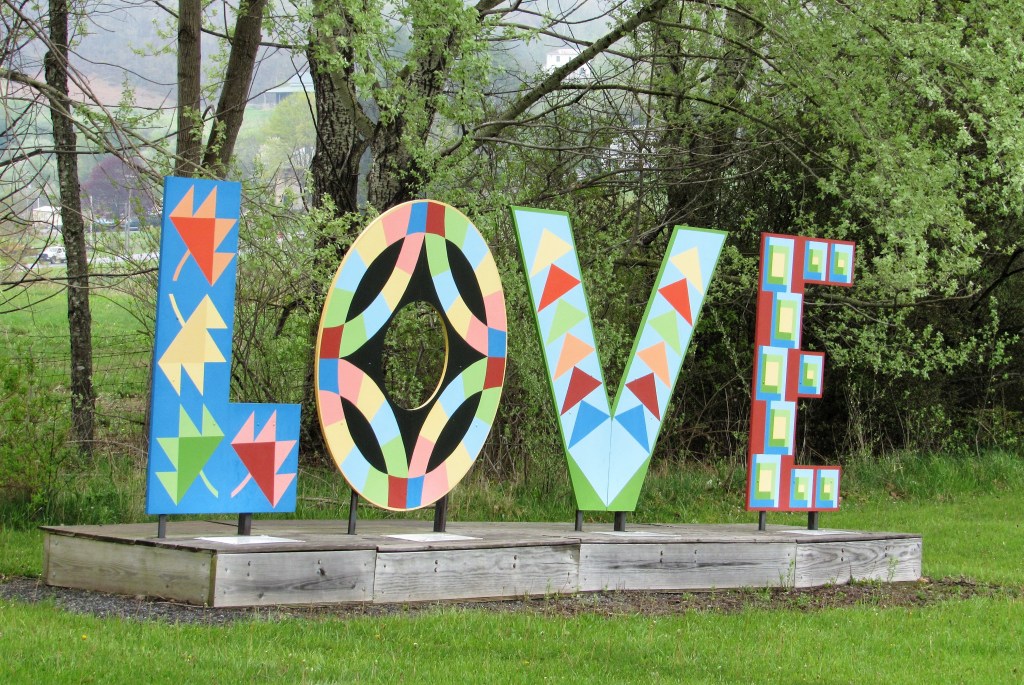
Love was all around, which was perfect since we were en route to a wedding.
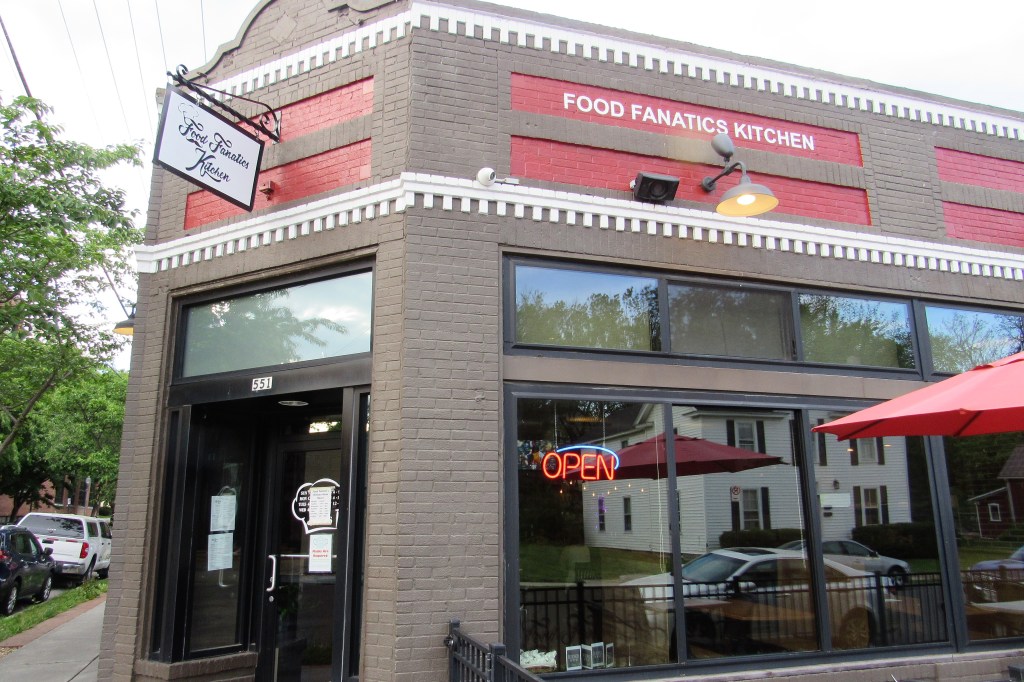
When we are traveling, we have no choice but to eat out and so often we come across some really fun and interesting restaurants and ideas. I try my best NOT to go to chains when traveling, because I love experiencing all the different foods and flavors from abroad. Our first night in Virginia we dined in Roanoke at a place called Food Fanatics Kitchen. Yet again, it was another tasty decision and we thoroughly enjoyed our meal.
This particular Food Fanatics Kitchen is a Roanoke Neighborhood Restaurant serving rustic Italian Cuisine with a twist offers a daily changing menu or grilled meats and fish, wood-oven pizzas and house-made pasta. But the concept of Food Fanatics goes way beyond just this one location. It is a movement of food people and culinary experts who share their love of food to inspire business success across the country. Places like this are popping up all over. Currently, there are 54 Food Fanatic Chefs working their culinary magic around the United States, and the numbers are quickly growing too. It all begins with the culinary leadership of our chefs. Every day, their passion for innovation shines through as they develop new recipes and applications, infusing the latest trends into their creations to provide you with the recipes for success. “Try these food recipes and menu ideas sourced from our culinary teams, Scoop and Food Fanatics Magazines to refresh or put a new twist on your own offerings. Our chefs’ ever-evolving, always on-trend ideas can help breathe new life into your menu.” Interestingly enough, many moons ago, this is how I started out too, long before it became an ever-growing trend in the restaurant and culinary industry. Who knew I was a trend setter way back then? I still love to cook this way today too. In fact, it is actually my favorite way to cook. 🙂
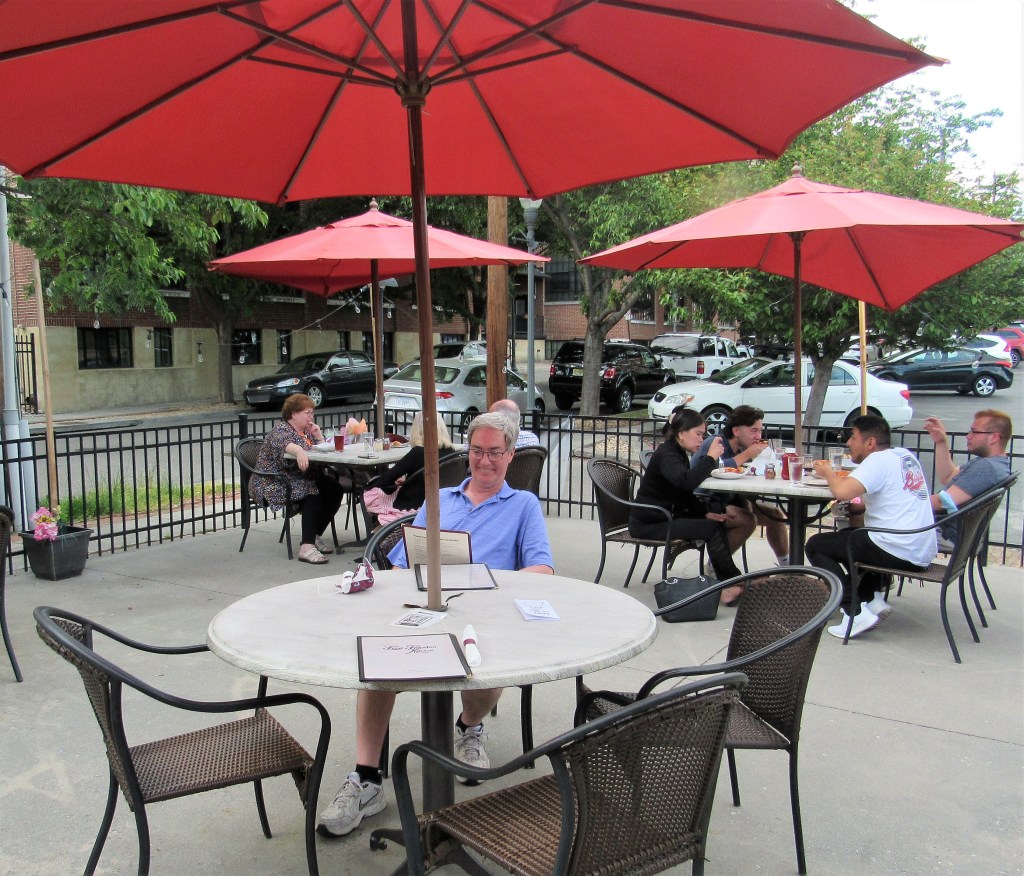
There were inside and outside dining options.
We love dining al fresco, and it was such a beautiful evening, that of course we chose to dine outside.
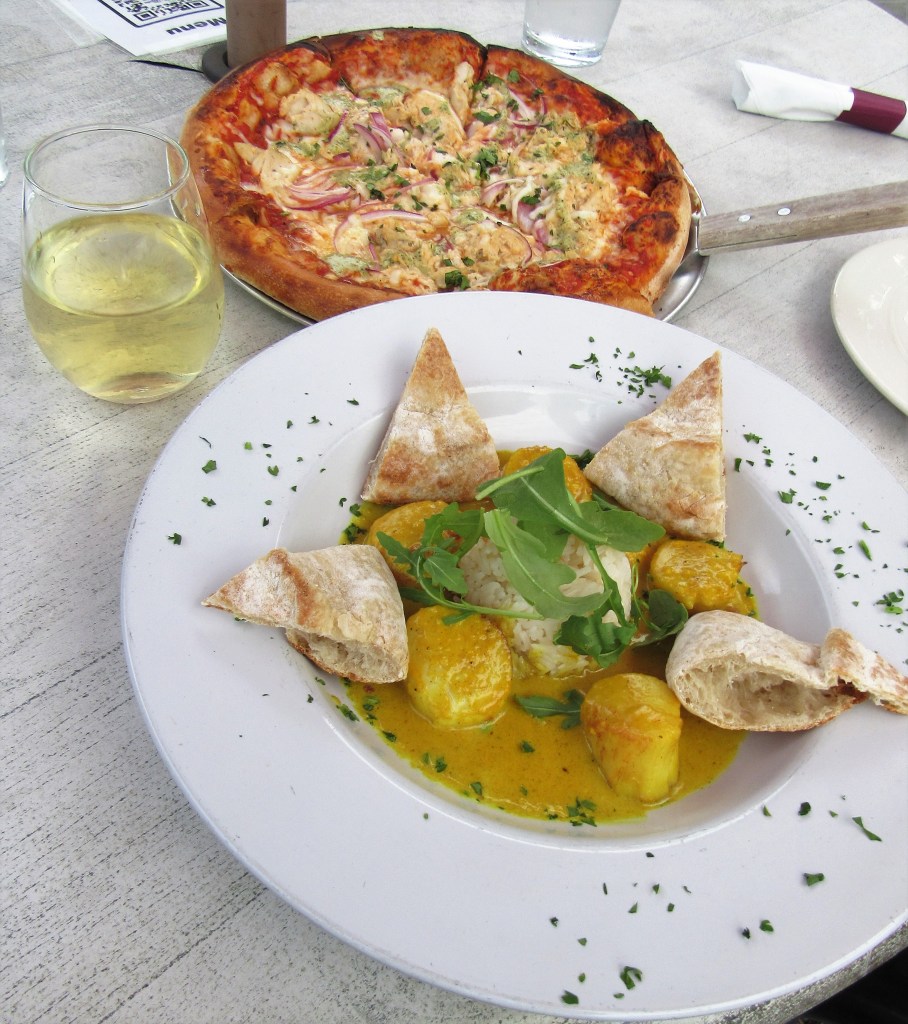
Because we like to try so many different foods, we often share meals or get an appetizer and a meal to share between us. We started with curried scallops and paired it with the chicken tikka pizza. Great combination! I love all three – pizza, Indian foods and curry, but I had never thought of combining pizza and Indian food together before. We LOVED it!!!!! I will have to make some chicken tikka pizza here at home home of these days.
The pizza was cooked in the wood fired oven.
All the food was fantastic. We loved every bite of it. Thank you for introducing us to these fabulous combinations. 🙂 What an absolute treat.
As I said, this is one of many such restaurants. This particular location was in Roanoke, Virginia, located at 551 Marshall Avenue, SW. You can call them to see what’s cooking at (540) 204-4767 or visit the Food Fanatics website for more ideas and locations at http://www.foodfanaticskitchen.com.
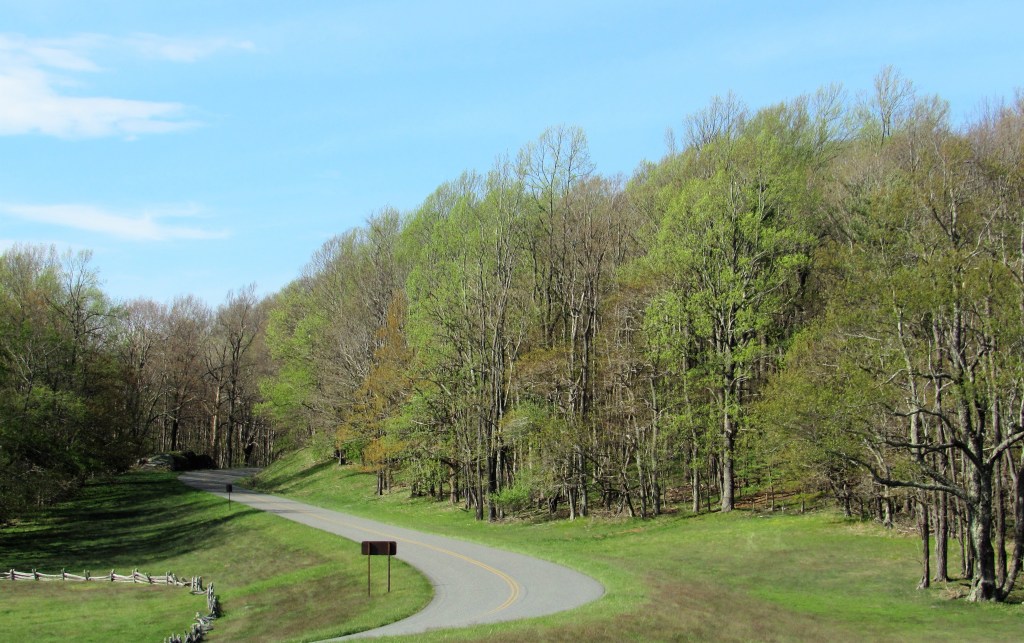
After our delicious lunch at Switzerland Cafe Little Switzerland we continued along the Blue Ridge Pathway for another hundred or so miles, which took us into Virginia. Virginia is another beautiful Colonial state, abundant with a rich and colorful history. In 1607 the London Company established the first permanent English colony in the New World in the Colony of Virginia. The colony was nicknamed “Old Dominion”. The nickname was earned by the loyalty of Virginia to the Royalist cause during the English Civil War and afterward, during the English Commonwealth. Virginia’s state legislature was established in 1619 and is the oldest continuous law-making body in North America.
At first, the scenery from North Carolina into Virginia is not that different. But as we continued, we started noticing more and more subtle changes along the way.
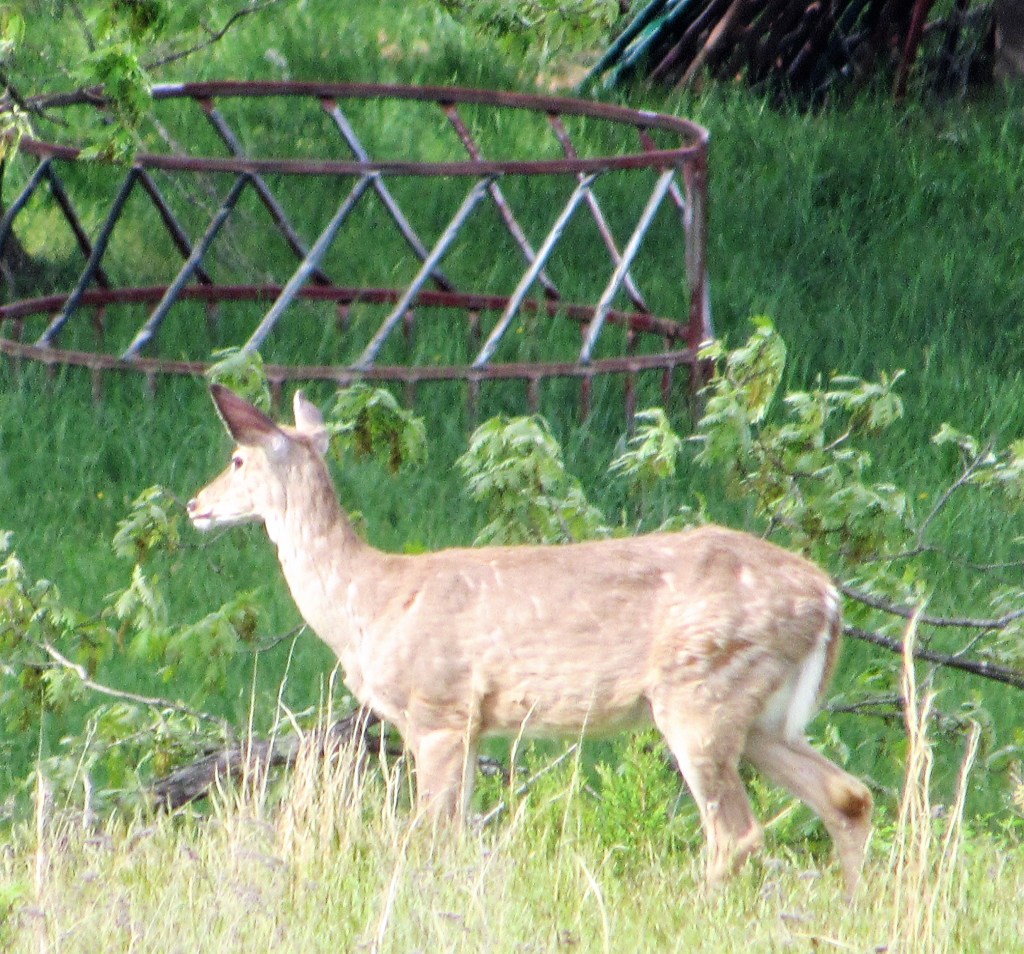
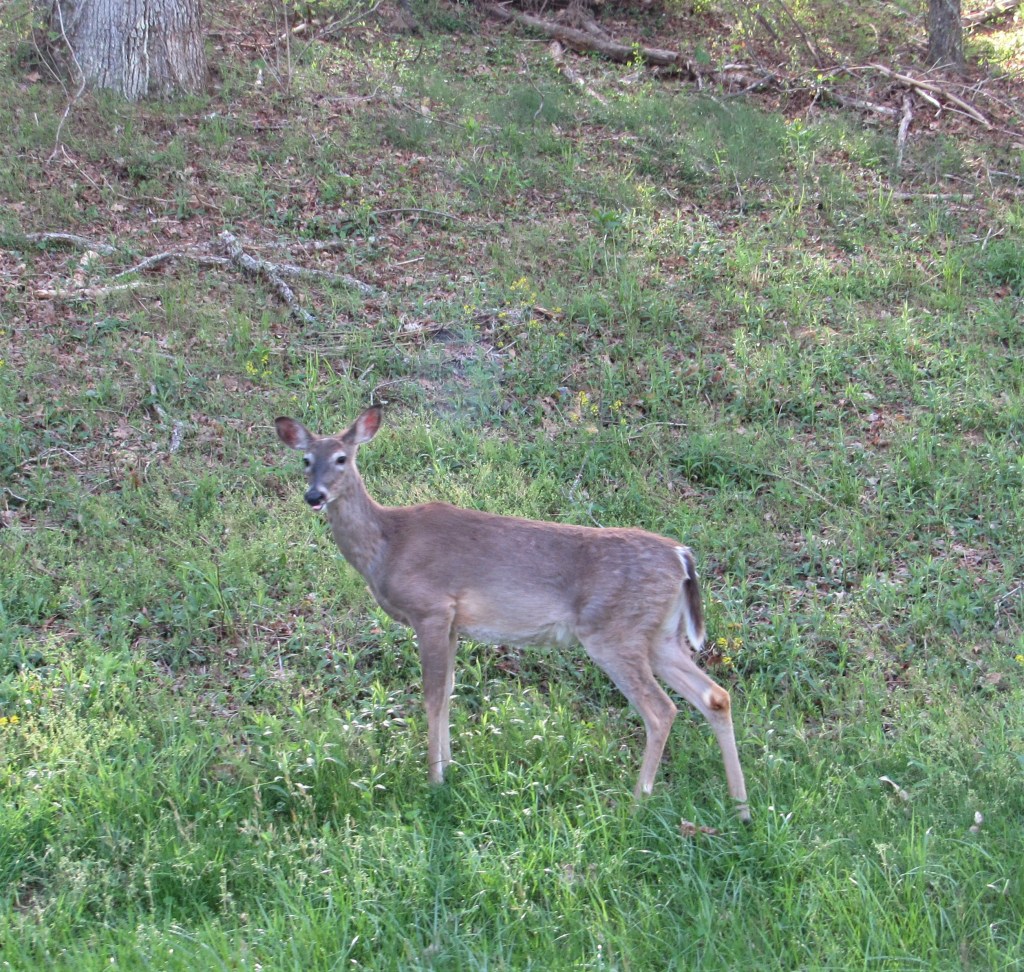
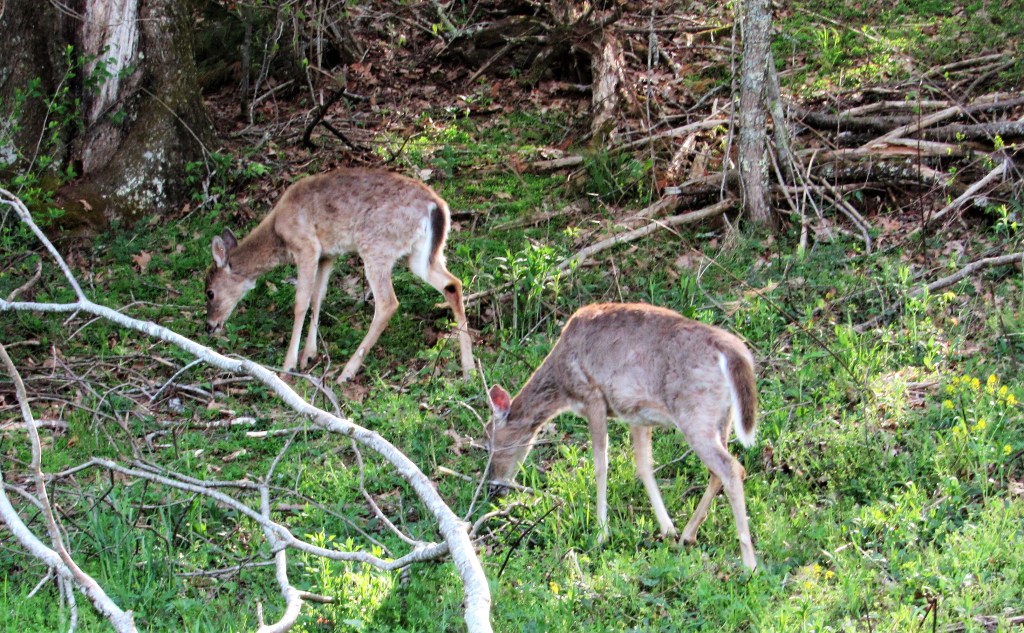
We even saw a few deer in the woods.
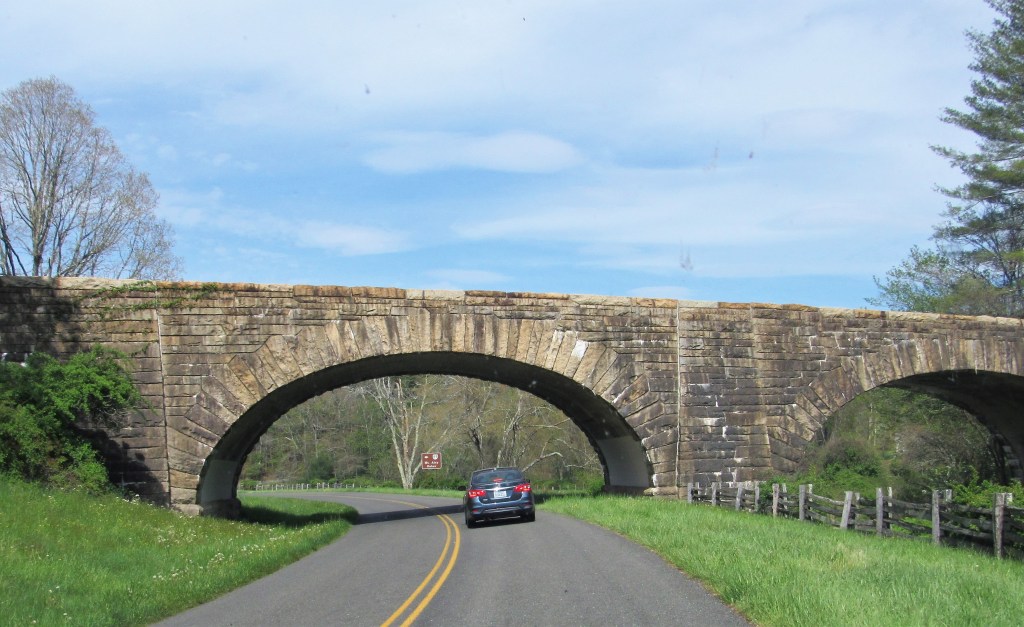
This is one of many old and historic bridges we came across.
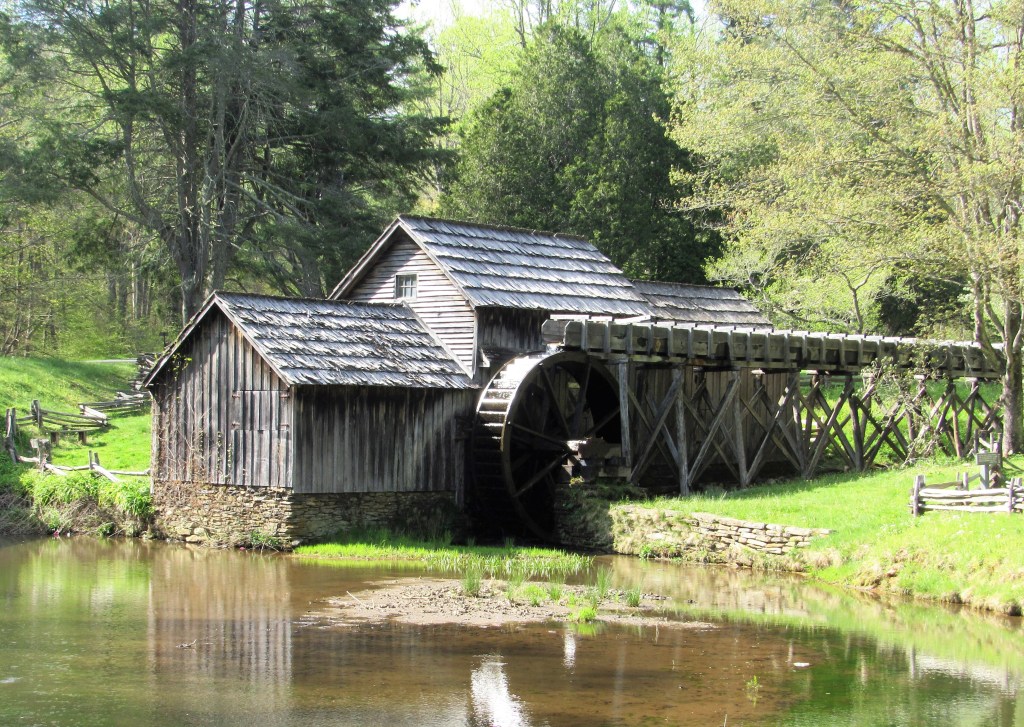
When we needed a potty break, we stopped at this old historic mill.
Isn’t this just an idyllic scene? It is so peaceful and serene.
From here, we kept driving until we reach our hotel for the night. We are still heading towards West Virginia, where our nephew and his bride held their nuptials.
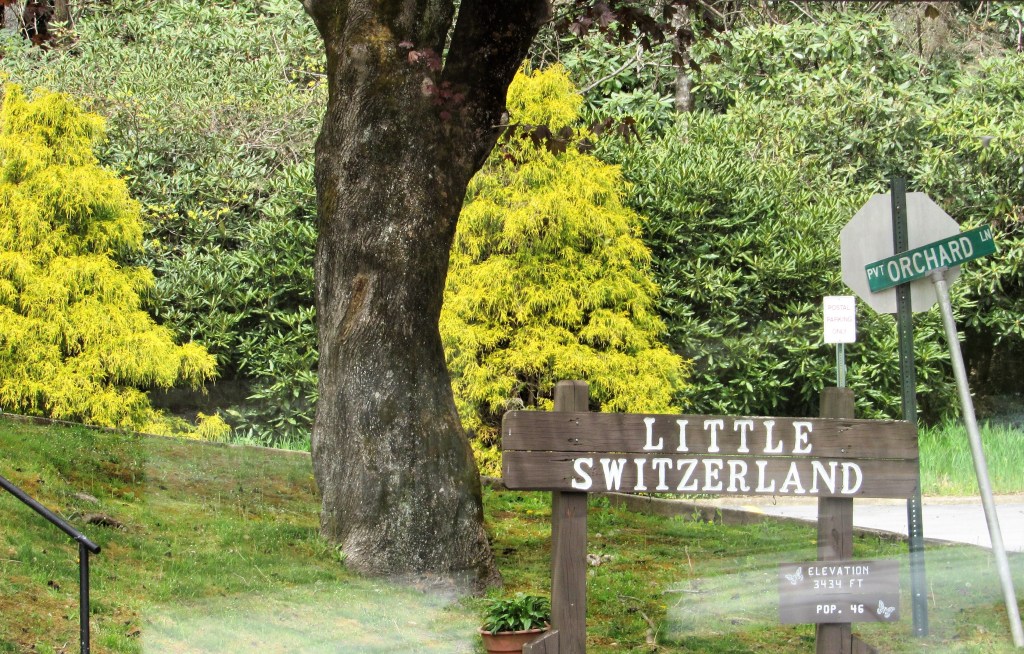
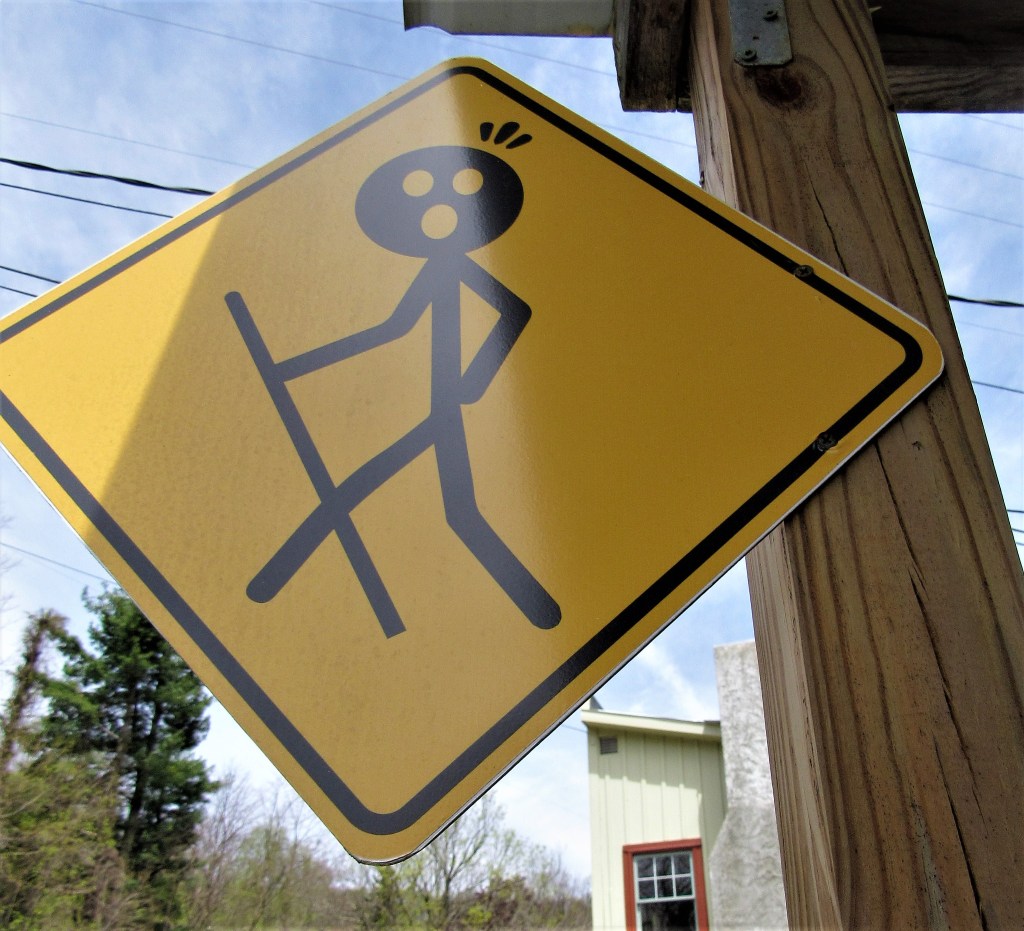
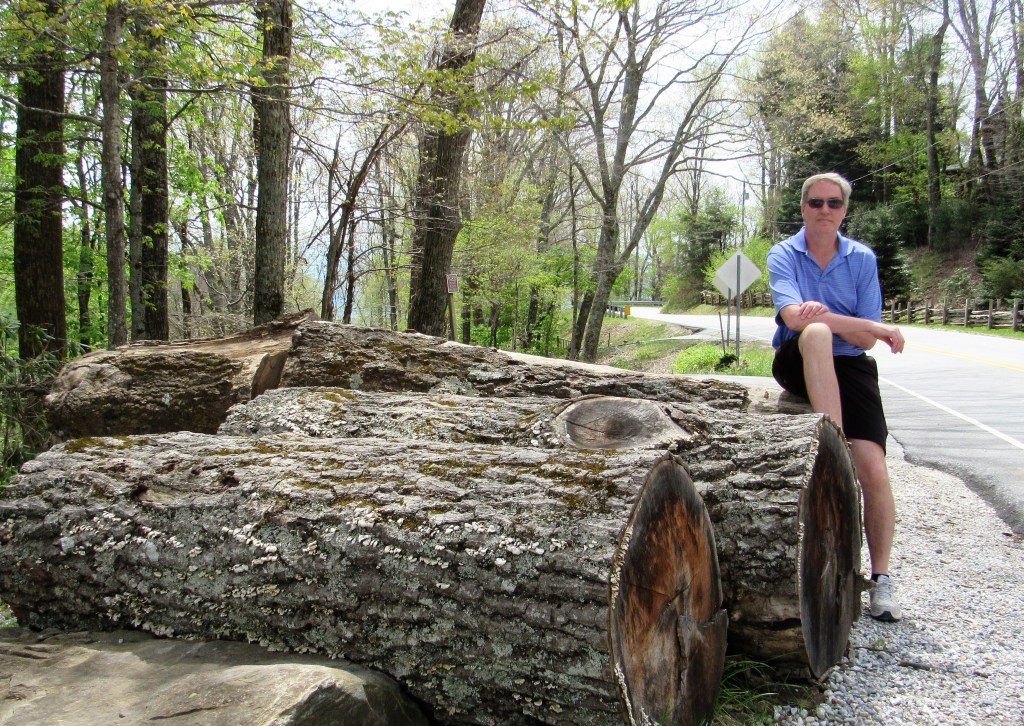
All that driving through the Blue Ridge Mountains gave us an appetite. We stopped in this cute, little quaint town called Little Switzerland, population 46, known as the jewel of the Blue Ridge Mountains. Don’t let the small size of the town fool you though. It embodies what western NC is all about and promotes the region and all that it has to offer. Little Switzerland is off mile marker 334 and is about an hour away from Asheville, NC. If you are a motorcycle fan and/or rider, there is the Diamondback trail that goes along for about 12 miles of the Blue Ridge Parkway and ends in Little Switzerland. The area is also a hiker’s haven with plenty of back trails just waiting to be discovered.
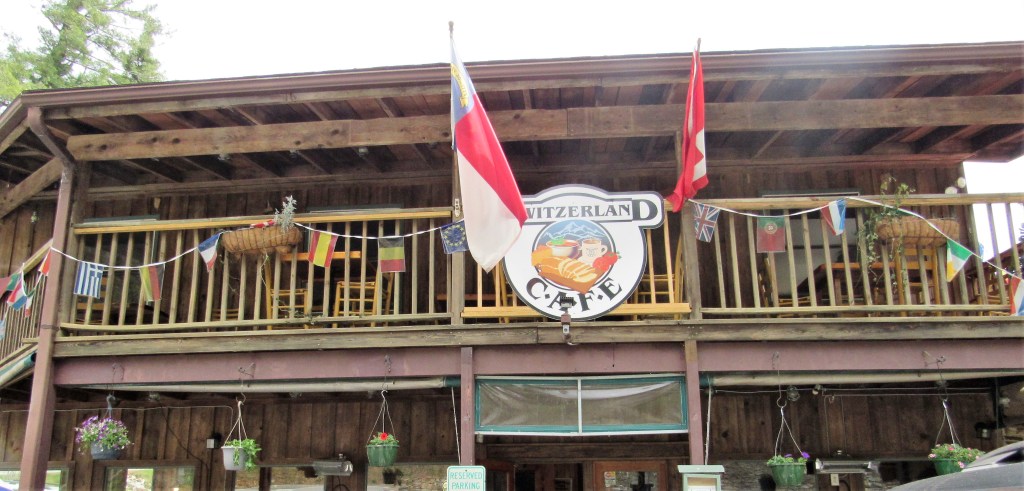
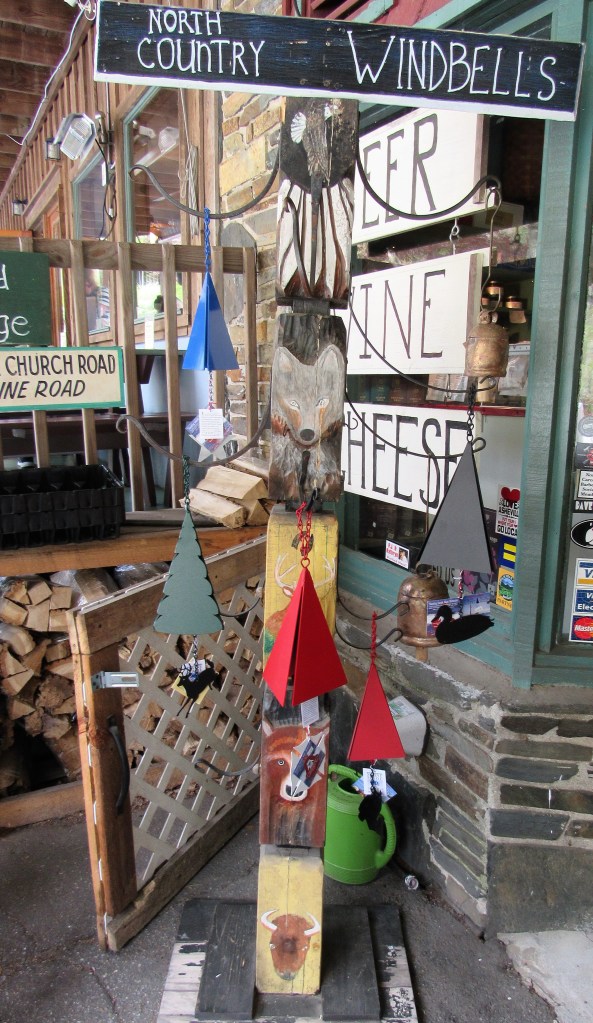
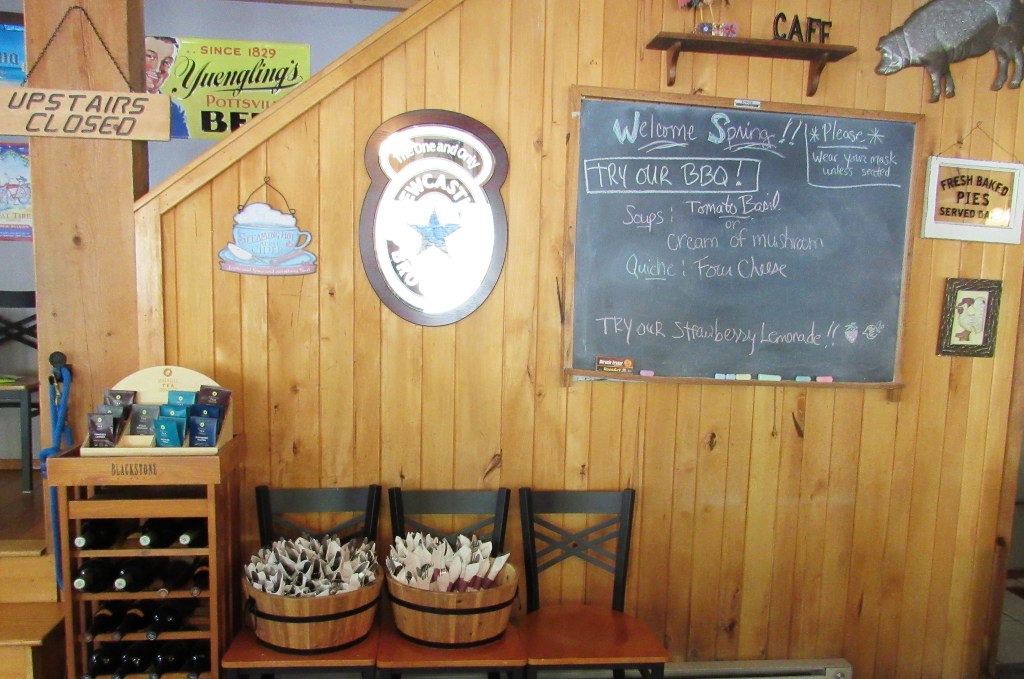
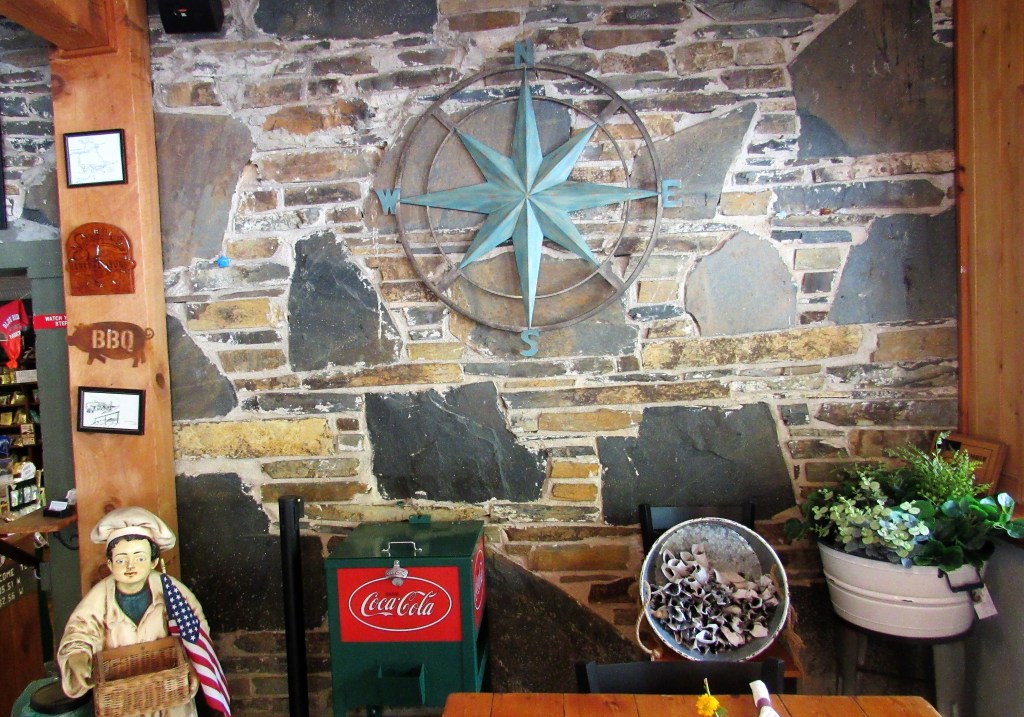
We stopped and ate at the The Little Switzerland Cafe. It was packed, and for very good reason too. The food was fresh, delicious and made in house. They also have a little shop adjacent to the restaurant, for your shopping pleasures while you wait to be seated. The shop is filled with unique items and local artwork.
Since we were in bear country, it was only fitting to have a picture of a black bear in the restaurant too.
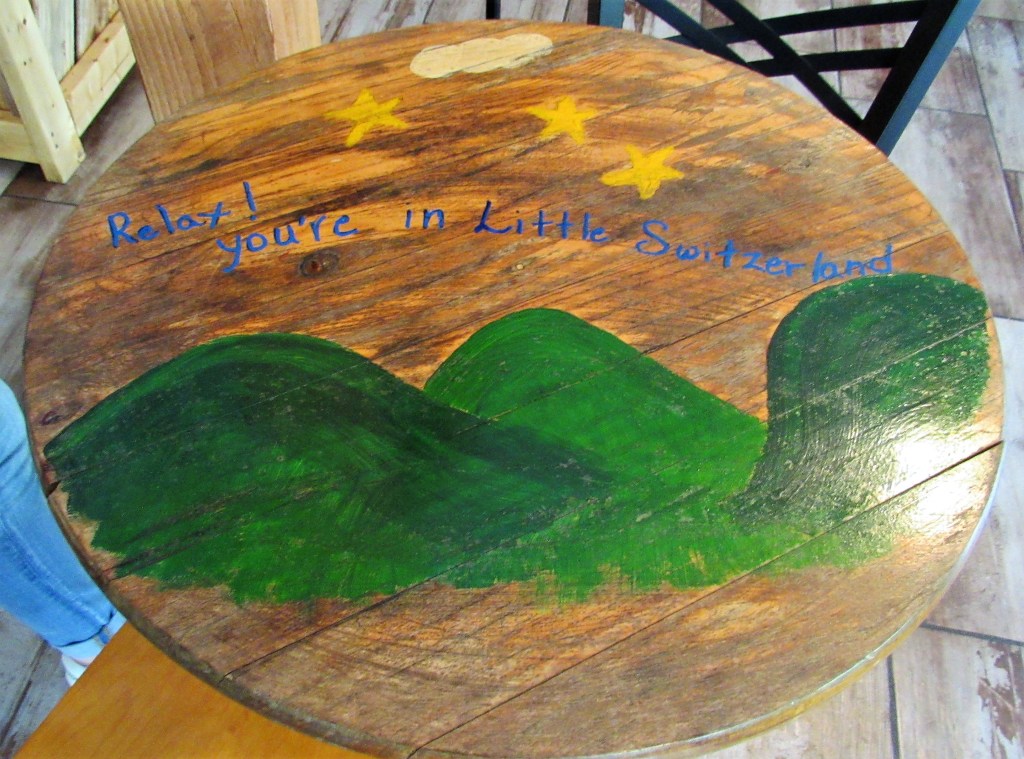
We did not get to sit at this table, but I just had to take a picture of it it. I heard it was reserved for a special customer.
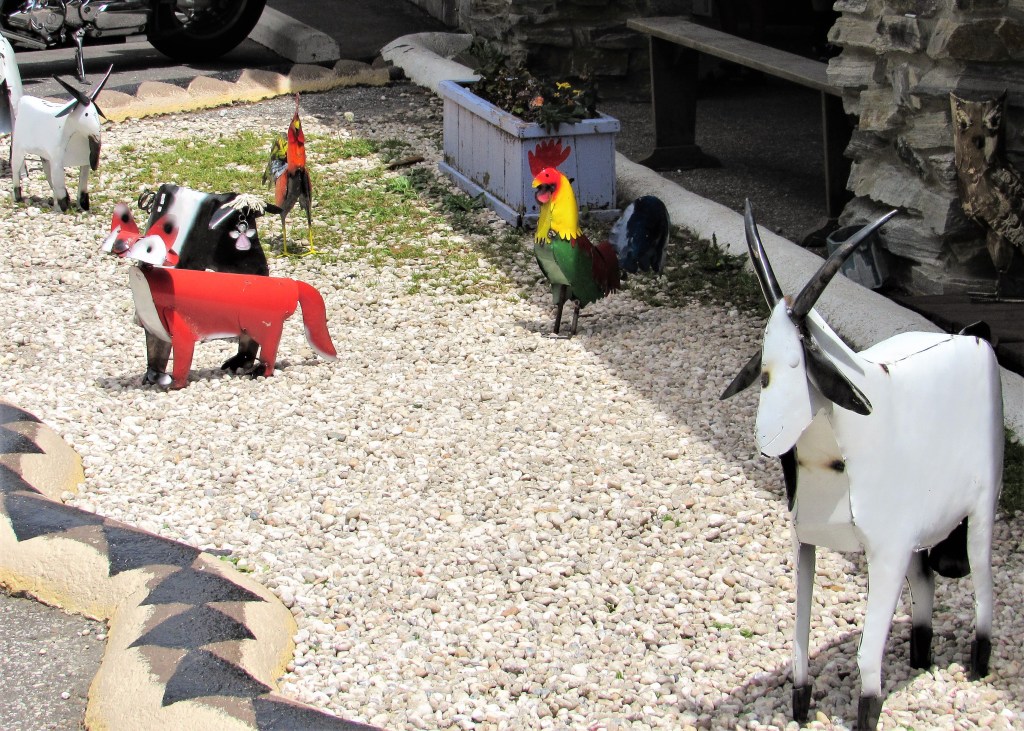
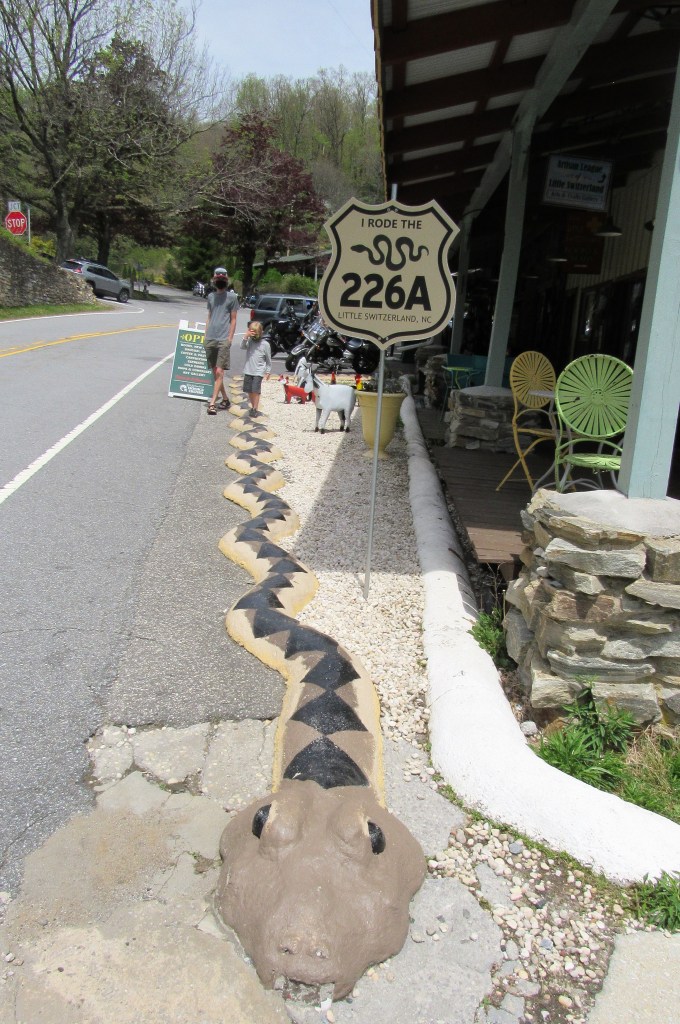
If you wanted to wait outside, there were some interesting “farm animals” to look at too.
This is the ONLY kind of snake I like.
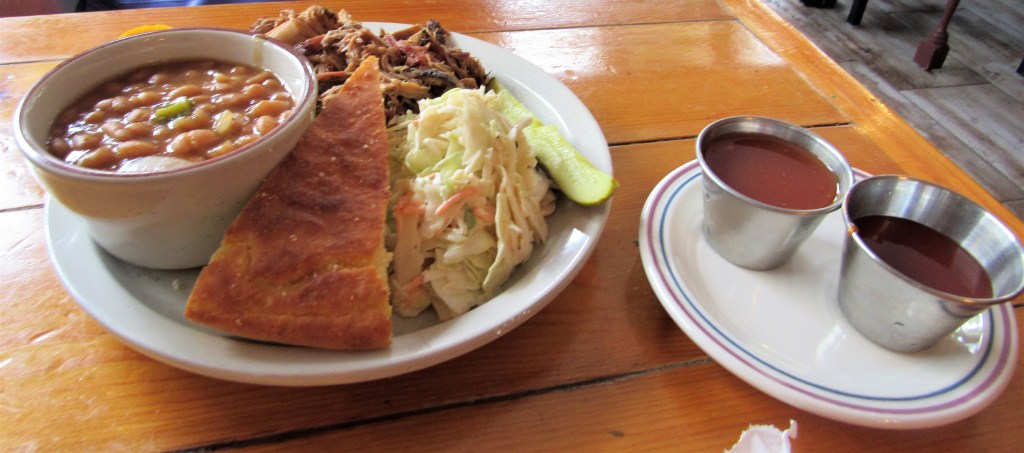
And now the food. Larry was hungry for some good Southern style BBQ, and he definitely got some here. He ordered the pulled pork plate, which was overflowing with goodness. I had a little bit too and it was DELICIOUS! It came with baked beans, cornbread, coleslaw and he ordered 2 kinds of BBQ sauce to go with it as well.
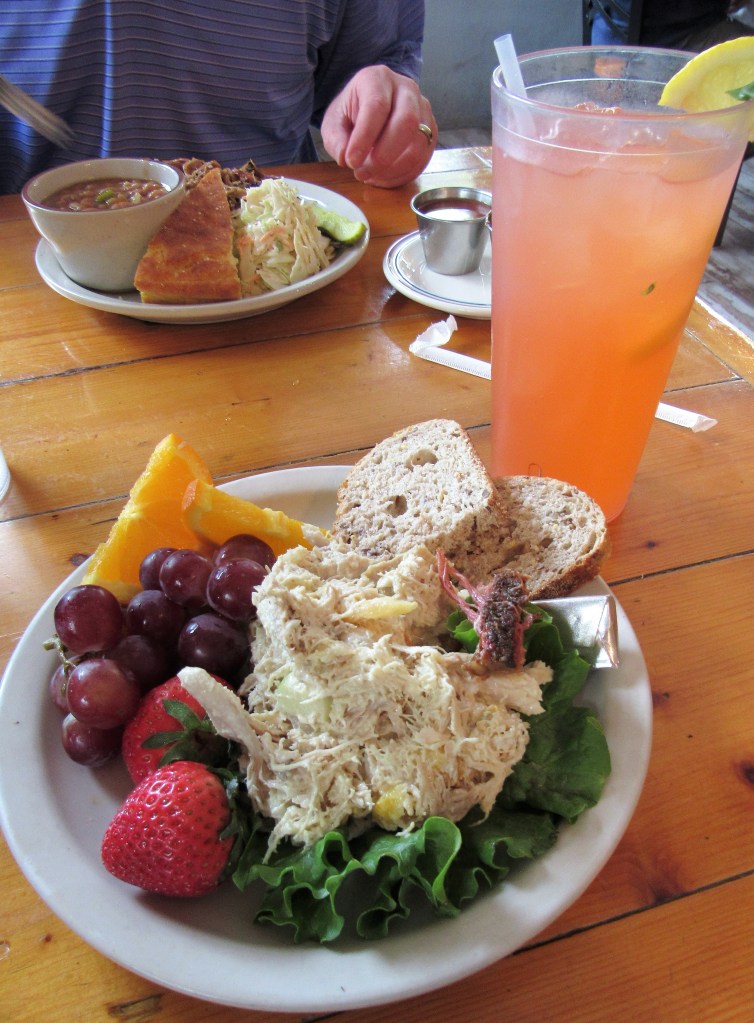
I wasn’t all that hungry, and I am trying my darnedest to lose weight (a lot of weight), so I ordered something a bit lighter, though it was every bit as delicious. I ordered the chicken salad made with apricots and almonds with fruit on the side and a strawberry lemonade to help wet my whistle. Some fresh, homemade bread was on the side too. I could have easily eaten the whole loaf of bread. Everything was so good and fresh.
Switzerland Cafe and General Store is located where highway 226A and the Blue Ridge Parkway meet in Little Switzerland, NC. The restaurant offers a wide array of “delectable sandwiches, soups, desserts, pastries, specialty items, coffees and imported cheeses.” You can contact them either by phone at (828) 765-5289 or on the web at either info@swizterlandcafe.com or http://www.switzerlandcafe.com. Either way, next time you find yourself driving along either 226A or the Blue Ridge Pathway, it is well worth it to stop in to the Switzerland Cafe and General Store for a bite to eat and some fun things to purchase as well. We thoroughly enjoyed every bite.































 A Jeanne in the Kitchen