A Trip To Nederland – Part 1 – The Carousel of Happiness

Larry and I didn’t have anything on the books and decided it was time to do one of our little drives, to take in our local sights. We do this all the time, and we learn so much about our beautiful state of Colorado. Yesterday’s drive took us in a big loop, that ended up in Nederland. The drive up was so scenic and picturesque. The distant mountains, at the higher elevations, are still blanketed in snow.
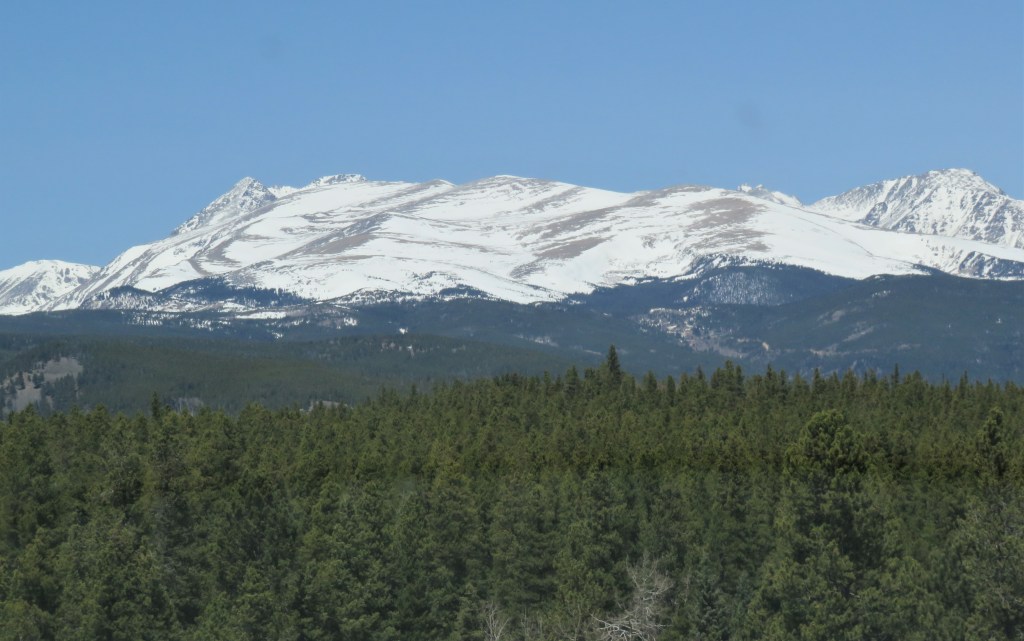
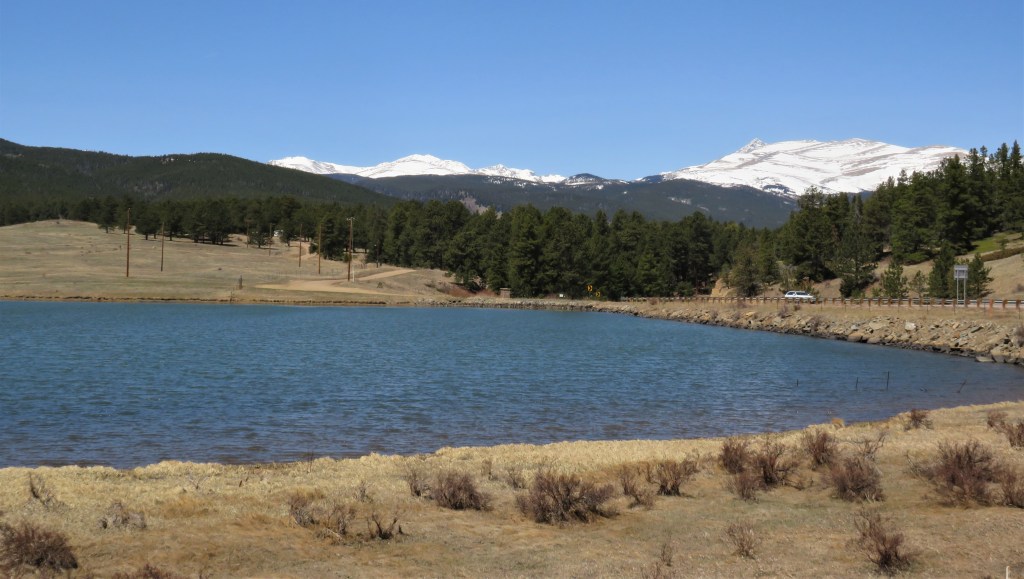
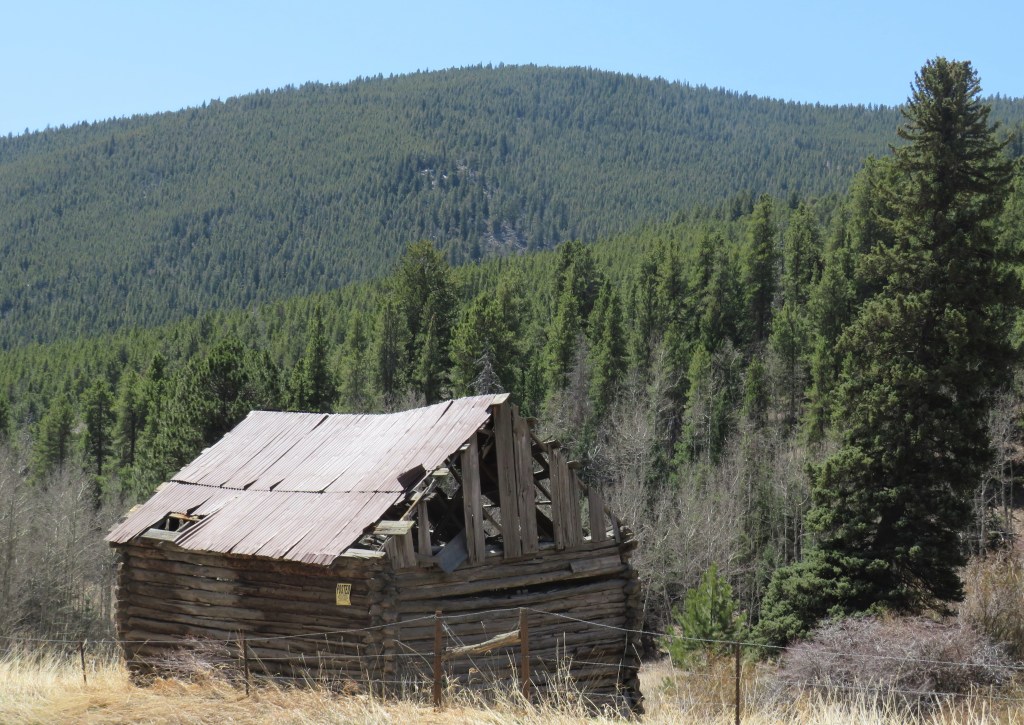
This particular drive, as are so many in our small little mountain towns, is like going back in time, and going back through the Wild, Wild West. Most of the residents of these tiny towns live simple lives, and are often farmers or ranchers. Many of the original log cabins are still around as a reminder of the way things used to be in the bygone eras.

These cows were very wooly. They are known as Highland Wooly cows, originally from Scotland.

Nederland is a little tiny town of about 1500 people, nestled in the mountains of Boulder County. Today it is kind of an artist hangout, but originally it was an old mining town. Nederland is known for being unique and eclectic. It is a very colorful little town in more ways than one.
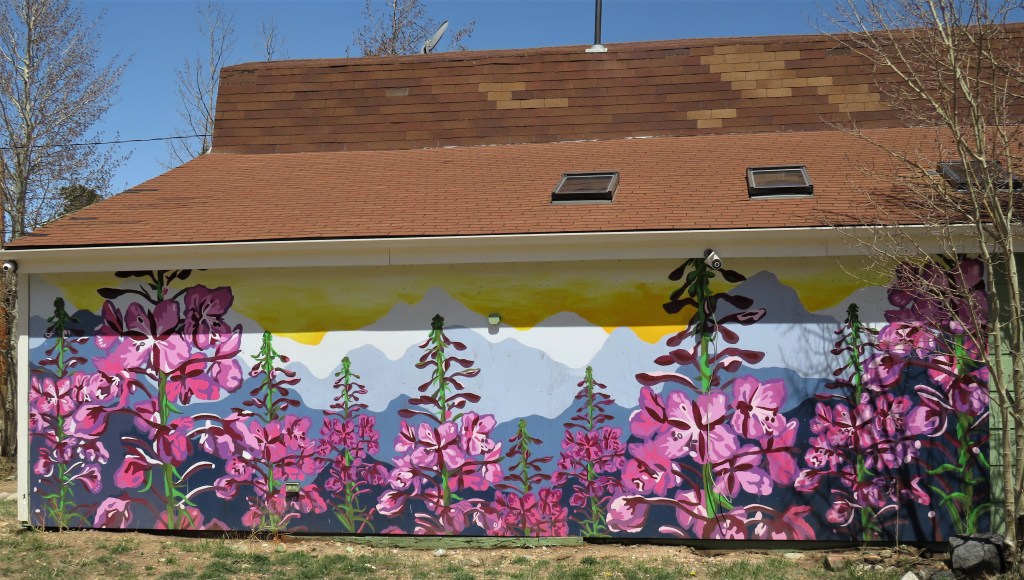
The name Nederland came from Breed’s Caribou Mill in Middle Boulder that became known among the miners as “the Netherlands,” meaning “low lands” Nederland’s elevation is 8,236 feet above sea level. Nederland is a little under 2000 feet lower than it’s rival, the tiny town of Caribou.

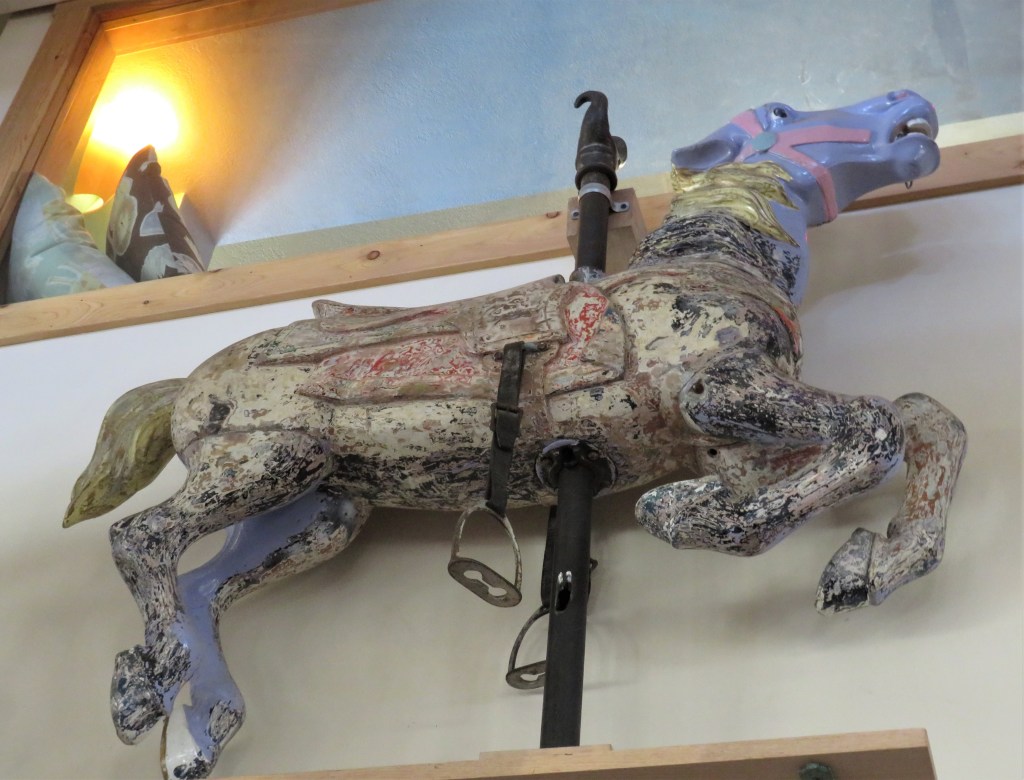
One of the main attractions in Nederland is the Carousel of Happiness. “The Carousel of Happiness is [Nederland’s] magical menagerie featuring 56 whimsical, hand-carved animals on a restored 1910 Looff carousel, turning to the music of a 1913 Wurlitzer band organ”. Charles I.D. Looff was one of the great carousel makers of the late 19th and early 20th centuries. A skilled woodcarver, he arrived in New York City from Denmark in 1870 at the age of 18 and by 1876 had manufactured the first carousel for New York’s Coney Island. During his lifetime, he produced carousels for parks across the nation. In 1910, he delivered a carousel to Saltair Park, just outside Salt Lake City, Utah, which would eventually find its way to Nederland, Colorado.

The animals did not come with the carousel, and had to be either made or bought. The were all hand carved by a young Marine named Scott Harrison, who was a Nederland resident. Harrison had never carved before, but he mastered the skill and handcrafted all of the wooden animals for his carousel. The Carousel of Happiness is a blending of new and old creations. It is the spirit of the century-old carousel combined with new carvings, along with the inspiring story of Scott’s creation, that encourages a new set of smiles from young and old visitors, alike. The Carousel of Happiness is indeed a very happy place, for young and old alike. It is also a non-profit 501 (C) (3) organization.
Of course I had to ride the Carousel of Happiness. I do every time I am in town. I wanted to ride the Saint Bernard, since we are proud Saint parents, but there was a little girl ahead of me in line that had her heart set on riding that Saint. I had to give in and let her ride it.

Instead, I opted for the mermaid, which is just as apropos.

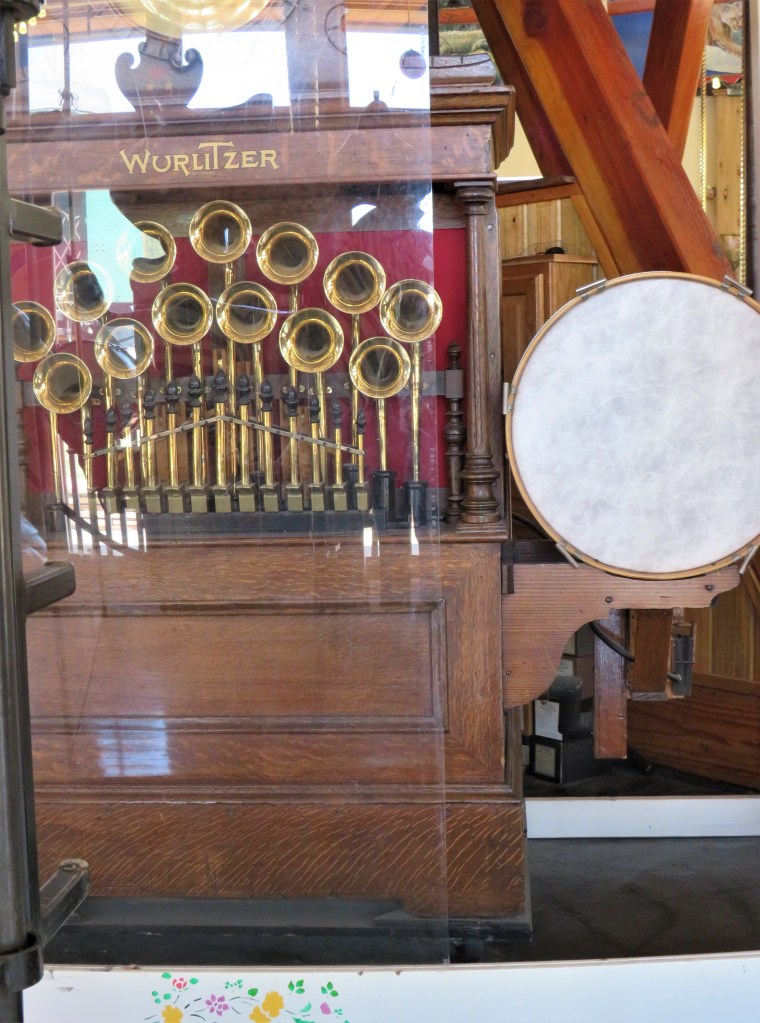
Other features of the carousel were fun little whimsical creations scattered all around, as well as an old Wurlitzer for the sound. Today the music is recorded, but not that long ago, it was still manually cranked.

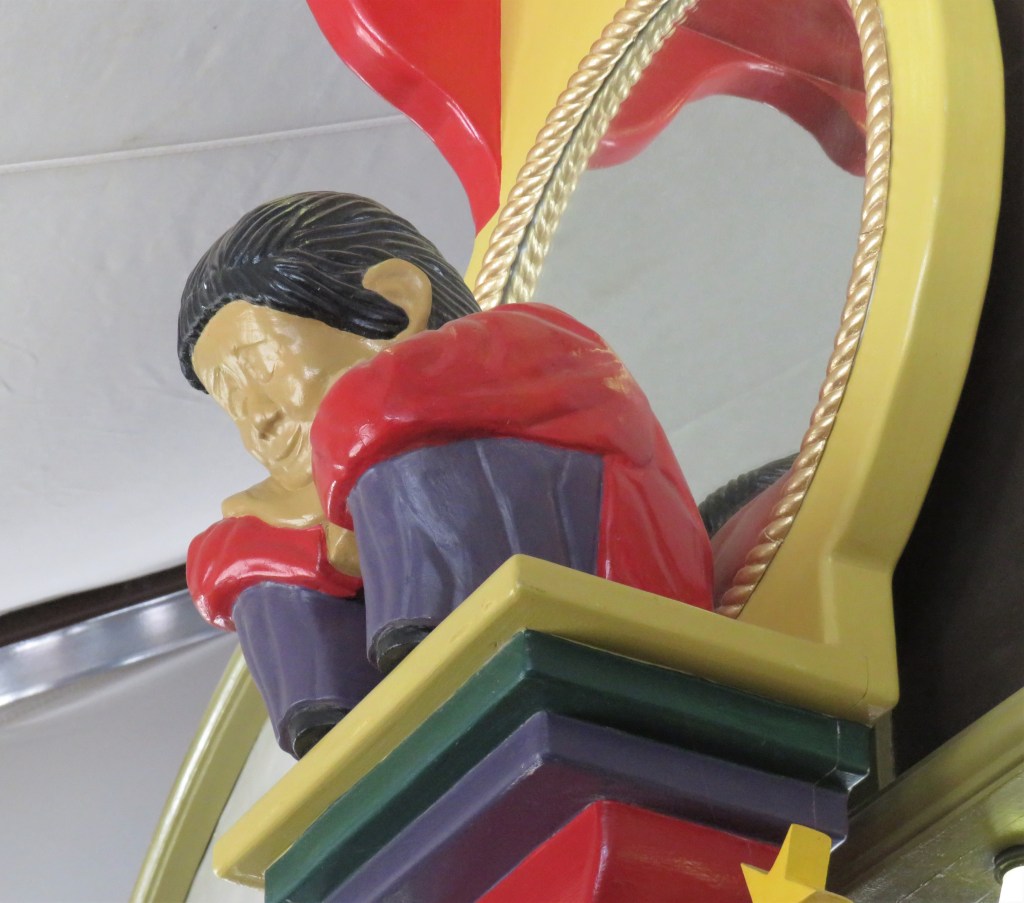
This is Charlie. He was our historical guide for the duration of the ride. He knew all there was to know about the Carousel of Happiness and he was very happy to share his knowledge with all.

After the carousel ride, we ventured across the parking lot for an adventure in wine tasting. Our mistress of the wines, Rebecca, was also the very same painter of the characters on the carousel, but more on that later. Stay tuned. I have a lot more fun stuff to share with you all about our little day trip to Nederland coming up.

Never stop being a kid, even if only a kid at heart. Find the fun in everyday.

Stay safe and stay well. ‘Til next time.

Sweet Potatoes with Bacon and Onions

Larry and I were on different wavelengths when it came to what we wanted for dinner. He didn’t tell me he wanted something Mexican with the steak until after I was already marinating in a Southern style marinade. My reasoning was because I wanted to use up some of my BBQ sauce. Later he said he was really just in the mood for margaritas, and Mexican just automatically goes with margaritas. No problem. Easy fix. We went a little Southeast Texas/Cajun instead, and that covered everything. 🙂

The focus today is on my sweet potatoes with bacon and onions. Sweet potatoes need a warm, relatively humid temperature to grow in, and what better place than the American South. They have been a staple in the diets of the Native Americans since the early 1700’s, and have been a popular Southern side dish ever since. Originally sweet potatoes were from South and Central America and have been a dietary staple for over 100,000 years. From South and Central America, they spread and soon became very popular all over. Their popularity spread to Southeast Asia as well as into Africa, and are now eaten pretty much all over the world in warm, humid areas.

This recipe, as so many of my recipes, only called for a few basic and simple ingredients, but when cooked up, it had a big, bold taste. This is just the way i like it too.

Sweet Potatoes with Onions and Bacon

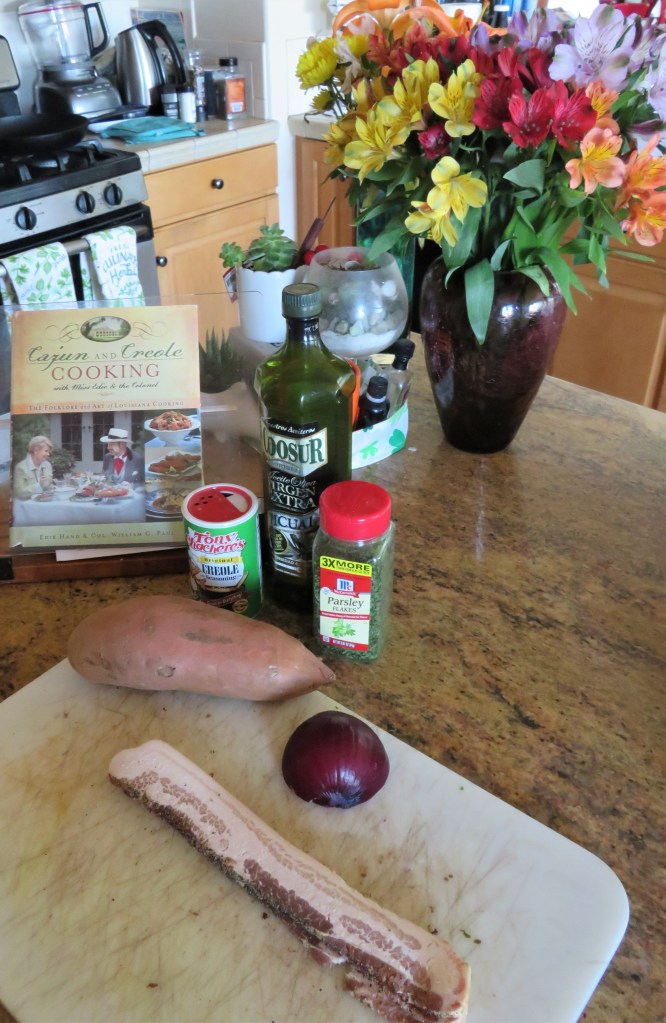
2-3 sweet large sweet potatoes, peeled and sliced thin

4-6 pieces of bacon, cut into small pieces

1 red onion, sliced very thin

2 TBSP Cajun or Creole seasonings

olive oil

parsley

Cook the bacon first until it is crispy and browned. Once it is coked, remove it and set aside on a paper towel to absorb the grease.

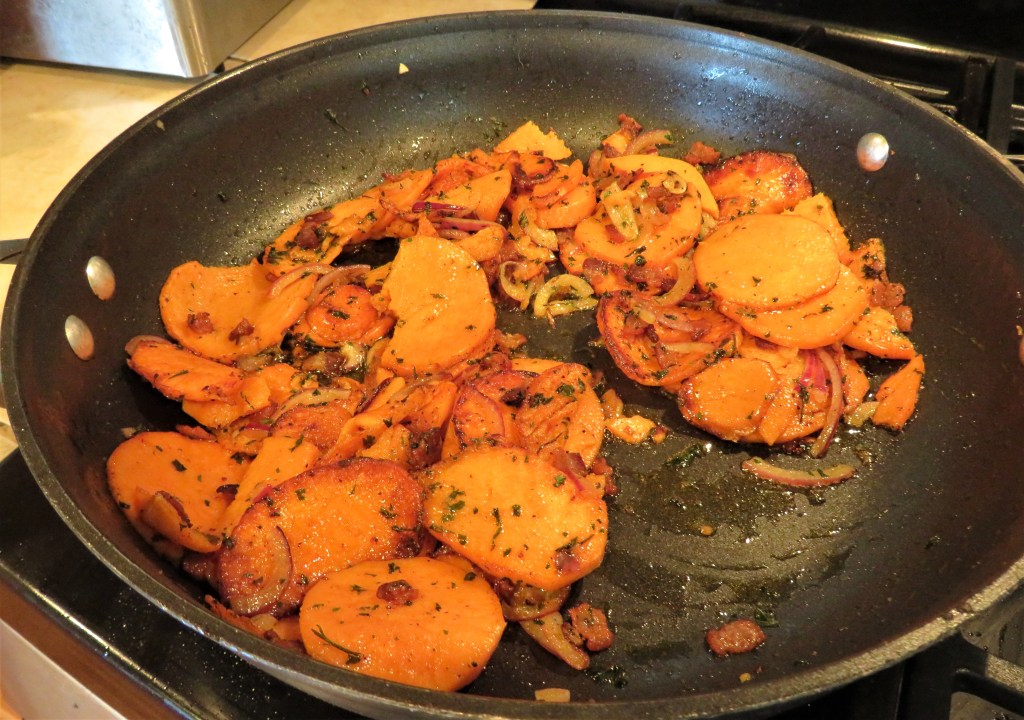
Add some olive oil to the skillet and then add the sweet potato rounds. Cook the sweet potatoes until browned around the edges and softened, for about 7-10 minutes, stirring frequently.

Once they have softened and the edges are browned, add the Cajun seasoning. Sprinkle it over the top of the potatoes. Then add the onion slices, the bacon and parsley. Let the onions sweat for a few minutes then mix everything in together.

Once everything was ready, I served the golden sweet potatoes alongside some steak topped with my Mexican BBQ sauce Southwestern BBQ Chicken Pizza with Blue Corn Crust and some sauteed zucchini, crookneck, mushrooms and Peruvian peppers, with some of my cheesy pepper loaf Cheese and Pepper Wreath, and we even had a margarita as well.

Even though we started off thinking about different things, with a little ingenuity and a wee bit of compromise, everything turned out just right. It was a delicious meal that just hit the spot. 🙂

Stay safe and stay well Everyone. ‘Til next time.

Nature Walks – Pelicans in Flight

I love the mystery and the unexpected surprises I get when I am out walking around with my camera. I just never know what I am going to see, or if I am going to see anything.

I had just started my walk when I saw some huge squadrons of pelicans flying directly above me. There must have been about 50 or so pelicans flying back and forth. Either I am just getting lucky more often, or my photographic skills are improving, or perhaps it is a bit of both, but I am getting some great shots of birds in flight these days.

Don’t be afraid to branch out and try new things. You never know what could happen. Stay curious, stay safe and stay well Everyone. ‘Til next time.

CarolCooks2…Friday Food Review…10 common food substitutes plus 2 …

I rarely reblog, but sometimes, the information is just to good and has to be shared. This is some very good, useful information from our very own Carol from https://carolcooks2.com/, We all need to make substitutions from time to time, and it is good to know what you can change around when needed. Thanks Carol.

CarolCooks2's avatarRetired? No one told me!

Welcome to Friday Food Reviews where I will be covering a different food or product each week and looking at… what are they?  where do they grow, what can we substitute them for in a recipe, are they safe to eat, how to store them, how to use them, cook them, anything connected to that food. or product..all the why’s and the wherefores…it will, of course, be mainly my own opinion or a known fact…good or bad…there may even be a tried and tested recipe…or three…

This week it’s…Common Food Substitutes…

I have lost count of the number of times I have gone to make a recipe or one of the grandchildren asked if they can make something and you realised you have either run out of something or realised that it’s something you can’t eat or wouldn’t use again…that’s when you start to think of a substitute something which…

View original post 1,154 more words

Nature Walks – The Red-Winged Black Bird

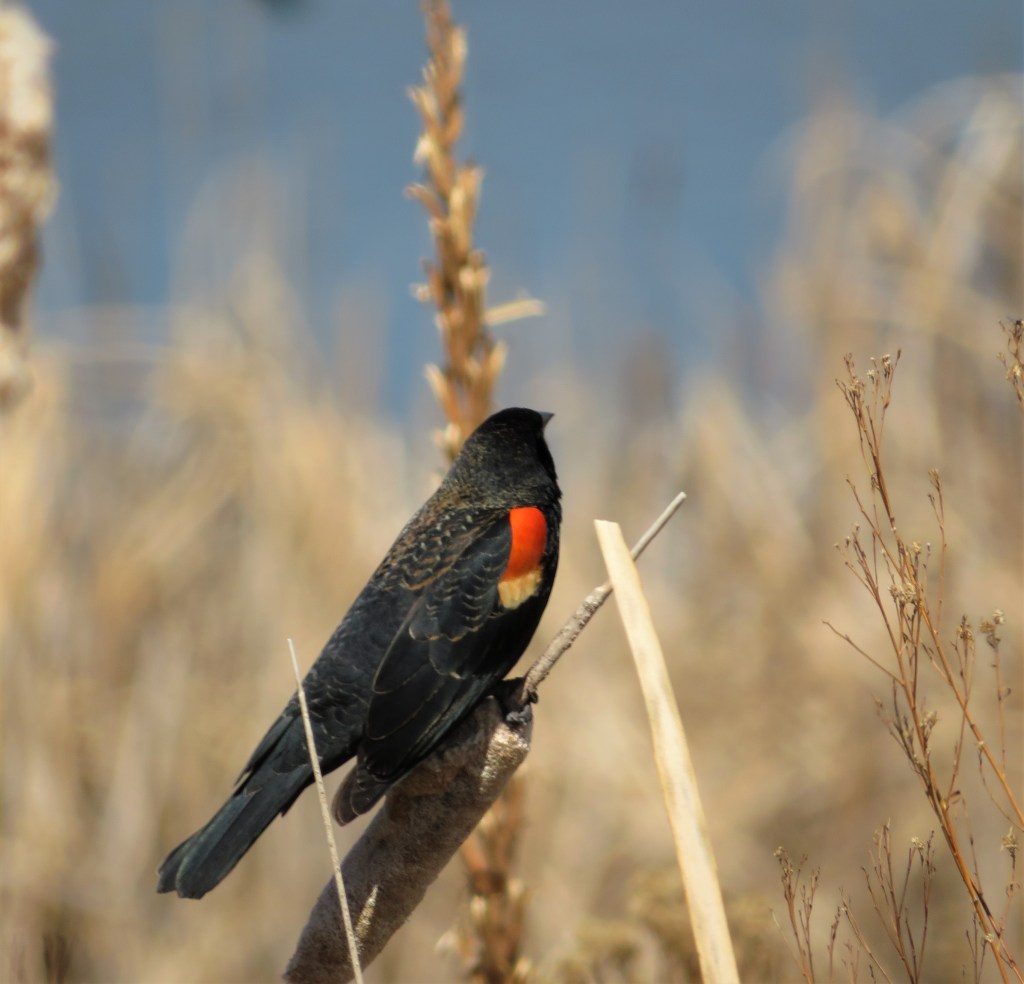
I fell in love with the beautiful red-winged black bird almost as soon as I moved to Colorado. They are so colorful and have a very melodic song they like to sing all the time too. They also bring back a very happy memory with my dad as well. I remember he and I looking out the window as I was showing him the beautiful colors of this gorgeous bird and both of us were totally captivated by its magic.

These beautiful birds are often elusive and have been hard for me to get good pictures of, until recently. I hope you like them as much as I do. I’ve noticed they love to hang out in our reeds a lot, though they are really everywhere.

Capture the beauty of the day, no matter how large or small. Have a great day Everyone.

Bread – The Food of Life

Bread. The beautiful creation made from ground flours or grains that is then baked or fried. Sometimes it is leavened, or made with products to make it rise, and other times it is made flat or unleavened. There are endless possibilities and recipes for the delicious food that is known as the food of life. Bread is known as the food of life because throughout the Bible, bread is a symbolic representation of God’s life-sustaining provision. When Jesus told the hungry crowds that he was the Bread of Life, he was teaching his followers that He alone was their true source of spiritual life, both in this present world and in the everlasting life to come.

The latest archeological finds show that bread, in some form or another, has been around for around 30,000 years. Breads are the oldest foods around that do not require foraging or hunting. It has been an essential part of human history and formed early human societies.  Bread is also a gift from God: when Moses fed his people in the desert with food which fell from heaven, and during the last supper, when bread became the body of Christ. When Jesus multiplied the bread to feed the crowd, bread became a sign of sharing. It also symbolized the Word of God which nourished the crowds.

Bread was central to the formation of early human societies. From the Fertile Crescent, where wheat was domesticatedcultivation spread north and west, to Europe and North Africa, and east towards East Asia. This in turn led to the formation of towns, as opposed to the nomadic lifestyle, and gave rise to more and more sophisticated forms of societal organization. Similar developments occurred in the Americas with maize and in Asia with rice. Bread is a universal food: today there is no country in the world in whose culinary tradition there is not some form of bread. From Mesopotamia to the tables of the whole world, bread has been the symbol of culture, history and anthropology, of hunger and wealth, of war and peace.

Bread is thought of as pure, honest food. We are automatically drawn to fresh, homemade bread. It makes us smile and it satisfies as few other foods can. It brings people together and connects us to both our past as well as the present, and it also connects us to other people. There is something very special and significant about “breaking bread” with others that binds us together like nothing else can. We eat some type of bread at least once every day, as do many other people around the world. Bread often takes center stage at any special occasion or holiday tables anywhere you go.

Breads can be very simple or they can be very complicated. But the main ingredients are very simple. The basics are either some kind of flour of crushed grains, liquid, which is usually water, a dash of salt, sometimes sugar, and yeast if you are leavening the bread.

If you want your breads to rise, you need yeast. Yeast is the essence of bread. It is what makes it rise and also what gives it its distinctive flavor and aroma. Yeast is able to work its magic with the help of liquid, flour and a little salt. Then you need to add the right temperatures, precise measurements and the simple art of kneading or “stirring down” the dough to create your masterpiece. Your yeast is a variable, that is affected by the weather, temperature and humidity, and as I have found out, altitude as well.

Flour provides the main structure of bread. The specific structure and characteristics of the bread will be determined by the type of flour used. Different types of flour have different amounts of gluten. Gluten is a protein that helps give bread its elasticity and strength. Bread flour, followed by all purpose flour, tend to give breads the best volume and texture. Whole wheat flours are more dense and have less gluten, which will make the breads more dense and they will not rise as much.

The liquid used in bread is usually water, although you can use other liquids as well for different flavors. Water dissolves and activates the yeast and allows it to be mixed and incorporated into the flour. For best results, the liquid should be lukewarm, at between 105* and 115* F. If it is too cold, it will slow or stop the yeast action and if it is too hot, it will destroy the yeast.

Adding sugar to the dough helps the bread to form a golden crust and adds flavor to the dough. Though beneficial, it is not a necessary ingredient.

Adding just a bit of salt controls the yeast action by slowing down the rising time and allowing the flavors of the dough to develop. It also adds to the dough’s structure by strengthening the gluten. You always want to add salt to the mixture. It will NOT work if you don’t.

There are three main kinds of bread in the world; those that rise highest so are baked in pans, breads with a medium volume like rye and French breads, and those that hardly rise at all called flatbreads. They are all very tasty and very good. All have been served and enjoyed at my table many, many times, and will continue to be a staple in my house for many more years to come.

Break bread together and enjoy it with family, friends and loved ones.  It’s hard to remain enemies when you’ve broken bread together. This means that sharing a meal is often about more than just food; it’s also about coming together despite the past.  To “break bread” also means to have a meal with someone, by breaking off pieces of your loaf of bread to ensure that everyone is fed. This term occurs in numerous places in the New Testament, where it sometimes means to share bread and other times to distribute food to others.

Enjoy your breads and break your breads with others. Stay safe and stay well Everyone. ‘Til next time.

Nature Walks – The Blue Heron

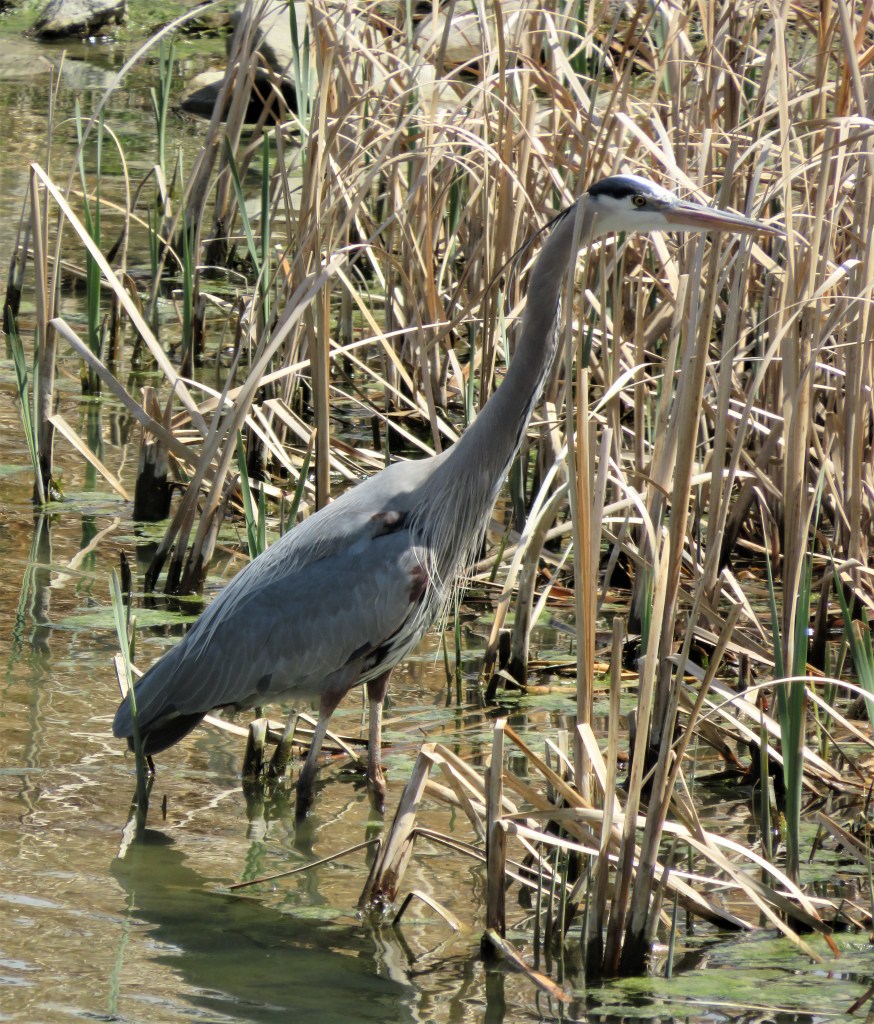
All of my old “friends” are beginning to come back and I love it. This time, it is my old friend, the Blue Heron. He is hiding out in the reeds. Today was my first spotting of his annual return, and it always makes me so happy to see him. I think the Herons are so elegant and majestic. You don’t realize how big they are until you see them up close.

Rarely do I get good shots of them in flight, but every now and then I get lucky.

Have a great day Everyone. make the most of each and every day.

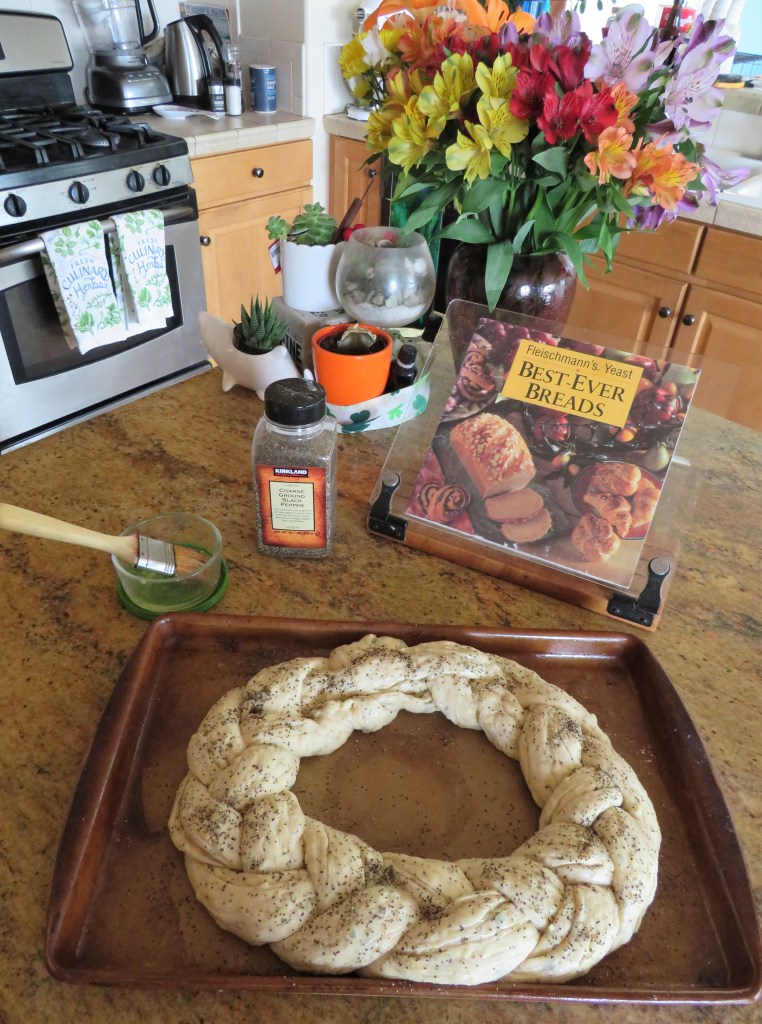
Cheese and Pepper Wreath

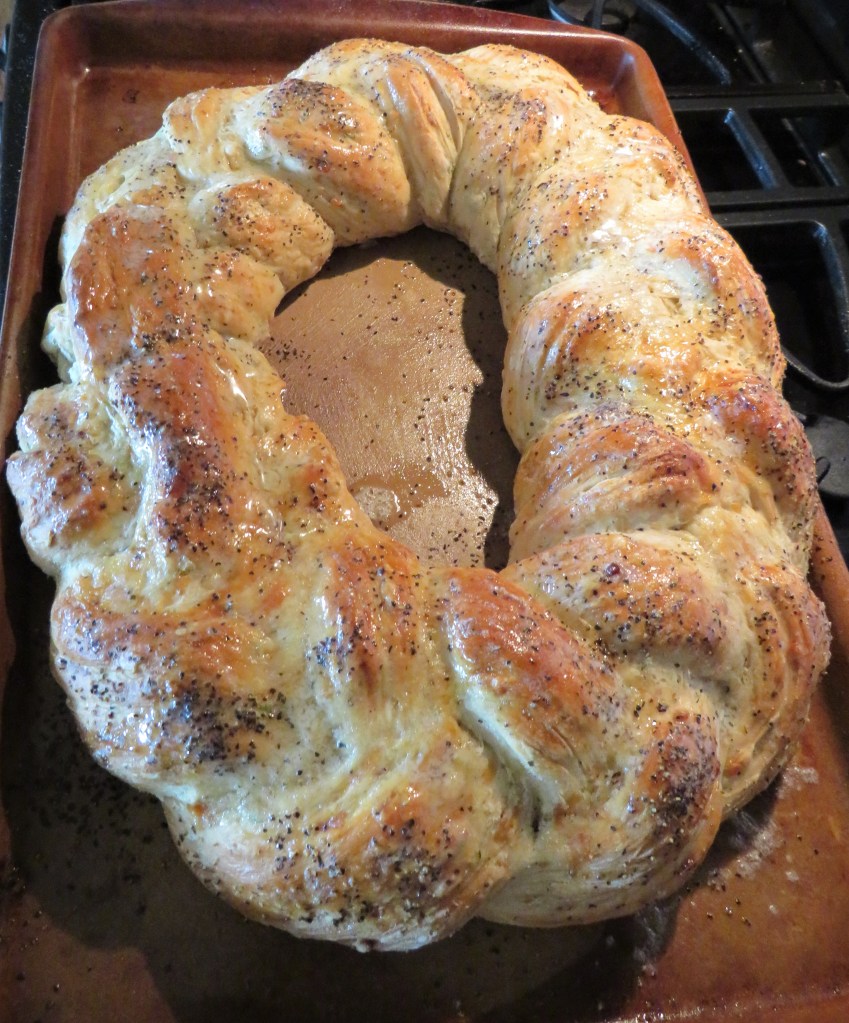
Bread is the food of life, and I certainly LOVE my breads. All kinds of breads. I could easily live on bread alone, if there was enough butter of course. Not only do I love eating breads, but a close second is making all different kinds of breads too. My latest bread making adventure came in the form of a cheesy, peppery wreath.

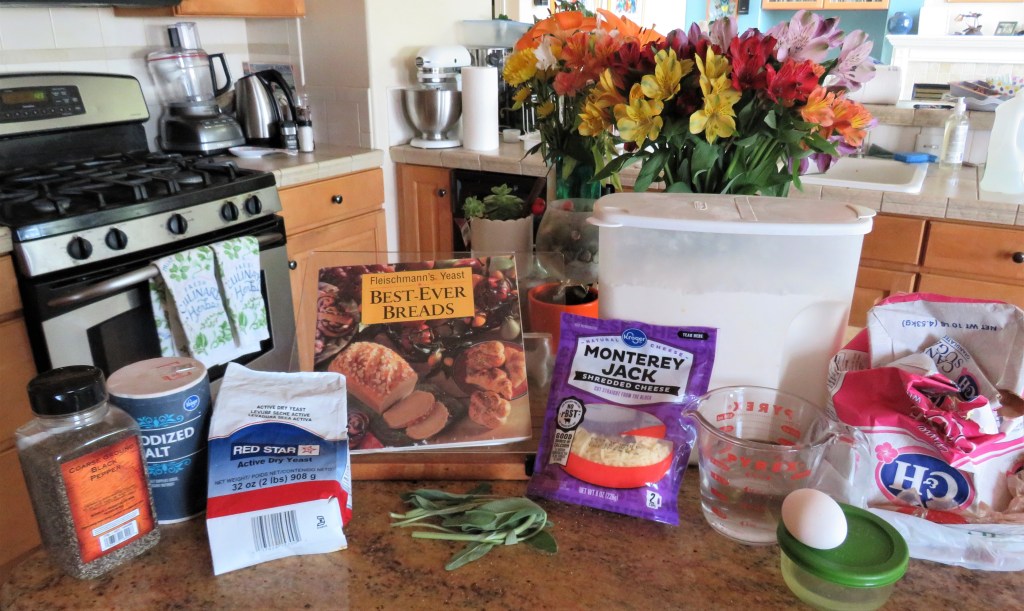
Like with so many good bread recipes, this was a simple recipe, with simple ingredients. The secret to making good breads though, is patience. The dough needs to rise before it can be baked. So make sure you have the time to put into it and let your dough rise at its own pace before making it.

The recipe called for Parmigiano cheese, but at the time I was making it, I didn’t think I had any. I did have Monterey Jack though, which worked just fine. And, of course AFTER my bread was made, I discovered I DID have Parmigiano cheese. Lots of it too. Anyway, my point is, use what what you have and try something different.

Cheese and Pepper Wreath

1 1/4 cups lukewarm water (105-115* F)

4 1/2 tsp active dry yeast, or 2 packages

2 TBSP sugar

1 1/2 tsp black pepper, plus more for sprinkling on top

1 tsp salt

3 1/2-4 1/2 cups flour

1 TBSP fresh sage, chopped fine, optional

1 egg

1 cup cheese

egg white for brushing on top

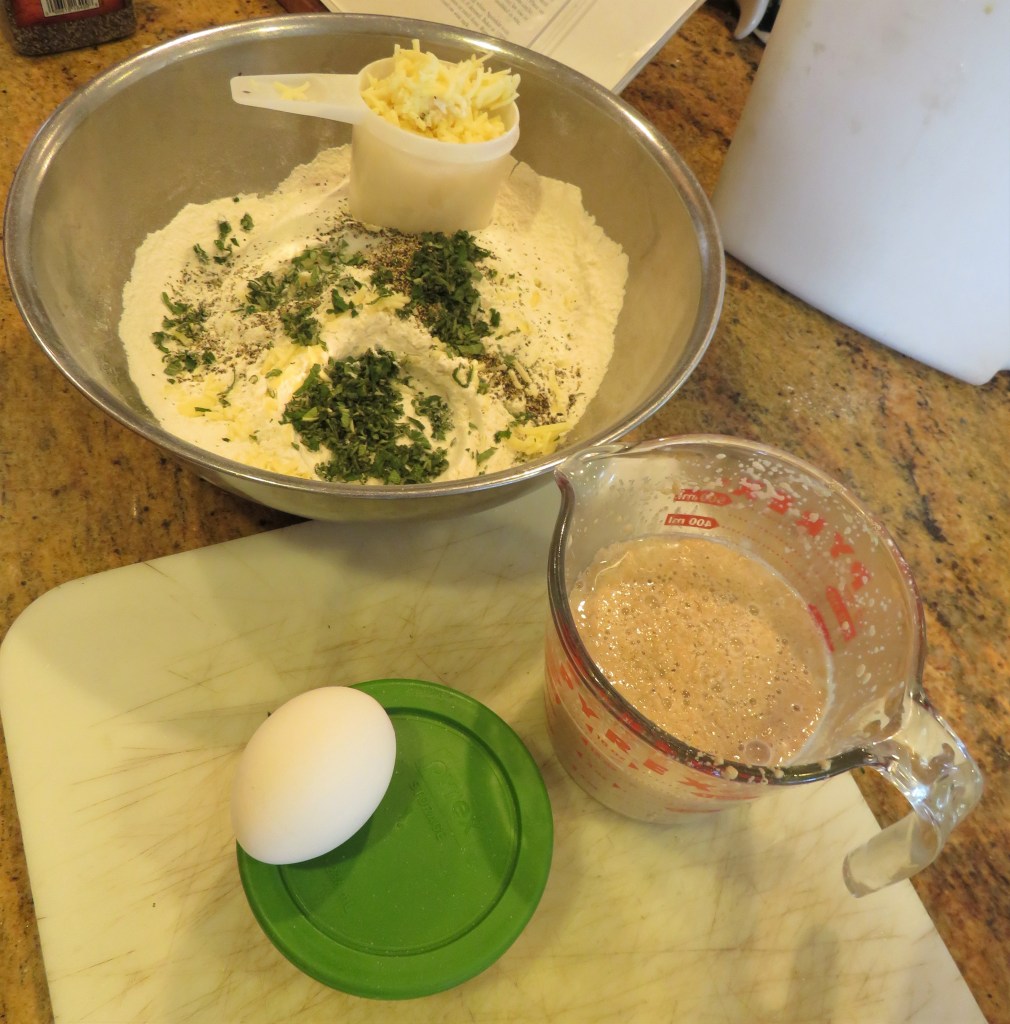
Combine the flour, cheese, sage, salt and pepper together and mix well. The amount of flour is going to vary depending on where you are. Start with 3 1/2 cups and add more later if needed. I only needed the 3 1/2 cups, and the dough was nice and soft.

Sprinkle the yeast on top of the water and gently mix together. Add the sugar. Let set for about 5-10 minutes, or until it becomes frothy.

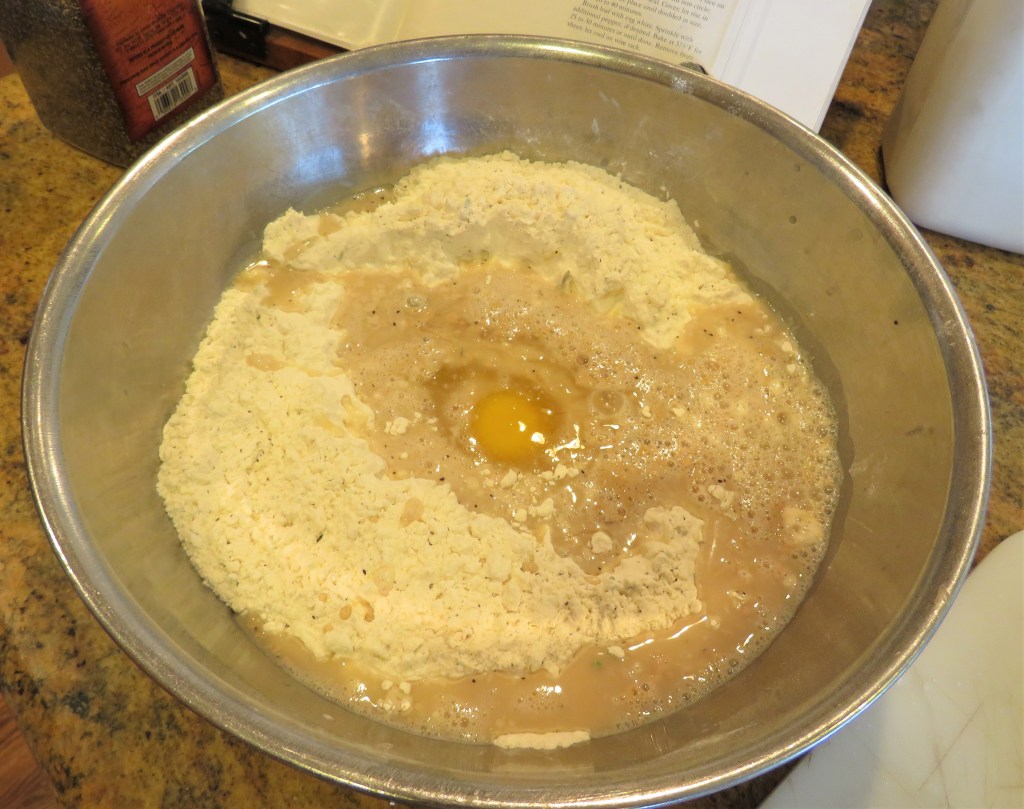
Make a well in the center of the flour mixture and add the egg and the yeast mixtures. Start from the center and work your way out, and incorporate the flour mixture with the egg and yeast mixture.

Keep working at it until everything is combined and forms into a soft dough.

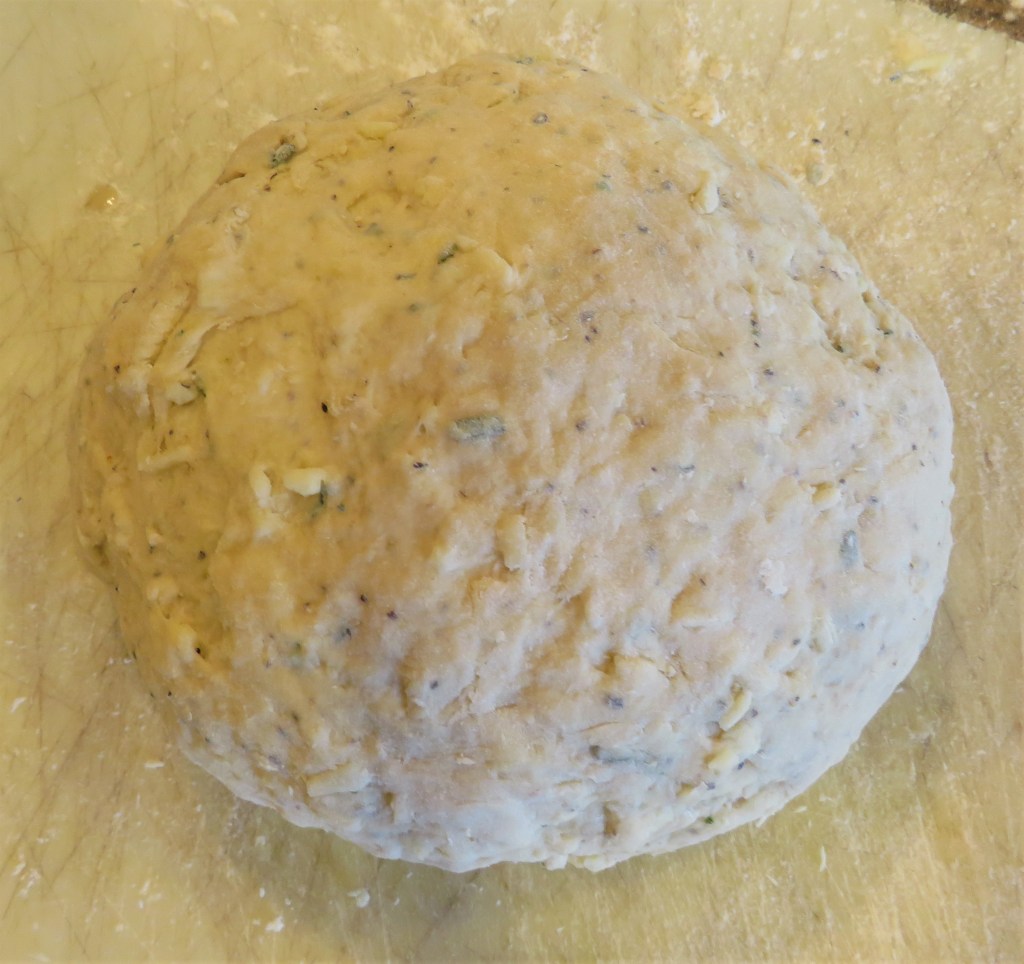
Add the dough to a lightly floured work surface and knead it all together until it forms into a ball and the surface is smooth and elastic.

Lightly oil a large bowl and place the dough into the bowl. Cover and let rest for about 45 minutes, or until it doubles in size.

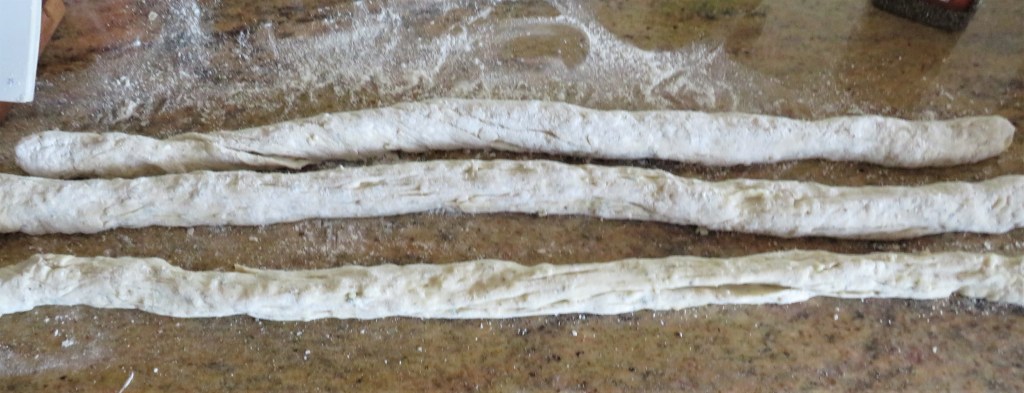
When the dough is ready, divide into 3 equal portions and roll out into long ropes, about 28 inches long.

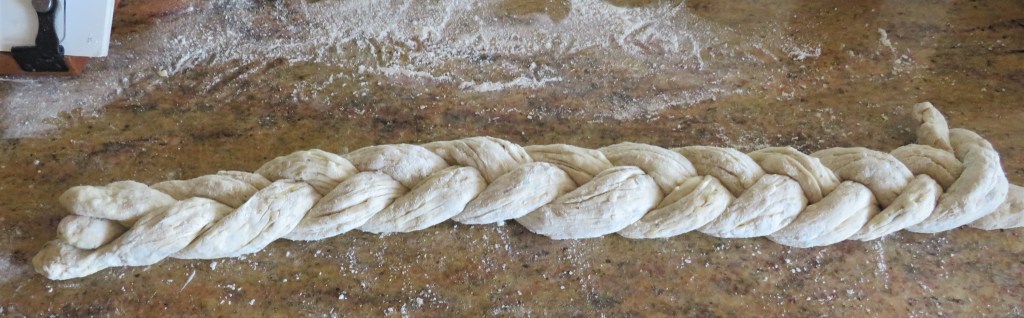
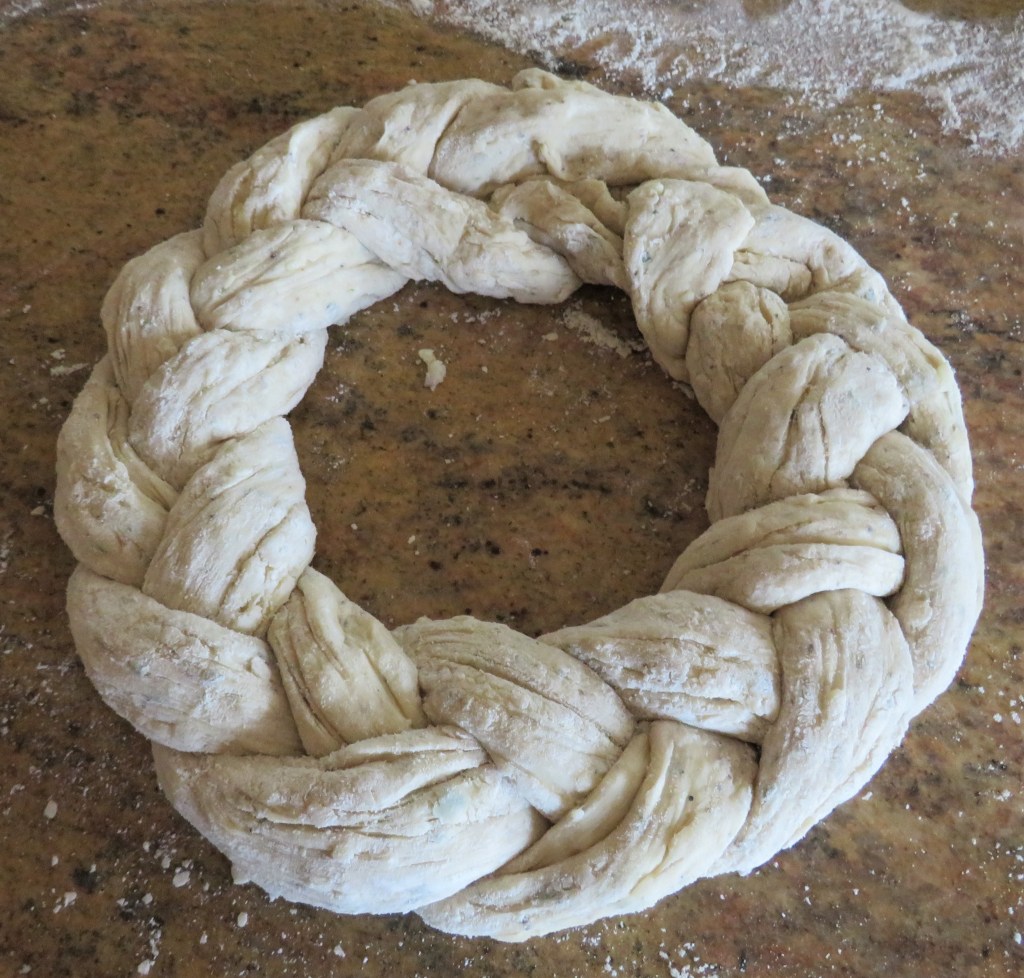
Then carefully braid the bread strands together.

Carefully mold the braided dough into a round wreath and connect the loose ends together. Cover and let rise again for an additional 40 minutes.

Preheat the oven to 375* F or 200*C.

Once the dough has risen again, brush it with the egg whites and sprinkle black pepper all over the dough.

Bake for about 30-40 minutes, or until golden brown. If you like, you can spread some melted butter on top of the bread immediately after removing it from the oven. This makes it even more flavorful and moist. Allow it to cool for a bit, and then enjoy. I love the peppery finish to this bread.

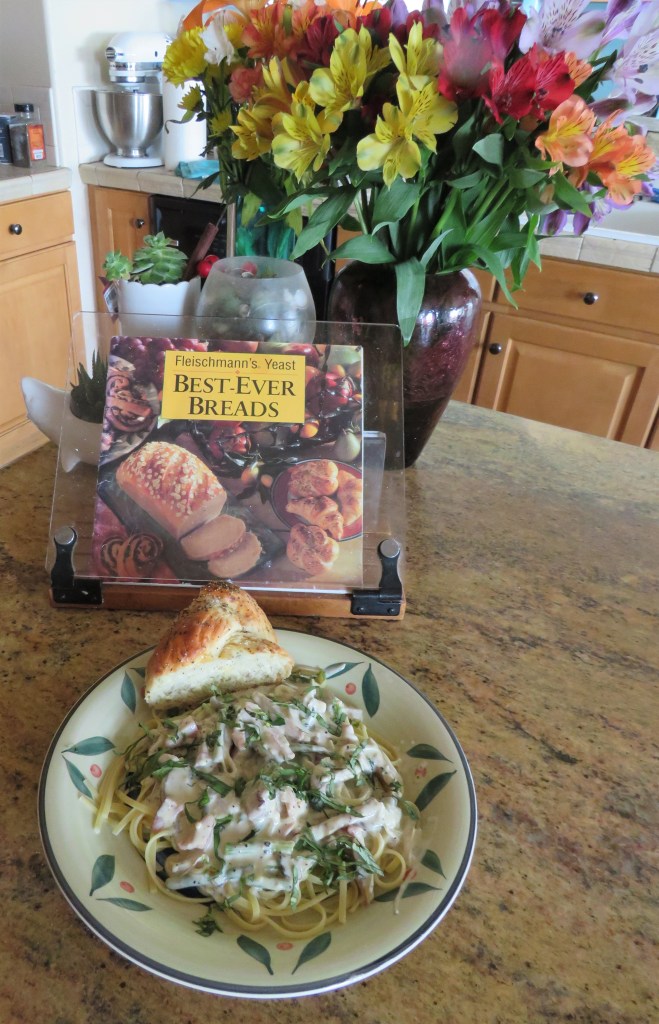
I served it with some ham and asparagus carbonara Pasta Carbonara with Ham and Vegetables and a cool, crisp white wine on the side. DELICIOUS!

Stay safe and stay well Everyone. ‘Til next time.
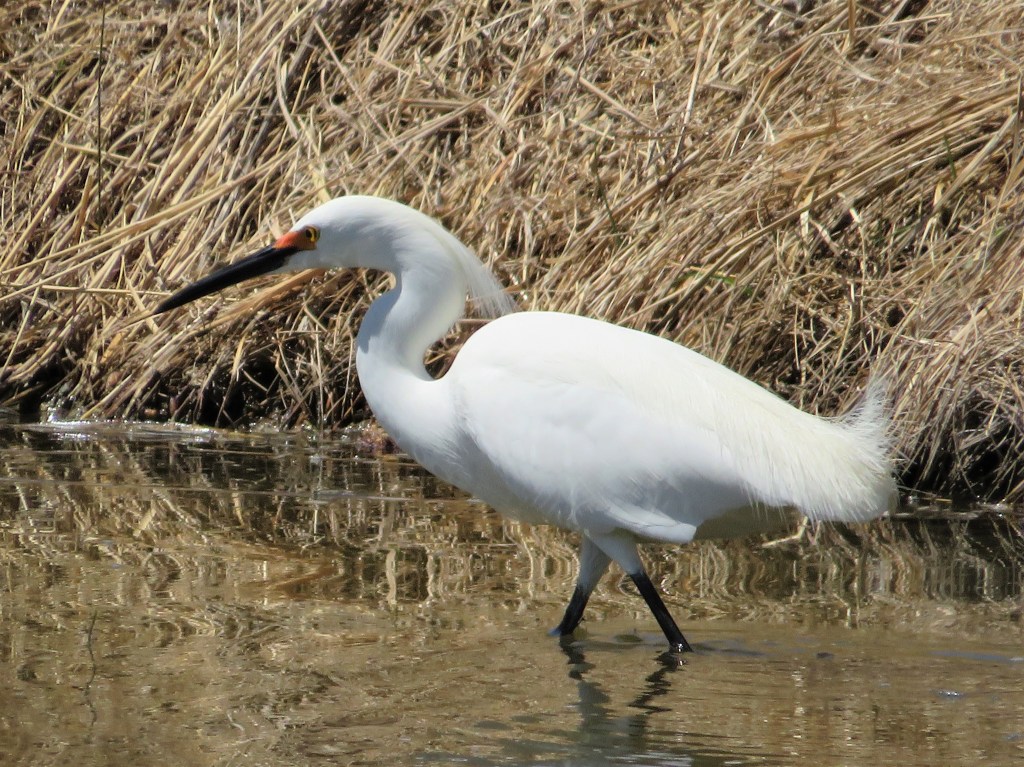
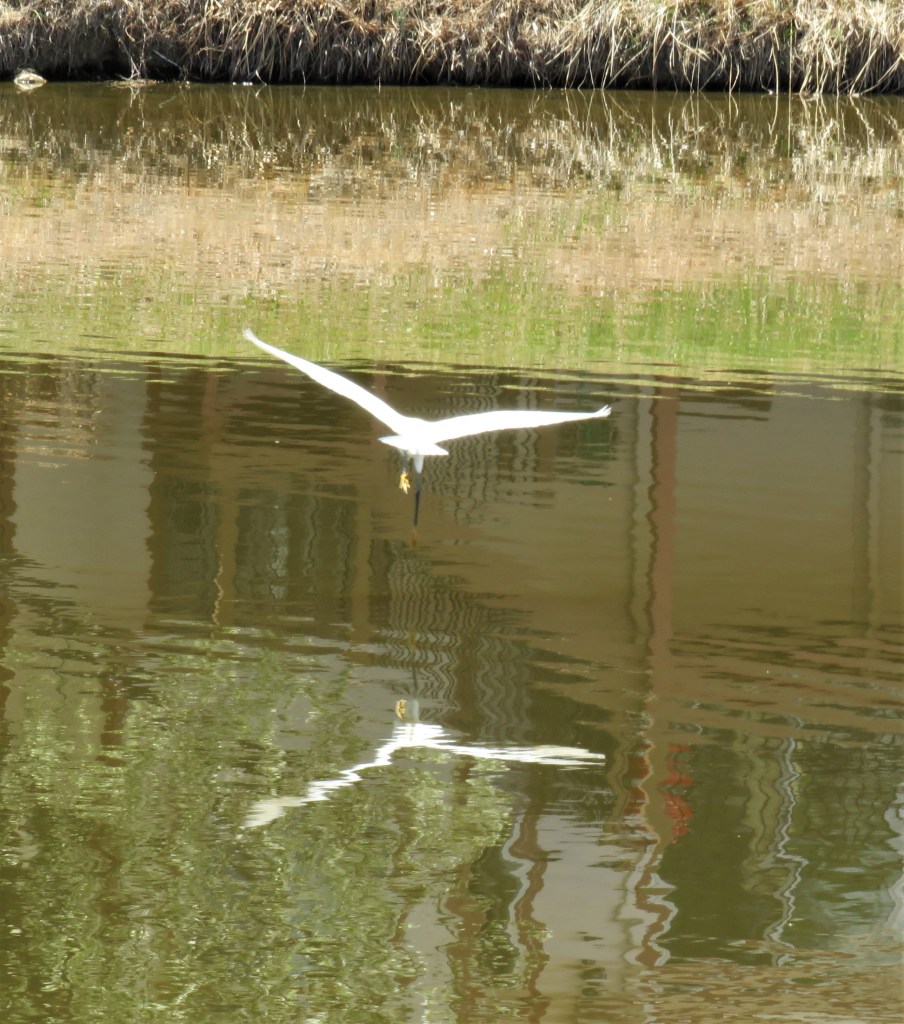
Nature Walks – More Egrets

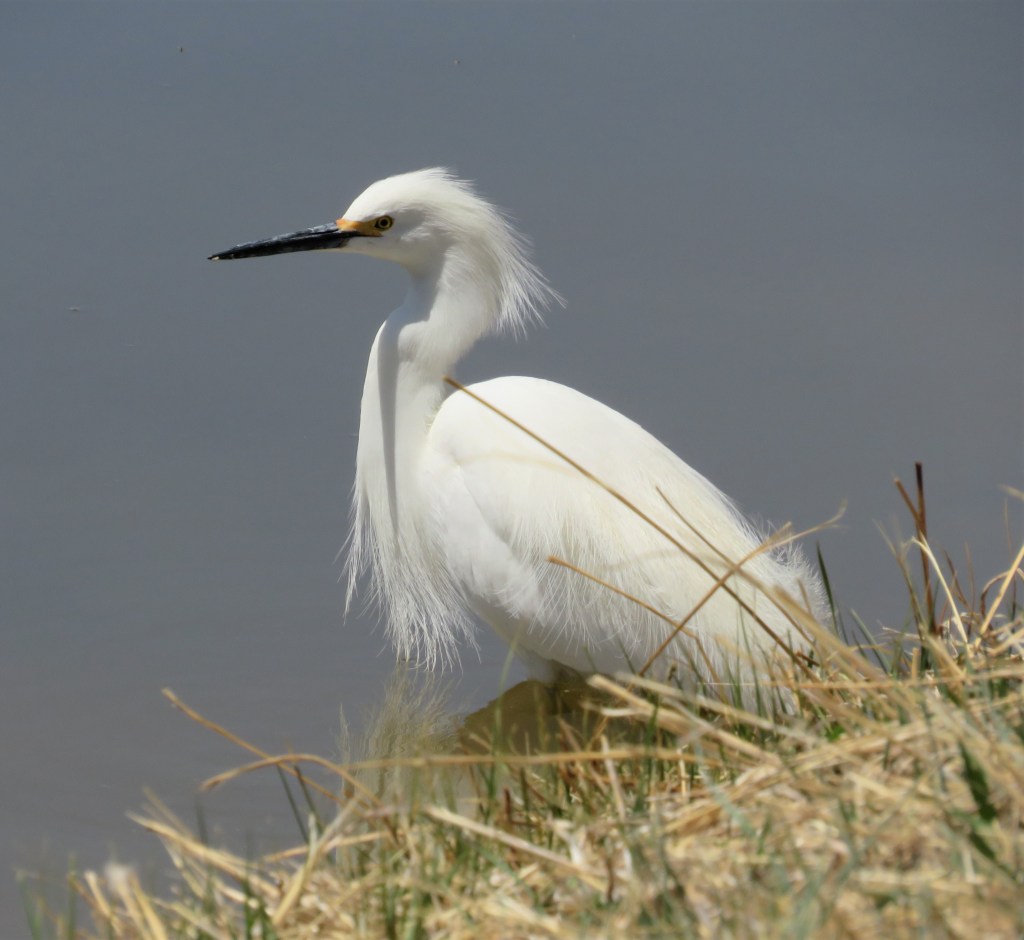
Yesterday was one of the fabulous days for walk-abouts. There was so much to see, the sun was shining brightly, it was nice beautiful weather, not to hot and just cool enough to be very comfortable. My camera was taking so many pictures, and of course, I want to share as many of my shots with you as I can. As I mentioned yesterday, I met a new goose, the Greater white-chested goose, Nature Walks – A New Goose, but I also saw turtles, quite a few Common Grackles, Mallards and Canadians, as well as more Snowy Egrets. I got a lot of great shots of all of them, but I can only share so many at a time. Patience, my friends, patience. All in due time.
Today, I am going to share more pictures of the egrets with you.

Find something beautiful in everyday. There is always something to see. Have a great day.
The Benefits of Olive Oil

Olive oil is a staple in my kitchen. I go threw tons of olive oil in my kitchen. I always have it and I use it daily, for everything. It is not only a staple in my kitchen, and maybe yours too, but it has been a staple in people’s households for many 1000’s of years, before the time of Christ.

Olive oil was discovered and began to be used thousands of years ago in the classical era when various Mediterranean civilizations (Phoenicians, Greeks, and Romans) began to grow olive trees and extract juice from the olives.

Olive oil is produced in many dry, arid places around the world, but it is said that the olive oil produced in Spain is among the best. Spanish olive oil is considered to be olive oil royalty, although I am sure the Egyptians, Greeks and the Italians might argue and disagree.

Olive oil is very versatile and is used for far more than just cooking. Originally is was produced as the oil for lamps and was used for religious ceremonies. But its uses go far beyond that. Here are a list of other uses for olive oil I bet you never knew about, and I am sure there are many more creative uses that I am not mentioning. Bottom line, olive oil goes way beyond its uses in the kitchen.

  • Olive oil was the original “viagara” and is used as a booster or enhancer for those intimate moments. It is thought to boost the blood flow and circulation.
  • It is used as a detangler for your messy or hard to control hair.
  • It is used as a moisturizer for your skin and helps slow down the aging and wrinkling processes.
  • It helps fade and erase stretchmarks during or after pregnancy.
  • It helps to ease and lessen the pains of constipation.
  • It is an anti-inflammatory.
  • You can use it for a natural shaving aid.
  • It helps keep your immune system healthy and intact.
  • It helps improve your mental state.
  • It helps in preventing skin cancer as an after sun protector.
  • It helps protect you from the harsh reactions to radiation.
  • It is a great make-up remover.
  • It helps reduce blood pressure.
  • It is great when used as a massage oil
  • It moisturizes and conditions your hair too.
  • It is used in soaps.

Be good to yourself and indulge in all the goodness of the olives and their oils. You deserve it.

Stay safe and stay well Everyone. ‘Til next time.