Bonaire – Pink Flamingos

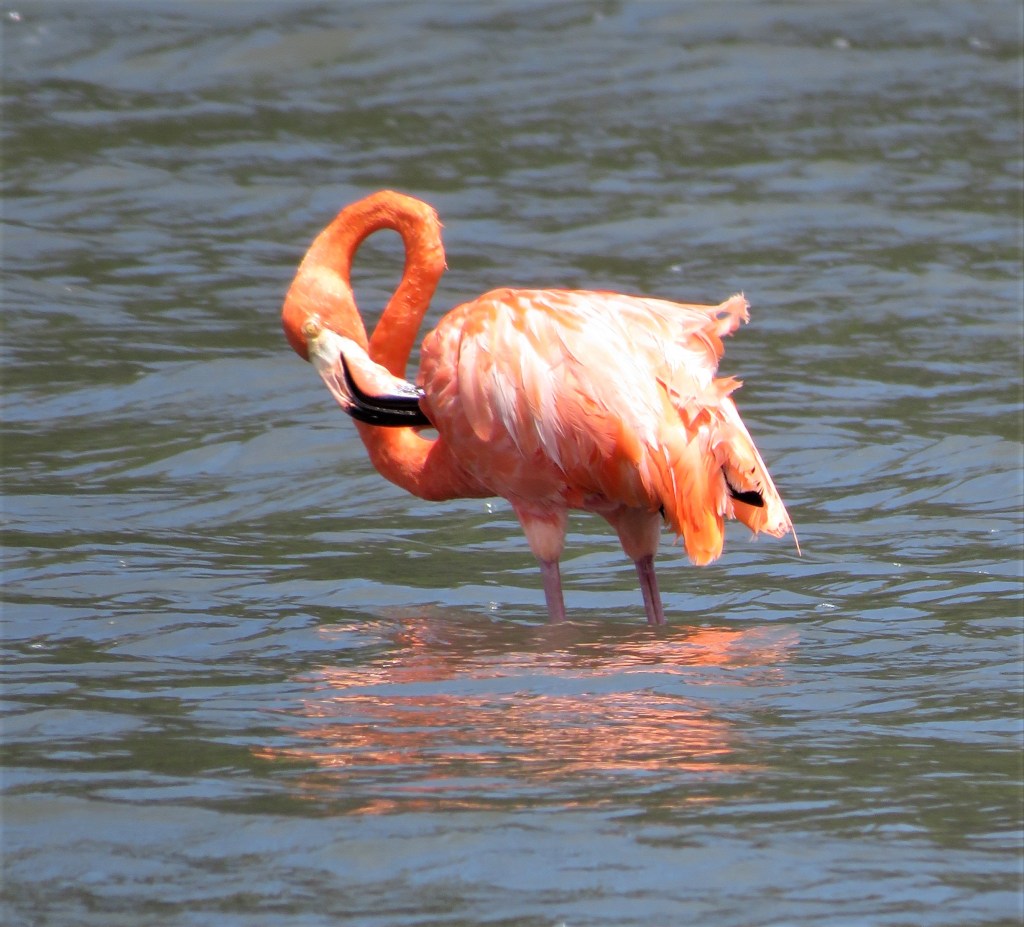
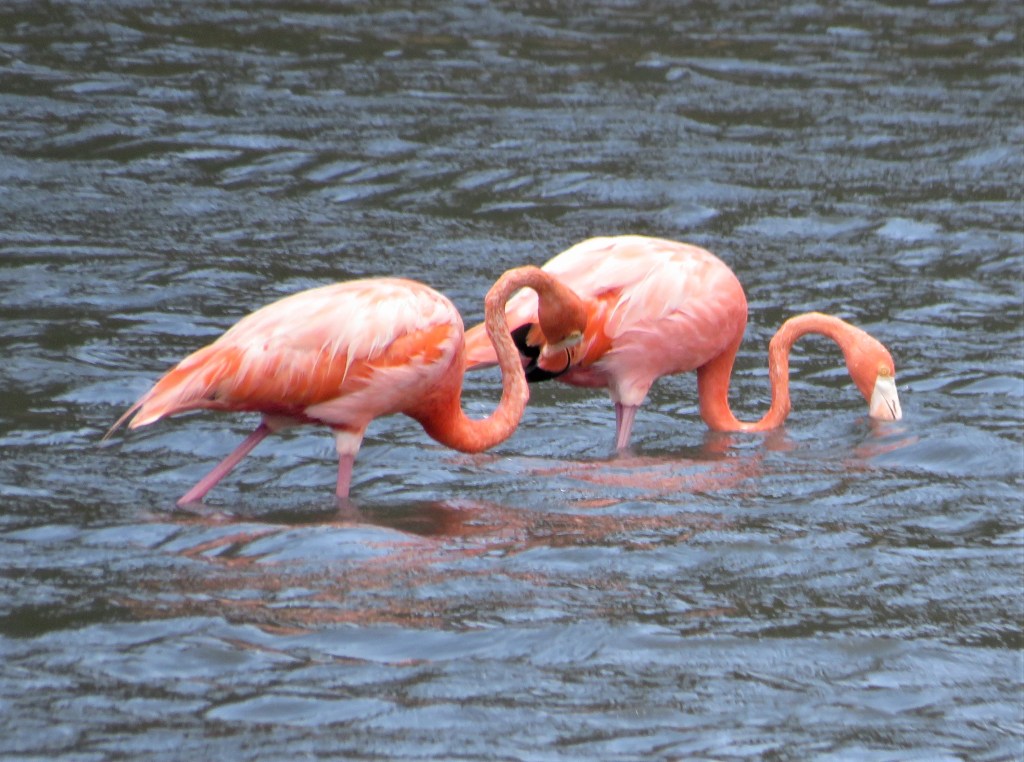
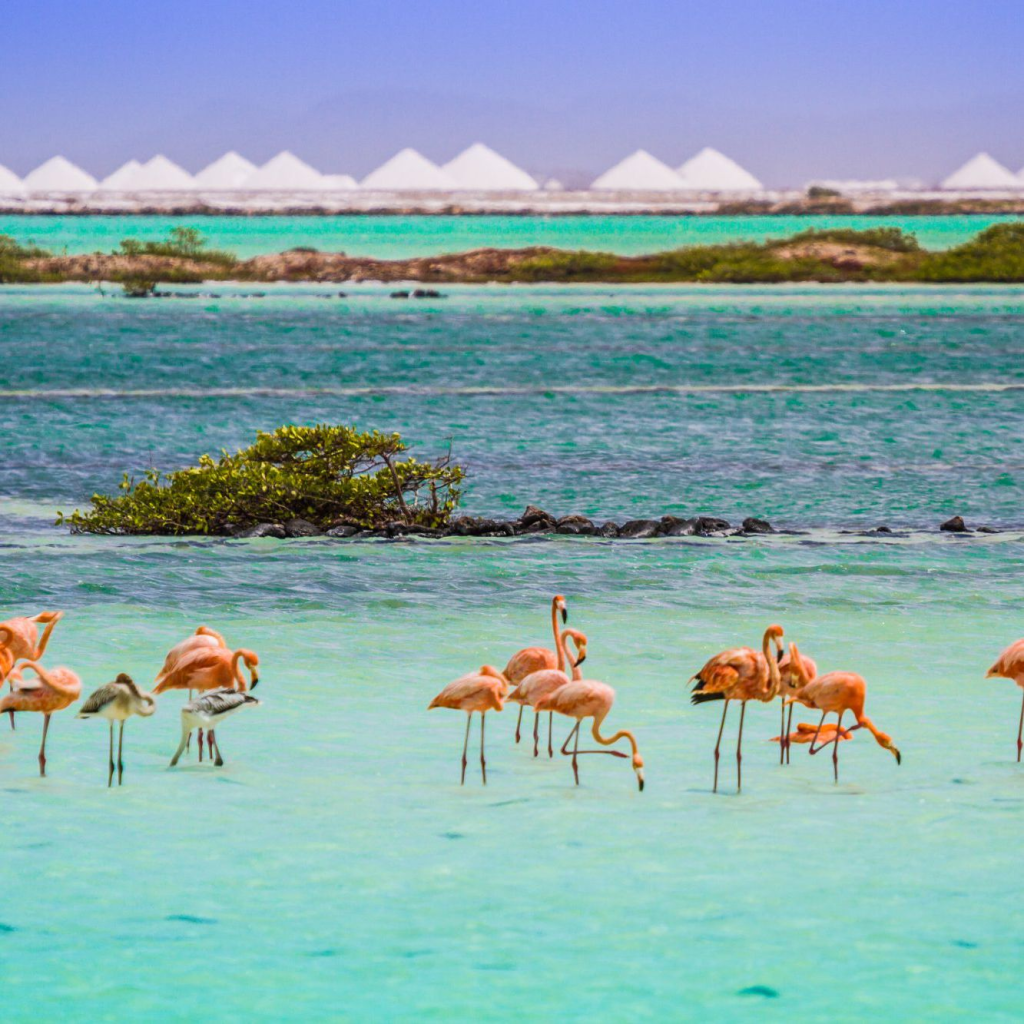
Pink flamingos are the national bird of Bonaire. They are known as both the American Flamingo and the Caribbean Flamingo. They are also the only flamingos that are native to America. Bonaire is one of four places that these flamingos breed. They tend to breed more in Bonaire than in other parts of the Caribbean, but they flock over to close-by Venezuela often since there is more food for them them over there.

Flamingos are big, beautiful, pink birds. They can also live to be about 40 years old. We saw so many flamingos in Bonaire, both down in the south and also at the Washington Boka Slagbaai National Park up in the northern part of the island. We don’t see flamingos here at home, unless at the zoo, so we were real excited to see them and to see so many of them. Needless to say, we were tickled pink. Sorry. I couldn’t resist. 🙂 There used to be more flamingos than people on the island, but that is changing with more people coming to live in Bonaire.
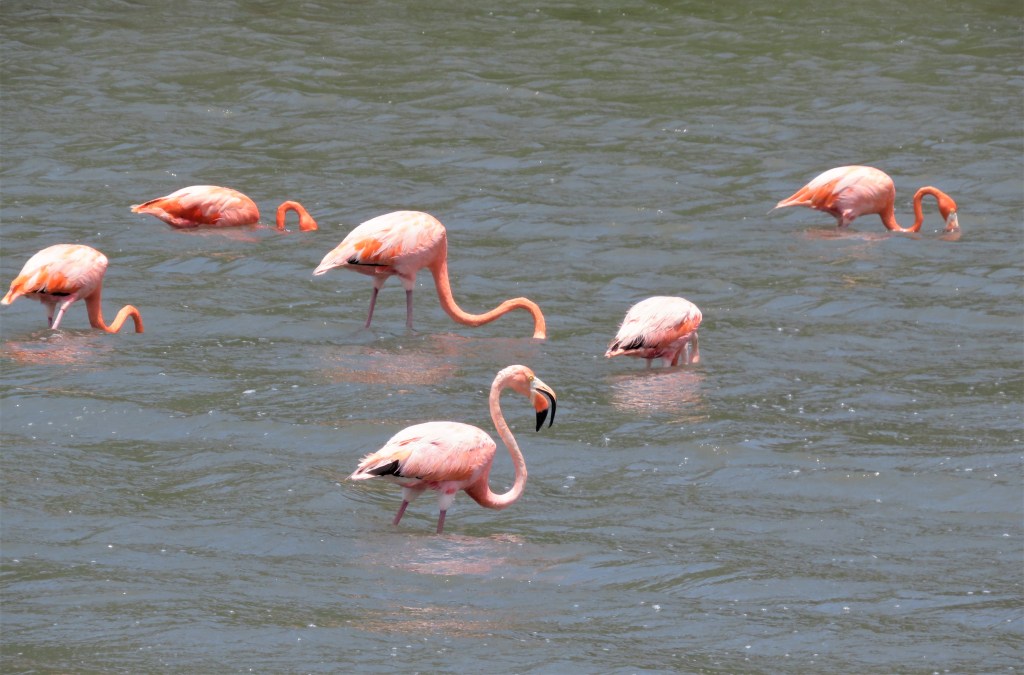
The flamingos can breed up to three times a year, but their main breeding season is from March-July. Usually only one egg is laid and both parents take care of the baby chick, which is born grayish white, until it is ready to go join the other juveniles in “pre-school”. Flamingos have the same mate for one year, then off to the next mate for another year. And so continues their mating pattern. The gestation period is between 27-31 days. It is estimated that about 1000 chicks are born each year in Bonaire. The flamingos are born white to grayish white and turn pink from their food, but there is also an occasional black flamingo seen as well.
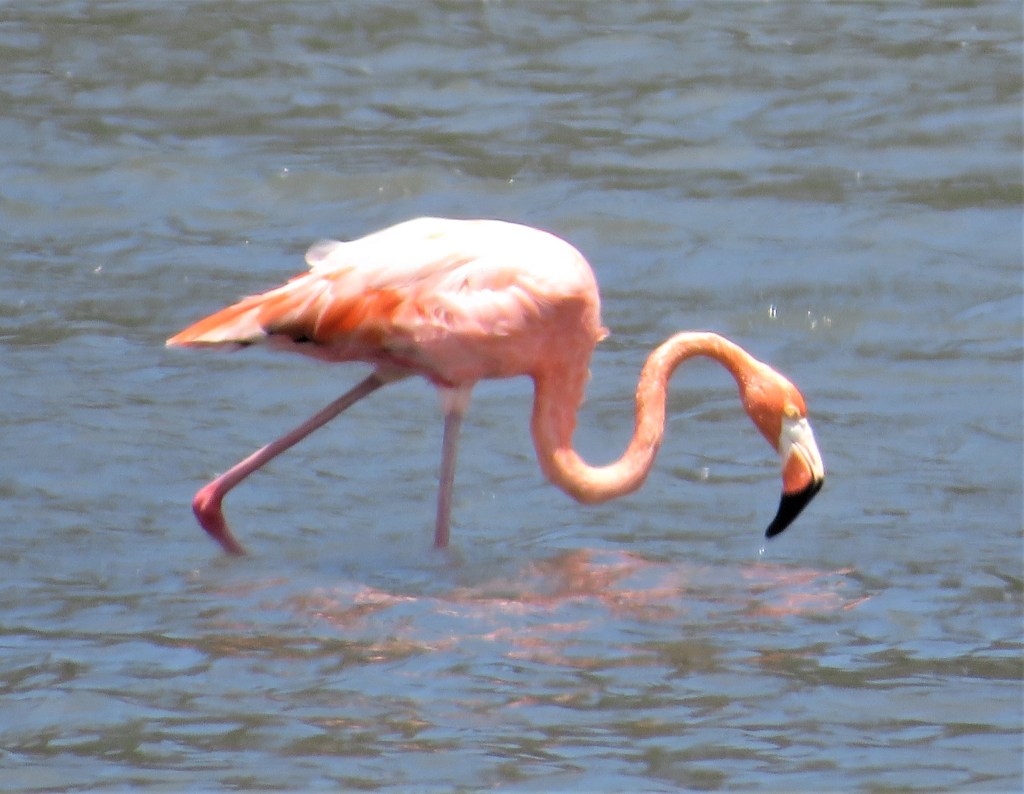
What makes the flamingos so pink? Carotenoids give carrots their orange color or turn ripe tomatoes red. They are also found in the microscopic algae that brine shrimp eat. As a flamingo dines on algae and brine shrimp, its body metabolizes the pigments — turning its feathers pink. Flamingos – both male and female – can lose their pink pigments outside of breeding season. That’s because the breeding is so intensive and so much of their food is used for their chicks. During this time their white color basically means “Please leave me alone. Don’t bother me”.

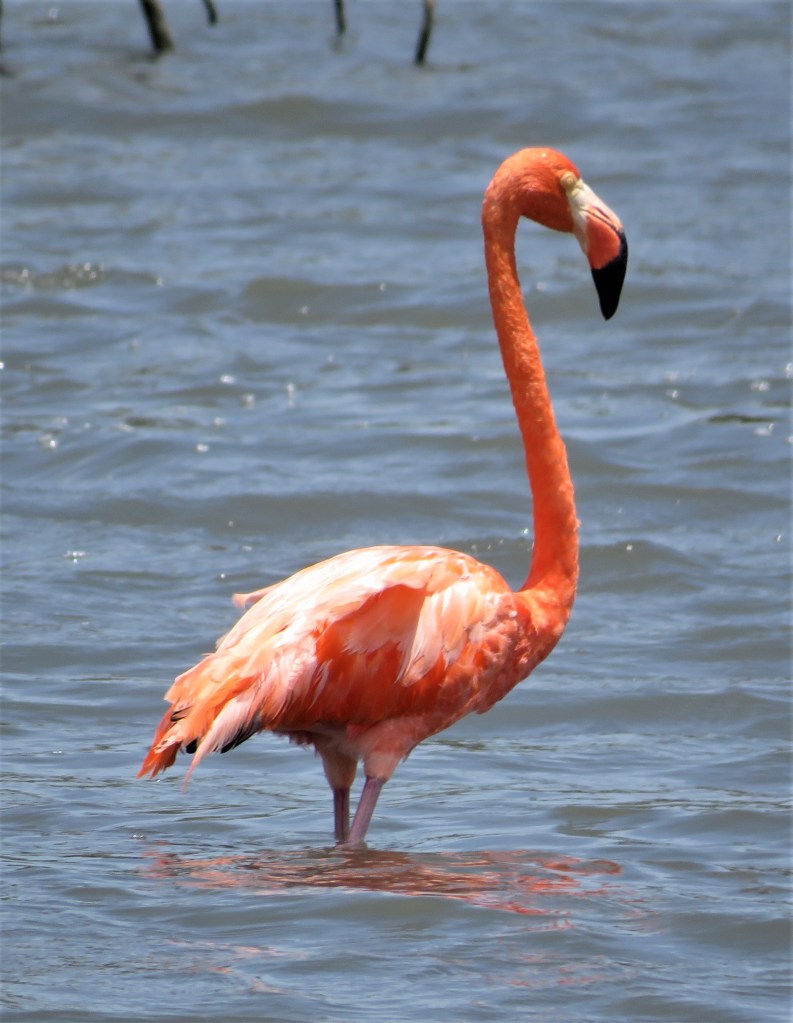
Do you know what a group of flamingos is called? It’s called a flamboyance. The name flamingo means fire and brilliance. The word “flamingo” comes from the Latin and Spanish for “fire” referring of course to their bright pink feathers.
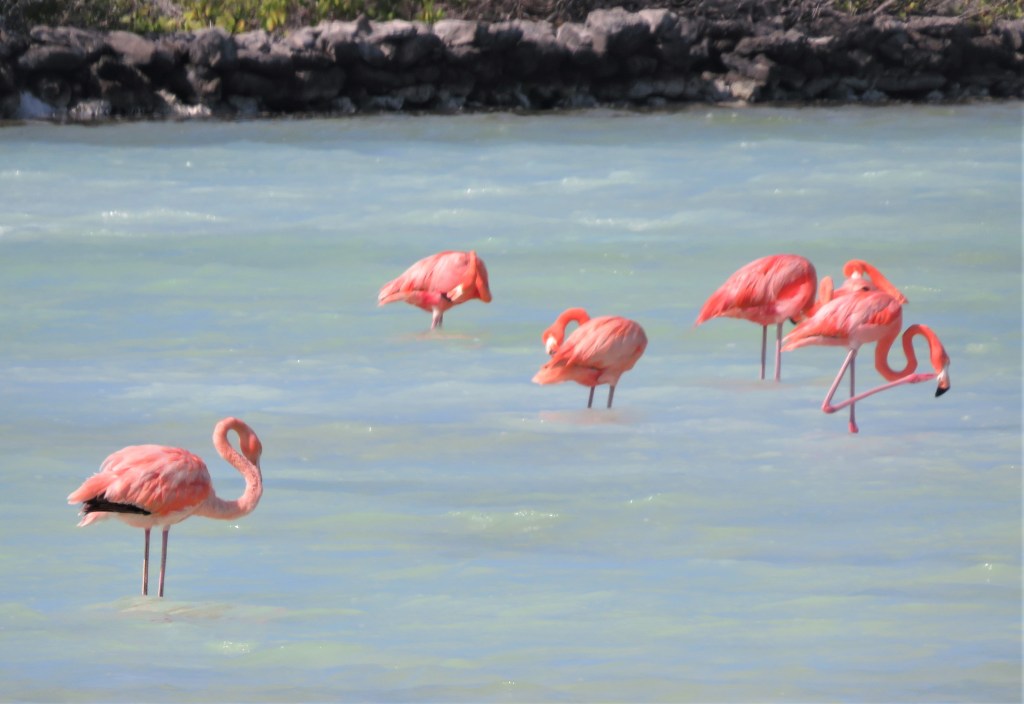
So when in Bonaire, keep your eyes open for these big, beautiful pink birds. They can be seen most everywhere on the island and are the official island bird. You too will be tickled pink. 🙂

Stay pink and stay cool and stay safe and well Everyone. ‘Til next time.
Bonaire – Kite City

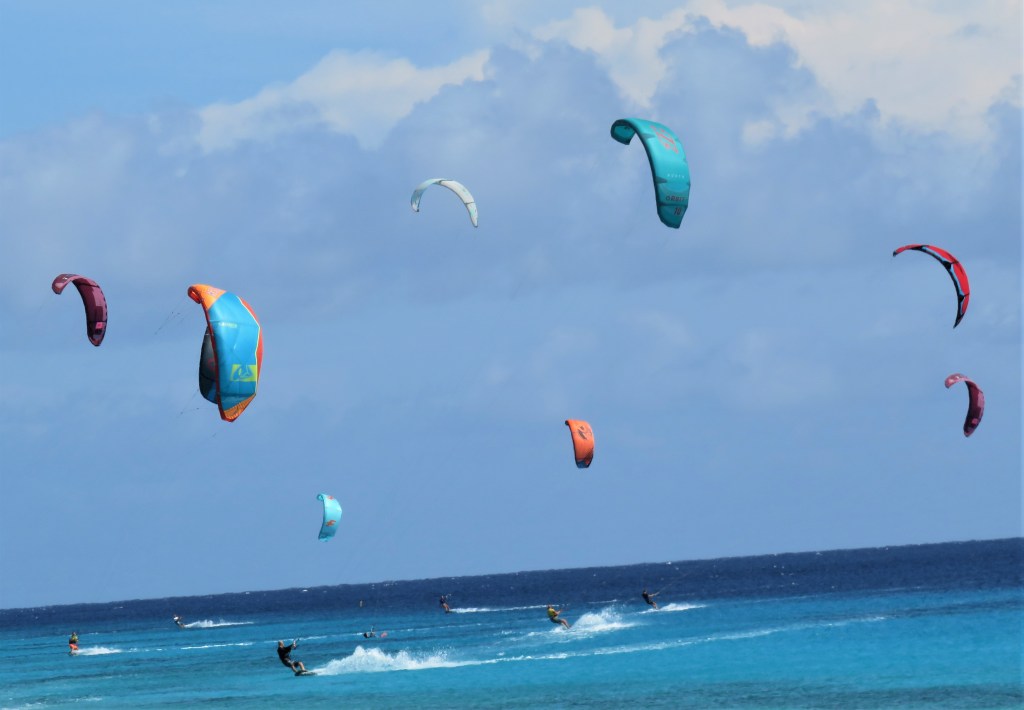
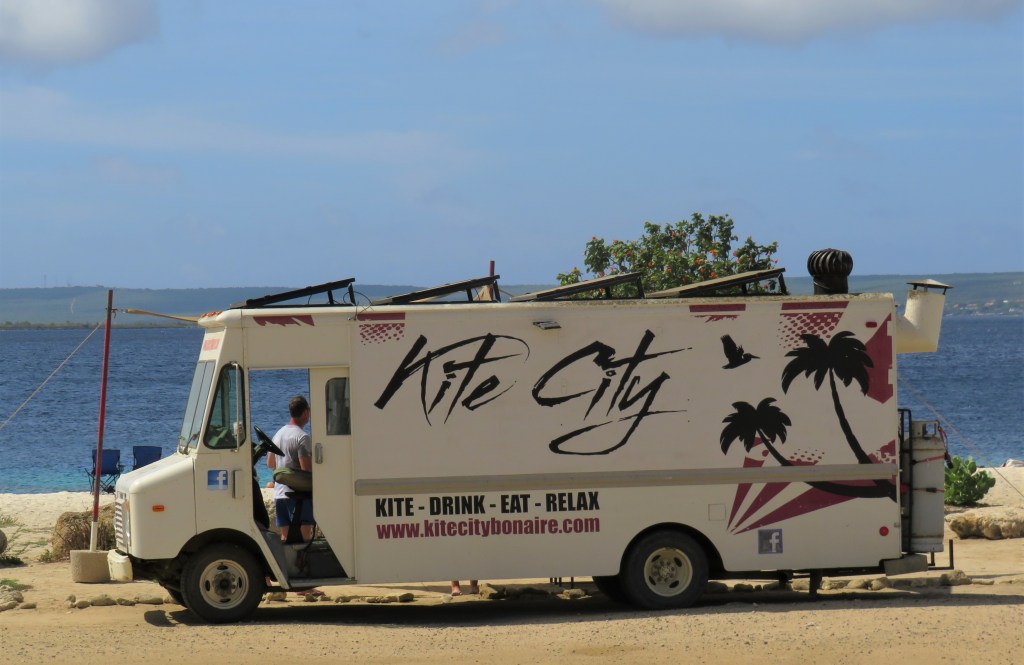
The first time we went to Bonaire a few years ago, we discovered this fabulous food truck called Kite City. The name of it is Kite City, but it is also located in the area that has been fondly dubbed as Kite City because of all the wind surfers. Kite City, both of them are still around today, still doing great.

Kite City, the food truck is known for its delicious food, specializing in their outstanding fresh fish burgers. We went there a couple of times and thoroughly enjoyed every bite. They serve whatever the fresh catch of the day is. We all enjoyed fresh mahi mahi, wahoo and barracuda, with a picturesque view of the ocean. No pictures of the food though, since we did not have our cameras with us on the days we ate there. Once again, you will just have to trust me.

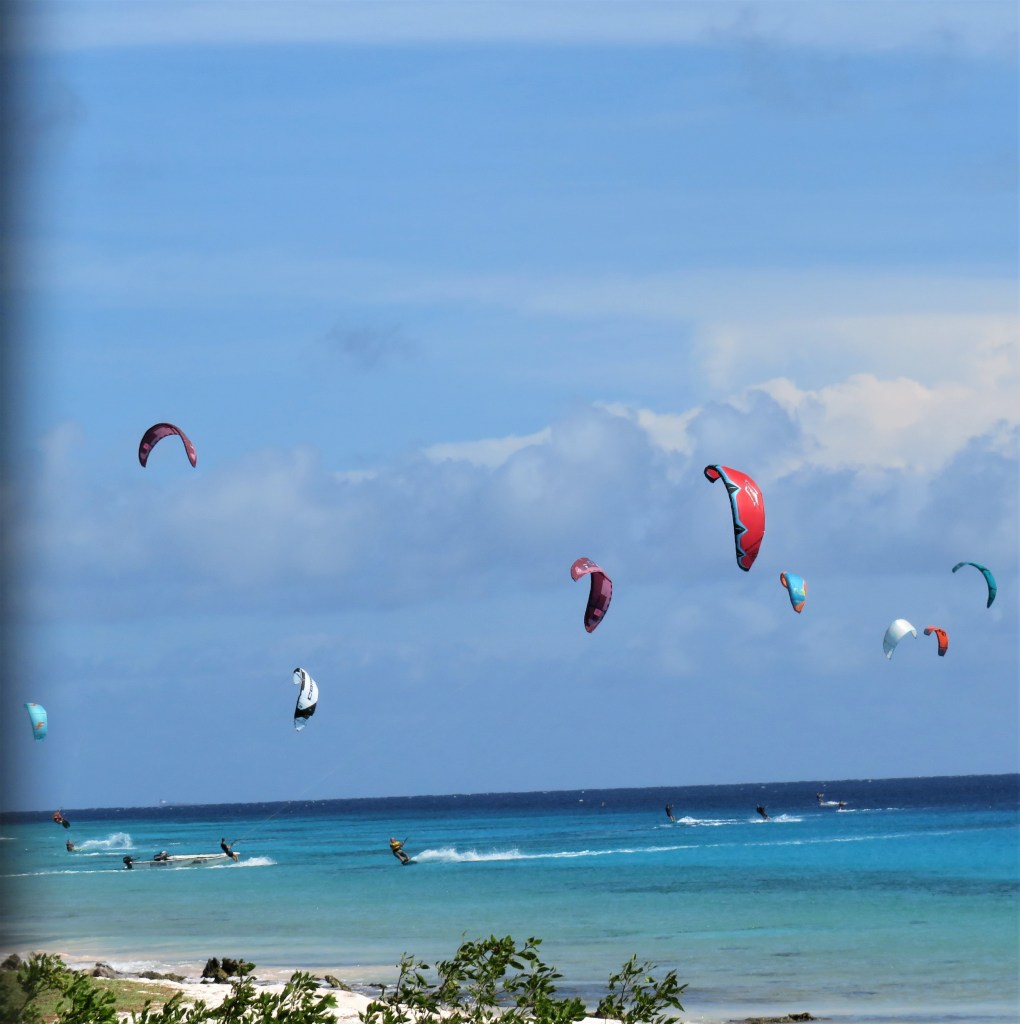
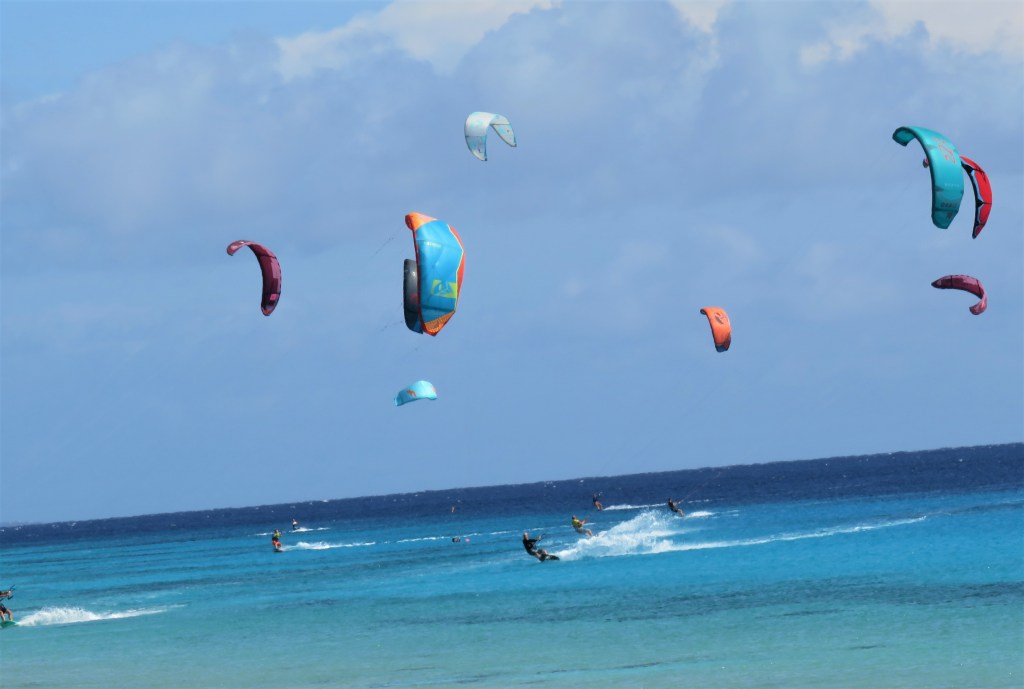
Kite City the food truck was inspired by all the wind surfers who “surf” the area when it’s the season. It was not in season here, at this location, this time, but we did see a lot of kite surfers further south. It looks like so much fun, and they all make it look so easy. I know it is really difficult though. Doesn’t this look oh so inviting?

Maybe one day I will be able to do this. One can hope at least. 🙂

Bonaire – The Salt of The Sea

Salt is something we all need but never really think of. We never think of where it comes from, or how it is mined, or even why we need it. But need it we do in order to survive. Salt plays a crucial role in maintaining human health. It is the main source of sodium and chloride ions in the human diet. Sodium is essential for nerve and muscle function and is involved in the regulation of fluids in the body. Sodium also plays a role in the body’s control of blood pressure and volume. In severe cases, low sodium levels in the body can lead to muscle cramps, nausea, vomiting and dizziness. Eventually, lack of salt can lead to shock, coma and death. But rest assured, severe salt loss is very unlikely to happen because our diets contain more than enough salt. Our body needs about 100 grams of salt for every 40 kilos of weight.

Salt and its many uses has been around for 1000’s of years. It was first discovered by the Egyptians, but was mined by the Ancient Chinese, in northern China, around 6000 BC, if not even earlier. China is the world leader in terms of salt production, with 64 million metric tons of salt produced in 2021. That same year, salt production in the U.S. amounted to 40 million metric tons. Many other countries around the world also produce salt. Rumor has it that some of the best salt comes from Wales.

There are four types of salt:

  • Kosher salt. Kosher salt is a coarse-grained flaky salt.
  • Table salt. This is the most common type of salt, and the one most used in home kitchens. …
  • Sea salt. Sea salt refers to unrefined salt that is sourced from — appropriately — the sea. …
  • Coarse salt.

The main differences between sea salt and table salt are in their tastes, texture and processing. Sea salt comes from evaporated seawater and is minimally processed, so it may retain trace minerals. The minerals sea salt contains depend on the body of water where it’s evaporated from. And this brings me to the salt mines and salt pyramids of Bonaire, which is of course, sea salt.

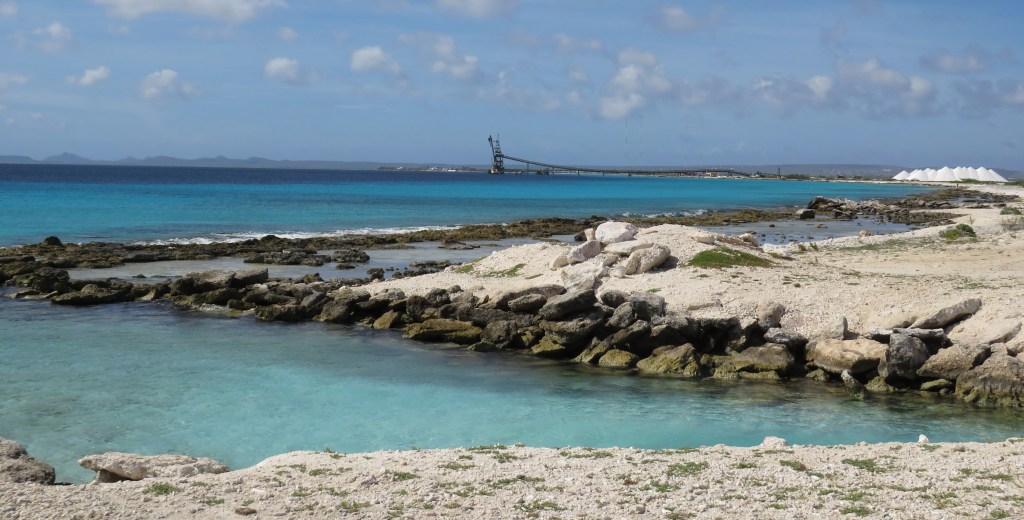
The salt pyramids of Bonaire are part of the history of the island. Salt was once a critical element in the complex trade relations that tied together the original 13 American colonies with the Caribbean and West Africa. Bonaire has been the center of the Dutch trade in salt since 1581. From the very beginning, Caribbean salt would be exported all over North America, as well as back to Europe. The salt mines are are all located in very close proximity to the open sea, for obvious reasons of easy transport.

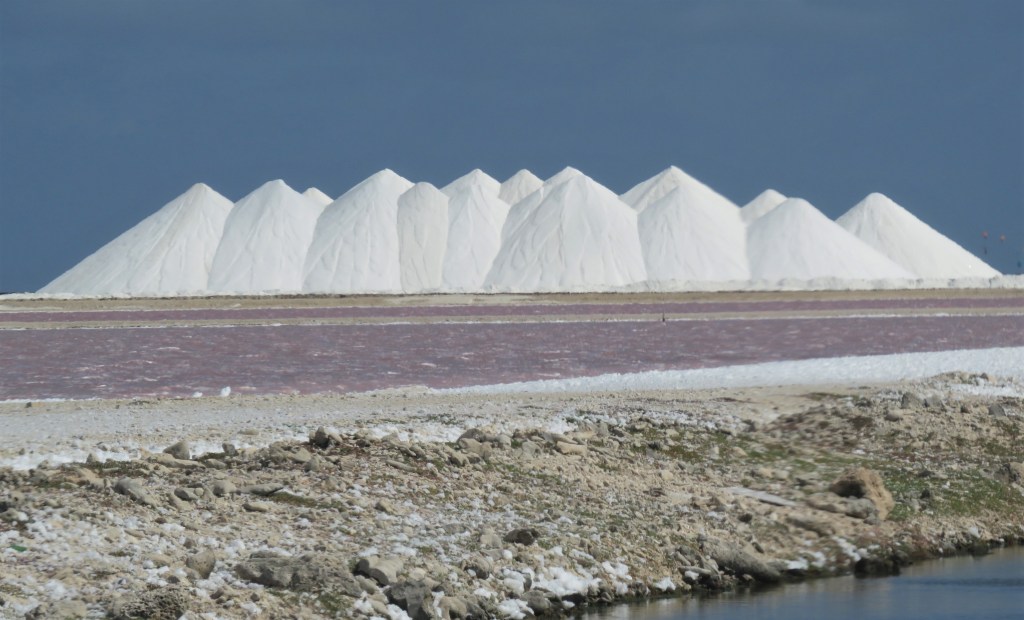
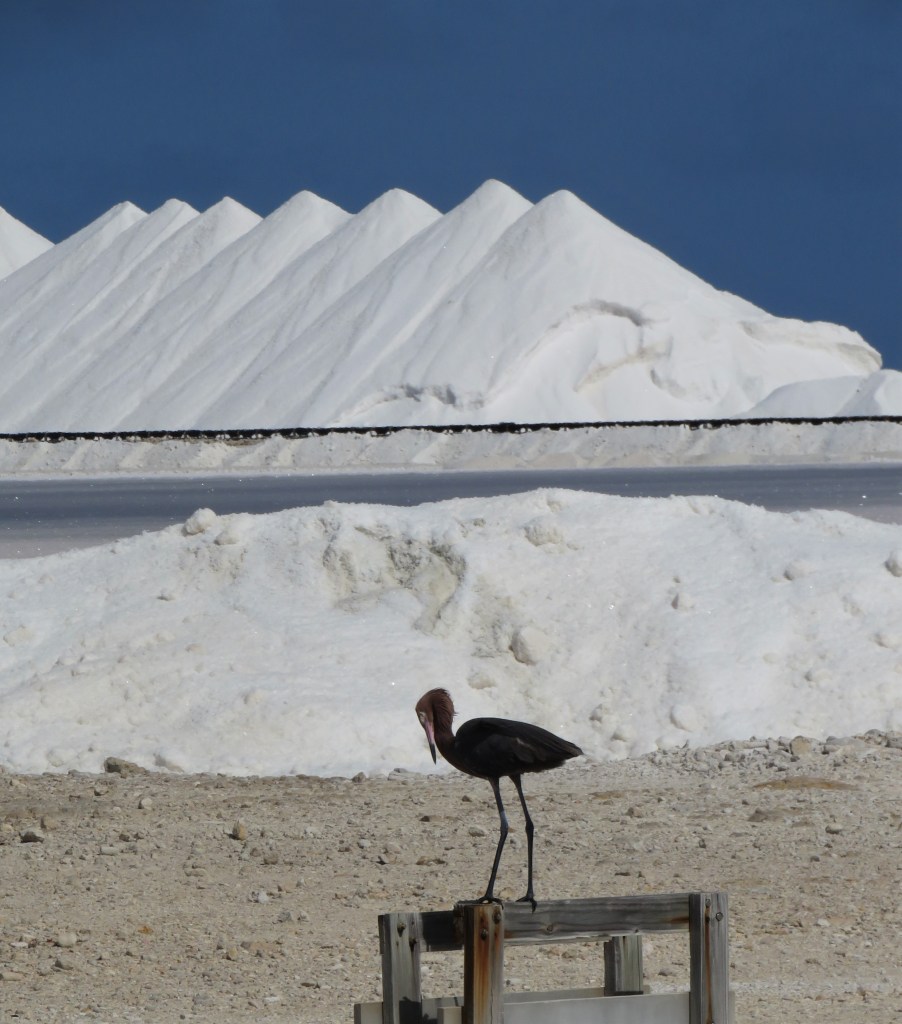
One of the most notable features of Bonaire that greets arriving visitors, both by sea and by air, is a distinctive line of white salt pyramids at the southeastern end of the island. Each pyramid, roughly 50-feet high, contains approximately 10,000 metric tons of 99.6 percent pure salt. Depending on the time of the year, there can be upwards of 200,000 metric tons of salt neatly stacked in long rows awaiting shipment.

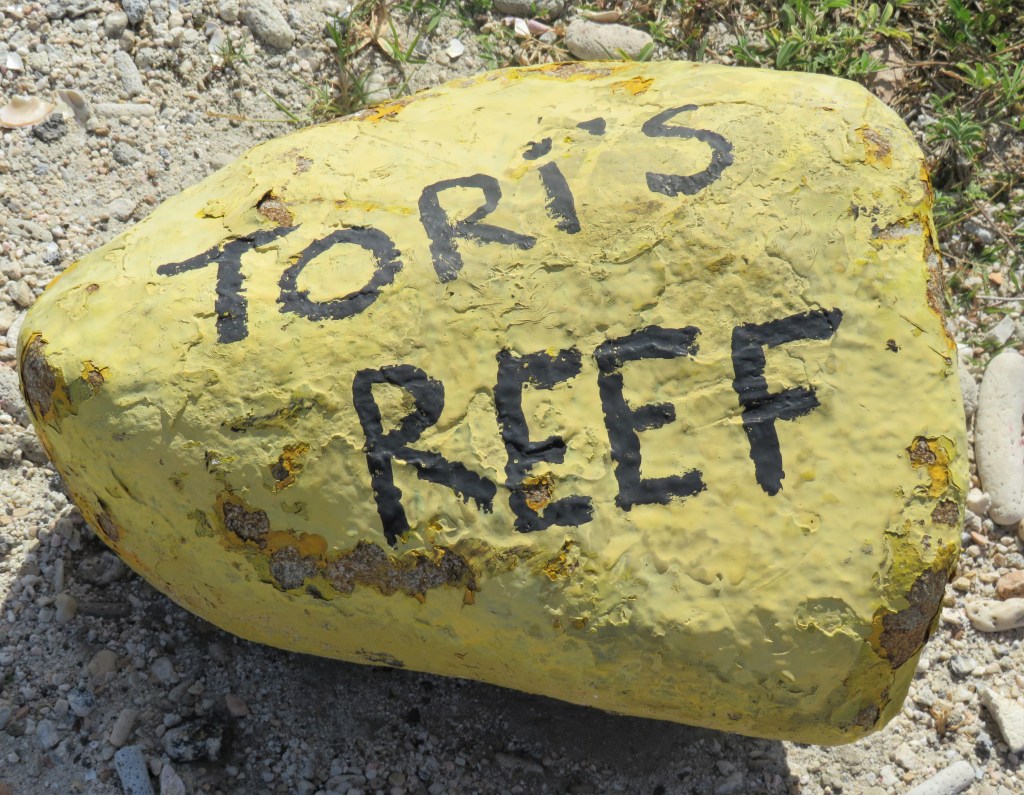
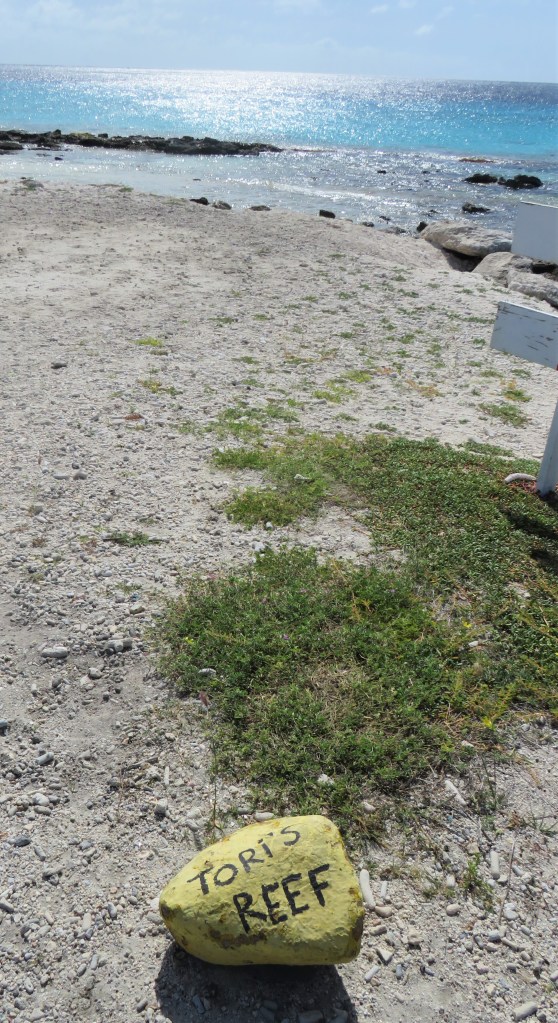
We were lucky enough to dive at Salt Pier one day, but unfortunately, every other time we tried to dive there, there was a ship loading up and we were not allowed to dive anywhere near the ships when in port. The diving is great there too. It is so full of of colorful sea life and is very vibrant. We were able to dive a little further down the road though at Tori’s Reef, which was one of our favorite dive sites.

But I digress. When I start talking about diving, it is hard for me to stop. To get back on track, I am talking about the salt mines here. Stay focused JJ (I often refer to myself as JJ, short for Jeanne Jones, when in the 3rd person mode), stay focused. 🙂

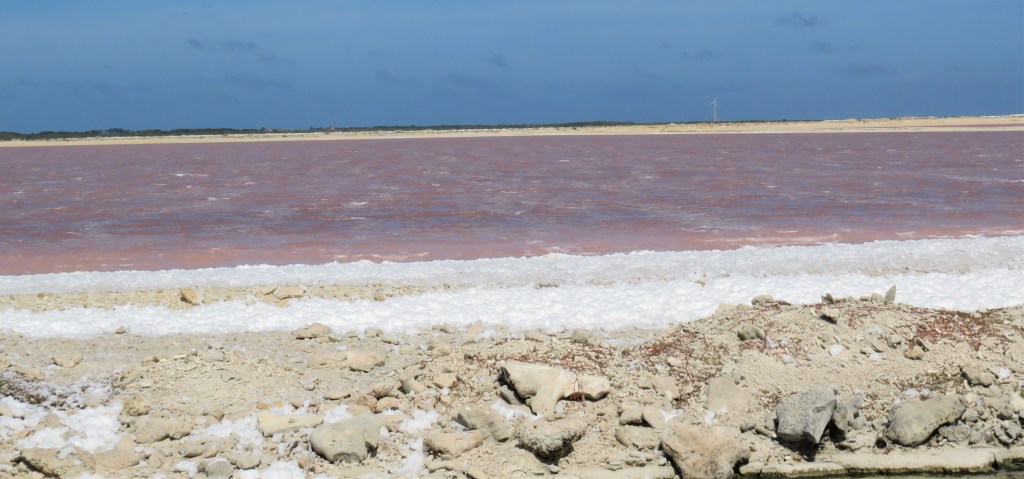
The salt mines are a beautiful pink shade, which is a stark contrast to the vivid blue/turquoise waters just across the road. They also have a beautiful foam layer on top. When the sun hits at the right angle, it looks like a sea of beautifully colored crystals, also known as sun gems. The salt produced in Bonaire is in crystal form rather than rock form, which is created by a special brine.

The solar salt facility, one of the largest in the Caribbean, is today owned by Cargill, the Minneapolis, Minnesota based conglomerate. The facility covers approximately 13 percent of the island, about 16 square miles of land on the flat, southeast corner. The entire location is only a few feet above sea level.

When the brine reaches between 25 percent and 30 percent salinity it is moved into crystallizer ponds. As the evaporation of water increases the salinity beyond 37 percent, the salt begins to crystallize and precipitate out of the brine solution. Eventually it will form an 8 to 10-inch layer of virtually pure salt. The entire process takes 10 to 12 months, depending on the prevailing temperature and wind, as well as the precipitation and the degree to which dust and other contaminants in the air provide the nuclei that spur the crystallization of the salt. The washed salt, more than 99.6 percent pure, is then stacked into Bonaire’s iconic and unmistakable salt pyramids. This facility can produce between 300,000 and 500,000 metric tons of salt annually. It is exported all over the world in roughly equal portions to Europe, Asia and North America. Bonaire (the Netherlands) produces about 2.36% of the world’s salt.

As the salinity of the salt ponds increase, they each produce a distinctive ecology. Various kinds of algae and Halobacteria, an archaic precursor to bacteria, thrive in the super salty water giving the ponds their distinctive pinkish coloration. This high content of salinity and algae have also made this area a very large flamingo reserve as well, but more on that later. We did see tons of beautiful pink flamingos, both here and elsewhere on the island.

And just right across the road, is the beautiful blue ocean.

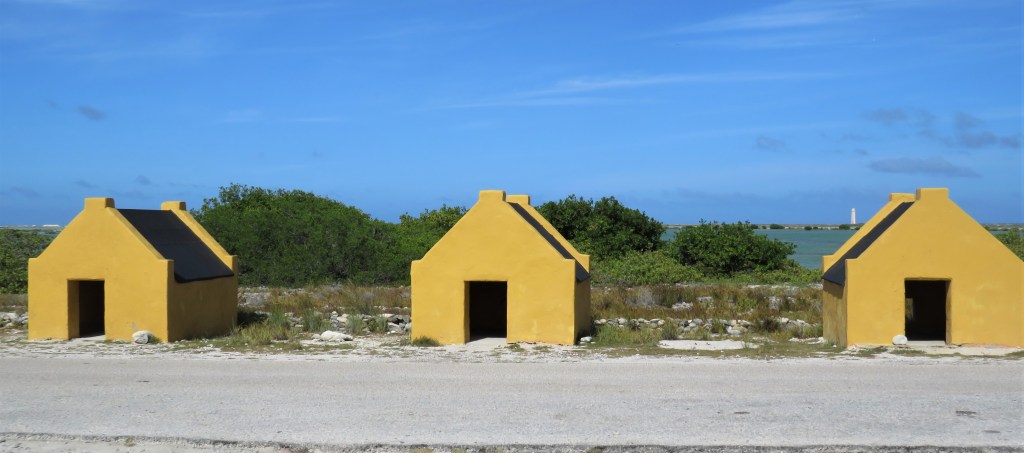
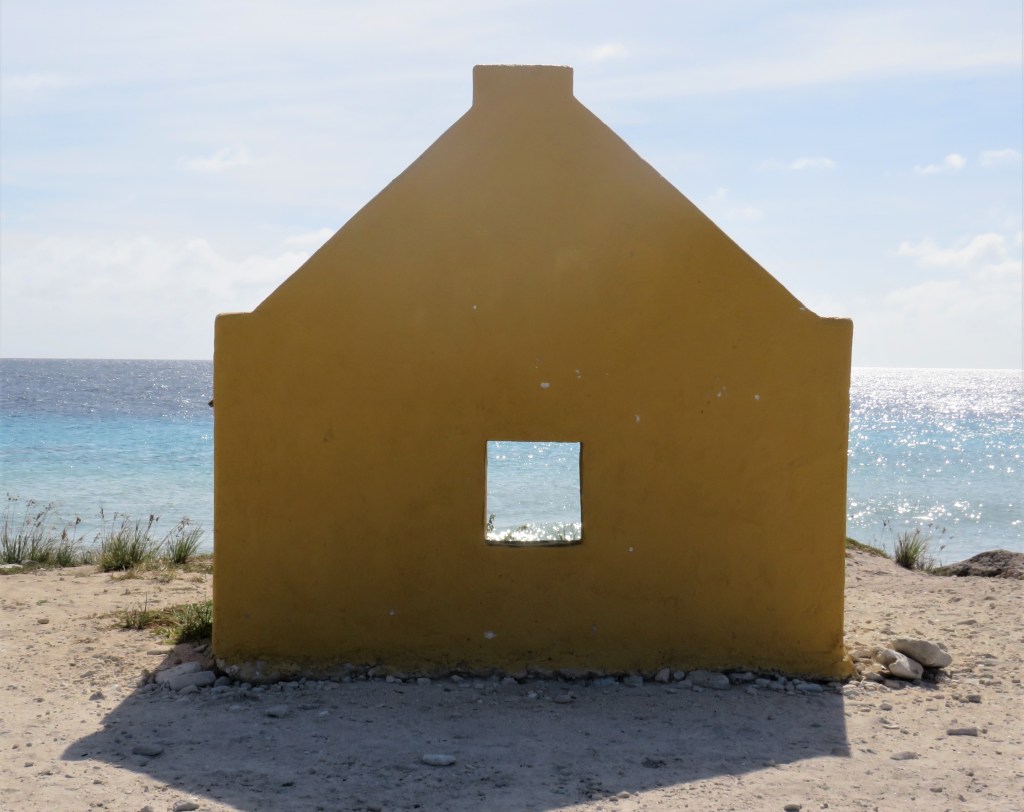
Salt mining is very hard work and is very labor intensive. Originally the salt in Bonaire was mined by the slaves who were brought over from Africa, but that ended in 1863, when the Dutch outlawed slavery. The slaves lived in these tiny little huts by the sea. These little huts housed 2-6 people. They are so tiny that a normal sized adult cannot even stand up in them. Larry is 6’4″ and he had to get on his knees to get inside.

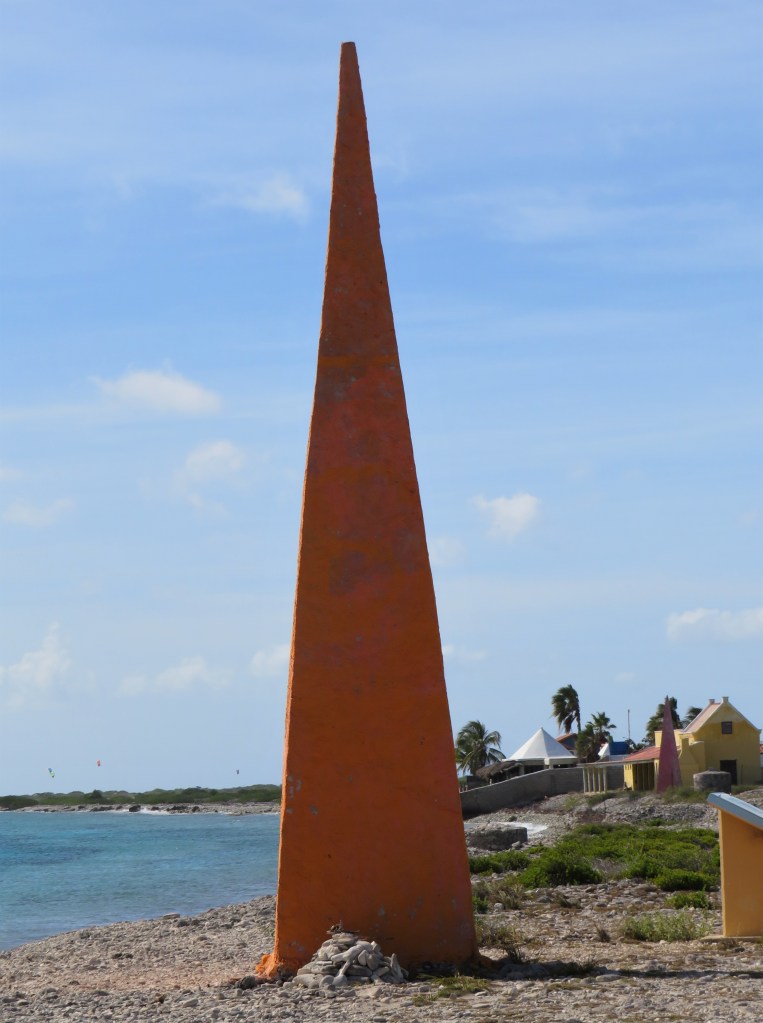
The huts were colored to match the pyramid towers. Most of the people could not read at the time, so the colors identified the owners and where the ships were supposed to load and unload.

These were the “red huts”, even though they look orange. There were four colors, meaning four companies – red, white, blue and brown.

So next time you add a little salt to your dish, now you know a bit more of how it came to you. We all need to be a little more salty. 🙂

Stay safe and stay well Everyone. ‘Til next time.
Bonaire – A Pair Of Parrots

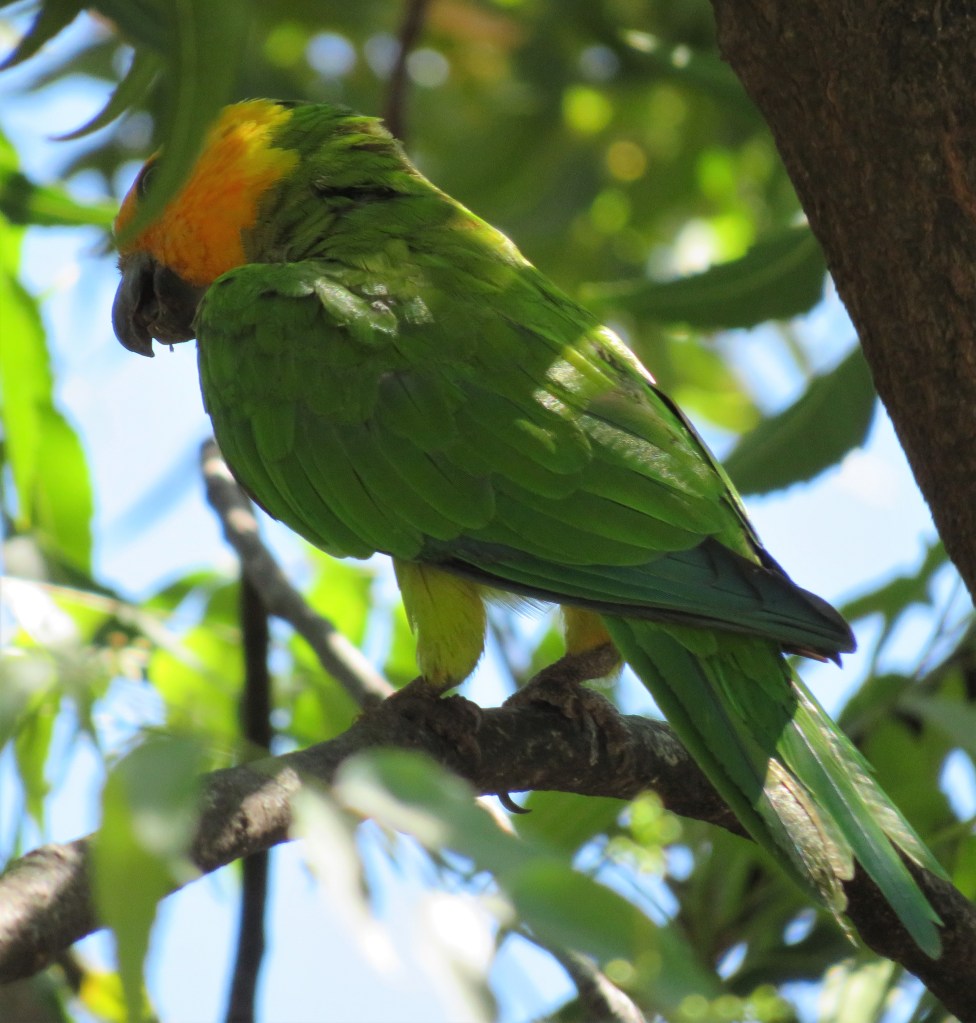
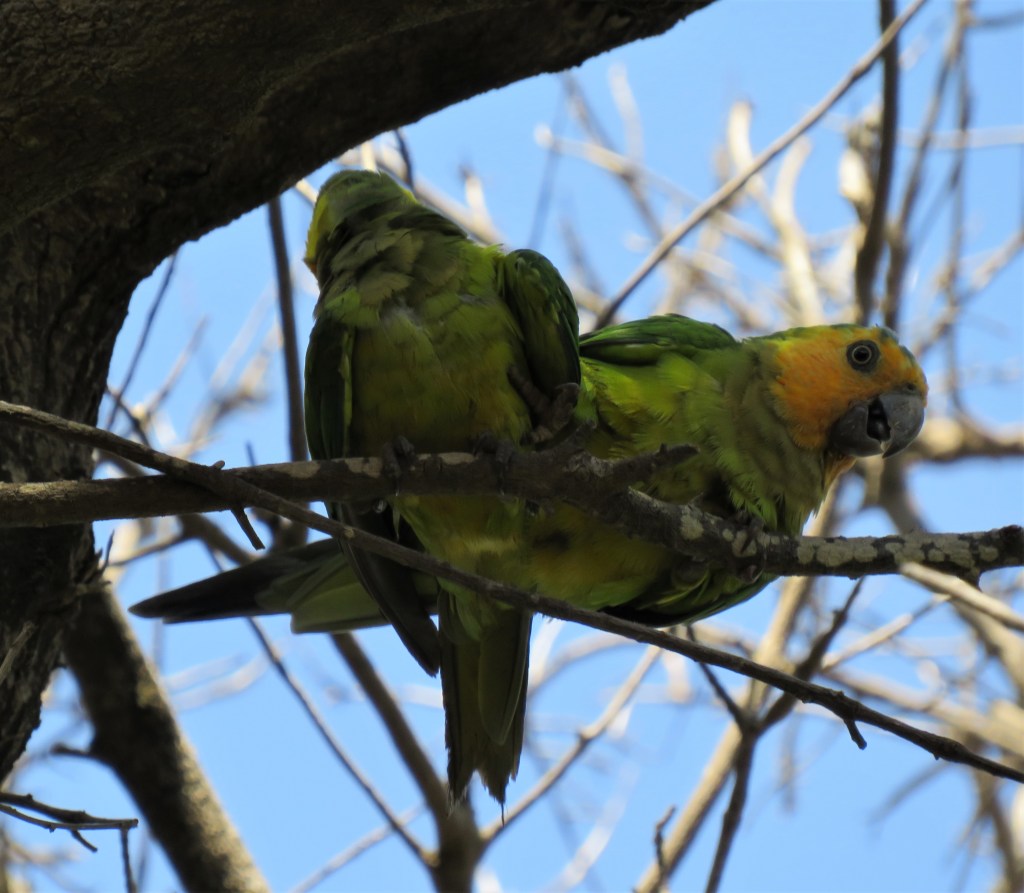
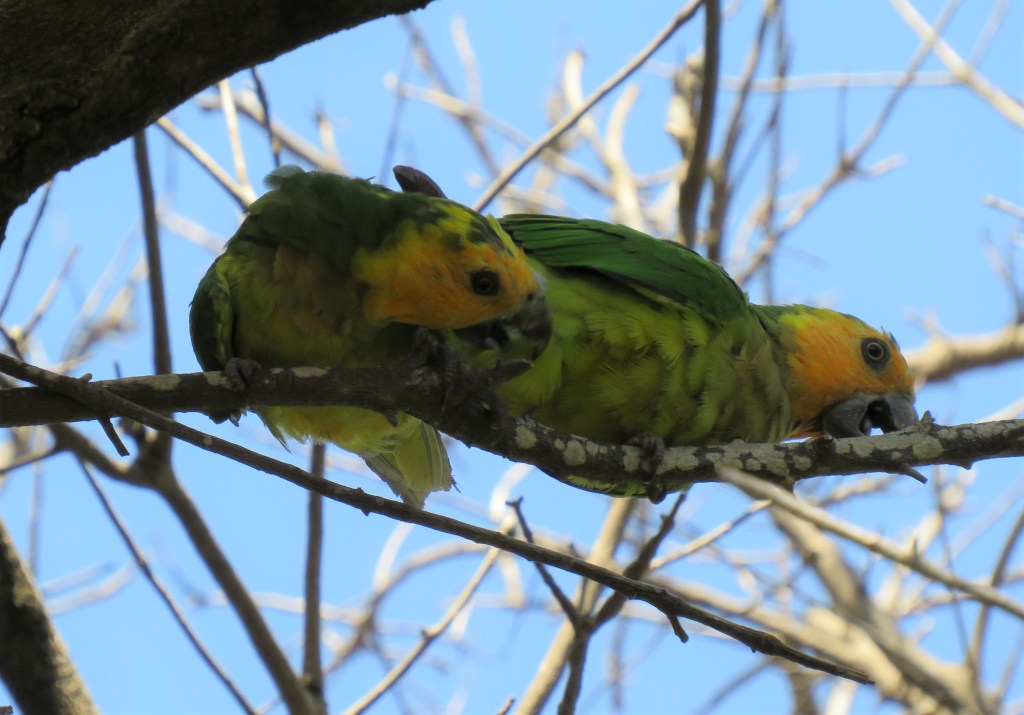
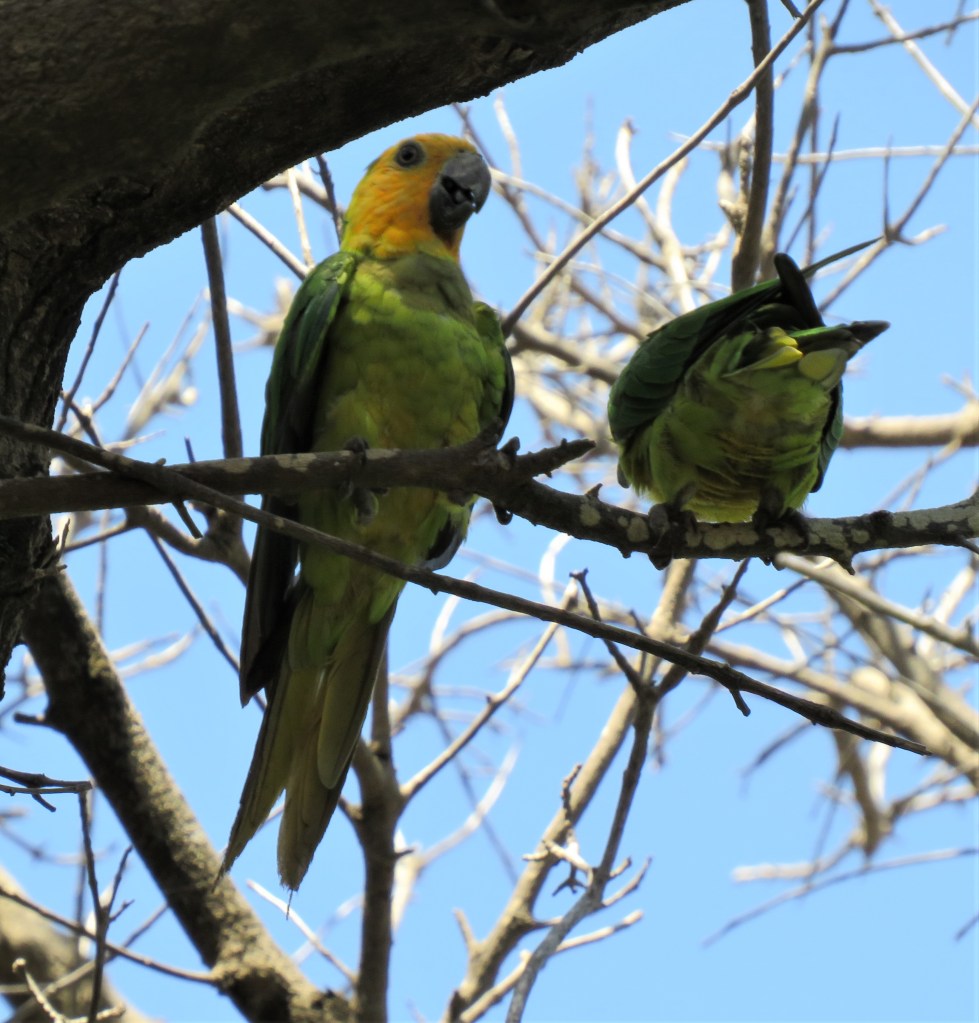
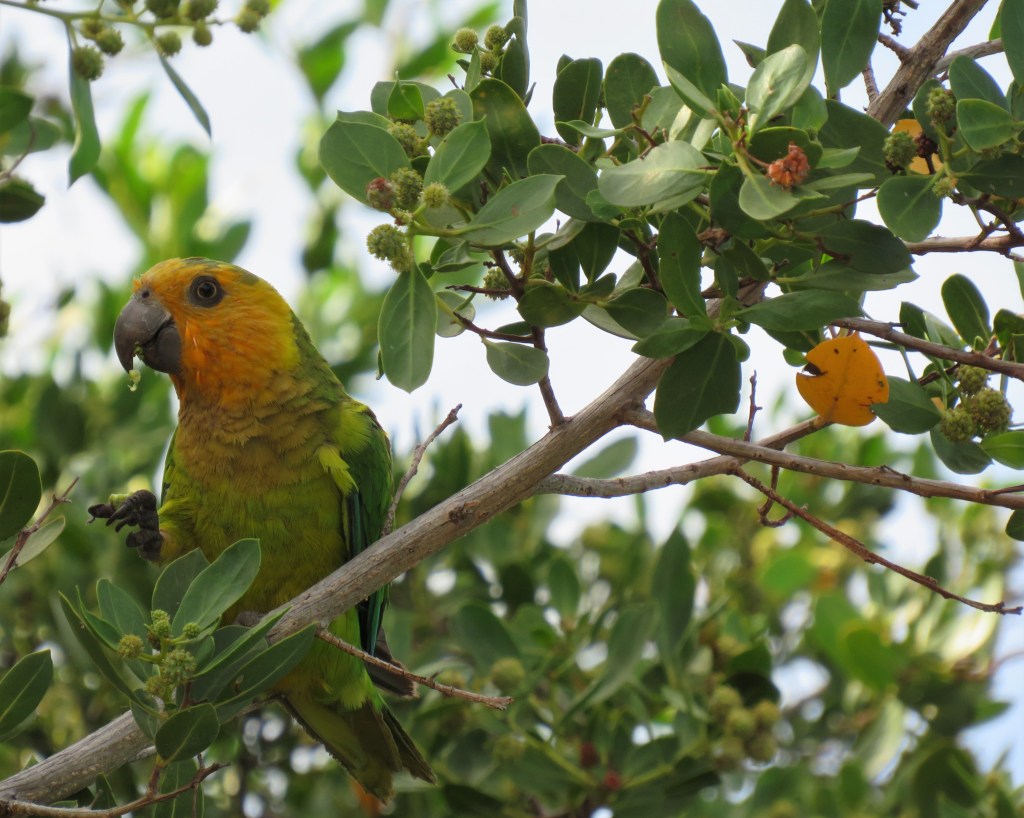
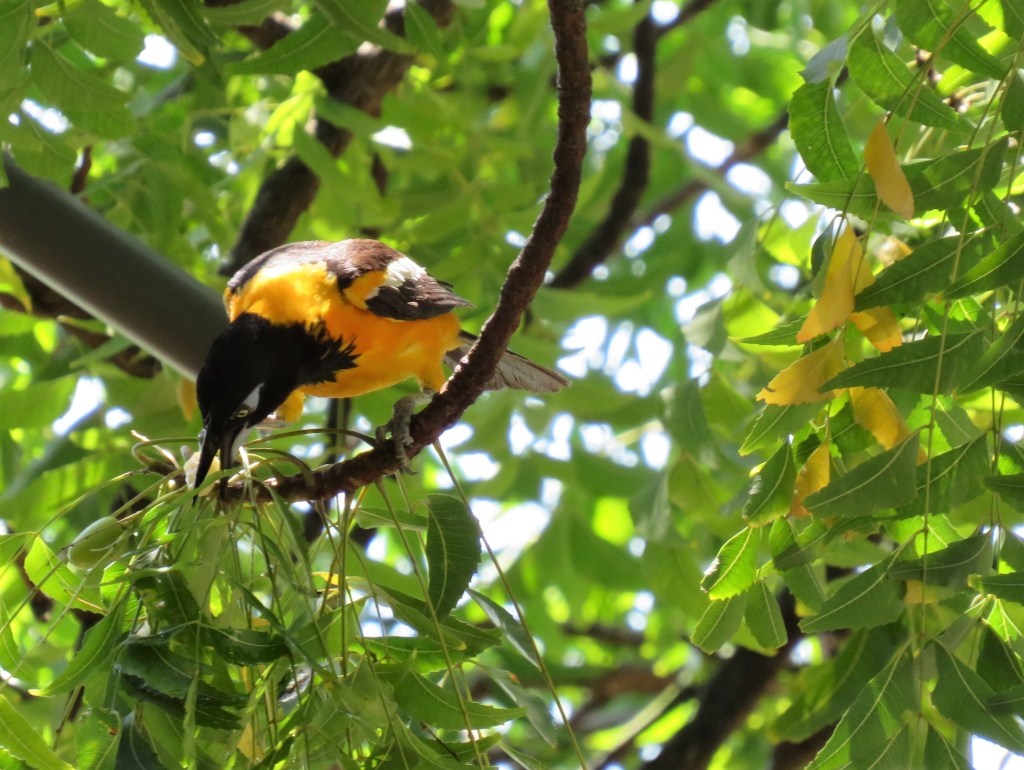
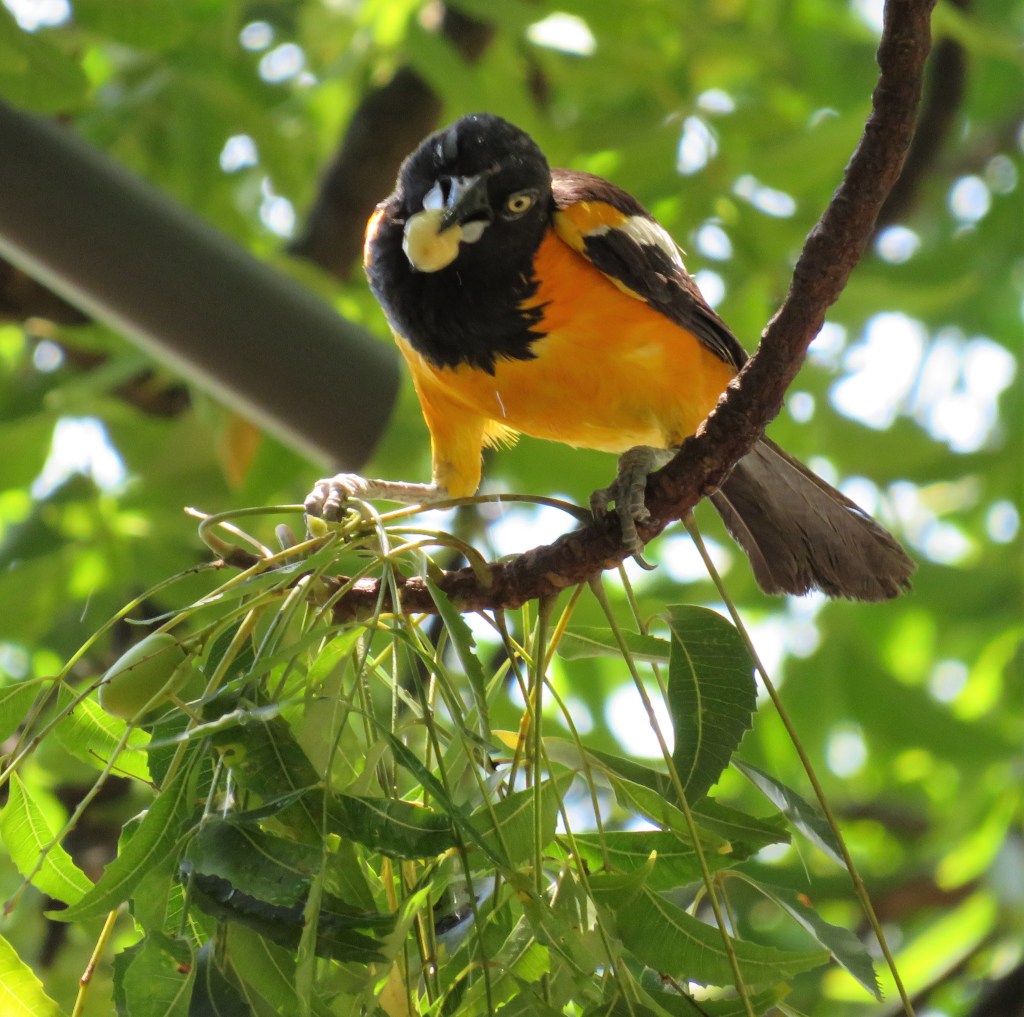
In between dives, we also took in a lot of the sights that were close by to our diving. For the most part, we did not have our cameras with us, especially if we were diving at different locations. We never took anything of any value with us when diving because there was no way to secure anything. But on our rest intervals that were close “to home” we could easily run in to our room to grab the camera. We were lucky this time and saw a bunch of very brightly colored parrots, and even a mating pair. I think we were “voyeurs to some parrot porn”.

Enjoy your day and make it as colorful as you can. Stay safe and stay well Everyone. ‘Til next time.
Bonaire – El Mundo

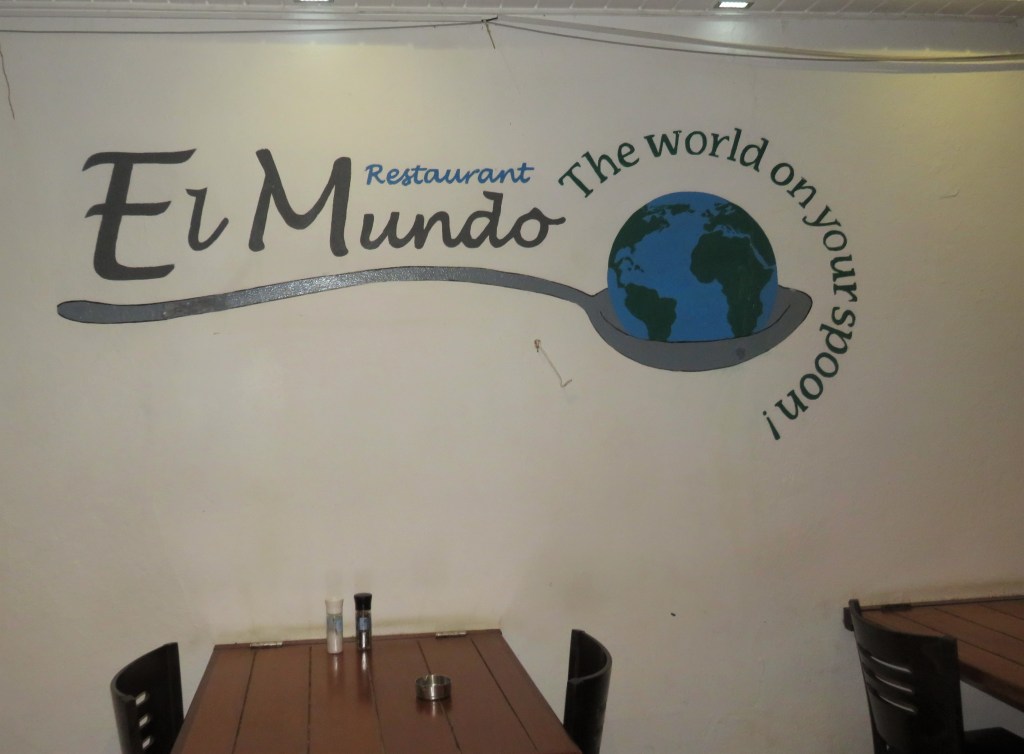
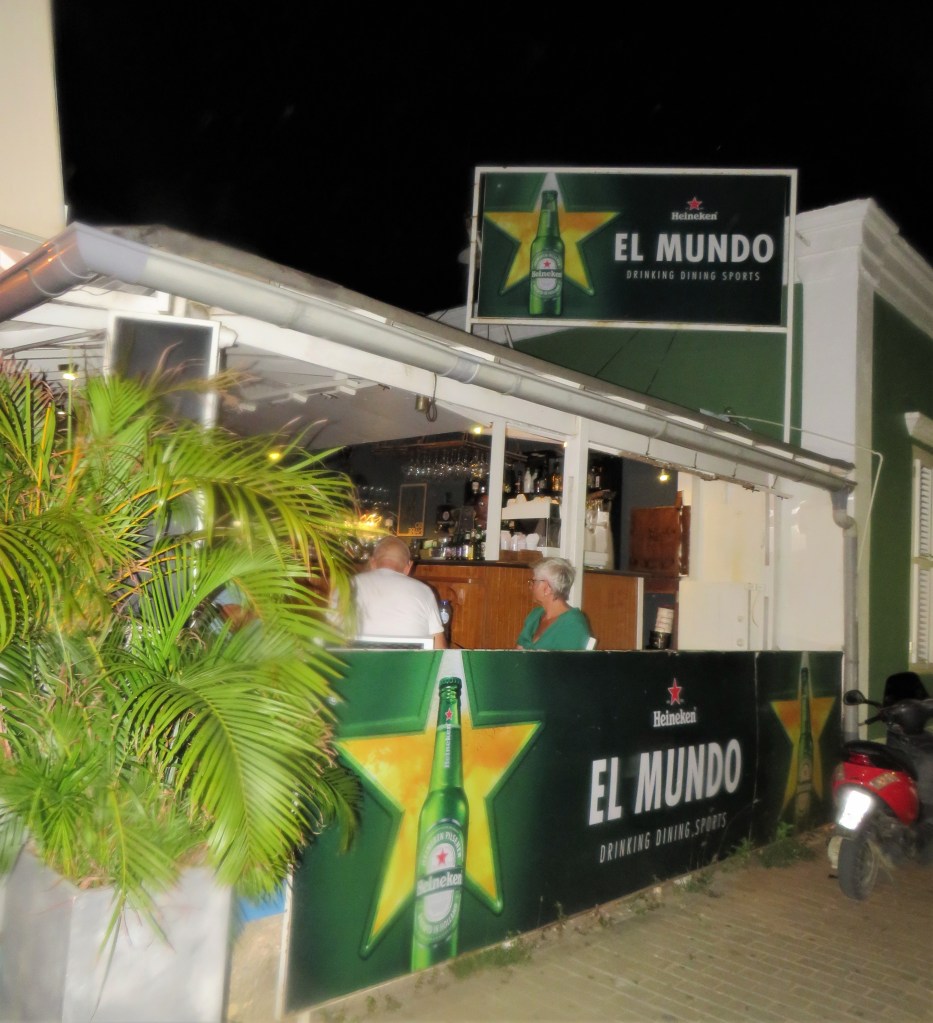
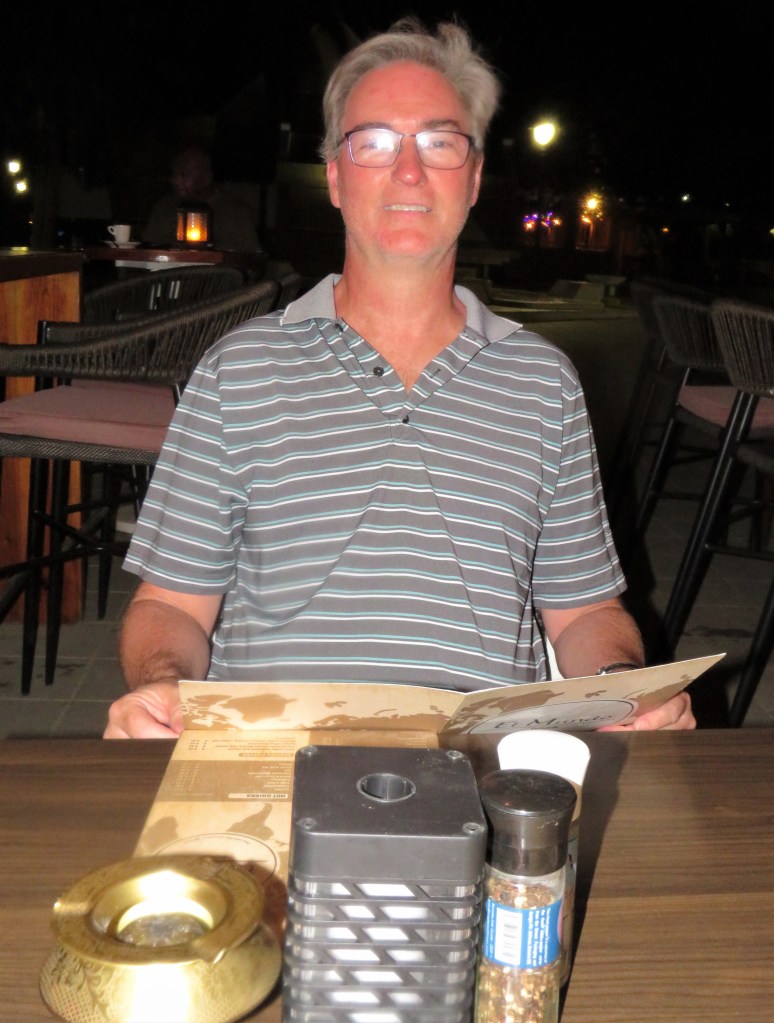
We did experience other restaurants and food while in Bonaire other than the Chibi Chibi, even after our night dives. Bonaire – The Chibi Chibi Restaurant. There is a wide variety of restaurants to be found around the island, though mostly in Kralendijk. As with most places, there are the quick, inexpensive restaurants and the upscale, fancy restaurants and everything in between. For dinners, Larry and I tend to go to the “somewhere in-between” restaurants. One night, after yet another night dive, we ventured into town and went to El Mundo, in Kralendijk.

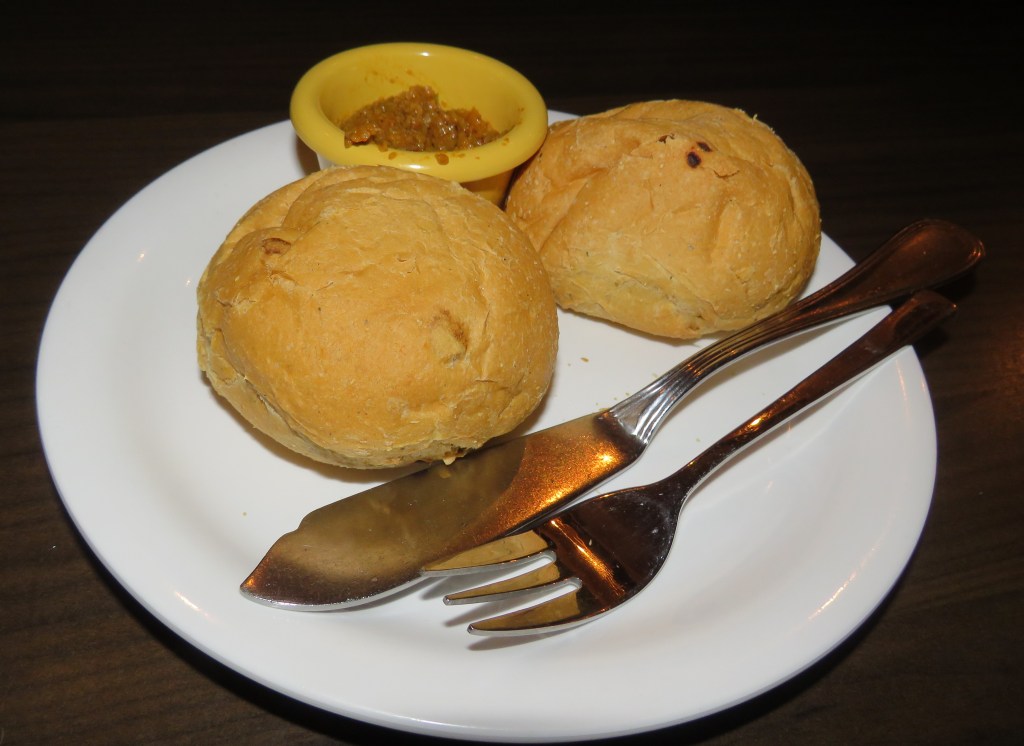
After we ordered, we were given a delicious little appetizer of bread with an olive tapenade to hold us over until our meal came.

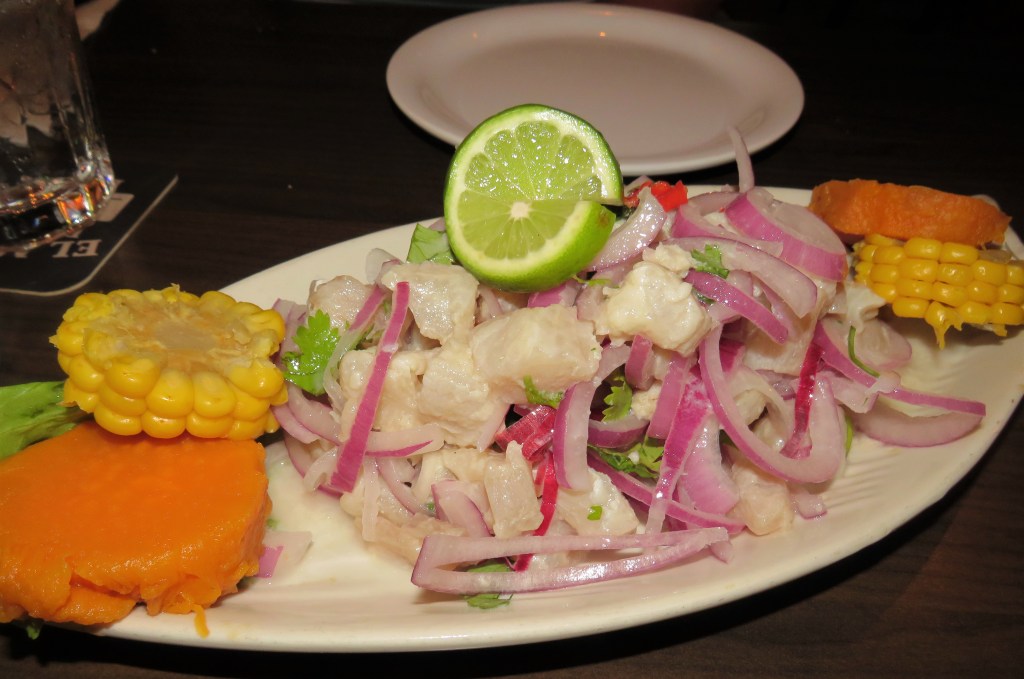
Larry and I tend to split a lot of dinners and/or appetizers when we go out, in order to give us a wider variety of foods to try. This time was no different. We ordered the specials for the day, starting with El Mundo’s version of ceviche and the snapper topped with garlic butter calamari. Both were delicious!

It was just the right amount of food and every bit was gone by the time we finished our meal. We thoroughly enjoyed the whole meal, but the calamari was excellent. Every version, no matter where we eat it, is completely different from the next version. We eat calamari in many different counties around the world, and they all have their own unique personalities. So far, I haven’t found a ceviche I didn’t like. 🙂

Enjoy what’s left of summer and all the days ahead. Stay safe and stay well Everyone. ‘Til next time.

Bonaire – The Chibi Chibi Bird

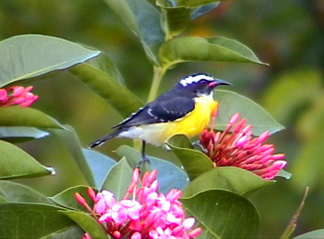
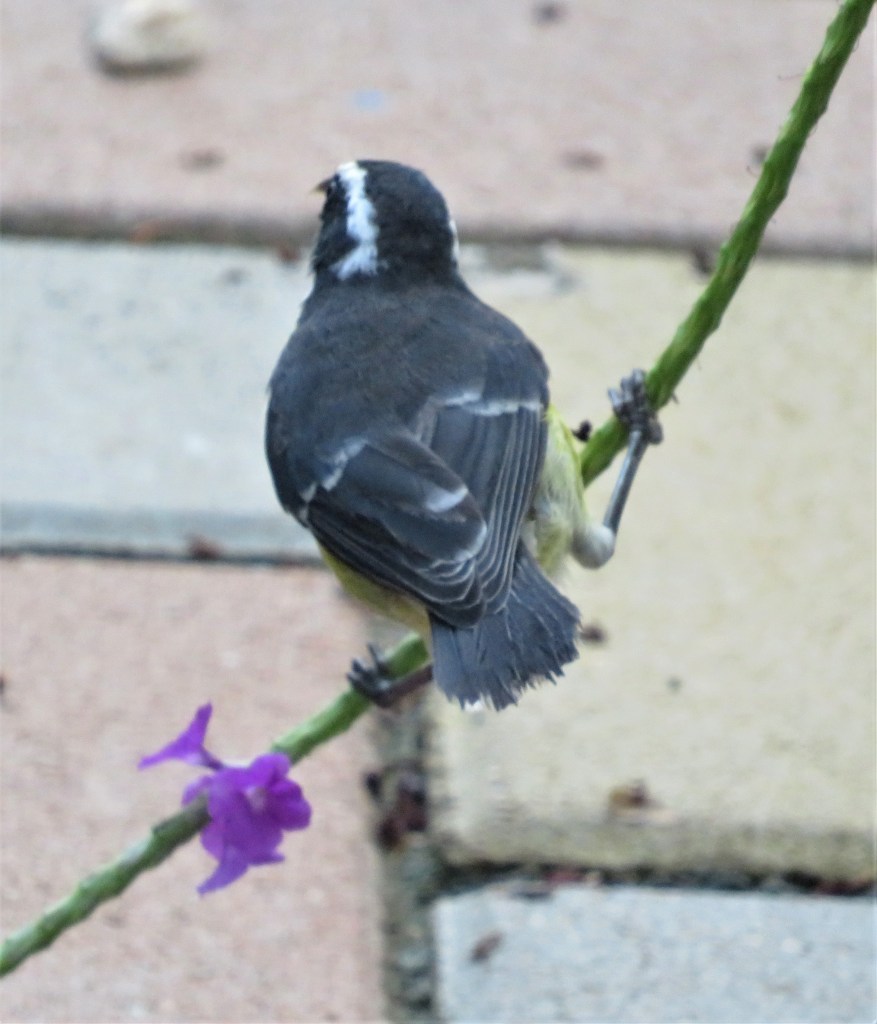
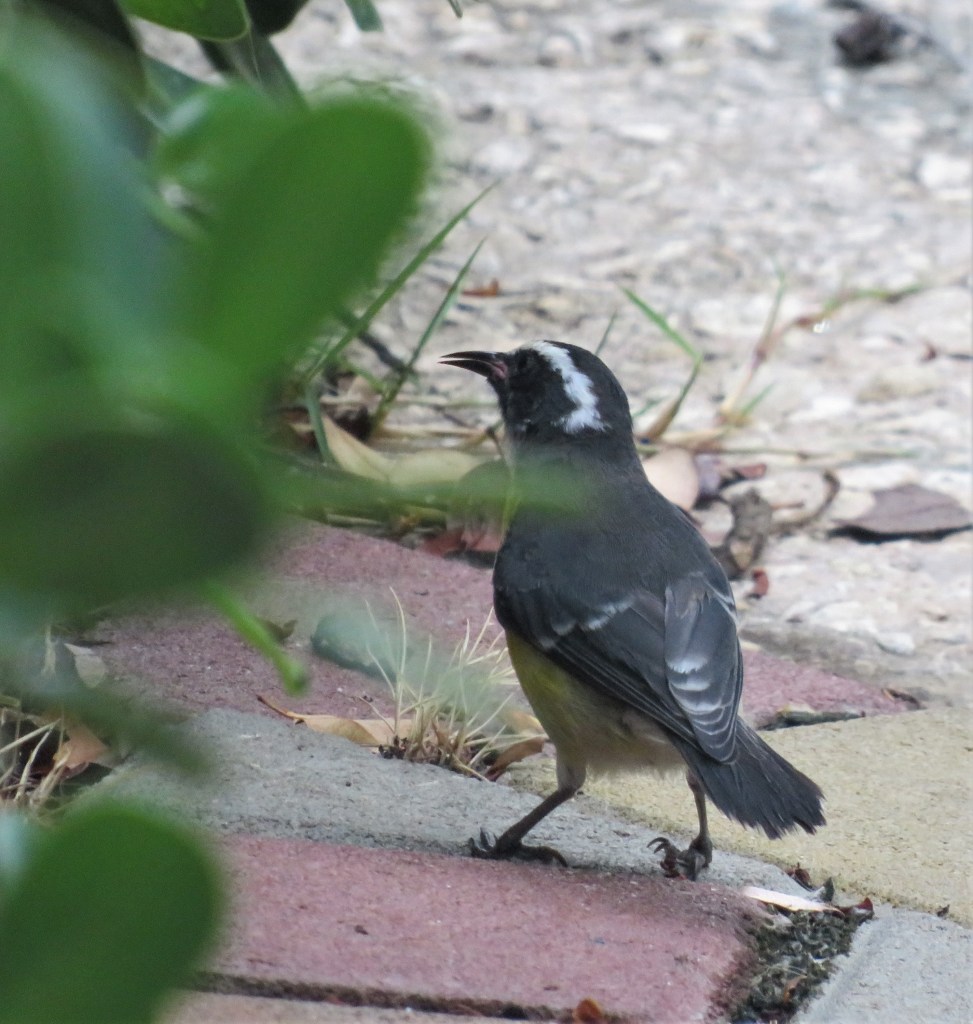
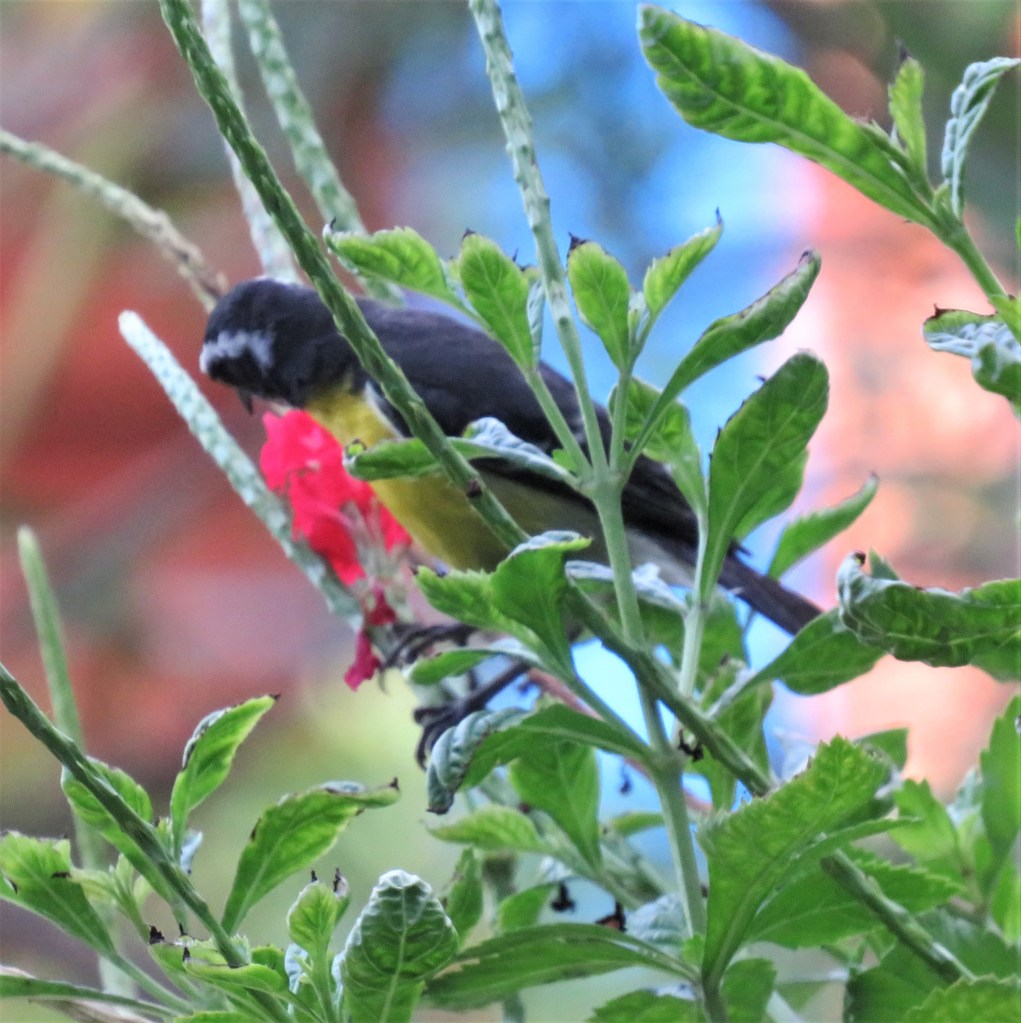
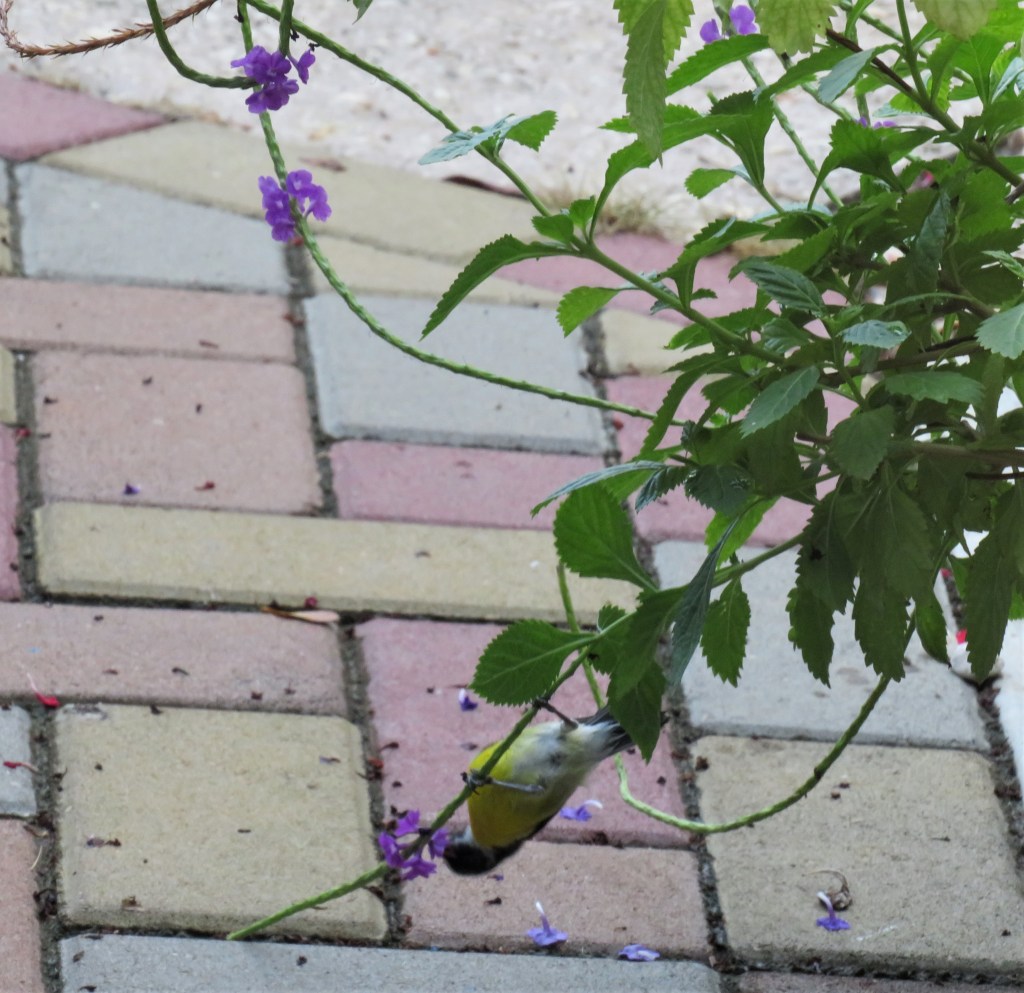
As I mentioned in my last post, Bonaire – The Chibi Chibi Restaurant the restaurant was named after the chibi chibi bird, also known as the Bananaquit. It is one of the most popular birds on Bonaire. It got its Dutch name (“Sugar thief’) because it has adjusted so remarkably to the human environment that it has become a well-known raider of sugar pots on breakfast and coffee-tables. It also likes to build its nest in lampshades and decorative trelliswork. In a more natural environment it collects nectar from flowers, snapping up small insects as well. If they cannot reach the nectar in the normal way they will puncture the base of the flower to get at it. This robs the flower of its chance of pollination of course. Fruits are also pierced to get at the sweet juice. They breed the whole year round, building one nest after another.

Have a great day Everyone. ‘Til next time.

Bonaire – The Chibi Chibi Restaurant

There were two restaurants at the resort, the Chibi Chibi and Pure Ocean. We dined at both of them a couple of times. The food at both places was good and the servers were a lot of fun with a lot of personality. Usually when we travel, we like to try as many different places as possible, but this time we dined at both a couple of times each, mainly out of convenience. We went night diving almost every night and both the Chibi Chibi and Pure Ocean were right there, on the premises and they were open after diving. When doing night dives, it is always an important thing to know what restaurants are open later.

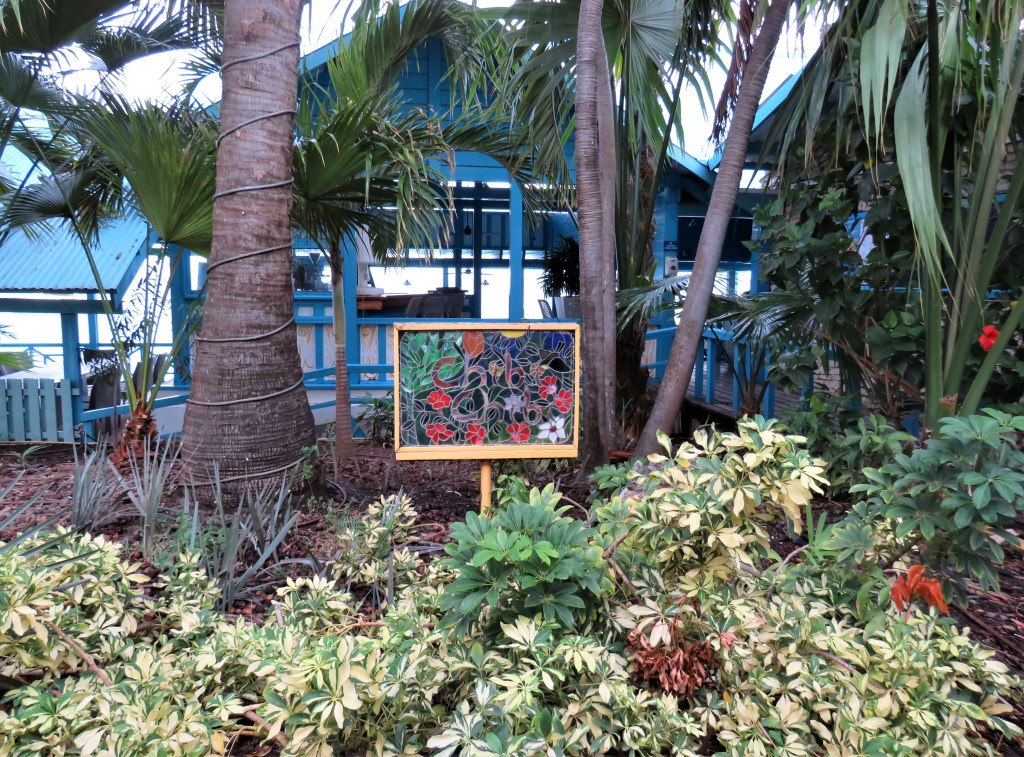
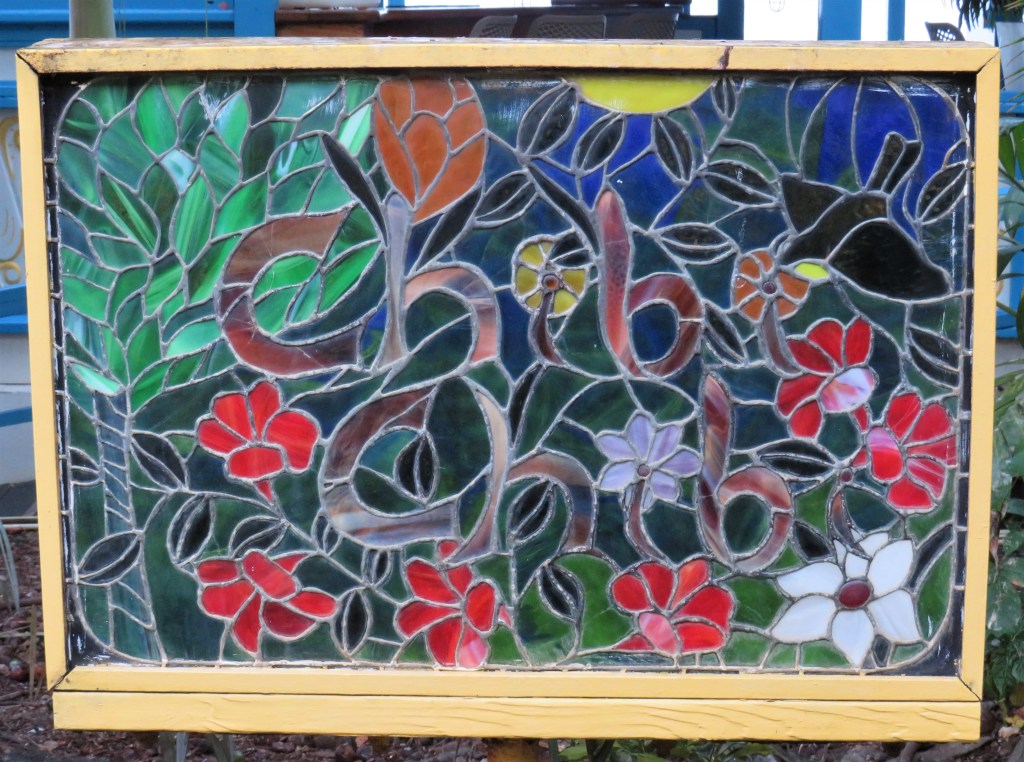
The restaurant Chibi Chibi is actually named after the bird chibi chibi, which is one of the most popular birds in Bonaire. The chibi chibi bird is also known as the Bananaquit.

The chibi chibi bird.

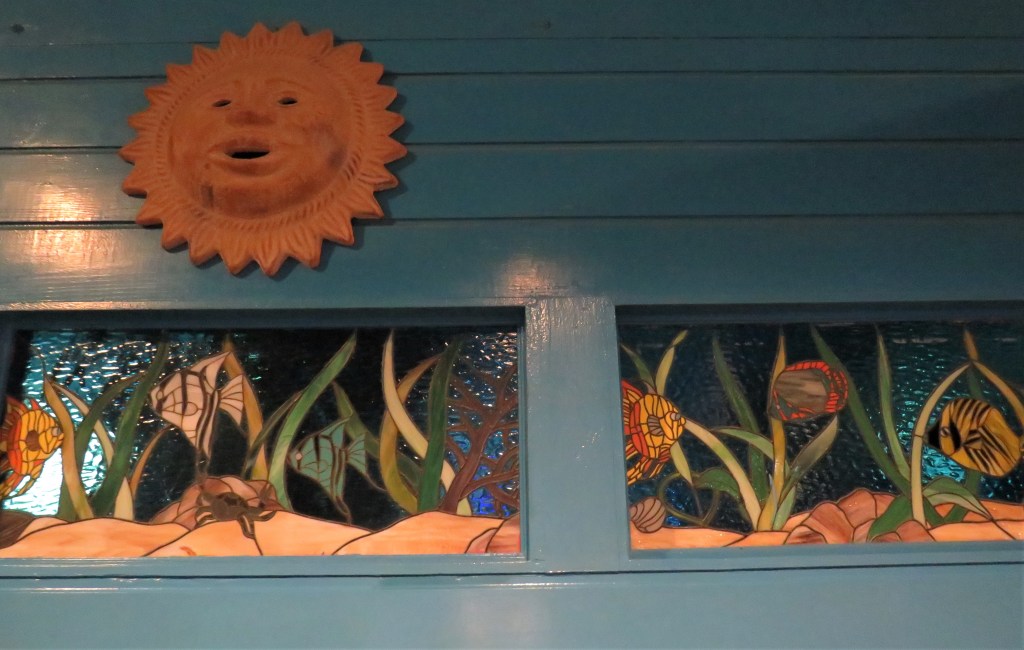
The Chibi Chibi Restaurant, located right on the water’s edge, with a spectacular view of the ocean. Both restaurants share the same kitchen, so they often alternate their days. When one is open, the other is closed.

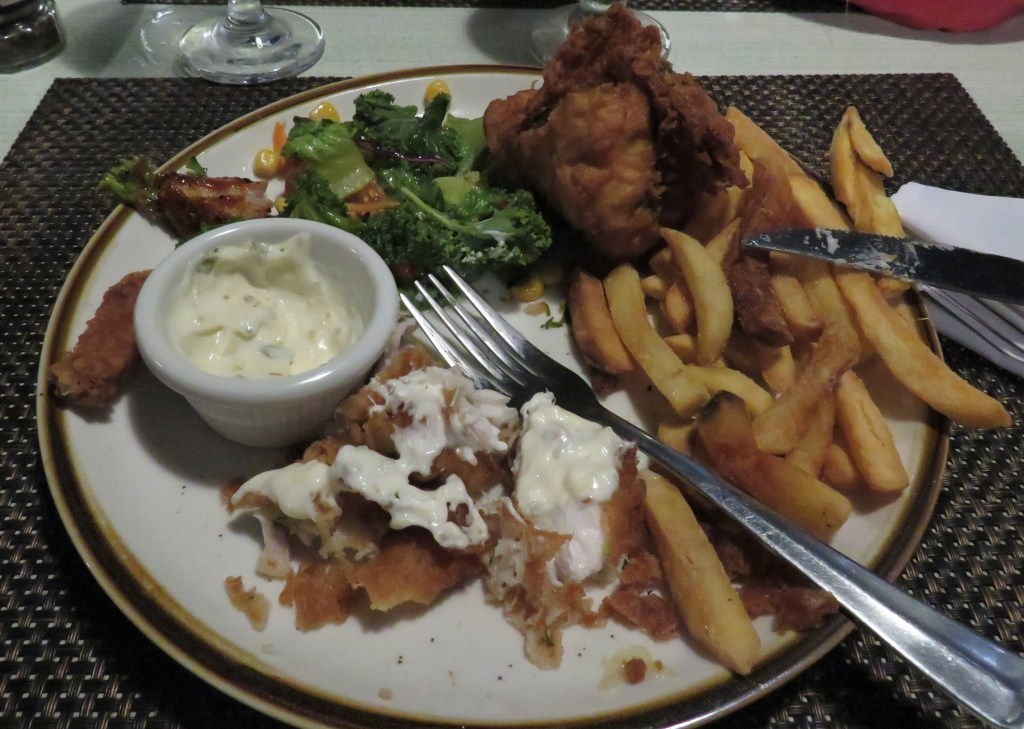
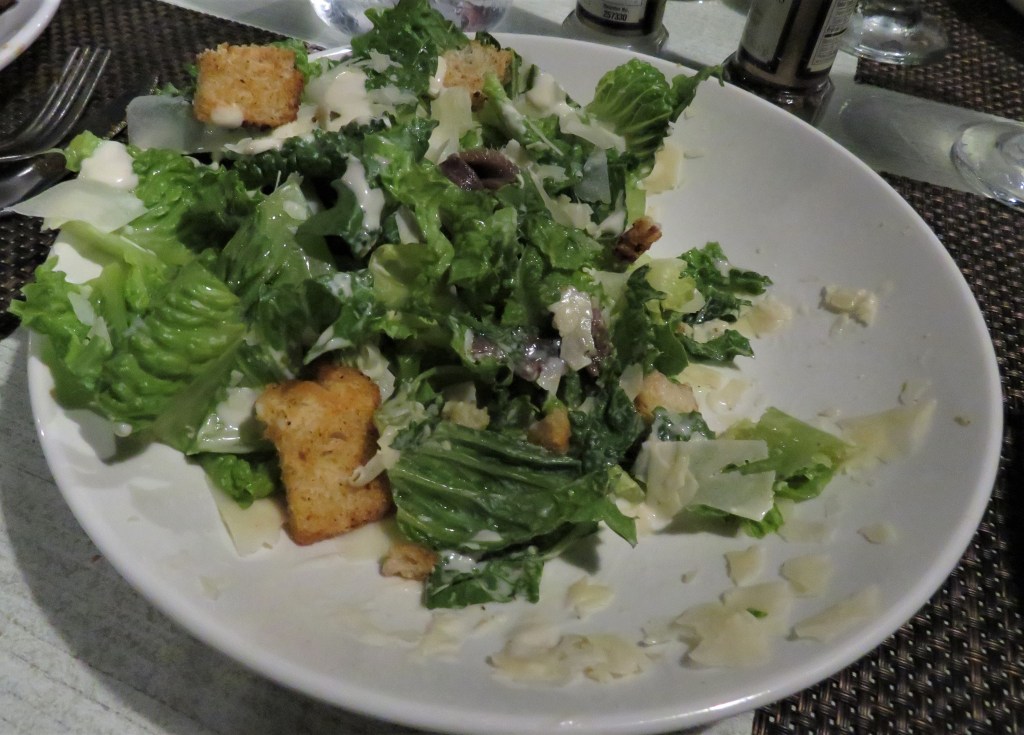
The first night we got there, we were just tired and hungry after traveling all day, and I almost forgot to take pictures of the food. Nancy and I both ordered the fish ‘n chips. It was very good and hit the spot. I also ordered a Caesar salad to share with Larry as well. We always eat a lot of fresh seafood when we travel to ocean and/or diving destinations. Sometimes when we see all the fish in the sea, we are also thinking of delicious ways to cook them up. I know, it sounds kind of cruel, but sad to say, it’s true.

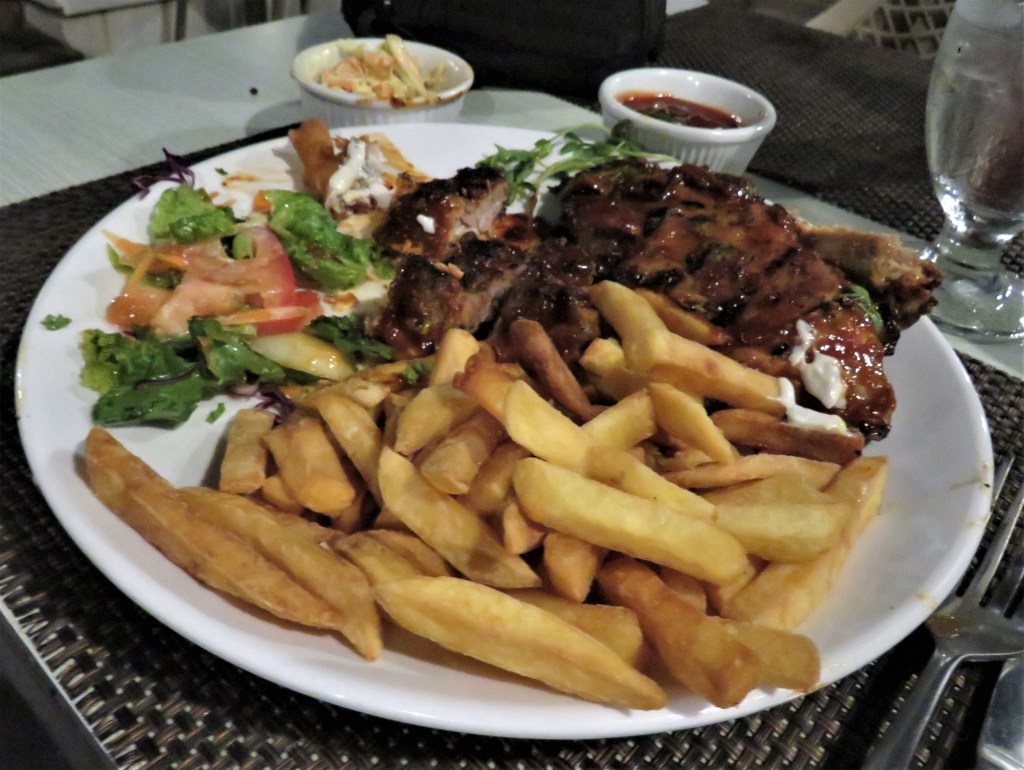
Larry went with the Caribbean ribs instead.

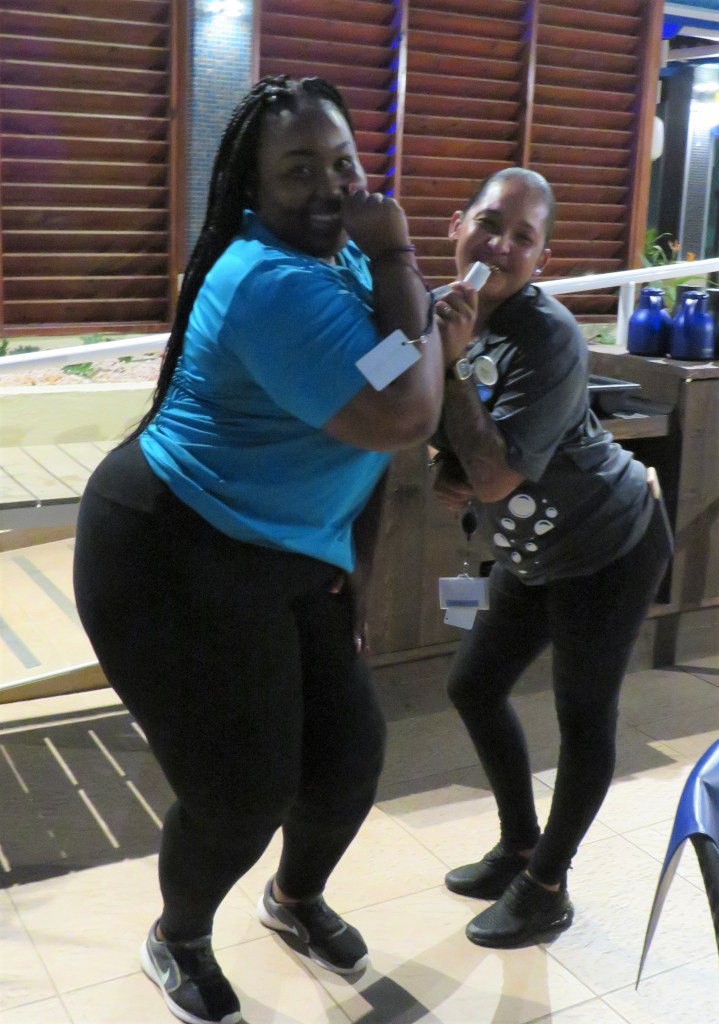
The singing staff. They were all a lot of fun.

With very full, satisfied tummies, it was time to call it a day. We needed our rest because we knew the hard core diving was about to begin.

Stay safe and stay well Everyone. ‘Til next time.
Bonaire – Day 1 – Diving

I’m back from Bonaire. It seems like our trip flew by in the blink of an eye. Our first day was a travel day, and those are the necessary “evils” for anyone who travels. We started off early in the morning, leaving the house about 4:30 AM to catch our flight at 6:50 AM. First stop, Houston. We barely had enough time to get from one flight to the next, but after running across the airport, from one terminal to the next, we made in time to connect to our flight that took us straight into the airport, into the main part of the island, Kralendijk. By the time we landed and got ourselves situated, we were beat and we all turned in relatively early. But after that, we went for it with gusto and a vengeance. 🙂

Bonaire is an extension of the Netherlands. Everyone there speaks 4 languages – Dutch, English, Spanish and language of the Caribbean Islands, Papiamento, which is a combination of Spanish, Portuguese, English, French, Taino Indian, and African languages. Bonaire has a complicated and colorful history. It has been a Dutch province since 1816.

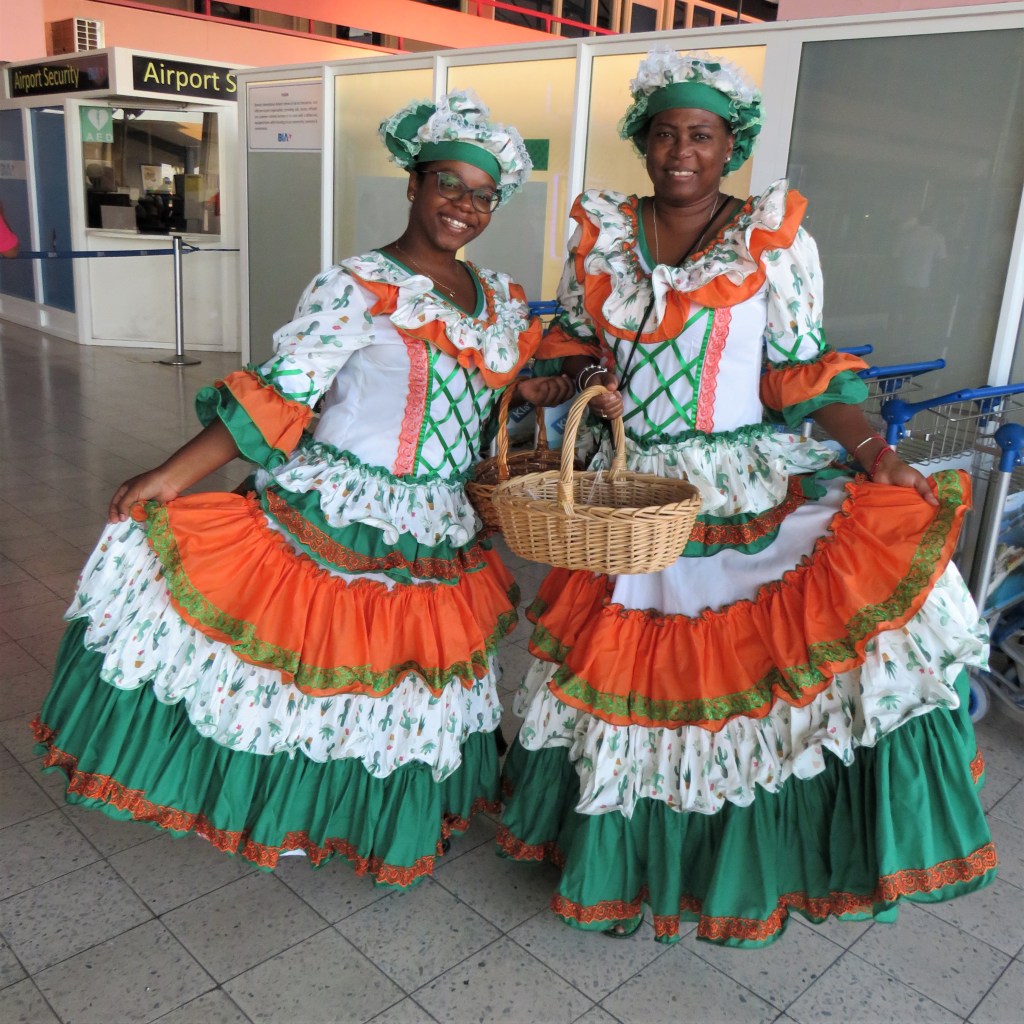
We were welcomed to the island by these two lovely ladies in their original traditional island attire.

Today, the main industries are #1, by far the MOST lucrative of their industries, is tourism, especially dive tourism, followed by a very distant second with bird watchers and nature enthusiasts. The #2 industry for Bonaire is salt production for the world, followed by the #3 industry, shipping, but more on those later.

Bonaire is a diver’s paradise. If you are not a diver, most probably, you will not enjoy Bonaire. The whole island is one big dive site and is a beloved dive destination for divers from all over the world. This was our second time to Bonaire.

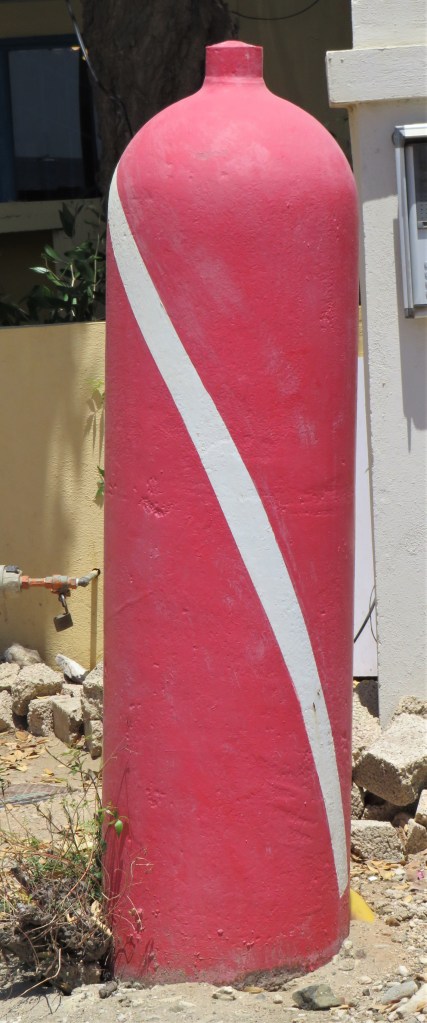
Because the whole island is one giant dive site, this is a popular sign saying “Beware, Divers crossing”.

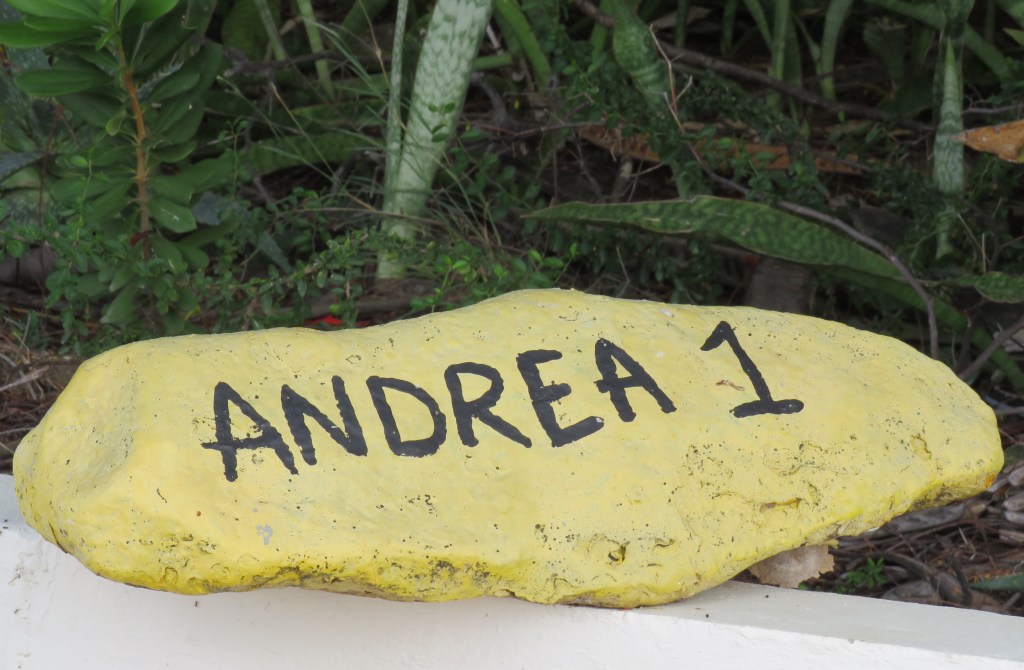
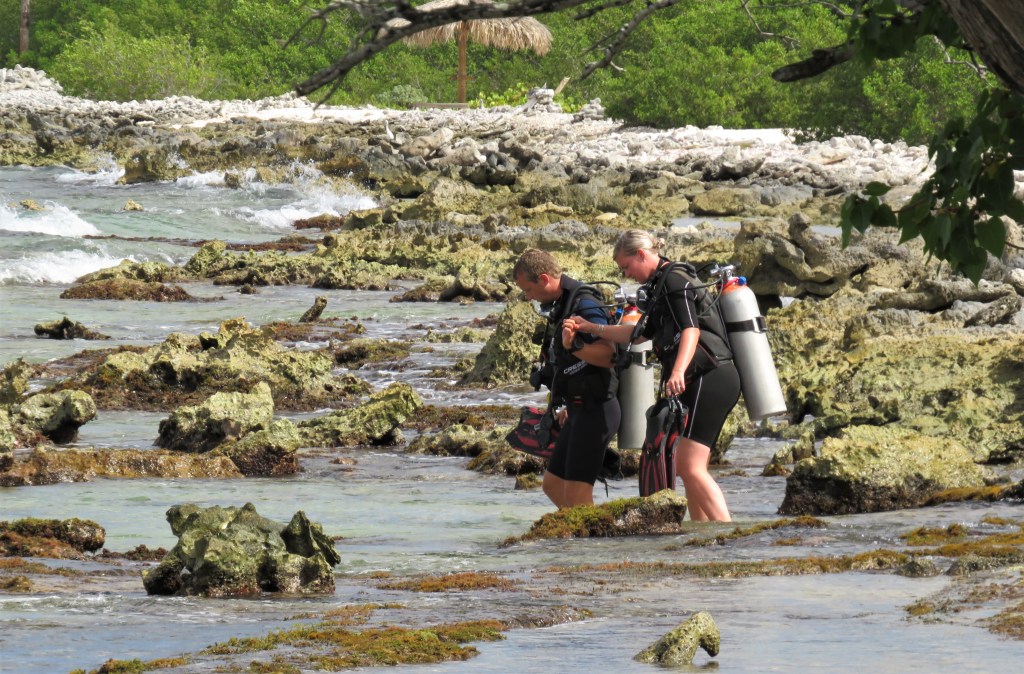
Most of the dive sites look something like this, and the entrances and exits are NOT for the weak, in any way, shape or form. Once you get into the water, all is great, but getting in out and out is very challenging, to say the least. This was one of our favorite sites, Andrea I, and we dived it about 5 times in the course of a week. This was one of the easiest to enter and exit, but it was still an adventure. All of the shore dive sites are recognized by yellow rocks with the names painted on them.

This is NOT us, but it was us on many other occasions. Nancy took the prize for the most dives out of the three of us, with 30 to her credit for this trip. I had 26 and Larry had 25. I wanted more, but had a tummy bug for a little bit, and that prohibited my from accomplishing more dives on that day. We were shooting for 5 dives per day, and did pretty well with that goal too. For anyone who is a non-diver, this is a very aggressive dive schedule.

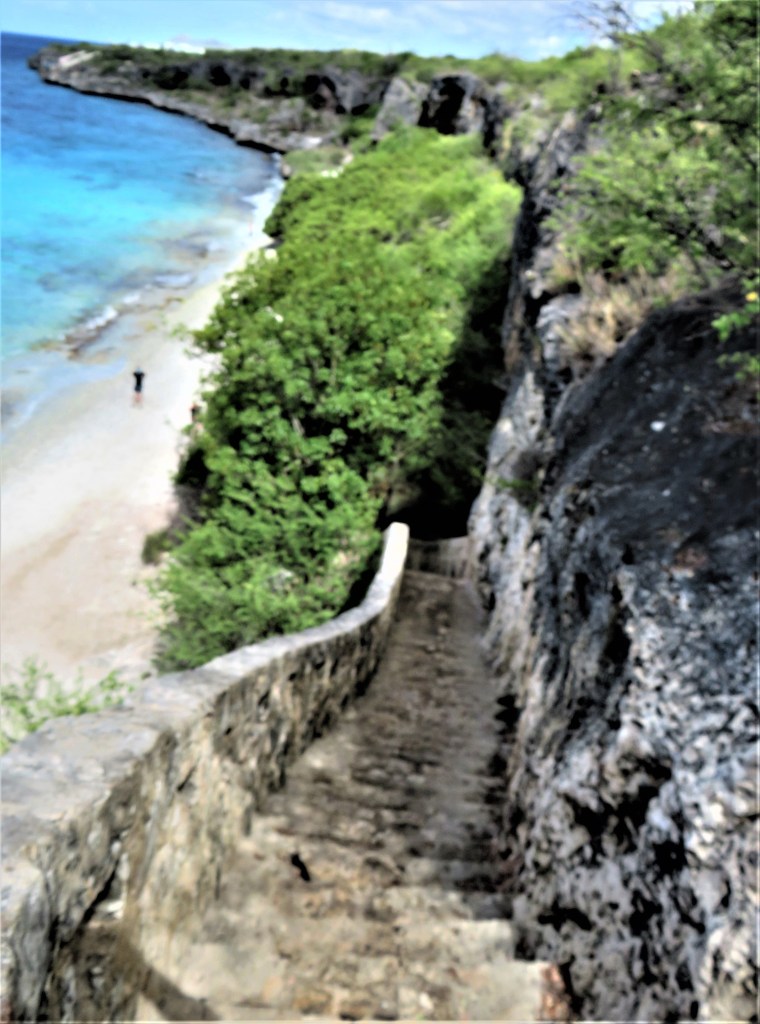
We did not dive 1000 Steps this time, but Larry and I have dived it before. We chose NOT to dive it this time because those steps are killer, especially with all of our gear, and it doesn’t help to have bad knees either. Nancy and I both have really bad knees, with three knee replacements and zero ACL’s between us, so 1000 Steps was definitely out for us. Legend has it that even though there are really only 87 steps from top to bottom, it seems like 1000 with all your gear on, and that is how it got its name.

Yes, the water really is that blue. 🙂

None of us had any underwater cameras, AGAIN, for this trip, but the diving is phenomenal. We still have not replaced ours yet, and our friend Nancy, who was traveling and diving with us, flooded hers on the first day. You will just have to use your imaginations on all the fabulous things we saw. The reefs are in excellent condition and are vibrantly filled with lots of life.

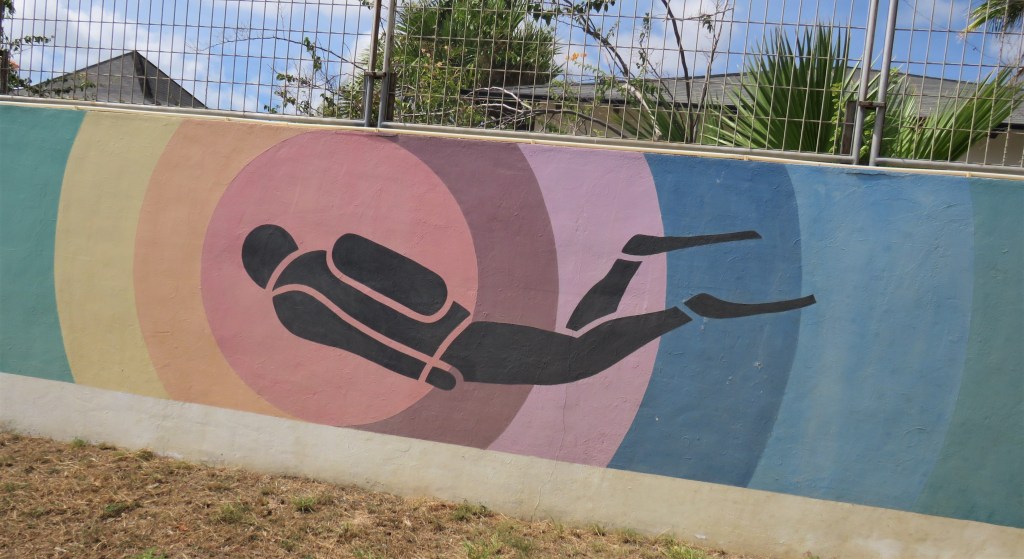
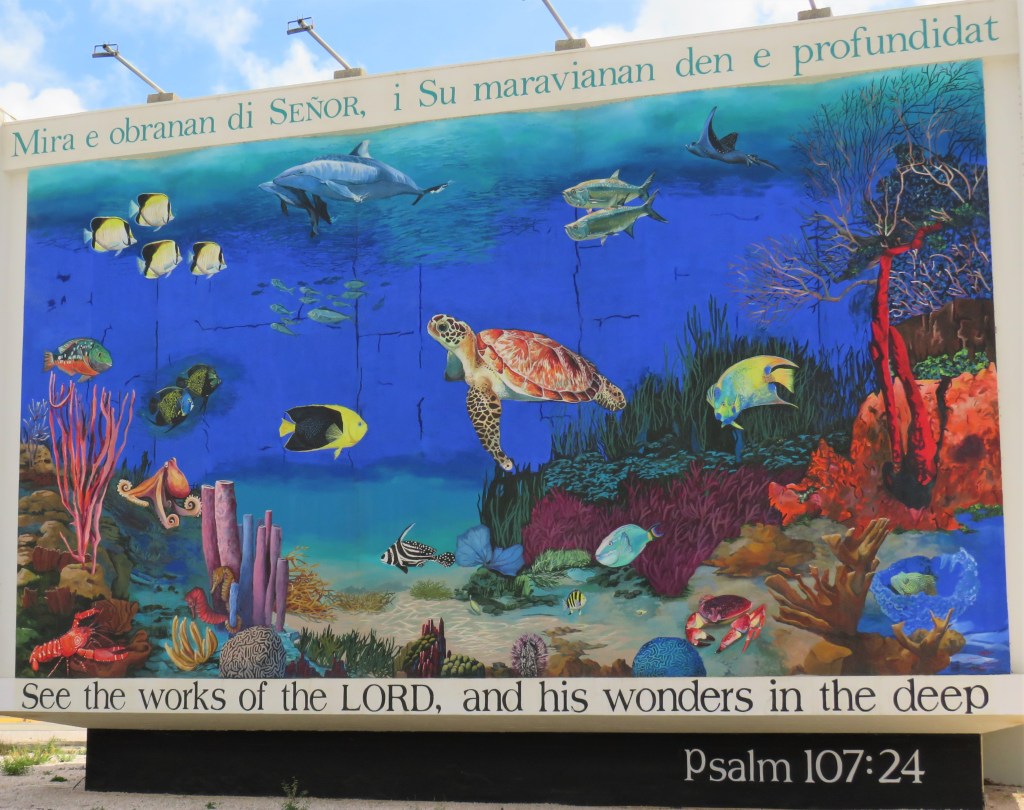
This is a mural that is very representative of the abundant sea life that Bonaire has to offer. Other than the dolphin and the wrong kind of Angel fish they have represented here, we saw everything all the time, and much, much more.

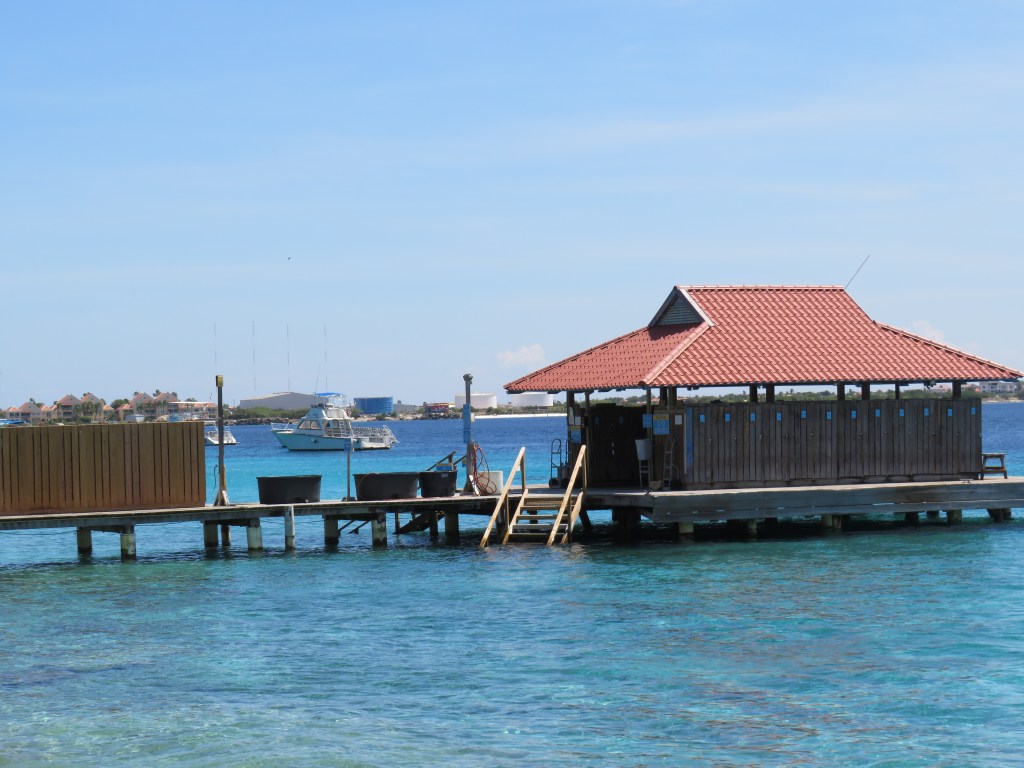
You can do boat dives too, but all of our dives were shore dives. We dived a few different sites over the island, but our own house reef, the Calabas, was where we dived most of our dives this trip. It was so easy just to jump right in from the dock, with an easy entrance and exit. Plus we all were assigned lockers to store all our gear, which made it even easier because we did not have to haul it all around.

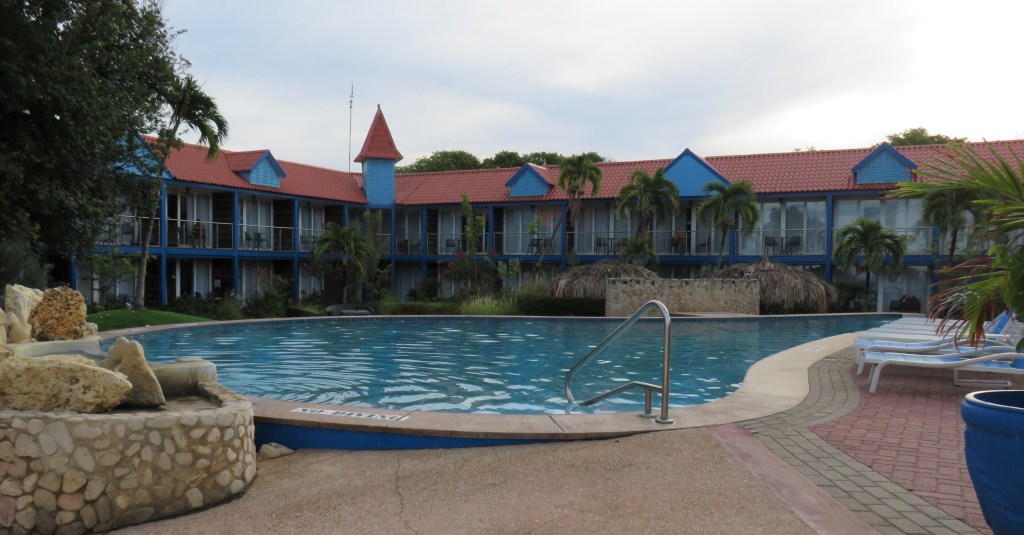
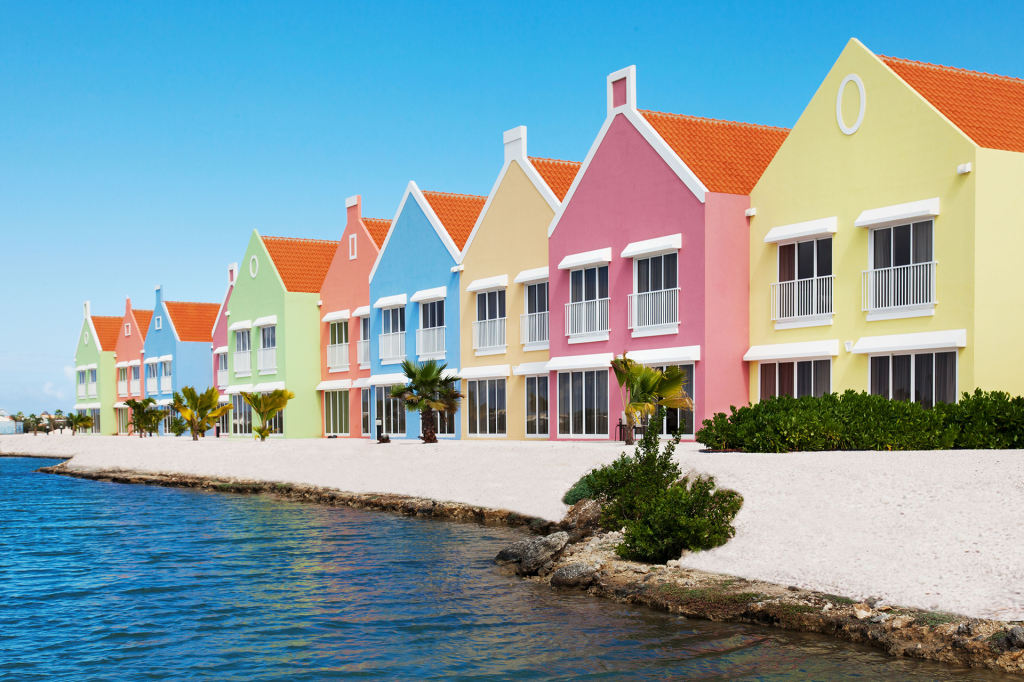
Our home for the week was the Divi Flamingo. We traded in one of our timeshares and stayed in a little studio apartment all week.

This was our view from our room. We enjoyed it before, after and in between dives.

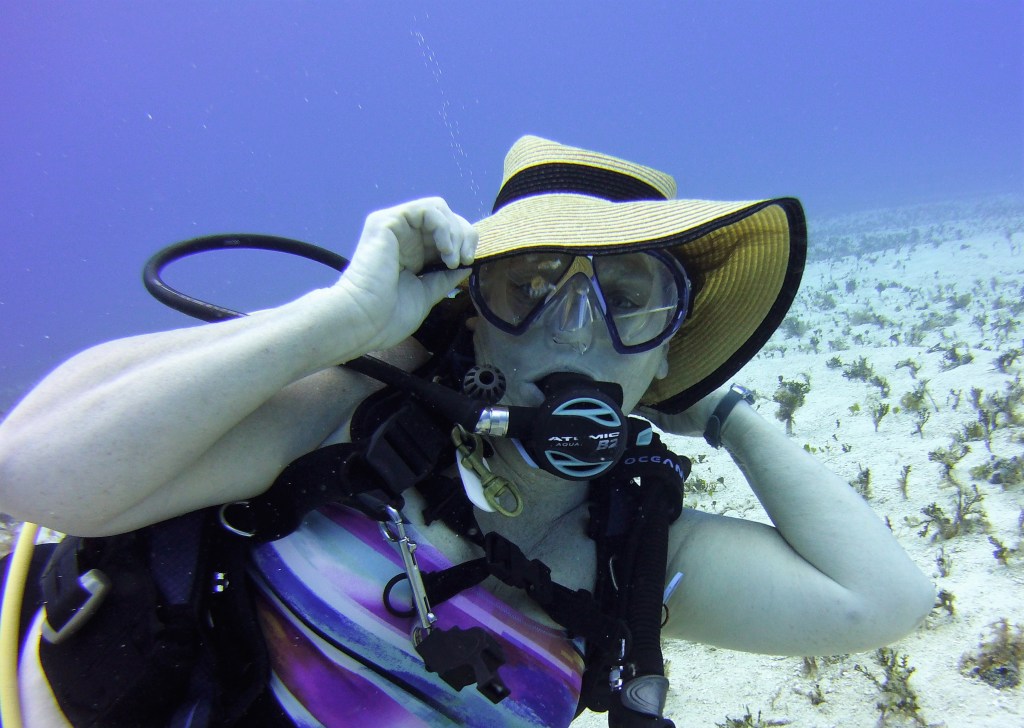
Even when we were in between dives, for the most part, we were still wet and still in the water. What can I say? I am a mermaid and the water is my domain (when outside the kitchen). The water is my happy place. 🙂

I have oh so much more to share, but this is a good place to end for now. You know there will be a whole bunch more to come later. Stay tuned. 🙂

Find your happy place and live life to the fullest. Stay cool, stay safe and stay well Everyone. ‘Til next time.
I’m Leaving On A Jet Plane

“I’m leaving on a jet plane. Don’t know when I’ll be back again”, John Denver. Actually, I do know when I’ll be back again. I’ll only be gone for a little over a week, and then I will be back to reality. But in that’s week’s time, I will get in A LOT of diving. If all goes as planned I should get in about 30 dives. WHOOOOO HOOOOOO!!!!!

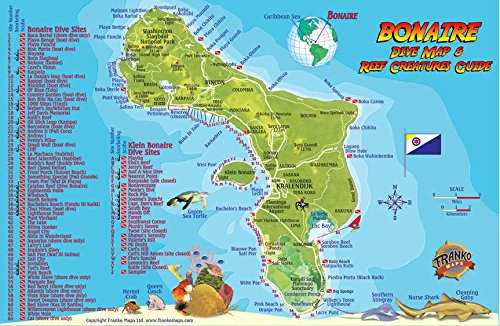
We’ll be in beautiful Bonaire, diving to our heart’s content. Bonaire is one of the Dutch ABC Islands just north of Venezuela. It’s been quite awhile since we last dived (yes it really is dived) in Bonaire. We have been all over the ABC’s. They are all great dive destinations.

These are stock photos, but hopefully soon, you will see my photos. 🙂

DCIM\100MEDIA

Stay safe and stay well Everyone. See you soon. I will be off the grid and out of contact with the world above water. You will only be able to communicate with me if you speak ocean talk.

Mediterranean Chicken Salad with Oranges and Olives

We are beginning our vacation countdown. It won’t be much longer until we will be doing nothing but diving. Before we go though, there are still a few things that need to be done, such as cleaning out the refrigerator. We are down to almost nothing in the fridge, which is always our goal right before a vacation. But we also still have a couple of days left before we leave.

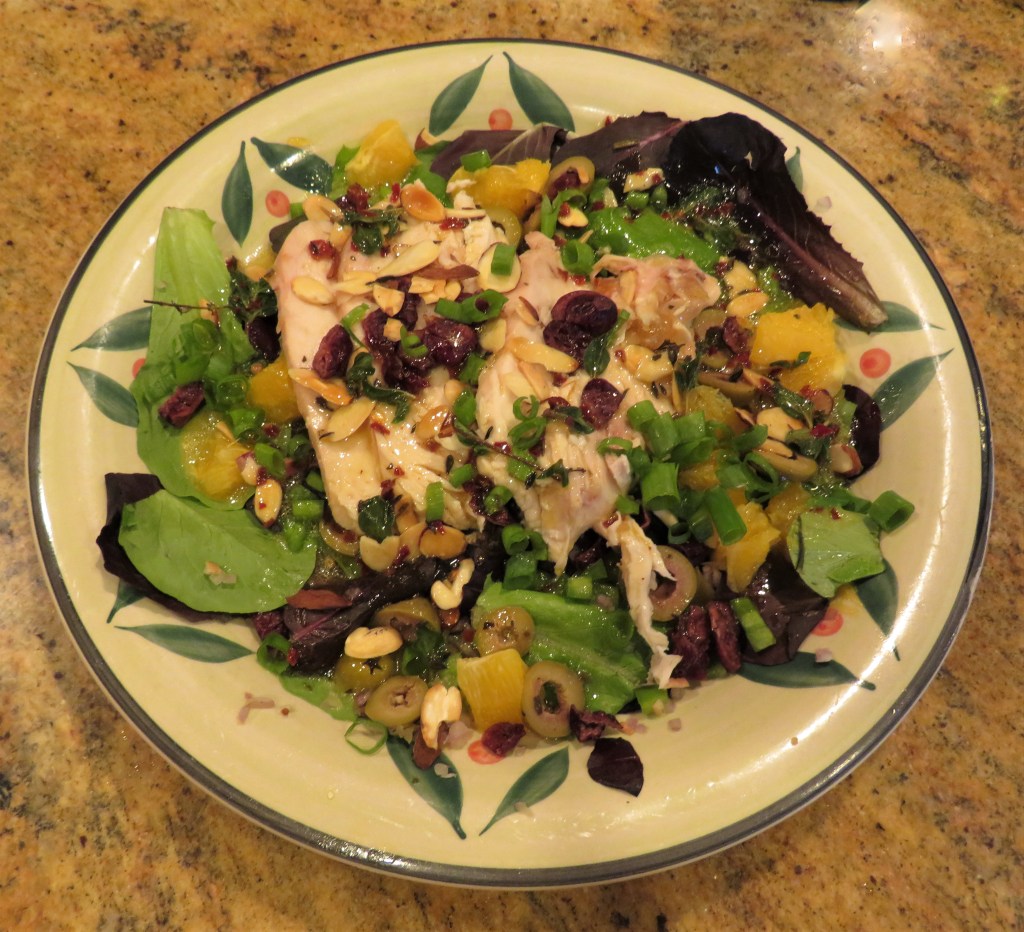
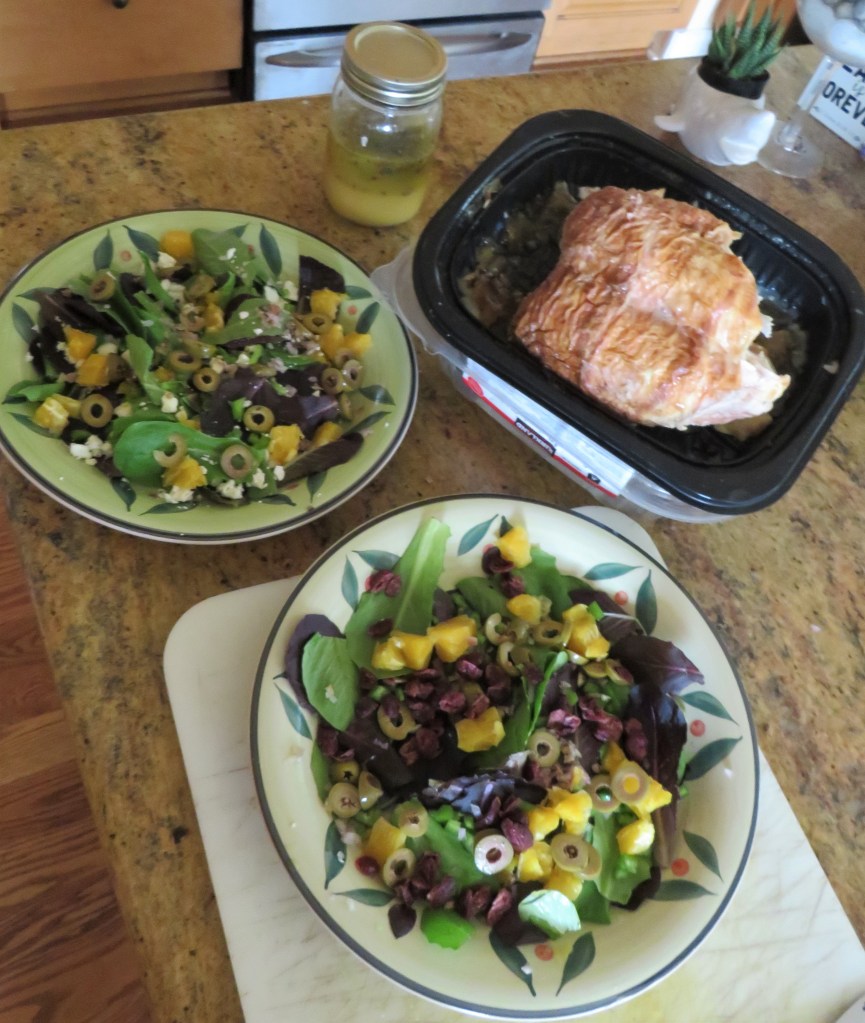
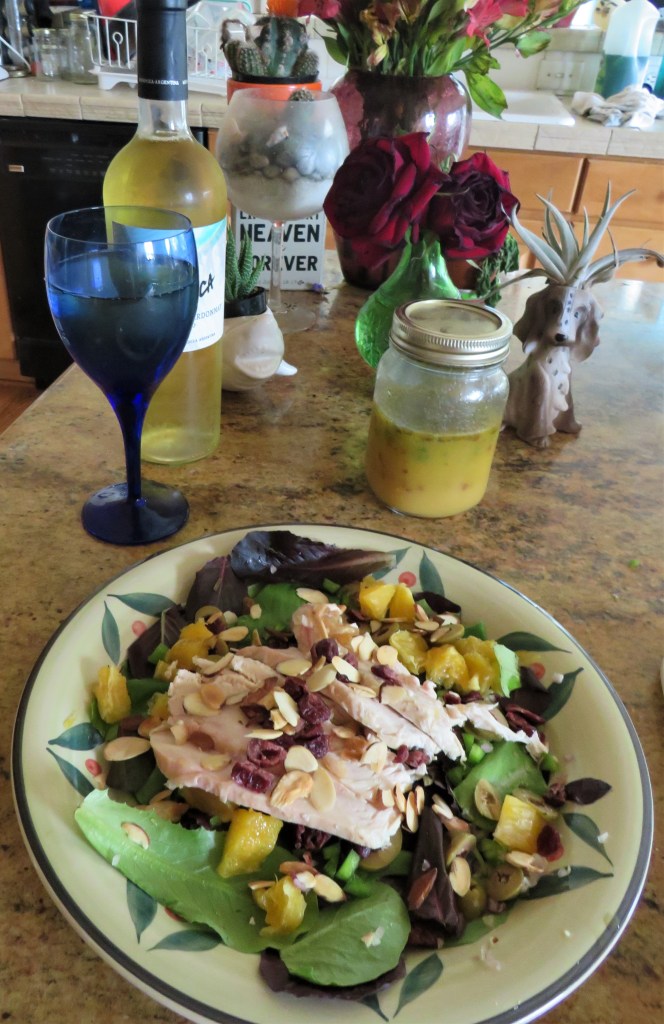
Last night, “The Queen” and I got creative and made a delicious salad that used up some of my greens, chicken, oranges and olives. I topped it all with an orange vinaigrette too. I still have more greens, so I see another tasty salad in our immediate future before we leave. 🙂

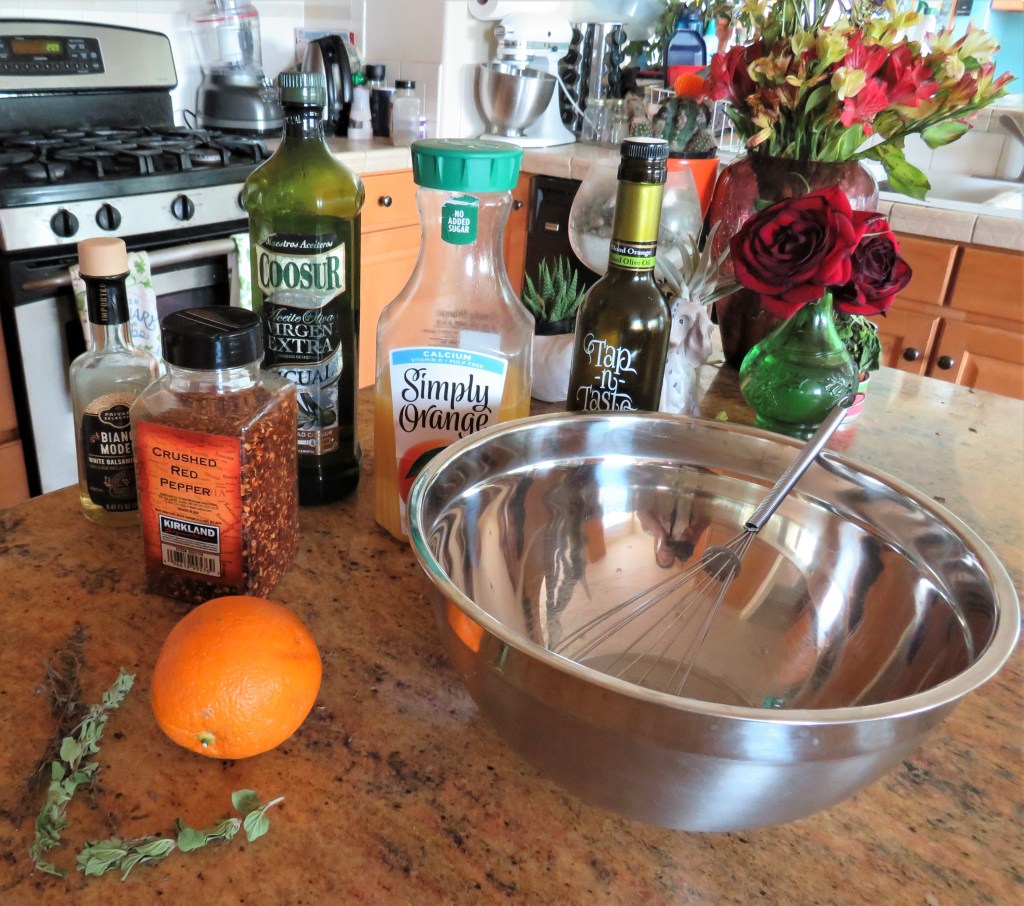
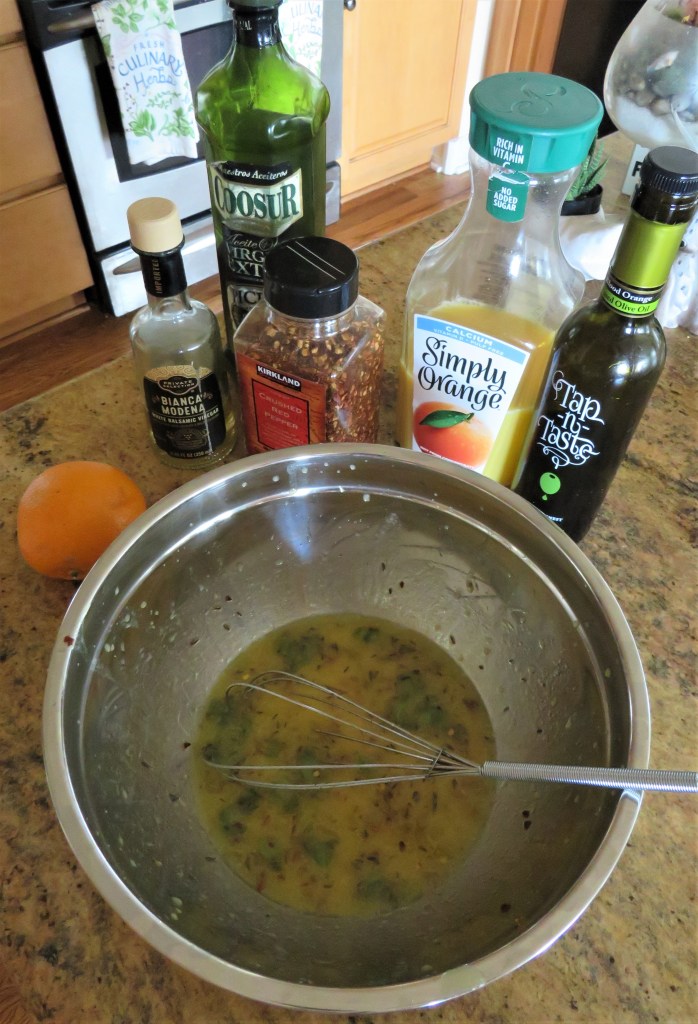
I like the combination of oranges and olives, and actually use these two together fairly often when making up quick appetizers and tapas. So it sounded really good as a salad too, especially with an orange vinaigrette to top it all off. I made my orange vinaigrette ahead of time and let it chill and mix together before using.

Orange Vinaigrette

1 cup orange juice

2-3 TBSP orange infused olive oil

3/4 cup olive oil

2-3 TBSP white balsamic vinegar

1 sprig or two of each fresh thyme and fresh oregano

1 tsp red pepper flakes, or to taste

Whisk everything together well and chill.

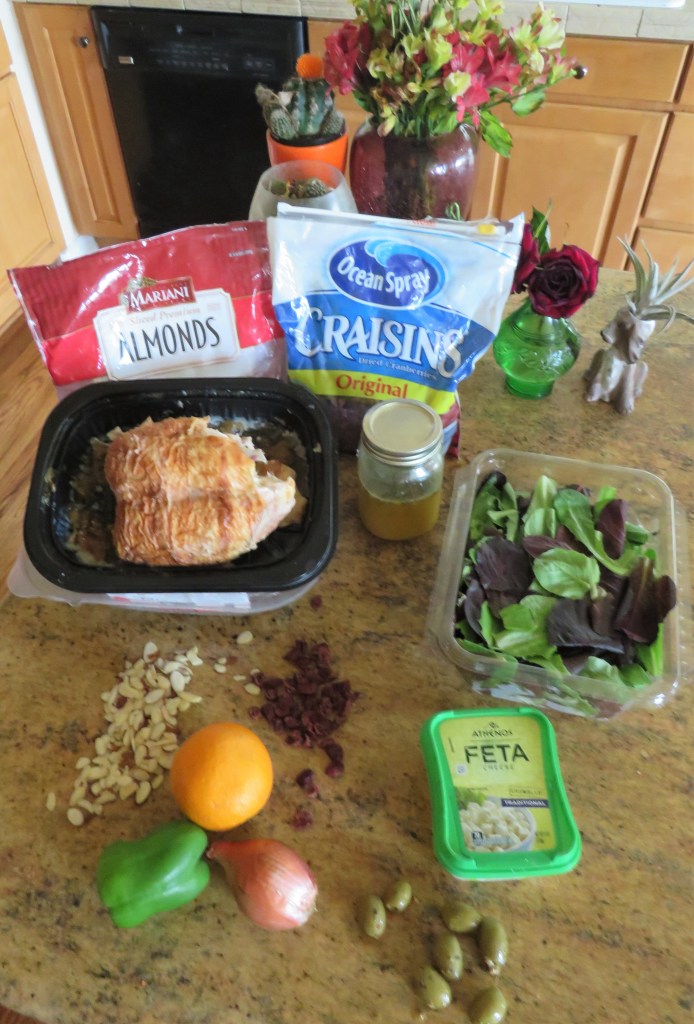
The salad itself was like a delicious Mediterranean salad you could find anywhere along the Mediterranean coast. I like using mixed greens a lot, especially when making more “artistic” and creative salads that are not your common everyday salads.

The Salad

This salad is for two.

mixed greens

1 cooked chicken breast, sliced

1/4 cup toasted almond slivers

1 orange, peeled and diced

1/2 green pepper, diced small

1 shallot, minced

1/4 cup olives, sliced thin

toppings – feta cheese, dried cranberries

I layer most of my salads, starting with whatever greens I am using and then work my way up. Larry likes cheese on his salads and I do not. I like a variety of tastes and textures on my salads, Larry does not. I love mixing something salty and/or crunchy on my salads to give them a real taste explosion in every bite. I also like to add a lot of color to my salads. I learned a long time ago, that the “more colors” you use in your foods, the better. This ensures a lot of different nutrients all at the same time.
Once the salad is ready, and made just how you like it, top it off with your selection of toppings and then the dressing is last. I am still using up the zucchini cheddar muffins I made Zucchini Cheddar Muffins and of course, had a glass or two of a rich, buttery chardonnay to complete the meal. Perfect!

Stay cool, stay safe and stay well Everyone. ‘Til next time.