Touring Denver – Part 1 – Hammond’s Candy Factory

My “niece” Jenni was in town, visiting from Iowa. (I say “niece” because I am an only child, so I adopted all my friends’ kids as my nieces and nephews. But when Larry and I got married, I instantly inherited 18 nieces and nephews. So now, we have a very large extended family that includes everyone). Jenni was here for a funeral and was only in town for a quick bit, but we still managed to have a great day together, and toured all around Denver.

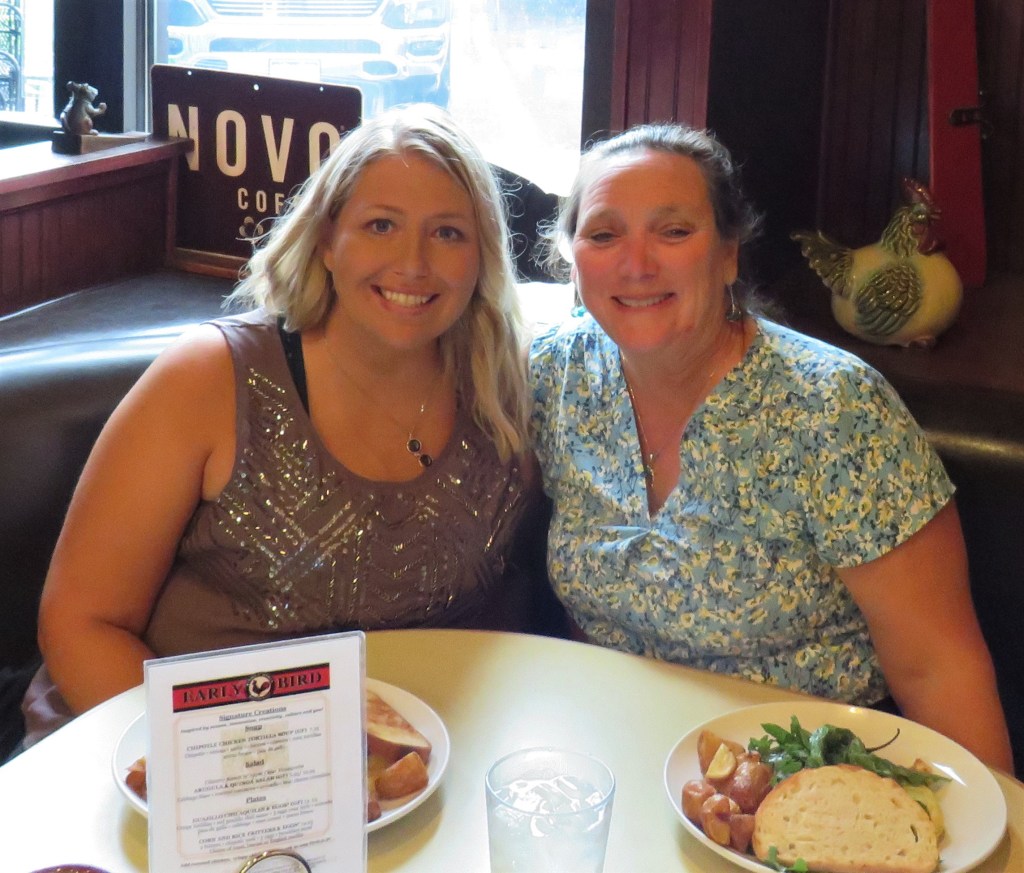
The day started off with pouring rains, but they soon stopped and the day was actually very pleasantly cool. I picked Jenni up around 8:30 in the morning and our first stop was at the Early Bird for Breakfast. The Early Bird We thoroughly enjoyed our delicious breakfast and had a great time catching up.
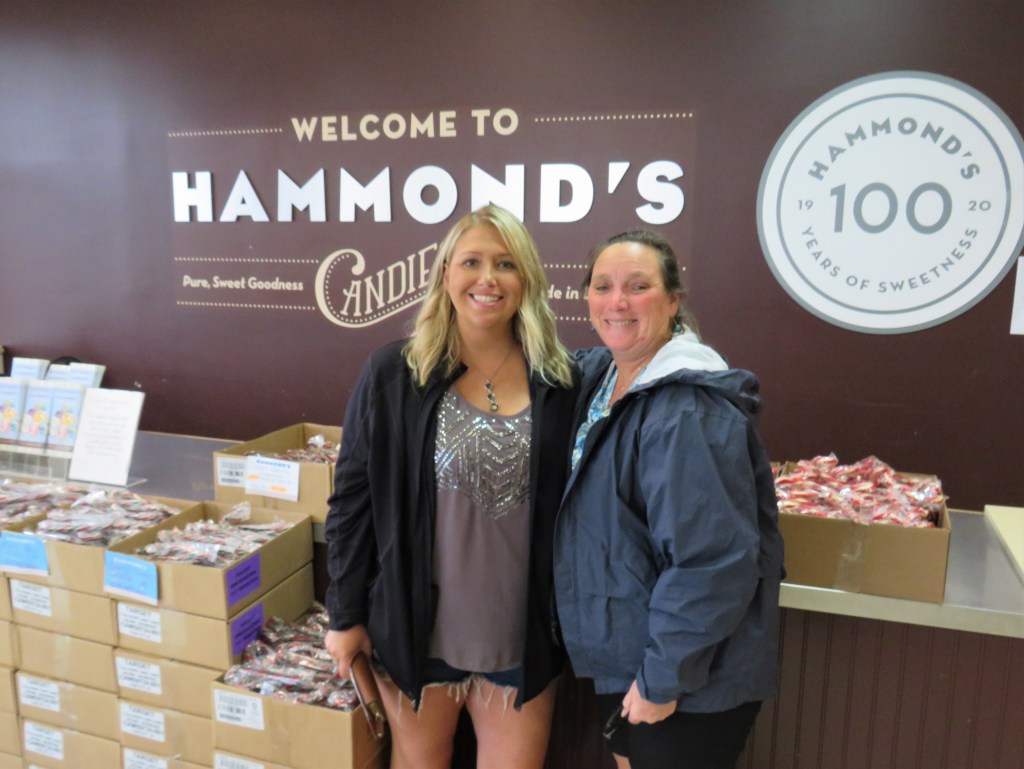
After breakfast we decided to take a tour of Hammond’s Candy Factory in Denver. Neither one of us had ever been there before, so it was something different to do. We both found it very informative and interesting and it is now going to be something on my “tour guide list” for other visitors who come to town.
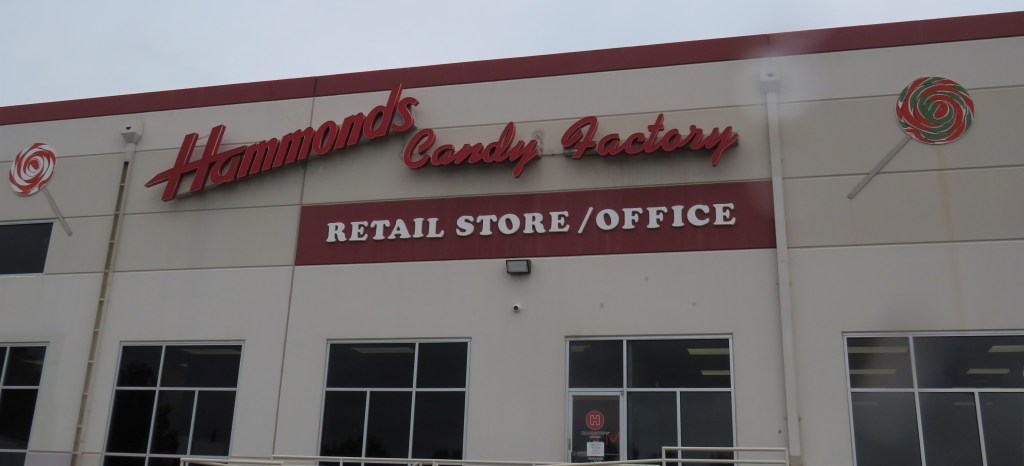
The tours are free and are available from 9-4 everyday except Sunday. They recommend making reservations to guarantee a spot on the tour, but we just walked in and didn’t have any problems getting on the tour we wanted.
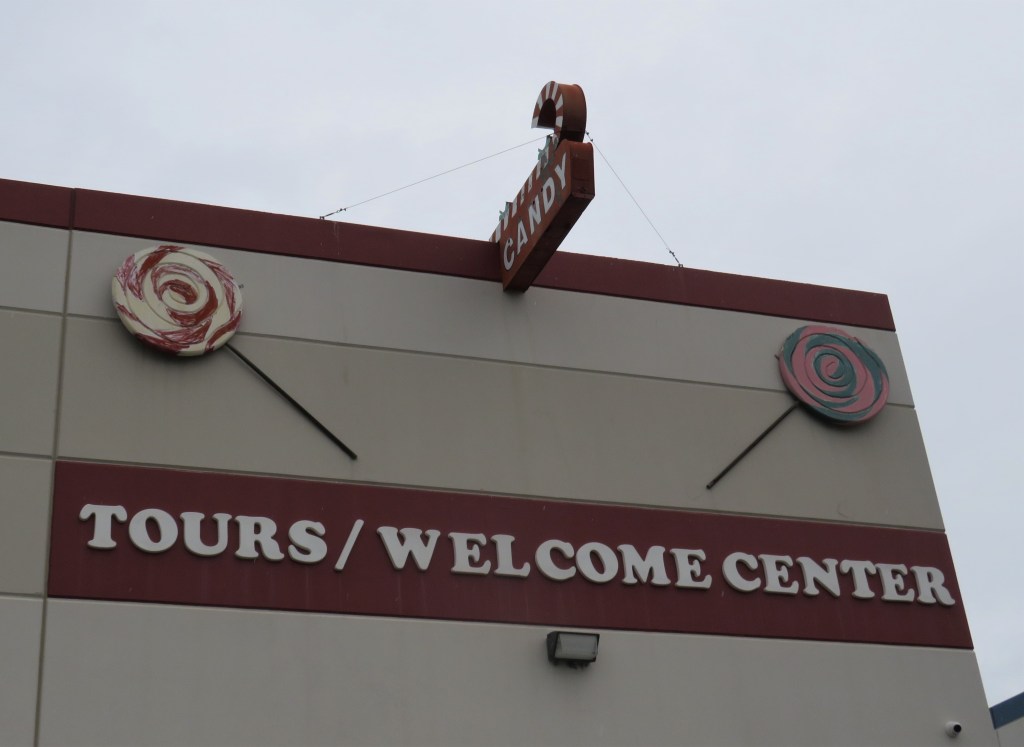
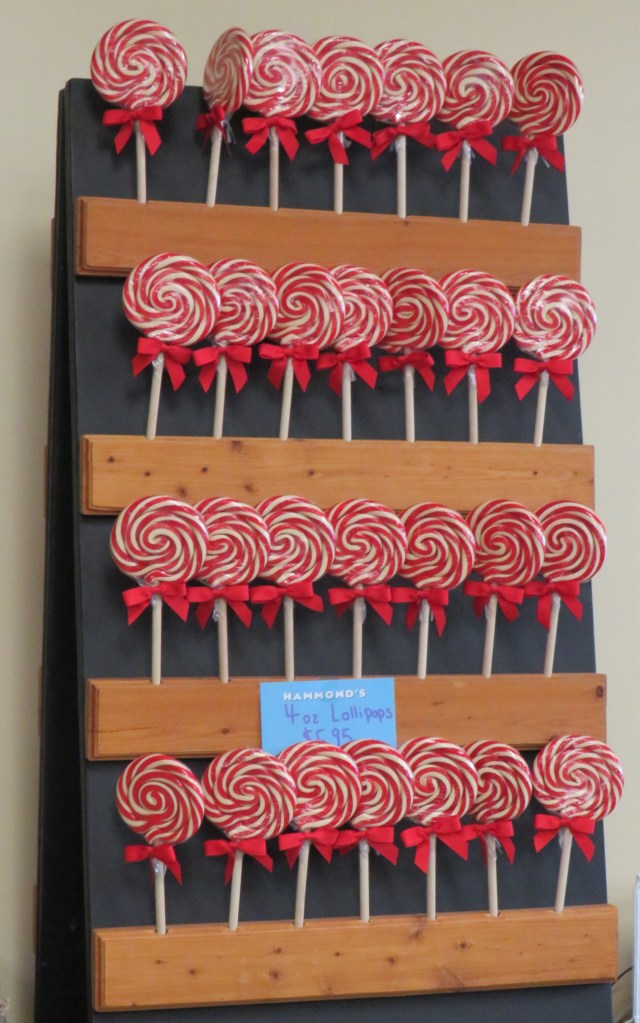
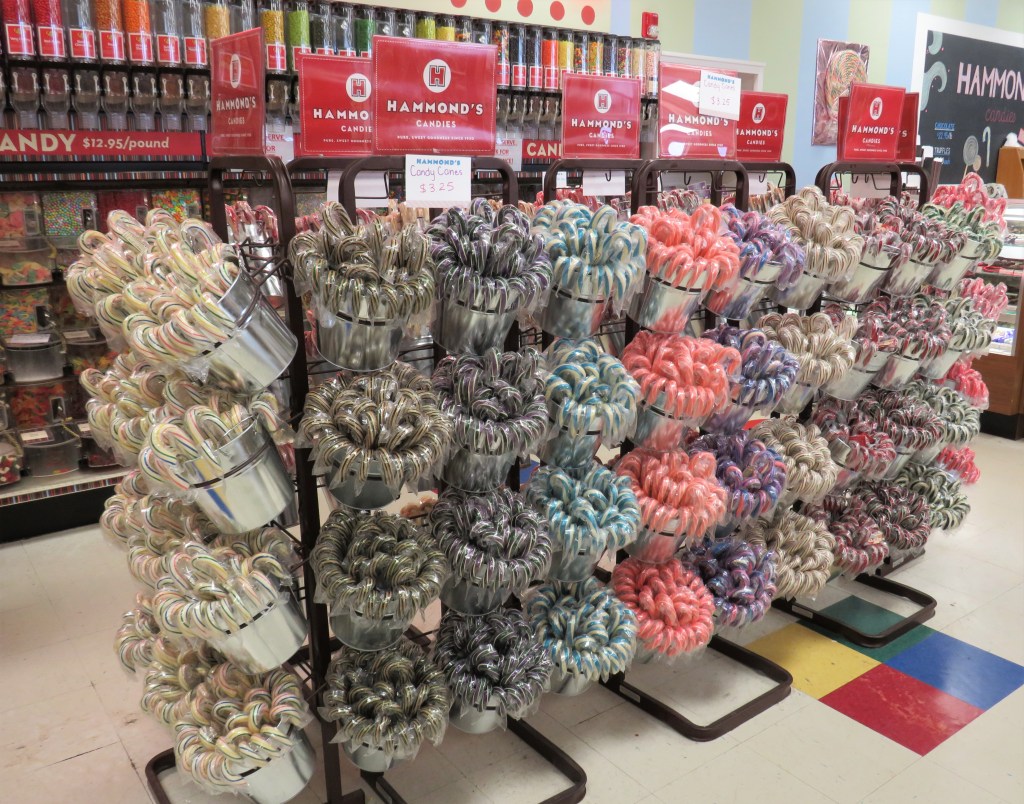
Before the tour started, we had a few minutes to look around and shop.
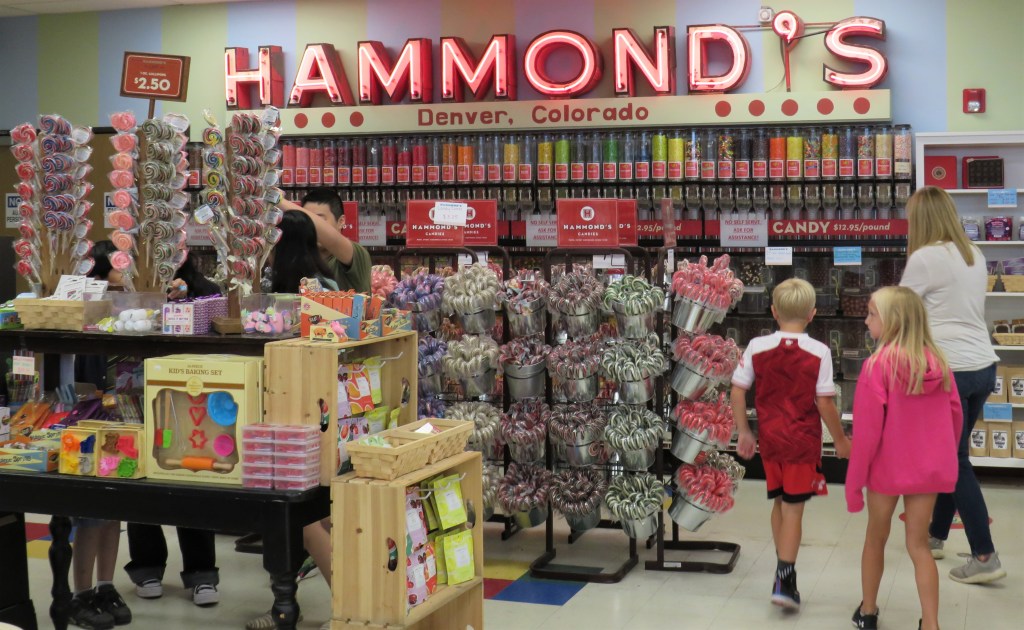
At Hammond’s, it’s all about the candy and making life just a little sweeter.
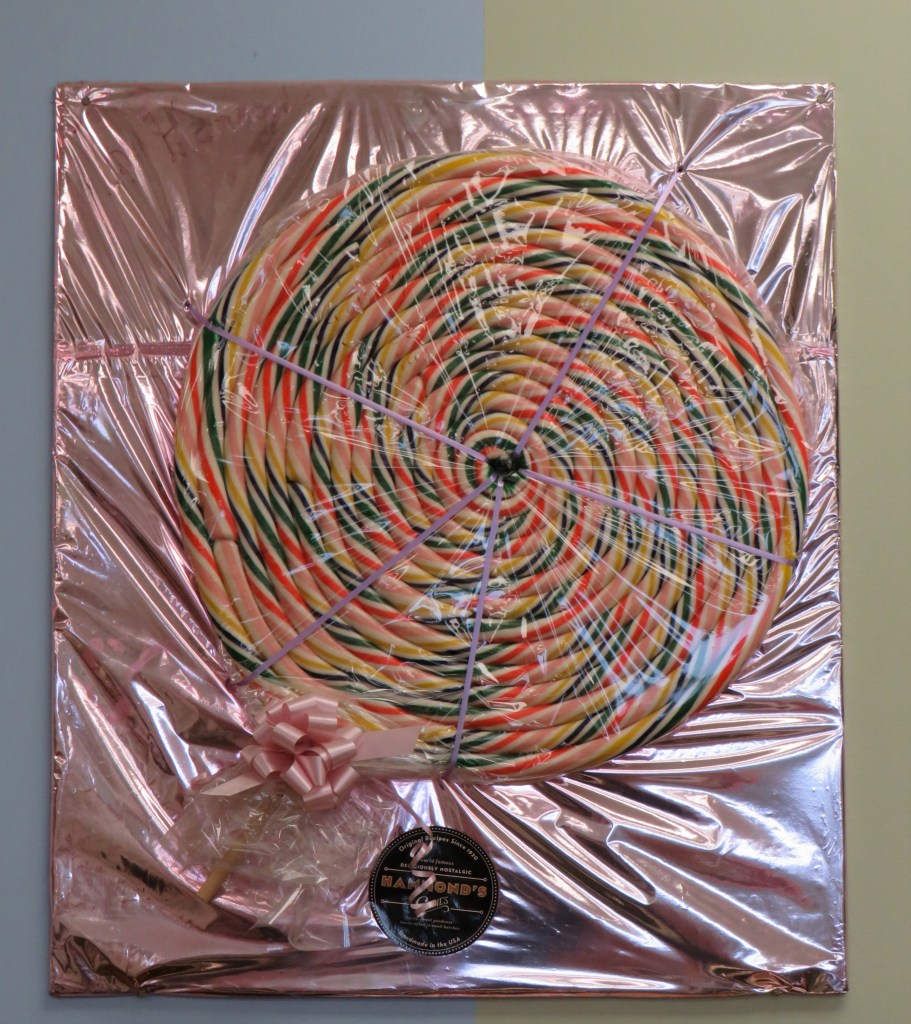
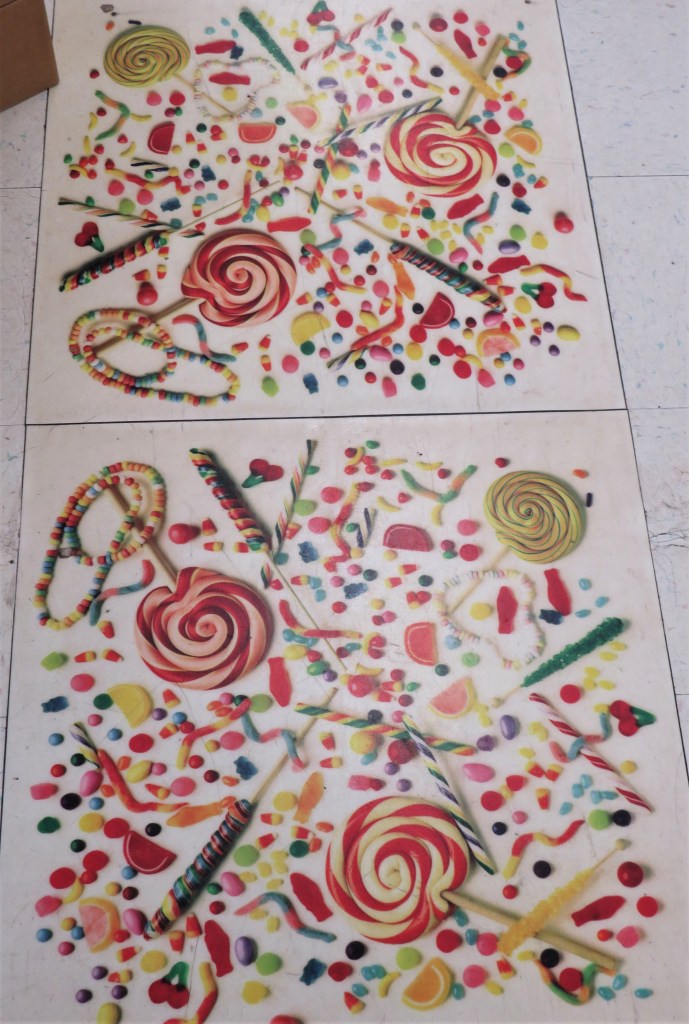
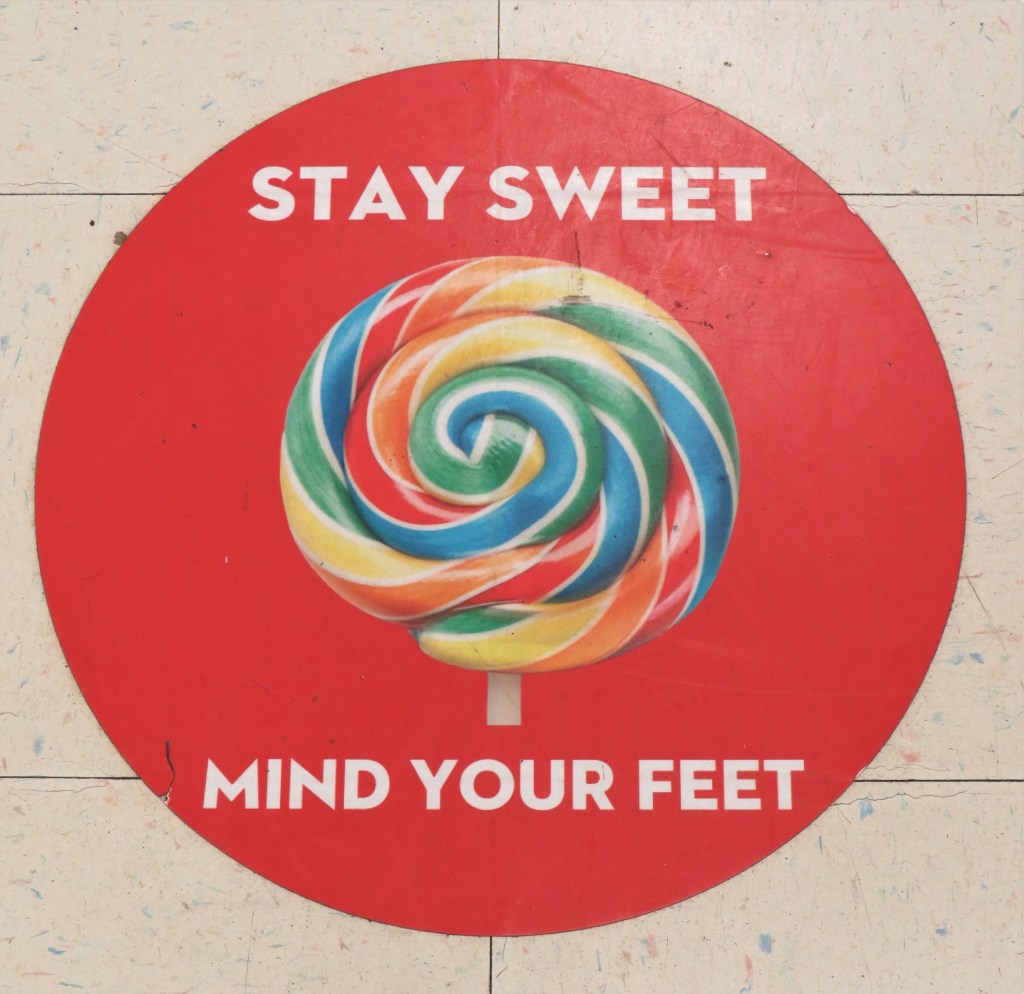
Even the floors are layered in candy.
Hammond’s has been in business, making a variety of hard candies, lollipops, popcorn and chocolate confections since 1920. Carl T. Hammond, Sr. opened Hammond’s Candy Factory in Denver with a commitment to quality.  Carl Hammond, Sr. was a Denver native, and started his candy making career in 1913. After several years in the candy making business, working for other confectioners, Carl started his own candy making business in 1920.

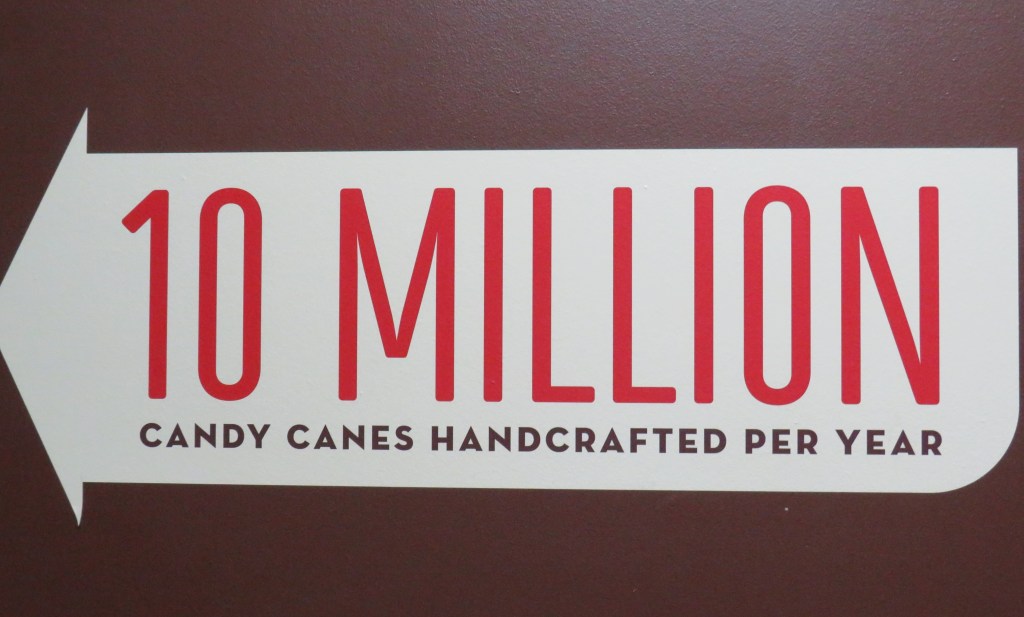
Candy canes and hard candies of all flavors are the main focus of Hammond’s, though they have branched out to make many other types of sweet treats over the years as well.
During his first few years in business, Carl T. Hammond, St. did it all: He developed recipes, made candy, sold candy, and served as his own office staff. Eventually, he hired someone to manage the store while he traveled the West, selling Hammond’s Candy to other stores. While the Great Depression brought many challenges for businesses, Hammond’s Candy Company remained profitable. Even during the extremely trying times, people could usually find enough money for the simple, sweet treat of candy. But Carl knew that in order to keep customers, the candy had to be good. His motto was, “Nothing is more important than quality,” and it was his focus on quality that kept Hammond’s modest factory open and thriving throughout the Great Depression.
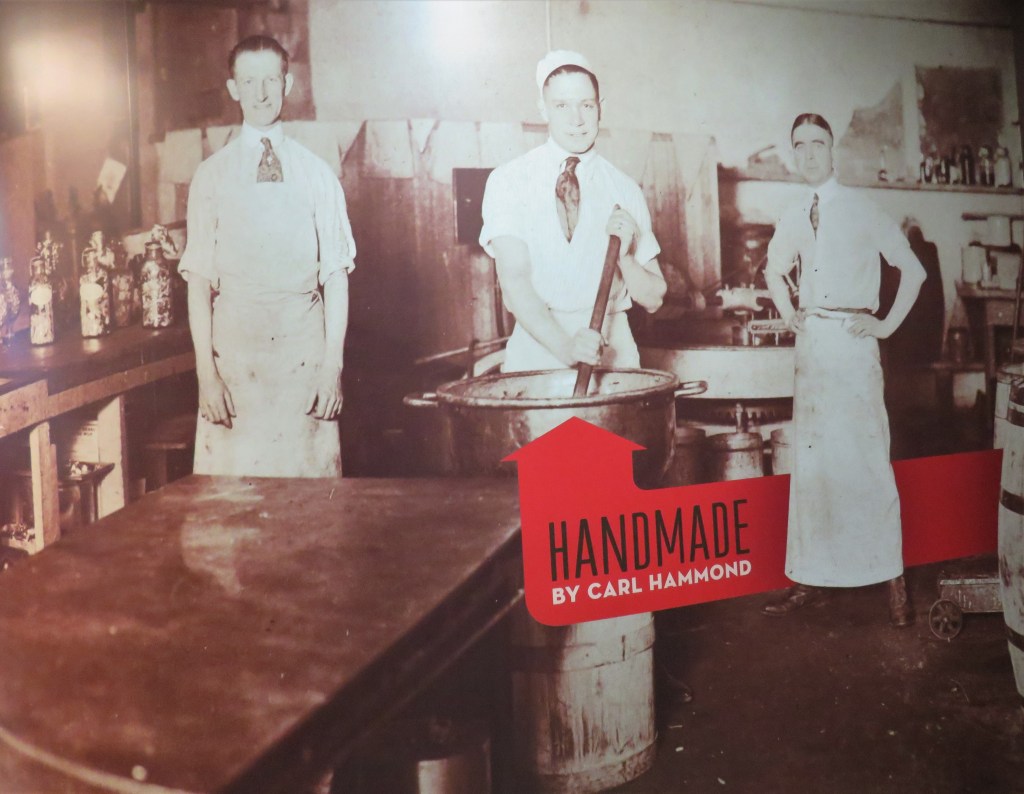
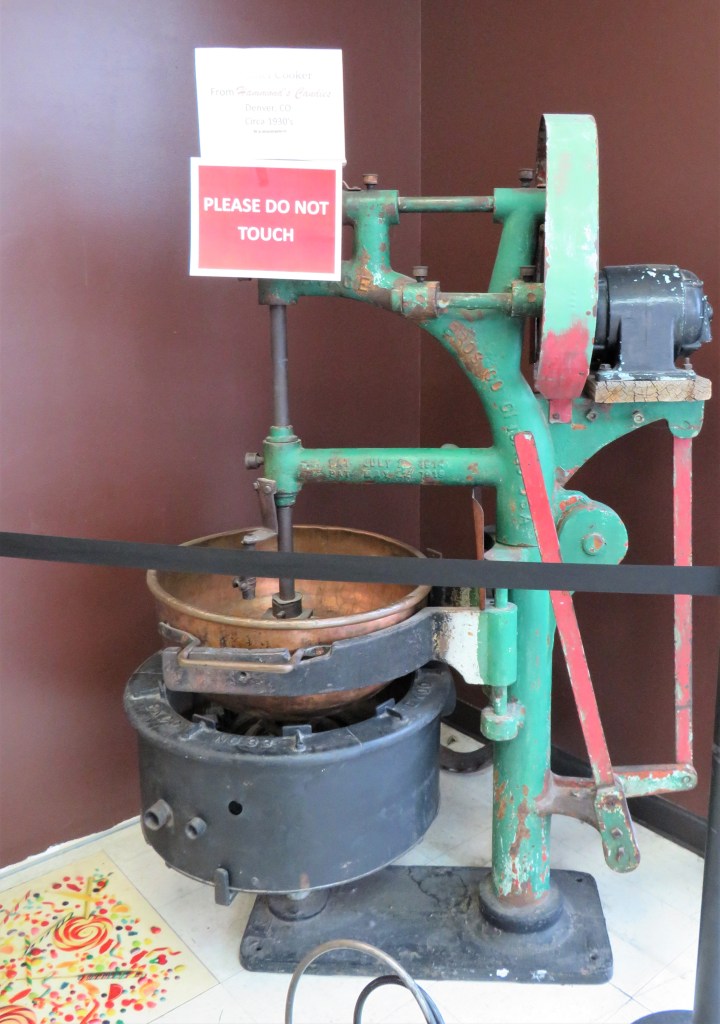
Hammond’s was still a family owned and operated business until 1985, when Carl (Tom) Jr., who took over the business in 1966, after the death of Carl, Sr., passed away. However, it is no longer owned by the Hammond family, Hammond’s Candy Factory is still operated as a family owned business. They still use the original candy making machines they used when they first opened the store, over 100 years ago. But even more surprising is that these machines were already used when they were purchased, so they are even older. Parts are hard to find, but somehow, Hammond’s makes it all work and has a very successful business. They are now internationally known for their fantastic, handmade, hand-crafted candies.
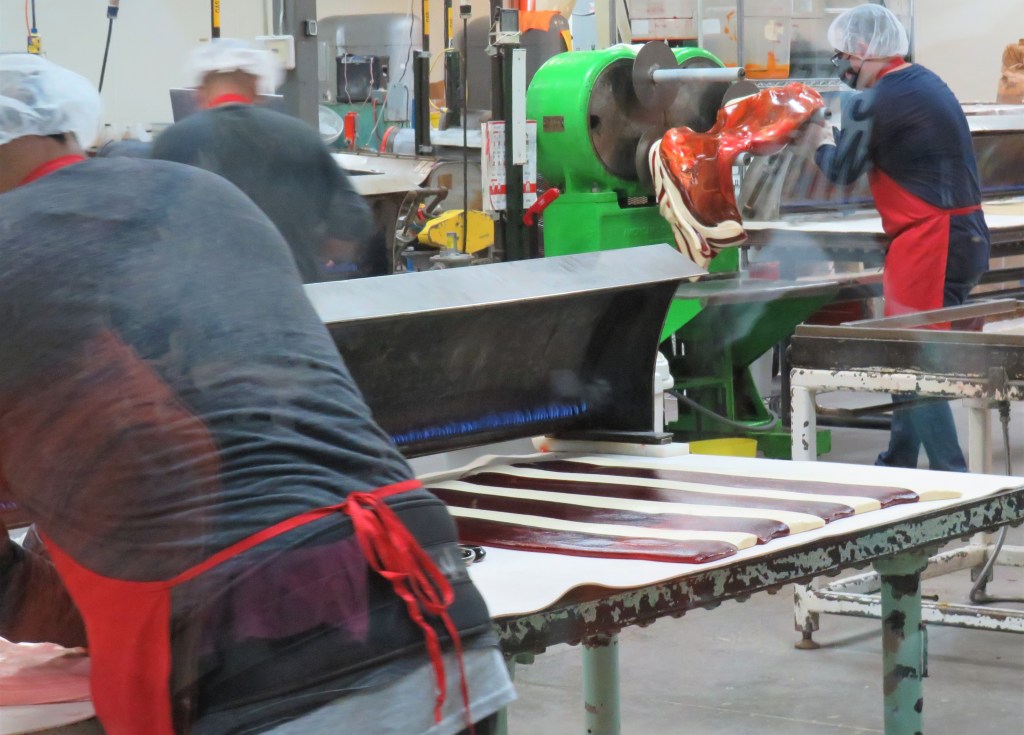
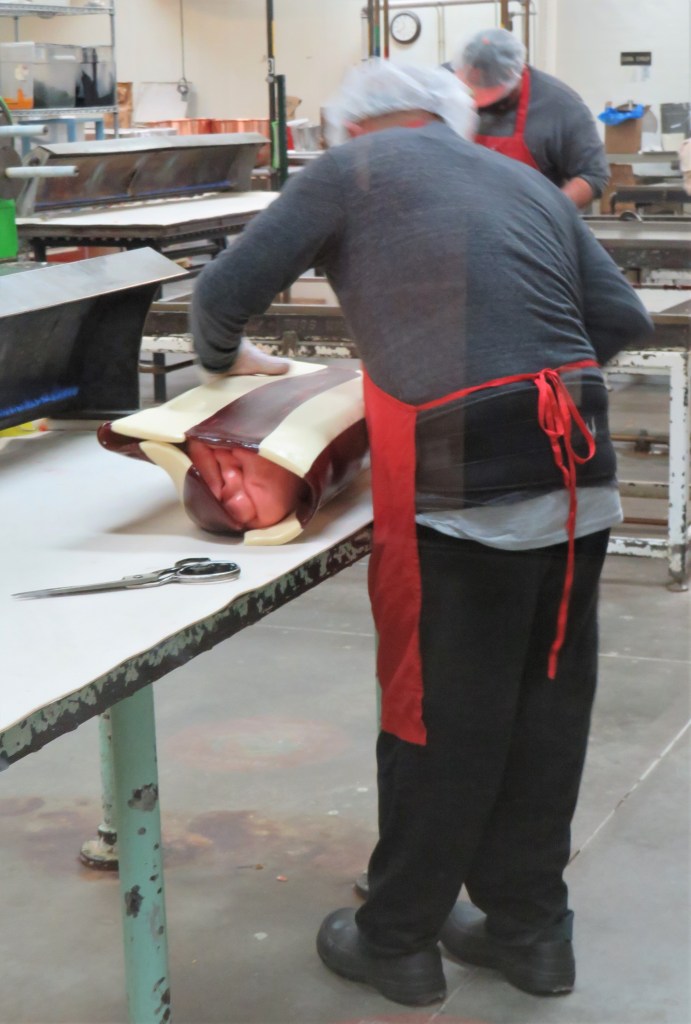
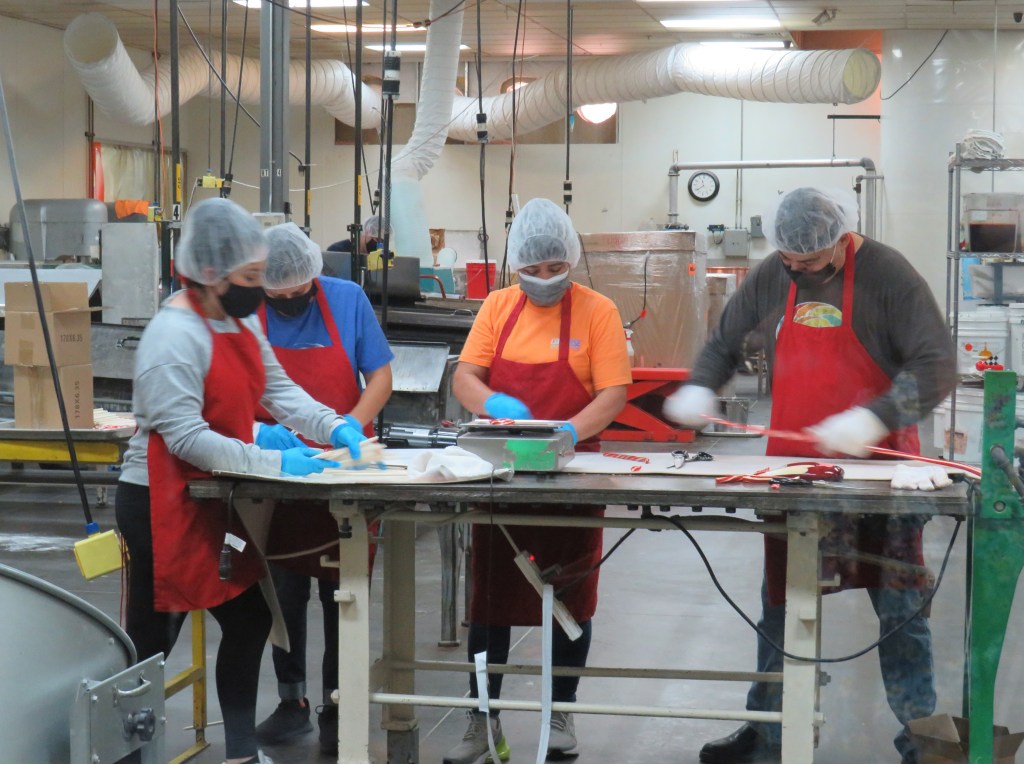
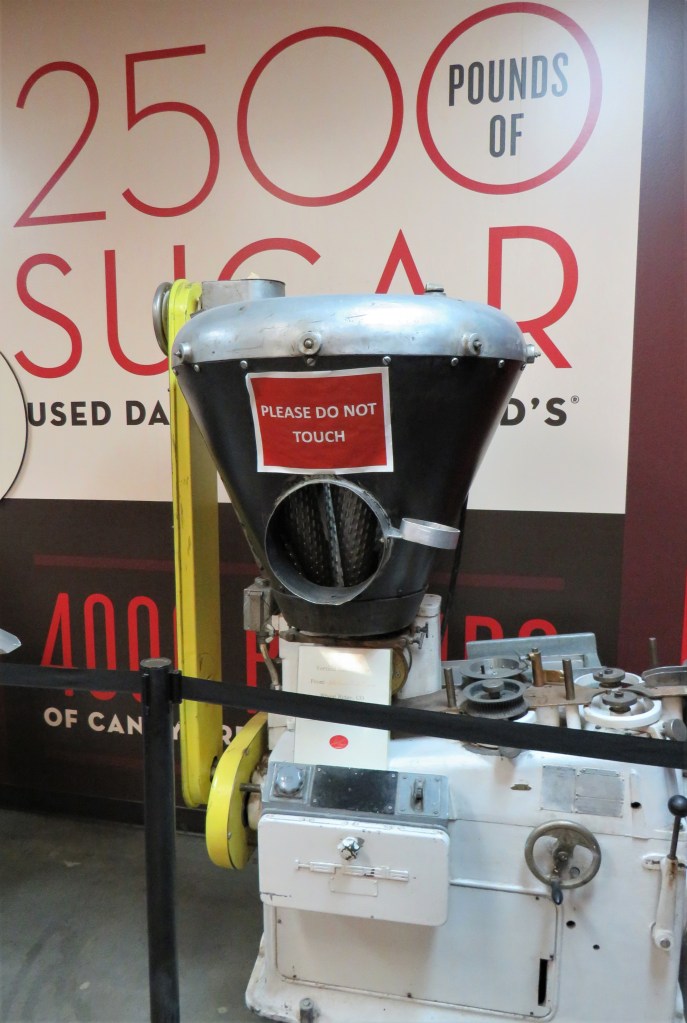
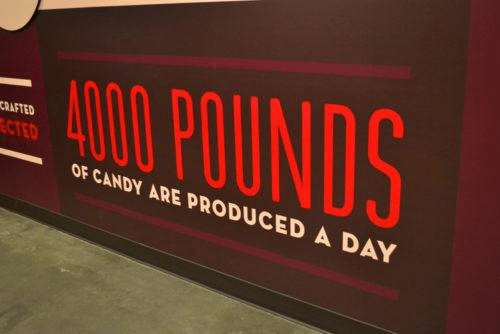
The tour started with a brief little video telling the Hammond’s story. After the video, we went inside the factory and saw all the workers hard at work, creating their confectionary magic. Hammond’s goes through 2500 lbs of sugar every single day, creating 4000 lbs of candy everyday. And everyday is always a little different.
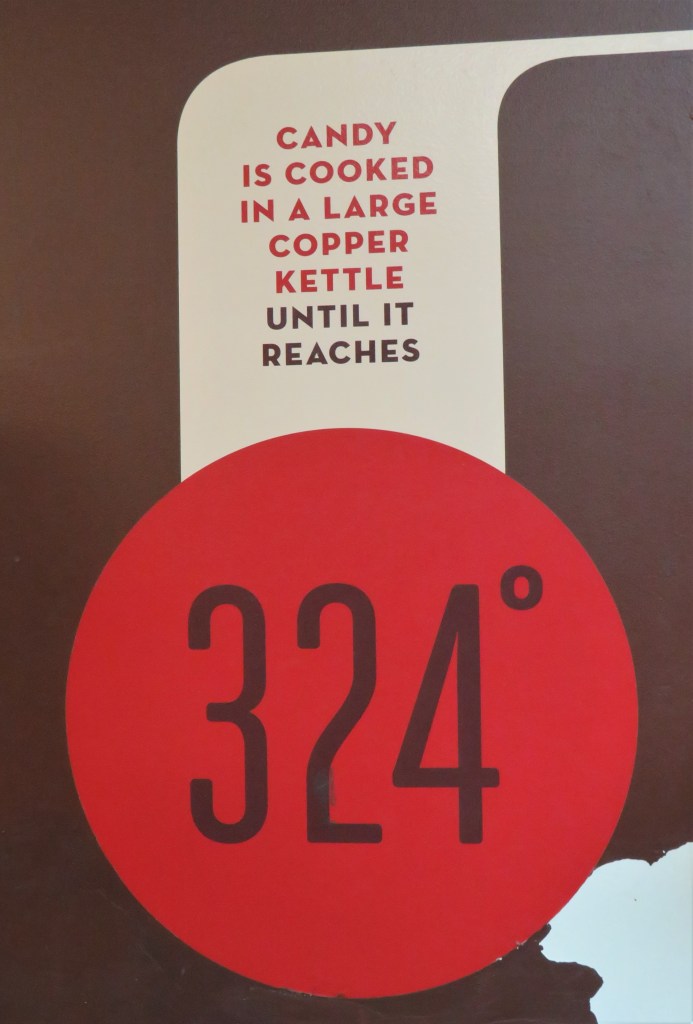
The candy is made in large copper kettles and is boiled until it reaches 324* F then poured out onto a cooled table where it is molded and formed. This I personally know from way back when, when I was making candies for the Rocky Mountain Chocolate Factory, also a Colorado company, when I first moved up to San Francisco, many moons ago.
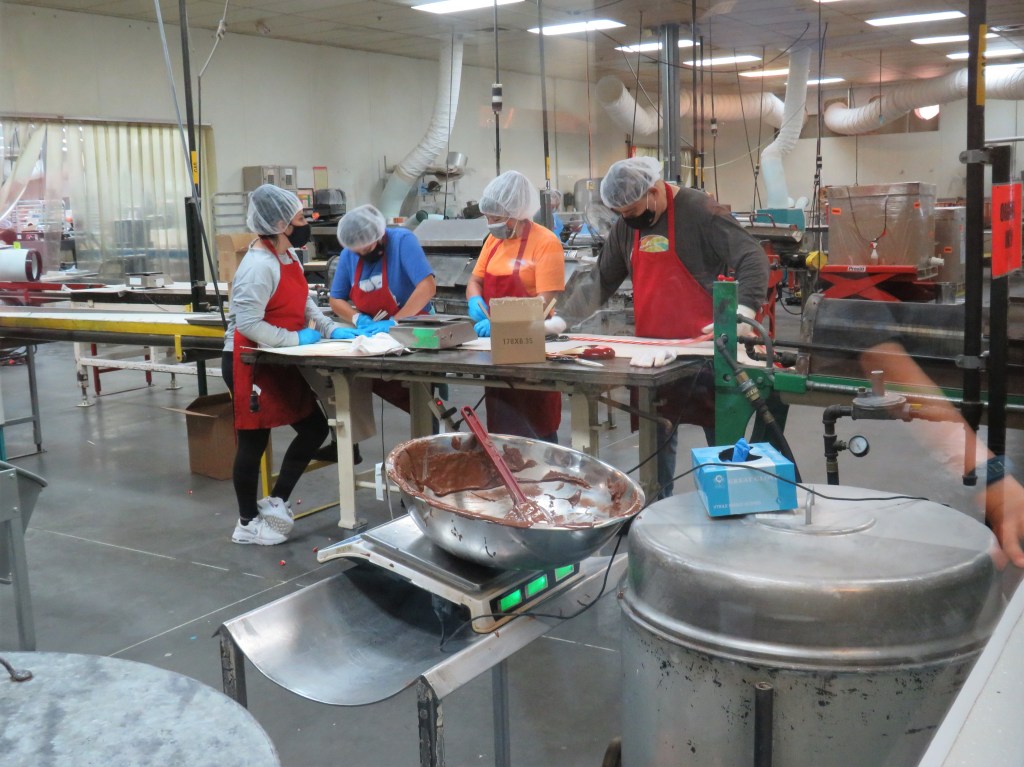
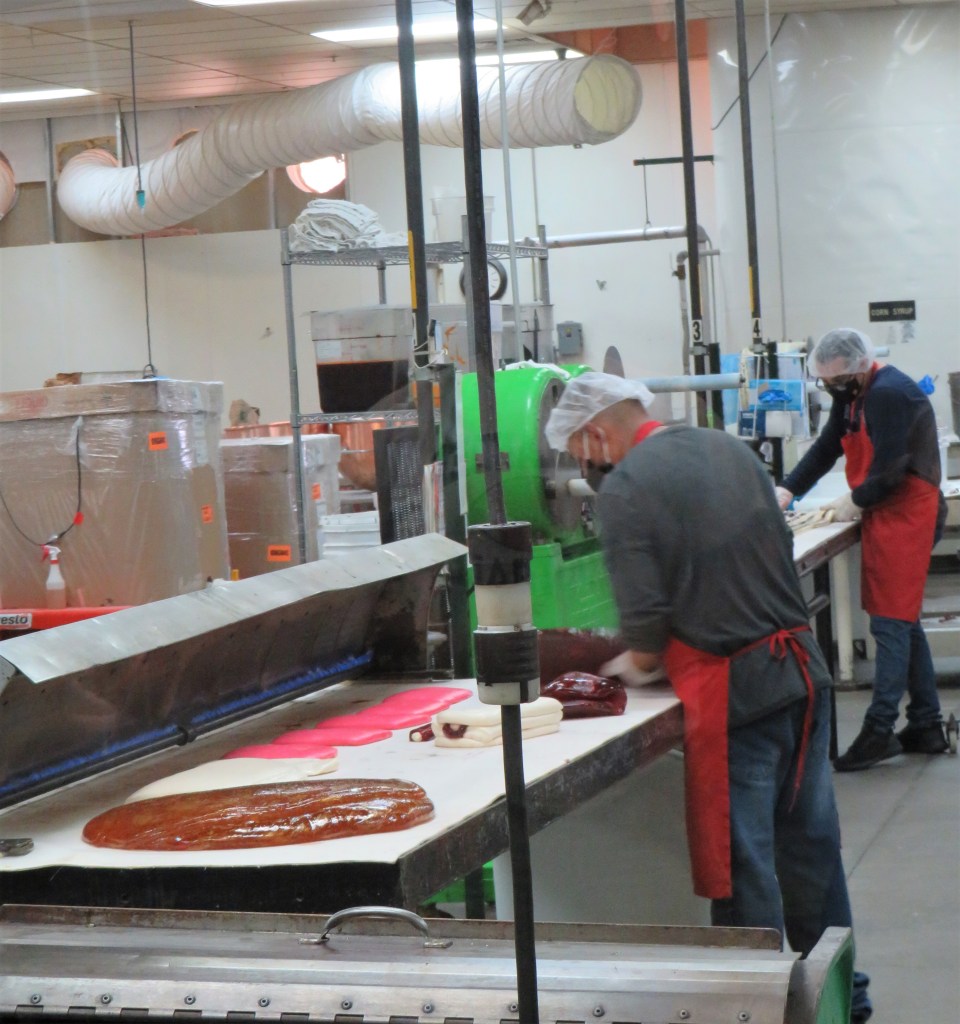
They were making peppermint and chocolate stuffed peppermint this time, but tomorrow, the will be making another flavor. All the candies and confections are made by hand, everyday. Each one of these candy “logs” is about 100 lbs and it is all hand cut and hand rolled. The scissors they use to cut the candy weigh 2 lbs each. No doubt about it, candy makers, especially these candy makers, are very strong indeed. The factory is temperature controlled and these huge white tubes on the ceiling help remove the moisture, making sure the candies don’t harden too fast or crack.
After the tour concluded, we were released back into the candy store once again, to purchase all the handmade goodies we just saw being created.
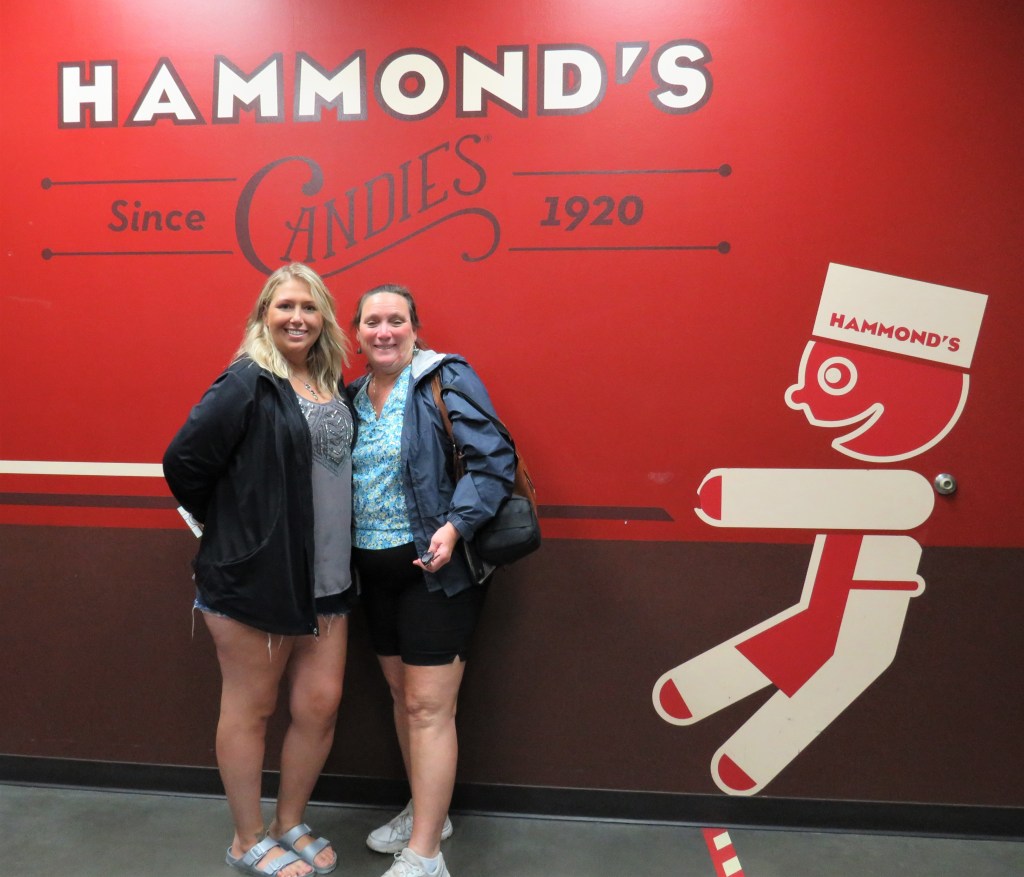
Hammond’s Candy Factory is located at 5735 No. Washington Street, Denver, CO. You can call them at (303) 333-5588, or visit them online at hammondscandies.com. Reservations for the tour are not mandatory, but are suggested, especially at peak tourist times. This is a fun family tour that everyone will enjoy.

This was a fun, new experience for both Jenni and I, with a very happy, sweet ending too. But we were just getting started with our day’s fun and adventures. More to come about our next stop later. Stay tuned. Don’t touch that dial. 🙂

Have a SWEET day and make the most out of everyday. Stay safe and stay well Everyone. ‘Til next time.
Isn’t It Ironic

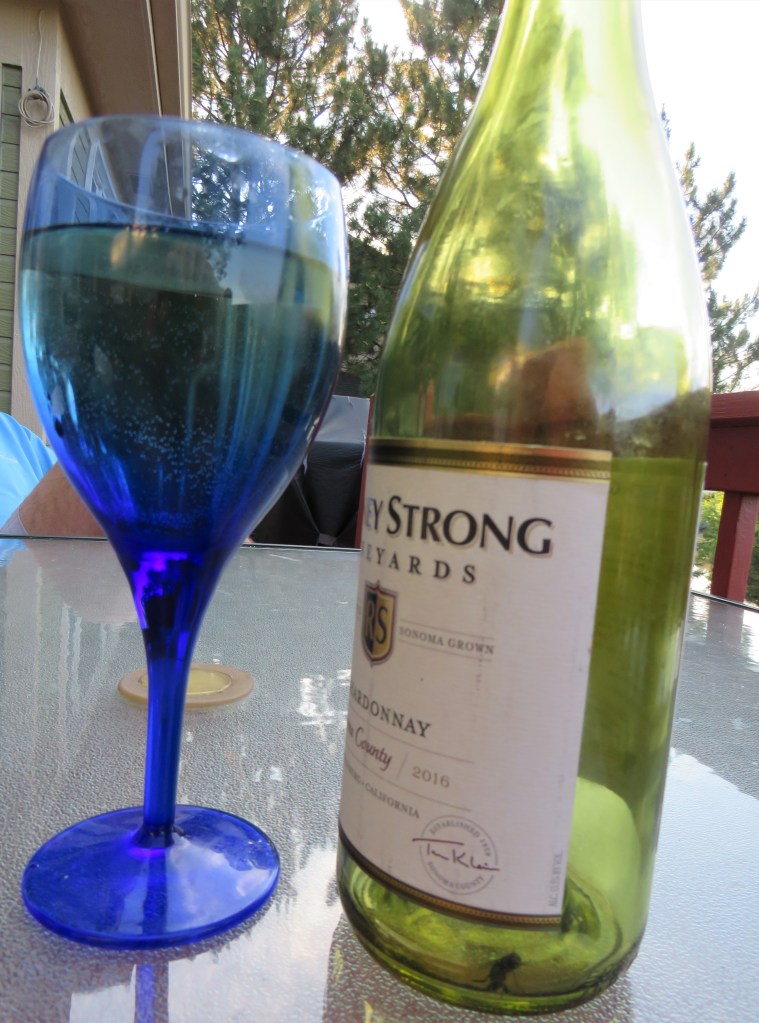
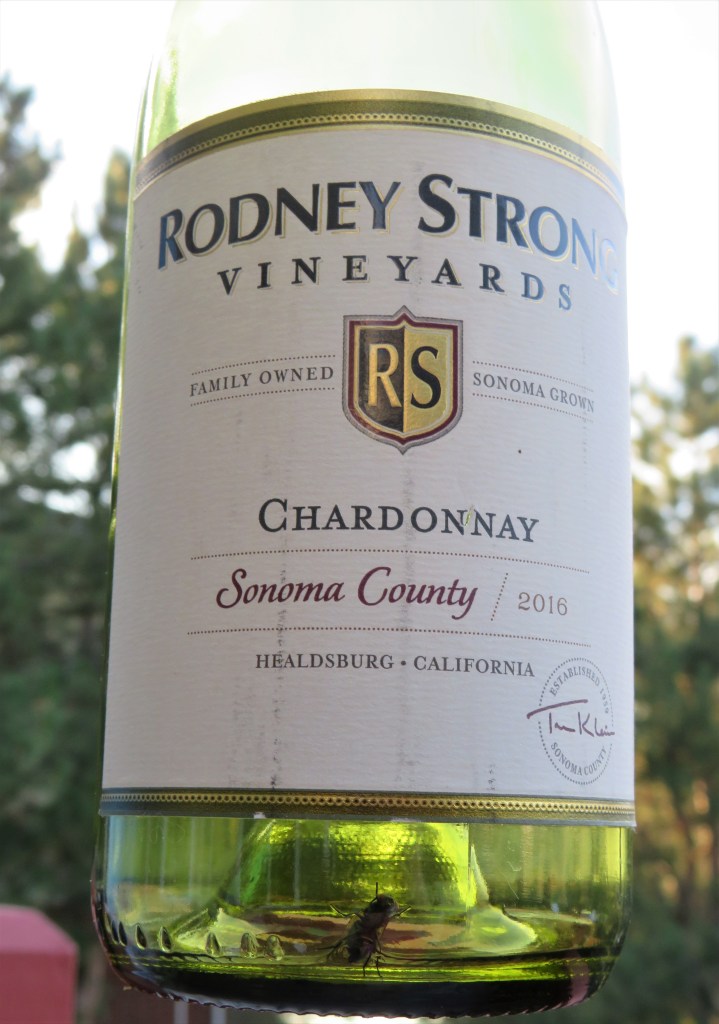
You all know how much I enjoy my wines, and particularly a cool, crisp chardonnay on a hot, sunny day. We were just finishing up our dinner, enjoying the cool fresh evening air out on our deck when all of a sudden …. “There was a black fly in my chardonnay”, Ironic by Alanis Morrissette. Fortunately the fly was in the empty bottle and NOT my wine glass. But I still thought it was fun thing to share.

Look at the bottom of the bottle.

The fly survived, but he was a little tipsy.

Sometimes it’s the little things that really bring things to life. All you can do is smile and laugh and make the most out of any situation. 🙂

Have a great day Everyone. Stay cool, stay safe and stay well. ‘Til next time.

Huckleberry Blue

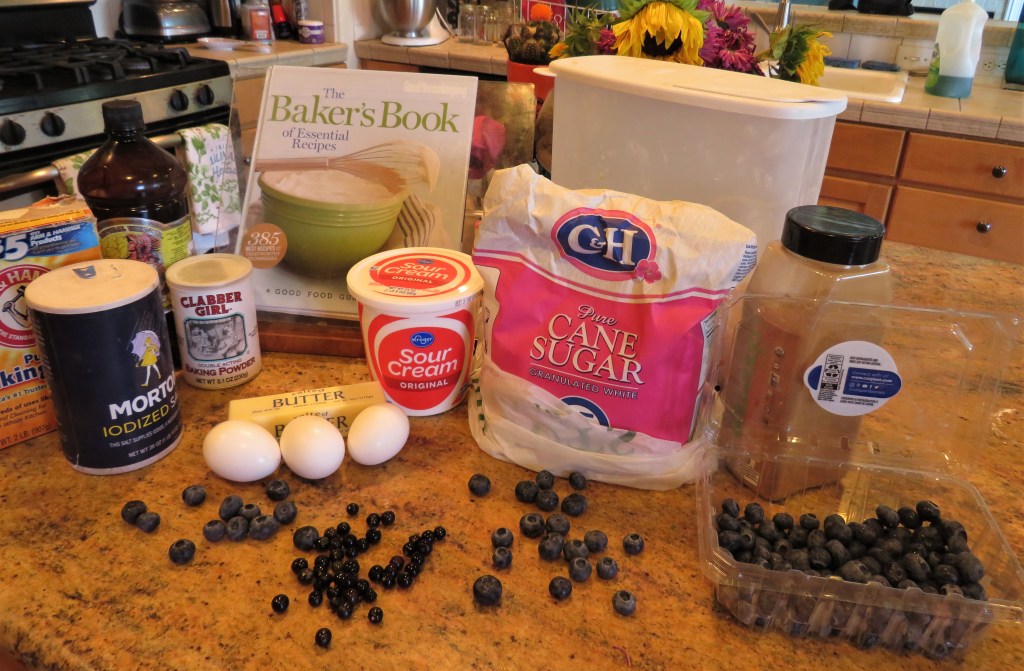
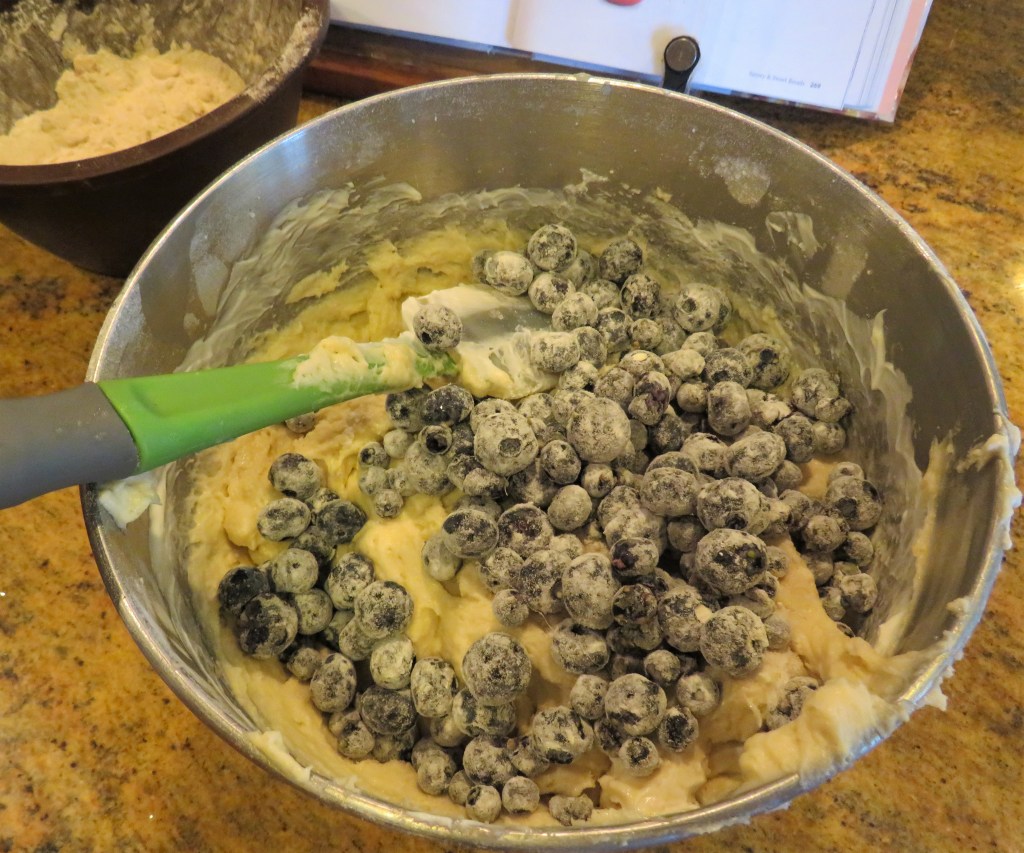
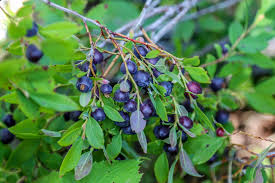
I had a bunch of blueberries that I mixed with some huckleberries to make a huckleberry blue coffee cake. The huckleberries were some I picked from our plant in the back yard.

Like many recipes, the coffee cake is of mixed origin. It is believed to have first originated in Dresden, Germany, in the 1600’s. But then the Danish are the one who first thought of pairing this lightly sweet cake with coffee. The term coffee cake became a popular term in the 1800’s. By the later 1800’s, there were many European immigrants coming into the United States, via Ellis Island, bringing with them their traditional recipes from home. The coffee cake was one of these immigrants as well, coming with both the Danish and the Germans. By 1870, coffee cakes were very popular in New York and the Eastern seaboard. These cakes were often made with different kinds of fruits and nuts, which gives them a lot of variety. Their popularity soon spread and they quickly became very popular all over the United States, as well as many other parts of the world.

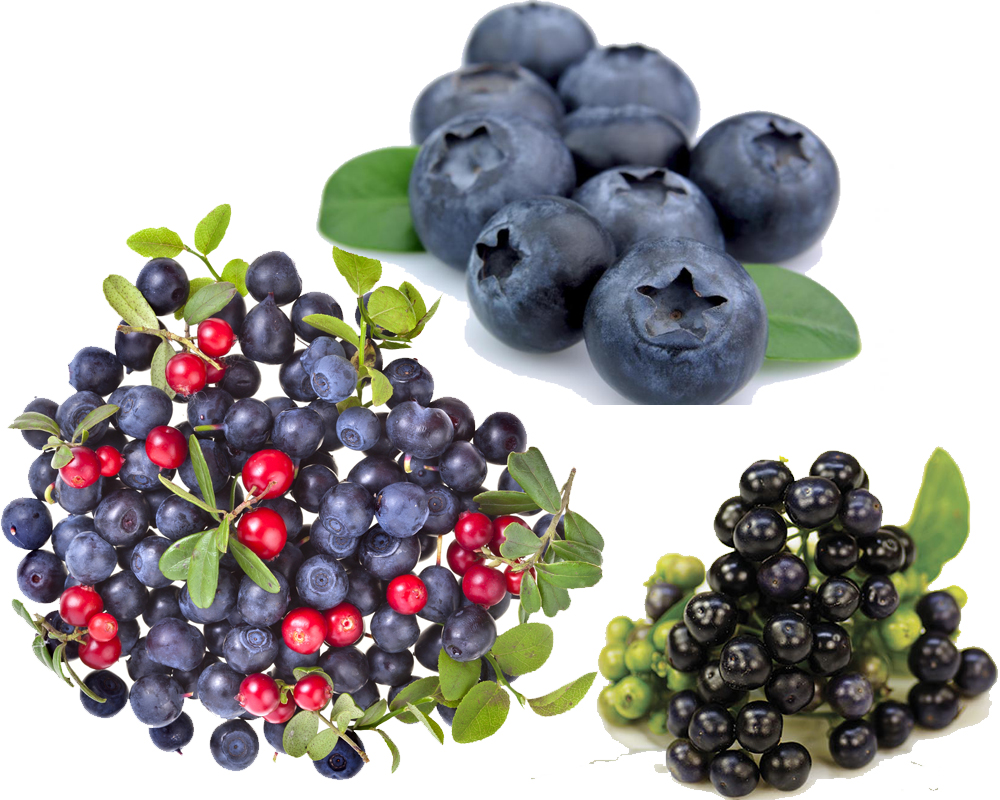
Huckleberries are small little berries that look like blueberries, but are only a fraction of the size. They come in different colors ranging from red to reddish purple to dark blue. They grow wild all over Colorado, usually showing up in August. They like our harsh, acidic soil. They grow low to the ground, so sometimes they are hard to see.

We didn’t realize we had huckleberries growing in our backyard until just a couple of years ago. I have been cooking with them ever since I found out we had them. It is always kind of fun to brag about the produce that grows in your own backyard, even if only in very small batches.

Blueberries vs huckleberries. Blueberries are significantly larger than the huckleberries, but they have a similar taste. Blueberries in general tend to be a little sweeter than huckleberries too.

Berry Coffee Cake

Streusel Topping

3/4 cup flour

1/2 cup either brown sugar or granulated sugar, or a combination of both

1 tsp cinnamon

4 TBSP cold butter, cubed

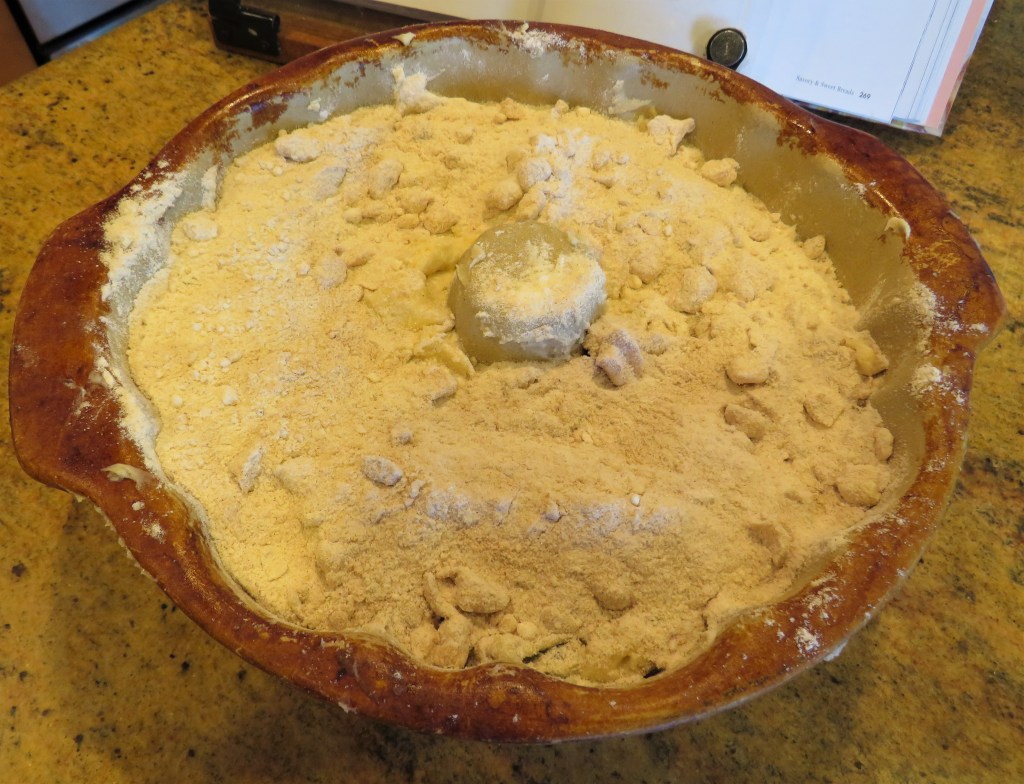
Mix all the ingredients together either by hand or with a pastry cutter until it all resembles a course sand. Set aside

The Cake

Preheat the oven to 350* F or 190* C.

Spray a bundt pan with cooking spray then dust with flour.

1 3/4 cup sugar

3 1/4 cups flour

2 tsp baking powder

1 tsp baking soda

3/4 tsp salt

1/2 cup or 1 stick of softened butter

3 large eggs

16 oz of sour cream or yogurt

2 tsp vanilla

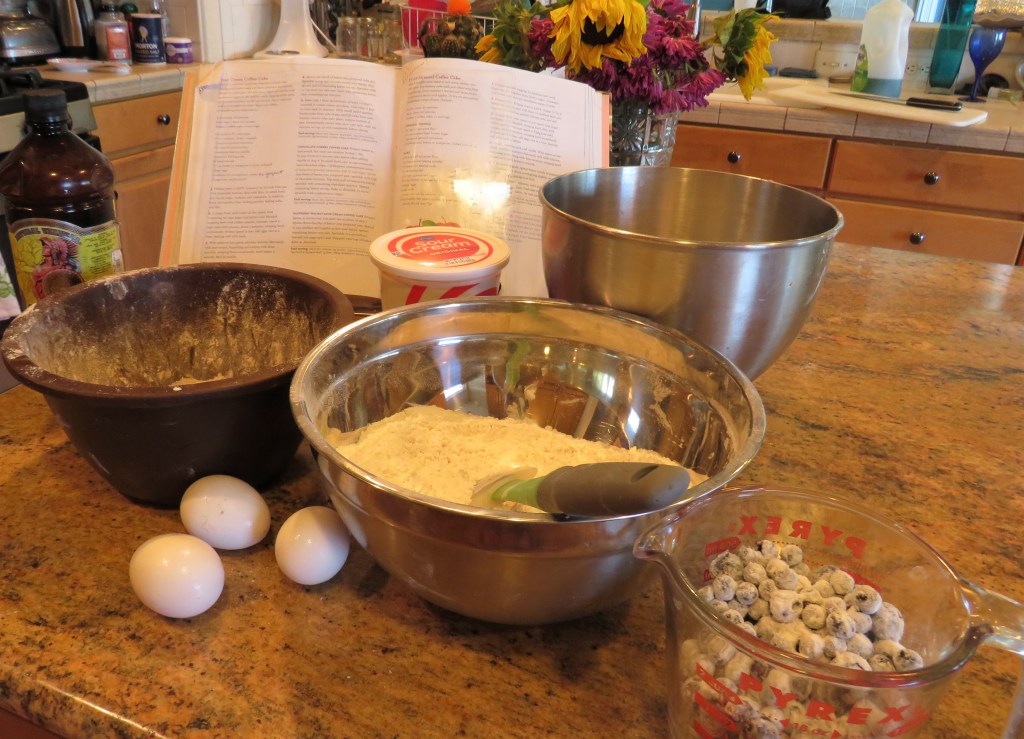
1 1/2-2 cups berries of your choice – I used huckleberries and blueberries this time. Coat the berries in a little flour so they do not “bleed” into your mix.

Mix the sugar and butter together until creamy, then add the eggs 1 at a time, mixing in between each addition. Add the vanilla and mix again.

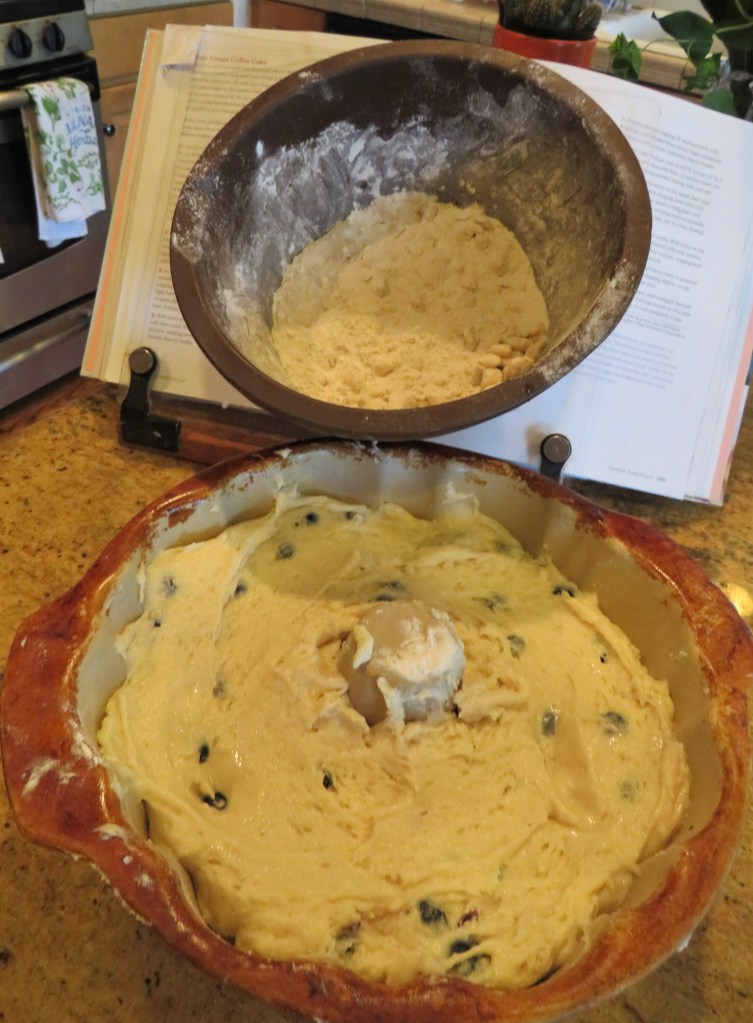
Add 1/2 the flour and mix, then add 1/2 the sour cream or yogurt and mix, repeat until both the flour and the yogurt is all incorporated. Do not over mix. You do not want a tough batter. Gently fold in the berries.

Evenly spoon the batter into the prepared pan. Add the topping all around the top of the cake.

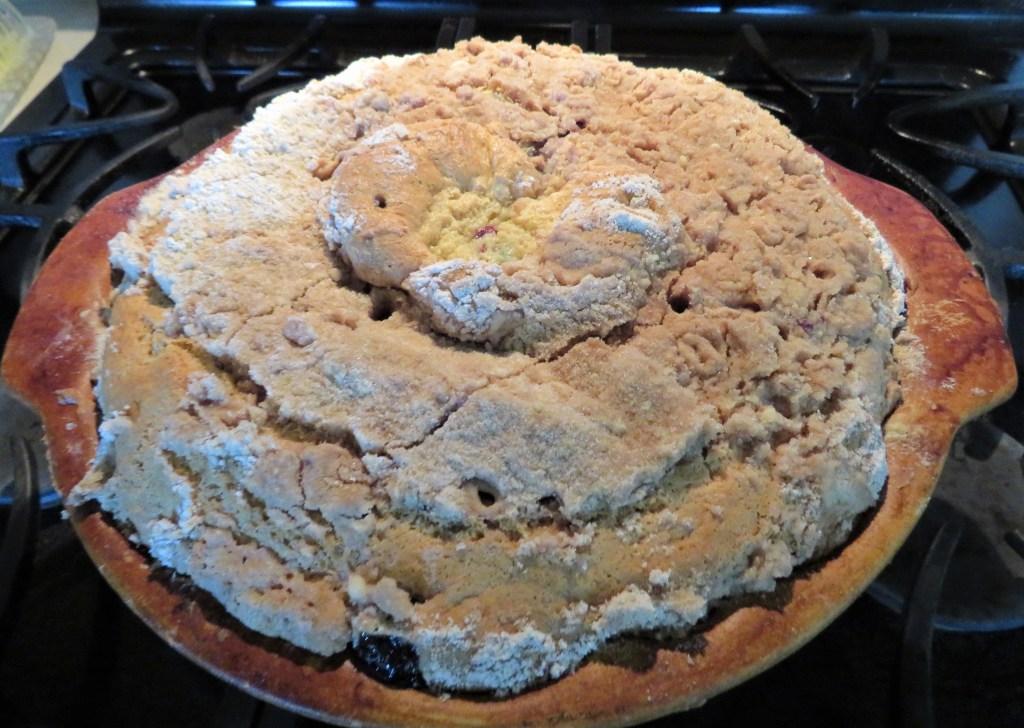
Bake for about 1 hour and 25 minutes, or until a toothpick comes out clean when inserted in the middle.

Allow the cake to cool completely before slicing it. And eat it up yum! I know this cake was a winner today, because I came back with zero cake. There was nothing left on my platter; always a good sign for a chef and/or cook. I love it when this happens. 🙂

Stay cool, stay safe and stay well Everyone. ‘Til next time.

Bacony BBQ Beans

People around the globe enjoy baked beans. Just about every culture has their own version of a stewed or baked bean dish. Usually, the recipe involves slow cooking the beans in a special sauce with meat or fat added for flavor. Whether it is the French cassoulet, Cuban black beans, Boston Brown Beans, or Mexican Borracho beans, humans have been cooking up this pot for centuries. And, while many hotly contest the origins, or which recipe is best, we know one thing for certain; baked beans are a perfect side dish for a BBQ.

Baked beans have been part of the American diet long before America was even a country. It wasn’t even a twinkle in our founding fathers’ eyes when the Native American tribes, particularly the Iroquois, Narragansett, Penobscot and other eastern tribes were perfecting the art of baking beans. Baked beans were adopted by the British Colonials in the early 17th century, and have been an American favorite ever since. The old, traditional recipse from the indigenous peoples aren’t that much different from today’s version, except we usually use bacon or pork instead of bear or bear fat. Their method involved taking soaked native or “navy” beans, mixing them with bear fat (yes, bear fat) and maple syrup, then slow cooking them in earthen, or deer-skin pots hung over a fire.

Many cities around the world have nick names, usually associated with something in their history or geography. Most of you know that Denver is known as the “Mile High City” because it is 5,280 feet or 1 mile above sea level. Boston, MA, is known as “Bean Town”. It got its name because during the early years of our country, when Boston was the rum capital of our very young country. A by-product of rum was molasses. Molasses was the first sweetener used when baking their beans, and hence, Boston baked beans were born.

Today, baked beans come in many ways, around the country and in many places around the world. There is an infinite number of possibilities and recipes.

Beans need to be slow cooked in lots of water. However, if time is an issue, you can also boil them at a rapid boil for 3 minutes, then remove them from the heat and let them soak for at least an hour or two before preparing them. I use both methods. It really just depends on my timing and how much time I have to prepare them. I have to admit, the boiling method is not as good as the traditional soak, but it is a good substitute.

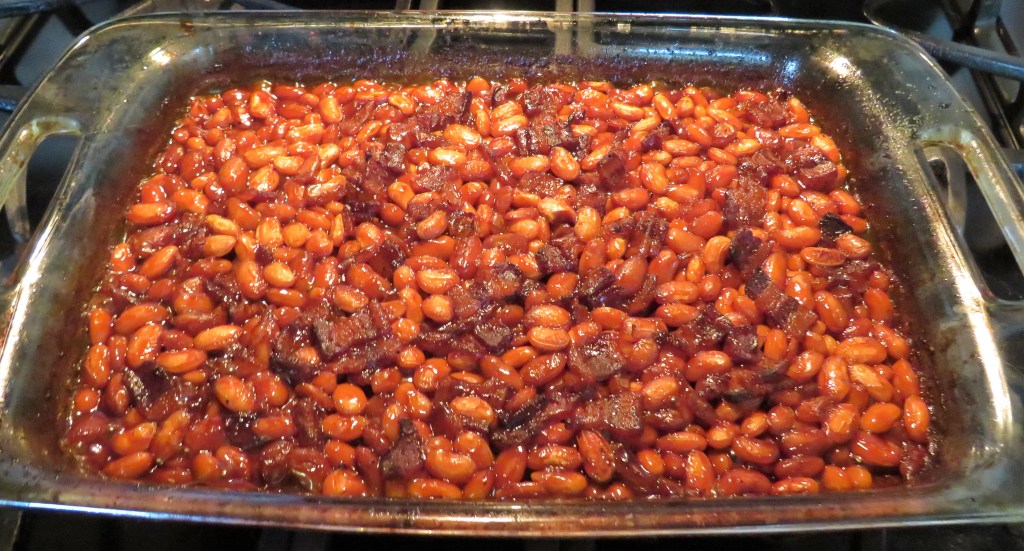
Bacony Baked Beans

I love bacon. I am one of those that believes more is more, especially when it comes to bacon. So when a recipe calls for bacon, I add more than what it calls for. You can’t go wrong with bacon, right?!

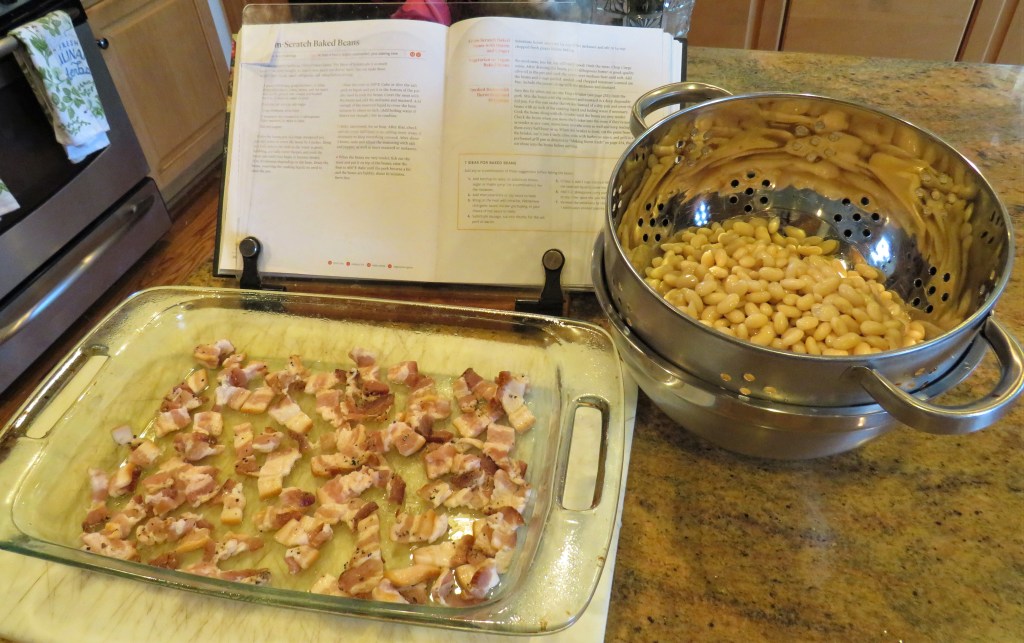
1 lb dried navy or other white beans – cook according to the directions on the package.

8-12 oz of bacon or salt pork, diced

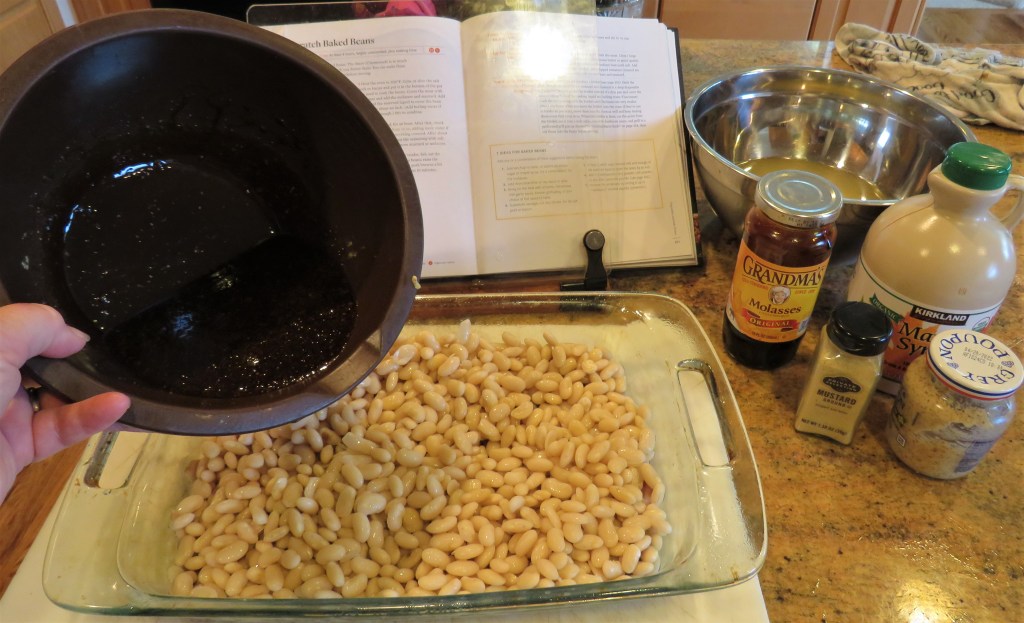
1/2 cup molasses

2 tsp dry mustard

2 TBSP Dijon mustard

1/2 cup maple syrup

salt & pepper to taste

1-2 TBSP cornstarch

Preheat the oven to 325* F or about 170* C.

Coat a 9×13 baking dish with cooking spray.

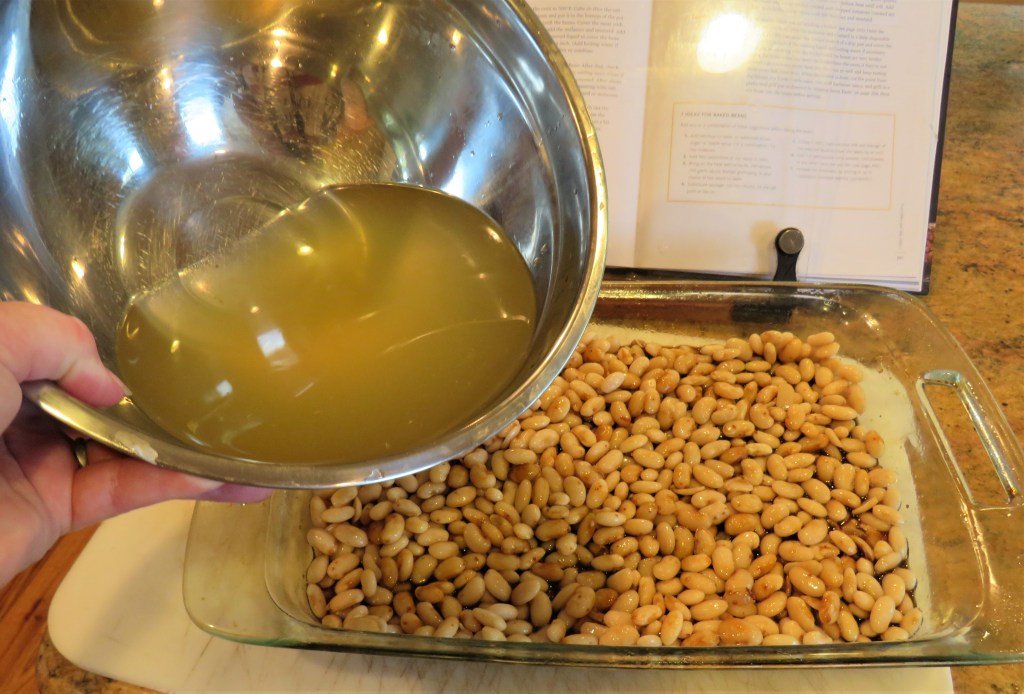
This time, I boiled my beans and then let them rest. Reserve the cooking water to use later.

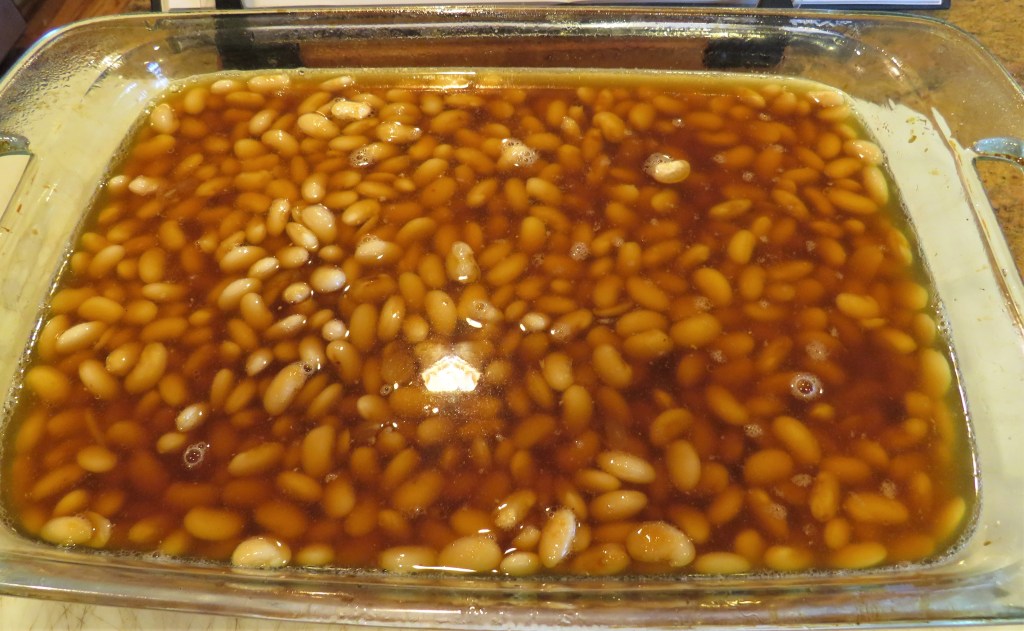
Layer the bottom of the baking dish with the diced bacon, then add the beans on top of the bacon.

Combine all the ingredients together except the cornstarch and pour over the beans.

Pour the remaining reserved water over the beans, adding more boiling water if necessary. You need enough liquid to cover the beans completely. Gently stir everything together without upsetting the beans.

Bake uncovered for an hour. Add more water if necessary. Check every half hour for the remaining cooking time. Cook for about 3 hours. After 3 hours, adjust the seasoning if needed and mix the cornstarch with a little water or some of the liquid and add to the bean mixture.

Raise the oven temperature to 400* F or 200* C and continue to cook for about 15-20 minutes, or until the sauce has thickened and the beans are tender. Depending on your oven, the cooking times may vary. Bottom line, you want the beans to be nice and tender. This will make them easier to eat and to enjoy and will also help release some of their gasses. As most of us all know, beans are often called the “musical fruit”.

Enjoy these delicious baked beans with friends and family because you are going to have a lot of beans, or should I say, you are going to have a hill of beans.

Stay cool, stay safe and stay well Everyone. ‘Til next time.
Nature Walks – More Summer Blooms

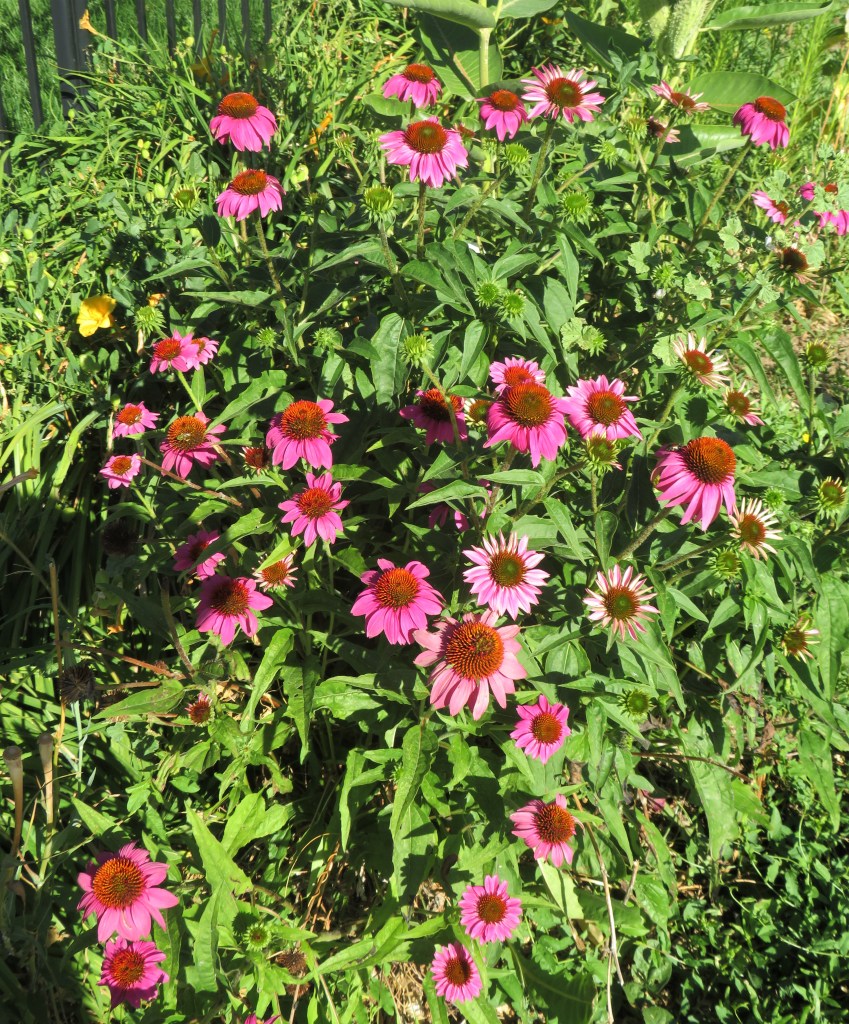
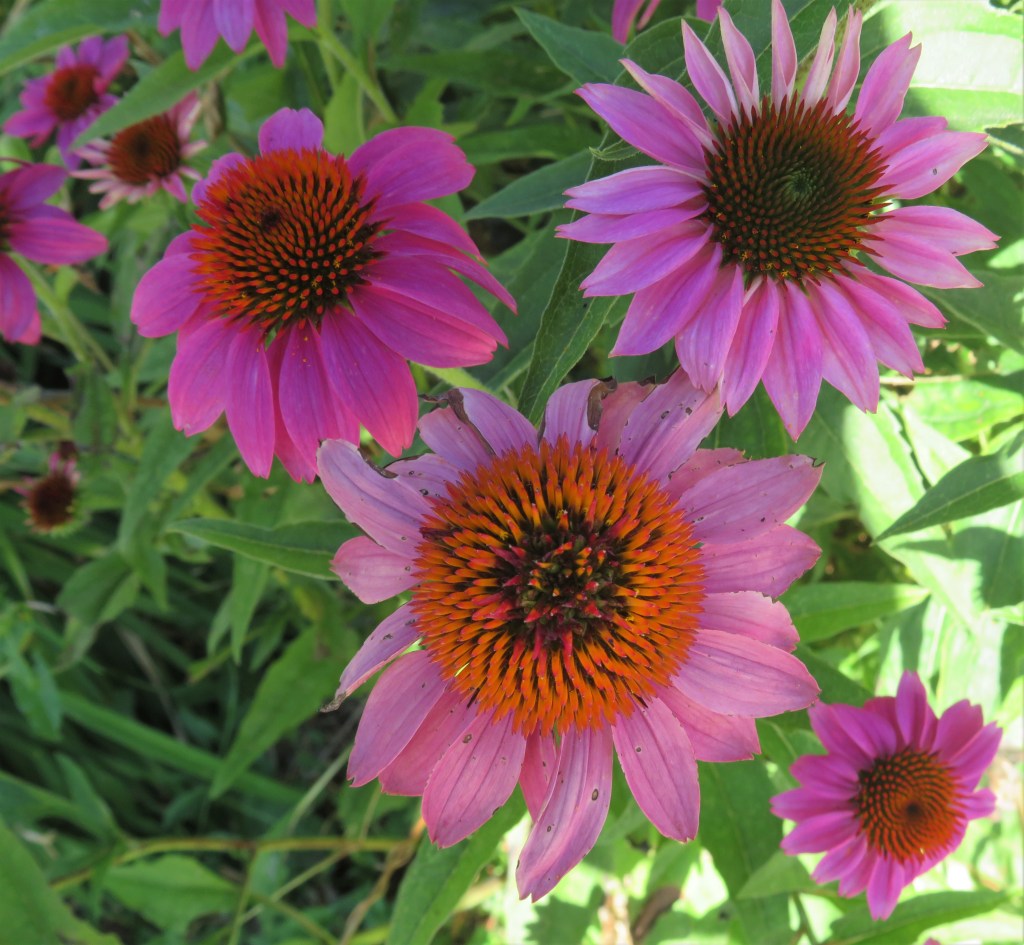
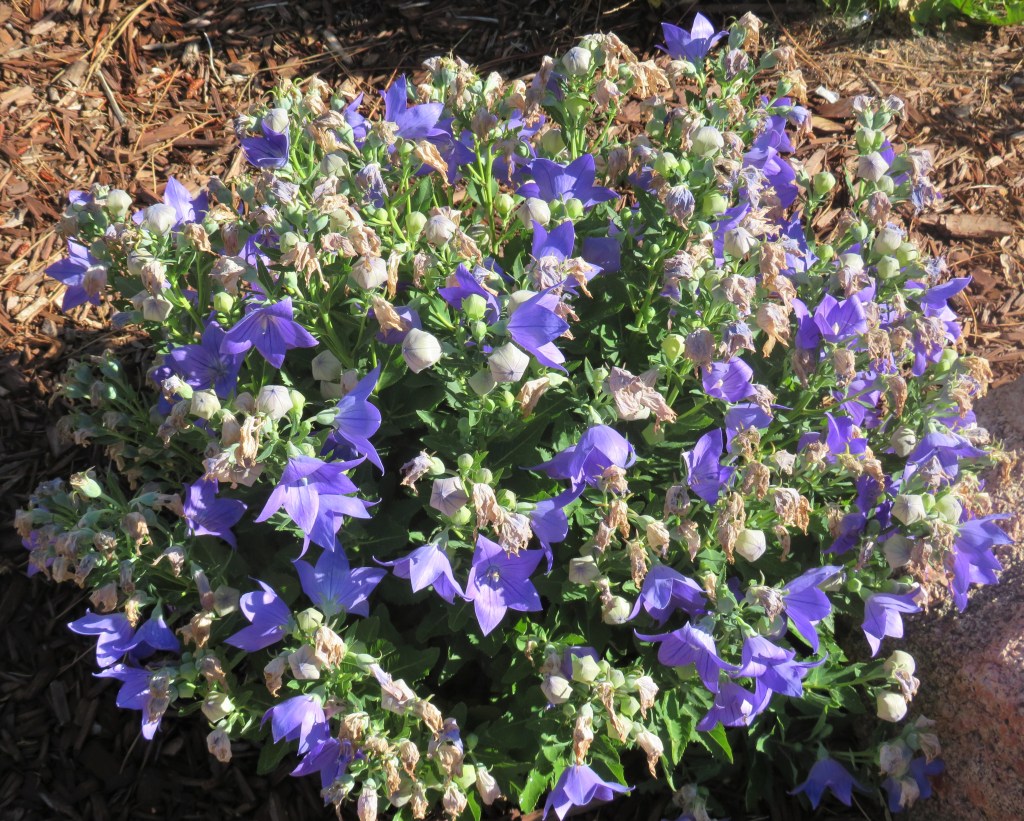
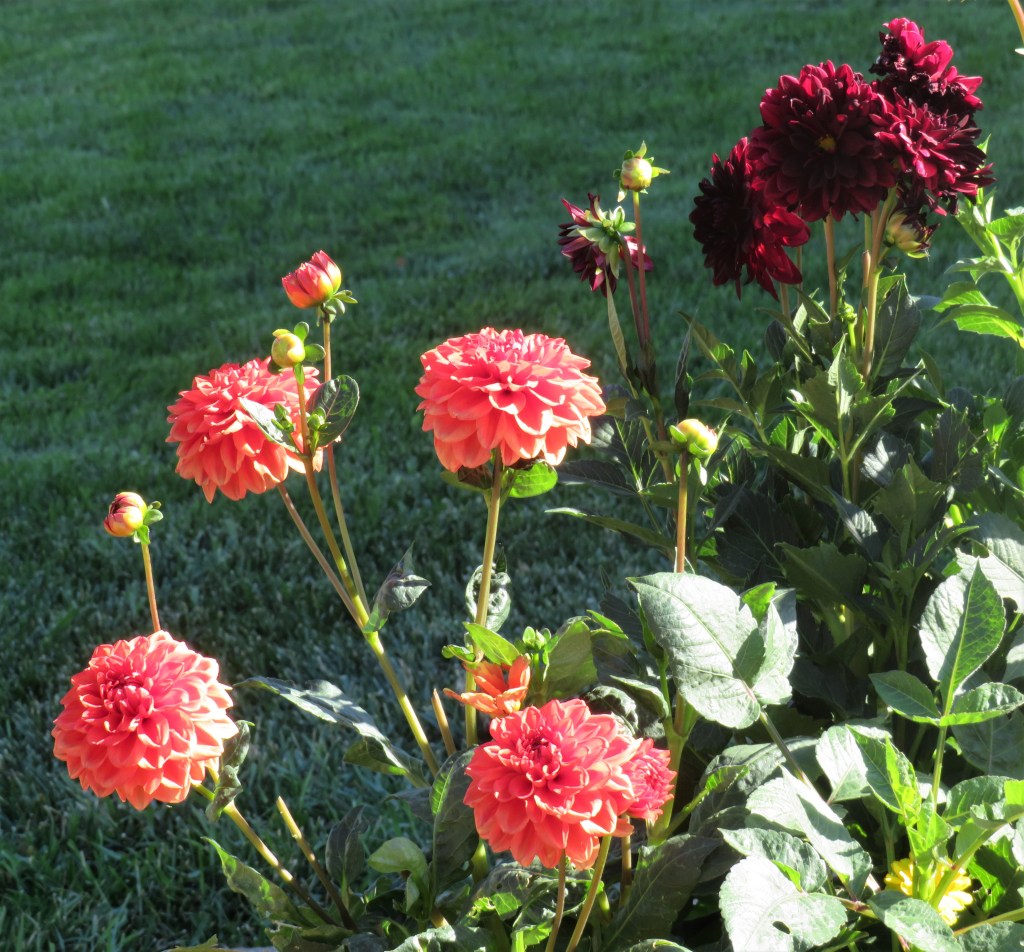
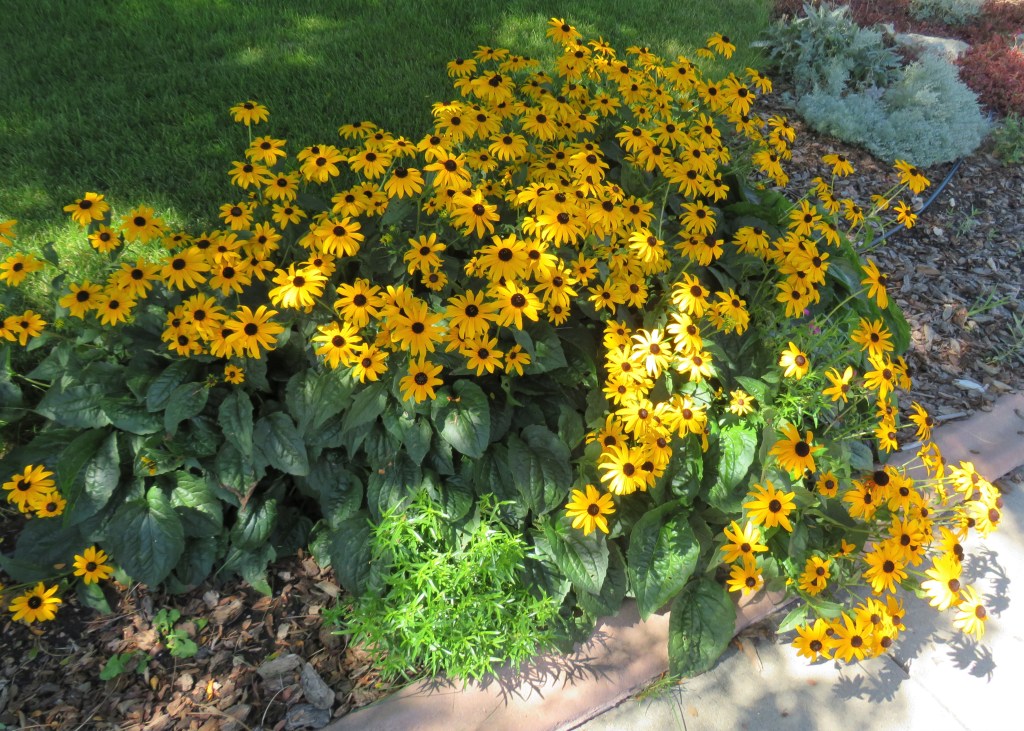
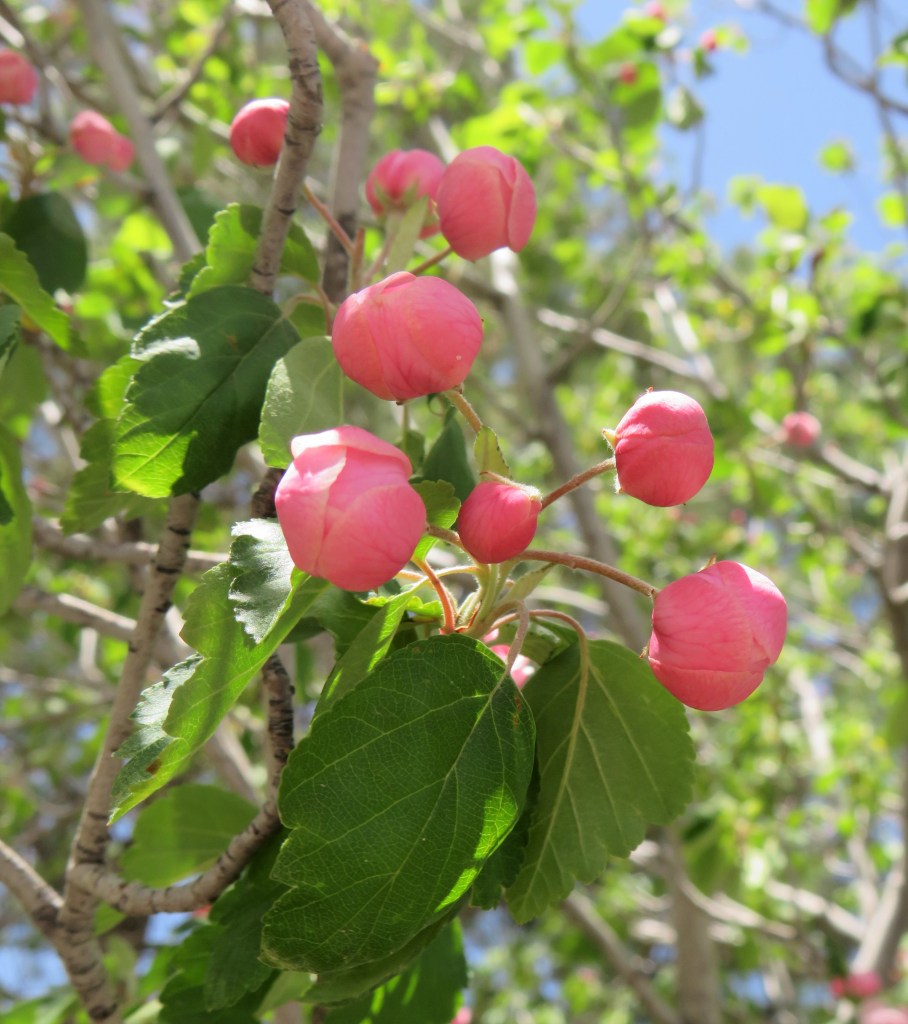
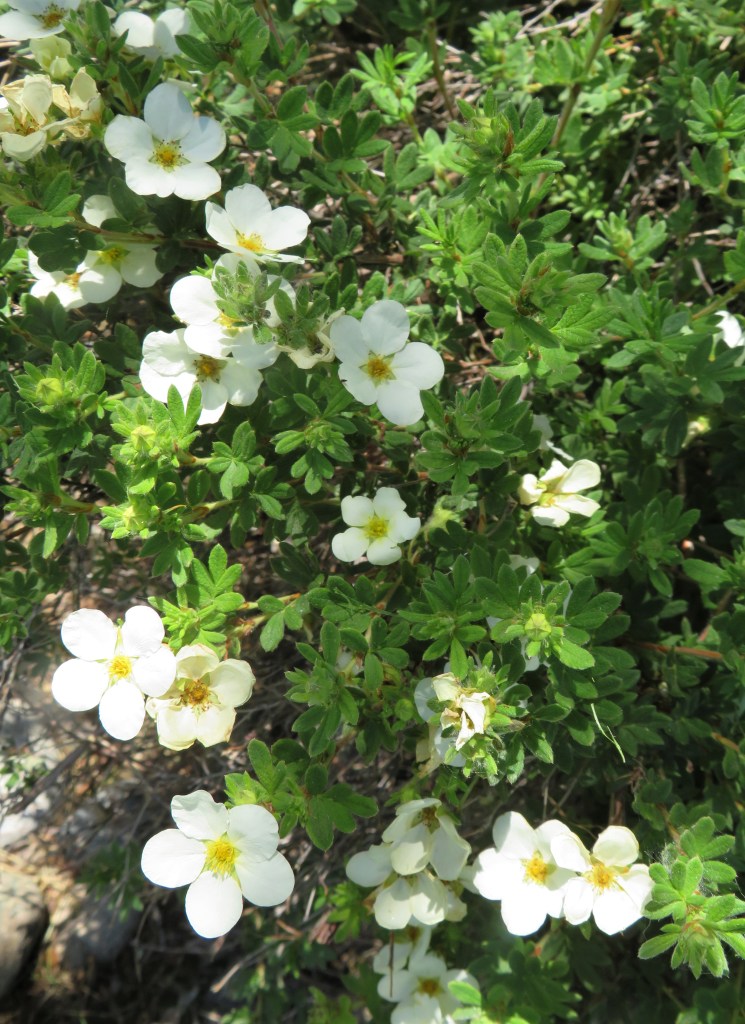
As you know, I love my flowers, of all kinds. Because I love flowers, I tend to take a lot of pictures of them too. Sometimes, though, there are just too many pictures to share all at once. Hope you don’t mind, but here are a few more beautiful blooms to help brighten up your day. Have a great weekend Everyone. 🙂

And this is just for fun. I saw this guy and really liked him a lot. He too will brighten your day and should put a smile on your face. 🙂

Have a great, colorful day and a great weekend.

Alabama Styled White BBQ Chicken

I have been to most of the 50 states, but Alabama is one of the few I have never been to; yet. I will make it there one day. So, I honestly don’t know much about the state of Alabama at all. I have so few of the states left to visit, but I will make it to all 50 soon.

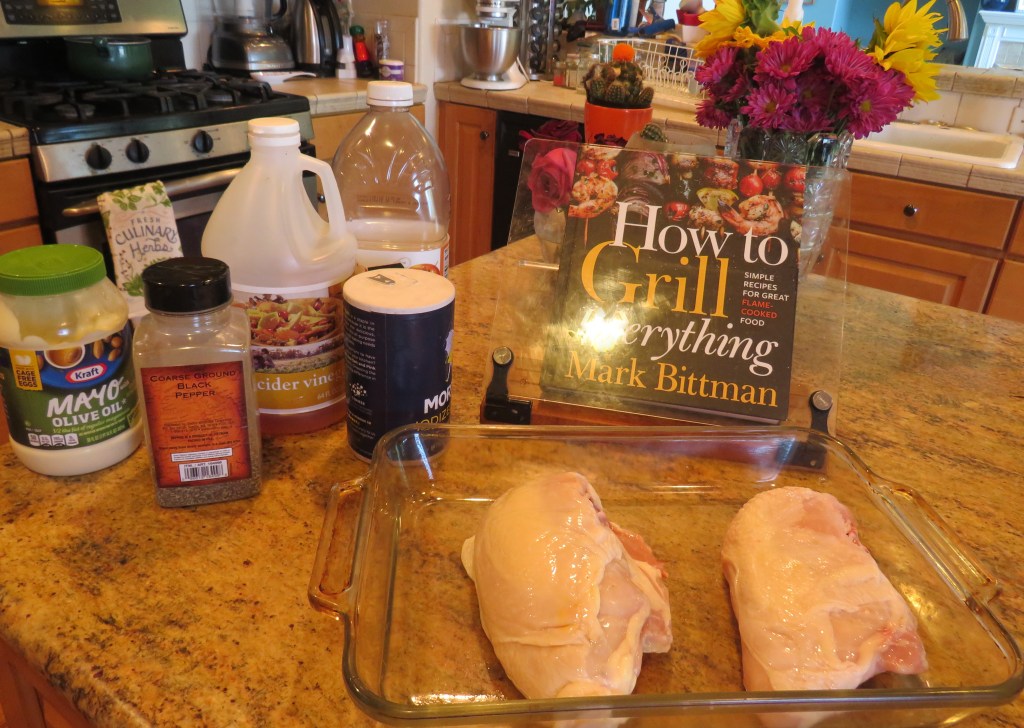
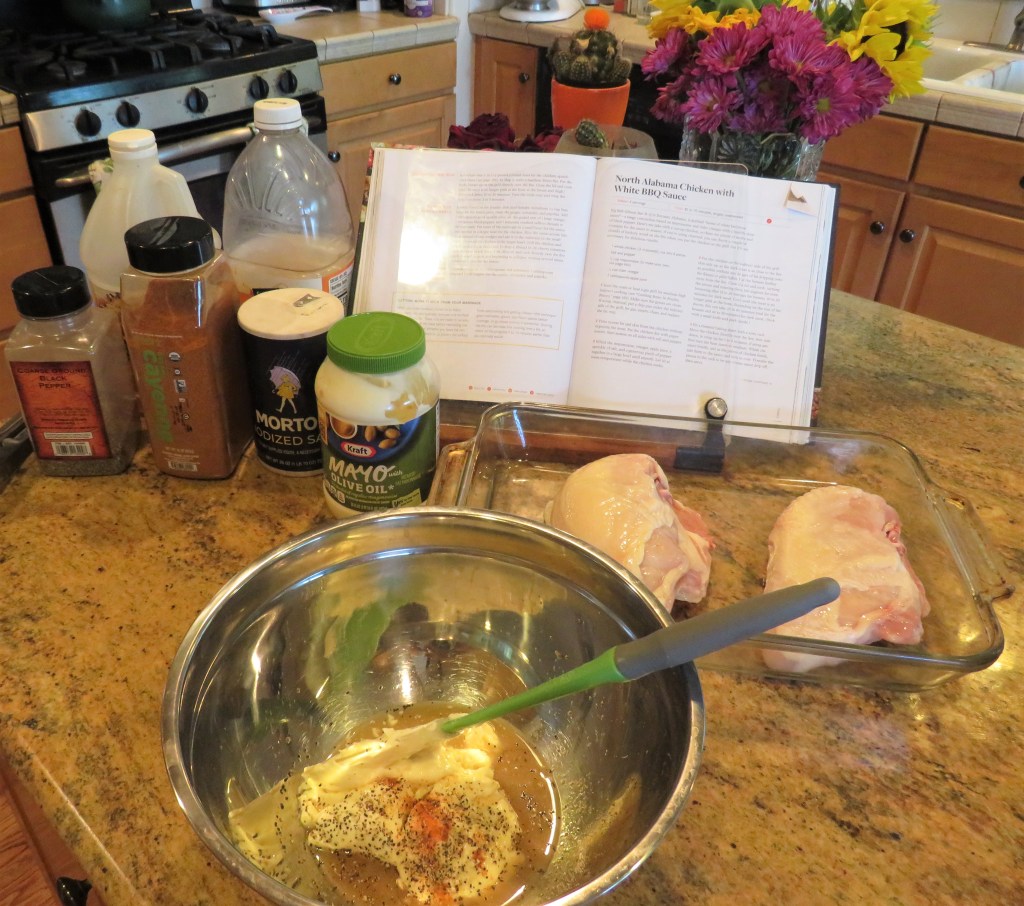
When I was checking out my culinary library, looking for something new for dinner, I came across a recipe for grilled chicken with a white BBQ sauce. I had never heard of this before. White BBQ sauce, and yes, apparently there really is such a thing, and it is widely popular all over Alabama too, is a mixture of mayonnaise, vinegar, salt and lots of black pepper, and just like any recipe, there are many different variations.

White BBQ Sauce was invented by Robert Gibson at Big Bob Gibson’s Bar-B-Q in Decatur, AL, where freshly smoked chickens are pulled from the pit and then “baptized” in a pool of the sauce. This style of BBQ sauce was invented almost 100 years ago. I have been cooking and marinating foods in a mayonnaise base for decades, but I never knew about this or that it was actually a type of BBQ sauce before. Memphis is known for its dry ribs, KC for its molasses, and South Carolina for its mustard in the world of BBQ. The state of Alabama is known for its white sauce.  Who knew? I have now tried and enjoyed all of these BBQ styles too.

I actually marinated my chicken in some of the sauce as well, for about 3-4 hours before putting it on the grill. This made it very flavorful and tender.

Grilled Chicken with White BBQ Sauce

3-4 lbs chicken pieces, bone-in or out

1/2 cup mayonnaise

1/3 cup apple cider vinegar

3 TBSP apple juice

salt to taste

1 tsp cayenne pepper

1 TBSP black pepper or to taste – This recipe is supposed to be peppery, so more is better, if you can handle it.

Combine all the ingredients together and mix well. Coat the chicken on all sides and chill in the refrigerator until ready to grill.

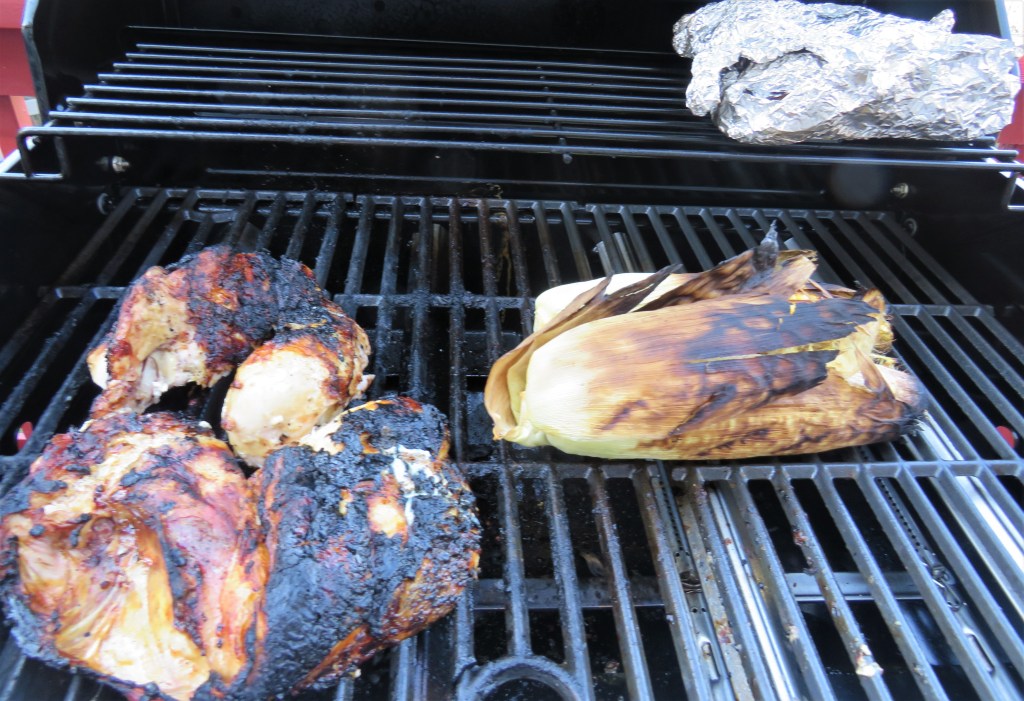
When you are ready to grill the chicken, put it on a hot grill and cook until it is done.

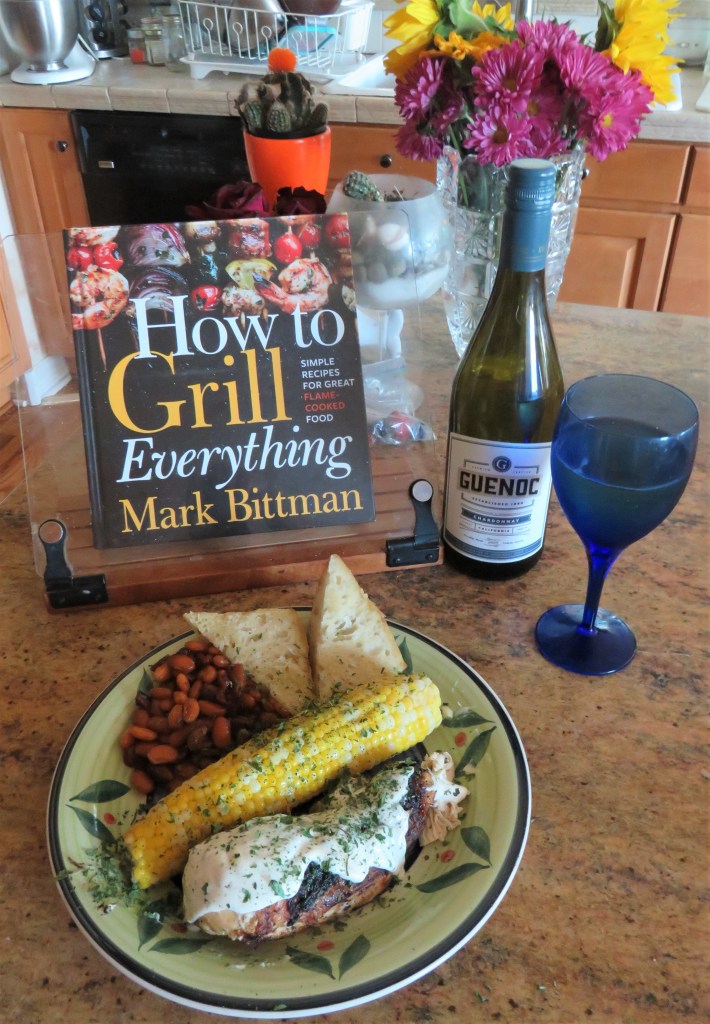
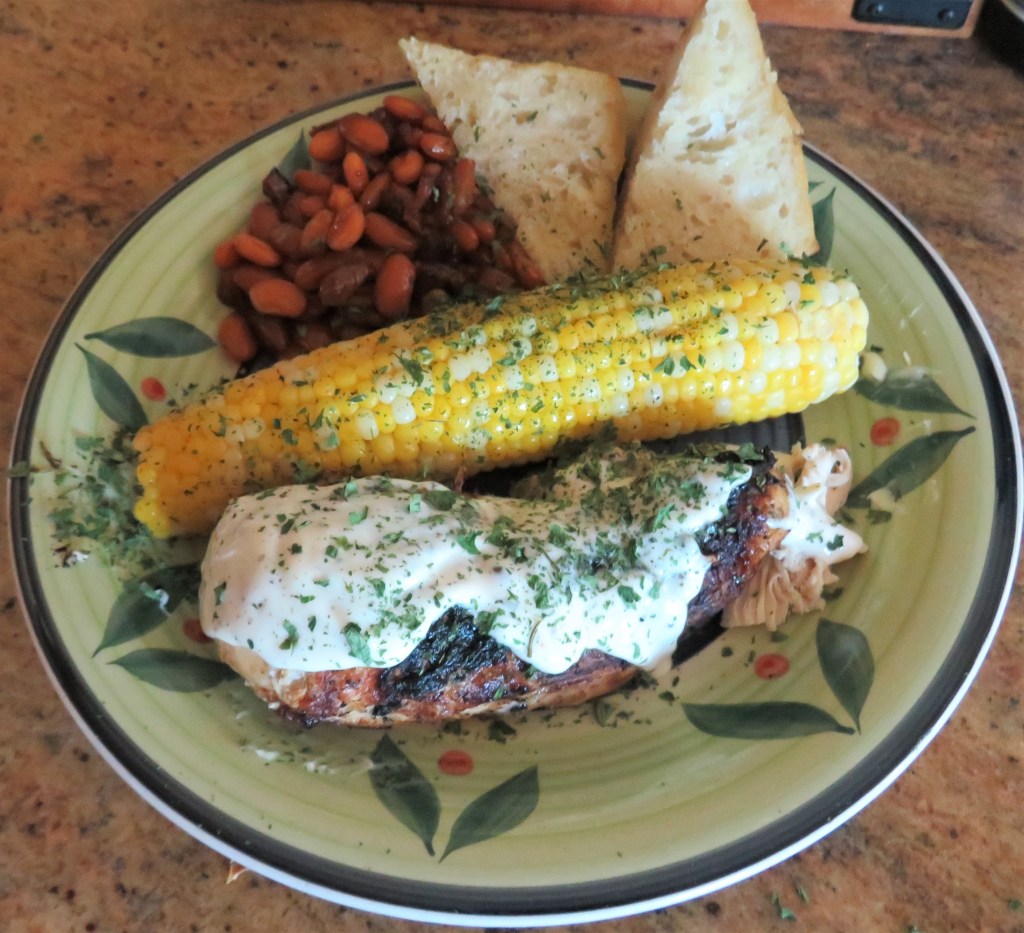
We served our chicken with some grilled corn on the cob and some homemade baked beans and bread too. Delicious! A glass or two of chilled chardonnay was also on the menu, as it usually is. After all, wine goes with everything and makes every meal complete. Any meal without wine is called breakfast. 🙂

Stay tuned. I will be using the rest this white BBQ sauce in another new and exciting way very soon. Just have a little patience, and you will soon see what I create with it next. 🙂

Stay cool, stay safe and stay well Everyone. ‘Til next time.
Nature Walks – The Heron Across The Pond

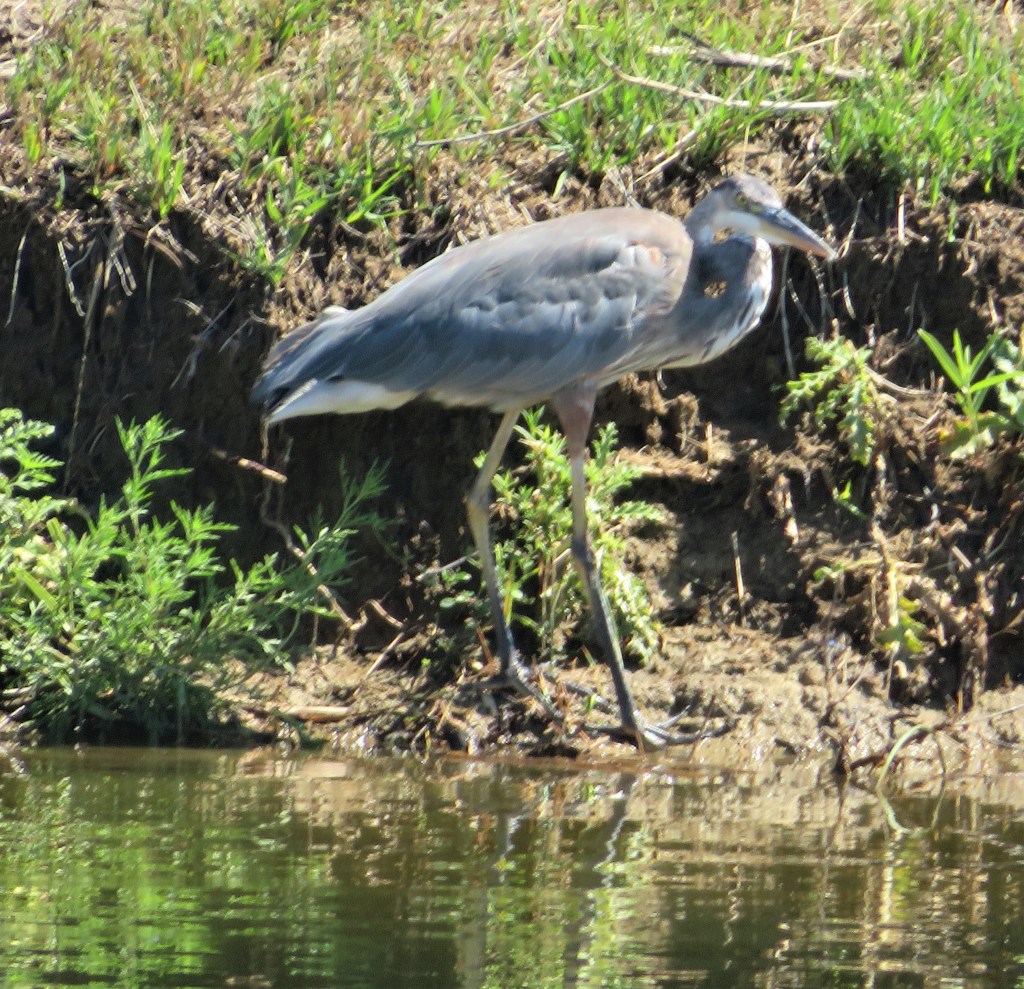
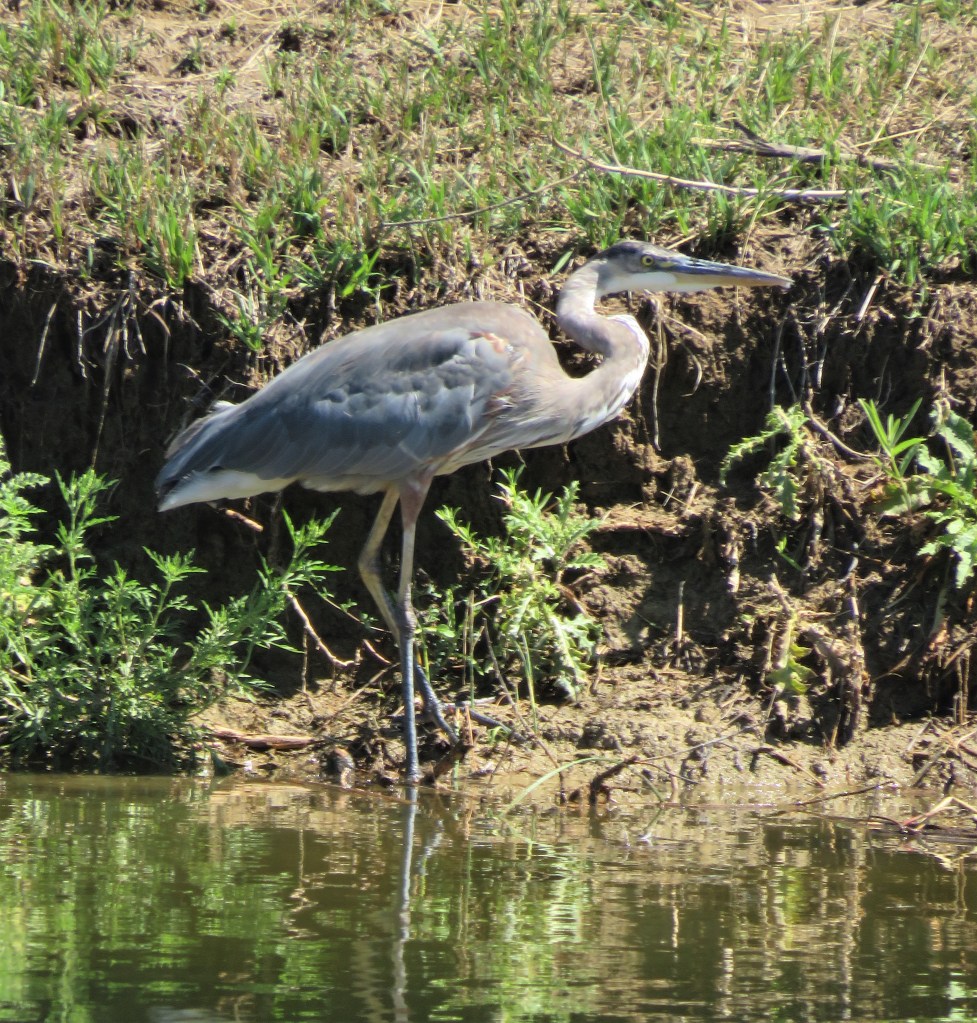
I always get so excited when I see the herons. I just love them. They are power and grace combined. Plus they are so beautiful. You don’t realize just how big they are though, until you see them up close. We see them fairly often around our ponds/lakes. This one was posing for me, but only from a distance. He was across the pond from me. Luckily I have a great zoom on my camera so i was able to get some good shots of him.

All you have to do is open your eyes to see. There is so much beauty all around us, just waiting to be discovered.

Are They Yams Or Sweet Potatoes?

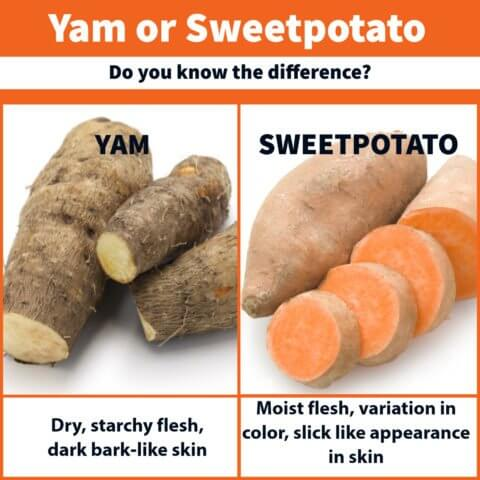
Yams, sweet potatoes, I always get them mixed up. You would think I would know the difference, but I have to confess, I don’t really. But maybe I am not all that wrong either. Most people don’t know the differences between the two. The differences are so subtle, and they taste very similar as well. A yam really IS a sweet potato. Yes, all so-called “yams” are in fact sweet potatoes. Most people think that long, red-skinned sweet potatoes are yams, but they really are just one of many varieties of sweet potatoes. Yams and sweet potatoes are interchangeable in most recipes, and most grocery stores only carry sweet potatoes rather than true yams. True yams are hard to come by and are imported from Africa. Today the U.S. Department of Agriculture requires labels with the term ‘yam’ to be accompanied by the term ‘sweet potato.’ Despite the label regulations, most people still think of sweet potatoes as yams regardless of their true identity.

When soft varieties were first grown commercially, there was a need to differentiate between the two. African slaves had already been calling the ‘soft’ sweet potatoes ‘yams’ because they resembled the yams in Africa. Thus, ‘soft’ sweet potatoes were referred to as ‘yams’ to distinguish them from the ‘firm’ varieties. The reason for the name mix-up is because Louisiana sweet potato growers marketed their orange-fleshed potatoes as “yams” to distinguish them from other states’ produce in the 1930s—and it stuck. The skin of a yam (left) looks kind of like tree bark, while a sweet potato (right) is more reddish-brown. Depending on the variety, sweet potato flesh can vary from white to orange and even purple. The orange-fleshed variety was introduced to the United States several decades ago. In order to distinguish it from the white variety everyone was accustomed to, producers and shippers chose the English form of the African word “nyami” and labeled them “yams.”

Yams are starchy and have a rough, brown exterior. They can grow up to 4-5 feet long and are eaten in parts of Latin America, West Africa, the Caribbean, and Asia. Sweet potatoes are a New World root vegetable, have a softer, reddish skin, a creamier interior, and often, a darker interior. Yams are slightly sweeter tasting than sweet potatoes, and they are larger too, but they are kissing cousins, though they are from different families.

Whether they go by yams or sweet potatoes, they are very popular in Latin America, the Caribbean Islands, Asia and parts of the United States. Sweet potatoes, or “yams, are the fifth largest food crop in the Caribbean Islands. They were first domesticated in Latin America about 5,000 years ago. Sweet potatoes are very versatile and hearty. They can grow in many different terrains and areas. They are conducive to sustainable growth, producing high yields per unit area of land with limited impact to air, water, land, soil or forests and can grow at both high and low altitudes, with a smaller environmental footprint than other staple crops. They easily adapt to harsh environmental conditions— also making them a climate-resilient crop— and provides environmental benefits with respect to climate change mitigation and soil health. In the Caribbean Islands, Jamaica is the largest producer of sweet potatoes, growing about 43,000 tons, followed by Haiti at 42,000 tons annually.

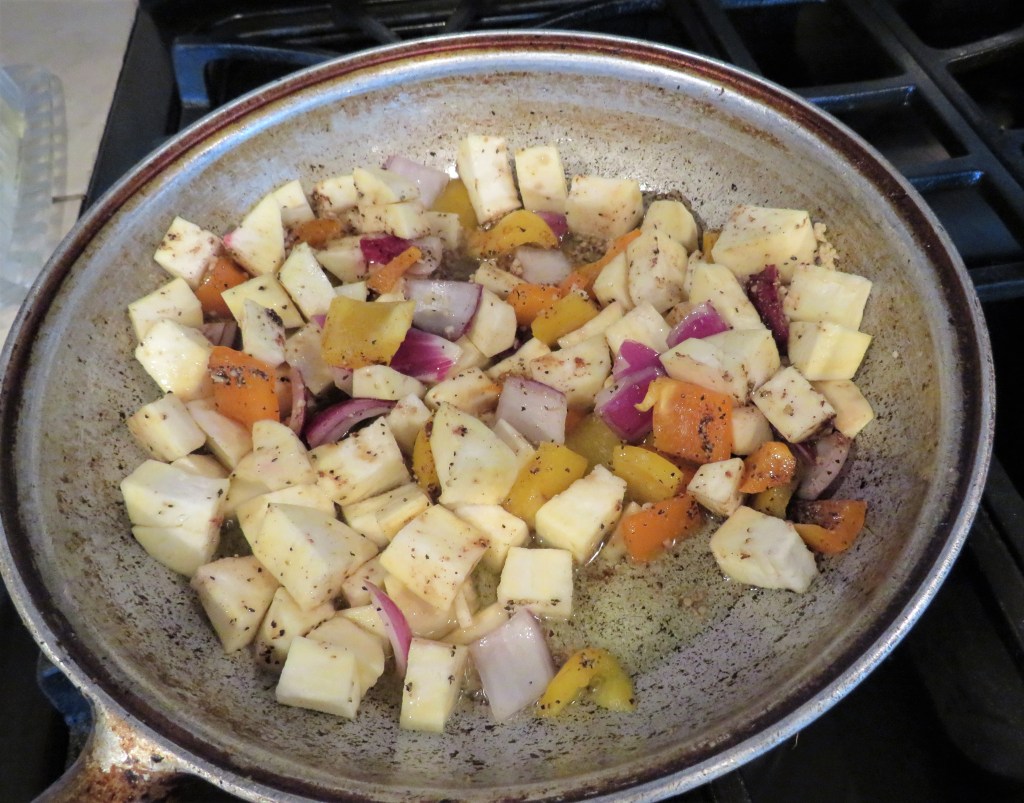
When I made my Jamaican jerk steak Jamaican Jerk Steak I also made some Caribbean style sweet potatoes to go along with it. They went with the steak very well and tasted great. As with anything, there is always a wide variety of recipes out there, and this is one of many possibilities. These are my own creation, based on our many trips to various parts of the Caribbean Islands.

Caribbean Style Sweet Potatoes

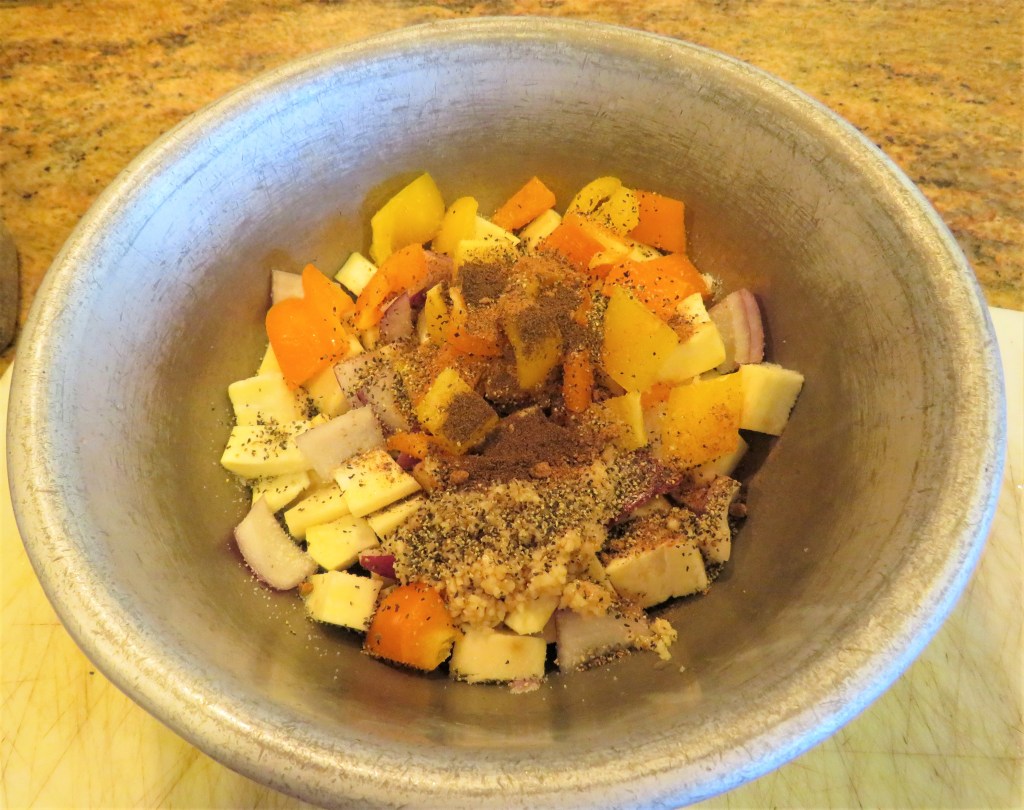
1-2 large sweet potatoes, rinsed, peeled and diced medium

1/2 red onion, diced medium

1/2 yellow bell pepper, 1/2 orange bell pepper and 1/2 red bell pepper, diced medium

1 TBSP garlic

1 tsp allspice

1/2 tsp nutmeg

salt & pepper to taste

olive oil and butter for cooking

Cook all the vegetables and seasonings together in a hot skillet with both olive oil and butter, stirring frequently. You can also use canola or vegetable oil if you prefer, and you won’t need the butter, since both of these oils have a higher smoke point than olive oil. Cook for about 10-15 minutes, or until the potatoes are soft and tender. If you want them a little crunchier, boil them first in water with about 1 TBSP of white vinegar for about 10 minutes at a rapid boil before pan frying them. And that’s it. All that is left to do is to plate them up next to your main meal attraction and enjoy.

Stay cool, stay safe and stay well Everyone. ‘Til next time.
Nature Walks – Summer Blooms

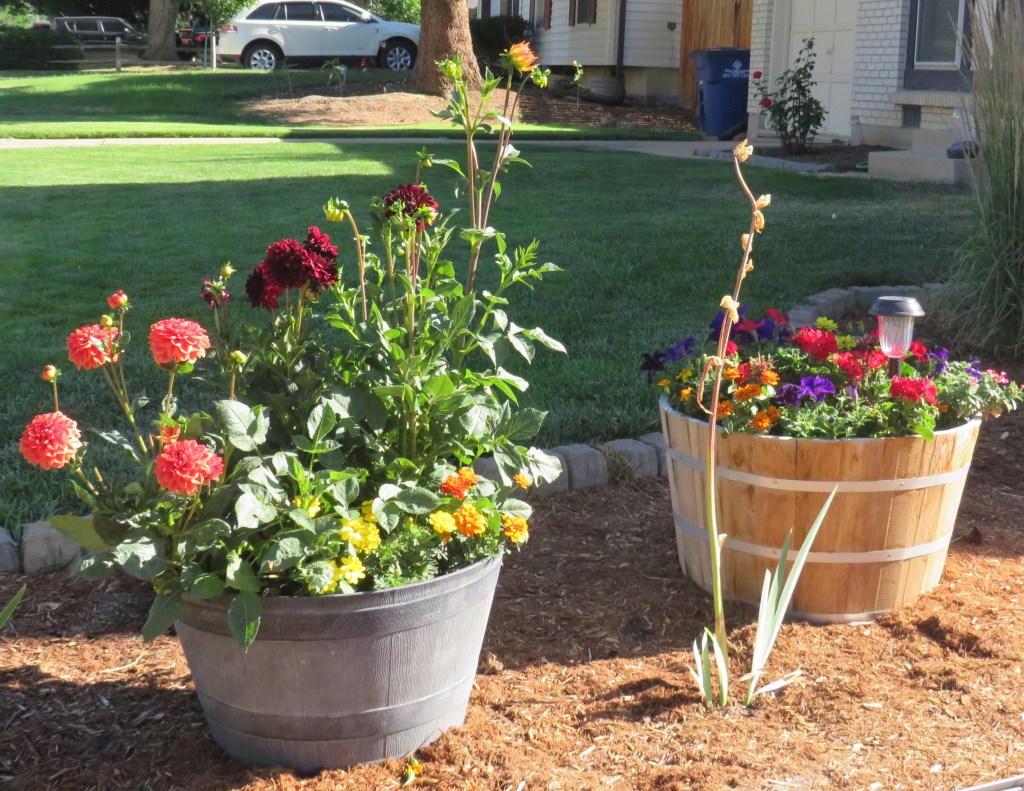
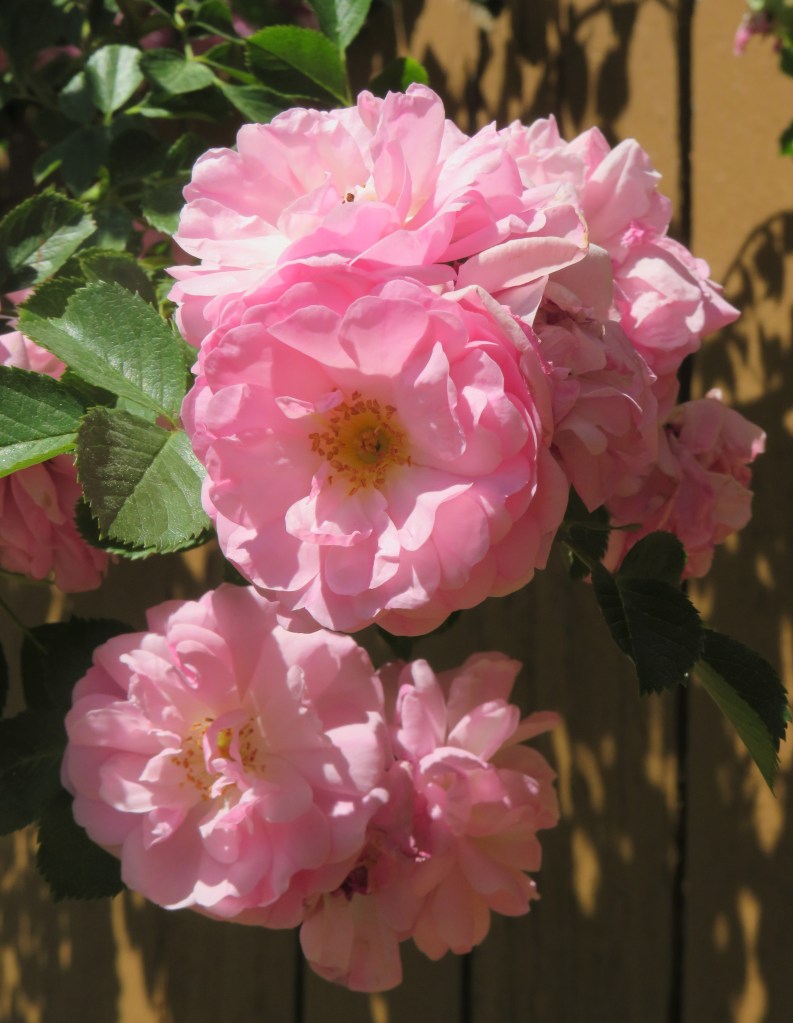
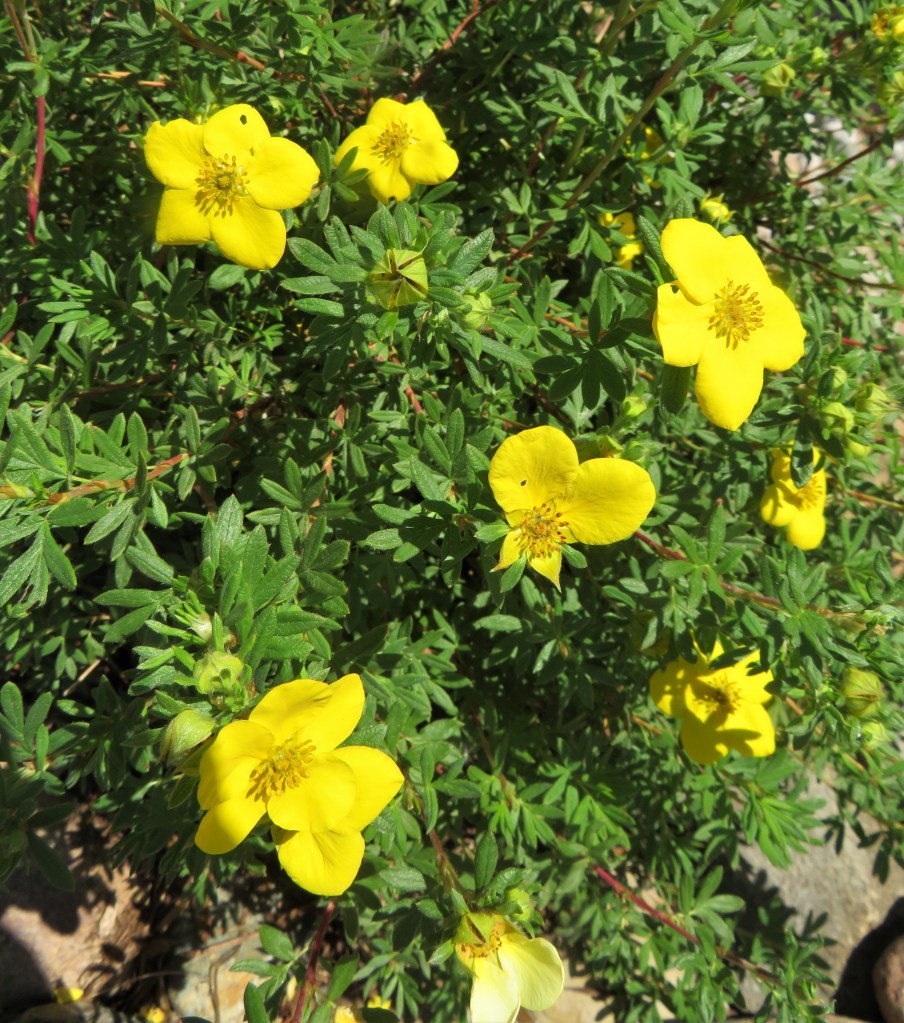
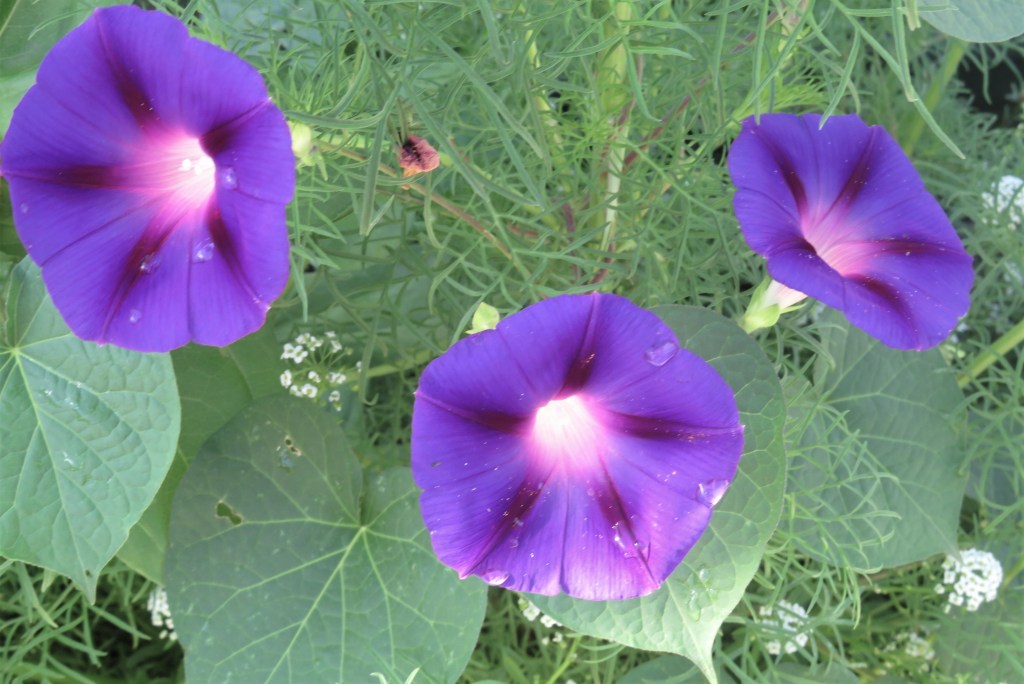
I have a lot of beautiful, brightly colored summer blooms to share. Our flowers are in all colors, shapes and sizes. They are all so welcoming. Flowers are just so friendly and inviting to everyone. I love flowers.

Seeing all the brightly colored flowers always puts me in a good mood and always brings a smile to my face. Brighten up your days, and take in all the flowers. Have a great, flowery day.

Jamaican Jerk Steak

Jerk seasoning is a type of seasoning and a style of cooking that is native to Jamaica, though it has spread all throughout the Caribbean, as well as to parts of Europe, Africa and the US as well. It is meat, usually chicken or pork, that has been either spiced with a a spicy dry rub or a spicy wet marinade. The word jerk comes from the Spanish word charqui, meaning dried meat. This transformed into the word jerk by the English. The art of jerking (or cooking with jerk spice) originated with Amerindians in Jamaica from the Arawak and Taíno tribes who intermingled with the Maroons, or the escaped African slaves who intermingled with the Taino Indians. The main ingredients for a jerk sauce or rub are allspice and hot peppers, anything else is up to your imagination. In the Caribbean, these peppers are known as scotch bonnet peppers, but you can also substitute any kind of spicy peppers such as jalapenos or habaneros too. This time I used some roasted Hatch chilies.

Allspice, or the Jamaican pepper, goes by other names as well, such as the myrtle pepper or pimenta or pimento. It comes from the dried unripe berry of the Pimenta Dioica or midcanopy tree that is found in many warm, tropical parts of the world and all throughout the Caribbean Islands. It became known as allspice in 1621 by the English, because of its combined flavors of cinnamon, nutmeg and cloves.

Just because jerk sauce or seasoning is primarily used for chicken or pork does not mean that it is only used for those meats. It is also very good on beef. I made a jerk steak for dinner, along with some Caribbean side dishes to get us in the mood for our upcoming trip to Bonaire.

Jamaican Jerk Steak

1 1/2-2 lbs chuck or skirt steak

4 small spicy chilies – I used some roasted hatch chilies this time

2 tsp allspice

1 tsp cinnamon

1/4 tsp nutmeg

1 1/2 tsp paprika

salt & black pepper to taste

4 green onions

2 TBSP apple cider vinegar

1 TBSP olive oil

Blend all the ingredients together in a food processor until they are well blended and form a paste. Then rub on the meat and allow to set for at least 3-4 hours in the refrigerator.

When the meat is ready, fire up the grill and get it nice and hot. Then place the meat on the grill and cook. Meats are almost ALWAYS grilled in the Caribbean. A nice, juicy medium rare is going to be best to both preserve the flavors and to keep the meat moist and juicy, and not dried out. We had a thick roast, so I actually seared the meat first to get a nice brown crust on all sides. As I was searing the meat, I was also pan-frying some Caribbean sweet potatoes and peppers (more on that later) as a side dish.

I never like to throw away food if I don’t need to, and this includes sauces and marinades too. I reused the marinade by heating it up in a skillet and then topped my steak with it.

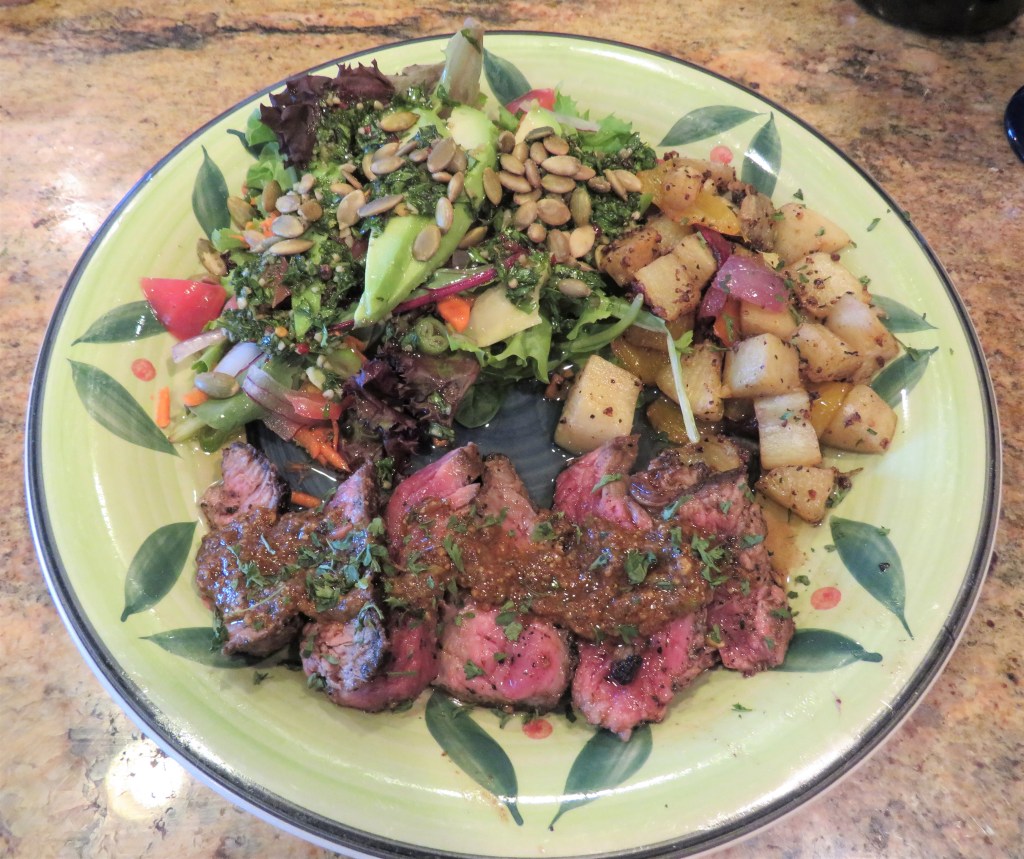
Our Caribbean dinner consisted of the Caribbean jerk steak, sweet potatoes and peppers and a light salad, finished with a very smooth and fruity pinot noir. This is just like what we get in the Caribbean, only we just brought the Caribbean to Colorado this time.

Stay cool, stay safe and stay well Everyone. ‘Til next time.