Our Trip To Cabo – #6

We were down in the Cabo area for one week. Most of my trip was happily underwater, either in Cabo and the dive sites around the area, or Gordo Banks, which was based out of San Jose Cabo, about 30 minutes northeast of Cabo San Lucas. This unparalleled dive site is rich with incredible and abundant wildlife. What a unique experience to dive at Gordo Banks with schooling hammerheads, hound sharks, school of jack, rays and other pelagic life, at least in theory. There are no guarantees in nature and shark sightings are dependent on water clarity, the depth where they choose to swim, currents, moon cycle and other things we can’t control.  The banks are between 110-150ft deep (33-45meters), so this dive is only for advanced divers who are comfortable descending into the blue. 

I went here for a couple of deep water dives, in hopes of seeing lots of hammerheads sharks and/or lots of mobulas, or devil rays. Larry did not go on this dive with me. I did see both, scalloped hammerheads and mobulas, but only a couple of each. But, it is nature, and these wild creatures follow their own rules and their own agendas. Sometimes they are cooperative, and sometimes not so much. I caught them at a time when they we not so cooperative and decided to do something else at another location. One of the guys I was diving with went back a couple of days later though, and he saw a large school of hammerheads. Go figure. :)

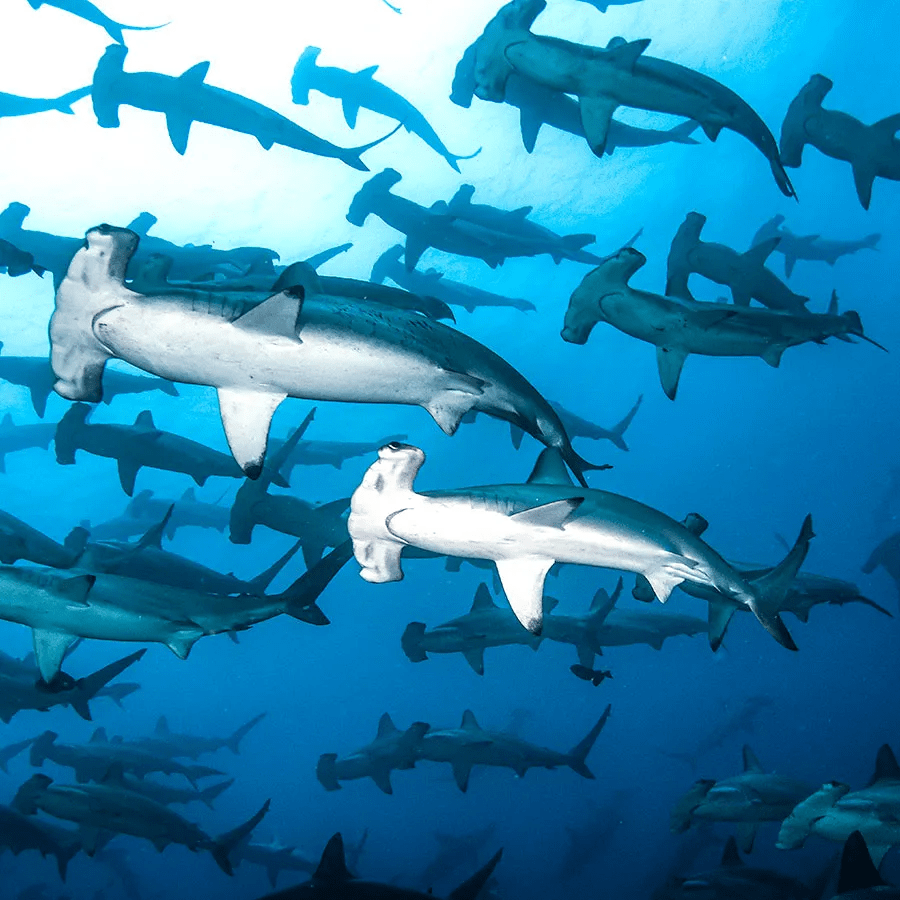
Scalloped hammerhead sharks are moderately large sharks with a global distribution. The most distinguishing characteristic of this shark is its “hammer-shaped” head. They are not known for being aggressive towards humans. Their main sources of food are sting rays or eagle rays. 

Instead of seeing this large school though,
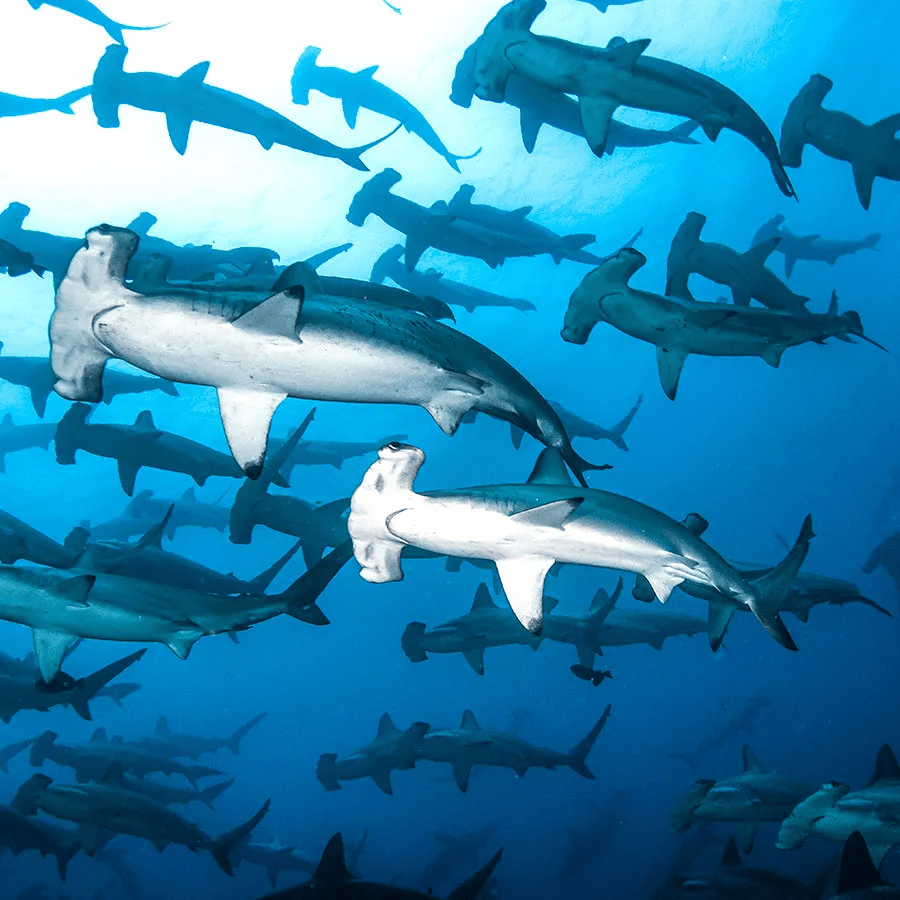
I only saw 2, but the water was very murky, not clear like this picture, and they were down at least 150-160 feet. We went down to 130 feet, which is the limit for recreational divers (though I have pushed the envelope a few times), and they were far below us still. Two, however, is more more than I have previously seen. I saw my first hammerhead in Belize a couple of years ago. So I doubled my sightings this trip. 
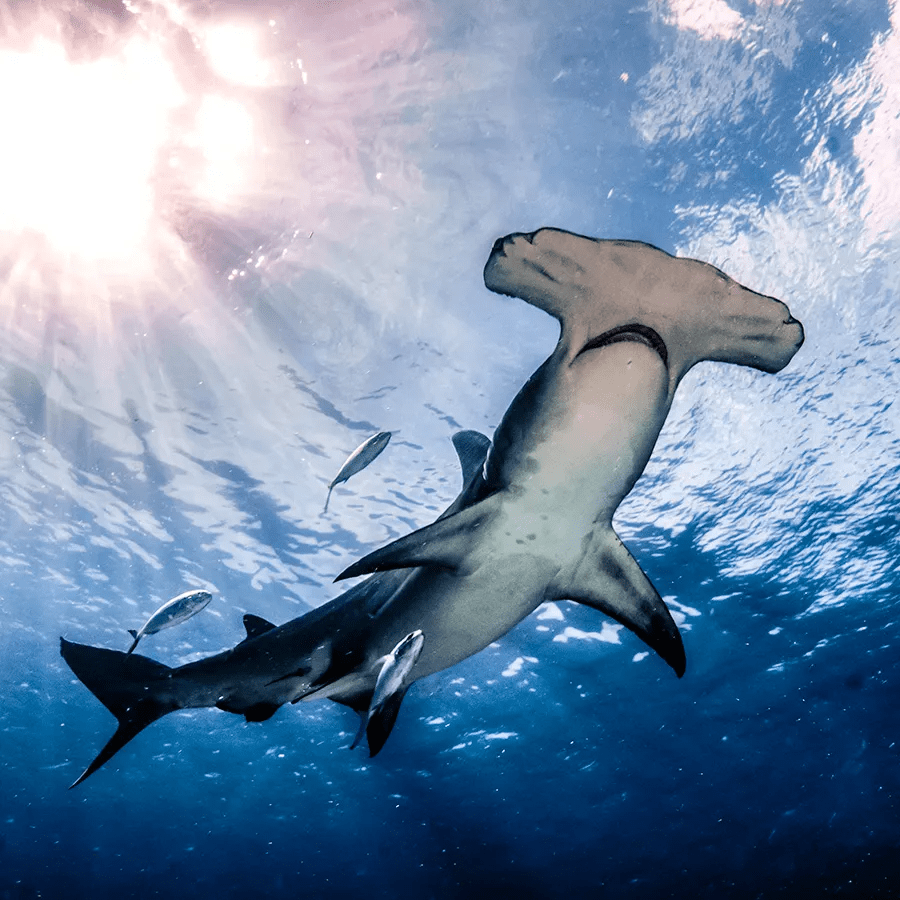
This was our first tank. After seeing the 2 hammerheads, we saw A LOT of nothing but BLUE all around us, in every direction for the rest of the dive.

For our 2nd tank, we ventured into the big blue once again. We saw a couple of mobulas early on, and then again, nothing but BLUE for the rest of the dive, once more. 

Mobula is a genus of rays in the family “Mobulidae” that is found worldwide in tropical and warm, temperate seas. Some authorities consider this to be a subfamily of the eagle rays. Their appearance is similar to that of manta rays, which are in the same family, and based on genetic evidence, the mantas belong in Mobula. Species of this genus are often collectively referred to as “devil rays”, “flying mobula”, or simply “flying rays”, due to their propensity for breaching, sometimes in a spectacular manner. These rays gather in groups and leap out of the surface into the air up to around two meters before splashing back into the water. Depending on the species, the devil rays can attain widths up to 1.1–5.2 m (3.6–17.1 ft), the largest being second only to the manta rays in size, which can reach 5.5–7.0 m (18.0–23.0 ft).[3] Despite their size, little is known about the devil rays, much of it anecdotal; the manta rays are better known. Most species entirely lack a tail stinger. In most species having a stinger, it is encased, rendering it harmless.
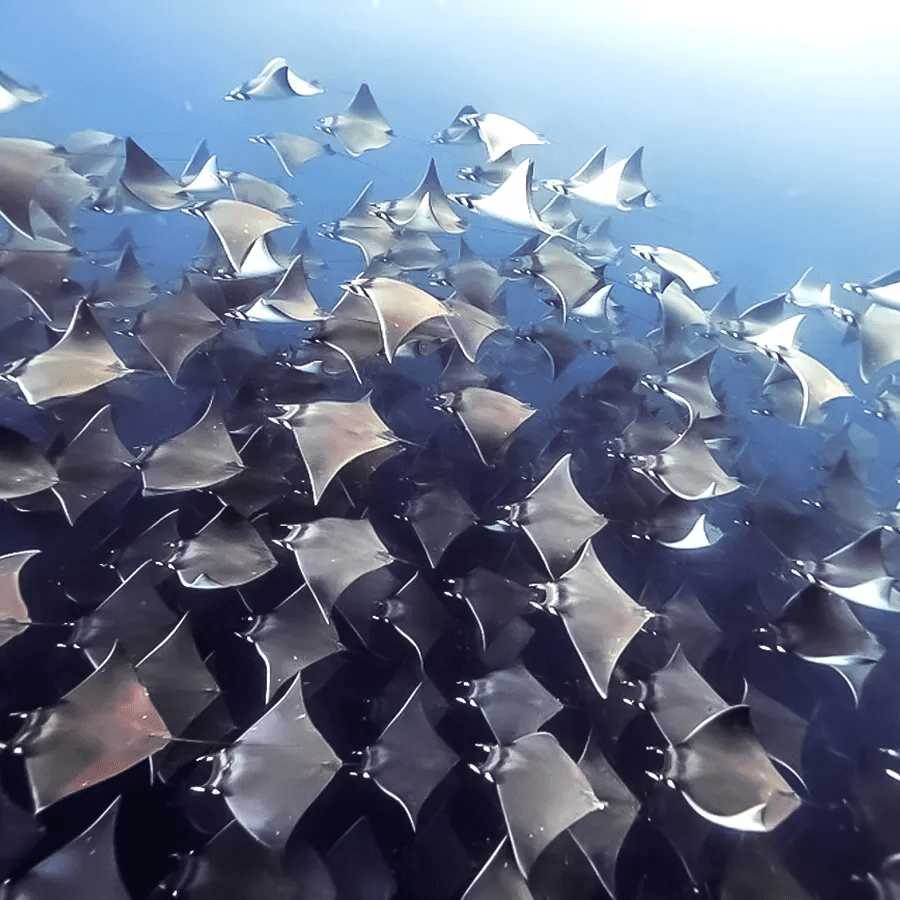
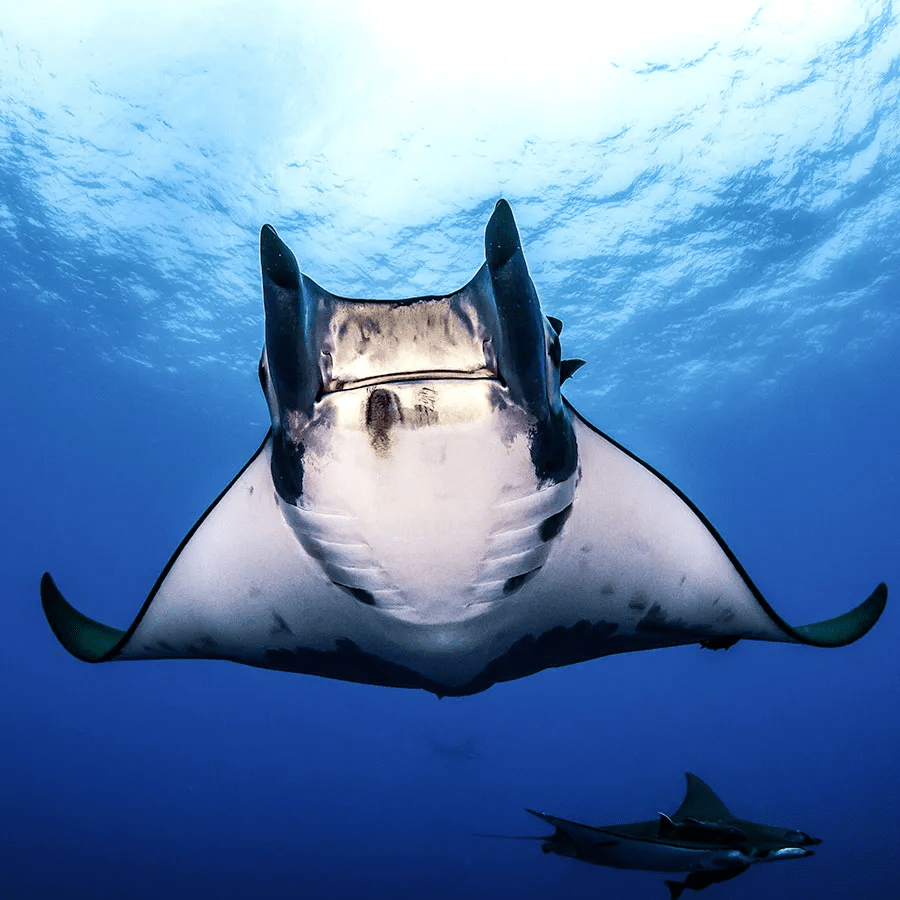
Diving in the BIG BLUE can be scary and disorienting. It is imperative to be VERY comfortable in the water, and at deep depths. Diving like this IS NOT for everyone, and most definitely NOT for beginners. We all had to pass a test of sorts before being allowed to go out on these dives. When we were diving on the first day, our divemaster was rating and studying us, to determine whether or not we were able to do the blue, deep dives. Needless to say, I passed with flying colors. :)

On the way out to the dive sites though, we had quite a spectacular show from the humpback whales. We saw so many. The males were out further from the coast,
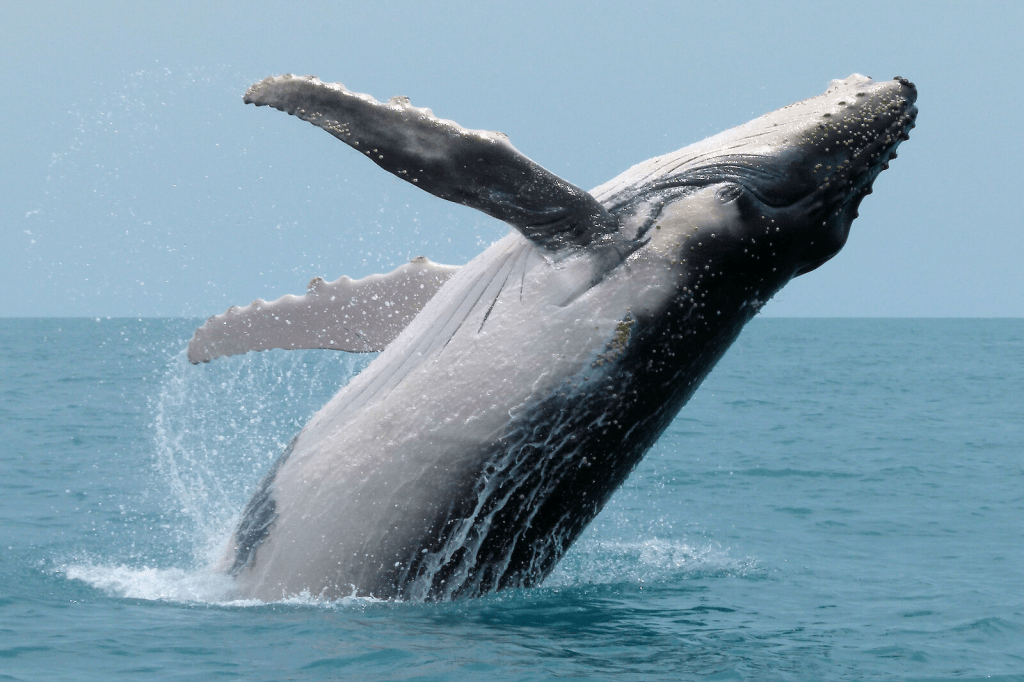
and the females with their calves were close to the shore.
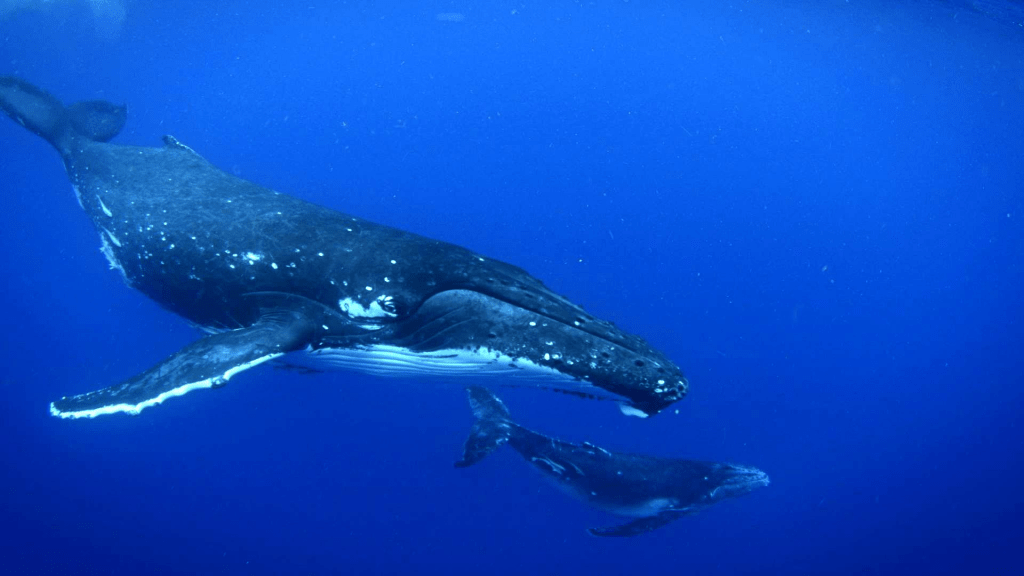
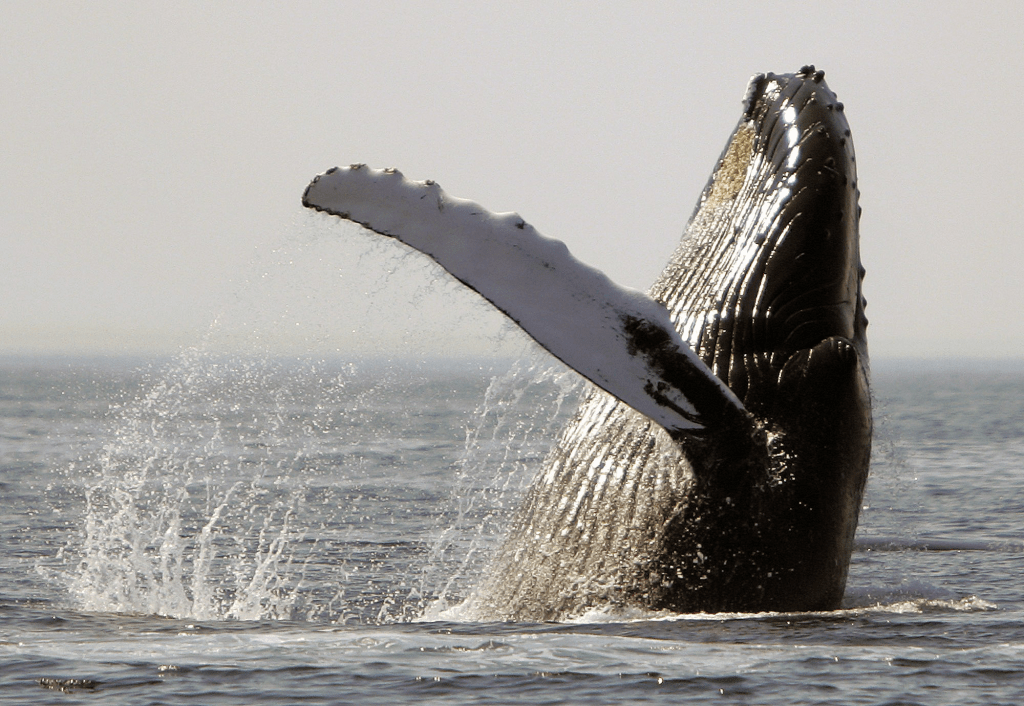
We did catch sight of at least one humpback’s pectoral fin while we were diving, but he was off in the distance, and we really weren’t sure if we had seen it or not until we saw the photos after. We could definitely hear them singing and clicking though all throughout our 2nd dive, so we know they were much closer than we could see.

Though the water was very murky, and visibility was only about 10-20 feet, they were still good dives indeed. I am very glad I was able to have these diving experiences. In my book, there is NO such thing as a bad dive, but many can be challenging, learning experiences. 

I am ALWAYS happiest when I am in the water, diving especially. The water is most definitely my happy place. Find your happy place and do the things that make you happy. Have a great day and make everyday great. Stay safe and stay well. ’Til next time.
Our Trip To Cabo #5 –

We love to explore all parts, and as much of the areas as we can, when we visit a new place. We walk all over. We take in as many of the sights as we can. We see and and experience as much as possible and we try all kinds of restaurants. When we are in a seaside town or area, we tend to eat a lot of fresh seafood, as well as other local foods. That is all part of the trip experience, right?! :)

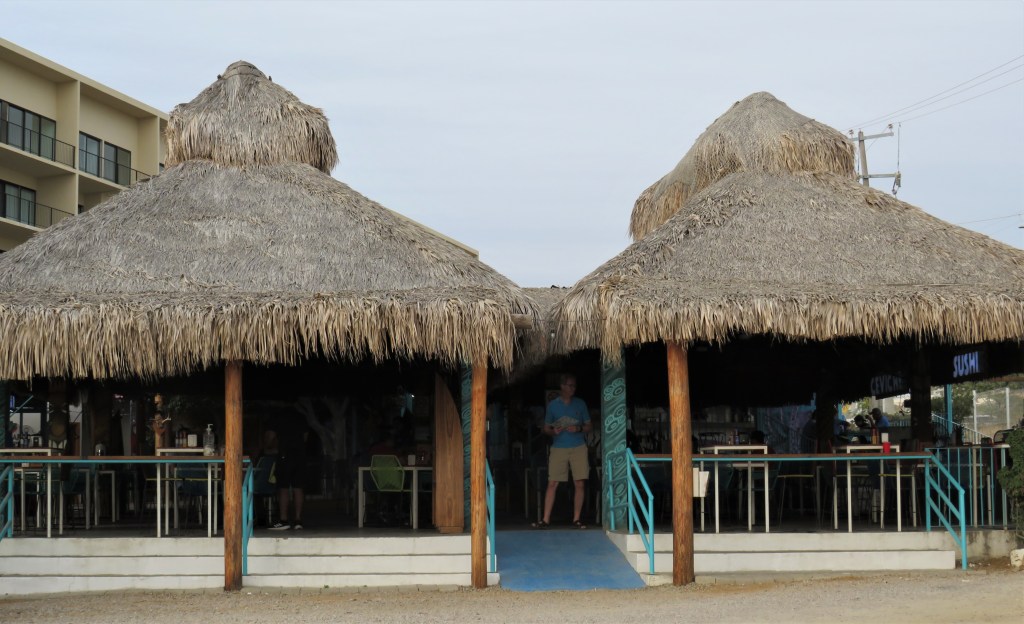
For our second night in Cabo, we chose a little restaurant that was slightly outside of the main tourist area. We are not really into the tourist areas or scenes. We prefer going off the beaten path a bit.

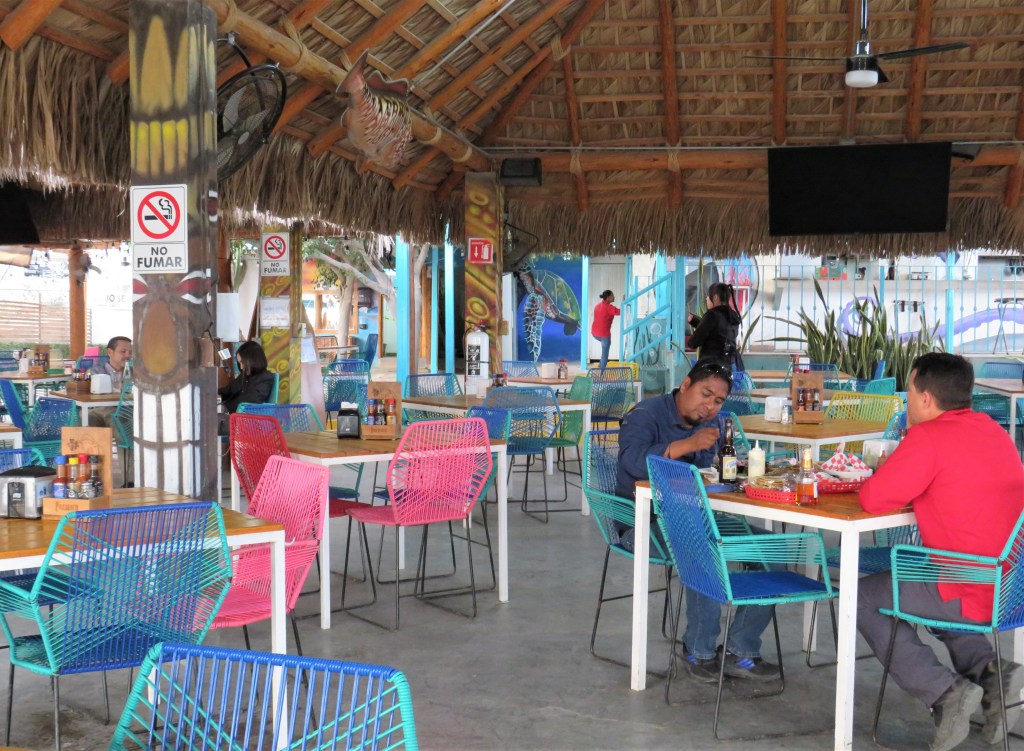
The vibe was very casual, friendly and relaxed, as with all the other local restaurants we visited. It also featured influences from the sea, as well as other traditional Mexican influences.

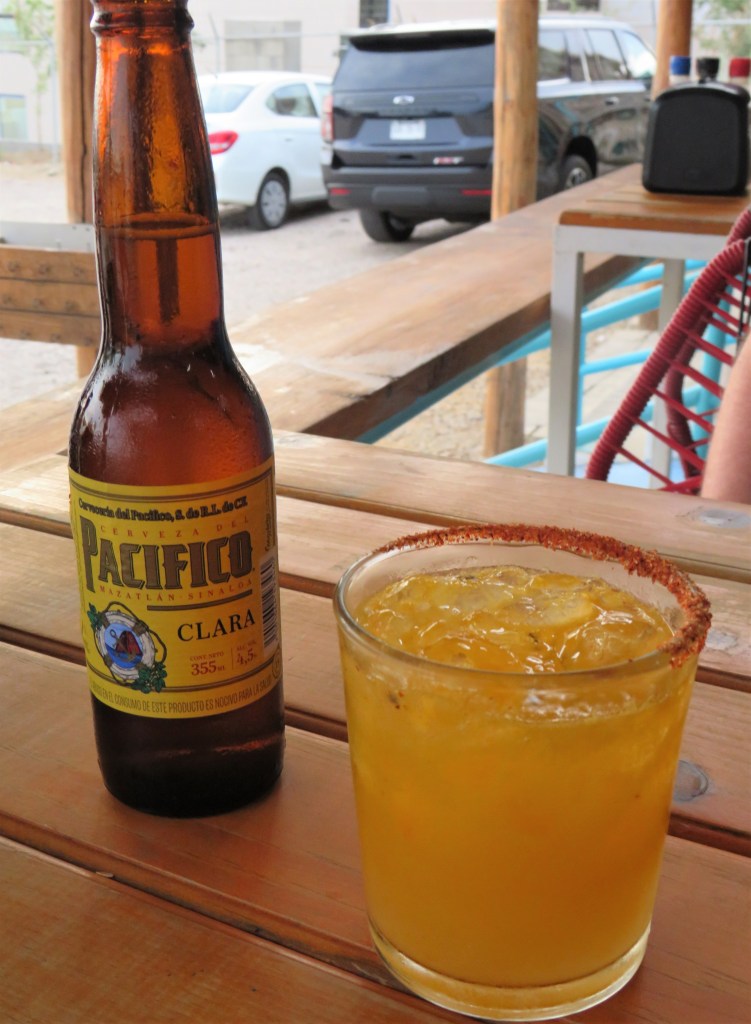
We relaxed to a Pacifico beer for Larry and a refreshing mango margarita for me.

Once we ordered, and were waiting for our food to arrive, I set about taking pictures of the restaurant, like I always do.

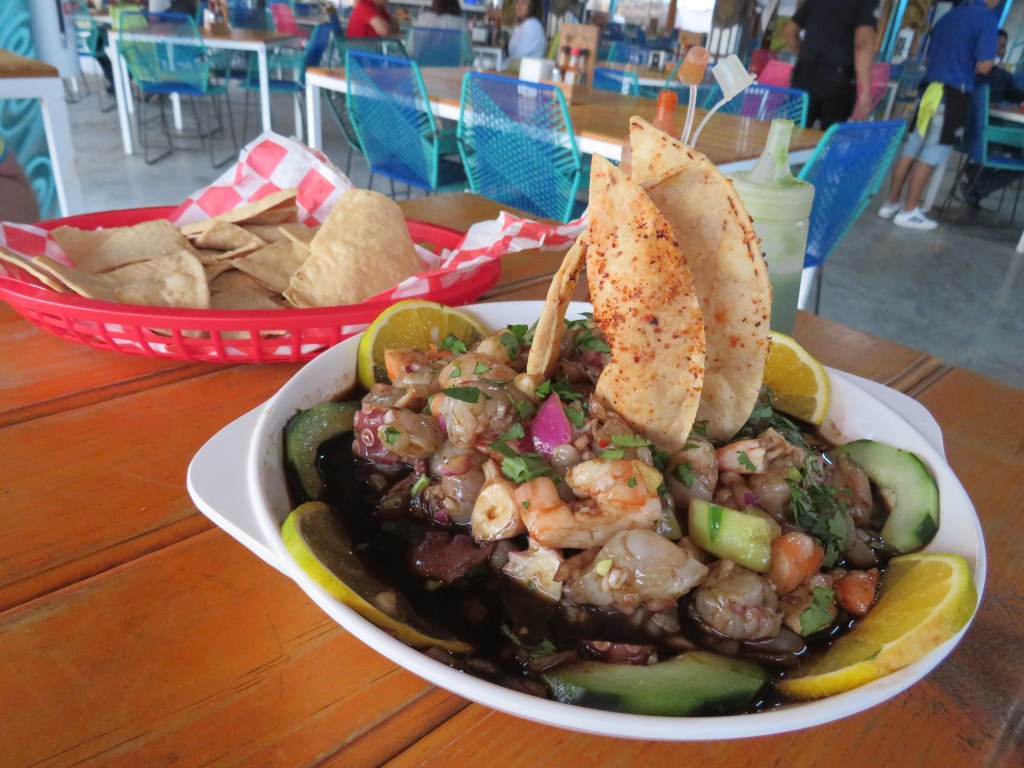
By the time I had finished my little photo exploration, our food was coming to our table. We started off with a black ceviche, which was a combination of seafood in a soy sauce base. This was a new variation of ceviche for us, but it was very good.

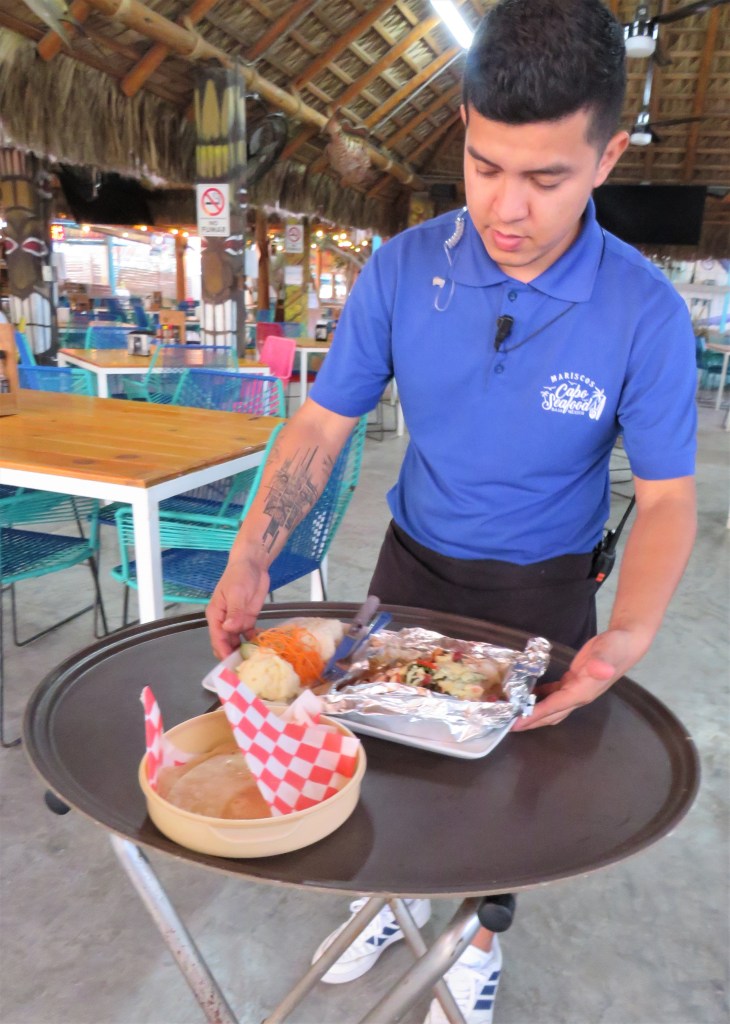
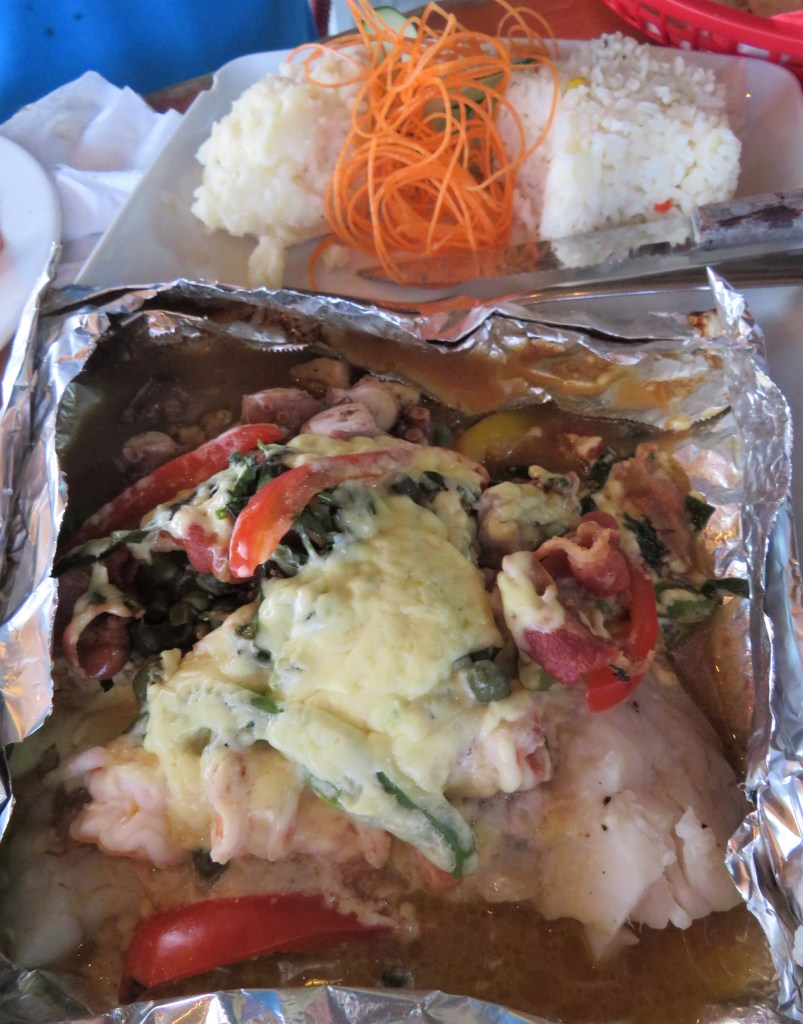
We also ordered a stuffed seabass that we shared as well. The presentation was beautiful and I had to capture our waiter preparing it for us too. Everything was delicious or Todo estuvo delicioso!

Even though we tend to share meals, especially while on vacation, we still could not finish everything. Fortunately our room had a kitchen with a refrigerator. We took what was leftover back to our room, and Larry had it for lunch another day. We actually did this a few times. Having a kitchen and a refrigerator in the room definitely helps cut down on food costs. Though I ABSOUTELY refuse to cook while on vacation, I don’t mind eating leftovers. A large part of the travel experience, at least for me, is to also experience the local foods, and that we do too. :)

Have a great day and make everyday great. Stay safe and stay well. ’Til next time.
Our Trip To Cabo #4

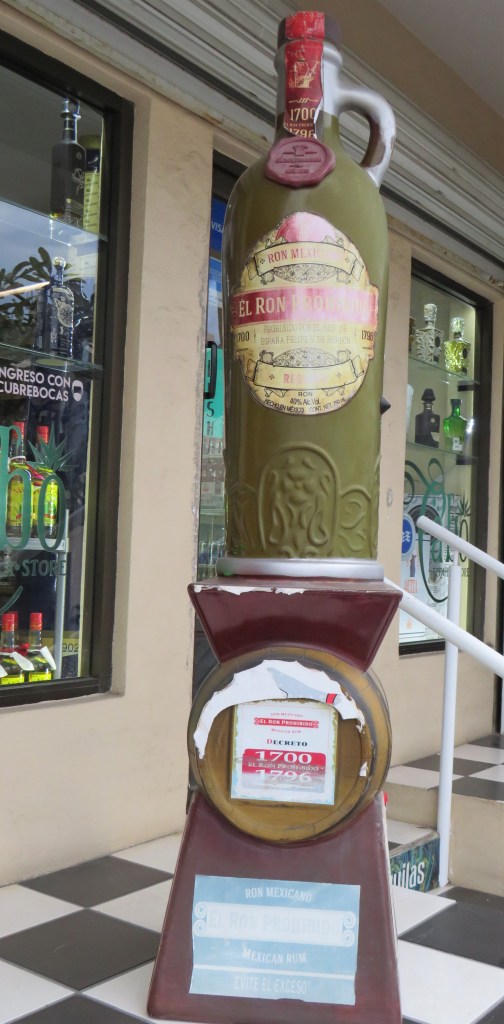
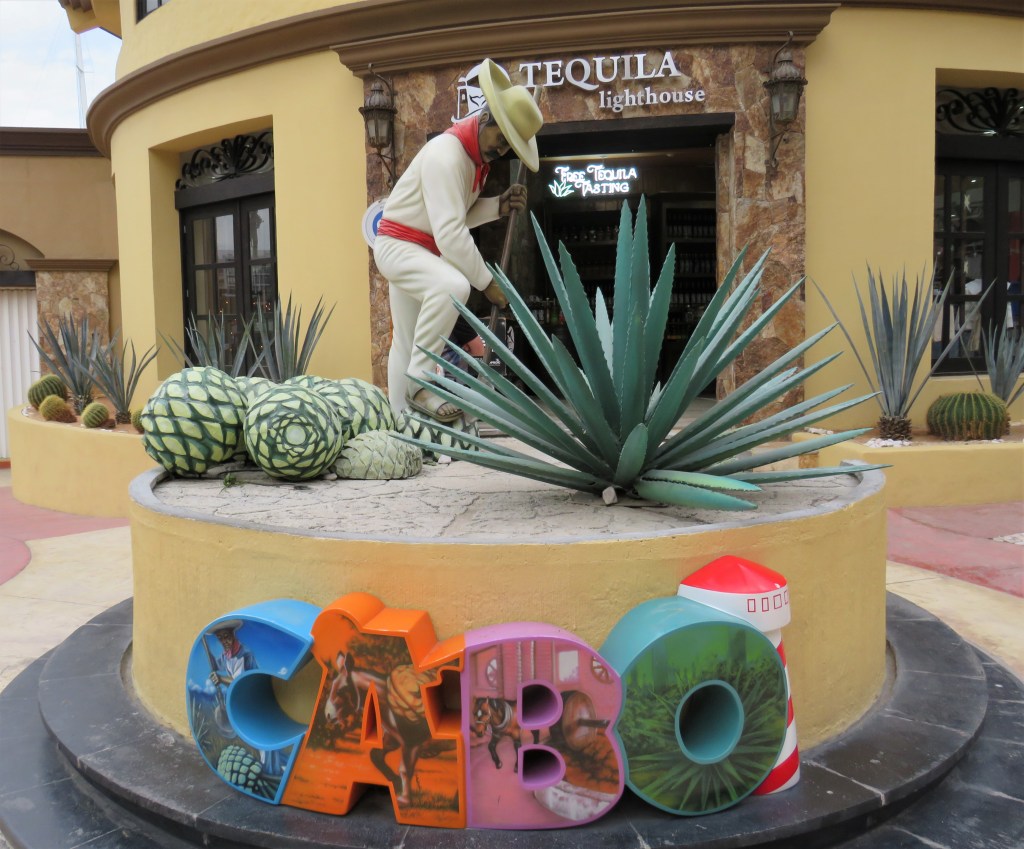
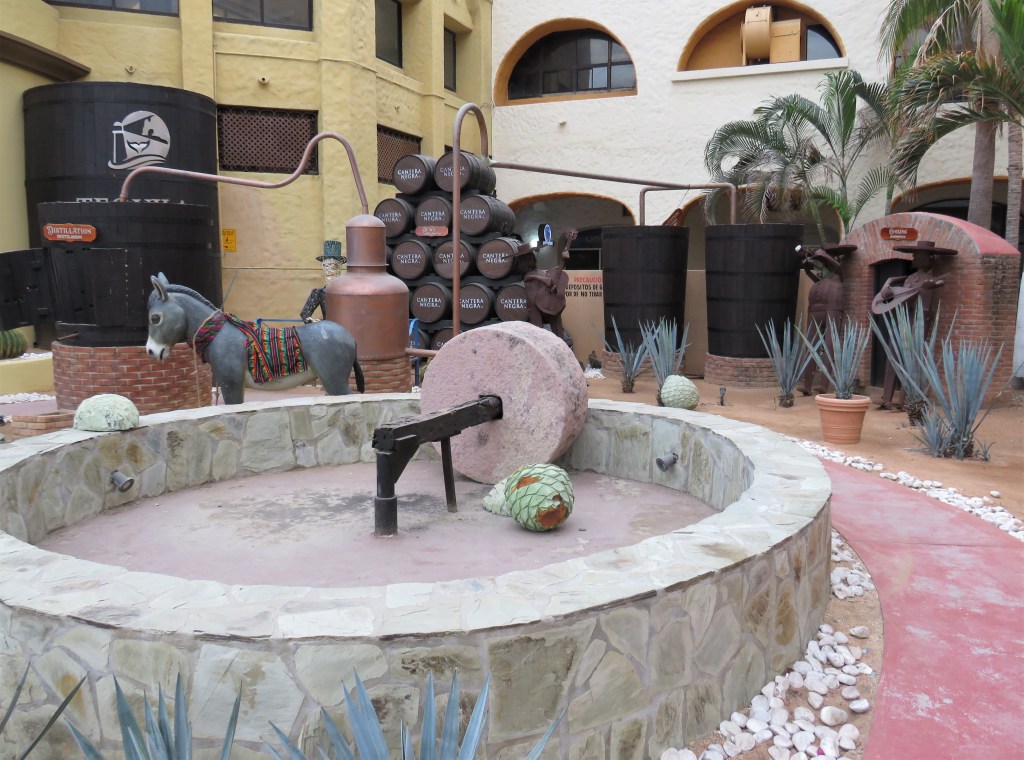
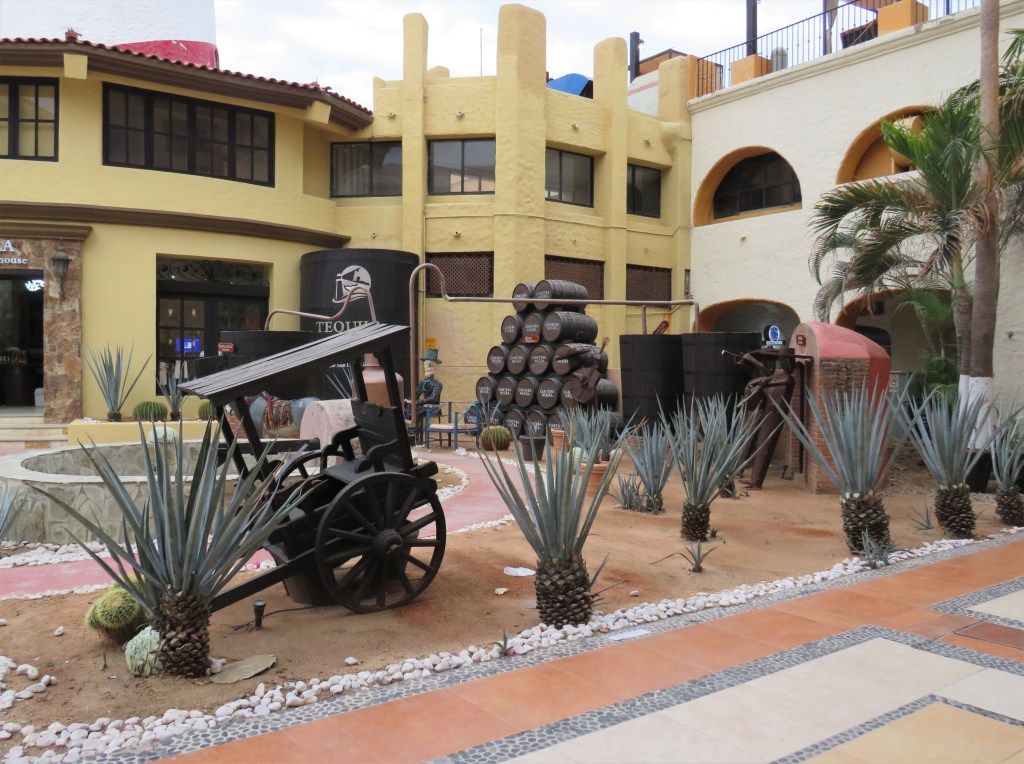
Tequila is a big industry all over Mexico. It has been a part of the Mexican history and culture since before the time of the Aztecs. They used it in their religious rituals. Tequila first came into existence between 250-300 A.D. when the Aztec Indians produced a fermented juice of the agave for their ceremonial wine, ‘plaque’. This liquid was very important to Aztec culture as they worshipped two Gods – Mayahuel (the goddess of the Maguey) and her husband Patecatl, the god of pulque. But tequila, as we know it today, didn’t take place until the arrival of the Spaniards. The Spaniards distilled the agave plants with the same techniques they used for distilling brandy and wine. And from there, tequila grew into the very popular drink it has become today, the world over.

The red volcanic soils in the region of Tequila are well suited for growing the blue agave, and more than 300 million plants are harvested there each year.[1] Agave grows differently depending on the region. Blue agaves grown in the highlands Los Altos region are larger and sweeter in aroma and taste. Agaves harvested in the valley region have a more herbaceous fragrance and flavor. You will find tequila tributes all over Mexico.

Don Pedro Sánchez de Tagle is considered the first person to produce tequila. In 1595, King Philip II of Spain banned the planting of new vineyards in Mexico and other Spanish colonies due to the decline of wine trade with Spain. The main reason behind this is because Mexico is self-sufficient in producing its own wines. The king did this to maintain the market for Spanish products in the New World, and reap the taxes on wine exports. The Marquis of Altamira grabbed the opportunity of the neglected blue agave plants. He built his first Tequila factory in his Hacienda Cuisillos, one of the largest haciendas during that time and amassed a great fortune. The Marquis is now known today as the “Father of Tequila”. Don Pedro also served as the Prior of the Consulado, which is the head of the largest corporation in Mexico.

In 1758, the Cuervo family began distilling tequila and in 1873, the Sauza family followed. If these names don’t sound familiar to you they should—both Cuervo and Sauza are still some of the most popular brand names on the market. Don Cenobio Sauza is also said to have been the one to identify blue agave as the best option for making tequila. Today, in order to be classified as tequila, it must be made from blue agave specifically. It’s at this point in history that the tequila being produced actually began resembling the tequila available now.

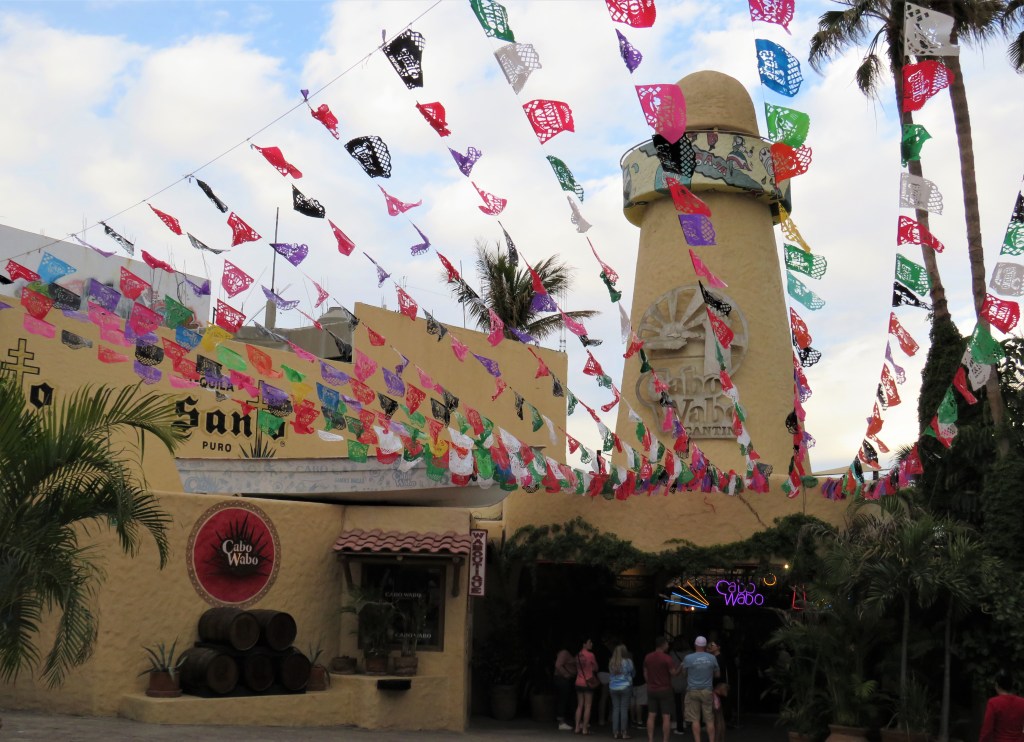
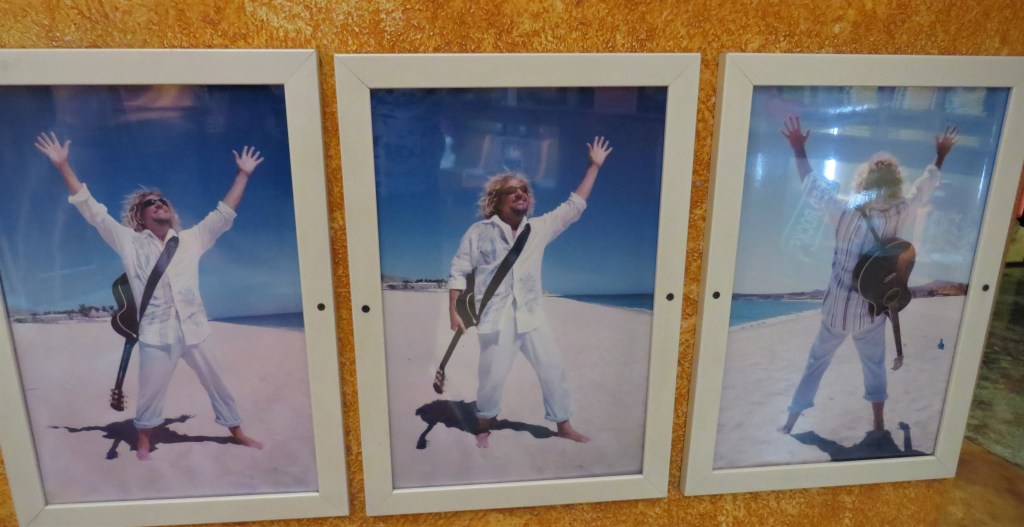
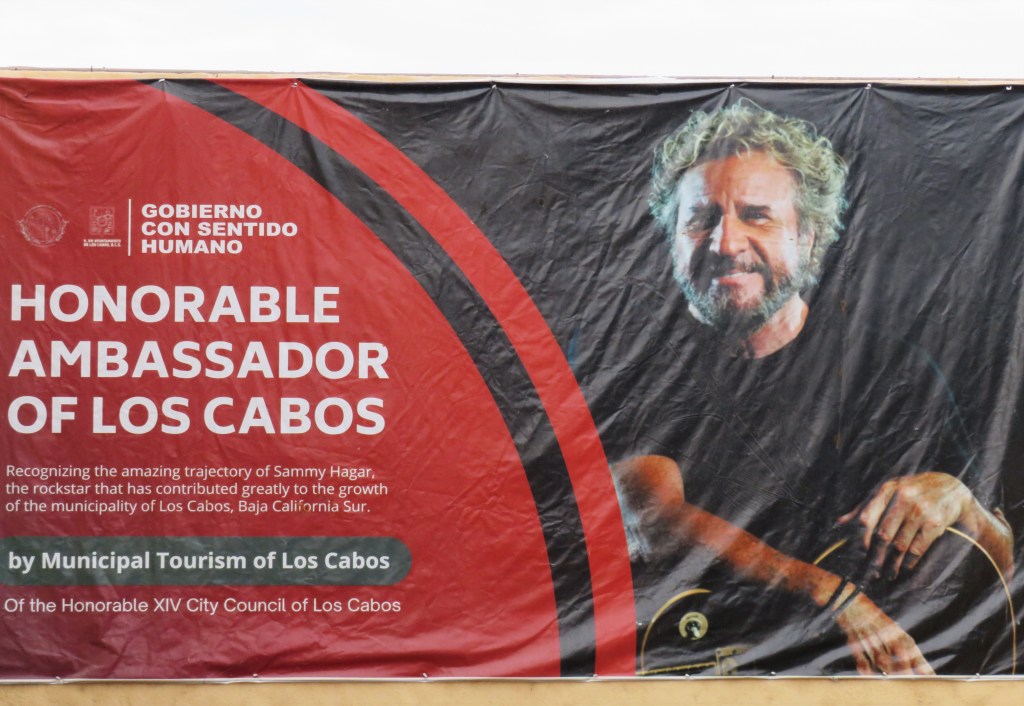
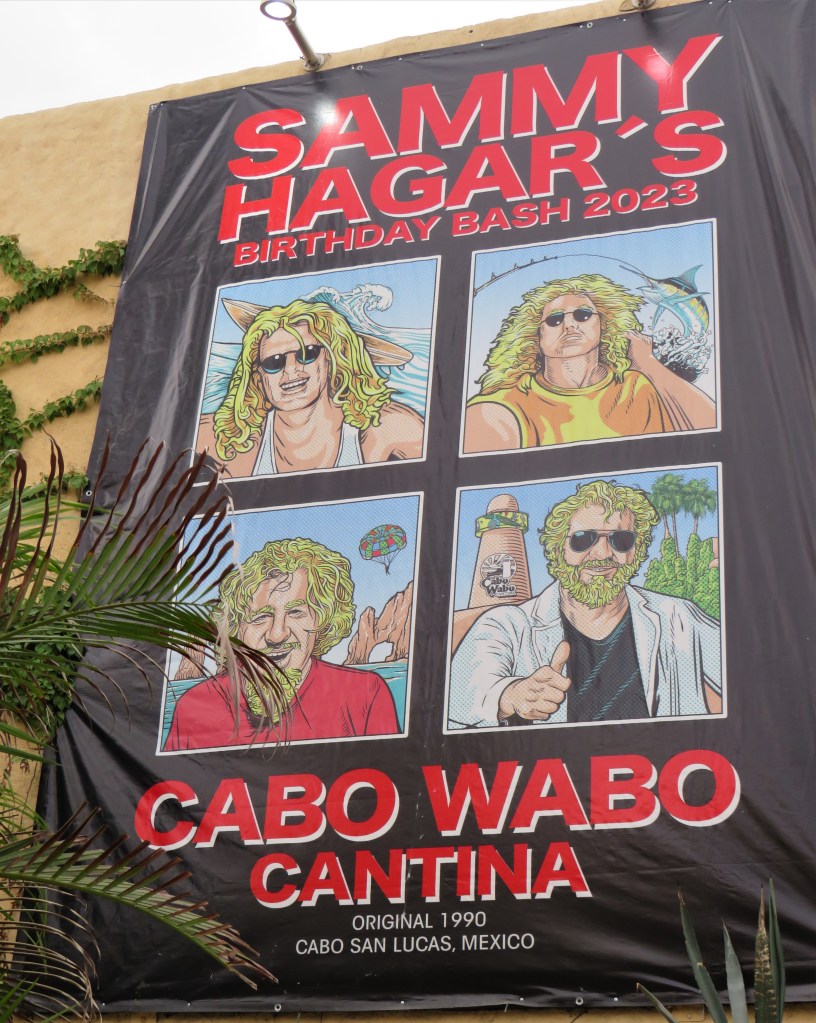
Today the tequila industry is booming. And many celebrities have also decided to join the tequila making industry. In Cabo San Lucas, the Red Rocker himself, Sammy Hagar, has made his brand of Cabo Wabo Tequila a multi-million dollar business. He even owns a club by the same name that is always rockin’. He has been honored and distinguished by the people of Cabo for all that he has done to promote their town. Sammy Hagar is Cabo’s most famous, and probably their most loved resident.

I love Sammy Hagar. I am a big Van Halen fan, but an even bigger “Van Hagar” fan. When Sammy joined Van Halen, he took the band to even higher levels than where they were before. We visited Cabo Wabo’s gift shop, but we didn’t eat there or listen to the band that was playing. It was like an hour’s wait, so we decided to dine elsewhere instead. 

Rock on everyone. Sammy Hagar and his Cabo Wabo will definitely help put you in the mood. Stay safe and stay well. ’Til next time.
Our Trip To Cabo – #3

I was happily underwater for most of my trip to Cabo, though I did have some time on dry land to take in the sights above water too. I did not do any night dives this time, so we were free to go off and explore in the afternoons and evenings. Cabo, as I also mentioned before, is influenced by both the sea and the desert as it is surrounded by both. Cabo is definitely a place where the desert meets the sea. Our Trip To Cabo – Day #

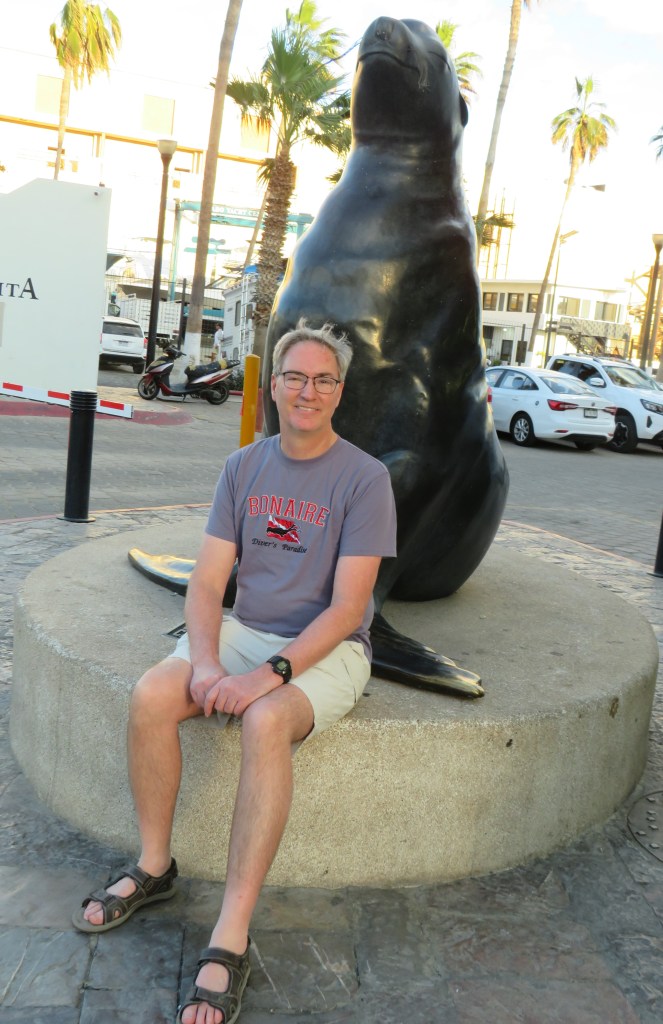
I did not see any seahorses this time, but we saw plenty of sea lions and humpback whales. 

It is calving season and the humpbacks were all over. The mommas and their calves were close to the shore, and the adolescent males were out in deeper waters, further away from the shore. It was so cool to actually be able to hear them “talking and clicking” underwater too. :)

These guys are waiting for all the fisherman to get back, and are hoping for some handouts.

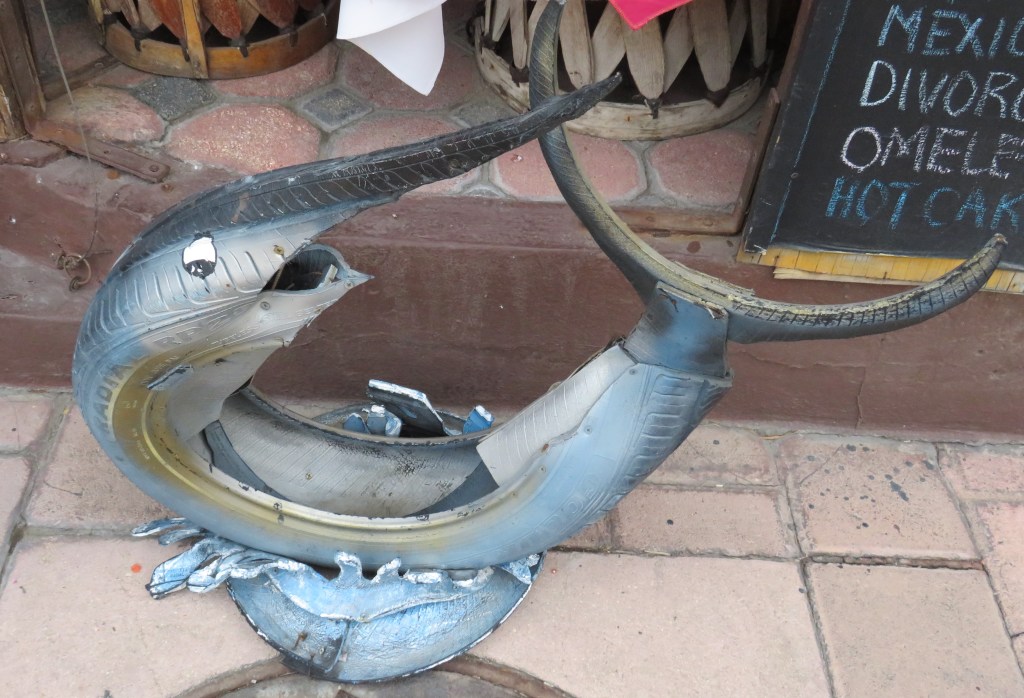
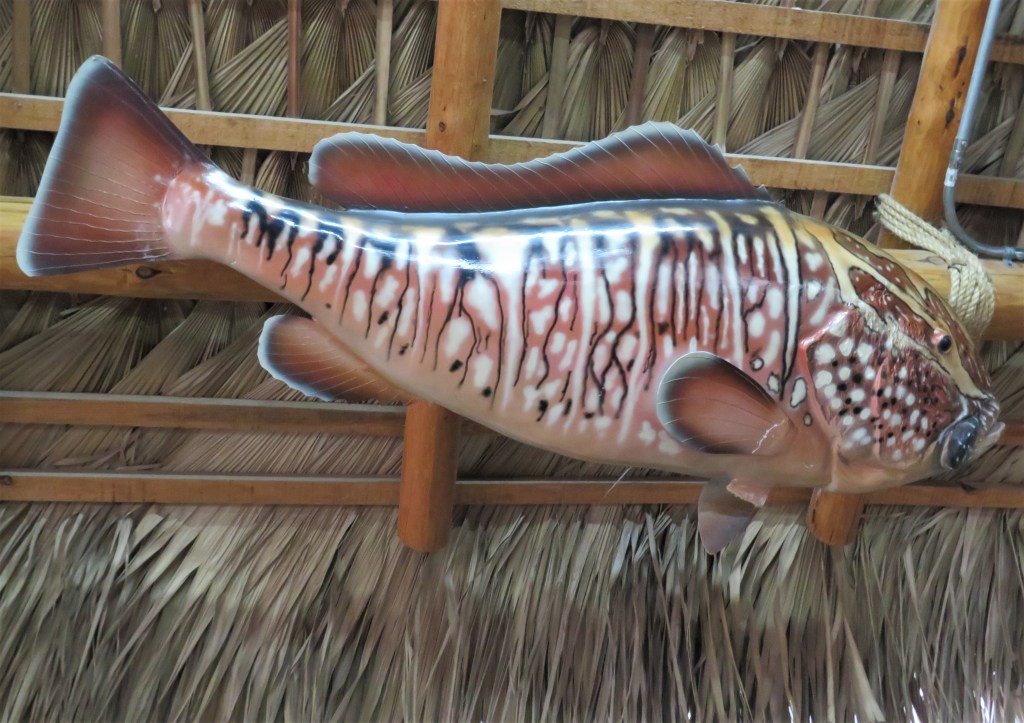
I love this. Some very creative person created this marlin out of an old tire.

These very creative creatures were also made from old recycled bits and pieces of metal. We saw an octopus and some turtles on our dives, but no owls.

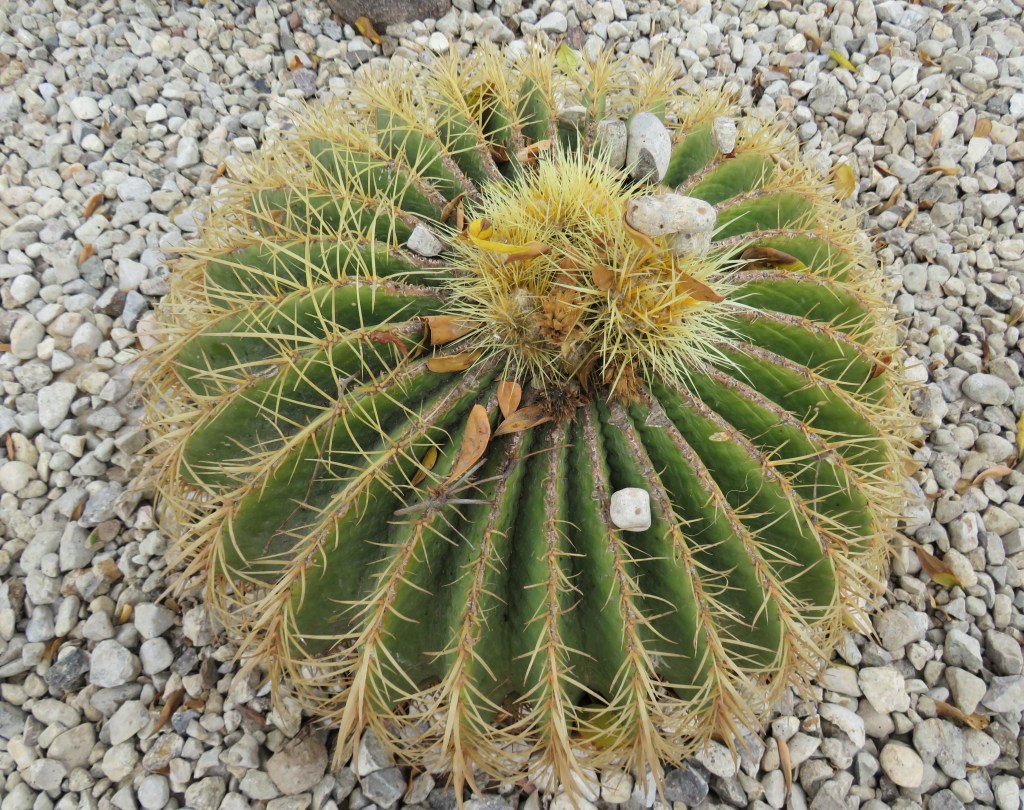
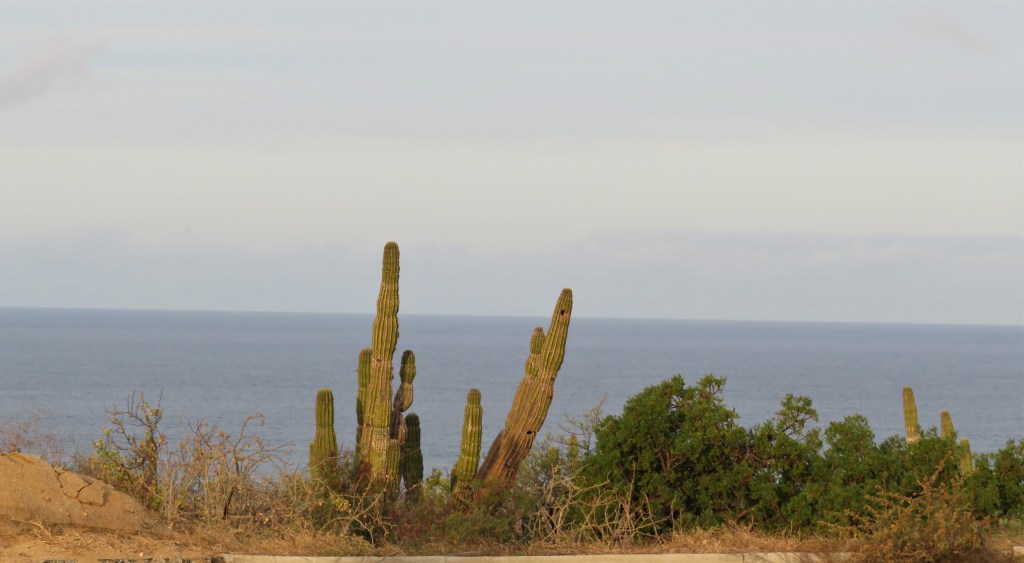
A wide variety of cacti and succulents were all over.

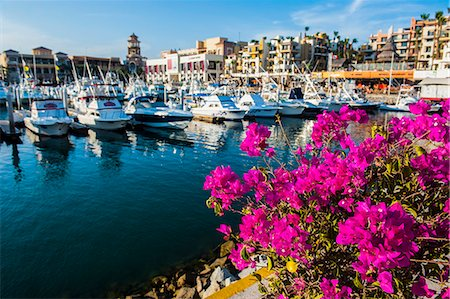
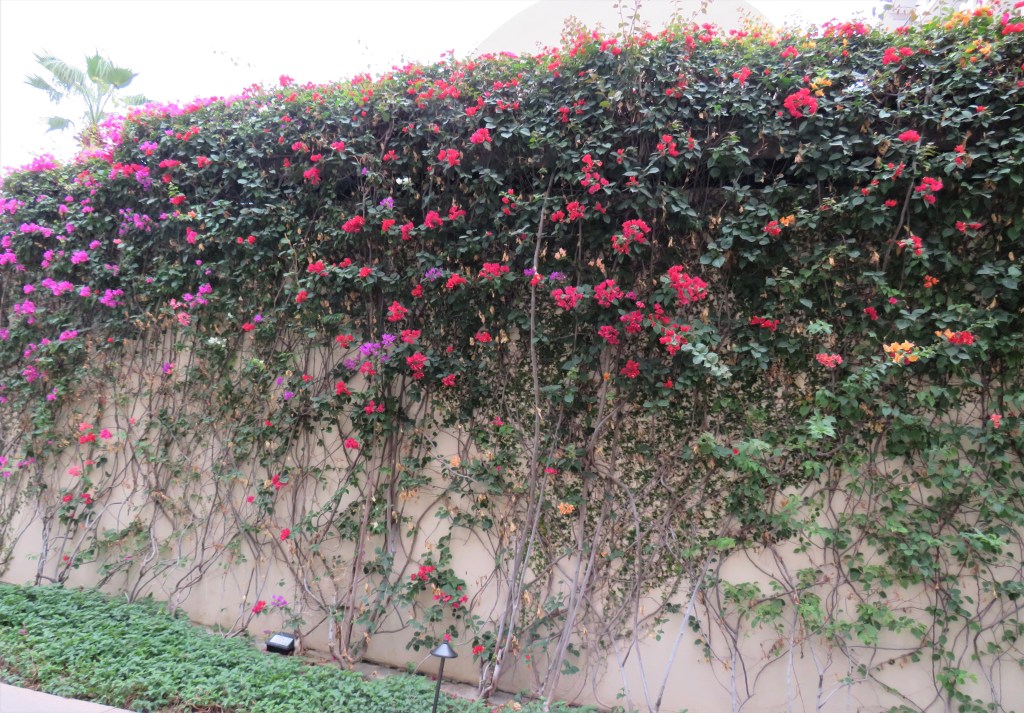
And brightly colored bougainvillea, of all colors, were the most popular flowers around. They too were everywhere. They were so beautiful. We see bougainvillea all over the tropics, but these were some of the most beautiful, lush bougainvillea plants I have ever seen. 

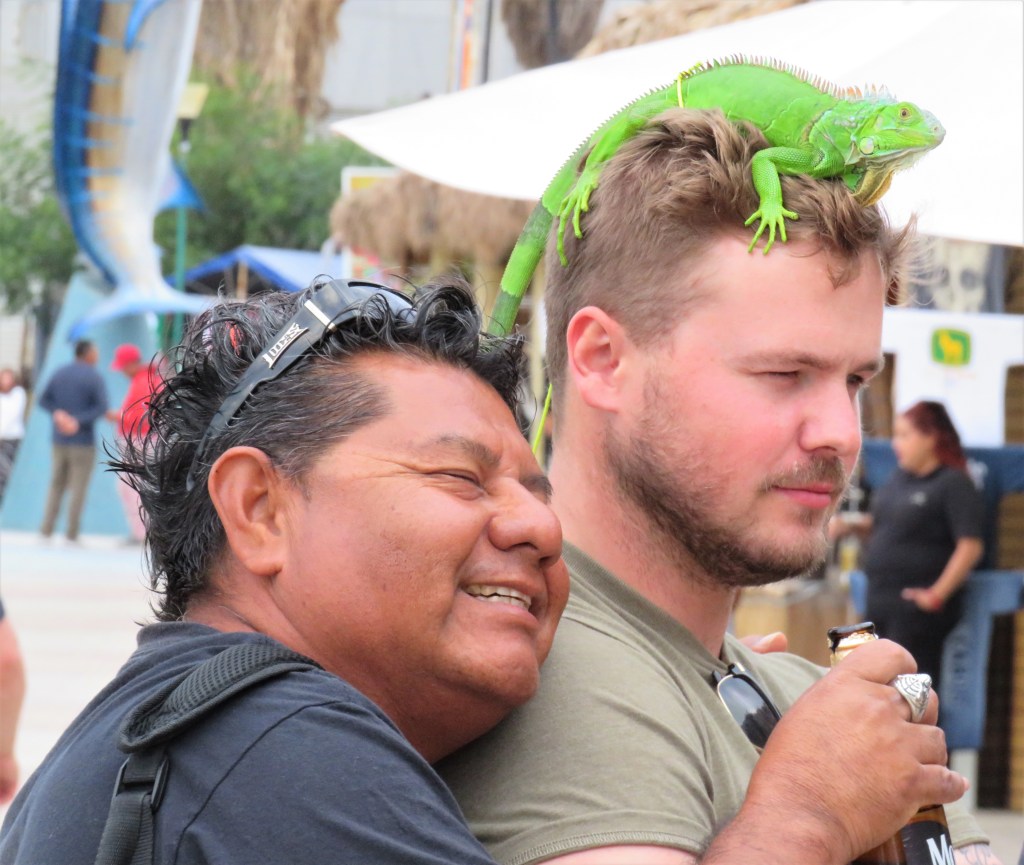
And where else but in the tropics will you find someone wearing an iguana on his head? I think he wears it well too. :)

I always have so much fun just letting my camera capture whatever I see. You just never know what’s next. :)

Have a great day and make everyday great. Stay safe and stay well. ’Til next time.
Our Trip to Cabo – #2

There are a lot of restaurants in Cabo, offering many different kinds of culinary delights. There are also a lot of different taco restaurants, offering all kinds of tacos too. Tacos seem to be the favorite of both locals and tourists alike. When we are in a seaside destination, we primarily eat a lot of fresh seafood, since we can’t really get FRESH seafood at home. We did eat a few tacos, mostly seafood tacos, and different types of ceviche, as well. :)

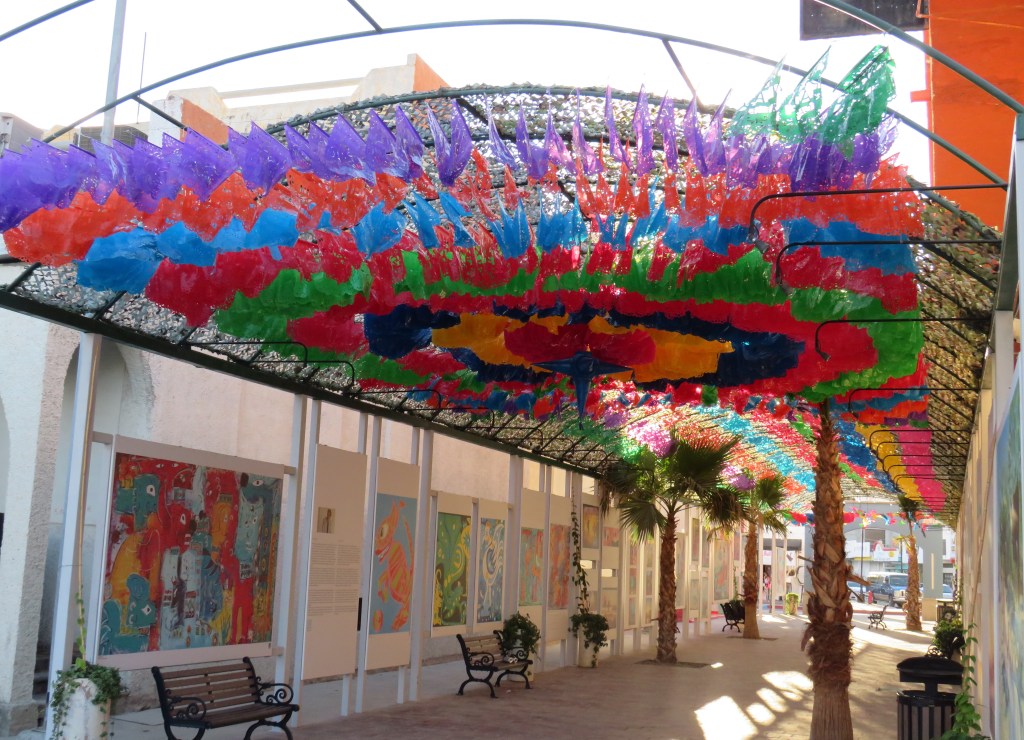
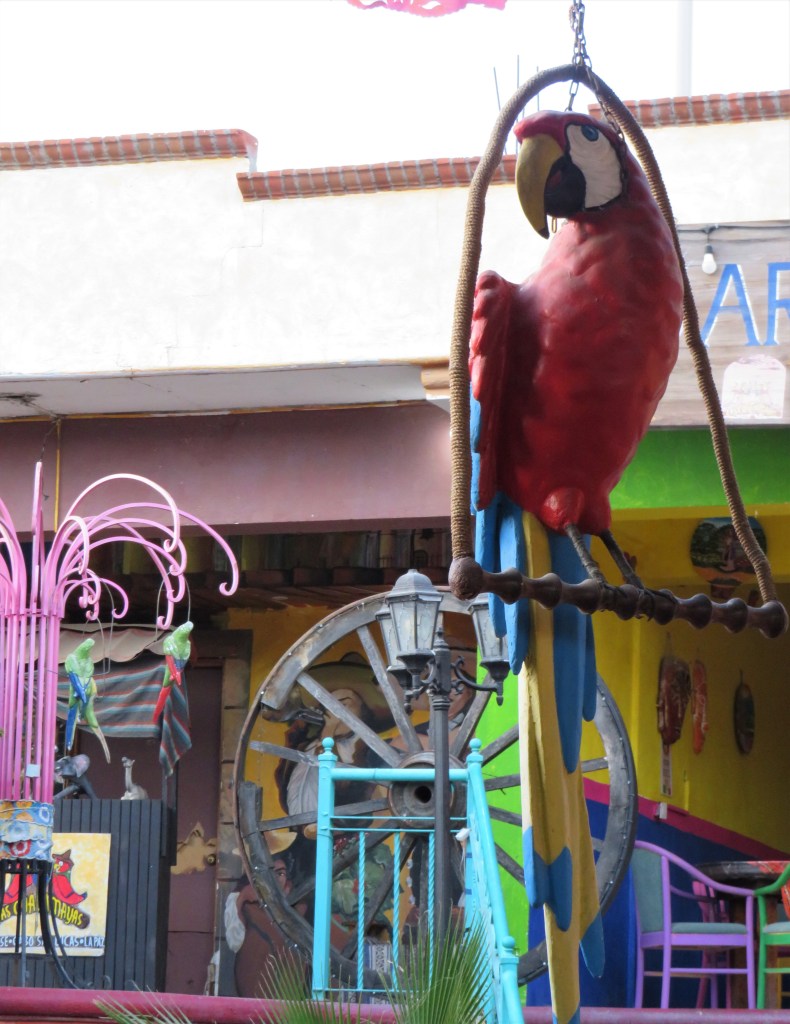
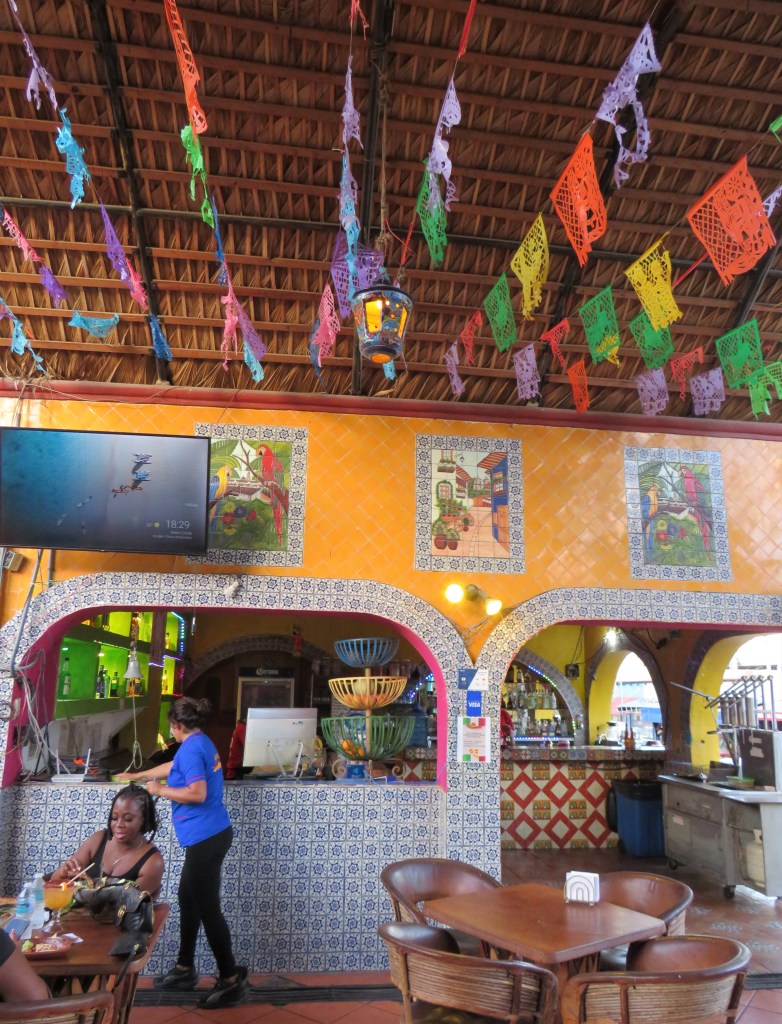
On our first night in Cabo, we dined at a colorful, delicious restaurant called Gualmayas. As with many restaurants in the area, it was dining al fresco, under the colors of the sky as well as the papel colores or the different colored cut papers (although now most are plastic) that are used as decorations for celebrations.

Gualmayas Restaurant

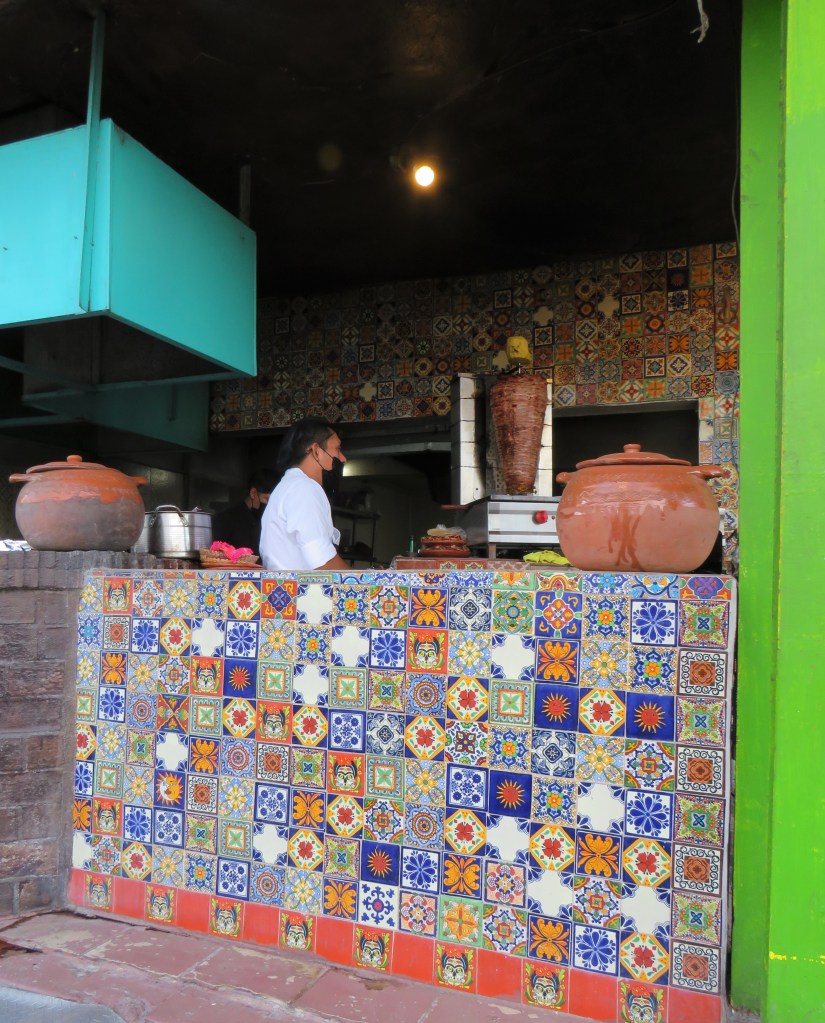
Many places are also decorated with colorful tiles too, and I am fascinated with them. I love all the colors that are part of everything and are a way of life in all the Latin and Caribbean countries.

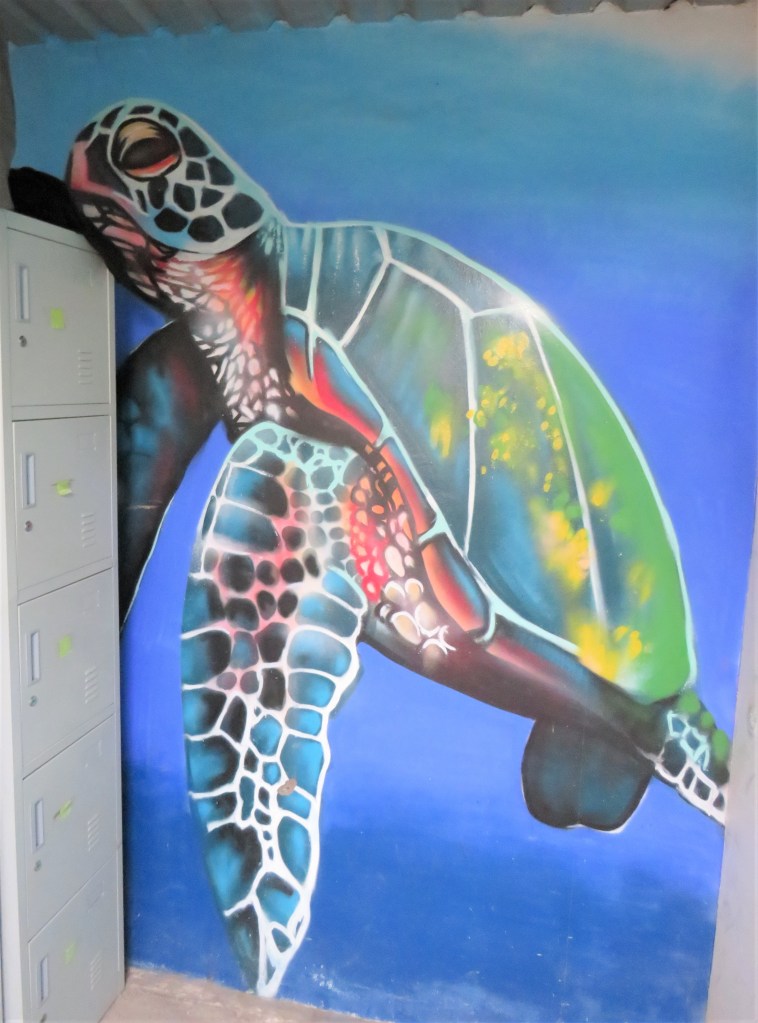
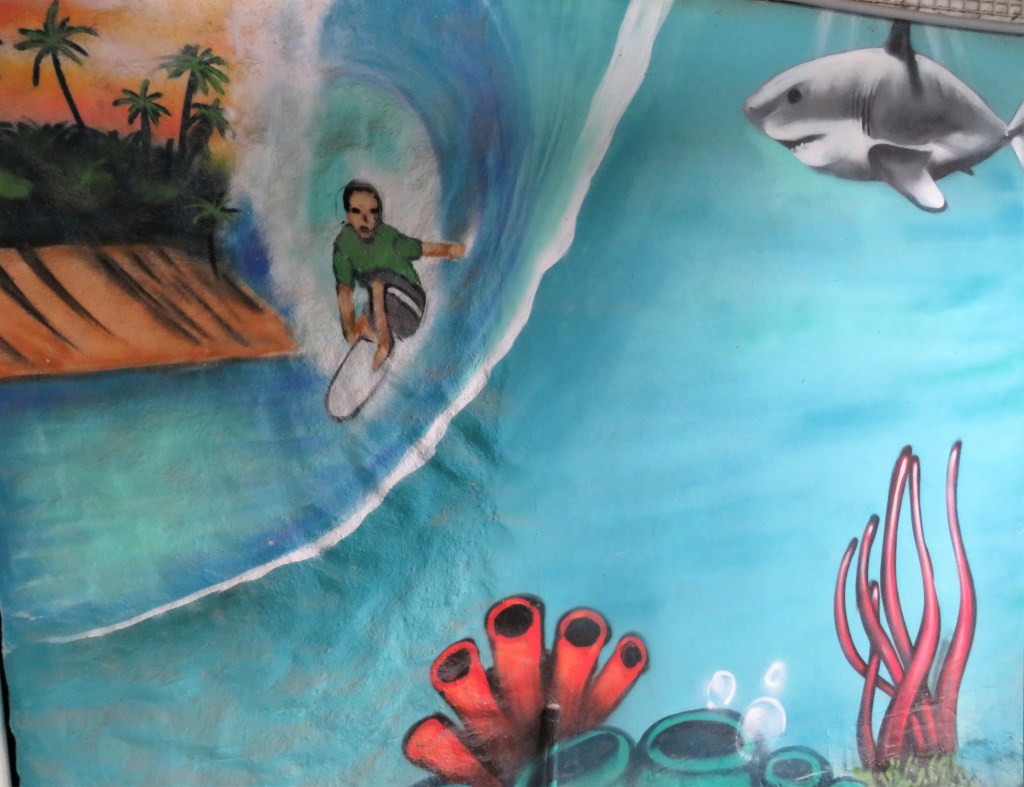
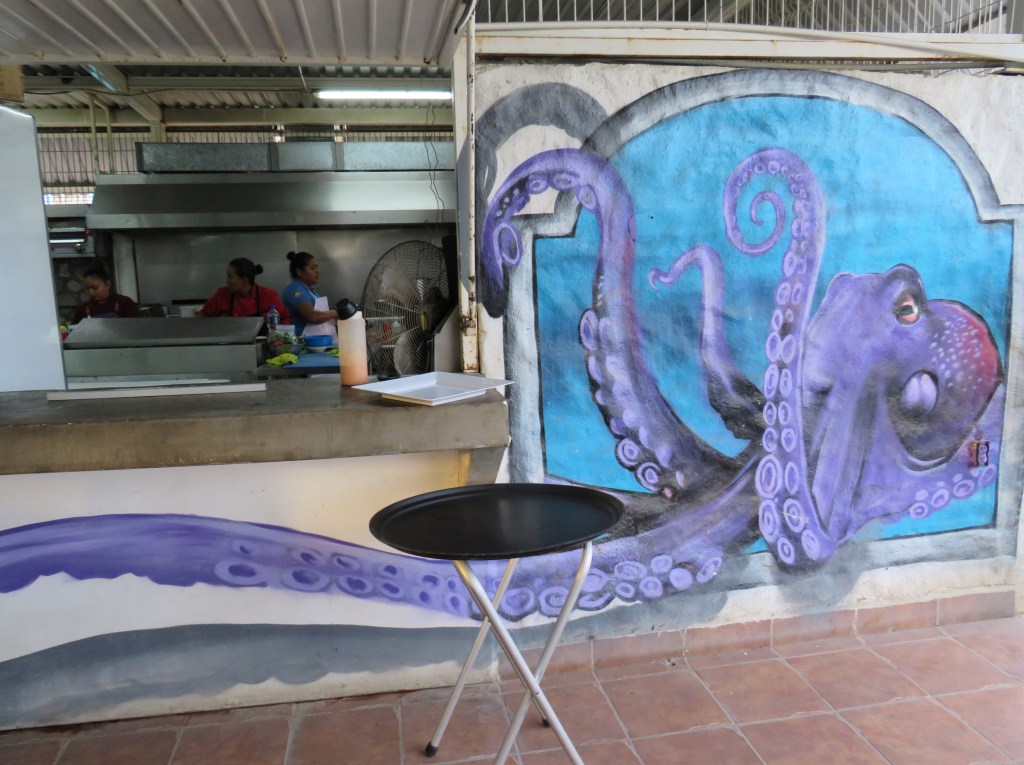
I am also enamored with all the colorful murals and local street art.

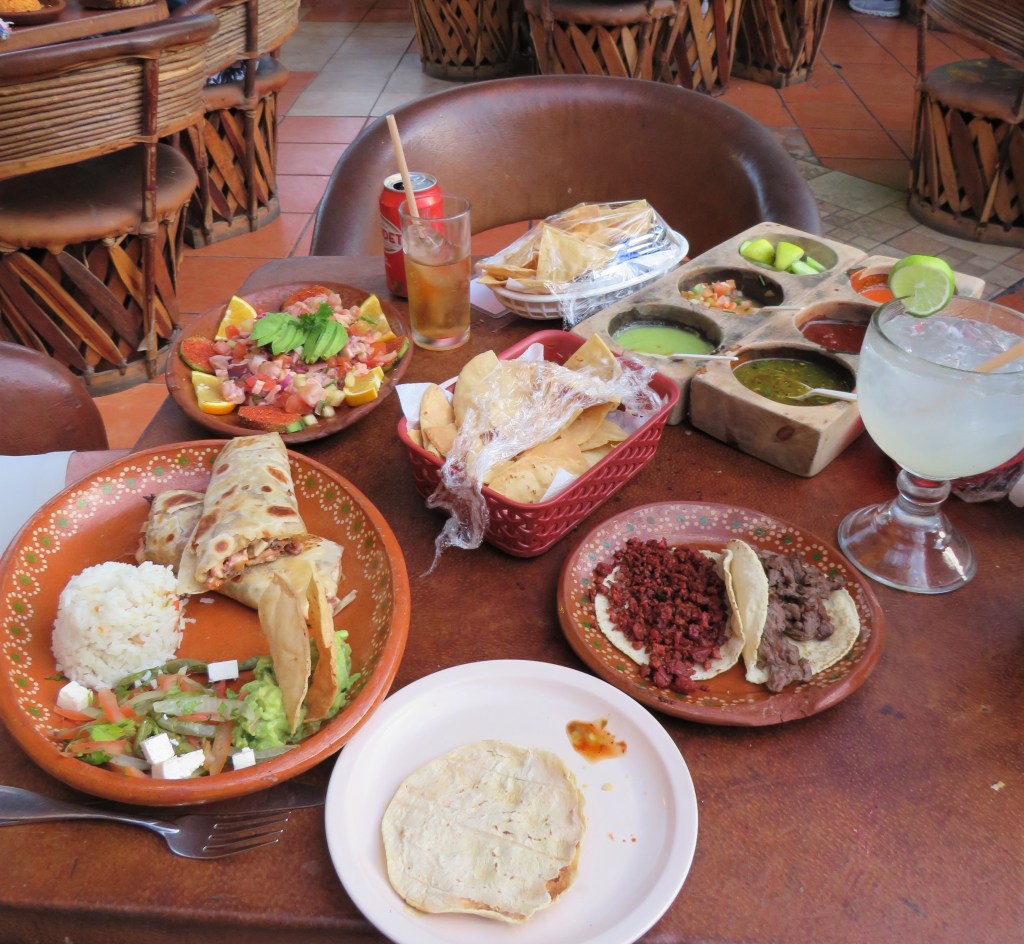
A few years ago, we were diving with a friend in Cozumel who ate ceviche everywhere we went, and he tried many different kinds. We liked that idea and now we do it too. So dinner was ceviche to share and a variety of tacos and a burrito for Larry; a typical meal from the Cabo region. :)

This meal was truly a feast. They also brought out a variety of different salsas as well. Everything was mui delicioso or mui rico! NO, we didn’t eat everything, as hungry as we were, but we did make a good dent to it all. :)

There was a saxophone player serenading us through dinner as well. He was very good.

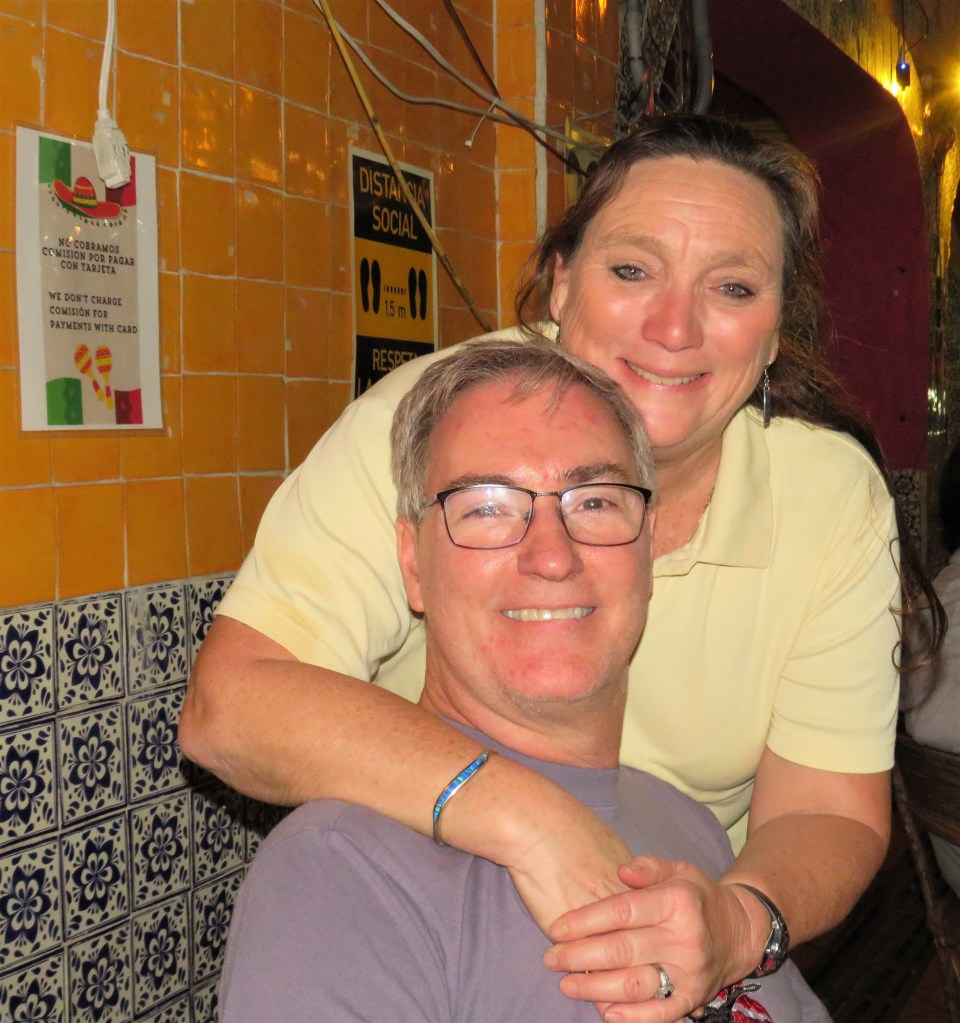
Our waiter, Diego, was very helpful and so cute. He was practicing his English with me, and I was practicing my Spanish with him. We had quite a good conversation. We both speak enough that we could understand each other quite well. Someone later in the trip told me that “estoy necessita una amiga para practicar mi espanol con” or I needed a friend to practice my Spanish with. So very true. Aprendo mas y mas todos los dias, todo el tiempo, or I learn more and more everyday, all the time. Ya se bastante y siempre estory aprendiendo mas or I already know quite a bit but am always learning more. 


It was yet another successful first day. We found our place to stay and got settled in. We got our bearings around town, and we enjoyed a delicious meal. And, we got back to our home away from home in time to enjoy the first of many nightly shows too.

The real vacation began with the diving though. We both dived the next day, Sunday, then it was just me who dived on Monday.

Stay tuned. There is still plenty more coming your way. Sit back and enjoy! Have a great day and make everyday great. Stay safe and stay well. ’Til next time.
Our Trip To Cabo – Day #1

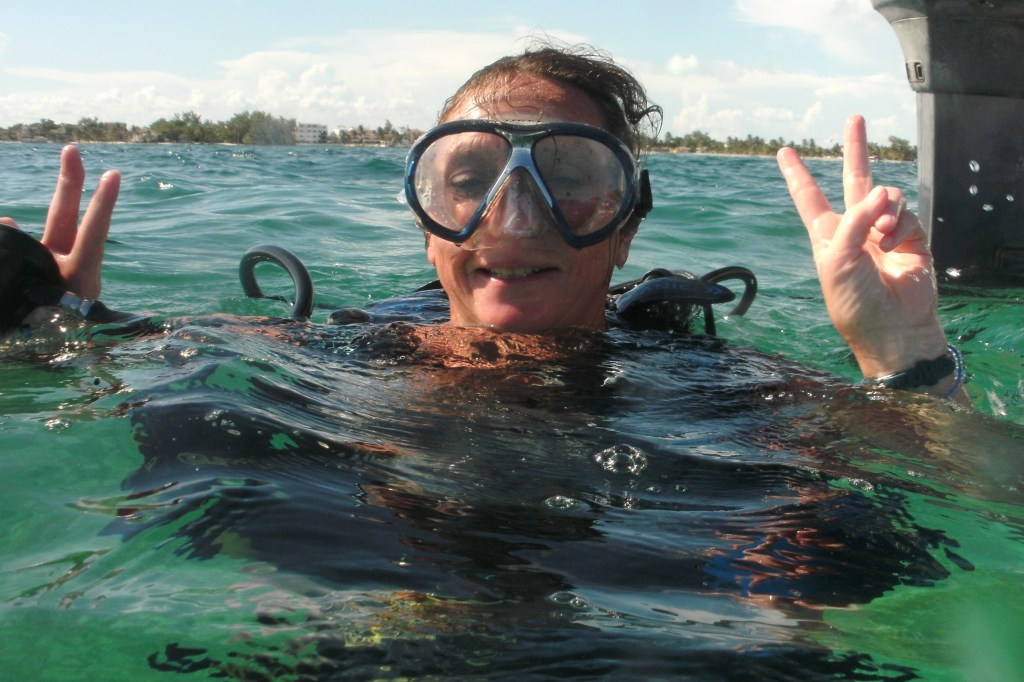
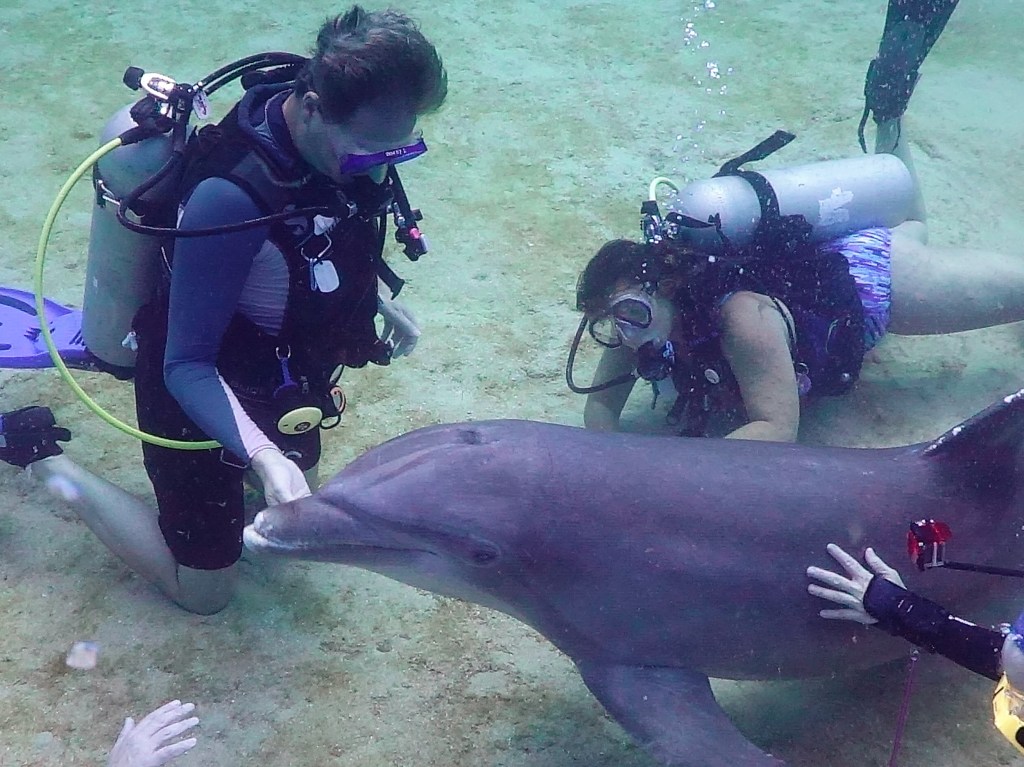
I have gone through all our pictures from our recent trip to Cabo San Lucas. I don’t have nearly as many as I normally take while on vacation, but in my case, this is a good thing. It means I was underwater, doing a lot of diving. :) Unfortunately we have broken way too many underwater cameras, and I do not have a working one at the moment, but I will do my best at describing what I saw underwater and using stock photos. 

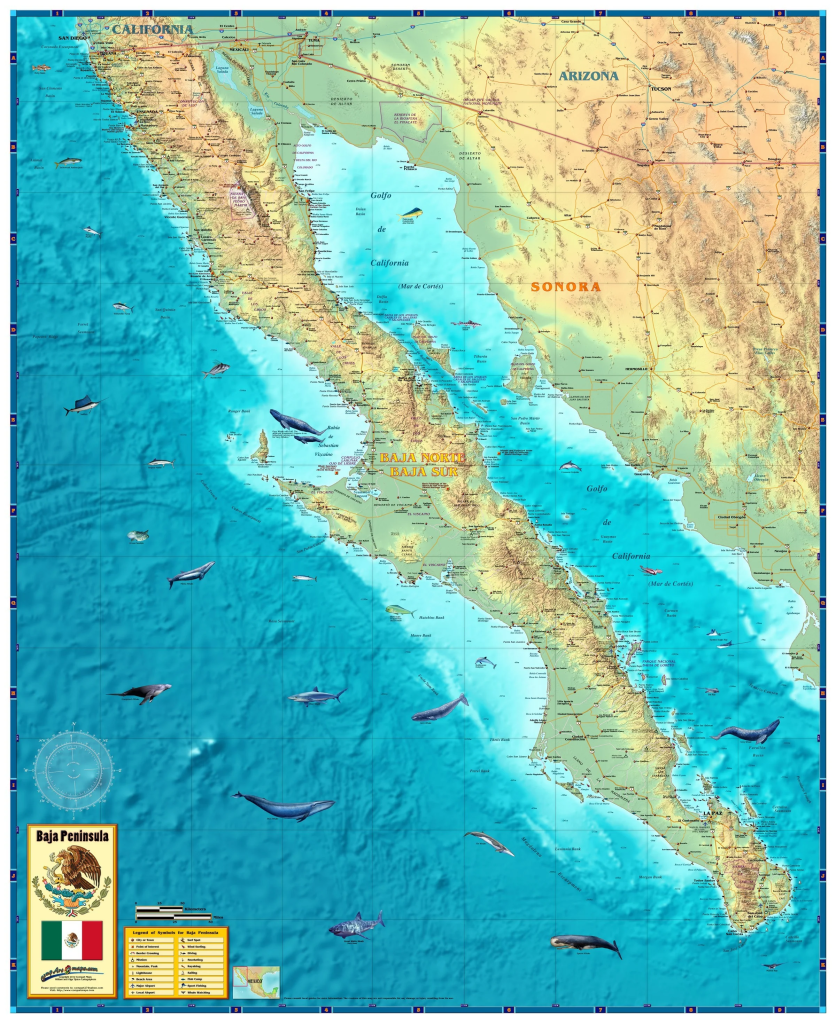
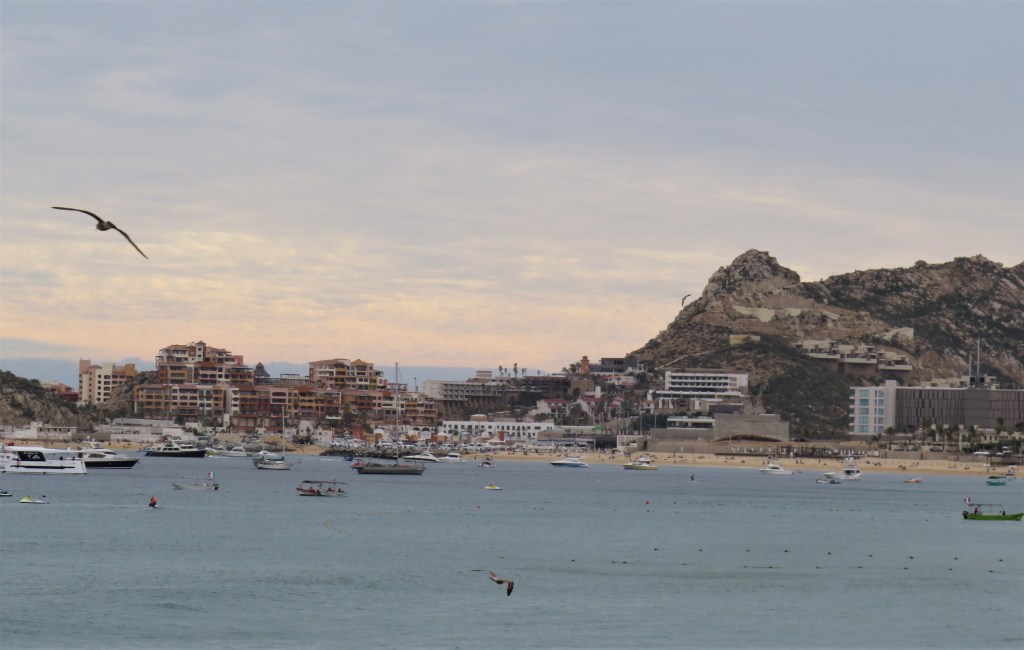
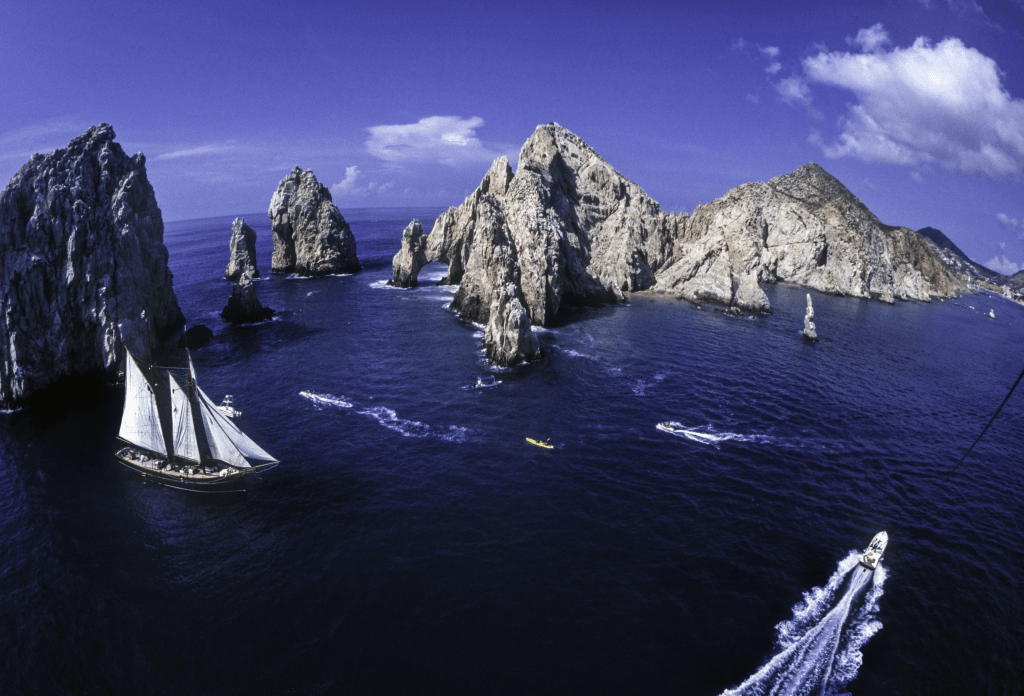
Cabo San Lucas is a resort city at the southern tip of the Baja California peninsula, in the Mexican state of Baja California Sur (California South). Rated as one of Mexico’s top tourist destinations, Cabo San Lucas is known for its beaches, scuba diving locations, Balnearios, the sea arch El Arco de Cabo San Lucas, and marine life. Baja is the peninsula that is separated from the main part of Mexico and is surrounded by the Pacific Ocean to the west and the Sea of Cortez to the east.

We go down to Mexico all the time, but usually we are diving in our beloved Cozumel. We decided to try something different this time though and went to Cabo San Lucas instead. Cabo is down at the bottom tip of the peninsula. I definitely took part in the scuba diving. :) I dived (yes, that is really the proper term) most of the days I was there, with 2 days of snorkeling in La Paz, but more on that later. Larry only dived a couple of days. He just doesn’t dive as much as I do any more. Most of our diving this time was in the Sea of Cortez, though we had a couple of dives that were right where the two bodies of water meet. The whole of the Baja Peninsula is where the desert meets the sea, on both sides. Though it is a very deserty region, it was also a very lush desert region.

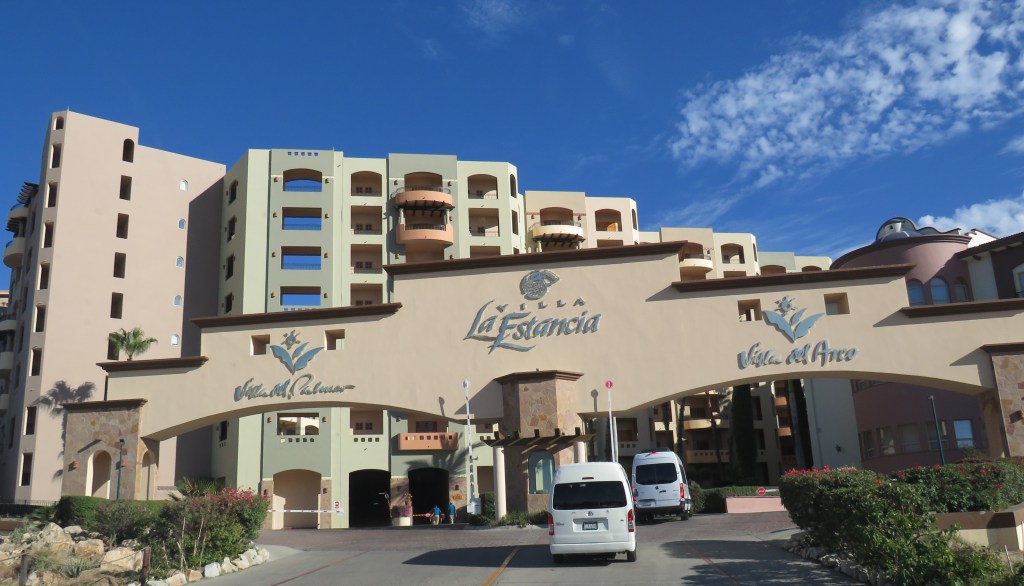
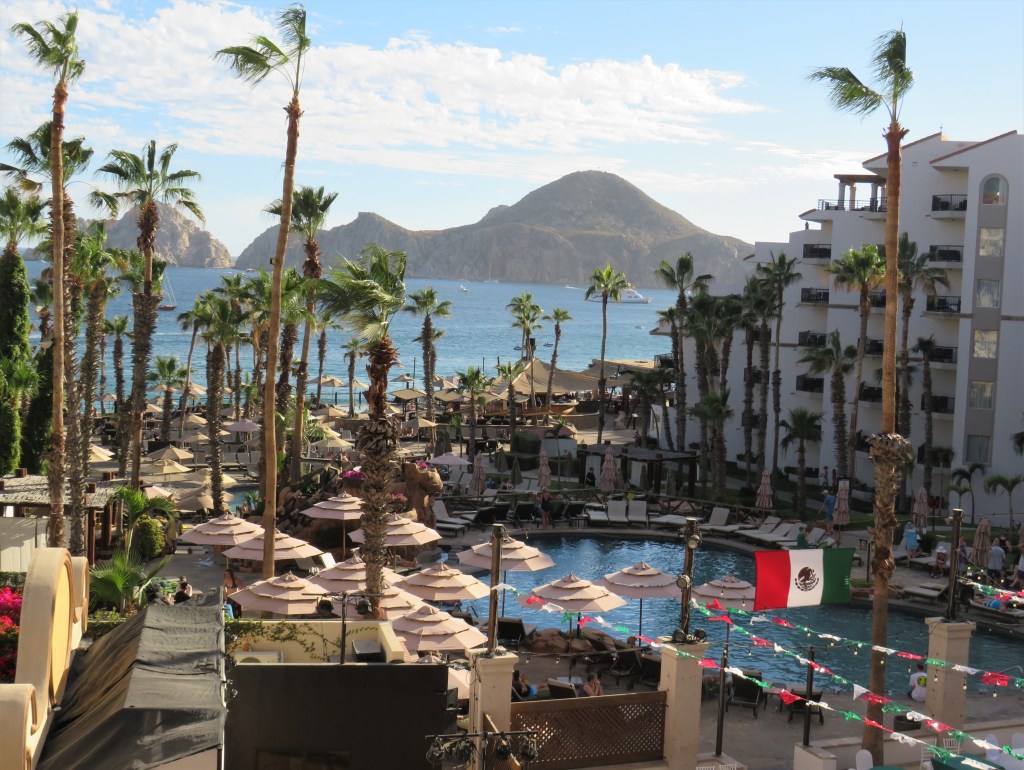
We traded in one of our timeshares and the Villa del Palmar was home for the week. We had a gorgeous view of the famous sea arch from our room. 

We were also perfectly situated for the nightly shows, as we were right above the stage. Every night’s show was different. We watched them every night we were there, with one exception, when we stayed in La Paz for the night.

Diving in the Sea of Cortez is definitely different than diving in the Caribbean. The water is on average about 10* colder and it is murky. The visibility was only about 40-50 feet at best, but sometimes only about 10-20 feet. We are used to the crystal clear, warm waters of Cozumel, where you can see for easily 100-150 feet out. The marine life is also different, but just as vibrant as it is in Cozumel. I don’t mind diving in the colder water, but Larry is getting to the point that he ONLY wants to dive in the warmer waters. I LIKE the variations. We saw such a great variety of marine life, from sea lions to white tip sharks and hammerhead sharks, eagle rays to mobulas, and oh so much more. I was in an underwater Heaven. 

We saw tons of sea lions. We saw some in Cabo, but most of them we saw on Espiritu Santo, out of La Paz. More on that later though. They are so curious and playful and just come right up to you.

White tip sharks. We see these quite frequently too, diving throughout the Caribbean and Australia. My first shark encounter was a white tip, at the Great Barrier Reef in Australia, many moons and many dives ago.

Scalloped hammerhead sharks. I only saw a few, but on the 2 days I missed because we were in La Paz, someone I was diving with all week saw a whole school of them. Go figure. :) Our first hammerhead we saw was in Belize a couple of years ago.

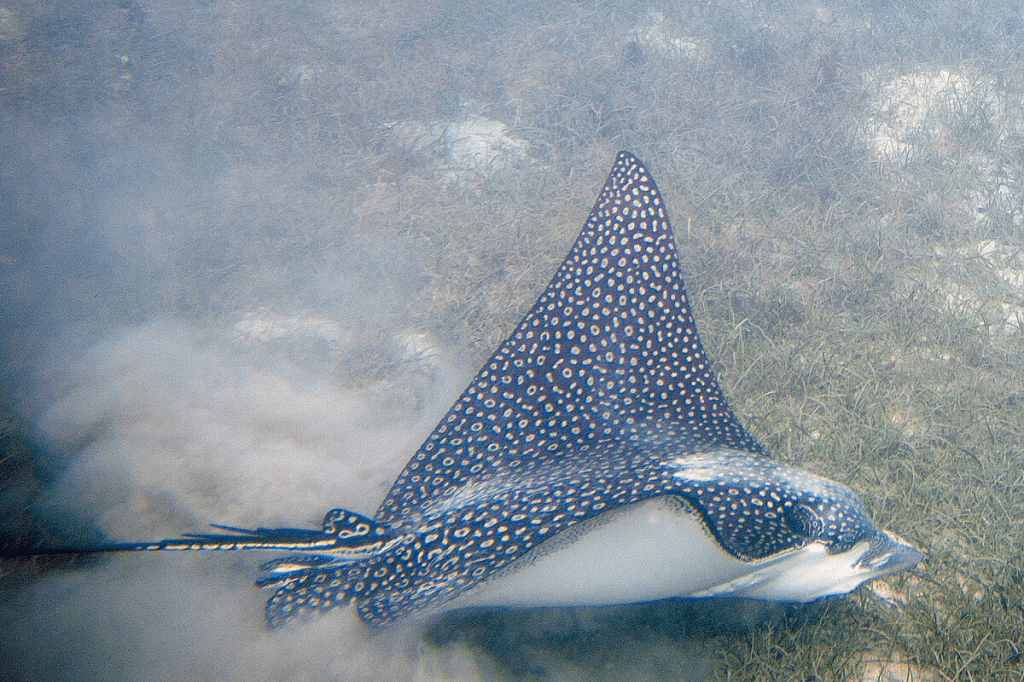
Eagle rays. We see these all the time down in Cozumel. They are so beautiful and graceful. I love the eagle rays. 

Mobulas are a type of ray that are also called devil rays, because they have 2 horns on top of their head. They like to fly above the water as much as they like to swim in the water. I didn’t see many of these beautiful animals, but we did see some.

Most of our diving was around the arch and the rocks.

This is only the beginning of our trip to Cabo/La Paz. So sit back, and enjoy the tour. There is plenty more to come. Have a great day and make everyday great. Stay safe and stay well. ’Til next time.
Ranchero Steak Salad

Hello Everyone. I’m back. Did you miss me? We had a lot of fun adventures, and saw so much. I will share everything with you all in good time too. We got back late Saturday night, and I am still in the process of catching up. However, I did cook up something still in the Mexican spirit for dinner last night. I will share that with you first, then I will get to all our adventures in Cabo San Lucas and La Paz.

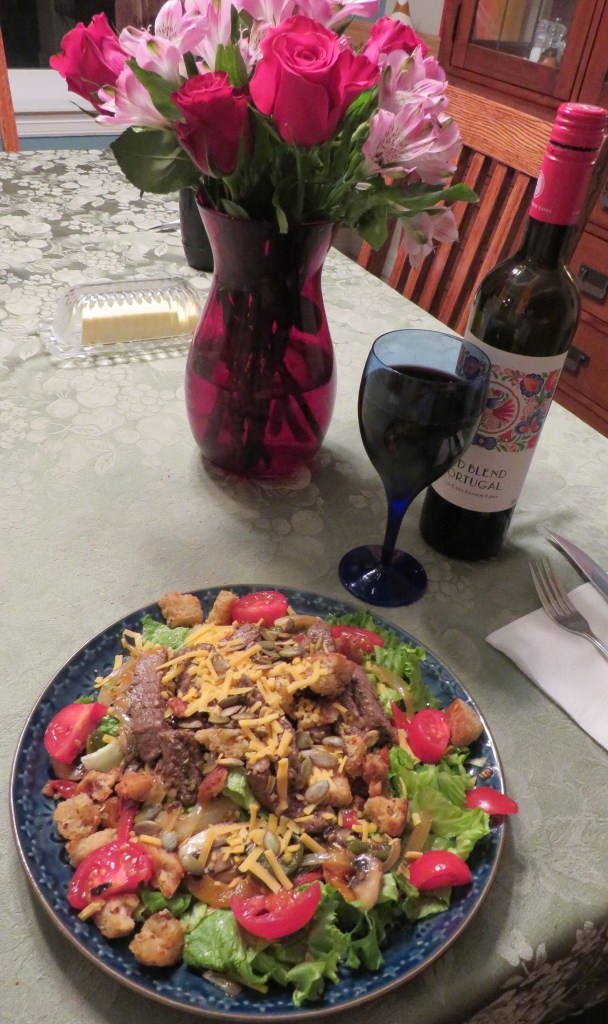
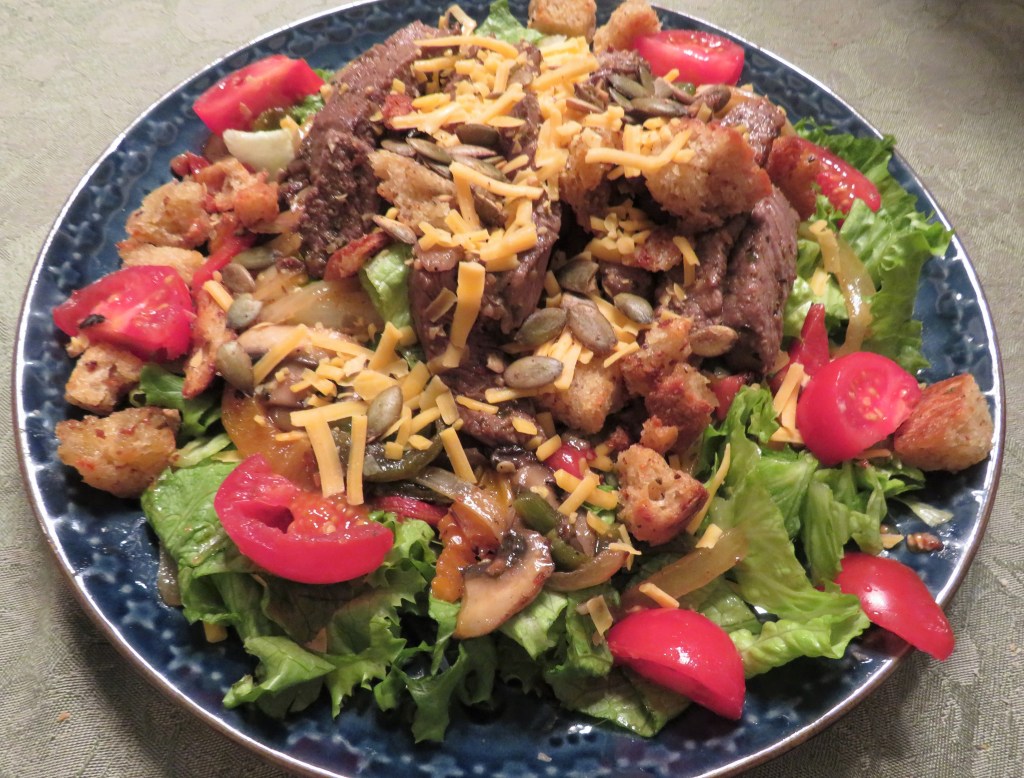
I had steak down that needed to be cooked, and we didn’t eat a lot of salads or even a lot of vegetables on our trip, at least not by our standards. We did still eat both, and probably more than most, but we tend to eat a lot of vegetables all the time. Larry was hungry for a salad and we needed to cook the steak. So a ranchero steak salad it was.

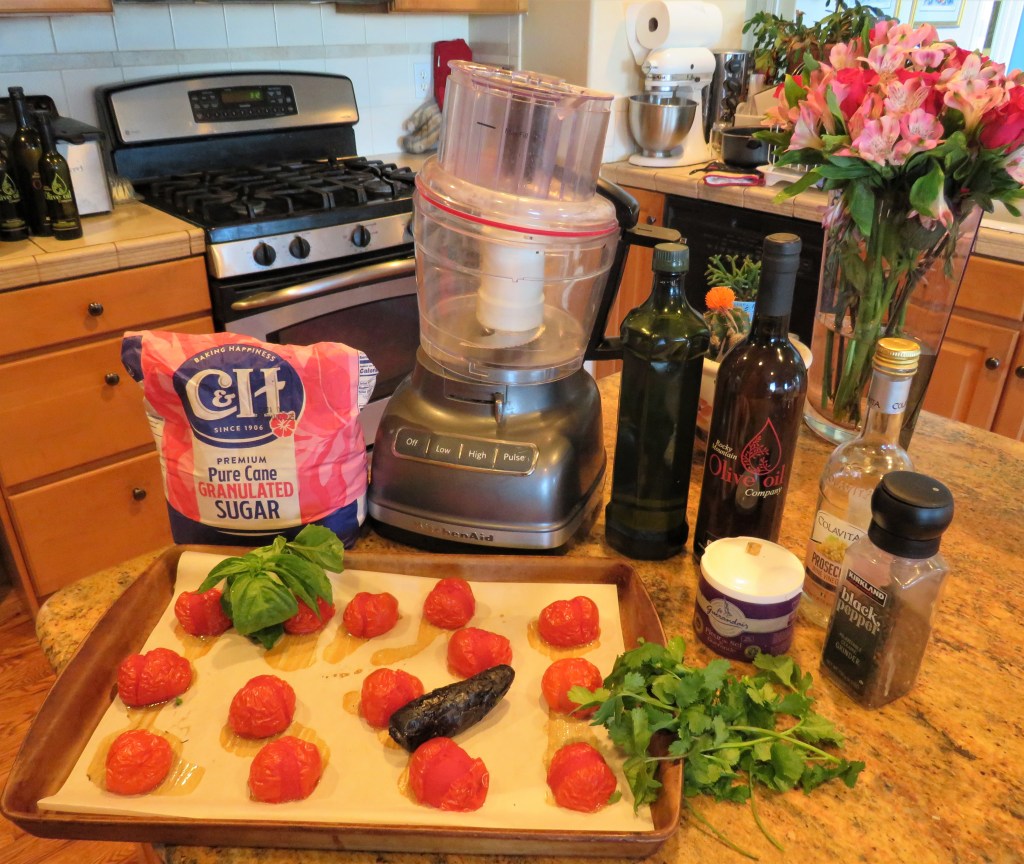
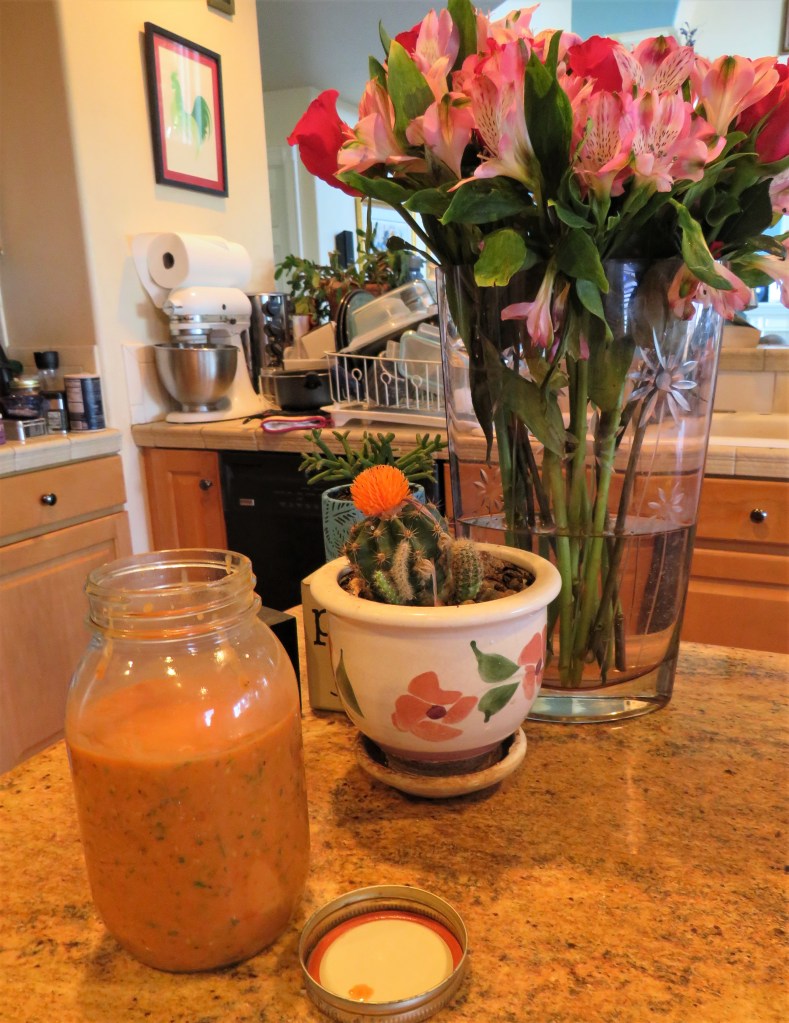
I made a roasted tomato, jalapeno, basil and cilantro dressing first, to go with the salad.

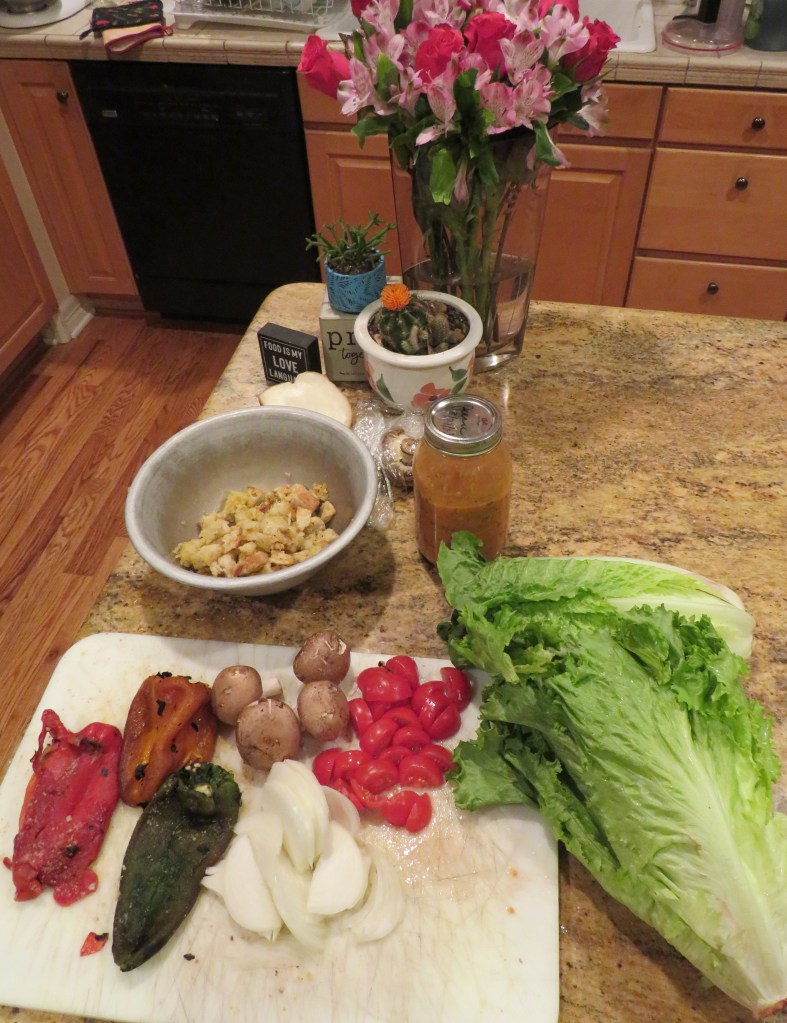
I charred my jalapeno, as well as my peppers for my salad and roasted some Compari tomatoes at 400*F or 205*C for about 20-25 minutes, then let them cool a bit before making my dressing. 

Roasted Tomato-Jalapeno Vinaigrette

1 1/2-2 lbs roasted tomatoes

1 roasted jalapeno, peeled and seeded

2 TBSP fresh basil leaves

1/4 cup fresh cilantro leaves

1/3 cup olive oil

1 tsp sugar

1 tsp salt

2 tsp fresh ground black pepper

2-3 TBSP lemon balsamic vinegar

2-3 TBSP white balsamic or Prosecco vinegar

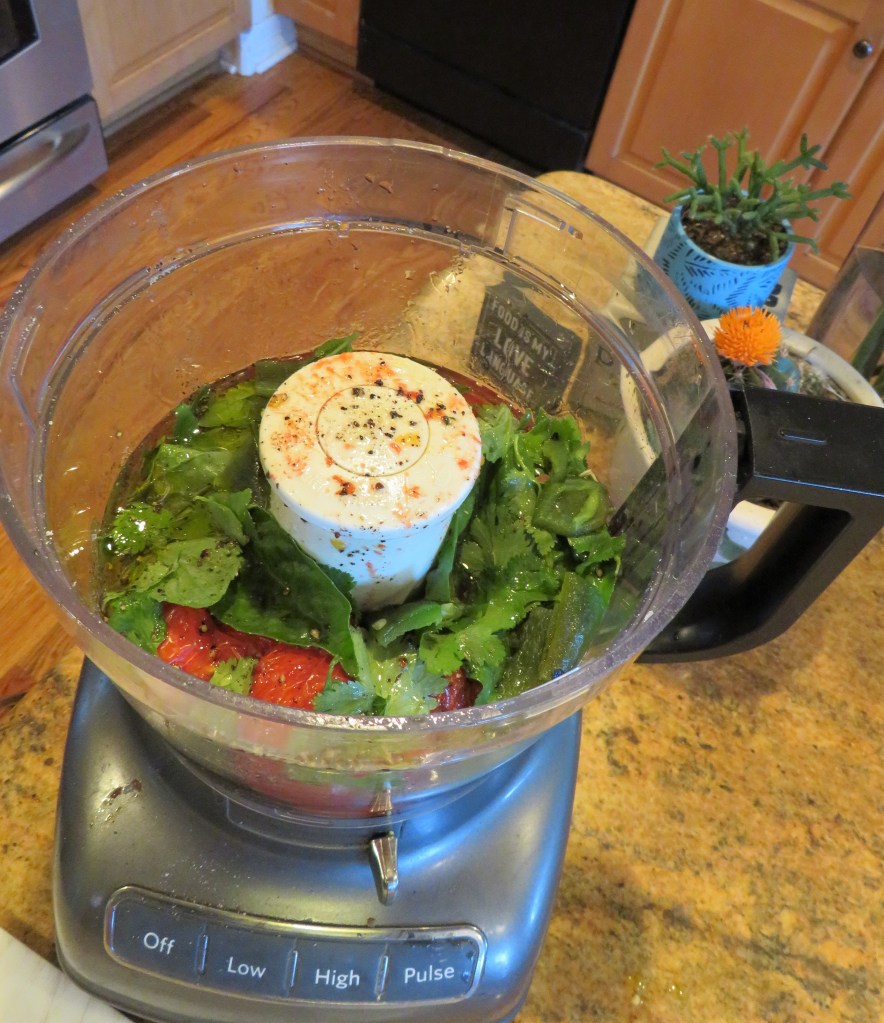
Add everything together into a food processor and blend until it is all blended together and smooth. Chill until ready to use.

Ranchero Steak Salad

2 lbs flank steak, marinated

1 roasted red pepper, peeled and seeded, cut into thin strips

1 roasted yellow pepper, peeled and seeded, cut into thin strips

1 roasted Poblano pepper, peeled and seeded, cut into thin strips

1/2 onion, sliced very thin

5-6 mushrooms, sliced

1 head Romaine lettuce, chopped

4-5 sliced tomatoes

croutons, pepita seeds, avocado slices, shredded cheddar cheese, optional for toppings

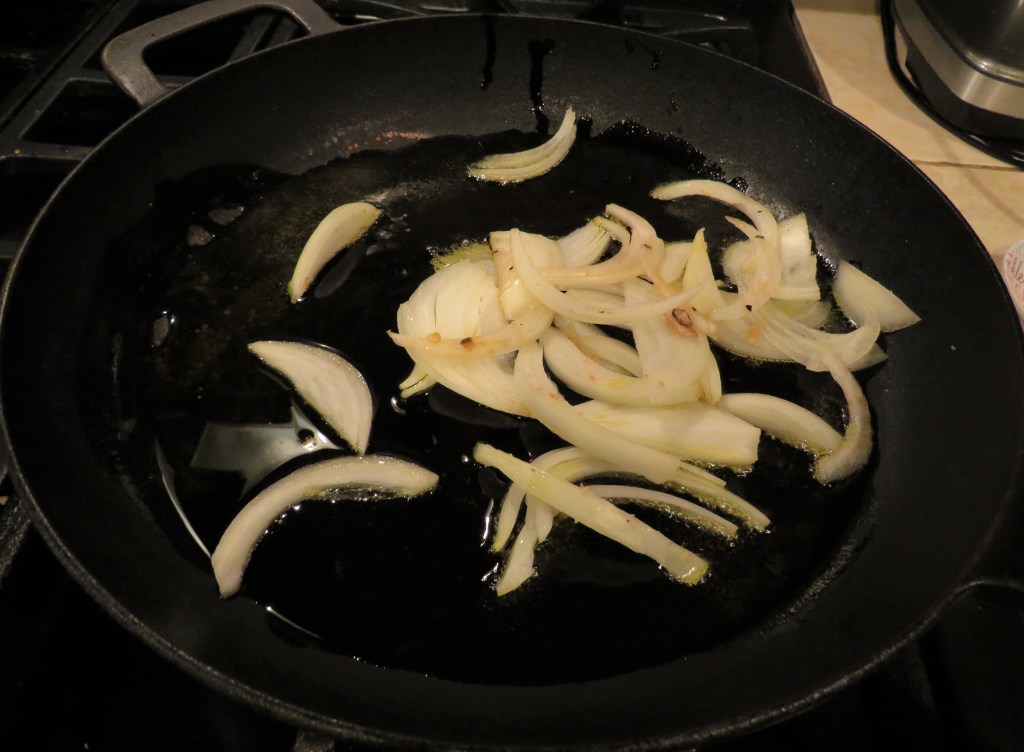
Get a large skillet very hot and add some olive oil. Cook the onions just until they start to brown and carmaelize.

Add the rest of the vegetables and cook for about 5-7 minutes, stirring frequently.

When the vegetables are cooked, remove from the pan, set aside and keep warm, then cook the meat.

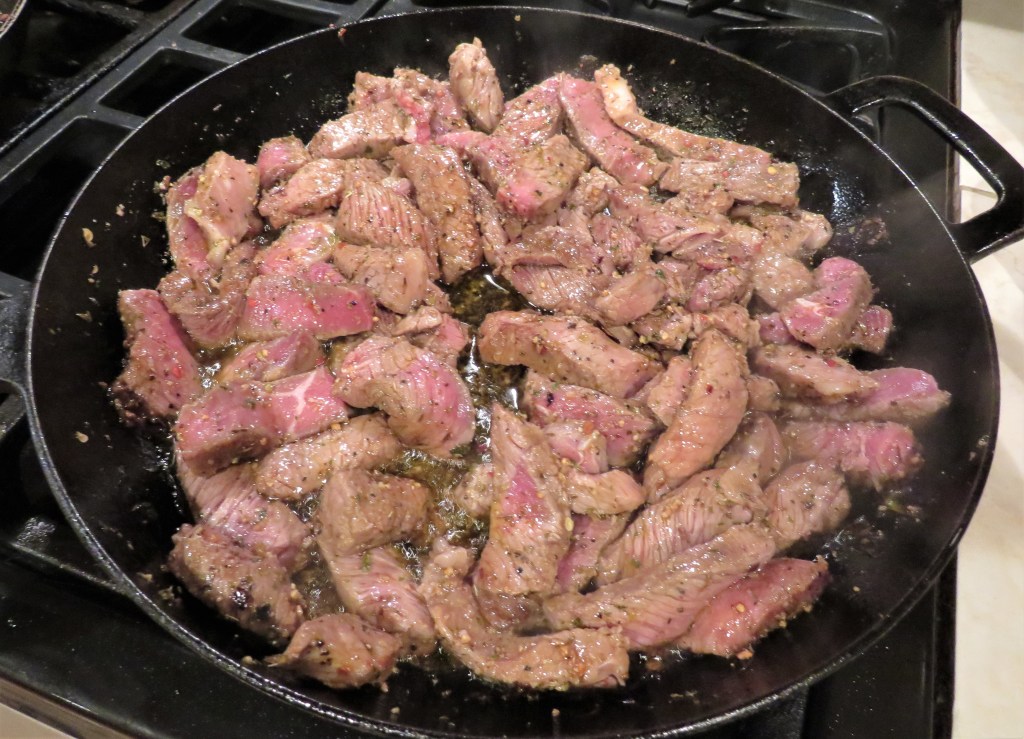
I marinated the steak in some flavored live oils, balsamic vinegar and some orange spice for about 2 hours. When it was ready, I cut it into thin strips then sauteed it in olive oil.

Once the steak is cooked, start making the salad. Add a layer of the chopped lettuce, then a layer of the cooked vegetables. Sprinkle some of the sliced tomatoes around the edges of the salad. Add a layer of the steak. Then top with the shredded cheese, croutons and pepitas, and/or avocado slices, or whatever combination you like. Top with the dressing and serve. !Desfruitas! Enjoy!

We ate some very good food while down in Cabo and La Paz, but this salad rivals, and in my opinion is just as good, if not better than anything we ate while on our trip. :)

Have a great day and make everyday great. Stay safe and stay well. ”Til next time.

Gone Divin’ Again – 1/19/24

The blue waters of Mexico are calling me once again. We are going diving again. This time, we are headed down to Cabo San Lucas, a first for us, instead of our beloved Cozumel. We are hoping to swim with the whale sharks as well as some hammerheads. We leave tomorrow and will be off the grid and off the radar for a few days, basking in the Mexican warmth and sunshine, and swimming with me “beloved “peeps” my beloved marine life. You will hear all about out it once I return home, but until then, I’m out of here. :)

DIGITAL CAMERA

Have a great day and make everyday great. Stay safe and stay well. Til next time.

It’s National Popcorn Day

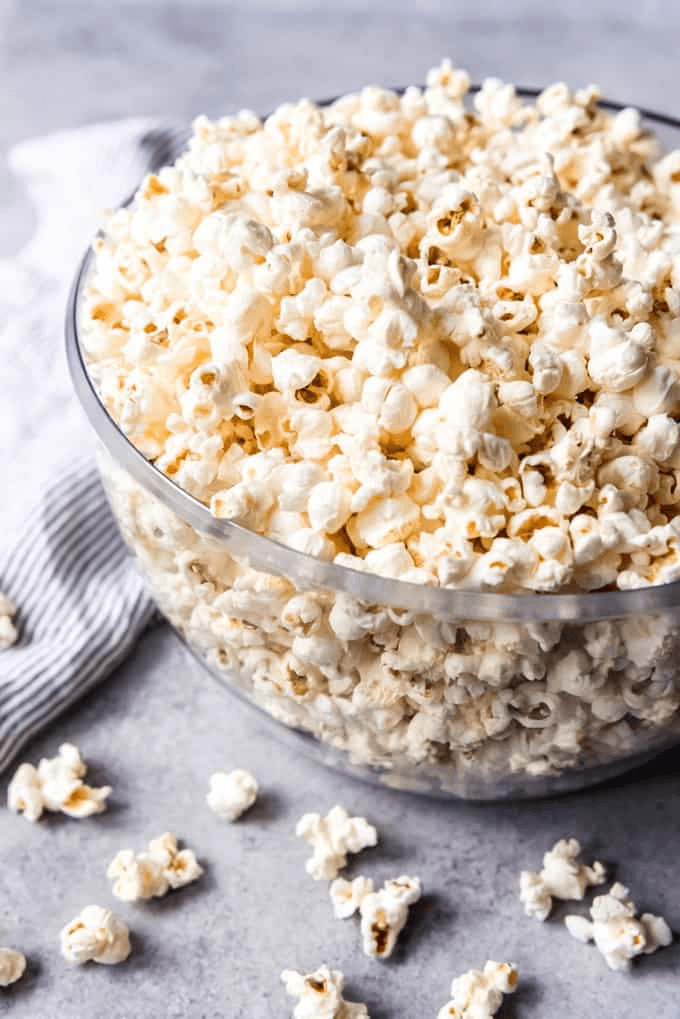
It’s National Popcorn Day! National Popcorn Day began in 2013. Pop your favorite popcorn and share a bowl with friends and enjoy. 

Hands down, popcorn is my absolute favorite snack. I could eat it all everyday, all the time. Apparently I am not alone in my love for popcorn either. It is one of America’s favorite snacks. Here are some fun facts about this delicious, beloved snack.

This time-honored snack can be sweet or savory, caramelized, buttered or plain, molded into a candied ball, or tossed with nuts and chocolate. However it is enjoyed, enjoy it on National Popcorn Day, January 19th. I am a popcorn purist, and eat it with butter and salt only.

The word “corn” in Old English meant “grain” or, more specifically, the most prominent grain grown in a region. When Native Americans introduce their most common grain, maize, to early Europeans, they aptly applied the word “corn.”

As early as the 16th century, the Aztecs used popcorn in headdresses worn during ceremonies honoring Tlaloc, their god of maize and fertility. Early Spanish explorers were fascinated by the corn that burst into what looked like a white flower.

Popcorn started becoming popular in the United States in the middle 1800s. It wasn’t until Charles Cretors, a candy-store owner, developed a machine for popping corn with steam that the tasty treat became more abundantly poppable. By 1900 he had horse-drawn popcorn wagons going through the streets of Chicago.

At about the same time, Louise Ruckheim added peanuts and molasses to popcorn to bring Cracker Jack to the world. Then in 1908, the national anthem of baseball was born. Jack Norworth and Albert Von Tilzer wrote Take Me out to the Ballgame. From that point onward, popcorn, specifically Cracker Jack, became forever married to the game.

Another romance connected to popcorn may have had a slow start but eventually took off. Today, who can imagine going to the movies without getting a box of buttered popcorn? While popcorn was an economical choice for snack food, the expense of installing a machine and adequately venting the building didn’t seem worth the effort. If it weren’t for Glen W. Dickson, we would be purchasing our popcorn from a vendor on the street before taking in the show. Dickson put in the effort and expense of placing machines inside his theaters. After realizing how quickly he recouped his costs, other theater owners followed suit.

The microwave oven spurred the next big advancement for popcorn. With the invention of the microwave, a whole new market opened for the snack food. Magnetrons, a technology produced by Raytheon Manufacturing Corporation for the military during World War II, were later used to develop microwave ovens. Percy Spencer was the man who made it happen. He used popcorn in his initial experiments during the microwave’s development. 

Today, Americans consume 13 billion quarts of popcorn a year, more than any other country in the world. A majority of the popcorn produced in the world is grown in the United States. Nebraska leads the corn belt in popcorn production.

Popcorn FAQ

Q. What are the unpopped kernels called?
A. Unpopped kernels of popcorn are called either spinsters or old maids. 

Q. Which state produces the most popcorn?
A. Nebraska is the top popcorn producer in the United States. Also known as the Cornhusker State, although it’s third in overall corn production.

Q. Are there different types of popcorn?
A. Yes. Most of the popcorn we consume is either a Butterfly (also known as snowflake) or Mushroom popcorn. Butterfly popcorn produces a fluffy, winged kernel while Mushroom popcorn produces a denser more compact kernel. While both are delicious for snacking, Mushroom popcorn holds up better to caramel, cheese, and other coatings.

A few years ago, were we diving on a live-aboard, and after our night dives, the chef asked a group of us if we would like some popcorn. We all said yes, and she brought us a big bowl of the fluffy white popped kernels, but here was NO butter on it. So we asked her for some butter, and she was completely perplexed. She had no idea how to serve it with butter, and brought us a stick of butter. We all laughed and told her she had to melt it, then our it over the popcorn and mix it all up. She said she had never made it that way before. But, we taught her well, and we all enjoyed a big bowl of popcorn and a few laughs as well.

So pop that corn and share it with friends. Make it and enjoy it how you like. Have fun with it. Larry is not a huge popcorn fan, though he does eat some. But Dorrie and Juneau …. they love it almost as much as mommy does. The three of us share a big bowl together all the time. I enjoy it one salty, buttery kernel at a time, and eat it slow. Juneau and Dorrie, on the other hand can easily inhale it. I get poked if I am not sharing with them fast enough. :)

Whether popping the corn or not, have a great day and make everyday great. Stay safe and stay well. ’Til next time.
More Fun Food Facts – 1/18/24

I love to learning all kinds of fun new facts and trivia about everything, including finding out fun new things about the foods we eat. I also love sharing all these new fun facts with all of you too. Here are some new things you may not have known before.
  1. Dark chocolate can be more than just a sweet treat
The dark chocolate we know and love is made from the roasted beans of the cacao tree and has a ton of interesting facts — many being health benefits.

According to Harvard, dark chocolate can help lower blood pressure and reduce inflammation. A study of an isolated tribe with high intakes of cocoa had lower rates of heart disease, cancer and diabetes compared to the same tribesmen who had migrated to cities.

Bonus fact: Dark chocolate that’s 70% cocoa or more actually contains more caffeine per ounce than coffee. Just don’t expect to stay up all night with the powdered hot chocolate you’d get at a supermarket. This stuff tends to be quite low in caffeine.

I love dark chocolate. I like it much better than milk chocolate. Now we can eat it and NOT feel guilty about it. It IS actually good for us. 

2. Literally eat a fruit that’s as sweet as nectar

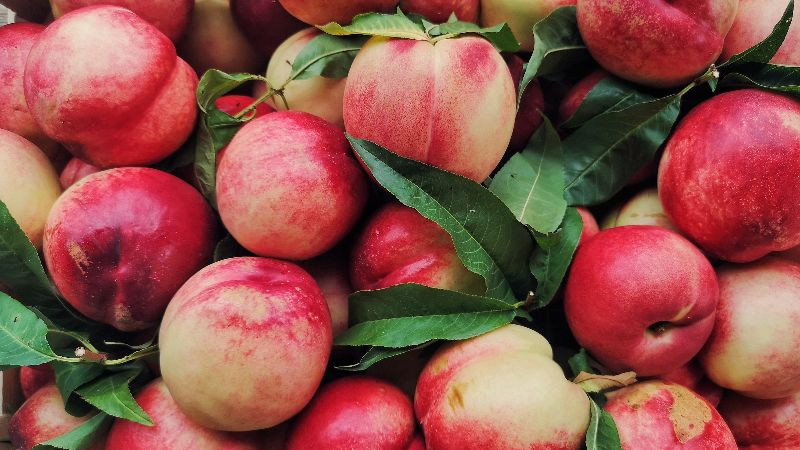
Did you know that the word ‘nectarine’ means ‘sweet like nectar’ and this is most likely the origin of the name?

It’s believed nectarines, like peaches, originated in China over 4,000 years ago.

Nutritionally, nectarines are a high source of Vitamin C and A and are abundant in antioxidants. They aid in weight loss, help regulate blood pressure levels and overall good health. They also help improve immunity and heart health.

YUM! I love nectarines, but I have to admit, I love peaches even more, especially our fantastic Palisade peaches. 

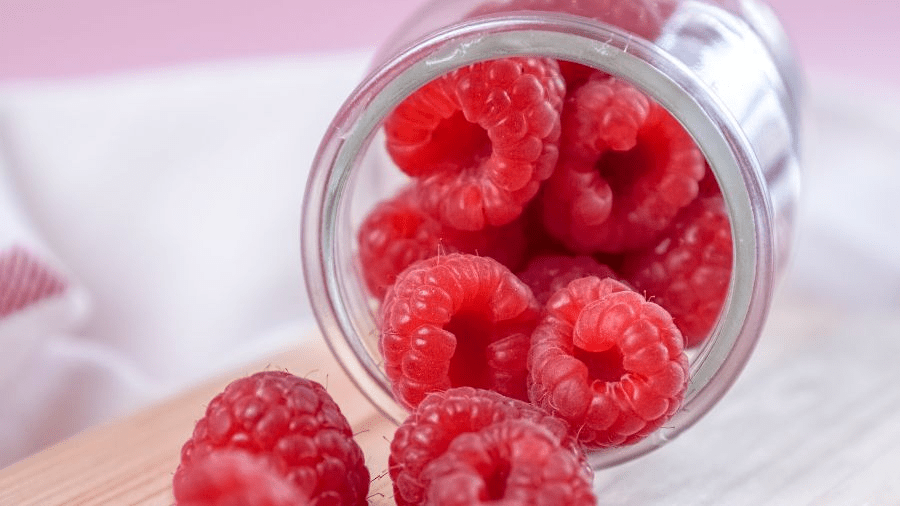
3. Raspberries are a member of the rose family

As are cherries, apricots, plums, pears, apples, quinces, peaches, strawberries, and blackberries. Unlike roses though, these types of fruits typically have flowers with five equal petals arranged around a central core.

And, just like roses, raspberries (and blackberries) have plenty of thorns too – ouch!

YUMMY!! Blackberries and raspberries are definitely some of my favorites. 

4. Chickpeas and almonds contains almost as much protein as steak

In a recent chat with EatFirst about plant-based diets, Greg McFarlane, a director at Vegan Australia, mention that it’s a common myth that you’re not able to become strong on a vegan diet and this is a great example of busting that myth.

According to Better Health, “If you follow a vegetarian or vegan diet, as long as you eat a wide variety of foods, you can usually get the protein you need.”

While eating 100g of steak could contain up to 25g of protein, the same amount of chick peas contains 21g and almonds a whopping 28g!

And if that’s an excuse to eat even more hummus, we’ll take it!

I do love both almonds and chickpeas, especially when chickpeas are turned into hummus, but I don’t know if I completely agree with this one.

5. The world’s most hated vegetable is one of the best for you

Brussels sprouts may be the most hated vegetable, but it’s among the most nutritious veggies out there.

They are packed full of vitamins and minerals, with virtually no calories, no fat, no cholesterol, and they fill you up. Better yet, they also have an anti-oxidant that has shown to be anti-inflammatory and could fight cancer.

Neither Larry nor I grew up eating Brussels sprouts, but we eat them a lot now. If cooked right, they are delicious. Now we love them.

In order to grow, we all have to keep challenging ourselves. I am always happy to help, since I love to challenge myself too. Hopefully we all learned a little something new today and had a little fun along the way.

Happy New Year everyone. May 2024 be filled with happiness, good health and prosperity for all. Stay safe and stay well. ’Til next time.