I have created this site to help people have fun in the kitchen. I write about enjoying life both in and out of my kitchen. Life is short! Make the most of it and enjoy!
Author: ajeanneinthekitchen
I have worked in the restaurant and catering industry for over 35 years. I attended 2 culinary schools in Southern California, and have a degree in culinary arts from the Southern California School of Culinary Arts, as well as a few other degrees in other areas. I love to cook and I love to feed people.
Since today is actually the 5th of May of Cinco de Mayo, chances are pretty good that I will be making something Mexican once again for dinner. But for now, I am just going to share some photos of past Cinco de Mayo celebrations from around the country.
And there is ALWAYS plenty of good food.
Feliz Cinco de Mayo or Happy May 5th. It is always a festive, colorful and musical day of fun celebrations.
Cinco de Mayo is a day of celebration that recognizes Mexico’s victory over the Second French Empire led by Napoleon III at the Battle of Puebla in 1862. But it is really more of a Mexican-American “holiday”, celebrated in America much more so than it is in Mexico. For many in Mexico, Cinco de Mayo isn’t a day of monumental importance or a national party. For some, it’s merely a date marked in the calendar, while for others,Β it’s a day to commemorate the resilience of the Mexican spirit and a taciturn reminder of the valor of the Mestizo in the face of adversity. Yet, Cinco de Mayo is not widely celebrated inΒ MexicoΒ outside of Puebla. Unlike Mexico’s Independence Day, Sept. 16, it is not even a federal holiday. In the United States, by contrast, more than 500 cities have annual Cinco de Mayo celebrations, with the largest in Los Angeles, drawing as many as 500,000 revelers. The United States started celebrating the day in 1863, in California in response to the resistance to French rule in Mexico and as a way to honor California’s Mexican- American heritage.
I grew up in the suburbs of Los Angeles, in Pasadena. California, and Los Angeles specifically, has a very large Mexican population. The name “Los Angels” itself means city of angels. That being said, Cinco de Mayo was always a big, festive day, and the festivities have grown ever since.
We “celebrated” the day, a couple of days early, with some good Mexican food and games after. Most people like to make fajitas, burritos, tacos, or nachos for the day. But these are the foods popular in most restaurants, and especially in Mexican restaurants, everywhere you go. These ARE NOT the only good Mexican foods around by any means of the imagination though. Mexico has lots of fabulous food. I wanted to make something less mainstream, but still authentically Mexican. I made a Mexican or Spanish chicken, with Spanish rice, some sauteed vegetables with Mexican herbs and spices and flan for dessert.
First, I marinated the chicken for about 5 hours, in a spicy tomato sauce. Then we grilled it up when we were ready to eat. I reserved some of the sauce and cooked it down to serve on top of the cooked chicken as well. My sauce was a quick version of an adobo sauce.
1 cup salsa
1 TBSP garlic
1 cup orang juice
3 TBSP onion, diced fine
1-2 tsp cumin
1 jalapeno, diced fine
1-2 tsp oregano
lemon verbena and/or cilantro, chopped
Mix everything together well and use as a marinade for the chicken, and let it marinade for at least 3-4 hours. Reserve some of the marinade for later to top the chicken once it is cooked.
When ready to cook, you can cook it any way you like, but I liked it grilled. We also heated up some tortillas on the grill while the chicken was cooking.
Next came the Spanish rice. You have seen this before, when I had my Old World/New World fiesta. Spanish Rice
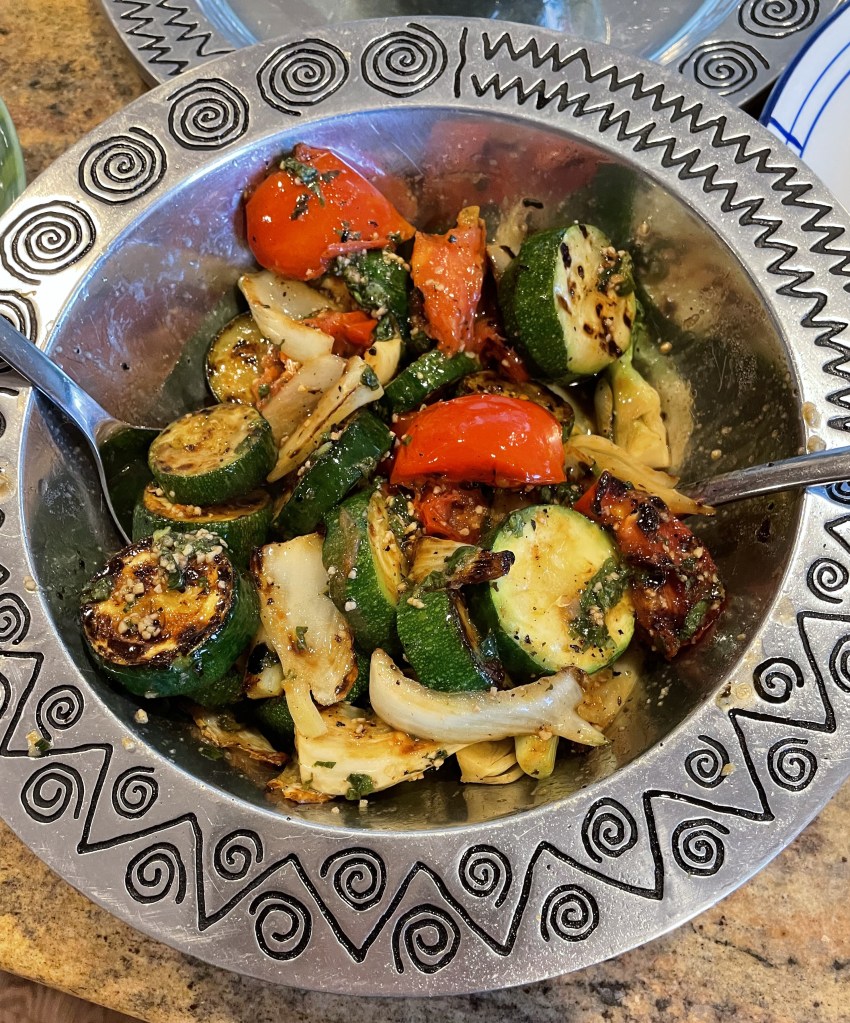
We go to Mexico all the time. As you know, we LOVE diving in Cozumel. When we eat out, often the vegetables served are sauteed zucchini, crookneck and carrots, mixed with cumin, oregano, and sometimes peppers. This is exactly what I did too. I also threw in some of my lemon verbena, which is already growing wild and taking over my backyard. But I LOVE cooking with it. π
Dessert was flan. You saw this from my Old World/New World fiesta as well, only I made it as individual portions, since I was only making it for only five people this time. Old World/New WorldΒ Fiesta
And of course, we had margaritas too.
I love Mexican food, and we eat it all the time, so really this was just yet another normal dinner for us. And as usual, we celebrated with friends and games after. So it was a celebration of sorts, but really just a celebration of life, because life is good, and it is always better when shared over good food with good friends.
Que tengas un gran dia y haz que cada dia sea grandioso. Mantente segura y mantente bien. Hasta la proxima. Have a great day and make everyday great. Stay safe and stay well. ‘Til next time.

On a side note. Today, May 4th, would have been my mother’s 95th birthday. Sadly, I lost my mom over 18 years ago, so she is up in Heaven now. Happy, Heavenly Birthday Mom. I love you always and forever.
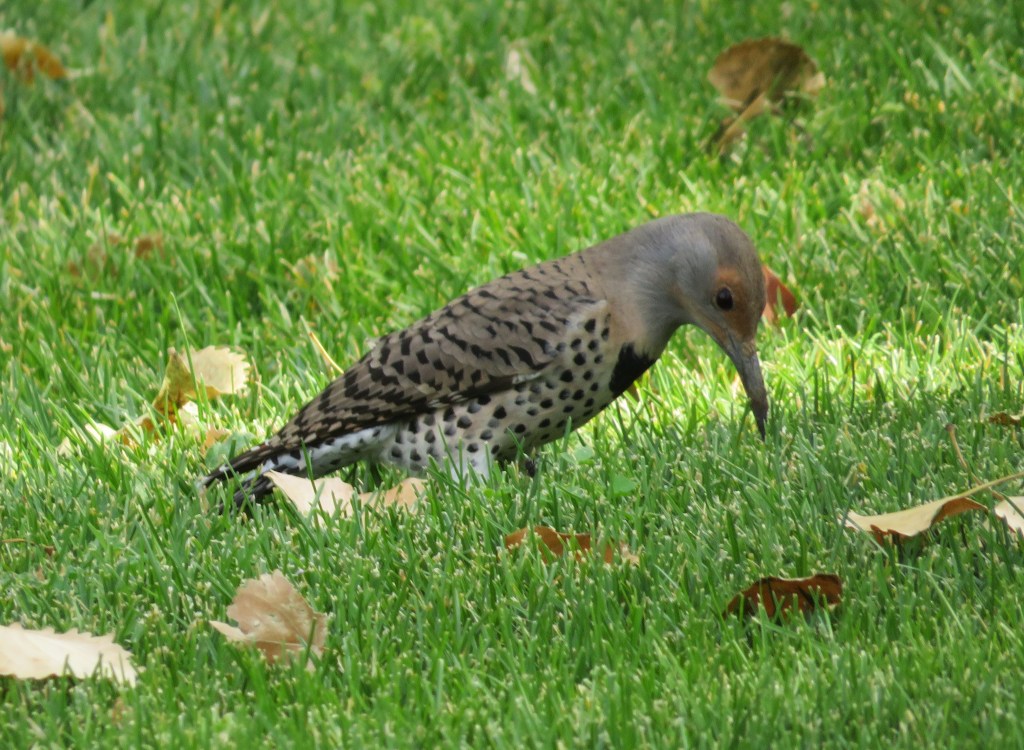
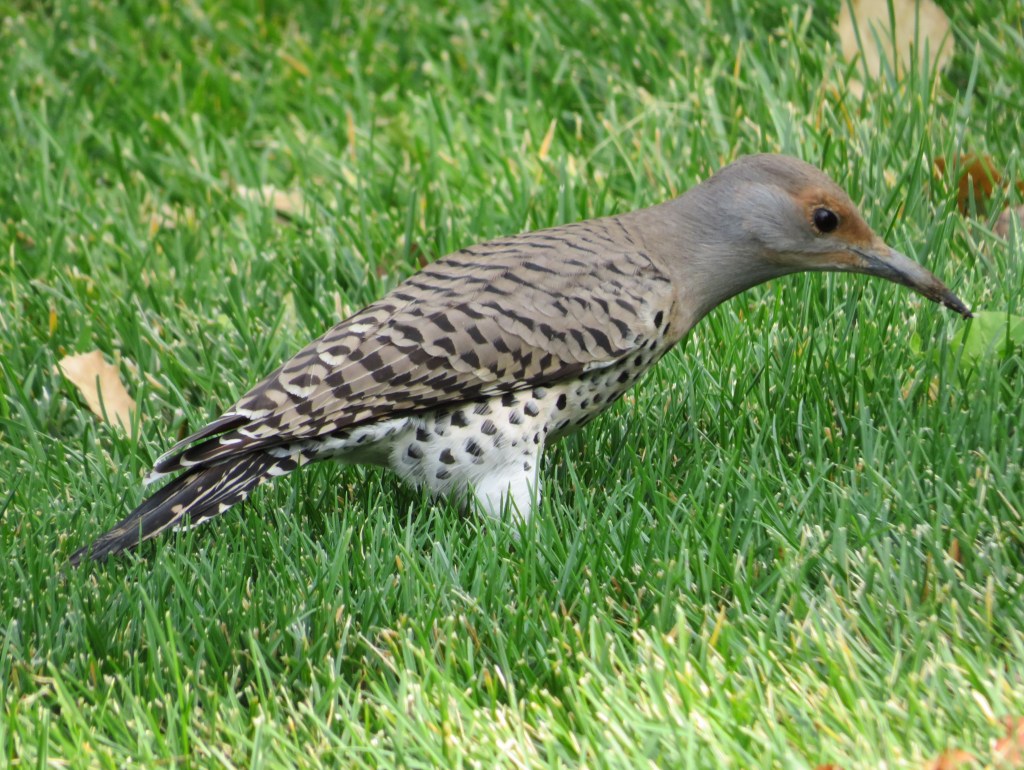
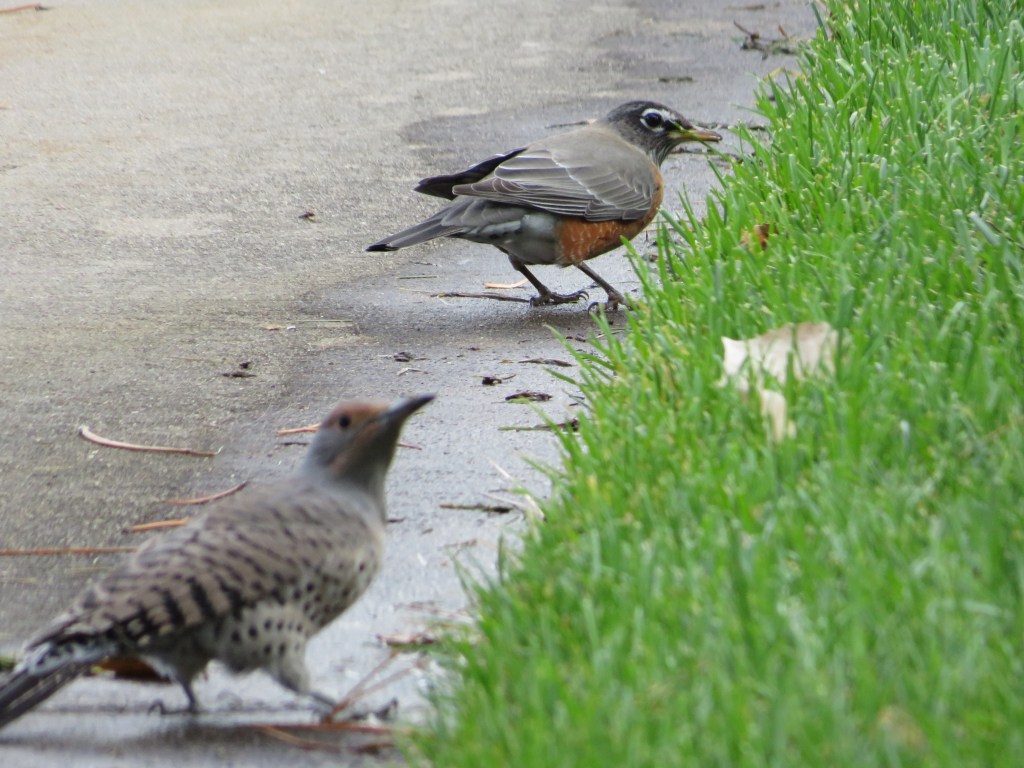
Spring is alive and well. I have seen so many birds all around, and a lot of Rosy Finches too. It seems like I have seen a lot more than usual, or maybe I am just noticing them more. Here are some more fun pictures of my Rosy Finches.
This one seems to be house hunting. I think he likes the view.
This guy likes to be more grounded, and prefers a garden view.
Have a rosy day, and always try to enjoy your view. π
Auguste Escoffier is known as the father of modern cuisine. He invented over 5,000 recipes, published Le Guide Culinaire textbook and developed approaches to kitchen management. He redefined French cooking and established new culinary principles that encompassed refinement, organization, and innovation. His meticulous attention to detail and emphasis on quality ingredients set a new standard for professional cooking. So suffice it to say, M. Escoffier knows a few things about food and cooking.
One of the many things M. Escoffier is known for is creating the basis for all sauces, known as the Mother Sauces. There are five basic sauces, in Escoffier’s opinion, that started all the other sauces we use today. I don’t know if I agree with this theory of not, but most classically trained chefs do. We are at least taught this in culinary school. But, you all know I am a rebel, and I was most definitely a rebel in culinary school too. My favorite Chef Instructor, Chef Andre Averseign, used to tell me all the time, ” Non, non, non, Jeanne – [gee-ne], dis is not right”. Then he would taste it, and say “oh, dis is good”. π
According to the French Chefs, sauces are the foundation of fine cuisine. Their preparation is considered the most important business in every large kitchen. But with any recipe, the written words, which are what we call the “recipe” are “only a guide to the real thing. The reality is in the performance. No recipe can represent the human creativity and complexity”. (p. xiv, preface, The Sauce Bible, Guide to Saucier’s Craft, by David Paul LaRousse).
The Mother Sauces are: Hollandaise, Veloute, Bechamel, Espagnole and Tomato.
Hollandaise Sauce –
A traditional Hollandaise sauce is a sauce made from egg yolks, melted butter, lemon juice or vinegar, a dash of Dijon mustard, and a dash of nutmeg. It is usually served with fish, eggs, vegetables or chicken. Despite having βHollandβ in its name, it’s generally agreed among chefs that Hollandaise sauce was first born in France and was originally known as Sauce Isigny, named after a small town in Normandy famous for its butter and cream. According to history,Β France couldn’t produce its own butter during the First World War and imported it from HollandΒ β which led to it being known as Hollandaise. A Bearnaise sauce is a close cousin to Hollandaise, but it is usually made with tarragon, shallots and vinegar. Rich, creamy butter sauces used for a variety of dishes today are direct descendants of both of these sauces. I love Hollandaise sauce and rich, buttery sauces in general, and make them quite often, but then I love ANYTHING with butter.
A traditional Bechamel sauce only has three ingredients, milk, melted butter and flour, and of course simple seasonings. Often, there is a hint of fresh nutmeg used in a Bechamel sauce too. It starts with a blond roux, made by whisking flour and butter for about 2 minutes in a saucepan on the stove. Thatβs just long enough to cook the flour without browning it to eliminate the pasty taste that comes from raw flour. Once the roux has bubbled for a minute or two, add half the milk and whisk to eliminate any lumps. Then whisk in the remaining milk. A Bechamel sauce can be used for any of the same dishes and recipes as either a hollandaise or a veloute sauce. It is also the base for many cheese sauces too.
Espagnole Sauce –
Espagnole (pronounced like the word for Spanish: espaΓ±ol) is a basic brown sauce that is also one of the five mother sauces of classical cuisine. It’s also the starting point for a rich and deeply flavorful sauce called demi-glace, which is traditionally served with red meats.
The last of the five Mother Sauces is a tomato sauce. We ALL know what tomato sauces are, especially if we eat anything Italian. π Sauce tomat is one of the classic French mother sauces. It’s deeply tomato-y, creamy without cream, and can be used as a base for braised meat, thinned for soup, or tossed with pasta.
The French, Mother Sauce method of making a tomato sauce –
The sauce starts with lightly browning diced salt-cured pork, followed by softening the mirepoix (finely chopped onions, carrots, and celery) for a few minutes. Add garlic, a bay leaf, a few sprigs of thyme, whole tomatoes crushed in a bowl, and stock. Cover the pot and pop it in the oven for a slow simmer.
All that deliciousness comes with a time commitment. The sauce needs to simmer for a couple of hours to build and concentrate all of those flavors, but that can be done handily in the oven, allowing you to use your time however you please instead of standing over the stove.
So when I say “sauce it up”, now you can sauce it up in the traditional French chefs’ way too. Chef Raymond Oliver says “a sauce is not only the fluid part of a cooked dish, but the very soul of cooking”,(p. xiv, preface, The Sauce Bible, Guide to Saucier’s Craft, by David Paul LaRousse) . Now this, I do agree with. The sauce is what makes the meal. π
Make your day saucy and live it up. Have a great day and make everyday great. Stay safe and stay well. ‘Til next time.

As you can probably tell, I get very excited when we have goslings. They grow up so quickly, and don’t stay little for long. So I have to capture their cuteness while I can. I am going to give you yet another gosling day, and then I will give it a little break. I mean, we do have plenty more to see than just cute, adorable goslings. But how can I resist???? π
Smile and the world smiles with you. Have a great day and make everyday great. π
You all know I love to recreate as much as I can from my leftovers. When I made my bruschetta to take with us for our latest wining adventure, Bruschetta we made a dent for sure, but I still had quite a bit leftover too. It was way too good to let go to waste, though I would NEVER do that anyway, and I had shrimp down that needed to be used. So the leftover tomatoes from my bruschetta got turned into bruschetta shrimp. I served it with my olive bread Herbed Olive Bread and a cool, crisp Pinot Grigio on the side. It was a perfectly refreshing and light spring meal.
I added a few more tomatoes, a little extra basil, and the cooked shrimp. Then I deglazed the skillet with some dry white wine.
When the wine was reduced by about half, I added the tomatoes to the cooked shrimp. I cooked it just long enough to heat everything up.
After everything was hot, I topped it all off with a little lemon balsamic vinegar to make all the flavors really come to life and pop, then served it all over angel hair pasta, also leftover. If you don’t have lemon balsamic vinegar, lemon juice will work just fine too.
Be creative with leftovers. Walk on the wild side and see what happens. You just may surprise yourself with what comes out of your kitchen. All you need is a little imagination, and VOILA!
Have a great day and make everyday great. Stay safe and stay well. ‘Til next time.

In case you hadn’t noticed, I love seeing all my cute little goslings. And they grow up so quickly, I have to capture them while I can, when they are still little and just so darn adorable. π Yesterday, I saw not one, not two, but three groups of goslings out enjoying the day with their parents. Two groups were even smaller than than first group, meaning they are just a couple of days old. They were just so cute. Seeing them totally made my day. One group had 6 goslings and the other groups each had 5.
All that swimming made them hungry. It was time for a lunch break.
Mom and dad are making sure they are eating a nutritious lunch.
I think it’s nap time time now.
Look for the things that make you smile everyday. Have a great day make everyday great.
If you are from the south, and particularly from New Orleans or Louisiana in general, you know what muffaletta is. Most people are unfamiliar with it though. But I am about to change that for you.
Muffaletta is an Italian-American sandwich that was made famous in the French Quarter of New Orleans. Sicilian immigrant Lupo Salvadore created this now famous sandwich at the Central Grocery in 1906, which is one of New Orleans oldest markets and is still thriving today. Lupo noticed Sicilians shopping for various ingredients found on the sandwich and trying to put them together, but making a total mess of it. He decided to do it for them and sold the muffaletta in his shop. He created his own recipe for the olive salad that made the sandwich incredibly popular.
The name muffaletta, or one of its many spelling variations, derives its name from Sicilian dialect that means ‘soft and spongy bread’. This soft round bun is so versatile and many locals use it as a sandwich to fill with local hams and cheeses. Muffaletta is usually served hot, when all the flavors melt together. But some people like it cold too. I like it hot.
Yesterday I gave you a teaser, telling you I was going to make something interesting out of my olive bread. Herbed Olive Bread Today, I give you the muffaletta I made with it. I had various lunchmeats leftover from our latest InVINtions trip, Bruschetta, and making muffaletta was just the perfect idea on how to use it up.
First, I hollowed out one of my round loaves of olive bread, saving the filling for croutons. Then I brushed the remainder of my latest batch of orange vinaigrette all over the inside of the bread. Oranges and olives go great together, by the way.
Then I roasted peppers and made some spinach with garlic and onions.
After the peppers were roasted, sweated, peeled and seeded, and the spinach was ready, it was time to start the layering process to make the sandwich. First was some Provolone cheese, followed by layers of beef, turkey and ham.
Next came another layer of Provolone cheese, followed by the sliced pepper strips, finished with a topping of the spinach and onions. I added another brushing of the orange vinaigrette on the top of the bread, then wrapped it all up in foil and put it in the oven to melt all the flavors together.
I baked it at 375*F or about 191*C and cooked it all for about 30 minutes. I wrapped it in foil since the bread was already baked and I did not want it to brown any more. Delicious! I GAR-UN-TEE Y’all are goin’ to love this one. π
When you eat muffaletta, you are getting your whole meal all in one, in one sandwich. It’s got your vegetables and salad already packed into the sandwich. So with every mouthful, you get a little bit of everything. As with any recipe that has been around for a long time, there are many, many different variations. This is but one of many endless possibilities. Enjoy and laissez le bontemps roulez!
Have a great day and make everyday great. Be adventureous,but stay safe and stay well. ‘Til next time.

The other day we saw the goslings for the first time of the season, and now they are already swimming. Before swimming though, mom and dad were going over the rules and teaching them some dry land stuff. You need to learn to walk before you can learn to swim.
Now, onto the swimming lessons.
Have a great day and make everyday great. ‘Til next time.
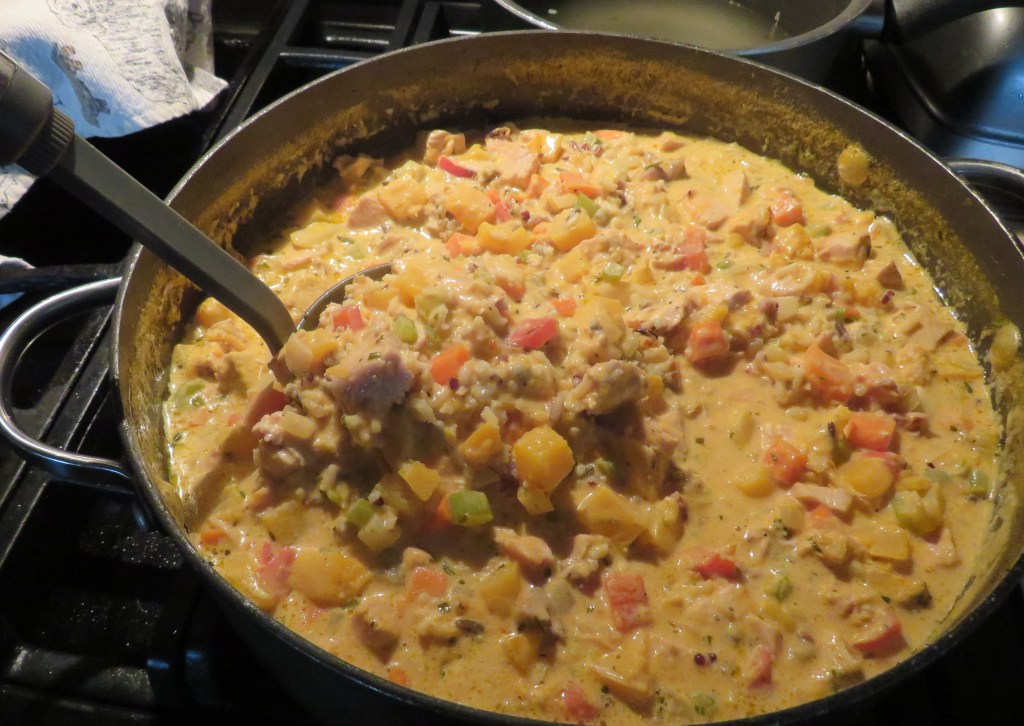
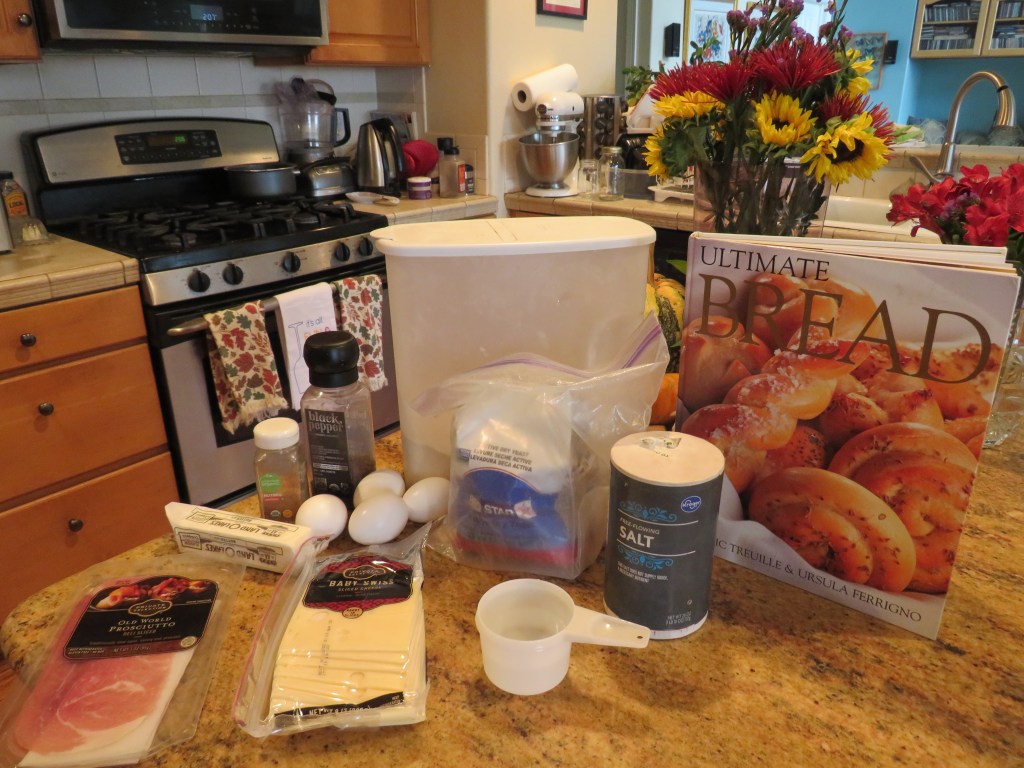
I love making bread. There is something very therapeutic and relaxing about it. That being said, I decided it was time to bake some bread again. And I had something specific in mind for something I am going to make tonight. You will just have to wait a little longer to see what that will be though. A little anticipation is a good thing. π
Yesterday’s bread which will be part of tonight’s dinner, as well as last night’s, was an herbed olive bread. I have made many different versions of olive bread, but I think this one is my favorite, at least so far. This is a Tuscan bread that can easily be a meal in itself, with a little cheese and wine on the side.
Herbed Olive Bread
I like mixing and matching my olives, and rather than chop them like a tapenade, I prefer to slice them. This way you can really see the olives in the bread, and they are so colorful and pretty.
1 package or 2 1/4 tsp dry active yeast
2 cups warm water
4 1/2-5 cups flour
1 1/4 tsp salt
1 TBSP olive oil +more for oiling the bowl
1 cup sliced olives
2 TBSP fresh basil, chiffonade, or 2 tsp dried basil
2 TBSP fresh oregano, chopped, or 2 tsp dried oregano
Sprinkle the yeast over the water, whisk together and let set for about 10 minutes or so, until it becomes frothy.
Combine the flour, herbs, olives and salt together. You can use regular all-purpose flour or a combination of all-purpose and bread flour, equal portions of both. I just used all-purpose flour this time. Make a well in the center of the flour mixture.

When the yeast water is frothy, add 1 TBSP of olive oil to the mix. This time, I used basil olive oil.
Mix everything together and knead until you have a smooth, elastic dough and shape into a ball. Cover and let rise for about 1 1/2 hours in a warm spot. Let the dough rise until it has doubled in size.
When the dough is ready, punch it down and divide into two equal portions. On a lightly floured surface, roll the dough into two balls once again and place on a slightly oiled baking pan. Dust the dough with a light topping of flour, cover and let rise again for another hour.
Preheat the oven to 400* F or 190*C. Bake for 30 minutes or until lightly browned. Remove and let cool for about 10 minutes before slicing. Then either dip it in olive oil or lather it up with butter, and enjoy.
Bread is the food of life. Take your daily bread and enjoy. π Have a great day and make everyday great. Stay safe and stay well. ‘Til next time.