I have created this site to help people have fun in the kitchen. I write about enjoying life both in and out of my kitchen. Life is short! Make the most of it and enjoy!
Author: ajeanneinthekitchen
I have worked in the restaurant and catering industry for over 35 years. I attended 2 culinary schools in Southern California, and have a degree in culinary arts from the Southern California School of Culinary Arts, as well as a few other degrees in other areas. I love to cook and I love to feed people.
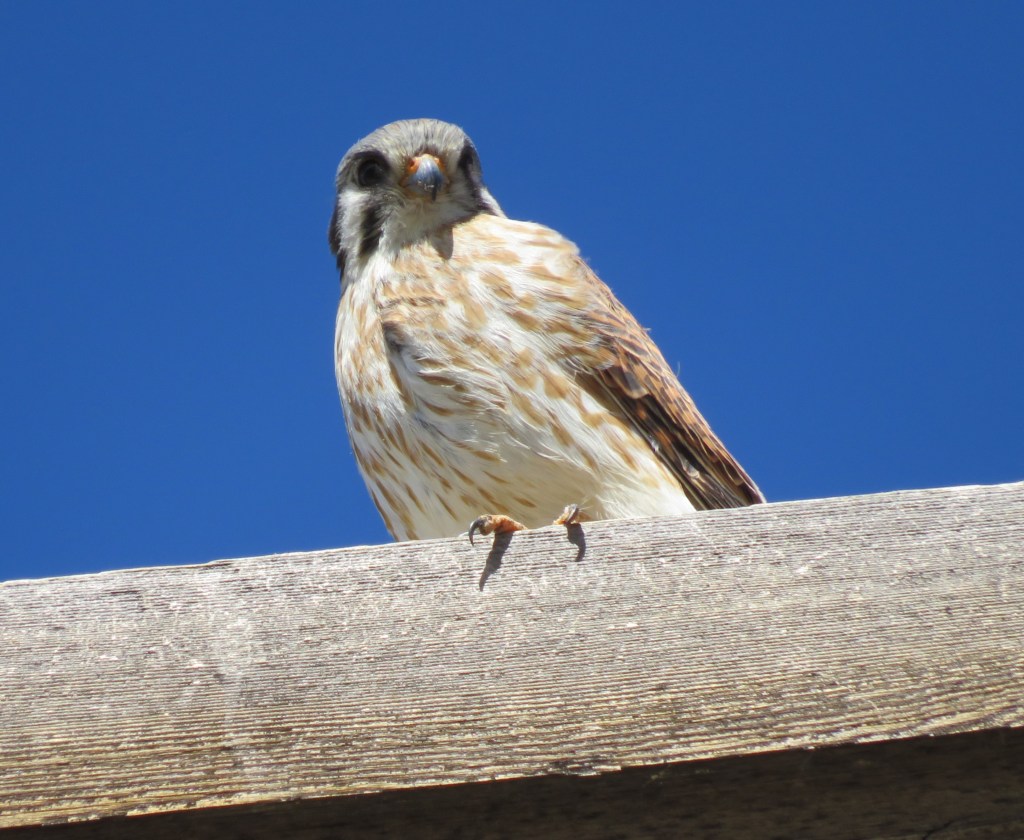
As you know, I love my little American Kestrels, as well as all the birds of prey. But then again, I could have just left it with I love all my birds, and that too would be a very true statement. 🙂 There is something magical about my little Kestrels though. These are the smallest and most abundant falcons in North America. Here we call them American Kestrels, but in some areas, they are also called Sparrowhawks or Northern Kestrels. They are one of the most colorful of all the raptors: the male’s slate-blue head and wings contrast elegantly with his rusty-red back and tail; the female has the same warm reddish on her wings, back, and tail.
She is looking for her prey in all directions.
Another day, another female, in the same location. They like this spot a lot. I tend to see Kestrels perched here quite often.
Larry is out of town all weekend. He is helping his mom celebrate her 96th birthday. Since it is just me, I am just eating up the leftovers and am not cooking. I thought this would be a good time to share some fun food quotes from famous people.
Anyone who tells a lie has not a pure heart and cannot make a good soup.
~Ludwig von Beethoven~
I LOVE this one!
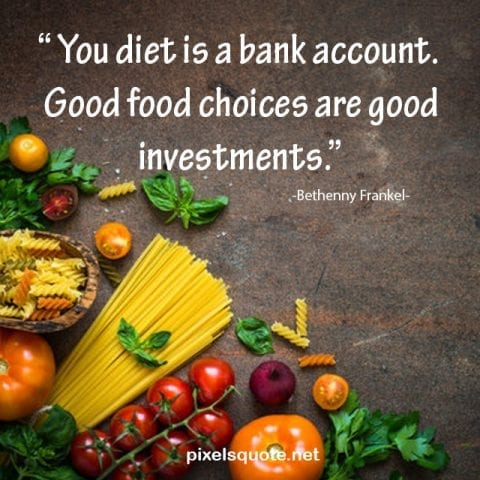
This should read your diet is a bank account.
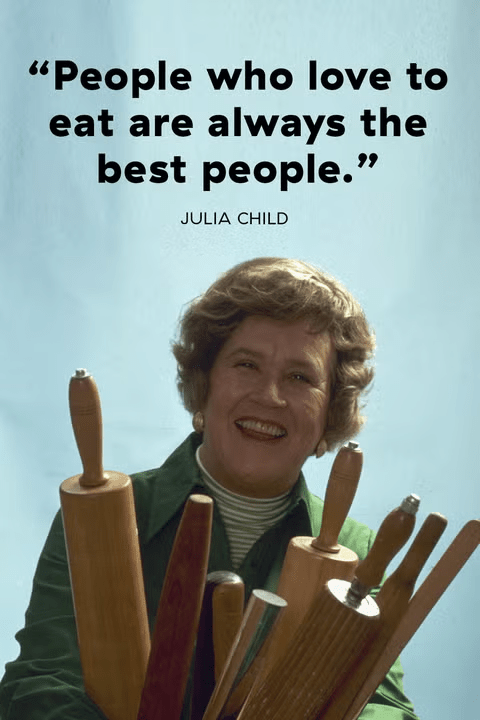
As always, I am in full agreement with Julia Child.
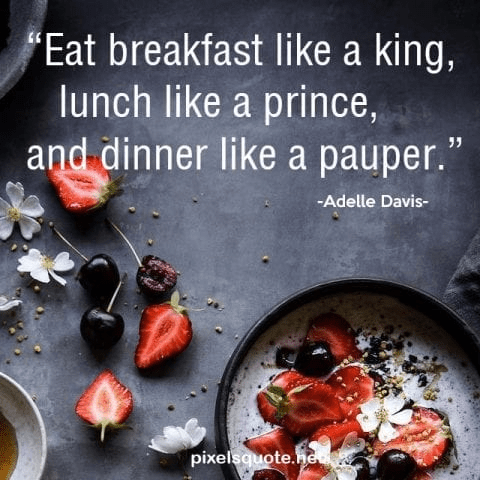
I thought this one from James Beard was a good finish for this round of famous food quotes. I could not agree more. 🙂
Happy Father’s Day to all who are fathers and dads. Have a great day and make everyday great. Stay safe and stay well. ‘Til next time.
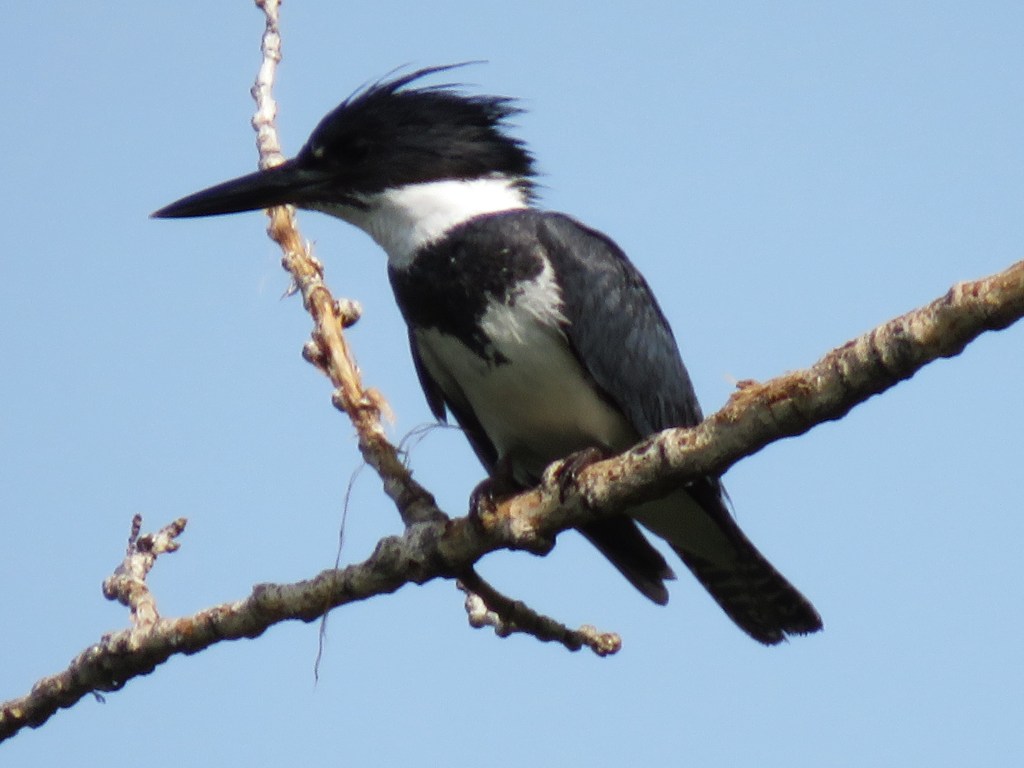
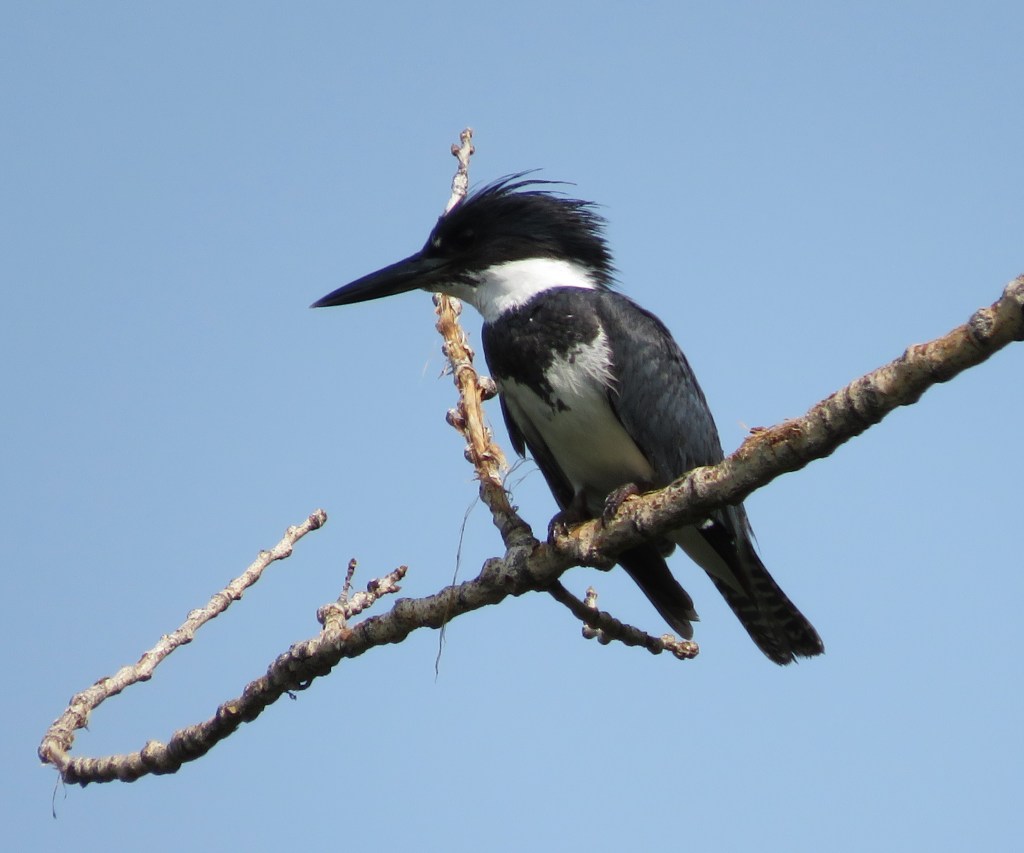
Kingfishers get their name because they are known as the kings of fishing and are fish eaters. There are many different varieties all over the place, wherever there is water. Here in Colorado, we have Belted Kingfishers. Sometimes, they even pay a visit to our lakes or ponds too.
This is a male Kingfisher, looking over the lakes for some good fish. In catching fish it sits on a limb of a tree that hangs over a stream, looking into the water beneath. Then, as it sights a fish, it drops like a stone into the water, Seconds later it pops up with the fish in its bill. The females have a ruby red collar around their necks.
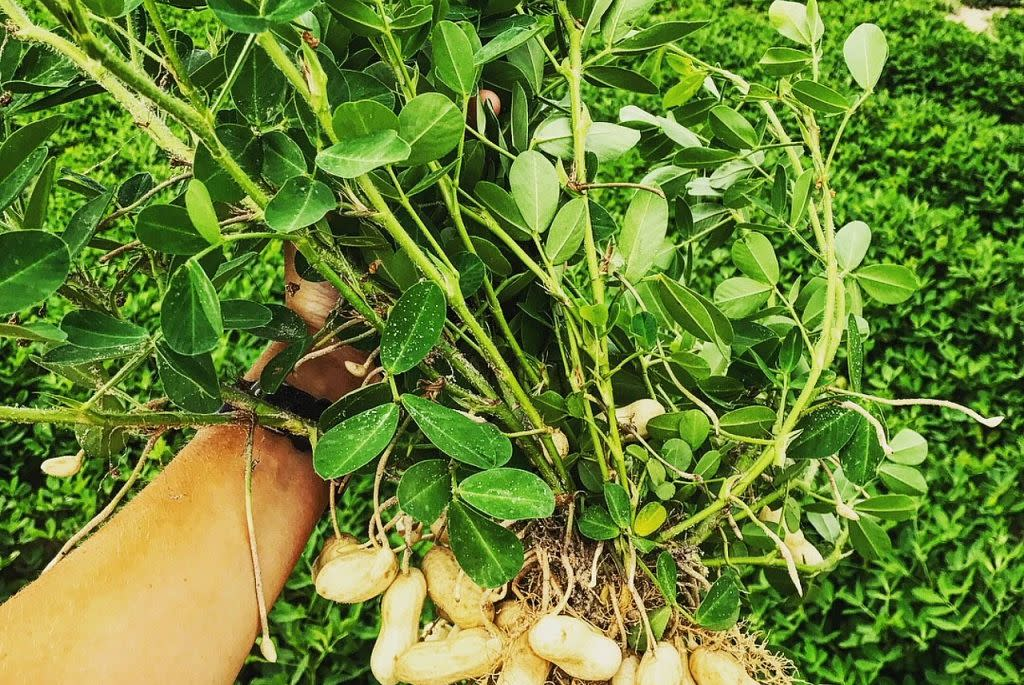
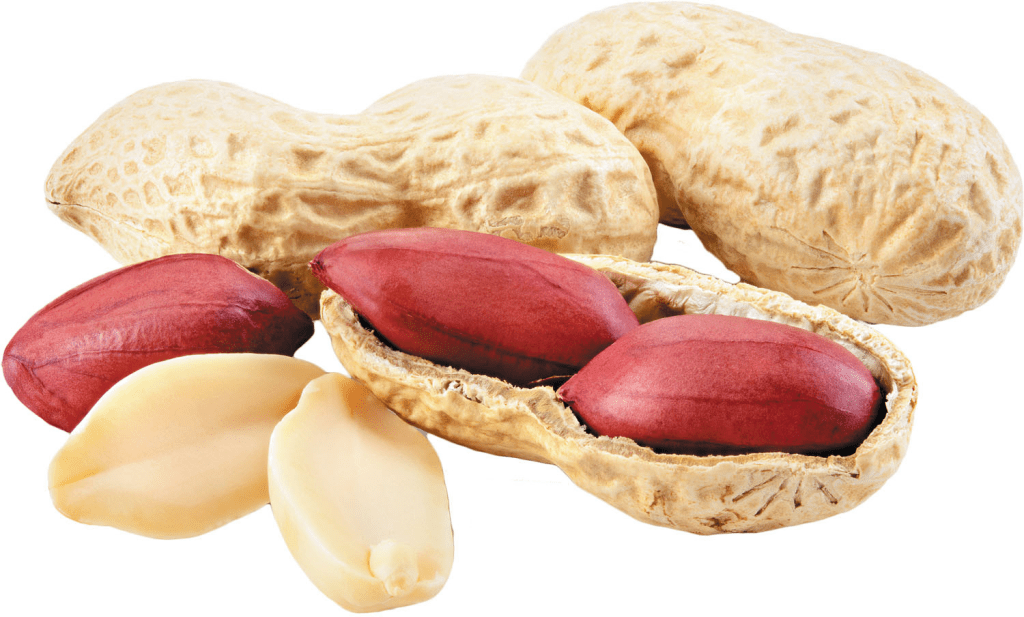
Peanuts, goobers, monkey nuts and ground nuts. What do they all have in common? They are all different names for the same thing – “nuts” that are actually part of the pea and legume family, that grow in the ground rather than on trees.
Peanuts are very old “nuts”, having been around for at least 7,000 years. They originated in South America, and it is believed Bolivia was where they first originated. The peanuts we know today are an ancient hybrid from two different wild varieties that grew naturally in Bolivia. From Bolivia, the peanuts spread to Peru, and then to the rest of the world with the help of the Spanish Conquistadors and the early Dutch explorers. Peanuts were first brought to the United States in the 18th century, through the slave traders. They were stored on the ships because they were cheap food sources and traveled well.
Virginia was the first place peanuts were grown in North America. Today, China, India and the United States are the largest peanut producers in the world. It’s kind of strange since the peanut was not native to any of these countries, and now they are the largest peanut producers in the world.
When peanuts were first introduced to the United States, they were only used as animal food. But during the Civil War, that quickly changed, when the soldiers started eating both the “nuts” themselves and the “butter” they produced, that we call peanut butter, because other food sources were scarce and hard to come by. They instantly took a liking to peanuts and discovered that peanuts are a great source of protein as well as many other nutrients and are also very healthy and satisfying. Today, peanut butter is an American staple, eaten and loved by all.
There are four main types of peanuts produced and eaten in the united States. They are the Virginia peanut, runner peanuts, Spanish peanuts and Valencia peanuts. The Virginia Peanuts stands out from the other peanut varieties in both size and taste; they are the largest peanut, are more flavorful than the three other varieties, and have a characteristic crunch when eaten. Virginia Peanuts are commonly called the “Ballpark Peanut” because they are the peanut variety sold at baseball games across the country. Out of the total peanut production in the United States, Virginia Peanuts make up about 15% annually, and while the majority of the 26,000 acres of peanuts grown in the Commonwealth are Virginia Peanuts, about 1,000 acres of the state’s peanut farmland grow Runner Peanuts. Virginia peanuts are also grown in Texas, and both North and South Carolina.
George Washington Carver, a renowned biologist and former slave, is responsible for most of the growth and popularity of peanuts in the United States. Carver was known by his neighbors as “the plant doctor” because he developed a lot pesticides that enabled plants of all kinds to grow bigger and healthier plants that produced more food. Carver was also known as the grandfather of the peanut industry because of all his contributions to not only the farming industry in general, but specifically to the peanut farming industry. George Washington Carver contributed much to the study of agriculture, including introducing the now-widespread practice of crop rotation, but his biggest contributions would be to the farming and culinary uses of peanuts. During his lifetime, he came up with over 300 food, commercial, and industrial uses for peanuts, including cooking oils, paper, soaps, and cosmetics. He even experimented with using peanuts in medicinal treatments, creating ointments, antiseptics, and other peanut-infused medicines that would have varying results in their effectiveness. His published works detailing the wide array of uses for peanuts lead to their rise as a valuable crop planted in Southeast Virginia and throughout the country, transforming the agricultural economy in the United States.
Another reason peanuts became so popular in the United States is because P.T. Barnum, famous for his traveling circuses, used to sell peanuts at a cheap price to all the visitors that would go to his shows.
Here are some other fun facts about peanuts and peanut butter I bet you didn’t know.
It takes about 540 peanuts to make a 12-ounce jar of peanut butter.
It takes 3.2 gallons of water to produce 1 ounce of peanuts. (Bonus fact: 1 ounce of almonds takes 28.7 gallons)
The average American will eat almost 3,000 PB&Js in their lifetime, according to a 2016 survey by Peter Pan Simply Ground Peanut Butter.
Two peanut farmers have been elected president of the USA – Virginia’s Thomas Jefferson and Georgia’s Jimmy Carter.
People living on the East Coast prefer creamy peanut butter, while those on the West Coast prefer the crunchy style.
There are six cities in the U.S. named Peanut: Peanut, California; Lower Peanut, Pennsylvania; Upper Peanut, Pennsylvania; Peanut, Pennsylvania, Peanut, Tennessee; and Peanut West Virginia.
The average European eats less than 1 tbsp of peanut butter a year.
There are enough peanuts in one acre to make 35,000 peanut butter and jelly sandwiches. (Source: USDA NASS data)
In a high-pressure environment, peanut butter can be turned into diamonds.
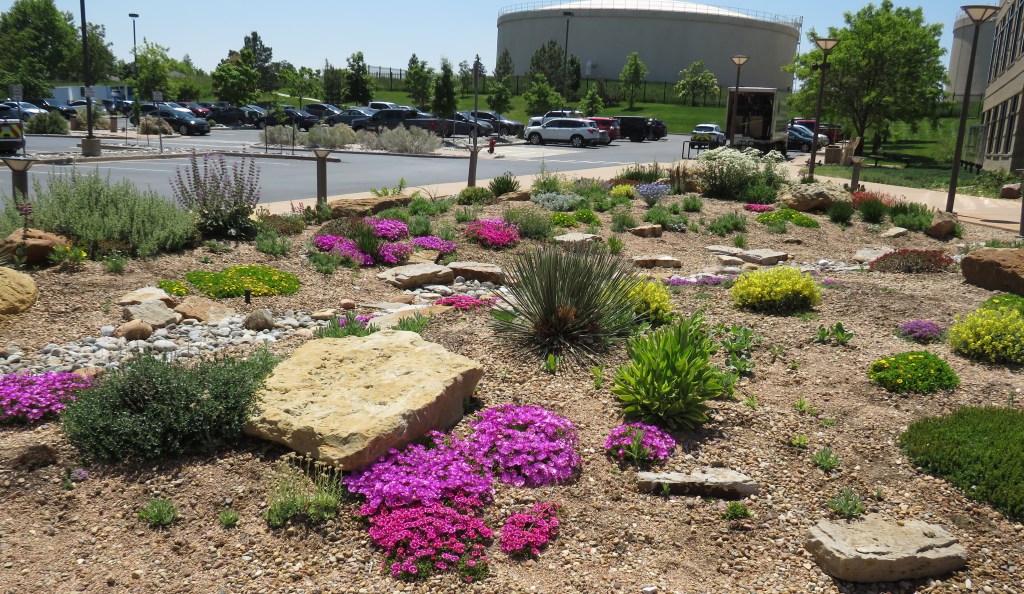
I have one more “garden of glory” to share with you. This one was at the City of Westminster’s City Center. It was honoring our everyday heroes, from the farmers who first settled the area to the brave firefighters and police officers who protect us all everyday.
This gorgeous cactus is what really caught my eye and inspired this “garden of glory” tour. It is so healthy and vibrant.
The rest of the gardens, from the succulents to the flower gardens, were just as beautiful and just as vibrant.
This is ONE HUGE and tall cactus! Look closely. There are little bud pockets all up and down the length of it.
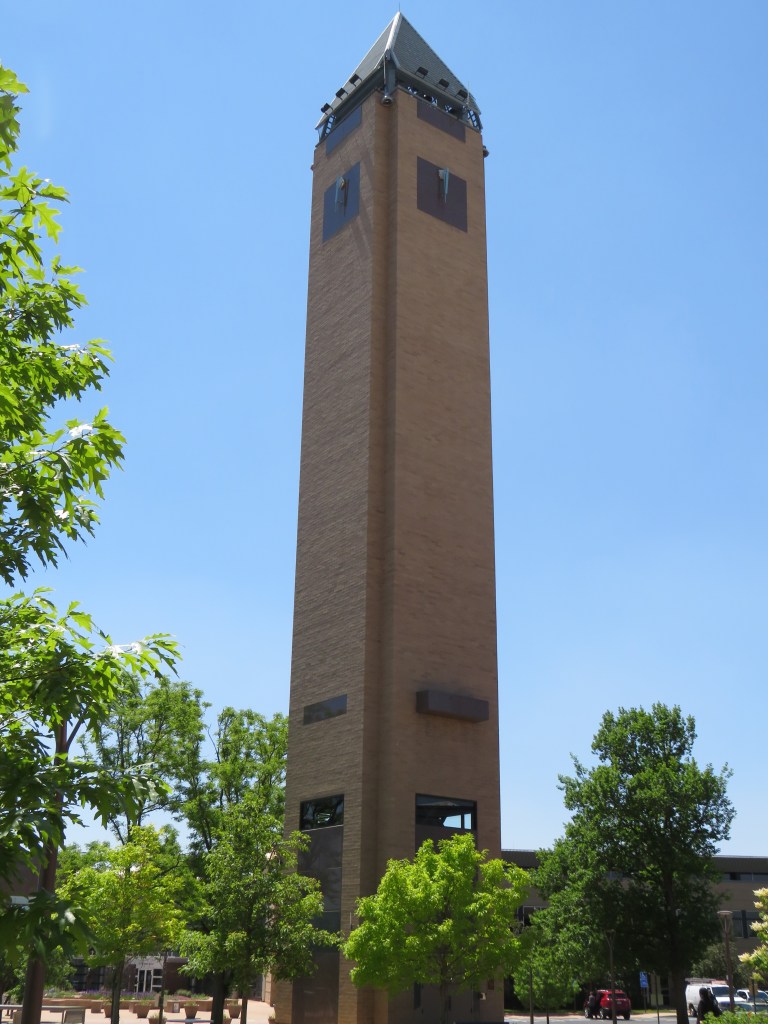
I was there when the tower bells were chiming too. They sounded so pretty. There are 24 bells in this tower, and this is 2nd largest bell tower in Colorado. This bell tower is called the Big Ben of the West, standing at 136 feet tall.
Life is full of surprises. Just open your eyes and look around you. You will be amazed at what’s available and all around. Have a great day and make everyday great.
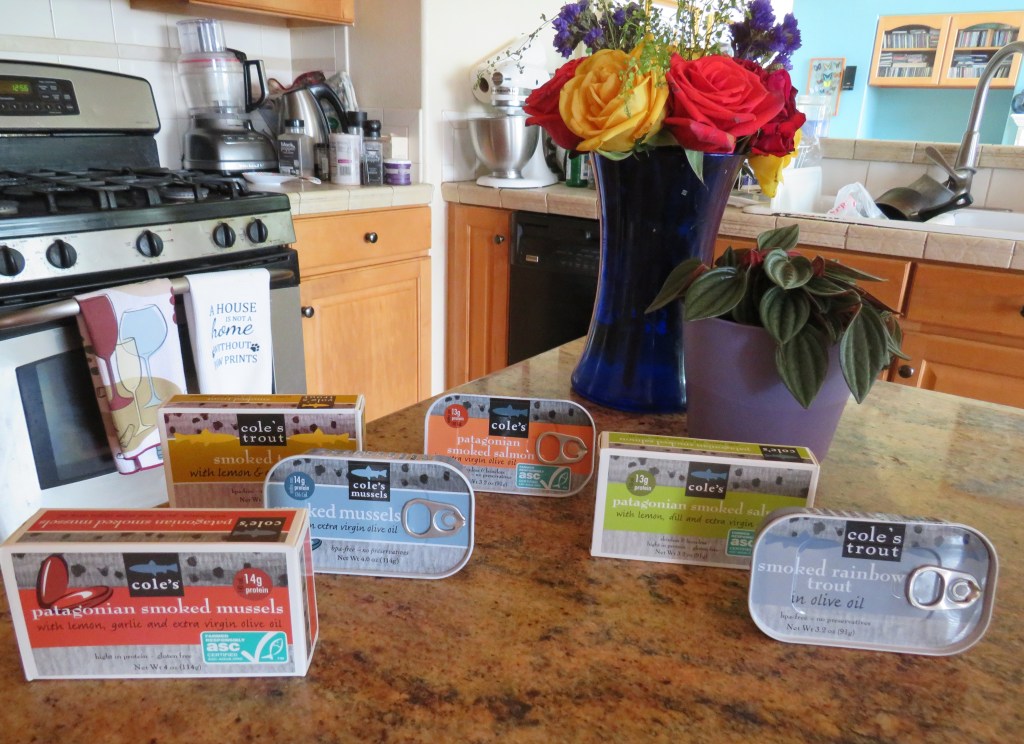
Once again, I am honored to have been selected to test and evaluate a new product line. This time it was for Cole’s Seafood and their tinned fish. I bought a variety six-pack that included smoked mussels, smoked rainbow trout and smoked salmon.
Cole’s Mission Statement: Cole’s Seafood is committed to bringing [it’s] customers unique, delicious fish and seafood from around the world, with a sensitivity to sustainability initiatives that will preserve our oceans, the surrounding environment and support the continued viability of global fishing communities.Cole’s Seafood is sensitive to both our planet and its human inhabitants by supporting the sustainability of our oceans and environment, as well supporting the sustainability of the economies of our coastal fishing communities. [They] accomplish this by minimizing the adverse impacts of our harvesting and processing footprint, through [their] participation in local and global stewardship programs. This responsible coexistence supports us today and supports future generations who will thrive because of our actions. Cole’s buys fish and seafood certified “sustainable” and/or “good choice” by either Monterey Bay Seafood Watch®, Marine Stewardship Council (MSC®) or Aquaculture Stewardship Council (ASC®).
[Cole’s] Support of Local Fishing Communities
Fishing and processing provide the bulk of local jobs in the world’s coastal communities, but overfishing, pollution and climate change continuously threaten the sustainability of these natural resources and thus the economies of these communities.
Cole’s Seafood works with local sustainability initiatives, such as Coastal Fisheries Initiative (CFI), which, in turn, partner with global sustainability initiatives, like Marine Stewardship Council (MSC®), to keep coastal fisheries sustainable, to protect the oceans and the environment thus maintaining strong economic and social benefits for the fishermen and their families.
I haven’t tried the mussels or trout yet, but I already have some ideas for them. I also ordered a cookbook specifically for cooking with tinned fish. That hasn’t arrived yet, but as I said, I do already have a few ideas in mind on how to use them. So stay tuned for more delicious recipes coming your way.
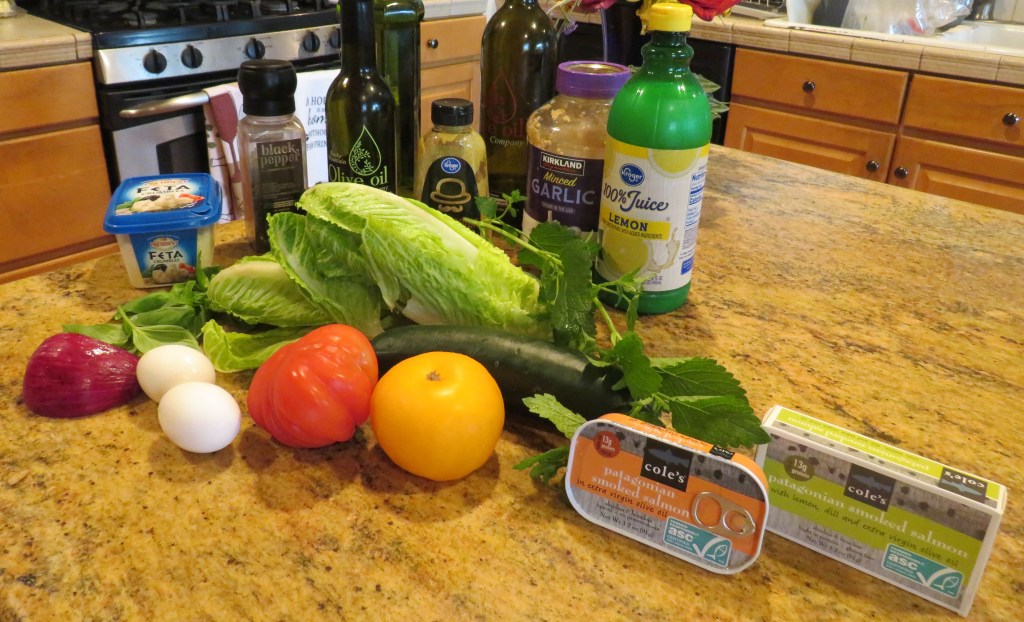
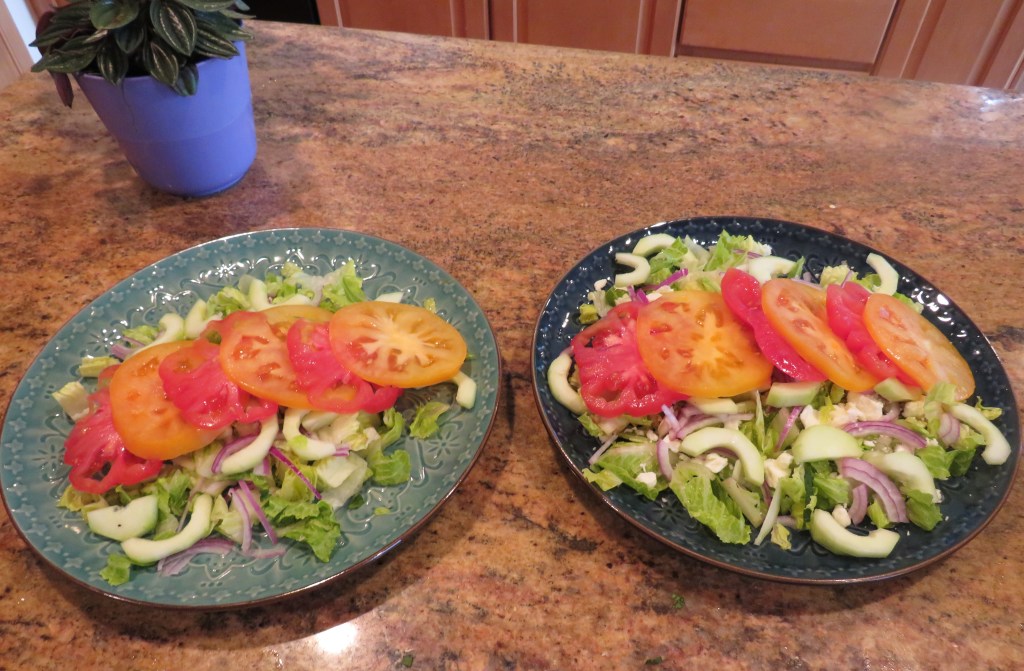
I used the smoked salmon last night and created a smoked salmon salad with a lemon basil vinaigrette. Each tin contains one serving portion and since I was making two salads, I used two tins.
I combined both the Patagonian smoked salmon and the lemon dill Patagonian smoked salmon. They are both packed in extra virgin olive oil to help preserve them.
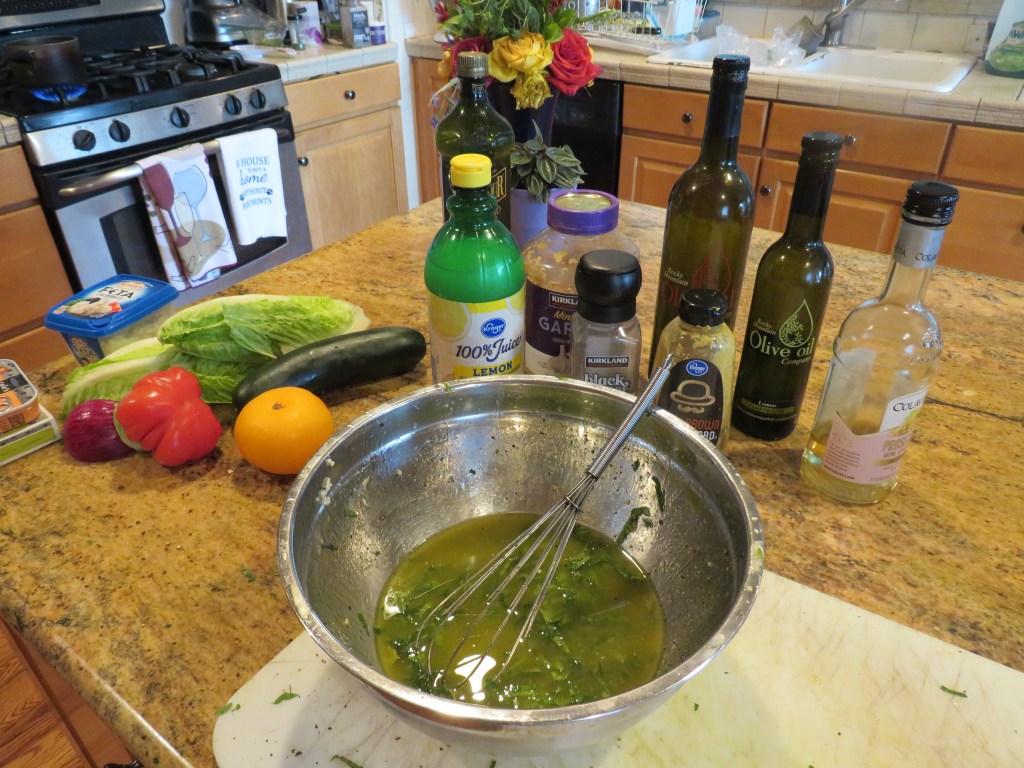
Smoked Salmon Salad with Lemon Basil Vinaigrette
The flavors all came together beautifully with the addition of the lemon basil vinaigrette.
Whisk everything together and set aside until ready to use.
The Salad
Romaine lettuce, chopped
2 hard boiled eggs
2 tins smoked salmon, drained
1/4 red onion, sliced very thin
1/2 cucumber, peeled and seeded and sliced
1 tomato sliced very thin – I used heirloom tomatoes, 1/2 red and 1/2 yellow
feta cheese crumbles
Plate everything together and top with the salmon, more feta cheese crumbles (If using. Larry had cheese I did not) and the chopped hard boiled eggs.
Add the dressing right before serving. Enjoy!
The salads were delicious. The salmon has a very mild taste and will go well with anything you would use salmon for. Because they are tinned and sized in individual portions, they are also perfect to take with you when you are on the go too. They would be perfect for picnics or quick snacks. You can also put them on bread or bruschetta for a quick, healthy, delicious snack. These are gourmet fish tins, made with conscience, quality and care.
Cole’s Tinned Fish products are available at Walmart, Amazon, TikTok, and online, and are coming to more stores near you soon. The prices range from roughly $4- $10 per can, depending on the type of seafood you purchase. Cole’s offers a nice selection and variety of tinned fish. You can also buy them packs and variety packs as well.
Thank you Cynthia Fisher and Cole’s Seafood for reaching out to me and allowing me to test and create something delicious with your products. I am more than happy to do so again if the opportunity should arise.
Have a great day and make everyday great. Stay safe and stay well. ‘Til next time.
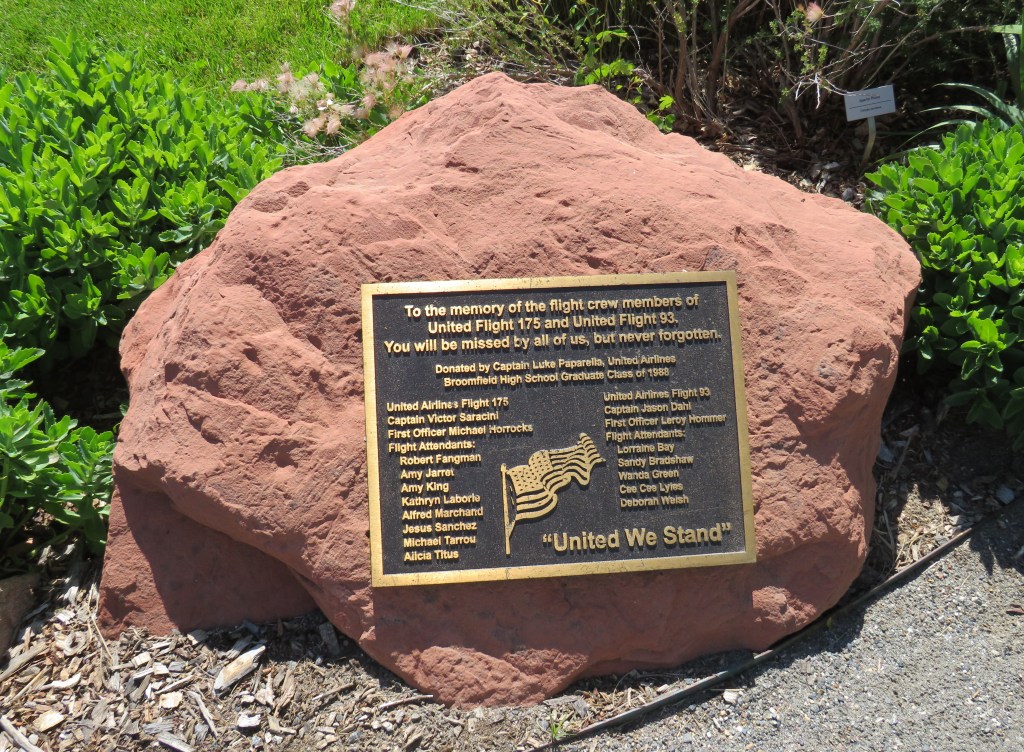
Continuing on with my “Gardens of Glory” tour Nature Walks – Gardens of Glory – Part 1 – The Brunner House, I ventured to the Broomfield Justice Center, where I found yet another “garden of glory”. This beautiful garden was in honor of the fallen first responders. I never knew this was here before. I was just following the flowers. My philosophy has always been to look at life through the eyes of a tourist and a visitor, even in your own backyard. There is always so much just waiting to be discovered.
Thank you to all who took the oath to protect and serve. And a special heartfelt thank you to all who paid the ultimate price for their service. You will always be remembered. You will always be in our hearts.
Follow the flowers and color your world beautiful.
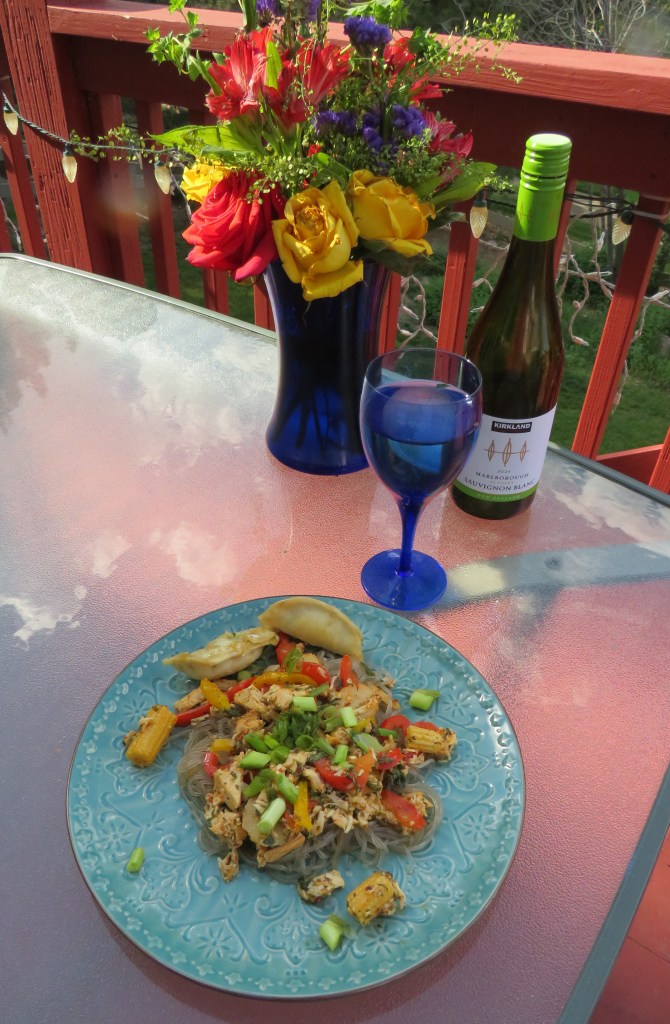
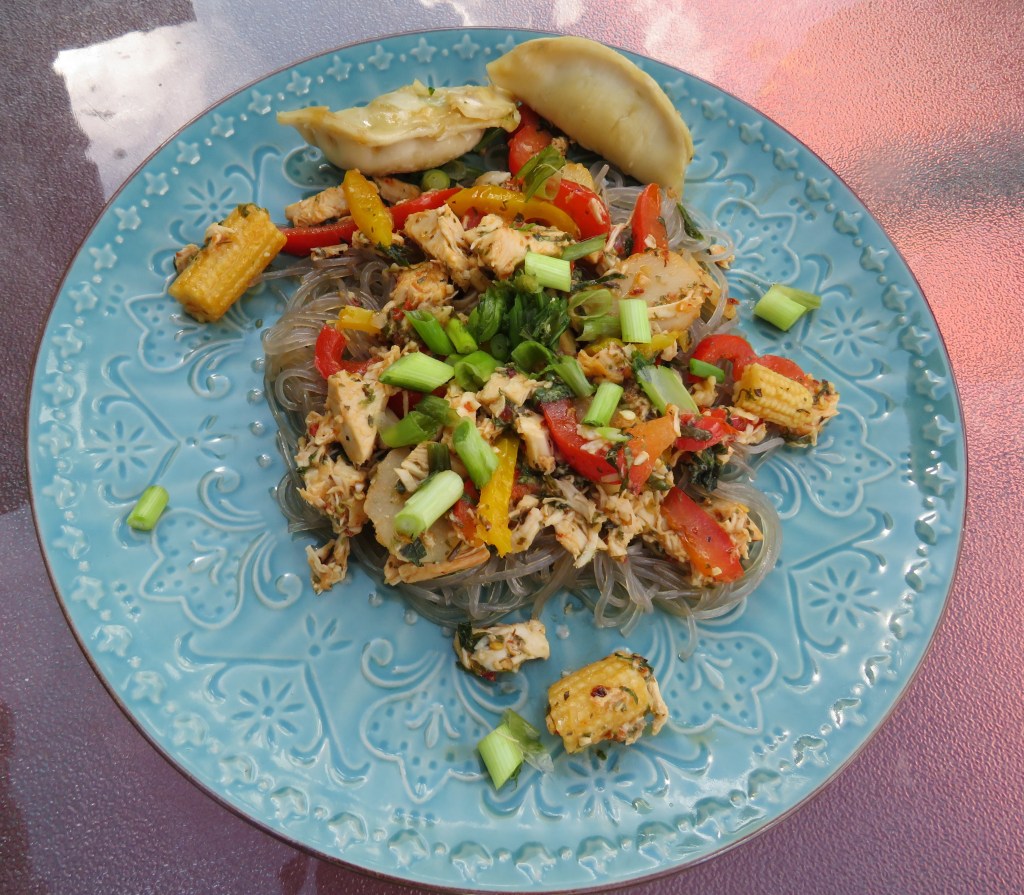
Whenever the mercury starts to rise, our dinners become lighter and lighter. That means more and more salads; salads of all kinds. My newest salad was a Thai chicken and noodle salad with vegetables. I was looking for soba noodles, but couldn’t find them, so I used glass noodles instead. It was a nice summer meal to enjoy out on our beloved deck.
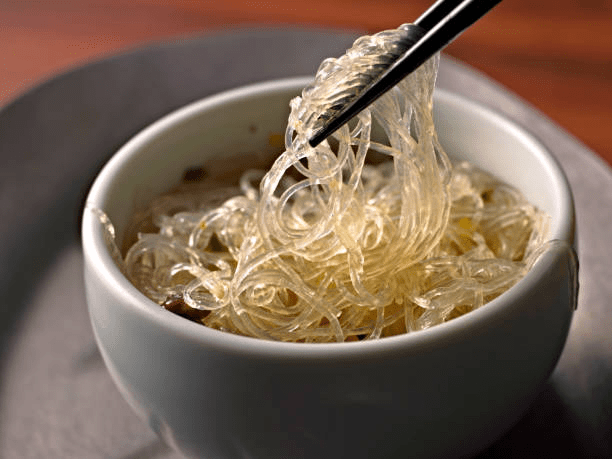
Glass noodles, also known as cellophane or vermicelli noodles, originated in China and have a long history in East and Southeast Asian cuisine. They are typically made from mung bean starch, though some versions use sweet potato starch. The noodles were introduced to various regions by Chinese immigrants and have become a staple ingredient in different cultures. Chinese immigrants spread the use of glass noodles to other regions, including Japan (where they are called harusame), Samoa, and French Polynesia. Glass noodles are now a popular ingredient in a wide range of dishes, from soups and stir-fries to hot pots, across East and Southeast Asia.
Glass noodles are smoother, softer, and more slippery than wheat noodles. (Plus, they’re gluten-free, but always double check the ingredient list and potential cross-contamination details on the package.) These starch noodles are bouncy and chewy, with a relatively neutral taste, so they’re all about texture. Glass noodles are generally considered healthier than rice due to their lower calorie and carbohydrate content. They are also lower in the glycemic index than rice. However, the overall nutritional value of noodles, including glass noodles, depends heavily on how they are prepared and the ingredients they are paired with.
Thai Chicken & Noodle Salad
You can eat this salad cold or warm. Either way, it will be delicious and something different. I made it with chicken, but you can substitute tofu or shrimp too, if you prefer.
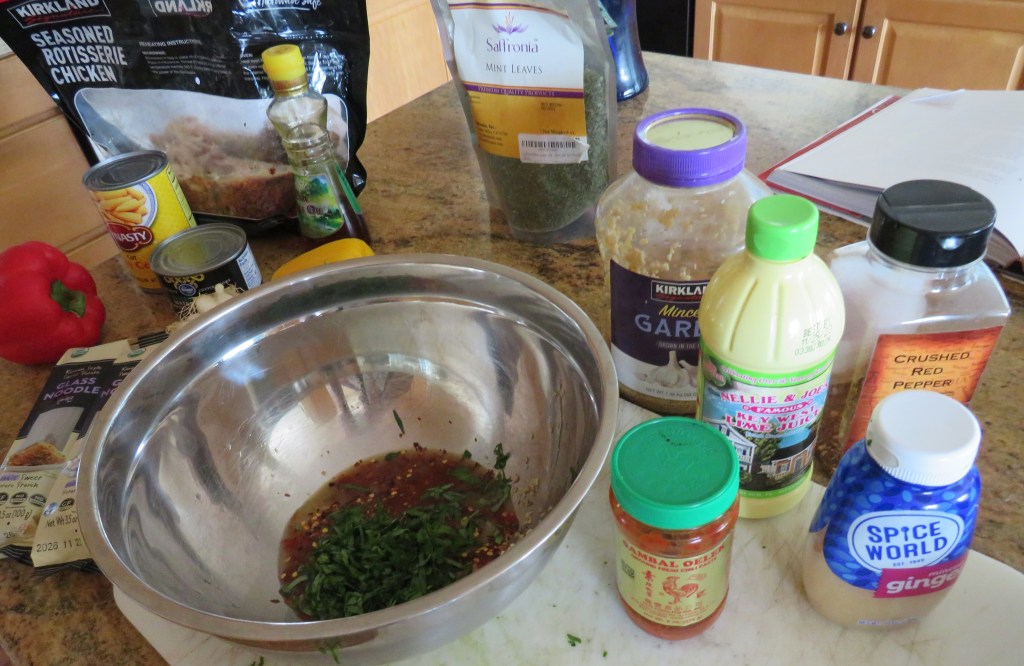
1 lb chicken breast, cooked and shredded
1/2 red bell pepper, cut into thin matchsticks
1/2 yellow bell pepper, cut into thin matchsticks
1/2 can baby corn, cut into pieces
1/2 can water chestnuts, drained
1 TBSP garlic
2 TBSP Siracha sauce or fish sauce
2 tsp ginger
1/4 red pepper flakes or to taste
1/2 cup olive or canola oil
2/3 cup green onions
1/4 cup lime juice
1/4 cup fresh basil, chiffonade
1/4 cup lemon verbena, chiffonade, optional
Asian noodles of your choice
Cook the noodles according to the directions on the package.
Combine the most of the oil, Siracha sauce, garlic, ginger, lime juice, red pepper flakes, basil, lemon verbena (if using) and most of the green onions and mix together well.
Shred the cooked chicken and set aside.
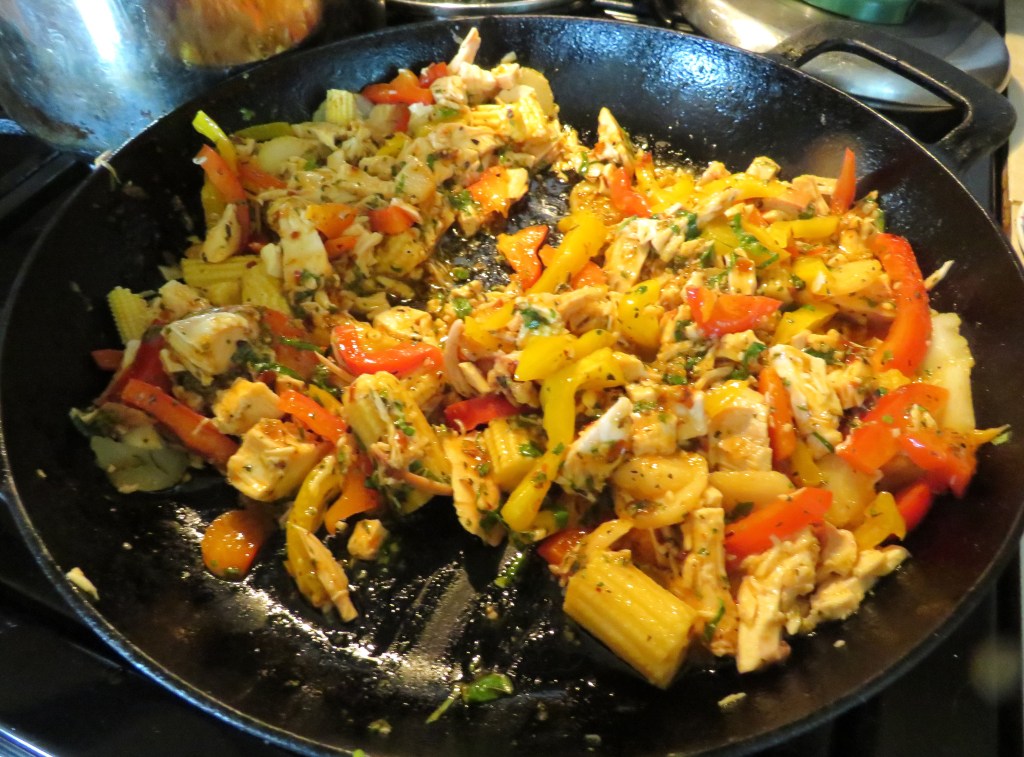
In a hot skillet with oil, add the peppers, baby corn and water chestnuts. Cook for about 5 minutes, or until the vegetables begin to soften, stirring frequently.
Add the chicken and sauce and mix together thoroughly. When everything is heated serve over the cooked noodles and top with the remaining green onions. Enjoy.
Have a great day and make everyday great. Stay safe and stay well. ‘Til next time.
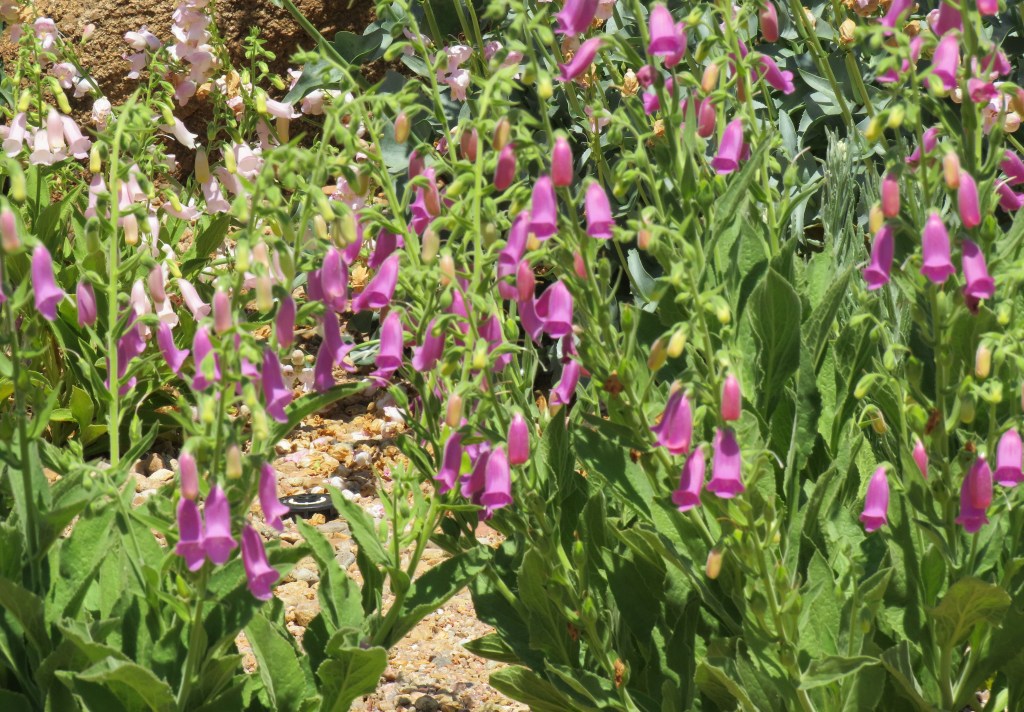
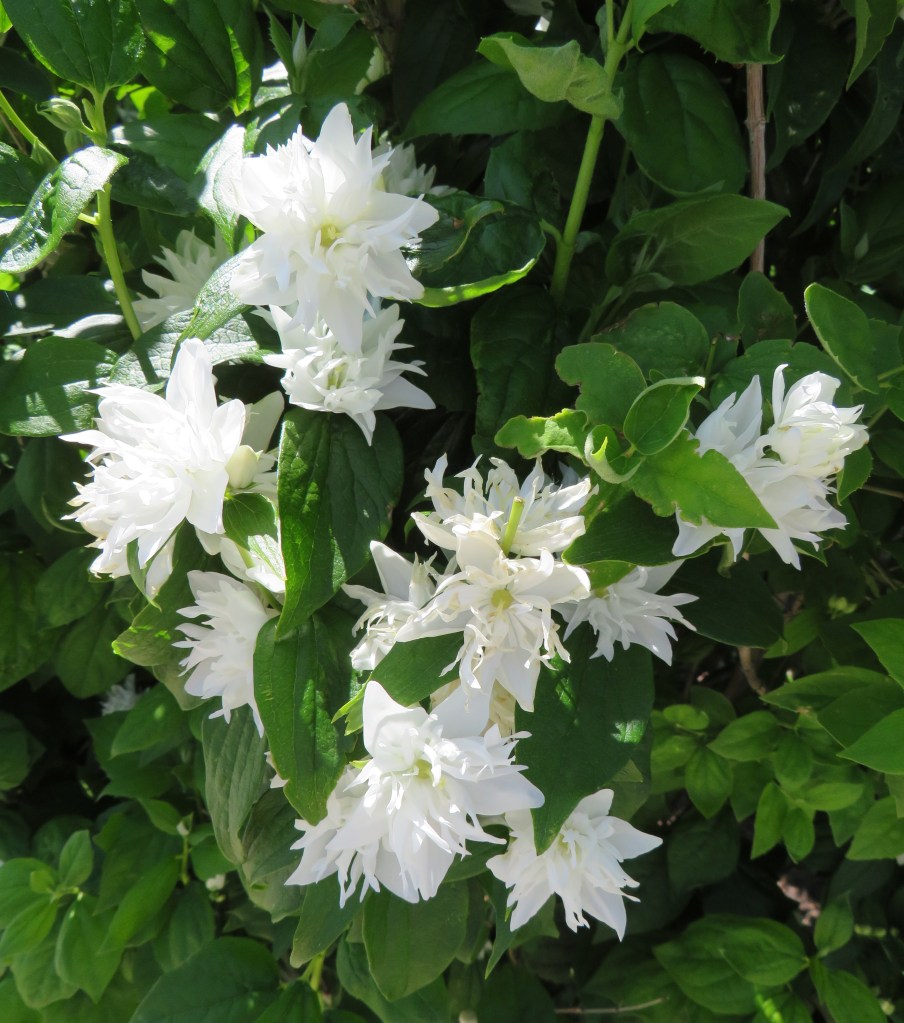
Right now, so many gorgeous flowers are popping up all over the place. They are so beautiful and they smell so good too. It’s hard NOT to enjoy all their beauty. Beauty is all around. I am loving every beautiful and colorful moment too.
On Sunday night, Larry and I joined some friends to cheer on and support another mutual friend of all of ours and his band, Dive Bar Diva. They were playing at a local historic old farmhouse, called the Brunner House. The band did a great job, despite a brief, unplanned little spurt of rain. Our friend Warren is the base player.
I had never been to the Brunner House before, though I always had wanted to go. Once there, before the band started, I toured around the area. The Brunner House is also known for its beautiful gardens, and that they were too. So yesterday, before it got too hot, I went back on my own, just for the gardens.
This is the house. It was moved from another nearby location years ago and preserved through the Historic Foundation, as being one of the oldest known farmhouses in the area. I have been fascinated with this charming little house since I first arrived in Colorado. Before I knew its history, I was hoping it was a house for sale, and I wanted it. But it is a museum, for everyone’s enjoyment, not just mine. This alone is quite a beautiful site, but the gardens were breathtaking.
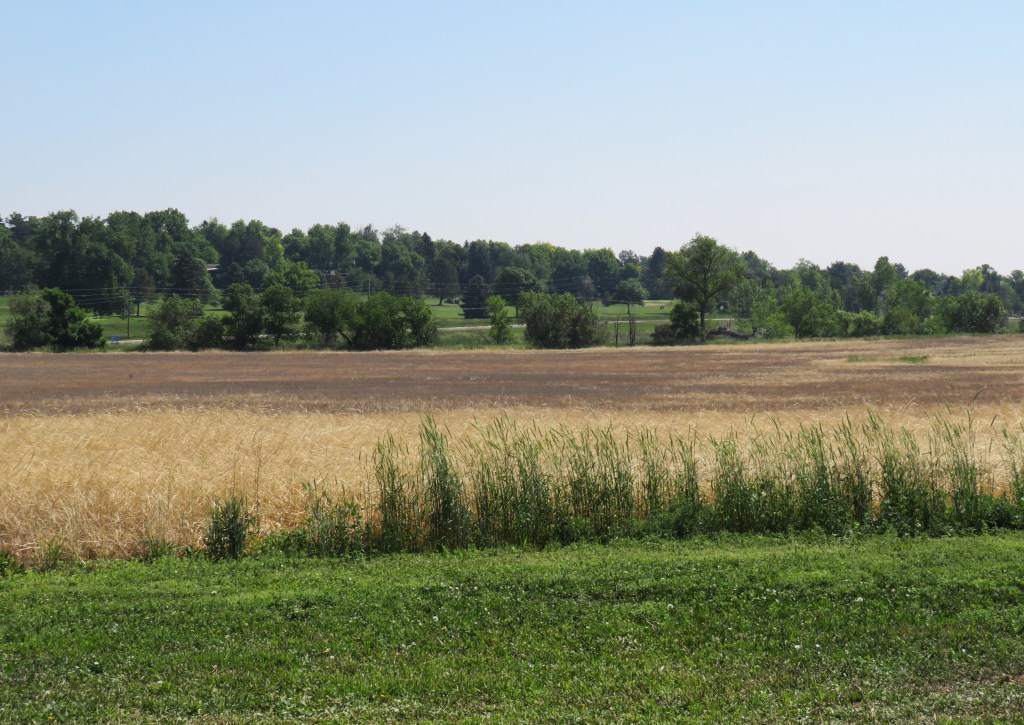
This is one of the fields behind the house. You would never know by looking at it that you are actually in the middle of the city of Broomfield. Broomfield got its name from the broom wheat that was grown in the area.
And the gardens. I call this a Garden of Glory, not just because of how magnificent the gardens were, but also because of the plaques and memorials for 3 of the Brunner family members who served in WWII as well as other military personnel from other times too. The Brunner House was 1 of 3 “Gardens of Glory” I visited yesterday. I had no idea about any of them until I got there. I was just touring around taking pictures of all the beautiful flowers and gardens.
This garden is called “the learning garden” and it is a working, teaching garden for kids of all ages.
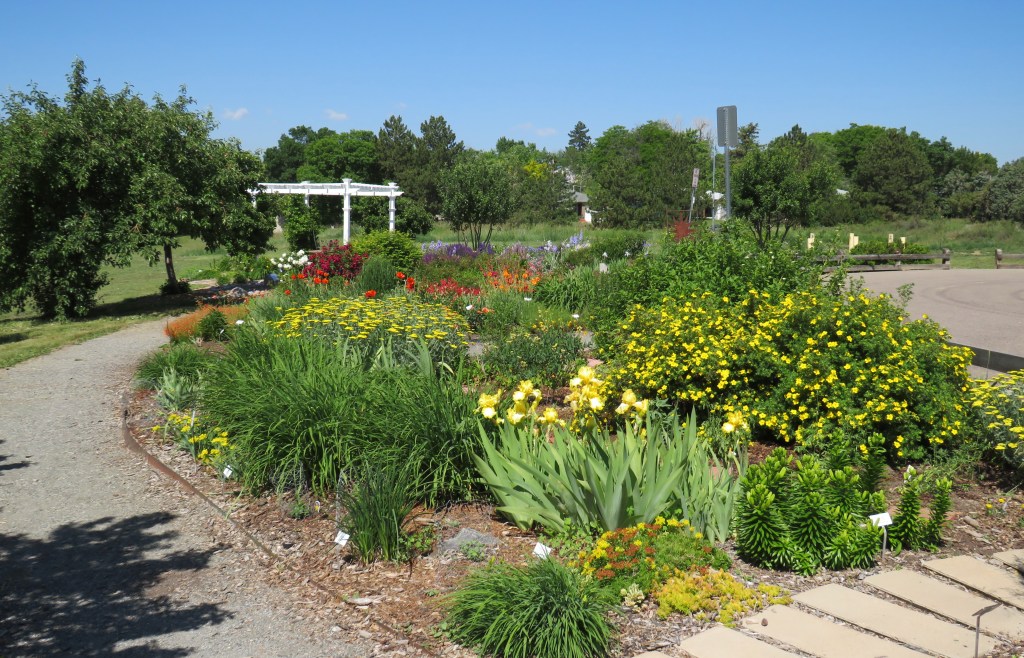
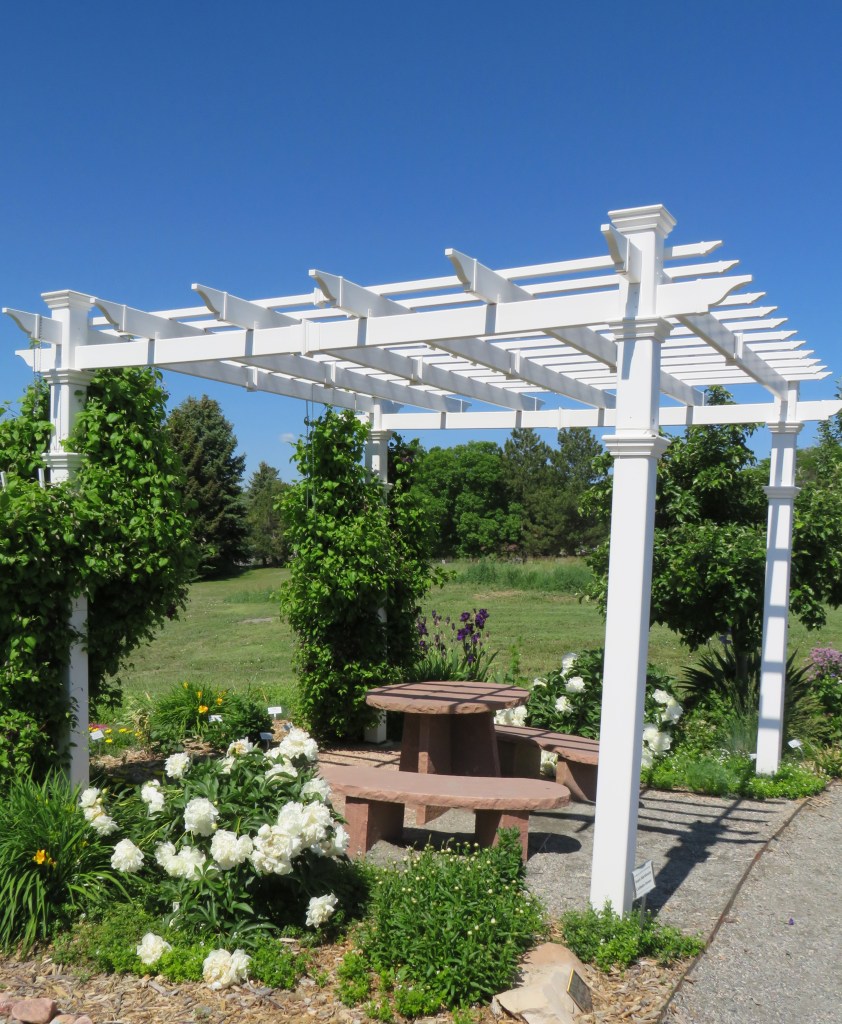
I call these the picnic gardens. These were around the house and in and around the patio area where the picnic tables were located.
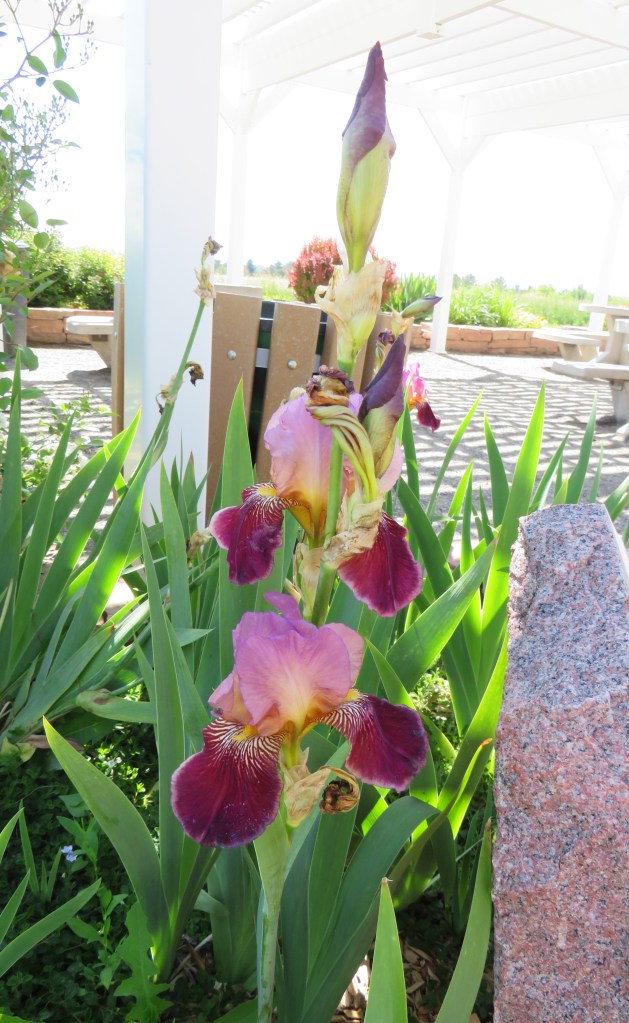
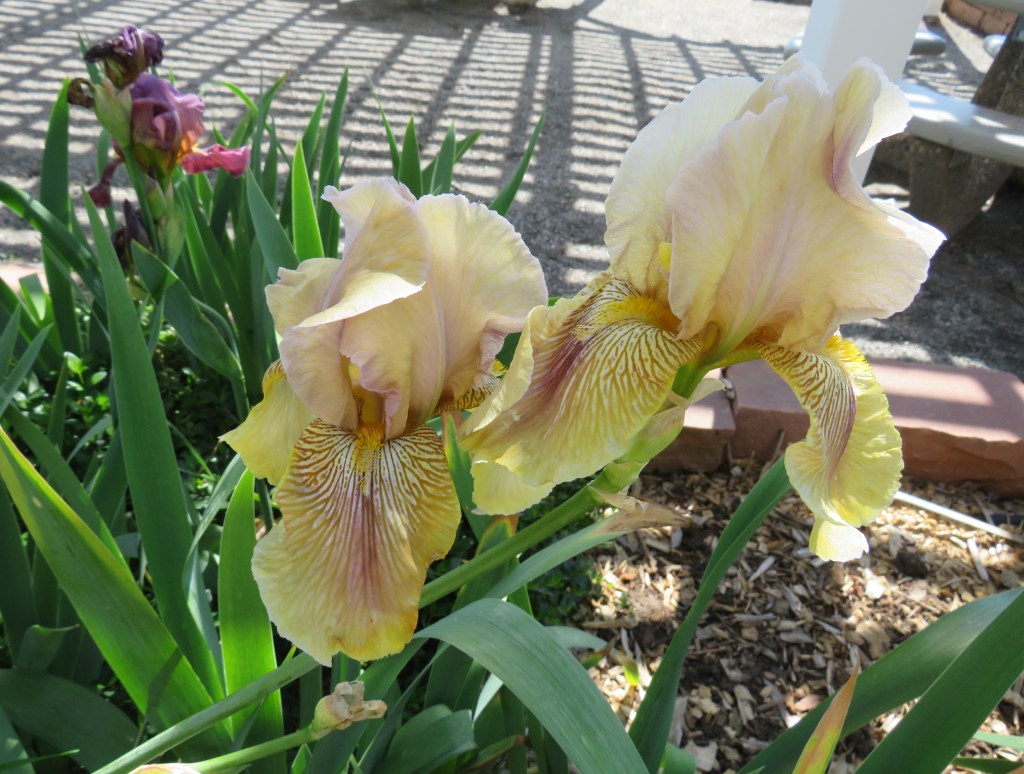
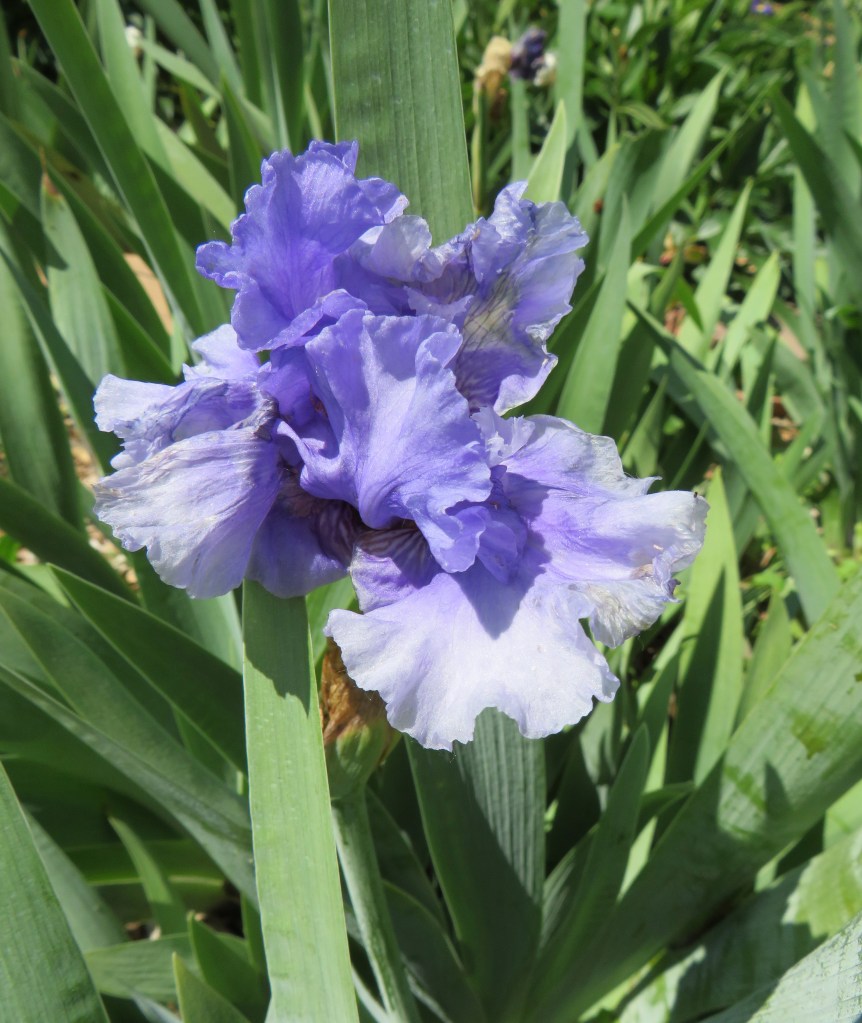
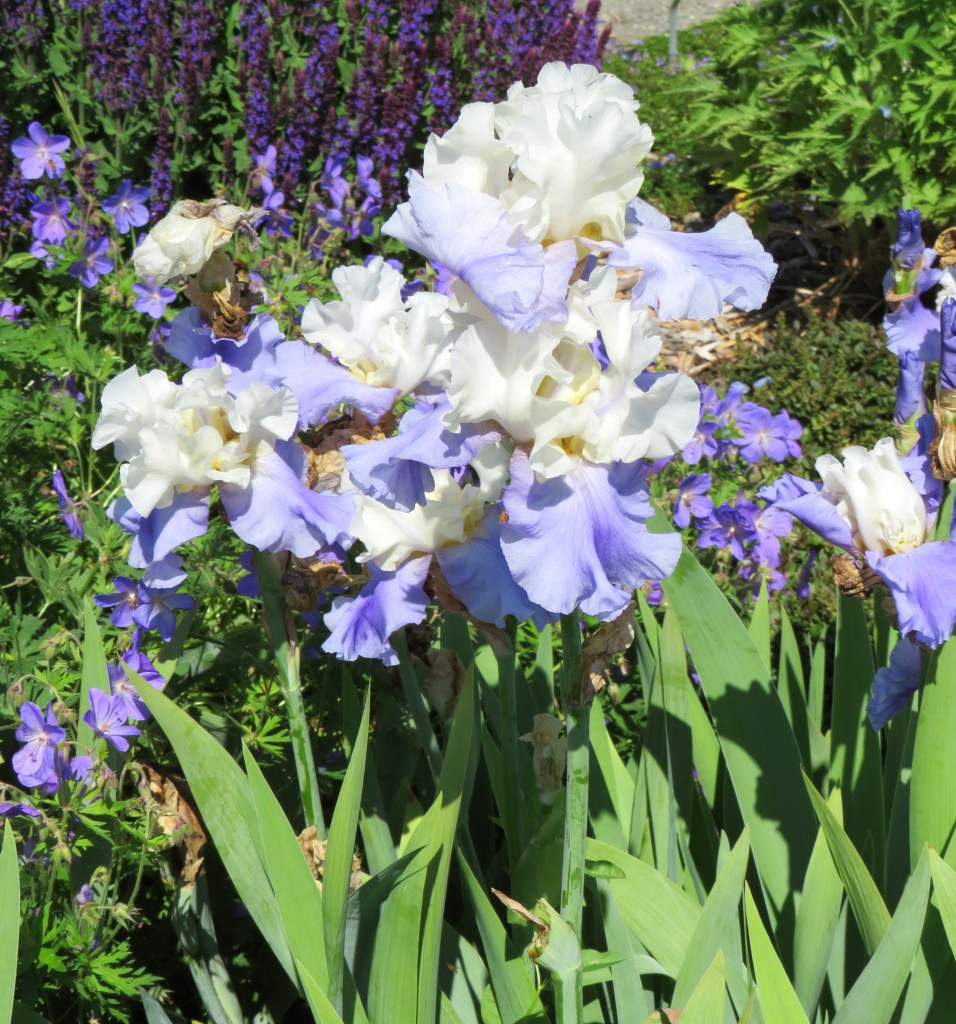
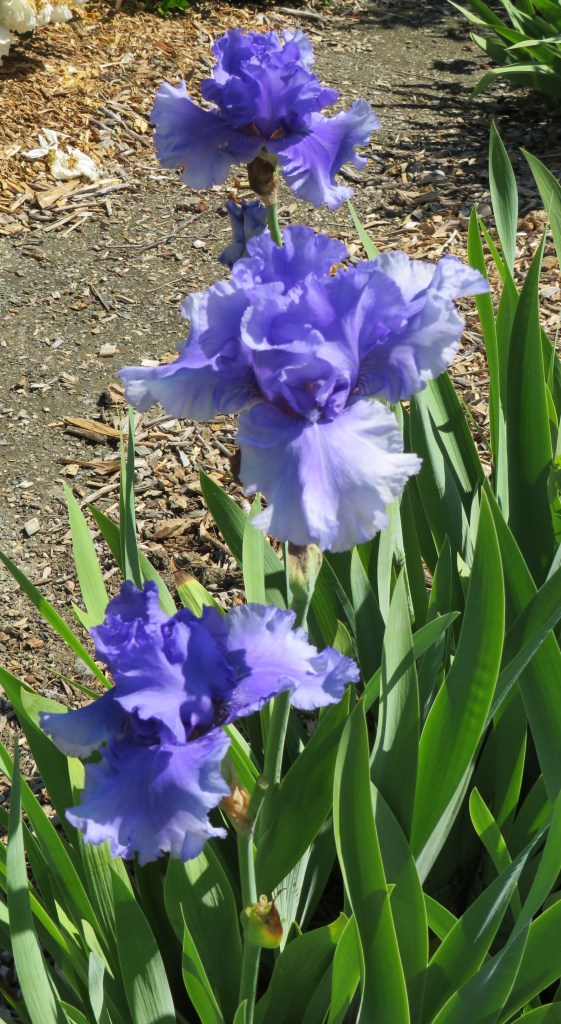
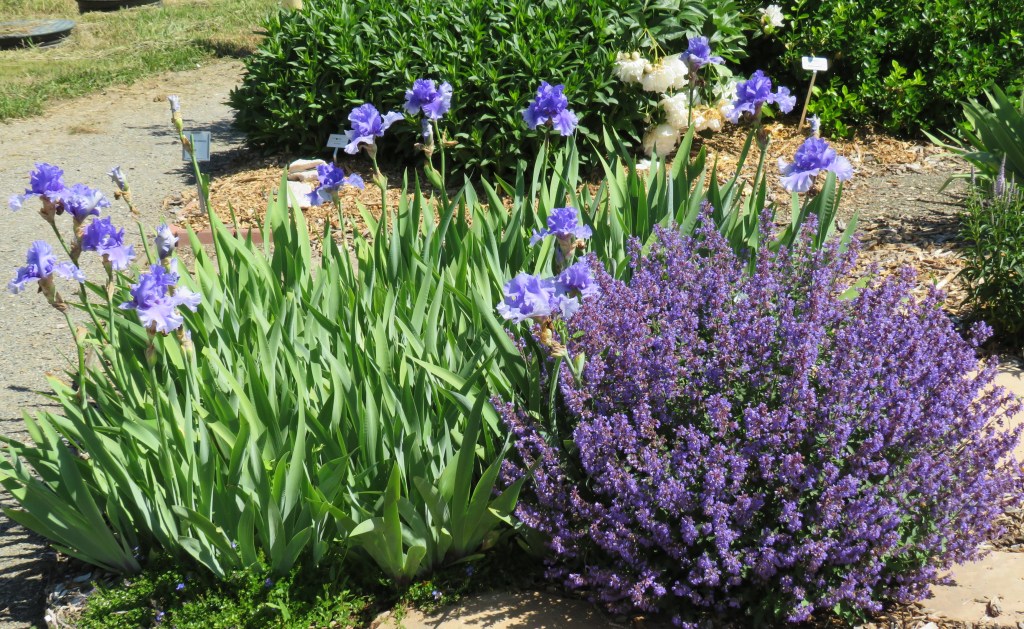
There were so many beautiful Irises, of all colors. My mother would have loved them all.
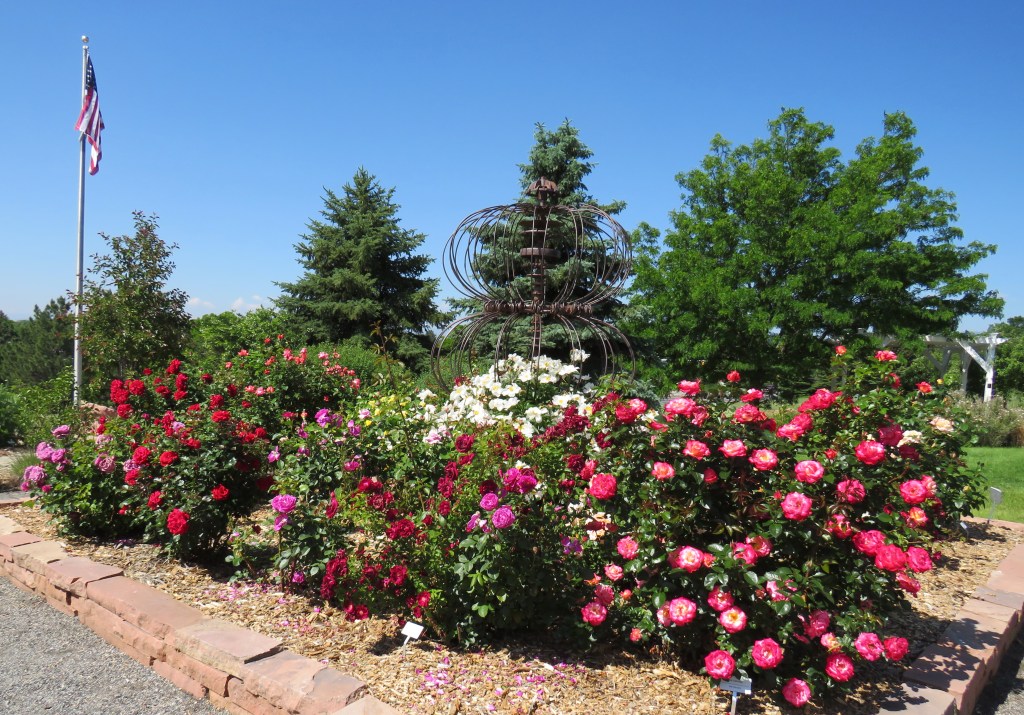
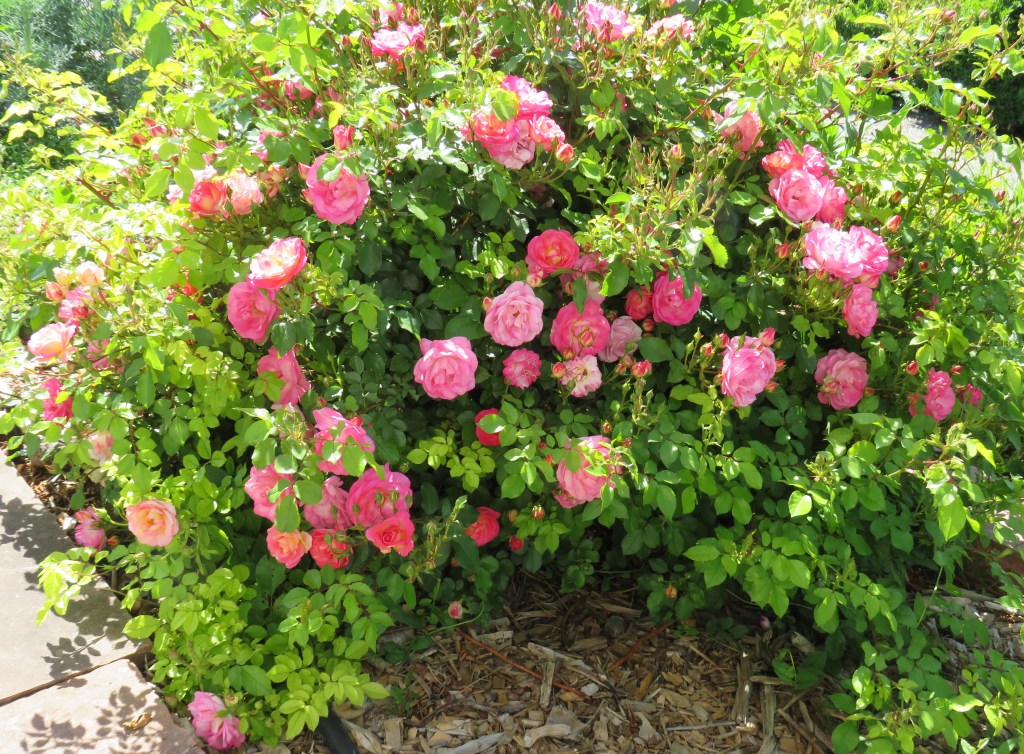
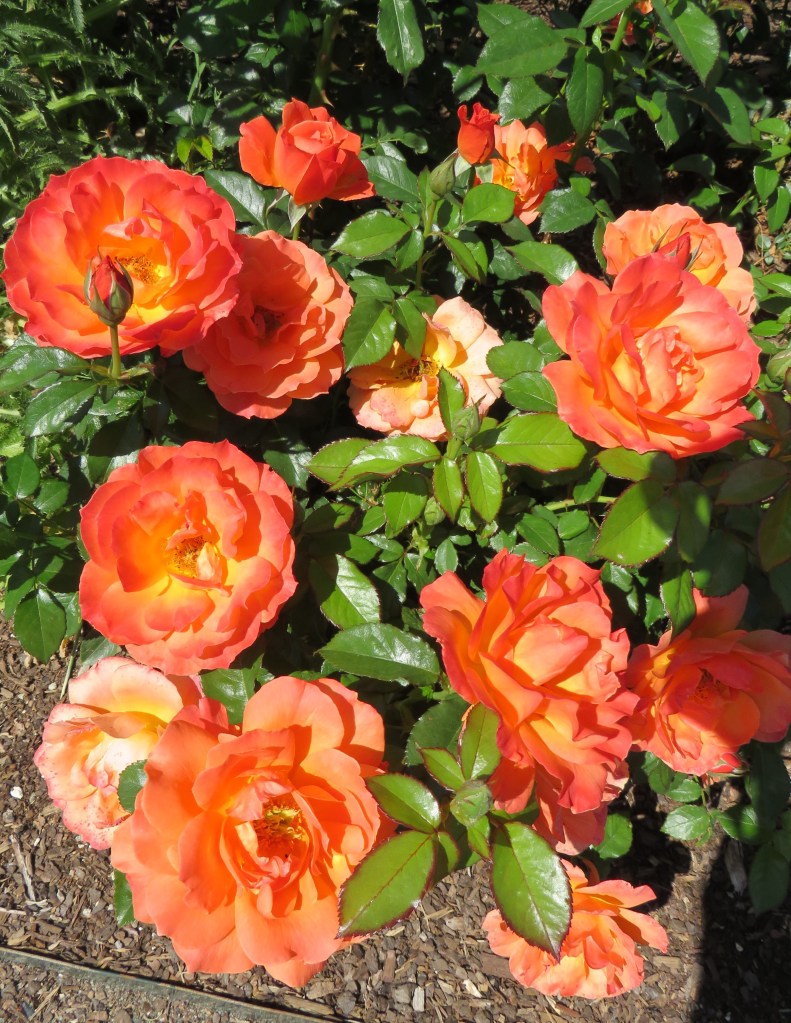
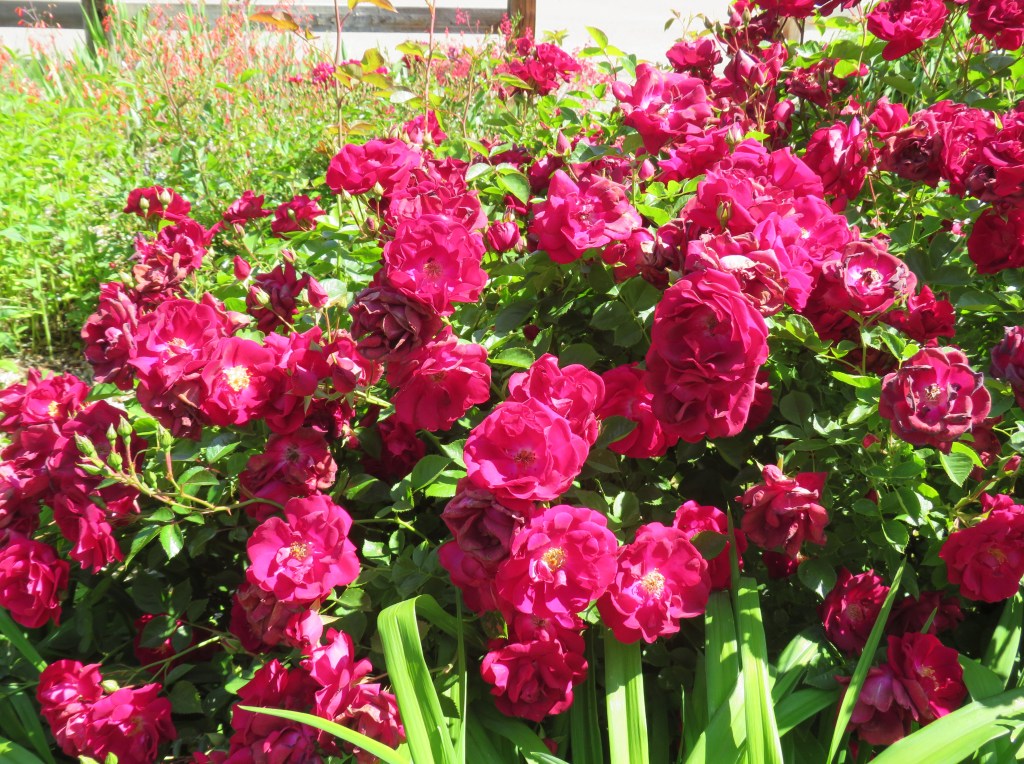
There were so many beautiful roses too.
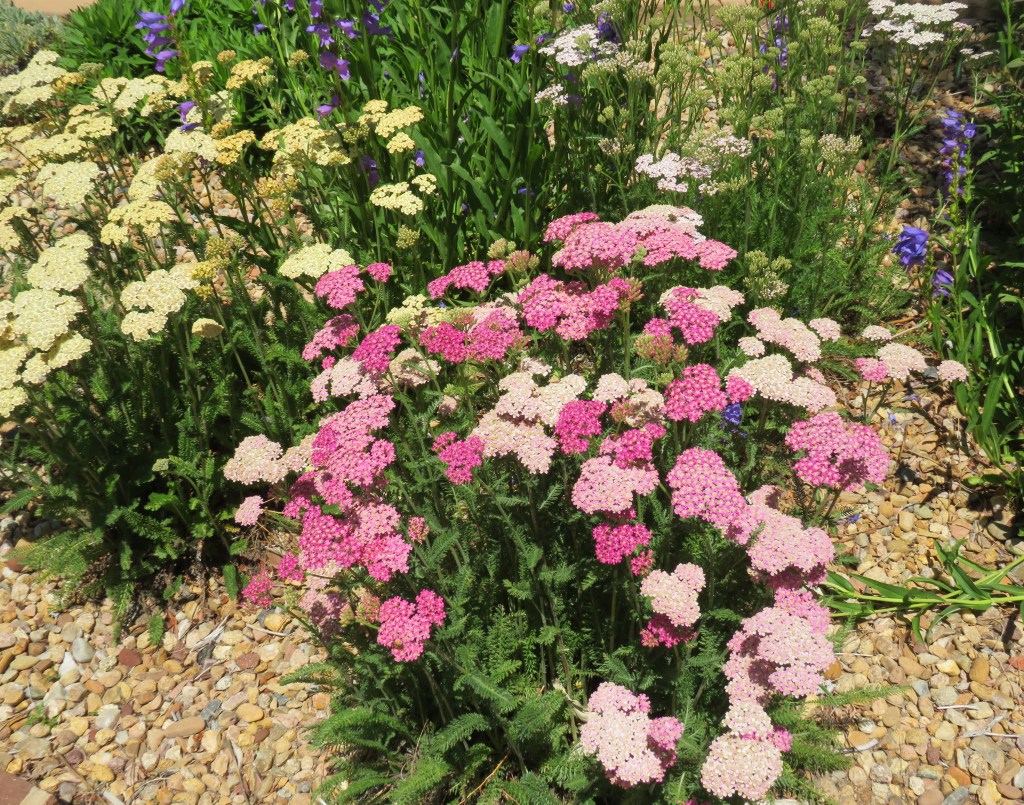
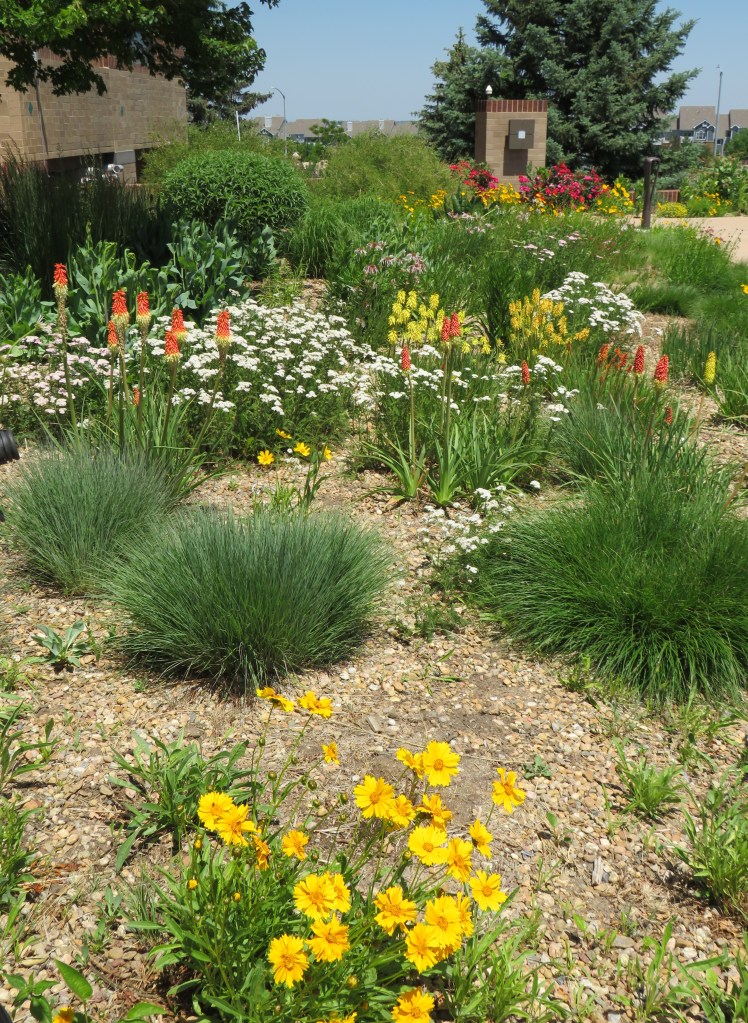
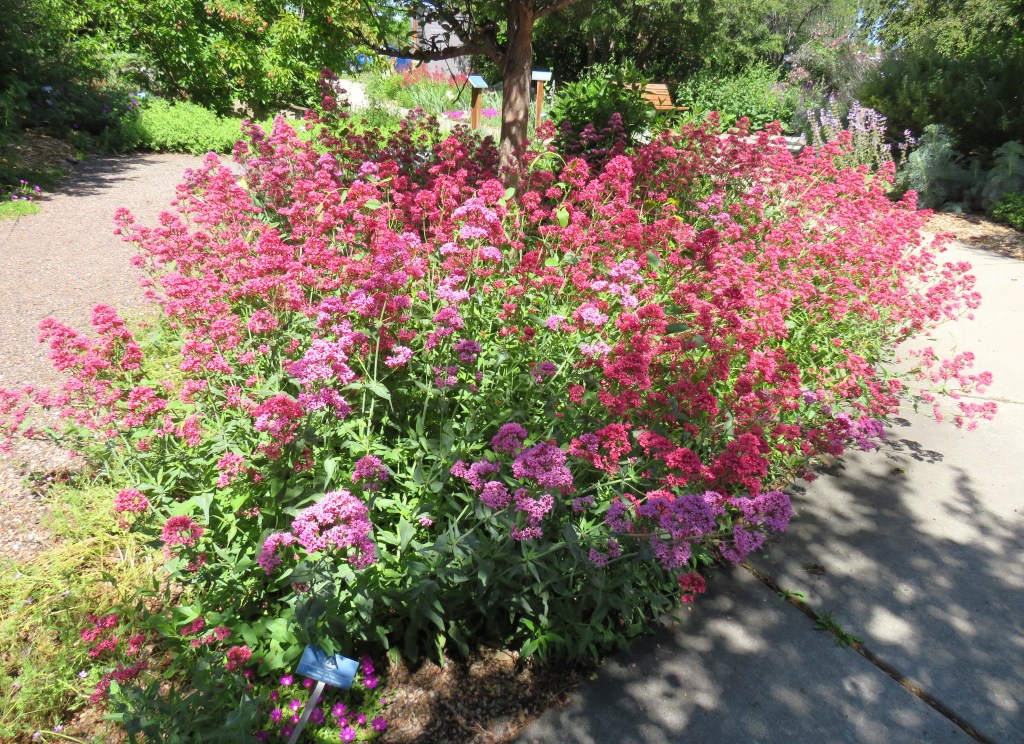
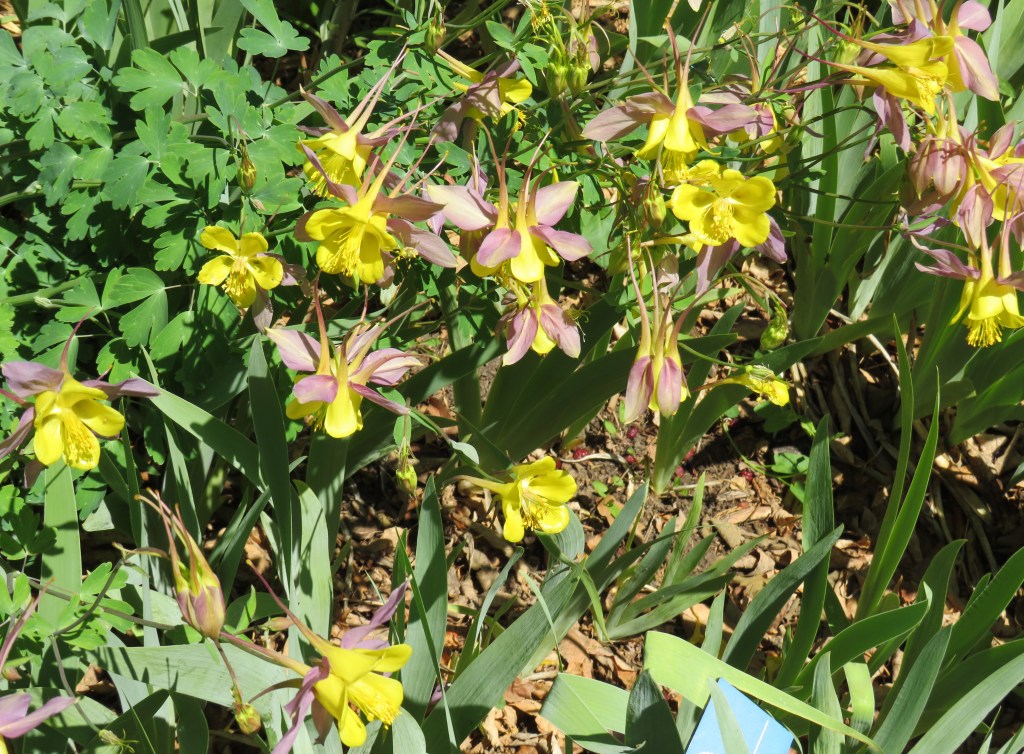
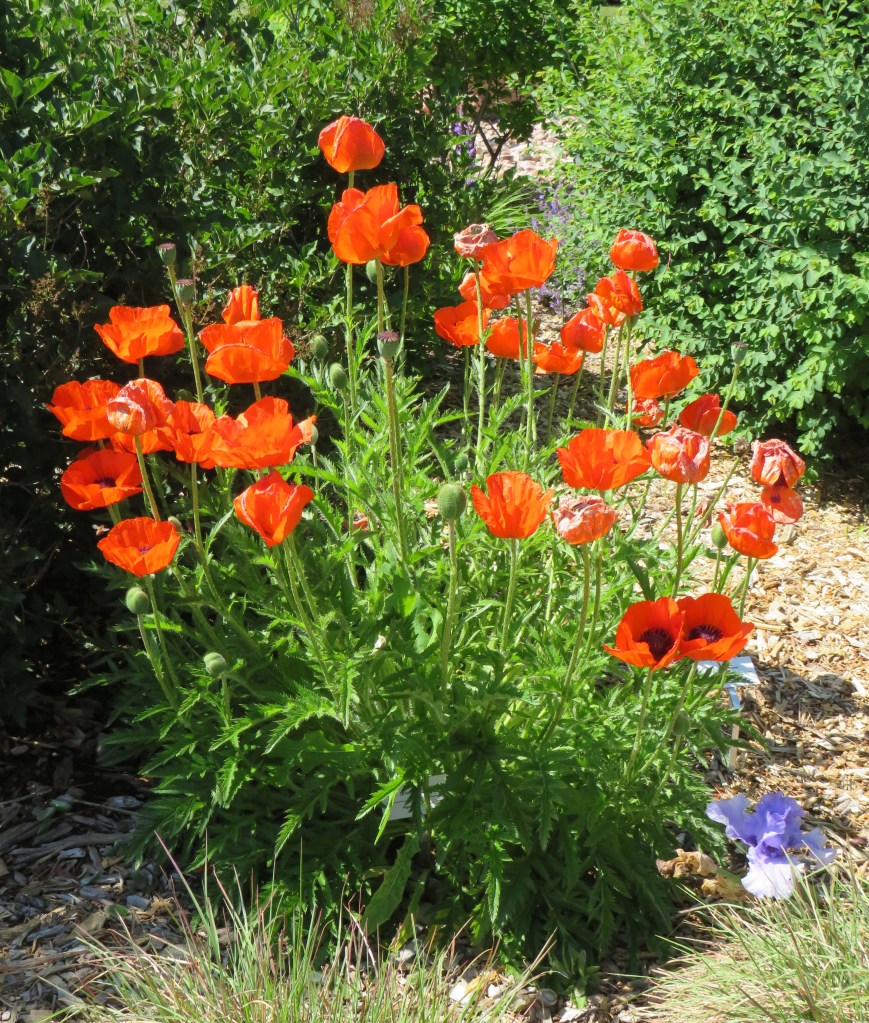
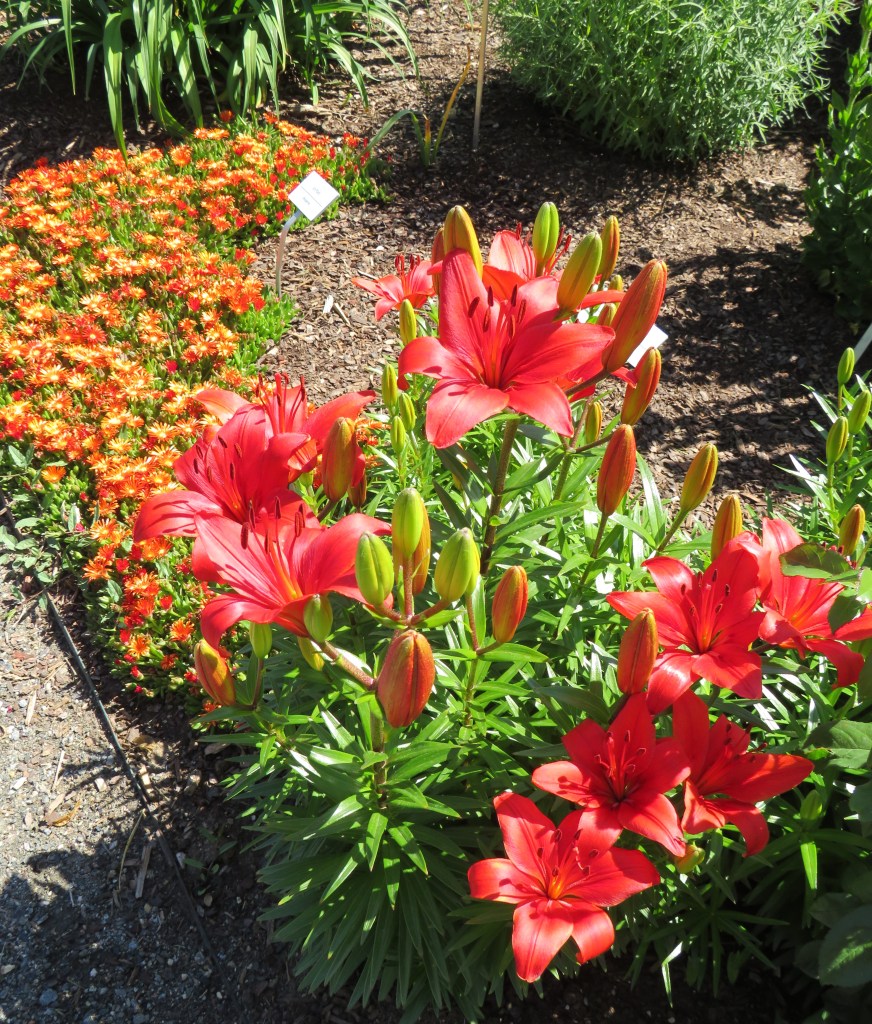
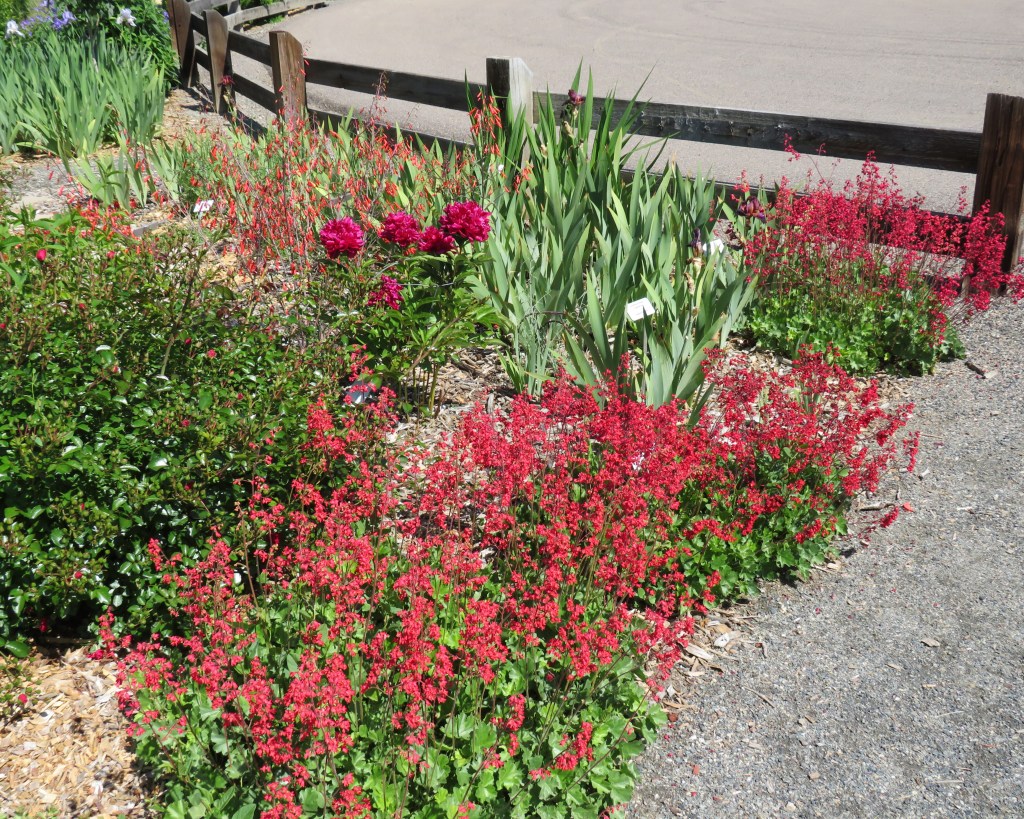
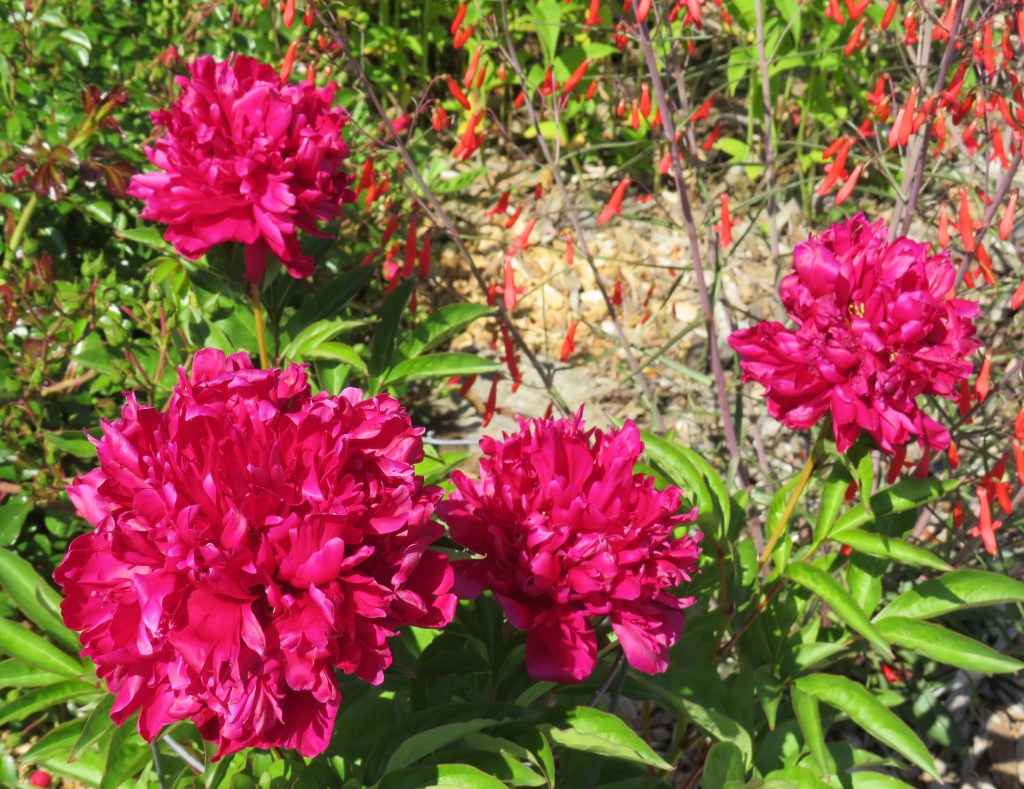
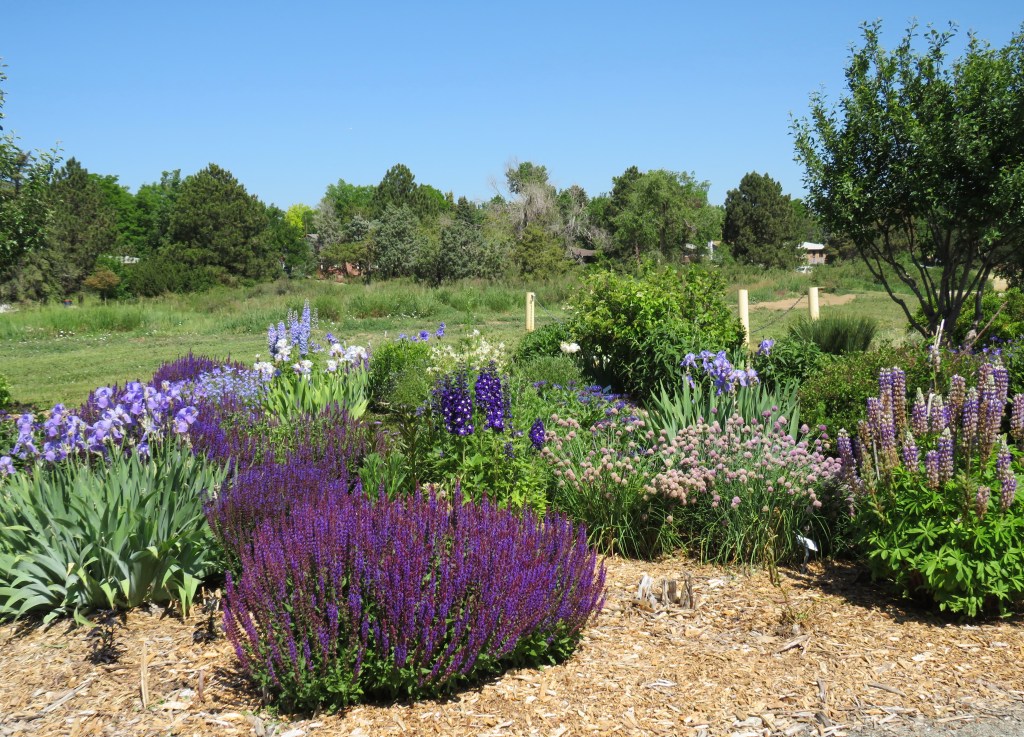
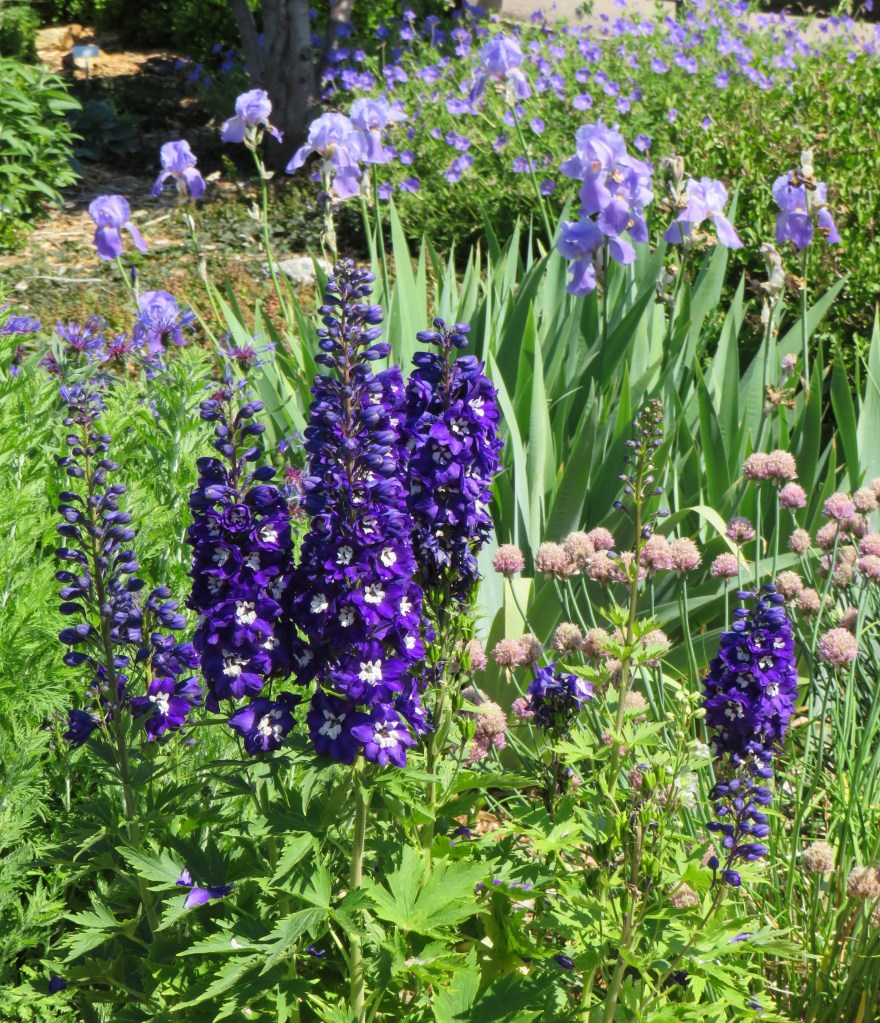
And now the beautiful, colorful gardens. They were all broken into color specific sections. There was a yellow section, a white section, a red/orange section and a purple section. There were different floral varieties in each section, but all were color coordinated.
I think the purple section was the largest, with the most variety.
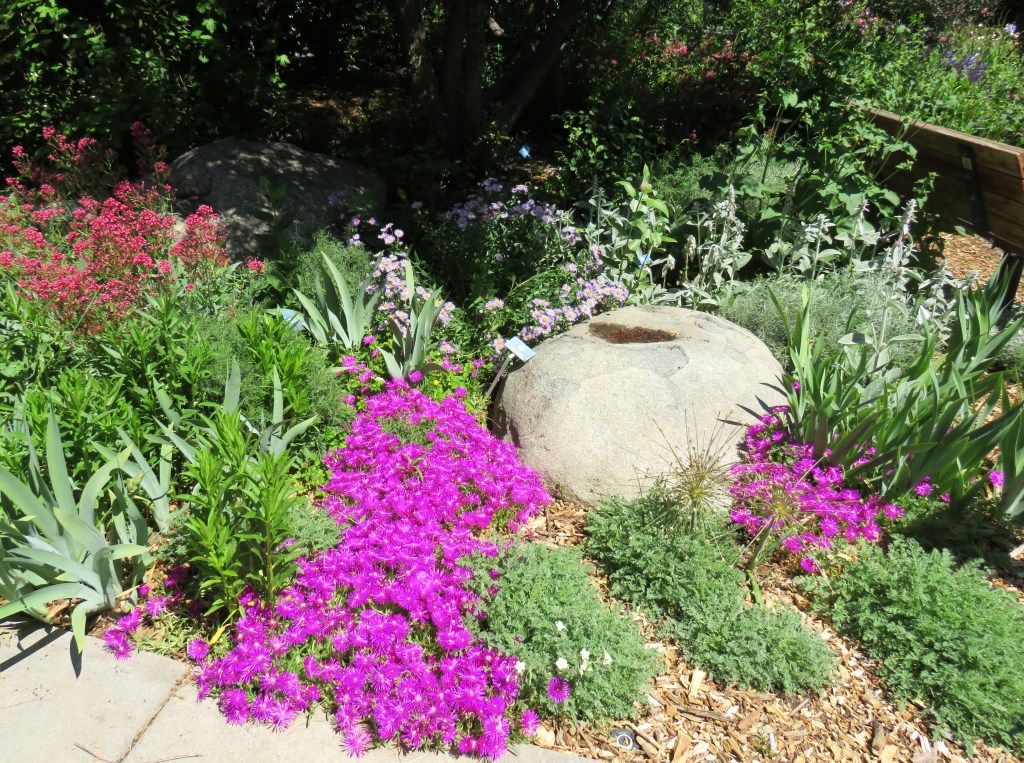
There was even a rock garden that was called the kindness garden. The intent is for people to keep adding colorful rocks to the garden to promote kindness to all.
The Brunner House is free for anyone who wants to enjoy all it has to offer. It is definitely worth the trip to see and walk around through all of its glory, especially at this time of year, with all the beautiful flowers in bloom. Color your world beautiful, today, tomorrow and everyday.
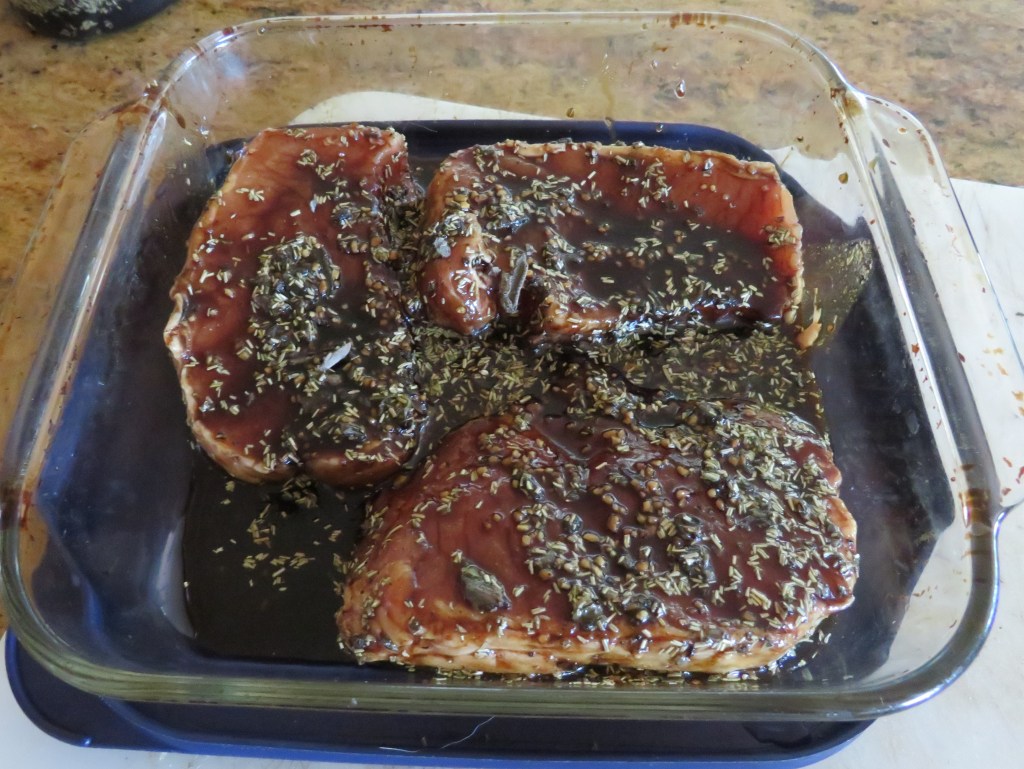
Pork chops were next in line for our weekly meat rotation. I whipped up a quick, easy marinade and let the pork chops set for about two hours before grilling them up. They were full of flavor and oh so tender. They just melted in our mouths. It was perfect for a hot almost summer day, or any day for that matter. 🙂
Soy Sauce and Brown Sugar Pork Chops
This marinade is super easy-peasy and delicious and only requires a few simple, basic ingredients.
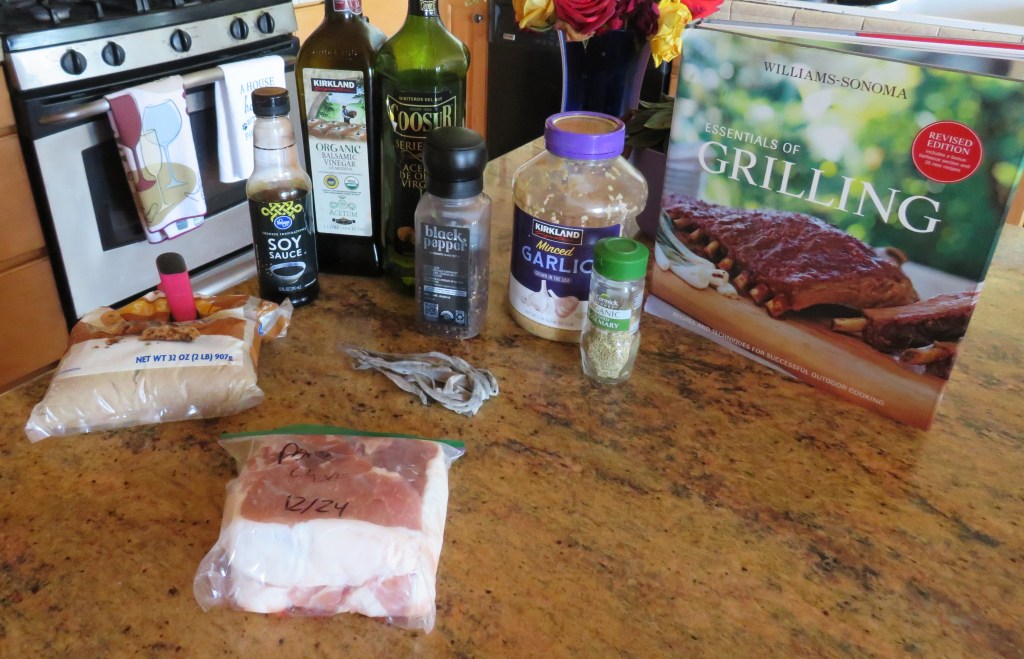
2/3 cup balsamic vinegar
1/3 cup olive oil
2 TBSP soy sauce
4 1/2 tsp firmly packed brown sugar
fresh ground black pepper to taste
1-2 tsp dried rosemary or 1-2 TBSP fresh rosemary
1-2 tsp dried sage or 1-2 TBSP fresh sage, chiffonade
1 TBSP garlic
2-3 lbs either pork chops or pork tenderloin
Combine everything together and add the pork. Let marinade for at least 2 hours before grilling to perfection.
The pork chops will come out so tender and moist. Your taste buds will definitely be doing a happy dance with this recipe. Serve with your favorite side dishes and savor the flavors.
Have a great day and make everyday great. Stay safe and stay well. ‘Til next time.