I have created this site to help people have fun in the kitchen. I write about enjoying life both in and out of my kitchen. Life is short! Make the most of it and enjoy!
Author: ajeanneinthekitchen
I have worked in the restaurant and catering industry for over 35 years. I attended 2 culinary schools in Southern California, and have a degree in culinary arts from the Southern California School of Culinary Arts, as well as a few other degrees in other areas. I love to cook and I love to feed people.
Bajan sauce is similar to Cajun-style hot sauce and is traditionally applied in local Barbadian cuisine including meat, poultry, and fish. It’s made with Scotch aged bonnet peppers (or jalapenos), mustard, vinegar, and other ingredients. Hot sauces of all kinds are found as a staple everywhere you go in Caribbean restaurants. It is potent, and a little bit goes a long way.
We purchased some Bajan sauce while in Barbados last year and I just finished it off by making a Bajan chicken stew. I made this recipe up by using up some of my leftovers, something also very Caribbean thing to do. Nothing goes to waste. Use up everything however you can. Be creative. 🙂
Bajan Chicken Stew
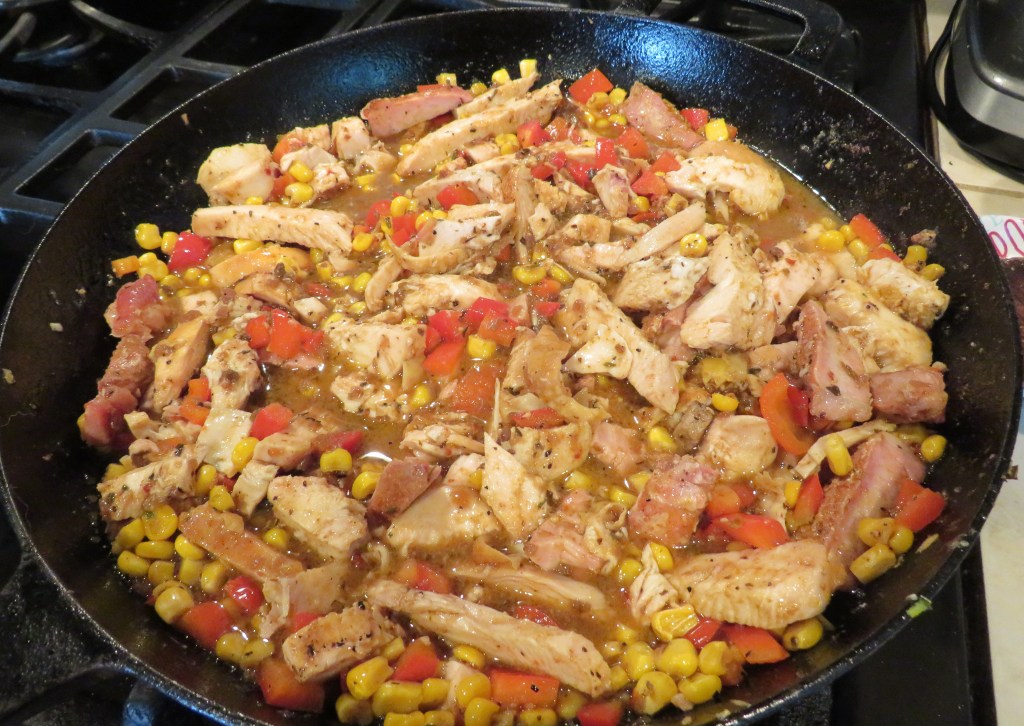
We had some leftover chicken and 1 short rib that needed to be used, so with some Bajan sauce, creativity and imagination, my Bajan chicken stew was created.
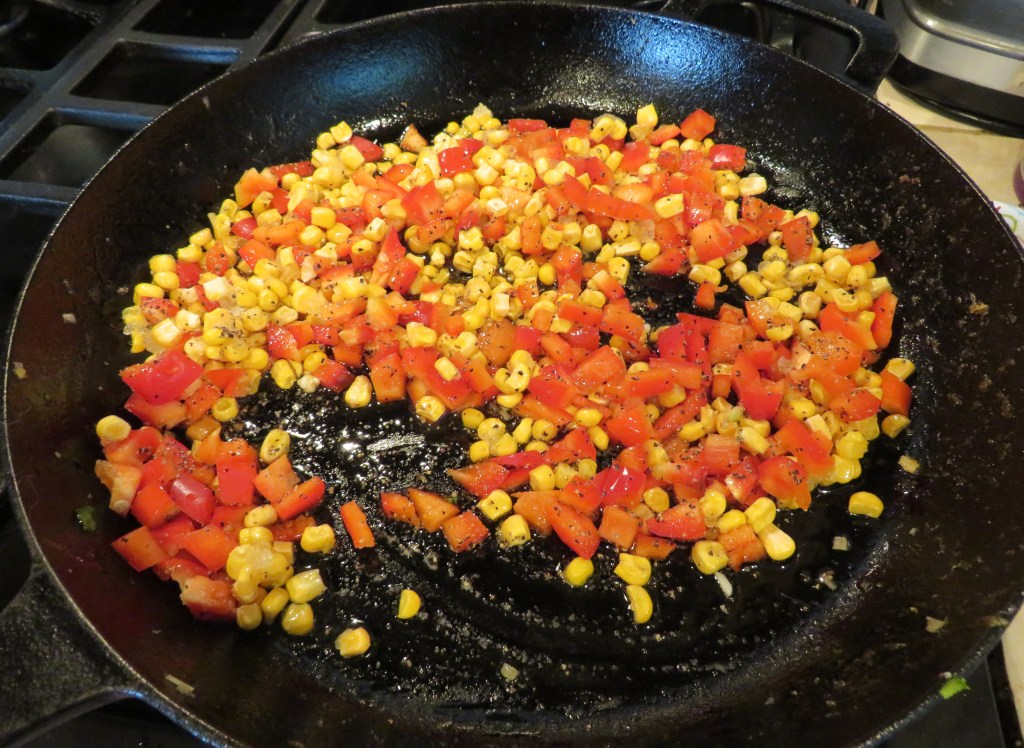
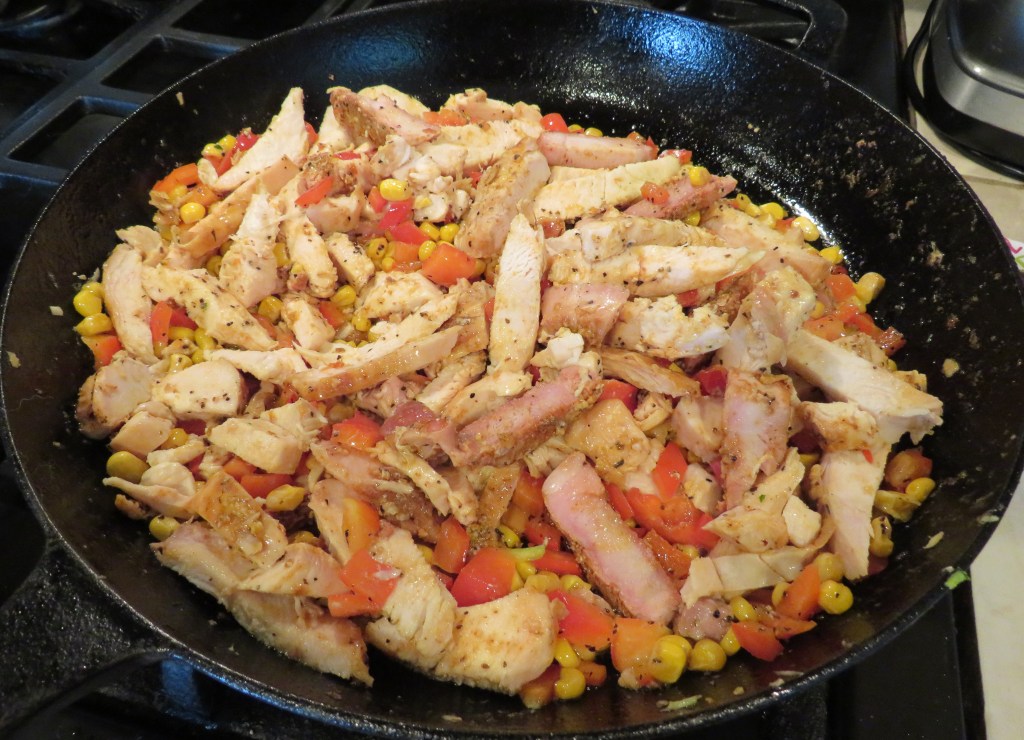
I cut the chicken and pork into thin strips. I sauteed some corn and red bell peppers with olive oil, salt & pepper to soften them up and added my cooked chicken and pork.
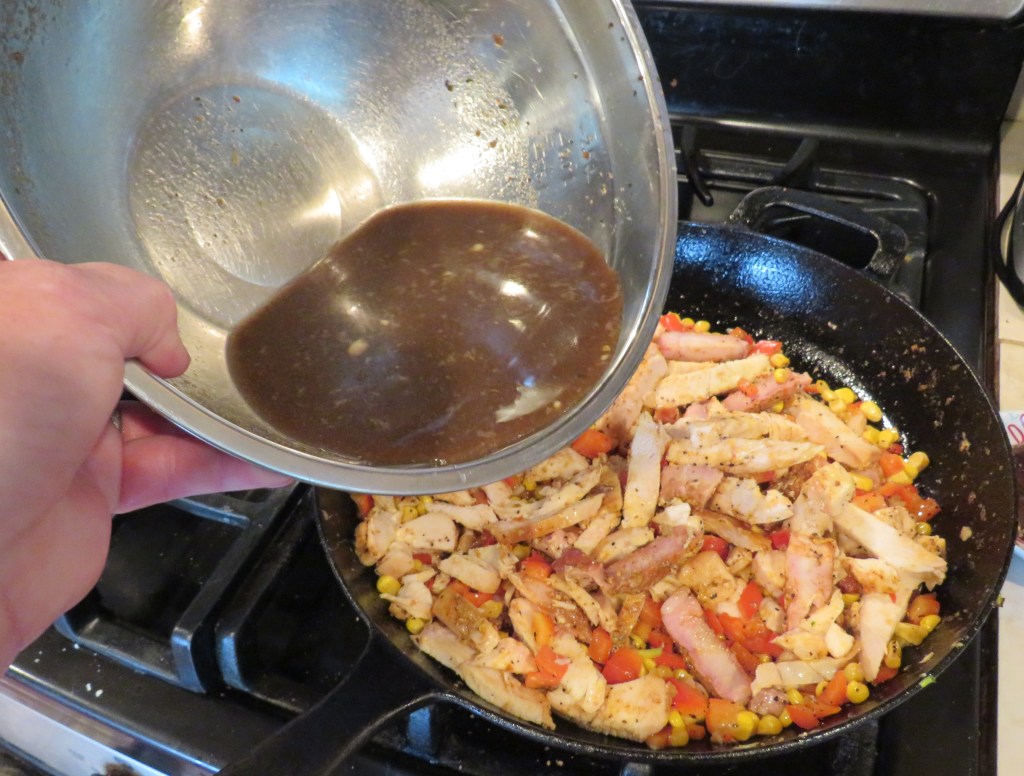
I combined the rest of my Bajan sauce with about 1-2 cups of chicken broth and added it to my chicken and vegetable mixture. After bringing it to a boil, I reduced the heat to a simmer and let it continue to cook for about 10-15 more minutes before serving it with some Caribbean rice and my shrimp cornbread. Cajun Shrimp Cornbread
We had a delightful island meal. I am getting us ready for yet another upcoming Caribbean adventure, back to Belize. Here at home, that means eating more Island foods. 🙂
Have a great day and make everyday great. Stay safe and stay well. ‘Til next time.
There is something about hawks that just completely mesmerizes me. I just love them. The other day, I thought I saw one in a far off tree, so I zoomed in as much as I could with my camera. I was wrong. I didn’t see one hawk in the tree. I saw two hawks in the tree. One flew off soon after, but I was able to get one shot with both of them.
Have a great day and make everyday great. Stay safe and stay well. ‘Til next time.
I am getting us ready for yet another Caribbean adventure. We will be off to Belize once again in just a couple of weeks, for more DIVING of course, so it’s time to start making some Caribbean foods to help transition us into the Caribbean frame of mind, though I never really need an excuse to cook Caribbean style. 🙂
The Caribbean Islands have a very rich and diverse history and their cultures are a blending of many different influences from English, Spanish, French, Dutch, African, Portuguese and the native and indigenous peoples. All of these influences are found everywhere in the Caribbean, but especially in their foods.
Cornbread is a staple from Southeast Texas, where my mother was from. There are so many different ways to make cornbread too. When I decided on making dinner Caribbean style, I knew cornbread was going to be a part of the meal, but I wasn’t sure which kind I was going to make. I decided on making it with a new twist, and made one that included bay shrimp in the batter. I served it with honey butter, which really brought it all together.
Cajun Shrimp Cornbread
I have added all kinds of vegetables and peppers to my cornbreads, but I would have never thought of adding shrimp, until now. The shrimp in the cornbread worked very well.
Preheat oven to 400* F or 200*C.
Spray a 9″ springform cake pan with cooking spray.
The Shrimp
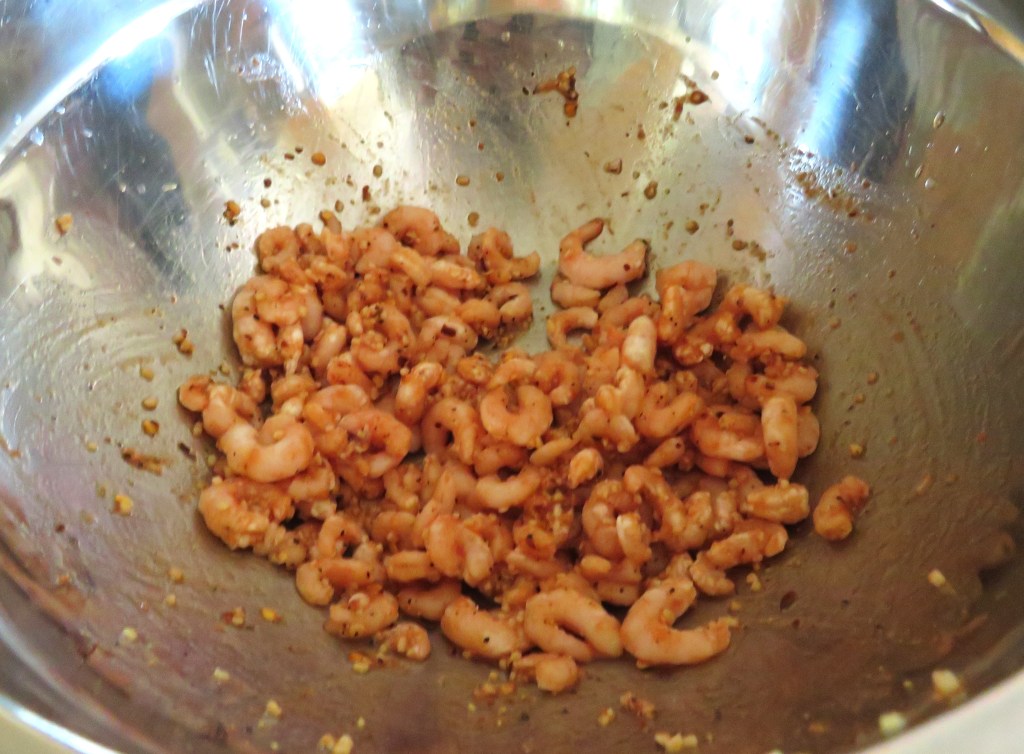
1 cup bay shrimp
1 tsp lemon juice
2 tsp garlic
salt & pepper to taste
1/2 tsp paprika
1/2 tsp red pepper flakes
olive oil
1/4 tsp tomato paste
1 tsp Cajun/Creole spice
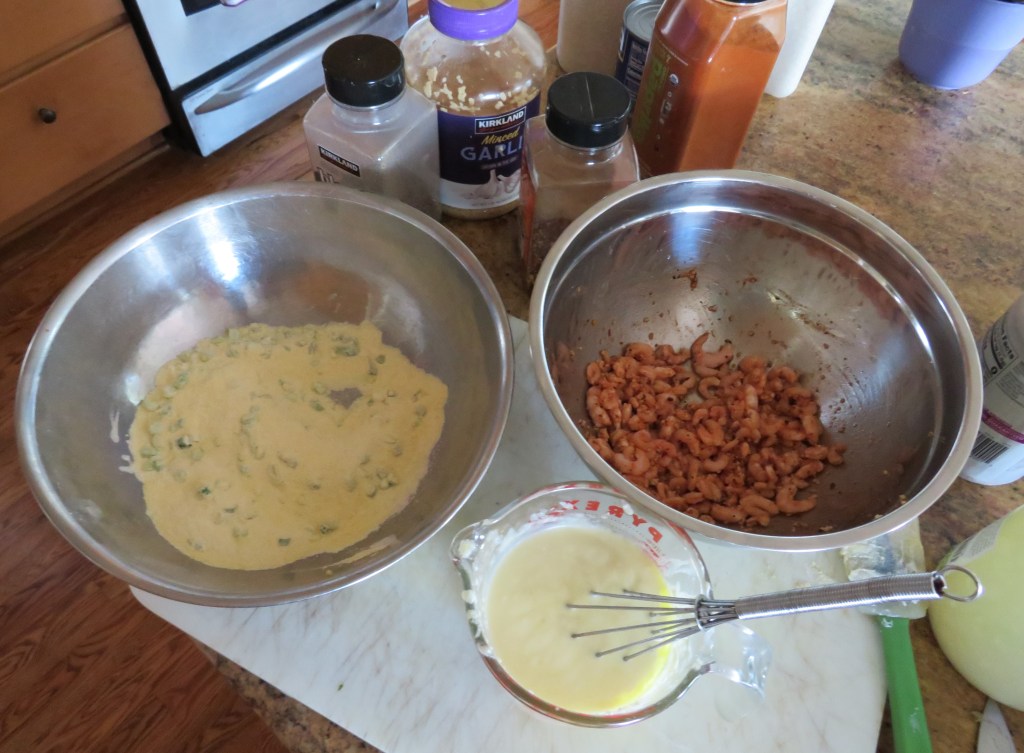
Mix everything together and let the shrimp marinate while making the batter.
The Cornbread Batter
1 cup yellow cornmeal
1/2 cup flour
2 tsp baking powder
1/2 tsp salt
1/4 tsp baking soda
1 egg
1 cup yogurt
1/2 cup milk
1/4 cup olive oil or lime olive oil – I used lime
1 TBSP honey
1/4 cup chives or green onions, chopped
Mix all the dry ingredients and the green onions or chives together and set aside.
Whisk the egg, milk, honey, yogurt and olive oil together.
Get a skillet very hot, add some olive oil and then add the shrimp mixture. Cook for about 5 minutes or until the shrimp is completely cooked and bright pink.
Add the egg mixture to the dry mixture and blend well. Then add the shrimp and seasonings and mix together thoroughly.
Pour the shrimp batter into the prepared cake pan and bake for about 20-30 minutes, or until the cornbread is golden brown and a toothpick comes out clean when inserted in the middle.
Let the cornbread cool slightly before removing it from the pan and slicing. I served it with honey butter, which really brought everything together. Oh it was so good. 🙂 There is no real recipe for my honey butter. I just blend almost equal parts of softened butter and honey together until it is sweet, soft and creamy.
Have a great day and make everyday great. Stay safe and stay well. ‘Til next time.
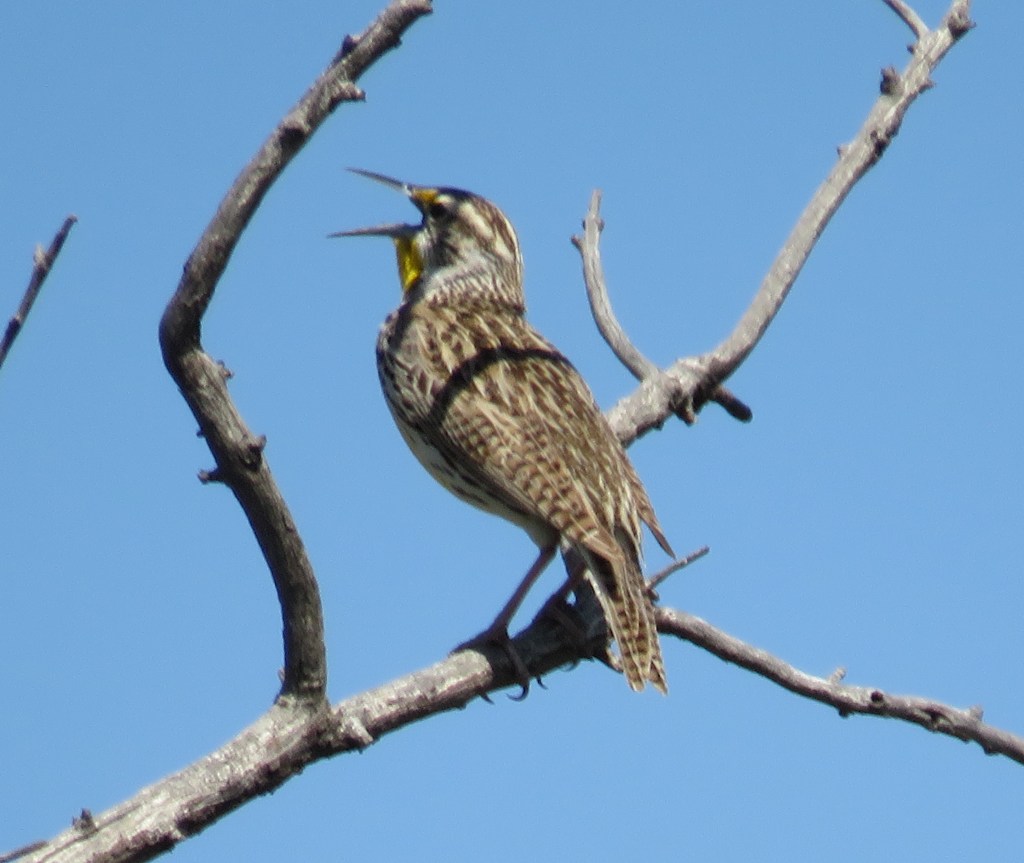
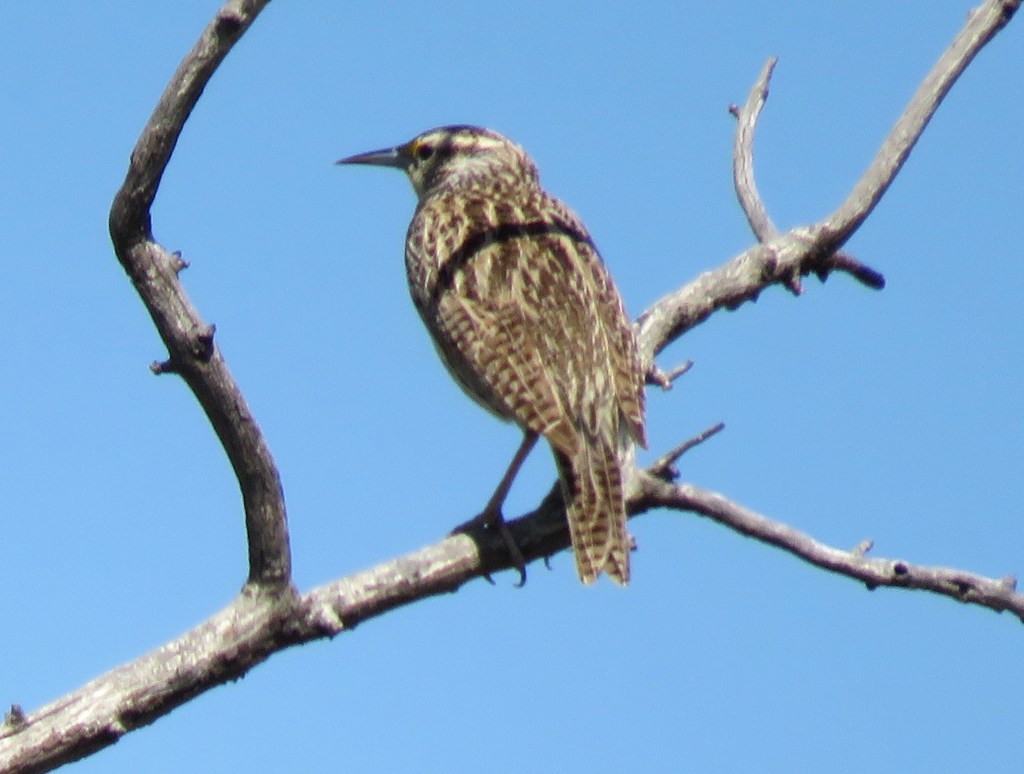
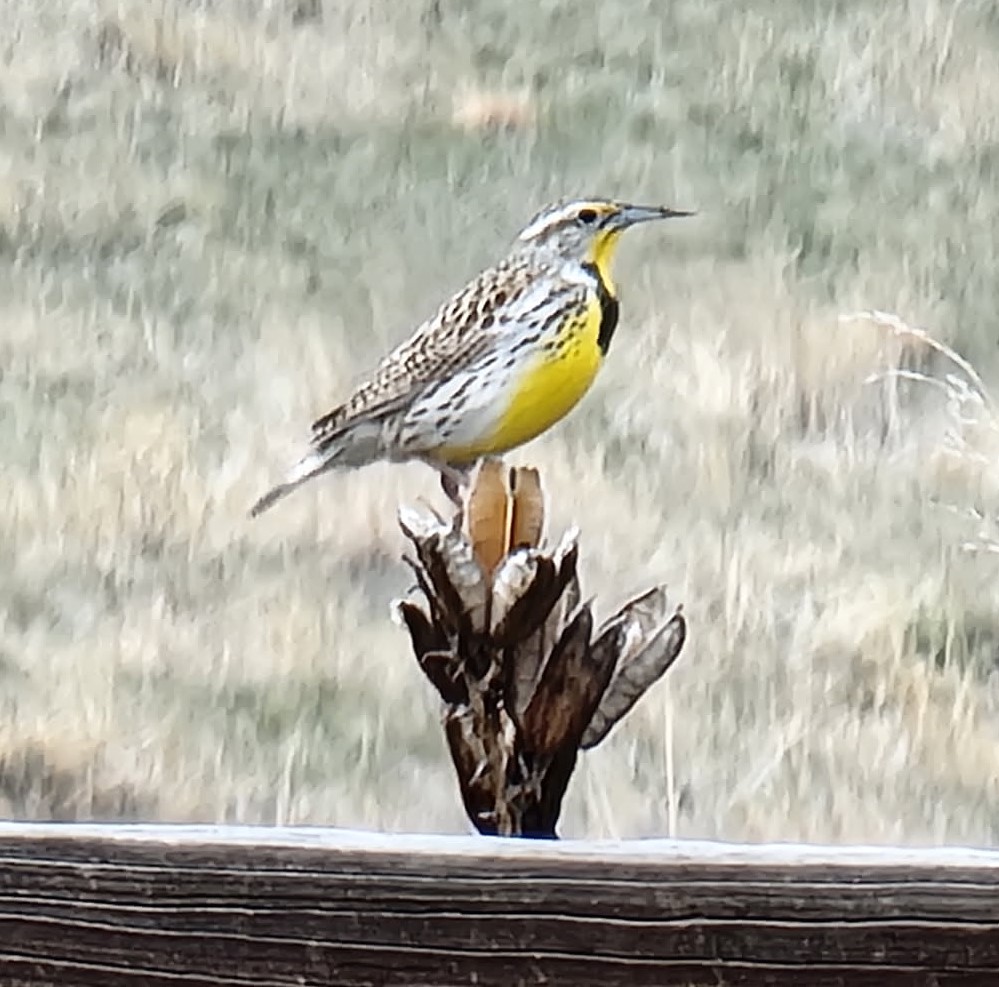
There are long stretches of time when I don’t hear or see Meadowlarks at all, and now I am hearing their songs a lot. They just sing and sing and sing to their hearts’ content. It is such a peaceful song to hear too. And they are such pretty little birds, with their bright yellow chest and grayish-brown striped backs.
Here he is, just singing away.
Sing to the top of your lungs and sing for love. Have a great day and make everyday great.
When I made my B’Stilla Chicken B’Stilla I needed some side dishes to go with it. I made some tri-colored couscous and then roasted up some vegetables with Middle Eastern spices.
Middle Eastern Roasted Vegetables
At first I had something else in mind, but as is often the case, plans changed. I kind of made up my recipe as I went along. I love creating as I go. 🙂
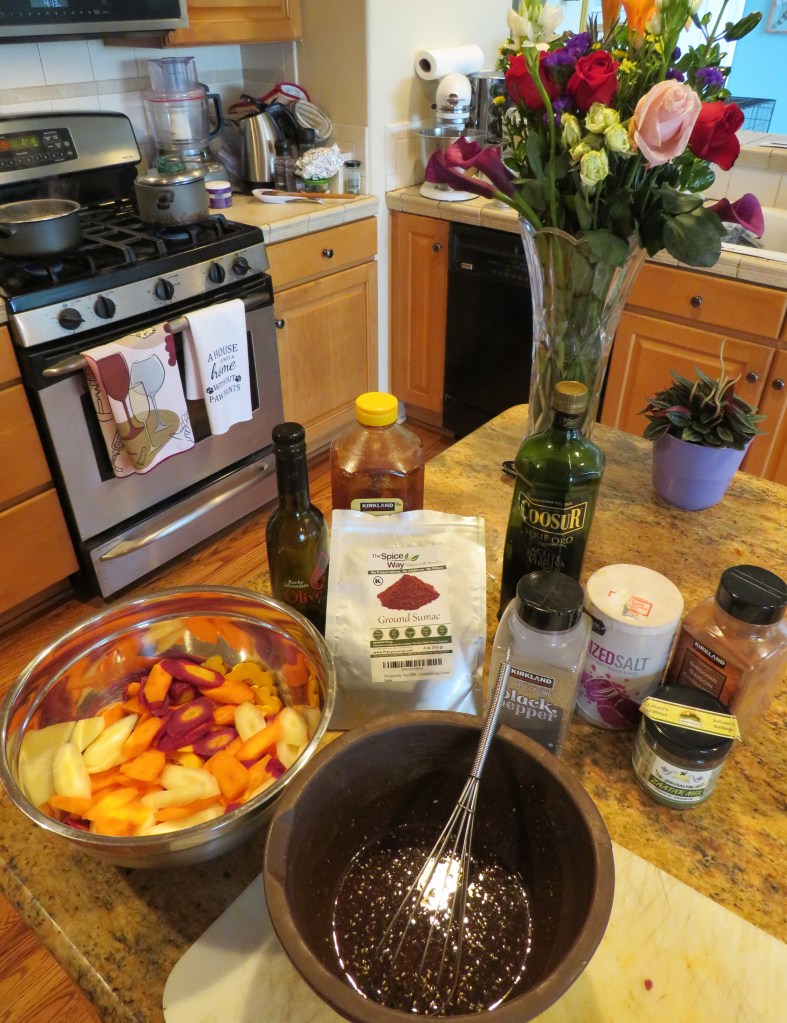
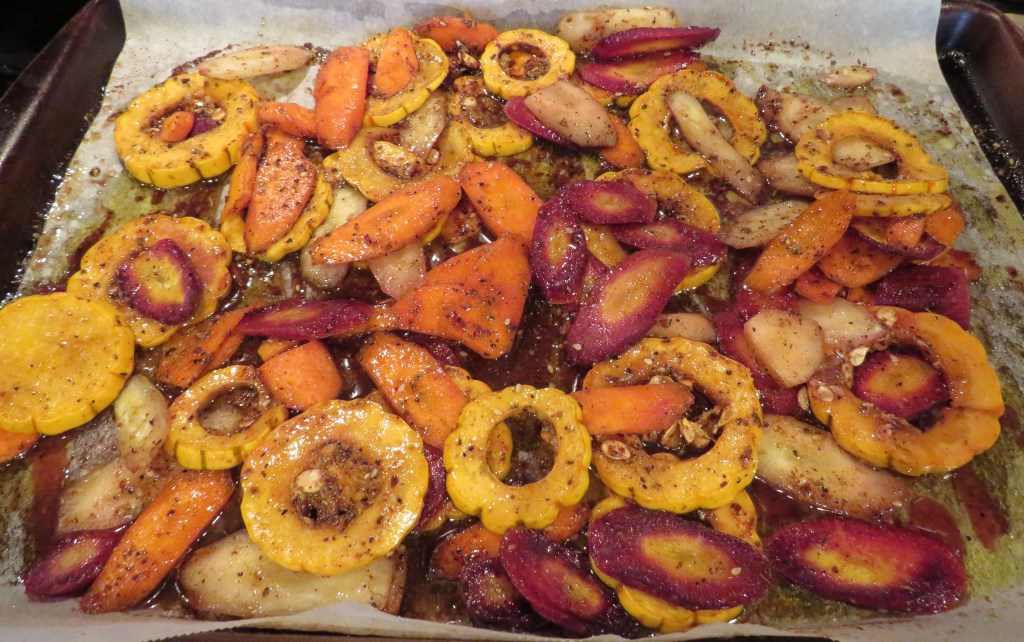
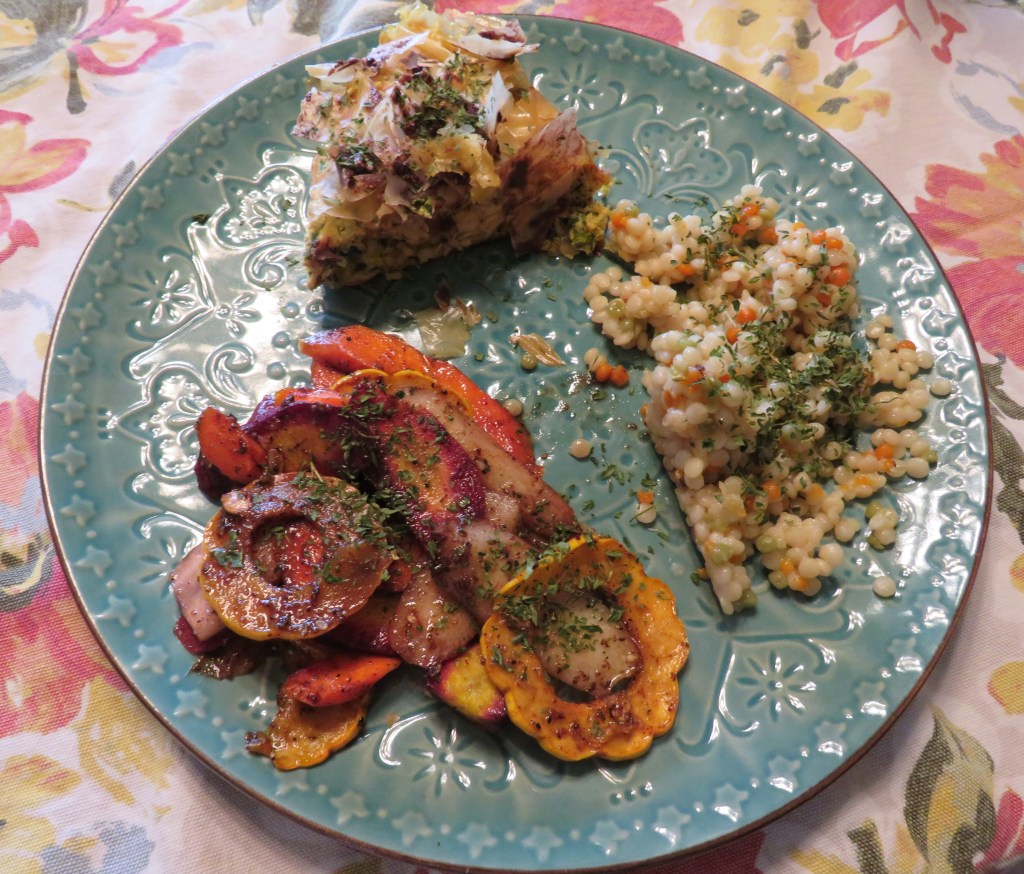
I had multi-colored carrots that I sliced at an angle. I mixed them with some delicata squash and Middle Eastern spices, then roasted them to perfection. The vegetables were so nice and colorful, and perfect for a cooler day.
4-5 carrots, sliced
1 delicata squash, sliced into rings, seeds removed
1/4 cup olive oil
salt & pepper to taste
1 tsp cinnamon
1 tsp sumac
1-2 tsp Z’Atar
2 TBSP honey
1-2 TBSP honey-ginger balsamic vinegar, optional
Preheat the oven to 400* F or 200 *C.
Line a sheet pan with parchment paper.
Combine all the spices and seasonings together and toss with the vegetables.
Spread the vegetables onto the prepared sheet pan in a single layer and place in the oven. Roast for about 30-40 minutes or until tender, turning them after about 15-20 minutes.
Not only are these vegetables colorful and fun, but they are very tasty too. They will go perfectly along side anything with a Middle Eastern flair, or anything else you decide to pair them with as well.
It was a cool, rainy day, so it was a good time to have something warm from the oven to help warm us up.
Have a great day and make everyday great. Stay safe and stay well. ‘Til next time.
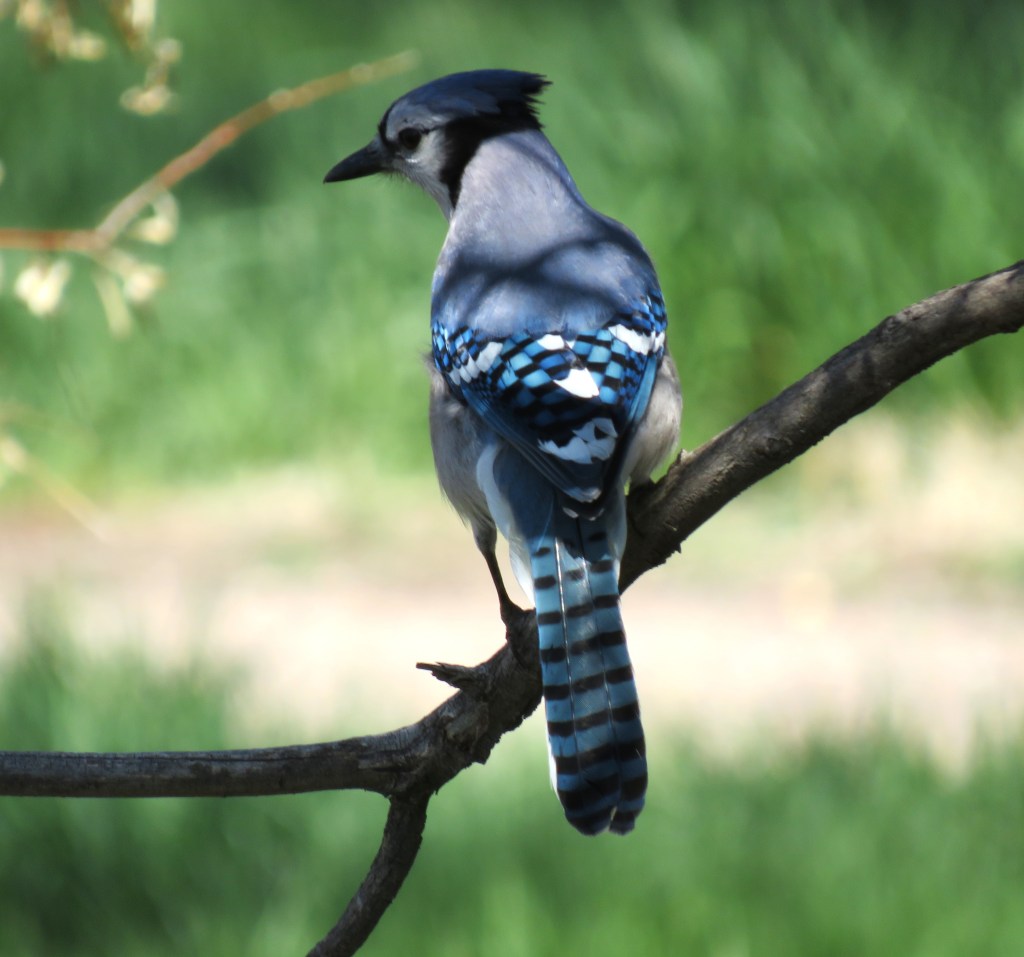
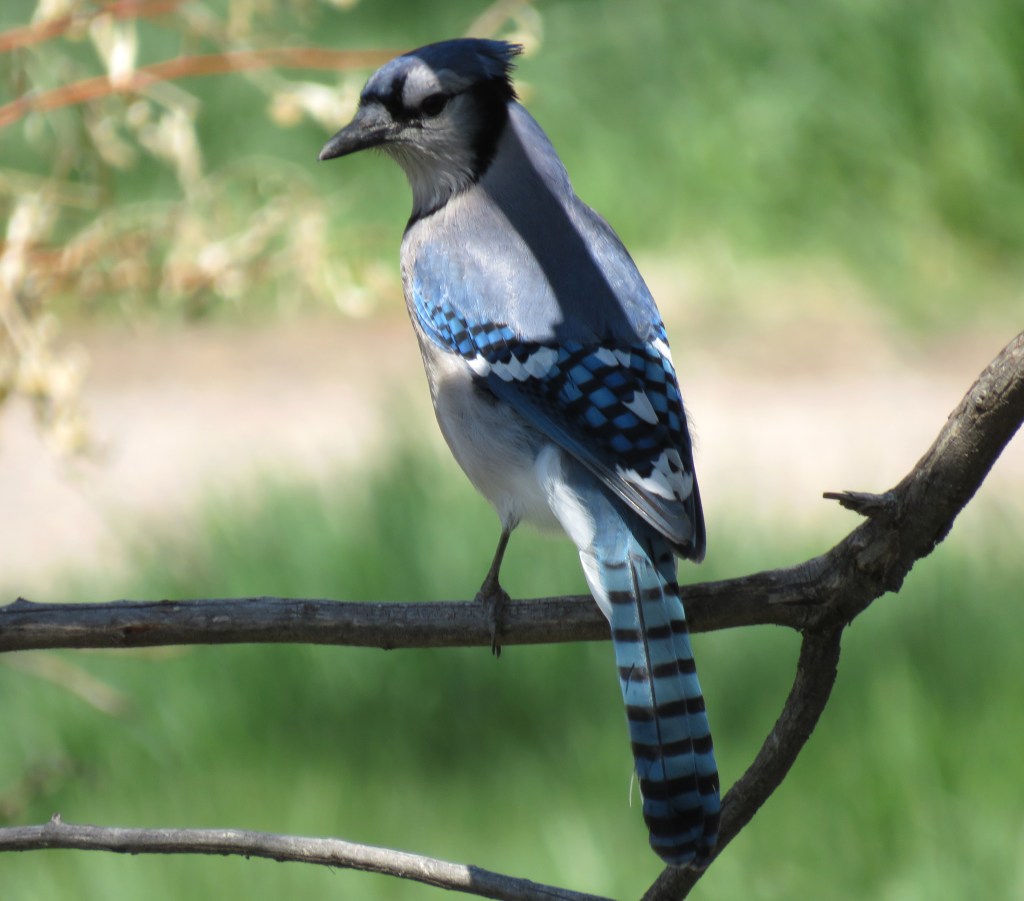
I love Blue Jays. I always have. When I was little girl, my “2nd mom” had a Blue Jay trained to come into her kitchen for peanuts. My “sister” Kathy and I used to feed Bluey peanuts from the tree too. He would gently take them out of our hands. So Blue Jays have always had a special place in my heart. But that being said, they are so difficult for me to get good shots of them. They can be so elusive. But yesterday, there was one Jay that was posing for me, letting me take as many pictures of him as I could. I am very grateful for his patience and his photo shoot.
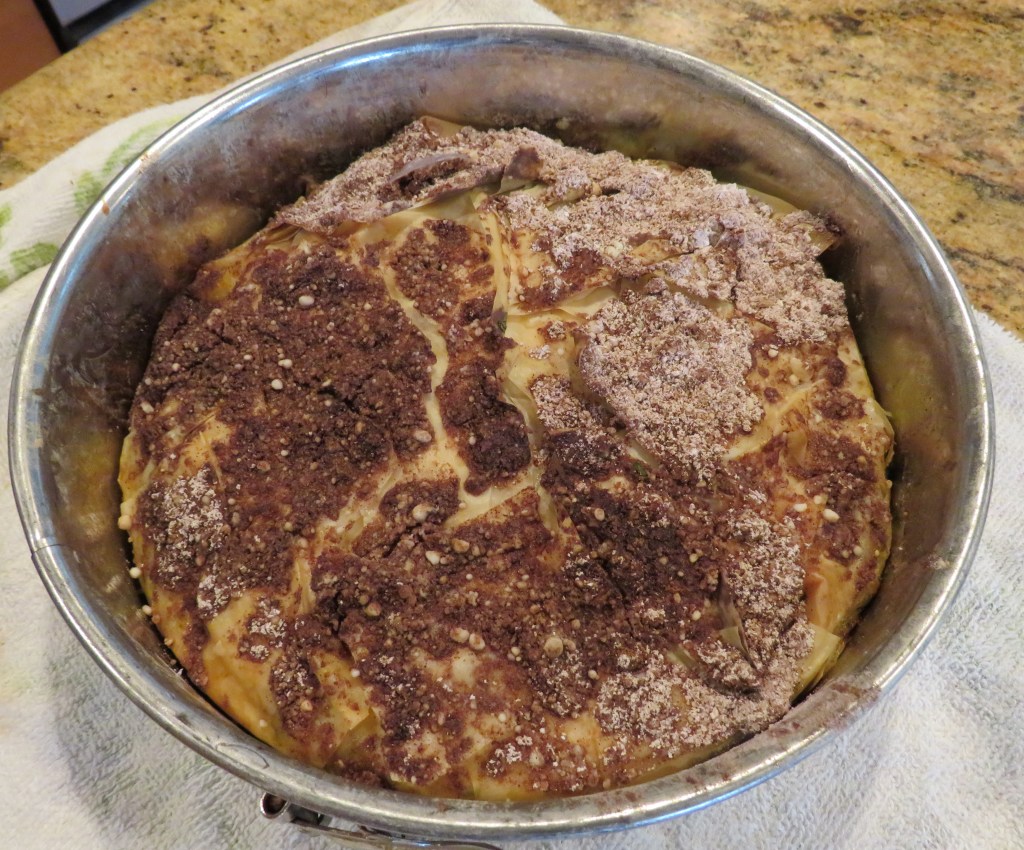
Many moons ago, back in my culinary school days, specifically when I was in the baking program, our beloved Chef Instructor, Rudy Rosier, asked us all what we wanted to learn how to make. I wanted to learn how to make phyllo dough, also known as filo dough. We actually made phyllo dough from scratch. It’s a royal pain in the neck to make from scratch. Ever since then I’ve had a love/hate relationship with phyllo dough. I LOVE it, but I am often intimidated to work with it because it is so fragile, and grace isn’t exactly in my nature. I took on the challenge though and made some chicken B’Stilla. It was a huge success. I even shared some with our neighbors Hanna and Aziz, and they said it was very traditional. Aziz even said it was better than his mom’s, but we won’t tell. 🙂 When I make ethnic dishes, I like to make them as authentically as I can. So it was big compliment when Hanna and Aziz gave it such high praise.
B’stilla, a Moroccan chicken pie, has a rich history rooted in Arab, Andalusian, and Persian influences. The dish is believed to have originated in the kitchens of the Arab caliphs who founded Morocco in the 7th century AD, and its preparation was influenced by Persian cooking methods. Over time, nomadic Berbers and native Arabic people contributed to the dish’s evolution, shaping its ingredients and flavors. B’stilla is traditionally served as a starter at festive occasions and is a symbol of community and celebration in Morocco. B’stilla’s savory-sweet combination is characteristic of Persian cooking, which was brought to Morocco by the Arab caliphs. Ingredients like cinnamon, almonds, and sometimes honey contribute to this unique taste profile.
Chicken B’Stilla
This delicious dish is time consuming and needs to be prepared with care, but it is definitely worth all the effort. I first had B’Stilla years ago, but it is not found in every Middle Eastern restaurant, and a lot of my Middle Eastern cookbooks didn’t have the recipe either. I finally found it, and now I too know how to make it. 🙂
1/4-1/3 cup olive oil
1 lb shredded cooked chicken
1 large shallot, diced
salt to taste
1-2 tsp garlic
1-2 tsp ginger
1/2 tsp turmeric
1/2 tsp paprika
4 eggs, beaten slightly
2 TBSP chopped cilantro
2 TBSP chopped parsley
3/4 cup toasted slivered almonds
2 TBSP powdered sugar
2 tsp cinnamon
1/2 lb frozen phyllo dough sheets, thawed
Preheat the oven to 375* F or 191* C.
Spray a 9 inch springform cake pan with cooking spray.
Mix the spices, garlic and onions together and cook in a hot skillet, with a little olive oil for about 2-3 minutes, or until the onions are translucent.
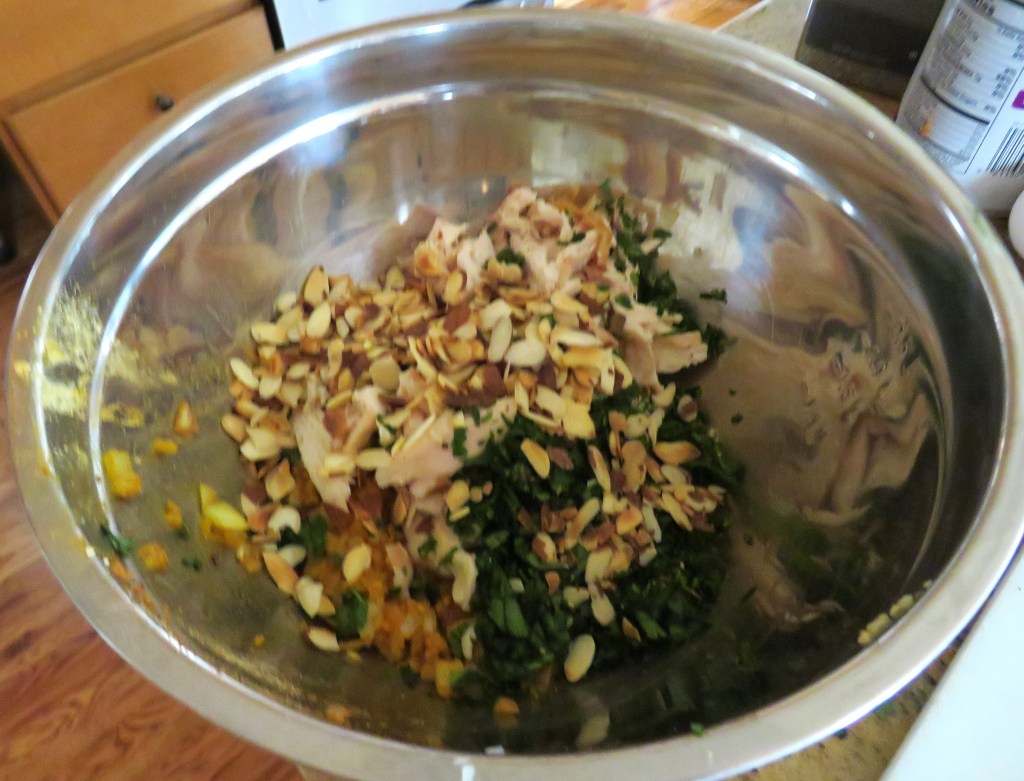
Add the cooked onion mixture with the shredded chicken, toasted almonds, parsley and cilantro and mix together well.
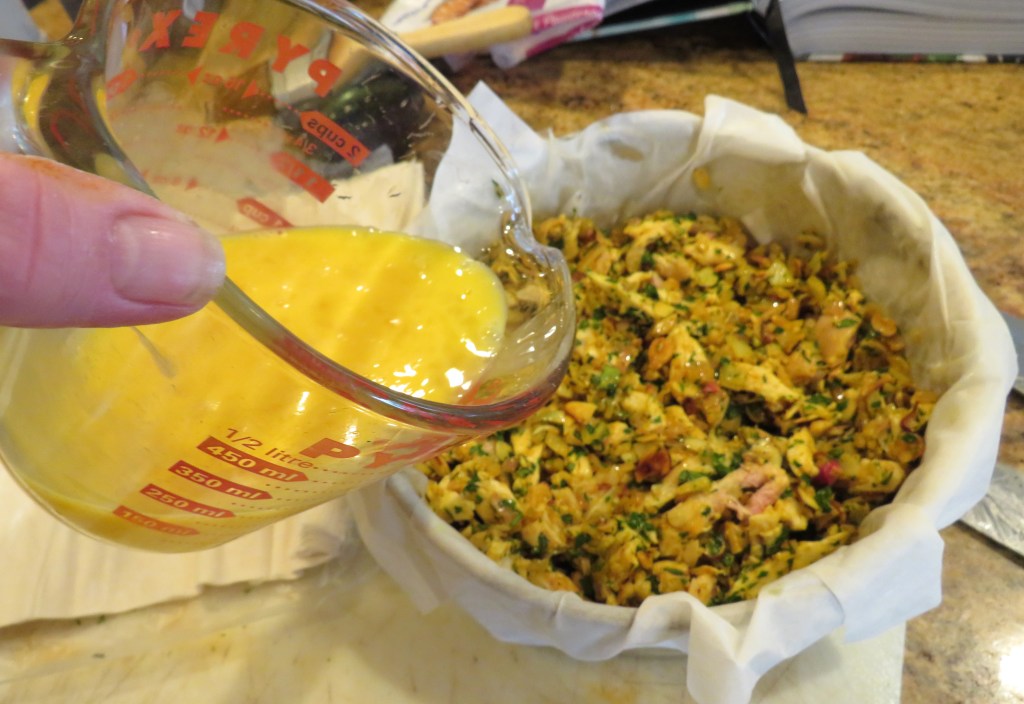
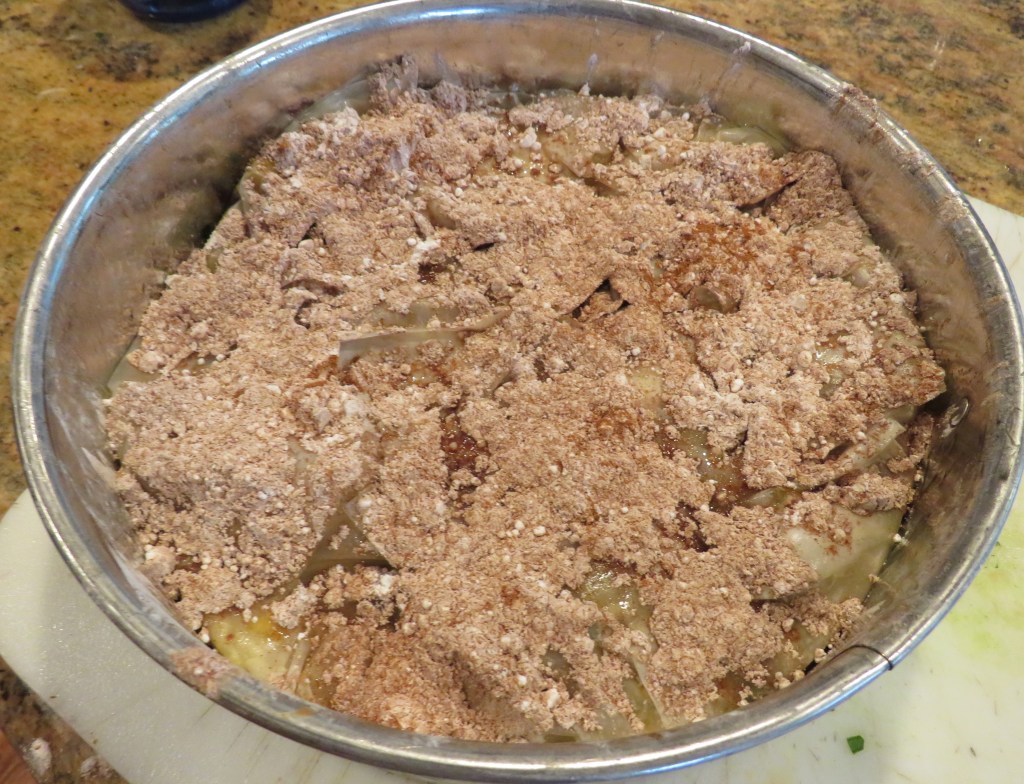
Carefully place a layer of the phyllo dough into the prepared pan, leaving the edges overlapping on the sides. Carefully brush with olive oil. Repeat for about 2-3 more sheets. Add the chicken mixture.
Beat the eggs slightly and evenly pour on top of the chicken mixture.
Add three or four more layers of the phyllo dough, brushing each layer with olive oil. Carefully fold over the edges, bringing them into the center, and brush with olive oil one more.
Combine the powdered sugar and cinnamon and cover the top of the phyllo dough pastry.
Bake for about 40-50 minutes, or until the dough is lightly golden, crispy and flaky. Allow to cool for a few minutes before slicing.
I served it with some tri-colored couscous and Mediterranean roasted delicata squash and carrots on the side, with a chilled white wine to complete the meal. DELICIOUS!!!!
B’Stilla is like both a quiche and a chicken potpie, but not your average quiche or potpies. No, no. This one is very exotic. You’re going to love it. 🙂
Have a great day and make everyday great. Stay safe and stay well. ‘Til next time.
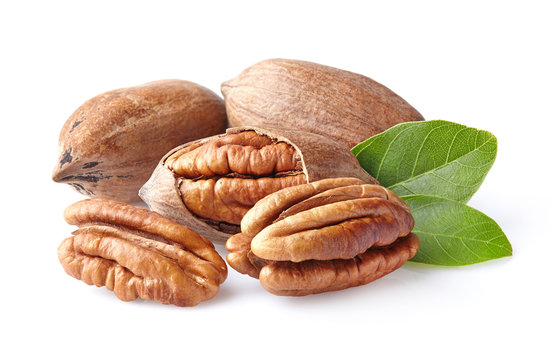
Pecans are some of my favorite nuts. I can eat them by the handfuls, and just pop them in my mouth one after another after another. They are prevalent all throughout the American south and parts of Mexico. Pecans were favored by many Native Americans because they were accessible to waterways and easier to shell than other North American nut species. They are also the only native American nut (The edible kind that is. We have plenty of other nuts, but that is a whole other story). Pecans are known as the “proud American nut”, but they are really a type of fruit known as a drupe. A drupe is a type of fruit that is classified as having a pit that contains a seed inside of a harder outer shell.
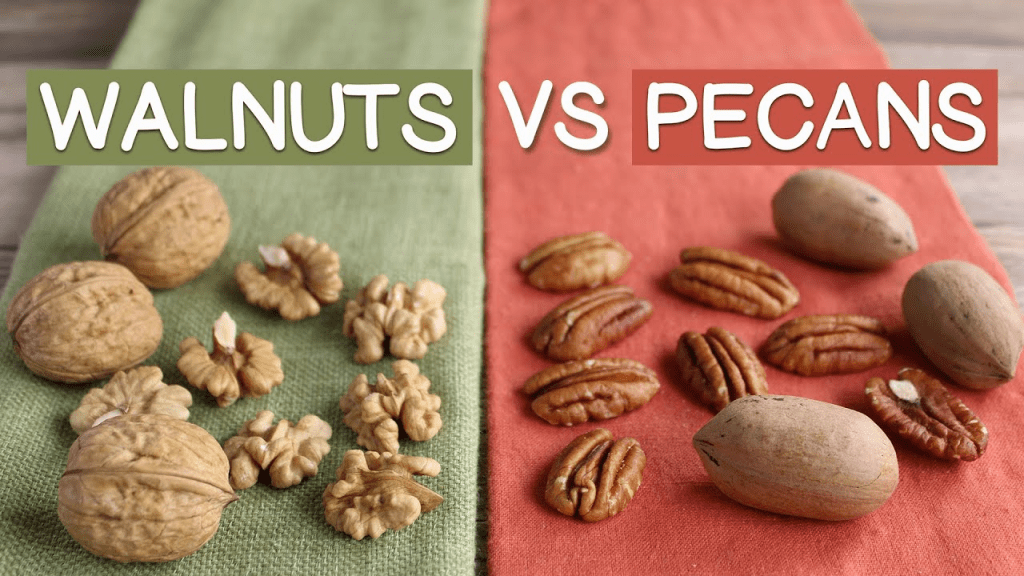
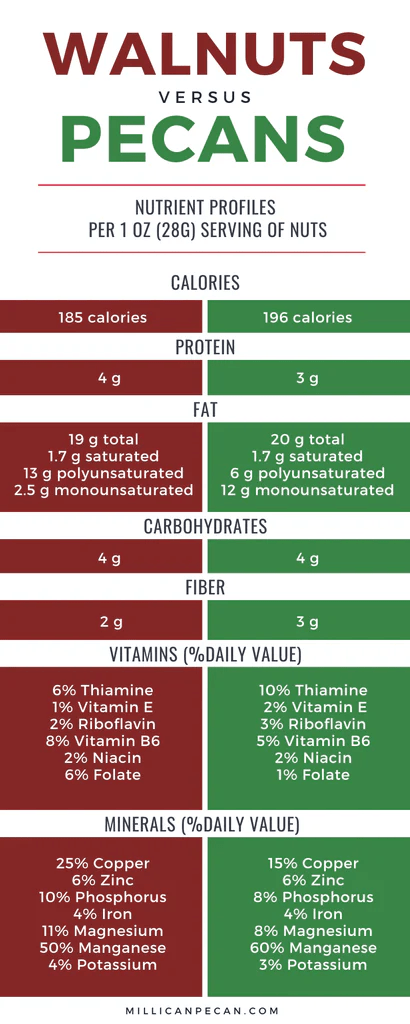
Pecans are the American cousin of the walnut. They have a lot of similarities, but a lot of differences too. The shells are different, with the pecan shells being smoother, but the inside kernel is similar in looks. Pecans are elongated and oval with deep grooves, while walnuts are rounded and have a brain-like appearance. Pecans are also sweeter, with a creamier, more oily texture than their walnut cousins. Walnuts also tend to be a bit more bitter and crunchier than pecans. Both are very healthy, but offer slightly different nutrient values. Pecans are richer in fiber and vitamin E, whereas walnuts are higher in protein and omega-3 fatty acids. They are known to be good for the heart, among other parts of our bodies as well. Pecans also tend to be smaller than walnuts.
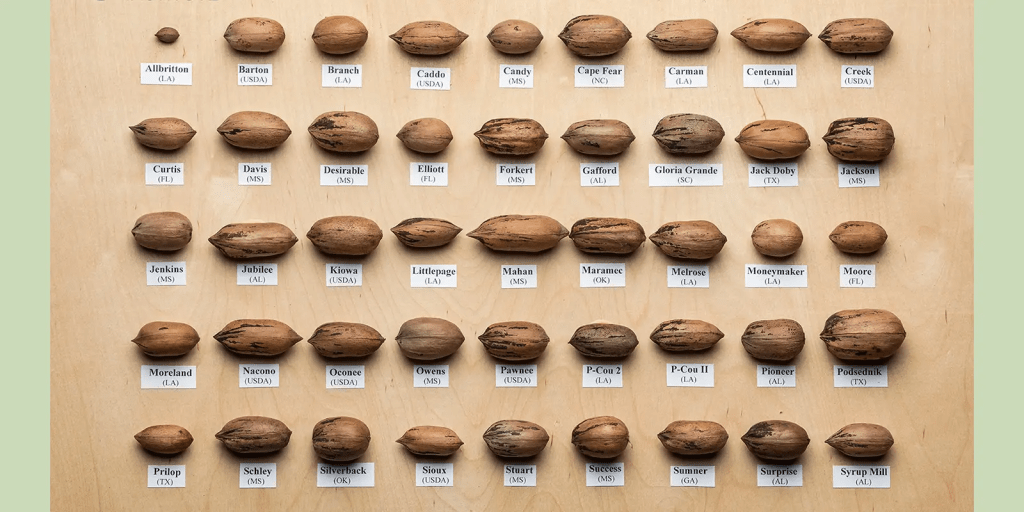
Pecans have been in North America for centuries and were a valuable food source for the Native Americans, especially during the fall. The name “pecan” itself is derived from an Algonquin word, pacane, meaning “a nut that takes a stone to crack”. There is a wide variety of different types of pecans found throughout the pecan world too. Who knew?
Native pecans typically have thicker shells and smaller kernels, while cultivated varieties, often referred to as “improved” pecans, feature thinner shells and larger, meatier nuts. Thin-shell pecans, commonly known as paper-shell pecans, are popular for snacking because they are easy to crack by hand.
Pecans are often associated with spiritual symbols of abundance, prosperity, and patience. They are considered to be a symbol of natural bounty and have a long history of being revered by Native Americans. Additionally, pecan trees can be seen as a reminder to trust the process of growth and to give things time.
Pecan trees in the United States started as a wild species, originally found mainly in the Southern parts of the country. They were introduced to the United States for cultivation purposes from Spanish colonists and Franciscans who settled in northern Mexico, when they began cultivating pecan trees in the late 1600s or early 1700s. French settlers in Louisiana also planted pecan trees in the 18th century, marking the beginning of pecan cultivation in the southern United States. The first significant commercial pecan plantings in the United States occurred in Louisiana and Texas in the late 1800s, primarily using budding and grafting techniques developed earlier in the 19th century. Georgia started cultivating pecans in the late 1800s and is now one of the top pecan-producing states in the country – growing over 100 million pounds of pecans each year. Today, over 80% of pecans are grown in Georgia, Texas and New Mexico. South Africa is also known for being a pecan producer. In some cultures, the pecan tree symbolizes wealth and financial security, reflecting its value as a food source and a valuable crop.
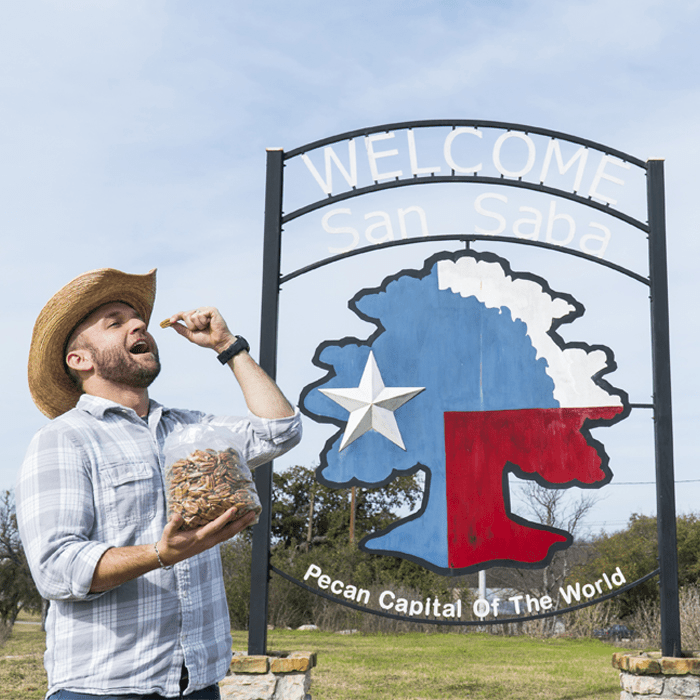
Pecans are such a part of the Southern and Texan cultures, that the pecan tree became the official state tree of Texas in 1919. Fossilized evidence suggests that Texas had pecan trees as early as prehistoric times. Pecan trees can grow up to about 150 feet and can live for up to 200-300 years or more, but they can take up to 10 years to mature enough to start producing their “fruits” . They also require a lot of water. The number one killer of pecan trees is lack of water and proper irrigation. Typically, pecan orchards are planted with 12–24 trees per acre, with wider spacing allowing for better air circulation and sunlight penetration as the trees mature. Native pecan trees are thinned to 10 to 12 trees per acre. Texas is the top exporter of native pecans which are the only commercially grown nut in Texas. The town of San Saba, Texas is widely known as the “Pecan Capital of the World”. It’s situated in the heart of the Texas Hill Country, and boasts a rich history with the pecan industry. Pecan season is late in the year, with harvest occurring between October and December. Though late November and December is not a typical harvest season for most other fruiting plants, the Texas climate enables pecans to mature perfectly during this time. Fortunately, pecan season is right in time for holiday treats and pies.
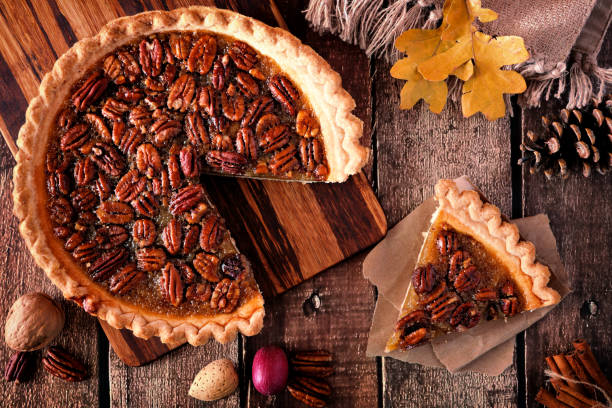
Pecans can be used in so many different ways, in an endless array of different recipes from salads to savory dishes to sweet desserts and pies. Because of their naturally sweet flavor, they seem to be used most often for pies, sweets and desserts though. That’s OK by me. I LOVE pecan pie, a traditional favorite for Thanksgiving all across America. But then I also love adding them to my salads, or to grind them up and use them as a “breading” for a variety of different dishes too.
Here are some different recipe ideas for using pecans. Like with anything, you just need a little imagination and creativity, and the possibilities are endless. 🙂
It’s perfectly OK to be a little nutty. In fact, nuts and pecans specifically, are a healthy choice for you too. So eat your nuts and get nutty. You’ll be glad you did.
Have a great, nutty day and make everyday great. Stay safe and stay well. ‘Til next time.
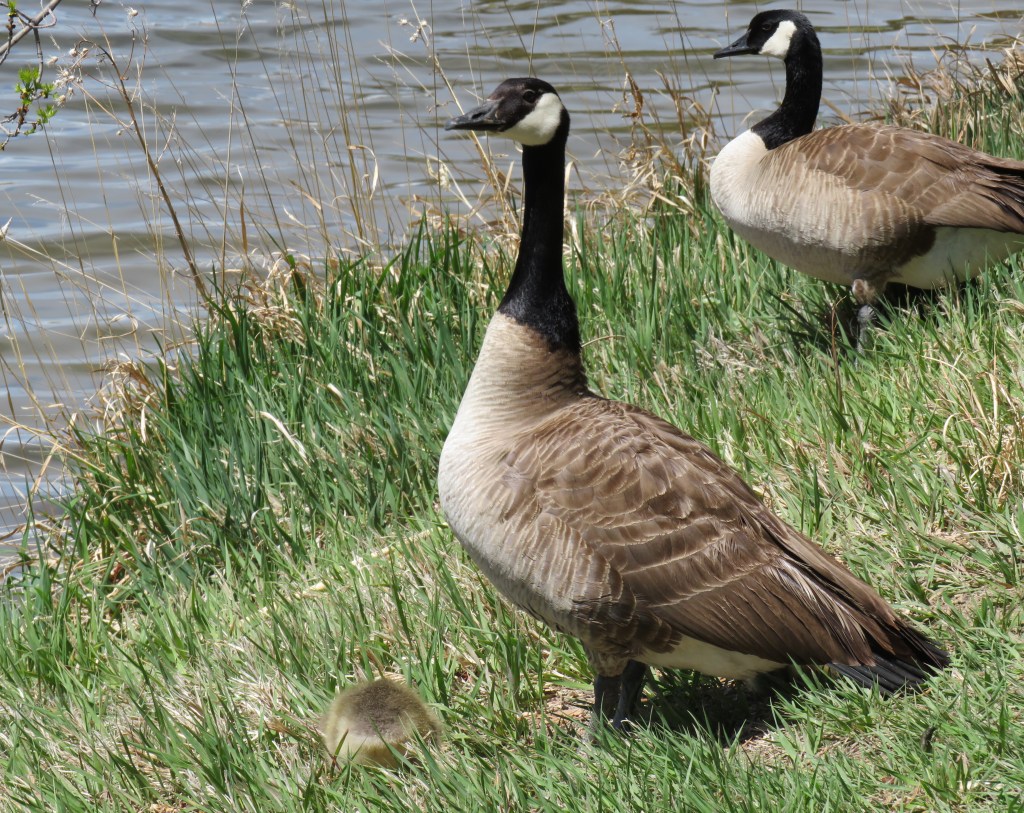
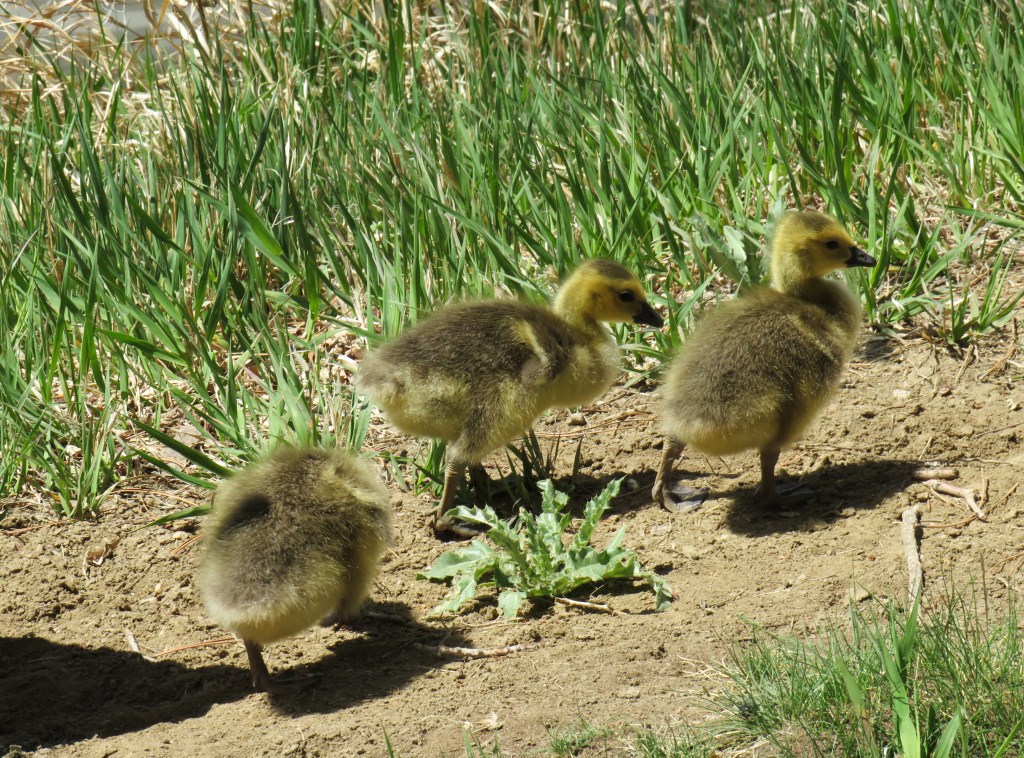
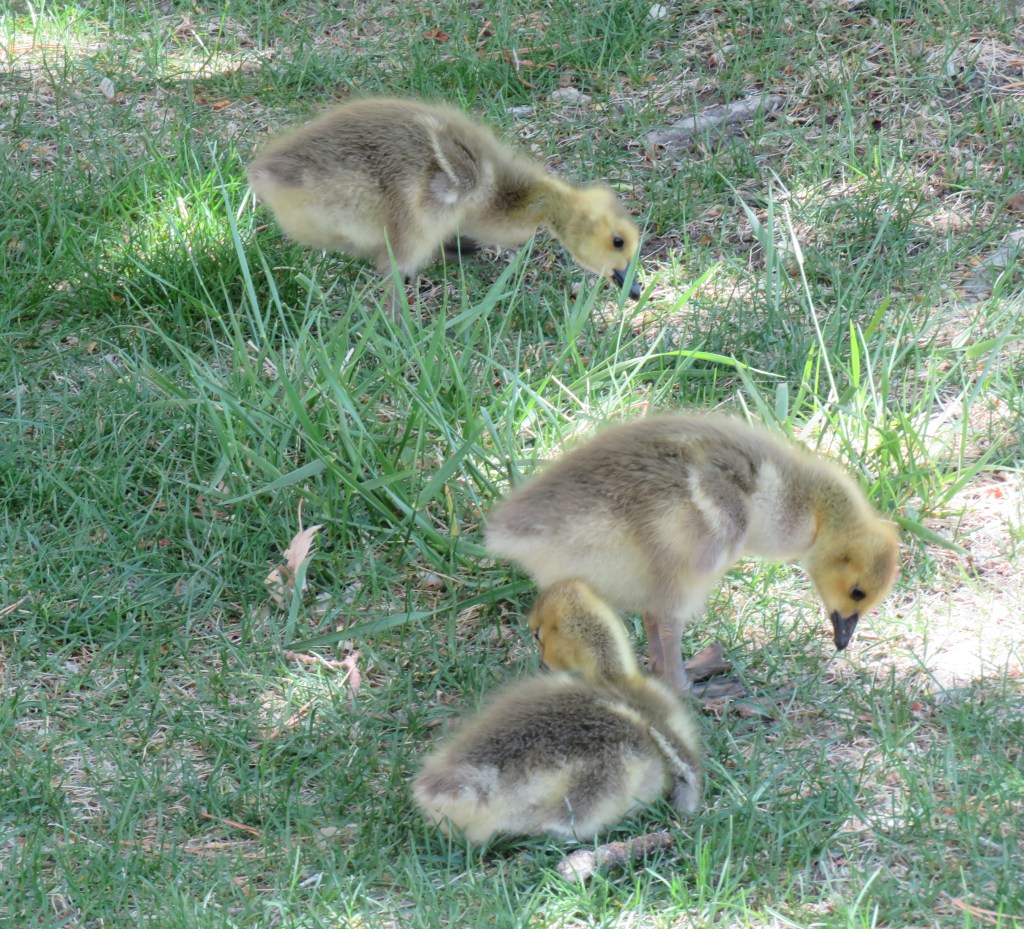
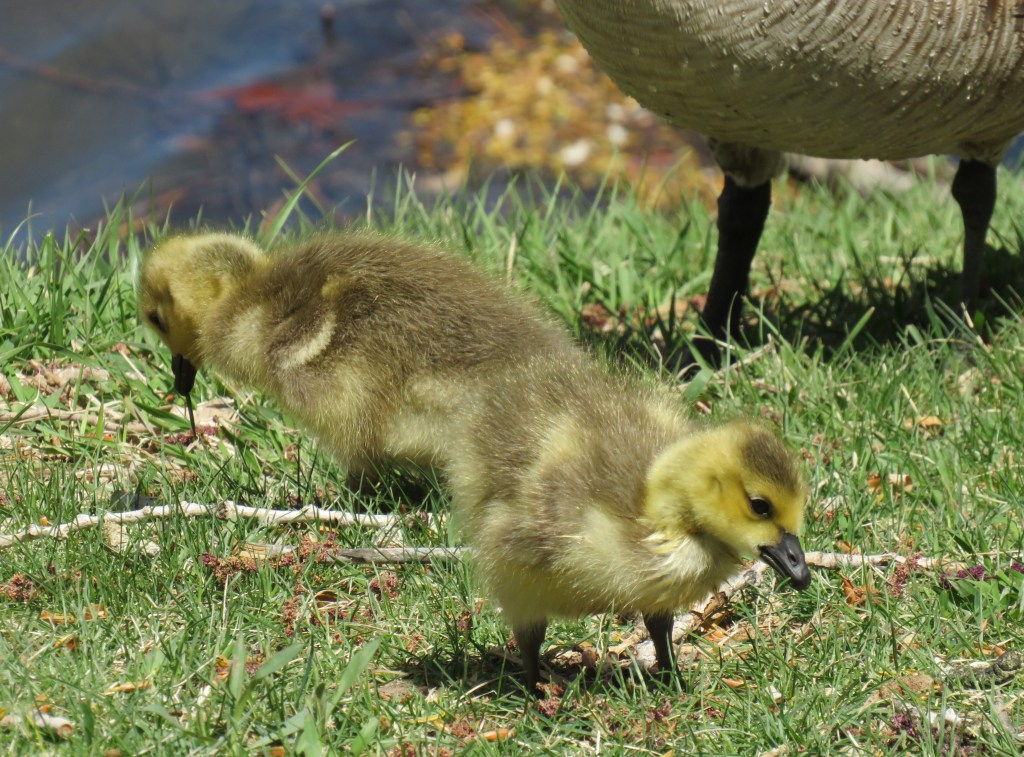
I saw my first goslings for this spring season. They look like they are just a few days old. As always, they are so darn cute. I only saw three, but it is still very early in the season for them too. I’m sure I will see a lot more soon.
Mom and dad are so proud.
They are cute, tiny babies right now, but they will grow up very quickly.
We are so lucky to have such a wide variety of wildlife right here in our own backyard. We have so many different kinds of ducks and birds, among many other critters. Everyday is a different day.
Right now I have some Goldeneyes swimming around on my lakes. This one is a male Common Goldeneye. He’s handsome and he knows it.
This is our other Goldeneye. It is a Barrow’s Goldeneye.
Both types of Goldeneyes like to frequent our lakes. I love having them both visit. They are welcome for as long as they like to stay.















































 A Jeanne in the Kitchen