I have created this site to help people have fun in the kitchen. I write about enjoying life both in and out of my kitchen. Life is short! Make the most of it and enjoy!
Author: ajeanneinthekitchen
I have worked in the restaurant and catering industry for over 35 years. I attended 2 culinary schools in Southern California, and have a degree in culinary arts from the Southern California School of Culinary Arts, as well as a few other degrees in other areas. I love to cook and I love to feed people.
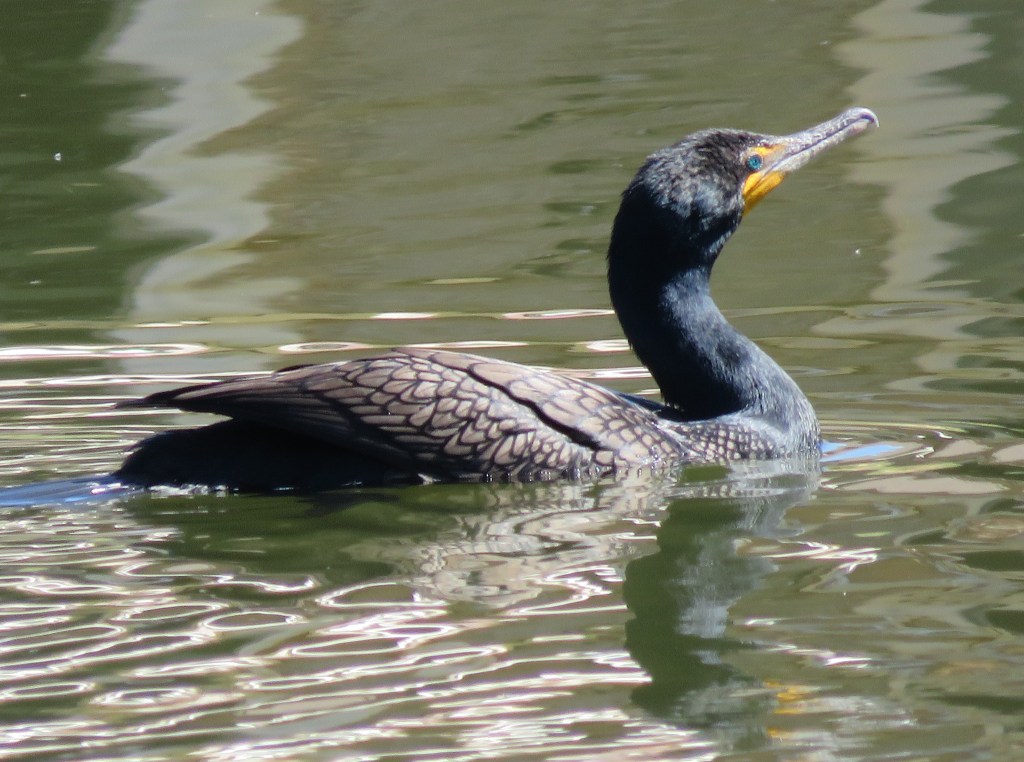
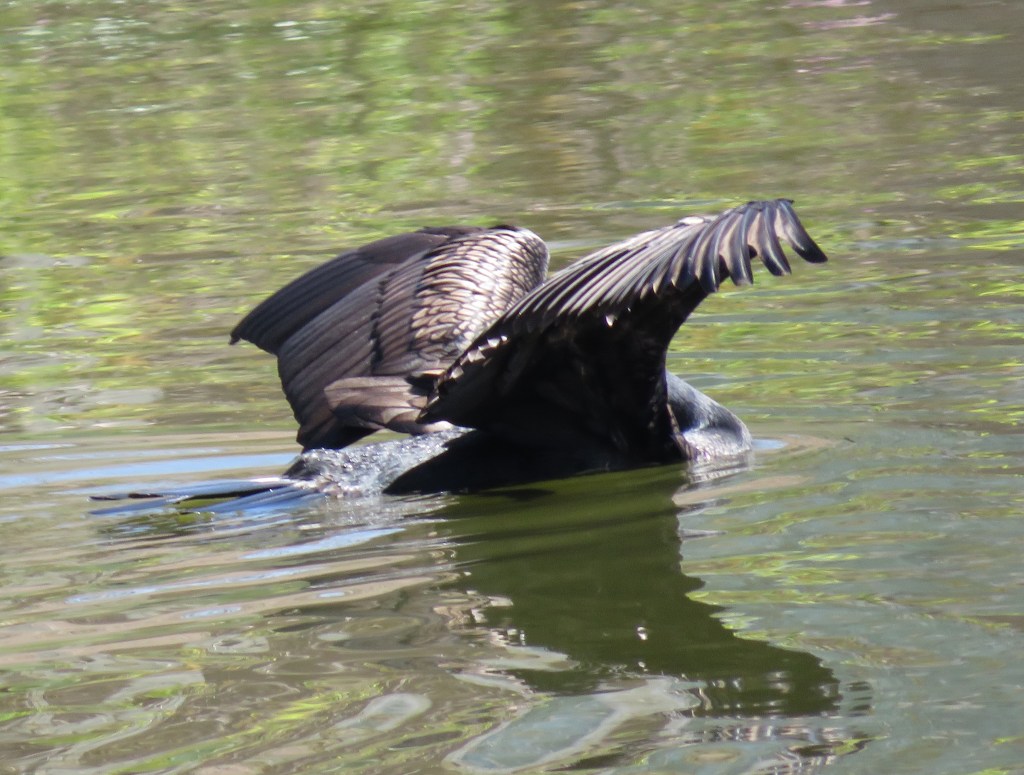
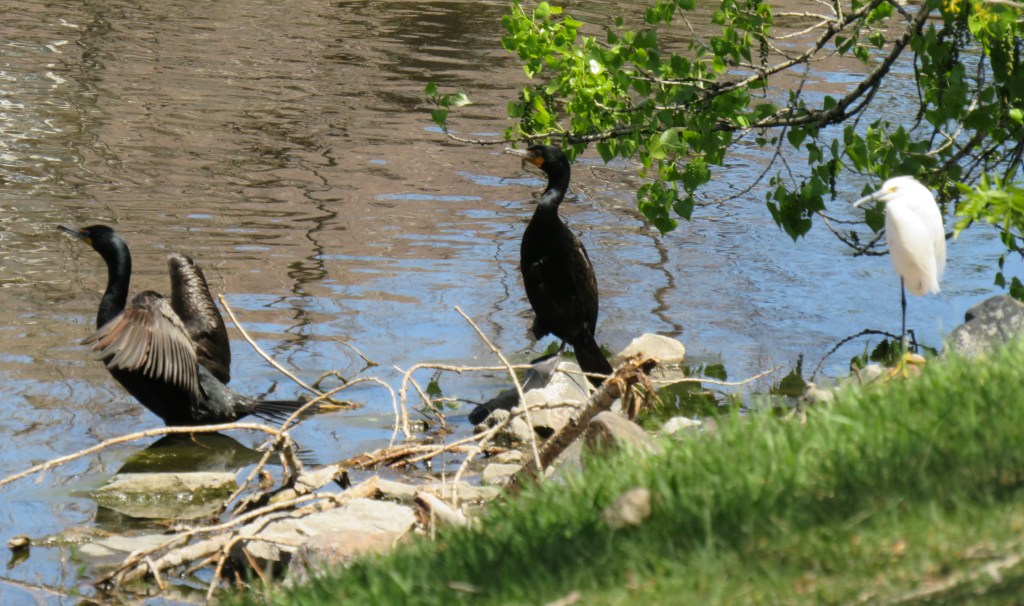
My Cormorants are out and about, spreading their wings and taking it all in. I love seeing them, and I really love it when they spread their wings out too. They look so majestic and proud.
Have a great day and make everyday great. Stay safe and stay well. ‘Til next time.
Once again, our weather is all over the place. One minute it is cold and rainy, the next minute it is warm and sunny. We are on a warm streak at the moment though, and that means more salads. Two days ago, it rained all day and was cold. Go figure?!
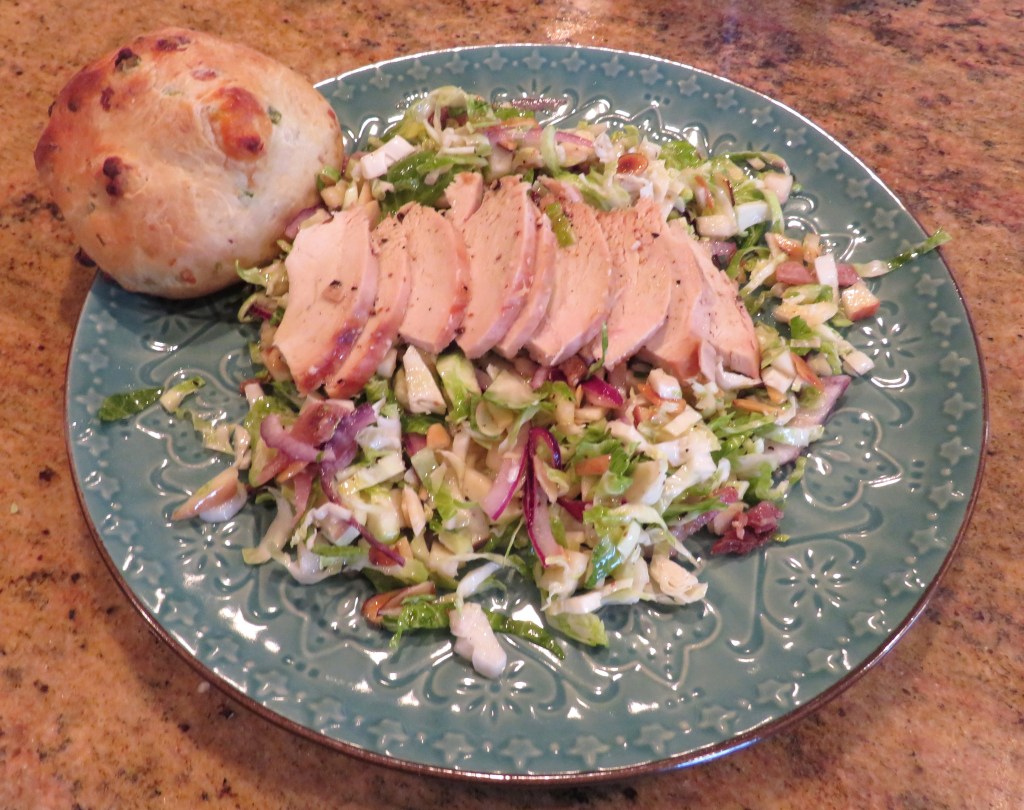
The other day I mentioned I had Brussels sprouts that I needed to use. I love to use them in all kinds of ways, but this time I shredded them and turned them into a delicious summer salad. I actually make this salad quite a often. It’s a perfect salad for warm weather.
Brussels Sprouts Salad with Chicken
Brussels sprouts, ends removed and shredded
1/4 red onion, sliced very thin
1 apple, diced
toasted almond slivers
bacon crumbles
blue or feta cheese, optional
cooked chicken, sliced thin
apple cider vinaigrette or other light flavored vinaigrette of your choice
I made a honey-ginger-apple cider vinaigrette.
Honey-Ginger-Apple Cider Vinaigrette
1/2 cup olive oil
1/4 cup apple cider vinegar
1/4 cup honey-ginger balsamic vinegar
1 tsp Dijon mustard
fresh ground black pepper to taste
Whisk everything together and set aside until ready to use.
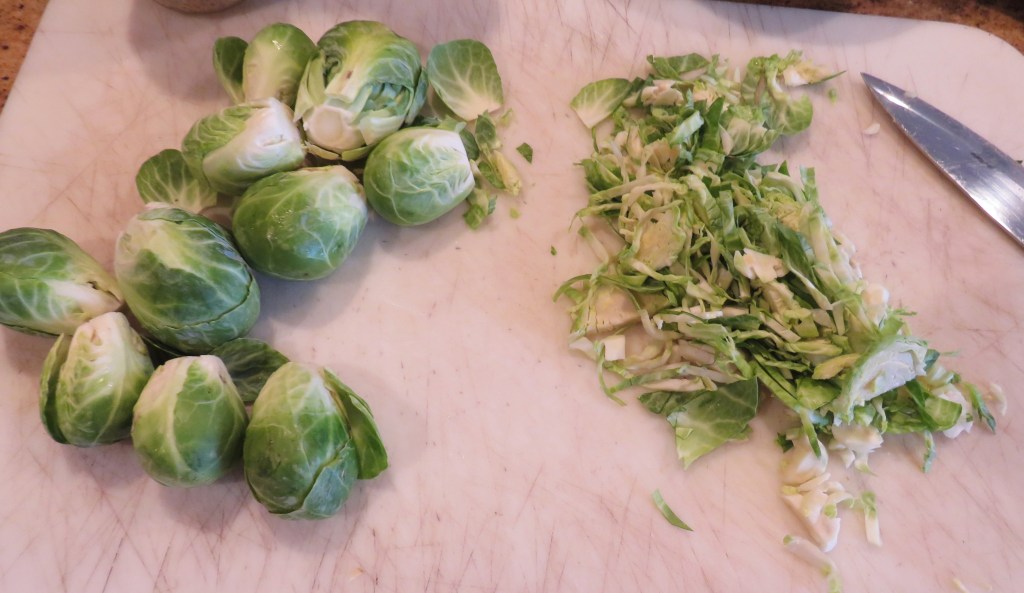
Shred the Brussels sprouts into thin shreds.
Toss the shredded Brussels sprouts together with the apples, onions and toasted almond slivers. Then toss in the dressing.
Plate up the salad and top with the sliced chicken and cheese if you are using it. Add a bit more dressing, and voila. You have a quick and easy delicious summer salad. You can also add sliced green onions and dried cranberries too. I love adding the dried cranberries, but I admit, I forgot to this time, just like I forgot to add the cheese for Larry. Oh well. it was still delicious. 🙂 I served it with one of my jalapeno cheddar rolls Jalapeno Cheese Rolls and a nice, cool and crisp Pinot Grigio on the side (our own that we made).
Summer is just around the corner. Make your meals quick and easy, and spend more time doing what you love to do. Have a great day and make everyday great. Stay safe and satay well. ‘Til next time.
I know the correct term is ducklings, but years ago, when my niece’s daughter Abby saw them, when she was just a little thing, she called them duck-a-lings, and that term just stuck.
We have now had some of our goslings around for about 3-4 weeks, with smaller, younger babies too. I knew once we had goslings it wouldn’t be too long before we had ducklings too. Yesterday was the first appearance our little ducklings, or duck-a-lings, for this season. They are so darn cute. 🙂
There was one group of 8 ducklings, all going in different directions. Mama Mallard looked frazzled and was struggling to keep them all together, but in the end, she did a good job. Everyone was safe and all were having a good first swim.
The little ducklings were swimming all over the place, and it was hard to get good pictures of them. Poor Mama Mallard. She had her work cut out for her.
Have a great day and make everyday great. Stay safe and stay well. ‘Til next time.
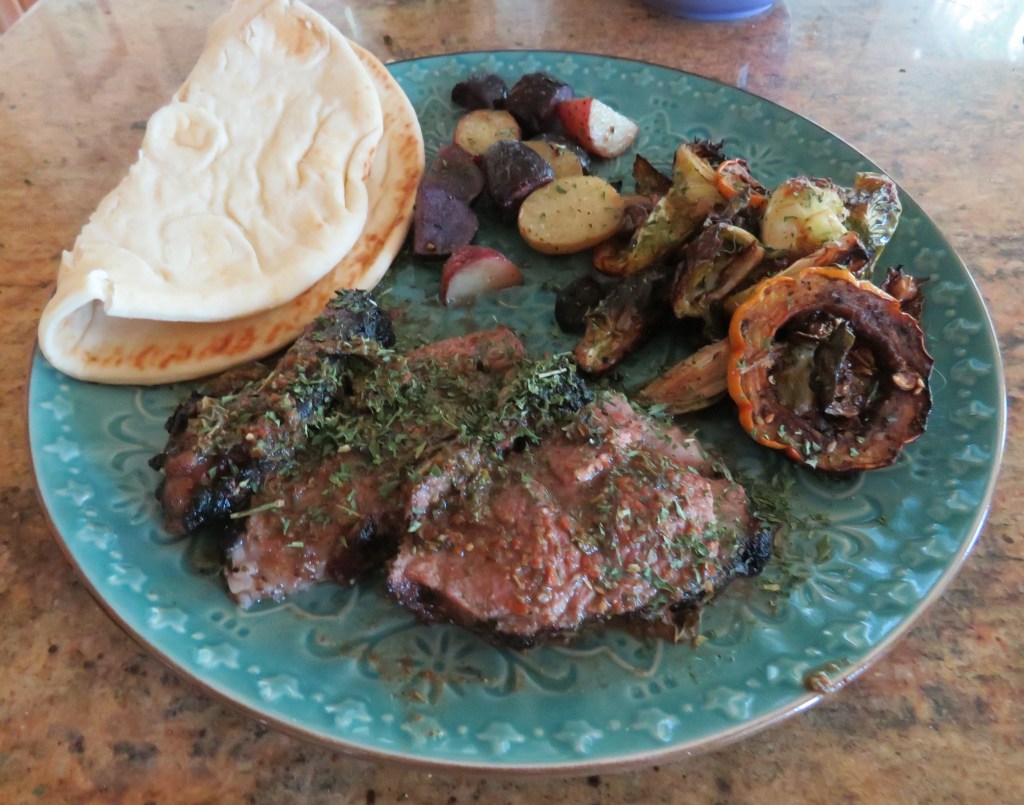
We had lamb down for this week, so lamb it was. We love lamb, but lamb is NOT for everyone. It can often have a very strong, gamey taste, and that turns a lot of people off lamb. So I always marinate it in something acidic for a few hours before cooking it. This time, I marinated it in orange juice and Moroccan spices.
What are Moroccan spices? Well, that can be a trick question. It could be just about anything since the ancient spice trade routes went through Morocco. But in general, Moroccan spices include a combination of warm, earthy spices like cumin, coriander, cinnamon, ginger, and turmeric, along with other flavors like paprika, cayenne pepper, and sometimes saffron. It is pretty common to use a lot of spices in Moroccan cooking, often times using 12 or more per dish.
Orange Spiced Lamb
Most chefs agree lamb is BEST when cooked to a beautiful medium rare. Lamb is generally cooked to an internal temperature of 135-140*F or 57-60*C for medium rare, which is the recommended minimum safe temperature for most lamb cuts. Anything beyond a medium and the lamb will become tough and dry.
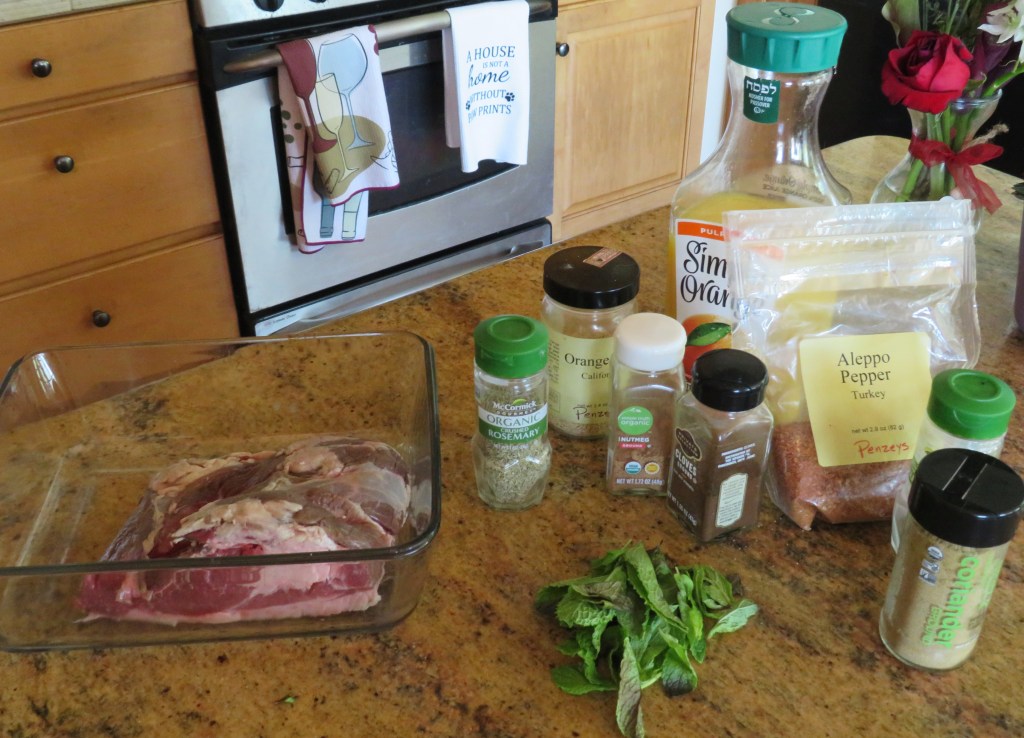
I made an orange spiced marinade and let my lamb roast marinade for about 5 hours before cooking it.
1 lamb roast – 3-4 lbs
1-1/2 cups orange juice
1 TBSP minced orange peel
1-2 tsp coriander
1-2 tsp crushed Aleppo pepper
1 -2 tsp dried rosemary
1/2 tsp ground cloves
1 tsp allspice
1/2 tsp nutmeg
2 TBSP fresh mint, chiffonade
2 TBSP fresh lemon verbena, chiffonade, optional
Mix everything together well and pour over the lamb to marinate in the refrigerator for at least 4-5 hours before cooking.
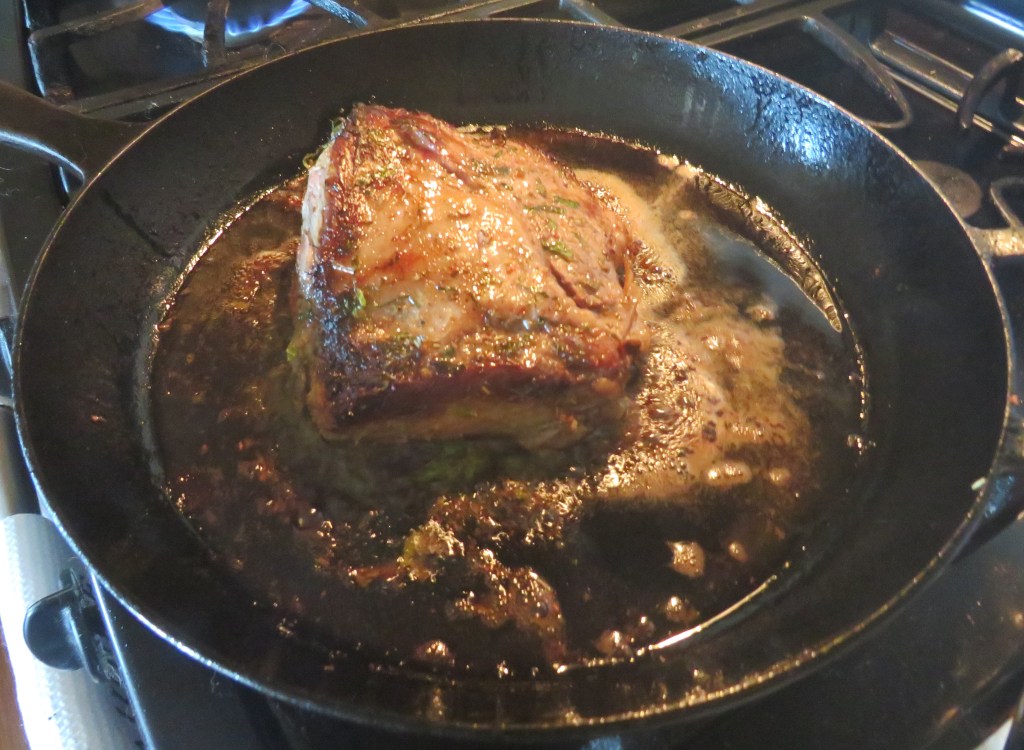
Before cooking, remove the lamb from the refrigerator for at least 1/2 hour before cooking, then pat dry with paper towels. Get a large skillet VERY hot, then add olive oil and butter to the skillet. Place the lamb in the mix, and sear for about 3 minutes per side, then an additional 1 minute per side after, to sear it and give a nice crust all around.
Preheat the oven to 400*F or 200*C.
Once the lamb is seared and crusted all over, place it in the oven to finish cooking. Roast for at least 30-40 minutes, or until the internal temperature reaches 145*F or 63*C.
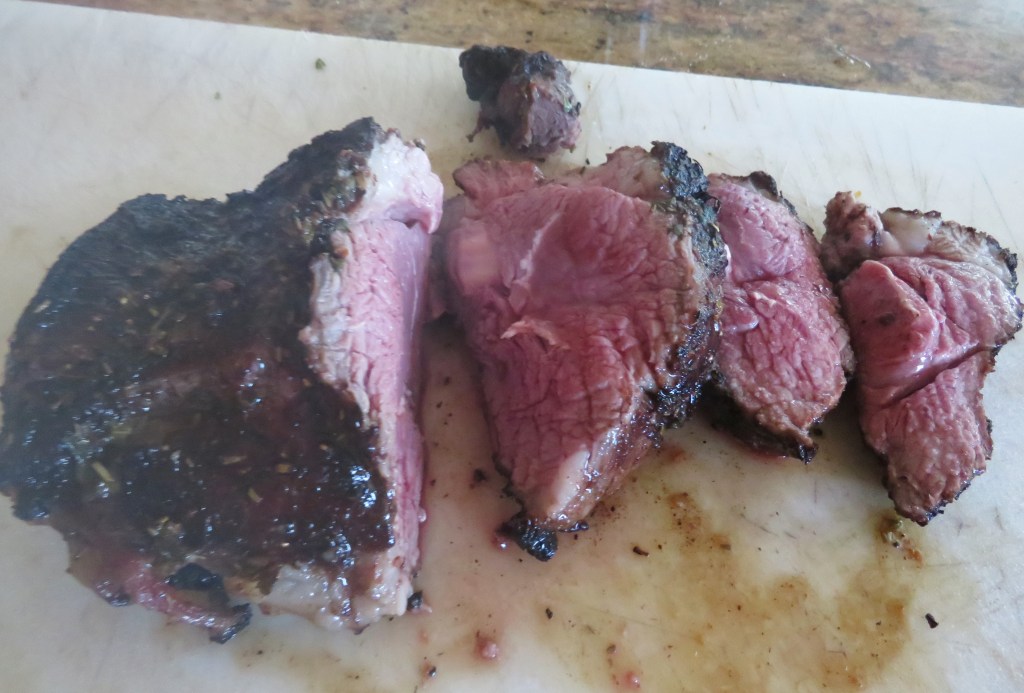
Allow the lamb to rest for about 5-10 minutes before slicing it. Allowing the lamb to rest for a few minutes after cooking helps the juices redistribute, resulting in a more tender and juicy piece of delicious meat. When carving lamb, especially roasts, it’s best to cut against the grain for the most tender texture
I topped it with more of the marinade (that I left in my dish and cooked the lamb in while in the oven) and served it alongside some roasted new potatoes and roasted carrots, squash and Brussels sprouts, with the some warmed pita bread and hummus on the side. I served it with a bold red blend to complete the meal.
The lamb was perfect. It was very juicy and tender, and full of flavor. DELICIOUS!
Have a great day and make everyday great. Stay safe and stay well. ‘Til next time.
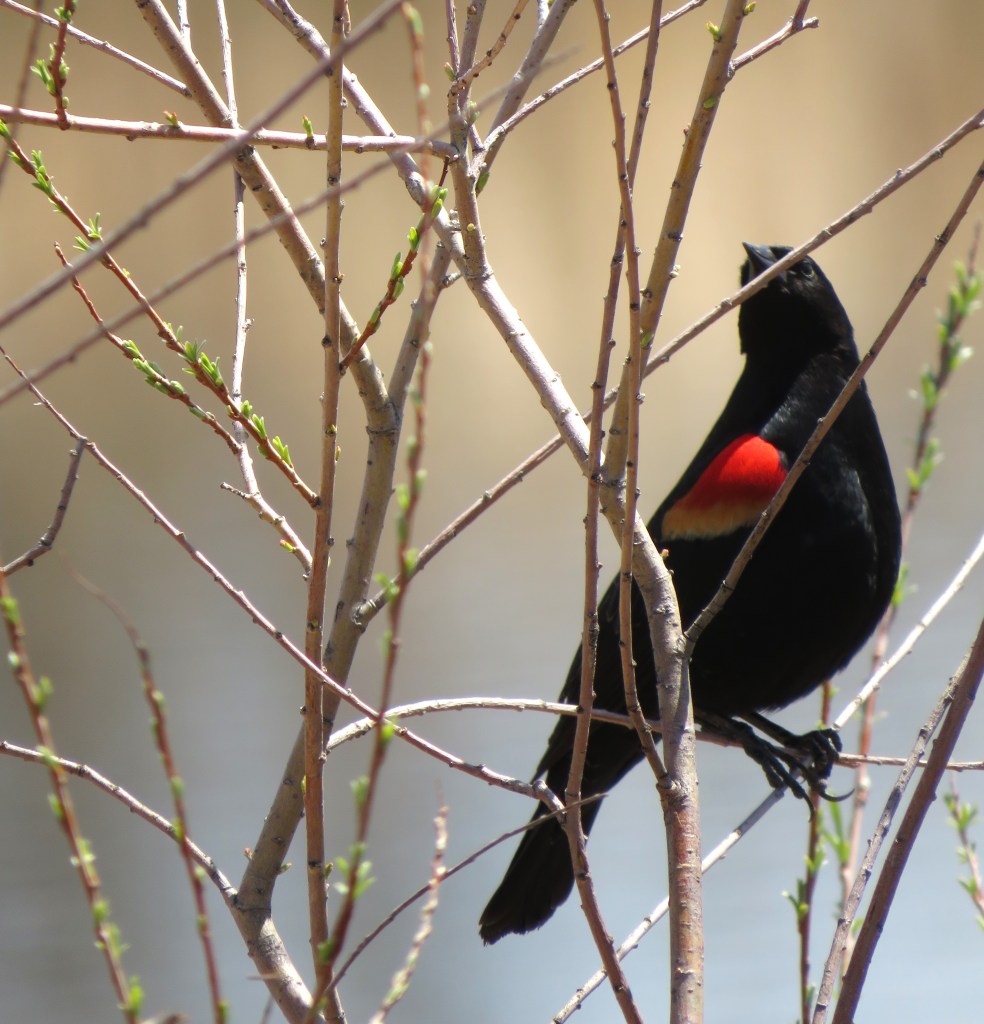
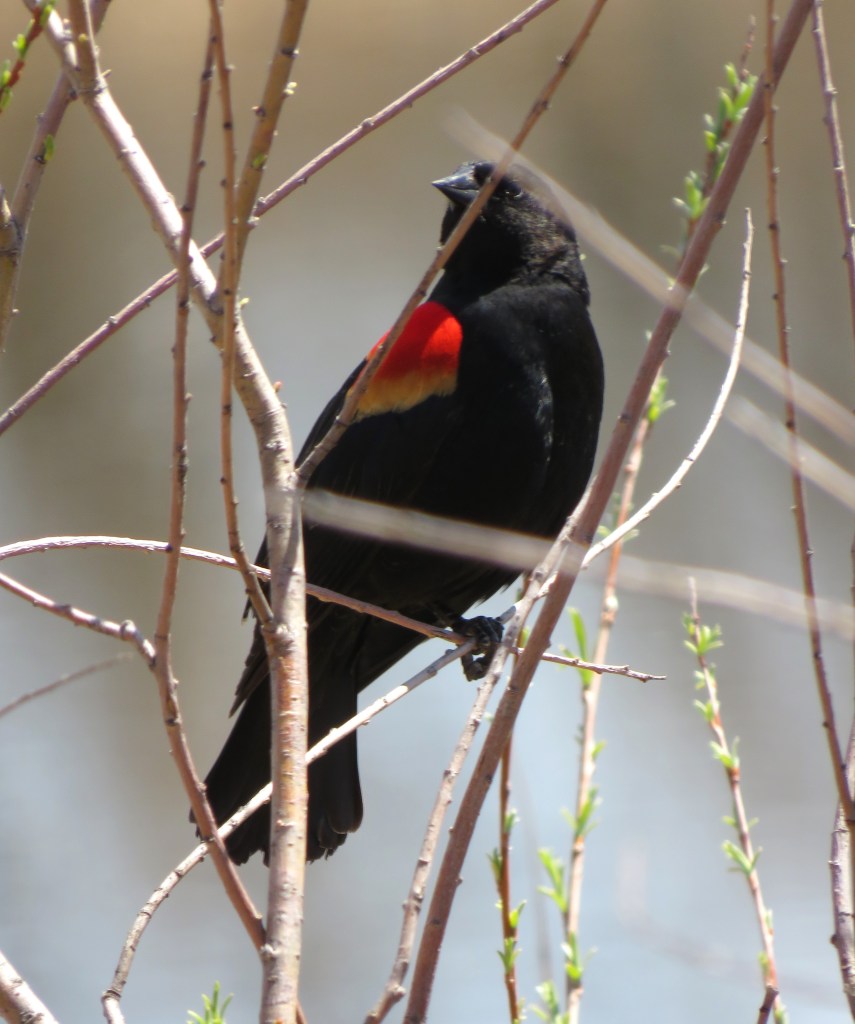
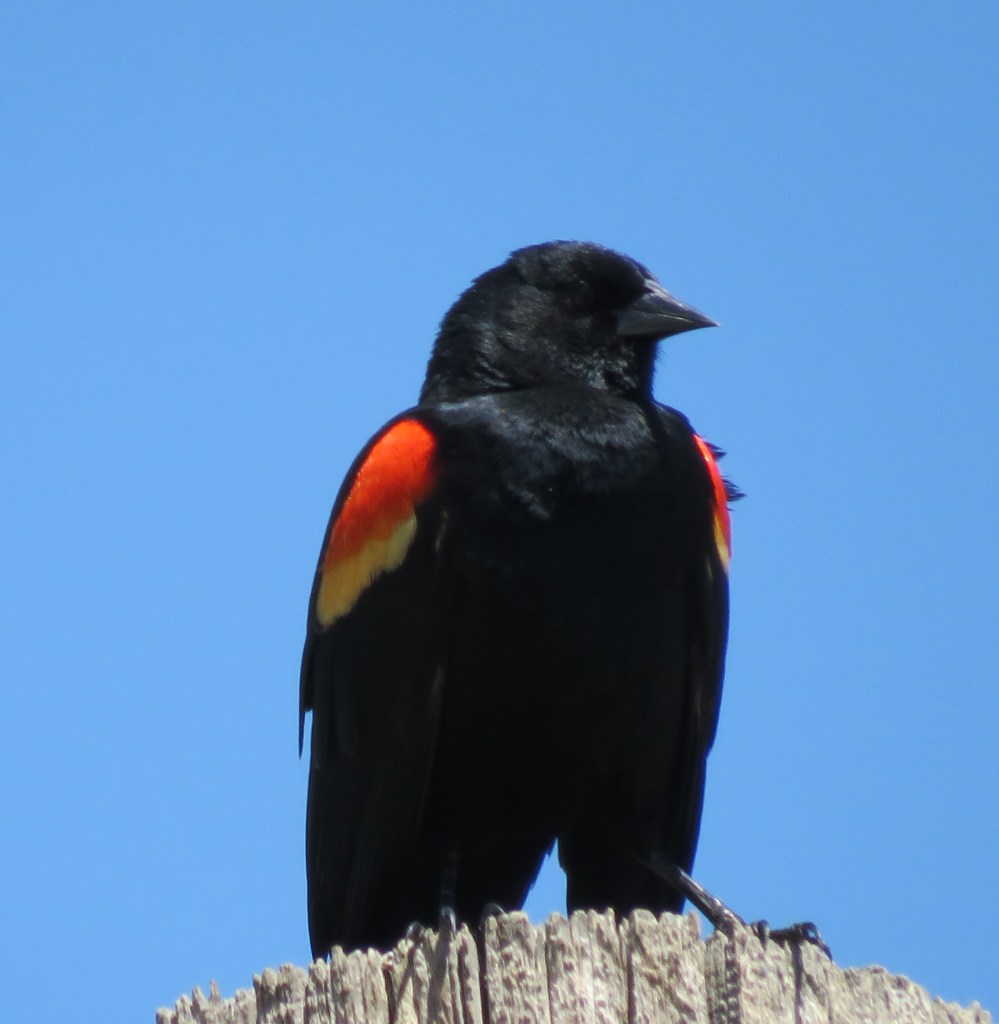
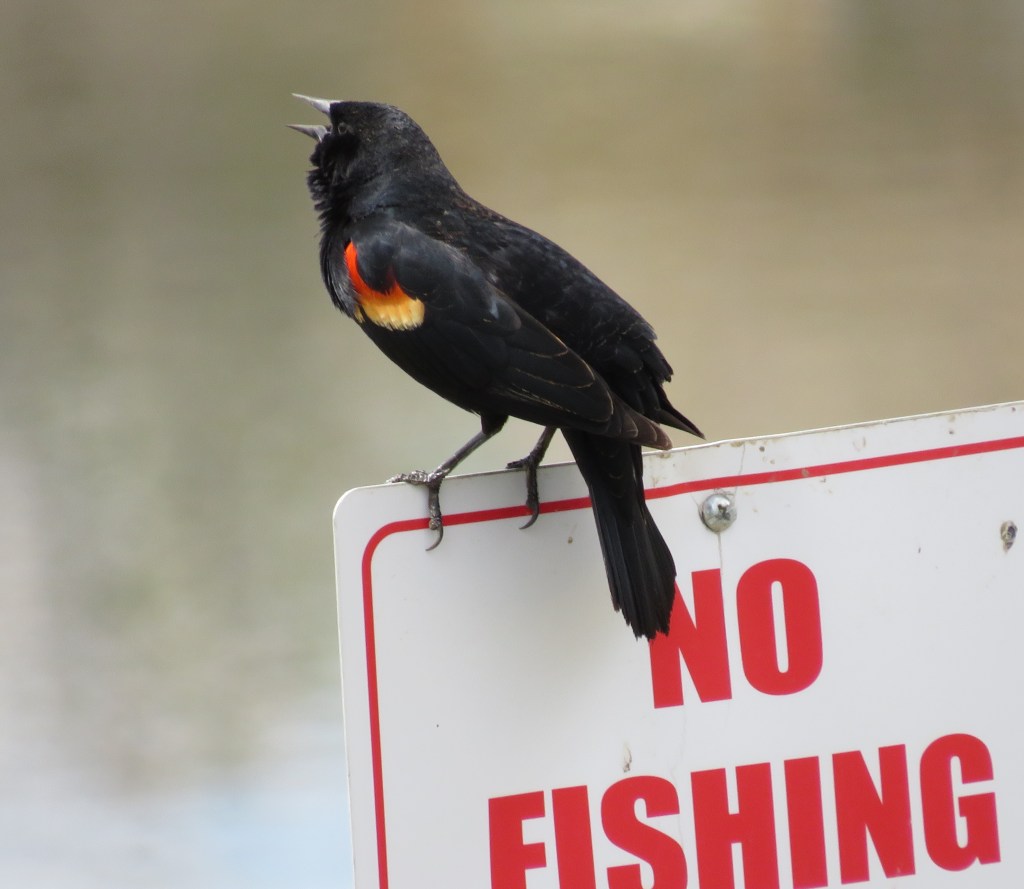
I see and hear Red-Winged Black birds all the time. There are so many out and about right now, just singling their beautiful little love songs to each other. I love these colorful little birds. They really like to hang out in the reeds, but I see them all over the place.
Here he is, belting out his tunes.
This one is the female. She is not as brightly colored as her male counterpart. They are singing a duet.
It’s time for another round of fun food facts. I always learn something new when I do deep dives into the foods we eat. I love learning all these new little fun and trivial facts. I hope you enjoy them too. 🙂
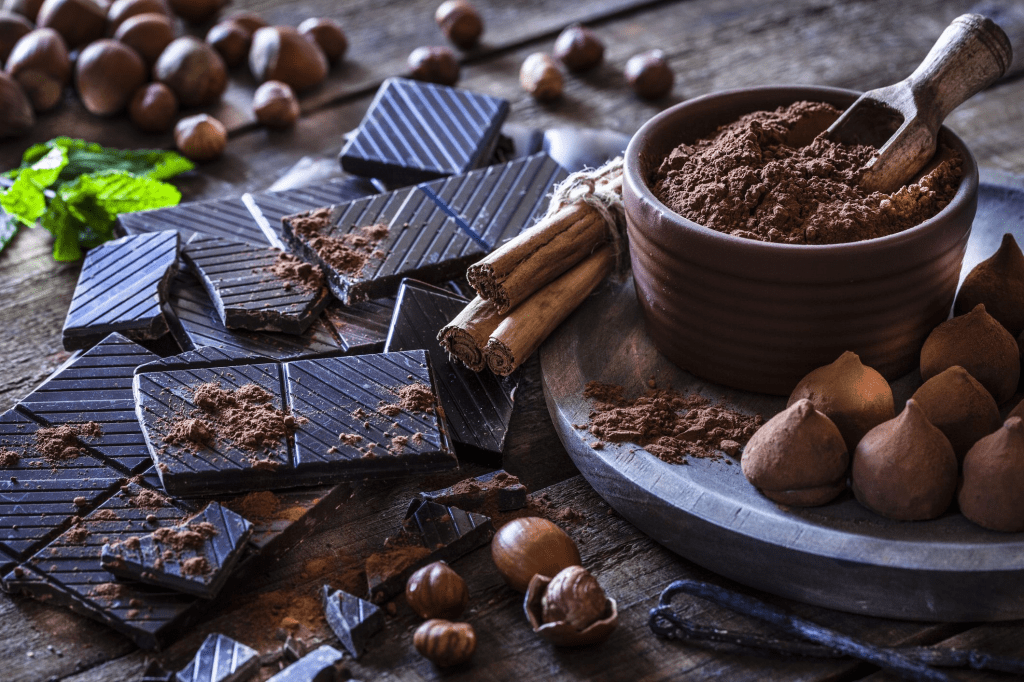
Dark Chocolate
One of the world’s favorite foods is chocolate. But dark chocolate is more than just a sweet treat to eat. Many claim it also has healing qualities too. Supposedly dark chocolate can help lower blood pressure and reduce inflammation, as well as lowering our heart rates, and our chances of getting both cancer and diabetes. These are still just theoretical and unproven, but I say eat more dark chocolate, just in case. It can’t hurt, right?!
Dark chocolate that is more than 70% cacao is also a pick-me-up, containing more caffeine than coffee.
Chickpeas (garbanzo beans) and Almonds
There are a lot of different plant based protein options, and both almonds and chickpeas, also known as garbanzo beans, contain almost as much protein as steak, or at least according to some studies. I love nuts of all kinds, and I love my beans and chickpeas too, but I REALLY love a good steak. For me, there is nothing that will ever replace a good steak, but it is nice to know that we have other high-protein options as well. I say, everything in moderation though. Eating a healthy, well-blended diet, and getting our nutrients from many different food sources is always the best choice.
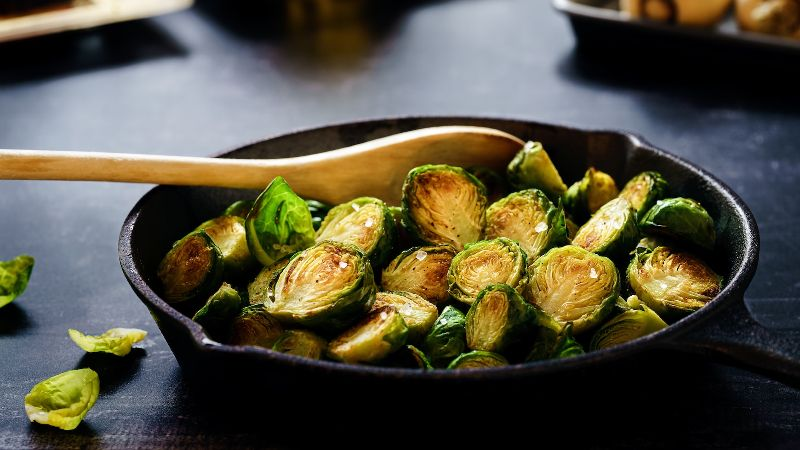
Brussels Sprouts
You either love them or you hate them. I didn’t grow up eating Brussels sprouts, but I sure love them now. In fact, I have some in my fridge right now, just waiting to be deliciously cooked and prepared. Brussels sprouts get a bad rap, and they are thought of as the world’s most hated vegetable, but they are also some of the healthiest vegetables too. They are packed full of vitamins and minerals, have virtually no calories, no fat, no cholesterol, and they fill you up. Better yet, they also have an anti-oxidant that has shown to be anti-inflammatory and could fight cancer.
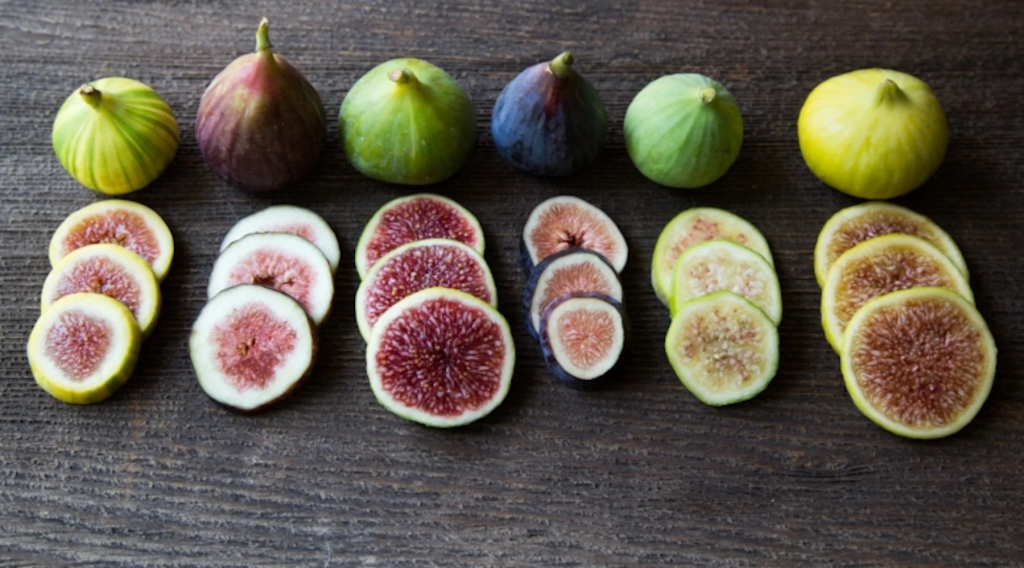
Figs
Figs have been around since the beginning of time. Archeologists have found fossilized figs dating back to around 9000 BCE.
Figs are known as a fruit, but in reality, they are part of the syconium family, meaning that a portion of their stem expands into a sac containing a flower that grows internally.
Are figs vegan? Not necessarily. As part of the pollination process, female wasps crawl inside of a fig to lay her eggs and, unfortunately, she dies during the process. By the time we eat the sweet fruits though, there are no traces of wasps left as they have been digested by the fig. This mainly occurs in figs that are grown in the wild though. Cultivated figs that we purchase at the stores have never felt the “pleasure” of a burrowing wasp inside.
Sandwiches
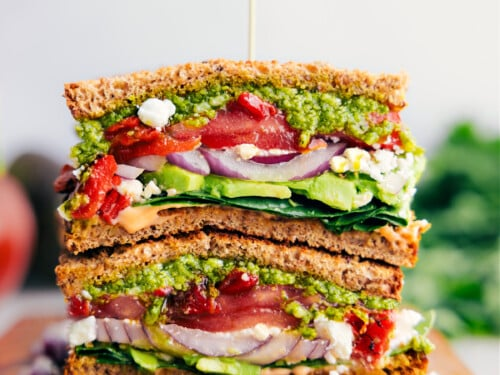
Today, we all eat sandwiches. A sandwich is basically anything you want “sandwiched” in between two slices of bread. There are infinite possibilities, and this favorite menu item is enjoyed in many forms all over the world.
Today, we take sandwiches for granted, but how did they come about? Legend has it that this lunch time classic is said to have been invented by the Earl of Sandwich. The unconfirmed story claims that the Earl, John Montagu was on a 24-hour gambling streak and did not want to leave his table. He wanted to eat without having to put his cards down. He had his staff prepare his food in between two slices of bread and brought to him so he could eat his food without stopping his gambling. … thus the sandwich was born.
Sandwiches have even made it into space. One was “smuggled” in by Astronaut John Young. He smuggled a corned beef sandwich onto his spacecraft for a six-hour mission. The sandwich didn’t go too well in zero gravity conditions and could have actually had grave consequences. Floating crumbs or debris could have caused serious damage to the shuttle, but luckily they returned unharmed. NASA has since taken steps to ensure no sandwich goes into space again.
These wild and crazy ideas may just come up as a trivial pursuit question, and now you know the answers. Have fun with them. Have a great day, learn something new everyday, and make everyday great. Stay safe and stay well. ‘Til next time.
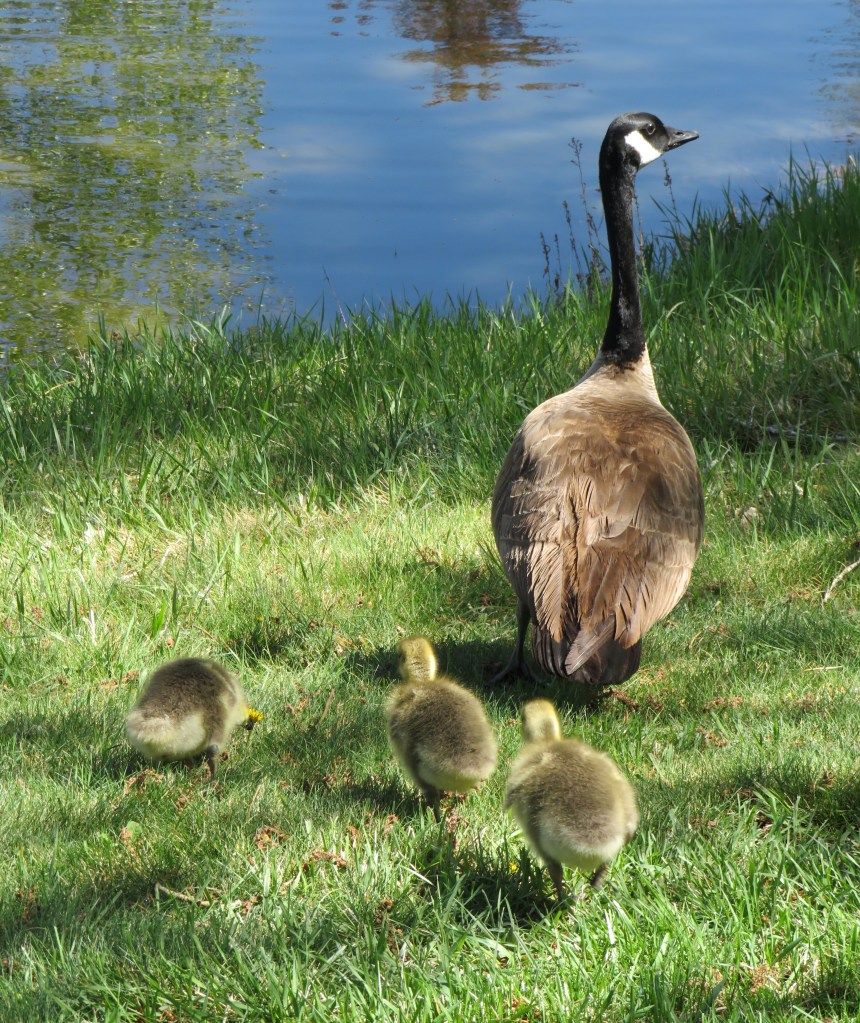
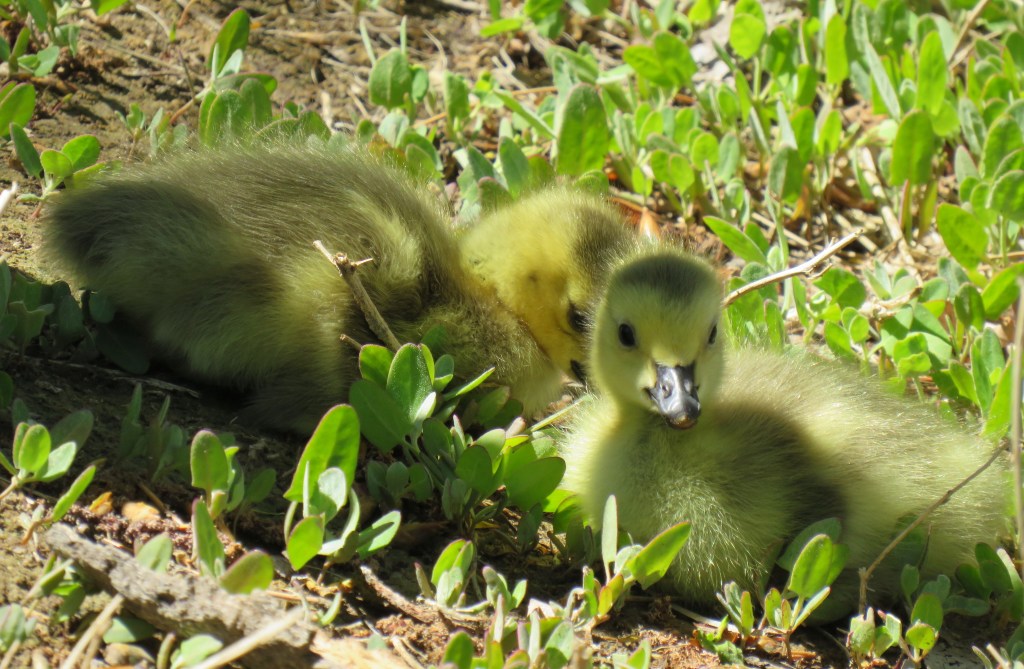
The other day, I saw, not one, not two, but three groups of baby goslings. There was one group that was a little older than the other two. The other two were still in the tiny baby stage. But I thought I would share them with you again, since they grow up so quickly. They change from week to week.
These are the “older” goslings, at about 3-4 weeks old. They are already a lot more independent.
And these are the tiny babies.
Mommy, wait for us. We have little iddy-biddy legs. This is a long walk up a steep hill.
Many of the common vegetables (verduras) enjoyed in Mexico are the very same vegetables we eat and enjoy here too. They include zucchini, cauliflower, corn, potatoes, spinach, Swiss chard, mushrooms, jitomate (red tomato), and green tomato. Other traditional vegetable ingredients include chili peppers, huitlacoche (corn fungus), huauzontle, and nopal (cactus pads). These, however, are not as common here in the United States. A traditional favorite is a combination of zucchini, onions, corn, and poblano peppers. I use all of these vegetables on a regular basis. To me, what makes them “Mexican” vegetables, rather than just vegetables, however, are the spices and seasonings used. Those include cumin, oregano, and red chili, again staples in Mexican cooking.
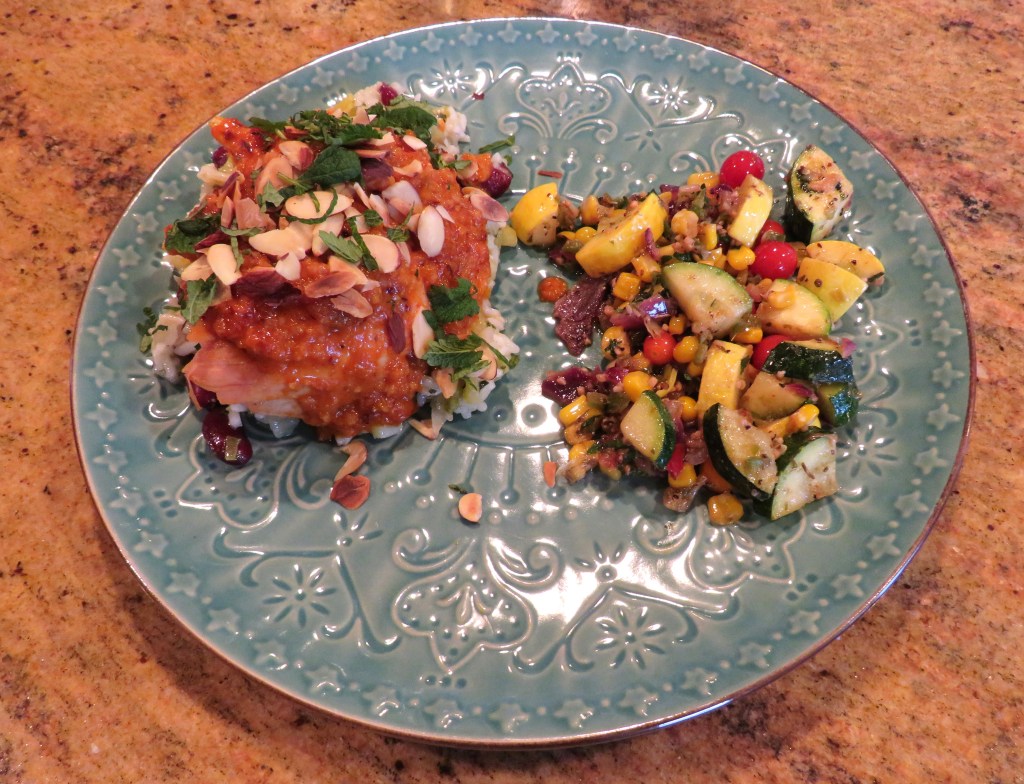
I made some verdurasMexicana to compliment my Pollo Almendrado for Cinco de mayo. Pollo Almendrado My combination included corn, zucchini, yellow crookneck squash, garlic, red onions, jalapenos and baby tomatoes, all mixed together with cumin, oregano, salt pepper and lemon verbena. I thought I had cilantro, and was pretty sure I had just bought some, but alas, I couldn’t find it, so I only used my lemon verbena this time. It is lemon verbena season, and my backyard is already overflowing with it. I use it as much as I can for as long as I can. I love the fresh, hints of lemon it adds to all my spring and summer dishes.
I sauteed all the heartier vegetables with the seasonings first in olive oil and a little butter. I cooked them for about 5-7 minutes over a high heat, stirring frequently.
Once these vegetables were tender, I added everything else right at the last minute, right before serving.
We travel to Mexico quite often, and this is a very common vegetable medley we see all over the place. It is pretty and colorful while healthy all at the same time. It goes with anything, but then I think any vegetables are always a good accompaniment to any entree. 🙂 I like vegetable medleys too, because I am of the belief that the “more colorful” your vegetable combinations are, the healthier they are too. When it comes to vegetables, colors equal healthy.
Have a great day and make everyday great. Stay safe and stay well. ‘Til next time.
Yesterday was Cinco de mayo, or the 5th of May. Here in the United States, it is a big day celebrating all things Latin, particularly from Mexico. Yes, it was a day when Mexico claimed its independence from France, but it is not traditionally a big deal in Mexico.
Here in the United States, people of all cultures and background become Latino, even if only for the day. Everyone is eating Mexican food all over the country. Most people enjoy tacos, burritos, enchiladas or fajitas on this day, but we eat those all the time, not just for Cinco de mayo. So I usually prepare something out of the ordinary, that most people wouldn’t think of. This time I made pollo almendrado, or almond chicken. I served it with more of my Caribbean rice Caribbean Rice and some verduras Mexicana, Mexican vegetables.
Pollo Almendrado has its roots in Mexican colonial cuisine, where the influence of European ingredients such as almonds is mixed with local ingredients. Almonds arrived in Mexico through the Spanish colonizers, and were soon integrated into the local cuisine due to their versatility and nutritional value. This dish is a reflection of how Mexican cuisine has been able to incorporate foreign ingredients, creating unique fusions that have become traditional Mexican classics. Over the centuries, Pollo Almendrado has evolved, but has maintained its essence: a dish that combines the richness of an almond sauce with the smoothness of chicken, creating a contrast that is as satisfying as it is delicious.
When almonds were first introduced to Mexico, they were expensive, so only the wealthy could afford them on a regular basis. Most of the Mexican households could not afford almonds, and ate them only for special occasions. Today, almonds can be found all throughout Mexico, but they are still expensive nuts to buy, so even though pollo almendrado is a traditional meal, it is not found in the typical Mexican eateries and restaurants. It is still only eaten on special occasions in most of the Mexican households.
Pollo Almendrado
As with anything, there is always more than one way to make this delicious dish. This is but one of many different varieties.
4 chicken breasts
1 onion, diced
1 TBSP olive oil
1 cup chicken broth
1/4 cup toasted slivered almonds
1 TBSP red chili powder, preferably Mexican red chili
1-2 tsp orange balsamic or red wine vinegar
1 tsp sugar
1 tsp cinnamon
salt to taste
1/4 cup almond liqueur, optional
top with toasted almonds, chopped cilantro and/or lemon verbena – optional
Toast the almonds to a light golden brown then mix them with the onions and seasonings and saute for about 3-5 minutes, or until the onions are translucent.
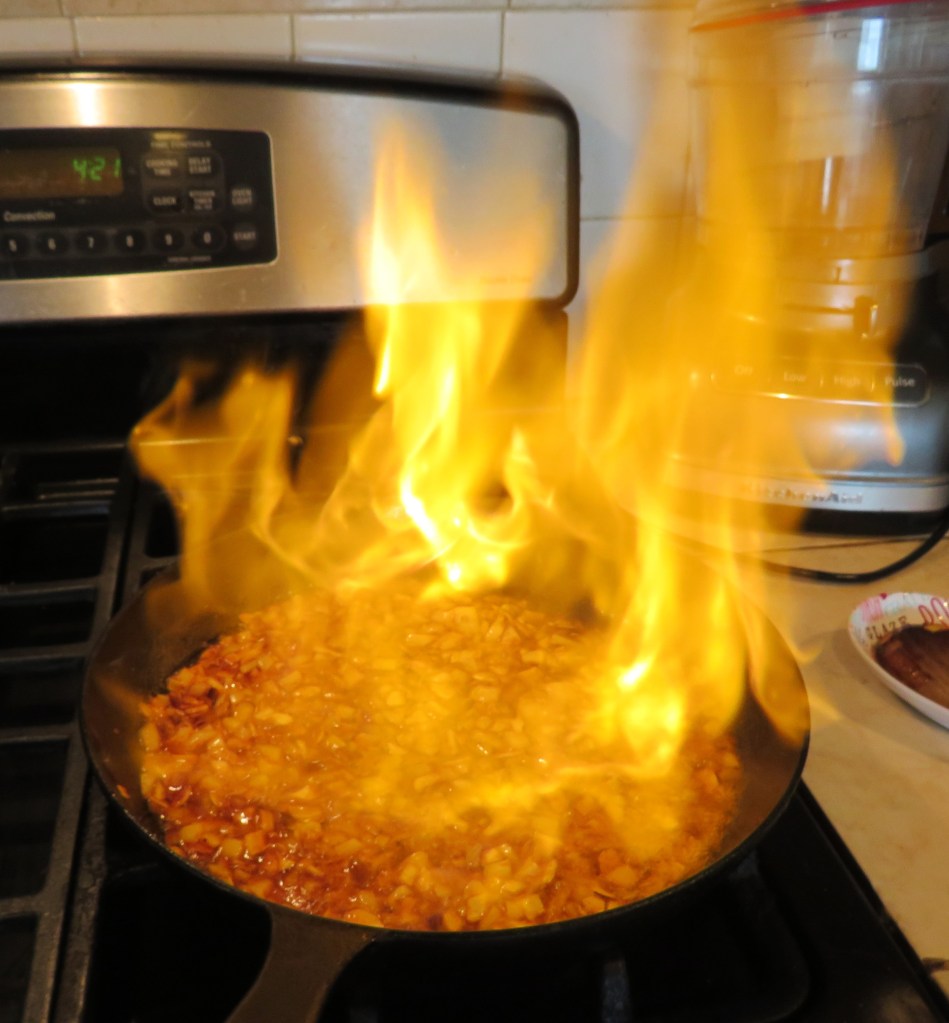
Carefully add the almond liqueur and flambe for about one minute or until the flames dies down and most of the alcohol has burnt off.
Add the chicken broth. Bring the sauce to a boil, then reduce the heat to a simmer and continue to cook for about 10 minutes, stirring occasionally.
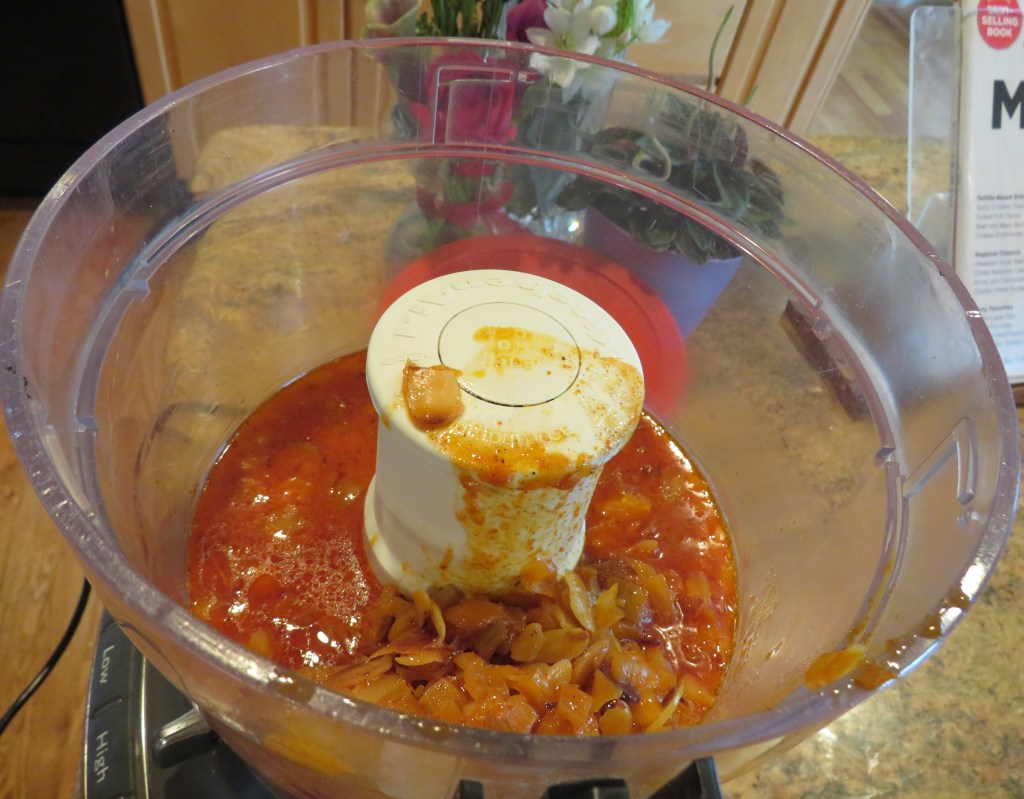
Pour the mixture into a blender or a food processor and process until it is a smooth liquid.
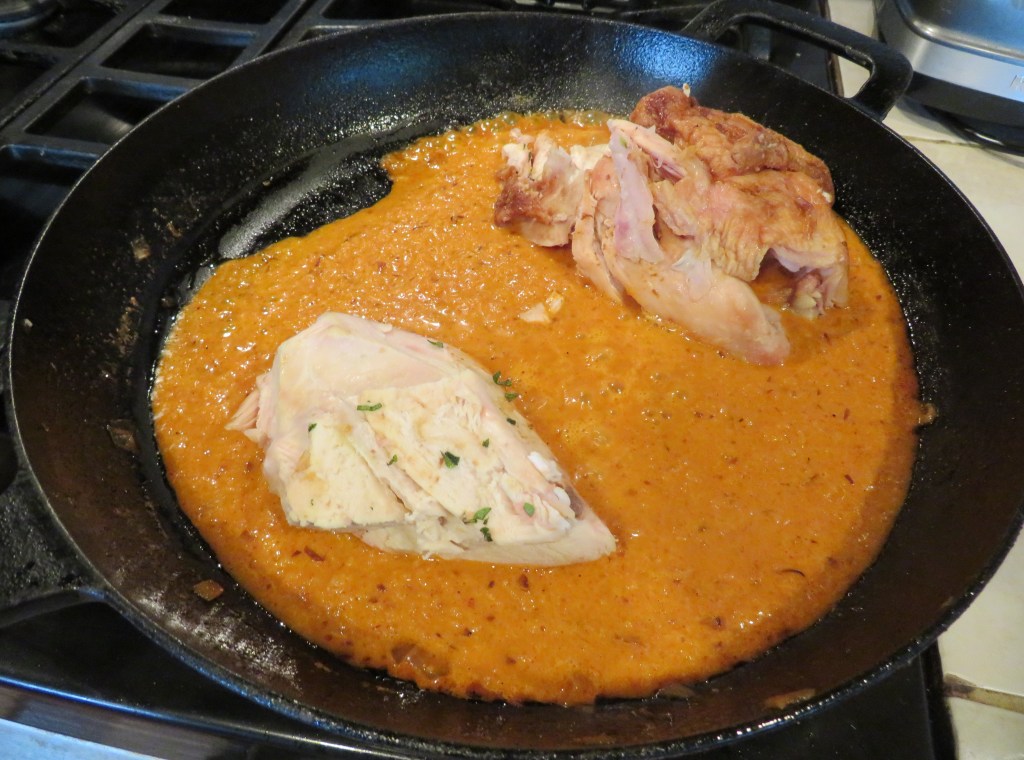
When the sauce is smooth, pour it back into the skillet. If you are cooking the chicken, add it to the sauce. Bring to a boil, then reduce the heat to a simmer and continue to cook for about 45 minutes, or until the chicken is cooked completely, stirring occasionally. I used cooked chicken breasts , so I only cooked it long enough for the chicken to heat up thoroughly.
Serve over rice and with your favorite Mexican side dishes and Disfruitar! I topped it with more toasted almonds and chopped cilantro and lemon verbena from my backyard.
Que tengas un gran dia y haz que cada dia sea grandioso! Stay safe and stay well. ‘Til next time. Hasta la proxima.
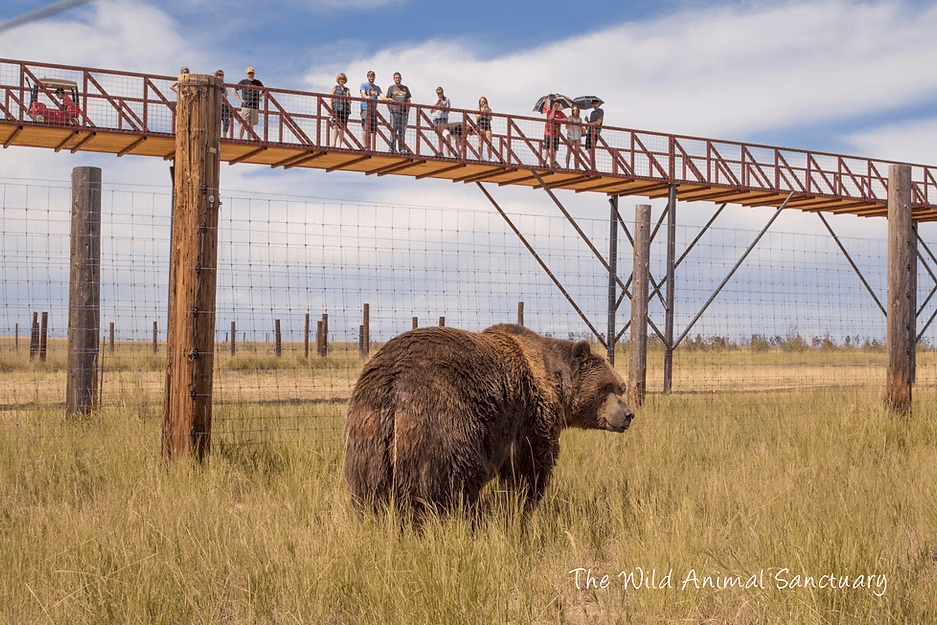
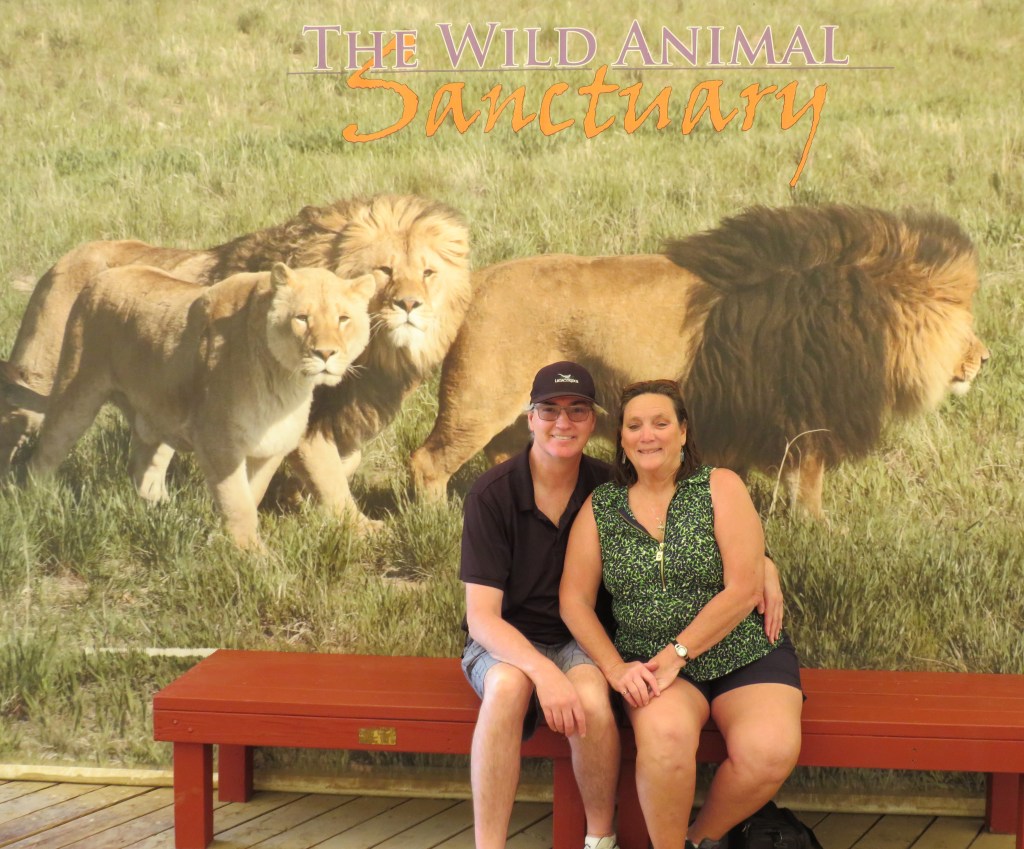
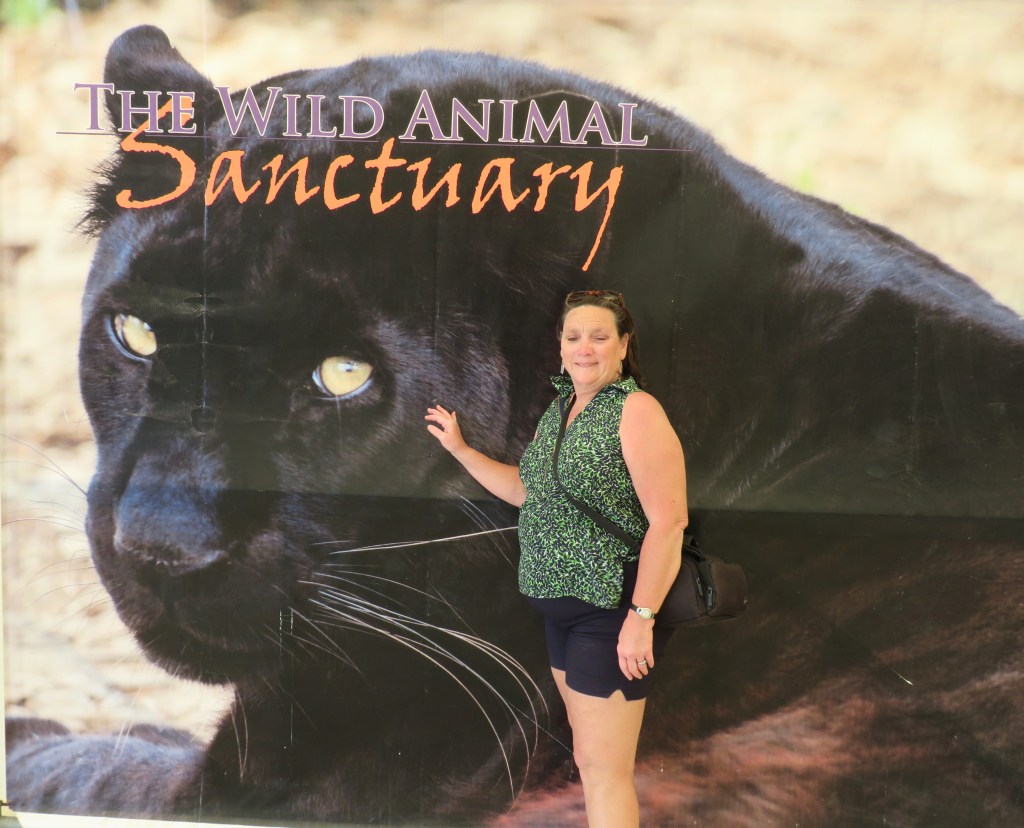
Sunday was a bight, beautiful, sunny day and Larry and I decided to enjoy the sunshine at The Wild Animal Sanctuary, in Keenesburg, about an hour northeast of us. The Wild Animal Sanctuary is the largest of its kind in the world, devoted to rescuing wild animals, mostly the big carnivores like lions, tigers and bears, though all wild creatures will have a place to call home at the Sanctuary. All of the animals at the Sanctuary are rescues. They all have their own horror stories to tell, but thanks to The Wild Animal Sanctuary, they are allowed to live the rest of the lives with dignity and peace, and in a wild domain; a domain many of these animals have never known.
A shocking statistic about America’s Captive Wildlife Crisis; the illicit exotic animal trade is the third largest source of illegal profits in the world today, just after illegal drugs and weapons! In the U.S. alone, there are an estimated 30,000 captive large carnivores living outside the zoo system. There are 4,000 Tigers living as “pets” in private homes in just the state of Texas – which is more Tigers than exist in the wild throughout the world. Countless other Great Cats, Bears, Wolves and other large carnivores live in abusive conditions in roadside zoos, circuses, magic acts, traveling shows, and other substandard situations. Untold numbers of animals suffer and die each year due to neglect, abuse or because they are abandoned and left to die, starving and alone.
Over the course of it’s 40+ year history, The Wild Animal Sanctuary has rescued more than 1,000 animals, and at present, it provides a home to over 750 animals that have been saved from illegal or abusive situations. The Wild Animal Sanctuary currently operates three facilities within the United States, all in Colorado. Two of the Sanctuaries specialize in saving captive-born exotic animal species, while the other is entirely dedicated to saving Colorado Mustangs. The Wild Horse Refuge is another item on our to-do list.
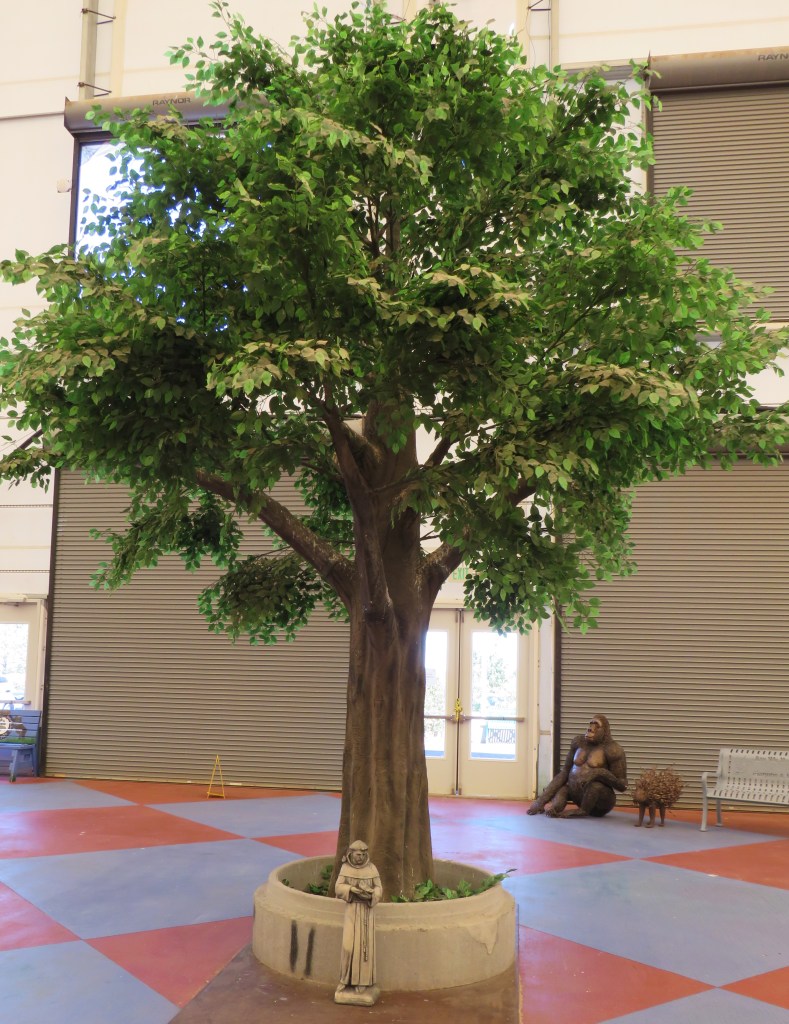
St. Francis of Assisi watching over the animals. Saint Francis of Assisi is renowned for his deep love of nature and animals. Francis of Assisi has become synonymous in religion pop culture with brown habits, birdbaths and the blessing of animals on his feast day. But beyond pets, Francis is also known as the patron saint of ecology.
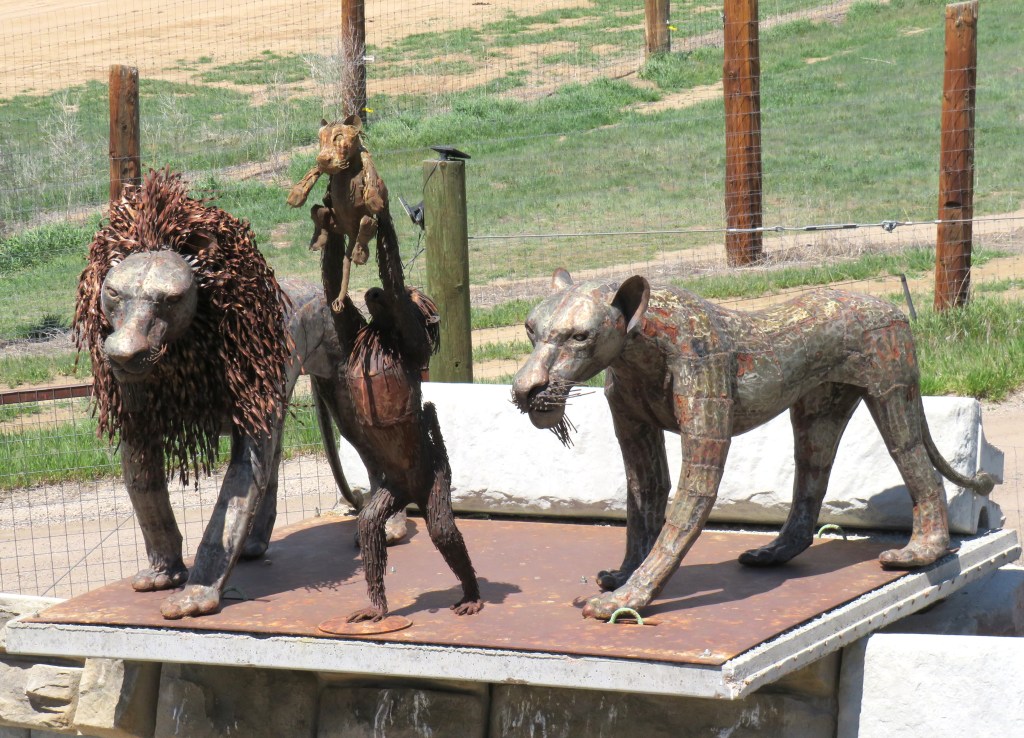
The first part of the Sanctuary is enclosed in this large bubble. Upon entering, you watch a short video presentation about the Sanctuary and the animals who call it home. There are animal sculptures, a cafe and the gift shop located inside the bubble. This leads to the big overhead walkway that takes you outside to visit all the animals from above. The elevated walkway is less of a disruption and disturbance to the animals, letting them live as they would in the wild.
I took a ton of pictures, that I have since edited and whittled down. I still have a ton of pictures remaining, that I won’t share with all with of you, though I will share quite a few.
Since lions, tigers and bears are the main attractions, there is a large sculptural reference to the movie “The Lion King”.
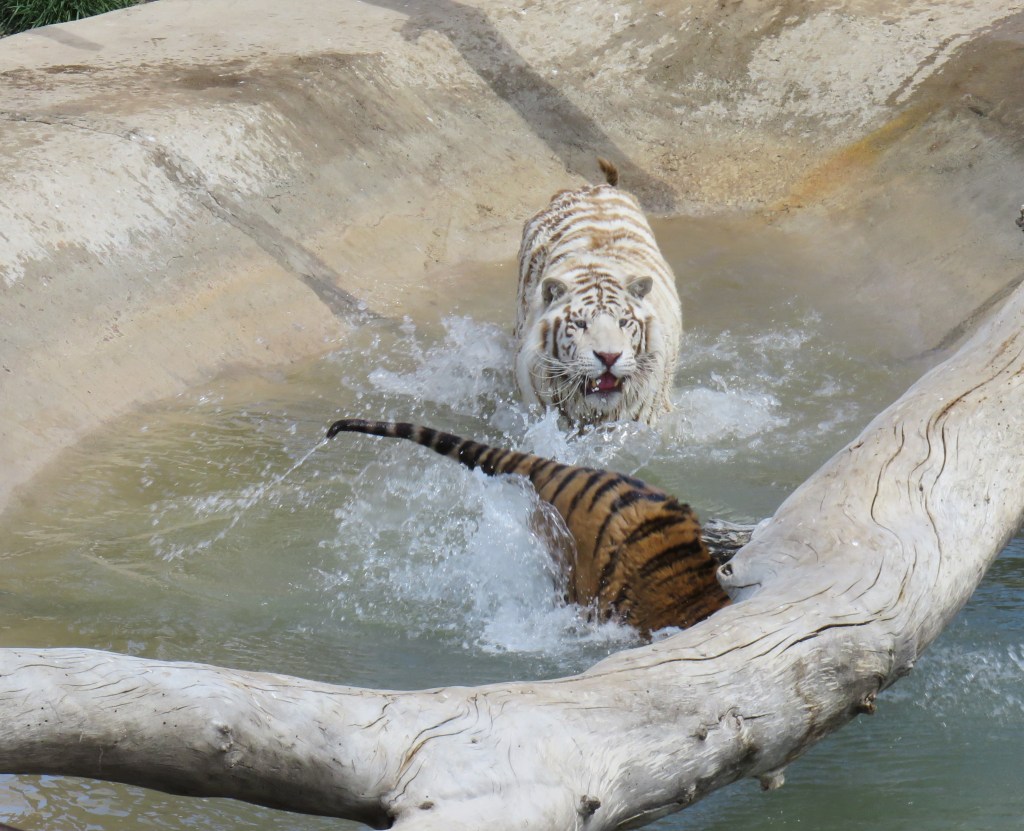
All the metal sculptures are fantastically crafted, and are beautiful, but as I said the main attractions are the live, wild animals. We saw so many beautiful wild animals. Most were just lounging around, enjoying the beautiful day. But some were active and playing around too.
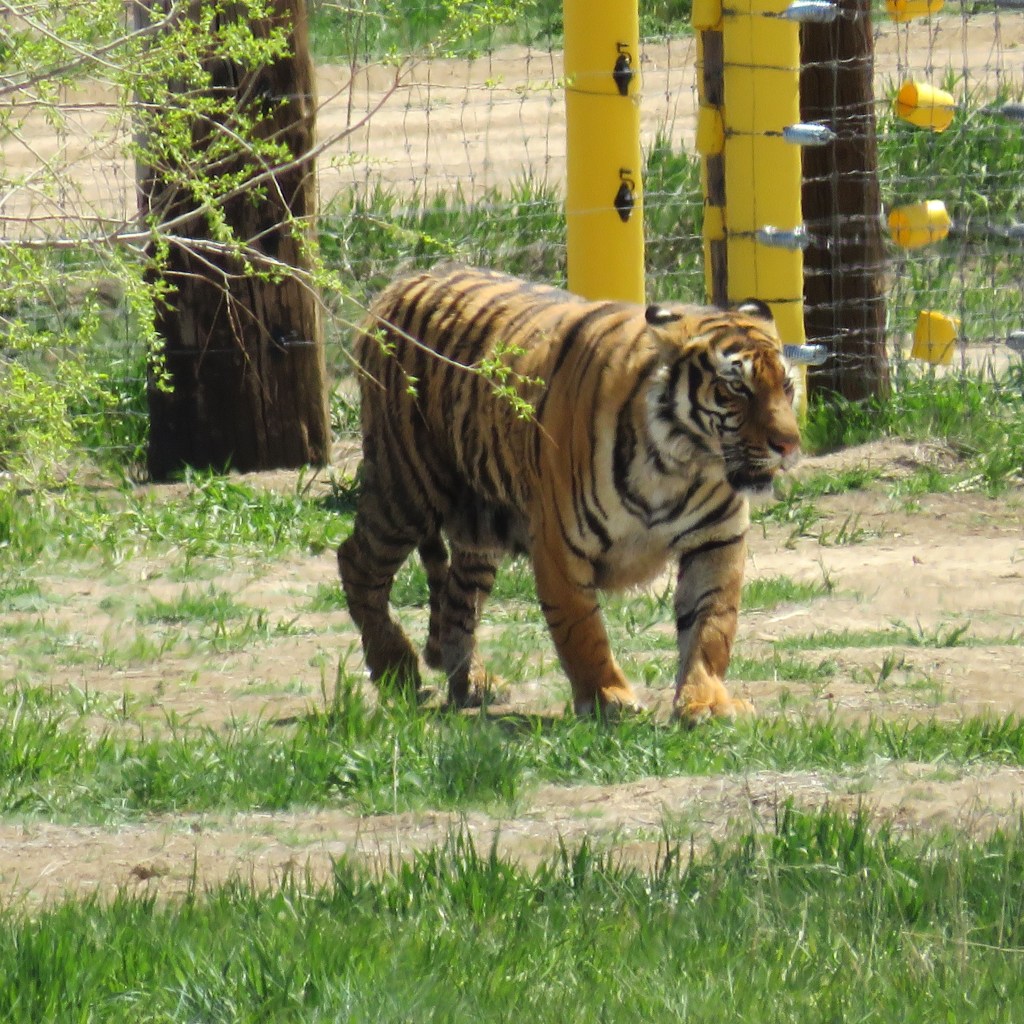
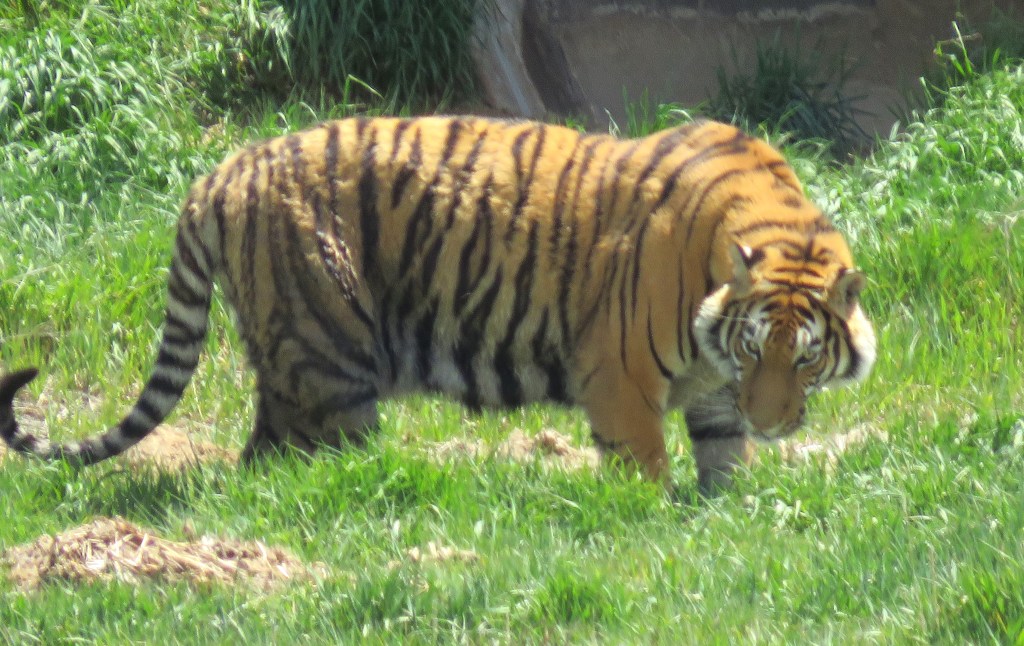
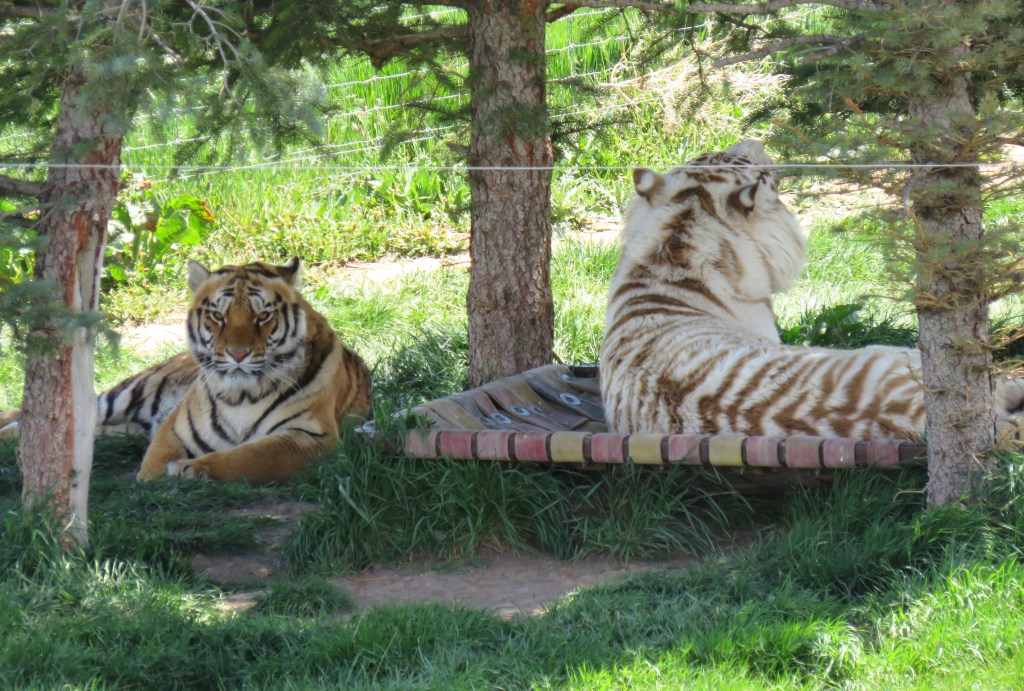
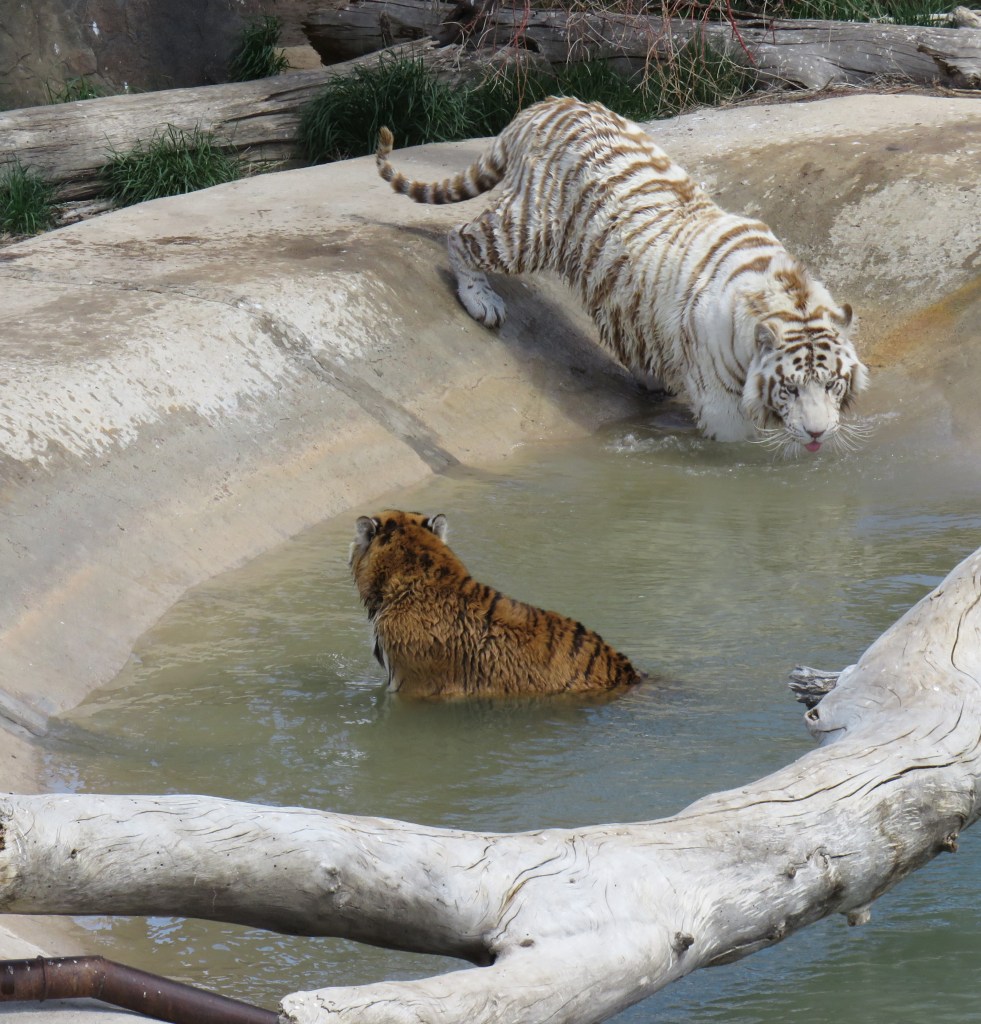
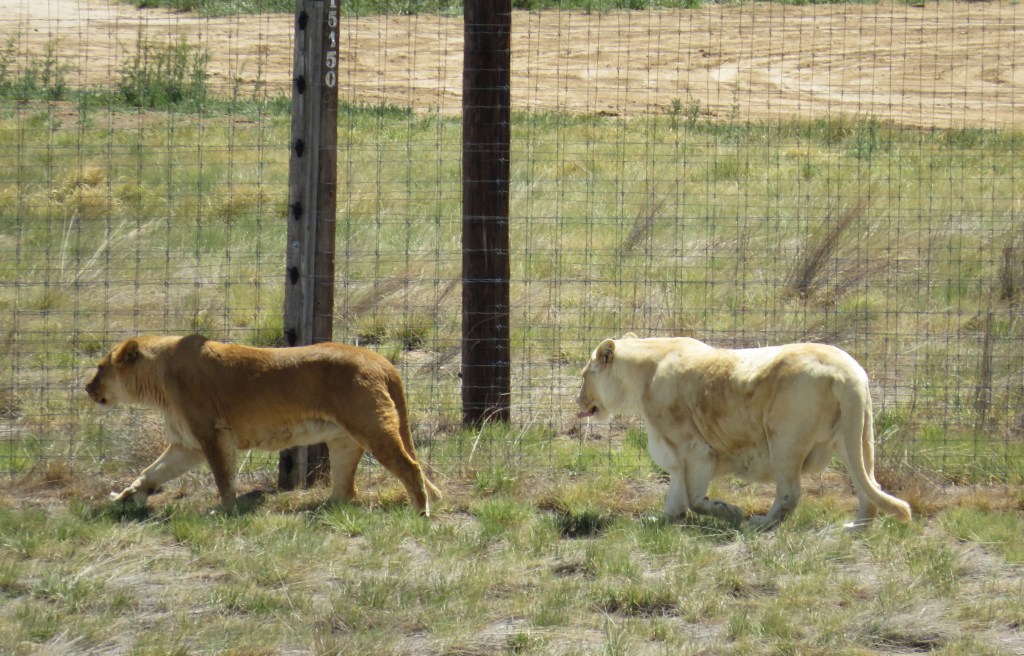
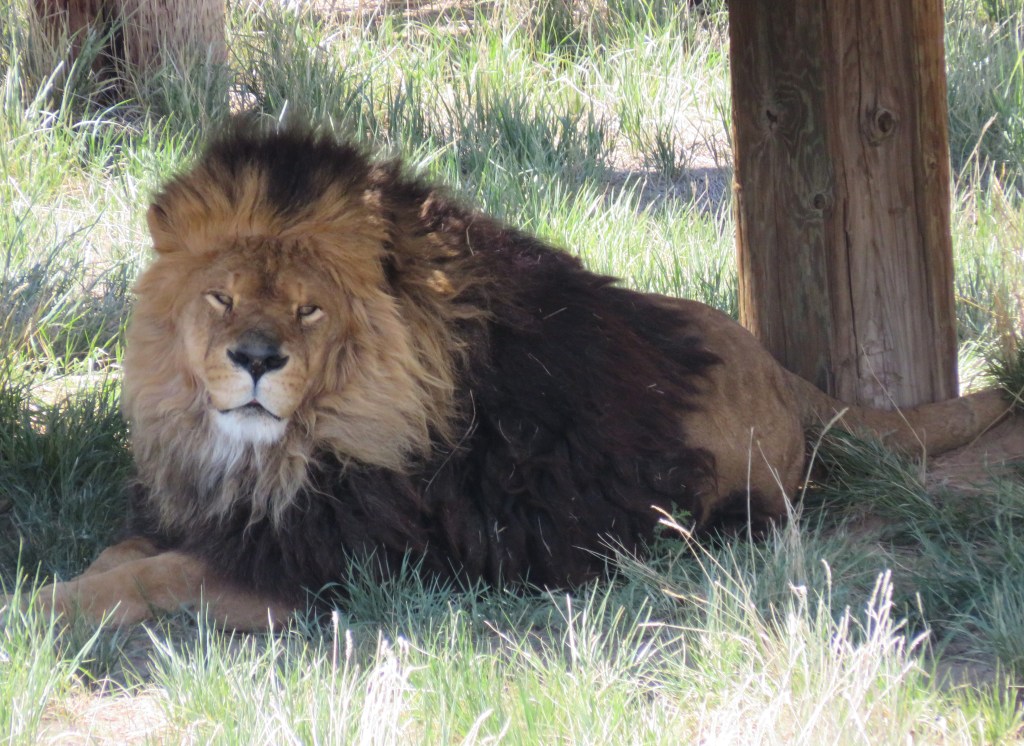
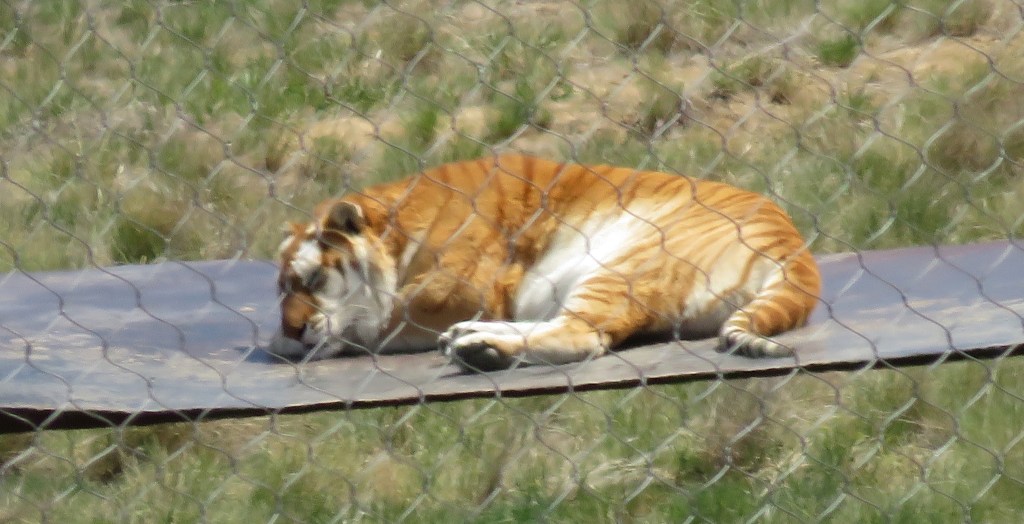
The big cats have always been some of my favorite animals. There were so many big cats to see.
She is lounging around just like our cats do. The big cats aren’t really that much different than domestic cats, just considerably BIGGER. There a few lions, and other animals, that either have special needs or don’t like to socialize too much, so there was a smaller enclosed section for them.
Most of the animals were outside though, in their own “wild” open space, free to roam or lounge around as they desire.
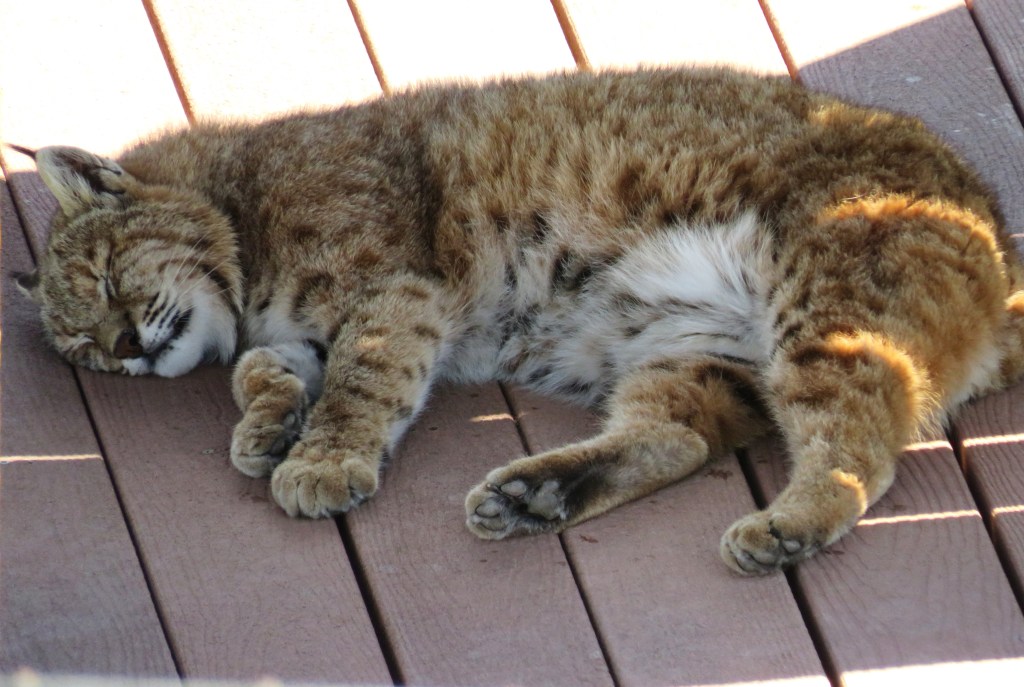
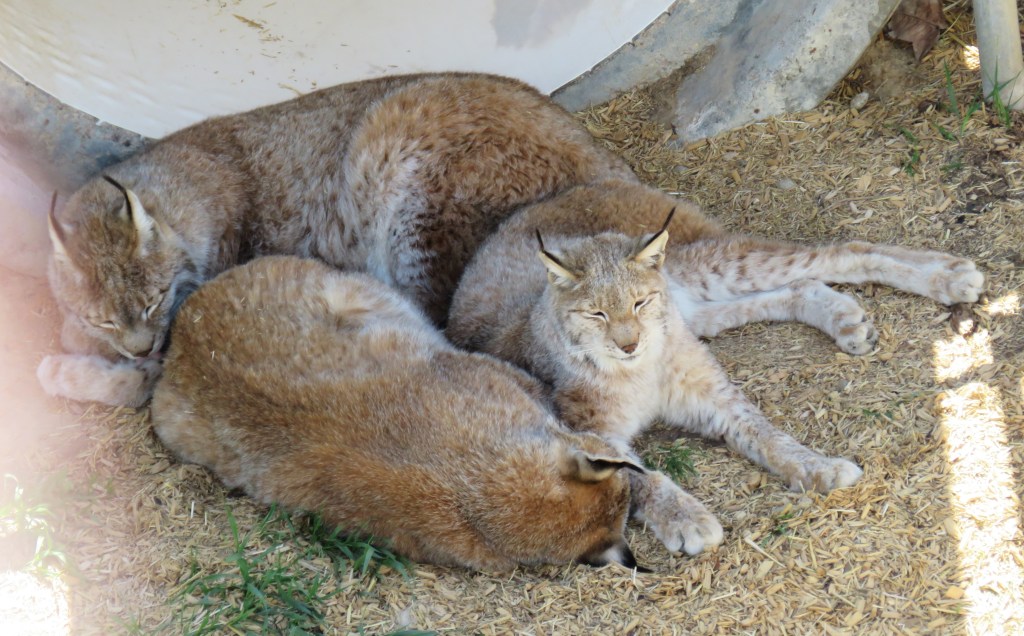
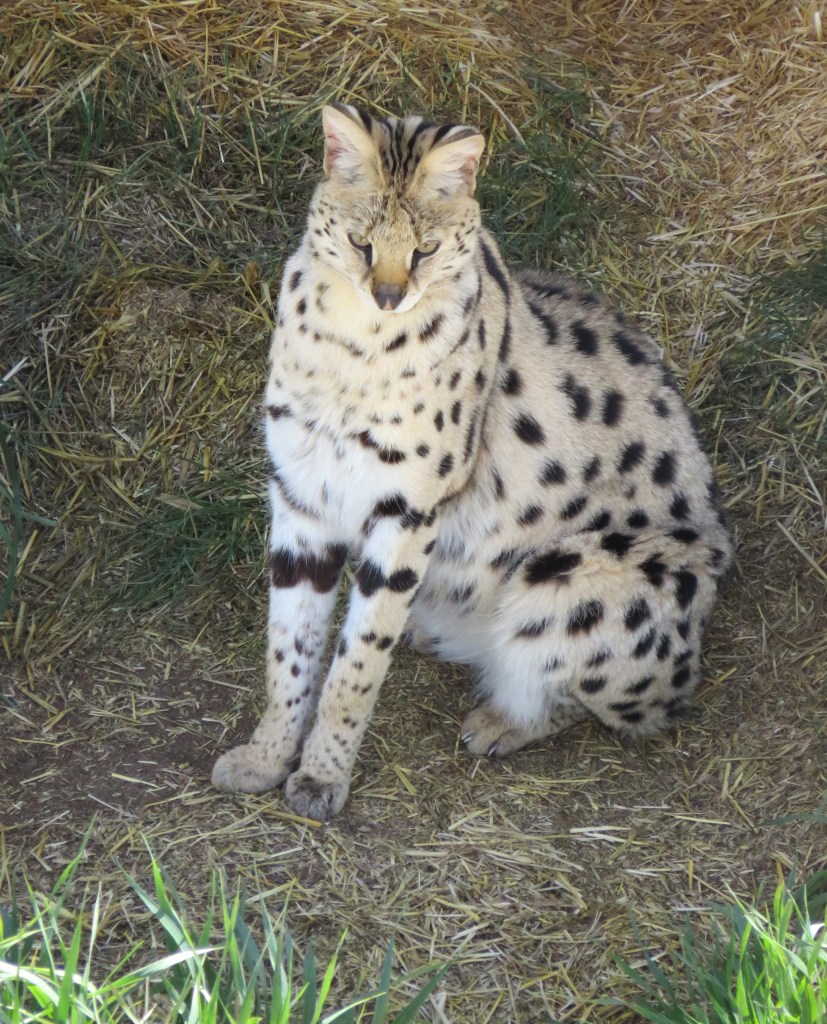
There were also a few “smaller cats” too. Most of them were all cat napping.
This is the only smaller cat that was alert and ready for action. She was also ready for her picture to be taken too.
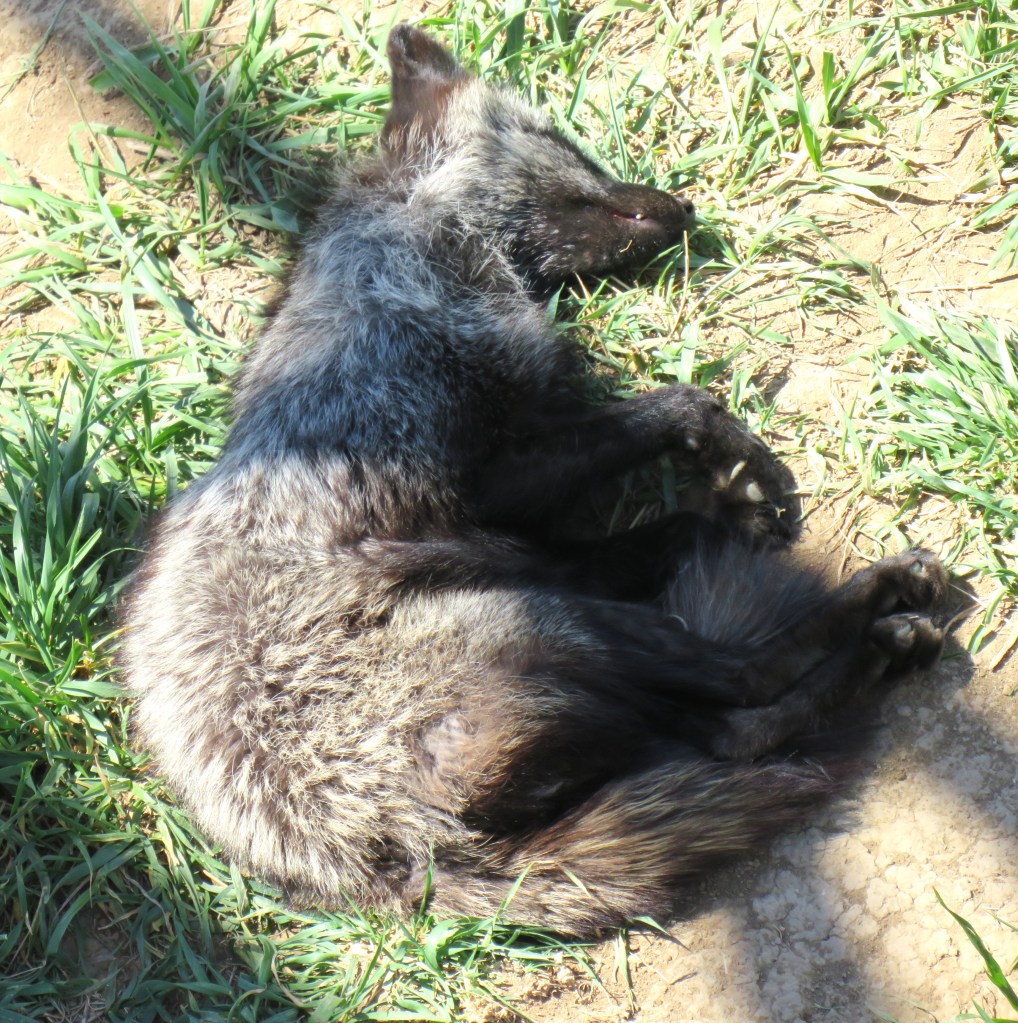
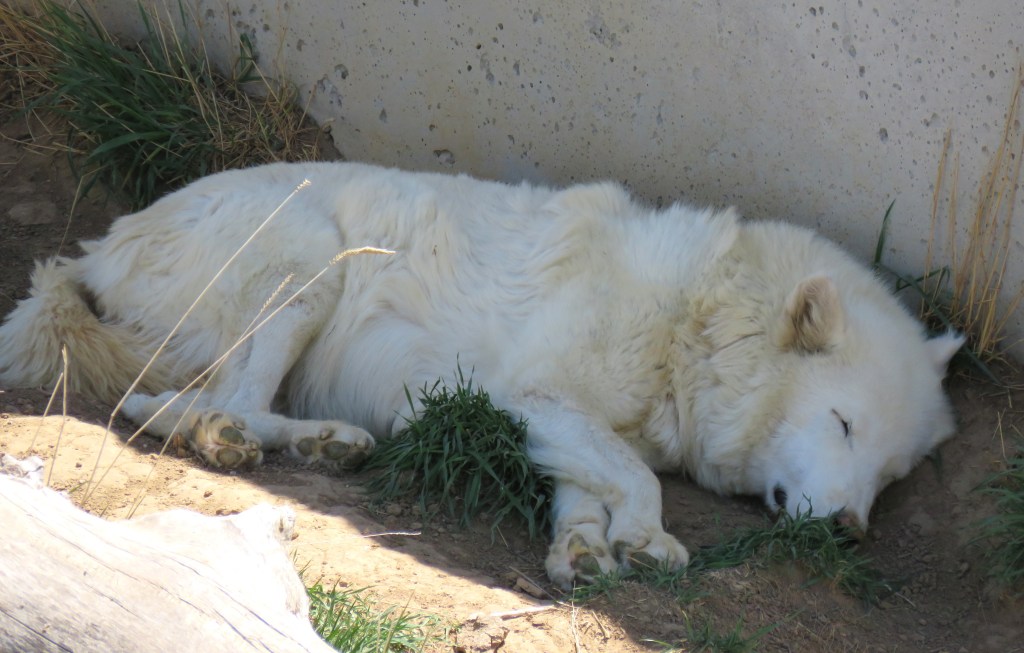
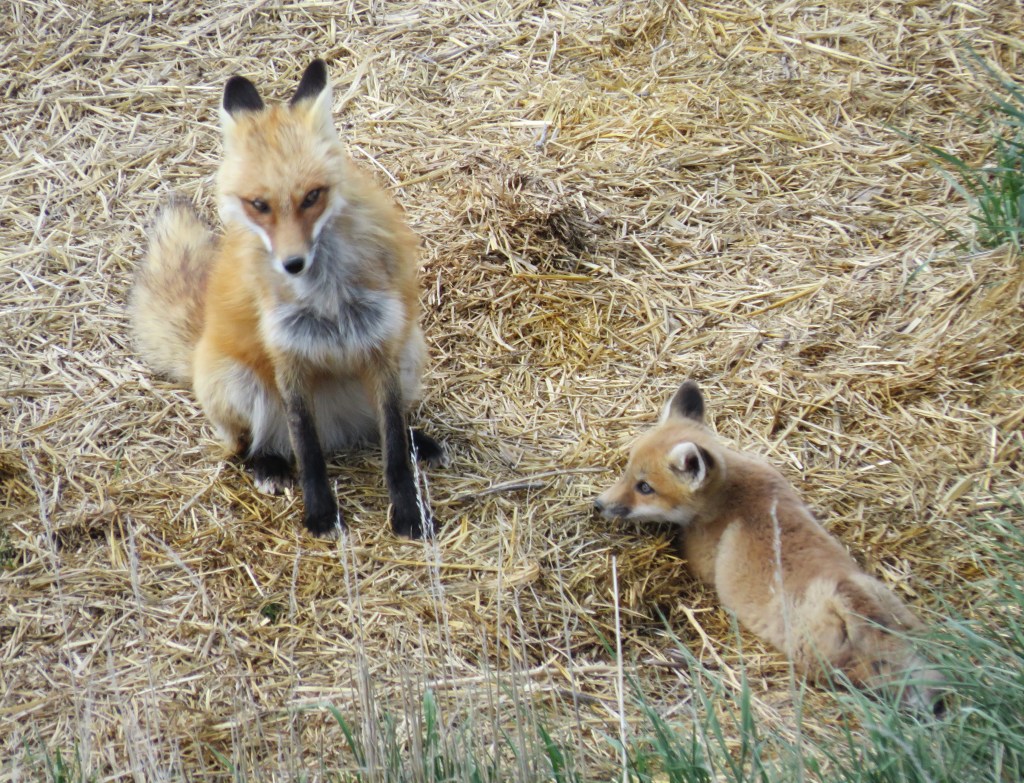
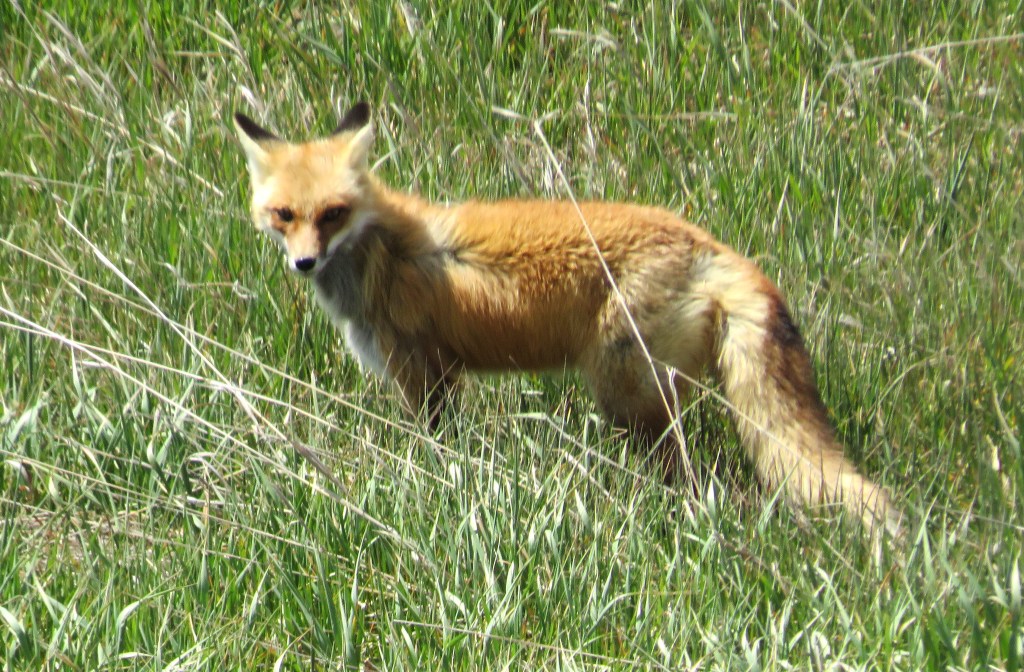
Wolves have always had a special place in my heart as well. Since foxes and wolves are nocturnal, they were all resting, getting ready for some night action later. Some were in the sun and some were in the shaded areas.
This beautiful baby looks like our Dorrie, especially when she is sleeping like this.
This one kind of looks a lot like our own “wolf baby”, Juneau.
There was even one foxy mama with a kit of her own.
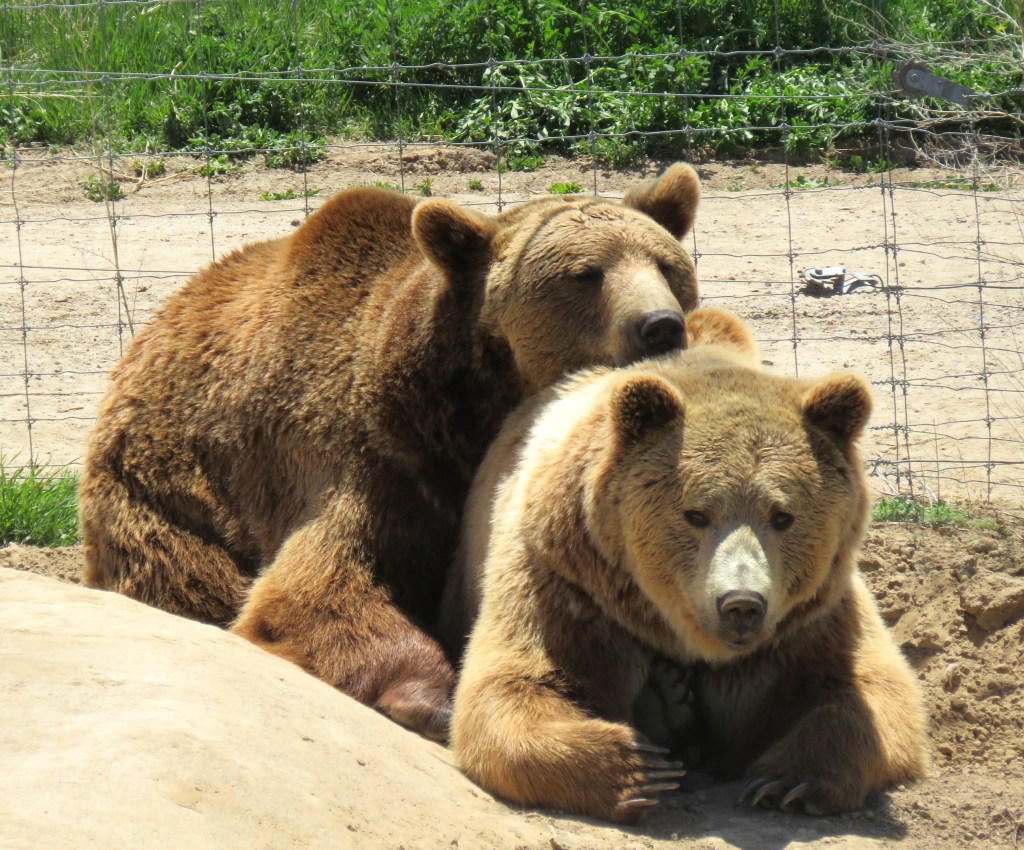
And of course there were bears too. There were both Grizzly bears and Black bears. These two Grizzly bears were inseparable. They were cuddling together most of the time, and if they weren’t cuddling, they were always close by each other.
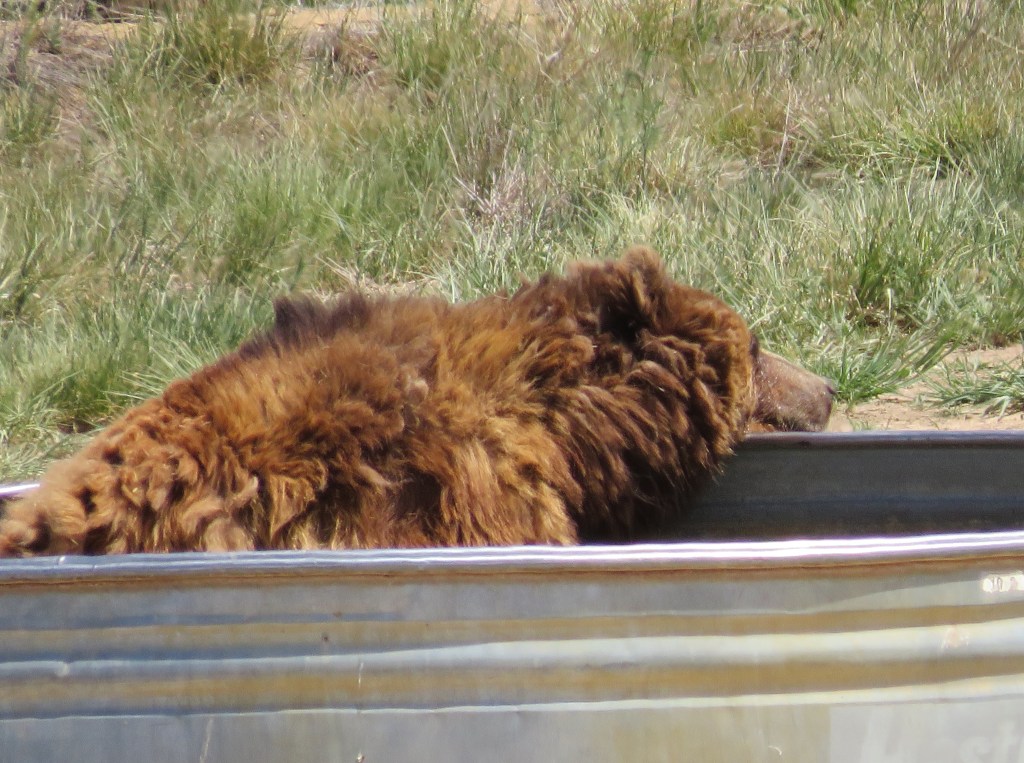
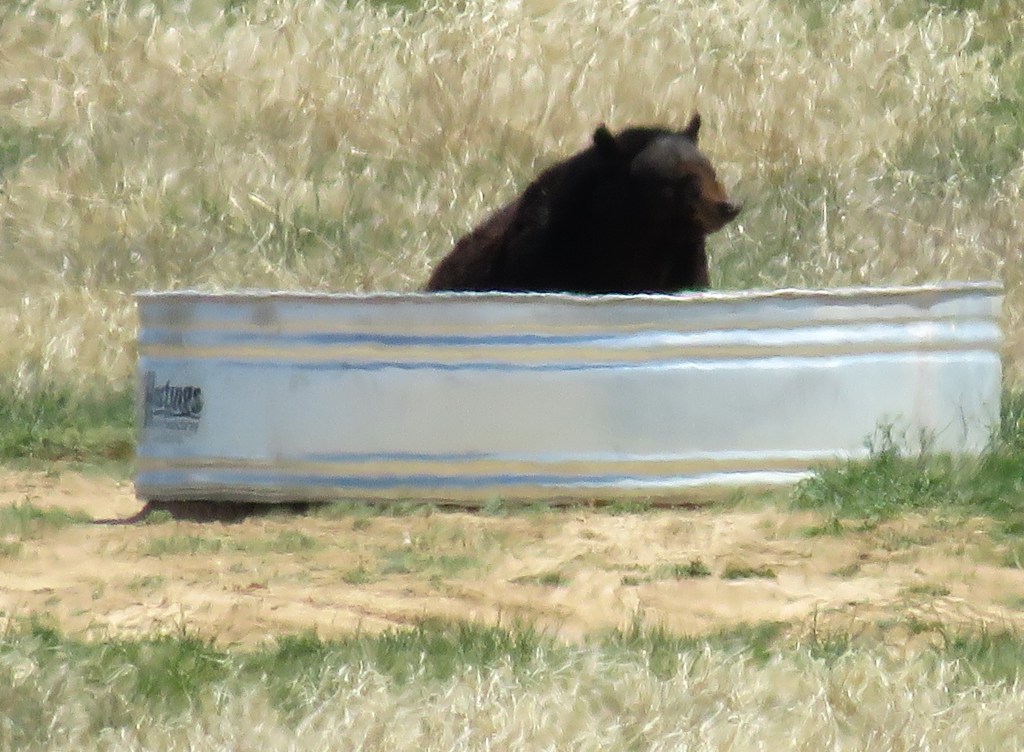
Some of the bears decided it was too hot and needed to go for a cool, refreshing swim.
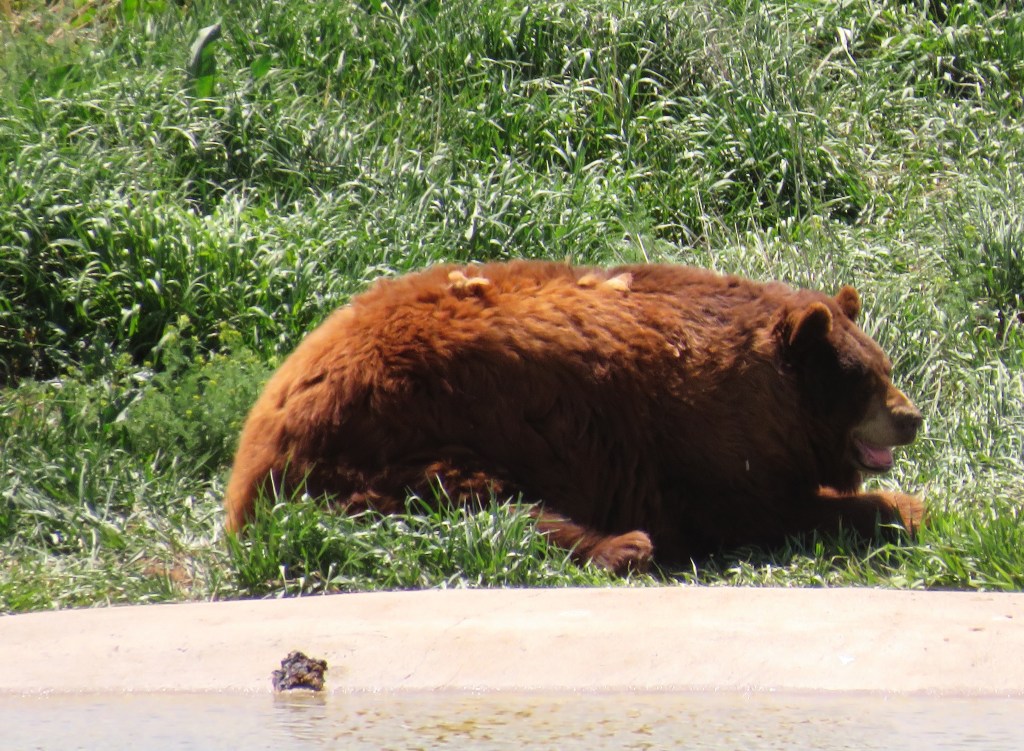
Some of the black bears decided it was cooler in the tunnels.
And a couple liked being out in the sunshine.
There were other animals too, but the big cats, wolves and bears were the main attractions, and the most prevalent animals.
We thoroughly enjoyed our day with the animals. In fact, we enjoyed it so much, that instead of just purchasing a one-time pass, we instantly purchased a membership for both of us. Because I have always been such an animal lover, and would gladly have a farm with tons of critters, Larry has always said “I was never allowed to volunteer at a vet’s office or a rescue, because he was afraid I would bring them all home”, which I probably would too. However, that being said, I CAN’T bring these babies home, so I am actually thinking of volunteering here. Larry has even “given me permission” to do so too. 🙂
The Wild Animal Sanctuary is located in Keenesburg, CO. Here is their address and contact information. Every time you visit, you are helping to save the lives of these big, beautiful majestic animals in need.























































 A Jeanne in the Kitchen