Ten Bears Winery

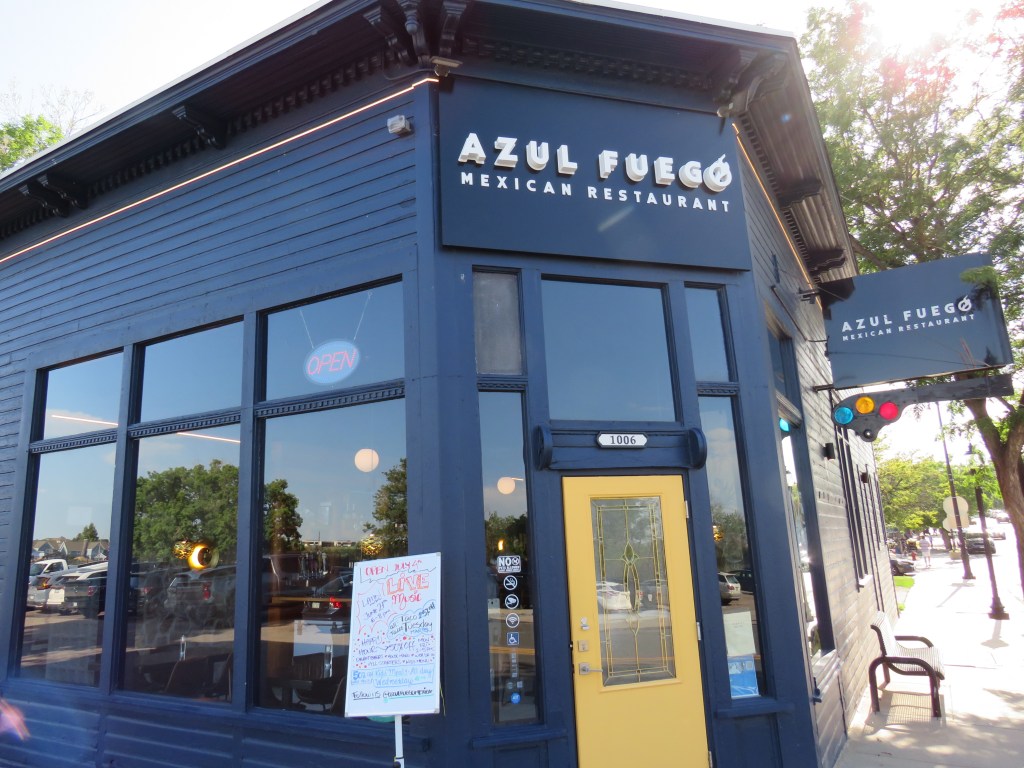
Yesterday, I shared our Red Feather Lakes adventures with you. Cooling Off In Red Feather Lakes On the way home, we came back a different route than how we went up. While Larry was planning everything out, (he likes doing the planning) he looked up things to do in the area Ten Bears Winery popped up. Of course we had to give it a try. It was a new winery for all of us.

The Ten Bear’s story in their own words:

Ten Bears Winery officially opened in 2007, with the vineyard planting to follow in 2009. 

[The] winemaker, William Conkling, has a background in Biology, Chemistry, and Geology, began his fermentation career in 1999 working in Quality Assurance for one of the local breweries in Fort Collins, but he always maintained a passion for winemaking. After 7 years at the brewery he decided it was time to take his hobby to the next, and legal, level. After finishing the winery construction in 2006, the next step was licensing and approvals, and in just under a year [they] were ready for the first grape harvest. Using grapes from Colorado’s Western Slope [they] made [their] first Cabernet Sauvignon and Chardonnay, and with Washington grapes [they] made our first Pinot Noir and Pinot Gris.

After a couple of years of research, into what types of grapes to plant on the Front Range, [10 Bears Winery] had finally found what [they] believed would be the best varietals to plant in [their] unique climate, the Marquette and La Crescent. Both are cold hardy hybrids developed by the University of Minnesota with the Marquette producing a wonderful red wine and the La Crescent an amazing white. With lots of help from family and friends [they] managed to plant 480 vines in May of 2009, with minimal soil disruption, to maintain the native flora. Hopes of a small harvest were quickly dashed in the Spring of 2012 due to an unnaturally warm April followed by a freeze in May which caused [them] to lose the first bud break.

2013, 2014, and 2016 have produced Marquette harvests, as well as small La Crescent harvests, so keep an eye out for the latest release of Ten Bears Winery Larimer County Estate Bottled Marquette and La Crescent in the near future, but hurry! They sell out quickly. 

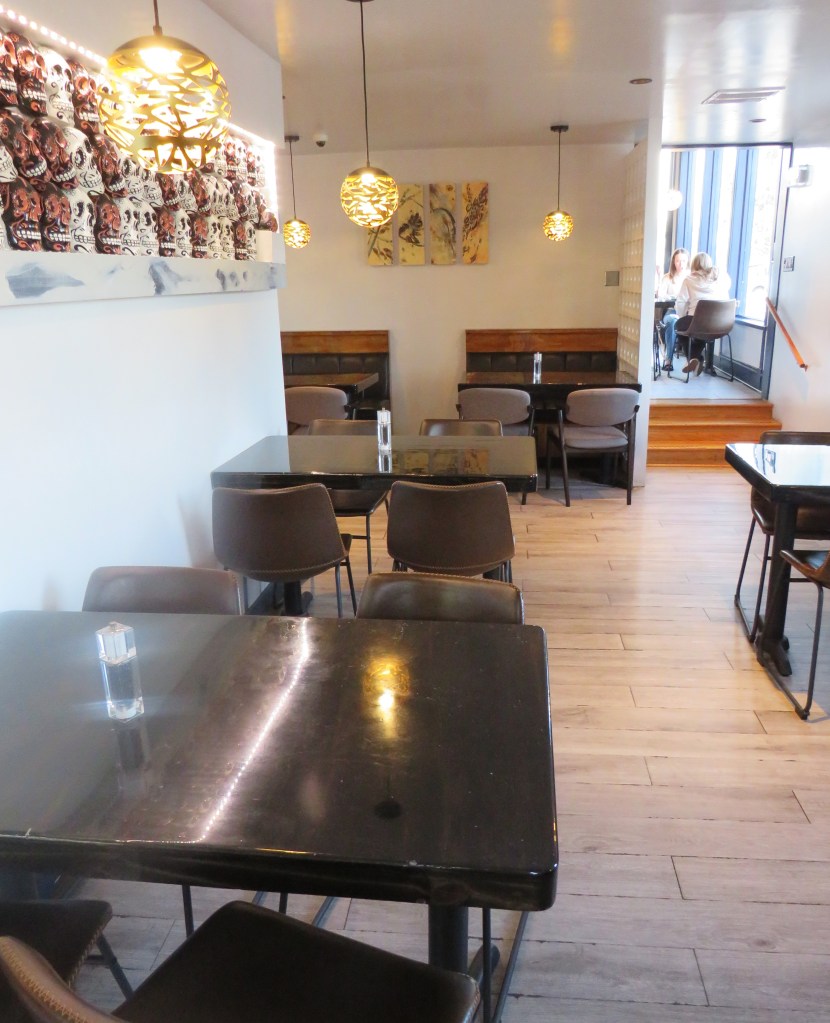
Ten Bears Winery is just a small little place, nestled in between the hills and prairie of Laporte, CO. There are just a few tables inside the tiny winery, and some tables for tasting and enjoying the wines outside too.

Winemaker and owner, William Conkling proudly pouring out his samples.

Ten Bears offers both their own unique reds and whites for everyone to enjoy. We ordered 2 mixed flights, with both reds and whites, one for each couple.

Normally, I am more of a white wine person, especially in the summer. But I really enjoyed the Ten Bears’ reds a lot, particularly the Baco Noir. All the wines we tasted were good, but the Baco Noir was the one that really stood out to me this time. It had just the right amount of smokiness and dryness, and it was a lighter red that was nice and pleasant to enjoy on a warm summer’s day. We enjoyed our wines under the covering, with some vines blending into the prairie right behind us. We were told we had the most popular table. πŸ™‚

Sitting back and enjoying some new wines was a perfect way to end our day.

Ten Bears’ Wines can be found and enjoyed at the winery itself (the store front, since the vineyards are on the Western Slope, in Western Colorado) or in some of the local restaurants, or in some of the local wine shops as well. You can learn more about the Ten Bears Winery either by visiting their winery in Laporte, at Ten Bears Winery, or by calling or visiting their website.

Ten Bears Winery
(970)566-4043
5215 Ten Bears Ct.
Laporte, CO 80535
tenbearswinery@hotmail.com

It was a pleasant surprise and a very nice little find for us. We enjoyed relaxing with our wines in the middle of the prairie. You will too. πŸ™‚

Cooling Off In Red Feather Lakes

It is so HOT, HOT, HOT right now, with the temperatures soaring to over 100* F or 39*C. In order to escape some of the heat, we packed a picnic lunch and headed up to the high country with Mike & Lauren. We love doing our little day trips all over our beautiful state, and it was a perfect day for day-tripping too. It was still warm, though very beautiful up in Red Feather Lakes, but it was considerably cooler than it was at the base of the mountains, where we live. We drove up to Red Feather Lakes. Located in the Rocky Mountains northwest of Fort Collins,Β Red Feather LakesΒ is a rustic mountain village surrounded by the Roosevelt National Forest. It is only a little over an hour northwest of us, and not too far from the Wyoming border.

This was our picnic view.

We had lakes both in front of us and behind us.

Red Feather Lakes, Colorado has a historyΒ rooted in ranching, logging, and mining, but it is best known for its development as a resort area starting in the early 20th century.Β The area’s name is linked toΒ Princess Tsianina Redfeather Blackstone,Β an American Indian singer who inspired the naming of the Red Feather Mountain Lakes Association in 1923. Purportedly, the namesake was Princess Redfeather’s grandfather, Chief Redfeather, a Shoshone Chief whose grave was supposed to be in the area, though after a thorough scouring of the history books, there is no evidence of a Shoshone named Red Feather, or any similar character who led a group of renegade warriors, known as the Wolf Clan in American Primeval. It is more likely that the name Redfeather came from the Pueblo People, who believed that a red feather worn on the head meant someone who was known as a spiritual healer or someone who had knowledge and experience with the energies associated with healing. The Ute People were also very prevalent in the area, so the name could have been from an elder or highly regarded Ute as well. Or, the name Redfeather could also just be folklore. No one knows for sure.

In many Native American cultures, receiving a feather, particularly an eagle feather, is a significant honor.Β It can symbolize a variety of things, includingΒ trust, honor, strength, wisdom, power, and freedom.Β The specific meaning can vary between tribes and individuals, but generally, it represents a deep connection to the spiritual world and is a sign of respect and recognition for a person’s accomplishments or virtues.

In the early 1800’s, the small mountain community was made up of loggers and ranchers. To the best of my knowledge, there are not a lot of Native Americans who now call Red Feather Lakes home, though they are still a very proud, tight-knit community, who love their little piece of the mountain. There are a lot of proud Vietnam Veterans who now call Red Feather lakes home though.

We took our time getting up to Red Feather Lakes. The journey was more the purpose than the actual destination. We stopped to look at the rivers that were flowing rapidly with all the snow runoff.

We drove through the mountains.

And we stopped for deer sightings all before we stopped for lunch. At first, we only saw this one young buck. He is a Mule-tailed deer.

But before he ran off for the day, he invited some friends over to greet us as well. They stayed just long enough to say “hi” before taking off once again.

After lunch we went into town briefly before heading back down the mountain, mainly for a quick potty break. “Town” is only a few small businesses and the small library and post office, decorated with lots of pretty mountain flowers.

A couple of cute not-so-wild critters.

Not real dinosaur tracks, but fun all the same.

On our way home, we came down a different way than we went up, and had slightly different views.

It was a fun driving adventure that gave us a cool, much needed respite from the oppressive heat and fun happy memories to share. I will tell about one more adventure we had on the way home, but I will save that for tomorrow. I want to keep you coming back for more. πŸ™‚

Have a great day and turn every day into an adventure. Stay cool, stay safe and stay well. ‘Til next time.

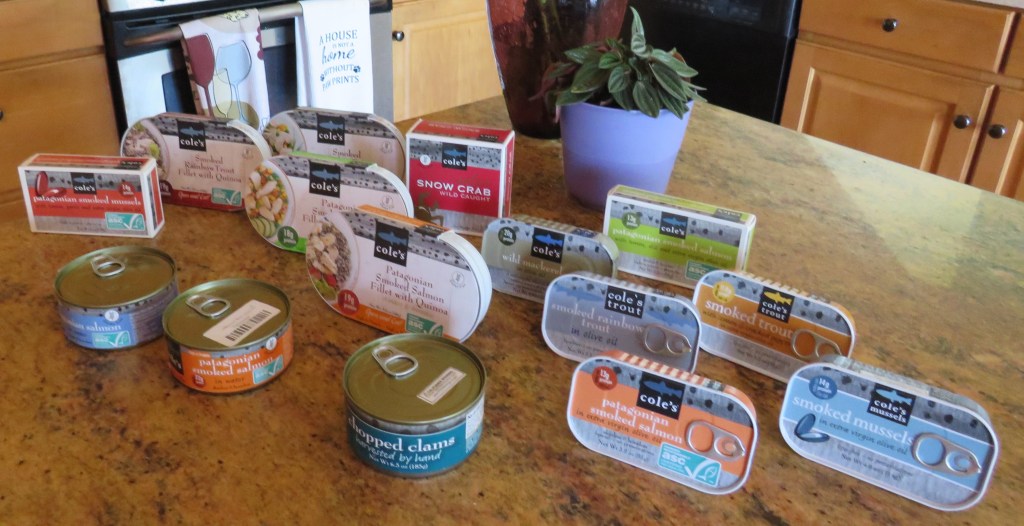
The Magic Of Tinned Fish

People have been eating canned or tinned fish since the 19th century. Canned and tinned are the same thing, but in the US we usually refer to foods as canned whereas in Europe they are known as tinned. It is just purely syntax.

Necessity is often the mother of invention. The trend of canning fish started in France, in 1795, with the French Government trying to figure out ways to feed their soldiers. They offered a prize of 12,000 francs (today that would be $250,000 US) to anyone who could find a way to safely store food so the soldiers could take it with them into the battlefields, without the food going bad. The first person to come up with a solution was French Chef Nicolas Appert in 1810, when he “devised a way of boiling foods and sealing them in glass bottles. The first ‘canned’ food was born and Appert claimed his prize”. (P. 12 – The Magic of Tinned Fish – Chris McDade).

Countries all over the world were soon on board with this fabulous idea of tinning fish, and other foods as well, that made food transportable and affordable for everyone. By 1820, the genius of canned fish and canned foods spread to Britain, where Peter Durand started putting foods in cans rather than glass bottles, and started supplying canned or tinned foods for the Royal Navy. Durand was the first person to patent the tinned can for foods. France and England were going back and forth on updating this version of healthy, affordable and transportable foods, with France taking over once again when Pierre Joseph Colin, out of Brittany, became the first person to start tinning sardines. Tinned sardines were supplied to Napoleon’s soldiers, providing them with a much needed protein source they could take with them. Tinned fish is full of healthy fats, lean protein and even calcium from the bones.

Before the canning processes, fish and seafood were preserved through pickling or salting, which limited its shelf life and transportability.

Today, most of the preserved seafood options come in cans, though there are still some varieties that are jarred in glass bottles. It is generally considered that the cans are better because they are lighter, take up less space, and tend to preserve the food longer. Glass jars allow people to see what they are getting. If stored properly, there is no difference in the quality of foods from either storing apparatus, however, if not stored properly, if foods stored in glass jars is exposed to sunlight, the food will spoil sooner than if stored in cans or tins. As with anything, there are pros and cons and personal preferences to both methods.

Canning fish soon became a great way to provide healthy, nutritious fish to everyone, especially since it requires NO refrigeration and takes up very little space. Canned fish is good for as long as it remains sealed. Once it is opened it is meant to be eaten immediately after. Because canned or tinned fish is so convenient and affordable, it has become Portugal and Spain’s version of fast food. Tinned sardines are by far the most popular tinned fish in Europe, especially on the Iberian Peninsula, because sardines account for nearly 1/3 of all the fish caught in Portugal. The best canned or tinned fish are those that are processed shortly after being caught. Most often, the tinned fish only contain a few simple, basic ingredients too, making them very healthy.

Canned fish, with the exception of canned tuna, in the United States is not nearly as popular as it is in Europe, though its popularity is gaining. Americans can be snobs, in many ways, and especially when it comes to foods. At first canned fish was considered to be “poor man’s food”, and most Americans thought only fresh seafood was good. But if you did not live by the coast, or could not afford for fresh fish to be stored in cold conditions in order to transport it, you were out of luck. Though sardines were first canned on the East Coast in 1875, Americans, other than the European immigrants, did not really pick up the trend of eating canned fish until much later. On the West coast, people were catching and eating both canned salmon and tuna. Southern California started canning tuna in 1903, and it really gained in popularity during WWII, due to its abundance and affordability. Today, many seafoods are canned and are enjoyed by many people around the world.

Stock up on those canned or tinned seafood options. They are good for you and good to take with you when you are on the go. They are quick, healthy, packed protein sources that will never go out of style.

Have a great day and make everyday great. Stay safe and stay well. ‘Til next time.

Nature Walks – Says Phoebes Out & About

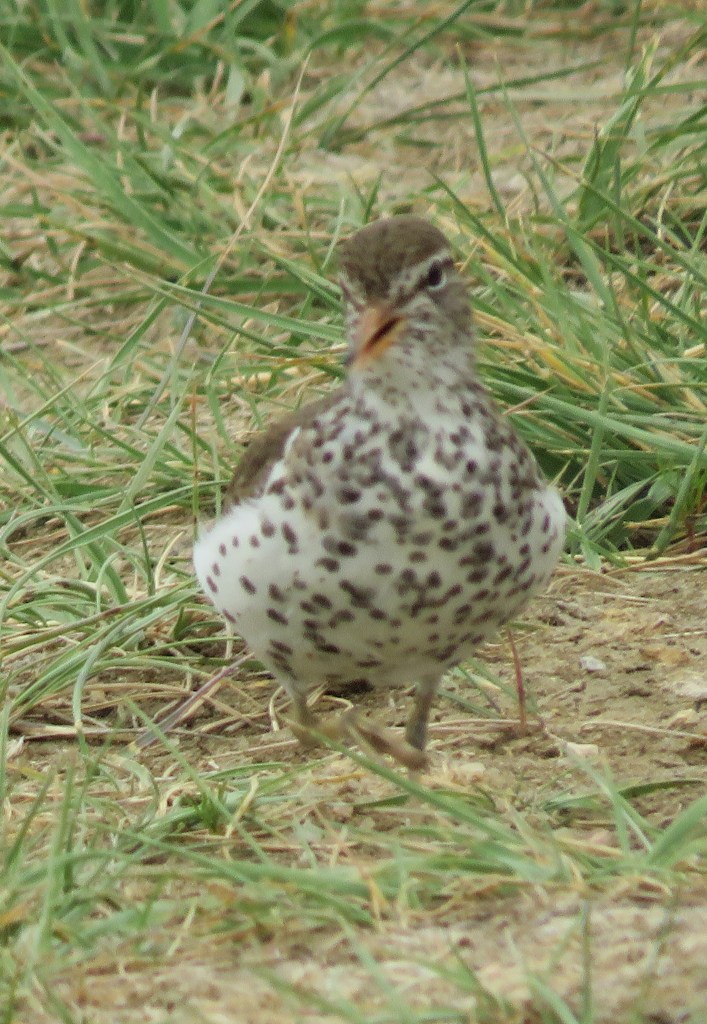
My Says Phoebes are out & about a lot these days. I am seeing so many. That’s OK by me too. They are pretty little birds. They like to be perched on something high so they can look out and peruse the area.

Have a great day and make everyday great. Stay cool, stay safe and stay well. ‘Til next time.

Nature Walks – Egrets Out Everyday

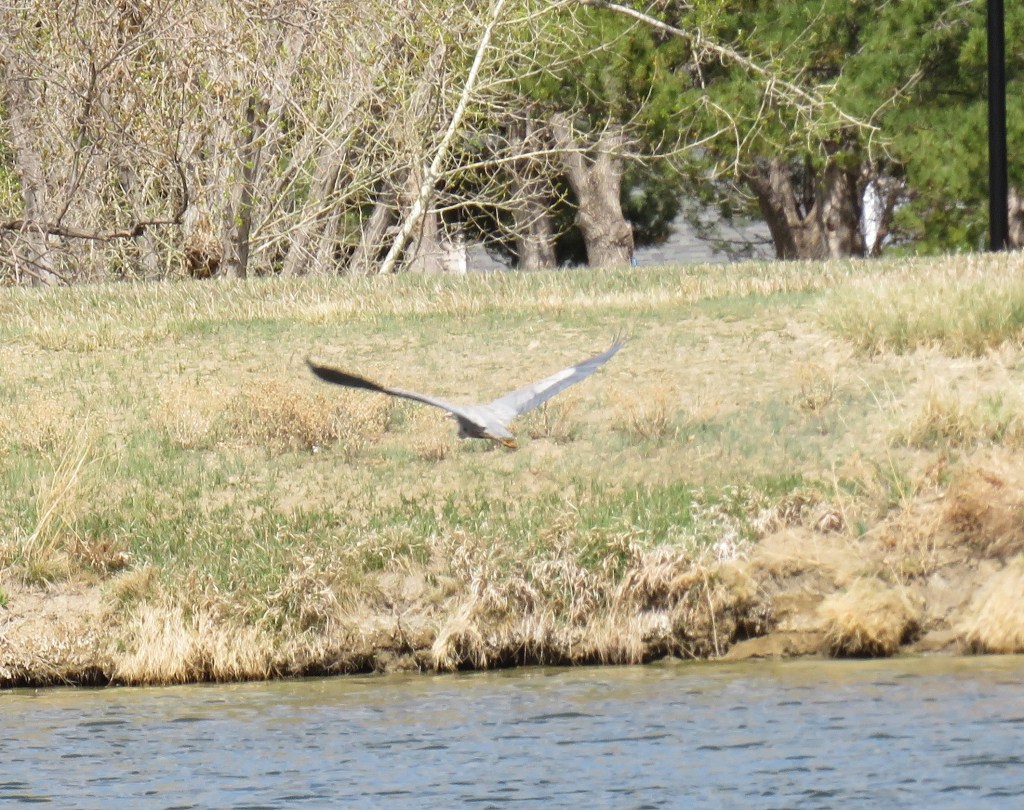
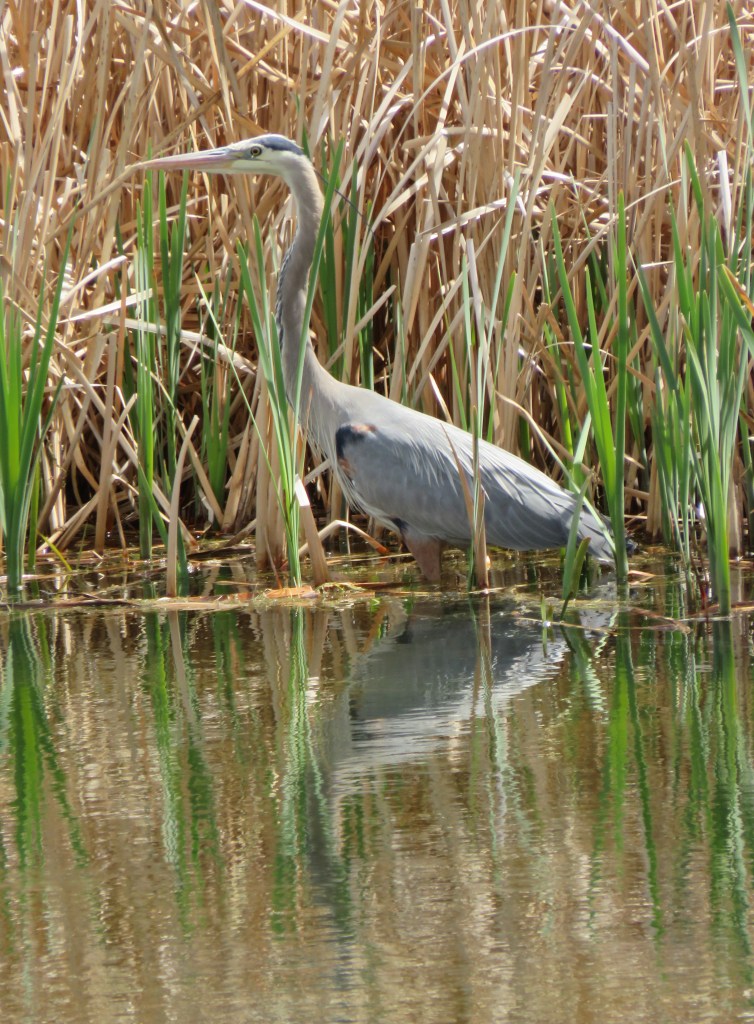
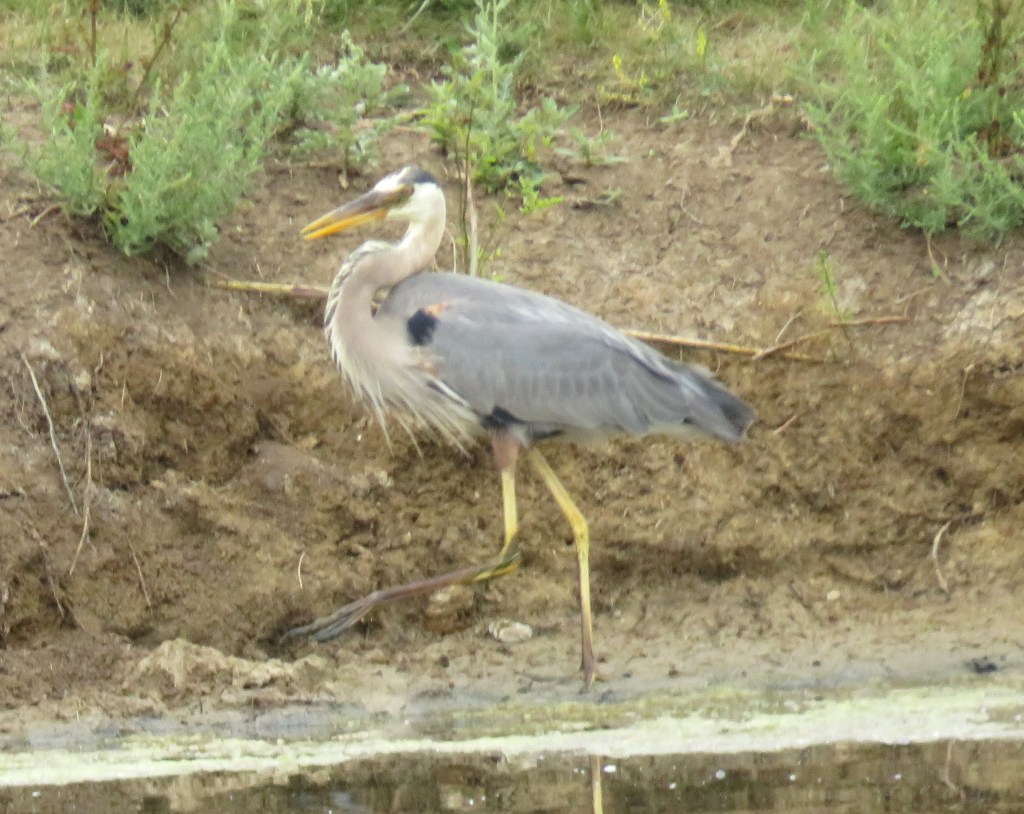
I see so many Egrets out everyday. I love the Egrets. They are so beautiful and graceful. Usually they are in the reeds, right on the water’s edge, but I love seeing them in flight too.

I love seeing them in the trees too.

And I really love it when I see two or more together too.

I’m sure I will have lots more Egret pictures coming your way, since they are always out and about and are always posing for me.

Have a great day and make everyday great.

Southwestern Scallops

Sea scallops are some of my absolute favorites. I LOVE scallops. I love them any way they are cooked. I saw a recipe that looked really good, but when I read through it, it was really kind of boring. So I just did what I always do, and did my own thing. I turned them into Southwestern scallops.

Southwestern Scallops

This dish was loaded with sea scallops and bacon and all kinds of fresh goodness.

1- 1 1/2 lbs sea scallops, thawed if frozen

4 slices of bacon, cooked and diced

1 TBSP garlic

1/4 cup green onions, sliced

1/4 red onion, sliced very thin

1/2 poblano pepper, sliced thin

4-5 mushrroms, sliced

2 tomatoes, diced

2-3 TBSP cowboy butter, optional Mixed Grill Topped with CowboyΒ Butter

salt & pepper to taste

Cook the bacon first and reserve the grease. Allow the bacon to cool and cut.

Rinse the scallops and then cook in the bacon grease, with either butter or the cowboy butter if using. Cook for about 4 minutes per side.

When the scallops are cooked, remove and keep them warm. Deglaze the pan with either a little white wine or lemon juice.

Add the mushrooms, onions, garlic and peppers and cook for about 3-5 minutes or until softened.

Add the tomatoes, most of the bacon and the scallops and mix in thoroughly right before serving, cook just long enough to heat everything up.

Serve over your choice of either pasta, rice or couscous. I served it over couscous. Top with the green onions and the rest of the bacon. Serve with a chilled white wine and enjoy.

Have a great day and make everyday great. Stay cool, stay safe and stay well. ‘Til next time.

Nature Walks – Summer Squirrels

Once again, my squirrels are out having fun. They are always playful and so full of personality. They always look like they are having such a good time, no matter what they do.

Have a fun, squirrely day.

Hazelnut & Nutella Brownies

Once again, our weather is all over the place. Two days ago, it was 100*F or about 39*C. Yesterday, it was cool and rainy. I took advantage of the cooler weather and did some baking. I haven’t been baking or eating a lot of sweets for quite some time, but I still enjoy baking, so every now and then I just have to do it. I made some hazelnut & Nutella brownies.

Usually, I just stick with the tried and true Ghirardelli Brownie mix, but I found a recipe to make them from scratch that I wanted to try. Mine are good, and I hate to admit it, but the Ghirardelli ones are better. It’s hard to beat perfection. I know all the effort that goes into perfecting these mixes, especially if they are good and tried and true. My pastry chef instructor from culinary school, Chef Rudy Rosier, was one of the master chefs who helped create some of these boxed masterpieces. But if you do decide to make your own brownies from scratch, this is still a very good recipe, producing very good brownies.

Hazelnut & Nutella Brownies

It’s been so long since I’ve actually made brownies from scratch, I almost forgot about the layering process involved. πŸ™‚

The Bottom Brownie Layer

Preheat the oven to 350* F or 180*C.

Spray a 9×9 baking dish with cooking spray.

1/2 cup chocolate chips

1/4 stick butter

1 egg

1/2 cup sugar

1 TBSP Frangelico or other hazelnut liqueur

1/2 cup flour

1/2 cup coarsely chopped hazelnuts

Melt the chocolate and butter together in a saucepan until smooth and creamy. It’s recommended to use a double boiler, but it’s not necessary if you you are stirring it constantly. Once it’s all melted together and creamy, let it cool for a couple of minutes before adding it to the sugar mixture.

While the chocolate and butter mixture is cooling, whisk together the rest of the ingredients together, then add the chocolate mixture and nuts and blend together. Once everything is mixed together, evenly poor it into the prepared pan.

Hazelnut Truffle Layer

3/4 stick butter

6 oz chocolate chips

1/2 cup heavy whipping cream

1/4-1/3 cup Nutella

1/4 cup sugar

pinch of salt

1 tsp vanilla

1 egg

2 egg yolks

Once again, melt the butter, chocolate chips, Nutella and cream, mixing until smooth and creamy, and let it cool again before mixing it with the other ingredients.

Whisk the other ingredients together, like before, and once the chocolate mixture has cooled, mix everything together.

Pour it evenly over the bottom layer and place in the oven and bake for about 30 minutes, or until it is set and no longer shiny.

Let the brownies cool completely, then place in the refrigerator for at least 2 hours before slicing. Then slice and top with powdered sugar and enjoy.

Have a great day and make everyday great. Stay safe and stay well. ‘Til next time.

Nature Walks – Here One Minute, Gone The Next

Usually when our Pelicans come to visit, they stay awhile. But this year they decided they didn’t want to be here much, so we haven’t seen much of them this year. When I got up this morning, I was so excited to see them swimming around in our top lake, that I hurried downstairs to get my camera. And again, they didn’t stay long at all; just long enough for me to get a couple of shots and then that was it. They were off again. They aren’t the best shots, since they were taken from a distance from my back deck, and they were NOT being cooperative at all. They were being very coy. But at least I got a couple of shots.

Sometimes life just passes us by so quickly. Blink and you just may miss it.

Ranchero Steak Salad

It was definitely a scorcher yesterday. The mercury was up to 100*F or about 38*C. It was HOT, HOT, HOT. So for dinner I wanted something that was cool and refreshing. I made a ranchero steak salad that was just perfect to help cool us down. Very little cooking was involved at all.

First, I marinated my steak in a chili lime sauce for about 4 hours, so it was full of flavor and nice and tender.

Chili Lime Marinade

1/3-1/2 cup lime juice

1/4 cup olive oil or lime olive oil

1-2 tsp ground achiote pepper

1 tsp lime and chili powder

1 TBSP garlic

chopped fresh cilantro

Mix everything together and marinade your steak, chicken, shrimp, tofu or whatever else you may fancy.

Then I made some pico do gallo Pico de Gallo and cut some tortillas into thin strips and pan-fried them to make them crispy. I did those ahead of time, so they were ready when I made up my salads.

Time for the salad. Romaine lettuce, chopped; corn cooked just slightly and shaved right off the cob; red onions, sliced very thin; cucumber peeled and sliced thin; tomato diced; cheese for Larry; avocado for me; steak; pico de gallo; ranch dressing and fried tortilla strips.

I pan-seared the steak to a delicious medium rare, then cut it into thin strips. When the steak was ready, I added it to my salads.

I finished the salads off with the avocado slices, ranch dressing, pico de gallo and tortilla strips. Mission accomplished! It was cool and delicious and oh so refreshing. And better yet, by the time we were ready to eat, the temperature had cooled down enough to where it was comfortable to eat outside on our beloved deck. Life is good! πŸ™‚

When life gets too hot, cool down with a nice refreshing salad and a cool glass or two of wine, sit back and enjoy. Have a great day and make everyday great. Stay cool, stay safe and stay well. ‘Til next time.