I have created this site to help people have fun in the kitchen. I write about enjoying life both in and out of my kitchen. Life is short! Make the most of it and enjoy!
Author: ajeanneinthekitchen
I have worked in the restaurant and catering industry for over 35 years. I attended 2 culinary schools in Southern California, and have a degree in culinary arts from the Southern California School of Culinary Arts, as well as a few other degrees in other areas. I love to cook and I love to feed people.
Since I have been doing some deep dives into the importance of proper nutrition, I learned so much and have reaffirmed a lot of what I already know. Thank you all for your support and comments with these deep dive posts too. One of you was stunned to learn that doctors really are NOT trained in nutrition at all (all of us should be). NOPE! It’s sad when a chef and a sports trainer knows more about nutrition than our health care providers, but that is where we are in society today.
My quest continues. I am continuing my own quest for information, and as I do, I learn more and more everyday. Here is what I uncovered today.
While the amount of required nutrition education for doctors varies, the general recommendation is for 25 hours of nutrition training during medical school. However, a significant number of medical schools fall short of this recommendation. Many schools do not meet this recommendation. Studies show that the average nutrition training hours are often much lower, with some surveys indicating an average of only 11 hours across the entire medical program. Less than 20 percent of medical schools have a single required course in nutrition. Most physicians do not understand nutrition well enough to teach it, and if they can’t teach it, then how can they treat their patients, especially when so many diseases and disorders can be prevented by good nutrition and dietary habits? I find this to be very scary, and very unprofessional. I also find it to be a form of malpractice. Nutrition courses should be MANDATORY for all medical professionals. They should at least be required at a minimum, to have has much training as a chef or a sports trainer. But sadly, they are not.
Anywhere I walk, I can easily find prairie dogs. They are all out and about right now. They are very curious and playful too. And they seem to love having their pictures taken. I find them posing for the camera all the time. 🙂
Be playful and curious like the prairie dogs. Life is much more fun that way. 🙂
Poke bowls are Hawaiian seafood bowls that usually use raw or marinated fish served over rice or salad with vegetables and sauce. In Hawaiian, “poke” is pronounced “POH-keh“. The “e” at the end is pronounced like the “ay” in “okay”. They evolved from a traditional Hawaiian dish called poke, meaning “to cut” or “to slice,” which involved raw fish seasoned with local ingredients like sea salt, seaweed, and kukui nuts. Poke bowls date back to when the ancient Polynesians settled the Hawaiian Islands. When the Japanese settlers came to the Hawaiian Islands, they infused their own flavors, ingredients and ideas into the traditional Hawaiian poke bowls. They started adding soy sauce, sesame oil and used different kinds of fish too. Today, anything goes. You are only limited by your own imagination.
Poke bowls are very healthy since they contain vegetables, lean fish and proteins and often fruit as well. Poke is very similar to it’s Japanese cousin, sashimi. The main difference between the two dishes is that the Japanese slice their fish very thin and the Hawaiians cut their fish into cubes.
Poke bowls are typically eaten cold, as the raw fish is a key component and is traditionally served chilled. However, some recipes may include warm ingredients like cooked tofu or seared tuna, and the rice can also be served warm or reheated. Ultimately, it’s a matter of preference, and some people enjoy the contrast of cold fish with warm rice.
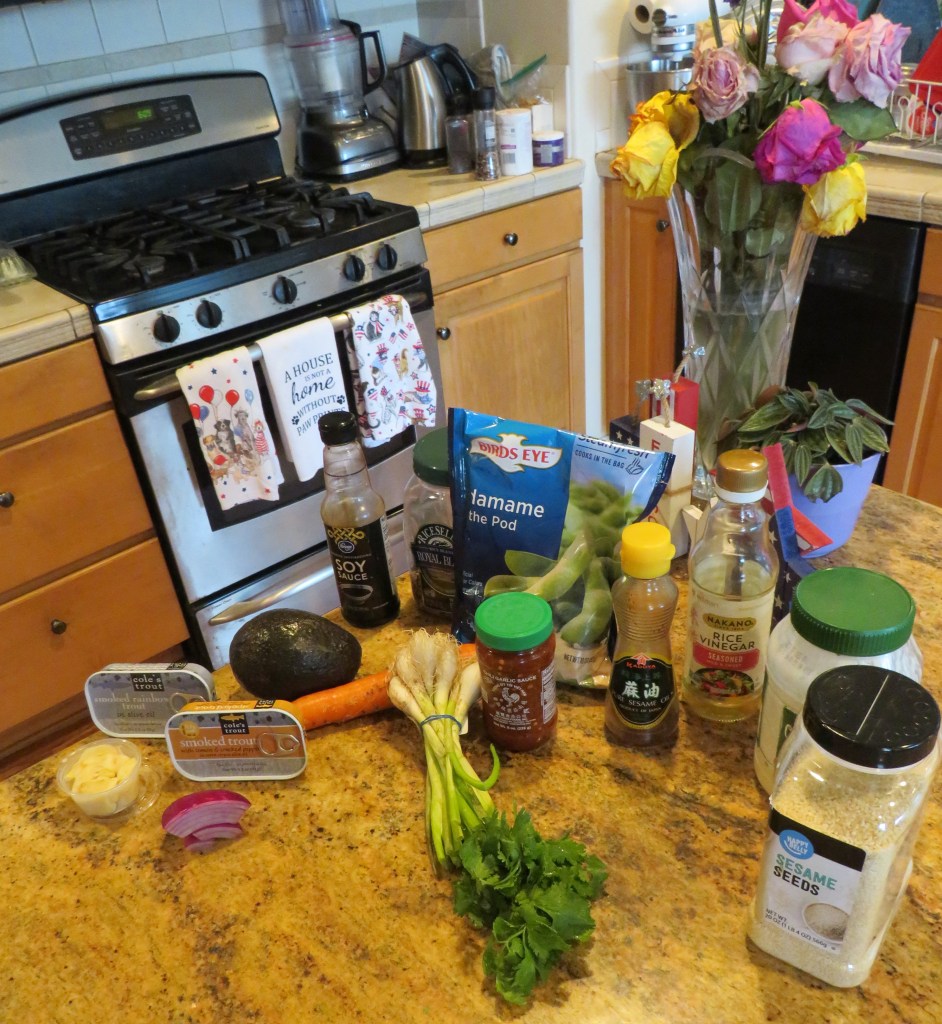
I decided to make my own version of a poke bowl, using my canned trout. They were delicious and very healthy. I loaded them with vegetables too. My poke bowls were served warm. The rice was hot, and everything else was cold or room temperature.
Each tin is one serving, so for the two of us, I used the two tins of trout that I had. Since they were slightly different varieties, I just mixed them together and then portioned them out for each bowl.
Trout Poke Bowls
1 tin of trout for each portion, drained and shredded
1 shredded carrot
1/2 cup shelled edamame beans, cooked according to package directions
1/2 avocado, cubed
1/4 red onion, sliced very thin
1/2 cup baby corn
1/2 cup water chestnuts
1/2 cup green onions, sliced
1/2 cup cilantro, chopped rough
2 tsp pickled ginger
2 cups cooked rice or wild rice
3 TBSP soy sauce
3 tsp sesame oil
1/2 cup mayonnaise
1-2 tsp rice vinegar
4 TBSP Siracha sauce
sesame seeds for topping
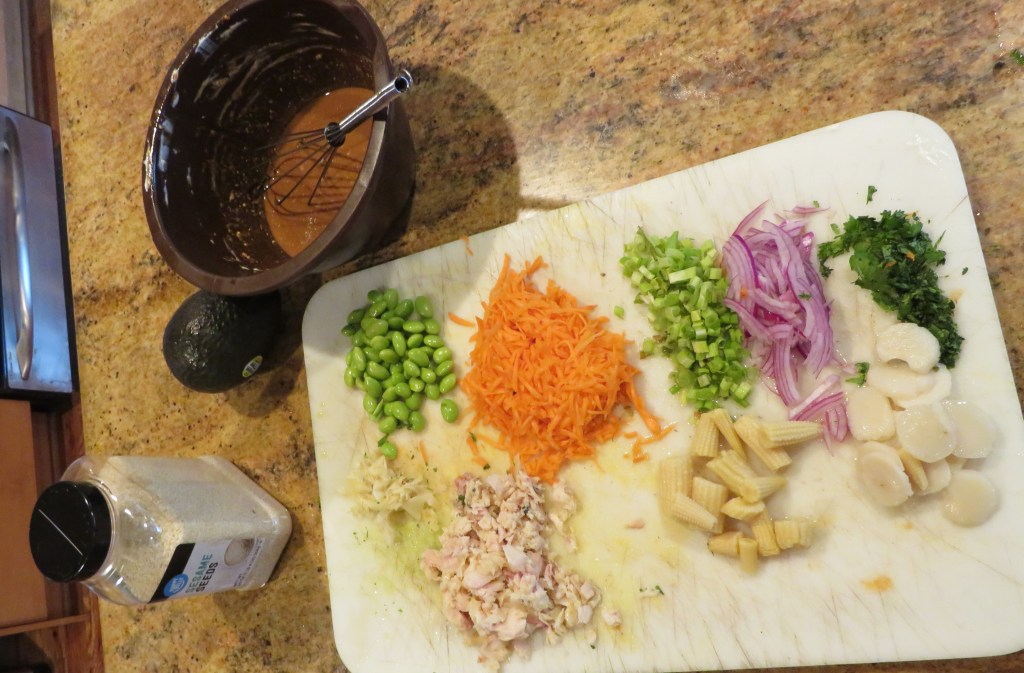
Cook the rice and the edamame beans. I used wild rice because I like it better with trout. I like wild rice with “wild” trout. While the rice is cooking prepare all the other ingredients. Cook the edamame beans in boiling, salted water for 5 minutes, then allow to cool for a bit. Once the beans have cooled enough to handle them, remove the shells.
Make the dressing by whisking together the soy sauce, rice vinegar, sesame oil, mayonnaise and Siracha sauce.
When the rice is cooked, add about a cup of rice to the bottom of the bowl, then started decoratively placing the other ingredients around the bowl. Drizzle the dressing over all the ingredients, then top with the sliced green onions and sesame seeds. I served it with some potstickers on the side and a cool refreshing Chardonnay to complete the meal. Delicious, easy-peasy and very healthy too. Definitely my kind of meal. 🙂 You can use any kind of fish and it can either be cooked, raw or tinned too. We loved our poke bowls for dinner, and the girls got to enjoy the oil and trout skin with their breakfast, in their bowls too. The whole family got to enjoy these delicious bowls. 🙂
Have a great day and make everyday great. Stay safe and stay well. ‘Til next time.
Before I start this post, I am making this disclaimer: I AM NOT A DOCTOR. I am NOT advocating for one choice or the other. I am simply presenting information I have found in my research. What you decide to do is strictly between YOU AND YOUR DOCTOR. I am NOT trying to spark any arguments or discourse. As with anything, anyone can find evidence and experts to support their own beliefs and theories. I am simply giving you my humble opinion, based on years and years of working in the food industry.
There are so many fad diets out there today, and sadly, most of them do not work long term. They are NOT designed to work long term, and many can have some serious side effects if they are carried out for long periods of time. Most doctors and people in the medical profession are not required to take more than 1 course in nutrition, and nutrition is a very gray area for a lot of medical professionals, just as much as it is for the rest of us. Back in my early days of college, I was a Bio major/pre-med. I took my one nutrition course for that as was required, and then some. Food and nutrition have always been something I’ve pursued and have been very interested in. Food is my passion. When I switched gears and became a chef, I had to take a lot of nutrition courses in order to get my culinary degree. I also have worked with food on a daily basis for over 40 years. Then when I switched gears once again, and became a sports trainer and a coach, I took more nutrition courses, specializing in sports nutrition. Needless to say, I know a little bit about food.
One of the big food debates today is gluten vs. gluten free. I personally am NOT a fan of any diet that tells you to eliminate whole food groups, unless of course it is for medical reasons. In my studies and research, when you eliminate whole food groups, you also eliminate many essential nutrients as well. My belief is that everything in moderation is the best diet to follow, both for food, and for life in general.
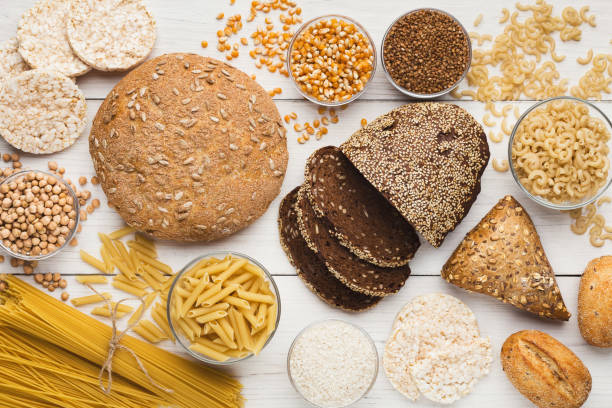
Gluten is a protein found naturally in wheat, barley, rye, wheat berries, spelt, durum, emmer, semolina, farina, farro, graham, khorasan wheat, einkorn, and triticale (a blend of wheat and rye). Oats—though naturally gluten free—often contain gluten from cross-contamination when they are grown near, or processed in the same facilities as the grains. Gluten is also sold as wheat gluten, or seitan, a popular vegan high-protein food. Less obvious sources of gluten include soy sauce and modified food starch. Gluten gives food a sticky texture and helps with the rise and chewiness of baked goods. It’s a common ingredient in many foods, including bread, pasta, and many processed items. A gluten-free diet excludes eating anything with gluten in it. Currently, 1 in 5 Americans have chosen a gluten-free diet, but most of those have chosen it without needing to, and without a doctor’s recommendation.
There are definitely people who probably should avoid gluten in their diets, but the vast majority of people DO NOT fall into that category. People with celiac disease and gluten intolerances are those who should avoid eating a lot of foods that contain gluten. Celiac’s Disease, an autoimmune disease that affects about 1 percent of the population, is characterized by flat intestinal lining and generalized malabsorption of nutrients. A lot of individuals without celiac’s disease are cutting gluten because they believe it makes them feel better. This condition has been coined “non-celiac gluten sensitivity,” but this sensitivity has not been scientifically confirmed to exist. The feeling of wellness could be due to cutting out gluten, or it could be because they are cutting out more processed or otherwise unhealthy foods. The Gluten-free Diet—Fad or Necessity?Written by: Carly Crompton
According to Genetic Literacy Project, Science Not Ideology, “There are still questions as to whether ‘non-celiac gluten sensitivity’ is even a real condition in those who are NOT celiac sufferers.” According to the Celiac Disease Foundation, gluten-free living appeals to about 30 percent of American adults — but seems to still be widely misunderstood. About 1 in 133 people or about 1 percent, have celiac disease, an inherited autoimmune disease that causes damage to the small intestine when gluten is ingested, but about 83% of them are undiagnosed or misdiagnosed with other conditions. About 0.4 percent of people have a doctor-diagnosed wheat allergy, according to a 2006 study. In those people, a true allergic response to wheat (which contains gluten) can include skin, respiratory and gastrointestinal symptoms. A larger group of people is estimated to have what’s called “non-celiac gluten sensitivity,” which may also produce similar symptoms but is not very well understood by experts. “We don’t really know the mechanism by which this arises,” says Crowe. According to the National Foundation for Celiac Awareness, as many as 18 million Americans may have some non-celiac sensitivity to gluten. But for most of the people who aren’t celiac, avoidance of gluten is little more than a badge of honor. At the very least, there are serious questions about the wisdom of buying gluten free just for the sake of doing it. A recent research report by the National Health and Nutrition Examination Survey found that over the past five years, there was a 300% increase in the number of people reporting going on a gluten-free diet. At the same time, the prevalence of celiac disease has remained stable. It is important to note that gluten is a problem only for those who react negatively to it, or test positive for celiac disease. Most people can and have eaten gluten most of their lives, without any adverse side effects.
Peter Green, director of the Celiac Disease Center at Columbia University, and Ivor Hill, professor of clinical pediatrics at The Ohio State University College of Medicine are two of many experts who believe that a gluten-free diet for most people is an unhealthy choice. More and more doctors are recommending against a gluten-free diet too. Numerous studies have shown that diets that are gluten free tend to be deficient in protein, folate, iron, niacin, riboflavin, thiamin, B12, zinc, selenium, and fiber. In addition, they are more apt to have higher levels of nickel, which is highly allergenic to some patients. Here are some more reasons why a gluten-free diet is not the best option for the general population:
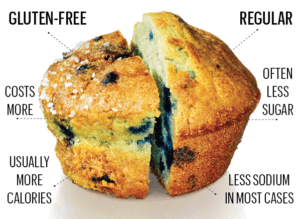
A gluten-free diet is expensive. It is estimated that a gluten-free diet will add roughly 1/3 more to your average food costs. So if you are watching your pennies, a gluten-free diet is not the answer.
Gluten-free foods often contain more calories than gluten foods. If you are trying to watch your weight, a gluten-free diet is not the answer. You will end up consuming more calories with a gluten-free diet than you would with a gluten diet.
Gluten-free foods often have more sodium added than gluten foods. If you are trying to lower your salt and sodium intake, again, a gluten-free diet is not your answer.
Gluten-free foods are low in fiber and also lack calcium, iron, and certain B group vitamins. Foods that are high in fiber are better for you all the way around. They fill you up faster, therefore you will eat less and they help keep you regulated. If you are missing out on the needed minerals and vitamins in the foods you eat, then you will have to find other sources for them. Minerals and vitamins that occur naturally in foods is always a better option than having them introduced to the system through secondary means. Getting enough whole grains in your diet is especially important if you’re at risk for heart disease or diabetes.
Many studies have linked whole grain consumption with improved health outcomes. For example, groups with the highest intakes of whole grains including wheat (2-3 servings daily) compared with groups eating the lowest amounts (less than 2 servings daily) were found to have significantly lower rates of heart disease and stroke, development of type 2 diabetes, and deaths from all causes.
Gluten may also act as a prebiotic, feeding the “good” bacteria in our bodies. Arabinoxylan oligosaccharide is a prebiotic carbohydrate derived from wheat bran that has been shown to stimulate the activity of bifidobacteria in the colon. These bacteria are normally found in a healthy human gut. Changes in their amount or activity have been associated with gastrointestinal diseases including inflammatory bowel disease, colorectal cancer, and irritable bowel syndrome.
Taste is another factor. I know the evolution of gluten-free foods has come a long way, but for me personally, I find most gluten-free foods don’t taste good. To me, most of them taste like cardboard and tend to have the same consistency.
Some gluten-free foods use potato or rice starch instead of whole grains, which has less important nutrients such as fiber, iron, zinc and folate. Additionally, gluten-free foods contain a lot more fat. One of gluten’s functions in baked goods is to hold it together; fat is a good substitute for this. Cutting out gluten all together might be great to avoid those refined sugars, but substituting it with gluten-free foods is not always the best options. The “Gluten Free” label has little to do with nutritional value, and is much more of a marketing campaign that persuades shoppers to think this is a healthier food. The Gluten-free Diet—Fad or Necessity?Written by: Carly Crompton
The gluten-free food industry has grown 136% from 2013 to 2015 with almost $12 billion in sales in 2015. Interestingly, studies show that people who do not have celiac disease are the biggest purchasers of gluten-free products. Consumer surveys show that the top three reasons people select gluten-free foods are for “no reason,” because they are a “healthier option,” and for “digestive health.” For those who are not gluten-intolerant, there is no data to show a specific benefit in following a gluten-free diet, particularly if processed gluten-free products become the mainstay of the diet. In fact, research following patients with celiac disease who change to a gluten-free diet shows an increased risk of obesity and metabolic syndrome. This could be partly due to improved intestinal absorption, but speculation has also focused on the low nutritional quality of processed gluten-free foods that may contain refined sugars and saturated fats and have a higher glycemic index.
I took this deep dive into gluten vs. gluten free once again for my own information on my own personal journey to better health. When I discussed with my doctor that I was looking for a holistic and more natural approach to my thyroid meds, she told me I needed to go completely gluten-free then. Well, based on my research, and my own long-held personal beliefs about eliminating whole food groups, I can tell you this much; it ain’t happenin’! I can cut down, and there are always healthier options, but I AM NOT cutting gluten out completely. I think that would do more harm than good.
As I mentioned above, and have mentioned before, EVERYONE has to make their own decisions and discuss those decisions with their own doctor. I am NOT a doctor and DON’T proclaim to be one. But when I am curious about things, I do my research and dig, and dig, and then dig some more. I go into deep dives. A lot of times, I surprise myself with my findings, but more so than not, because sadly there are so many people who don’t or won’t do their own research and ask their own questions, many people don’t like my findings. All I am doing is presenting the information that I find. It is up to you to do with it what you like.
Have a great day and make everyday great. Stay safe and stay well. It’s up to you on how healthy you want to be. ‘Til next time.
Sometimes when out walk-about, I focus on just one bird and take a series of shots. Other times, they fly away after only allowing a shot or two. They get tired of the paparazzi. So I will give you some of my “one shots”, or “few shots” of different birds this time. I always see so many birds, and they don’t always get their “proper recognition”. I am giving it to them now. 🙂
We have a variety of different sparrows that call Colorado home.
I think this is a Brewer’s Blackbird, but I have never seen one with a tail like this before.
We have a lot of different Doves too. This one is an Eurasian Collared Dove.
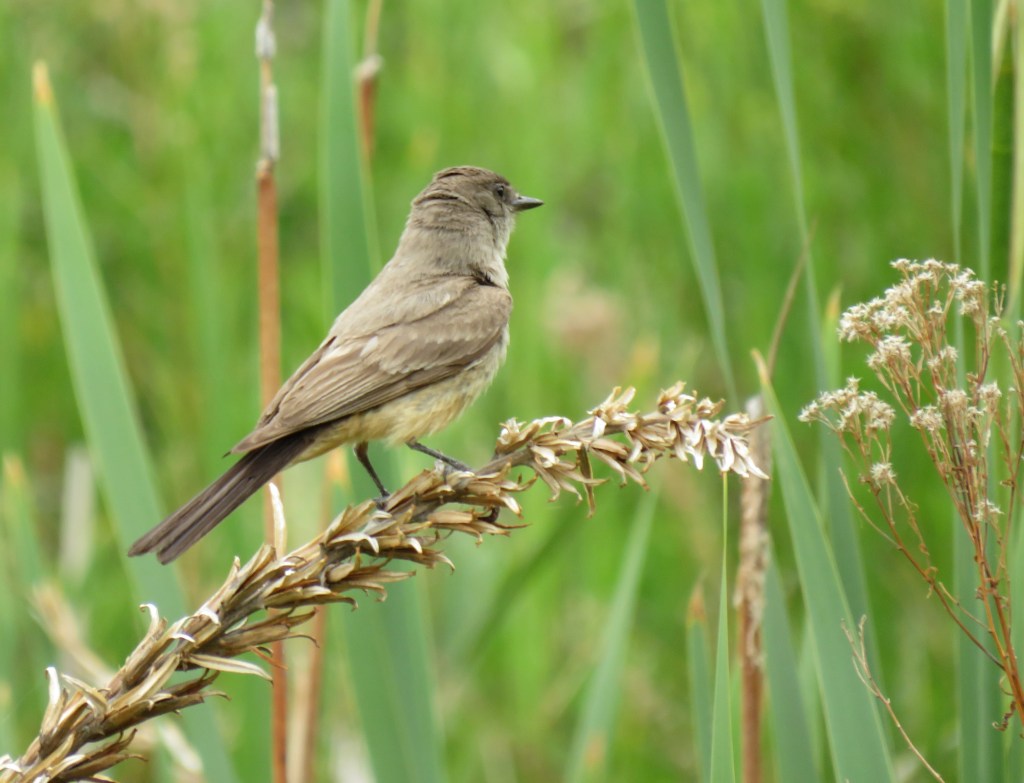
A Says Phoebe on the reeds.
A little Gray-Headed Junco.
A female Cassin’s Finch.
He could be a House Finch, a male Cassin’s finch, or a Rosy-Headed finch. It’s hard to tell, but I think he is a male Cassin’s Finch.
Look all around, in every direction. You’ll be amazed at what you can see. 🙂
We are in the grips of a HOT, HOT, HOT summer. We have been in the high 90’s for almost 2 weeks and counting. That means a lot of cool salads. It’s just too hot to eat many other meals.
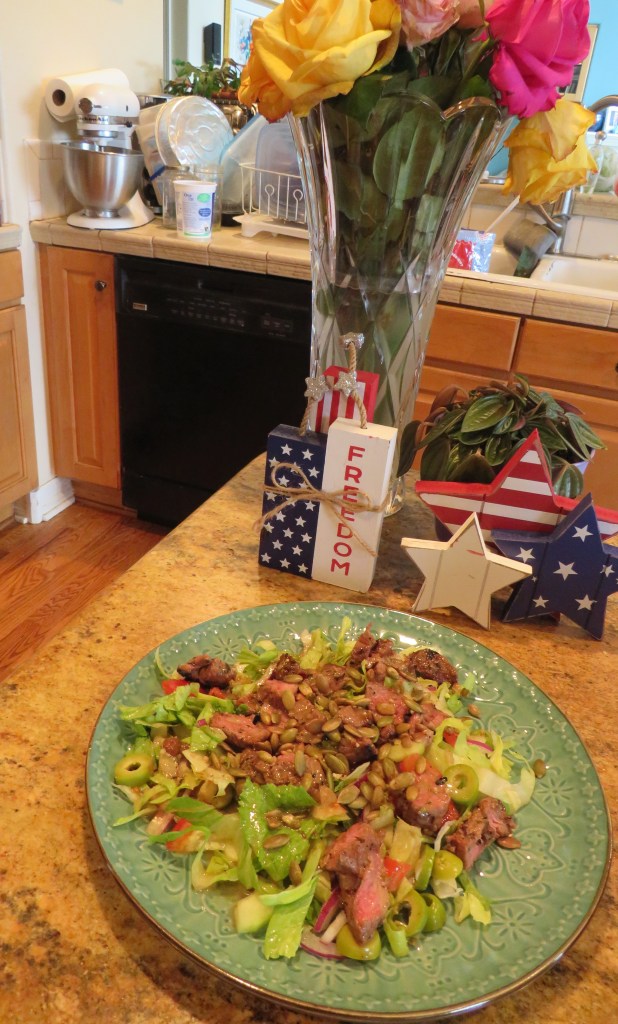
Lamb was down in our weekly meat rotation this week, but as I said, it’s too hot to eat a heavy lamb meal. I turned it into a delicious Greek salad instead.
I cubed the lamb and marinated it for about 5 hours before skewering it and grilling it.
The Lamb Marinade
1/2 cup olive oil
1/4 cup balsamic vinegar
2-3 TBSP honey ginger balsamic vinegar, optional
1 TBSP garlic
2 tsp Dijon mustard
1-2 TBSP dried onions
1 tsp each, dried thyme, marjoram and mint
1-2 TBSP honey
fresh ground black pepper to taste
Mix it all together and then toss in the lamb cubes. Cover and refrigerate for at least 2 hours before cooking.
I was originally planning on making lamb kebabs, but changed my mind after I cubed it, so I skewered the lamb, but you can slice it too. Either way, it all tastes the same, and the end results will be a happy, satisfied tummy. 🙂
The Salad
Normally I prefer Romaine lettuce to iceberg lettuce. I thought I had some, but didn’t after all, and when I went to the store, they did not have Romaine. I did have a little Romaine left, and I mixed it with some of the iceberg lettuce to make salads for each of us.
Romaine and iceberg lettuce differ in taste, texture, and nutritional content. Romaine is known for its crisp, slightly bitter, and subtly sweet flavor, while iceberg lettuce has a milder, more neutral, and watery taste. Romaine has a slightly more robust texture due to its longer, broader leaves, while iceberg is known for its consistent, all-around crunch. Romaine is also more nutritious, with higher levels of vitamins and minerals compared to iceberg. Iceberg lettuce, though tasty, is mostly water and does not have a lot of nutritional value. But in a pinch, it will work.
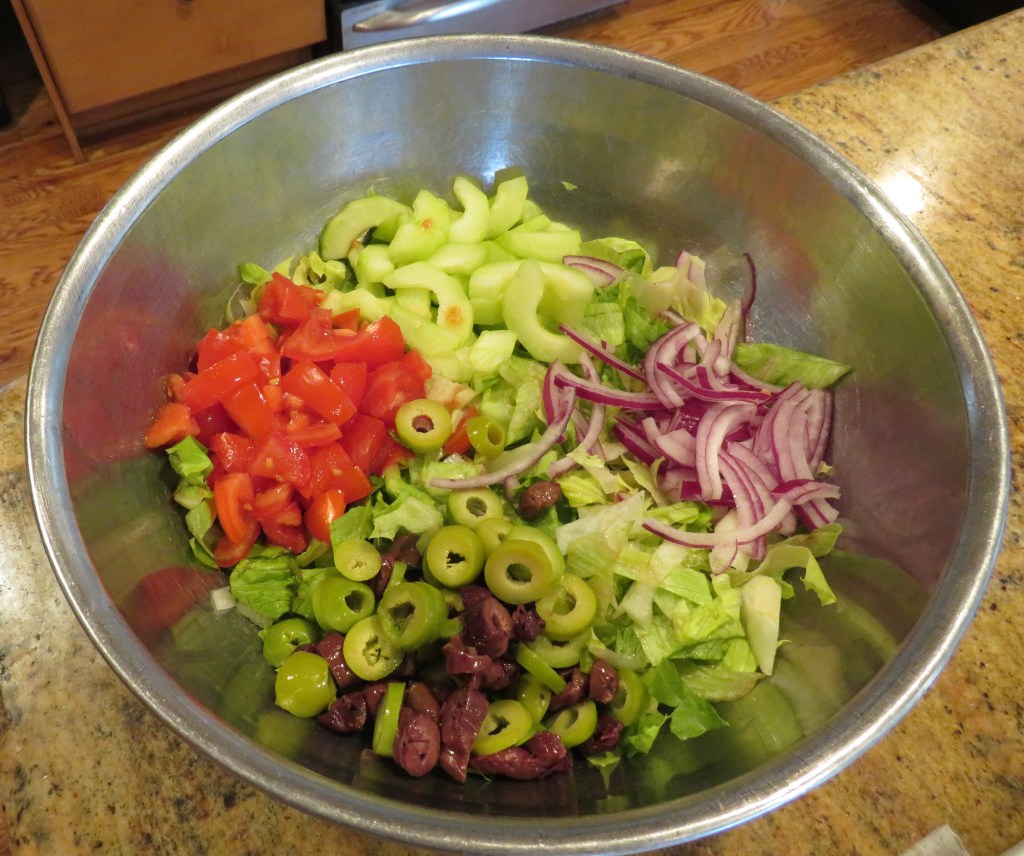
This salad was just a simple tossed salad. The marinade for the lamb was more complicated than the actual salad.
2 cups shredded lettuce – or enough to make 2 dinner sized salads
1/3 cup mixed olives, sliced
1/2 cucumber, peeled and seeded
2 tomatoes, diced
1/4 red onion, sliced very thin
feta, or shredded cheese of your choice, optional.
Toss everything together.
Larry’s salad had a combination of both shredded Colby and cheddar cheese and feta cheese. Mine had no cheese. Also we chose different dressings, so this was all I tossed together at this point. If everyone is enjoying the same salad, toss the dressing and the cheese in with the other ingredients too. then plate your salad.
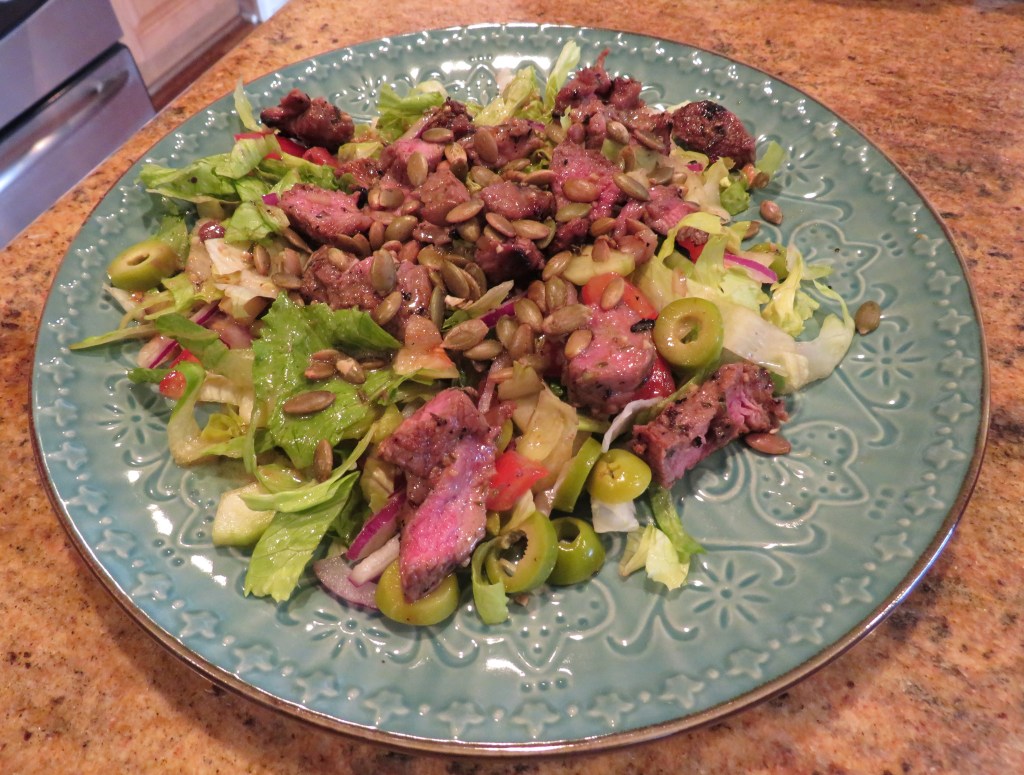
Once the lamb is cooked to a delicious medium rare, slice it thin and add to the top of the plated salad.
For my dressing, I combined some creamy avocado dressing with an herb vinaigrette I made earlier. Larry mixed the vinaigrette with a creamy Caesar dressing. Both worked and we were both happy with our results. I also added some toasted pepita seeds to the top of my salad. I like the crunch factor added to my salads. 🙂
Of course we dined al fresco, on our beloved deck. It was a perfect way to cool down and to beat the heat.
Have a great day and make everyday great. Stay cool, stay safe and stay well. ‘Til next time.
We decided to escape the heat by taking a mountain drive. Apparently, we weren’t the only ones with that idea though. There were a lot of people on the roads and in the mountains. It was much cooler in the mountains. At home, we were in the upper 90’s. In the mountains, it was in the 70’s-80’s for the most part, with cooler temperatures at the higher elevations. It was perfect. We took a big loop around the Guenella Pass. We packed a picnic lunch and stopped at a beautiful lake for lunch. The destination wasn’t the priority. It was the journey itself. It was a beautiful day for a beautiful drive.
Our first stop was the Georgetown and the Georgetown Visitor Center.
Georgetown is a historic mountain town, known for it’s unique charm and holiday shopping. We drove around for a bit and saw some of the old historic buildings, dating back to 1874.
Look at the detail on this bench. Just gorgeous!
This gorgeous church was right beside the flowing creek. It was built in 1874 as was the old school above.
There were lots of beautiful mountain flowers in the church garden too.
This is an old Catholic church that was constructed in 1909.
And this charming house was adjacent to the church. I think it was built in the late 1800’s as well.
These charming old houses were across the street.
We caught the Guenella Pass from Georgetown and headed further into the mountains.
We NEVER see either of these out on our adventures, so I though a picture of the mountain goat and the big horn ram in the shop at the Georgetown Visitor Center would be the only opportunity to see them. I was WRONG! We actually saw 5 big horn sheep out on the road, and in the hills. We saw an ewe and I guess these are her kids with her. This was a VERY rare sighting for us and a very pleasant surprise.
After a few minutes with the paparrazzi, mama ewe started leading the kids into the hills.
Once the rams were on the move, it was our sign to move on as well. Next stop, Green Lake for a picnic. I have no idea how this lake got its name. 🙂
No, NOT us. 🙂
After lunch, we continued our drive.
On the loop back towards home, we had another very welcomed find, standing in a gulch by the side of the road; a white-tailed mule deer was there to greet us.
We saw beautiful scenery and we saw critters. We were very happy indeed. But our day of fun wasn’t over yet. Once we got home, we fed the kids and watched a little TV before heading out once more, to a local concert with an Eagles Tribute band. They did a great job. Once again, I was singing every song right along with them. It was a beautiful, busy and fun day; just they way I like them too. 🙂
Life is never about the destination. It’s about the journey. Take those beautiful journeys as often as you can and just enjoy the ride. Have a great day and make everyday great. Stay safe and stay well. ‘Til next time.
I haven’t been in the kitchen much lately, so instead of cooking for you, I will give you some more fun food facts. I always get a kick out of these. I hope you do too. 🙂
Soup has been a favorite food for 1000’s of years. One of the first recorded recipes for soup included hippopotamus and sparrow meat, over 6000 years ago. MMMMM! Doesn’t that sound tasty? NOT!!!! But you know, I will try anything once. I have been known to eat some pretty strange things, so why not, right?!
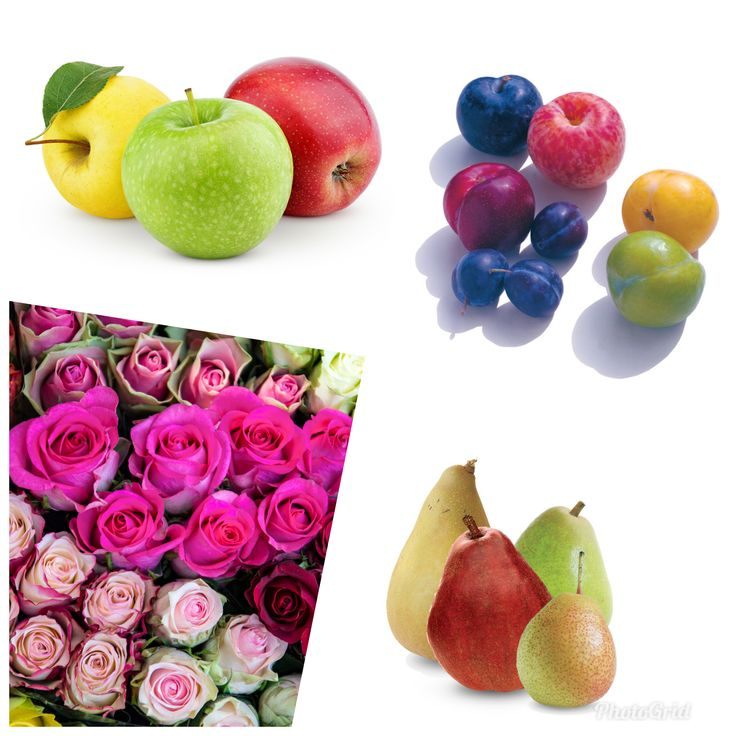
Apples, pears and plums are all part of the rose family.
Some people claim coconut water can be used as plasma. This claim was made during WWII during remote, emergency conditions ONLY. Coconut water is sometimes touted as a viable substitute for blood plasma or other intravenous fluids, particularly in emergency or remote settings. While it does possess some characteristics that lend it to this idea, it’s crucial to understand the limitations and potential dangers. Electrolyte Composition: Coconut water contains electrolytes like potassium, sodium, calcium, and magnesium. In this sense, it offers some parallels to blood plasma. Sterility: When the coconut is intact and its shell unbroken, the water inside is generally considered sterile. There are anecdotes and historical accounts, particularly from wartime situations like World War II, suggesting that coconut water was used intravenously when conventional saline solutions were scarce. A study even reported the successful use of coconut water as a short-term intravenous hydration fluid in a remote location lacking standard medical supplies. This is DEFINITELY NOT recommended though. I wouldn’t try it. Though idea this has really been debunked and has been shown to be not true. But it still makes for a fun story. 🙂
Blackberries help the brain retain new information. Blackberries and other berries contain high levels of plant compounds called flavonoids and anthocyanins. These compounds have potent antioxidant and anti-inflammatory properties, which may protect brain cells from damage and improve cognitive function, including memory and learning.
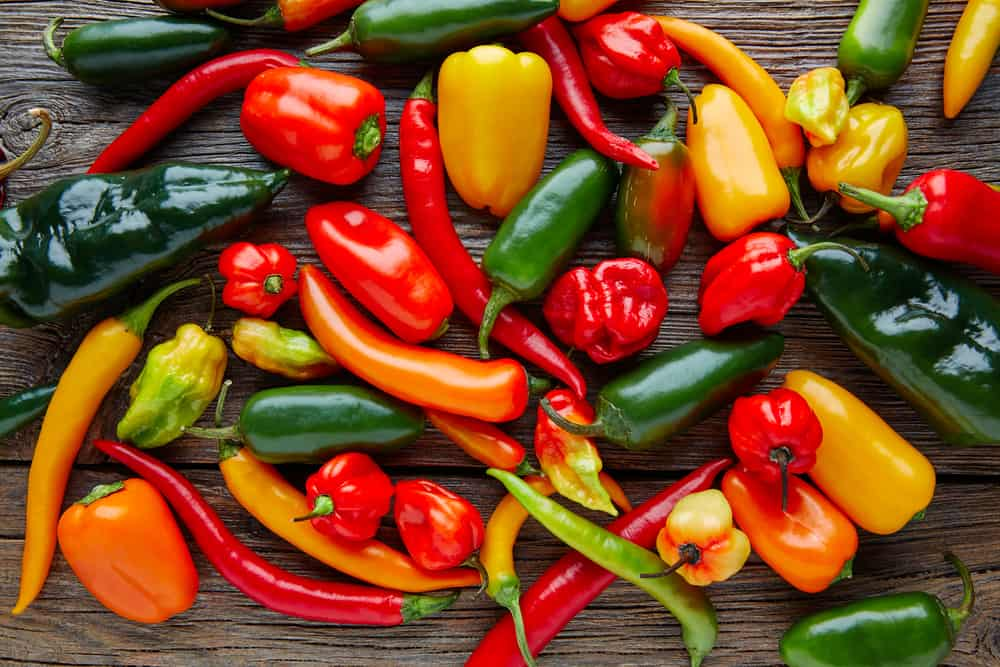
That burning sensation you get when you eat spicy peppers is a mental reaction, not a physical one. Chili peppers contain a chemical known as capsaicin, which naturally binds to the pain receptors on our nerves. Your brain thinks you are ingesting something hot, so you begin sweating and your face turns red. This is your body’s way of trying to cool you down, even though there is no real temperature threat.
Well I learned a few new things. I hope you did too. Have a great day and make everyday great. Keep learning something new everyday. Stay safe and stay well. ‘Til next time.
We have a few different species of Herons that call my neck of the woods home. Most often though, I see either the bigger, larger grey or blue herons. I did see a couple of those today, but I also had a special treat and saw a Black-Crowned Night Heron as well. This is only the second or third time I’ve seen one of these. He was hidden in the bush, on the water’s edge. I almost missed him too.
Life is full of surprises. You just never know what you’re going to find. 🙂
People have been cooking with herbs and spices for 1000’s of years. The first known herbal use dates back to over 60,000 years ago, back to the Stone Age. Every country and every culture has its own herbs, but spices originated in Asia, the Middle East and The Mediterranean countries. Herbs & spices have played an essential part in the shaping of world history. They have been directly responsible for the opening up of major trade routes, advances in medical science and the development of international food tastes. It is believed that the ancient peoples wrapped their meats in different plant leaves, as either a way to store them, transport them, or to preserve them, and this may have been how they discovered these plants infused their flavors to the meats.
Herbs are plants whose leaves are used for foods, medicines, scents and/or flavors. Herbs are the fresh and dried leaves generally of temperate plants and are usually green in color. Spices are the flowers, fruit, seeds, bark, and roots typically of tropical plants and range from brown to black to red in color. In general, spices have a more pungent flavor than herbs. Some plants can produce both herbs and spices at the same time. For example, for the plant Coriandrum sativum, the leaves are used as the herb cilantro while the seed is used as the spice coriander. Most of these are from the tropical regions of the world.
People started trading for herbs and spices in Egypt around 1550 BC. Anise, mustard, saffron, cinnamon, pepper and cassia were some of the earliest spices traded along what was commonly known as the Silk Road, which was “a network of land and sea routes connecting the Far East to the West, brought luxury goods, including spices, to Europe and beyond” (p. 313 The Story Of Food – An Illustrated History of Everything We Eat). Around 80 BC, Alexandria was established as the trading hub, since it was fairly central to the East and the West. The Early Romans were the first to introduce different herbs and spices to Europe. These aromatic spices were used for food, medicines and cosmetics and scents.
The use of plants as herbs has been important to all cultures since long before history was recorded. Hundreds of tribal cultures have used wild and cultivated herbs for medicinal and food purposes for thousands of years. Herbs are mentioned in Genesis, the first chapter of the Bible, and throughout its text. As civilizations developed so did the knowledge for the use of herbs. Herbs were crucial in Medieval medicine, and were used for all kinds of tonics and treatments, as well as for natural insect repellants, deodorants and as offerings to protect against evil spirits. Most herbs, though used for cooking and medicinal purposes, were also symbolic to early civilizations. For example, borage (Borago officinalis) was given to those who needed courage, while rosemary (Rosmarinus officinalis) was given to others for remembrance. Sage, particularly white sage, holds deep cultural and spiritual significance for many Native American tribes. It’s used in ceremonies, rituals, and traditional medicine for its perceived ability to cleanse, purify, and promote healing. The practice of using sage in this way, often called smudging, is a sacred act that deserves respect and understanding.
India is the country that produces the most spices in the world. India’s diverse climate and monsoon rains provide ideal conditions for growing a wide range of spices. It accounts for over 45% of the global spice trade and cultivates 75 of the 109 internationally recognized spice varieties. The Indian subcontinent has a long history of spice cultivation and trade, dating back thousands of years. It should come as no surprise either, that with India producing over 45% of 75+ types of the world’s spices, that India is the country that also eats the most spices too. Nigeria and Bangladesh are close seconds.
Out of all the spices from all over the world, there is one that reigns supreme. It is black pepper. Black pepper is known as the king of spices because it is the most traded and sought after spice in the world. Unlike its perennial companion, salt, which is easily available in any nook and corner of the world, the black pepper owes its origins to Kerala – a state in South India. And with a king, usually comes a queen. The queen of spices is cardamom, though nutmeg is a close second. These three spices are the most important and most widely sought after spice crops of the world. Turmeric might be considered to be either the prince or princess of spices, and is quickly gaining in popularity throughout the world as well, because of its perceived health benefits, especially its anti-inflammatory and antioxidant properties. It is also widely used in food, supplements, and skincare products. One of the rarest, and most expensive spices is saffron. An ounce of saffron is valued at more than an ounce of gold. It is the world’s most expensive spice because it takes so much time and effort to produce. Saffron can cost an eye watering $500 – $5,000 per pound. The spice comes from the stigma of the saffron crocus flower and it can take up to 75,000 flowers to produce just one pound of spice.
I have a very large selection of different herbs and spices on hand in my kitchen at all times. I have many different spices that are used for various ethnic dishes, and then I have the basics that I use everyday. So next time you are cooking, don’t be afraid to spice things up. By adding different spices and/or herbs to your dishes, you can easily transform them from ordinary to exotic just by adding a new spice. Have fun and enjoy.
Have a great day and make everyday great. Stay safe and stay well. ‘Til next time.

























































 A Jeanne in the Kitchen