I have created this site to help people have fun in the kitchen. I write about enjoying life both in and out of my kitchen. Life is short! Make the most of it and enjoy!
Author: ajeanneinthekitchen
I have worked in the restaurant and catering industry for over 35 years. I attended 2 culinary schools in Southern California, and have a degree in culinary arts from the Southern California School of Culinary Arts, as well as a few other degrees in other areas. I love to cook and I love to feed people.
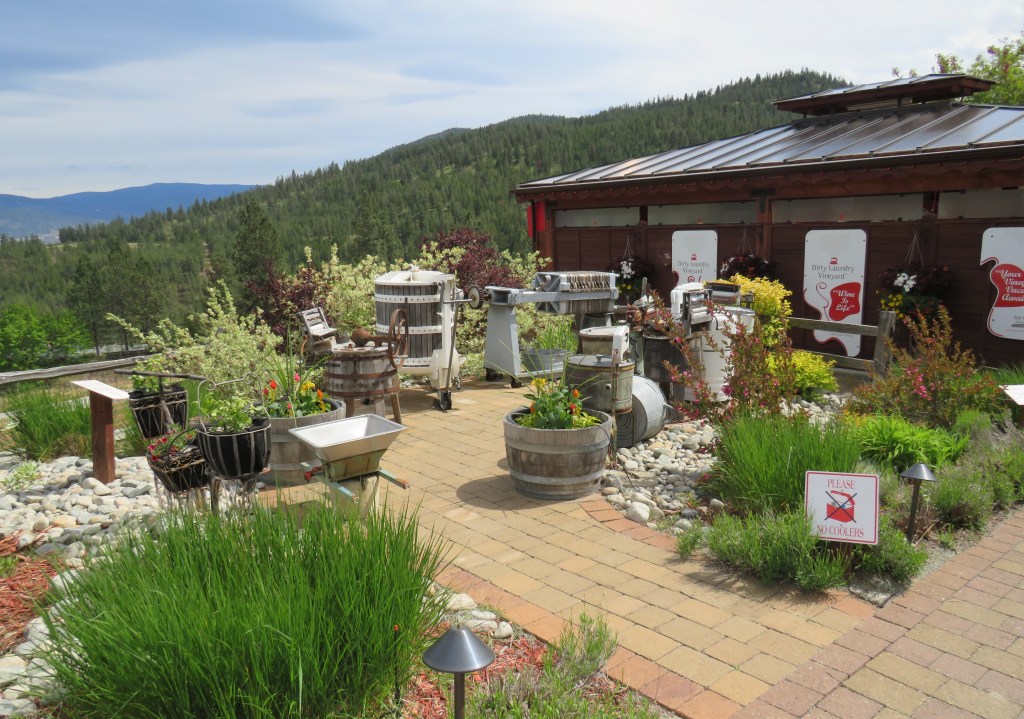
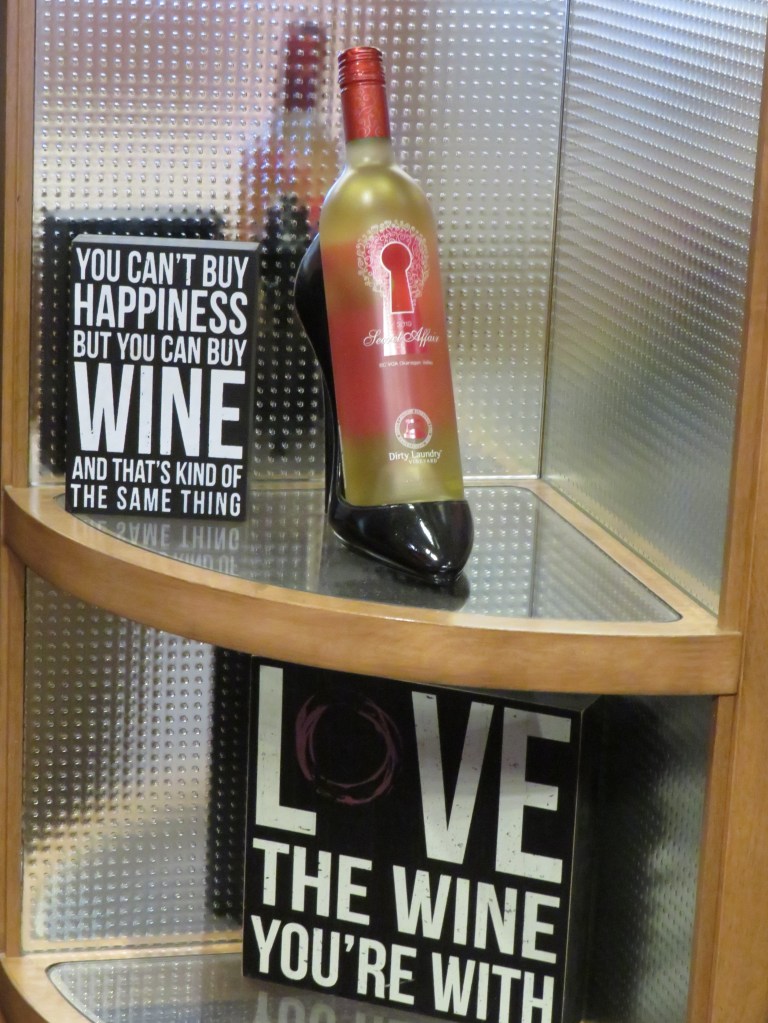
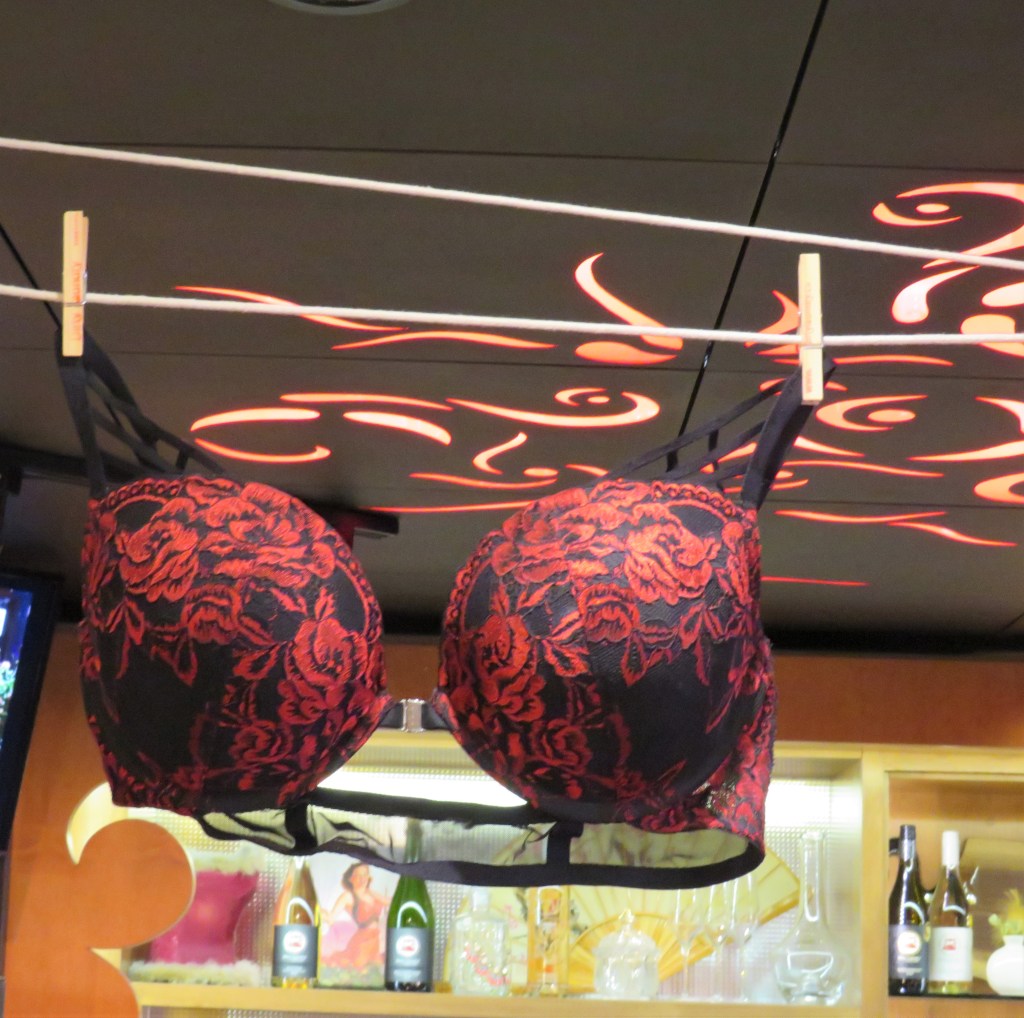
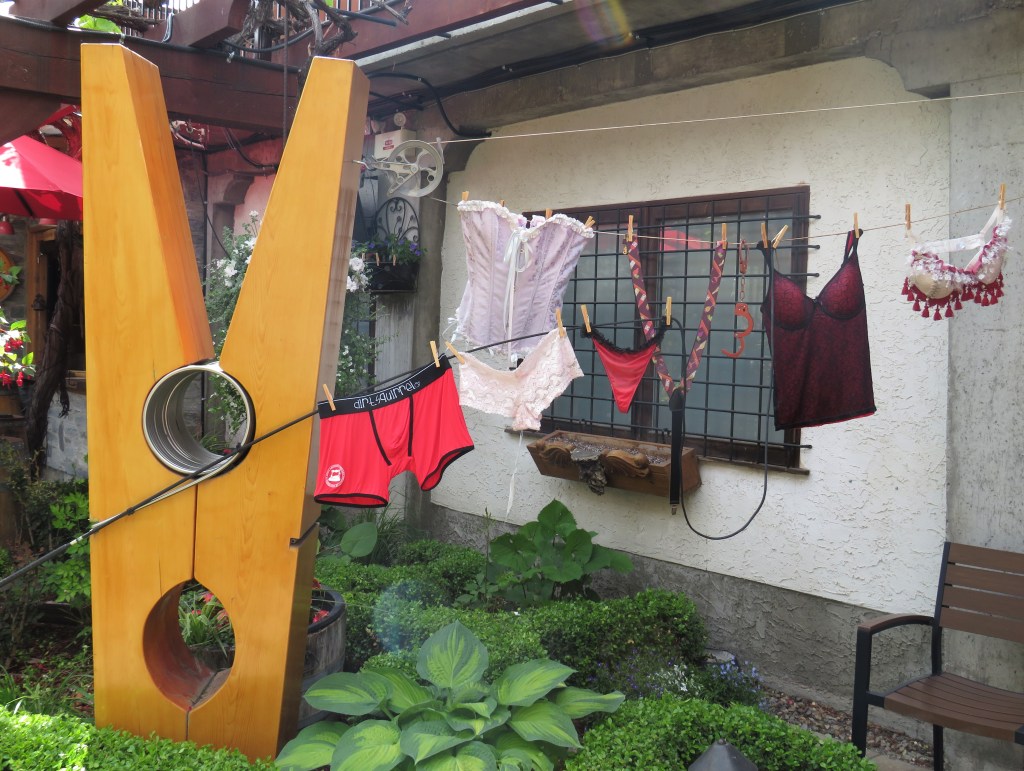
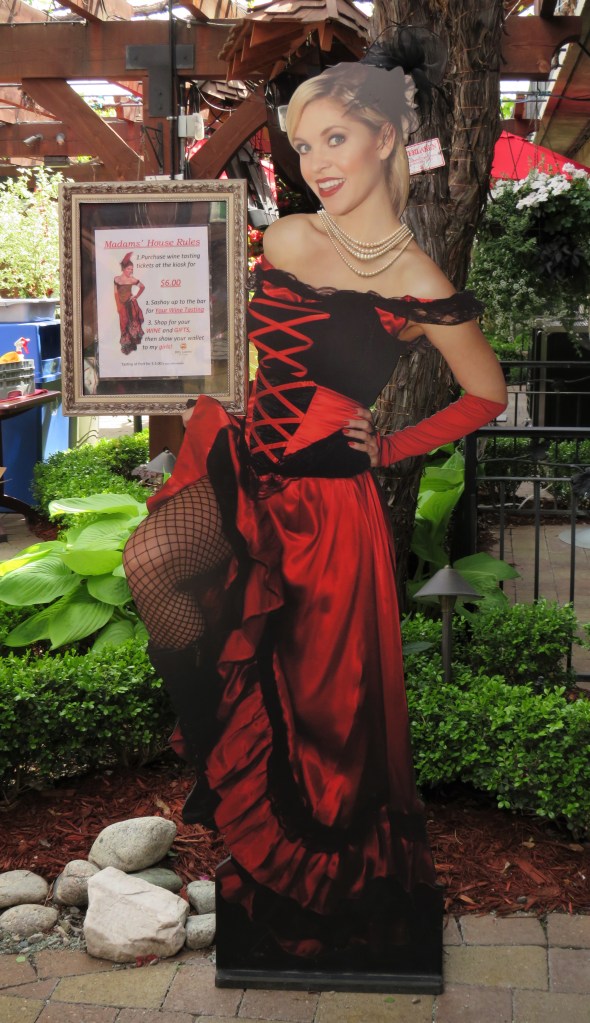
We had a fun Dirty Laundry day, but NO, it’s not what you are thinking. 🙂 Dirty Laundry is a winery in Summerland. And, it was just voted best winery in British Columbia, 2024. It is also Maureen and Milos’ favorite local winery.
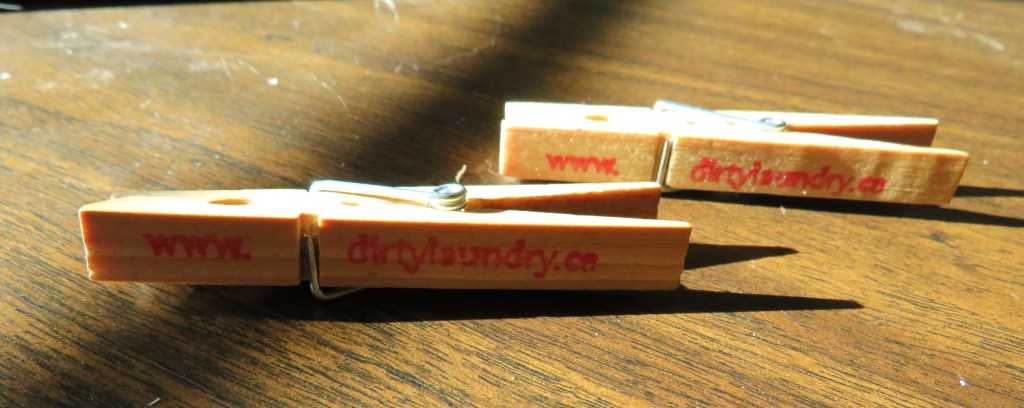
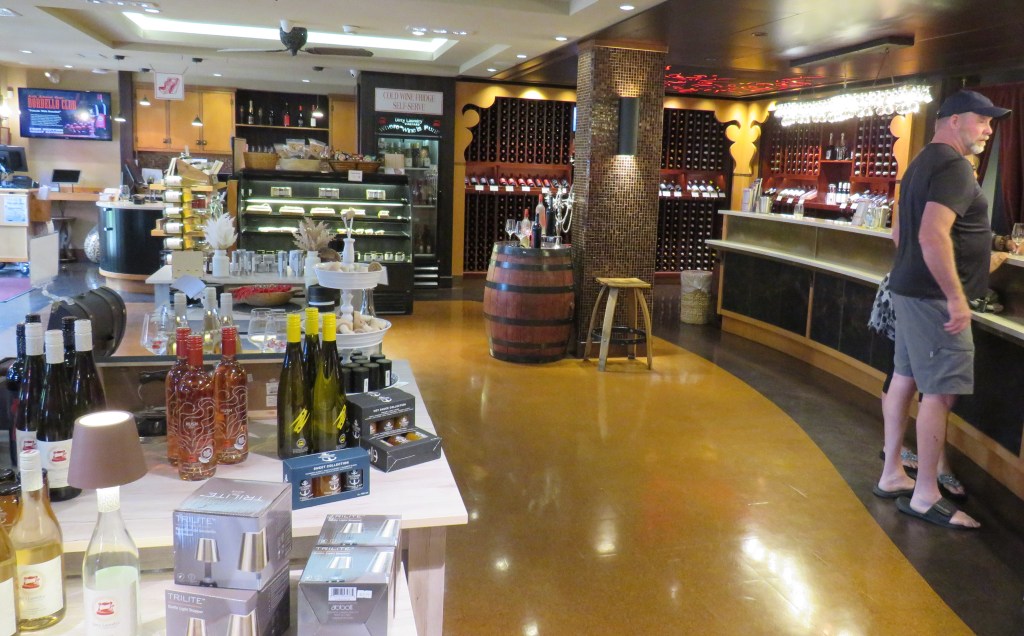
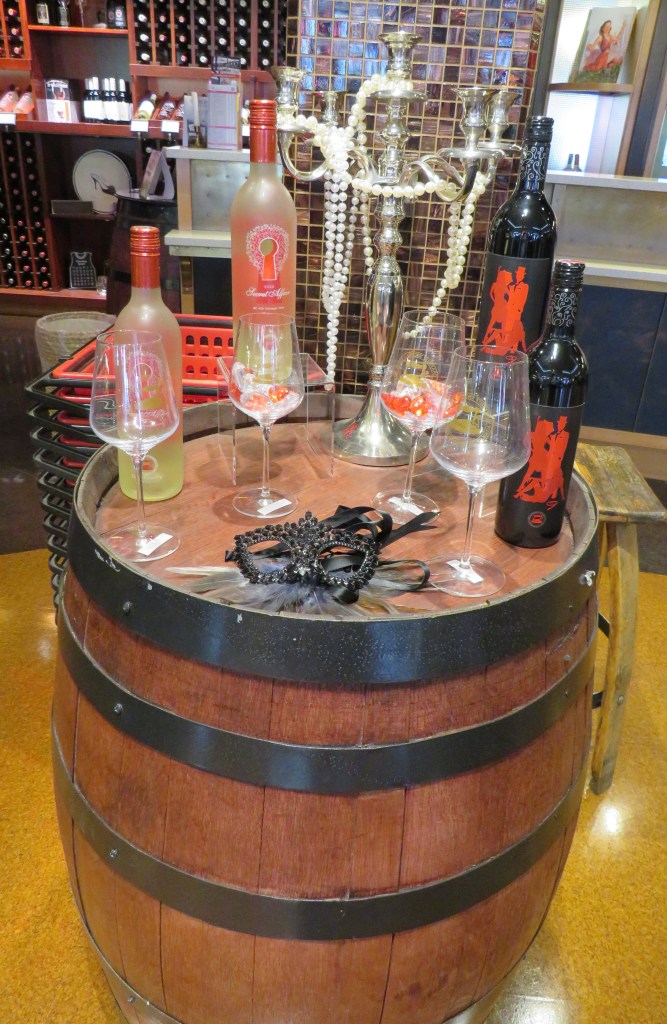
Once we got inside those of us who didn’t know the story or history of the winery, went inside to be “schooled”. Of course we were doing some tasting too. I learned about the history of Dirty Laundry by the wine servers at the bar. After hearing the story of their colorful beginnings, I got “pinned” with a laundry pin.
One of the things I tasted was their port, which was very good. I enjoyed it in a special port glass, called a Douro port sipper. The design is to help the port breath properly. I had never heard of this or seen this before. Of course I bought some. I love new and different things. 🙂
While we were inside Milos was staking our claim to the perfect table over looking the vineyards and the valley.
Here is a little video that tells the Dirty Laundry story in a very fun and creative way. Enjoy!
Dirty Laundry has a big, beautiful patio and a second big bar when things are really hopping. I wish all wineries had such a great set-up. There were also beautiful hanging gardens all around as well.
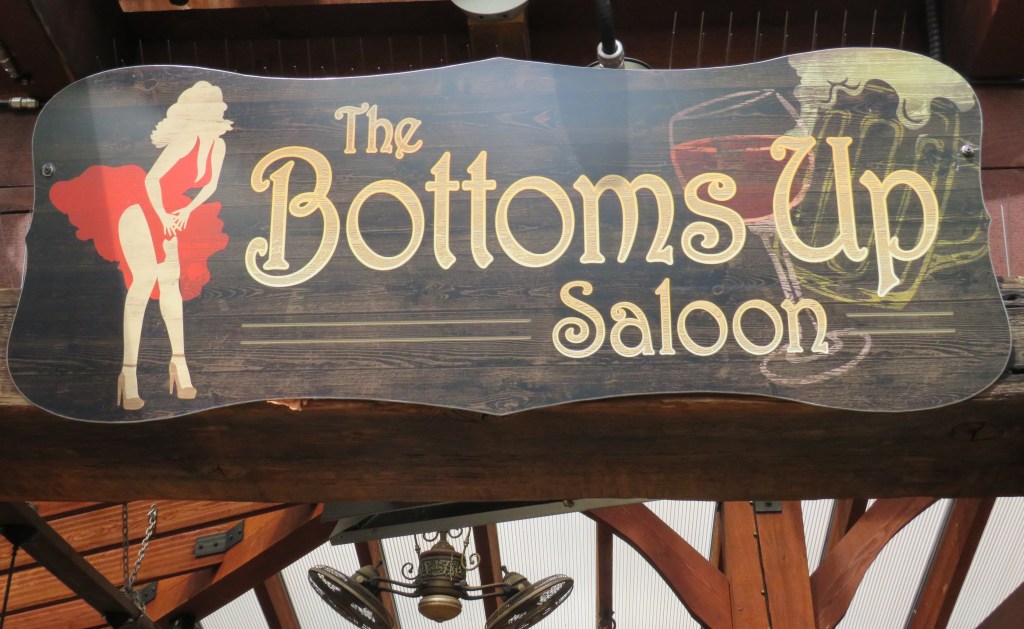
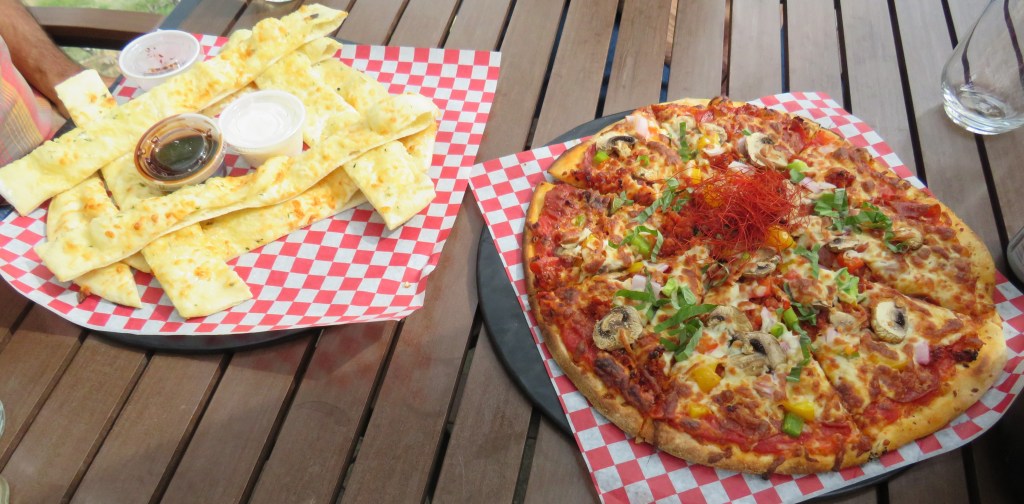
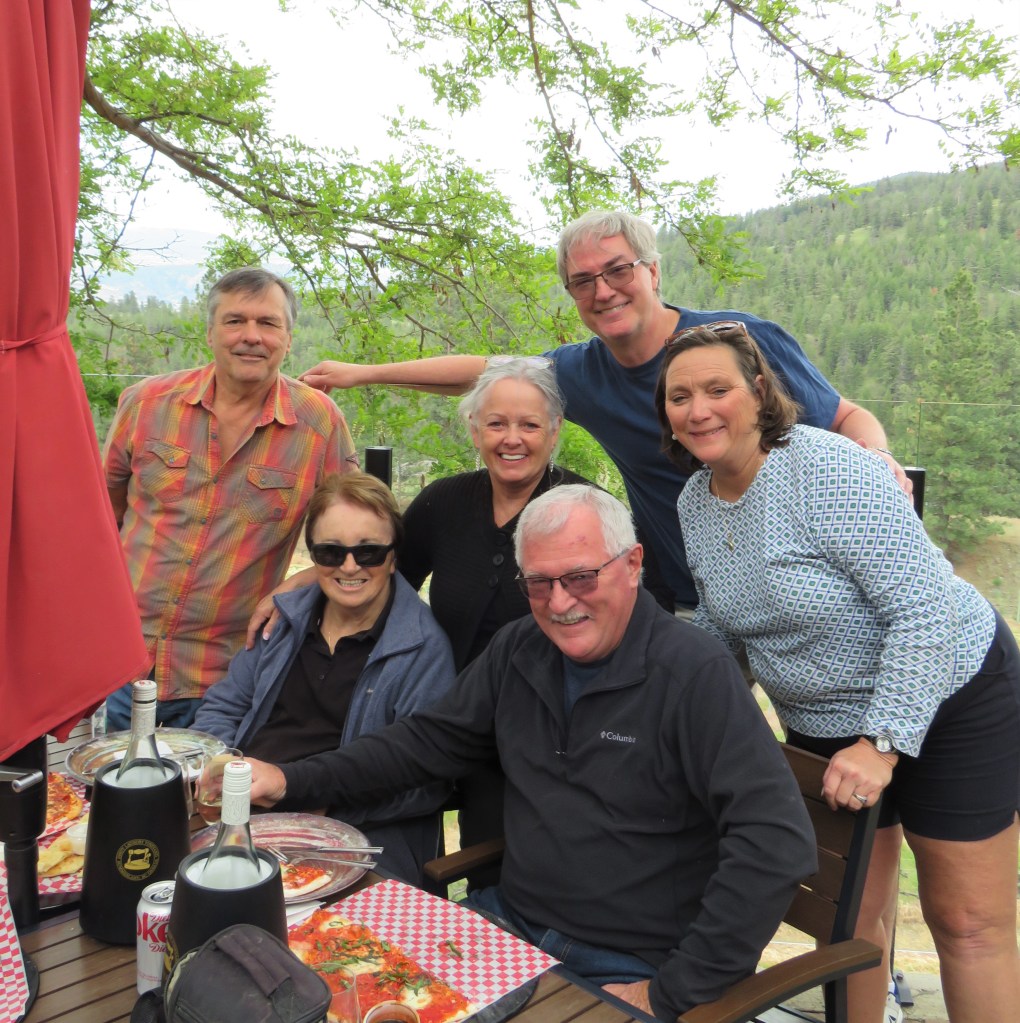
We thoroughly enjoyed our visit at Dirty Laundry too, though in completely different way than how it used to be enjoyed. Our visit was a clean visit, as are all the current visitations today. The things we enjoyed were the wine, the wood-fired pizzas, the view and of course, the company.
No matter what you do, or where you are, it is WHO you are with that makes it special. Life is ALWAYS better when shared with good friends and loved ones. Good food and good wines are just a bonus.
Dirty Laundry is located at 7311 Fiske Street, Summerland, BC. Definitely pay them a visit, learn their history, get pinned and enjoy the wines and your day. It will definitely be a unique wine tasting experience like none other. 🙂
Have a great day and make everyday great. Stay safe and stay well, and spend time with those you love. ‘Til next time.
After a full of day of fun adventures on the train, to the Sleeping GiantWinery and the gardens of the Research Centre, we still had a couple more stops to make before calling it a day, and heading back to Maureen and Milos’ for yet another delicious dinner and another round of game night competitions.
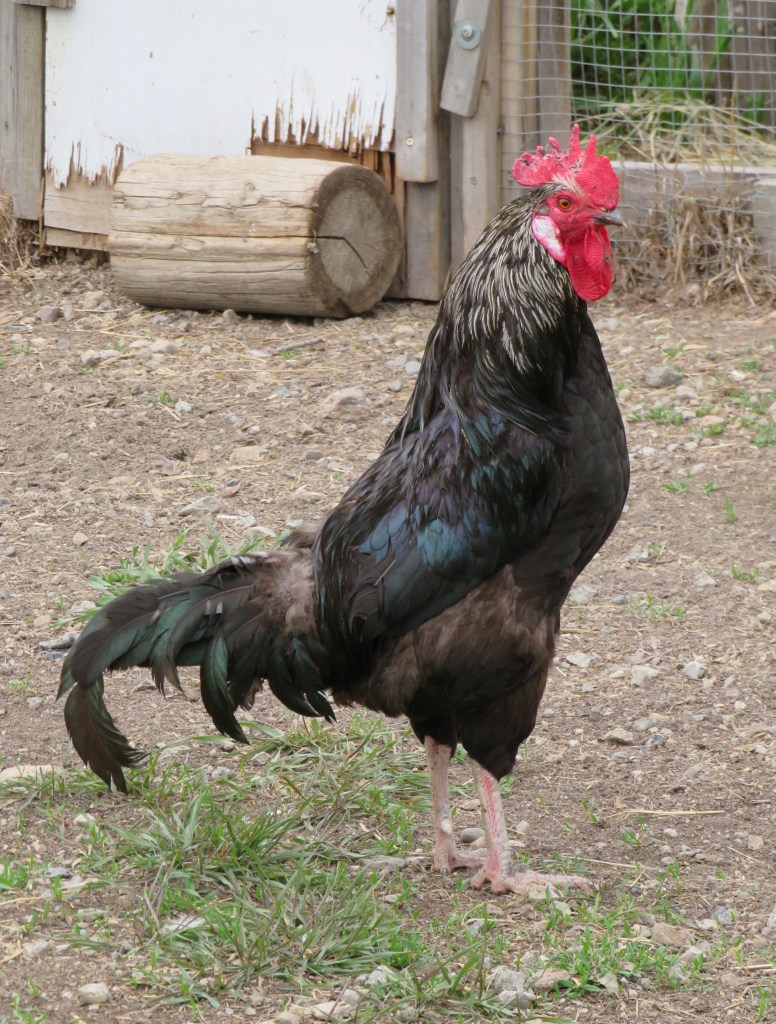
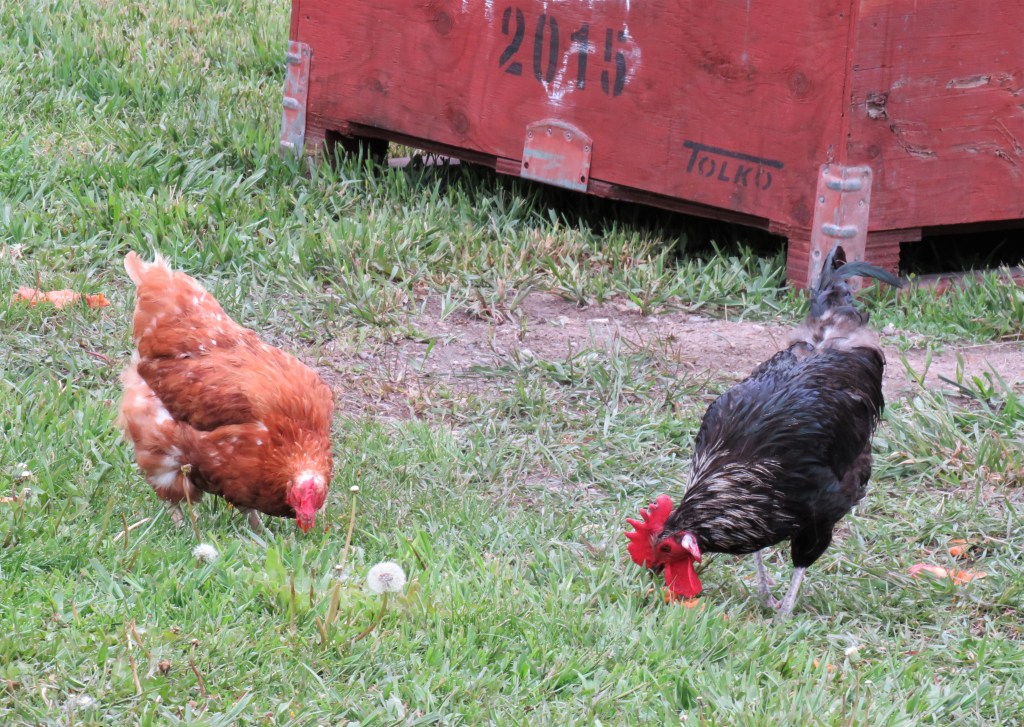
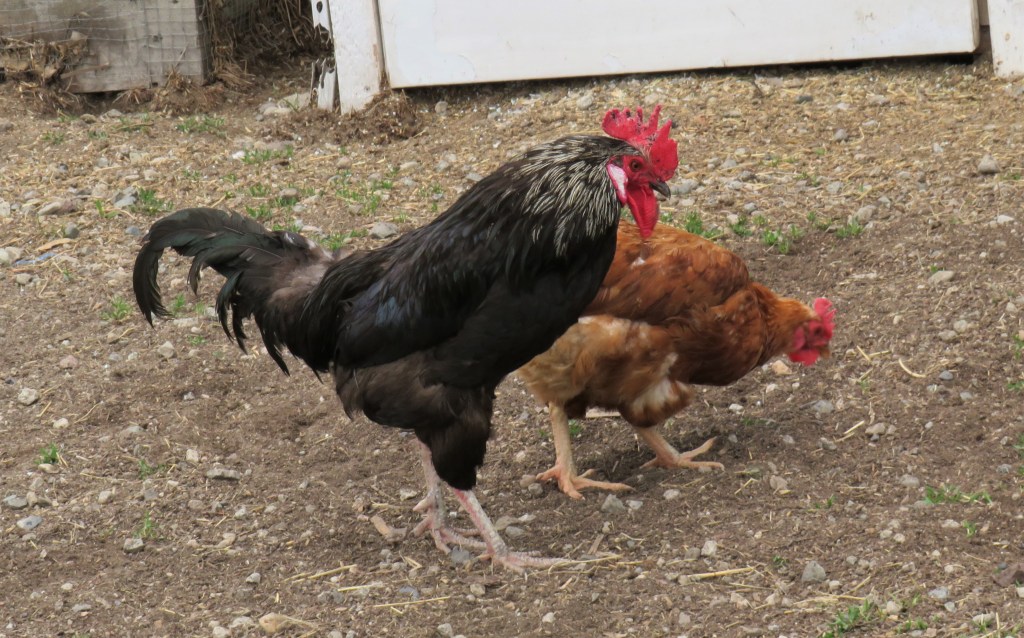
First we stopped at the store to pick up dinner ingredients. Then to the farm for eggs where Maureen likes to buy her eggs direct from a local farmer. All the farm animals came out to greet us and were very curious about us.
The dog was the first to greet us with his tail wagging.
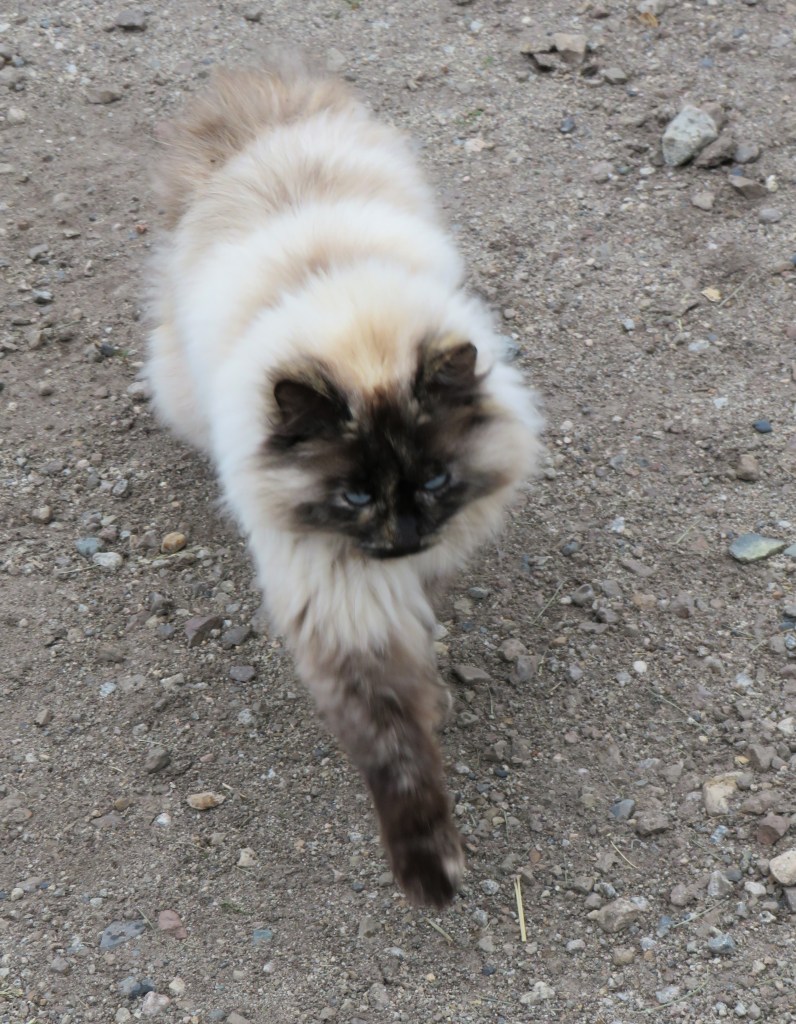
Then the cat.
The chickens and roosters then started to venture out to us as well.
This farmer had a ton of chickens too. He sells his eggs to a lot of the local stores as well as to individuals. I think the white chickens are the ones that produce his eggs for the stores, and the other chickens are the ones that produce the eggs he sells to individuals.
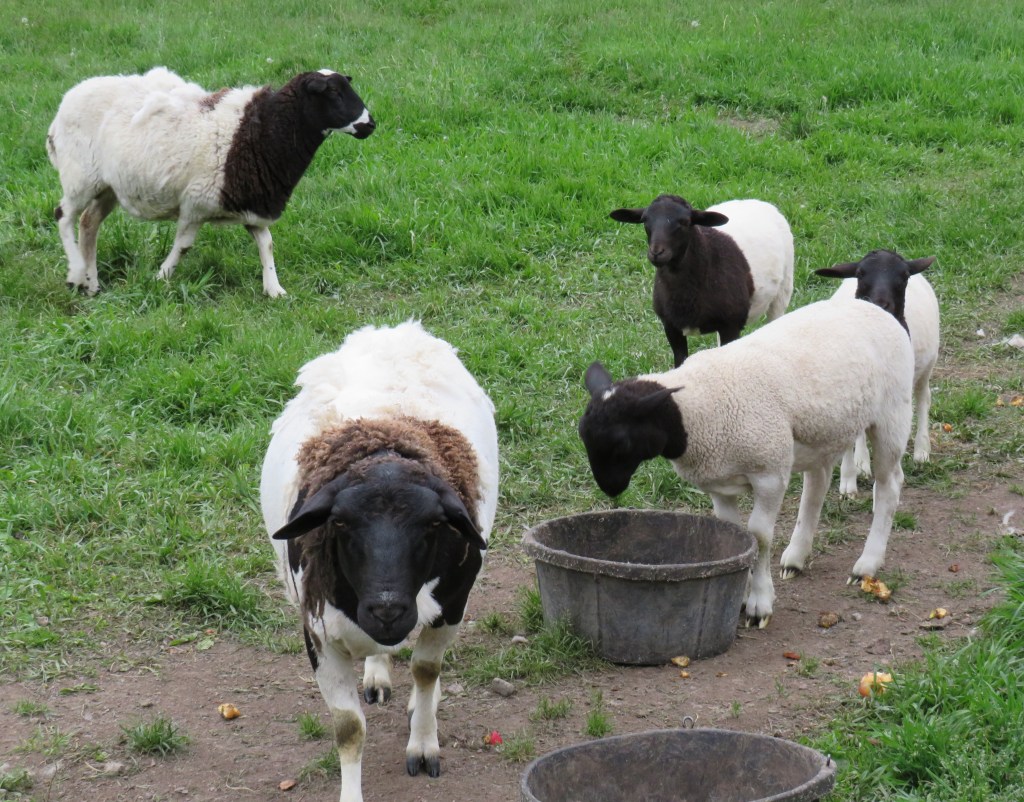
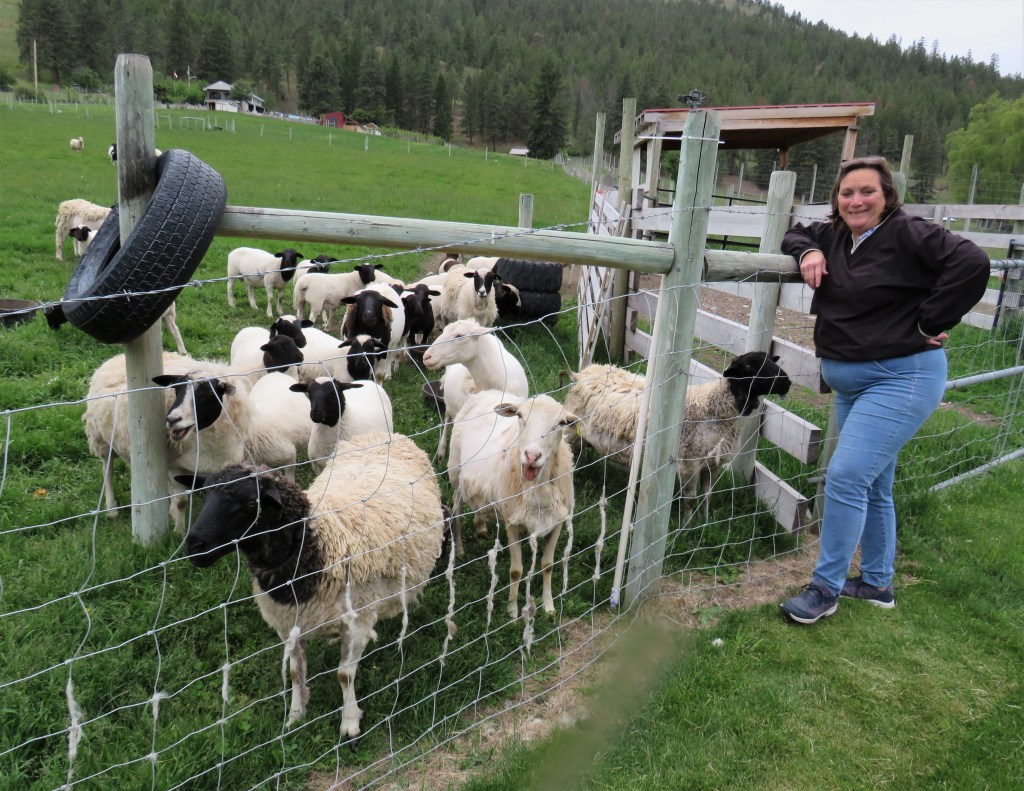
But the sheep were the funniest. At first, one came up to greet me, then another, followed by a few more, and then all of them came running up to me. I was like Little Bo Peep with her sheep. 🙂
I guess I speak their language. We are all all laughing together. 🙂
I always tend to make friends with all the animals. I guess I am related to Dr. Dolittle. 🙂
Have a great day and make everyday great. Stay safe, stay well, and make friends with whomever you meet along the way. ‘Til next time.
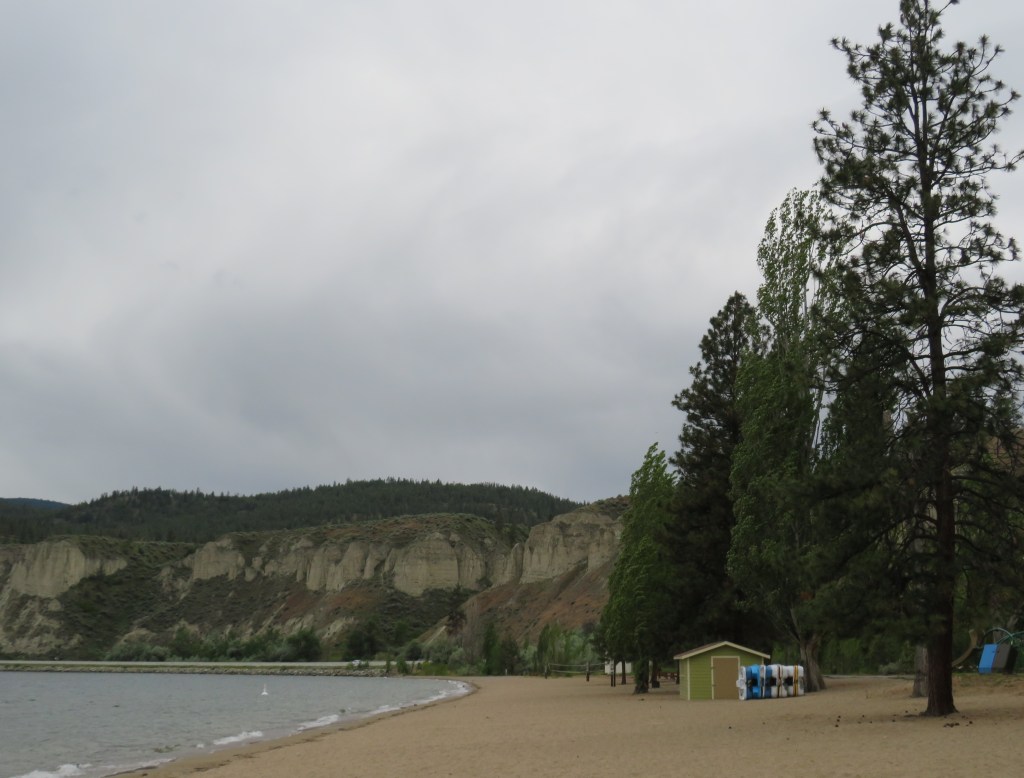
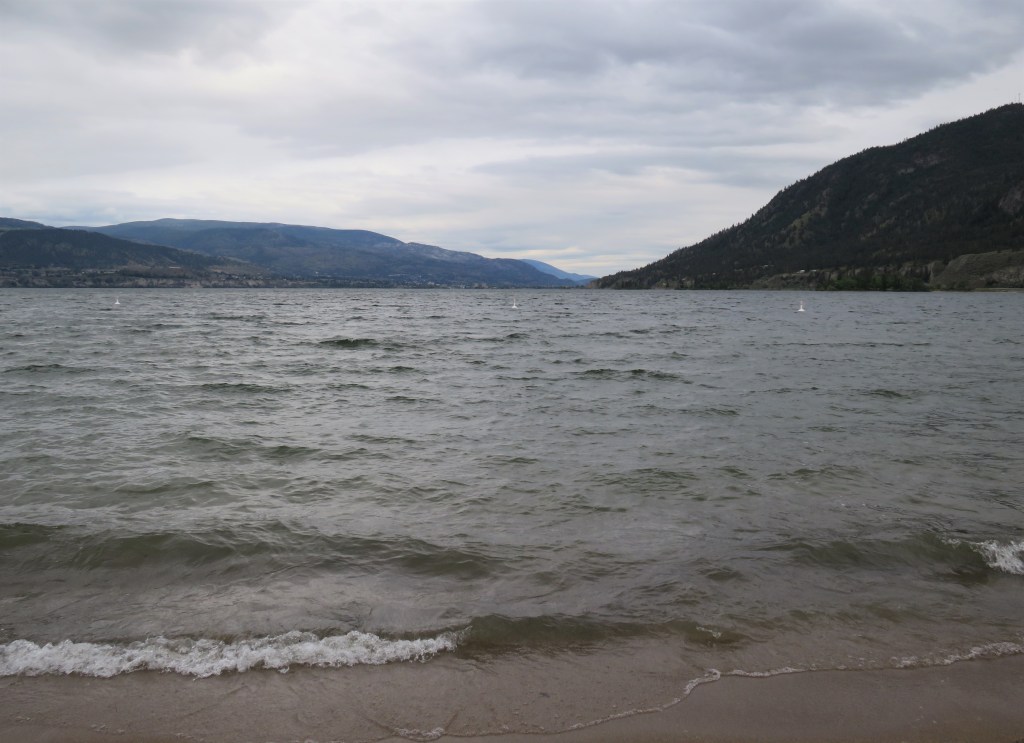
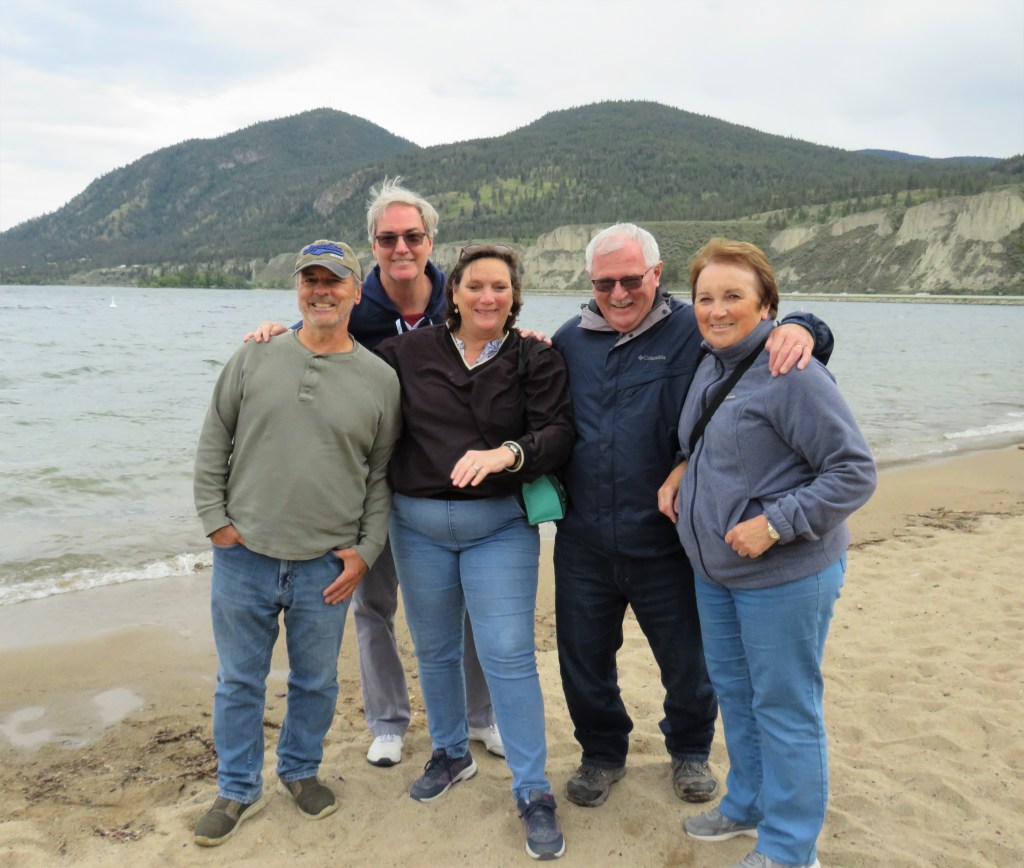
All of British Columbia, or at least all of the parts we saw, are connected by beaches and fiords, rivers, lakes, and inlets. Water is everywhere and is a big part of the way of life for so many Canadians. We stopped at some of Maureen and Milos’ favorite beaches on our sightseeing adventures.
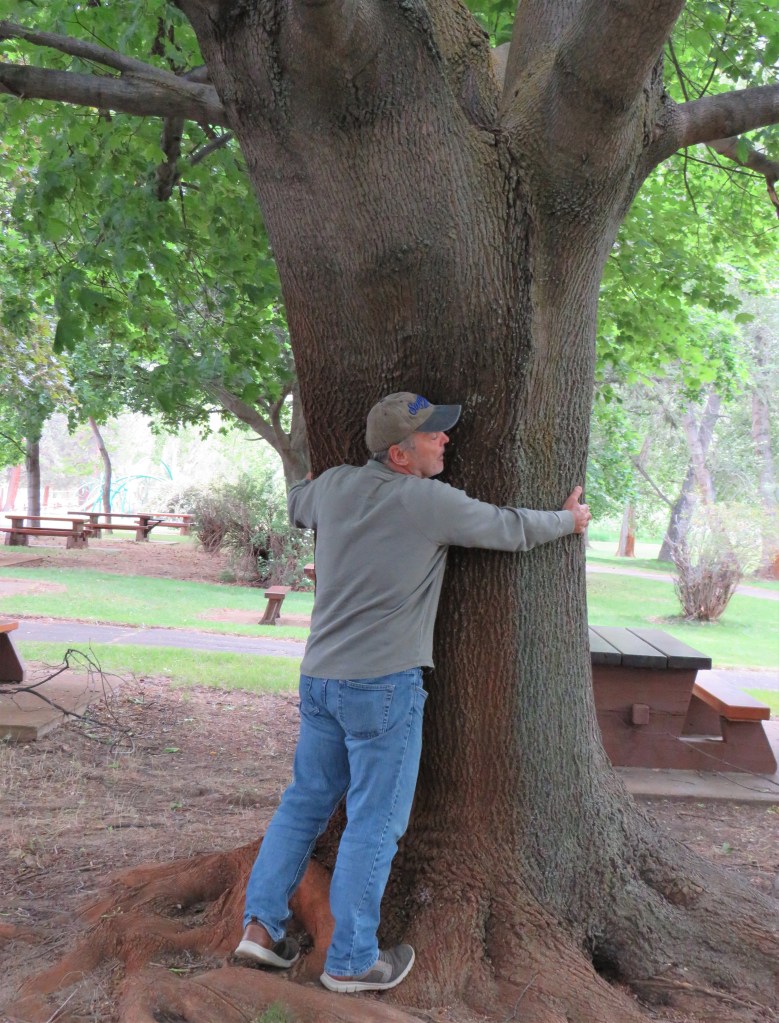
Milos, the tree hugger
We had a couple more stops to make before calling it a day, and heading to Maureen and Milos’ place for dinner and another game of fierce game-night competitions. But more on that later. I want to keep you coming back for more after all. 🙂
After our train ride, and an ice cream/wine break, we headed up to the Summerland Research and Developmental Centre, to look at all the pretty flowers and spectacular views of the area. All I can say is WOW!!!! There were so many beautiful flowers and irises of all colors and varieties.
The Summerland Research and Development Centre (Summerland RDC) was established in 1914 in the heart of the Okanagan Valley, British Columbia. It is one of Agriculture and Agri-Food Canada’s (AAFC) network of 20 research and development centers.
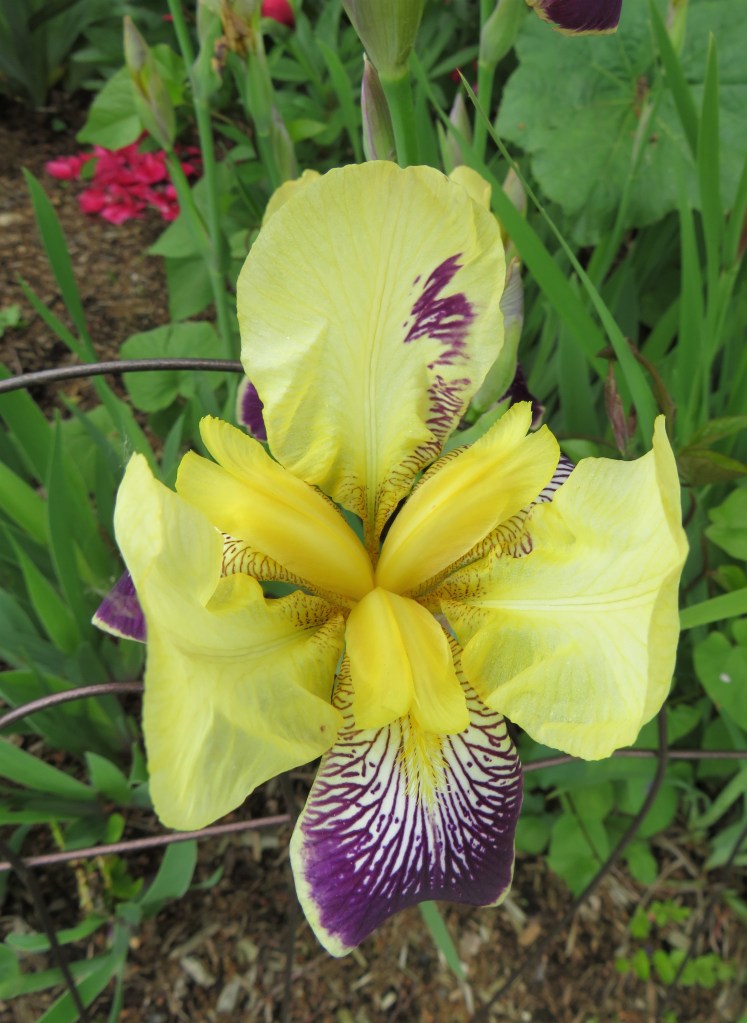
I don’t think I have ever seen such a large variety of irises. I took SO many pictures. I was completely awestruck. I won’t show ALL of the pictures though, but I will try to show you a lot of the different varietals. If you like flowers, and particularly irises, you may just have to take a trip up there to see them all for yourself. 🙂
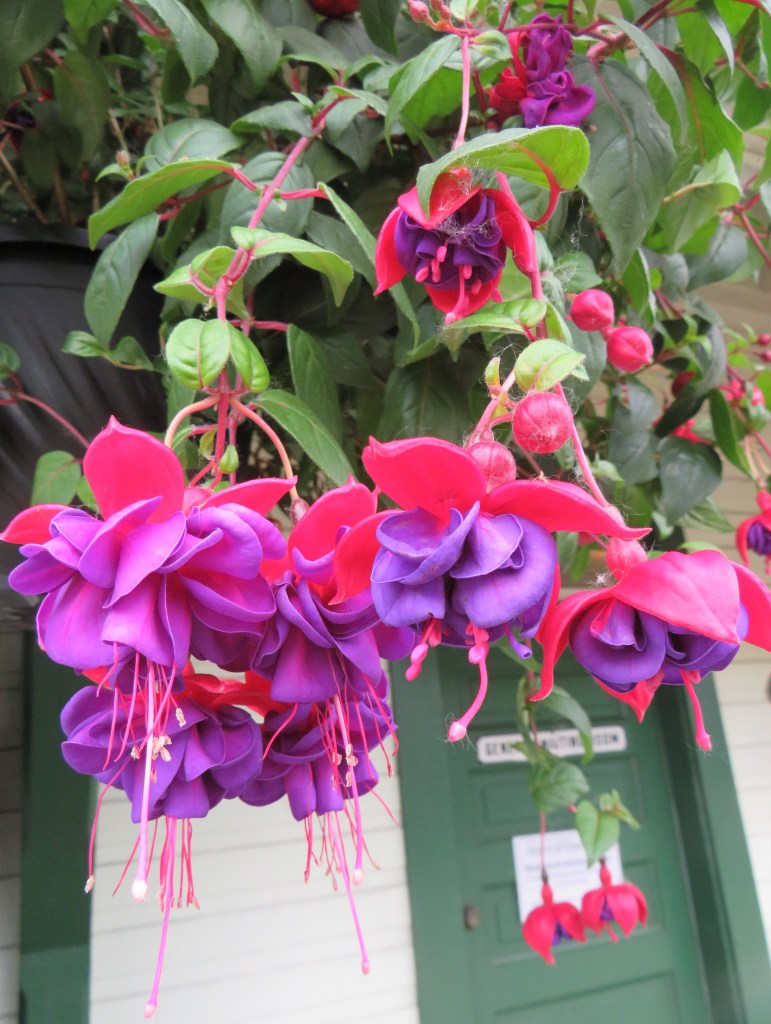
Irises weren’t the only beautiful flowers featured though. There were so many other beautiful and colorful flowers that decorated the gardens as well.
There was also a fairy garden and beautiful sculptures too.
There were even bat house for the little bats in the area. Maybe the bats are what help keep the gardens looking so beautiful.
We had a beautiful, fun-filled day. We saw and did so much. This whole area is just amazing. I think I could easily live up there. 🙂
Have a great day and make everyday great. Take in everything you can and see the best in everything. Stay safe and stay well. ‘Til next time.
We did so many new, fun and exciting things during this entire trip. We saw something new everyday. On the way to the Kettle Valley Steam Railway, we stopped along the way to take in some of the Summerland sights. One of the things we saw was this old riverboat.
Next stop, the Kettle Valley Steam Railway Station. The Kettle Valley Steam Railway (KVR) was opened in 1915, but the trains stopped in 1961. Freight carried on the KVR consisted primarily of ore from the Kootenay region of British Columbia, as well as forestry products and fruit from the Okanagan. Finished goods were primarily brought into the Southern Interior on trains heading Eastbound. This used to be a vital way to transport people, minerals and goods across Canada, but was closed down in 1961, once air transportation became more readily available and cheaper. Today, this 16 km trek is all that is still remains from this once great railway system.
All Aboard!
The views from the train.
I believe this is the hill behind Maureen and Milos’ house.
At the end of the line, the train stopped and got prepared to turn us around to go back to the Kettle Valley Railway station. Everyone got off the train and we got to stretch our legs a bit.
We even passed by the Dirty Laundry Winery, where we went the next day, but more on that later.
Back at the station, we had a cute little marmot waiting to welcome us back.
After the train ride, we headed to Sleeping Giant Fruit Winery for a little treat for everyone. Sleeping Giant offers ice cream AND fruit wines all under the same roof. I know. You are all thinking ALL wine comes from fruit, grapes. But these wines were all made from things other than grapes. I bought a bottle of the peach wine.
Everyone enjoyed some ice cream except me. I love ice cream, but ice cream doesn’t love me. That’s OK though. I was wine tasting. I was happy too. 🙂
As we were tasting, this gentleman said he was retiring in just a couple of days. We were amongst his last pours.
As everyone was enjoying their ice cream, I took a little stroll around to admire all the beautiful flowers on the premises. I don’t think I have EVER seen so many gorgeous irises, in so many colors and different varieties, as I did everywhere we went on this trip. 🙂
Speaking of flowers, after leaving Sleeping Giant, we all headed to the beautiful gardens at the Research Center.
Don’t touch that dial. I have plenty more in store. Have a great day and make everyday great. Stay safe, stay well, and remember, life is always much better with good friends along for the ride. ‘Til next time.
We had to say good-bye to friends and were on the move once again. After leaving the Vancouver area, and saying our good-byes to Kim and Roberta, we were headed to Summerland, to visit with more friends. This time we were headed to see Maureen and Milos. Larry and I met Maureen in Milos during our last travels to Cozumel, Mexico. We became fast friends and it was like we had known each other for years and years. We have been very lucky and have made so many wonderful friends on our travels. 🙂
Summerland is part of BC’s wine country. It is known for its world renowned wineries. It is also home to the historic Kettle Valley Steam Railway. The town was originally known as Trout Creek and was renamed Summerland in 1902 when Sir Thomas Shaughnessy bought the Barclay Ranch. The nickname for Summerland is Town of Festivals. We did go to a couple of wineries and we also road the train as well. Summerland is the home of the Okanagan. When you journey through the spectacular Okanagan landscape, you are following in the six-thousand year old footsteps of the Okanagan peoples.
Once again, we had about a 4 1/2-5 hour drive from Vancouver to Summerland, with beautiful scenery all along the way, even though it was still cold and rainy.
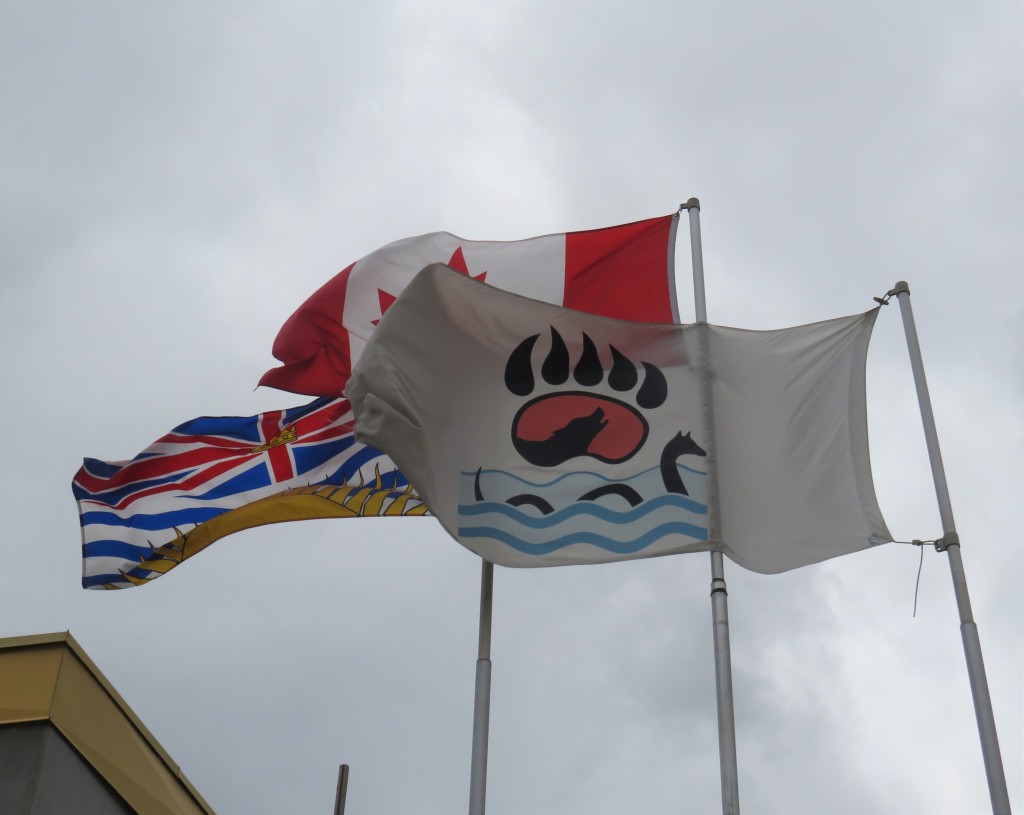
We made a quick stop at Peachland before stopping in Summerland, and it looks like they have their own version of “Nessie”, though we didn’t see her.
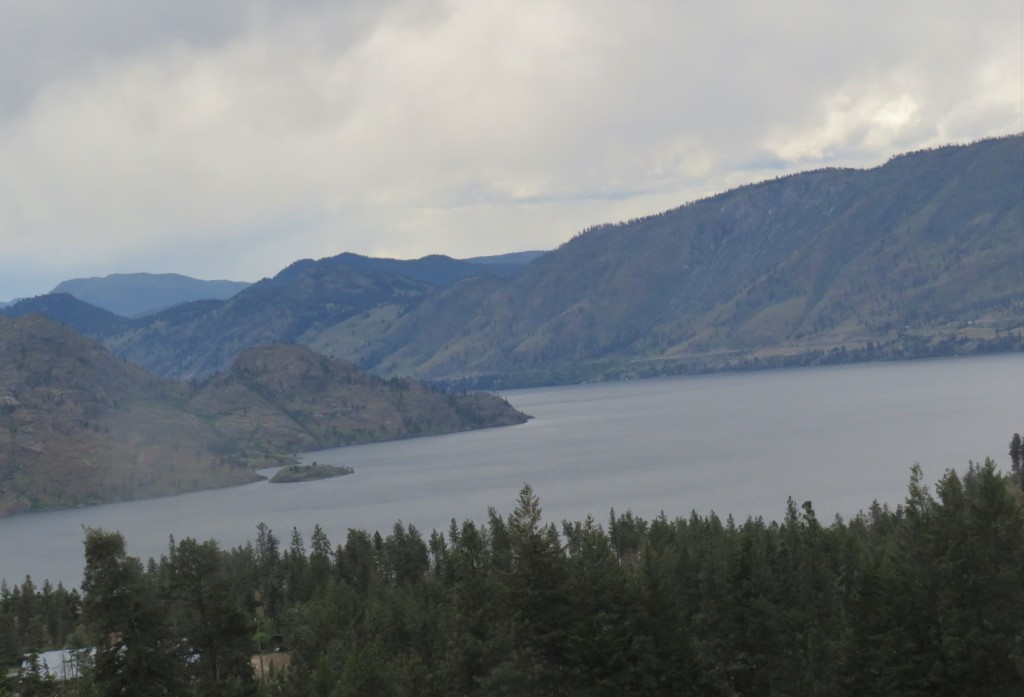
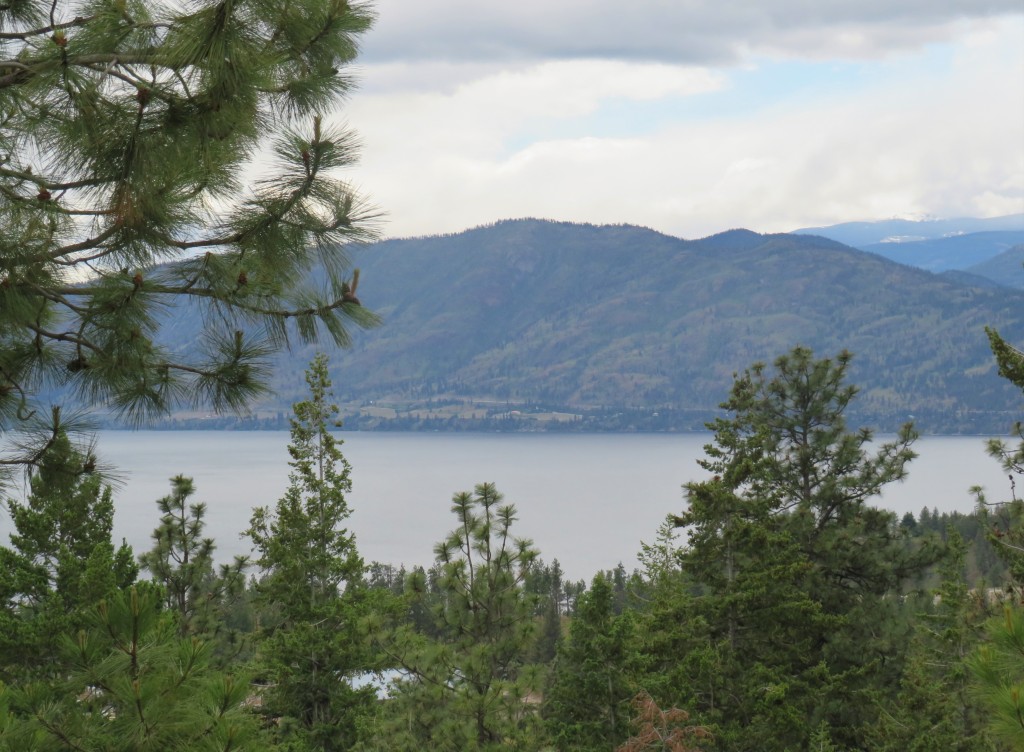
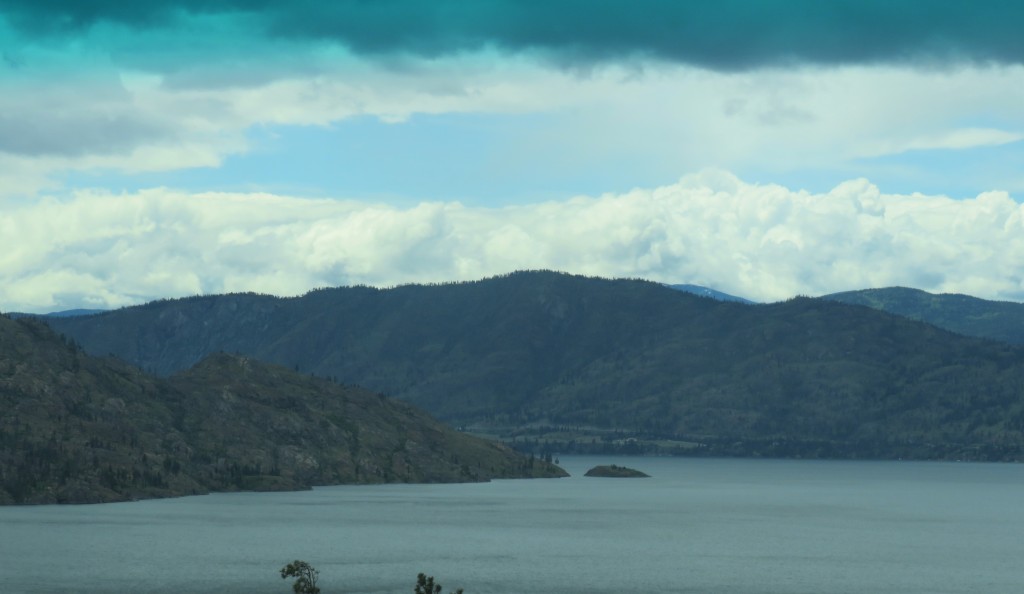
Fiords and water are everywhere. Summerland is just idyllic and enchanting, with moderate temperatures perfect for growing all kinds of fruit and vegetables, and of course it is also the perfect climate for vineyards too.
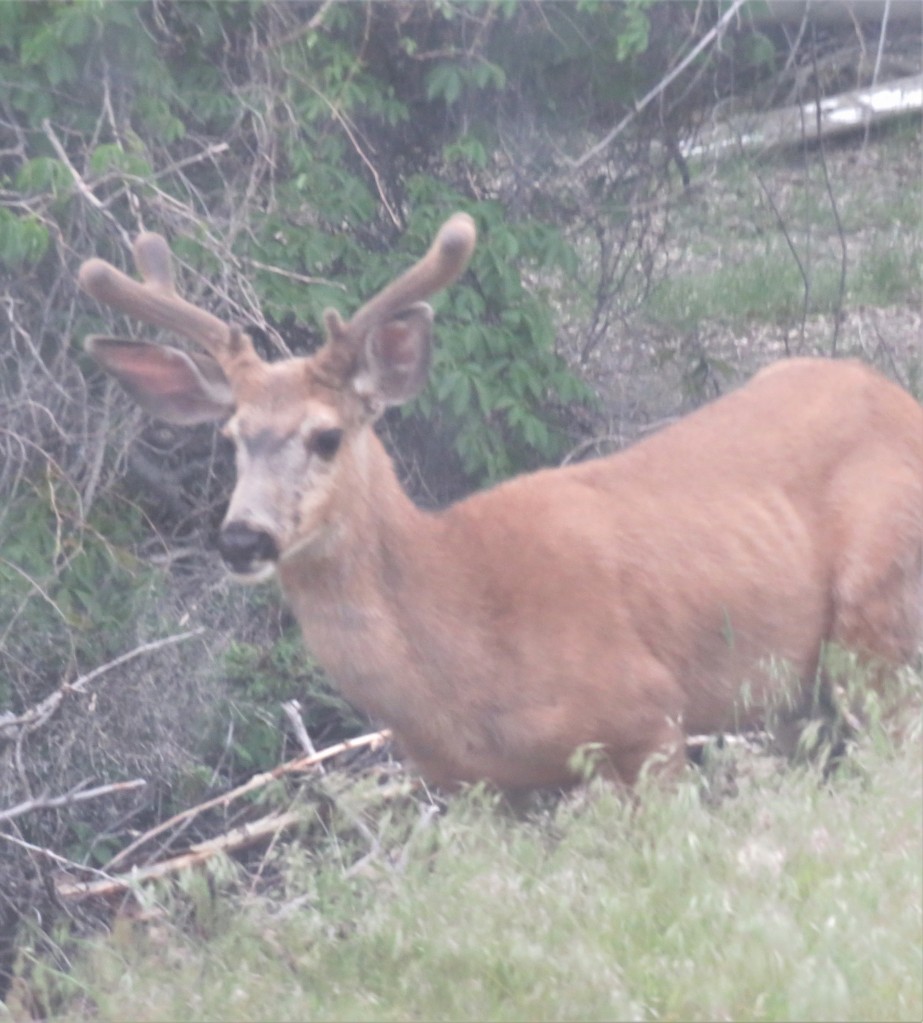
There is wildlife all around too. We even saw a deer behind our car. I couldn’t get a good picture though. I saw her as we were traveling and my picture is from the back window of my car, but at least I was able to see her.
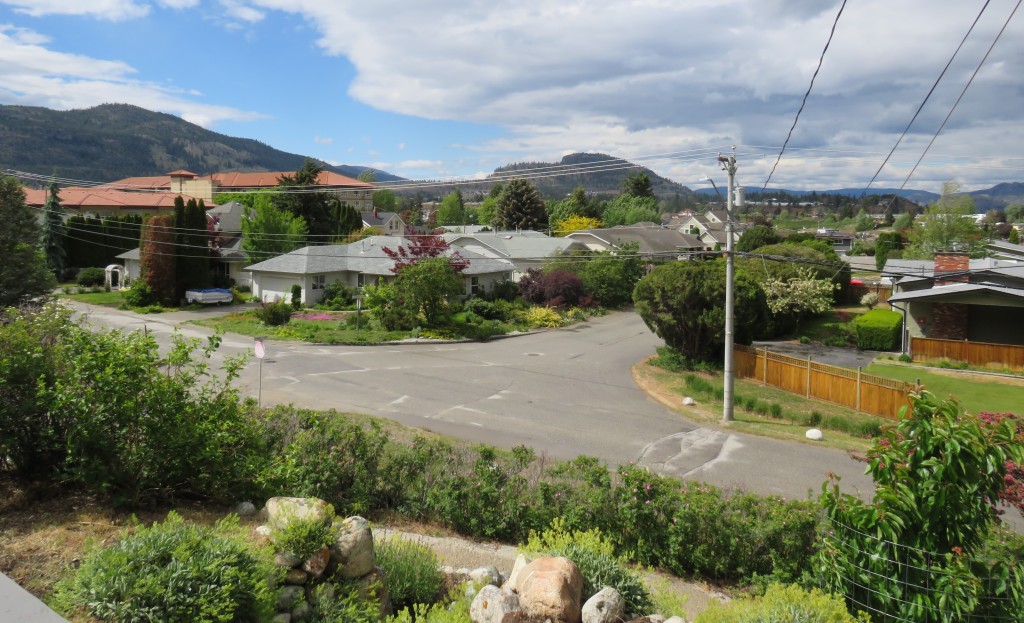
At last, we arrived at Maureen and Milos’ house. They were waiting outside for us, and welcomed us with open arms and big hugs. This is the view from their deck. Isn’t it gorgeous? Milos hikes up the hill in the background all the time, and he and Larry hiked it a couple days after we arrived too.
Maureen had a big pot of spaghetti on the stove for dinner. After dinner, and catching up, it was game time. We are all fierce and ruthless game players, but still in a fun and friendly way. Let the games begin. May the best person win. 🙂
Have a great day and make everyday great. Stay safe and stay well. ‘Til next time.
Vancouver was cold, wet and rainy the whole time we were there, but that didn’t stop of us from our explorations. It changed our itinerary a bit, but we all agreed for the better. We all went to a brand new places, for brand new experiences. This was a new experience for Roberta as well. We took a fun tour of the Britannia Mining Museum. Last century it was a working mine. Now, it’s an award-winning museum turning out awe-inspiring sights and memorable family experiences. The 10-acre site is itself an exhibit providing unique access to an important piece of Canadian history. TheBritannia Mine operated from 1904 to 1974 and was once the largest copper mine in the British Empire. At it’s peak, The Britannia Mine employed and housed over 60,000 people.
The Britannia Mining Museum is both a standard museum with historical displays, as well as being a “working and a living” museum, with tours and live demonstrations.
Just some of the many things we use copper and other precious metals for everyday.
Life in the mines was hard; very hard. But it was a living and it created communities and a livelihood for everyone.
Everyday, the miners would see nothing but darkness and exposed themselves to extremely loud noises and innumerable risks and dangers. We entered their world briefly, to get a tiny taste of their daily routine and lives. We all had to put on our hard hats before stepping aboard the mine train and entering the mine.
This is what we saw once inside; a lot of darkness, and this was lit considerably better than it was when it was still a working mine.
This is what the real working conditions were like.
Our tour guide demonstrating for us.
The whistle to live by. This extremely loud whistle was blown at the start of every shift, as well as for any emergencies that took place within the mine, and there were MANY. It was heard throughout the mining community and beyond. It was both the whistle of life and death.
The miners and their families all lived at the mine as well, and they were thriving communities, with lots of activities for everyone to enjoy. Life was hard, but life was good too.
Processing the copper.
Inside the actual mining processing center. It is twenty stories high and extremely LOUD! Inside the facility, we saw an interactive film, called BOOM, showing us life inside the mine.
Britannia is a coastal region, and so of course, there are a lot of coastal influences as well.
Whaling was also a major industry at the time. This is a real skeleton of an Orca, also known as a “killer whale”.
There was also some mineral and gold mining for everyone to try their hand at. Here are the miners hard at work. Our whole collective take was just a smithering of gold flakes and some tiny mineral stones in their raw, uncut, natural state.
When the mine was at its peak, the surrounding environment paid a stiff price. Local groundwater, creeks and the waters of nearby Howe Sound all suffered losses that hung on for many decades. The source of the problem was known as Acid Rock Drainage (ARD).
Back in the 1930’s, the issue was already a concern, but little was understood about the impact on the environment. Copper launders existed at the mine which helped slightly, but it was done for economic, not environmental, reasons. These launders were long troughs containing iron scraps. Mine water was fed through the troughs before being discharged. An iron-copper exchange meant the iron pieces became coated in copper, while relatively non-toxic iron dissolved and flowed with the water out of the troughs. The copper was then collected and sold. So it did help reduce the amount of copper entering Howe Sound, but only until the mine was closed in 1974.
On closure, mine owners Anaconda installed an outflow pipe that discharged the water 50 meters below sea level. The water was not treated, but was taken away from the intertidal zone, the most vulnerable area for aquatic life. Anaconda also installed a mud/earth dam near the 2200 portal (reinstated in 2001). As a result, water was stopped from entering Britannia Creek, until the dam failed sometime in the 1980’s/90’s. Britannia went from meeting all the environmental standards of its time while in operation to becoming one of the worst industrial pollution points in North America following its closure before the clean-up began.
Thankfully, Britannia’s ARD issue is now ancient history. Working with the province, land owners and community, an intensive remediation campaign was launched. Since 2002, Golder Associates have spearheaded a cleanup of local contaminated soils. A further step was taken with EPCOR’s water treatment plant in 2005. The mine water is captured and treated resulting in clean water. With the acidity neutralized and the metals removed, the water is discharged into Howe Sound.
The end-result has been a successful turnaround. Life has returned to the waters surrounding the mine, including Howe Sound.
There was also a beautiful pond that attracted a lot of birds. You all know how I love my birds. 🙂 The pond represents the clean-up and turn-around efforts for the area and the environment and the community. Thankfully, it is once again thriving and full of life.
These look like a type of Starling, but I am not sure. It also looks like there is a baby’s beak peaking out from under momma’s feathers too.
At long last, I got some good shots of a Stellar Jay. 🙂
The Britannia Mine Tour is a fascinating, very informative tour. I highly recommend it when in the Vancouver/Squamish area. We all thoroughly enjoyed our day of mining. I don’t know if I could do it everyday, like the miners did, but it was a very fun tour to take for one day, for sure. 🙂
This is a tribute to all the miners and their countless contributions to life as we know it.
When life pours rain on your parade, take your parade elsewhere and make the most of it. Have a great day and make everyday great. Stay safe and stay well. ‘Til next time.
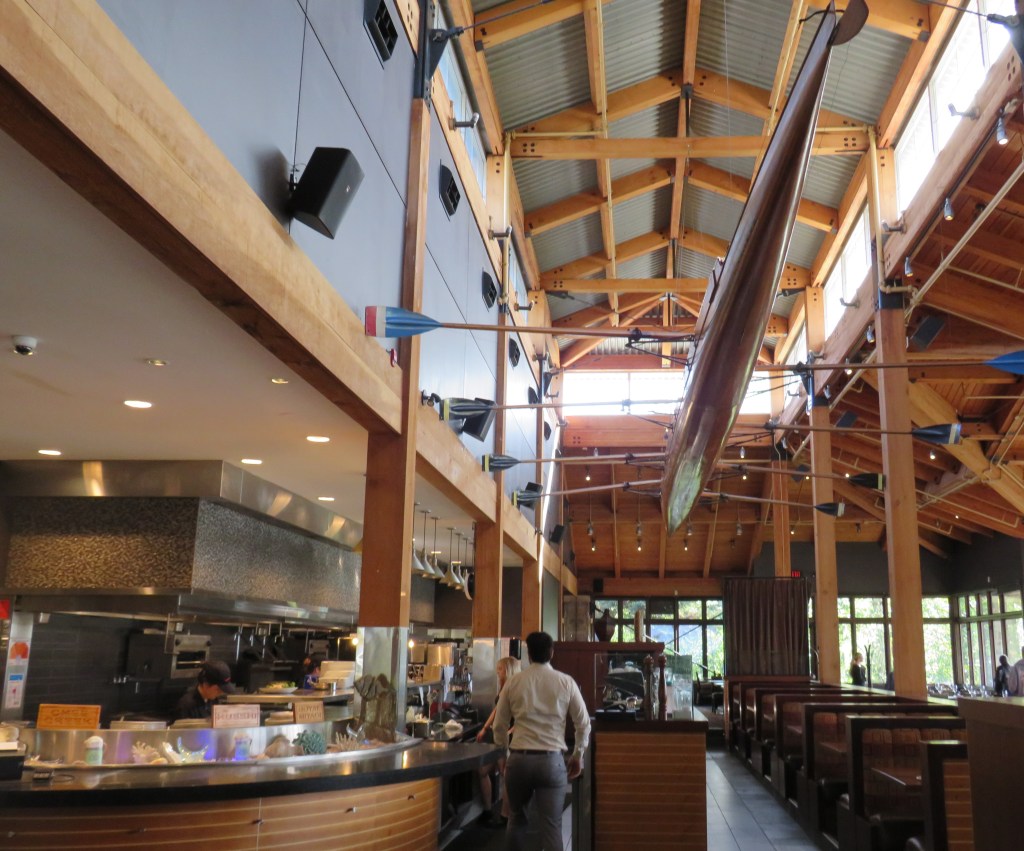
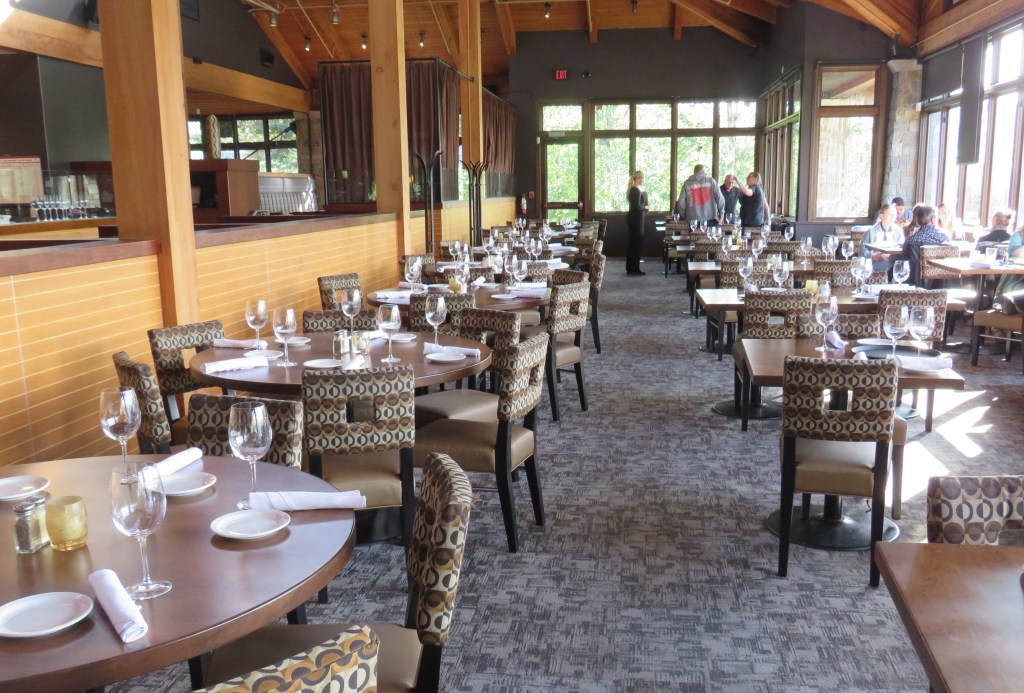
After leaving Fort Langley, Our Epic Northwestern Journey – Part 14 – Fort Langley we all got ready for delicious celebratory dinner. Kim and Roberta were celebrating their 26th wedding anniversary, and we got to help them celebrate. They chose a delicious seafood restaurant right on a lake. There are MANY beautiful lakes in the Vancouver area. 🙂
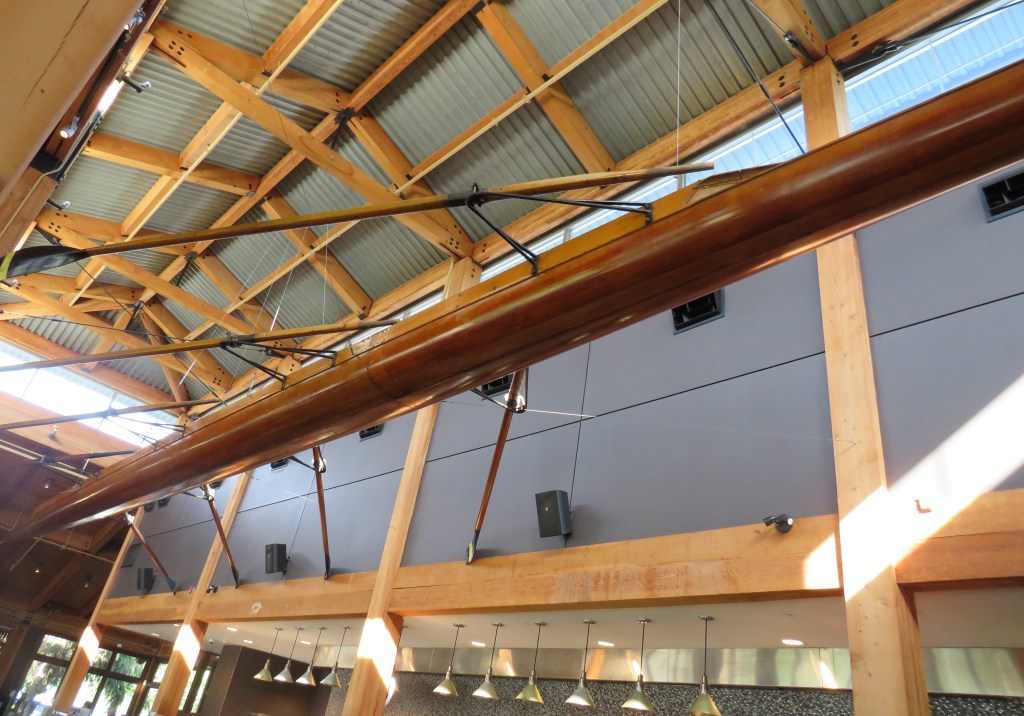
This is a rowing boat up in the rafters. People row on the lake all the time. Rowing is a big sport here.
Talk about a room with our view!!!! This lovely scene was our view with dinner. After dinner, we all strolled around the lake a bit too.
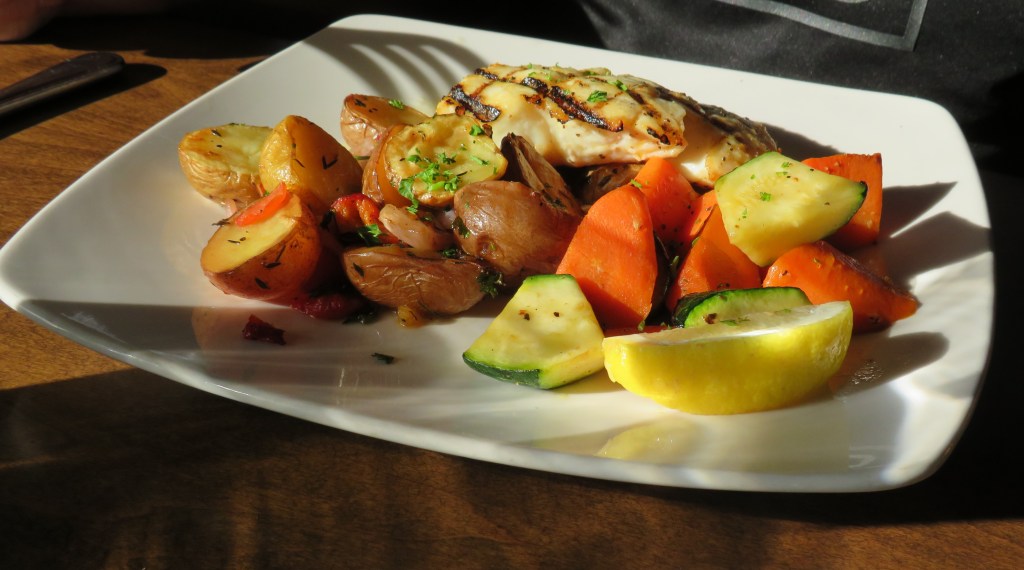
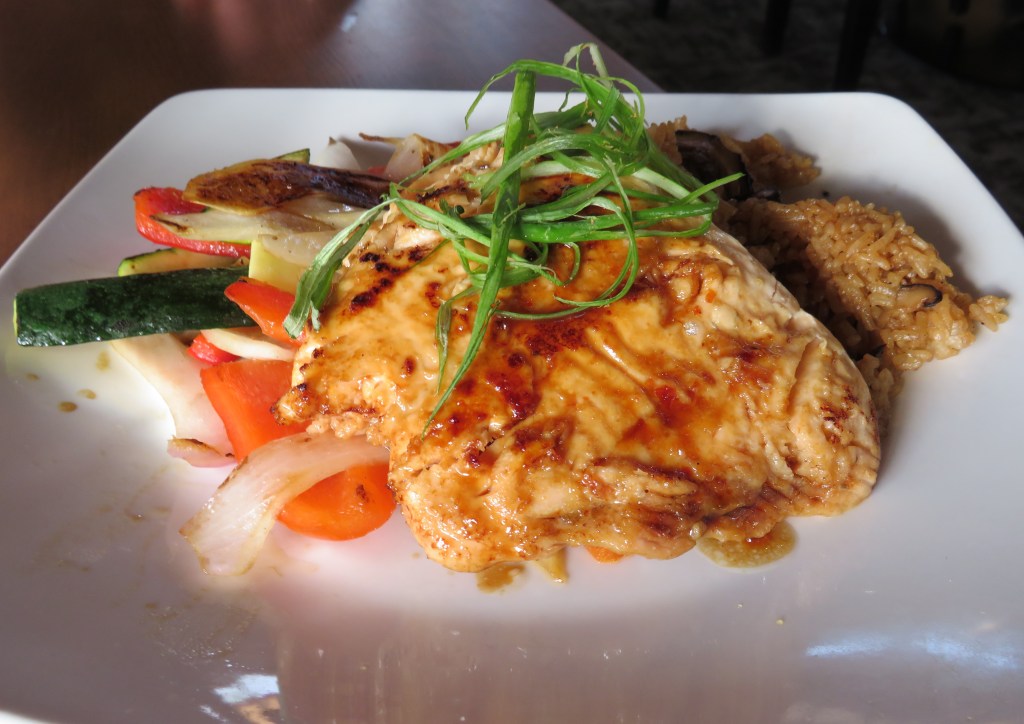
Once again, we all sat down to a delicious dinner that was enjoyed with good friends and family and a lot of laughter and fun conversations. We started off with some tempura fried calamari and vegetables, bread and soup.
The soup was very good, but I have to say Kim’s is much better. Last time we visited them, he made us a fabulous seafood chowder. We went to the fish market to pick out all the fresh fish too.
Then came the entrees. We were all hungry since we purposely ate a very small lunch in preparation for the main meal and celebrations.
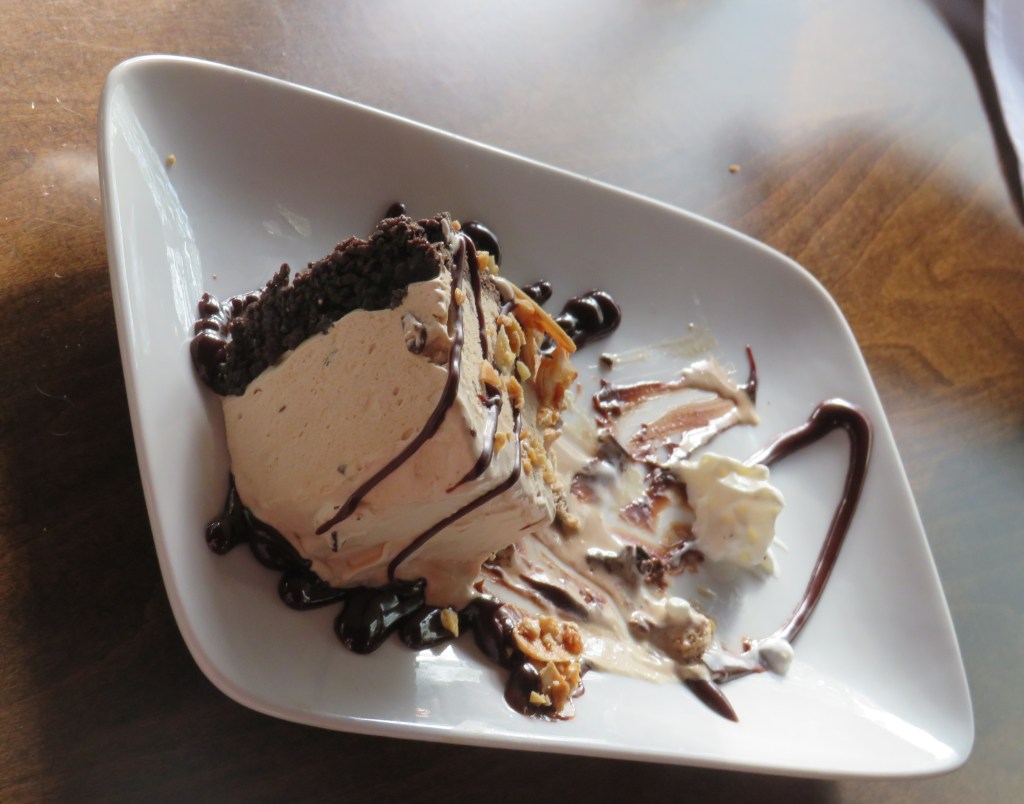
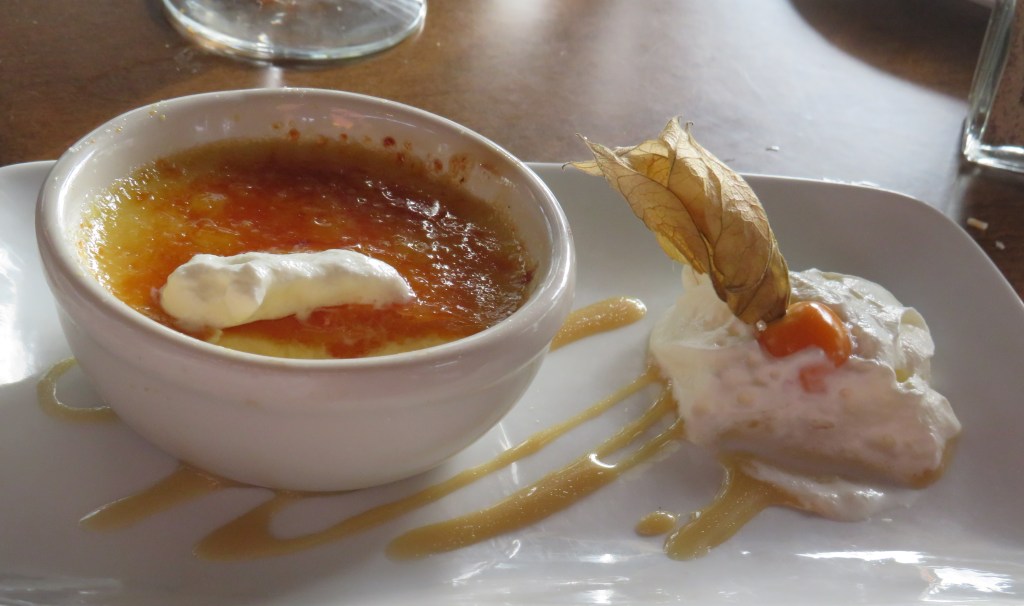
And of course there was dessert. Our server was very nice and brought us all some champagne and an extra dessert for us to split when we told her it was Kim and Roberta’s anniversary. Happy Anniversary Kim and Roberta and MANY more.
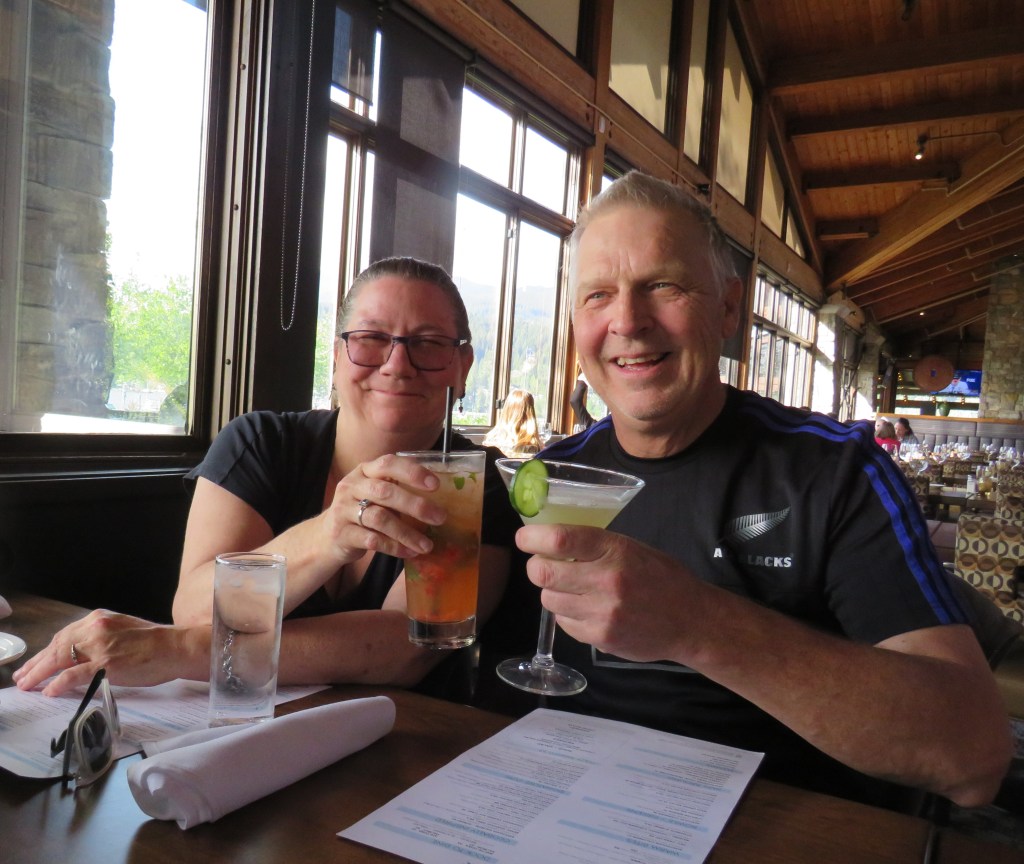
As always, we all had a deliciously good time. You can’t see us too well, because of the backlighting, but trust me, all six of us were there, having a great time.
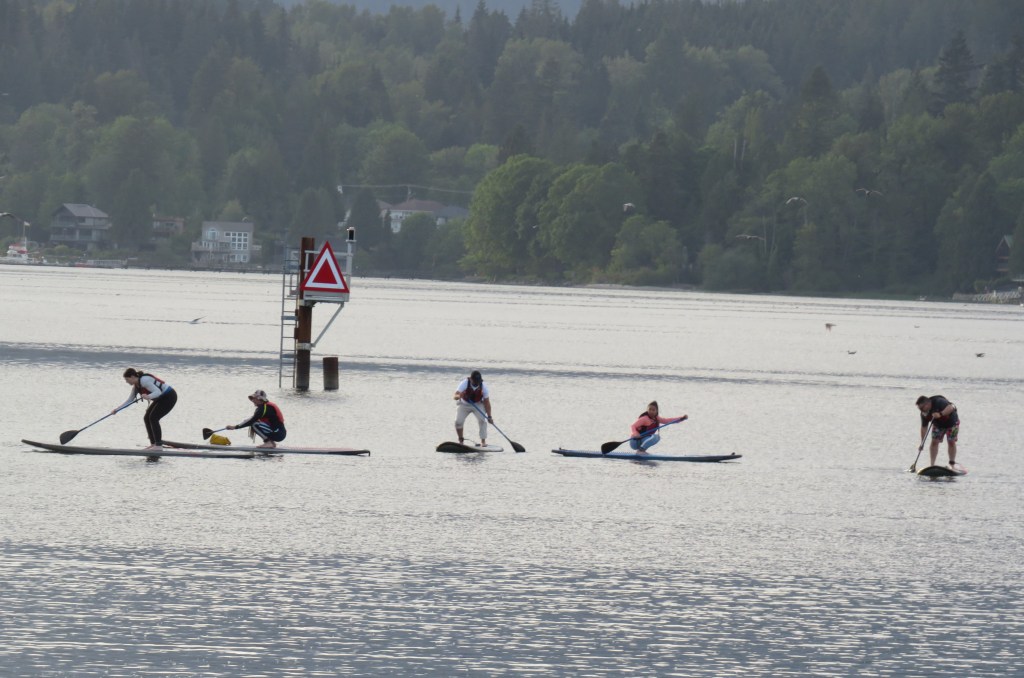
After dinner, we strolled along the lake a bit, where we even saw some seals playing around as well as some paddle boarders.
Needless to say, a great time was had by all. As I have said many, many times, there is nothing better than sharing good food with good friends and family. Life is definitely good indeed. 🙂
Have a great day and make everyday great. Stay safe and stay well. ‘Til next time.
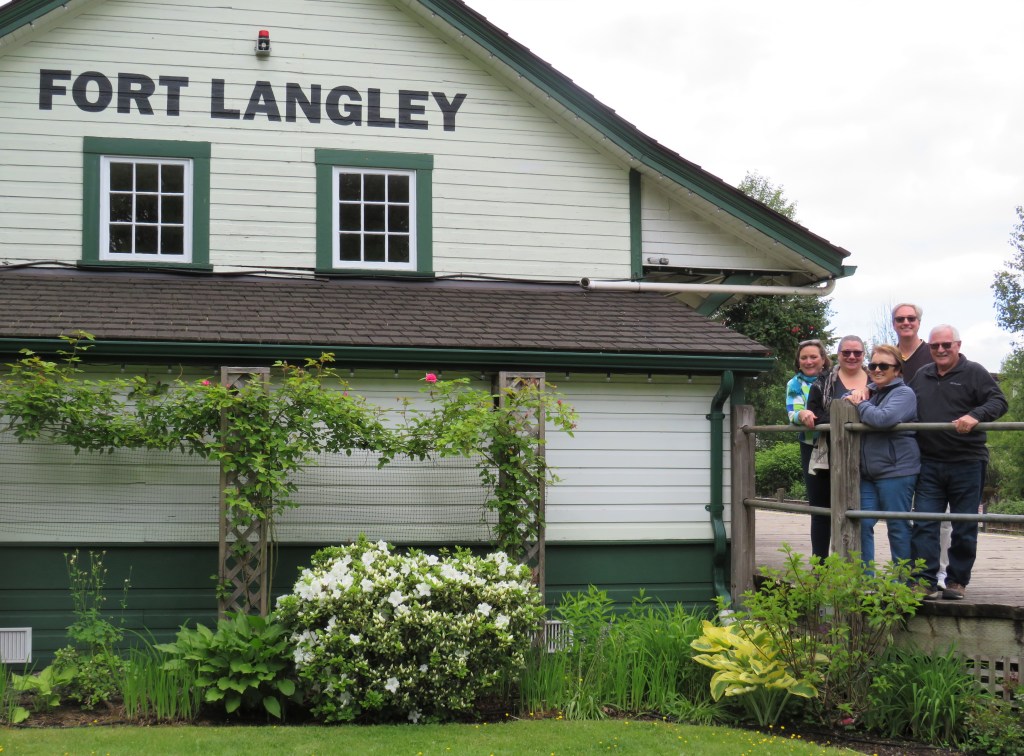
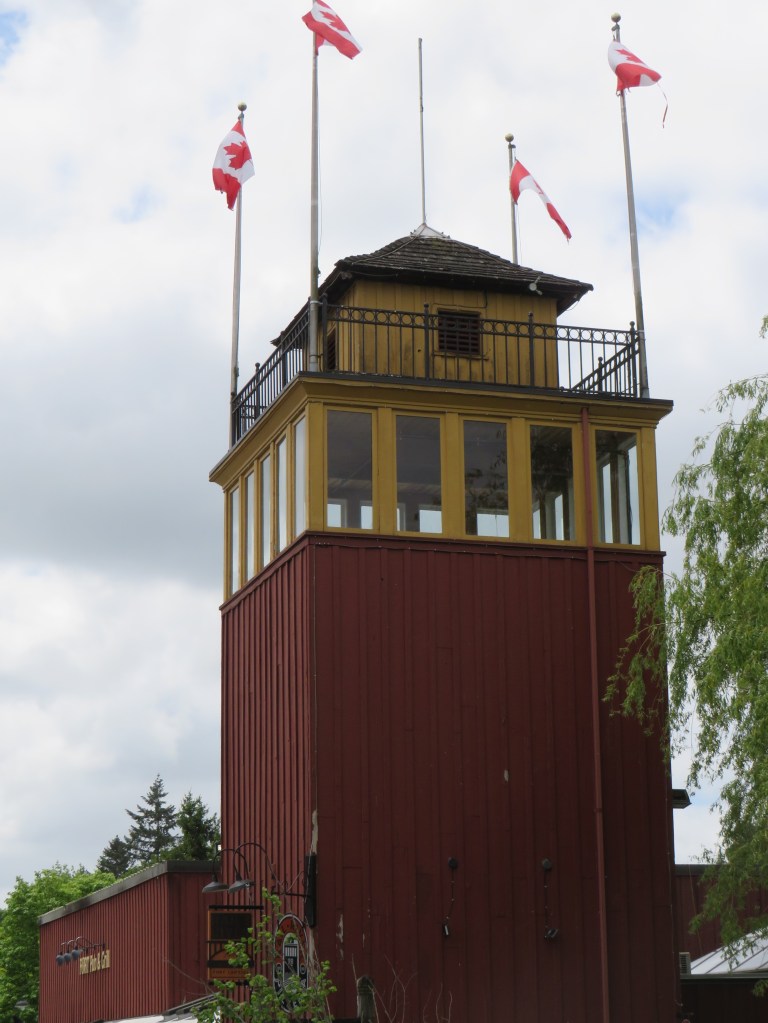
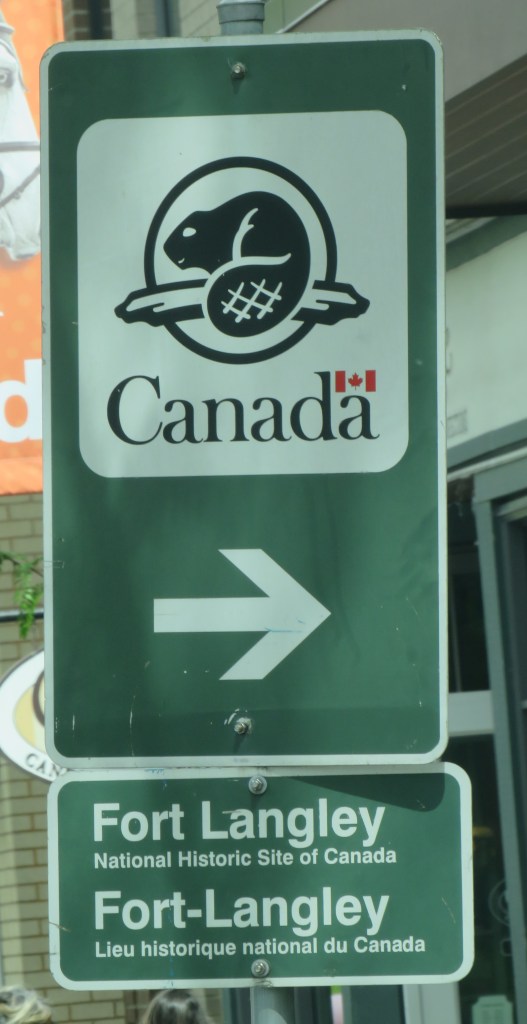
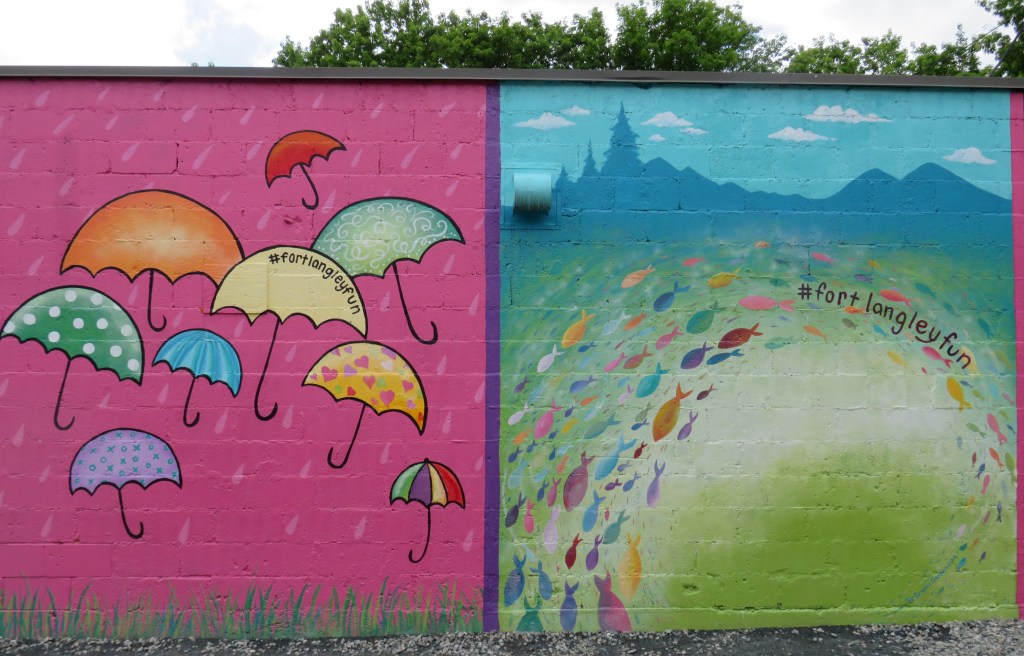
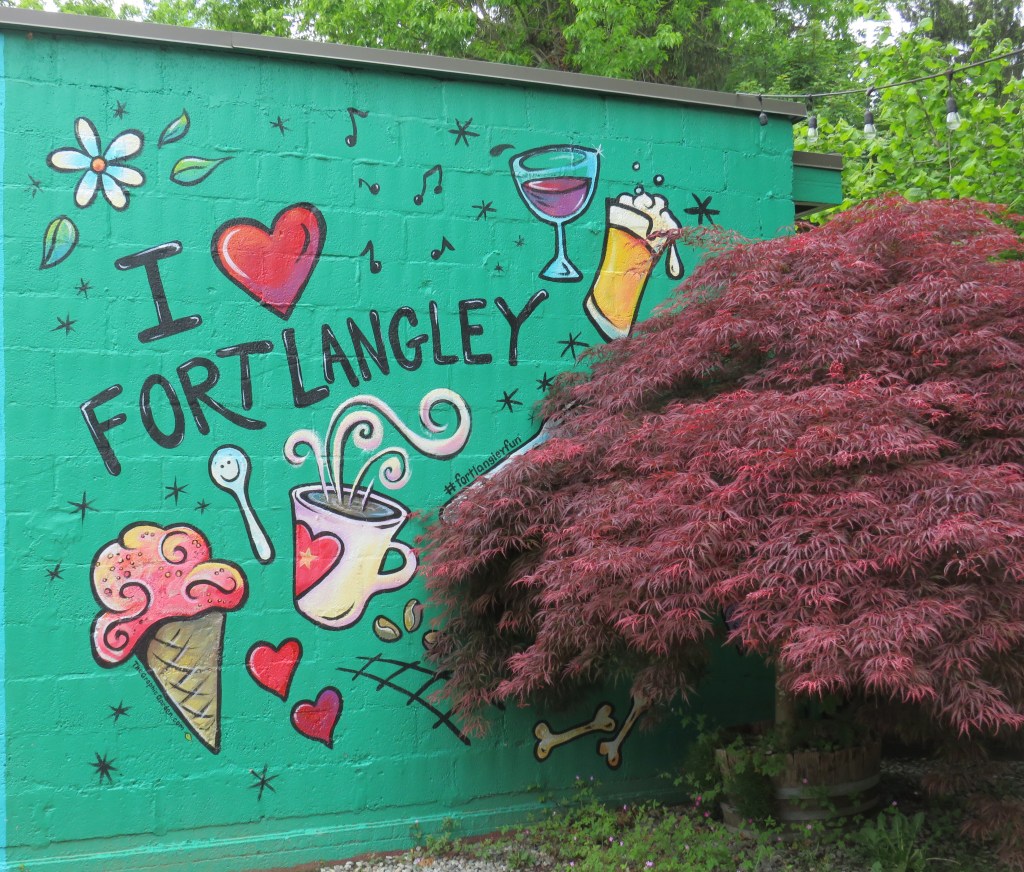
Our 2nd day of touring around and sightseeing in BC (British Columbia) led us to new territories and lots of new discoveries. One such place was Fort Langley, one of Roberta’s favorite spots. Fort Langley is where British Columbia was first started, back in 1858.
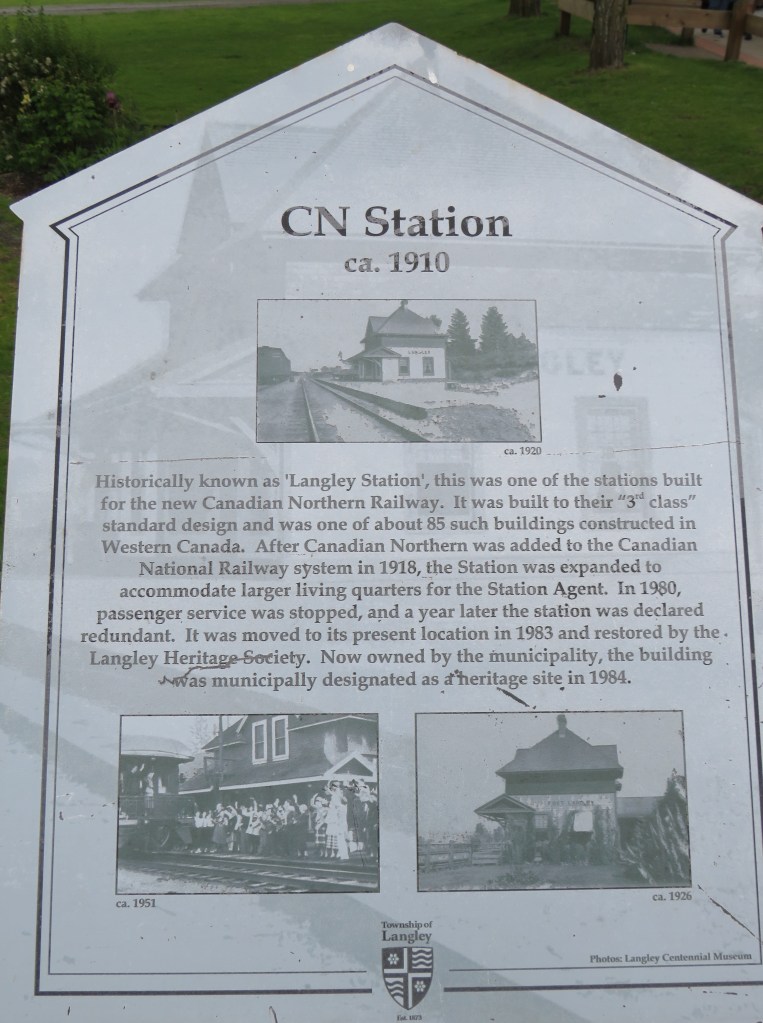
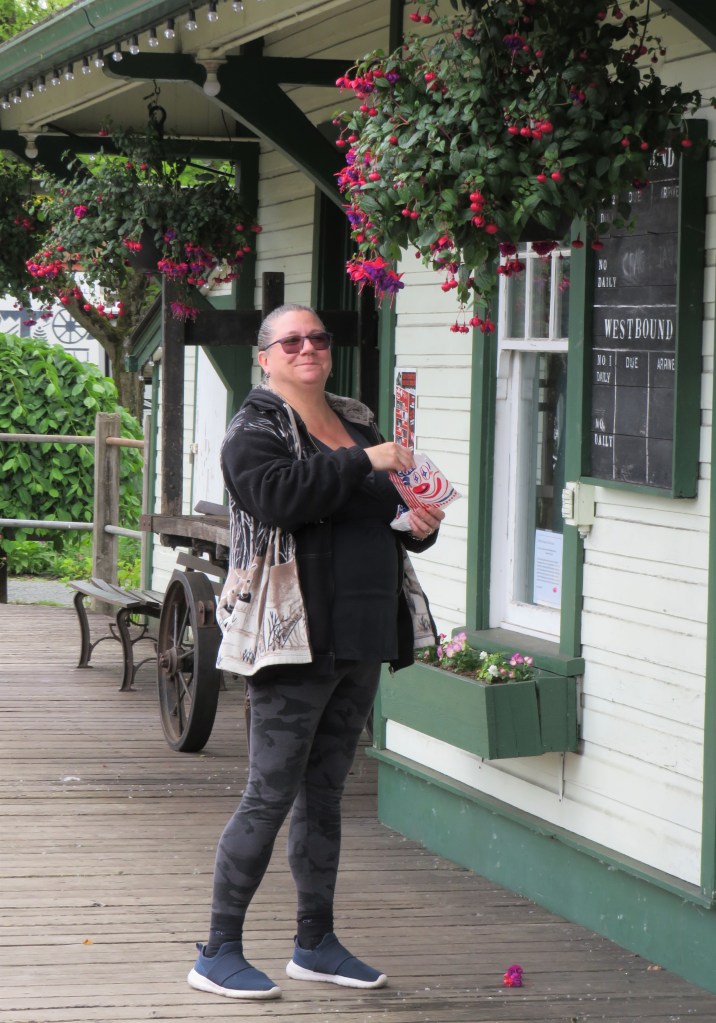
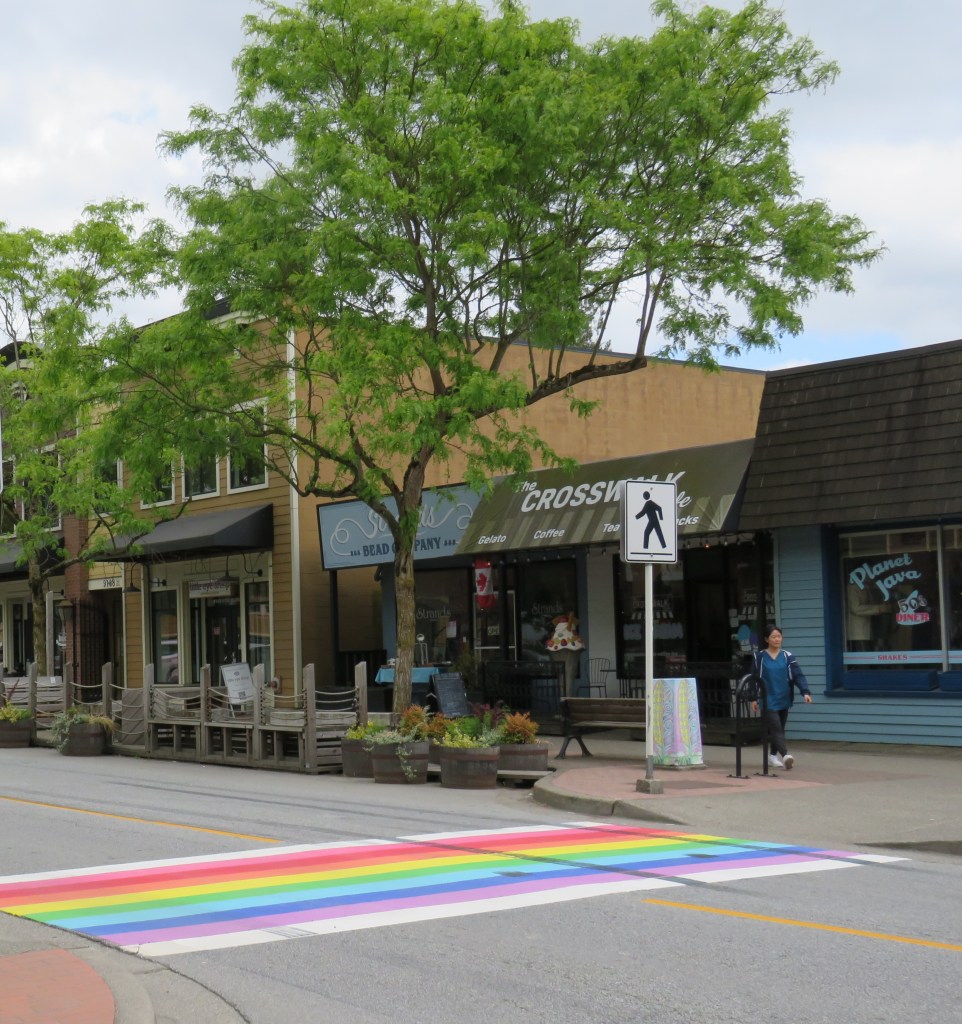
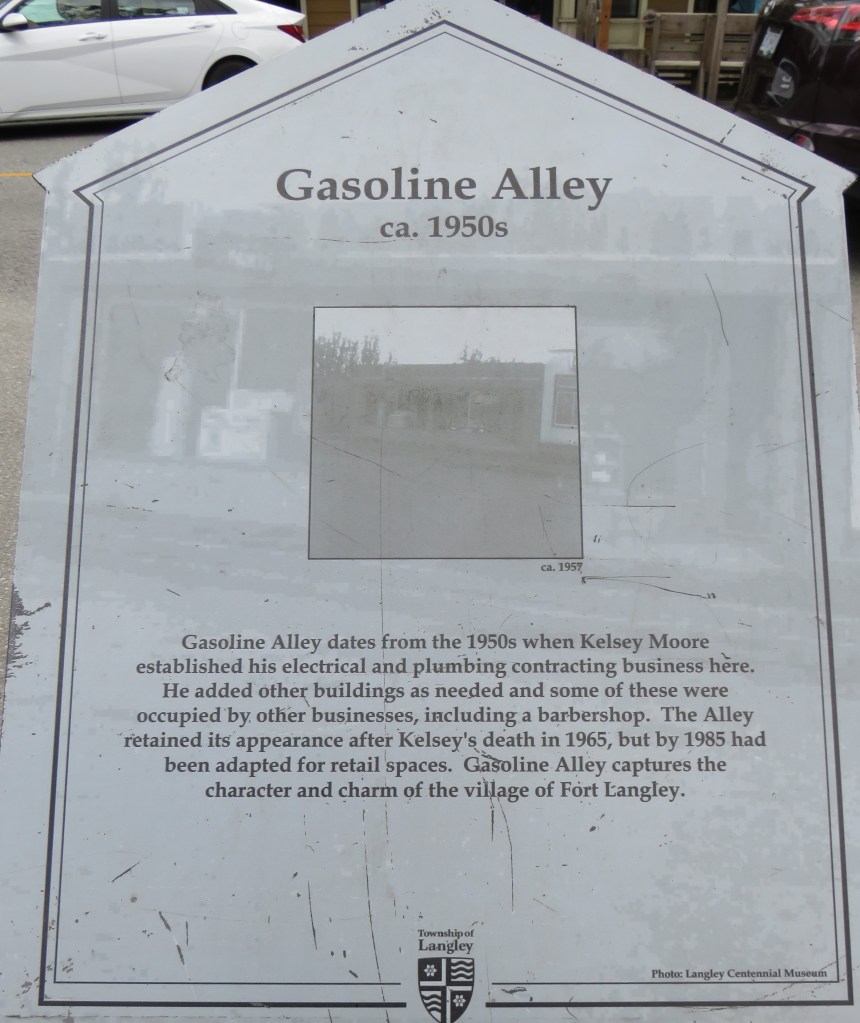
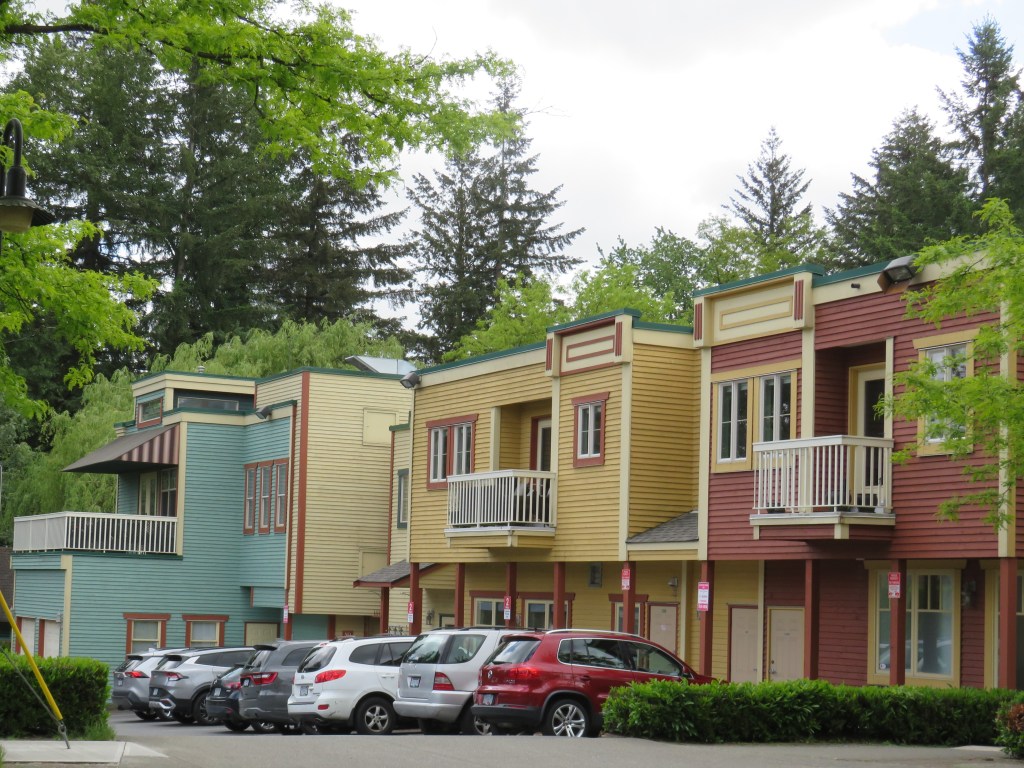
Like so of the other places we visited, Fort Langley is a cute, quaint little town that is also rich with history and a lot of natural beauty. We strolled around town and took in the sights. One of our first stops was the historic Fort Langley train depot. It is no longer in use, but at one time, it was a full of trains coming and going.
Larry the conductor.
Lee the crossing guard.
Roberta is the groundskeeper.
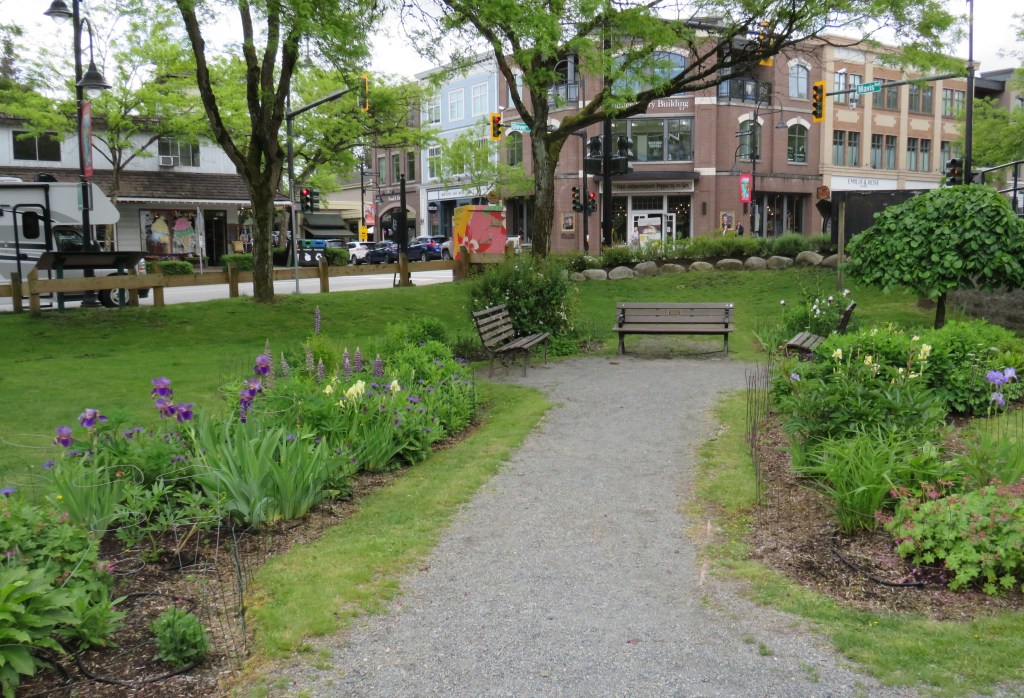
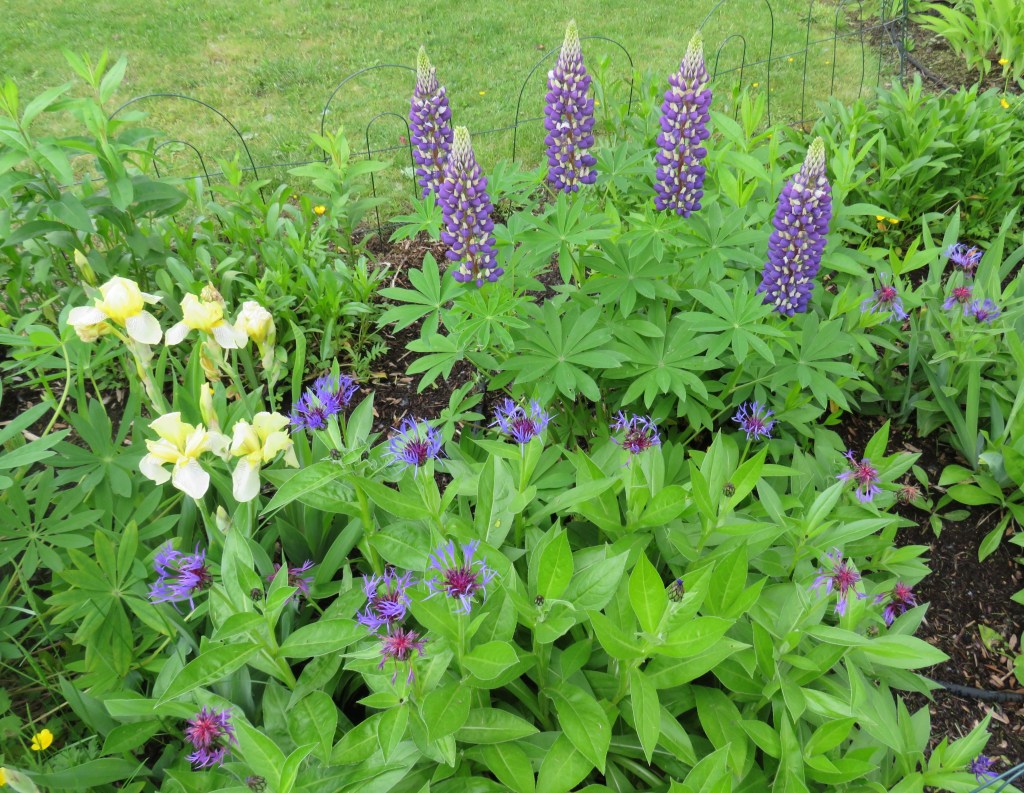
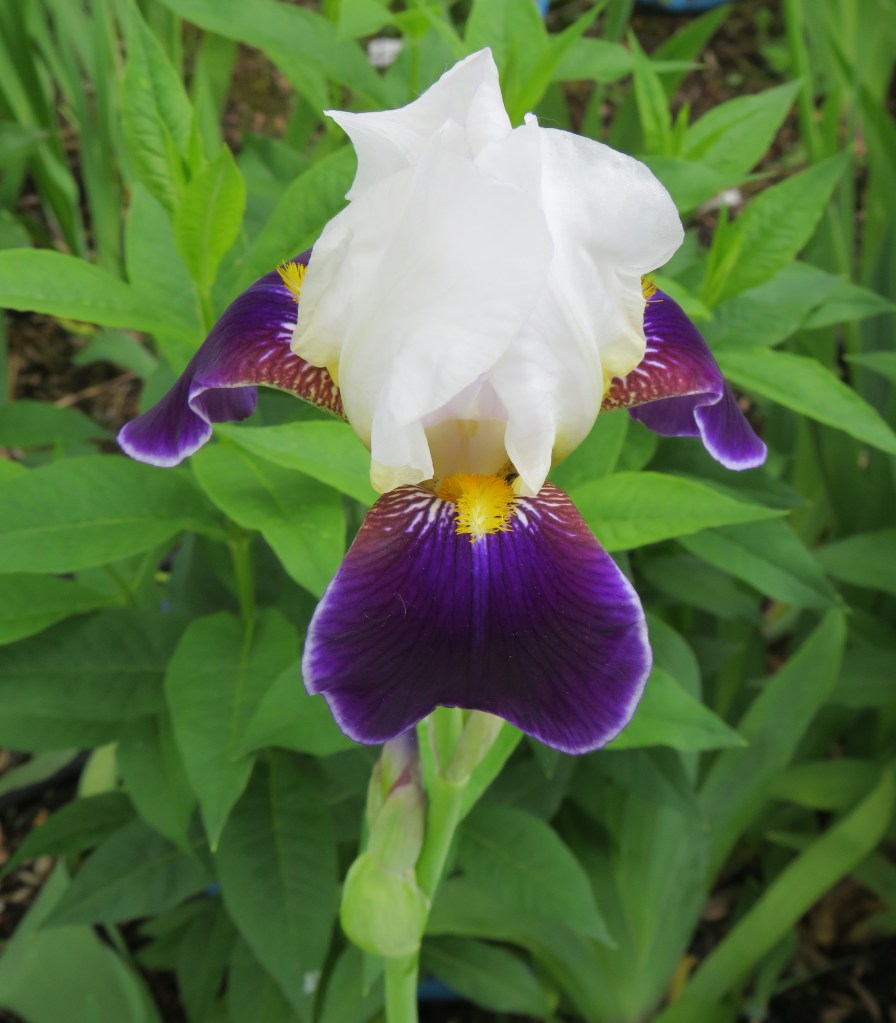
Once again, the gardens and the flowers were just gorgeous. All of BC’s rain and wet weather makes for beautiful flowers.
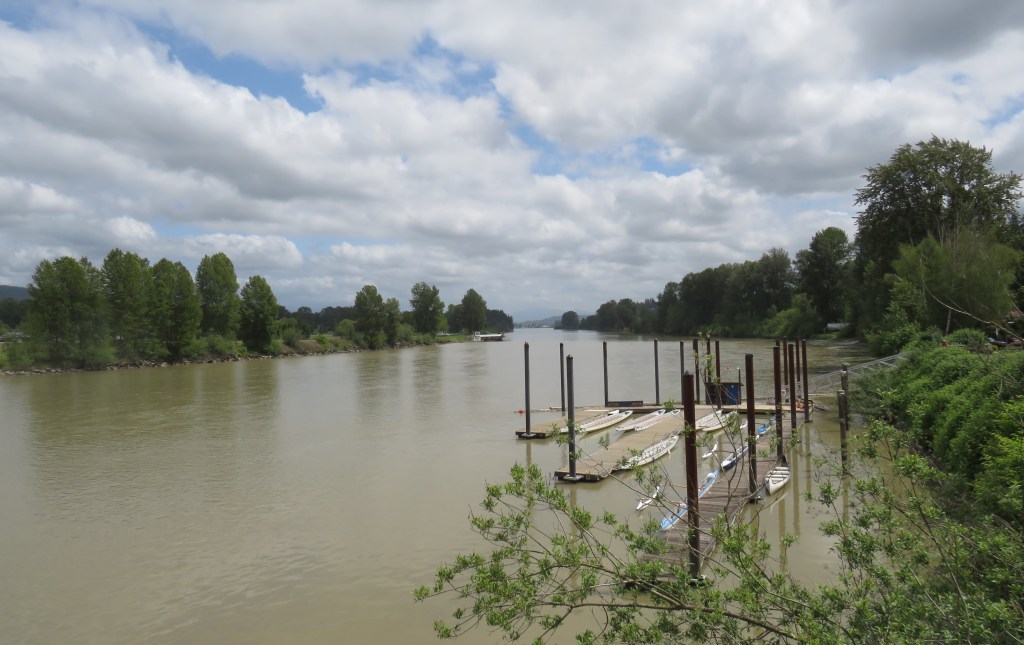
We also walked along the river a bit.
And then just leisurely strolled around, taking everything in.
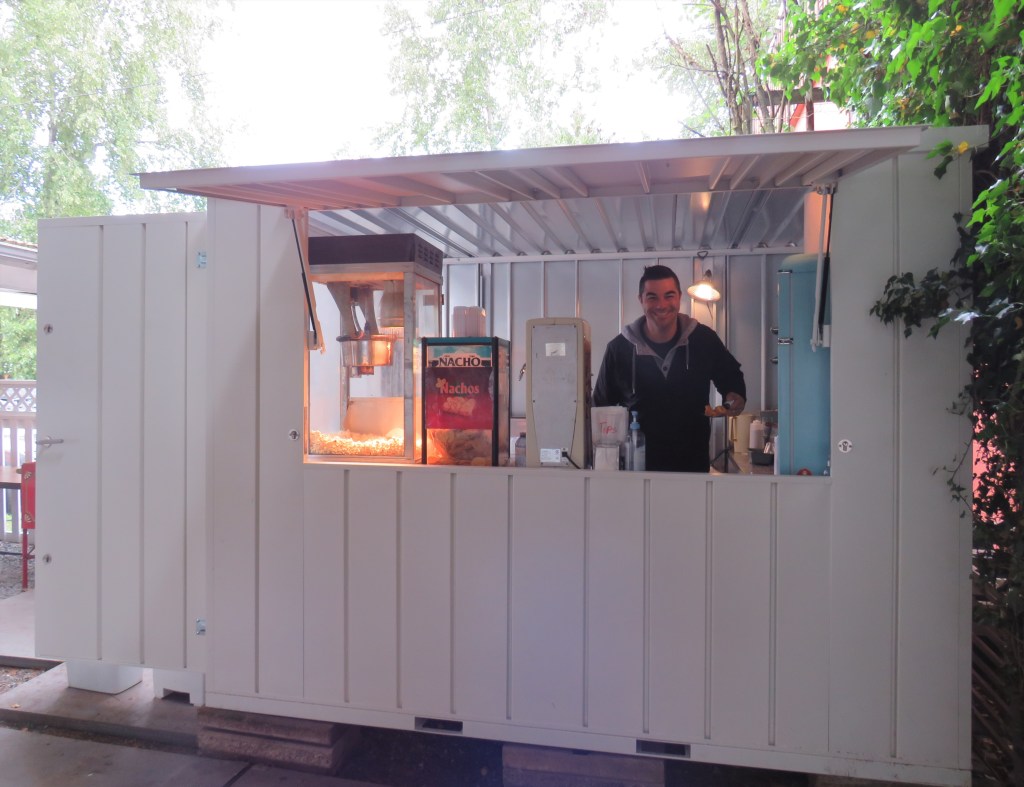
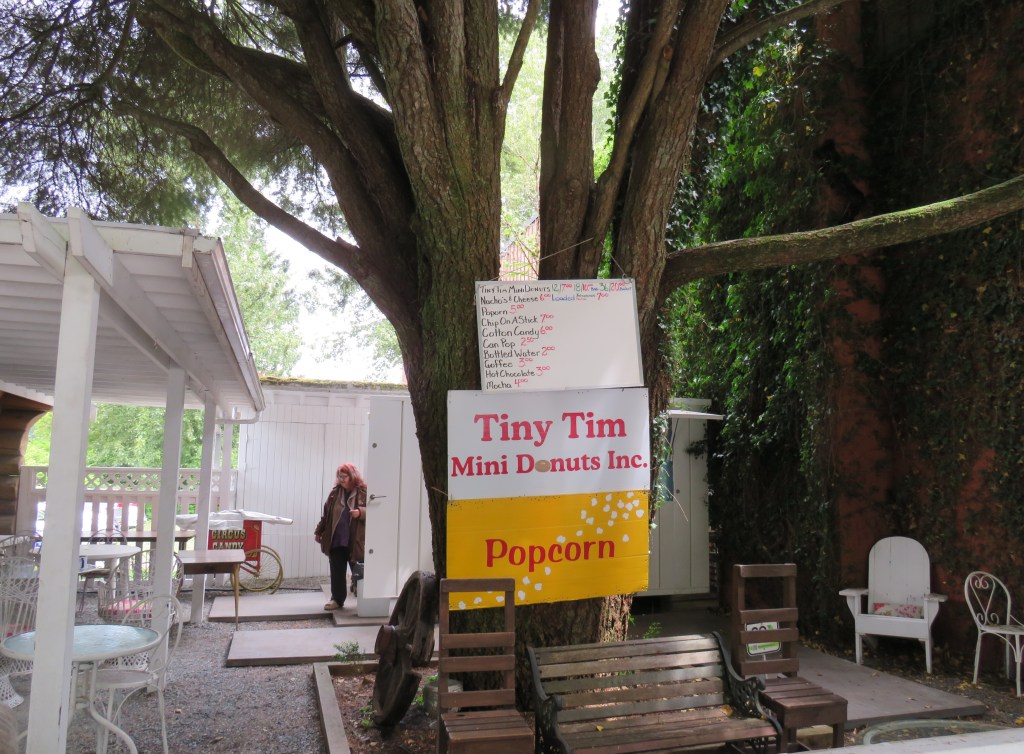
One of our delicious discoveries was Tiny Tim’s Mini Donuts, owned by the Tim Horton’s Donut Chain. “Tiny Tim”, actually Jonathan, makes his mini donuts hot and fresh for every order. He was so full of personality and a great salesman. The donuts literally just melted in our mouths. Dennis went right back and ordered another batch immediately after finishing his first batch.
We had a beautiful day, but we were far from over. We had a very special occasion we were celebrating later on, but more on that later. 🙂
Sometimes the best things we find are those we were not looking for. You have to be ready for the unexpected and just keep your eyes and your heart open. Who knows what you’ll find. 🙂 Have a great day and make everyday great. Stay safe and stay well. ‘Til next time.
After a delicious dinner and a fun evening spent catching up and laughing, it was time to tour the Vancouver area. Roberta is an excellent tour guide. She took us all over, both to the familiar places we had seen before and to new unknown territories. Despite the weather, we saw some beautiful sights indeed. Vancouver, and Canada in general, are beautiful.
Vancouver is a very creative town, with many talented people showing off their style in many ways. This is a very creative way to advertise for the bike store.
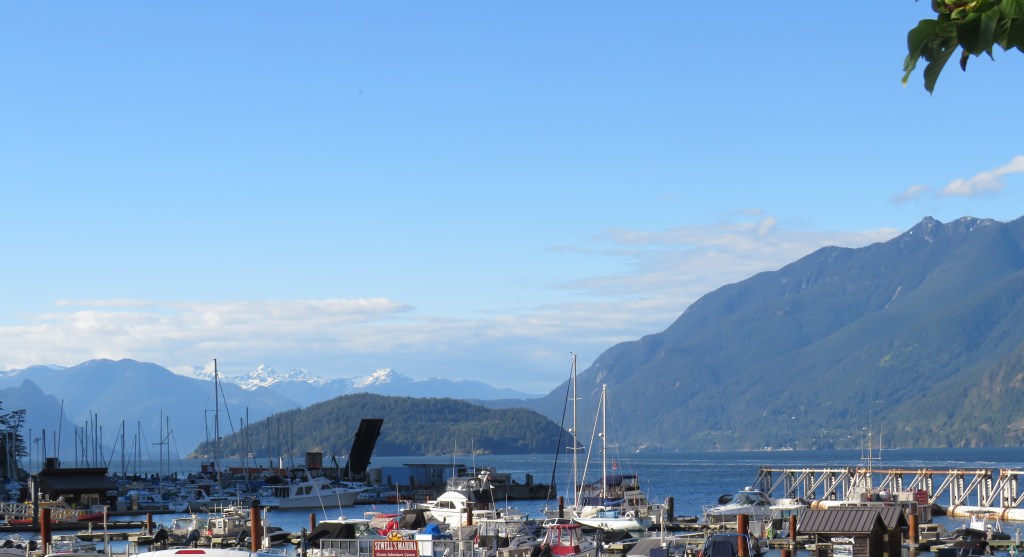
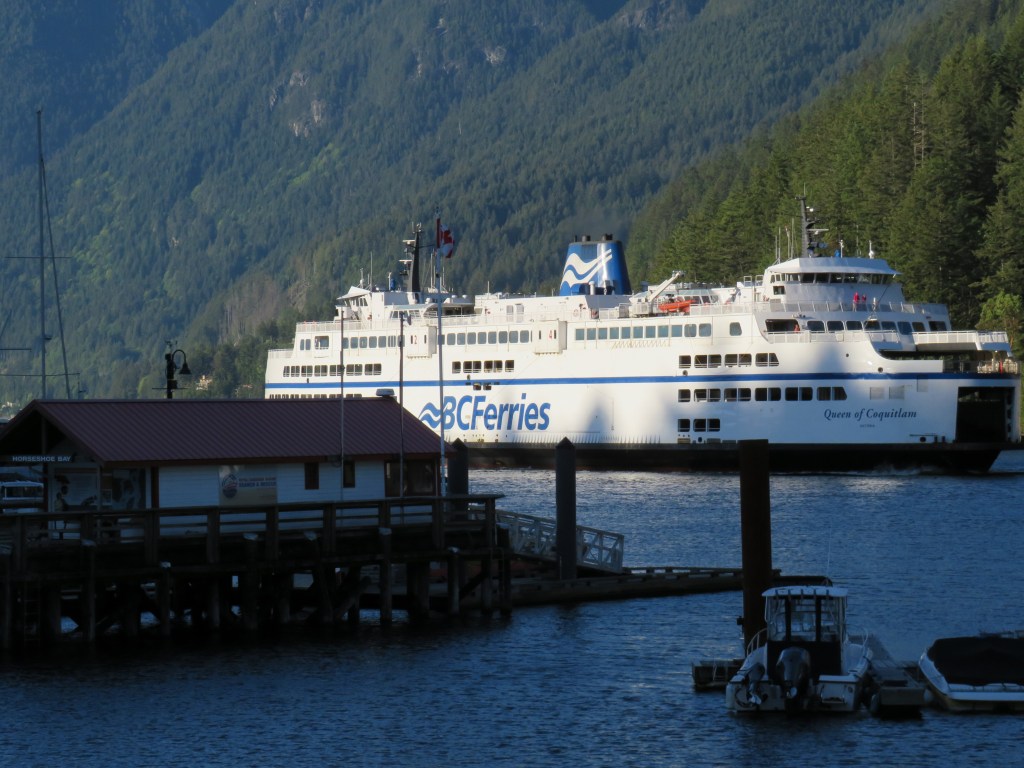
This is the main ferry terminal and marina. We’ve been here before, but it is always so beautiful. I could never get tired of seeing this. I could see it everyday and I would still be amazed and awed by all the beauty.
No matter how many times you visit someplace, if you open your eyes, you can still always see something new.
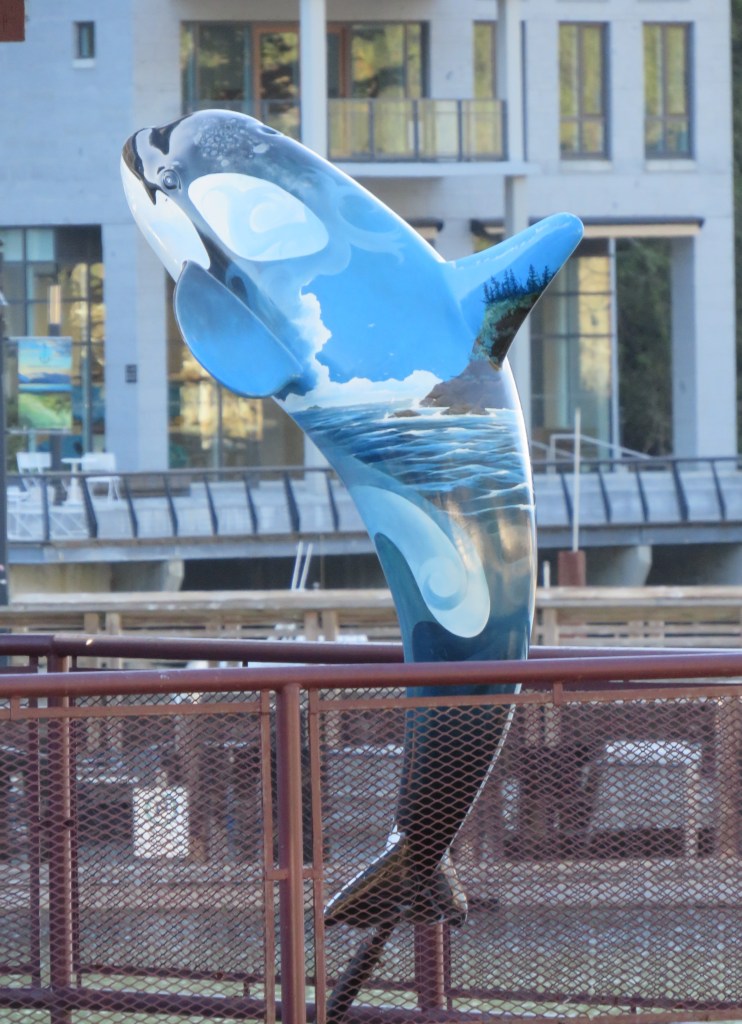
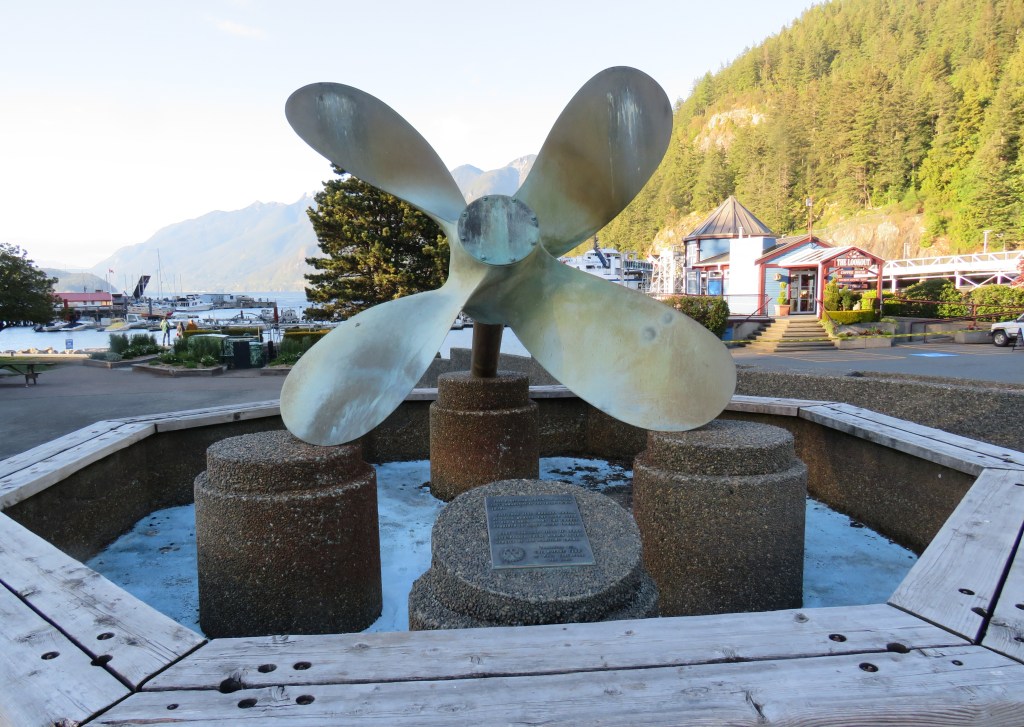
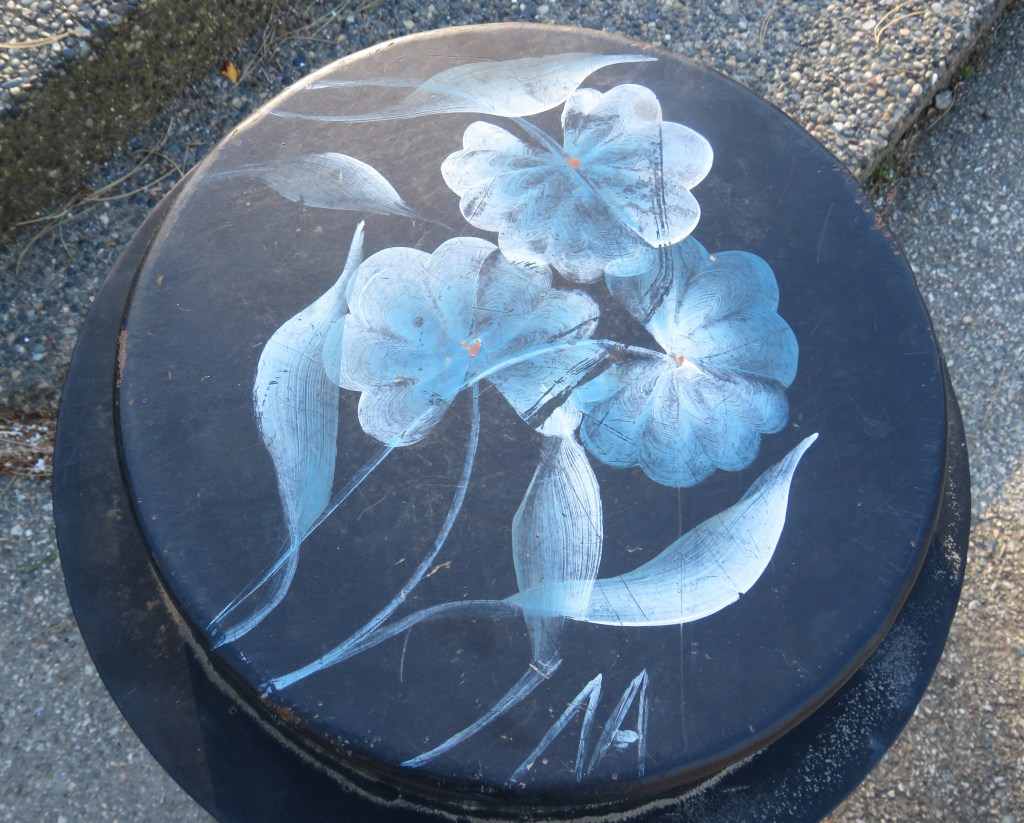
There were beautiful artistic creations all around the park and marina area. Many of these artistic creations have indigenous influences as well. And many things were just fun and whimsical.
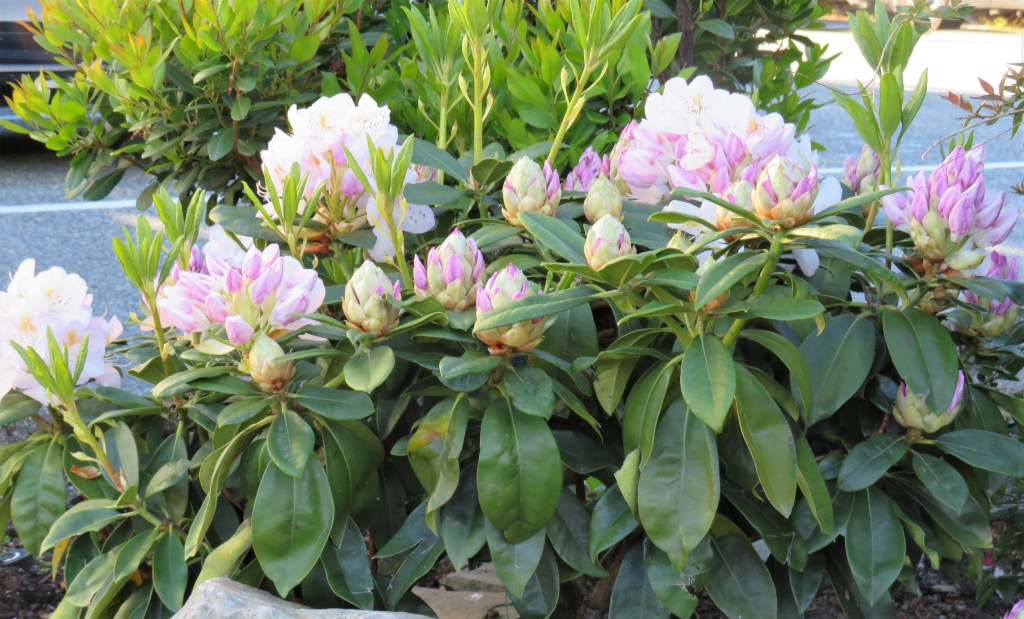
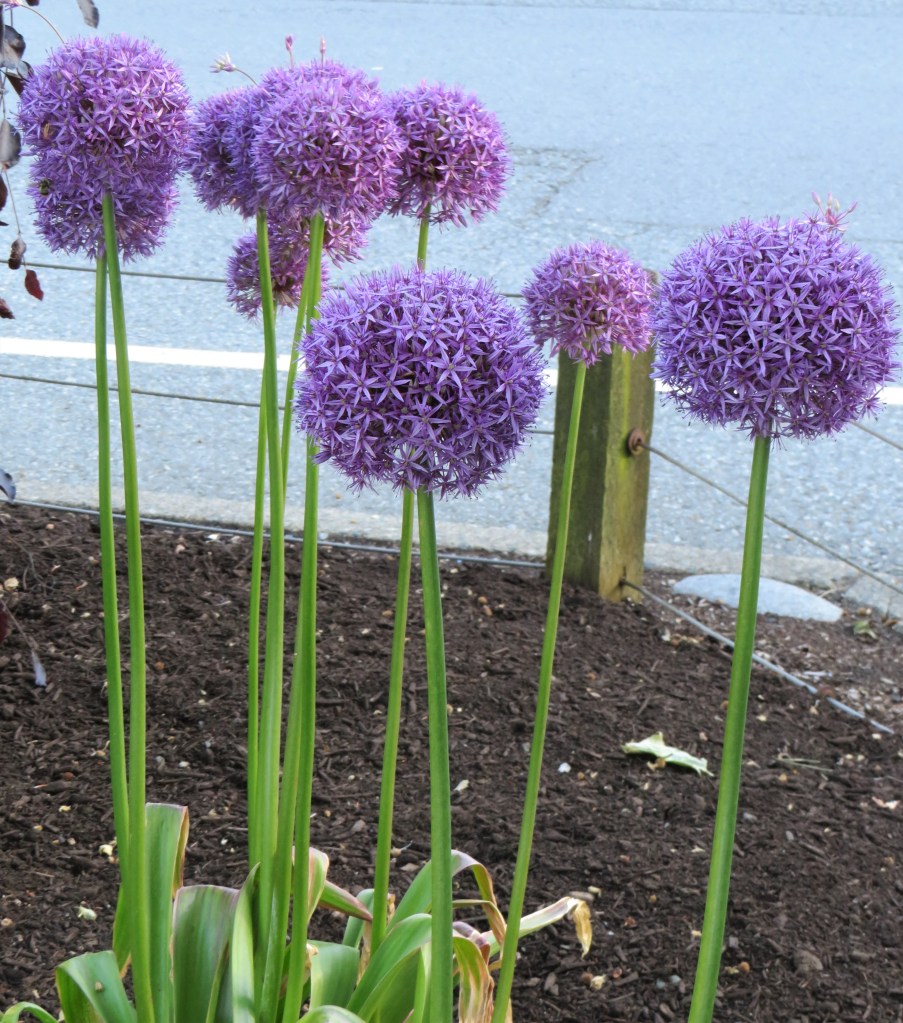
There were so many gorgeous flowers all around too. The whole area was just blooming.
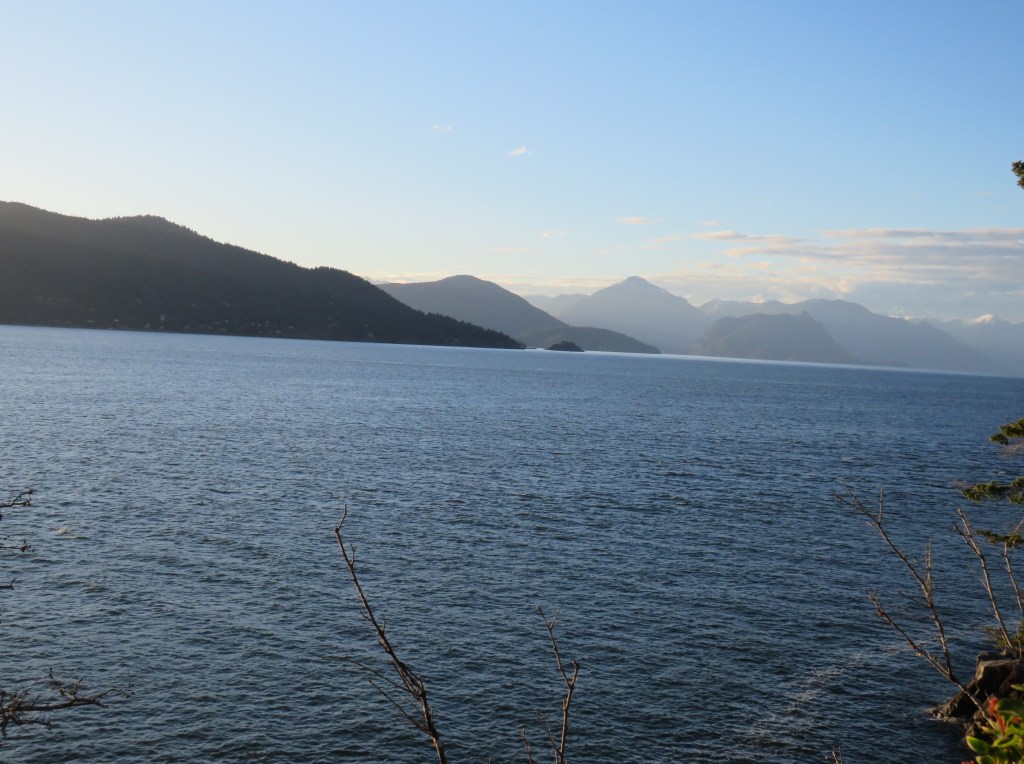
We left the marina and headed up the coast a bit for some more incredible views.
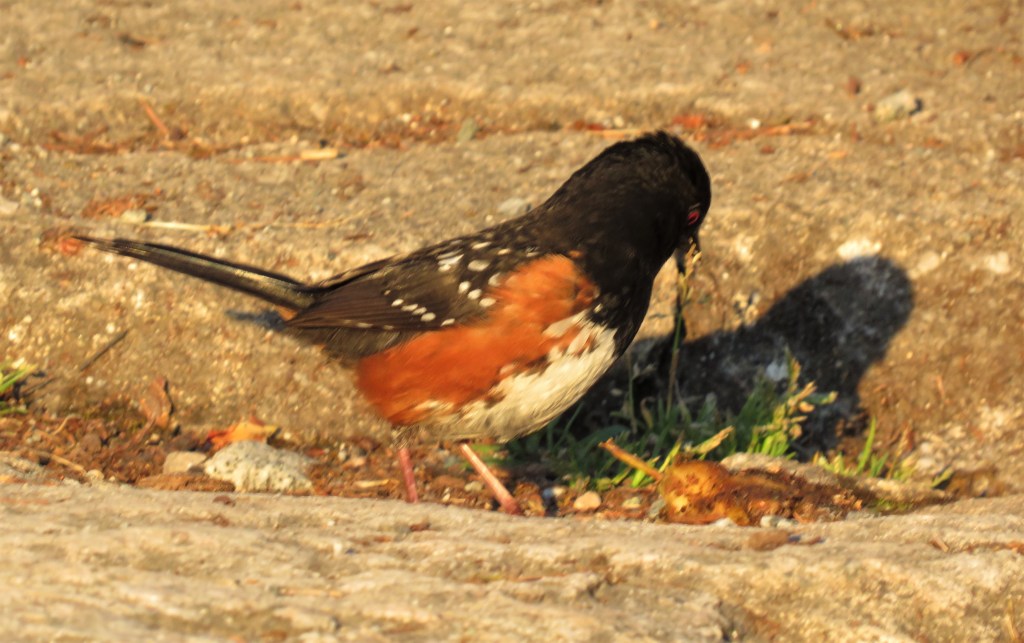
We spotted a beautiful little bird who was making friends with his own shadow.
Hold tight. There are still plenty more Vancouver and British Columbian adventures coming your way. 🙂
Have a great day and make everyday great. Stay safe and stay well. ‘Til next time.