I have created this site to help people have fun in the kitchen. I write about enjoying life both in and out of my kitchen. Life is short! Make the most of it and enjoy!
Author: ajeanneinthekitchen
I have worked in the restaurant and catering industry for over 35 years. I attended 2 culinary schools in Southern California, and have a degree in culinary arts from the Southern California School of Culinary Arts, as well as a few other degrees in other areas. I love to cook and I love to feed people.
After last week’s snowmageddon, it was a beautiful sunshiny day today. There is still plenty of snow out on the ground, but the sun is out, shining brightly, and the temperature is very nice. The snow has melted from the walkways and the paths, so it made for a beautiful, very pleasant walk. The ducks were enjoying the beautiful day too. For the most part, the lakes were quiet today, however, there were three Mallards, two males and one female, just out having a blast.
A friend of theirs invited them to come in and join him for a chilly swim too.
Carpe diem and enjoy everything you can. Have a great day and make everyday great. 🙂
The origins of Irish stew are somewhat shrouded in mystery, but it’s believed to have originated in the 17th or 18th century. At that time, the dish was often made by shepherds and rural farmers who had access to only a few ingredients but needed a nourishing meal to sustain them through long days of work. Guinness stew is a variation of the traditional Irish stew, and is found in most pubs around the Emerald Isle. The only real difference between the two dishes is the addition of Guinness Stout. Stewing the beef in Guinness stout beer tenderizes the beef and adds a robust, malty flavor to the stew.
Stewing is an ancient method of slow cooking meats that has been used throughout the world. Traditional Irish stews also known in Gaelic as ballymaloe or stobhach gaelach. These stews were traditionally made with the cheapest and most readily-available ingredients using mutton (less tender sheep over two years of age) or lamb meat (neckbones or shanks) and root vegetables such as potatoes and onions with water. As with any good recipe, there are many variations, depending on where you are. In the southern regions of Ireland, barley is added as well. Today, both stews are made with beef as well as lamb or mutton, but traditionally they were made with lamb or mutton. In the US, beef is used more often than lamb.
Guinness stew was one of my menu items for my Irish Shindig. My Irish Shindig Being American, with a lot of Irish roots, I made it with beef, instead of lamb, though we do eat a lot of lamb too. In fact, I have some lamb down that I will be cooking sometimes this week.
Guinness Stew
2-3 lbs beef or lamb cubed
flour to coat the meat
oil for cooking
salt & pepper to taste
1 onion, diced medium
3 carrots
3 parsnips
2 cups mushrooms, quartered
1 TBSP garlic
2-3 bay leaves
4-5 sprigs fresh thyme
2-3 sprigs of fresh rosemary, chopped
1 can of Guinness stout
2 cups beef broth
1 TBSP Dijon mustard
1 TBSP tomato paste
1 TBSP Worcestershire sauce
1-1 1/2 lbs red potatoes, quartered
1 cup pearl onions, skins removed
Coat the cubed meat in flour and salt & pepper. Get a large soup pot very hot, then add the oil and the coated meat. Cook until the meat is browned, for about 5-7 minutes, stirring frequently. Once the meat is thoroughly browned, remove it from the heat and set aside for later.
Add the vegetables into the pot, adding more oil if necessary. Cook for about 8-10 minutes, or until the vegetables have softened.
Combine the Guinness beer, beef stock, garlic, thyme, bay leaves, mustard, tomato paste and Worcestershire sauce, then add to the vegetables, and and bring to a boil.
Re-add the meat, cover and reduce the heat to a simmer. Cook for about 1 1/2 hours, stirring frequently.
Add the potatoes and the pearl onions and continue to cook for an additional 30 minutes or so, stirring frequently. Adjust the seasonings as needed. You want both the meat and the potatoes to be very tender.
I almost always serve my Guinness stew over mashed potatoes. They just go together perfectly, and the potatoes will absorb the liquid and the flavors of the stew. This is easily a meal in itself. Nothing else is really needed. But because I was making it a big feast, I had quite a bit more on my plate, both literally and figuratively. No one EVER leaves my house hungry. 🙂
Have a great day and make everyday great. Stay safe and stay well. ‘Til next time.
We celebrated St. Patrick’s Day early at our house, and celebrated it yesterday, instead of today, though we will be celebrating again today as well. I cooked up a big Irish feast, using a lot of recipes from my Irish cookbooks. Yes, I have quite a bit of Irish in me, as well as Scottish and Welsh and just about everything else Northern European too.
All of my recipes came from some of my many Irish cookbooks. The menu for the day was:
Guinness Stew
Smoked Corned Beef
Cod in a cream sauce
Roasted cabbage
Mashed potatoes
Roasted vegetable salad with a lemon vinaigrette
Artichoke hearts and asparagus in a tarragon cream sauce
It was indeed a feast, shared with good friends, good food, good conversations and good laughs. I’d say we celebrated the day just how it was supposed to be celebrated. My Irish and Celtic ancestors would be proud.
Don’t worry. You will get all the recipes for everything. I just like to space things out a bit. You know, create a little anticipation. All in good time. 🙂
Have a great day and make everyday great. Stay safe, don’t drink too much green beer, and stay well. ‘Til next time.
Top o’ the morning to ya! It’s St. Patrick’s Day. This is a day of celebration for anyone who is of Irish, or of Irish decent, or anyone who just wants to be part of the festivities, even if only for the day. Today, March 17th, is celebrated as the day of the Irish wherever there is a large Irish population, but here in the United States, it is a really big deal. Why do we celebrate it though?
Patrick was not actually Irish, according to experts. Born in the late fourth century, he was captured as an adolescent and ended up enslaved in Ireland. He escaped to another part of Europe where he was trained as a priest and returned to Ireland in the fifth century to promote the spread of Christianity. Several centuries later, he was made a saint by the Catholic Church and like other saints had a day dedicated to him, which was March 17th. He became Ireland’s patron saint, and even when religious strife broke out between Catholics and Protestants, was claimed by both, says Mike Cronin, historian and academic director of Boston College Dublin.
The Shamrock was used to explain the Holy Trinity to the people of Ireland, and thus became the Irish symbol for God, The Son and The Holy Spirit. The three leaves of a shamrock are also said to stand for faith, hope and love. A fourth leaf is where we get the luck from.
Irish people came to America and brought their culture with them. St. Patrick’s Day observances date back to before the founding of the U.S., in places like Boston and New York City. The first parade was held in Manhattan in 1762.
While the day was marked with more of a religious framing and solemnity in Ireland until well into the 20th century, in America it became the cultural and boisterous celebration it is today, marked by plenty of people without a trace of Irish heritage.
It was because people in Ireland started seeing how the day was marked in the U.S. that it became more of a festival in the country of its origin rather than strictly a religious observance, Cronin says, pointing to the parades, parties and other festivities that are held.
So whether you are Irish or not, celebrate the day, and make the most of all the fun. Have a great day and make everyday great. Stay safe, DON’T drink too much green beer and stay well. ‘Til next time.
The Irish love to bake. They bake all kinds of things from breads to cakes to fruit loaves. There is always something baking in all the cottages and small farmhouses across the Emerald Isle. Sometimes things are made in a skillet, or in a pot, or even an open hearth, but there is always something good cooking in Irish kitchens across the land.
Baking the simple things is something almost everyone in Ireland does, but it is considered a gift if you can make yeast breads. “These bakers are much admired, for they have a talent that goes to the heart of skillful cooking and can recognize the warm, pleasant feel of the kneaded dough when it is ready for proofing”. (p. xii – The Little Irish Baking Book, by Ruth Isabel Ross.
I will be making the bulk of my Irish feast today. I’ll be starting it all in just a bit. I decided on only making one dessert though, the Cherry Chocolate Madeline Fingers Chocolate Cherry Florentine Fingers since Priscilla is making a chocolate Guinness cake, and this will only be a small Irish shindig. But I did make my rolls yesterday. Since they are a yeast roll, I wanted to make sure they had time to rise and to cook without any pressure if they do not. I will heat them up in the oven before we eat. I made some Irish potato yeast rolls.
Irish Potato Yeast Rolls
These rolls are so good, and only require a few simple and basic ingredients.
3/4 cup cooked potatoes
1 1/4 tsp salt
2 TBSP dry activated yeast
2 TBSP sugar
2/3 cup warm water
4 cups flour
1/2 stick butter
2/3 cup warm milk, NOT hot
1 egg, beaten
milk for glazing
Mash the cooked potatoes, adding a little milk if necessary, until they are smooth and creamy.
Mix the yeast and the water, and 1/2 the sugar together and let set for at least about 10 minutes, or until it becomes frothy.
Combine the flour, salt, 1/2 the sugar, butter and mashed potatoes together.
Beat the egg, then mix with the warmed milk. Add the egg and milk mixture to the yeast mixture and combine well.
Make a well in the center of the flour mixture, then add the yeast and liquid mixture. Stir it all together, from the inside out as much as you can then knead the dough together until it forms into a ball. Knead for about 8-10 minutes. Place in large clean bowl and let rise for about 1 hour or until it doubles in size.
Preheat the oven to 400* F or 200*C.
Once the dough has risen, turn it out onto a work surface and roll it into balls. I made mine small, but you can shape the dough balls into any size you like. Place the dough balls onto a baking sheet sprayed with cooking spray and/or parchment paper, and let rise again for about 20 minutes.
When the dough has risen again, brush the dough balls with the milk and bake for about 20-25 minutes, or until lightly golden brown. I topped mine with a dash of parsley too before baking. Let them cool for a bit, then spread with butter, or even better, Irish butter, and enjoy.
I have lots more Irish food coming your way, so stay tuned. Erin Go Braugh! We will actually be celebrating St. Patrick’s Day twice this year. I am having our Irish shindig today, and then we will celebrate again with Erik and Shannon tomorrow.
Have a great day and make everyday great. Stay safe and stay well. ‘Til next time.
Yesterday I mentioned I am planning an Irish feast. Planning An Irish Feast Most everything will be prepared on the day of, however, some things I can prepare a bit early, like the desserts. I made my first Irish dessert already; Chocolate cherry Madeline fingers.
Chocolate Madeline Florentine Fingers
These just sounded so good to me, so I had to make them. And, of course they are too. I had to sample a little. Quality control you know. 🙂
You can use any kind of good chocolate you like for these. I had some Hershey kisses that needed to be used, so they were my chocolate source.
8 oz chocolate
dash of milk
1 stick butter, softened
1/2 cup sugar
3 eggs, beaten
3 cups dried coconut
1 cup dried cherries, reconstituted
1 cup golden sultanas or raisins
2/3 cup chopped pecans or walnuts
2 tsp cherry extract, optional
If you are using dried fruit, reconstitute it in some warm water for at least about 15-30 minutes before using, then drain off the water before using. I did this for both my dried cherries and my sultanas. They needed plumping up as well.
Melt the chocolate with a dash of milk, until it is smooth and creamy. You can melt it over a double boiler, or just over a medium high flame, stirring constantly, making sure it doesn’t burn. Once the chocolate is melted, add the cherry extract if using and mix in thoroughly with the melted chocolate.
Preheat the oven to 350* F or 180*C.
Line a baking sheet with aluminum foil or parchment paper. I used foil, per the recipe directions, and I found it very difficult to remove after. Next time I am going to use parchment paper instead. Hopefully I will have better results.
Evenly spread the chocolate over the foil. It may not cover the whole thing, and that’s OK. Just cover as much as you can.
Mix the butter and sugar together until creamy, then add the eggs and mix together.
Fold in the coconut and fruit. Then evenly spread it over the chocolate.
Add the chopped nuts on top. I almost always use pecans, since I am not a big walnut fan, but either will do just fine.
Bake for about 30 minutes or until the top is golden brown. Allow to cool completely, then cut into strips and remove the foil from the bottom. Store in an airtight container in the refrigerator until ready to eat.
These are very rich and decadent, but oh so good. Bet you can’t stop at just one. 🙂
Have a great day and make everyday great. Stay safe and stay well. ‘Til next time.
I don’t really need a reason to throw a party or a fiesta or a shindig. I’ll make up any excuse to give me a reason to entertain. St. Patrick’s Day is coming this week, and that is more than enough reason for me to host a get-together. Ipulled out some of my Irish cookbooks (I have quite a few) and have a big Irish feast in the works.
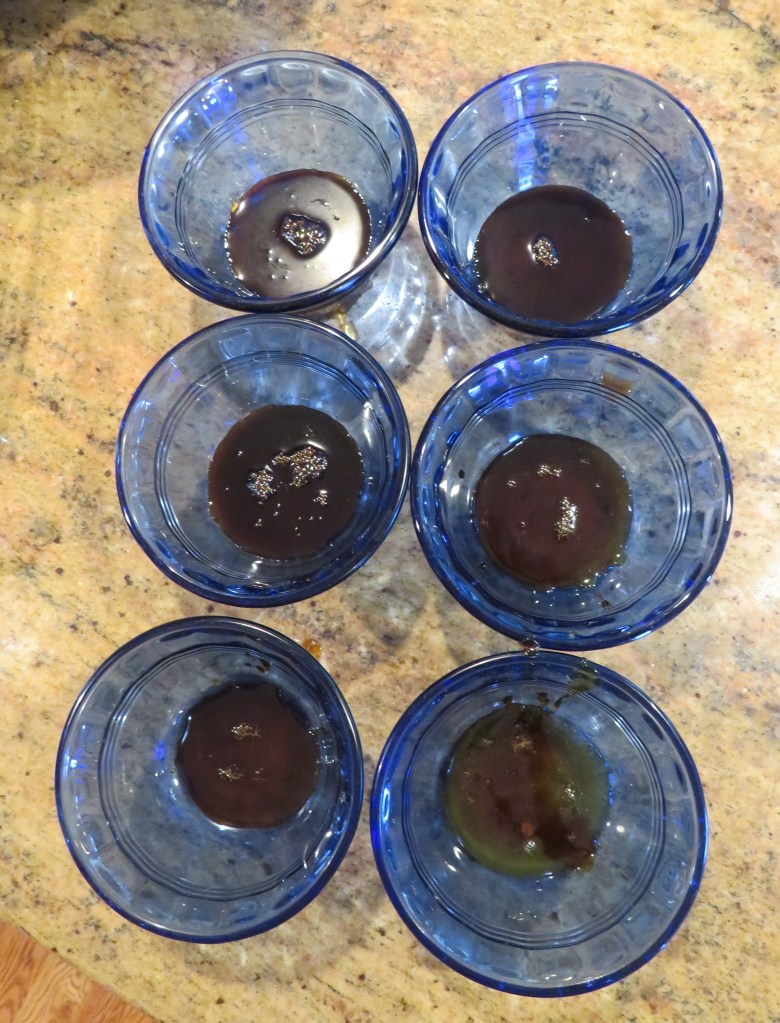
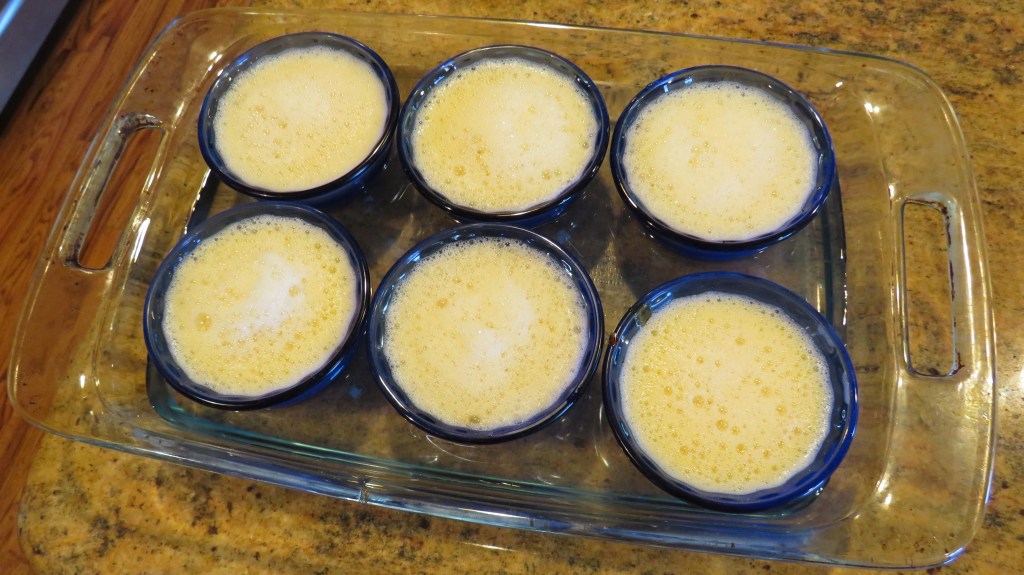
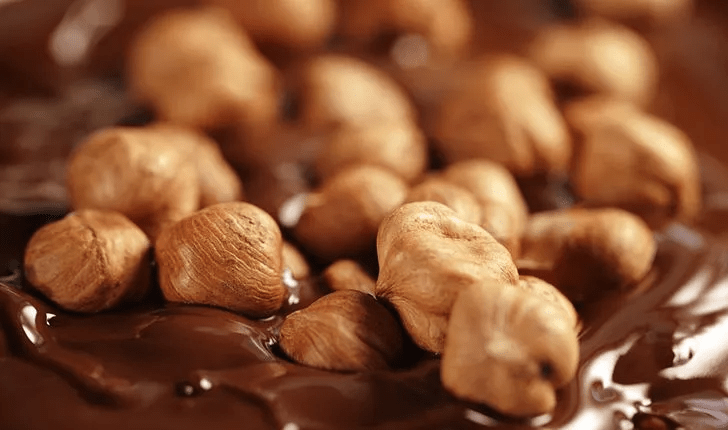
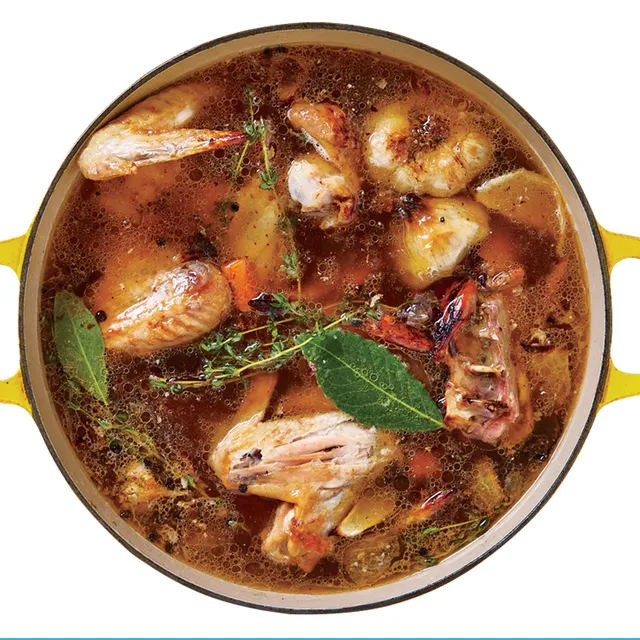
I am not going to reveal my plans just yet. Instead, I am going to tease you a bit. You will just have to wait to see what I cook for St. Patrick’s Day. Here are a few hints though. 🙂
There will be quite a few Irish dishes coming your way soon. You’ll just have to hang tight a little longer. 🙂
Have a great day and make everyday great. Stay safe and stay well, and if you are in snow country, like I am, stay warm. ‘Til next time.
Once again, our Colorado weather is as wacky as can be. A couple of days ago, I was wearing shorts, albeit, it was a bit cool to wear shorts, but I still did. Last night, the skies opened up and we got dumped on.
It started snowing about 10:00 PM last night and this is what we woke up to this morning. So far, we already have about 8 inches of snow where we are, but one of Larry’s brothers, who only lives about an hour south of us, got about 15 inches. There is supposed to be a lot more snow coming from this storm too. It is supposed to continue snowing all day day today and into tomorrow morning.
It’s beautiful, as long as you don’t have to drive in it. Larry is working from home today. All the schools are closed and most non-essential businesses are closed today too. The dogs are loving it though. 🙂
Have a great day and make everyday, even the snowy days, great. Stay safe and stay well. ‘Til next time.
It was cold and gray for most of the day, so I thought it was a perfect time to have the oven on and to make some focaccia. I made a delicious sun-dried tomato and basil focaccia that just hit the spot.
The recipe made a lot, so I gave some to my neighbors as well, and we still have plenty more to enjoy ourselves too.
Focaccia is ½” to 1″ thick with a light crust on the top and bottom. It’s often described as “flatbread” or “Italian flat bread,” but unlike the flat bread we’re used to, it isn’t flat at all, but thick and fluffy. Focaccia is a flat oven-baked bread that has been made in Italy for centuries. It is a traditional Italian bread with many variations. A precursor of pizza, focaccia is one of Italy’s most ancient breads. It is thought to have originated with the Etruscans. The earliest focaccia were unleavened flatbreads made from flour, water, and salt, but today, anything goes, and there are many different variations.
Sun-Dried Tomato and Basil Focaccia
This is a simple recipe that doesn’t require many ingredients. The most important ingredients to this recipe are good olive oil, time and patience.
2 tsp active dry yeast
2 cups warm water, divided
2 TBSP olive olive oil or basil olive oil + more for coating the pans and topping the focaccia
1 -1 1/2 cups sun-dried tomatoes, packed in olive oil
5 1/4 cups flour
1 TBSP dried basil
2 1/4 tsp salt
coarse salt for topping
Sprinkle the yeast over 1/4 cup of the water, mix it in, and let it set for about 10 minutes, to get frothy.
Put the sun-dried tomatoes in a food processor and chop fine.
Combine the flour, dried basil and salt together. Add the sun-dried tomatoes and mix well.
Add the rest of the water and the olive oil to the yeast mixture.
Make a well in the center of the flour mixture, then add the yeast mixture to the center. Gradually mix it in from the center out with a wooden spoon or spatula as much as you can.
Then turn the dough onto a work surface and knead it all together for about 8 minutes, forming into a large, soft ball.
Place the dough into a large oiled bowl and cover. Let it rise for an hour. After the dough has risen, turn it out on to the work surface again and divide the dough into 2 parts. Now this is the part that is a little weird for me. The recipe said to divide the dough into 2 UNEQUAL parts, with one being almost twice the size of the other. I think the ingredients should have been increased to make two equal portions, but what do I know. I did actually follow the recipe (for the most part) on this, as I usually do when baking. Cooking, not so much.

Oil two large, rectangular baking pans well with olive oil. Evenly spread the oil to cover the whole pan.
Add the larger dough ball to one pan, then carefully spread it out with your fingers until it fills out the pan as much as possible. Dimple the dough with your finger tips as you go.

Do the same with the smaller ball of dough. You will only fill about 1/2 the pan with this one. Cover and let the dough rise again for about 1-1 1/2 hours.
When ready to bake, preheat the oven to 400* F or 205*C. Dimple the dough again before placing into the oven. Drizzle a little more olive oil over the top and sprinkle the coarse salt over the top. Place in the oven and bake for about 30 minutes, or until it is golden brown. Spray some water in the oven 3 times within the first ten minutes of the baking process. Spraying down the oven will help create steam, which will keep the dough soft and helps to delay the crust forming process. The moist steam reinvigorates the yeast in the dough. Steam gives bread dough time to expand and the added moisture keeps the dough from drying out before it has time to rise If you don’t spray, the top will become to hard and dry out and/or crack. Focaccia is supposed to be a soft bread.
Once the focaccia is done let it cool for about 5-10 minutes before slicing it and enjoying it with another drizzle or two of olive oil. I drizzled it with the basil olive oil. !Perfecto! !Mangia!
Have a great day and make everyday great. Stay safe and stay well. ‘Til next time.