In between our Fado experiences, we also explored more of Lisboa and Alfama. We took full advantage of our Lisbon Cards and used them as much as we could, all over Lisboa.
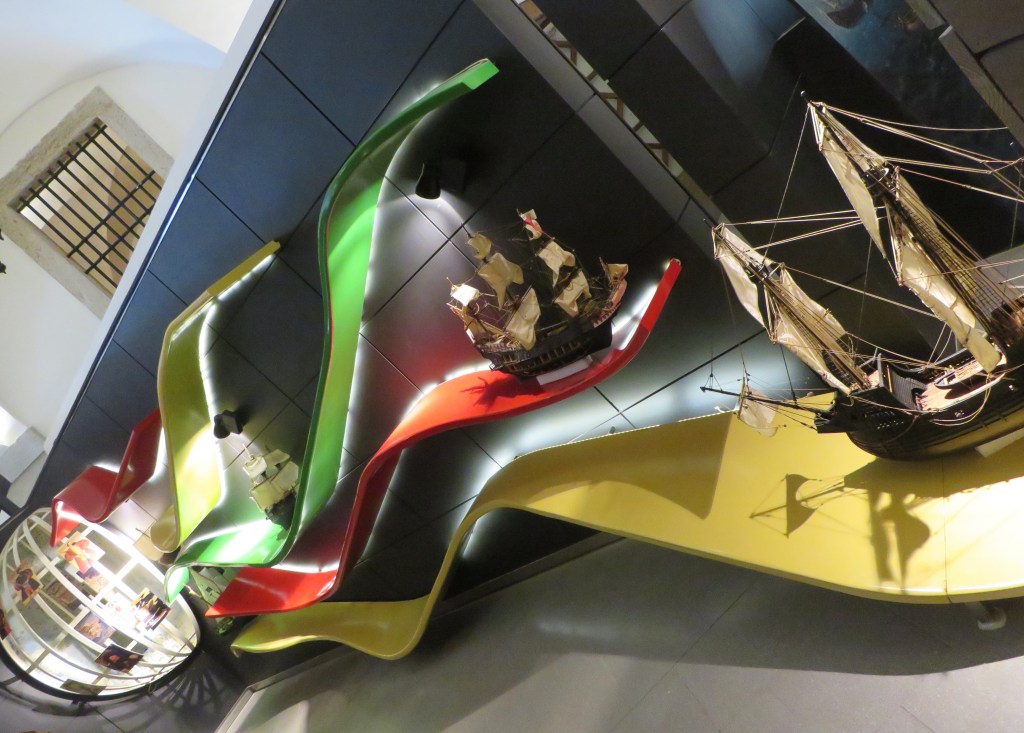
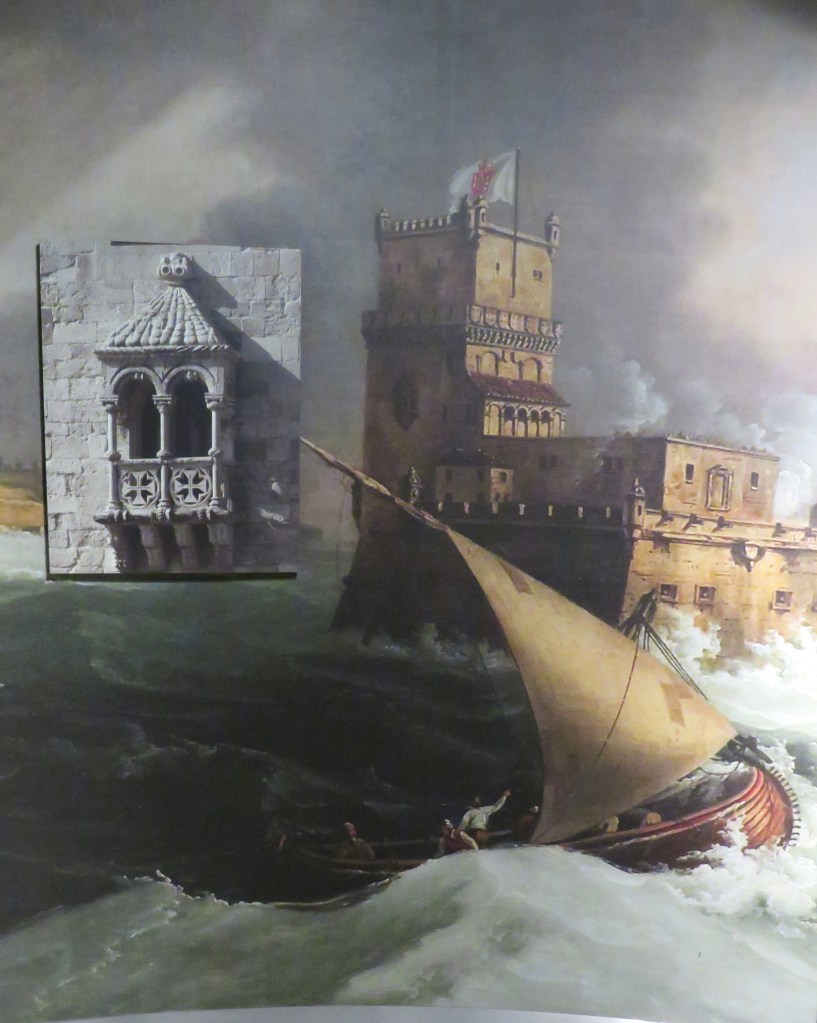
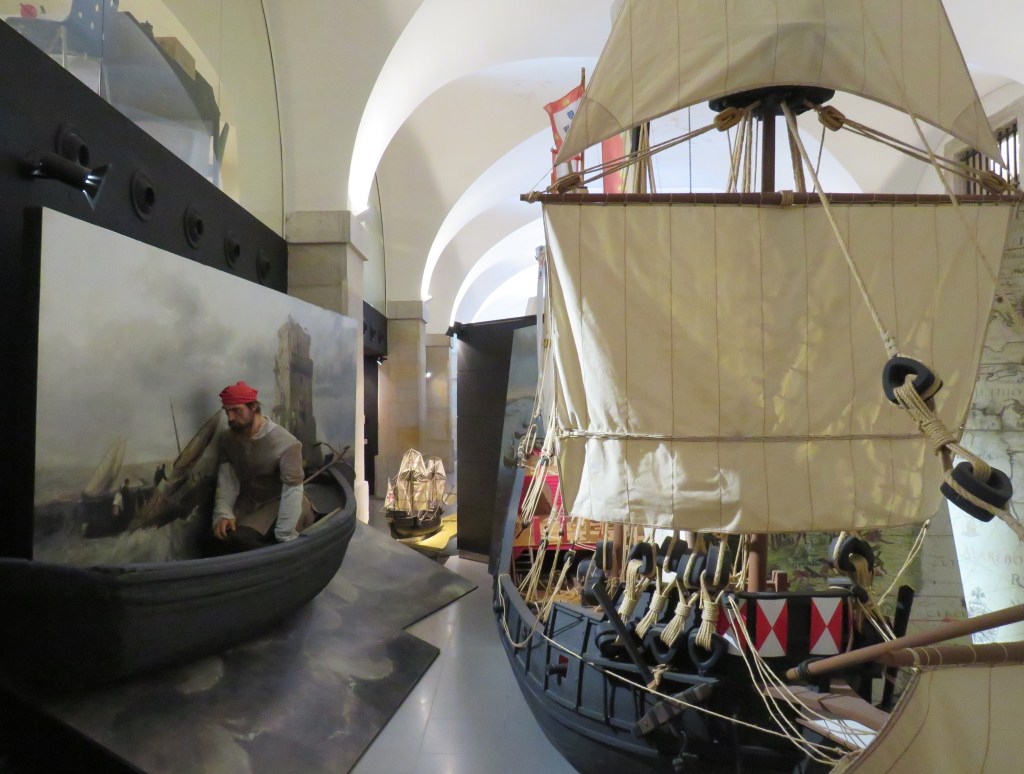
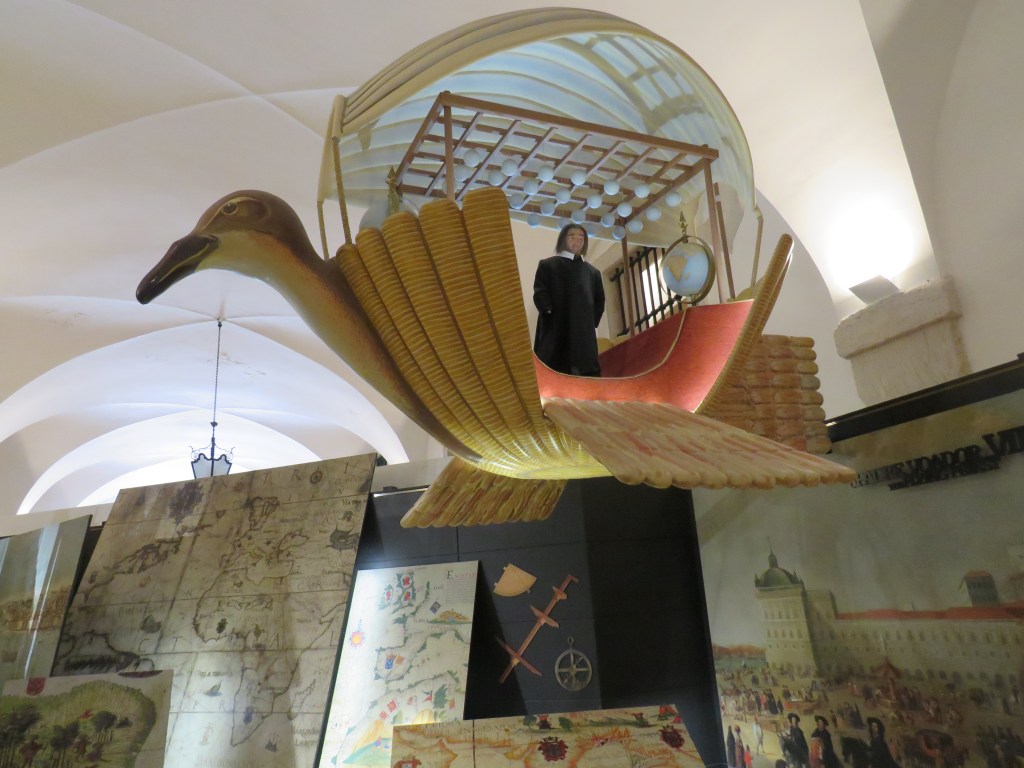
One stop that is definitely worth it is “The Story of Lisbon” Museum. They did a great job explaining Lisbon’s and Portugal’s history. It takes you through Portugal’s age of discovery, through the earthquake and into the present. It is an interactive presentation, with audio devices that explain everything to you depending on your location in the museum.
The Age of Discovery
This is the tower you saw earlier. Pieces of Portugal – Part 3 – Belem and Beyond
Political Disodence
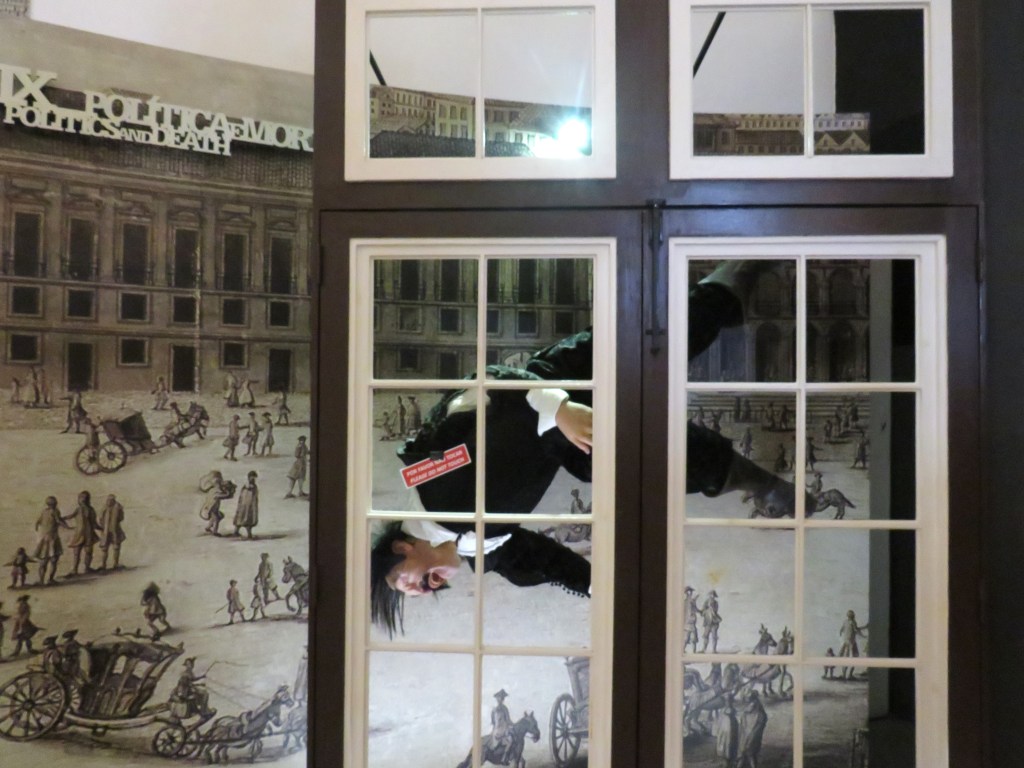
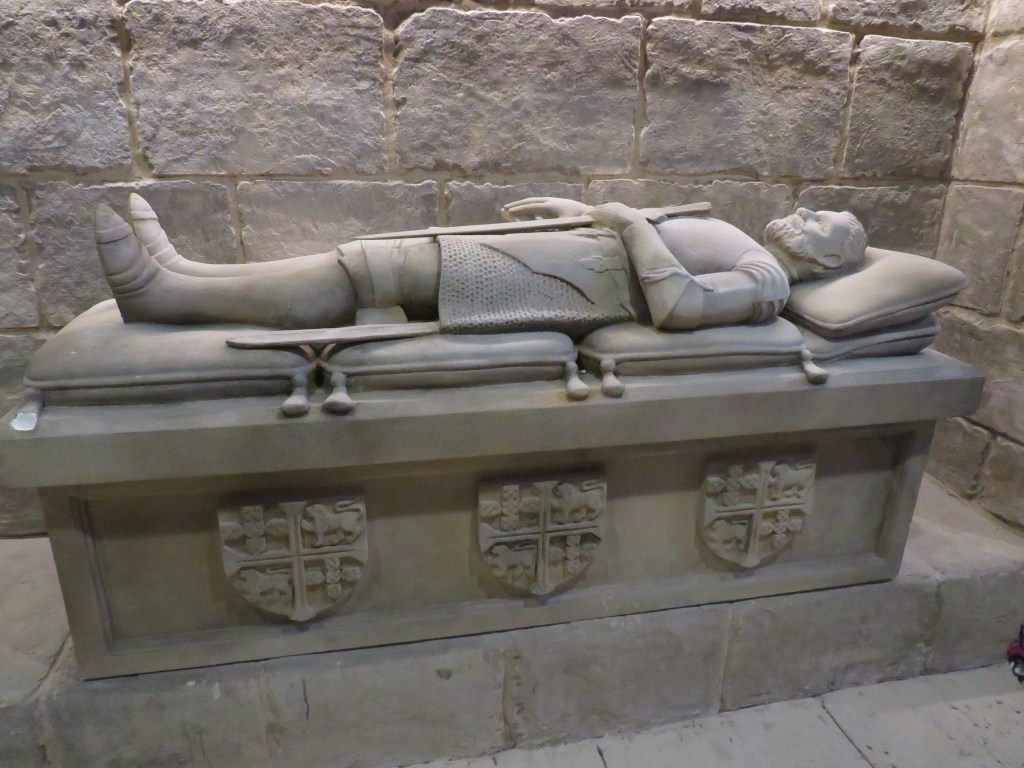
Church and State
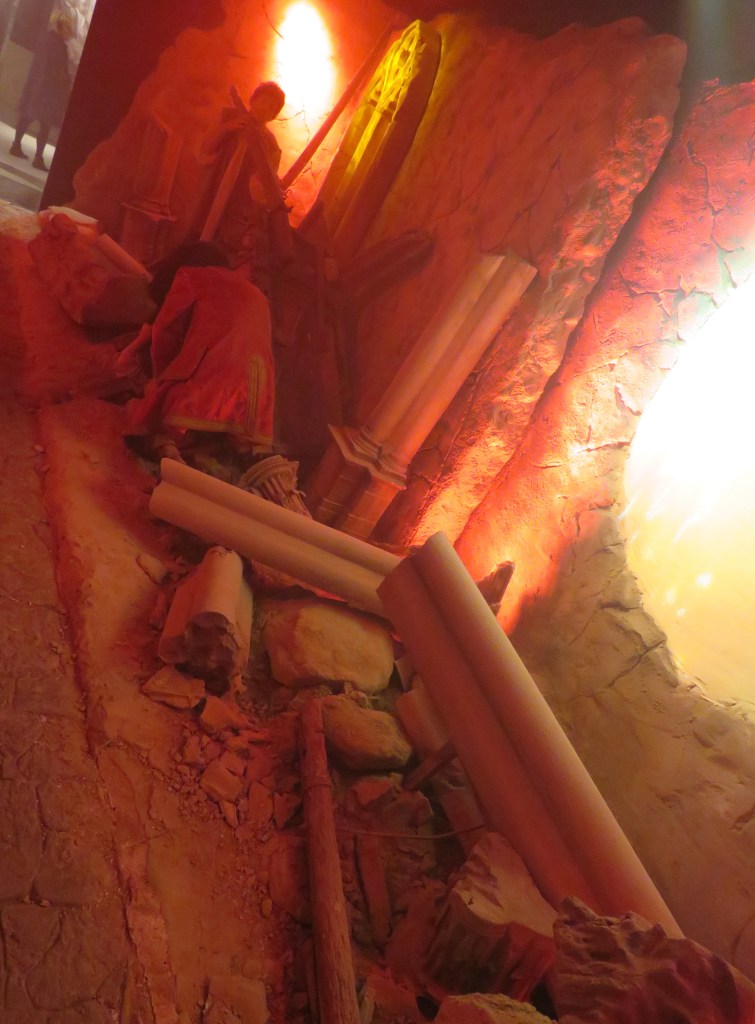
The great earthquake and fires of 1755.
Everyone was affected, from the Nobles to the poor, and everyone pulled together to help each other.
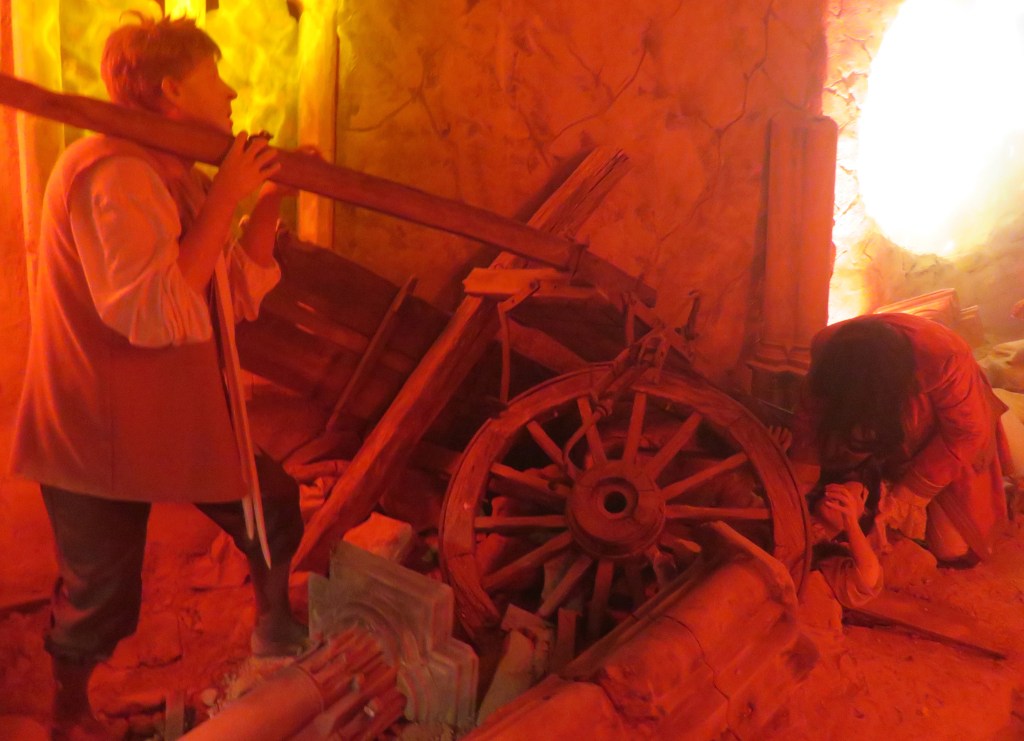
They even had a simulator that made it seem like you were actually experiencing an earthquake. The earthquake was about a 9 on the Richter scale. I grew up in California, and have experienced many earthquakes. A 9 on the Richter scale is HUGE! The worst earthquakes I’ve experience have been 7’s, and those are plenty bad.
We took a lunch break and a much needed time to sit down and rest a bit before meeting up with our tour guide Tiago, for a tour of the Alfama region of Lisboa.
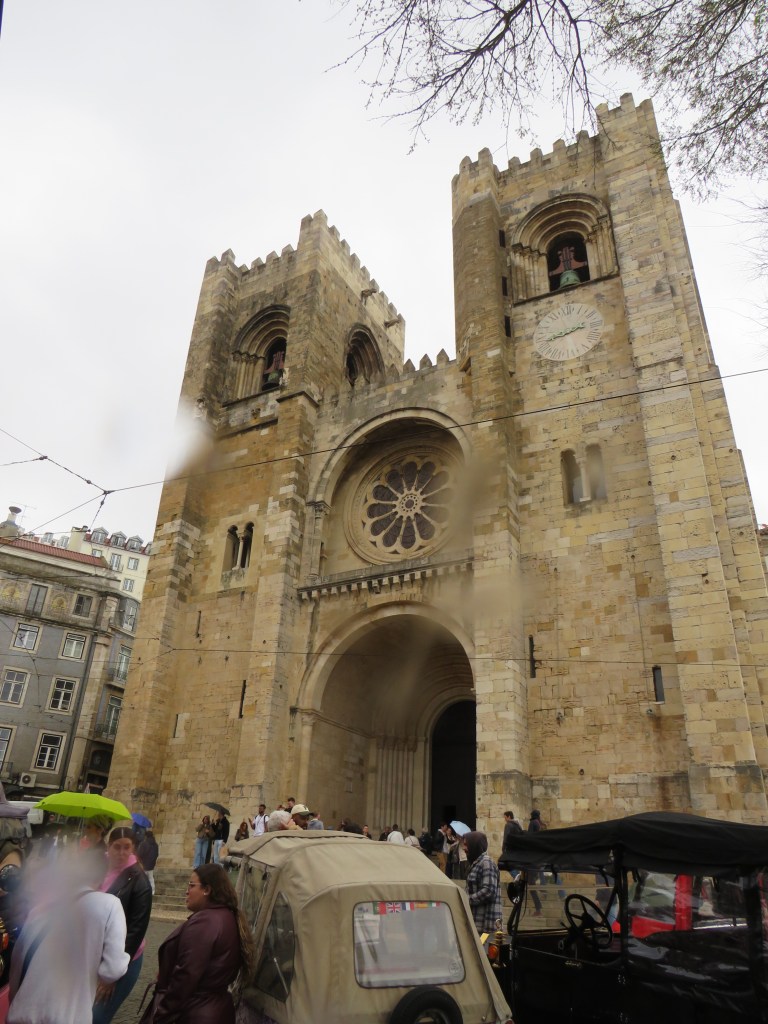
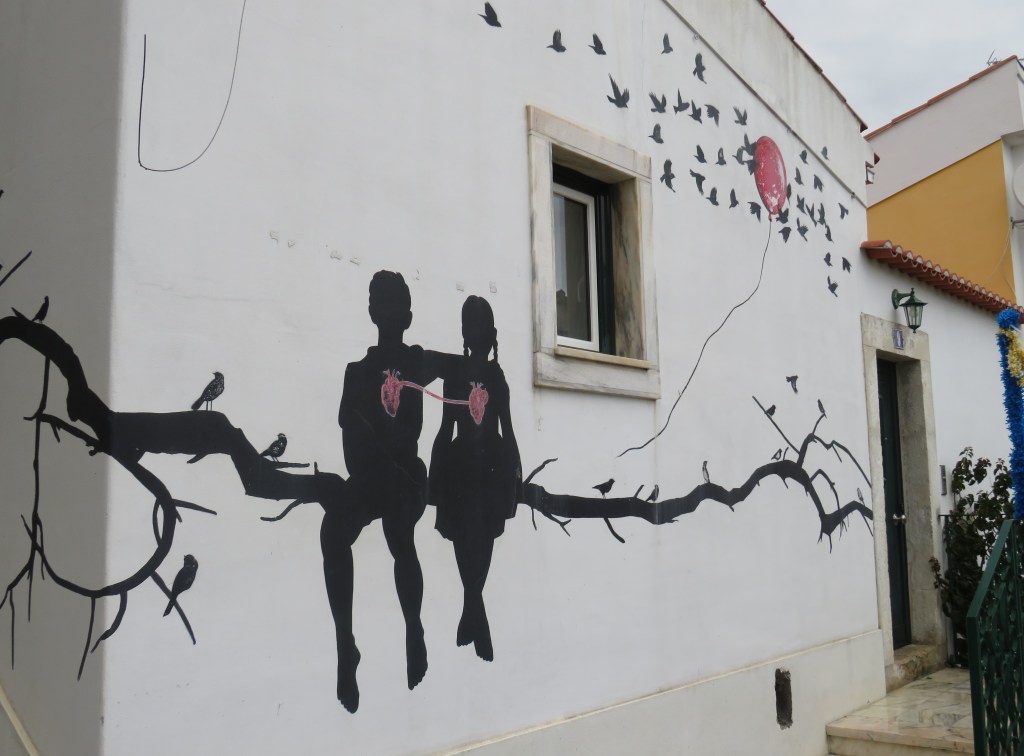
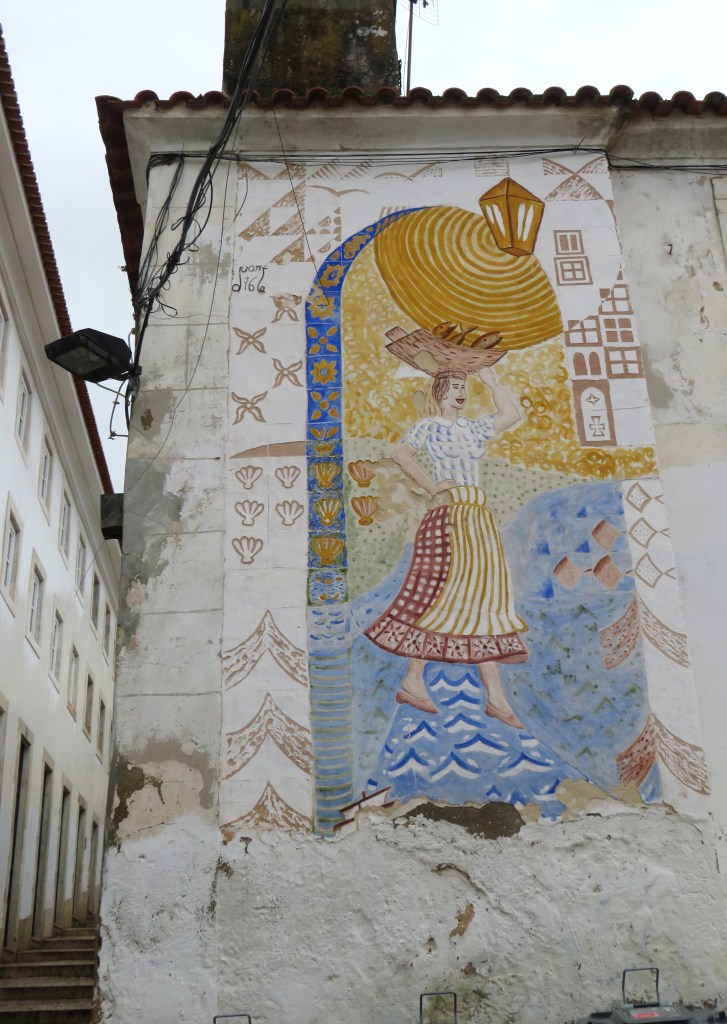
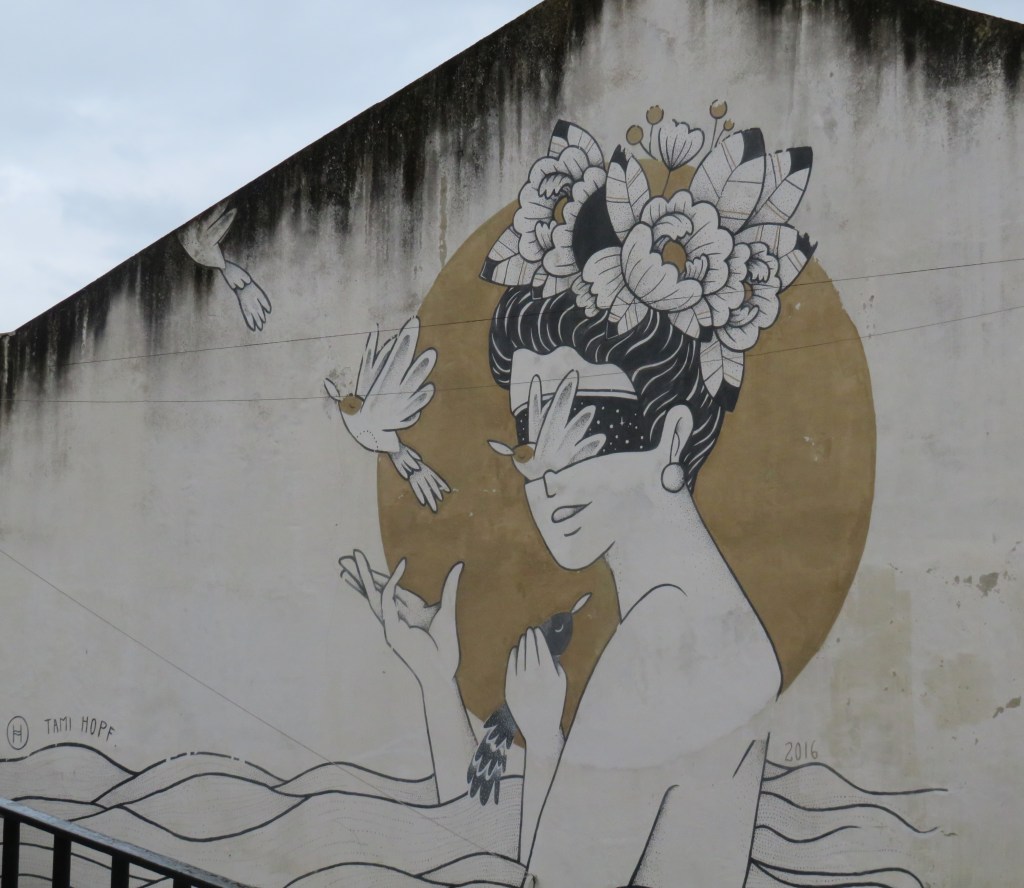
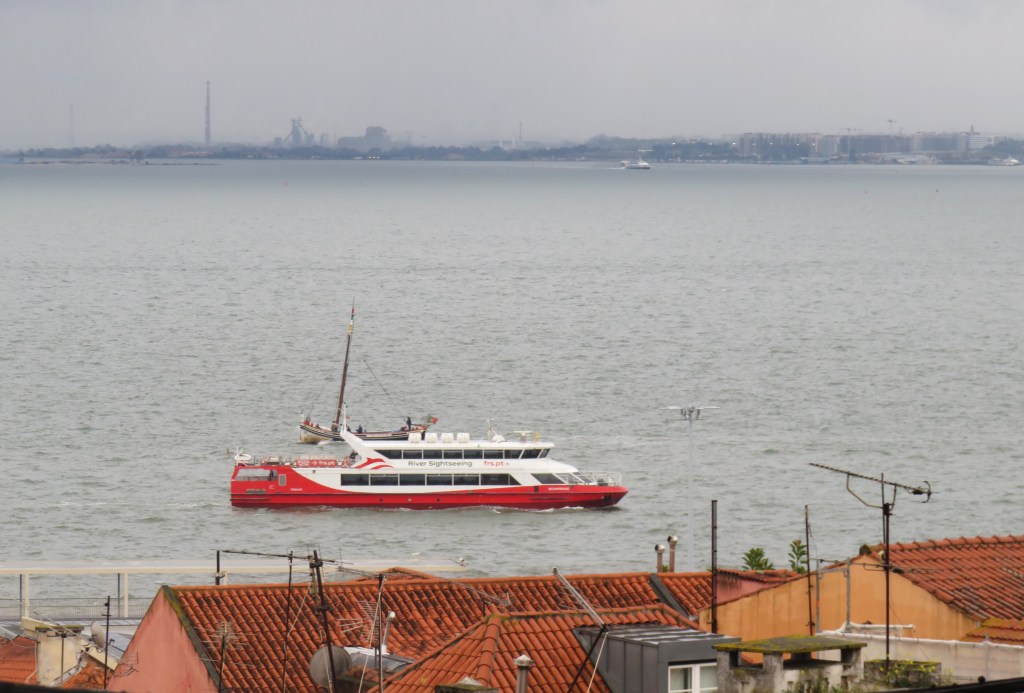
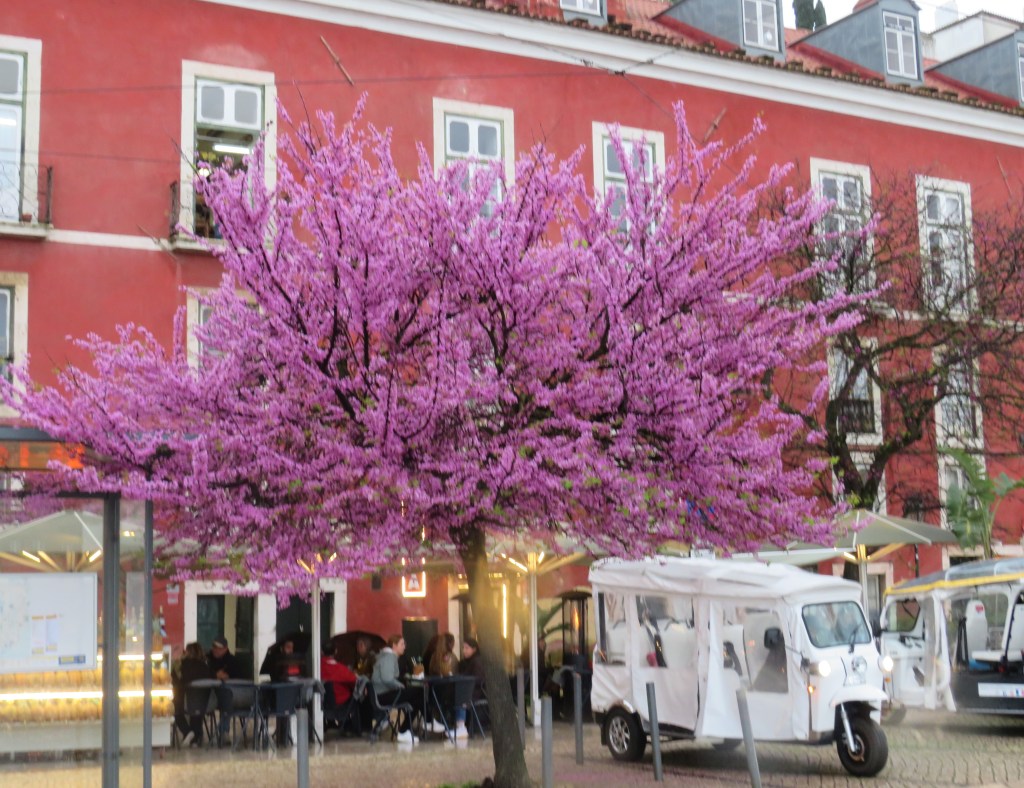
Alfama is the oldest, most traditional district of Lisboa, and Europe as a whole. Alfama’s story begins with Roman foundations. They established a settlement near hot springs. Visigoths followed, leaving their mark. These early inhabitants shaped the landscape. It dates back to the 8th Century, when Portugal was under Moorish rule. The name “Alfama” is derived from the Arabic word “al-hamma,” meaning “the baths.” Alfama has been a melting pot of cultures, influenced by Romans, Moors, and Christians throughout its history. Narrow alleys and steep staircases reflect Moorish design. Many houses still retain ancient features. The district housed a diverse population. Merchants, fishermen, and artisans lived here. After the Christian Reconquista, Alfama was a vital area. It lay outside the main city walls. The district became home to fishermen and laborers. It developed a distinct community identity. The castle of São Jorge stood guard above and offered protection to the area. Life here was vibrant and authentic. This medieval spirit still lingers today.
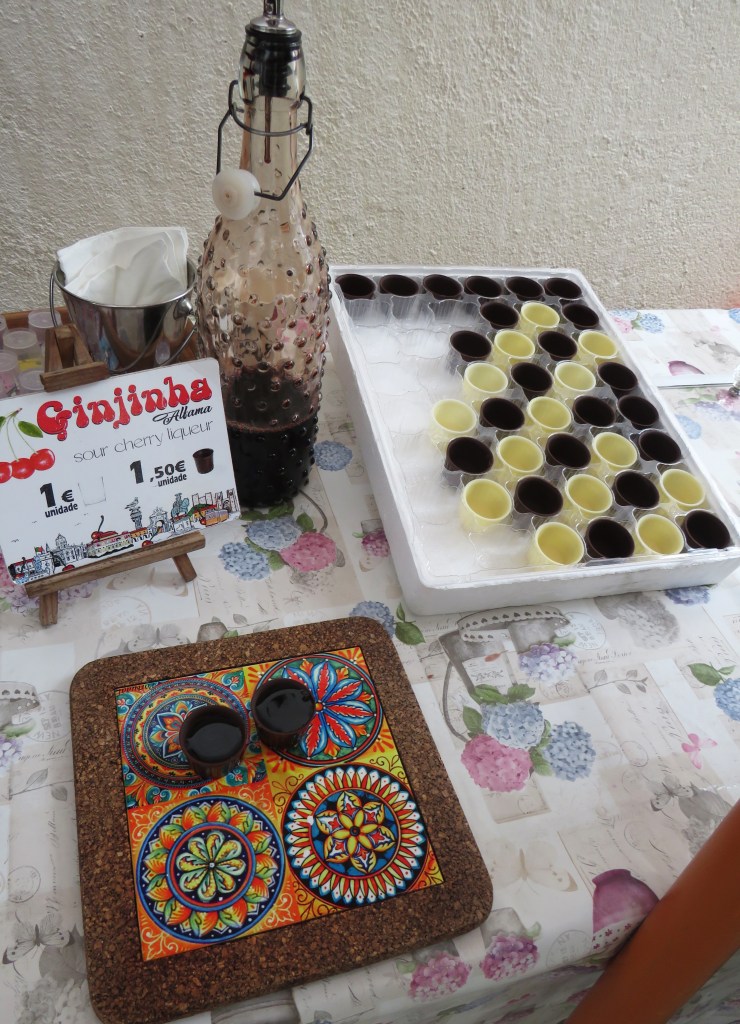
We even had our first taste of their local drink Ginjinha, or Ginja. Ginjinha is a sweet licqueuer made from sour cherries. It is all over the Southern regions of Portugal and Lisboa. The local ladies made some and had it available for us to taste. It is often served in little chocolate cups, like how we tried it. It’s VERY good, but a little bit goes a long way. It’s very potent, so it will really hit you if you drink too much. 🙂
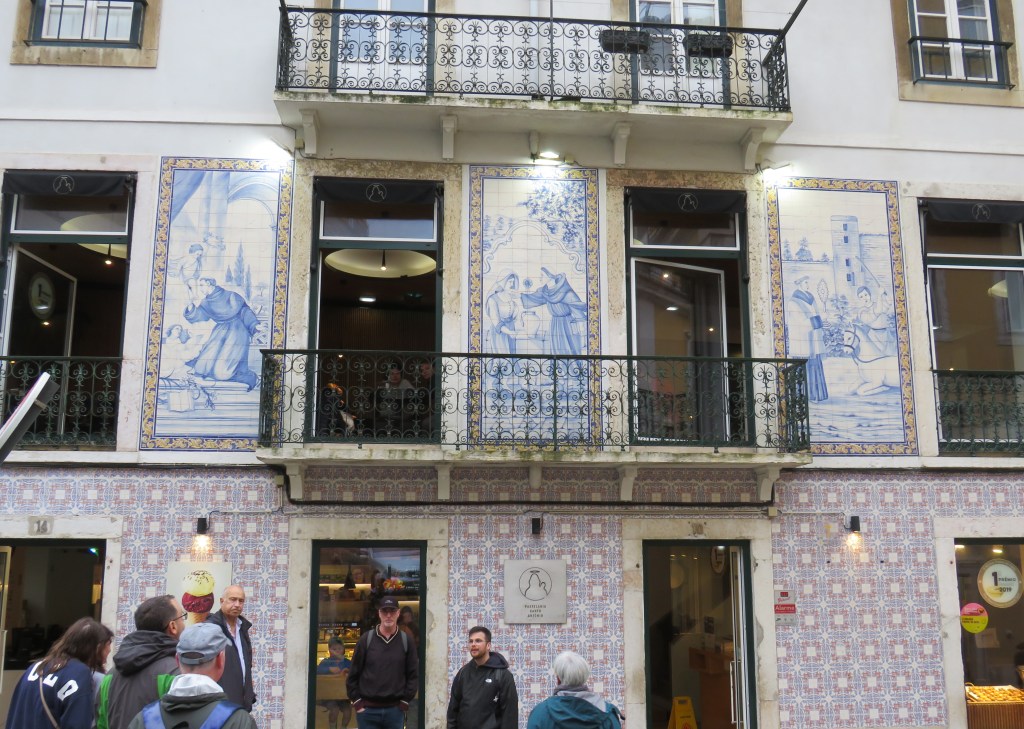
And we had to stop and test some more pasteis de natas too. We were sampling our way through Portugal. We never met a pastel de nata we didn’t like. 🙂
Have a great day and make everyday great. Live life to the fullest. It’s not about the destination, but the journey. Enjoy the ride. ‘Til next time.


 A Jeanne in the Kitchen