We had a great time in Portugal. We did and saw so much. We divided our trip into three main portions – Lisbon (Lisboa), the Algarve (the southern region) and Porto and the northern region. We spent about 5 days in each section. There is so much to share. Where do I even begin?
Let’s start with the history. Portugal is a very old, very proud nation, dating back roughly 3000+ years, with it being formed as an individual nation in 1143. The Phoenicians were the first to arrive in Portugal. The Celts, Phoenicians, and Carthaginians established settlements before the Roman conquest, which began in 219 BC. Then the Romans came. Rome ruled for 600 years (roughly 2nd century BC to 5th century AD), establishing cities like Lisbon (Olissipo) and Porto, and introducing Latin and Christianity (Portugal is even more religious and Catholic than Spain or Italy, if you can believe that). Following Rome’s fall, Germanic tribes (Suebi and Visigoths) controlled the area. In 711, the Moors came and ruled for 700 years. The Christian monarchies conquered the Moors after, and in 1128 Alfonso Henriques became the first king of Portugal. Portugal was ruled by it’s own monarchs until 1580, then the monarch who was in power died with no heir to the throne, which allowed the Spanish to invade and take over. The Spanish ruled Portugal until 1640, when the Portuguese regained their independence from Spain. (To this day, there is still a HUGE rivalry between Portugal and Spain). It was once again ruled by Portuguese monarchs until 1910, when they were overthrown and ousted, by Portuguese revolutionaries. It was a dictatorship from 1910-1974. In 1974, a bloodless military coup (the Carnation Revolution) ended the dictatorship and sparked the return to democracy. It grew from a feudal county into a global superpower during the Age of Discoveries, building a vast empire before transitioning into a modern democratic republic in 1974, following centuries of monarchy, a Spanish union, and dictatorship. Today, Portugal is a Republic, with elected officials. So, it has had a very colorful past, rich with history and influenced by many different people and cultures.
We learned all of this, and so much more, through our many tours of each region we visited. We took walking tours everywhere. We visited castles, churches, monasteries, museums, wineries, cruised the along Douro River (a couple of times) and explored on our own. We were very busy and active the whole trip. And we WALKED, WALKED and WALKED. We averaged between 6-7 miles of walking, up and down steep hills, but one day we actually walked 14 miles. Needless to say, we did a lot of walking. When we weren’t walking, we were taking busses and trains all around. We had to come home just to relax. 🙂
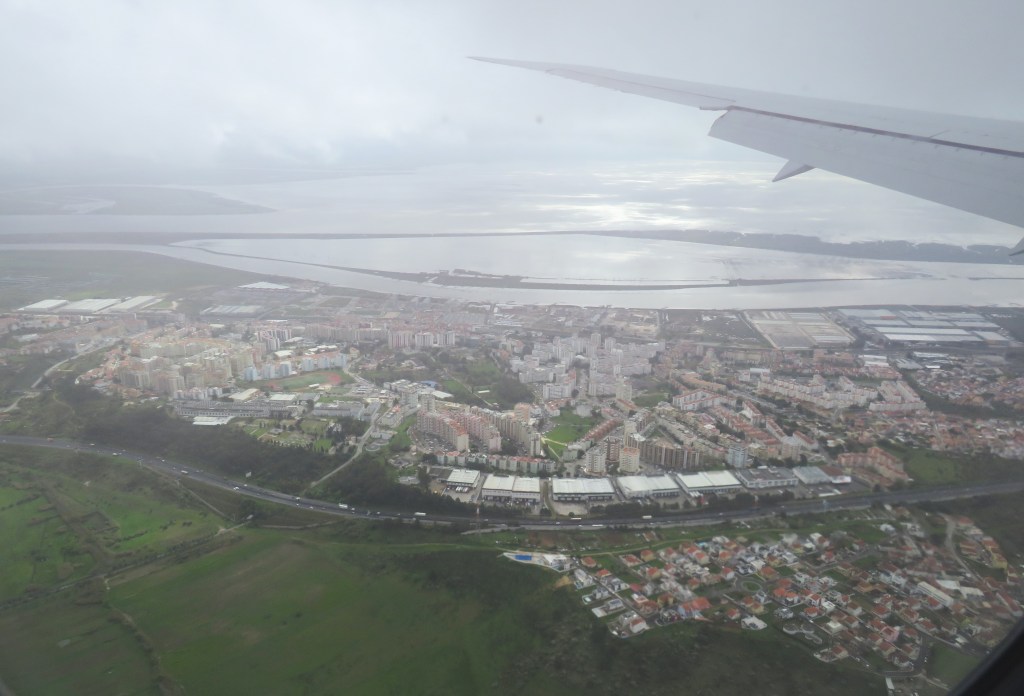
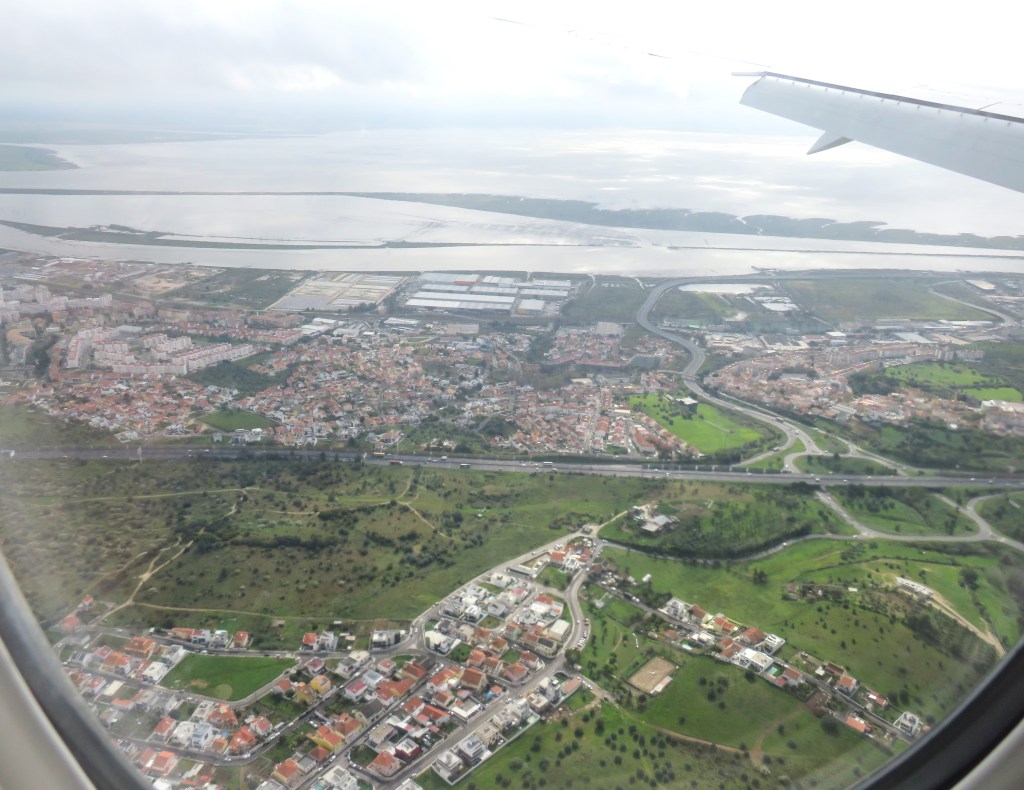
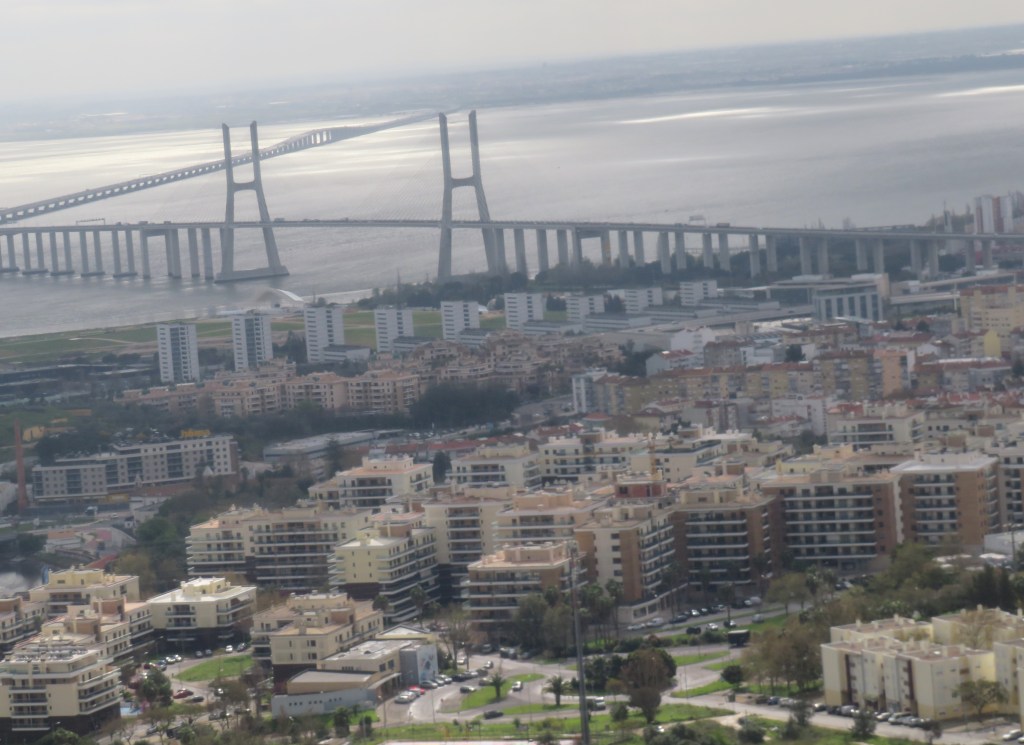
Flying into Lisbon, or Lisboa as it is called by the Portuguese.
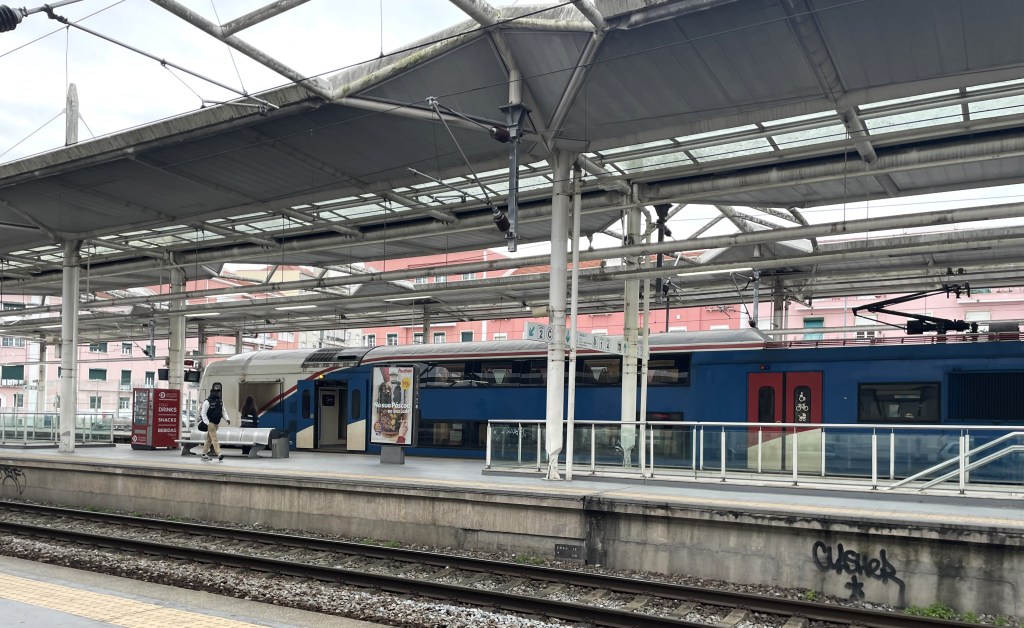
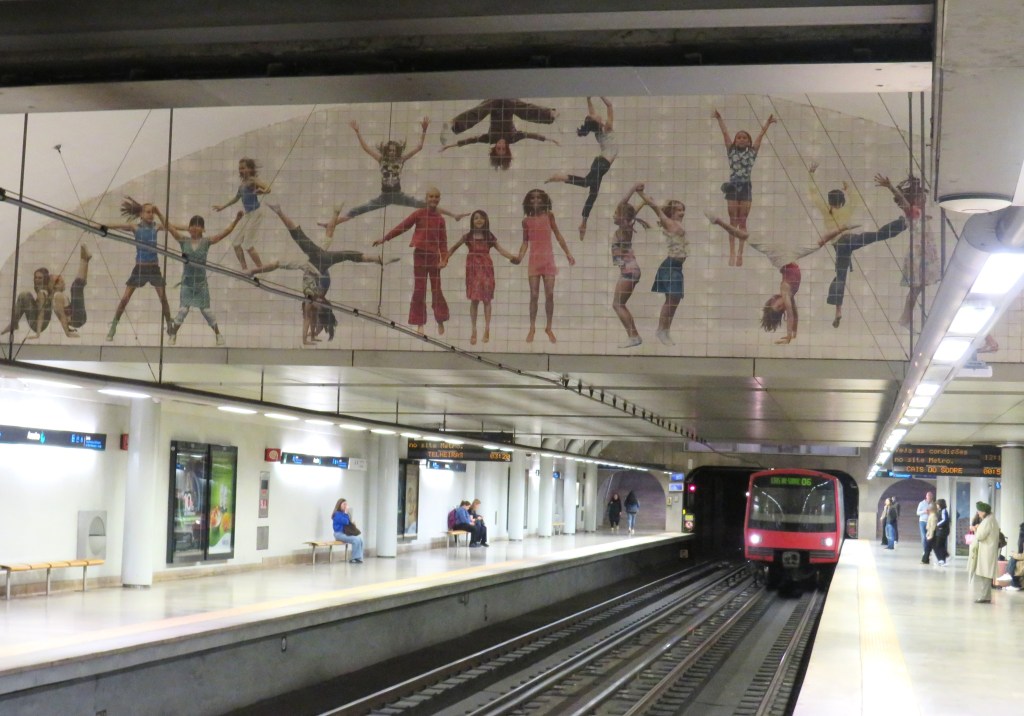
We got around like the locals do.
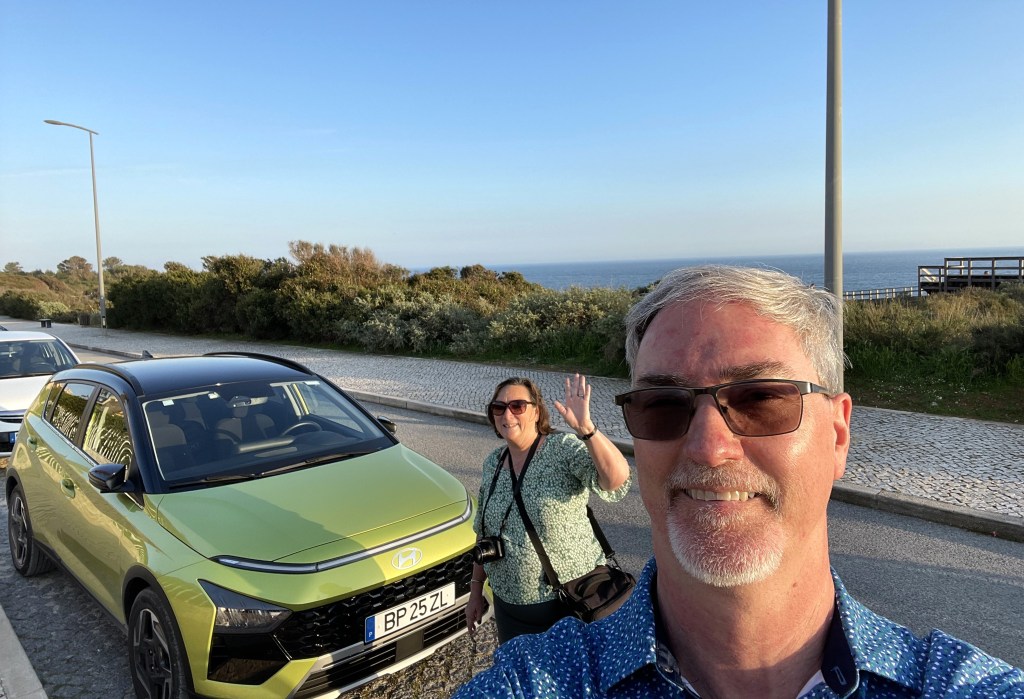
The only time we had a car was when we were visiting the Algarve. We got a bright green little car we named o sapo, or the frog. And from there, our little frog then became known as Freddy (I had a frog when I was a little girl that we named Freddy the Frog).
We didn’t see everything Portugal has to offer, but we did see a lot. That’s a good thing though. It means we have more to see and explore for another trip or two. 🙂
I am still going through pictures and editing them, and still have MANY, MANY more to go through. So sit back, relax, and get comfortable. I have so many great things to share. 🙂
Have a great day and make everyday great. Live life to the fullest and enjoy the ride. It’s not about the destination, but about the journey. 🙂 ‘Til next time.


 A Jeanne in the Kitchen