Plums are a widely popular fruit, all over the world. They are also some of the oldest fruits in he world, along with olives and figs. They have been around since the Neolithic period.
Today, there are two main species of plums – one, the Prunus salcino, also known as Japanese plums, which actually originated in China 1000’s of years before being introduced to Japan; and the other, the Prunus domestica, which originated around the Caspian and Caucasus Mountains over 2,000 years ago. In China, plums were associated with wisdom, longevity, and resurrection, with records dating back to 479 B.C. Plums were even listed as foods in the Bible, being recognized as symbols of prosperity, abundance, and God’s blessing. Plums traveled to the west and to the rest of the world around the Middle ages, coming from Greece and Rome, most probably coming from the Crusaders and the spice traders. The Ancient Romans have been credited for introducing plums to the British Isles, while Alexander the Great was responsible for bringing them to The Mediterranean regions. Plums made their way to the Americas in the 1800’s via the Spanish missionaries. Today, there are many varieties of plums that can trace their origins back to these two original species of plums.
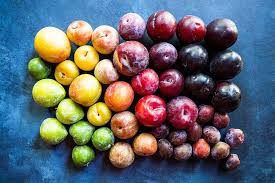
Plums are a member of the stone fruit family, or drupes, along with peaches, nectarines, cherries, apricots, mangoes, and olives, and many others. These summer fruits are often categorized as clingstone or freestone based on how the flesh separates from the pit.

Plums love the California climate, and grow very well in the Santa Clara Valley, known as Silicon Valley today. When plums first started taking over in Santa Clara Valley, the valley was then commonly called “The Valley of Heart’s Delight”, after the plums.

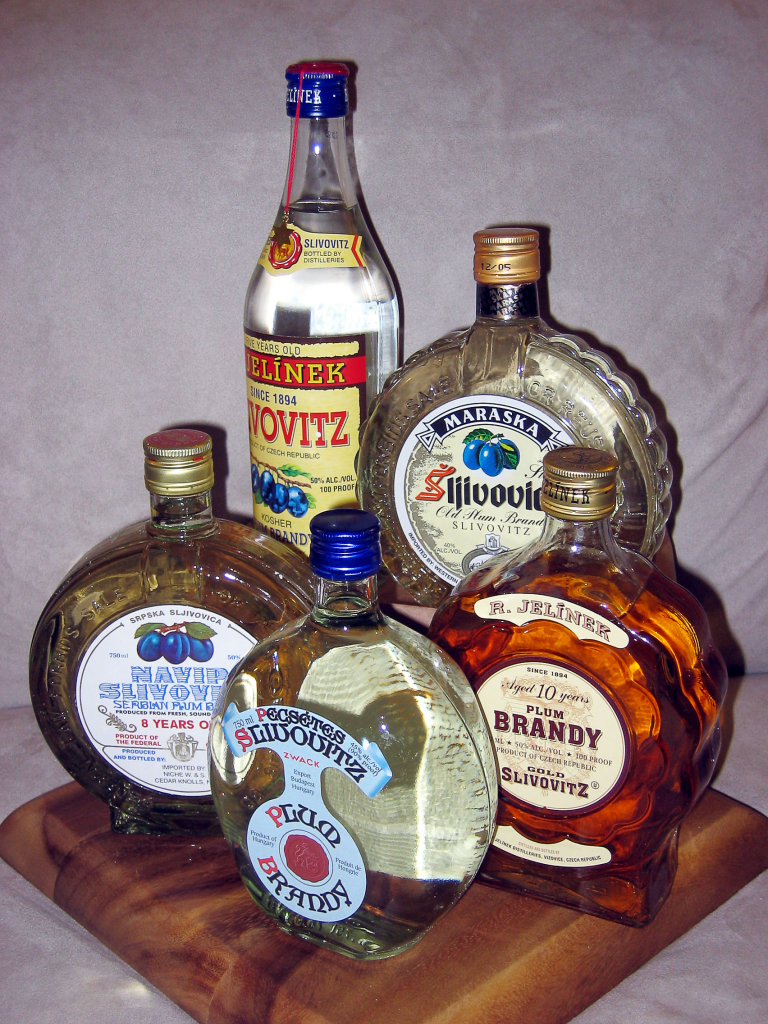
Though plums are enjoyed all over the world, China still ranks as the number one plum producer and consumer, with California coming in second. California produces over 100 varieties of plums and produces roughly 70% of the plums consumed in the United States. They are enjoyed in may different ways – dried (prunes), fresh, canned, cooked, pickled, salted, used in baked goods and preserves, stews, and they are even asked for alcoholic beverages, such as plum wine or Slivovitz, which is a fruit spirit (or fruit brandy) made from damson plums, often referred to as plum spirit (or plum brandy). Slivovitz is produced in Central and Southeastern Europe.
Plums, like most fruits are very healthy. They are rich in antioxidants, vitamins C and K and potassium, they are used as laxatives or to help keep us regular, they help reduce inflammation, and they have positive effects on bone health and may help reduce the risk of heart disease and diabetes. Plums and prunes are also a good source of calcium, magnesium, iron, vitamin B6, a combination of vitamins and minerals that boost the production of melatonin, the hormone that lets the body know its time to sleep.

“When the old plum tree blooms the entire world blooms” (p. 103 – The Story of Food). So eat your plums. They are plum good and plum good for you too. 🙂
Have a great day and make everyday great. Life is what you make it, so make it fantastic. May 2026 be filled with happiness, good health and prosperity for all. ‘Til next time.


 A Jeanne in the Kitchen
Love, love plums (and prunes) – another great post
LikeLiked by 1 person
Thank you. I love them too, especially plums. 🙂
LikeLiked by 1 person
I haven’thad a plum for ages! I quite fancy one now.
LikeLiked by 1 person
SWEET! My job here is complete. 🙂 🙂 🙂
LikeLiked by 1 person
I just saw the best looking plums today at Publix!
LikeLiked by 1 person
It’s a little early for them here, but maybe where you live they are ready. 🙂
LikeLiked by 1 person
Florida and they are ready.
LikeLiked by 1 person
SWEET! Enjoy them while you can. 😉
LikeLike
Hmm, that reminds me, I need to plant a couple of plum trees. My dad had a couple of large plum trees and wild plums that grew through the fences. The wild plums were small, about the size of the end of a thumb. They were yellow and very sweet when ripe. I don’t know how they got the name Wild plums. Maybe because they weren’t planted? The big plums were red, juicy, and not as sweet as the wild ones.
LikeLiked by 1 person
I love plums. 🙂
LikeLiked by 1 person
So do I. 🙂
LikeLiked by 1 person
🙂 🙂 🙂
LikeLiked by 1 person