Every now then I help other writers out by featuring their articles. We all need to start somewhere, and we all need “a little help from our friends“, to quote The Beatles. Today, I am featuring an article from Jessica Brody, called 7 Habits to Drop Now for a Happier, Healthier Home Life.
Here is Jessica’s article:
7 Habits to Drop Now for a Happier, healthier Home Life – Jessica Brody
For busy home cooks balancing work, errands, and getting dinner on the table, personal life improvement can feel hard when energy runs out before the day does. The real drag often isn’t a lack of effort, it’s self-sabotaging habits that blend into the routine, like a negative mindset that colors everything, unhealthy routines that leave bodies and brains running on fumes, and personal growth challenges that keep the same frustrations on repeat. These patterns can make even good meals and good intentions feel flat. Spotting what’s quietly pulling satisfaction down is the first step toward a happier, healthier home life.
Understanding Why Negative Habits Stick
A quick note before you change anything. Negativity is not just a “bad mood.” It trains your brain to scan for problems, then turns that stress into automatic reactions. Over time, those reactions become habits you do without thinking, even when they hurt your relationships.
Cognitive distortions add fuel to the fire. The term emotional reasoning describes when feelings start acting like facts, so “I feel overwhelmed” becomes “I can’t handle life.” The good news is habits are learnable and changeable, and habit formation interventions significantly increased PA habit in research, showing small systems can reshape behavior. Picture a weeknight dinner when you’re tired. One burnt pan can trigger “I always mess up,” and you grab takeout again. Swap the story, not just the recipe, and cooking becomes doable and even fun
Small Kitchen Rituals That Stick All Week
These tiny routines make it easier to drop the habits that drain home life, especially negative self-talk, comparison, and skipping self-care. For home cooks, they turn “I can’t” moments into flexible, flavorful next steps you can repeat until they feel automatic.
Three-Sentence Reset Talk
- What it is: Name one win, then choose one small next step.
- How often: Daily, before cooking.
- Why it helps: It interrupts spirals and keeps dinner decisions practical.
Five-Minute Emotional Check-In
- What it is: Do daily habits to monitor stress before you pick a recipe.
- How often: Daily.
- Why it helps: You notice overload early, before you snap or shut down.
One Veggie Upgrade
- What it is: Add one extra plant to any familiar meal.
- How often: 3 times weekly.
- Why it helps: It improves diet habits without ditching comfort foods.
Comparison-Free Inspiration List
- What it is: Save five “looks doable” meals, not perfect ones.
- How often: Weekly.
- Why it helps: It reduces scrolling envy and boosts follow-through.
Kindness Script for Kitchen Mistakes
- What it is: Practice treating oneself with kindness when food flops.
- How often: Whenever something goes wrong.
- Why it helps: You recover faster and cook again sooner.
Pick one habit, try it for seven days, then tweak it for your household.
Quick Answers for Feeling Less Stuck at Home
Q: What are the most common habits that silently hold people back from enjoying a fulfilling personal life?
A: The biggest culprits are autopilot choices: procrastinating rest, defaulting to resentment, constant self-criticism, and saying yes when you need boundaries. Another sneaky one is waiting for the “right” week to start, which keeps you stuck. Pick one habit to drop and replace it with a tiny kitchen-friendly cue, like prepping tomorrow’s breakfast before you clean up.
Q: How can I stop feeling overwhelmed by daily responsibilities to improve my well-being?
A: Shrink the decision load by choosing one “good enough” dinner template you can repeat, then rotate flavors. Do a two-minute brain dump, circle the one task that helps tonight, and let the rest wait. When you feel overloaded, aim for progress, not a full reset.
Q: Why do people often compare themselves to others, and how can I break free from this behavior?
A: Comparison is your brain trying to find a shortcut for what “good” looks like, but it often turns into shame and quitting. Limit your inputs by following cooks who show realistic weeknight food and unfollow accounts that spike stress. Then track your own wins, like three home meals this week, instead of someone else’s highlight reel.
Q: What practical steps can I take to prioritize self-care and avoid burnout in my everyday routine?
A: Treat self-care like a non-negotiable ingredient: schedule a 10-minute buffer before cooking and a real sit-down meal when possible. Use a tiny routine you can keep on rough days, like chopping one vegetable or making a simple soup. If you slip, restart at the next meal, not next Monday
Q: If I’m feeling stuck and uncertain about my future, how can I explore new opportunities for growth and change?
A: Start by naming what you want more of, such as time, stability, creativity, then test one small experiment for two weeks. A journal list of “energizing tasks” versus “draining tasks” can point you toward a skill to build, including flexible learning if that fits, and you can take a look at online business degree options. Remember that you are not alone since many people are exploring new employment opportunities when life feels out of sync.
Drop One Habit This Week for a Calmer Home Rhythm
When home life feels sticky, meals, chores, and motivation piling up, it’s easy to assume you need a total reset to feel better. The steadier path is the mindset this guide has leaned on: notice what’s draining you, choose simpler defaults, and build small routines that are easy to repeat. Over time, those positive lifestyle changes bring the long-term benefits of habit change: more energy for cooking and connection, less background stress, and real personal empowerment. Small habit drops can create breathing room at home. Pick one habit to drop this week and replace it with a tiny, doable routine. That’s how sustainable well-being practices turn into resilience you can rely on.
We all know life can get very hectic at times. I hope these helpful hints can help ease some of the daily stressors in life. Don’t bite off more than you can chew. Have a great day and live life one day at a time.
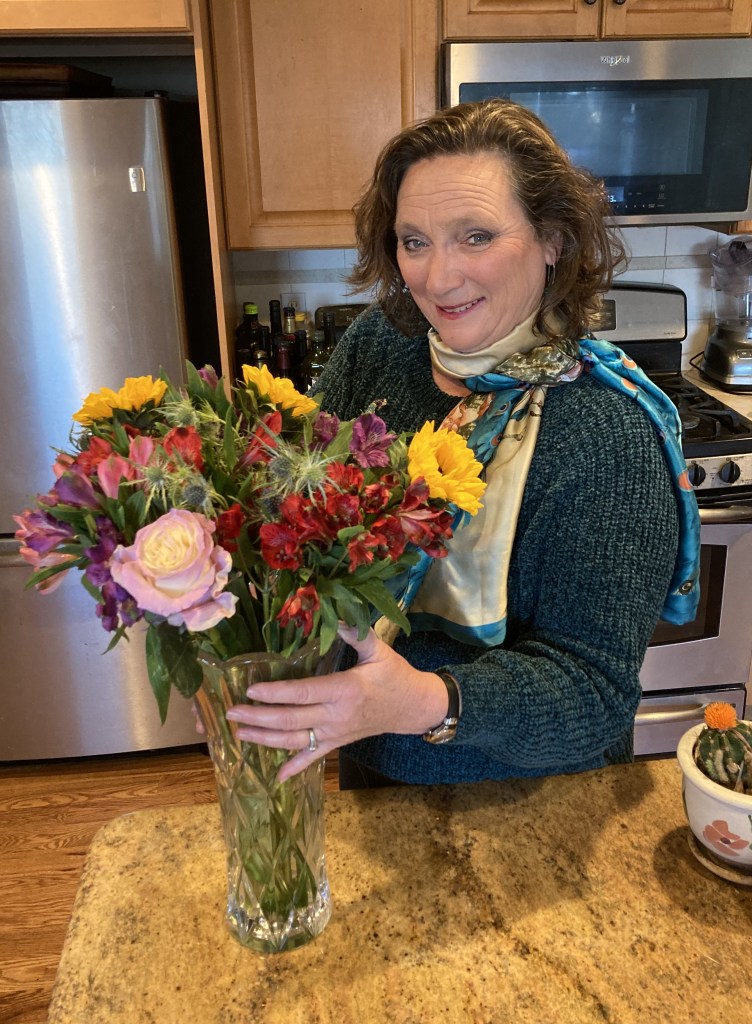


 A Jeanne in the Kitchen
❤
LikeLiked by 1 person
That is a great article! Thanks for sharing it on your blog Jeanne! 🙂
LikeLiked by 1 person
Thank you. I will pass that along to Jessica. 🙂
LikeLike
Thanks again. 🙂
LikeLike
Useful practical advice. You are still the cutest, darling!
LikeLiked by 1 person
🙂 🙂 🙂 Thank you my dear friend. 🙂
LikeLiked by 1 person
My pleasure, darling.
LikeLiked by 1 person
🙂 🙂 🙂
LikeLiked by 1 person