The human body is a pretty amazing thing. I have always been interested in how the body works. When I first entered college, I majored in biology, with an emphasis on becoming a doctor. Needless to say, that didn’t work out as planned, but I still was very interested in the body and how it works. I learned all about nutrition and it’s influence on the body both in culinary school, and then again later when I studied sports nutrition. I am also fascinated by kinesiology and how how everything flows together.
I came across something interesting that ties all these together, and I thought I would share it with you today. Today’s post will be a little different than my normal posts, but by now, I am sure you are used to me going off the rails from time to time. In then end, you will hopefully see how it all comes together. 🙂 I am going to give you some of the best sources for these anatomical nutrients and just briefly touch upon their benefits.
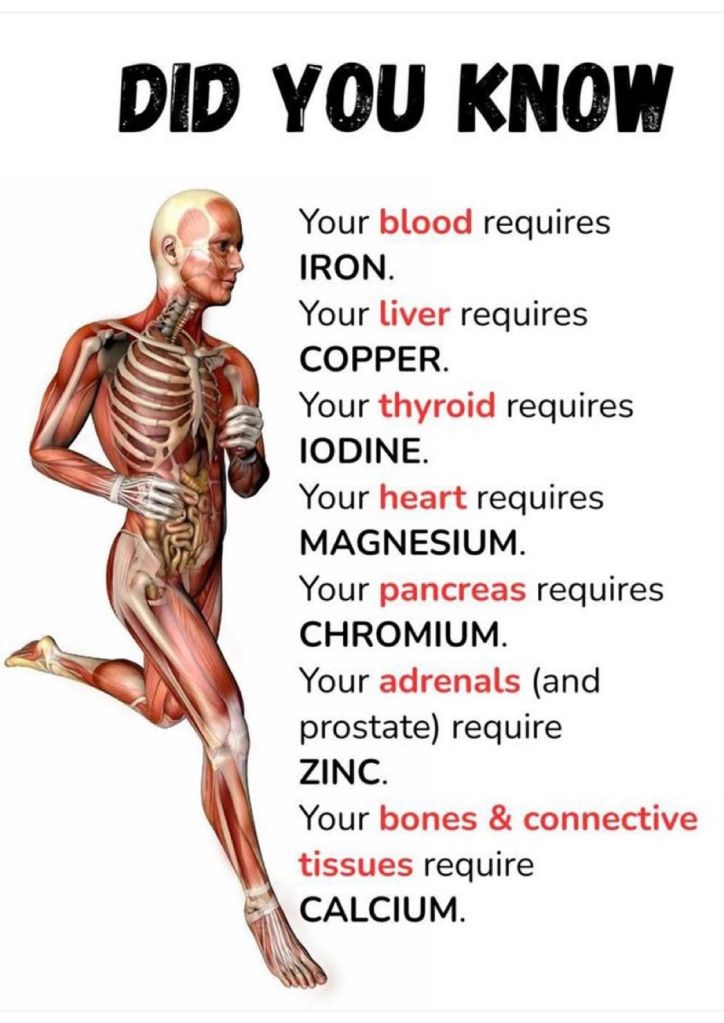
- IRON – We need iron for healthy blood. Iron is a mineral found in every cell of the body. Iron is considered an essential mineral because it is needed to make hemoglobin, a part of blood cells. The body cannot make it, so it must be taken in with the food we eat. The human body needs iron to make the oxygen-carrying proteins hemoglobin and myoglobin. Hemoglobin is found in red blood cells. Myoglobin is found in muscles. https://ufhealth.org/ The best sources of iron are heme iron from animal products (red meat, poultry, seafood, liver) for best absorption, and non-heme iron from plants (beans, lentils, spinach, fortified cereals, dried fruits) which is boosted by Vitamin C. Combining heme and non-heme sources, and eating non-heme iron with Vitamin C-rich foods like citrus or peppers, significantly improves iron uptake, say WebMD and UF Health.
Food has two types of iron — heme and non-heme iron. Heme iron is found in meat, fish and poultry. It is the form of iron that is most readily absorbed by your body. You absorb up to 30 percent of the heme iron that you consume. Eating meat generally boosts your iron levels far more than eating non-heme iron. Non-heme iron is found in plant-based foods such as fruits, vegetables and nuts. Foods with non-heme iron are still an important part of a nutritious, well-balanced diet, but the iron contained in these foods won’t be absorbed as completely. You absorb between two and 10 percent of the non-heme iron that you consume. When you eat heme iron with foods higher in non-heme iron, the iron will be more completely absorbed by your body. Foods high in vitamin C – like tomatoes, citrus fruits and red, yellow and orange peppers – can also help with the absorption of non-heme iron. https://www.redcrossblood.org/ If you mix some lean meat, fish, or poultry with beans or dark leafy greens at a meal, you can improve absorption of vegetable sources of iron up to three times. Cooking foods in a cast-iron skillet can also help to increase the amount of iron provided.
We need to keep our iron levels in balance. Eating too little or too much both have serious side effects. What happens if the body lacks sufficient amounts of iron? A low iron level over a long period of time can lead to iron deficiency anemia. Symptoms include lack of energy, shortness of breath, headache, irritability, dizziness, or weight loss. Physical signs of lack of iron are a pale tongue and spoon-shaped nails. What happens if you have too much iron in the body? The genetic disorder called hemochromatosis affects the body’s ability to control how much iron is absorbed. This leads to too much iron in the body. This can lead to fatigue, anorexia, dizziness, nausea, vomiting, headaches, weight loss, shortness of breath and/or a grayish skin color. Fortunately in the United States, and other rich countries, these problems are pretty rare and can be easily fixed.
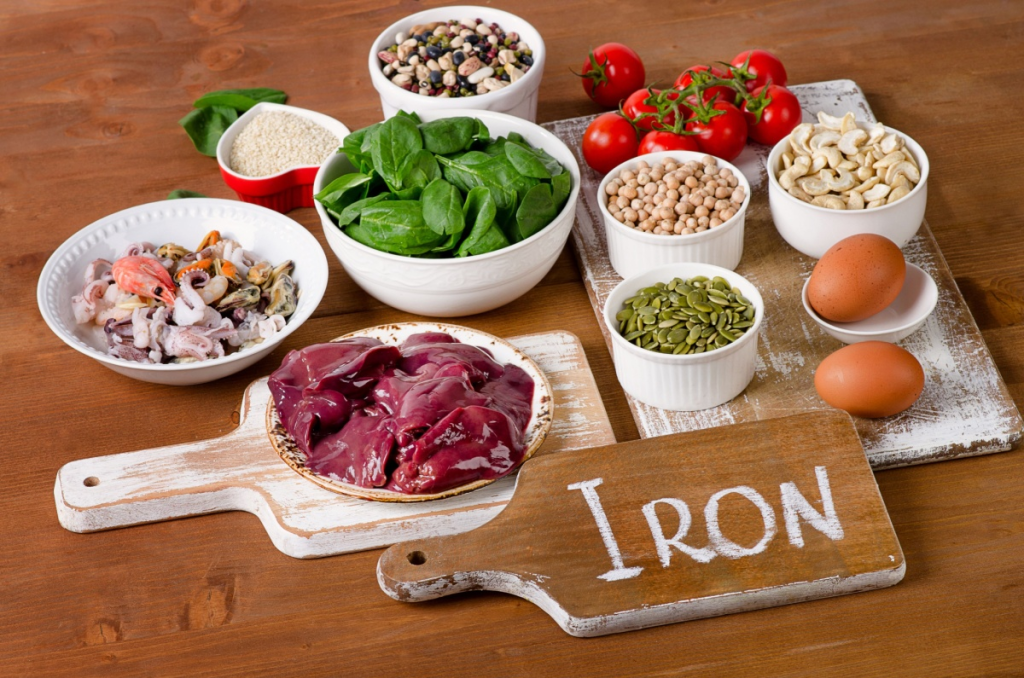
2. Copper – Copper is to keep our liver healthy. Copper is actually necessary and found in every cell in our body. It is an essential trace mineral required for a variety of functions throughout the body. Our needs change by our age and it’s needed for energy production, iron transport, nervous system function, cholesterol metabolism, bone and connective tissue production, and immune system function. (1) It’s also necessary for the formation of some types of superoxide dismutase (SOD), an enzyme that’s crucial for protecting cells from damage caused by the use of oxygen for energy. A copper deficiency can lead to anemia, an increased risk of infections, weak bones, joint pain, and neurological issues. (3) Copper deficiency is uncommon, and is usually caused by genetic disorders, digestive system problems that impair absorption, or consumption of excessive amounts of zinc. However, there are also cases in which the cause of copper deficiency is not determined.
High copper foods include seafood, mushrooms, tofu, sweet potatoes, sesame seeds, cashews, chickpeas, salmon, dark chocolate, and avocados. The current daily value (DV) for copper is 0.9mg. (5). Liver is one of the most significant sources of dietary copper. Per three-ounce (85g) serving, cooked beef liver contains 1356% of the mineral’s daily value (16). Though copper is found in many of the foods we eat, since as I stated, it is found in every cell in our bodies.
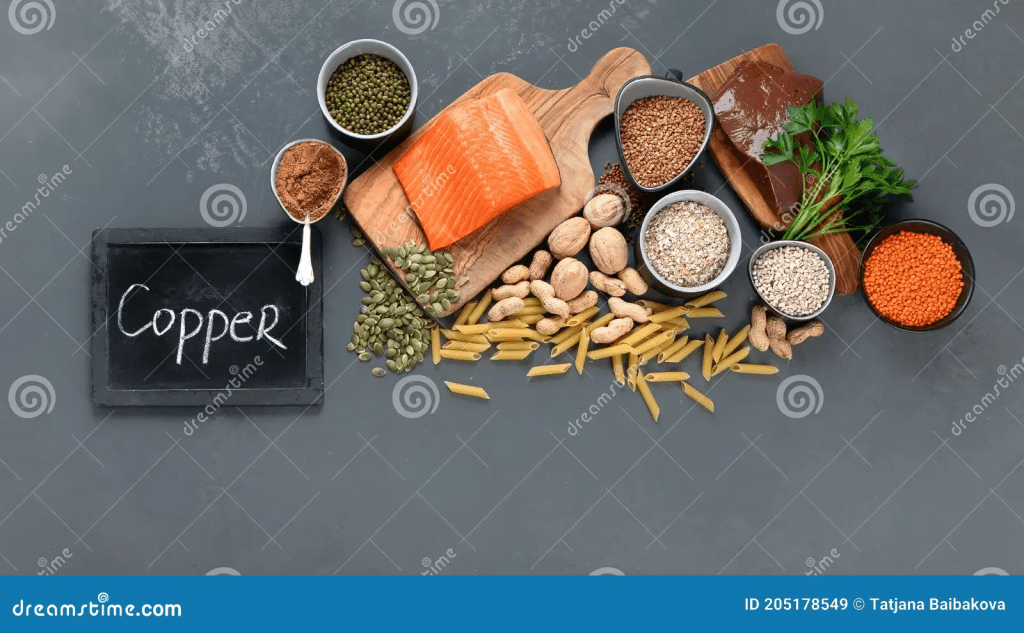
3. Iodine – Iodine is necessary for many organs, but the thyroid is really dependent upon proper Iodine levels. Iodine is a trace element that is naturally present in some foods, is added to some types of salt, and is available as a dietary supplement. Iodine is crucial for the thyroid gland to produce hormones that regulate metabolism, growth, and development, with deficiency causing hypothyroidism (underactive thyroid) and goiter, while too much can also impair function, highlighting the need for balance, often met through iodized salt, seafood, dairy, and supplements, especially during pregnancy, but supplementation should be doctor-guided. Iodine is a fundamental component for synthesizing thyroid hormones T3 (triiodothyronine) and T4 (thyroxine). These hormones control the speed of your body’s chemical reactions (metabolic rate), energy use, and body temperature.
Seaweed (such as kelp, nori, kombu, and wakame) is one of the best food sources of iodine [5]. Other good sources include fish and other seafood as well as eggs (see Table 2). Iodine is also present in human breast milk [2,5] and infant formulas [8].
Dairy products contain iodine. However, the amount of iodine in dairy products varies by whether the cows received iodine feed supplements and whether iodophor sanitizing agents were used to clean the cows and milk-processing equipment [9]. For example, an analysis of 59 samples of nonfat milk found a range of 38 to 160 mcg per cup (with an average of 84 mcg/cup used for Table 2) [8]. Plant-based beverages used as milk substitutes, such as soy and almond beverages, contain relatively small amounts of iodine. Most fruits and vegetables are poor sources of iodine, and the amounts they contain are affected by the iodine content of the soil, fertilizer use, and irrigation practices [2,10]. This variability affects the iodine content of meat and animal products because of its impact on the iodine content of foods that the animals consume [14]. The iodine amounts in different seaweed species also vary greatly. For example, commercially available seaweeds in whole or sheet form have iodine concentrations ranging from 16 mcg/g to 2,984 mcg/g [15]. The use of iodized salt is the most widely used strategy to control iodine deficiency. Currently, about 88% of households worldwide use iodized salt, but iodine insufficiency is still prevalent in certain regions, particularly Southeast Asia, sub-Saharan Africa, and Eastern Europe.
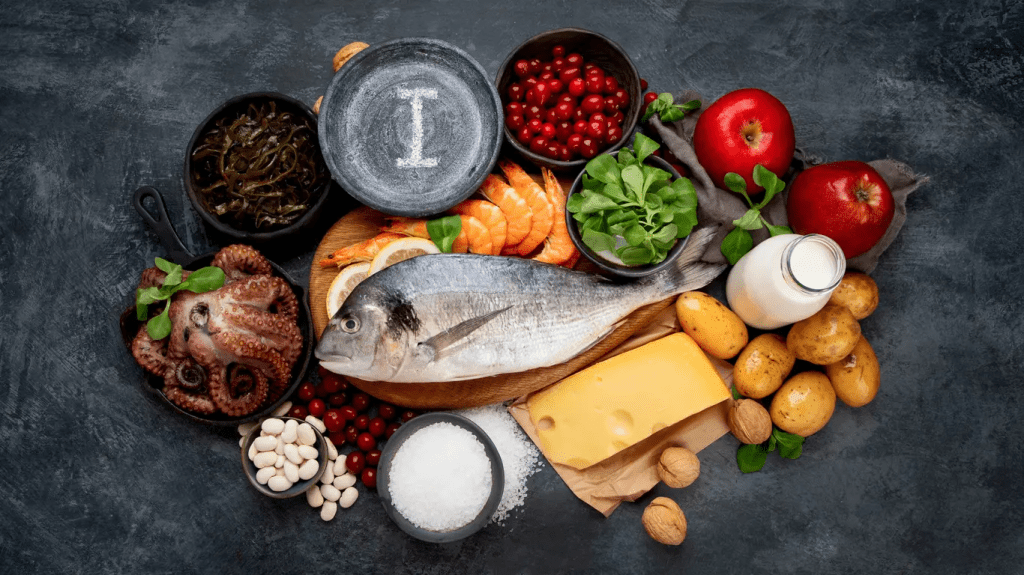
I personally am dealing with thyroid issues and have been for quite some time. Just by doing my research for this article alone, I have already discovered more about proper iodine levels, and the effects on my thyroid than my doctor knows. Sadly, a vast majority of healthcare professionals do NOT know much about proper nutrition and the effects of proper nutrition for the body. Considering how many health disorders stem from poor nutrition, I find this very alarming.
4. Magnesium – Magnesium’s bond with heart health profoundly influences numerous aspects of cardiovascular function. The heart, the most critical muscle in our body, requires magnesium for proper contraction and relaxation. This mineral aids in transmitting muscle impulses, ensuring the heart pumps blood efficiently throughout the body. Magnesium helps facilitate the proper flow of electrical impulses in the heart, preventing irregular heart rhythms, such as atrial fibrillation. Magnesium is like a conductor, keeping our heartbeats in sync and efficient. But, without enough of it? We’re more prone to heart rhythm abnormalities like atrial fibrillation and tachycardia. In short, our heart needs its magnesium fix. https://naturalheartdoctor.com/
Magnesium is a crucial mineral that supports various enzymatic processes in the body. It plays a vital role in maintaining vascular, metabolic, and electrical homeostasis, making it an important factor for cardiovascular health. Magnesium is also involved in oxidative and inflammatory responses. Low levels of magnesium are associated with several cardiovascular issues, including arrhythmias, coronary artery disease, stroke, high blood pressure, and abnormal lipid levels. This suggests that a deficiency in magnesium could be a risk factor for cardiovascular disease (CVD), which is a major public health concern. Monitoring serum magnesium levels might help in identifying cardiovascular problems and related risk factors. https://www.ncbi.nlm.nih.gov/

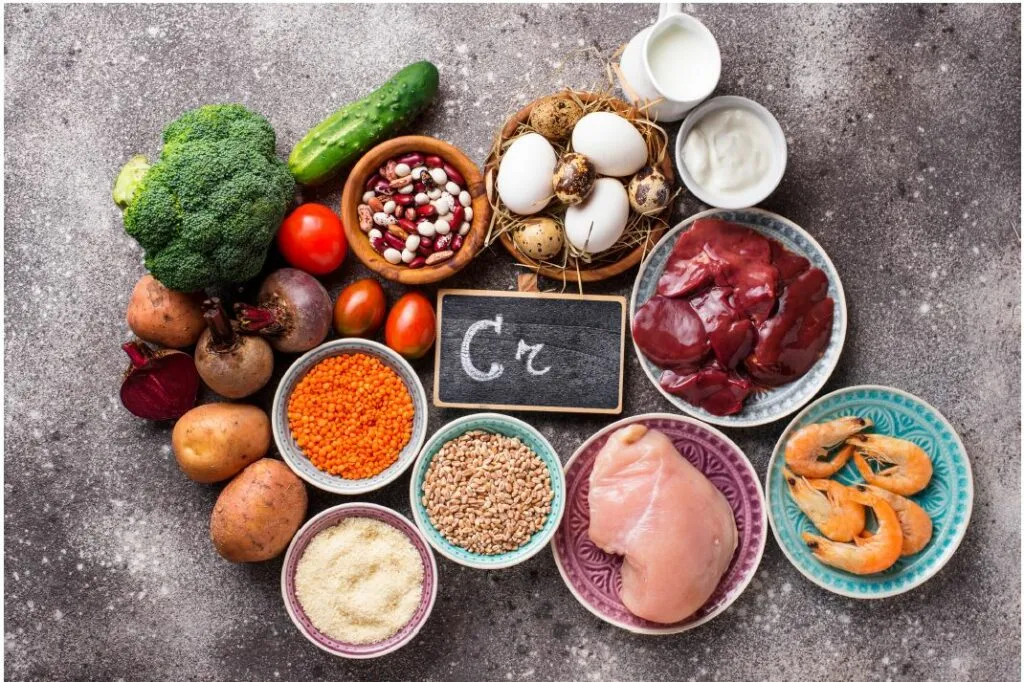
5. Chromium – Chromium is an essential trace mineral that plays a critical role in various bodily functions, particularly in blood sugar regulation and pancreatic health. While the body requires only small amounts of chromium, its impact on metabolism and overall health is significant. One of the most well-known benefits of chromium is its role in insulin function and glucose metabolism. The pancreas plays a vital role in producing insulin, and chromium directly supports pancreatic function by reducing stress on insulin-producing beta cells. Insulin is the hormone responsible for transporting glucose (sugar) from the bloodstream into the cells for energy. Chromium enhances insulin’s effectiveness by improving insulin sensitivity and helping maintain stable blood sugar levels. A well-functioning pancreas contributes to balanced hormones, improved digestion, and better weight management. https://greatergoodhealth.substack.com/
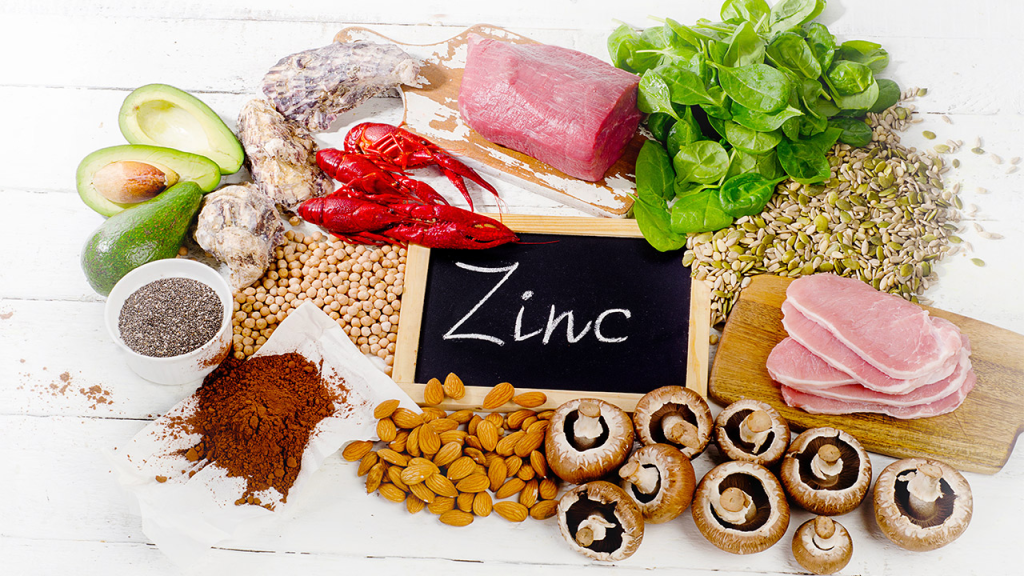
6. Zinc – Zinc is crucial for general endocrine health and stress modulation. Zinc has many health benefits due to its role in cell growth and development and its antioxidant properties, from supporting fertility to speeding up wound healing. https://www.verywellhealth.com/ Zinc is an essential trace mineral involved in numerous biological processes, including immune function, enzyme activity, and hormone synthesis. Scientific evidence links zinc to adrenal gland support primarily due to its role in steroidogenesis—the process by which the adrenal glands produce steroid hormones such as cortisol and aldosterone. Deficiency in zinc has been shown in animal studies to impair adrenal function and reduce hormone output. In humans, zinc deficiency is associated with altered stress responses and potentially impaired adrenal hormone production, though direct studies on zinc supplementation specifically improving adrenal gland function in humans are limited.
Low zinc levels lead to rough skin and negatively affect wound healing.5 Zinc’s role in immunity, cell growth, and development contributes to its beneficial effects on skin health.7 Zinc is involved in every stage of the wound-healing process, from blood clotting to the inflammatory response and wound closure. Because zinc is essential for cell growth and development, it also plays a crucial role in hormone balancing and reproduction. Zinc regulates thyroid hormone levels and influences male and female sex hormones. Zinc helps regulate blood sugar. Low levels are linked to reduced insulin secretion and sensitivity.1415 Zinc in pancreatic cells (islet cells) helps produce insulin and is necessary for its release. Zinc is an important nutrient for male and female reproduction. It supports sperm health, namely sperm count and motility (independent movement).10 Sperm tails have zinc receptors. When zinc attaches to these receptors, sperm motility increases. This may influence fertility. Most of the body’s zinc is stored in the brain. Zinc plays a vital role in learning and memory, the function of neurotransmitters (special brain chemicals), and the creation of new neurons in the brain. Changes in zinc levels in the brain—having too much or too little can influence the development and progression of specific nervous system health issues, such as Parkinson’s disease, epilepsy, multiple sclerosis (MS), and schizophrenia. For example, too much zinc contributes to cell damage and increases the risk of stroke. Conversely, low zinc levels may accelerate memory deficits and cognitive decline linked to Alzheimer’s disease.
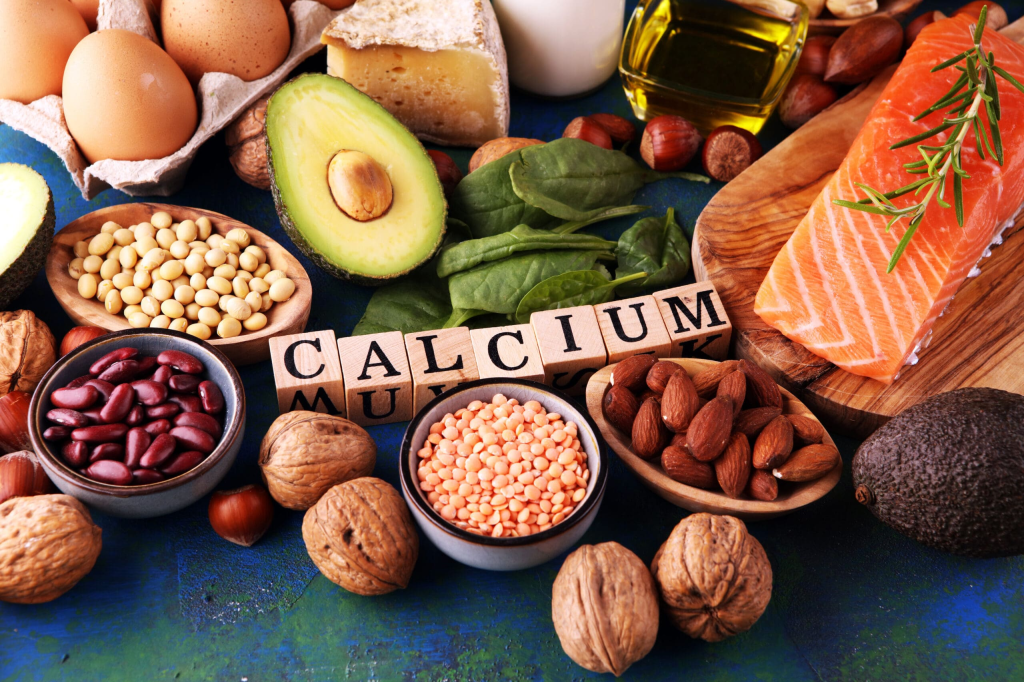
7. Calcium – Calcium is an essential mineral that’s key to your bones and overall health. It’s recommended that most adults consume at least 1,000 mg of calcium a day. The calcium in your system also helps keep your heart beating, muscles working and nerves firing. It may offer protection against cancer and high blood pressure, too. Calcium is the most abundant mineral in your body. More than 99% of the calcium in your body resides in your bones and teeth to give them strength and structure. The rest can be found in your muscles and tissues and circulating through your blood.
Calcium hardens and strengthens your bones to give your body a solid framework. The mineral plays a key role in the growth and development of your bones when you’re young. As you age, calcium can help minimize your natural loss of bone density. Your blood needs to be able to clot (or stick together) so you don’t bleed too much when you’re injured. Calcium helps activate platelets that form clots to stop the bleeding when you get a scrape or cut. Calcium works to make sure your nerves can send messages throughout your body. It’s responsible for triggering the release of chemicals called neurotransmitters, which are the little messengers that keep your nerves in communication with one another. Calcium plays a key role in the complex scientific process that makes sure your muscles can interact with one another and generate the right amount of force you need for various movements.
Low levels of calcium in your blood (hypocalcemia) can lead to issues as your body steals calcium from your bones to compensate. “It causes the body to leach calcium from your bones to keep blood levels normal,” explains Czerwony. This reduction in bone mineral density can eventually weaken your bones (osteopenia) and increase your risk for osteoporosis, leaving you with fragile, porous bones at a higher risk for breaks. On the other end of the spectrum is hypercalcemia, or having too much calcium. Left unchecked, hypercalcemia can raise your risk of a heart attack and other health issues. The NIH advises adults ages 19 to 50 to not exceed 2,500 mg of calcium in a day. For those aged 51 and older, the upper limit is 2,000 mg. https://health.clevelandclinic.org/
Obviously, I have only provided the bare basics of good nutrition here. But there is one central theme, and it all ties together with proper nutrition, and eating a diet based on whole, nutritious foods, and by eating a wide variety of foods, from many different sources. These are the ideals I have always lived by and this is how we eat on a daily basis. The more and varied your food sources, the healthier you will be in a general sense. Of course there will always be variations, and I am NO doctor (not in this lifetime at least). ALWAYS, ALWAYS, ALWAYS listen to your own doctor(s) and do what is best for you. These are just general guidelines based on my own research. Do your own research and talk to your doctors to come up with the best and healthiest plans for you.
Have a great day and make everyday great. Eat a wide variety of healthy, whole foods from many different sources to be the healthiest version of you than you can be. May 2026 be filled with happiness, good health and prosperity for all. ‘Til next time.

 A Jeanne in the Kitchen
Check ✅ Check ✅ And Double Check. ✅✅
LikeLiked by 1 person
🙂 🙂 🙂
LikeLiked by 1 person
Very important information.
LikeLiked by 1 person
Thank you. I saw the chart, and decided to expand upon it. I think it is important information too. 🙂
LikeLiked by 1 person
My pleasure, dear Jeanne.
LikeLiked by 1 person
🙂 🙂 🙂
LikeLike
I learned a lot from this post Jeanne! Thanks for sharing it! 💜💜😁😁
LikeLiked by 1 person
SWEET!!!!! That’s the plan Ma’am. 🙂
LikeLike