Today, we take it for granted that we live in a world where we don’t have to worry about having enough good, healthy food whenever we need it, especially for our soldiers, sailors and explorers who travel by land and sea and are often gone for long periods of time. But this is a relatively new luxury. This wasn’t always the case, and something we don’t often think about.
When explorers first started traveling to far off lands, particularly by sea, during the 16th century, keeping ships’ passengers and crews healthy during long voyages was a constant struggle. Malnutrition and disease, particularly scurvy, were very prevalent. Prior to the times when canned foods became readily available, often our soldiers and sailors had other concerns that had nothing to do with fighting their battles and traveling to far off destinations. Maintaining their food supply was another major and constant concern. Historically, expeditions frequently struggled to replenish food supplies, which if they were not replenished in a timely manner, led to starvation, scurvy, and dependence on unreliable hunting or trade. Survival often hinged on careful planning, effective preservation methods (like drying, salting, smoking and pickling), and crucial assistance from local indigenous populations. Small miscalculations in the amounts of fresh meats and vegetables could lead to failure of the mission, and worse, death to all. Explorers often miscalculated the duration of their journeys or the amount of food required for the strenuous physical labor involved. Sometimes, it wasn’t even due to miscalculations or human error, but space, storage and transportation limitations, as well as other unforeseeable events and catastrophes, such as shipwrecks. The land expeditions had it slightly easier because they could hunt for fresh game, assuming it was available. They were also at the mercy of the locals to help out with replenishing their food supplies.
Scurvy was a major concern for long journeys, and left untreated can be very dangerous, even deadly. Scurvy is a disease caused by a severe deficiency of vitamin C that leads to symptoms like fatigue, weakness, and bleeding gums. It is caused by a diet lacking in fruits and vegetables and can be treated by increasing vitamin C intake. Left untreated, it can lead to more severe complications like anemia, poor wound healing, and, in some cases, death from bleeding or infection. But fortunately today, with proper nutrition, it is easily avoidable and curable. We know that today. Prior to the 19th century though, scurvy was not such an easy fix and was a major concern for soldiers, explorers and travelers alike.

The common ways of preserving foods in the early days were salting, drying, smoking and pickling, but even these methods had their limitations. Foods preserved in these ways, especially in the early days, still had a relatively short shelf life and still went bad, which could be almost as bad as not having enough food, because it could become poisonous. Food quality deteriorated over time, and supplies were often lost to spoilage or accidents.
Drying or dehydrating foods is one of the earliest methods of food preservation, dating back to about 12,000 BC. This process removes moisture from food, making it inhospitable to bacteria and fungi that cause spoilage. While drying with sun and wind were the earliest forms of drying foods, other early methods included salting, smoking, and fermentation, which create an environment where microbes cannot survive
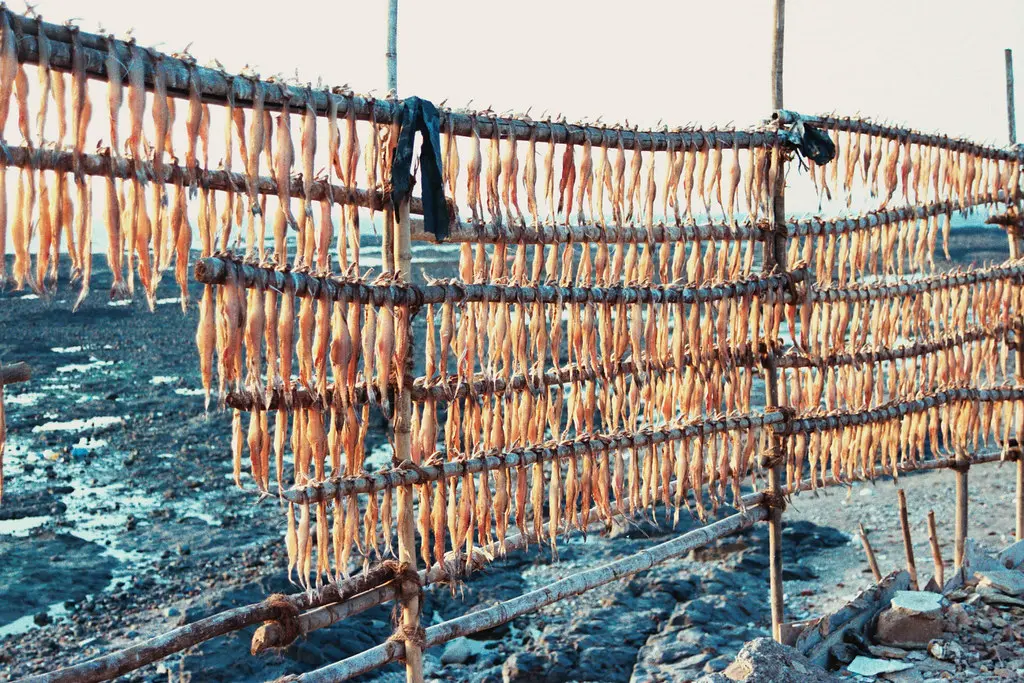
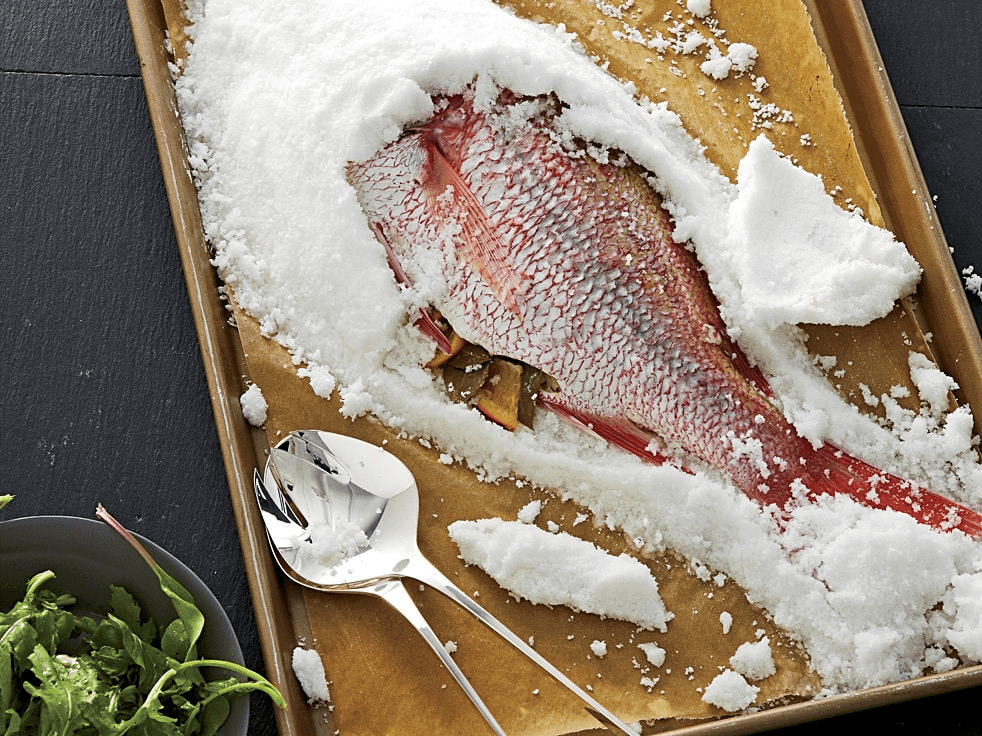
Often the drying method was combined with salting the foods to draw out their moisture. But salted foods have to be “bathed in water” to remove the salt, in order to be edible.
Even foods that were dehydrated and salted still needed to be stored, and at first were “potted” in large clay pots with tight fitting lids. This involved packing cooked meat tightly into a jar and capping it with a generous amount of butter, lard, or tallow (rendered beef fat). An unappetizing as this may sound it kept meat safe to eat for weeks or months in the right environment. It kept people alive, though often times just barely. Potted meat is still popular although today, we call it tinned or canned food, and the preservation methods have come a long way, and are much healthier, with a much longer shelf life than the early days.

Pickling foods was another way of preserving foods and extending their shelf life. Pickling has been around since the days of the ancient Mesopotamians, and evidence suggests it has been around since as early as about 2400 B.C. Everything was pickled from eggs to meat to vegetables. Meats and fish were usually pickled or preserved in a salt brine and sometimes later smoked to encapsulate the salted meat with a thick protective coating of creosote that inhibited insects or microorganisms from spoiling the meat. Vegetables and fruits were often brined in a vinegar base. Most pickled foods involved high concentrations of salt and/or vinegar, and just like purely salted foods, they still had to be freshened by repeated soaking in fresh water to make them edible.

Necessity is often the mother of invention, and people will do whatever they need to do in order to survive. Because salt was so important for food preservation, and we all need food to survive, the salt trade quickly sprang up and became a very competitive and lucrative industry. Salt was gathered from many places around the world and sold to the highest bidders.

Vinegars were also used for preserving foods, and were originally made from beer and wines, but soon farmers started planting apple orchards to produce apples and other fruits, both for eating and for making vinegar. While vinegar making may be as old as brewing, the first documented evidence of vinegar making and use was by the ancient Babylonians around 3000 BCE. They primarily made vinegar from the fermentation of fruits, such as dates and figs, and beer. Vinegars were used for both culinary and medicinal purposes.

Smoking meats was another way of preserving foods in the early days. Most 18th century farmers had smoke houses on their property. From the earliest times, a smokehouse was a small enclosed shelter, a place in which a fire could be kept smoldering for a few weeks, which would only slowly release its smoke, and in which the smoked meat could hang safe from vermin and thieves. Just about any sort of vernacular shed could serve. People who were not lucky enough to have a separate smoke house often hung their meats above the fires in the fireplaces or their hearths at home. Ashes were placed over the embers to extinguish any flames which produced an ideal Smoky environment in which to preserve their fish or game.

We have come a long way since the early days of food preservation, and refrigeration has aided the process immensely. We have it so easy today compared to the days of old. Today, we go to a market and get what we need, whether it comes from the refrigerated section, the freezer or canned or pickled. I don’t think most of realize this was not always the case. Food, good, fresh, healthy food, was not always accessible to many people around the world. People lived off the land by what they could find, hunt or fish, and did their best to preserve it for as long as they could, since it was often scarce.
Have a great day and make everyday great. Stay safe, stay well, and make sure to eat your fresh fruits and vegetables. ‘Til next time.

 A Jeanne in the Kitchen
What a great post! It was informative.
LikeLiked by 2 people
Thank you. I like doing deep dives like this. 🙂
LikeLiked by 1 person
You do such a great job! 🙂🙂🙂
LikeLiked by 1 person
Thank you. It uses my BA in Eng. Literature and my background in both writing and food. 🙂
LikeLiked by 1 person
It shows! 🙂🙂🙂
LikeLiked by 1 person
Thank you. 🙂
LikeLiked by 1 person
Thanks for sharing. Have a great day. 🙂
LikeLike
Another of your wonderful, interesting posts
LikeLiked by 2 people
Merci. 🙂
LikeLiked by 1 person
Fascinating.
LikeLiked by 1 person
Thank you. 🙂
LikeLike
so interesting to read about early way of preserving food! Thanks for sharing 🙂
LikeLiked by 1 person
My pleasure. Glad you enjoyed it. 🙂
LikeLike
Thanks for sharing. Have a great day. 🙂
LikeLike