I mentioned to you awhile ago that I was going to be collaborating with Ian Normandin at Arlington Wine and Liquor, https://www.arlingtonwine.net/ in my post A Very Pleasant Surprise. Ian and I both wrote articles about wines that we shared with each other and to share with all of you. Today, I am sharing Ian’s article about vegan wines with you. Thank you so much Ian and Arlington Wine & Liquor for this fun collaborative opportunity.
Here is Ian’s Article. It’s titled Exploring Vegan Wines: A Guide to Conscious Sipping
Exploring Vegan Wines: A Guide to Conscious Sipping
For many wine lovers, the perfect bottle is all about taste, aroma, and food pairings. But for vegans and ethically conscious consumers, the choice goes beyond the flavor—it’s about how the wine is made and what goes into it. Surprisingly, many wines aren’t vegan-friendly due to the use of animal-derived ingredients during the fining process, which clarifies the wine. This raises important questions about the production methods and ingredients in every bottle. As more people look for ethical, cruelty-free alternatives in their food and drinks, vegan wines have risen in popularity. But what makes a wine vegan, and how do you know which wines meet those standards? Let’s explore the world of vegan wines, the practices behind their production, and why they might be the perfect choice for your next bottle. Whether you’re hosting a dinner party or enjoying a quiet evening, choosing vegan wine is a way to align your values with your glass.
Why Aren’t All Wines Vegan?
At first glance, wine seems like a simple blend of fermented grape juice. But the
winemaking process often involves a step called fining, which clarifies the liquid by removing sediments, proteins, and tannins. Traditionally, winemakers use animal- derived substances to achieve this, including:
Isinglass: Gelatin from fish bladders, often used in white wines.
Casein: A milk-based protein for softening flavors.
Albumin: Egg whites, popular in red wines to reduce tannic harshness.
Gelatin: Sourced from animal bones or connective tissues, filtering unwanted
particles.
These substances don’t stay in the final product, but their use means the wine isn’t vegan-friendly. For conscious consumers, this process raises concerns about ethical and dietary alignment.
What Makes a Wine Vegan?
Vegan wines are made without the use of animal-derived fining agents, which are often used to clarify and stabilize wines. Traditional fining agents like egg whites, gelatin, and isinglass (derived from fish bladders) are commonly used in many wines, but these are not suitable for vegans. Instead, winemakers of vegan wines turn to plant-based or mineral alternatives such as:
Bentonite clay: A natural substance that helps remove impurities from wine
without affecting its taste.
Activated charcoal: Known for its ability to filter out unwanted particles while
maintaining the purity of the wine.
Pea proteins: A more eco-friendly fining agent that’s becoming increasingly
popular in the production of vegan wines.
Additionally, some winemakers skip the fining process altogether, embracing an unfiltered approach that results in natural, cloudy wines. These wines retain more of their original flavors and aromas, offering a more authentic and often more complex tasting experience.
Why Choose Vegan Wines?
By choosing vegan wines, you not only enjoy a delicious, ethically produced product, but you also support a growing movement toward sustainable, cruelty-free practices in the wine industry.
- Ethical Alignment – For those committed to cruelty-free living, vegan wines ensure no animal products are involved at any stage of production.
- Enhanced Flavor Profiles – Natural and unfiltered wines often have richer, more complex flavors. Vegan wines also tend to emphasize sustainability, resulting in better soil health and grape quality.
- Environmental Sustainability – Many vegan wineries follow organic or biodynamic farming methods, reducing chemicals and promoting biodiversity.
- Health Benefits – Without unnecessary additives or animal-derived residues, vegan wines offer a purer option for mindful drinkers.
How to Identify Vegan Wines
Unlike food products, wine labels don’t always clearly indicate whether animal-based fining agents were used in the winemaking process. This can make it tricky for vegans and ethically conscious consumers to determine if a wine aligns with their values. However, there are several ways to identify vegan-friendly wines:
Vegan Certifications: Look for official certifications such as the “Certified
Vegan” logo or “Vegan Society Approved” stamp on the label. These markings
are a reliable sign that no animal-derived ingredients were used in the production process.
Keyword Searches: Apps like Barnivore provide helpful vegan wine directories, listing brands and wines that have been verified as vegan. You can easily search by brand or specific wine to confirm whether it meets vegan standards.
Transparent Producers: Many winemakers are proud to label their wines as
vegan-friendly. Some producers explicitly mention this on their bottles or
websites, making it easier to find wines that align with your ethical preferences.
By paying attention to these indicators, you can ensure that the wine you choose is both delicious and in line with your ethical and environmental values.
Top Vegan-Friendly Wineries to Explore
Below are some top vegan-friendly wines from around the world:
- Avaline (USA): Co-founded by Cameron Diaz, Avaline offers clean, organic, and
vegan wines made with minimal intervention and sustainably grown grapes. - Frey Vineyards (USA): Pioneers in biodynamic winemaking, Frey produces fully
vegan wines, free from animal-derived fining agents, with a focus on organic
farming. - Loveblock (New Zealand): Loveblock wines are sustainably crafted and vegan,
reflecting their commitment to environmental and ethical practices. - La Crema (USA): Known for bold, unfiltered vegan wines, La Crema produces
wines with rich textures and flavors, allowing the natural essence of the grapes to shine.
These brands offer great options for those seeking high-quality, ethical wines.
Perfect Pairings for Vegan Wines
The beauty of vegan wines lies in their versatility. Whether you’re hosting a dinner party or enjoying a solo indulgence, here are some ideas:
For robust reds: Pair with grilled portobello mushrooms, lentil loaf, or vegan
lasagna.
For crisp whites: Complement with fresh garden salads, dairy-free cheeses, or roasted vegetable platters.
For sparkling wines: Enjoy with fruit-based desserts or light appetizers like
bruschetta.
The Future of Vegan Wines
Vegan wines are becoming an integral part of the wine industry, reflecting the
increasing shift toward ethical and sustainable consumption. With more wineries adopting plant-based fining methods and offering transparent labeling, finding a quality vegan wine is easier than ever.
These wines aren’t just for those following a plant-based diet—they’re a choice for anyone who values sustainability, cruelty-free practices, and environmental
responsibility.
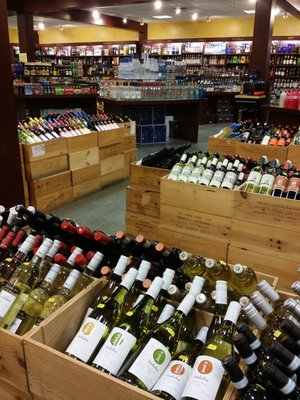
Thank you once again Ian for this very informative article. I know I learned a lot. I did not know that much about vegan wines. If any of you have questions, or would like to learn more about vegan wine options, please feel free to contact Ian Normandin at Arlington Wine and Liquor,https://www.arlingtonwine.net/ . I know he would be more than happy to help you and will direct to the right wine choices for you and your guests. Or better yet, if you are in the Poughkeepsie, NY area, please feel free to visit the store directly, in person. Arlington Wine and Liquor is located at 718 Dutchess Turnpike Suite 3, Poughkeepsie, NY 12603. You can also go online or call them at (866) 729-9463.



Have a great day and make everyday great. Make your days and holidays even better with great wines too. Stay safe and stay well. Merry Christmas and Happy Holidays. ‘Til next time.

 A Jeanne in the Kitchen
I’ve been a vegetarian for years but I never even considered that wine making might involve animal products. Thank you for this informative post!
LikeLiked by 1 person
My pleasure. You are very welcome. 🙂
LikeLike
What an interesting article! I didn’t realize animal products were used in wine.
LikeLiked by 1 person
I didn’t either. But we do now. 🙂
LikeLiked by 1 person
Interesting and informative
LikeLiked by 1 person
Interesting to read all about vegan wines! Great collaboration Jeanne and Ian!
LikeLiked by 1 person
Thank you. I have my article I will publish today.
LikeLike
Very cool! 😎
LikeLiked by 1 person
I thought so too. I learned a lot. 🙂
LikeLiked by 1 person
❤️
LikeLiked by 2 people
I got news for you, darling: every wine with Kosher certification is Vegan, even if it does not have a Vegan certification. However, not every Vegan wine is Kosher, sorry.
LikeLiked by 1 person
Good news! Thanks for sharing. Happy Hanukkah to you and your family.
LikeLiked by 1 person
Thank you so much, dear Jeanne.
LikeLike
You are very welcome. 🙂
LikeLike
Looks like an interesting place
LikeLiked by 1 person
It does. I would love to go p[ay it a visit. 🙂
LikeLike
Im vegan and didn’t realize there was a full production to get wine to the table. I learned alot.
LikeLike
YAY! Happy to help. I learned a lot too. 🙂
LikeLiked by 1 person