Easter is the celebration of the resurrection of Jesus. It is a very Holy day for millions around the world who are believers. People celebrate in many different ways. Most people celebrate by attending church services, exchanging gifts, enjoying festive meals with family and friends, and participating in Easter egg hunts. Many people eat either ham or lamb on Easter. Some people prefer to go vegan on Easter Sunday, though in most cases, most people eat meat, since a lot of devout Christians have given up meat for the six weeks of Lent. Many eat candy and sweets, and of course chocolate too.
Here are some of the world’s other Easter traditions.


In both Australia and New Zealand, because they are both located in the Southern Hemisphere, and it is fall there, hot cross buns are made and enjoyed on this day.
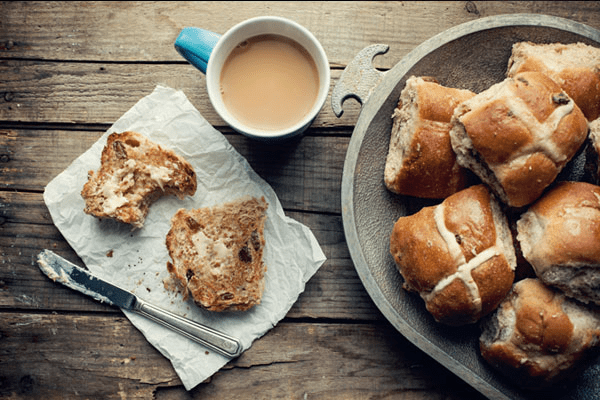
In many parts of Africa, Easter is celebrated from the Thursday before, which they call Maudy Thursday or the Last Supper, through Sunday. Thursday’s celebrations are a somber vigil, but when Easter Sunday arrives, it is celebrated with music and dance. Churches are often decorated with cloths that have butterflies, flowers and more.
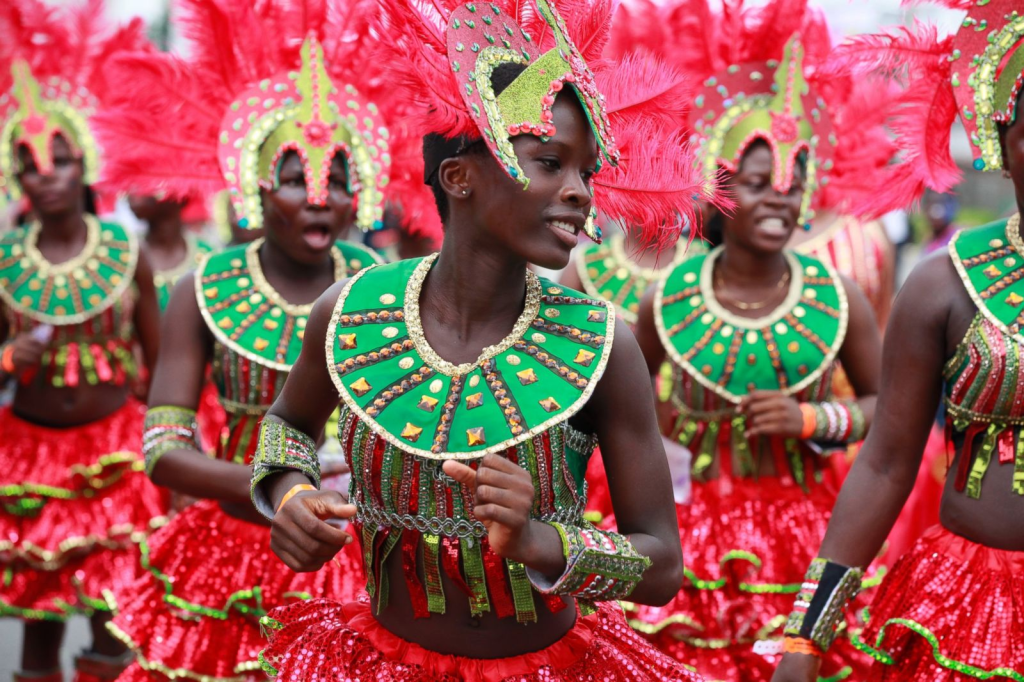
In the Philippines, they have two Easter processions. One for the men and one for the women. The men are in one procession and follow an image of Jesus risen from the dead and the women make up another procession and follow Jesus’ mother, Mary, who’s wearing a black veil. The two groups meet at the church as a symbol of Jesus comforting Mary after He was raised from the dead.

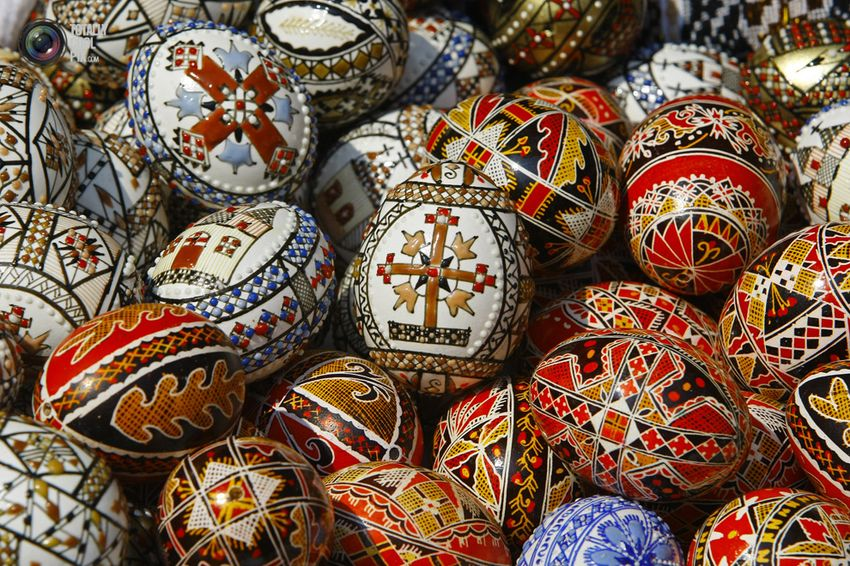
All throughout Europe, eggs are painted and colored with many elaborate designs. The oldest tradition, which continues to be used in Central and Eastern Europe, is to use dye and paint chicken eggs. Although eggs, in general, were a traditional symbol of fertility and rebirth, in Christianity, for the celebration of Eastertide, Easter eggs symbolize the empty tomb of Jesus, from which Jesus was resurrected. The egg has become synonymous with Spring’s arrival. From a Christian perspective, the egg represents the resurrection of Jesus. The first book to mention Easter eggs by name was written 500 years ago. Yet, a North African tribe that had become Christian much earlier had a custom of coloring eggs at Easter.


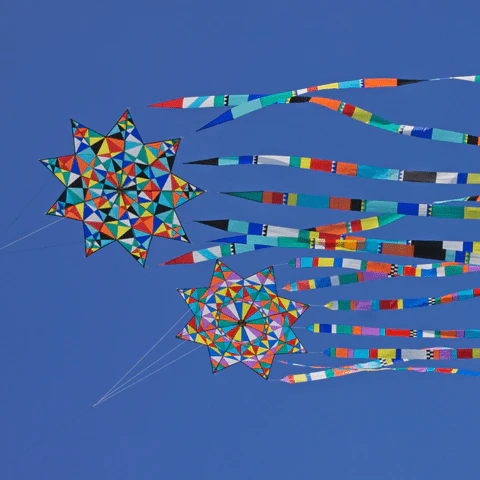
In Bermuda, and other parts of the Caribbean, people fly colorful kites for Easter. According to legend, a local Sunday school teacher inspired this fun tradition after they launched a kite that looked like Jesus to help the students understand the story of Christ.
Ahead of Holy Week in southern Guatemala’s Antigua, the town covers the streets in in colorful carpets in preparation for its Good Friday procession, according to Condé Nast Traveler.
The long carpets are made from flowers, colored sawdust, fruits, vegetables, and sand. Each carpet is often covered in scenes that are important to the artists who make them, ranging from religion to Mayan traditions to Guatemalan history. Some of these pieces can stretch as long as half a mile, and artists use stencils to assemble them quickly since they have just 24 hours to create their works of art the day before the Good Friday procession.

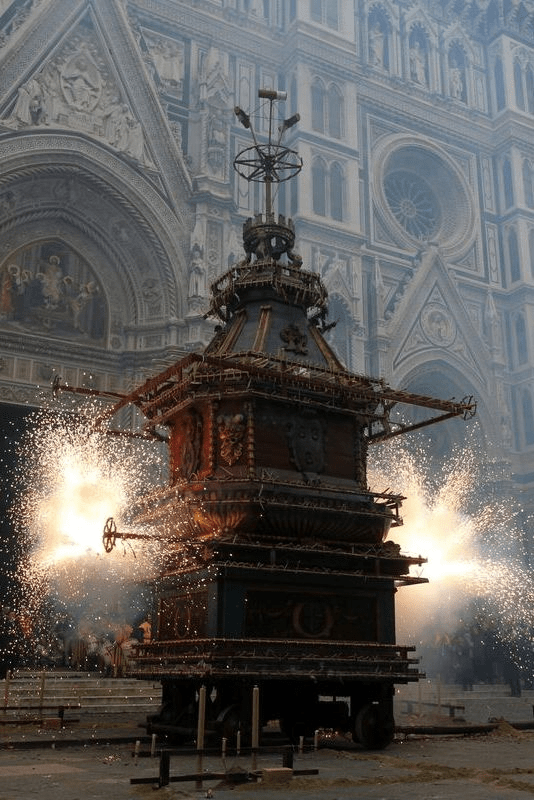
Italy likes to shoot of fireworks for their Easter celebrations. In Florence, Italy, locals celebrate a 350-year-old Easter tradition known as Scoppio del Carro, or “explosion of the cart” that dates all the way back to the First Crusade, according to Visit Florence.
An ornate cart is loaded with fireworks and then led through the streets by people in colorful 15th-century costumes. Once the cart reaches the Duomo, the Archbishop of Florence lights a fuse from inside the church during Easter mass, sparking a lively fireworks display.
Some places, like Greece, Corfu, Hungary and Poland, for instance, like to throw pots of water over a balcony for Easter. On the morning of Holy Saturday, the traditional “pot throwing” takes place on the Greek island of Corfu. People throw pots, pans, and other earthenware often filled with water out of their windows where they crash down to the street below. Some say the custom derives from the Venetians, who on New Year’s Day used to throw out all of their old items. Others believe the throwing of the pots welcomes spring, symbolizing the new crops that will be gathered in the new pots.
In Poland, pouring water on one another is an Easter tradition called Śmigus-dyngus, a.k.a. Wet Monday. People gather on Easter Monday to try and drench each other with buckets of water, squirt guns, or anything they can get their hands on. Legend says girls who get soaked on Wet Monday will marry within the year.
“Sprinkling,” a popular Easter tradition in Hungary, is observed on Easter Monday, also known as “Ducking Monday.” Boys playfully sprinkle perfume or perfumed water on girls after getting their permission to do so and sometimes even ask for a kiss. People used to believe that water had a cleaning, healing, and fertility-inducing effect.

I learned a lot of new things about Easter celebrations from around the world today. I hope you did too. Happy Easter to everyone who celebrates. And to all, have a great day and make everyday great. Stay safe and stay well. ‘Til next time.

 A Jeanne in the Kitchen
Fascinating. Thanks for sharing, Jeanne. Happy Resurrection Day!
LikeLiked by 1 person
Thank you. My pleasure. I love to learn new things all the time, and I love to share what I learn with all of you. 🙂
LikeLike
Thank you. My pleasure. I love to learn new things all the time, and I love to share what I learn with all of you too. Happy Easter. 🙂
LikeLike
As much as I love our own customs, I love and appreciate how other cultures celebrate as well! Thank you for sharing these with us.
Happy Easter!
LikeLiked by 2 people
Thank you. My pleasure. I love learning about other cultures too. 🙂
LikeLiked by 1 person